
Missing teeth can affect much more than your appearance. They can influence your ability to chew, speak clearly, and maintain long-term oral health. Fortunately, modern dentistry offers a highly reliable solution: dental implants. Understanding the process of getting an implant helps patients feel more confident and prepared before starting treatment. Many people assume dental implants are complicated, but when the procedure is explained step by step, the process of getting an implant becomes much easier to understand.
The process of getting an implant is a structured dental treatment designed to replace missing teeth with artificial roots made from biocompatible materials, usually titanium. These implant posts are surgically placed into the jawbone where they act like natural tooth roots. Over time, the implant integrates with the bone through a biological process called osseointegration, creating a stable foundation for a crown, bridge, or denture.
For many patients, the biggest advantage of the process of getting an implant is that it restores both function and aesthetics. Unlike removable dentures, implants are fixed in place and feel very similar to natural teeth. This means patients can eat their favorite foods, speak confidently, and smile freely again. 😊
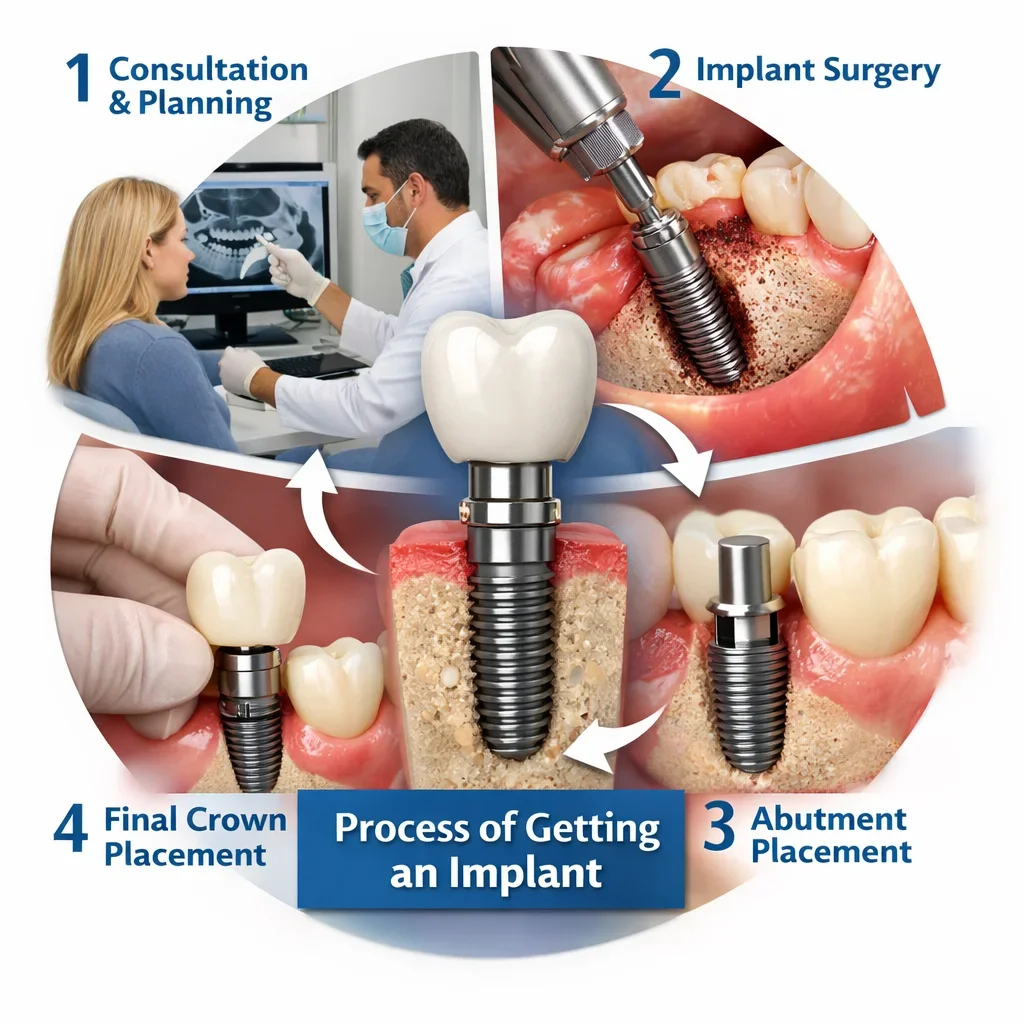
The process of getting an implant generally follows several carefully planned stages. Each stage ensures that the implant integrates properly with the bone and supports a natural-looking replacement tooth. While timelines may vary slightly depending on individual cases, most dental implant procedures follow a similar pathway. Knowing what to expect during the process of getting an implant helps reduce anxiety and improves treatment outcomes.
At the beginning of the process of getting an implant, patients undergo a thorough dental examination. Dentists evaluate the health of the gums, jawbone density, and overall oral condition. This step is essential because successful implant placement requires sufficient bone support and healthy surrounding tissues.
Once the dentist determines that the patient is a good candidate, the treatment plan for the process of getting an implant is created. Modern dental clinics use digital imaging technologies such as 3D CT scans and intraoral scanners to precisely plan implant placement. These technologies allow dentists to identify the ideal position for the implant while avoiding nerves and sinuses.
The surgical stage of the process of getting an implant involves placing the titanium implant into the jawbone. This procedure is typically performed under local anesthesia, ensuring the patient remains comfortable throughout the process. Many patients report that the discomfort during implant surgery is less than they expected.
After implant placement, the body begins the natural healing phase of the process of getting an implant. During this stage, the bone gradually grows around the implant surface. This biological fusion, known as osseointegration, is the key factor that makes implants stable and long-lasting.
Another important aspect of the process of getting an implant is the customization of the final restoration. Once healing is complete, a connector called an abutment is attached to the implant. A dental crown designed to match the shape and color of surrounding teeth is then placed on top. The result is a replacement tooth that looks and functions like a natural one.
Patients often ask how long the process of getting an implant takes. In many cases, the full treatment may take several months because healing and bone integration require time. However, the long-term benefits make the wait worthwhile. Dental implants are considered one of the most durable tooth replacement options available today.
Another major advantage of the process of getting an implant is that it helps preserve jawbone health. When a tooth is lost, the surrounding bone can begin to shrink due to lack of stimulation. Implants mimic the function of natural roots, preventing bone loss and maintaining facial structure.
Because the process of getting an implant involves several specialized steps, choosing an experienced dental team is essential. Clinics with advanced imaging technology and implant expertise can significantly improve treatment precision and success rates. If you are considering treatment or have questions about your suitability, you can contact a professional dental team through the Redent Klinik Contact Page.
Dental implant treatment is supported by decades of clinical research and is widely recommended by leading dental organizations. For further information about implant safety, oral health guidelines, and dental care standards, patients can also explore resources from the American Dental Association.
In summary, the process of getting an implant is a carefully planned dental procedure that replaces missing teeth in a natural and long-lasting way. By restoring chewing function, improving appearance, and protecting jawbone health, dental implants provide a comprehensive solution for tooth loss. Understanding each stage of the process of getting an implant allows patients to approach treatment with confidence and realistic expectations.
1. Initial Consultation and Evaluation in the Process of Getting an Implant
The first and most important step in the process of getting an implant is the initial consultation and evaluation. This stage sets the foundation for the entire treatment because it allows the dentist to determine whether a patient is a suitable candidate for dental implants. Many patients assume the process of getting an implant begins with surgery, but in reality, careful planning and assessment come first.
During this consultation, the dentist evaluates several critical factors including oral health, bone structure, medical history, and long-term treatment goals. The process of getting an implant requires a healthy jawbone and gums to ensure the implant integrates successfully with the surrounding bone. Without this preliminary evaluation, the success of the process of getting an implant could be compromised.
This stage also gives patients the opportunity to ask questions, understand the treatment timeline, and learn about each phase of the process of getting an implant. Dentists will explain how the implant replaces the missing tooth root and how the final restoration restores both function and appearance. 😊
Comprehensive Oral Examination
A complete oral examination is essential in the process of getting an implant. During this stage, the dentist checks the condition of existing teeth, gums, and supporting structures. Gum disease, untreated cavities, or infections must be addressed before continuing with the process of getting an implant.
The dentist also evaluates the bite alignment and spacing between teeth. Proper spacing ensures the implant crown will fit naturally among surrounding teeth. If spacing issues exist, orthodontic adjustments may sometimes be recommended before continuing the process of getting an implant.
Another important aspect of the oral examination is assessing gum health. Healthy gums are necessary for long-term implant stability. If gum disease is present, it must be treated before proceeding with the process of getting an implant. Treating gum inflammation early greatly improves the success rate of implant treatment.
Review of Medical History
Medical history plays a crucial role in the process of getting an implant. Certain medical conditions such as uncontrolled diabetes, immune disorders, or smoking habits can affect healing and bone integration. During the consultation, the dentist reviews medications and medical conditions to ensure the process of getting an implant can be performed safely.
Patients who smoke may still undergo the process of getting an implant, but dentists often recommend reducing or quitting smoking before treatment. Smoking can slow healing and increase the risk of implant failure. Similarly, conditions that affect bone density may require additional planning during the process of getting an implant.
By carefully evaluating medical history, dentists can tailor the process of getting an implant to each patient’s individual health needs.
Evaluating Jawbone Density
One of the most critical factors in the process of getting an implant is the strength and density of the jawbone. Dental implants rely on the jawbone for stability, so sufficient bone volume is required to support the implant.
If the jawbone has weakened due to tooth loss or periodontal disease, the dentist may recommend bone grafting before continuing the process of getting an implant. Bone grafting helps rebuild the lost bone structure and creates a strong foundation for implant placement.
Patients are often surprised to learn that bone loss begins shortly after a tooth is lost. This is why early consultation is encouraged when considering the process of getting an implant. The sooner treatment begins, the easier it is to preserve bone structure.
Digital Imaging and Diagnostic Tools
Modern dental technology plays a major role in planning the process of getting an implant. Dentists commonly use digital X-rays, panoramic scans, and 3D cone-beam computed tomography (CBCT) scans to examine bone structure in detail.
These advanced imaging tools allow dentists to map the exact placement of the implant while avoiding critical anatomical structures such as nerves and sinuses. Precision planning significantly improves the safety and predictability of the process of getting an implant.
Digital imaging also helps determine the optimal implant size and angle, ensuring the final restoration looks natural and functions properly. The use of advanced diagnostics has greatly improved the long-term success of the process of getting an implant.
Personalized Treatment Planning
After completing the examination and imaging, the dentist creates a customized treatment plan for the process of getting an implant. This plan outlines every stage of treatment, including preparation procedures, implant placement, healing periods, and final crown attachment.
Each patient’s treatment plan may differ depending on factors such as bone density, number of missing teeth, and overall oral health. Some patients may require additional procedures like sinus lifts or bone grafting before continuing the process of getting an implant.
At this stage, dentists also explain the expected timeline for the process of getting an implant. While the surgical procedure itself may take only a short time, the full treatment often spans several months due to healing and bone integration phases.
If you are considering dental implant treatment and want a professional evaluation, you can reach out through the Redent Klinik Contact Page. A consultation allows dental professionals to assess whether the process of getting an implant is the right solution for restoring your smile.
Dental implants are widely supported by scientific research and professional organizations. Patients who want to learn more about dental health standards and implant safety can consult resources from the American Dental Association.
In summary, the consultation stage is the critical first step in the process of getting an implant. Through a comprehensive examination, medical review, and advanced imaging, dentists ensure that the patient is fully prepared for implant treatment. A carefully planned start greatly increases the success and longevity of the process of getting an implant, giving patients a reliable and natural-looking solution for missing teeth.
2. Dental Imaging and Treatment Planning for the Process of Getting an Implant
After the initial consultation, the next essential phase in the process of getting an implant is detailed dental imaging and treatment planning. This step allows dentists to precisely evaluate the patient’s oral structures and develop a safe, customized plan for implant placement. Modern dental implant procedures rely heavily on digital diagnostics because accuracy significantly increases the success rate of the process of getting an implant.
Dental implants are not placed randomly. The process of getting an implant requires careful positioning within the jawbone to ensure stability, proper bite alignment, and long-term function. Advanced imaging technologies allow dentists to see bone density, nerve pathways, sinus cavities, and surrounding tooth roots. These details are crucial because they guide every surgical decision in the process of getting an implant.
Without proper imaging and treatment planning, the process of getting an implant could lead to complications such as improper implant placement, nerve irritation, or insufficient bone support. Therefore, this planning phase ensures the implant integrates correctly and supports the final crown for many years.
Why Dental Imaging Is Essential in the Process of Getting an Implant
Dental imaging provides a detailed view of the patient’s oral anatomy. While traditional dental examinations reveal visible conditions, imaging technologies show what lies beneath the gum line. Because the implant must integrate directly with the jawbone, understanding the internal bone structure is a critical component of the process of getting an implant.
Through imaging, dentists can determine whether the jawbone is strong enough to support the implant. If bone density is insufficient, additional procedures such as bone grafting may be recommended before continuing the process of getting an implant. Early detection of these conditions helps prevent treatment delays later in the procedure.
Imaging also helps dentists avoid sensitive areas such as nerves and sinus cavities. Protecting these anatomical structures is extremely important during the process of getting an implant. Precise planning greatly reduces surgical risks and improves long-term success.
Types of Imaging Used in the Process of Getting an Implant
Several diagnostic imaging methods may be used during the process of getting an implant. Each provides different levels of detail and contributes to building a comprehensive treatment plan.
Digital Dental X-Rays
Digital X-rays are one of the most common diagnostic tools used in the process of getting an implant. These images allow dentists to evaluate bone levels, detect infections, and assess surrounding teeth. Compared to traditional film X-rays, digital imaging provides clearer images while exposing patients to significantly lower radiation levels.
Digital X-rays help dentists determine whether the bone surrounding the missing tooth is healthy enough to support the implant. If abnormalities are detected, the dentist may modify the treatment plan before proceeding with the process of getting an implant.
3D Cone Beam CT Scans
One of the most advanced technologies used in the process of getting an implant is Cone Beam Computed Tomography (CBCT). Unlike traditional X-rays, CBCT scans provide a three-dimensional view of the jawbone, teeth, nerves, and sinus cavities.
This detailed view allows dentists to evaluate bone thickness, height, and density with exceptional accuracy. Because implants must be placed at precise angles, CBCT imaging plays a crucial role in planning the process of getting an implant. The technology ensures the implant will be placed in the most stable position possible.
3D imaging also allows dentists to simulate the surgery digitally before performing the actual procedure. This virtual planning stage further improves precision during the process of getting an implant. 😊
Digital Implant Planning and Surgical Guides
Once imaging is complete, dentists use specialized software to create a digital treatment plan for the process of getting an implant. This planning software maps the exact location, depth, and angle where the implant should be placed.
Using these digital models, dentists can design surgical guides. A surgical guide is a custom-made template that fits over the patient’s teeth and directs the implant drill during surgery. This technology dramatically improves the accuracy of the process of getting an implant.
Surgical guides help ensure that implants are positioned exactly as planned during the digital simulation stage. By minimizing human error, this approach increases safety and predictability throughout the process of getting an implant.
Customizing the Implant Restoration
Another important part of the imaging and planning stage in the process of getting an implant is designing the final tooth restoration. Dentists analyze the patient’s smile, tooth shape, and bite alignment to ensure the implant crown looks completely natural.
Modern dental technology allows clinics to use digital impressions rather than traditional molds. These digital impressions provide extremely accurate measurements that help create a perfectly fitting crown. Accurate restoration planning is essential for achieving natural aesthetics during the process of getting an implant.
When properly designed, implant crowns blend seamlessly with surrounding teeth. Patients often report that the replacement tooth feels identical to a natural tooth once the process of getting an implant is completed.
Discussing Timeline and Expectations
During the planning stage, dentists also discuss the expected treatment timeline with the patient. Although the surgical portion of the process of getting an implant may take less than an hour, the complete treatment often spans several months.
This timeframe allows the jawbone to heal and integrate with the implant through osseointegration. Understanding this timeline helps patients prepare mentally and physically for the process of getting an implant.
If you would like to learn whether you are a candidate for implant treatment, you can contact dental specialists through the Redent Klinik Contact Page. A professional consultation can determine whether the process of getting an implant is the right solution for restoring your smile.
Dental implant procedures are supported by extensive scientific research and are recognized as one of the most reliable tooth replacement solutions. Patients interested in further information about oral health and implant safety can explore educational resources provided by the American Dental Association.
In summary, imaging and treatment planning represent one of the most important stages in the process of getting an implant. By using advanced diagnostic technologies, dentists can ensure that implant placement is precise, safe, and tailored to each patient’s unique anatomy. Careful planning at this stage greatly increases the success and longevity of the process of getting an implant.
3. Preparing the Mouth Before the Process of Getting an Implant
Before the surgical placement of a dental implant can begin, proper preparation of the mouth is a critical stage in the process of getting an implant. Many patients assume the implant procedure starts immediately after consultation, but dentists must first ensure that the oral environment is healthy and capable of supporting the implant. Preparing the mouth properly significantly increases the long-term success of the process of getting an implant and reduces the risk of complications.
The preparation stage focuses on creating optimal conditions for implant stability and healing. During the process of getting an implant, the titanium implant must fuse with the jawbone through a biological process called osseointegration. If infections, bone loss, or gum disease are present, the integration process may fail. That is why dentists dedicate a specific preparation phase before continuing the process of getting an implant. 😊
This stage can include multiple treatments such as gum therapy, tooth extraction, bone grafting, or sinus lifting depending on the patient’s oral health. Although these steps may extend the timeline slightly, they dramatically improve the success rate of the process of getting an implant and help ensure that the final implant remains stable for many years.
Treating Gum Disease Before the Process of Getting an Implant
Healthy gums are essential for the success of the process of getting an implant. Periodontal disease (gum disease) weakens the supporting structures around teeth and can damage the bone that supports dental implants. If untreated, gum disease can increase the risk of implant failure.
Before moving forward in the process of getting an implant, dentists thoroughly examine the gums for signs of inflammation, bleeding, or infection. If periodontal disease is detected, treatments such as deep cleaning (scaling and root planing) or periodontal therapy may be recommended.
Eliminating gum infection ensures that bacteria do not interfere with the healing phase of the process of getting an implant. Patients who maintain healthy gums are far more likely to experience successful implant integration and long-term stability.
Tooth Extraction When Necessary
In many cases, the process of getting an implant involves replacing a tooth that is severely damaged or decayed. If the natural tooth is still present but cannot be saved, the dentist will perform a tooth extraction before placing the implant.
Tooth extraction is carefully planned as part of the process of getting an implant. Depending on the condition of the surrounding bone and tissue, the implant may be placed immediately after extraction or after a healing period.
Immediate vs Delayed Implant Placement
In some situations, dentists can place the implant immediately after removing the damaged tooth. This approach shortens the timeline of the process of getting an implant and helps preserve existing bone structure.
However, if infection or bone loss is present, dentists may recommend delayed implant placement. This allows the extraction site to heal completely before continuing the process of getting an implant. The choice between immediate and delayed placement depends on each patient’s oral health condition.
Bone Grafting to Strengthen the Jaw
One of the most common preparation procedures in the process of getting an implant is bone grafting. When a tooth is missing for a long time, the jawbone in that area may begin to shrink due to lack of stimulation. Because implants rely on strong bone support, bone grafting may be necessary before the process of getting an implant can continue.
Bone grafting involves adding bone material to areas where the jawbone has weakened. This graft material may come from synthetic sources, donor tissue, or the patient’s own bone. Over time, the graft integrates with the existing bone, creating a solid foundation for the implant.
Although bone grafting adds an additional healing period, it dramatically improves the long-term stability of the process of getting an implant. Patients who undergo grafting often achieve stronger implant support and better overall outcomes.
Sinus Lift Procedures in the Process of Getting an Implant
For implants placed in the upper jaw, the process of getting an implant sometimes requires a sinus lift procedure. The upper jaw sits close to the sinus cavity, and insufficient bone height in this region may prevent implant placement.
A sinus lift gently raises the sinus membrane and adds bone graft material beneath it. This creates additional bone volume so the implant can be securely placed during the process of getting an implant.
Although the idea of sinus surgery may sound intimidating, it is a routine and highly predictable procedure performed by experienced dental professionals.
Oral Hygiene Preparation Before Implant Surgery
Another important part of the preparation phase in the process of getting an implant involves improving the patient’s oral hygiene routine. Dentists may recommend professional cleanings, antibacterial mouth rinses, and improved brushing habits before surgery.
Maintaining excellent oral hygiene helps prevent infections and ensures the surgical site remains healthy throughout the process of getting an implant. Patients are often advised to avoid smoking and maintain good nutritional habits during this period to support healing.
If you are preparing for implant treatment and want professional guidance, you can contact dental specialists through the Redent Klinik Contact Page. A consultation can help determine what preparation steps may be required in your individual process of getting an implant.
Dental implants are widely recognized as one of the most reliable solutions for missing teeth. Leading organizations such as the American Dental Association support implant therapy as a safe and effective treatment when performed by qualified professionals.
In summary, preparing the mouth is a crucial stage in the process of getting an implant. By treating gum disease, performing necessary extractions, strengthening the jawbone, and improving oral hygiene, dentists create the ideal conditions for implant placement. Proper preparation ensures that the following surgical phase of the process of getting an implant proceeds smoothly and leads to long-term success.
4. The Implant Surgery: Core Stage of the Process of Getting an Implant
The surgical placement of the dental implant is the central milestone in the process of getting an implant. After consultation, diagnostic imaging, and oral preparation are completed, the dentist proceeds with implant surgery. Many patients feel anxious about this stage, but modern dental techniques have made the process of getting an implant highly predictable, minimally invasive, and comfortable for most individuals. 😊
During this stage, a titanium implant post is carefully placed into the jawbone to act as an artificial tooth root. This titanium post becomes the structural foundation for the replacement tooth. Because titanium is biocompatible, it integrates naturally with bone tissue during the healing phase of the process of getting an implant.
Understanding what happens during surgery helps patients feel more confident about the process of getting an implant. Although the word “surgery” may sound intimidating, the procedure is usually performed under local anesthesia and typically causes minimal discomfort. In fact, many patients report that the implant placement portion of the process of getting an implant is easier than having a tooth extracted.
Preparation for Implant Surgery
Before beginning the surgical step in the process of getting an implant, the dental team prepares the treatment area carefully. The dentist reviews imaging scans, confirms the treatment plan, and ensures the surgical guide is ready if digital implant planning was used.
The patient is then given local anesthesia to numb the surgical site. This ensures that the patient does not feel pain during the process of getting an implant. In some cases, dentists may offer additional sedation options for patients who feel particularly anxious.
Maintaining a sterile environment is also essential during this stage of the process of getting an implant. Surgical instruments and the implant itself must be handled carefully to prevent infection and ensure successful healing.
Step-by-Step Implant Placement Procedure
The surgical placement of the implant follows a precise sequence. Each step ensures the implant sits securely in the jawbone and aligns properly with surrounding teeth.
Creating the Implant Site
The first surgical step in the process of getting an implant involves making a small incision in the gum tissue. This allows the dentist to access the underlying jawbone. Using specialized surgical drills, the dentist then creates a small, precisely measured opening in the bone where the implant will be placed.
The drilling process is carefully controlled and performed at low speeds to prevent overheating the bone. Precision at this stage is critical because the stability of the implant during the process of getting an implant depends on the accuracy of the implant site.
Placing the Titanium Implant
Once the site is prepared, the dentist inserts the titanium implant into the jawbone. This implant acts as an artificial tooth root and is the central component of the process of getting an implant.
The implant is carefully screwed into place until it is fully stabilized within the bone. At this stage, the dentist verifies the implant’s position to ensure correct alignment for the future crown.
The precise placement of the implant during the process of getting an implant helps ensure that the final tooth restoration will function naturally and align comfortably with the patient’s bite.
Closing the Surgical Site
After the implant has been placed, the gum tissue is repositioned and sutured. In some cases, a small healing cap may be attached to the implant to guide gum healing during the next phase of the process of getting an implant.
These sutures protect the implant site while the surrounding tissue begins healing. Proper closure of the surgical area supports the success of the process of getting an implant by minimizing infection risks.
How Long Implant Surgery Takes
One of the most common questions patients ask about the process of getting an implant is how long the surgical procedure lasts. In most cases, placing a single implant takes between 30 and 60 minutes.
However, the exact duration depends on several factors, including the number of implants being placed and whether additional procedures such as bone grafting are required. Even though the surgery itself is relatively quick, the complete process of getting an implant requires time for healing and bone integration.
Comfort During the Procedure
Patients are often surprised by how comfortable the process of getting an implant can be. Because the procedure is performed under anesthesia, patients typically feel only mild pressure rather than pain.
After surgery, minor swelling or soreness may occur, but these symptoms usually resolve within a few days. Dentists often recommend pain relief medications and cold compresses to manage post-surgical discomfort during the process of getting an implant.
Immediate Aftercare Following Implant Surgery
Once the surgical stage of the process of getting an implant is complete, patients receive detailed aftercare instructions. These instructions help protect the implant site and promote healing.
Patients are typically advised to eat soft foods, avoid smoking, and maintain gentle oral hygiene around the surgical area. Following these instructions carefully ensures the next stage of the process of getting an implant progresses smoothly.
If you have questions about implant surgery or want to discuss your treatment options, you can reach the dental team through the Redent Klinik Contact Page. Experienced professionals can evaluate your oral health and guide you through every step of the process of getting an implant.
Dental implants are supported by decades of research and are widely recognized as a safe and effective treatment. Patients interested in learning more about dental implant procedures and oral health guidelines can explore resources from the American Dental Association.
In summary, implant surgery represents the core clinical stage in the process of getting an implant. By carefully placing a titanium implant into the jawbone under controlled conditions, dentists create the foundation for a stable, natural-looking tooth replacement. With modern surgical techniques and proper planning, the surgical phase of the process of getting an implant is highly successful and offers long-lasting results.
5. Healing and Osseointegration During the Process of Getting an Implant
After implant surgery is completed, the next crucial phase in the process of getting an implant begins: healing and osseointegration. While the surgical procedure itself may take less than an hour, the healing phase is what truly determines the long-term success of the process of getting an implant. During this period, the body naturally bonds with the implant, creating a stable and permanent foundation for the future artificial tooth.
Many patients underestimate how important this healing stage is in the process of getting an implant. The implant must integrate fully with the jawbone in order to function like a natural tooth root. Without this integration, the implant may not remain stable. Fortunately, modern dental implants are designed from biocompatible materials such as titanium, which allow the body to accept and integrate the implant naturally during the process of getting an implant. 😊
This biological integration process is called osseointegration. It occurs when the jawbone gradually grows around the surface of the implant, anchoring it securely in place. Once osseointegration is complete, the implant becomes strong enough to support the final crown. Understanding how healing works during the process of getting an implant helps patients appreciate why patience during this stage is essential.
What Is Osseointegration?
Osseointegration is the biological process where bone tissue fuses with the titanium implant surface. This natural fusion is one of the most remarkable aspects of the process of getting an implant. Unlike other dental restorations that sit on the gum surface, implants actually become part of the jawbone.
When the implant is placed, the body immediately begins repairing the surrounding bone tissue. Bone cells grow around the implant threads, gradually locking it into place. This biological reaction is what makes the process of getting an implant so successful compared to other tooth replacement methods.
The result of successful osseointegration is a strong, stable implant that behaves much like a natural tooth root. Because the implant integrates with the bone, it allows patients to chew, speak, and smile confidently once the process of getting an implant is completed.
How Long the Healing Phase Takes
The healing timeline during the process of getting an implant varies from patient to patient. In most cases, osseointegration takes between three and six months. Several factors influence how quickly this stage progresses in the process of getting an implant, including bone density, overall health, and oral hygiene habits.
Patients with strong jawbone density often experience faster integration during the process of getting an implant. Conversely, individuals who required bone grafting may experience slightly longer healing times because the grafted bone must first integrate with the existing bone structure.
Although the waiting period may seem long, this healing stage is what ensures the implant will remain stable for many years after the process of getting an implant is completed.
Temporary Restorations During Healing
Some patients worry about how their smile will look during the healing stage of the process of getting an implant. Depending on the location of the implant, dentists may provide a temporary restoration such as a temporary crown or removable appliance.
Temporary restorations help maintain appearance and basic function while osseointegration occurs. However, dentists must ensure that the temporary tooth does not place excessive pressure on the implant during the healing stage of the process of getting an implant.
Protecting the implant from strong biting forces allows the bone to heal properly and improves the overall success of the process of getting an implant.
Signs of Successful Implant Healing
During the healing phase of the process of getting an implant, dentists monitor the implant site carefully. Successful healing usually involves minimal discomfort and gradual improvement in gum tissue health.
Healthy Gum Tissue
Healthy gum tissue surrounding the implant is an important indicator that the process of getting an implant is progressing well. The gums should appear pink and firm without signs of swelling or infection.
Stable Implant Position
Another key sign of successful osseointegration in the process of getting an implant is implant stability. Dentists may perform gentle tests or imaging to confirm that the implant has fused properly with the jawbone.
If the implant remains stable and the surrounding tissue appears healthy, the dentist can proceed with the next stage of the process of getting an implant, which involves attaching the abutment and preparing for the final crown.
How Patients Can Support Healing
Patients play an important role in ensuring successful healing during the process of getting an implant. Following the dentist’s aftercare instructions is essential during this stage.
Good oral hygiene helps prevent bacteria from interfering with healing. Patients are typically advised to brush gently around the implant area and use antibacterial mouth rinses during the process of getting an implant.
Smoking cessation is also strongly recommended. Smoking can slow bone healing and negatively affect osseointegration during the process of getting an implant. Maintaining a balanced diet and proper nutrition can further support bone regeneration.
If you have questions about healing after implant surgery or want guidance during the recovery stage, you can contact the dental team through the Redent Klinik Contact Page. Experienced professionals can help ensure your process of getting an implant progresses smoothly.
Dental implants are supported by decades of clinical research and professional guidelines. For more information about dental health and implant safety, patients can review educational resources from the American Dental Association.
In conclusion, the healing phase is one of the most important parts of the process of getting an implant. During osseointegration, the implant becomes permanently anchored within the jawbone, forming the stable base required for a natural-looking tooth replacement. Although this stage requires patience, it is the key reason why the process of getting an implant offers such reliable, long-term results.
6. Abutment Placement in the Process of Getting an Implant
After the healing and osseointegration stage is successfully completed, the next important phase in the process of getting an implant is abutment placement. At this point, the dental implant has fully fused with the jawbone and is stable enough to support the visible portion of the tooth replacement. The abutment serves as the connector between the implant post and the final crown, making it a key structural component in the process of getting an implant.
Many patients are not familiar with the role of the abutment, yet it plays a crucial role in restoring both function and appearance. During the process of getting an implant, the abutment acts as a small extension that emerges through the gum tissue. This connector provides a secure platform for attaching the final dental crown, bridge, or denture.
Although this stage is considered minor compared to implant surgery, it is still a vital part of the process of getting an implant. Proper placement of the abutment ensures the restoration will sit correctly, align naturally with surrounding teeth, and support comfortable chewing and speaking. 😊
What Is an Implant Abutment?
An implant abutment is a small connector piece typically made of titanium, zirconia, or another strong biocompatible material. It attaches directly to the implant post that was placed into the jawbone earlier in the process of getting an implant. Once installed, the abutment becomes the anchor that holds the final dental crown.
The abutment is designed to protrude slightly above the gum line. This allows the dentist to attach the prosthetic tooth securely. Because the abutment must support chewing forces, its placement is carefully planned as part of the process of getting an implant.
The design of the abutment also influences the appearance of the final restoration. Modern dental technology allows dentists to customize the abutment shape so the crown emerges naturally from the gum line during the process of getting an implant.
The Abutment Placement Procedure
The procedure for placing the abutment is usually simple and minimally invasive compared to the earlier surgical stages in the process of getting an implant. In many cases, the dentist can perform this step in a short office visit.
Reopening the Gum Tissue
If the implant was covered by gum tissue during the healing phase, the dentist will make a small opening in the gum to expose the top of the implant. This step allows access to the implant so the abutment can be attached as part of the process of getting an implant.
This procedure is typically performed using local anesthesia to ensure patient comfort. Because the implant site has already healed, the discomfort associated with this step of the process of getting an implant is usually minimal.
Securing the Abutment
Once the implant is exposed, the dentist attaches the abutment to the implant using a small connector screw. This step forms the structural link between the implant and the final tooth restoration in the process of getting an implant.
After the abutment is secured, the surrounding gum tissue is allowed to heal around it. This healing period is generally shorter than the initial osseointegration phase in the process of getting an implant. In many cases, the gums heal within one to two weeks.
Shaping the Gum Tissue Around the Abutment
An important objective during this stage of the process of getting an implant is shaping the gum tissue so the final crown looks natural. The gums must heal smoothly around the abutment to create a natural-looking emergence profile for the artificial tooth.
The dentist may place a healing cap or temporary crown on the abutment to guide the gum tissue as it heals. This helps ensure that the final restoration blends seamlessly with surrounding teeth when the process of getting an implant reaches completion.
Taking Impressions for the Final Crown
Once the abutment is placed and the gums have healed properly, the dentist takes impressions of the mouth. These impressions are used to design the final crown that will complete the process of getting an implant.
Modern dental clinics often use digital scanning technology to capture precise 3D images of the teeth and implant structure. These digital impressions allow dental laboratories to create crowns that match the patient’s natural teeth in color, size, and shape.
The precision of these impressions ensures the final restoration will fit perfectly and function properly when the process of getting an implant is finished.
Importance of Precision in Abutment Placement
Correct positioning of the abutment is essential to the success of the process of getting an implant. If the abutment is not aligned properly, the final crown may not fit correctly or may place excessive pressure on surrounding teeth.
Experienced dentists carefully evaluate bite alignment, gum contour, and aesthetic considerations when placing the abutment during the process of getting an implant. This attention to detail ensures that the final restoration looks natural and functions comfortably.
If you have questions about implant treatment or want to begin your own process of getting an implant, you can contact dental professionals through the Redent Klinik Contact Page. A personalized consultation can help determine the best treatment plan for restoring your smile.
Dental implant treatment is widely recognized as a reliable solution for replacing missing teeth. Patients interested in additional oral health information and dental treatment guidelines can explore educational resources from the American Dental Association.
In conclusion, abutment placement represents a key transitional stage in the process of getting an implant. By connecting the implant to the final restoration, the abutment prepares the foundation for the visible replacement tooth. Once this stage is completed and impressions are taken, the process of getting an implant moves closer to its final step: attaching the permanent dental crown.
7. Creating and Attaching the Final Crown in the Process of Getting an Implant
After the implant has fully integrated with the jawbone and the abutment has been successfully placed, the next exciting stage in the process of getting an implant is the creation and attachment of the final dental crown. This stage completes the functional and aesthetic restoration of the missing tooth. For many patients, this is the moment when the entire process of getting an implant truly comes together and they can enjoy a fully restored smile.
The crown is the visible portion of the dental implant that looks like a natural tooth. During the process of getting an implant, dentists work closely with dental laboratories to design a crown that matches the color, size, and shape of the surrounding teeth. The goal is to ensure the implant restoration blends seamlessly into the patient’s smile while also providing full chewing function. 😊
This stage of the process of getting an implant involves careful planning and precision craftsmanship. The final crown must fit perfectly onto the abutment and align properly with the patient’s bite. If the crown is designed correctly, most people will not be able to distinguish the implant crown from natural teeth.
Designing the Implant Crown
The design phase plays a critical role in the process of getting an implant. After the abutment has healed and the gum tissue has stabilized, the dentist takes detailed impressions of the mouth. These impressions provide the dental laboratory with the information needed to create a custom crown.
In many modern clinics, digital scanning technology replaces traditional impression molds. Digital scanners capture highly accurate 3D images of the teeth and implant structure. These digital models help dental technicians craft crowns that fit precisely during the process of getting an implant.
The dental team also considers aesthetic factors during this stage. The color, translucency, and shape of the crown are carefully selected to match neighboring teeth. Achieving natural aesthetics is a major priority during the process of getting an implant.
Materials Used for Implant Crowns
Several materials can be used to fabricate the final crown in the process of getting an implant. The choice of material depends on factors such as tooth location, bite pressure, and aesthetic preferences.
One of the most common materials is porcelain fused to metal (PFM). This material combines strength with natural tooth appearance. However, many modern implant restorations use full ceramic or zirconia crowns, which offer excellent durability and highly natural aesthetics.
Zirconia crowns are particularly popular in the process of getting an implant because they are strong, biocompatible, and resistant to staining. These qualities make them ideal for long-term dental restorations.
Attaching the Crown to the Implant
Once the custom crown has been fabricated by the dental laboratory, the dentist proceeds with attaching it during the process of getting an implant. This step is typically completed during a short appointment at the dental clinic.
Screw-Retained Crowns
In some cases, the crown is attached using a small screw that connects it directly to the implant or abutment. This type of restoration is known as a screw-retained crown. Screw-retained crowns allow dentists to remove the crown easily if maintenance is required later in the process of getting an implant.
Cement-Retained Crowns
Another common approach involves cementing the crown onto the abutment. In cement-retained restorations, dental cement secures the crown firmly in place. This method provides a highly natural appearance and is frequently used during the process of getting an implant.
Both techniques are widely used, and the dentist will choose the most appropriate method depending on the clinical situation and design of the implant restoration.
Ensuring Proper Bite Alignment
After attaching the crown, the dentist carefully evaluates the patient’s bite alignment. Proper bite balance is essential in the process of getting an implant because excessive pressure on the implant could affect its long-term stability.
The dentist may ask the patient to bite down on special paper to check contact points between teeth. If necessary, small adjustments are made to ensure the crown fits comfortably within the bite during the process of getting an implant.
When the bite is properly aligned, the implant crown functions just like a natural tooth. Patients can chew food normally and enjoy a restored smile after completing the process of getting an implant.
Patient Experience After Crown Placement
Most patients feel immediate satisfaction once the final crown is placed during the process of getting an implant. The restoration restores both appearance and function, allowing patients to speak and eat comfortably again.
Because implants are anchored into the jawbone, they feel stable and natural compared to removable dentures. This stability is one of the reasons why the process of getting an implant is considered one of the most effective solutions for replacing missing teeth.
Patients often report increased confidence in their smile and improved chewing ability once the crown has been attached in the process of getting an implant.
Professional Guidance and Follow-Up
Even though the crown placement marks the completion of the main restorative stage in the process of getting an implant, dentists still recommend routine follow-up visits to monitor the implant’s condition.
If you are considering implant treatment or would like to discuss your dental restoration options, you can contact professionals through the Redent Klinik Contact Page. A consultation can help determine whether the process of getting an implant is the right solution for your dental needs.
Dental implants are supported by extensive clinical research and are recognized by leading organizations such as the American Dental Association. These organizations provide valuable guidance on oral health care and implant treatment standards.
In conclusion, creating and attaching the final crown represents one of the most rewarding stages in the process of getting an implant. At this point, the implant restoration becomes fully functional and aesthetically integrated with the patient’s natural smile. With proper care and maintenance, the final crown placed during the process of getting an implant can provide long-lasting comfort, durability, and confidence.
8. Recovery and Post-Procedure Care in the Process of Getting an Implant
Even after the implant crown has been successfully placed, recovery and long-term care remain an essential part of the process of getting an implant. Many patients believe the treatment ends once the artificial tooth is attached, but proper aftercare plays a critical role in maintaining the health and stability of the implant. Understanding the recovery phase helps ensure that the process of getting an implant delivers lasting results for many years.
The recovery stage focuses on allowing the surrounding gum tissue and bone to remain healthy while the implant adapts fully to everyday chewing forces. Although the major surgical steps of the process of getting an implant have already been completed, patients must continue practicing good oral hygiene and attending regular dental checkups.
When patients follow professional recommendations carefully, dental implants can last decades. In fact, proper care after the process of getting an implant significantly increases the long-term success rate of implant treatment. 😊
Immediate Recovery After Implant Restoration
Shortly after the final crown is placed, most patients experience little to no discomfort. Compared to the earlier surgical stages in the process of getting an implant, recovery during this phase is generally simple and straightforward.
However, the surrounding tissues still require time to adjust. Mild sensitivity or slight gum tenderness may occur for a few days after the final restoration is attached. These symptoms are normal and typically resolve quickly during the final stage of the process of getting an implant.
Patients are usually advised to avoid chewing extremely hard foods immediately after crown placement. This precaution allows the implant and surrounding tissues to adapt gradually during the final stage of the process of getting an implant.
Maintaining Excellent Oral Hygiene
One of the most important factors in maintaining the success of the process of getting an implant is consistent oral hygiene. Although dental implants cannot develop cavities like natural teeth, the surrounding gum tissue can still become infected if proper hygiene is neglected.
Patients should brush their teeth at least twice daily using a soft-bristled toothbrush and fluoride toothpaste. Flossing is equally important, especially around the implant crown. Specialized floss or interdental brushes may be recommended during the process of getting an implant to clean areas around the implant more effectively.
Good oral hygiene helps prevent peri-implantitis, an inflammatory condition that can affect the tissues around implants. Preventing this condition is essential for protecting the long-term success of the process of getting an implant.
Regular Dental Checkups and Professional Cleanings
Routine dental visits are another essential part of maintaining results after the process of getting an implant. Dentists typically recommend checkups every six months, although some patients may require more frequent visits depending on their oral health.
During these appointments, dentists examine the implant site to ensure the surrounding bone and gum tissue remain healthy. Professional cleanings also help remove plaque and tartar that could compromise the implant after the process of getting an implant.
Monitoring implant health regularly allows dentists to detect potential problems early and preserve the success of the process of getting an implant.
Diet and Lifestyle Habits After Implant Treatment
Healthy lifestyle habits also support the long-term success of the process of getting an implant. Patients are encouraged to maintain a balanced diet rich in vitamins and minerals that support bone and gum health.
Avoiding Excessive Force
Although dental implants are extremely strong, excessive pressure from habits such as teeth grinding can place stress on the implant structure. Dentists may recommend a night guard for patients who grind their teeth to protect the implant after the process of getting an implant.
Limiting Tobacco Use
Smoking is one of the major factors that can negatively affect implant health. Tobacco use reduces blood flow to gum tissue and can slow healing around the implant. Patients who avoid smoking after the process of getting an implant significantly increase the likelihood of long-term implant success.
Recognizing Warning Signs
Although complications are rare, patients should remain aware of potential warning signs after the process of getting an implant. Symptoms such as persistent swelling, pain, bleeding, or implant mobility should be evaluated by a dental professional as soon as possible.
Early detection of problems allows dentists to intervene quickly and protect the results of the process of getting an implant. Regular monitoring ensures that minor issues do not develop into serious complications.
Long-Term Benefits of Proper Implant Care
When patients follow proper care routines, the benefits of the process of getting an implant can last for decades. Dental implants restore chewing efficiency, preserve jawbone structure, and maintain facial aesthetics.
Unlike traditional dentures, implants remain fixed in place and do not shift during eating or speaking. This stability allows patients to enjoy improved comfort and confidence after completing the process of getting an implant.
If you would like professional guidance on implant treatment or post-treatment care, you can reach dental experts through the Redent Klinik Contact Page. A consultation can help ensure your process of getting an implant delivers the best possible long-term results.
Dental implant therapy is widely supported by scientific research and recognized by leading dental organizations. Patients interested in learning more about oral health standards can explore resources from the American Dental Association.
In summary, recovery and post-procedure care represent the final stage in maintaining the success of the process of getting an implant. With proper oral hygiene, routine dental visits, and healthy lifestyle habits, patients can enjoy the full benefits of their implant restoration for many years to come.
9. Cost Factors and Financial Considerations in the Process of Getting an Implant
One of the most common questions patients ask before starting treatment is how much the process of getting an implant will cost. Dental implants are considered a premium solution for replacing missing teeth because they provide durability, functionality, and natural aesthetics. However, the total cost of the process of getting an implant can vary depending on several important factors.
Understanding the financial aspects of the process of getting an implant helps patients plan their treatment more confidently. The overall price is influenced by elements such as the number of implants required, the complexity of the procedure, the materials used, and the location of the dental clinic. Although the process of getting an implant may initially seem more expensive than other tooth replacement options, many patients find that the long-term benefits justify the investment. 😊
Unlike removable dentures or dental bridges, implants are designed to last for many years. Because of their durability and stability, the process of getting an implant is often considered a cost-effective solution over time.
Main Cost Components in the Process of Getting an Implant
The price of the process of getting an implant is usually divided into several treatment stages. Each stage contributes to the final cost of the procedure.
Initial Consultation and Diagnostic Imaging
The first step in the process of getting an implant involves a detailed consultation and diagnostic imaging. Dentists use advanced tools such as digital X-rays and 3D scans to evaluate bone structure and plan the implant placement.
These diagnostic procedures help ensure the implant is placed safely and accurately during the process of getting an implant. Although this step adds to the initial cost, it significantly improves the success rate of the treatment.
Implant Surgery
The surgical placement of the titanium implant is one of the primary cost components in the process of getting an implant. This stage includes the implant fixture itself as well as the surgical procedure performed by the dentist or oral surgeon.
The complexity of the surgery may influence the overall cost of the process of getting an implant. For example, patients who require multiple implants or additional procedures may experience higher treatment costs.
Abutment and Final Crown
The abutment and the custom-made crown represent another significant part of the process of getting an implant. The crown must be carefully designed to match the patient’s natural teeth in color, size, and shape.
High-quality materials such as zirconia or porcelain are often used for implant crowns. These materials provide both durability and natural appearance, making them ideal for the process of getting an implant.
Additional Procedures That May Affect Cost
In some cases, patients may require additional procedures before the implant can be placed. These treatments can increase the overall cost of the process of getting an implant, but they are often necessary to ensure successful results.
Bone Grafting
Bone grafting is sometimes required if the jawbone has deteriorated due to tooth loss. This procedure strengthens the bone so it can support the implant during the process of getting an implant.
Sinus Lift Procedures
For implants placed in the upper jaw, a sinus lift may be necessary if there is insufficient bone height. This procedure creates additional space for the implant during the process of getting an implant.
Although these additional procedures increase the treatment cost, they improve the long-term stability and success of the process of getting an implant.
Average Cost Estimates
The cost of the process of getting an implant varies widely depending on geographic location and clinic expertise. The following estimates provide a general idea of average treatment costs.
Typical Dental Implant Cost Range
Estimated Implant Cost by Region:
United States: $3,000 – $5,000 per implant
United Kingdom: $2,500 – $4,000 per implant
Western Europe: $2,000 – $3,500 per implant
Turkey: $700 – $1,500 per implant
These estimates typically include the implant fixture, abutment, and crown involved in the process of getting an implant. However, additional procedures such as bone grafting or sinus lifts may increase the total cost.
Insurance and Payment Options
Dental insurance coverage for the process of getting an implant varies depending on the provider and policy. Some insurance plans partially cover implant procedures, while others may cover only certain components such as crowns.
Many dental clinics offer financing plans or installment options to make the process of getting an implant more affordable. Payment plans allow patients to spread the cost over several months or years.
If you are considering implant treatment and would like to discuss available payment options, you can contact the dental team through the Redent Klinik Contact Page. A consultation can help you understand the financial aspects of the process of getting an implant.
Dental implants are widely supported by clinical research and recognized as a reliable treatment option by organizations such as the American Dental Association. These organizations provide valuable guidance on implant procedures and oral health standards.
In summary, the cost of the process of getting an implant depends on multiple factors including treatment complexity, materials used, and clinic location. Although implants require an upfront investment, their durability and long-term benefits make them one of the most valuable solutions for replacing missing teeth. Patients who understand the financial considerations of the process of getting an implant can make informed decisions about restoring their smile.