
A prosthodontist is a highly specialized dental professional whose primary focus is restoring, replacing, and maintaining teeth and oral structures to improve both function and appearance. When patients search for a prosthodontist, they are usually looking for expert-level solutions to complex dental problems such as missing teeth, severe tooth damage, bite issues, or full-mouth rehabilitation. Unlike routine dental care, prosthodontic treatment combines advanced science, precision engineering, and aesthetic artistry to rebuild smiles that look natural and work efficiently 😊.
At its core, prosthodontics is about restoring quality of life. A prosthodontist does not simply replace teeth; they analyze how the teeth, jaw, facial muscles, and temporomandibular joint work together as a system. This holistic approach ensures that chewing, speaking, and smiling feel comfortable and natural again. For patients who struggle with ill-fitting dentures, broken crowns, or extensive tooth loss, a prosthodontist often becomes the most important partner in long-term oral health.
One of the defining characteristics of a prosthodontist is advanced training. After completing dental school, a prosthodontist undergoes several additional years of specialized education focused entirely on restorative and reconstructive dentistry. This training includes dental implants, crowns, bridges, veneers, full dentures, and complex bite correction. Because of this, a prosthodontist is often the specialist general dentists refer to when cases become too complex or require advanced planning.
From a patient’s perspective, choosing a prosthodontist means choosing accuracy, durability, and aesthetics. Every restoration is carefully planned using detailed measurements, digital imaging, and sometimes 3D technology. The goal is not just to fix a problem temporarily, but to create long-lasting solutions that protect oral structures and prevent future complications. This is especially important for patients who have lost multiple teeth or who have experienced trauma, advanced decay, or congenital dental issues.
A prosthodontist also plays a critical role in dental implant treatment. While many dentists place implants, prosthodontists are experts in designing and fitting the crowns, bridges, or dentures that sit on top of implants. They ensure that the final result aligns correctly with the bite and blends seamlessly with natural teeth. In full-arch implant cases or “all-on” restorations, a prosthodontist often leads the entire treatment plan from start to finish.
Another key aspect of prosthodontic care is aesthetics. A prosthodontist carefully considers tooth shape, size, color, and facial harmony. This is why they are frequently involved in smile makeovers and cosmetic restorations. The difference lies in balance: treatments are designed to look beautiful while remaining functional and biologically sound. This combination of cosmetic dentistry and advanced restorative care is what sets prosthodontics apart.
Patients often seek a prosthodontist when they feel that previous dental work has failed or does not feel right. Chronic jaw pain, difficulty chewing, uneven tooth wear, or loose restorations can all be signs that the bite is not properly aligned. A prosthodontist is trained to diagnose these underlying issues and correct them at the source rather than treating symptoms alone.
Trust and safety are also essential when dealing with complex dental treatments. Prosthodontists follow evidence-based protocols and international standards supported by organizations such as the
American Dental Association. These guidelines ensure that materials, techniques, and treatment planning meet the highest levels of quality and patient care.
If you are considering advanced restorative treatment or have been advised to see a prosthodontist, professional consultation is the first step. Many patients choose internationally recognized clinics that combine experienced specialists with modern technology. If you would like expert guidance or personalized treatment planning, you can reach out directly through the
Redent Klinik Contact Page.
In summary, a prosthodontist is the dental specialist you turn to when restoring your smile requires more than routine care. With advanced training, precision-focused treatment planning, and a deep understanding of oral function and aesthetics, a prosthodontist helps patients regain confidence, comfort, and long-term dental health. Whether you need a single crown or full-mouth reconstruction, the expertise of a prosthodontist can make a life-changing difference 😁.
What Is a Prosthodontist and Why Their Role Is Critical
A prosthodontist is a dental specialist whose role goes far beyond routine tooth repair. When patients ask what a prosthodontist does, the most accurate answer is this: a prosthodontist restores oral function, comfort, and aesthetics when dental problems become complex. Their work focuses on rebuilding missing or damaged teeth while ensuring that the entire mouth functions as a balanced, healthy system 🦷.
The role of a prosthodontist becomes critical when dental issues affect not only individual teeth but also the bite, jaw alignment, facial structure, and long-term oral stability. Tooth loss, severe wear, trauma, or failed dental restorations can create a chain reaction that impacts chewing efficiency, speech, and even facial appearance. A prosthodontist is trained to see and correct these interconnected problems rather than addressing them in isolation.
The Core Definition of a Prosthodontist
By definition, a prosthodontist is a dentist who has completed advanced specialty training in prosthodontics, a field dedicated to the replacement and restoration of teeth and oral tissues. This includes crowns, bridges, dentures, dental implants, and full-mouth reconstructions. While many dental professionals can perform basic restorative procedures, a prosthodontist specializes in cases that require high precision, long-term planning, and advanced materials.
A prosthodontist approaches each case like an architect and engineer combined. Before any treatment begins, they evaluate bite mechanics, jaw movement, muscle function, and aesthetic proportions. This systematic approach ensures that restorations not only look natural but also last longer and function properly. For patients with extensive dental needs, this level of planning is essential to avoid repeated failures or discomfort.
Why Prosthodontic Care Is Essential for Complex Cases
The importance of a prosthodontist becomes clear in complex dental situations. Missing teeth can cause surrounding teeth to shift, leading to bite collapse and uneven wear. Poorly designed restorations may strain the jaw joints or create chronic headaches. A prosthodontist is trained to prevent these complications by restoring balance across the entire oral system.
For example, in full-mouth rehabilitation cases, a prosthodontist determines the ideal bite position before rebuilding teeth. This step is critical because restoring teeth without correcting bite alignment can result in pain, fractures, and premature failure. The prosthodontist’s role is to ensure that every restoration works in harmony with the rest of the mouth.
Functional Restoration Beyond Appearance
Many patients assume that prosthodontic care is mostly cosmetic, but function is the primary priority. A prosthodontist focuses on restoring the ability to chew efficiently, speak clearly, and maintain jaw comfort. A beautiful smile that does not function properly will eventually cause problems. That is why prosthodontists balance aesthetics with biomechanics and oral health.
This functional focus is especially important for patients with temporomandibular joint (TMJ) disorders, excessive tooth wear, or collapsed bites. A prosthodontist can design restorations that reduce joint stress and improve overall comfort. In many cases, patients report improved posture, reduced muscle tension, and better quality of life after treatment 😊.
The Prosthodontist’s Role in Long-Term Oral Health
Another reason the prosthodontist’s role is critical lies in prevention. By restoring teeth correctly and maintaining proper bite alignment, a prosthodontist helps prevent future dental problems. Well-designed restorations protect remaining natural teeth, preserve jawbone structure, and reduce the risk of further tooth loss.
Prosthodontists also collaborate closely with other dental specialists such as oral surgeons, periodontists, and orthodontists. In advanced implant cases, for example, the prosthodontist often leads the treatment plan while coordinating surgical placement and final restoration. This team-based approach ensures predictable, high-quality outcomes.
Standards of care followed by prosthodontists are guided by scientific research and professional organizations such as the
American Dental Association. These standards help ensure that materials, techniques, and treatment planning are safe, ethical, and evidence-based.
In short, a prosthodontist is not simply a dentist who replaces teeth. They are a specialist whose role is critical when dental health affects overall well-being. By restoring function, stability, and confidence, a prosthodontist helps patients regain control over their oral health and enjoy a more comfortable, confident life 😄.
How a Prosthodontist Differs From a General Dentist
Understanding the difference between a prosthodontist and a general dentist is essential for patients seeking the right level of care. While both are licensed dental professionals, their training, scope of practice, and approach to complex cases differ significantly. A general dentist provides comprehensive routine care, but a prosthodontist is the specialist you turn to when restoration, precision, and long-term stability are critical 🦷.
In simple cases such as basic fillings or routine cleanings, a general dentist is usually sufficient. However, when dental problems involve multiple missing teeth, bite collapse, failed restorations, or full-mouth reconstruction, a prosthodontist offers a higher level of expertise. The distinction lies not in quality, but in specialization and depth of training.
Training and Specialization: The Key Difference
The most important difference between a prosthodontist and a general dentist is education. After dental school, a prosthodontist completes several additional years of advanced specialty training focused exclusively on restorative and reconstructive dentistry. This training includes extensive experience with dental implants, crowns, bridges, dentures, and complex bite rehabilitation.
A general dentist receives broad training across all areas of dentistry, allowing them to diagnose and treat common dental conditions. A prosthodontist, on the other hand, dedicates years to mastering how restorations interact with jaw mechanics, facial aesthetics, and long-term oral health. This depth of knowledge is especially valuable when treatments must last decades rather than years.
Approach to Diagnosis and Treatment Planning
Another major difference is how treatment is planned. A prosthodontist begins by evaluating the entire oral system, not just individual teeth. Bite alignment, jaw movement, muscle function, and facial proportions are all considered before any restoration is designed. This comprehensive diagnostic approach reduces the risk of future complications.
General dentists often treat problems as they arise, focusing on restoring a damaged tooth or replacing a missing one. A prosthodontist looks at the bigger picture, asking how each restoration will affect the bite, neighboring teeth, and jaw joints over time. This long-term planning is crucial for patients with extensive dental needs.
Precision and Materials in Prosthodontic Care
A prosthodontist typically works with advanced materials and technologies designed for durability and aesthetics. High-strength ceramics, implant-supported prosthetics, and digitally guided restorations are commonly used. The goal is to create restorations that mimic natural teeth in both appearance and function.
While general dentists may also use modern materials, a prosthodontist is trained to select and customize materials based on complex biomechanical demands. This is particularly important in cases involving full-arch restorations or patients with heavy bite forces.
Complex Case Management and Referrals
General dentists frequently refer patients to a prosthodontist when cases exceed routine complexity. These referrals are not a sign of limitation but rather a commitment to providing the best possible care. Prosthodontists are often involved when previous dental work has failed or when multiple restorations must work together seamlessly.
In multidisciplinary cases, the prosthodontist often serves as the coordinator of care. They collaborate with oral surgeons, periodontists, and orthodontists to ensure that surgical placement, gum health, and tooth alignment support the final restorations. This leadership role highlights how a prosthodontist differs in responsibility as well as expertise.
Which Professional Is Right for You?
Choosing between a general dentist and a prosthodontist depends on your dental needs. For routine maintenance and minor restorations, a general dentist is usually appropriate. If you are dealing with missing teeth, unstable dentures, bite problems, or the need for comprehensive restoration, a prosthodontist is often the better choice.
Patients who want long-lasting, highly precise outcomes often benefit from prosthodontic care. By addressing both function and aesthetics, a prosthodontist helps ensure that restorations feel natural, look attractive, and remain stable over time 😊.
Ultimately, the difference between a prosthodontist and a general dentist lies in specialization, planning, and execution. Both play essential roles in oral healthcare, but when restoration requires advanced expertise, a prosthodontist provides the focused knowledge needed for predictable, long-term success.
Education, Training, and Certification of a Prosthodontist
The expertise of a prosthodontist is built on one of the most extensive educational paths in dentistry. Patients often choose a prosthodontist because their dental needs require a level of precision, planning, and knowledge that goes beyond standard care. Understanding how a prosthodontist is trained helps explain why they are trusted with the most complex restorative and reconstructive cases 🦷.
Becoming a prosthodontist requires years of dedication, advanced clinical experience, and continuous professional development. This rigorous process ensures that every prosthodontist is equipped to manage intricate dental problems involving function, aesthetics, and long-term oral stability.
From Dental School to Prosthodontic Specialty
The journey to becoming a prosthodontist begins with the same foundation as all dentists: completion of an accredited dental school program. Dental school typically takes four years and covers a wide range of subjects, including anatomy, pathology, radiology, restorative dentistry, and patient care. During this time, students gain a broad understanding of oral health and general dental procedures.
After earning a dental degree, a dentist who wants to specialize must apply for a competitive prosthodontic residency program. Acceptance into these programs is highly selective, reflecting the advanced nature of the specialty. A prosthodontist in training then completes an additional two to three years of intensive education focused exclusively on prosthodontics.
Advanced Clinical Training and Specialized Skills
During residency, a prosthodontist receives advanced clinical training that goes far beyond routine dental care. This includes complex crown and bridge work, full and partial dentures, implant-supported restorations, and full-mouth rehabilitation. Residents also learn advanced diagnostic techniques to evaluate bite alignment, jaw function, and facial aesthetics.
A major part of prosthodontic training involves understanding how restorations interact with the temporomandibular joints and surrounding muscles. A prosthodontist learns to manage cases involving severe tooth wear, bite collapse, and chronic jaw discomfort. This expertise allows them to design restorations that restore balance and comfort rather than creating additional stress.
Implant Prosthodontics and Digital Dentistry
Modern prosthodontic education places strong emphasis on dental implants and digital technology. A prosthodontist is trained to plan implant restorations using digital scans, 3D imaging, and computer-guided design. While surgeons may place the implants, the prosthodontist designs the final crowns or bridges to ensure optimal function and aesthetics.
Digital workflows allow a prosthodontist to achieve exceptional accuracy. Restorations are custom-designed to match natural tooth shape, color, and bite dynamics. This level of precision is especially important in full-arch and full-mouth cases, where even small errors can affect comfort and longevity.
Certification and Professional Standards
After completing specialty training, many prosthodontists pursue board certification to demonstrate the highest level of competence in their field. Certification requires passing rigorous written and clinical examinations that test knowledge, diagnostic ability, and treatment planning skills. A board-certified prosthodontist has proven their expertise under strict professional standards.
Even after certification, a prosthodontist must engage in continuing education throughout their career. Dentistry evolves rapidly, with new materials, techniques, and technologies emerging regularly. Ongoing education ensures that prosthodontists remain current and provide evidence-based care that aligns with international guidelines and best practices.
Why This Level of Training Matters to Patients
For patients, the extensive education of a prosthodontist translates into confidence and predictability. Complex restorations require careful planning to avoid complications such as restoration failure, jaw pain, or uneven wear. A prosthodontist’s advanced training reduces these risks by addressing problems comprehensively from the start.
Patients with extensive dental needs, previous failed treatments, or high aesthetic expectations often benefit most from prosthodontic care. The prosthodontist’s ability to combine scientific knowledge with artistic judgment results in restorations that look natural and function comfortably 😊.
In summary, the education, training, and certification of a prosthodontist set them apart as true specialists in restorative dentistry. Years of focused study, hands-on experience, and continuous learning enable a prosthodontist to restore smiles with precision, durability, and confidence. When dental treatment requires advanced expertise, the training of a prosthodontist makes a meaningful difference in long-term oral health.
Common Dental Problems Treated by a Prosthodontist
A prosthodontist is the dental specialist patients are most often referred to when oral health problems become complex, extensive, or functionally disruptive. While many dental issues can be managed by a general dentist, certain conditions require the advanced diagnostic skills and restorative expertise of a prosthodontist. These specialists focus on restoring oral balance, durability, and aesthetics when standard treatments are no longer sufficient 🦷.
The dental problems treated by a prosthodontist usually involve missing teeth, severely damaged teeth, bite instability, or failed previous dental work. These conditions not only affect appearance but can also lead to difficulty chewing, speaking, and maintaining proper jaw alignment. Addressing these issues early with a prosthodontist can prevent long-term complications and improve overall quality of life.
Tooth Loss and Multiple Missing Teeth
One of the most common reasons patients visit a prosthodontist is tooth loss. Missing teeth can occur due to decay, gum disease, trauma, or aging. When one or more teeth are missing, the surrounding teeth may shift, leading to bite imbalance and uneven wear. A prosthodontist evaluates how tooth loss affects the entire mouth before recommending a solution.
Treatment options may include bridges, removable partial dentures, or implant-supported restorations. A prosthodontist designs these restorations to distribute biting forces evenly and protect remaining natural teeth. This comprehensive approach ensures stability and comfort over the long term.
Severely Damaged or Worn Teeth
Teeth that are cracked, broken, or heavily worn often require more than simple fillings. A prosthodontist treats severe tooth damage using crowns, onlays, or full-coverage restorations that reinforce the tooth structure. These treatments restore both strength and appearance while preserving as much natural tooth as possible.
Excessive tooth wear caused by grinding or bite misalignment is another condition commonly managed by a prosthodontist. By analyzing bite forces and jaw movement, the prosthodontist can design restorations that reduce further wear and protect the teeth from ongoing damage.
Failed Crowns, Bridges, and Dentures
Many patients seek a prosthodontist after experiencing repeated failure of crowns, bridges, or dentures. Poorly fitting restorations can cause discomfort, gum irritation, speech difficulties, and instability while chewing. A prosthodontist identifies why previous restorations failed and corrects the underlying issues rather than simply replacing them.
This may involve redesigning the bite, improving support through implants, or selecting more suitable materials. The goal is to create restorations that function naturally and remain stable for many years.
Bite Problems and Jaw Discomfort
Bite problems are another major area of prosthodontic care. When teeth do not align properly, excessive stress can be placed on certain teeth and jaw joints. Over time, this can lead to chronic jaw pain, headaches, and muscle fatigue. A prosthodontist is trained to diagnose and manage these complex functional issues.
Through careful evaluation, a prosthodontist can design restorations that restore proper bite alignment. This often results in improved comfort, reduced muscle tension, and better overall oral function 😊.
Full-Mouth Rehabilitation Cases
Full-mouth rehabilitation is one of the most advanced services provided by a prosthodontist. These cases involve restoring most or all of the teeth due to extensive damage, wear, or tooth loss. A prosthodontist carefully plans each stage of treatment to ensure that the final result is balanced, durable, and aesthetically pleasing.
This type of treatment often combines crowns, bridges, implants, and dentures into a single cohesive plan. The prosthodontist coordinates all aspects of care, ensuring that every restoration works together harmoniously.
In summary, the dental problems treated by a prosthodontist are those that demand advanced expertise and long-term planning. From tooth loss and severe damage to bite disorders and failed restorations, a prosthodontist provides comprehensive solutions that restore comfort, confidence, and oral health. When dental challenges affect daily life, the specialized care of a prosthodontist can be truly transformative 😄.
Dental Implants and Full Mouth Rehabilitation
A prosthodontist plays a central role in dental implant treatment and full mouth rehabilitation, especially when outcomes must be precise, durable, and natural-looking. These advanced treatments are designed for patients who have lost multiple teeth, suffer from severe wear, or experience functional problems that affect chewing, speech, and jaw comfort. When dental health reaches this level of complexity, the expertise of a prosthodontist becomes essential 🦷.
Dental implants and full mouth rehabilitation are not single procedures but carefully coordinated treatment plans. A prosthodontist evaluates how teeth, bone, muscles, and joints interact before determining the best restorative strategy. This ensures that the final result restores function and aesthetics while protecting long-term oral health.
The Prosthodontist’s Role in Dental Implant Treatment
Although dental implants are surgically placed into the jawbone, the prosthodontist is responsible for designing the restorations that attach to those implants. This includes implant crowns, bridges, and full-arch prostheses. A prosthodontist ensures that implant-supported teeth fit correctly within the bite and blend seamlessly with natural teeth.
One of the most critical aspects of implant treatment is planning. A prosthodontist determines how many implants are needed, where they should be positioned, and what type of restoration will provide the best support. Poor planning can lead to implant failure, uneven bite forces, or discomfort. Prosthodontic planning minimizes these risks by focusing on biomechanics and long-term stability.
Single Implants vs. Full-Arch Implant Solutions
For a single missing tooth, a prosthodontist designs an implant crown that restores function without affecting neighboring teeth. In cases of multiple missing teeth, implant-supported bridges may be recommended. When all teeth are missing or severely compromised, full-arch implant solutions offer a stable alternative to removable dentures.
A prosthodontist customizes each solution based on bone quality, bite alignment, and patient expectations. This level of customization ensures that implant restorations feel natural and function comfortably for daily activities such as eating and speaking 😊.
Understanding Full Mouth Rehabilitation
Full mouth rehabilitation is one of the most comprehensive treatments performed by a prosthodontist. It involves restoring or replacing most or all teeth to rebuild proper bite alignment, chewing efficiency, and facial balance. Patients who need full mouth rehabilitation often have extensive tooth wear, multiple missing teeth, or long-standing dental problems.
A prosthodontist begins by establishing the correct bite position. This step is crucial because restoring teeth without addressing bite issues can lead to pain, restoration failure, and jaw problems. Once the ideal bite is determined, the prosthodontist designs a step-by-step plan to rebuild the smile.
Materials and Techniques Used in Advanced Rehabilitation
Modern prosthodontic rehabilitation relies on advanced materials such as high-strength ceramics and implant-supported frameworks. A prosthodontist selects materials based on durability, aesthetics, and how they interact with opposing teeth. The goal is to achieve restorations that look natural while withstanding daily bite forces.
Digital dentistry also plays a key role. A prosthodontist often uses digital scans and computer-guided design to ensure accuracy. This technology allows precise control over tooth shape, alignment, and bite dynamics, reducing the need for adjustments after treatment.
Who Benefits Most From These Treatments?
Patients who struggle with loose dentures, difficulty chewing, or chronic jaw discomfort often benefit from implant-supported restorations planned by a prosthodontist. Full mouth rehabilitation is especially valuable for individuals whose dental problems affect confidence and quality of life.
Because these treatments are complex, professional consultation is essential. A prosthodontist evaluates overall oral health, discusses realistic expectations, and explains each phase of treatment clearly. This transparency helps patients feel confident and informed throughout the process.
In summary, dental implants and full mouth rehabilitation represent the highest level of restorative dentistry. With expert planning, precise execution, and advanced materials, a prosthodontist restores smiles that are functional, stable, and aesthetically pleasing. For patients facing extensive dental challenges, the specialized care of a prosthodontist can deliver life-changing results 😄.
Crowns, Bridges, and Advanced Prosthetic Solutions
A prosthodontist is widely recognized for expertise in crowns, bridges, and advanced prosthetic solutions that restore damaged or missing teeth with precision and durability. These restorations are not only about filling gaps; they are about rebuilding strength, balance, and confidence in a patient’s smile. When teeth are weakened, fractured, or lost, a prosthodontist designs solutions that protect oral health while delivering natural-looking results 🦷.
Unlike routine restorations, prosthodontic solutions are planned with long-term performance in mind. A prosthodontist carefully evaluates bite forces, jaw movement, and surrounding teeth before recommending any crown or bridge. This ensures that restorations function harmoniously and reduce the risk of future complications.
Dental Crowns: Strengthening and Protecting Teeth
Dental crowns are one of the most common treatments provided by a prosthodontist. A crown fully covers a damaged or weakened tooth, restoring its shape, strength, and appearance. Crowns are often used after large fillings, root canal treatment, or fractures that compromise tooth integrity.
A prosthodontist designs crowns to match the natural tooth structure precisely. Factors such as bite alignment, tooth color, and gum contour are carefully considered. This level of customization helps crowns blend seamlessly with surrounding teeth while withstanding everyday chewing forces.
Materials Used in Prosthodontic Crowns
Modern crowns can be made from high-strength ceramics, porcelain-fused-to-metal, or zirconia. A prosthodontist selects the most appropriate material based on location, bite pressure, and aesthetic goals. For front teeth, natural translucency is prioritized, while back teeth may require materials optimized for strength.
By choosing the right material and design, a prosthodontist ensures that crowns remain functional and attractive for many years 😊.
Dental Bridges: Replacing Missing Teeth
Dental bridges are used when one or more teeth are missing and implants are not immediately suitable. A prosthodontist designs bridges to replace missing teeth while preventing neighboring teeth from shifting. Bridges also help restore proper chewing function and speech clarity.
Traditional bridges are anchored to adjacent teeth, while implant-supported bridges rely on dental implants for support. A prosthodontist determines which option best suits the patient’s oral health, bone condition, and long-term needs.
Advanced Prosthetic Solutions for Complex Cases
In complex cases, a prosthodontist may recommend advanced prosthetic solutions beyond standard crowns and bridges. These include implant-supported prostheses, full-arch restorations, and custom-designed dentures. Such solutions are often used when multiple teeth are missing or when previous restorations have failed.
Advanced prosthetics require meticulous planning. A prosthodontist evaluates how each component interacts with the bite and jaw joints to avoid overloading any area. This precision-focused approach improves comfort and longevity.
Why Prosthodontic Expertise Matters
The success of crowns, bridges, and prosthetic restorations depends heavily on design and placement. A prosthodontist’s specialized training ensures that restorations are not only durable but also biologically compatible with surrounding tissues.
Patients who choose prosthodontic care often experience fewer adjustments, improved comfort, and longer-lasting results. By restoring teeth in harmony with the entire oral system, a prosthodontist delivers outcomes that support both oral health and confidence 😄.
In summary, crowns, bridges, and advanced prosthetic solutions represent the core of prosthodontic expertise. Through careful planning, material selection, and precise execution, a prosthodontist restores damaged or missing teeth in a way that feels natural and lasts over time. For patients seeking reliable and aesthetically pleasing restorations, the skill of a prosthodontist makes a meaningful difference.
Cosmetic and Functional Benefits of Prosthodontic Care
Choosing a prosthodontist is not only about fixing damaged or missing teeth; it is about restoring harmony between appearance and function. Prosthodontic care is uniquely positioned at the intersection of science and aesthetics, offering patients solutions that look natural while performing like healthy teeth. This balance is what makes the work of a prosthodontist especially valuable for long-term oral health and self-confidence 😊.
Many patients initially seek a prosthodontist for cosmetic reasons, such as improving their smile or replacing visible missing teeth. However, they often discover that the greatest benefits come from improved chewing ability, speech clarity, and jaw comfort. Prosthodontic care is designed to enhance both how the smile looks and how the mouth works as a complete system.
Cosmetic Benefits: Creating a Natural and Confident Smile
One of the most noticeable benefits of seeing a prosthodontist is aesthetic improvement. A prosthodontist carefully designs restorations that match natural teeth in color, shape, and proportion. This attention to detail ensures that crowns, bridges, and implant restorations blend seamlessly with the rest of the smile.
Unlike purely cosmetic treatments that focus only on surface appearance, prosthodontic restorations are planned with facial harmony in mind. A prosthodontist considers lip support, tooth visibility when smiling, and overall facial balance. This is especially important for patients who have lost multiple teeth, as tooth loss can cause the face to appear sunken or aged.
Smile Design With Long-Term Stability
A prosthodontist does not chase short-term cosmetic trends. Instead, they focus on timeless, natural-looking results that remain attractive for years. By using durable materials and precise placement, prosthodontic restorations maintain their appearance without frequent repairs or replacements.
This approach gives patients confidence not only in how they look today but also in how their smile will age over time 😄.
Functional Benefits: Restoring Comfort and Efficiency
Beyond aesthetics, the functional benefits of prosthodontic care are often life-changing. A prosthodontist restores proper bite alignment, which directly affects chewing efficiency and jaw comfort. When teeth fit together correctly, chewing becomes easier and less stressful on the jaw joints and muscles.
Patients with missing or poorly restored teeth often compensate by chewing on one side, leading to muscle fatigue and uneven wear. A prosthodontist corrects these imbalances by restoring proper tooth contact and bite distribution. This can significantly reduce jaw pain, headaches, and muscle tension.
Speech and Daily Comfort Improvements
Teeth play a crucial role in speech clarity. Gaps, loose dentures, or ill-fitting restorations can cause difficulty pronouncing certain sounds. A prosthodontist designs restorations that support natural speech patterns, helping patients speak clearly and confidently.
Comfort is another major benefit. Well-designed prosthodontic restorations feel natural and stable. Patients often report that they forget they even have restorations because chewing and speaking feel effortless once treatment is complete.
Psychological and Quality-of-Life Benefits
The emotional impact of prosthodontic care should not be underestimated. A prosthodontist helps patients regain confidence in social and professional settings. Being able to smile, eat, and speak without worry has a profound effect on self-esteem and overall well-being.
For many individuals, especially those who have struggled with dental problems for years, prosthodontic treatment marks a turning point. Restored function and appearance often lead to improved social interactions and a more active lifestyle 😊.
Why Prosthodontic Care Offers a Balanced Solution
What truly sets prosthodontic care apart is balance. A prosthodontist does not prioritize cosmetics at the expense of function or function at the expense of aesthetics. Every restoration is designed to support oral health, comfort, and appearance simultaneously.
In summary, the cosmetic and functional benefits of prosthodontic care go hand in hand. By restoring teeth with precision and artistry, a prosthodontist improves smiles, enhances daily comfort, and supports long-term oral health. For patients seeking results that feel as good as they look, prosthodontic care delivers comprehensive and lasting benefits.
Choosing the Right Prosthodontist for Long-Term Oral Health
Choosing the right prosthodontist is one of the most important decisions a patient can make when facing complex dental needs. Because prosthodontic treatments often involve long-term planning, advanced restorations, and significant investment in oral health, selecting a qualified and experienced prosthodontist directly affects comfort, durability, and overall satisfaction. This choice is not only about fixing teeth today, but about protecting oral health for years to come 🦷.
A prosthodontist often becomes a long-term partner in dental care, especially for patients with implants, full-mouth rehabilitation, or extensive restorations. For this reason, careful evaluation and informed decision-making are essential.
Credentials, Training, and Professional Background
The first factor to consider when choosing a prosthodontist is education and training. A prosthodontist should have completed accredited specialty training in prosthodontics beyond dental school. This advanced education ensures expertise in crowns, bridges, implants, dentures, and complex bite management.
Patients should also look for ongoing professional development. A committed prosthodontist stays current with evolving materials, digital technologies, and treatment protocols. Membership in professional organizations and adherence to internationally recognized standards demonstrate dedication to high-quality care.
Experience With Similar Cases
Not all prosthodontic cases are the same. Some involve single-tooth restorations, while others require full-mouth reconstruction. Choosing a prosthodontist with experience in cases similar to yours improves predictability and outcomes.
An experienced prosthodontist can anticipate challenges, explain treatment options clearly, and design restorations that last. This level of experience often results in fewer complications and greater long-term comfort 😊.
Comprehensive Evaluation and Communication
A trustworthy prosthodontist takes time to perform a thorough evaluation before recommending treatment. This includes assessing bite alignment, jaw function, gum health, and aesthetic goals. Patients should feel that their concerns are heard and addressed in detail.
Clear communication is essential. A prosthodontist should explain diagnoses, treatment steps, alternatives, and expected outcomes in understandable language. This transparency builds trust and allows patients to make informed decisions about their care.
Technology, Materials, and Treatment Philosophy
Modern prosthodontic care relies heavily on advanced technology. Digital scans, 3D imaging, and computer-guided planning enhance accuracy and comfort. A prosthodontist who invests in modern tools can deliver more precise and predictable results.
Equally important is treatment philosophy. A skilled prosthodontist prioritizes long-term oral health over quick fixes. This means choosing materials and designs that protect remaining teeth, preserve bone structure, and support stable bite function.
Patient Reviews and Long-Term Support
Patient experiences offer valuable insight when choosing a prosthodontist. Reviews and testimonials often reflect satisfaction with comfort, communication, and durability of results. Consistently positive feedback suggests reliability and professionalism.
Long-term support is another key factor. Prosthodontic restorations may require periodic maintenance or adjustments. A prosthodontist who provides ongoing follow-up care ensures that restorations continue to function as intended over time.
Why the Right Choice Matters
The quality of prosthodontic care has a direct impact on chewing efficiency, jaw comfort, speech, and confidence. A well-chosen prosthodontist helps prevent repeated treatment, restoration failure, and unnecessary discomfort.
For patients considering advanced restorative care, consultation is the first step. If you are exploring prosthodontic treatment options or need expert guidance, you can begin by reaching out through the
Redent Klinik Contact Page.
In conclusion, choosing the right prosthodontist is an investment in long-term oral health and quality of life. By selecting a prosthodontist with advanced training, clear communication, and a patient-centered approach, individuals can achieve durable restorations that feel natural and look confident. When expertise and planning come together, a prosthodontist becomes the foundation for a healthy, functional, and lasting smile 😄.
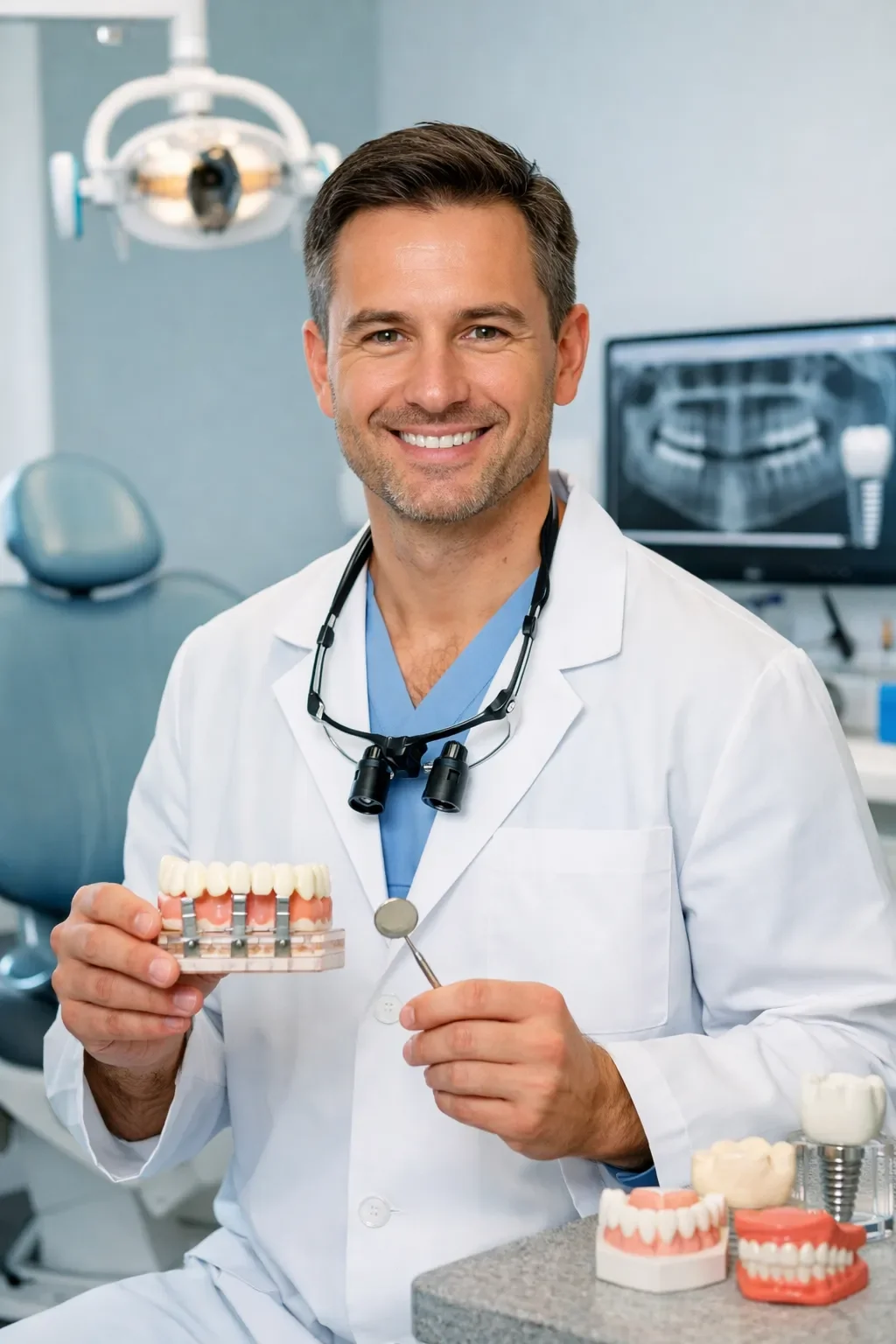
When Should You See a Prosthodontist?
Many patients wonder when it is truly necessary to see a prosthodontist instead of continuing care with a general dentist. The answer depends on the complexity, longevity, and functional impact of your dental problem. In general, you should see a prosthodontist when dental issues begin to affect your ability to chew, speak, feel comfortable, or maintain long-term oral health. A prosthodontist is trained to intervene when problems go beyond routine dentistry and require advanced restorative expertise 🦷.
Seeing a prosthodontist at the right time can prevent small problems from turning into major, costly complications. Many patients are referred too late, after multiple restorations have failed or jaw discomfort has become chronic. Early consultation with a prosthodontist often leads to more conservative, predictable, and durable solutions.
Persistent Tooth Loss or Multiple Missing Teeth
One of the clearest signs that you should see a prosthodontist is ongoing tooth loss or multiple missing teeth. When teeth are missing for an extended period, surrounding teeth shift, bite forces become uneven, and jawbone loss accelerates. A prosthodontist evaluates how tooth loss affects the entire oral system before recommending treatment.
If you have been living with gaps in your smile, removable dentures that feel unstable, or difficulty chewing, a prosthodontist can provide advanced solutions such as implant-supported restorations or full-arch rehabilitation. Addressing these issues early helps preserve remaining teeth and jaw structure.
Repeated Failure of Dental Work
Another strong indication to see a prosthodontist is repeated failure of crowns, bridges, or dentures. If restorations frequently break, loosen, or feel uncomfortable, the underlying issue may be bite imbalance or improper design. A prosthodontist is trained to identify why restorations fail rather than simply replacing them.
This is especially important for patients who feel stuck in a cycle of ongoing dental repairs. A prosthodontist takes a step back, evaluates the full picture, and creates a long-term plan that reduces repeated treatments and frustration 😊.
Chronic Jaw Pain or Bite Discomfort
Jaw pain, headaches, or muscle tension that persists despite dental treatment can be a sign of bite problems. When teeth do not align properly, excessive stress is placed on the jaw joints and muscles. A prosthodontist has specialized training in bite analysis and can determine whether restorations or bite correction are needed.
If chewing feels uncomfortable or your teeth wear down unevenly, consulting a prosthodontist may prevent further damage and improve daily comfort.
Severe Tooth Wear or Damage
Excessive tooth wear caused by grinding, erosion, or long-term bite imbalance often requires prosthodontic care. When teeth become too short or weakened, simple fillings are no longer effective. A prosthodontist designs crowns or full-mouth restorations that restore proper tooth height and bite stability.
Patients who notice changes in facial appearance, such as a collapsed bite or shortened lower face, often benefit from prosthodontic evaluation. These changes can affect not only appearance but also jaw health and chewing efficiency.
Considering Dental Implants or Full-Mouth Treatment
If you are considering dental implants, especially multiple implants or full-arch solutions, a prosthodontist should be involved early in the process. While implants are surgically placed, the prosthodontist designs the restorations that determine comfort, aesthetics, and longevity.
For full-mouth rehabilitation cases, the prosthodontist often leads treatment planning and coordinates care with other specialists. This ensures that surgical, restorative, and aesthetic aspects work together seamlessly.
High Aesthetic Expectations With Functional Needs
Patients who want cosmetic improvement but also need functional correction should consider a prosthodontist. Smile makeovers that ignore bite function can lead to discomfort and restoration failure. A prosthodontist balances appearance with biomechanics to achieve results that last.
This is particularly important for individuals whose work or lifestyle places high demands on their smile, such as public-facing professionals or those seeking long-term cosmetic stability 😊.
Taking the First Step
Knowing when to see a prosthodontist empowers patients to take control of their oral health. If dental problems affect comfort, confidence, or quality of life, specialist consultation is often the smartest next step.
If you are unsure whether prosthodontic care is right for you, professional evaluation can clarify your options. You can begin by reaching out through the
Redent Klinik Contact Page for expert guidance and personalized consultation.
In summary, you should see a prosthodontist when dental problems are complex, recurring, or affecting daily life. By addressing issues at the right time, a prosthodontist helps prevent further damage, restores balance, and supports long-term oral health. Early action guided by prosthodontic expertise often leads to better outcomes, greater comfort, and lasting confidence 😄.