
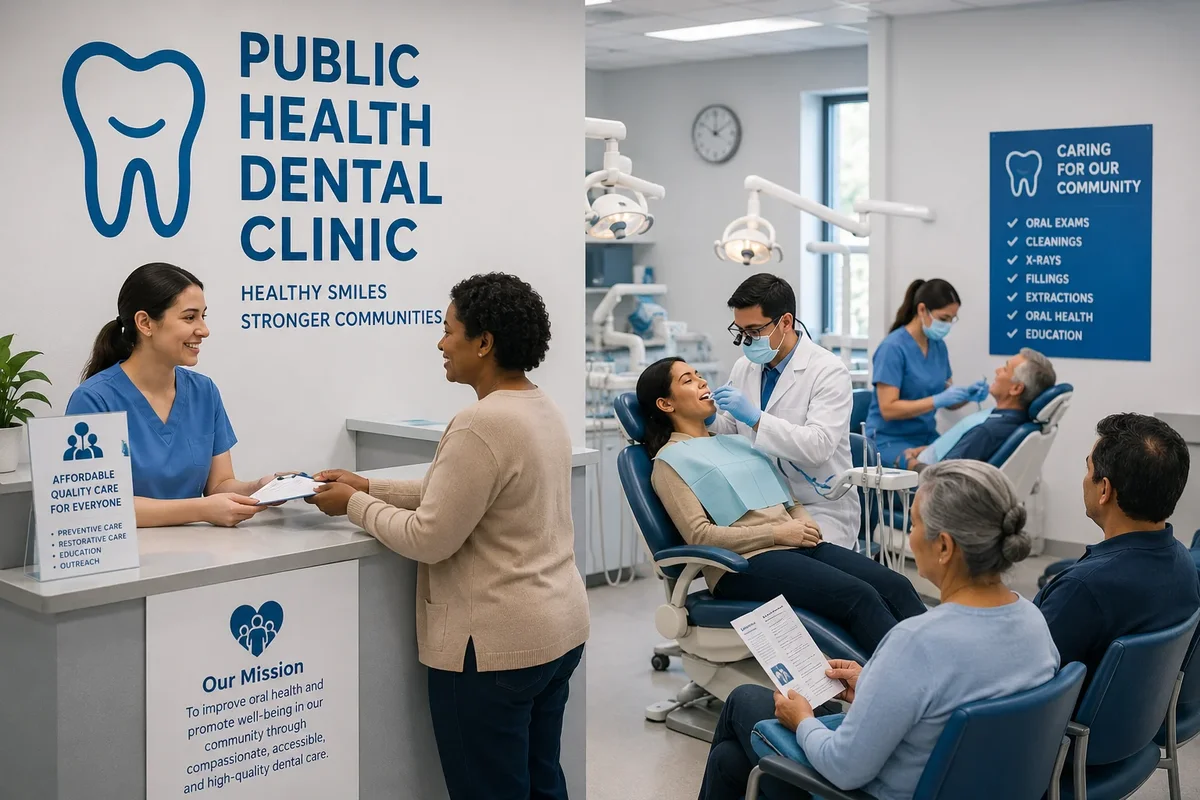
A public health dental clinic plays a critical role in improving oral health access for individuals and families who may otherwise struggle to receive professional dental care. Across many communities, a public health dental clinic serves as a trusted healthcare provider offering preventive services, restorative treatments, oral health education, and emergency dental support at affordable prices. These clinics are designed to make dental treatment accessible for children, adults, seniors, low-income families, and underserved populations who need reliable oral healthcare solutions. 😊
The main purpose of a public health dental clinic is to reduce oral health inequalities and help communities maintain healthier smiles through preventive dentistry. Many patients avoid dental treatment because of cost concerns, lack of insurance, transportation difficulties, or fear of expensive procedures. A public health dental clinic helps eliminate these barriers by offering lower-cost dental services, flexible payment options, community outreach programs, and educational resources focused on long-term oral wellness.
One of the biggest advantages of visiting a public health dental clinic is access to preventive care. Preventive dentistry includes professional cleanings, dental exams, fluoride applications, sealants, oral cancer screenings, and routine X-rays. These services help identify problems early before they become painful or expensive to treat. Regular preventive visits to a public health dental clinic can significantly reduce the risk of gum disease, tooth decay, infections, and tooth loss.
Many people believe affordable dentistry means lower-quality care, but this is not true when it comes to a public health dental clinic. These clinics often employ licensed dentists, dental hygienists, specialists, and healthcare professionals dedicated to community oral health improvement. Modern clinics frequently use updated dental technology, digital imaging systems, sterilization equipment, and advanced treatment techniques to ensure safe and effective care for every patient.
Another important benefit of a public health dental clinic is its focus on education and prevention. Dental professionals in these clinics teach patients how to brush correctly, floss effectively, maintain healthy dietary habits, and recognize early symptoms of oral disease. This educational approach empowers patients to protect their oral health at home while reducing future treatment costs.
Children especially benefit from visiting a public health dental clinic. Pediatric oral health services often include cavity prevention programs, fluoride treatments, orthodontic evaluations, tooth development monitoring, and educational programs for parents. Early dental care is essential because untreated childhood dental issues may affect speech development, nutrition, self-confidence, and academic performance. Many community dental centers work closely with schools and local organizations to improve children’s oral health awareness.
Adults and seniors also rely heavily on a public health dental clinic for affordable restorative and emergency services. Treatments commonly include tooth-colored fillings, dental crowns, root canal therapy, tooth extractions, dentures, gum disease treatment, and emergency pain management. Seniors may require specialized care related to dry mouth, gum recession, missing teeth, or oral complications linked to medical conditions. Community oral healthcare providers are often trained to address these unique needs compassionately and professionally.
Emergency dental treatment is another major service available at many public health dental clinic locations. Severe tooth pain, swelling, broken teeth, infections, and dental trauma require immediate attention. Without timely care, these issues may worsen and lead to more serious health complications. Emergency services offered through a public health dental clinic help patients receive fast relief while preventing infections from spreading further.
Affordability remains one of the strongest reasons patients choose a public health dental clinic. Depending on the clinic and location, treatment fees may be reduced through government assistance programs, nonprofit funding, sliding-scale payment systems, or public healthcare support. Average prices may vary, but some clinics offer routine exams between $30 and $80, professional cleanings between $50 and $150, fillings between $80 and $250, and simple extractions starting around $100. Prices are often significantly lower compared to private dental offices.
Patients searching for a trusted public health dental clinic should consider several important factors before choosing a provider. These include clinic reputation, dentist qualifications, available treatments, patient reviews, appointment accessibility, emergency availability, and insurance acceptance. It is also beneficial to select a clinic that prioritizes patient education and preventive oral healthcare.
Community dental care continues to evolve as modern technology improves patient experiences. Today, many public health dental clinic facilities use digital records, online scheduling systems, advanced diagnostic tools, and minimally invasive procedures to improve treatment efficiency. Telehealth consultations and virtual screenings are also becoming more common in public oral healthcare systems.
Patients who want additional guidance regarding international dental treatments, cosmetic procedures, or advanced restorative solutions may also visit the Redent Klinik Contact Page for more information about professional dental services and personalized treatment planning.
For evidence-based oral health recommendations and educational resources, patients can also review materials published by the American Dental Association. Trusted organizations like these help patients stay informed about modern dental care standards, oral hygiene practices, and preventive treatment recommendations.
In conclusion, a public health dental clinic serves as an essential healthcare resource for communities seeking affordable, accessible, and preventive dental services. These clinics improve public oral health outcomes by providing professional treatment, education, emergency care, and long-term support for patients of all ages. Whether someone needs routine cleanings, cavity treatment, dentures, pediatric care, or urgent dental attention, a public health dental clinic can offer reliable and cost-effective solutions that help maintain healthier smiles and better overall health for the entire community. 🦷✨
Why a Public Health Dental Clinic Matters for Communities
A public health dental clinic is one of the most important healthcare resources for improving oral health within local communities. Many people face barriers that prevent them from receiving proper dental care, including financial limitations, lack of dental insurance, transportation challenges, or limited access to nearby providers. A public health dental clinic helps bridge these gaps by delivering affordable, preventive, and restorative dental services to individuals and families who need reliable oral healthcare. 🦷
Community oral health directly affects overall physical health, emotional well-being, confidence, nutrition, and quality of life. When people cannot access dental care, untreated oral problems may lead to severe infections, gum disease, tooth loss, speech difficulties, and even systemic health complications. A public health dental clinic helps reduce these risks by offering early diagnosis, preventive education, and professional treatment options designed for long-term oral wellness.
Improving Access to Affordable Dental Care
One major reason why a public health dental clinic is essential involves affordability. Many private dental offices may charge high fees that become difficult for uninsured patients to manage. Community-based dental centers often provide lower-cost treatment options through government support programs, nonprofit funding, public healthcare initiatives, or sliding-scale pricing systems. This allows more individuals to receive routine oral care without delaying treatment due to financial concerns.
Affordable care available at a public health dental clinic may include:
- Routine dental examinations
- Professional cleanings
- Digital dental X-rays
- Fluoride treatments
- Dental fillings
- Simple tooth extractions
- Denture services
- Emergency dental care
- Periodontal therapy
Many clinics also provide payment assistance programs or flexible financing options to support patients with limited income. Because of these programs, a public health dental clinic becomes a valuable healthcare provider for vulnerable populations and underserved communities.
Supporting Preventive Oral Healthcare
Preventive dentistry remains one of the primary goals of every public health dental clinic. Preventive care focuses on identifying oral health problems early before they become severe or expensive to treat. Patients who regularly visit a community dental center often experience fewer complications related to cavities, gum disease, infections, and tooth loss.
Preventive services commonly provided at a public health dental clinic include:
- Comprehensive oral examinations
- Dental hygiene cleanings
- Oral cancer screenings
- Dental sealants for children
- Fluoride applications
- Patient oral hygiene education
- Nutritional counseling for oral health
Preventive dentistry not only protects oral health but also reduces future healthcare expenses. Early intervention can prevent small dental issues from turning into complicated procedures requiring crowns, implants, root canals, or surgical treatment.
The Connection Between Oral Health and General Health
Research continues to show strong links between oral health and overall medical health. Untreated dental infections and chronic gum disease may increase risks associated with diabetes, cardiovascular disease, respiratory infections, and pregnancy complications. A public health dental clinic plays an important role in educating patients about these connections while encouraging regular dental evaluations.
By promoting preventive dentistry and healthy habits, a public health dental clinic contributes to healthier communities and lowers the burden on emergency healthcare systems.
Helping Children Build Healthy Habits
Children are among the biggest beneficiaries of services provided by a public health dental clinic. Early dental care is essential for proper oral development, speech formation, chewing ability, and long-term dental health. Community clinics often work closely with schools, local organizations, and parents to encourage healthy habits from a young age.
Many pediatric programs within a public health dental clinic focus on:
- Teaching proper brushing and flossing techniques
- Reducing childhood cavities
- Monitoring tooth development
- Providing sealants and fluoride protection
- Encouraging regular dental visits
- Educating parents about nutrition and oral hygiene
When children receive early preventive care, they are more likely to maintain healthy smiles throughout adulthood. Pediatric services also help reduce dental anxiety and create positive experiences with dental treatment.
Providing Emergency Dental Services
Dental emergencies can occur unexpectedly and may involve severe pain, infections, swelling, broken teeth, or trauma caused by accidents. A public health dental clinic often provides urgent care services that help patients receive immediate treatment before complications worsen.
Emergency services available at many clinics may include:
- Toothache treatment
- Emergency extractions
- Broken tooth repair
- Infection management
- Swelling reduction
- Temporary restorations
Without emergency care access, patients may delay treatment and rely on hospital emergency rooms that cannot always provide complete dental procedures. A public health dental clinic helps reduce unnecessary emergency room visits while ensuring faster relief for patients experiencing dental pain.
Encouraging Community Education and Awareness
Another important responsibility of a public health dental clinic is public education. Oral health awareness campaigns help communities understand the importance of regular dental care, balanced nutrition, tobacco prevention, and daily oral hygiene routines. Education programs often target schools, senior centers, community groups, and underserved neighborhoods.
Educational outreach programs may include:
- Free dental screening events
- School dental awareness campaigns
- Community workshops
- Oral cancer awareness programs
- Smoking cessation counseling
- Nutritional guidance
These efforts improve public awareness while encouraging individuals to seek preventive care before serious oral health problems develop.
Technology and Modern Community Dentistry
Modern technology has significantly improved the quality of care offered by many public health dental clinic providers. Digital X-rays, electronic health records, intraoral cameras, and minimally invasive procedures allow clinics to diagnose and treat patients more efficiently and comfortably.
Some community clinics also offer telehealth consultations, making dental guidance more accessible for patients living in rural or underserved areas.
Patients interested in learning more about advanced dental treatments and personalized oral care options may also visit the Redent Klinik Contact Page for professional consultation and support.
For additional educational information regarding oral healthcare standards and preventive dentistry, patients may review resources provided by the American Dental Association.
In conclusion, a public health dental clinic serves as a foundation for healthier communities by improving access to affordable care, preventive treatment, emergency support, and oral health education. These clinics help individuals maintain healthier smiles while reducing long-term healthcare complications associated with untreated dental conditions. As awareness about preventive dentistry continues to grow, the importance of every public health dental clinic will remain essential for protecting community health and improving quality of life for patients of all ages. ✨
Services Offered at a Public Health Dental Clinic
A public health dental clinic provides a wide range of essential oral healthcare services designed to improve community health and make dental treatment accessible to patients from all backgrounds. These clinics are especially important for individuals who may struggle to afford private dental care or who have limited access to oral health services in their local area. The goal of every public health dental clinic is to offer affordable, preventive, restorative, and emergency dental care while promoting long-term oral wellness for children, adults, and seniors. 🦷
Unlike many people assume, a public health dental clinic often provides comprehensive dental services using modern technology, trained professionals, and patient-centered treatment approaches. Community clinics focus not only on treating existing dental problems but also on preventing future oral health complications through education and early intervention.
Preventive Dental Services
Preventive care is one of the most important services available at a public health dental clinic. Preventive dentistry helps patients avoid serious dental conditions such as cavities, gum disease, infections, and tooth loss. Regular preventive visits can reduce long-term treatment costs and improve overall health outcomes.
Common preventive services offered at a public health dental clinic include:
- Routine dental examinations
- Professional dental cleanings
- Digital X-rays
- Fluoride treatments
- Dental sealants
- Oral cancer screenings
- Periodontal evaluations
- Oral hygiene education
Dental professionals at a public health dental clinic educate patients on proper brushing techniques, flossing routines, and healthy dietary habits that support stronger teeth and healthier gums. Preventive dentistry is especially valuable because many oral diseases can be stopped early before they require more expensive procedures.
Why Preventive Care Matters
Many dental issues begin silently without noticeable symptoms. Small cavities, early gum disease, and oral infections may worsen over time if left untreated. By visiting a public health dental clinic regularly, patients can detect these conditions early and receive minimally invasive treatment.
Preventive oral healthcare also contributes to better overall wellness. Studies continue to show strong connections between oral health and systemic conditions such as diabetes, cardiovascular disease, and respiratory infections.
Restorative Dental Treatments
Another essential function of a public health dental clinic involves restorative dentistry. Restorative treatments repair damaged teeth, restore oral function, and improve smile appearance. Many patients seek treatment at community clinics for tooth decay, broken teeth, infections, or missing teeth caused by accidents or untreated dental disease.
Restorative services commonly available at a public health dental clinic include:
- Tooth-colored fillings
- Dental crowns
- Root canal therapy
- Simple and surgical extractions
- Partial dentures
- Complete dentures
- Bridge restorations
- Temporary restorations
Modern restorative procedures performed at a public health dental clinic aim to preserve natural teeth whenever possible. Dentists use advanced materials and minimally invasive techniques to improve comfort and treatment outcomes.
Pediatric Dental Care
Children’s oral health services are another important component of every public health dental clinic. Early dental care helps children develop healthy habits while preventing long-term oral complications. Pediatric services are often designed to create positive dental experiences that reduce fear and anxiety in young patients.
Common pediatric services include:
- Children’s dental exams
- Fluoride protection treatments
- Dental sealants for cavity prevention
- Growth and development monitoring
- Early orthodontic evaluations
- Nutritional guidance for parents
- Education about brushing and flossing
A public health dental clinic may also work closely with schools and community organizations to improve oral health awareness among children and families.
School and Community Outreach Programs
Many clinics organize educational outreach events to promote preventive care and improve oral hygiene awareness. These programs often include free screenings, educational presentations, and preventive dental services for underserved children.
School-based programs supported by a public health dental clinic help identify oral health problems early while encouraging regular dental visits throughout childhood.
Emergency Dental Care Services
Emergency treatment is one of the most valuable services provided by a public health dental clinic. Dental emergencies may occur suddenly and can involve severe pain, swelling, broken teeth, infections, or oral injuries.
Emergency services commonly include:
- Toothache treatment
- Abscess and infection management
- Emergency extractions
- Broken or chipped tooth repair
- Temporary fillings
- Pain relief procedures
Without access to emergency care, many patients may delay treatment until infections become more serious. A public health dental clinic helps provide fast relief while preventing complications that could affect overall health.
Affordable Dental Care Options
Affordability is one of the defining characteristics of a public health dental clinic. Many clinics use sliding-scale pricing systems, public healthcare funding, or nonprofit support programs to reduce treatment costs for patients.
Average treatment costs may vary depending on the clinic and region, but some approximate price ranges include:
- Dental exams: $30–$80
- Professional cleaning: $50–$150
- Dental fillings: $80–$250
- Simple tooth extraction: $100–$300
- Complete dentures: $500–$1,500
These prices are often significantly lower compared to traditional private dental practices, making a public health dental clinic a practical solution for low-income individuals and families.
Flexible Payment and Insurance Support
Many clinics accept Medicaid, government-supported dental programs, and various insurance plans. Some facilities also offer payment plans that allow patients to receive treatment without facing overwhelming financial pressure.
This accessibility helps more people prioritize oral healthcare and avoid delaying important treatment.
Advanced Technology in Community Dentistry
Modern dental technology has improved the quality of care offered at many public health dental clinic locations. Clinics increasingly use digital imaging, electronic health records, intraoral cameras, and modern sterilization systems to improve patient safety and treatment accuracy.
Some clinics also offer teledentistry consultations, allowing patients to receive professional guidance remotely before scheduling in-person treatment.
Patients interested in learning more about advanced dental treatment options and personalized care planning may also visit the Redent Klinik Contact Page for additional information and consultation support.
For trusted oral health resources and evidence-based dental education, patients can review information published by the American Dental Association.
In conclusion, a public health dental clinic provides comprehensive oral healthcare services that improve community wellness, support preventive dentistry, and make professional treatment accessible to underserved populations. From preventive cleanings and pediatric care to restorative treatments and emergency services, every public health dental clinic plays an essential role in protecting oral health and helping patients maintain healthier smiles for life. ✨
How a Public Health Dental Clinic Improves Preventive Care
A public health dental clinic plays a vital role in improving preventive oral healthcare within communities by helping patients avoid serious dental problems before they develop into painful or costly conditions. Preventive dentistry is one of the most important foundations of modern oral healthcare because it focuses on early detection, patient education, and routine maintenance. Instead of waiting for severe tooth pain or infections to occur, a public health dental clinic encourages patients to take proactive steps toward maintaining healthy teeth and gums. 🦷✨
Many people delay dental visits because of financial concerns, lack of awareness, fear of treatment, or limited access to dental providers. Unfortunately, postponing care often allows small oral health problems to worsen over time. A public health dental clinic helps reduce these barriers by offering affordable preventive services, educational outreach programs, and accessible dental examinations for individuals of all ages.
The Importance of Preventive Dentistry
Preventive dentistry focuses on maintaining oral health through regular dental checkups, professional cleanings, fluoride protection, sealants, and patient education. The goal of preventive care at a public health dental clinic is to reduce the risk of cavities, gum disease, infections, enamel erosion, and tooth loss.
Without preventive treatment, oral diseases may progress silently for months or even years before symptoms become noticeable. Regular dental visits allow professionals at a public health dental clinic to identify problems early while treatment remains simpler and more affordable.
Preventive oral healthcare also supports overall physical health. Scientific research has shown strong links between poor oral hygiene and systemic health conditions such as:
- Heart disease
- Diabetes complications
- Respiratory infections
- Pregnancy-related complications
- Chronic inflammation
By improving oral hygiene habits and increasing access to preventive services, a public health dental clinic helps improve both dental and general health outcomes within the community.
Routine Dental Examinations and Screenings
One of the most essential preventive services offered at a public health dental clinic is the routine dental examination. During these appointments, dentists carefully evaluate the teeth, gums, jaw structures, and surrounding oral tissues for signs of disease or abnormalities.
Routine examinations may include:
- Comprehensive oral evaluations
- Digital dental X-rays
- Oral cancer screenings
- Gum disease assessments
- Tooth decay detection
- Bite and jaw evaluations
Early diagnosis allows dental professionals to treat oral health issues before they become severe. For example, a small cavity detected during a preventive examination at a public health dental clinic may only require a simple filling. If ignored, the same cavity could eventually lead to infection, root canal therapy, or tooth extraction.
Oral Cancer Screenings Save Lives
Oral cancer screenings are another critical component of preventive care. Dentists at a public health dental clinic check for unusual tissue changes, sores, lumps, or lesions that may indicate early signs of oral cancer. Early detection significantly improves treatment success rates and patient outcomes.
Patients who smoke, consume alcohol frequently, or have a family history of oral cancer may particularly benefit from regular screenings.
Professional Dental Cleanings
Professional cleanings provided by a public health dental clinic help remove plaque and tartar buildup that cannot be fully eliminated through regular brushing alone. Even patients with excellent oral hygiene habits benefit from professional dental hygiene visits.
During a professional cleaning, dental hygienists may:
- Remove plaque and hardened tartar
- Polish teeth surfaces
- Clean below the gumline
- Evaluate gum health
- Provide oral hygiene guidance
Routine cleanings reduce the risk of gum disease and help maintain fresher breath, healthier gums, and stronger teeth.
Preventing Periodontal Disease
Gum disease is one of the leading causes of tooth loss among adults. A public health dental clinic helps prevent periodontal disease through regular hygiene maintenance and patient education.
Early-stage gum disease, called gingivitis, may cause redness, swelling, and bleeding gums. If untreated, it can progress into advanced periodontal disease that damages bone structures supporting the teeth.
Preventive hygiene visits are essential for controlling gum inflammation and maintaining long-term oral stability.
Fluoride Treatments and Dental Sealants
Fluoride applications and dental sealants are highly effective preventive treatments commonly offered at a public health dental clinic. These services are especially beneficial for children and patients at high risk of tooth decay.
Fluoride strengthens tooth enamel and helps protect teeth from acid attacks caused by bacteria and sugary foods. Dental sealants create protective barriers over the chewing surfaces of molars, reducing the risk of cavities.
Many community clinics recommend preventive fluoride and sealant programs for:
- Children and teenagers
- Patients with frequent cavities
- Individuals with dry mouth conditions
- Orthodontic patients
- Seniors with enamel wear
These preventive services available at a public health dental clinic help reduce future treatment needs while lowering overall dental expenses.
Patient Education and Community Outreach
Education remains one of the strongest preventive tools used by every public health dental clinic. Dental professionals teach patients how daily habits directly affect oral health and overall wellness.
Patient education commonly includes:
- Proper brushing techniques
- Correct flossing methods
- Healthy nutrition advice
- Sugar reduction strategies
- Tobacco cessation counseling
- Preventive oral hygiene routines
Many clinics also organize school programs, community seminars, and free screening events that promote oral health awareness among underserved populations.
Helping Families Build Long-Term Healthy Habits
A public health dental clinic often works closely with families to establish lifelong oral hygiene routines for children and adults alike. Teaching healthy habits early can significantly reduce future dental complications and improve quality of life.
Parents who receive guidance from community dental professionals are more likely to encourage regular dental visits and healthy oral hygiene practices at home.
Technology Supporting Preventive Care
Modern technology has improved preventive dentistry in many public health dental clinic facilities. Digital imaging systems, intraoral cameras, and electronic records allow dentists to diagnose conditions more accurately and monitor changes over time.
Some clinics also use teledentistry consultations to improve access for patients living in rural or underserved areas.
Patients seeking professional dental guidance and advanced oral healthcare solutions may also visit the Redent Klinik Contact Page for additional consultation support and treatment information.
For evidence-based oral healthcare recommendations and preventive dental education, patients may explore resources published by the American Dental Association.
In conclusion, a public health dental clinic significantly improves preventive oral healthcare by increasing access to affordable services, encouraging routine examinations, promoting patient education, and helping communities reduce long-term dental disease risks. Through preventive dentistry, professional cleanings, fluoride protection, oral screenings, and educational outreach, every public health dental clinic contributes to healthier smiles, stronger communities, and better overall health outcomes for patients of all ages. 😊
Affordable Treatment Options at a Public Health Dental Clinic
A public health dental clinic is one of the most valuable healthcare resources for individuals and families searching for affordable oral healthcare services. Dental treatment costs can become overwhelming for many patients, especially those without private insurance or stable financial support. A public health dental clinic helps solve this problem by providing lower-cost preventive, restorative, and emergency dental services while maintaining professional treatment standards and patient safety. 🦷💙
Millions of people postpone dental care because they fear expensive treatment bills. Unfortunately, delaying care often causes small oral health issues to develop into severe conditions requiring more complex procedures. A public health dental clinic reduces these risks by making essential oral healthcare accessible through reduced pricing structures, sliding-scale payment systems, government-supported programs, and community healthcare initiatives.
Why Affordable Dental Care Matters
Oral health directly affects overall physical health, emotional confidence, nutrition, speech, and quality of life. Patients who cannot afford dental care may experience untreated cavities, infections, gum disease, tooth loss, and chronic pain. These conditions may also increase the risk of systemic health complications.
A public health dental clinic helps prevent these issues by ensuring patients can access routine care before problems become serious. Affordable dentistry encourages individuals to schedule regular checkups, maintain preventive oral hygiene habits, and seek early treatment when symptoms appear.
Many underserved communities depend heavily on every public health dental clinic because private dental offices may not always offer affordable pricing for uninsured individuals. Community-based clinics therefore play a major role in reducing oral health inequalities.
Common Low-Cost Services Available
Most public health dental clinic facilities provide a broad range of affordable dental treatments designed to meet the needs of both children and adults. These services focus on prevention, restoration, and emergency management.
Common affordable services include:
- Dental examinations
- Professional cleanings
- Digital X-rays
- Fluoride treatments
- Dental fillings
- Simple tooth extractions
- Periodontal cleanings
- Denture services
- Emergency dental care
- Pediatric dental treatments
Many procedures performed at a public health dental clinic use modern materials and updated treatment techniques similar to those used in private practices.
Affordable Preventive Care Saves Money
Preventive dentistry remains one of the most cost-effective healthcare investments patients can make. Routine cleanings and examinations provided by a public health dental clinic help identify oral problems early before expensive restorative procedures become necessary.
For example, treating a small cavity early may cost far less than waiting until infection requires root canal therapy or extraction. Preventive care helps patients reduce long-term dental expenses while maintaining healthier smiles.
Sliding-Scale Payment Systems
One of the biggest advantages of visiting a public health dental clinic is access to sliding-scale payment programs. Sliding-scale pricing adjusts treatment fees according to a patient’s income level and financial situation.
This system allows patients with lower incomes to receive dental treatment at reduced costs while still accessing essential services. Sliding-scale payment models make a public health dental clinic especially important for:
- Low-income families
- Senior citizens
- Students
- Uninsured individuals
- People with disabilities
- Underserved rural populations
Because of these programs, patients who might otherwise avoid dental care can receive treatment in a more financially manageable way.
Government and Community Assistance Programs
Many public health dental clinic locations work closely with government healthcare programs, nonprofit organizations, and community health agencies. These partnerships help clinics provide reduced-cost services while expanding oral healthcare access.
Some clinics may accept:
- Medicaid dental coverage
- Children’s health insurance programs
- Public healthcare subsidies
- Senior assistance programs
- Veteran healthcare support
- Community grant funding
These programs allow a public health dental clinic to continue serving vulnerable populations who may have difficulty accessing traditional dental care providers.
Support for Uninsured Patients
Many adults do not carry dental insurance because of high monthly premiums or limited employer benefits. A public health dental clinic often provides uninsured patients with more affordable alternatives that reduce financial stress while still delivering quality oral healthcare.
Some clinics may also offer payment plans or financing options for larger procedures such as dentures, periodontal treatment, or restorative care.
Average Dental Treatment Costs
Although treatment fees vary depending on location and clinic policies, services provided at a public health dental clinic are generally more affordable than private dental office prices.
Approximate treatment costs may include:
- Routine dental exam: $30–$80
- Professional cleaning: $50–$150
- Dental X-rays: $25–$100
- Tooth-colored filling: $80–$250
- Simple extraction: $100–$300
- Complete dentures: $500–$1,500
- Deep gum cleaning: $150–$400
These reduced fees help patients prioritize oral healthcare without delaying important treatment because of financial concerns.
Affordable Emergency Dental Care
Emergency dental situations can occur unexpectedly and often require immediate attention. Severe tooth pain, infections, broken teeth, or swelling may become dangerous if treatment is delayed.
A public health dental clinic frequently provides affordable emergency care options that help patients receive fast relief at lower costs. Emergency services may include:
- Toothache management
- Emergency extractions
- Temporary restorations
- Abscess treatment
- Pain management procedures
- Infection control
Affordable emergency dentistry prevents patients from relying solely on hospital emergency rooms that may not provide complete dental treatment.
The Long-Term Financial Benefits of Early Treatment
Seeking treatment early at a public health dental clinic often saves patients substantial money over time. Preventive care and early restorative treatment reduce the need for advanced procedures such as implants, oral surgery, or full-mouth rehabilitation.
By maintaining routine dental visits, patients can preserve their natural teeth longer while minimizing future oral healthcare expenses.
Technology and Modern Affordable Dentistry
Many people mistakenly assume lower-cost dentistry means outdated treatment methods. However, modern public health dental clinic facilities increasingly use advanced technology such as:
- Digital X-rays
- Electronic health records
- Intraoral cameras
- Modern sterilization systems
- Minimally invasive dental techniques
These technologies improve treatment accuracy, patient safety, and overall comfort while helping clinics deliver efficient care at affordable rates.
Patients interested in learning more about advanced dental care options and personalized treatment planning may also visit the Redent Klinik Contact Page for additional consultation support.
For trusted oral healthcare recommendations and educational materials, patients can review evidence-based information published by the American Dental Association.
In conclusion, a public health dental clinic provides affordable, accessible, and professional oral healthcare services that help improve community wellness and reduce dental health inequalities. Through preventive care, sliding-scale payment systems, emergency treatment options, and public healthcare support, every public health dental clinic helps patients maintain healthier smiles without overwhelming financial burdens. Affordable dentistry remains essential for protecting oral health and improving quality of life for individuals and families in every community. 😊
Children’s Oral Care in a Public Health Dental Clinic
Children’s oral health is one of the most important areas of focus within every public health dental clinic. Early dental care plays a major role in helping children develop strong teeth, healthy gums, proper speech patterns, and lifelong oral hygiene habits. A public health dental clinic provides accessible and affordable pediatric dental services that support families who may otherwise struggle to obtain professional oral healthcare for their children. 🦷👧👦
Many childhood dental problems can be prevented through routine examinations, preventive treatments, education, and early intervention. Unfortunately, untreated oral health issues remain common among children in underserved communities due to financial barriers, lack of insurance, transportation difficulties, or limited awareness about preventive dentistry. A public health dental clinic helps address these challenges by making pediatric dental care more accessible and community-focused.
Why Pediatric Oral Health Matters
Healthy baby teeth are essential for proper oral development, chewing ability, speech formation, and guidance of permanent teeth. Some parents mistakenly believe baby teeth are less important because they eventually fall out. However, untreated decay in primary teeth may cause pain, infections, nutritional difficulties, and long-term oral complications.
A public health dental clinic helps families understand the importance of early oral healthcare and encourages regular dental visits beginning at a young age. Pediatric preventive care reduces the likelihood of severe dental problems later in life.
Children with untreated dental disease may experience:
- Difficulty eating or chewing
- Speech development problems
- Sleep disturbances
- Reduced self-confidence
- School concentration difficulties
- Increased risk of infections
By providing affordable pediatric care, a public health dental clinic helps children maintain healthier smiles while improving their overall well-being and quality of life.
Routine Dental Exams for Children
Routine examinations are one of the most valuable services available at a public health dental clinic. Pediatric dental exams allow dentists to monitor tooth development, identify early signs of decay, and evaluate overall oral health.
During a routine examination, dental professionals may:
- Check for cavities and enamel damage
- Monitor jaw and bite development
- Evaluate gum health
- Assess oral hygiene habits
- Perform digital X-rays if necessary
- Screen for developmental abnormalities
Regular examinations at a public health dental clinic help prevent minor issues from progressing into severe conditions requiring extensive treatment.
Building Positive Dental Experiences
One important goal of pediatric dentistry is helping children feel comfortable during dental visits. Many community dental clinics create child-friendly environments that reduce fear and anxiety while encouraging positive oral healthcare experiences.
A welcoming public health dental clinic may use gentle communication techniques, educational tools, and supportive staff members to help children feel relaxed during treatment.
Preventive Treatments for Children
Preventive dentistry is a cornerstone of pediatric oral healthcare at every public health dental clinic. Preventive services help protect developing teeth from cavities and gum disease while reducing the need for future restorative procedures.
Common preventive pediatric services include:
- Professional dental cleanings
- Fluoride applications
- Dental sealants
- Oral hygiene instruction
- Nutritional counseling
- Early orthodontic evaluations
Fluoride strengthens tooth enamel and helps reduce the risk of cavities caused by bacteria and acidic foods. Dental sealants protect the chewing surfaces of molars where food particles and bacteria commonly collect.
These preventive treatments available at a public health dental clinic are highly effective for reducing childhood tooth decay.
The Importance of Dental Sealants
Dental sealants are thin protective coatings placed over the grooves of back teeth to prevent bacteria from causing cavities. Sealants are especially beneficial for school-aged children because molars are more difficult to clean thoroughly.
Many preventive programs within a public health dental clinic focus heavily on sealant application because this treatment significantly lowers cavity risk.
Oral Hygiene Education for Families
Education is another major component of pediatric care provided by a public health dental clinic. Dentists and hygienists teach both children and parents how daily habits influence oral health outcomes.
Educational topics commonly include:
- Proper brushing techniques
- Correct flossing methods
- Healthy dietary habits
- Limiting sugary snacks and drinks
- Importance of regular dental visits
- Preventing sports-related dental injuries
Parents play a critical role in helping children establish lifelong oral hygiene routines. A public health dental clinic provides guidance that empowers families to support healthy habits at home.
School and Community Outreach Programs
Many public health dental clinic facilities organize outreach programs that improve oral health awareness among children in local communities. These programs often target underserved schools and neighborhoods where dental care access may be limited.
Community outreach services may include:
- School dental screenings
- Fluoride programs
- Educational seminars
- Free oral health kits
- Cavity prevention campaigns
- Parent education workshops
These programs help identify oral health problems early while encouraging preventive care among families.
Reducing Childhood Dental Anxiety
Dental anxiety can begin at an early age if children experience painful or stressful treatments. A supportive public health dental clinic focuses on creating positive experiences that help children feel safe and comfortable.
Reducing fear during childhood often leads to healthier long-term dental habits and more consistent dental visits during adulthood.
Affordable Pediatric Dental Care
Affordability remains one of the most important benefits of pediatric services provided by a public health dental clinic. Many clinics accept Medicaid, children’s healthcare programs, and sliding-scale payment systems that reduce financial pressure on families.
Approximate pediatric treatment costs may include:
- Routine exam: $30–$80
- Professional cleaning: $50–$120
- Fluoride treatment: $20–$50
- Dental sealants: $30–$60 per tooth
- Simple filling: $80–$200
Affordable preventive care helps families avoid larger treatment expenses later.
Technology Supporting Pediatric Dentistry
Modern technology has improved the quality and comfort of pediatric dental care offered at many public health dental clinic locations. Digital X-rays reduce radiation exposure, while minimally invasive techniques help improve treatment comfort for young patients.
Many clinics also use educational visuals and interactive tools that make oral healthcare easier for children to understand.
Parents interested in advanced pediatric dental care and personalized treatment guidance may also visit the Redent Klinik Contact Page for additional consultation support.
For trusted oral healthcare education and pediatric dental recommendations, families can review resources published by the American Dental Association.
In conclusion, a public health dental clinic plays a critical role in protecting children’s oral health through preventive care, affordable treatment options, family education, and community outreach programs. By helping children establish healthy oral hygiene habits early in life, every public health dental clinic contributes to healthier smiles, improved confidence, and better long-term health outcomes for future generations. 😊
Emergency Dental Support Through a Public Health Dental Clinic
Emergency dental care is one of the most critical services provided by a public health dental clinic. Dental emergencies can happen unexpectedly and often involve severe pain, swelling, infections, broken teeth, bleeding, or trauma that requires immediate professional attention. Without prompt treatment, these problems may worsen rapidly and lead to serious complications affecting both oral and overall health. A public health dental clinic helps patients receive urgent dental support quickly and affordably, especially in communities where access to private emergency dentistry may be limited. 🚑🦷
Many individuals facing dental emergencies delay treatment because of financial concerns or lack of insurance. Unfortunately, postponing urgent care can increase the risk of infection spreading, tooth loss, and hospitalization. A public health dental clinic plays an essential role in reducing these risks by offering accessible emergency services designed to provide pain relief, stabilize oral health conditions, and prevent long-term complications.
What Is Considered a Dental Emergency?
A dental emergency includes any oral health problem that requires immediate attention to relieve severe discomfort, stop bleeding, treat infection, or save a damaged tooth. Emergency situations treated at a public health dental clinic may range from mild trauma to severe infections requiring urgent intervention.
Common dental emergencies include:
- Severe toothaches
- Dental abscesses and infections
- Broken or fractured teeth
- Knocked-out teeth
- Loose permanent teeth
- Swollen gums or facial swelling
- Bleeding after dental trauma
- Broken crowns or fillings
- Jaw injuries
- Oral soft tissue injuries
Dental professionals working at a public health dental clinic are trained to evaluate these situations quickly and determine the most appropriate treatment approach.
Why Immediate Treatment Is Important
Ignoring dental emergencies may allow infections and inflammation to spread into surrounding tissues or even other parts of the body. In severe cases, untreated dental abscesses may become life-threatening.
Seeking prompt care from a public health dental clinic can reduce pain, protect natural teeth, and prevent costly future procedures.
Emergency Toothache Treatment
Severe tooth pain is one of the most common reasons patients visit a public health dental clinic. Toothaches may develop because of deep cavities, infections, cracked teeth, gum disease, or exposed tooth roots.
Emergency treatment for toothaches may include:
- Dental examinations
- Digital X-rays
- Temporary restorations
- Drainage of infections
- Prescription medications
- Emergency extractions
- Referral for root canal treatment
The primary goal of emergency treatment at a public health dental clinic is to eliminate pain, stabilize the condition, and prevent infection progression.
Managing Dental Infections
Dental infections are especially dangerous when swelling spreads into the face, jaw, or neck. Signs of infection may include:
- Persistent throbbing pain
- Facial swelling
- Fever
- Difficulty swallowing
- Pus drainage
- Bad taste in the mouth
A public health dental clinic can provide immediate infection management through drainage procedures, antibiotics when necessary, and removal of infected teeth if required.
Treatment for Broken or Knocked-Out Teeth
Dental trauma caused by sports injuries, falls, accidents, or biting hard objects can lead to cracked, chipped, or knocked-out teeth. A public health dental clinic often provides urgent treatment to preserve damaged teeth whenever possible.
Emergency trauma care may include:
- Repairing fractured teeth
- Temporary restorations
- Repositioning displaced teeth
- Splinting loose teeth
- Emergency root canal therapy
- Tooth extraction if necessary
Patients who experience a knocked-out permanent tooth should seek treatment immediately because rapid intervention significantly improves the chance of saving the tooth.
What to Do Before Reaching the Clinic
If a permanent tooth is knocked out, patients should:
- Handle the tooth carefully by the crown only
- Avoid touching the root surface
- Rinse gently with clean water if dirty
- Keep the tooth moist in milk or saliva
- Seek care from a public health dental clinic immediately
Quick action can greatly improve treatment outcomes.
Emergency Extractions and Pain Relief
In some situations, severely damaged or infected teeth cannot be saved. A public health dental clinic may perform emergency extractions to eliminate pain and stop infection spread.
Emergency extractions are commonly recommended for:
- Advanced tooth decay
- Severe abscesses
- Broken teeth beyond repair
- Advanced periodontal disease
- Impacted or infected teeth
Modern extraction procedures performed at a public health dental clinic focus on patient comfort and infection prevention while helping individuals recover safely.
Affordable Emergency Dental Care
One major advantage of visiting a public health dental clinic during emergencies is affordability. Emergency dental care in private practices or hospital settings may become extremely expensive for uninsured individuals.
Community dental clinics often offer:
- Reduced emergency examination fees
- Sliding-scale payment systems
- Government-supported assistance programs
- Medicaid acceptance
- Flexible payment plans
Approximate emergency treatment costs may include:
- Emergency exam: $40–$120
- Emergency extraction: $100–$350
- Temporary filling: $80–$200
- Dental X-rays: $25–$100
These lower-cost services help patients receive urgent treatment without facing overwhelming financial pressure.
Reducing Hospital Emergency Room Visits
Many patients with severe dental pain visit hospital emergency departments because they lack access to immediate dental care. However, hospitals often provide only temporary pain management rather than complete dental treatment.
A public health dental clinic reduces unnecessary hospital visits by offering specialized emergency oral healthcare services directly within the community.
Technology Supporting Emergency Dentistry
Modern technology has improved emergency treatment quality at many public health dental clinic facilities. Digital imaging systems, electronic health records, and minimally invasive treatment techniques allow dentists to diagnose and manage emergencies more efficiently.
Some clinics also offer same-day emergency appointments to improve access for patients experiencing urgent dental problems.
Patients interested in learning more about emergency dental solutions and advanced treatment planning may also visit the Redent Klinik Contact Page for additional consultation support.
For evidence-based oral health guidance and emergency dental education, patients may review resources provided by the American Dental Association.
In conclusion, a public health dental clinic provides essential emergency dental support that helps communities manage pain, treat infections, stabilize oral injuries, and prevent serious complications. Through affordable urgent care services, fast diagnosis, emergency extractions, and trauma management, every public health dental clinic plays a crucial role in protecting oral health and improving patient safety during dental emergencies. 😊
Public Health Dental Clinic Programs for Seniors and Adults
A public health dental clinic provides essential oral healthcare programs specifically designed to support the needs of adults and senior citizens. As people age, oral health challenges often become more complex due to medical conditions, medication side effects, gum disease, tooth loss, and reduced access to affordable dental care. Many adults postpone treatment because of financial concerns or limited insurance coverage, while seniors may face mobility difficulties or chronic health issues that make routine dental visits more challenging. A public health dental clinic helps address these barriers by offering accessible, preventive, restorative, and educational dental services tailored to adult and senior populations. 🦷👴👵
Oral health plays a major role in overall wellness, nutrition, communication, self-confidence, and quality of life. Poor oral health among adults and seniors may increase the risk of infections, cardiovascular disease complications, diabetes management difficulties, and nutritional deficiencies. Through community-focused programs and affordable care, a public health dental clinic helps patients maintain healthier smiles and better long-term health outcomes.
Common Oral Health Challenges in Adults and Seniors
Adults and elderly patients often experience oral health problems that differ from those affecting younger populations. Age-related changes, chronic diseases, and medication use can significantly impact dental health.
Common issues treated at a public health dental clinic include:
- Gum disease
- Tooth loss
- Dry mouth
- Tooth decay around old fillings
- Root surface cavities
- Difficulty chewing
- Denture-related problems
- Oral infections
- Jaw discomfort
- Oral cancer concerns
Without proper treatment, these conditions may worsen over time and negatively affect overall health and daily life. A public health dental clinic provides routine monitoring and early intervention to reduce complications.
The Impact of Medications on Oral Health
Many adults and seniors take medications for blood pressure, diabetes, heart disease, depression, or chronic pain. Certain medications can reduce saliva production, leading to dry mouth and increased cavity risk.
Dental professionals working at a public health dental clinic educate patients about managing medication-related oral health issues and recommend preventive strategies to protect teeth and gums.
Preventive Care Programs for Adults and Seniors
Preventive dentistry remains one of the most important services offered by every public health dental clinic. Preventive programs help reduce the risk of severe oral health complications while improving overall wellness.
Preventive services commonly include:
- Routine dental examinations
- Professional cleanings
- Digital X-rays
- Periodontal evaluations
- Fluoride treatments
- Oral cancer screenings
- Oral hygiene education
Regular preventive visits allow dental professionals to identify problems early and provide treatment before conditions become painful or expensive to manage.
Importance of Gum Disease Prevention
Periodontal disease is one of the leading causes of tooth loss among adults. Gum disease may also contribute to systemic inflammation associated with heart disease and diabetes complications.
A public health dental clinic helps prevent periodontal disease through routine cleanings, deep hygiene treatments, and patient education focused on maintaining healthy gums.
Restorative Dental Services for Adults
Many adult patients require restorative treatment because of cavities, broken teeth, infections, or missing teeth. A public health dental clinic offers affordable restorative care that improves both oral function and smile appearance.
Common restorative treatments include:
- Tooth-colored fillings
- Dental crowns
- Root canal therapy
- Simple extractions
- Partial dentures
- Complete dentures
- Bridge restorations
Restorative dentistry helps patients chew comfortably, speak clearly, and maintain better confidence in daily social interactions.
Denture Programs for Seniors
Tooth loss becomes more common with age, making denture services especially important within a public health dental clinic. Dentures restore chewing ability, facial support, and speech function for patients missing multiple teeth.
Many clinics offer affordable denture programs that include:
- Complete dentures
- Partial dentures
- Denture adjustments
- Denture repairs
- Oral tissue evaluations
Affordable denture services help seniors maintain nutritional health and quality of life.
Oral Cancer Screenings and Senior Care
Oral cancer risk increases with age, particularly among individuals who smoke or consume alcohol regularly. A public health dental clinic often includes oral cancer screenings as part of routine preventive care for adults and seniors.
During screenings, dental professionals evaluate oral tissues for:
- Abnormal lesions
- Persistent sores
- Tissue discoloration
- Swelling or lumps
- Changes in oral texture
Early detection greatly improves treatment success rates and patient outcomes.
Education About Lifestyle Risk Factors
Many community dental programs focus on educating adults about lifestyle factors that impact oral health. Tobacco use, excessive sugar consumption, and poor oral hygiene can increase risks for gum disease, tooth loss, and oral cancer.
A public health dental clinic provides counseling and preventive guidance that supports healthier long-term habits.
Affordable Care and Financial Assistance
Affordability is one of the most important advantages of visiting a public health dental clinic. Many adults and seniors live on fixed incomes and may struggle to afford private dental treatment.
Community dental clinics often provide:
- Sliding-scale payment systems
- Medicaid acceptance
- Senior assistance programs
- Government-supported healthcare services
- Flexible payment plans
Approximate treatment costs may include:
- Dental exams: $30–$80
- Professional cleanings: $50–$150
- Deep gum cleanings: $150–$400
- Simple extractions: $100–$300
- Complete dentures: $500–$1,500
These lower costs help more patients receive essential treatment before oral conditions worsen.
Community Outreach and Mobile Dental Services
Some public health dental clinic programs provide mobile dental services or outreach care for seniors living in nursing homes, assisted living centers, or rural communities. These programs improve access for individuals who may have transportation or mobility challenges.
Mobile dental units may offer:
- Routine exams
- Dental cleanings
- Preventive screenings
- Denture evaluations
- Emergency consultations
Community outreach services ensure vulnerable populations continue receiving essential oral healthcare support.
Improving Quality of Life Through Oral Healthcare
Maintaining oral health allows adults and seniors to eat comfortably, communicate confidently, and participate socially without discomfort or embarrassment. A public health dental clinic helps improve both physical and emotional well-being through accessible and compassionate dental care.
Technology Supporting Adult and Senior Dental Care
Modern technology has enhanced the quality of treatment offered at many public health dental clinic locations. Digital imaging systems, minimally invasive procedures, and electronic health records improve treatment efficiency and patient safety.
Some clinics also use teledentistry consultations to help patients receive preliminary guidance remotely.
Patients interested in advanced restorative treatment options and personalized dental consultations may also visit the Redent Klinik Contact Page for additional support and information.
For evidence-based oral health education and senior dental care recommendations, patients can review trusted resources provided by the American Dental Association.
In conclusion, a public health dental clinic provides essential oral healthcare programs that help adults and seniors maintain healthier smiles, improve comfort, and protect overall wellness. Through preventive care, restorative treatments, affordable denture services, oral cancer screenings, and community outreach programs, every public health dental clinic contributes significantly to healthier aging and improved quality of life for older populations. 😊
How to Choose the Right Public Health Dental Clinic
Choosing the right public health dental clinic is an important decision that can directly affect oral health, treatment quality, comfort, and long-term wellness. A reliable dental clinic should provide affordable services, experienced dental professionals, modern technology, preventive care programs, and compassionate patient support. Since many individuals rely on a public health dental clinic for routine care, emergency treatment, pediatric services, and restorative procedures, selecting the right provider is essential for maintaining healthy teeth and gums. 🦷✨
Many communities offer multiple public or community-based dental centers, but not every clinic provides the same level of service or accessibility. Patients should carefully evaluate several important factors before deciding which public health dental clinic best meets their oral healthcare needs.
Evaluate the Range of Dental Services
The first step when selecting a public health dental clinic is reviewing the types of services available. Comprehensive dental care is important because patients may require preventive, restorative, emergency, or specialized treatment over time.
A high-quality clinic should ideally provide:
- Routine dental exams
- Professional cleanings
- Digital X-rays
- Fluoride treatments
- Dental fillings
- Tooth extractions
- Emergency dental care
- Denture services
- Pediatric dentistry
- Gum disease treatment
A public health dental clinic that offers multiple treatment options allows patients to receive continuous care without needing referrals to multiple facilities.
Preventive Services Are Essential
Preventive dentistry should be one of the main priorities of every public health dental clinic. Regular examinations, professional cleanings, and oral health education help prevent severe dental problems and reduce future treatment costs.
Patients should look for clinics that emphasize preventive care programs and patient education rather than only emergency treatment.
Check Dentist Qualifications and Experience
The experience and qualifications of dental professionals are extremely important when selecting a public health dental clinic. Patients should feel confident that they are receiving care from licensed dentists, hygienists, and trained oral healthcare providers.
When researching a clinic, consider:
- Professional licensing and certifications
- Years of clinical experience
- Continuing education participation
- Specialized treatment training
- Experience with pediatric or senior care
An experienced dental team within a public health dental clinic can improve diagnosis accuracy, treatment planning, patient comfort, and overall treatment outcomes.
Communication and Patient Comfort Matter
Dental anxiety is common among both children and adults. A supportive public health dental clinic should prioritize patient comfort and explain treatments clearly in a calm and understandable manner.
Friendly staff members and compassionate dental professionals can make a major difference in helping patients feel relaxed during appointments.
Review Accessibility and Location
Accessibility is another critical factor when choosing a public health dental clinic. Patients should select a clinic that is reasonably close to home, work, or public transportation routes.
Important accessibility considerations include:
- Convenient clinic location
- Parking availability
- Public transportation access
- Wheelchair accessibility
- Flexible appointment scheduling
- Availability of evening or weekend hours
Patients who have mobility limitations or transportation difficulties especially benefit from choosing a conveniently located public health dental clinic.
Emergency Dental Care Availability
Dental emergencies can happen unexpectedly, making emergency support an important feature of a quality public health dental clinic. Severe tooth pain, swelling, infections, broken teeth, or oral trauma may require immediate professional treatment.
Patients should ask whether the clinic offers:
- Same-day emergency appointments
- Emergency extractions
- Pain management services
- Infection treatment
- After-hours emergency guidance
Having access to emergency dental support helps patients avoid delays that could worsen oral health conditions.
Fast Response During Urgent Situations
A reliable public health dental clinic should have efficient emergency scheduling systems that prioritize urgent patient needs. Quick access to care can significantly reduce complications and improve recovery outcomes.
Understand Costs and Payment Options
Affordability remains one of the primary reasons many patients seek treatment at a public health dental clinic. Before selecting a clinic, patients should review available payment options and understand estimated treatment costs.
Many clinics provide:
- Sliding-scale pricing systems
- Medicaid acceptance
- Government-supported programs
- Flexible payment plans
- Low-cost preventive care packages
Approximate treatment fees at a public health dental clinic may include:
- Routine dental exam: $30–$80
- Professional cleaning: $50–$150
- Tooth-colored filling: $80–$250
- Simple extraction: $100–$300
- Complete dentures: $500–$1,500
Patients should request clear explanations regarding fees, insurance acceptance, and financing policies before beginning treatment.
Research Patient Reviews and Community Reputation
Patient reviews and community reputation provide valuable insight into the quality of care offered by a public health dental clinic. Reading online testimonials and asking for local recommendations can help patients identify trustworthy providers.
Positive signs often include:
- Friendly and respectful staff
- Clean and organized facilities
- Reasonable waiting times
- Clear treatment explanations
- Positive experiences from families and seniors
A well-reviewed public health dental clinic is more likely to provide consistent and patient-focused care.
Community Involvement Reflects Commitment
Many excellent clinics actively participate in community outreach programs, school screenings, oral health education campaigns, and preventive events. These activities demonstrate a strong commitment to improving public oral health.
Community involvement is often a sign that a public health dental clinic prioritizes long-term wellness rather than only providing basic treatment services.
Technology and Modern Treatment Standards
Modern technology improves both patient safety and treatment quality. Patients choosing a public health dental clinic should look for facilities that use updated dental equipment and digital systems.
Advanced technologies may include:
- Digital X-rays
- Electronic health records
- Intraoral cameras
- Modern sterilization systems
- Minimally invasive treatment methods
These technologies help improve diagnostic accuracy, patient comfort, and overall treatment efficiency.
Patients interested in advanced dental care options and personalized treatment planning may also visit the Redent Klinik Contact Page for additional consultation support and professional guidance.
For trusted oral healthcare recommendations and evidence-based dental information, patients can review educational resources published by the American Dental Association.
In conclusion, selecting the right public health dental clinic requires careful consideration of treatment services, affordability, dentist qualifications, accessibility, emergency support, and patient reputation. A reliable clinic should provide compassionate care, preventive dentistry, modern technology, and affordable treatment options that support long-term oral health. By choosing the right public health dental clinic, patients can protect their smiles, improve overall wellness, and maintain healthier oral hygiene habits for life. 😊
The Future of Public Health Dental Clinic Services and Technology
The future of every public health dental clinic is being shaped by rapid technological innovation, expanded access to care, preventive healthcare strategies, and community-focused treatment models. Modern dentistry is evolving quickly, allowing clinics to provide more accurate diagnoses, faster treatments, improved patient experiences, and greater accessibility for underserved populations. A public health dental clinic no longer serves only as a basic community dental center; it is becoming a technologically advanced healthcare facility focused on long-term wellness, preventive dentistry, and patient-centered care. 🦷🚀
As oral health awareness continues to grow worldwide, communities increasingly recognize the importance of preventive dental care and early treatment. The future of the public health dental clinic will focus heavily on reducing oral health inequalities while improving convenience, affordability, and healthcare quality for patients of all ages.
Digital Dentistry and Advanced Diagnostics
One of the most important developments affecting every public health dental clinic is the rise of digital dentistry. Traditional dental procedures that once required longer appointments and more invasive techniques are now becoming faster, safer, and more precise through advanced technology.
Modern digital tools increasingly used in a public health dental clinic include:
- Digital X-rays
- 3D imaging systems
- Intraoral cameras
- Digital treatment planning
- Electronic health records
- Computer-assisted diagnostics
Digital X-rays reduce radiation exposure while improving diagnostic accuracy. Intraoral cameras allow dentists to show patients real-time images of their teeth and gums, helping individuals better understand their oral health conditions.
Artificial Intelligence in Dentistry
Artificial intelligence is expected to play a growing role in the future of the public health dental clinic. AI-assisted software can help dentists analyze X-rays, detect cavities earlier, identify gum disease patterns, and improve treatment planning efficiency.
These technologies may allow community clinics to diagnose conditions faster while improving preventive care for larger patient populations.
Expansion of Preventive Dentistry
The future of the public health dental clinic will continue shifting toward preventive oral healthcare rather than reactive treatment. Preventive dentistry focuses on stopping disease before advanced procedures become necessary.
Future preventive care programs may include:
- Expanded school screening programs
- Community fluoride initiatives
- Advanced oral cancer screenings
- Personalized preventive care plans
- Digital oral hygiene education tools
- Early risk assessment technologies
Preventive care reduces healthcare costs while improving long-term oral health outcomes. A modern public health dental clinic increasingly focuses on educating patients about nutrition, oral hygiene habits, tobacco prevention, and chronic disease management.
Personalized Preventive Care
Future dentistry will likely become more personalized based on each patient’s risk factors, genetics, lifestyle habits, and medical history. A public health dental clinic may use digital records and advanced assessments to develop customized preventive treatment plans for individual patients.
This personalized approach can improve treatment success rates while helping patients maintain healthier smiles for longer periods.
Teledentistry and Remote Consultations
Teledentistry is becoming an increasingly valuable tool within every public health dental clinic. Remote consultations allow patients to communicate with dental professionals through virtual platforms before scheduling in-person treatment.
Teledentistry services may help:
- Rural communities
- Patients with mobility limitations
- Busy working families
- Seniors in assisted living facilities
- Patients needing emergency guidance
Remote consultations improve access to professional advice while reducing unnecessary travel and appointment delays.
Improving Access for Underserved Communities
Many underserved areas still face shortages of dental professionals and healthcare resources. A technologically advanced public health dental clinic can use telehealth systems to reach patients who might otherwise lack access to oral healthcare.
Virtual consultations may help identify urgent conditions early and connect patients with necessary treatment faster.
Minimally Invasive Treatment Techniques
Future dental care provided by a public health dental clinic will increasingly emphasize minimally invasive treatment methods. These approaches aim to preserve natural tooth structures while reducing discomfort and recovery times.
Examples of minimally invasive dentistry include:
- Laser dentistry
- Air abrasion cavity treatment
- Conservative fillings
- Advanced periodontal therapies
- Digital impressions
Minimally invasive treatments improve patient comfort and often reduce dental anxiety, especially among children and seniors.
Reducing Fear and Anxiety
Dental fear remains a major reason why many people delay treatment. The future public health dental clinic will likely focus more on patient comfort technologies, faster procedures, and calming treatment environments.
Improved patient experiences encourage individuals to maintain regular preventive care visits and healthier oral hygiene habits.
Mobile and Community Outreach Dental Services
Mobile dental programs are expected to expand significantly in the future of the public health dental clinic. Mobile clinics bring preventive and restorative services directly into underserved communities, schools, nursing homes, and rural regions.
Mobile services may include:
- Routine dental exams
- Fluoride treatments
- Dental cleanings
- Oral cancer screenings
- Pediatric preventive care
- Emergency consultations
These outreach programs help reduce transportation barriers and improve oral healthcare access for vulnerable populations.
Community-Based Preventive Education
The future public health dental clinic will likely invest even more heavily in educational campaigns that promote preventive oral healthcare. Community seminars, school programs, and online educational platforms can improve awareness regarding proper oral hygiene and disease prevention.
Education remains one of the most effective ways to reduce long-term dental health problems within communities.
Affordable Technology and Cost Reduction
As dental technology becomes more widely available, treatment costs may gradually decrease in many areas. Modern systems improve efficiency, reduce procedure times, and help clinics serve larger patient populations.
A future-focused public health dental clinic may use technology to:
- Reduce administrative costs
- Improve appointment scheduling
- Enhance treatment planning accuracy
- Increase patient education access
- Expand preventive screening programs
These improvements can help maintain affordable treatment options for underserved communities.
The Growing Role of Integrated Healthcare
Future healthcare systems will likely strengthen the connection between oral health and general medical care. A public health dental clinic may increasingly collaborate with physicians, nutritionists, mental health professionals, and public healthcare agencies.
Integrated healthcare models help identify oral-systemic health connections involving:
- Diabetes
- Cardiovascular disease
- Pregnancy complications
- Respiratory infections
- Chronic inflammation
This collaborative approach improves overall patient wellness while emphasizing the importance of preventive oral healthcare.
Patients interested in modern dental technologies, advanced treatment planning, and personalized oral healthcare solutions may also visit the Redent Klinik Contact Page for professional consultation support.
For evidence-based oral healthcare education and updates regarding modern dentistry, patients may review resources provided by the American Dental Association.
In conclusion, the future of every public health dental clinic will be driven by technology, preventive care, community outreach, and patient-centered healthcare innovation. Through digital dentistry, teledentistry, minimally invasive treatments, mobile services, and integrated healthcare systems, the modern public health dental clinic will continue improving oral health access, affordability, and treatment quality for communities around the world. 😊