
Public health dental clinics play a vital role in modern healthcare systems by ensuring that essential oral care services are accessible to everyone, regardless of income level or social status. These clinics are designed to provide affordable, preventive, and restorative dental treatments, making them especially important for individuals and families who may not have access to private dental care. In this comprehensive guide, you will learn everything you need to know about public health dental clinics, how they function, and why they are a critical component of community health.
Public health dental clinics are typically funded by government programs, municipalities, or nonprofit organizations. Their primary mission is to promote oral health at a population level rather than focusing solely on individual treatment. This means they emphasize prevention, education, and early intervention. For example, services such as routine check-ups, cleanings, fluoride treatments, and dental sealants are commonly offered to prevent more serious dental issues from developing later on. 🦷
One of the most important aspects of public health dental clinics is accessibility. These clinics are often located in community health centers, schools, or urban and rural areas where private dental services may be limited or too expensive. By providing low-cost or even free dental services, public health dental clinics help bridge the gap between underserved populations and essential oral healthcare.
Another key feature of public health dental clinics is their focus on education. Patients are not only treated but also informed about proper oral hygiene practices, diet choices, and preventive strategies. This educational approach empowers individuals to take control of their oral health and reduces the likelihood of future dental problems. 😊
Public health dental clinics also play a significant role in early diagnosis. Many serious health conditions, including gum disease, oral infections, and even systemic diseases, can be detected during routine dental examinations. Early detection leads to better treatment outcomes and can significantly reduce healthcare costs in the long run. This proactive approach is one of the reasons why public health dental clinics are considered a cornerstone of preventive healthcare.
In addition to preventive services, public health dental clinics provide a wide range of treatments. These may include fillings, extractions, basic root canal procedures, and sometimes even dentures. While they may not always offer advanced cosmetic procedures, their focus is on maintaining oral health and functionality. For patients who require more specialized care, referrals to other dental professionals are often provided.
Affordability is another major advantage of public health dental clinics. Fees are often based on a sliding scale, meaning that the cost of treatment is adjusted according to the patient’s income. In some cases, services are covered by public health insurance programs. This makes public health dental clinics an excellent option for those seeking quality dental care without the financial burden associated with private clinics.
If you are considering visiting a public health dental clinic, it is important to understand the process. Typically, you will need to schedule an appointment, although some clinics may accept walk-in patients. During your first visit, a comprehensive examination will be conducted, followed by a personalized treatment plan. This ensures that your specific dental needs are addressed effectively.
Public health dental clinics are not only beneficial for individuals but also for society as a whole. By improving oral health across communities, these clinics help reduce the prevalence of dental diseases, lower healthcare costs, and enhance overall quality of life. Healthier smiles contribute to better nutrition, improved self-confidence, and greater social well-being.
For more information about dental care services or to get in touch with a professional team, you can visit the Redent Klinik Contact Page. Additionally, trusted organizations like the American Dental Association provide valuable resources and guidelines on maintaining optimal oral health.
In summary, public health dental clinics are an essential part of the healthcare system. They provide accessible, affordable, and preventive dental care while promoting long-term oral health awareness. Whether you need a routine check-up or basic treatment, public health dental clinics offer a reliable solution for maintaining a healthy smile. 🌟
What Are Public Health Dental Clinics and How Do They Work?
Public health dental clinics are specialized healthcare facilities designed to provide essential oral care services to the general population, especially underserved and low-income communities. Unlike private dental practices that primarily operate on a profit-based model, public health dental clinics focus on accessibility, prevention, and community well-being. Their goal is to ensure that everyone, regardless of financial status, can receive necessary dental care and maintain good oral health. 🦷
These clinics are usually funded and supported by government agencies, local municipalities, universities, or nonprofit organizations. Because of this funding structure, public health dental clinics can offer services at significantly reduced costs or even free of charge in certain cases. This makes them a critical resource for individuals who may otherwise delay or avoid dental treatment due to financial concerns.
How Public Health Dental Clinics Operate
The operation of public health dental clinics is centered around preventive care and early intervention. Patients typically begin with an initial examination, during which dentists assess oral health conditions, identify potential issues, and create a personalized treatment plan. This structured approach ensures that patients receive targeted care based on their specific needs.
Public health dental clinics often follow standardized protocols to maintain consistency and efficiency. Appointments may be scheduled in advance, although some clinics also accept walk-ins depending on capacity. The workflow is designed to serve as many patients as possible while maintaining a high standard of care.
Step-by-Step Patient Journey
- Registration: Patients provide basic personal and medical information.
- Initial Examination: Dentists evaluate oral health and identify issues.
- Treatment Planning: A customized plan is created based on diagnosis.
- Treatment: Procedures such as cleaning, fillings, or extractions are performed.
- Follow-Up: Patients receive guidance and future appointment recommendations.
This systematic process allows public health dental clinics to deliver efficient and organized care to a large number of patients every day.
Core Services Offered in Public Health Dental Clinics
Public health dental clinics provide a wide range of essential dental services. While they may not always include advanced cosmetic procedures, they focus on treatments that maintain oral health and prevent serious conditions.
- Routine dental check-ups and examinations
- Professional cleanings and plaque removal
- Fillings for cavities
- Tooth extractions
- Basic root canal treatments
- Fluoride treatments and sealants
- Oral health education and counseling
By offering these services, public health dental clinics ensure that patients receive comprehensive care that addresses both immediate and long-term dental needs. 😊
Preventive Focus of Public Health Dental Clinics
One of the defining characteristics of public health dental clinics is their strong emphasis on prevention. Rather than waiting for dental problems to become severe, these clinics actively work to stop issues before they start. Preventive measures include regular cleanings, fluoride applications, and educational programs that teach proper oral hygiene techniques.
This proactive approach not only improves individual health outcomes but also reduces the overall burden on the healthcare system. By minimizing the need for complex and expensive treatments, public health dental clinics contribute to cost-effective healthcare delivery.
Who Benefits Most from Public Health Dental Clinics?
Public health dental clinics are designed to serve a wide range of individuals, but they are particularly beneficial for:
- Low-income families
- Children and students
- Elderly individuals
- People without dental insurance
- Residents of rural or underserved areas
These clinics play a crucial role in ensuring that vulnerable populations have access to necessary dental care. Without public health dental clinics, many individuals would face significant barriers to maintaining their oral health.
Integration with Broader Healthcare Systems
Public health dental clinics are often integrated into larger healthcare systems, such as community health centers or hospitals. This integration allows for a more holistic approach to patient care. For example, dentists can collaborate with physicians to identify connections between oral health and systemic conditions like diabetes or heart disease.
Additionally, public health dental clinics may participate in national or regional health programs aimed at improving population health. This collaborative framework enhances the effectiveness of healthcare delivery and ensures that patients receive comprehensive support.
Quality Standards and Professional Oversight
Despite their affordability, public health dental clinics maintain high standards of care. Dentists and healthcare professionals working in these clinics are fully qualified and often adhere to strict guidelines established by reputable organizations such as the American Dental Association. These standards ensure that patients receive safe, effective, and evidence-based treatments.
Moreover, continuous training and quality assessments are conducted to keep healthcare providers updated with the latest advancements in dental care. This commitment to excellence makes public health dental clinics a trustworthy option for patients seeking reliable services.
Why Public Health Dental Clinics Matter Today
In today’s world, where healthcare costs continue to rise, public health dental clinics are more important than ever. They provide a safety net for individuals who might otherwise go without essential dental care. By offering accessible and affordable services, public health dental clinics help reduce inequalities in healthcare and promote overall community well-being.
If you are looking for professional dental support or need guidance on your oral health journey, you can also reach out through the Redent Klinik Contact Page for personalized assistance.
In conclusion, public health dental clinics are a cornerstone of preventive and community-based healthcare. Their structured approach, wide range of services, and commitment to accessibility make them an indispensable resource for maintaining oral health. 🌟
Who Can Access Public Health Dental Clinics Services?
Public health dental clinics are designed to ensure that dental care is not a privilege but a basic right accessible to everyone. One of the most important questions patients ask is: who exactly can benefit from public health dental clinics services? The answer is broad and inclusive. These clinics are specifically structured to remove financial, geographic, and social barriers, making dental care available to diverse populations. 🌍
Public health dental clinics prioritize accessibility, which means they often serve individuals who might otherwise struggle to receive dental treatment. However, access is not always limited strictly to low-income groups. Many public health dental clinics operate under inclusive policies that allow a wide range of patients to benefit from their services, depending on local regulations and funding structures.
Primary Groups Eligible for Public Health Dental Clinics
Public health dental clinics primarily focus on vulnerable and underserved populations. These groups are often at higher risk for dental issues due to limited access to regular care, lack of insurance, or financial constraints.
Low-Income Individuals and Families
One of the main target groups of public health dental clinics includes low-income individuals and families. These patients often face challenges in affording private dental services. Public health dental clinics provide affordable or free care through sliding-scale payment systems, ensuring that financial limitations do not prevent necessary treatment.
Children and Students
Children are a major focus of public health dental clinics. Many clinics collaborate with schools to provide dental screenings, preventive treatments, and education programs. Early intervention is critical in preventing long-term oral health issues, and public health dental clinics play a key role in promoting healthy habits from a young age. 🧒
Elderly Population
Older adults often require ongoing dental care due to age-related conditions such as tooth loss, gum disease, and dry mouth. Public health dental clinics offer accessible services tailored to seniors, helping them maintain oral health and overall well-being. Many elderly individuals rely on these clinics due to fixed incomes and limited access to private care.
Uninsured and Underinsured Individuals
Another important group that benefits from public health dental clinics is individuals without dental insurance or those with limited coverage. Dental treatments can be expensive, and without insurance, many people delay care. Public health dental clinics provide a safety net, ensuring that essential treatments remain accessible.
Special Programs in Public Health Dental Clinics
Many public health dental clinics offer specialized programs designed to address the unique needs of specific populations. These programs enhance accessibility and ensure that care is tailored to different groups.
Community Outreach Programs
Public health dental clinics often organize outreach initiatives in rural or underserved urban areas. Mobile dental units, for example, bring services directly to communities that lack nearby facilities. This approach ensures that even individuals in remote locations can benefit from public health dental clinics.
School-Based Dental Programs
School programs are a cornerstone of preventive care in public health dental clinics. These initiatives include routine check-ups, fluoride treatments, and educational workshops. By integrating dental care into the school environment, public health dental clinics help reduce cavities and improve oral hygiene among children.
Programs for Individuals with Special Needs
Public health dental clinics also cater to individuals with physical or developmental disabilities. These patients may require specialized equipment or a more tailored approach to treatment. Clinics are often equipped to provide compassionate and accessible care for these individuals.
Do Public Health Dental Clinics Have Eligibility Requirements?
While public health dental clinics aim to be inclusive, some facilities may have eligibility criteria based on income levels, residency, or participation in government assistance programs. These requirements vary depending on the country, region, and funding source.
For example, some public health dental clinics require proof of income to determine eligibility for reduced fees. Others may prioritize patients who are part of specific healthcare programs. Despite these criteria, the overall goal remains the same: to make dental care accessible to as many people as possible.
Accessibility Without Barriers
One of the defining features of public health dental clinics is their commitment to minimizing barriers. This includes not only financial accessibility but also physical and cultural accessibility. Many clinics offer multilingual services, wheelchair access, and flexible appointment scheduling to accommodate diverse patient needs.
Public health dental clinics also emphasize patient education, ensuring that individuals understand their treatment options and feel empowered to make informed decisions about their oral health. 😊
How to Apply or Register for Public Health Dental Clinics
Accessing services in public health dental clinics is typically straightforward. Most clinics require a simple registration process, which may include providing identification, proof of income (if applicable), and medical history information.
- Contact your local public health dental clinic
- Schedule an initial consultation
- Provide required documentation
- Receive a personalized treatment plan
If you need assistance or want to explore additional dental care options, you can visit the Redent Klinik Contact Page for professional guidance.
The Broader Impact of Inclusive Access
By serving a wide range of populations, public health dental clinics contribute significantly to reducing oral health disparities. Access to regular dental care improves not only oral health but also overall health, confidence, and quality of life.
Organizations such as the American Dental Association emphasize the importance of expanding access to dental care, highlighting the critical role of public health dental clinics in achieving this goal.
In conclusion, public health dental clinics are designed to serve everyone, with a special focus on those who need it most. Their inclusive approach ensures that dental care is accessible, equitable, and effective, making them an essential part of modern healthcare systems. 🌟
Benefits of Choosing Public Health Dental Clinics for Treatment
Public health dental clinics offer a wide range of advantages that make them an excellent choice for individuals seeking affordable, reliable, and preventive dental care. These clinics are specifically designed to serve communities by providing accessible services while maintaining high standards of treatment. Whether you are dealing with a minor dental issue or seeking routine care, public health dental clinics can provide comprehensive support tailored to your needs. 🦷
One of the most significant benefits of public health dental clinics is their commitment to inclusivity. Unlike private clinics that may prioritize profit, public health dental clinics focus on patient well-being and community health. This approach ensures that individuals from all backgrounds can receive the dental care they need without unnecessary barriers.
Affordable and Cost-Effective Dental Care
Affordability is one of the main reasons why many patients choose public health dental clinics. Dental treatments in private practices can be expensive, especially for those without insurance. Public health dental clinics address this issue by offering services at reduced rates or through sliding-scale fee systems based on income.
Sliding-Scale Payment Systems
Public health dental clinics often calculate treatment costs according to a patient’s financial situation. This means that individuals with lower incomes pay less, making dental care accessible to a broader population. In some cases, preventive services such as cleanings and check-ups may even be free.
Reduced Long-Term Costs
By focusing on preventive care, public health dental clinics help patients avoid expensive procedures in the future. Regular check-ups and early treatment reduce the likelihood of severe dental issues, ultimately saving money over time. 💰
Focus on Preventive Care
Public health dental clinics emphasize prevention rather than just treatment. This proactive approach is essential for maintaining long-term oral health and reducing the prevalence of dental diseases.
Routine Check-Ups and Cleanings
Regular visits to public health dental clinics allow dentists to detect problems early. Cleanings remove plaque and tartar buildup, preventing cavities and gum disease.
Patient Education
Education is a key component of services offered by public health dental clinics. Patients learn proper brushing techniques, flossing habits, and dietary recommendations to maintain healthy teeth and gums. 😊
Accessibility and Convenience
Public health dental clinics are strategically located in communities where access to dental care may be limited. This ensures that patients can easily reach these facilities without long travel times or logistical challenges.
Community-Based Locations
Many public health dental clinics are situated in schools, community centers, or public health facilities. This proximity makes it easier for patients to attend appointments regularly.
Flexible Scheduling Options
To accommodate diverse patient needs, public health dental clinics often offer flexible appointment times. Some clinics even provide walk-in services, allowing patients to receive care without prior scheduling.
Comprehensive Range of Services
Although public health dental clinics may not focus on cosmetic procedures, they provide a broad spectrum of essential dental services. This ensures that patients receive complete care for maintaining oral health.
- Examinations and diagnostics
- Preventive treatments such as fluoride and sealants
- Fillings and basic restorations
- Tooth extractions
- Emergency dental care
By offering these services, public health dental clinics address both immediate concerns and long-term oral health needs.
Qualified and Experienced Dental Professionals
Patients sometimes assume that lower costs mean lower quality, but this is not the case with public health dental clinics. These facilities employ licensed and experienced dental professionals who adhere to strict clinical standards.
Adherence to Professional Guidelines
Public health dental clinics follow guidelines established by reputable organizations such as the American Dental Association. This ensures that all treatments are safe, effective, and evidence-based.
Continuous Training
Dental professionals working in public health dental clinics regularly update their skills through ongoing education and training programs. This commitment to excellence ensures that patients receive high-quality care.
Improved Community Health Outcomes
Public health dental clinics contribute significantly to overall community health. By providing accessible dental care, they help reduce the prevalence of oral diseases and improve general well-being.
Healthy teeth and gums are essential for proper nutrition, communication, and self-confidence. Public health dental clinics play a crucial role in ensuring that individuals can lead healthier and more fulfilling lives. 🌟
Support for Emergency Dental Needs
Dental emergencies can occur unexpectedly, and public health dental clinics are often equipped to handle urgent situations. Whether it is severe tooth pain, infection, or trauma, these clinics provide timely care to alleviate discomfort and prevent complications.
Building Trust and Long-Term Relationships
Another important benefit of public health dental clinics is the opportunity to build long-term relationships with healthcare providers. Regular visits allow dentists to monitor changes in oral health and provide personalized care over time.
If you are looking for professional advice or personalized dental care solutions, you can also visit the Redent Klinik Contact Page to connect with experienced specialists.
Why Public Health Dental Clinics Are a Smart Choice
Choosing public health dental clinics means prioritizing both affordability and quality. These clinics offer a balanced approach that combines preventive care, accessibility, and professional expertise. For individuals and families seeking reliable dental services without financial strain, public health dental clinics provide an ideal solution.
In conclusion, public health dental clinics deliver numerous benefits that extend beyond individual treatment. They promote healthier communities, reduce healthcare disparities, and ensure that everyone has the opportunity to maintain a healthy smile. 😁
Common Treatments Offered in Public Health Dental Clinics
Public health dental clinics provide a wide range of essential dental treatments aimed at maintaining oral health, preventing disease, and addressing common dental problems. These clinics are structured to focus on functionality and health rather than luxury or cosmetic enhancements. For patients seeking reliable and affordable care, public health dental clinics offer comprehensive solutions that cover most routine and urgent dental needs. 🦷
One of the key strengths of public health dental clinics is their ability to deliver standardized, evidence-based treatments to a large number of patients efficiently. While they may not always include advanced aesthetic procedures, the services available are more than sufficient to ensure healthy teeth and gums for individuals of all ages.
Preventive Treatments in Public Health Dental Clinics
Prevention is the foundation of care in public health dental clinics. These clinics aim to stop dental issues before they become serious, reducing the need for complex procedures in the future.
Routine Dental Examinations
Regular check-ups are one of the most common services provided in public health dental clinics. During these visits, dentists assess the overall condition of teeth and gums, identify early signs of cavities or gum disease, and recommend appropriate treatment plans.
Professional Teeth Cleaning
Dental cleanings remove plaque and tartar that cannot be eliminated through regular brushing. Public health dental clinics emphasize the importance of professional cleaning to prevent decay and maintain oral hygiene. 😊
Fluoride Treatments and Sealants
Fluoride applications strengthen tooth enamel, making it more resistant to decay. Sealants are often applied to children’s molars to protect against cavities. These preventive measures are widely available in public health dental clinics and are especially beneficial for younger patients.
Restorative Treatments in Public Health Dental Clinics
When dental issues occur, public health dental clinics provide restorative treatments to repair damage and restore function. These procedures are essential for maintaining oral health and preventing further complications.
Dental Fillings
Cavities are treated with fillings, one of the most common procedures in public health dental clinics. Dentists remove decayed portions of the tooth and fill the space with materials such as composite resin or amalgam.
Tooth Extractions
In cases where a tooth is severely damaged or infected, extraction may be necessary. Public health dental clinics perform extractions safely and efficiently, often providing follow-up care instructions to ensure proper healing.
Basic Root Canal Treatments
Some public health dental clinics offer root canal procedures to treat infected tooth pulp. This treatment helps save natural teeth and prevents the spread of infection.
Emergency Dental Services
Dental emergencies can happen unexpectedly, and public health dental clinics are equipped to handle urgent situations. These clinics provide immediate care to relieve pain and prevent further complications.
Severe Tooth Pain Management
Patients experiencing intense tooth pain can receive prompt evaluation and treatment in public health dental clinics. Pain relief is often the first step, followed by addressing the underlying cause.
Infection and Abscess Treatment
Oral infections can be serious if left untreated. Public health dental clinics provide necessary interventions, including drainage, medication, and follow-up care to manage infections effectively.
Prosthetic and Replacement Options
Although public health dental clinics focus on essential care, some also offer basic tooth replacement options to restore functionality and improve quality of life.
Dentures
Full or partial dentures may be available in certain public health dental clinics. These prosthetic devices help patients regain the ability to chew and speak properly.
Temporary Solutions
In some cases, temporary restorations are provided until patients can access more advanced treatments elsewhere. Public health dental clinics often coordinate referrals for specialized procedures when needed.
Oral Health Education and Counseling
In addition to clinical treatments, public health dental clinics place a strong emphasis on patient education. This ensures that individuals understand how to maintain their oral health and prevent future issues.
- Proper brushing and flossing techniques
- Dietary advice to reduce sugar intake
- Guidance on tobacco cessation
Education is a powerful tool that helps patients take control of their oral health and reduces the need for repeated treatments. 🌟
Typical Treatment Costs in Public Health Dental Clinics
One of the major advantages of public health dental clinics is affordability. While prices vary depending on location and funding, they are generally much lower than private clinics.
Estimated Price Ranges
- Dental examination: $0 – $50
- Professional cleaning: $20 – $80
- Filling: $30 – $150
- Tooth extraction: $50 – $200
These prices are approximate and may vary, but they highlight the cost-effectiveness of public health dental clinics compared to private practices.
Referral Systems for Advanced Treatments
When patients require specialized procedures such as orthodontics or implants, public health dental clinics often provide referrals to qualified specialists. This ensures continuity of care and access to advanced treatments when necessary.
For further assistance or to explore personalized dental care options, you can visit the Redent Klinik Contact Page. Additionally, trusted organizations like the American Dental Association offer valuable information on dental treatments and standards.
Why These Treatments Matter
The treatments offered in public health dental clinics are essential for maintaining oral health and preventing serious conditions. By addressing issues early and providing accessible care, these clinics help improve both individual and community health outcomes.
In conclusion, public health dental clinics deliver a comprehensive range of treatments that cover preventive, restorative, and emergency needs. Their focus on affordability and accessibility makes them an indispensable resource for maintaining healthy smiles across all populations. 😁
Costs and Pricing in Public Health Dental Clinics Explained
Understanding the cost structure of public health dental clinics is one of the most important factors for patients considering these services. One of the biggest advantages of public health dental clinics is their affordability, which makes essential dental care accessible to a wide population. Unlike private dental practices, where pricing can vary significantly and often be expensive, public health dental clinics are designed to reduce financial barriers and provide cost-effective solutions. 💰
Public health dental clinics operate under funding from government programs, nonprofit organizations, or local health authorities. This financial support allows them to offer treatments at reduced rates or even free of charge in certain cases. As a result, public health dental clinics are a preferred option for individuals who want quality care without the burden of high costs.
How Pricing Works in Public Health Dental Clinics
The pricing model in public health dental clinics is typically structured to ensure fairness and accessibility. Instead of fixed pricing for all patients, many clinics adopt flexible payment systems based on income and eligibility.
Sliding Scale Fee System
One of the most common pricing methods used in public health dental clinics is the sliding scale fee system. This means that the cost of treatment is adjusted according to the patient’s income level. Lower-income patients pay less, while those with higher incomes may pay slightly more, but still significantly less than private clinic rates.
Government-Funded Services
In many regions, public health dental clinics are partially or fully funded by government healthcare programs. This allows certain services, especially preventive treatments like check-ups and cleanings, to be offered at no cost to eligible patients. 😊
Typical Price Ranges in Public Health Dental Clinics
Although prices vary depending on location and specific clinic policies, public health dental clinics generally offer significantly lower rates compared to private dental practices. Below is a general overview of typical pricing:
Basic Services
- Dental examination: $0 – $50
- X-rays: $10 – $60
- Professional cleaning: $20 – $80
Restorative Treatments
- Fillings: $30 – $150
- Simple extraction: $50 – $200
- Basic root canal: $200 – $600
Prosthetic Options
- Partial dentures: $300 – $800
- Full dentures: $500 – $1500
These estimates highlight how public health dental clinics make dental care more accessible by offering affordable pricing structures.
Factors That Influence Costs in Public Health Dental Clinics
Several factors can affect the final cost of treatment in public health dental clinics. Understanding these factors helps patients better plan their dental care.
Location of the Clinic
Prices in public health dental clinics may vary depending on the region. Clinics in urban areas may have slightly higher costs compared to those in rural settings, although they remain more affordable than private alternatives.
Type of Treatment Required
More complex procedures generally cost more than basic services. However, even advanced treatments in public health dental clinics are typically priced lower than in private clinics.
Patient Eligibility
Eligibility for reduced fees or free services depends on factors such as income level, insurance status, and participation in government assistance programs. Public health dental clinics assess these criteria during registration.
Insurance and Coverage in Public Health Dental Clinics
Public health dental clinics often accept various forms of public insurance or government-funded healthcare programs. This further reduces out-of-pocket expenses for patients.
Public Insurance Programs
Patients enrolled in public healthcare programs may receive partial or full coverage for dental services provided in public health dental clinics.
Uninsured Patients
Even without insurance, patients can still access affordable care through public health dental clinics thanks to sliding-scale fees and subsidized services.
Hidden Savings of Public Health Dental Clinics
While the immediate cost savings are clear, public health dental clinics also provide long-term financial benefits. Preventive care reduces the need for expensive treatments later, saving patients money over time.
For example, a simple cleaning and check-up can prevent cavities that would otherwise require fillings or root canal treatments. This proactive approach is a key advantage of public health dental clinics. 🌟
Comparing Costs: Public vs Private Clinics
When comparing public health dental clinics to private practices, the cost difference is significant. Private clinics often charge premium prices due to advanced technology, cosmetic services, and overhead costs. In contrast, public health dental clinics prioritize essential care and affordability.
- Lower consultation fees
- Affordable treatment options
- Subsidized or free preventive services
This makes public health dental clinics an ideal choice for patients seeking value without compromising quality.
Financial Transparency in Public Health Dental Clinics
Another advantage of public health dental clinics is transparency in pricing. Patients are typically informed about costs upfront, allowing them to make informed decisions about their treatment plans.
Clinics often provide detailed explanations of procedures and associated costs, ensuring there are no unexpected expenses. This transparency builds trust and confidence among patients.
How to Manage Costs Effectively
To maximize the benefits of public health dental clinics, patients should follow a few simple strategies:
- Schedule regular check-ups to prevent costly treatments
- Maintain good oral hygiene at home
- Ask about available financial assistance programs
- Follow recommended treatment plans
By taking these steps, patients can keep their dental expenses low while maintaining optimal oral health.
If you are looking for expert advice or personalized dental care options, you can visit the Redent Klinik Contact Page. Additionally, reliable resources such as the American Dental Association provide valuable information on dental care standards and pricing.
In conclusion, public health dental clinics offer a cost-effective and transparent approach to dental care. Their flexible pricing systems, government support, and focus on prevention make them an essential option for individuals seeking affordable and high-quality oral healthcare. 😁
How to Find Reliable Public Health Dental Clinics Near You
Finding reliable public health dental clinics near you can make a significant difference in maintaining your oral health while keeping costs manageable. With the increasing demand for accessible dental care, public health dental clinics have become more widely available, but knowing how to identify trustworthy and high-quality options is essential. This guide will help you navigate the process step by step so you can confidently choose the right clinic for your needs. 🦷
Public health dental clinics are typically integrated into community healthcare systems, making them easier to locate than many people realize. However, not all clinics offer the same level of service, so it is important to evaluate your options carefully before making a decision.
Start with Local Health Authorities
The first and most reliable way to find public health dental clinics is through your local health department or municipal healthcare authority. These organizations maintain updated lists of licensed and approved public health dental clinics in your area.
Government Health Websites
Many countries and regions provide official websites where you can search for public health dental clinics based on your location. These platforms often include details such as services offered, eligibility requirements, and contact information.
Community Health Centers
Community health centers frequently house public health dental clinics or can direct you to nearby facilities. Visiting or contacting these centers is a practical way to get accurate and up-to-date information.
Use Trusted Online Resources
The internet is a powerful tool for locating public health dental clinics, but it is important to rely on credible sources. Avoid random listings and focus on verified platforms that provide reliable information.
Professional Organizations
Organizations such as the American Dental Association offer directories and resources to help patients find reputable dental services, including public health dental clinics.
Patient Reviews and Ratings
Reading reviews from other patients can provide valuable insights into the quality of care at public health dental clinics. Look for consistent feedback regarding professionalism, cleanliness, and patient satisfaction. 😊
Evaluate Clinic Services and Specializations
Not all public health dental clinics offer the same range of services. Some focus primarily on preventive care, while others provide a broader range of treatments.
Check Available Treatments
Before choosing a clinic, review the services offered. Ensure that the public health dental clinics you are considering provide the treatments you need, whether it is routine cleaning, fillings, or emergency care.
Ask About Referrals
If specialized treatment is required, reliable public health dental clinics should have a referral system in place. This ensures continuity of care and access to advanced procedures when necessary.
Consider Accessibility and Location
Convenience plays a crucial role in maintaining regular dental visits. Public health dental clinics are often strategically located, but choosing one that fits your schedule and travel preferences is important.
Proximity to Your Home or Workplace
Selecting public health dental clinics close to your daily routine makes it easier to attend appointments consistently. This is especially important for follow-up visits and ongoing treatments.
Transportation Options
Check whether the clinic is accessible via public transportation or offers parking facilities. Easy access encourages regular visits and reduces missed appointments.
Verify Credentials and Quality Standards
Ensuring that public health dental clinics meet professional standards is essential for your safety and well-being. Always verify the credentials of the clinic and its staff.
Licensed Professionals
All dentists working in public health dental clinics should be licensed and qualified. Do not hesitate to ask about their certifications and experience.
Hygiene and Safety Protocols
Visit the clinic if possible and observe cleanliness and hygiene practices. Reliable public health dental clinics adhere to strict infection control standards to protect patients. 🛡️
Understand Appointment and Waiting Times
Due to high demand, public health dental clinics may have longer waiting times compared to private practices. Understanding this aspect helps you plan accordingly.
Booking in Advance
Scheduling appointments early ensures that you secure a convenient time slot. Some public health dental clinics also offer online booking systems for added convenience.
Emergency Availability
Check whether the clinic provides emergency services or has arrangements for urgent care. This is particularly important in case of sudden dental issues.
Ask About Costs and Payment Options
Even though public health dental clinics are affordable, it is still important to understand their pricing structure before committing.
Transparent Pricing
Reliable public health dental clinics provide clear information about costs upfront. This helps you avoid unexpected expenses and plan your budget effectively.
Financial Assistance Programs
Many public health dental clinics offer additional support for eligible patients, including reduced fees or payment plans.
Get Recommendations from Trusted Sources
Personal recommendations can be extremely helpful when searching for reliable public health dental clinics.
- Ask friends or family members
- Consult your primary healthcare provider
- Seek advice from local community organizations
These sources often provide honest and practical insights based on real experiences.
Take the First Step Toward Better Oral Health
Finding the right public health dental clinics is the first step toward maintaining a healthy smile. By following the strategies outlined above, you can identify clinics that offer high-quality, affordable, and accessible care.
If you need professional guidance or want to explore additional dental care options, you can visit the Redent Klinik Contact Page for expert assistance.
In conclusion, public health dental clinics are a valuable resource for individuals seeking dependable dental care. With the right approach, you can find a clinic that meets your needs and supports your long-term oral health goals. 🌟
Public Health Dental Clinics vs Private Dental Clinics
When choosing the right place for dental care, many patients find themselves comparing public health dental clinics with private dental clinics. Both options offer valuable services, but they differ significantly in terms of cost, accessibility, service scope, and overall patient experience. Understanding these differences is essential to making an informed decision that aligns with your needs, budget, and expectations. 🦷
Public health dental clinics are designed to prioritize accessibility and community health, while private dental clinics often focus on personalized care and advanced treatments. Each has its advantages, and the right choice depends on individual circumstances.
Key Differences Between Public Health Dental Clinics and Private Clinics
The most noticeable differences between public health dental clinics and private dental practices lie in their structure, purpose, and service delivery models.
Cost and Affordability
One of the biggest advantages of public health dental clinics is affordability. These clinics offer reduced pricing, sliding-scale fees, or even free services for eligible patients. In contrast, private dental clinics typically charge higher fees due to operational costs, advanced equipment, and specialized services.
For individuals on a budget, public health dental clinics provide a practical solution without compromising essential care. 💰
Accessibility and Availability
Public health dental clinics are often located in community centers, schools, or public hospitals, making them easily accessible to a wide population. Their mission is to serve underserved communities, ensuring that everyone has access to dental care.
Private clinics, on the other hand, may be concentrated in urban or high-income areas. While they may offer more flexible scheduling, they are not always accessible to everyone due to cost or location.
Range of Services Offered
The scope of services is another key factor when comparing public health dental clinics with private dental practices.
Services in Public Health Dental Clinics
Public health dental clinics focus primarily on preventive and essential treatments. These include:
- Routine check-ups and cleanings
- Fillings and extractions
- Basic root canal treatments
- Fluoride applications and sealants
The goal of public health dental clinics is to maintain oral health and prevent serious conditions, rather than provide cosmetic enhancements.
Services in Private Dental Clinics
Private clinics offer a broader range of services, including advanced and cosmetic procedures such as:
- Dental implants
- Orthodontics (braces and aligners)
- Teeth whitening
- Smile design and aesthetic treatments
These additional services make private clinics attractive for patients seeking specialized or cosmetic care.
Quality of Care and Expertise
There is a common misconception that public health dental clinics provide lower-quality care due to their affordability. However, this is not true.
Standards in Public Health Dental Clinics
Public health dental clinics employ licensed and qualified professionals who follow strict guidelines established by organizations such as the American Dental Association. These clinics maintain high standards of hygiene, safety, and clinical practice.
Advanced Technology in Private Clinics
Private dental clinics often invest in the latest technology and equipment, allowing for more advanced diagnostic and treatment options. This can enhance patient comfort and treatment outcomes in certain cases.
Patient Experience and Waiting Times
The patient experience can vary significantly between public health dental clinics and private clinics.
Public Health Dental Clinics Experience
Due to high demand, public health dental clinics may have longer waiting times for appointments. However, they are efficient in handling large volumes of patients and ensure that essential care is delivered effectively.
Private Clinic Experience
Private clinics typically offer shorter waiting times and a more personalized experience. Patients may benefit from extended consultation times and customized treatment plans.
Preventive Approach vs Personalized Care
Public health dental clinics emphasize prevention and community health, while private clinics focus on individualized treatment plans.
Preventive Focus in Public Health Dental Clinics
Public health dental clinics prioritize education, early detection, and preventive measures to reduce the incidence of dental diseases. This approach benefits both individuals and communities. 😊
Customized Care in Private Clinics
Private clinics often provide tailored treatments based on patient preferences, including cosmetic enhancements and elective procedures.
Which Option Is Right for You?
The choice between public health dental clinics and private dental clinics depends on your specific needs and circumstances.
- If affordability and accessibility are your priorities, public health dental clinics are the best choice.
- If you require specialized or cosmetic treatments, private clinics may be more suitable.
Many patients use a combination of both, relying on public health dental clinics for routine care and private clinics for advanced procedures.
Making an Informed Decision
Before choosing a clinic, consider factors such as cost, location, available services, and your personal dental needs. Researching and comparing options will help you make the best decision for your oral health.
If you need professional advice or want to explore your options further, you can visit the Redent Klinik Contact Page for expert guidance.
Final Thoughts on Public Health Dental Clinics vs Private Clinics
Both public health dental clinics and private dental clinics play important roles in the healthcare system. Public health dental clinics ensure that essential care is accessible to everyone, while private clinics offer advanced and personalized services.
In conclusion, public health dental clinics are an excellent choice for individuals seeking affordable, reliable, and preventive care. By understanding the differences between these options, you can make a confident and informed decision that supports your long-term oral health. 🌟
Tips for First-Time Visitors to Public Health Dental Clinics
Visiting public health dental clinics for the first time can feel unfamiliar, especially if you have never experienced community-based dental care before. However, with the right preparation and understanding, your first visit to public health dental clinics can be smooth, comfortable, and highly beneficial for your oral health. These clinics are designed to be welcoming, accessible, and supportive, ensuring that every patient receives the care they need. 😊
Public health dental clinics operate differently from private dental practices, often serving a larger number of patients and focusing on efficiency and preventive care. Knowing what to expect and how to prepare can help you make the most of your visit and reduce any anxiety you may have.
Preparing Before Your Visit to Public Health Dental Clinics
Preparation is key to a successful first appointment. Taking a few simple steps before visiting public health dental clinics can save time and ensure a smoother experience.
Gather Necessary Documents
Most public health dental clinics require basic documentation for registration. This may include identification, proof of income (if applicable), and any relevant medical or dental records. Having these documents ready will speed up the check-in process.
List Your Dental Concerns
Before your appointment, write down any symptoms, concerns, or questions you have. This helps the dentist in public health dental clinics understand your needs and provide targeted care.
What to Expect During Your First Appointment
Your first visit to public health dental clinics typically involves a comprehensive evaluation of your oral health. The process is structured to identify issues and create an effective treatment plan.
Initial Examination
Dentists will perform a thorough examination of your teeth, gums, and overall oral condition. This may include X-rays to detect hidden problems. Public health dental clinics prioritize early detection to prevent serious complications. 🦷
Treatment Planning
After the examination, a personalized treatment plan will be developed. This plan outlines necessary procedures, timelines, and costs, ensuring transparency and clarity.
Understanding Waiting Times in Public Health Dental Clinics
Due to high demand, public health dental clinics may have longer waiting times compared to private practices. Being aware of this helps you manage expectations and plan accordingly.
Scheduling Appointments
It is advisable to book your appointment in advance whenever possible. Some public health dental clinics also offer walk-in services, but these may involve longer waiting periods.
Patience and Flexibility
Public health dental clinics serve a large number of patients daily, so flexibility and patience are important. Remember that the goal is to provide care to as many individuals as possible.
Communication with Dental Professionals
Effective communication is essential for receiving the best care in public health dental clinics. Do not hesitate to ask questions or express concerns during your visit.
Ask About Procedures
Understanding the treatments recommended by dentists in public health dental clinics helps you feel more confident and informed. Ask for explanations if anything is unclear.
Discuss Financial Options
Public health dental clinics often offer flexible payment options. Make sure to discuss costs and available assistance programs with the clinic staff. 💰
Oral Hygiene Practices After Your Visit
Maintaining good oral hygiene after your appointment is crucial for long-term health. Public health dental clinics emphasize patient education to ensure continued care at home.
Follow Professional Advice
Dentists will provide recommendations on brushing, flossing, and diet. Following these guidelines helps prevent future dental problems.
Schedule Regular Check-Ups
Routine visits to public health dental clinics are essential for monitoring your oral health and addressing issues early.
Reducing Anxiety About Dental Visits
Many first-time visitors feel nervous about dental appointments. Public health dental clinics strive to create a comfortable and supportive environment for all patients.
Relaxation Techniques
Simple techniques such as deep breathing can help reduce anxiety before and during your visit. 😊
Friendly Environment
Staff in public health dental clinics are trained to be patient and understanding, ensuring a positive experience for everyone.
Maximizing the Benefits of Public Health Dental Clinics
To get the most out of your visits, it is important to take an active role in your dental care.
- Attend all scheduled appointments
- Follow treatment plans carefully
- Maintain daily oral hygiene
- Stay informed about your dental health
By doing so, you can fully benefit from the services offered by public health dental clinics.
When to Seek Additional Support
In some cases, you may require specialized care beyond what public health dental clinics provide. In such situations, clinics often offer referrals to qualified specialists.
If you need further assistance or personalized dental advice, you can visit the Redent Klinik Contact Page for professional support. Additionally, trusted resources like the American Dental Association provide valuable information on maintaining oral health.
Final Advice for First-Time Visitors
Your first experience with public health dental clinics sets the foundation for your long-term oral health journey. By preparing in advance, understanding the process, and maintaining open communication, you can ensure a positive and productive visit.
In conclusion, public health dental clinics offer a welcoming and accessible environment for all patients. With the right approach, your first visit can be the beginning of a healthier, brighter smile. 🌟
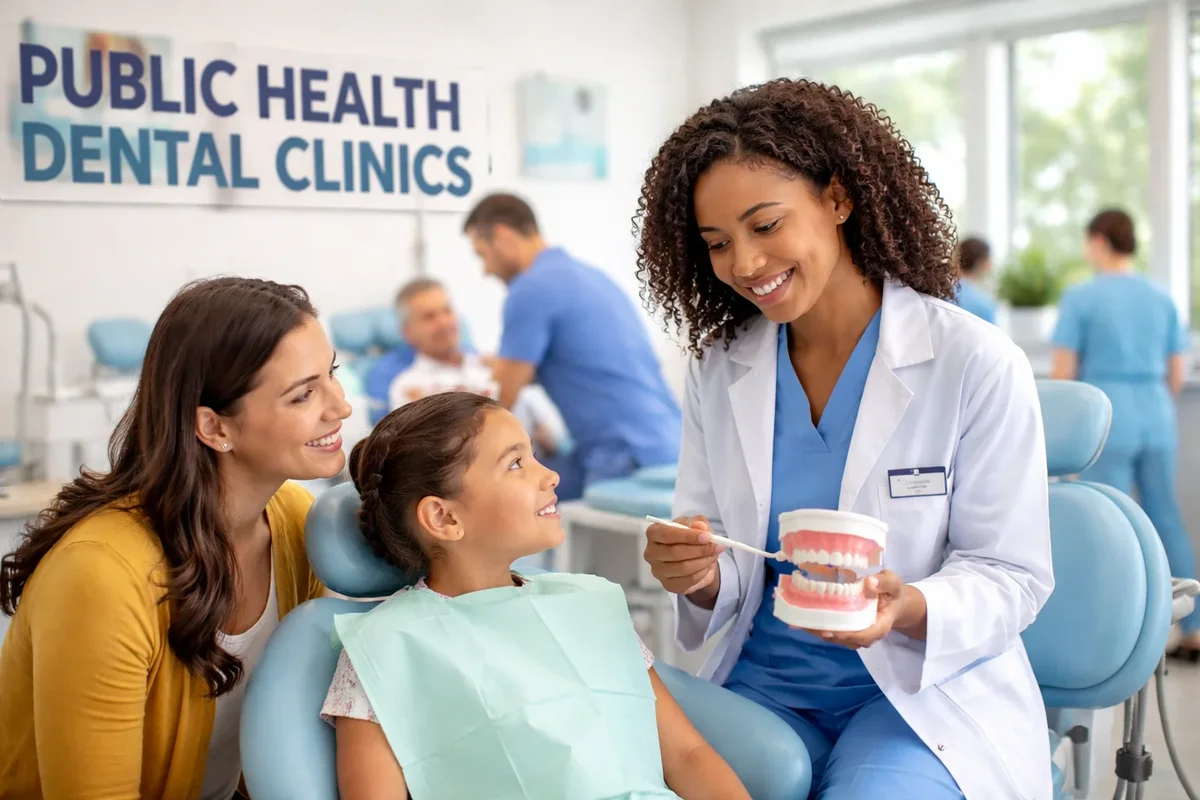
How Public Health Dental Clinics Improve Community Health
Public health dental clinics play a transformative role in improving not only individual oral health but also the overall well-being of entire communities. These clinics are more than just treatment centers—they are essential pillars of preventive healthcare systems. By providing accessible, affordable, and education-focused services, public health dental clinics contribute to healthier populations, reduced healthcare costs, and stronger social outcomes. 🌍
The impact of public health dental clinics extends far beyond treating cavities or performing extractions. Their mission is rooted in public health principles, which aim to prevent disease, promote health awareness, and reduce inequalities across different population groups. This makes public health dental clinics a critical component of modern healthcare systems.
Reducing Oral Health Inequalities
One of the most significant contributions of public health dental clinics is their ability to reduce disparities in oral healthcare access. Many individuals, especially those in low-income or underserved communities, face barriers to receiving dental care. Public health dental clinics eliminate these barriers by offering affordable or free services.
Access for Underserved Populations
Public health dental clinics ensure that vulnerable groups—including children, elderly individuals, and uninsured patients—receive the care they need. This inclusive approach helps close the gap between different socioeconomic groups.
Equal Opportunity for Oral Health
By making dental care accessible to all, public health dental clinics promote fairness and equality in healthcare. Everyone deserves a healthy smile, and these clinics make that possible. 😊
Promoting Preventive Care and Education
Prevention is at the core of public health dental clinics. Instead of focusing solely on treatment, these clinics actively work to prevent dental problems before they occur.
Community Education Programs
Public health dental clinics organize educational initiatives to teach proper oral hygiene practices. These programs often include demonstrations on brushing and flossing, as well as guidance on maintaining a healthy diet.
School-Based Preventive Services
Many public health dental clinics collaborate with schools to provide preventive care for children. This includes fluoride treatments, sealants, and routine check-ups, helping to establish healthy habits early in life.
Early Detection of Health Issues
Regular visits to public health dental clinics allow for early detection of dental and systemic health problems. Dentists can identify signs of gum disease, infections, and even conditions linked to overall health, such as diabetes.
Preventing Serious Complications
Early diagnosis reduces the risk of severe dental issues that require complex and expensive treatments. Public health dental clinics play a key role in catching problems at an early stage.
Link Between Oral and General Health
Oral health is closely connected to overall health. Public health dental clinics help patients understand this connection, encouraging better health habits. 🛡️
Reducing Healthcare Costs for Communities
By focusing on prevention and early treatment, public health dental clinics significantly reduce healthcare costs at both individual and community levels.
Lower Emergency Care Needs
Preventive care reduces the number of dental emergencies, which are often more expensive to treat. Public health dental clinics help minimize these situations.
Cost-Effective Public Health Strategy
Investing in public health dental clinics is a cost-effective approach for governments and healthcare systems. Preventing disease is always more economical than treating advanced conditions.
Improving Quality of Life
Healthy teeth and gums contribute to better nutrition, clearer speech, and increased self-confidence. Public health dental clinics help individuals lead healthier and more fulfilling lives.
Enhanced Nutrition
Proper oral health allows individuals to eat a balanced diet, which is essential for overall well-being.
Boosted Confidence
A healthy smile improves self-esteem and social interactions. Public health dental clinics play a vital role in helping people feel confident about their appearance. 😁
Strengthening Community Health Systems
Public health dental clinics are often integrated into broader healthcare systems, contributing to a more coordinated and effective approach to public health.
Collaboration with Healthcare Providers
These clinics work alongside hospitals, schools, and community organizations to provide comprehensive care. This collaboration enhances the effectiveness of healthcare delivery.
Data Collection and Public Health Planning
Public health dental clinics also contribute to data collection, helping authorities understand trends in oral health and develop targeted interventions.
Supporting Long-Term Public Health Goals
Public health dental clinics align with long-term health goals, such as reducing disease prevalence and improving population health outcomes.
Health Promotion Campaigns
These clinics often participate in campaigns aimed at raising awareness about oral health and encouraging preventive behaviors.
Sustainable Healthcare Development
By focusing on prevention and accessibility, public health dental clinics support sustainable healthcare systems that benefit future generations.
Global Importance of Public Health Dental Clinics
On a global scale, public health dental clinics are recognized as essential for improving oral health outcomes. Organizations such as the American Dental Association emphasize the importance of expanding access to dental care worldwide.
These clinics are particularly important in developing regions, where access to private dental services may be limited. Public health dental clinics provide a foundation for healthier communities and improved quality of life.
Taking Action for Better Community Health
If you are interested in improving your oral health or contributing to community well-being, public health dental clinics are an excellent starting point. Regular visits, combined with good oral hygiene practices, can make a significant difference.
For personalized guidance or professional support, you can visit the Redent Klinik Contact Page to connect with experienced dental professionals.
In conclusion, public health dental clinics are a cornerstone of community health. Their focus on prevention, accessibility, and education creates lasting benefits for individuals and society as a whole. By supporting and utilizing public health dental clinics, communities can achieve healthier smiles and brighter futures. 🌟