
A public health dentist plays one of the most critical roles in modern healthcare, working not only with individual patients but also with entire populations to improve oral wellness. Unlike traditional clinical dentists who focus on one-on-one treatment, a public health dentist is trained to evaluate community-wide risks, design preventive programs, and reduce oral disease at scale. This makes them essential in schools, low-income regions, rural areas, community clinics, government health departments, research groups, and global health missions. Their work bridges the gap between dentistry and public policy, ensuring that oral healthcare becomes accessible, equitable, and sustainable for everyone. 🌍🦷
The primary mission of a public health dentist is to identify how social, economic, biological, and behavioral factors influence oral health trends in communities. Rather than focusing only on filling cavities or performing extractions, they emphasize prevention through fluoridation programs, oral hygiene education, sealant initiatives, nutritional guidance, and collaborative outreach projects. Because they operate from a broader perspective, every decision aims to improve outcomes on a population level. This unique approach helps decrease disparities and ensures vulnerable groups receive the attention they need.
Beyond prevention, a public health dentist is often involved in research and policy-making. They analyze epidemiological data, design community surveys, and interpret long-term oral health trends to propose effective strategies for national or regional health systems. This includes advising governments on water fluoridation standards, shaping childhood oral health policies, implementing school-based screening programs, and helping create evidence-based regulations that keep communities safe. Their expertise is also crucial in designing continuing education material for dental professionals and creating national awareness campaigns related to gum disease, oral cancer, and hygiene habits.
A major advantage of the public health dentist model is its strong focus on prevention instead of treatment. Prevention is not only more effective but also far more affordable for communities, health systems, and governments. For instance, implementing a water fluoridation program can drastically reduce cavity rates without requiring individuals to seek professional treatment. Similarly, school sealant programs can save families from costly dental procedures later in life. By prioritizing accessible, community-based solutions, public health dentists help ensure that oral care becomes a basic right rather than a luxury.
To fully carry out their mission, a public health dentist collaborates with many professionals, including pediatricians, general dentists, epidemiologists, educators, social workers, and local authorities. These partnerships help expand outreach and enable more comprehensive solutions. For example, community centers may host oral hygiene workshops, while local governments may support free dental screening days. Universities and health organizations such as the American Dental Association also collaborate with public health dentists to develop guidelines, provide resources, and conduct research that enhances national oral health strategies.
Public health dentistry also emphasizes culturally sensitive communication. This ensures that oral health education is adapted to different languages, traditions, and levels of health literacy. A public health dentist may create easy-to-understand materials, multilingual campaigns, and interactive training sessions to reach diverse populations. They often focus on groups that historically face limited access to dental services, including rural families, refugees, seniors, and individuals with chronic illnesses. Their role as community educators is just as valuable as their clinical expertise. 📚✨
Some public health dentists work within governmental departments to develop long-term plans to reduce cavity rates or improve oral screening access. Others work internationally, providing dental aid during crises, humanitarian missions, or epidemics. The profession also intersects with global health, and many experts contribute to international reports and oral health frameworks. Because oral health is tightly linked to overall health—affecting nutrition, speech, confidence, and even systemic disease—these contributions help raise the quality of life for entire societies.
If a reader wants to learn more or access dental expertise directly, visiting the Redent Klinik Contact Page offers professional guidance and support. Whether someone needs individual care or community-level assistance, professional dental teams can help address both clinical and preventive needs effectively.
Ultimately, the role of a public health dentist is indispensable in today’s world. Their work goes far beyond the dental chair, influencing education, prevention, research, and policy. They ensure that every person—regardless of age, income, or background—has a fair chance at maintaining lifelong oral health. Through strategic planning, compassionate outreach, and scientific expertise, they stand at the forefront of building healthier, brighter, and more informed communities. 🌟
What Does a Public Health Dentist Do?
A public health dentist is a specially trained dental professional whose work extends far beyond traditional clinical care. Their mission revolves around improving oral health outcomes for entire populations rather than focusing solely on individual patients. By analyzing community trends, implementing preventive programs, shaping public health policies, and promoting oral health education, they help lower disease rates at a regional and national level. Their approach is built on prevention, accessibility, and long-term impact, making them essential contributors to global and local healthcare systems. 🦷🌍
The Core Responsibilities of a Public Health Dentist
The responsibilities of a public health dentist are broad, strategic, and community-centered. Their work begins with studying epidemiological data to identify high-risk groups and common oral health problems. They design preventive strategies aimed at reducing cavities, gum disease, oral cancer, and overall treatment costs within communities. These strategies include water fluoridation programs, school-based sealant initiatives, oral hygiene workshops, mobile dental clinics, and nutritional education campaigns. By focusing on widespread impact, they ensure that oral health resources reach underserved and vulnerable populations.
Another responsibility of a public health dentist is collaborating with governmental and non-governmental organizations to establish evidence-based oral health policies. These policies guide national screening programs, fluoride regulations, early detection protocols, and community-level preventive measures. They often serve as advisors to ministries of health, hospital boards, global health teams, and research institutions.
Community-Based Prevention and Outreach
One of the strongest pillars of public health dentistry is prevention. A public health dentist works closely with communities to promote oral hygiene habits through group education sessions, instructional materials, and targeted health campaigns. They develop easy-to-understand resources for children, parents, teachers, and seniors, ensuring everyone receives clear guidance for maintaining oral health. These initiatives often include interactive workshops in schools, fluoride varnish days, and sealant application events. The goal is always to minimize disease before it begins.
School Programs Designed by Public Health Dentists
School programs are among the most impactful initiatives led by a public health dentist. These programs involve dental screenings, oral hygiene training, tooth brushing demonstrations, and sealant applications. Because children are highly receptive to education and preventive methods, early intervention creates a foundation for lifelong oral health. Public health dentists also work with teachers and parents to provide consistent follow-up and maintain strong hygiene routines.
Many such programs partner with organizations like the American Dental Association, which offers valuable guidelines and resources for pediatric oral health advancement. These partnerships ensure that programs remain updated with the latest scientific findings and best practices.
Policy Development and Advocacy Roles
A public health dentist also plays a key role in shaping oral health policy at both local and national levels. Policies regarding fluoride concentration in water supplies, sugar consumption guidelines, tobacco-use regulations, and oral cancer screening protocols are often influenced by their research and recommendations. Their involvement ensures that policies are scientifically sound, culturally appropriate, and effective.
They often serve as advocates for vulnerable groups, including elderly individuals, refugees, rural populations, and low-income families. Their advocacy may include pushing for free or subsidized dental care programs, mobile clinics, and health insurance reforms to expand access to essential dental services. Their efforts help narrow oral health disparities across communities.
Data Analysis and Research Contributions
Research is another essential component of a public health dentist’s daily work. They analyze public health data, conduct community surveys, and publish scientific studies focused on disease patterns, behavioral factors, and effective preventive techniques. Their work provides the foundation for future prevention programs and helps health authorities understand emerging oral health trends.
Research topics may include oral cancer prevalence, caries risk factors in children, gum disease rates among low-income adults, or the effects of nutrition and water fluoridation. Their findings often influence policy updates, clinical guidelines, and educational strategies. Many public health dentists also contribute to international health reports and collaborate with universities and global organizations.
Collaboration With Health Professionals
A public health dentist rarely works alone. They collaborate with pediatricians, nutritionists, general dentists, school administrators, epidemiologists, and local authorities to plan comprehensive oral health initiatives. Such collaborations ensure that oral health becomes part of overall health planning rather than an isolated field. Public health dentists also work with media teams to produce awareness campaigns about oral hygiene, smoking cessation, and the importance of regular checkups.
For individuals seeking direct professional dental guidance or preventive resources, you can visit the Redent Klinik Contact Page. This ensures quick access to qualified professionals who can provide both clinical care and community-focused advice.
Why the Role Matters for Society
The role of a public health dentist is vital because oral health impacts overall health—from nutrition to cardiovascular well-being. Communities with strong oral health programs experience fewer hospital visits, lower treatment costs, better quality of life, and improved academic performance among children. By reducing barriers to care and increasing preventive resources, public health dentists help achieve long-term wellness across populations.
Through research, policy-making, education, and large-scale preventive strategies, public health dentists protect community health and promote a future where everyone has equal access to a healthy smile. Their work ensures that oral health becomes a shared public priority, shaping stronger, healthier societies. 🌟🦷
How Public Health Dentistry Improves Community Well-Being
A public health dentist plays a transformative role in elevating the overall well-being of communities by addressing oral health challenges at their root causes. Community well-being is shaped by many factors—social conditions, access to care, education, socioeconomic status, and cultural practices. Public health dentistry acts as the bridge between these factors and healthier populations. Rather than treating isolated dental problems, a public health dentist focuses on wide-reaching systems that prevent disease, reduce inequities, and promote lifelong oral wellness for all. 🦷🌱
Understanding Community Oral Health Needs
Before effective programs can be established, a public health dentist begins by conducting thorough community assessments. This includes analyzing demographic information, evaluating disease patterns, identifying underserved groups, and studying behaviors that influence oral health outcomes. These assessments help reveal interconnected issues such as limited access to fluoride toothpaste, low oral health literacy, food insecurity, and high sugar consumption in certain populations.
Through this data-driven approach, the public health dentist creates tailored programs that target specific risk factors rather than applying generic, one-size-fits-all solutions. This ensures that every initiative—whether a school-based screening or a community-wide awareness campaign—directly addresses local needs.
Preventive Strategies That Shape Long-Term Health
Public health dentistry is rooted in prevention, and prevention drives community well-being. Instead of focusing solely on treating cavities or gum disease, a public health dentist designs systems that stop these conditions from developing in the first place. Preventive tools may include fluoride varnish programs, community water fluoridation, promotion of sealants, and education on nutrition and oral hygiene habits.
Water Fluoridation and Its Community Impact
One of the most successful public health measures worldwide is water fluoridation. A public health dentist frequently advises local governments on adjusting fluoride levels to ensure optimal dental protection for residents. This simple yet powerful measure can reduce cavity rates by up to 25% across all age groups. Because it requires no active participation from individuals, it benefits everyone—including those who may never visit a dental clinic.
School-Based Sealant Programs
To shield children from cavities, a public health dentist often organizes school sealant initiatives. Sealants are thin, protective coatings placed on the chewing surfaces of molars to prevent decay. Since children from low-income families face higher rates of untreated cavities, these school programs significantly reduce disparities. The result is not only healthier smiles but also improved academic performance due to reduced pain and fewer school absences.
Educational Campaigns That Strengthen Oral Health Literacy
Education is a core pillar of public health dentistry. A public health dentist develops materials, workshops, and campaigns designed to make oral health knowledge easy to understand and apply. These efforts may include parent-focused seminars, senior-centered oral care guides, youth-friendly digital content, and culturally tailored materials for immigrant communities.
These campaigns use simple language, engaging visuals, multilingual formats, and relatable examples. The goal is empowerment—helping individuals understand the importance of brushing, flossing, routine checkups, fluoride use, and healthy eating habits. Improving oral health literacy directly enhances community well-being because informed individuals make healthier choices.
Reducing Oral Health Inequities
A public health dentist plays a crucial role in identifying and reducing disparities in access to dental care. Low-income families, rural populations, individuals with disabilities, and the elderly often face significant barriers to treatment. Public health dentistry focuses on eliminating these barriers by offering mobile dental clinics, free screening days, subsidized treatments, and collaborations with local health organizations.
These outreach programs ensure that even the most marginalized groups receive essential preventive services. By broadening access, communities experience fewer emergency dental visits, lower healthcare costs, and improved overall well-being.
The Role of Policy in Community Oral Health
Public health dentistry heavily influences policymaking. A public health dentist often collaborates with government agencies, health ministries, and educational institutions to implement regulations that promote oral health. These policies may include guidelines for fluoride concentrations, sugar consumption regulations, tobacco control strategies, and oral cancer screening protocols.
Partnerships with powerful organizations like the American Dental Association help ensure that policies are grounded in scientific evidence and global best practices.
Improving Quality of Life Across All Age Groups
Community well-being improves significantly when oral health challenges are addressed early and consistently. Children benefit from higher confidence and fewer missed school days. Adults experience improved productivity and fewer health complications. Seniors maintain better nutrition, clearer speech, and enhanced social interaction.
A public health dentist contributes to quality-of-life improvements by designing interventions for each age group. Their work influences nutrition, systemic health, mental well-being, and overall longevity. Oral health is deeply connected to heart health, diabetes, and immune function, making their role essential in promoting whole-body wellness.
Collaborative Approaches for Sustainable Impact
No community initiative succeeds in isolation. A public health dentist collaborates with hospitals, schools, nutritionists, general dentists, social workers, and policymakers to create integrated care models. This holistic approach ensures long-term sustainability and meaningful results.
For individuals seeking personalized care or guidance on preventive programs, the Redent Klinik Contact Page offers access to professional dental support and resources.
In summary, public health dentistry elevates community well-being by combining science, education, accessibility, and policy into a unified strategy. Through prevention-focused systems, culturally sensitive outreach, and large-scale advocacy, a public health dentist ensures that communities thrive with healthier smiles and improved quality of life. 🌟🦷
Essential Skills Every Public Health Dentist Must Have
A highly effective public health dentist requires a unique blend of scientific knowledge, leadership abilities, community insight, and communication expertise. Unlike a clinical dentist who works primarily with individual patients, a public health dentist impacts entire populations. This requires mastering a wide range of skills—from epidemiology and policy development to cultural competence and data analysis. These competencies allow them to identify oral health trends, create preventive programs, shape health policy, and improve community well-being. 🦷🌍
Below is a comprehensive breakdown of the core skills that enable a public health dentist to carry out this impactful work effectively.
1. Epidemiological and Analytical Skills
One of the most fundamental skills for a public health dentist is the ability to analyze population-level data. They must understand epidemiology, disease surveillance, and statistical trends to identify patterns in oral health issues such as cavities, gum disease, oral cancer, and risk behaviors.
Data Collection and Interpretation
A public health dentist gathers data through community surveys, clinical screenings, research studies, and digital health records. They then interpret this information to detect disparities, predict future risks, and prioritize interventions. Their findings lay the foundation for effective public health programs, policymaking, and long-term oral health strategies.
Using Evidence-Based Approaches
Because decisions at the population level affect thousands or even millions of people, evidence-based practice is essential. A public health dentist must evaluate research studies, global health guidelines, and statistical models to ensure that preventive strategies such as water fluoridation or school sealant programs are rooted in reliable science.
2. Community Engagement and Cultural Competence
To create lasting change, a public health dentist must be able to connect with diverse populations. Communities may differ in language, culture, education, beliefs, and health behaviors. Understanding these differences builds trust and improves the success of oral health programs.
Building Trust With Communities
Effective communication helps a public health dentist promote oral health practices in a relatable, culturally sensitive manner. They must craft messages that resonate with children, seniors, parents, educators, and vulnerable groups. This often includes developing multilingual materials, visual guides, and hands-on demonstrations.
Cultural Sensitivity and Adaptation
A key part of public health dentistry is respecting cultural customs and traditions. A public health dentist adapts educational materials to meet cultural expectations and eliminates barriers that prevent certain groups from accessing care. Tailoring programs ensures inclusive support for everyone—from urban families to rural communities and immigrant groups.
3. Leadership and Program Management Skills
Since public health dentistry operates on a large scale, leadership is a crucial skill. A public health dentist must coordinate teams, manage budgets, evaluate program outcomes, and collaborate with multiple sectors including healthcare providers, educators, and government agencies.
Designing and Implementing Programs
A competent public health dentist designs comprehensive community programs such as school-based screenings, fluoride varnish initiatives, sugar reduction campaigns, and oral cancer awareness events. They must set goals, create timetables, assign responsibilities, and monitor results.
Interdisciplinary Collaboration
Public health dentistry relies on teamwork. A public health dentist works closely with epidemiologists, pediatricians, nutritionists, social workers, hygienists, and policymakers. These collaborations help address oral health from multiple angles and ensure that interventions produce measurable results.
4. Policy Development and Advocacy
A strong public health dentist understands how policy influences oral health outcomes and works actively to shape effective regulations. They advocate for measures such as fluoridation, tobacco control, sugar reduction, and improved access to preventive dental care.
Working With Government and Health Organizations
Public health dentists frequently collaborate with ministries of health, school boards, insurance agencies, and international organizations like the American Dental Association. Their guidance ensures policies align with scientific evidence and societal needs.
Improving Access to Dental Care
A public health dentist works to reduce disparities by advocating for mobile clinics, subsidy programs, free screenings, and expanded insurance coverage. This advocacy is crucial for supporting individuals who live in underserved communities.
5. Educational and Communication Skills
Public health dentistry involves continuous education—teaching communities, training professionals, and informing policymakers. A public health dentist must excel in simplifying complex health concepts and presenting them in engaging, accessible formats.
Creating Effective Educational Materials
These materials may include brochures, digital content, school curriculum guides, and public service announcements. A public health dentist ensures that each resource is clear, accurate, and culturally appropriate.
Public Speaking and Outreach
Whether addressing schools, conferences, government panels, or international health forums, a public health dentist must communicate confidently and persuasively. Their influence helps shape community behavior and public policy.
Access to Professional Support
For individuals or organizations seeking guidance on preventive dentistry programs or oral health strategies, the Redent Klinik Contact Page provides direct access to expert support.
In summary, a public health dentist must possess a powerful combination of analytical thinking, cultural awareness, leadership, communication, and scientific expertise. These skills enable them to deliver sustainable oral health improvements, reduce inequalities, and strengthen community well-being. Through education, advocacy, and evidence-based programs, they set the foundation for healthier, more resilient populations. 🌟🦷
Public Health Dentist vs. General Dentist: Key Differences
Although both professionals are trained in dentistry, the role of a public health dentist differs significantly from that of a general dentist. While general dentists focus mainly on diagnosing and treating individual patients, a public health dentist concentrates on improving oral health outcomes across large populations. This distinction shapes everything from their daily duties and work environments to their long-term impact on communities. Understanding these differences is essential for anyone exploring dental career paths, researching community-based oral health programs, or seeking the right type of care for specific needs. 🦷🌍
Below is a detailed breakdown of the core distinctions between a public health dentist and a general dentist—including education, responsibilities, goals, and community impact.
1. Scope of Practice and Primary Focus
A general dentist’s primary focus is the oral health of individual patients. This includes performing clinical procedures such as fillings, extractions, crowns, root canals, cleanings, and cosmetic treatments. Their goals revolve around restoring function, eliminating pain, and enhancing aesthetics.
In contrast, a public health dentist focuses on populations. Their work includes analyzing oral health trends, preventing disease outbreaks, reducing disparities, and improving community-wide access to care. Instead of examining one mouth at a time, they examine the needs of entire regions, cities, or countries.
Individual vs. Population-Level Dentistry
- General Dentist: One-on-one clinical treatment.
- Public Health Dentist: Large-scale community interventions.
The difference is similar to the contrast between a family doctor and a community health policy specialist—both vital, but serving unique purposes.
2. Types of Work Environments
A general dentist typically works in private dental clinics, family practices, or corporate dental offices. Their daily routine involves scheduled appointments, patient consultations, and clinical procedures.
A public health dentist, however, works in much broader environments. These may include government health departments, research institutions, universities, school systems, humanitarian missions, and community clinics. Their work is often interdisciplinary, involving partnerships with policymakers, educators, social workers, health ministries, and global health bodies.
Common Workplaces of Each Profession
- General Dentist: Private practice, dental chains, outpatient clinics.
- Public Health Dentist: Health ministries, universities, NGOs, government programs, school-based health systems.
3. Preventive vs. Restorative Focus
General dentists focus primarily on restorative care—repairing damage already present. Their main treatments address cavities, infections, gum disease, and broken or missing teeth.
A public health dentist prioritizes prevention. Their mission is to stop oral diseases before they begin. This includes fluoride programs, sealant initiatives, oral cancer screening campaigns, and educational workshops. Their preventive approach helps reduce long-term dental treatment costs and minimizes suffering among underserved populations.
Examples of Preventive Work Led by Public Health Dentists
- Designing water fluoridation policies
- Running school sealant programs
- Conducting community oral cancer screenings
- Developing oral hygiene campaigns
- Collaborating with organizations like the American Dental Association
4. Impact on Community and Society
General dentists have a direct impact on patient well-being by relieving pain, restoring smiles, and improving confidence. Their clinical expertise transforms individual lives daily.
A public health dentist, on the other hand, leaves a widespread, long-term impact on public well-being. Effective public health interventions can reduce cavity rates, minimize oral cancer risk, and improve oral hygiene norms across entire populations. Their work ensures that even individuals who rarely or never visit a dentist benefit from community programs.
Types of Social Impact Made by Public Health Dentists
- Reducing inequalities in dental care access
- Improving oral health literacy through education
- Lowering national dental treatment costs
- Promoting healthier nutrition and lifestyle habits
- Strengthening preventive healthcare infrastructure
5. Role in Policy, Research, and Advocacy
General dentists rarely participate in policymaking, although they may contribute clinical insights or support dental associations. Their work is centered on clinical delivery rather than research or large-scale planning.
A public health dentist is deeply involved in shaping public policy. They research oral health trends, recommend regulatory changes, and advocate for accessible and equitable dental care. They may help establish national guidelines for fluoride levels, tobacco control, sugar taxation, early childhood oral health protocols, and community-screening requirements.
Research and Policy Work Performed by Public Health Dentists
- Publishing epidemiological research
- Advising health ministries and municipal governments
- Evaluating school and community oral health programs
- Developing educational materials and national guidelines
6. Differences in Training and Education
General dentists pursue a dental degree (DDS or DMD) and may specialize in areas like orthodontics or endodontics. Their training focuses heavily on clinical skills.
A public health dentist typically completes additional postgraduate education such as a Master of Public Health (MPH) or a Doctorate in Public Health. This advanced training includes epidemiology, biostatistics, health policy, community program design, environmental health, and research methodology.
Which One Should a Patient or Community Choose?
Individuals needing restorative care should consult a general dentist, while those seeking community-level interventions, preventive solutions, or public health guidance benefit from the expertise of a public health dentist. For personalized guidance, outreach assistance, or oral health improvement strategies, a great starting point is visiting the Redent Klinik Contact Page.
In summary, while both professionals contribute immensely to oral health, the public health dentist and the general dentist fulfill distinct roles. Understanding these differences helps communities and individuals make informed choices, enhances public health strategies, and ensures the right care is delivered in the right setting. 🌟🦷
Top Public Health Programs and Preventive Dental Strategies
A highly skilled public health dentist plays a central role in designing, implementing, and supervising public health programs that reduce oral disease rates and strengthen community wellness. These programs are built on science-driven preventive strategies that protect populations before problems arise. From large-scale initiatives like water fluoridation to targeted interventions such as sealant programs and oral cancer screenings, public health dentistry creates long-term foundations for healthier societies. 🦷🌍
In this section, you will find a comprehensive, deeply detailed overview of the most impactful programs a public health dentist manages—programs that shape national oral health outcomes, reduce disparities, and support vulnerable communities.
1. Water Fluoridation Programs
One of the most powerful preventive dental strategies in history, water fluoridation is a cornerstone of public health dentistry. A public health dentist often collaborates with municipalities, environmental health agencies, and scientists to determine optimal fluoride levels for drinking water. This intervention significantly reduces cavity rates across all age groups, especially children and individuals lacking consistent dental care.
How Fluoridation Protects Communities
Fluoride strengthens enamel through remineralization, making teeth more resistant to acid attacks. Since the entire community benefits without needing to actively participate, water fluoridation delivers exceptional preventive value. According to global research, communities with fluoridated water experience a 20–40% reduction in cavities over long periods.
2. School-Based Dental Sealant Programs
School programs are among the most effective tools used by a public health dentist to reduce childhood cavities. Sealants—thin protective coatings applied to molars—prevent decay by blocking food particles and bacteria. These programs target children who may not have access to private dental care due to financial or geographical limitations.
Benefits of Sealant Initiatives
Sealant programs dramatically lower the risk of decay in permanent molars, reducing long-term treatment needs. They also help bridge the gap between low-income and high-income children, making oral health more equitable. In many regions, partnerships with organizations such as the American Dental Association ensure proper training, clinical guidelines, and program quality.
3. Oral Cancer Screening Campaigns
Oral cancer can be life-threatening when detected late. A public health dentist organizes community-based screening events to catch early signs of lesions, tissue changes, or precancerous abnormalities. These campaigns often take place in schools, universities, shopping centers, workplaces, and local health fairs.
Raising Awareness Through Public Education
Because tobacco, alcohol, and HPV are major risk factors, education plays a vital role in prevention. A public health dentist develops awareness materials that warn communities about early symptoms, lifestyle risks, and the importance of regular examinations. These campaigns often include multilingual outreach to ensure inclusivity.
4. Community Oral Health Education
Oral health literacy is one of the strongest predictors of dental well-being. A public health dentist designs comprehensive education programs that teach families how to care for their teeth, understand risk factors, and establish lifelong healthy habits.
Methods Used in Educational Programs
- Interactive school workshops
- Posters and flyers in community centers
- Digital campaigns on social media
- Training sessions for teachers and caregivers
- Nutrition-focused oral health classes
These programs empower individuals to take control of their own oral hygiene, leading to improved community health outcomes.
5. Mobile Dental Clinics and Outreach Missions
Many underserved communities—including rural populations, migrant workers, and elderly individuals—lack access to regular dental care. A public health dentist tackles this challenge by organizing mobile dental clinics equipped to provide screenings, cleanings, fluoride applications, and referral services.
How Mobile Clinics Improve Equity
Mobile units travel directly to remote or disadvantaged areas, eliminating barriers such as transportation costs, limited clinic availability, and lack of awareness. This outreach dramatically increases preventive coverage and reduces emergency dental visits.
6. Nutrition-Based Oral Health Programs
Nutrition plays a significant role in oral health. A public health dentist collaborates with nutritionists and schools to introduce programs that discourage excessive sugar consumption and promote tooth-friendly diets. These programs target habits that lead to cavities, obesity, and other systemic health issues.
Key Components of Nutrition Programs
- Reducing sugary beverage consumption
- Encouraging fruit and vegetable intake
- Educating families about hidden sugars
- Advocating for healthy school meal standards
7. Tobacco and Vaping Cessation Programs
Tobacco and vaping cause devastating oral health effects, including gum disease, tooth loss, and oral cancer. A public health dentist works with community organizations to implement cessation support programs aimed at teenagers and adults.
Components of Successful Cessation Efforts
These programs include counseling, digital support tools, school lectures, media campaigns, and partnerships with medical professionals. They help communities understand the dangers of tobacco while offering practical quitting strategies.
8. Policy Development and Regulatory Initiatives
A public health dentist also contributes to provincial, national, and international health policies. These regulations may address fluoride levels, sugar labeling, school health standards, tobacco restrictions, and public healthcare funding. Policy initiatives shape the future of oral health infrastructure and ensure sustainable, long-term community protection.
Access to Community Support
Communities or institutions that want to implement preventive programs can reach out to professional teams through the Redent Klinik Contact Page for guidance on designing effective oral health strategies.
In conclusion, a public health dentist utilizes a comprehensive set of preventive strategies and public health programs to enhance community wellness. These initiatives reduce disease rates, support vulnerable populations, and create healthier, more educated societies. Through innovative outreach, evidence-based prevention, and regional planning, public health dentists protect the oral health of entire generations. 🌟🦷
The Role of Public Health Dentists in School-Based Dental Care
A public health dentist plays a foundational and transformative role in improving the oral health of children through school-based dental care programs. Schools serve as one of the most effective environments for delivering preventive dental services because they provide consistent access to children across all socioeconomic groups. By integrating oral health education, screenings, fluoride treatments, and sealant applications into school systems, public health dentists reduce childhood cavity rates, improve academic performance, and ensure that oral health inequalities are addressed early. 🦷🎒
This comprehensive section examines how a public health dentist designs, supervises, and evaluates school-based dental programs, highlighting the strategies that bring long-term benefits to entire communities.
1. Why Schools are Critical for Oral Health Prevention
Schools offer a structured environment where a public health dentist can reach children who might otherwise never receive dental care. Many families face financial, cultural, or logistical barriers that prevent regular dental visits. School programs eliminate these barriers and provide equitable access to prevention.
Key Advantages of School Dental Programs
- High participation rates among children
- Convenient access to preventive services
- Early detection of dental issues
- Reduced absenteeism due to oral pain
- Long-term cost savings for families and health systems
A public health dentist ensures that these benefits are delivered consistently through well-designed programs.
2. School Dental Screenings and Early Detection
Screenings are a core component of school-based dental care. A public health dentist coordinates trained professionals to evaluate each student’s oral health and identify early signs of cavities, gum inflammation, malocclusion, and other dental concerns. Early detection prevents minor issues from escalating into painful or costly problems.
Screening Methods Used in Schools
Screenings may involve dental hygienists, volunteers, or mobile clinic teams. A public health dentist oversees training and standardization to ensure accuracy and consistency. They also develop referral systems to connect children with necessary follow-up care in partner clinics or community health centers.
3. Fluoride Varnish Programs in Schools
Fluoride varnish application is one of the most cost-effective strategies a public health dentist implements in school settings. This treatment strengthens enamel, slows early cavity progression, and provides long-lasting protection.
Why Fluoride Varnish Works
Fluoride varnish adheres easily to teeth and is safe for children. Application is quick, painless, and inexpensive. Public health dentists may schedule varnish days multiple times per year, ensuring consistent protection for students at high risk of dental decay.
4. Dental Sealant Programs for Cavity Prevention
Sealants protect the chewing surfaces of molars and premolars, areas where food often becomes trapped. A public health dentist designs sealant initiatives that target elementary and middle school students, the age range most vulnerable to developing cavities.
Impact of Sealant Programs
- Reduces cavity rates by up to 80% on sealed teeth
- Protects children who may not have regular dental visits
- Significantly lowers long-term dental treatment costs
These programs often involve partnerships with global leaders such as the American Dental Association, which provides guidelines and quality assurance resources.
5. Oral Health Education for Children, Teachers, and Parents
Education is an essential pillar of school-based dental care. A public health dentist creates age-appropriate lessons, engaging materials, and visual demonstrations to teach children how to brush, floss, and adopt healthy habits. They also train teachers to reinforce these habits in the classroom.
Topics Covered in School Oral Health Lessons
- Proper brushing and flossing techniques
- Healthy snack choices
- The dangers of sugary drinks
- Why regular dental checkups matter
- The connection between oral health and school performance
Parents are also included in educational outreach to ensure consistency at home. Empowering entire families creates long-term oral health improvements.
6. Addressing Oral Health Disparities Through School Programs
Children from low-income families or underserved communities often face severe oral health challenges. A public health dentist designs school programs specifically to reduce these inequalities. By providing free or low-cost preventive services directly in schools, they reach at-risk groups efficiently and compassionately.
Examples of Disparity-Focused Initiatives
- Mobile dental clinics for rural students
- Multilingual education materials
- Access to referrals and community health resources
- Monitoring high-risk students for follow-up care
This ensures that all children—regardless of background—receive the preventive care they deserve.
7. Collaborations With Local Health Organizations
A public health dentist works closely with schools, government agencies, dental associations, and non-profit organizations to maintain strong support systems. These collaborations help secure funding, training, supplies, and data needed to continuously improve programs.
8. Tracking Outcomes and Evaluating Program Effectiveness
Evaluation is a critical step. After implementing programs, a public health dentist analyzes outcomes such as reduced cavity rates, improved oral hygiene habits, or increased participation in screenings. These insights guide future improvements and establish evidence for continued funding.
Access to Expert Guidance
Schools or organizations seeking to establish or expand their dental programs can reach out to experts through the Redent Klinik Contact Page for professional support and guidance.
In summary, a public health dentist is essential in shaping school-based dental care systems that protect children’s health, reduce inequalities, and promote lifelong oral wellness. Through screenings, fluoride applications, sealants, and education, they build the foundation for healthier, more confident generations. 🌟🦷
How Public Health Dentists Address Oral Health Disparities
A public health dentist is uniquely positioned to confront one of the most significant challenges in global healthcare: oral health disparities. These disparities arise when certain populations—often low-income families, rural communities, ethnic minorities, people with disabilities, and older adults—have limited access to dental care, preventive resources, or education. The consequences are profound, affecting overall health, speech, confidence, nutrition, school performance, and economic stability.
Through research, preventive initiatives, policy advocacy, and community engagement, a public health dentist develops targeted solutions designed to close gaps in access and improve fairness in oral healthcare systems. Below is a comprehensive examination of the strategies they use to eliminate disparities and promote equitable oral health for all. 🦷🌍
1. Identifying the Root Causes of Oral Health Inequities
Effective intervention begins with understanding why disparities exist. A public health dentist uses community assessments, surveys, epidemiological studies, and demographic analysis to identify high-risk groups. These assessments reveal critical issues such as financial barriers, lack of transportation, limited awareness, language differences, absence of fluoridated water, or cultural beliefs that hinder dental care.
Common Factors Behind Oral Health Disparities
- Low household income
- Geographic isolation
- Limited health literacy
- Inadequate insurance coverage
- Cultural or linguistic differences
- Systemic barriers in healthcare structures
By uncovering the underlying causes, a public health dentist designs interventions that respond directly to community needs.
2. Expanding Access Through Community Dental Programs
Access is one of the largest contributors to disparities. Many families cannot visit private clinics due to cost or distance. A public health dentist solves this problem through large-scale community programs tailored for underserved regions.
Examples of High-Impact Access Programs
- Mobile dental clinics that travel to rural communities
- School-based dental care including sealants and fluoride varnish
- Community screening events hosted at churches, parks, or health centers
- Low-cost or free dental clinics funded by grants or partnerships
These initiatives ensure that children, seniors, and vulnerable adults have access to preventive and restorative care they might otherwise miss.
3. Educational Programs That Raise Oral Health Literacy
Health literacy plays a key role in disparities. A community may have access to care, but if individuals are unaware of proper hygiene practices, risk factors, or the importance of early detection, oral health problems persist. A public health dentist develops culturally sensitive educational materials that empower individuals with practical knowledge.
Educational Tools Designed for Accessibility
- Visual, multilingual posters for low-literacy audiences
- Workshops in schools, senior centers, or refugee communities
- Social media and digital campaigns targeting teens and parents
- Demonstrations on brushing, flossing, and nutrition
These programs help communities understand why oral health matters and how small daily actions can prevent serious problems.
4. Culturally Competent Care to Serve Diverse Populations
Cultural and linguistic barriers often prevent individuals from seeking care. A public health dentist is trained in cultural competency—an essential skill for building trust. They adapt communication styles, translate materials, respect traditions, and design inclusive programs that align with cultural values.
Strategies for Culturally Sensitive Care
- Translating educational materials into community languages
- Partnering with cultural leaders to promote programs
- Developing oral health campaigns that honor cultural norms
- Training dental staff to understand cultural expectations
These approaches ensure that minority and immigrant groups receive equitable oral health support.
5. Policy Advocacy to Reduce Financial and Systemic Barriers
A public health dentist contributes heavily to policy development that reduces financial and systemic barriers impacting oral health. Their advocacy may include expanding insurance coverage, promoting affordable preventive care, and improving Medicaid or public dental programs.
Examples of Policy-Focused Solutions
- Supporting sugar taxation to reduce cavity rates
- Advocating for fluoridated community water systems
- Promoting oral screenings in national child health guidelines
- Working with lawmakers to fund rural dental clinics
- Collaborating with organizations like the American Dental Association
Through policy leadership, public health dentists influence nationwide access to preventive dental care.
6. Providing Preventive Care for High-Risk Groups
Certain populations require specialized preventive services. A public health dentist designs programs such as fluoride varnish days, oral cancer screenings, and nutritional workshops tailored to high-risk individuals. These targeted interventions reduce the likelihood of advanced dental diseases.
High-Risk Groups Typically Supported
- Children from low-income households
- Older adults with limited mobility
- Individuals with chronic illnesses
- People with disabilities or special healthcare needs
- Refugee and migrant communities
7. Strengthening Community Partnerships
A public health dentist collaborates with schools, hospitals, local governments, and non-profit organizations to deliver comprehensive oral health programs. These partnerships amplify the reach and effectiveness of interventions, ensuring long-term stability and measurable improvements.
8. Monitoring and Evaluating Program Outcomes
Evaluation ensures accountability. A public health dentist measures program outcomes such as cavity reduction rates, increased sealant usage, higher screening participation, and improved oral hygiene behaviors. These evaluations help refine programs and secure future funding.
Access to Care and Personalized Support
Communities, families, or institutions seeking guidance on reducing oral health disparities can consult professional teams through the Redent Klinik Contact Page for customized solutions and support.
In conclusion, a public health dentist plays an indispensable role in closing oral health gaps and ensuring that care is fair, accessible, and culturally sensitive. Through community outreach, education, policy advocacy, targeted prevention, and careful evaluation, they build healthier, more equitable societies where everyone has the opportunity to maintain lifelong oral wellness. 🌟🦷
Training, Education, and Career Path of a Public Health Dentist
Becoming a public health dentist requires a unique blend of clinical expertise, public health education, leadership skills, and a profound commitment to community wellness. Unlike traditional clinicians who primarily treat individual patients, a public health dentist focuses on population-wide oral health outcomes. Their training emphasizes epidemiology, community program design, policy development, and preventive dentistry. This section offers a comprehensive overview of the educational journey, required qualifications, essential skills, and career opportunities available for those seeking to become leaders in community oral health. 🦷🎓
Because this career path combines healthcare and public service, the process demands rigorous academic preparation and hands-on experience. From dental school to residency and public health specialization, each step equips future leaders with the scientific, analytical, and social tools needed to improve oral health at the community and national levels.
1. Academic Foundation: Undergraduate Preparation
The journey toward becoming a public health dentist typically begins with an undergraduate degree in a science-related field. Students often major in biology, chemistry, public health, biomedical sciences, or health administration.
Recommended Undergraduate Courses
- Biology and human anatomy
- Chemistry and biochemistry
- Microbiology and physiology
- Statistics and epidemiology
- Health policy and health promotion
- Sociology and behavioral science
These courses build a strong scientific foundation and introduce students to social determinants of health, both essential elements for a future public health dentist.
2. Dental School: The Clinical Foundation
After completing an undergraduate degree, students enter dental school to obtain either a Doctor of Dental Surgery (DDS) or Doctor of Dental Medicine (DMD) degree. This four-year program trains them in anatomy, oral pathology, restorative dentistry, periodontics, radiology, pharmacology, and clinical procedures.
What Dental School Teaches Future Public Health Leaders
- Diagnosis and treatment of oral diseases
- Preventive dental care
- Patient communication and clinical ethics
- Hands-on clinical experience with diverse populations
- Dental radiology and surgical skills
Although dental school primarily focuses on clinical care, it also offers opportunities to explore community health volunteering, leadership roles, and public health electives that lay the groundwork for future specialization as a public health dentist.
3. Public Health Specialization: MPH or MDPH
After earning a DDS or DMD, aspiring public health dentists pursue advanced training in population health through degrees such as:
- Master of Public Health (MPH)
- Master of Dental Public Health (MDPH)
- Doctor of Public Health (DrPH) (for advanced leadership roles)
These programs emphasize epidemiology, biostatistics, health policy, health behavior, environmental health, and program evaluation. A public health dentist also learns how to design large-scale preventive programs, conduct population research, and shape national oral health policies.
Key MPH Coursework
- Epidemiology and disease surveillance
- Biostatistics and data analysis
- Health systems management
- Global public health
- Program design and evaluation
- Public health communication strategies
This advanced education equips a public health dentist to understand complex community factors and create evidence-based solutions.
4. Residency in Dental Public Health
Certification in Dental Public Health requires completing a residency accredited by the Commission on Dental Accreditation (CODA). This residency includes practical, research-oriented, and administrative training under the supervision of experienced public health dentists.
Residency Focus Areas
- Community oral health assessments
- Program planning and management
- Health economics and cost-benefit analysis
- Public health research methodologies
- Policy development and advocacy
- Leadership and interprofessional collaboration
Residency provides real-world experience implementing programs such as school sealant services, community screenings, water fluoridation monitoring, and tobacco cessation campaigns.
5. Board Certification and Credentialing
After completing residency, dentists can become board-certified specialists through the American Board of Dental Public Health (ABDPH). Certification demonstrates advanced expertise, leadership abilities, and the capacity to serve as a high-level public health dentist.
Benefits of Board Certification
- Enhanced credibility
- Eligibility for advanced leadership roles
- Broader career opportunities in academia, research, and government
- Professional recognition
6. Essential Skills Every Public Health Dentist Must Master
Beyond academic knowledge, a public health dentist must excel in leadership, communication, and analytical problem-solving. Their role requires interacting with diverse communities, policymakers, healthcare providers, and educators.
Core Competencies
- Strong epidemiological analysis
- Program planning and budget management
- Cultural competency and sensitivity
- Policy advocacy and public speaking
- Data interpretation and research
- Team leadership and project coordination
7. Career Opportunities for Public Health Dentists
A public health dentist can pursue numerous career paths across healthcare systems, government agencies, international organizations, and academic institutions.
Common Career Sectors
- Local and national health departments
- Universities and dental schools
- International health agencies
- Non-profit oral health organizations
- Research institutions
- Policy advocacy groups
Many also work with global leaders such as the American Dental Association to develop national guidelines and support international oral health initiatives.
8. Pathways for Continuing Professional Development
Because public health challenges evolve over time, ongoing education is essential. A public health dentist regularly attends seminars, policy workshops, epidemiology conferences, and leadership trainings to stay updated.
Guidance for Aspiring Public Health Dentists
Students, professionals, or institutions interested in pursuing guidance on public health dental careers may reach out to experts through the Redent Klinik Contact Page.
In summary, becoming a public health dentist is a rewarding journey that requires dedication, advanced education, and a passion for community service. With the right training, clinical experience, and public health expertise, these professionals play a transformative role in shaping healthier societies and reducing global oral health disparities. 🌟🦷
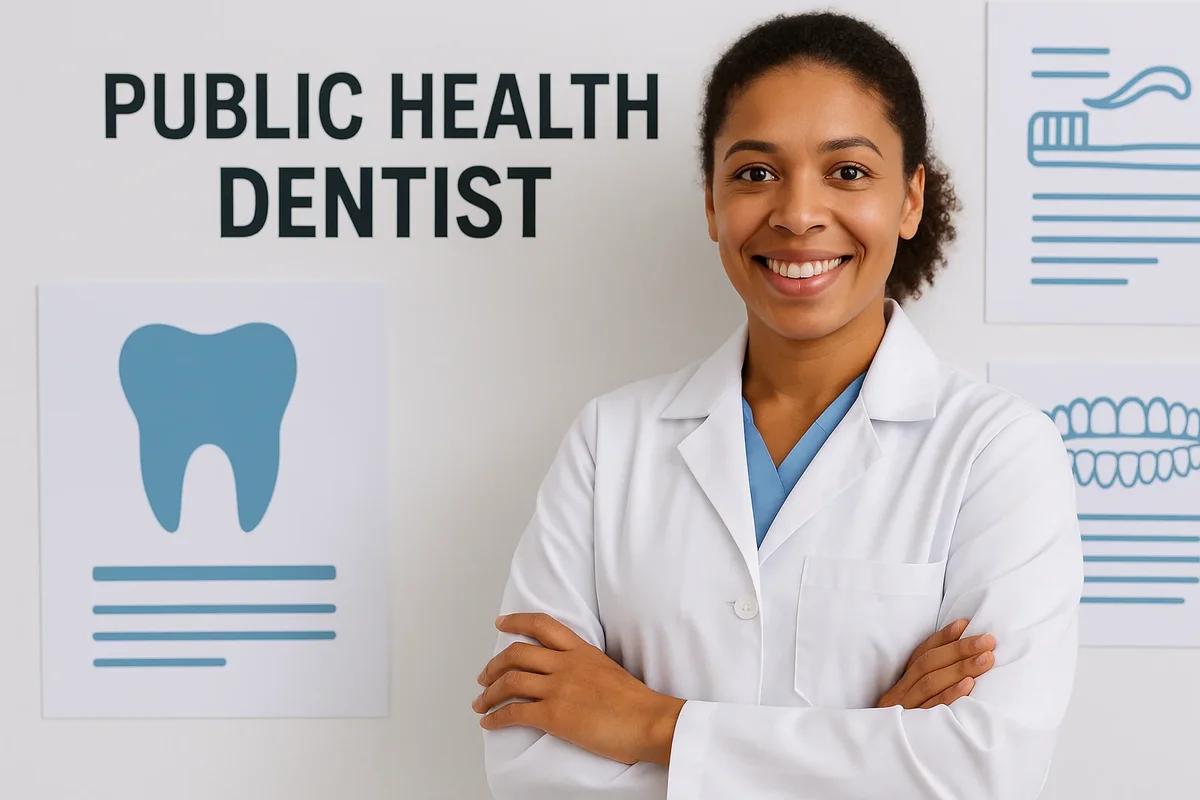
Future Trends Shaping the Public Health Dentistry Profession
As global healthcare evolves, the role of a public health dentist is expanding rapidly. New technologies, shifting population demographics, emerging diseases, and government policy reforms all contribute to a transformed landscape in oral health delivery. Over the next decade, public health dentists will not only continue addressing disparities but will also lead innovations that improve population-level outcomes. From digital dentistry and AI-driven diagnostics to community-based preventive models and global health collaborations, the profession is entering an exciting era of growth. 🌍🦷
Below is an extensive and forward-looking analysis of the major trends shaping the future of public health dentistry. Each section breaks down how a public health dentist will adapt, improve systems, and lead the next generation of oral health advancements.
1. Integration of Artificial Intelligence and Digital Health
AI is revolutionizing healthcare, and oral health is no exception. A public health dentist increasingly relies on digital tools to analyze community data, detect disease patterns, and predict oral health risks. AI-powered platforms help identify populations at high risk for cavities, gum disease, or oral cancer.
Innovative AI Applications
- Predictive modeling that identifies communities likely to experience dental disease outbreaks
- Automated image analysis for early detection of caries and oral lesions
- AI-based triage tools that guide referral systems for underserved populations
- Chatbots for oral health education in remote regions
These technologies allow a public health dentist to make data-driven decisions and design more efficient community programs.
2. Tele-Dentistry and Remote Oral Health Services
Tele-dentistry makes dental care more accessible to rural residents, elderly patients, and individuals with mobility challenges. A public health dentist uses tele-dentistry to conduct virtual screenings, provide preventive counseling, and triage cases before recommending in-person visits.
Benefits of Tele-Dentistry
- Reduced travel barriers for patients
- Lower healthcare costs
- Increased early detection
- Support for school-based dental programs
Tele-dentistry is particularly valuable during crises such as pandemics, natural disasters, or economic disruptions.
3. Expansion of Preventive Dentistry Models
The future of oral healthcare is prevention, not just treatment. A public health dentist will focus even more on preventive strategies such as fluoride varnish campaigns, school sealant programs, sugar reduction policies, and tobacco cessation projects.
Population-Level Preventive Measures
- Fluoride optimization in community water systems
- Widespread education on sugar-related risks
- National sealant initiatives targeting early childhood
- Government incentives for preventive dental visits
These efforts reduce long-term healthcare costs and improve community well-being.
4. Cross-Sector Collaborations to Improve Oral Health Equity
Health equity remains one of the most pressing challenges today. A public health dentist will increasingly work with educators, mental health experts, physicians, policymakers, and humanitarian organizations to develop multi-dimensional solutions.
Collaborative Strategies
- Joint programs with schools to promote daily brushing
- Partnerships with diabetes and cardiac health programs
- Integrated care initiatives in hospitals
- Global collaborations with organizations like the American Dental Association
These partnerships help address systemic issues while ensuring culturally competent care across diverse communities.
5. Growing Importance of Oral-Systemic Health Integration
Modern research consistently shows that oral health is deeply connected to overall health. Gum disease is linked to diabetes, cardiovascular issues, pregnancy complications, and respiratory illnesses. A public health dentist plays an essential role in bridging oral health with general healthcare systems.
Examples of Oral-Systemic Health Integration
- Joint clinics for diabetes and periodontal disease prevention
- Medical-dental integration in public health centers
- Maternal oral health programs supporting pregnant women
- Senior wellness initiatives focusing on nutrition and oral care
This holistic approach leads to improved patient outcomes and reduced healthcare costs.
6. Climate Change and Environmental Health Impact
Environmental changes affect oral health in subtle but significant ways. Water scarcity, pollution, and extreme weather influence fluoride levels, access to care, and the spread of oral infections. A public health dentist must adapt programs to address these evolving environmental risks.
Future Environmental Considerations
- Monitoring water quality for fluoride effectiveness
- Planning mobile clinics during climate emergencies
- Researching pollution-related oral health conditions
- Designing sustainable dental public health programs
7. Technological Advancements in Biomaterials and Regeneration
Regenerative dentistry is an exciting frontier. New biomaterials aim to repair enamel, reverse early decay, and strengthen tissue healing. A public health dentist follows emerging scientific breakthroughs to incorporate regenerative practices into future prevention models.
Emerging Regenerative Technologies
- Biomimetic materials that strengthen enamel
- Stem cell research targeting tissue repair
- Remineralization agents for early decay
- Biodegradable dentures and eco-friendly dental materials
8. Data-Driven Public Health Policy Reform
Public health decisions increasingly rely on large-scale data analytics. A public health dentist will work with epidemiologists and governmental agencies to shape policies based on real-time data.
Data-Driven Innovations
- Dashboards monitoring oral disease prevalence
- Predictive tools for allocating dental resources
- Digital platforms for tracking school dental program outcomes
- Evidence-based tax or labeling proposals for sugary foods
9. Global Initiatives to Reduce Oral Health Disparities
Oral health inequities remain a global concern. A public health dentist is increasingly part of international efforts to improve oral health programs, especially in low-income nations.
International Collaborations
- World Health Organization oral health campaigns
- Cross-border training programs
- Research partnerships to improve global caries prevention
- Humanitarian oral health missions in underserved regions
10. Community-Centered Approaches for the Next Generation
As communities evolve, personalized and culturally-informed approaches will become central. A public health dentist designs programs that respect cultural norms, language needs, and community values—ensuring that oral health is accessible to everyone.
Access to Future-Focused Oral Health Support
Individuals, schools, or organizations interested in future-ready public health strategies can find expert guidance through the Redent Klinik Contact Page.
In summary, the future of the public health dentist profession is dynamic, technology-driven, and deeply connected to global health systems. With advancements in AI, regenerative medicine, tele-dentistry, and preventive care, public health dentists will play an even more influential role in shaping healthier communities worldwide. 🌟🦷