
Choosing a career in dental healthcare can be both rewarding and financially stable, and many students are now researching the most important qualifications for dental hygienist positions before entering the profession. A dental hygienist plays a major role in preventive dentistry by helping patients maintain healthy teeth and gums through professional cleanings, oral assessments, patient education, and clinical support. Understanding the qualifications for dental hygienist careers is essential for anyone who wants to enter this growing healthcare field successfully. 🦷
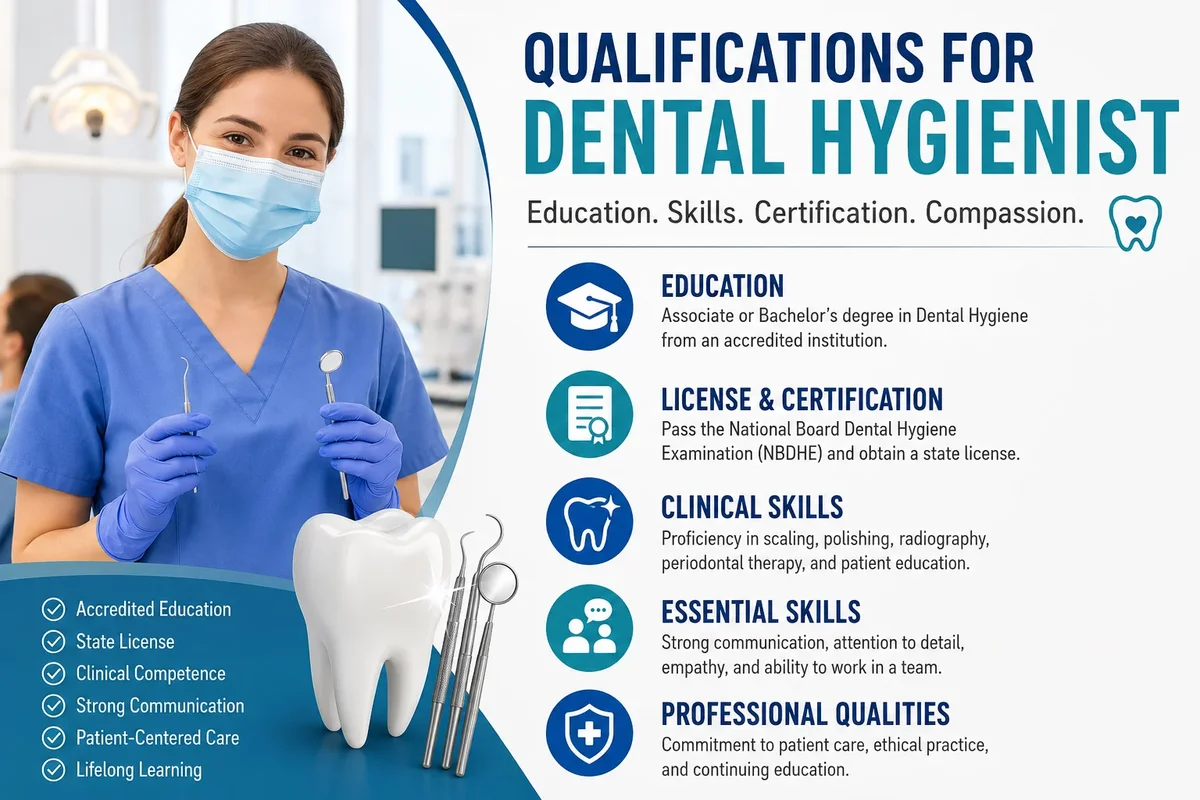
The qualifications for dental hygienist roles typically include academic education, clinical training, licensing examinations, communication skills, and ongoing professional development. Most employers expect candidates to complete an accredited dental hygiene program and obtain state licensure before working with patients. Because the profession combines technical expertise with patient interaction, the qualifications for dental hygienist jobs go far beyond simple classroom education.
One of the primary qualifications for dental hygienist careers is completing a dental hygiene education program accredited by the Commission on Dental Accreditation (CODA). These programs are commonly offered at community colleges, universities, and technical schools. Most students pursue an associate degree in dental hygiene, although bachelor’s and master’s degree options are also available for advanced career opportunities. During these programs, students study subjects such as anatomy, physiology, radiography, oral pathology, periodontology, and preventive dental care.
Clinical experience is another critical component of the qualifications for dental hygienist professionals. Dental hygiene students must complete supervised hands-on clinical training where they work directly with patients under the guidance of licensed instructors and dentists. This practical experience allows future hygienists to learn how to perform dental cleanings, remove plaque and tartar, take dental X-rays, evaluate oral health conditions, and educate patients about oral hygiene routines. Many dental clinics value candidates who have strong real-world clinical experience because patient safety and comfort are extremely important in this profession.
Licensing is also among the mandatory qualifications for dental hygienist positions in the United States and many other countries. After graduating from an accredited dental hygiene program, candidates must pass the National Board Dental Hygiene Examination (NBDHE). In addition to the written exam, most states require clinical licensing examinations that test practical patient-care skills. Some states may also require jurisprudence exams related to dental laws and ethics. Applicants should always review local licensing requirements before applying for jobs because regulations can vary by location.
Strong communication abilities are often overlooked but remain one of the most valuable qualifications for dental hygienist professionals. Dental hygienists spend significant time interacting with patients, explaining treatment plans, discussing oral hygiene techniques, and helping nervous patients feel comfortable during appointments. Excellent interpersonal skills help create positive patient experiences and improve long-term oral health outcomes. Empathy, patience, and professionalism are especially important when working with children, elderly patients, or individuals with dental anxiety. 😊
Technical knowledge and familiarity with modern dental technology are additional qualifications for dental hygienist careers in today’s competitive healthcare market. Modern dental clinics frequently use digital X-ray systems, intraoral cameras, ultrasonic scalers, laser devices, and electronic patient record systems. Candidates who understand dental software and modern equipment may have a stronger advantage when applying for employment. Many employers prefer dental hygienists who are comfortable adapting to technological advancements in preventive dentistry.
Physical stamina and attention to detail are also necessary qualifications for dental hygienist professionals. Dental hygienists often spend long hours standing or leaning over patients while performing precise procedures. Good hand-eye coordination and fine motor skills are important for safely using dental instruments inside a patient’s mouth. Attention to detail helps hygienists identify early signs of gum disease, tooth decay, oral cancer, and other dental conditions before they become severe.
The average cost of becoming qualified in this field can vary depending on the school and geographic location. Community college dental hygiene programs may range from approximately $5,000 to $30,000 in tuition, while university-based bachelor’s programs can cost significantly more. Additional expenses may include textbooks, uniforms, instruments, clinical supplies, licensing exams, and certification fees. Despite these costs, many students consider the investment worthwhile because dental hygiene often offers strong salary potential and job security.
Estimated Education and Licensing Costs 💰
- Associate Degree Program: $5,000 – $30,000
- Bachelor’s Degree Program: $25,000 – $70,000+
- Licensing Examination Fees: $400 – $1,500
- Clinical Equipment and Supplies: $1,000 – $5,000
- Continuing Education Courses: Varies annually
Continuing education remains one of the ongoing qualifications for dental hygienist professionals even after licensure. Most licensing boards require hygienists to complete continuing education credits regularly to maintain their licenses. These courses help professionals stay updated on modern treatment methods, infection control standards, patient safety guidelines, and emerging dental technologies. Lifelong learning is extremely important in healthcare professions because standards and procedures continuously evolve.
Many students exploring the qualifications for dental hygienist careers also research future career growth opportunities. Experienced hygienists may specialize in pediatric dentistry, periodontal therapy, public health education, or dental sales. Others continue their education and become educators, researchers, or practice managers. The profession offers flexibility and strong employment opportunities because preventive oral healthcare continues to grow worldwide.
Anyone considering this career should carefully research accredited programs, licensing regulations, and long-term career goals before beginning their educational journey. Reliable professional resources such as the American Dental Association can provide valuable information about industry standards, education pathways, and oral healthcare advancements.
For individuals seeking professional dental guidance or international dental treatment information, you can also visit the Redent Klinik Contact Page for additional support and consultation options.
Overall, the qualifications for dental hygienist careers combine education, clinical expertise, communication skills, professionalism, and continuous learning. This profession offers an excellent opportunity for individuals who enjoy healthcare, patient interaction, and preventive dentistry. By understanding the full qualifications for dental hygienist positions, future professionals can better prepare themselves for long-term success in this respected and growing healthcare career field. 🪥
Educational Requirements and Academic Pathways
Understanding the educational pathway is one of the most important steps for anyone researching the qualifications for dental hygienist careers. Education forms the foundation of clinical knowledge, patient care abilities, technical skills, and professional ethics required in modern dentistry. Dental hygienists are healthcare professionals who specialize in preventive oral care, and proper academic training is essential for providing safe and effective treatment to patients. 🦷
The qualifications for dental hygienist positions generally begin with a high school diploma or equivalent education. Students interested in this profession are encouraged to focus on science-based courses such as biology, chemistry, anatomy, physiology, and health sciences during high school. Strong communication and computer skills are also beneficial because dental hygienists regularly interact with patients and use digital dental systems in clinical environments.
Choosing an Accredited Dental Hygiene Program
One of the most essential qualifications for dental hygienist professionals is graduating from an accredited dental hygiene program. In the United States, most employers and licensing boards require candidates to complete a program approved by the Commission on Dental Accreditation (CODA). Accreditation ensures that students receive proper theoretical instruction and clinical training according to national healthcare standards.
Dental hygiene programs are commonly available at:
- Community colleges
- Technical schools
- Universities
- Health science institutions
Most students pursue an Associate Degree in Dental Hygiene, which typically takes two to three years to complete. However, some students choose bachelor’s degree programs for broader career opportunities and leadership roles in the future. Advanced education can strengthen the qualifications for dental hygienist careers in research, education, and public health sectors.
Associate Degree Programs
An associate degree is the most common educational route for entering the profession. These programs combine classroom instruction with hands-on clinical practice. Students learn essential topics such as:
- Oral anatomy
- Periodontology
- Dental radiography
- Preventive dentistry
- Pharmacology
- Infection control
- Patient assessment
- Nutrition and oral health
Completing an associate degree fulfills one of the major qualifications for dental hygienist licensure in most states. Many students choose this route because it allows faster entry into the workforce while still providing strong earning potential.
Bachelor’s Degree Programs
Bachelor’s degree programs are becoming increasingly popular among students who want advanced qualifications for dental hygienist careers. These programs often require four years of study and provide additional education in leadership, healthcare management, public health, and advanced clinical techniques.
A bachelor’s degree may create opportunities in:
- Dental hygiene education
- Research positions
- Healthcare administration
- Corporate dental sales
- Public health programs
- Advanced clinical practice
Although not always mandatory, advanced academic credentials can make candidates more competitive in the job market and improve long-term career flexibility.
Clinical Training and Hands-On Experience
Clinical education is one of the most important qualifications for dental hygienist professionals because theoretical knowledge alone is not enough for patient care. During clinical training, students practice real procedures under the supervision of licensed instructors and dentists. This hands-on experience helps future hygienists develop confidence, precision, and patient communication skills. 😊
Clinical training usually includes:
- Professional teeth cleaning procedures
- Removing plaque and tartar
- Taking dental X-rays
- Periodontal charting
- Applying fluoride treatments
- Patient education techniques
- Oral cancer screenings
- Monitoring gum health
Practical training allows students to understand infection control procedures, patient safety standards, and ethical responsibilities. Strong clinical performance is often considered one of the most valuable qualifications for dental hygienist positions by employers.
Admission Requirements for Dental Hygiene Schools
Admission standards vary between institutions, but many dental hygiene schools require students to complete prerequisite courses before acceptance. Because dental hygiene programs can be highly competitive, maintaining good academic performance is important.
Common admission requirements include:
- High school diploma or GED
- Minimum GPA requirements
- Biology and chemistry coursework
- Entrance examinations
- Background checks
- Immunization records
- CPR certification
- Interview evaluations
Meeting these standards demonstrates readiness for the rigorous academic and clinical demands associated with the qualifications for dental hygienist education programs.
Estimated Education Costs and Financial Planning
The cost of obtaining the qualifications for dental hygienist careers varies depending on school type, program length, and geographic location. Students should carefully evaluate tuition expenses and additional educational costs before enrolling.
Average Educational Costs 💰
- Community College Programs: $5,000 – $20,000
- University Bachelor’s Programs: $30,000 – $80,000+
- Books and Supplies: $1,000 – $4,000
- Clinical Equipment Kits: $2,000 – $7,000
- Licensing Examination Fees: $400 – $1,500
- Uniforms and CPR Certification: Additional costs may apply
Financial aid, grants, scholarships, and student loan programs are often available to help students manage educational expenses. Planning ahead financially can reduce stress during the educational journey.
Importance of Continuing Education
Completing a dental hygiene program is only the beginning. Continuing education remains one of the ongoing qualifications for dental hygienist professionals throughout their careers. Most licensing boards require hygienists to complete continuing education credits regularly to maintain active licenses.
Continuing education courses help hygienists stay updated on:
- New dental technologies
- Advanced infection control methods
- Patient safety guidelines
- Periodontal treatment advancements
- Laser dentistry techniques
- Digital radiography systems
- Ethical and legal regulations
Lifelong learning is critical because dentistry continues evolving with modern healthcare innovations and patient care standards.
Career Preparation and Professional Development
In addition to academic qualifications for dental hygienist careers, students should also focus on developing professionalism and communication abilities. Dental hygienists interact with patients daily, and strong interpersonal skills improve patient trust and treatment outcomes.
Professional qualities that support career success include:
- Attention to detail
- Compassion and empathy
- Time management
- Critical thinking
- Physical stamina
- Problem-solving abilities
- Professional ethics
Many students also join professional organizations to network with industry professionals and gain access to educational resources. Trusted organizations such as the American Dental Association provide valuable guidance for dental professionals and students pursuing careers in oral healthcare.
Students researching educational opportunities or dental healthcare services may also find helpful information through the Redent Klinik Contact Page for professional consultation and treatment support.
Overall, educational preparation is one of the most significant qualifications for dental hygienist careers because it combines academic learning, clinical experience, patient communication, and professional development. A strong educational foundation helps future dental hygienists provide high-quality preventive care while building long-term career stability and growth opportunities in the dental healthcare industry. 🌟
Licensing Exams and Certification Requirements
One of the most critical stages in meeting the qualifications for dental hygienist careers is completing the required licensing exams and professional certifications. Graduation from an accredited dental hygiene program alone is not enough to begin practicing professionally in most regions. Dental hygienists must prove their competency through national and state examinations that evaluate clinical knowledge, patient safety standards, ethical understanding, and technical abilities. These examinations ensure that licensed professionals are prepared to provide safe and effective oral healthcare to patients. 🦷
The qualifications for dental hygienist licensing vary slightly depending on the state or country, but most regions follow a similar structure involving education, written examinations, clinical evaluations, and continuing education requirements. Because patient health and infection control are essential in dentistry, regulatory agencies maintain strict standards for professional licensure.
Why Licensing Is Essential in Dental Hygiene
Licensing protects both patients and healthcare professionals by ensuring that only qualified individuals provide dental hygiene services. One of the main qualifications for dental hygienist practice is demonstrating the ability to safely perform preventive dental procedures according to professional healthcare standards.
Without proper licensure, individuals cannot legally perform many common dental hygiene procedures such as:
- Professional dental cleanings
- Scaling and root planing
- Dental radiography
- Periodontal assessments
- Fluoride applications
- Sealant placement
- Oral health screenings
Licensing boards evaluate whether candidates have acquired the necessary technical skills, patient communication abilities, ethical standards, and infection control knowledge required for professional practice.
National Board Dental Hygiene Examination (NBDHE)
One of the most recognized qualifications for dental hygienist licensure in the United States is passing the National Board Dental Hygiene Examination (NBDHE). This comprehensive written examination is administered by the Joint Commission on National Dental Examinations and evaluates both theoretical knowledge and clinical judgment.
Subjects Covered in the NBDHE
The NBDHE assesses multiple areas of dental hygiene education, including:
- Dental anatomy
- Oral pathology
- Radiography principles
- Pharmacology
- Periodontology
- Preventive dentistry
- Patient management
- Community oral health
- Ethics and professional responsibilities
The examination typically consists of multiple-choice questions and patient case studies designed to measure critical thinking and clinical decision-making abilities. Passing this exam is considered one of the most important qualifications for dental hygienist careers nationwide.
NBDHE Examination Costs 💰
- NBDHE Examination Fee: Approximately $400 – $500
- Study Materials and Practice Exams: $100 – $1,000
- Retake Fees if Necessary: Additional charges may apply
- Travel and Accommodation Costs: Varies by testing location
Preparing thoroughly for the NBDHE is essential because the examination is comprehensive and highly detailed. Many students dedicate several months to studying before taking the test.
Clinical Licensing Examinations
In addition to the written board examination, most states require candidates to pass a clinical licensing exam. These practical exams are among the most demanding qualifications for dental hygienist professionals because they evaluate real clinical performance.
During clinical examinations, candidates may be required to demonstrate:
- Patient assessment procedures
- Periodontal charting
- Calculus removal techniques
- Infection control practices
- Instrumentation skills
- Patient safety protocols
- Professional communication
Clinical exams are often conducted on real patients or simulated clinical models depending on local regulations. Examiners carefully evaluate technical precision, professionalism, and adherence to safety standards. Attention to detail is extremely important because small errors can affect examination results.
State-Specific Jurisprudence Examinations
Some states include jurisprudence or ethics examinations as part of the qualifications for dental hygienist licensure. These exams assess a candidate’s understanding of dental laws, patient rights, legal responsibilities, and professional regulations within a specific state.
Topics commonly covered include:
- Patient confidentiality laws
- Scope of practice regulations
- Professional ethics
- Recordkeeping requirements
- Infection control standards
- Licensing renewal policies
Understanding local legal requirements is essential because dental hygienists must follow healthcare regulations carefully to protect patients and maintain professional licenses.
CPR Certification Requirements
Another important part of the qualifications for dental hygienist careers is maintaining valid CPR certification. Most licensing boards and employers require dental hygienists to complete Basic Life Support (BLS) or CPR training approved by recognized healthcare organizations.
CPR certification helps hygienists respond effectively during medical emergencies such as:
- Allergic reactions
- Breathing difficulties
- Cardiac emergencies
- Medical complications during treatment
Emergency preparedness is extremely important because patient safety remains a top priority in all dental settings. 😊
Continuing Education and License Renewal
Obtaining a license is not the final step in meeting the qualifications for dental hygienist professionals. Most states require hygienists to complete continuing education credits regularly to renew their licenses and remain legally eligible to practice.
Continuing Education Topics
Continuing education programs commonly include:
- Advanced periodontal therapy
- Laser dentistry
- Digital radiography updates
- Infection control advancements
- Pain management techniques
- Patient communication strategies
- Ethics and legal compliance
Continuing education ensures that dental hygienists stay updated on changing healthcare standards, modern technology, and evolving patient care procedures.
Additional Certifications for Career Advancement
Some professionals pursue additional certifications to strengthen their qualifications for dental hygienist careers and expand their professional opportunities. Advanced certifications may improve employment options and salary potential.
Examples include:
- Local anesthesia certification
- Nitrous oxide monitoring certification
- Laser therapy certification
- Public health dental hygiene certification
- Periodontal therapy specialization
These advanced qualifications may allow dental hygienists to perform expanded duties depending on local regulations and employer needs.
Career Importance of Professional Certification
Employers often view licensing and certification as direct evidence of competency, professionalism, and dedication to patient care. Strong qualifications for dental hygienist positions can improve job opportunities in private practices, specialty clinics, hospitals, educational institutions, and public health programs.
Dental hygienists who maintain active certifications and continue developing their clinical skills often experience better long-term career growth and professional stability. Trusted organizations such as the American Dental Association provide guidance regarding professional standards, education, and licensing information.
Patients seeking experienced dental professionals or treatment consultation can also explore the Redent Klinik Contact Page for additional support and dental healthcare information.
Overall, licensing exams and certifications are among the most essential qualifications for dental hygienist careers because they confirm a professional’s ability to provide safe, ethical, and effective patient care. By successfully completing national examinations, clinical assessments, and ongoing education requirements, dental hygienists build strong professional credibility while protecting patient health and maintaining high standards within the dental industry. 🌟
Clinical Skills Every Dental Hygienist Must Master
Developing strong clinical abilities is one of the most important qualifications for dental hygienist professionals because patient care depends heavily on practical skills, technical precision, and clinical judgment. Dental hygienists work directly with patients every day, performing preventive treatments, evaluating oral health conditions, and assisting dentists in maintaining long-term oral wellness. While academic education and licensing are essential, practical clinical expertise is what truly prepares a hygienist for real-world dental practice. 🦷
The qualifications for dental hygienist careers include mastering a wide range of clinical procedures that require accuracy, patience, and attention to detail. Dental hygienists are often the healthcare professionals who spend the most time interacting with patients during appointments. As a result, clinical competence directly affects patient comfort, treatment quality, and overall satisfaction.
Professional Dental Cleaning Techniques
One of the core qualifications for dental hygienist professionals is the ability to perform professional dental cleanings safely and effectively. Dental cleanings help remove plaque, tartar, and bacteria that regular brushing and flossing cannot eliminate completely.
Scaling and Root Planing Skills
Dental hygienists must learn how to use both manual and ultrasonic instruments to remove hardened deposits from teeth and beneath the gumline. Scaling and root planing procedures are especially important for patients with gum disease or periodontal infections.
Clinical training focuses on:
- Correct instrument adaptation
- Safe calculus removal techniques
- Patient comfort management
- Proper hand positioning
- Reducing tissue trauma
- Maintaining infection control standards
These technical abilities are considered fundamental qualifications for dental hygienist positions because improper cleaning techniques can damage oral tissues or fail to remove harmful bacteria effectively.
Dental Radiography and Imaging Skills
Modern dentistry relies heavily on diagnostic imaging, making radiography one of the essential qualifications for dental hygienist careers. Dental hygienists are commonly responsible for taking dental X-rays that help dentists identify cavities, bone loss, infections, and impacted teeth.
Digital X-Ray Technology
Most dental offices now use digital imaging systems rather than traditional film-based radiography. Hygienists must understand how to operate digital sensors, position patients correctly, and minimize radiation exposure according to safety guidelines.
Important radiography competencies include:
- Proper patient positioning
- Image accuracy and clarity
- Radiation safety protocols
- Equipment maintenance awareness
- Understanding diagnostic imaging software
Because patient safety is extremely important, radiographic competence remains one of the most regulated qualifications for dental hygienist professionals.
Periodontal Assessment and Gum Health Evaluation
Dental hygienists play a major role in identifying gum disease during routine appointments. Evaluating periodontal health is among the most critical qualifications for dental hygienist professionals because early detection can prevent severe oral complications.
Periodontal Charting Skills
Periodontal charting involves measuring gum pocket depths, identifying inflammation, and recording areas of recession or bleeding. Accurate charting helps dentists diagnose conditions such as gingivitis and periodontitis.
Dental hygienists must learn to:
- Use periodontal probes correctly
- Recognize signs of gum disease
- Document clinical findings accurately
- Monitor disease progression over time
- Communicate results clearly to patients and dentists
Strong diagnostic observation skills strengthen the qualifications for dental hygienist careers and improve overall patient outcomes.
Patient Education and Preventive Care
Preventive education is one of the most valuable qualifications for dental hygienist professionals because long-term oral health often depends on patient habits outside the dental office. Hygienists regularly teach patients how to improve brushing techniques, floss properly, and maintain healthier diets for better oral hygiene. 😊
Oral Hygiene Instruction
Effective patient education requires both communication skills and clinical understanding. Hygienists must explain complex dental concepts in simple, patient-friendly language.
Patient education topics commonly include:
- Proper brushing methods
- Correct flossing techniques
- Gum disease prevention
- Tooth sensitivity management
- Nutrition and oral health
- Tobacco-related oral risks
- Importance of routine dental visits
Helping patients improve daily habits is a major part of preventive dentistry and strengthens the overall qualifications for dental hygienist practice.
Infection Control and Sterilization Procedures
Infection control remains one of the most important qualifications for dental hygienist professionals because dental environments involve direct exposure to saliva, blood, and airborne particles. Hygienists must follow strict sterilization procedures to protect both patients and healthcare staff.
Essential Infection Control Practices
Dental hygienists are trained to follow comprehensive safety protocols including:
- Instrument sterilization procedures
- Use of personal protective equipment (PPE)
- Surface disinfection methods
- Cross-contamination prevention
- Safe disposal of biohazard materials
- Hand hygiene protocols
Failure to follow infection control guidelines can lead to serious health risks, making this one of the most heavily emphasized qualifications for dental hygienist careers.
Time Management and Clinical Efficiency
Dental hygienists often manage multiple patients daily while maintaining treatment quality and patient comfort. Effective time management is one of the practical qualifications for dental hygienist professionals working in busy dental practices.
Clinical efficiency involves:
- Preparing treatment rooms quickly
- Managing appointment schedules
- Maintaining accurate patient records
- Balancing speed with quality care
- Communicating efficiently with dentists and assistants
Strong organizational skills help improve workflow efficiency while ensuring patients receive proper care during appointments.
Physical Stamina and Ergonomic Skills
Physical endurance is another often-overlooked component of the qualifications for dental hygienist careers. Hygienists frequently spend long hours seated or leaning over patients while performing highly detailed procedures.
Preventing Workplace Injuries
Proper ergonomic training helps reduce the risk of repetitive strain injuries, neck pain, and back discomfort. Dental hygiene programs teach students correct posture and positioning techniques to improve long-term career health.
Important ergonomic practices include:
- Maintaining neutral posture
- Using ergonomic instruments
- Proper patient positioning
- Reducing repetitive hand stress
- Taking scheduled movement breaks
Maintaining physical wellness is essential for sustaining a long and successful dental hygiene career.
Technology and Modern Dental Equipment
Technology skills are becoming increasingly important qualifications for dental hygienist professionals as dental clinics adopt advanced digital systems. Hygienists now work with electronic patient records, intraoral cameras, laser devices, and digital scanners.
Common Dental Technology Used in Clinics 💻
- Digital X-ray systems
- Ultrasonic scalers
- Intraoral cameras
- Laser therapy devices
- Electronic charting software
- Digital impression scanners
Understanding modern technology improves clinical efficiency and strengthens the qualifications for dental hygienist positions in competitive dental practices.
Dental hygienists seeking updated professional guidance can benefit from educational resources provided by the American Dental Association, which offers valuable information on patient care standards, infection control, and professional development.
Patients interested in professional dental services or oral healthcare consultations may also explore the Redent Klinik Contact Page for additional support and treatment information.
Overall, clinical expertise forms the practical core of the qualifications for dental hygienist careers. Mastering preventive treatments, radiography, periodontal assessment, patient communication, infection control, and modern technology allows dental hygienists to provide safe, effective, and compassionate care. These hands-on skills not only improve patient outcomes but also support long-term professional success in the growing field of preventive dentistry. 🌟
Essential Communication and Patient Care Abilities
Strong communication and patient care abilities are among the most valuable qualifications for dental hygienist professionals because technical skills alone are not enough to deliver high-quality dental treatment. Dental hygienists interact directly with patients throughout the day, often becoming the primary source of education, reassurance, and preventive guidance during appointments. Excellent interpersonal skills help create positive patient experiences, improve treatment acceptance, and encourage long-term oral health habits. 😊
While clinical expertise forms the technical side of the qualifications for dental hygienist careers, communication skills support the emotional and educational side of patient care. Dental hygienists work with individuals of all ages, backgrounds, and comfort levels. Some patients may feel anxious about dental visits, while others may struggle to understand oral health recommendations. Hygienists must communicate clearly, compassionately, and professionally in every situation.
Building Trust with Patients
One of the most important qualifications for dental hygienist professionals is the ability to establish trust quickly with patients. Many individuals experience dental fear or anxiety, especially when undergoing cleanings or periodontal procedures. Hygienists who create a calm and welcoming environment can significantly improve patient comfort.
Why Patient Trust Matters
Patients are more likely to return for regular dental visits when they feel respected and understood. Building trust improves:
- Patient cooperation during treatment
- Acceptance of preventive recommendations
- Long-term oral health outcomes
- Patient loyalty to the dental practice
- Overall satisfaction and clinic reputation
Dental hygienists often spend more time with patients than dentists do during routine appointments, making communication one of the core qualifications for dental hygienist careers in both private and public healthcare settings.
Active Listening Skills
Listening carefully to patient concerns is another critical aspect of the qualifications for dental hygienist professionals. Patients may describe pain, sensitivity, bleeding gums, anxiety, or previous dental experiences that affect their comfort during treatment.
Benefits of Active Listening
Active listening allows hygienists to:
- Understand patient symptoms more accurately
- Identify oral health concerns early
- Adjust treatment approaches when necessary
- Reduce patient anxiety
- Improve communication with dentists
Patients appreciate healthcare professionals who genuinely pay attention to their concerns. This creates a more positive clinical experience and strengthens the patient-provider relationship.
Explaining Oral Health in Simple Language
One of the most practical qualifications for dental hygienist professionals is the ability to explain dental information in clear and simple terms. Many patients are unfamiliar with complex dental terminology, so hygienists must communicate in ways that patients can easily understand.
Patient Education Responsibilities
Dental hygienists frequently educate patients about:
- Proper brushing techniques
- Correct flossing habits
- Gum disease prevention
- Tooth sensitivity causes
- Nutrition and oral health
- Effects of smoking on oral tissues
- Importance of regular dental visits
Educational communication is one of the preventive care qualifications for dental hygienist careers because informed patients are more likely to maintain healthier oral hygiene routines at home.
Managing Dental Anxiety and Fear
Dental anxiety affects millions of patients worldwide, making emotional support one of the increasingly important qualifications for dental hygienist professionals. Some patients avoid dental care for years because of fear, embarrassment, or previous traumatic experiences.
Techniques for Reducing Anxiety
Experienced dental hygienists use several strategies to help nervous patients feel more comfortable:
- Speaking calmly and reassuringly
- Explaining procedures before starting
- Allowing patients to ask questions
- Offering short breaks during treatment
- Using gentle instrumentation techniques
- Maintaining positive body language
Compassion and patience are extremely valuable qualifications for dental hygienist professionals because emotional comfort directly affects patient cooperation and treatment success.
Professionalism in the Dental Office
Professional behavior is another essential component of the qualifications for dental hygienist careers. Hygienists represent the dental clinic professionally while maintaining ethical standards and patient confidentiality.
Professional Qualities Employers Value
Dental offices often seek hygienists who demonstrate:
- Punctuality
- Strong work ethic
- Professional appearance
- Positive attitude
- Respectful communication
- Confidentiality awareness
- Team collaboration skills
Professional conduct helps maintain a positive work environment and improves the reputation of the dental practice.
Teamwork and Collaboration Skills
Dental hygienists work closely with dentists, dental assistants, office coordinators, and specialists. Team collaboration is one of the workplace qualifications for dental hygienist professionals because effective teamwork improves patient care efficiency.
Working Efficiently with Dental Teams
Successful teamwork includes:
- Clear communication with dentists
- Coordinating patient schedules
- Sharing clinical observations accurately
- Supporting emergency situations calmly
- Maintaining organized workflow systems
Dental clinics operate most efficiently when all team members communicate clearly and support each other professionally.
Cultural Sensitivity and Patient Diversity
Modern dental practices serve patients from diverse cultural and linguistic backgrounds. Cultural awareness is becoming one of the increasingly valuable qualifications for dental hygienist careers worldwide.
Providing Inclusive Patient Care
Dental hygienists should respect differences related to:
- Cultural beliefs
- Language barriers
- Religious practices
- Healthcare understanding
- Dietary habits
- Personal comfort preferences
Respectful and inclusive communication helps patients feel valued and improves the quality of care provided in multicultural healthcare settings.
Conflict Resolution and Difficult Situations
Occasionally, dental hygienists encounter frustrated or uncomfortable patients. Managing difficult situations professionally is another important part of the qualifications for dental hygienist professionals.
Handling Challenging Interactions
Effective conflict management may involve:
- Remaining calm under pressure
- Listening without interrupting
- Addressing concerns respectfully
- Explaining treatment limitations honestly
- Seeking assistance from supervisors when needed
Strong emotional intelligence helps hygienists maintain professionalism even during stressful situations.
Technology and Communication Tools
Technology now plays a major role in patient communication, making digital literacy one of the modern qualifications for dental hygienist careers. Hygienists often use electronic health records, digital imaging software, and patient communication systems.
Communication Tools Used in Modern Dentistry 💻
- Electronic patient record systems
- Digital treatment education tools
- Appointment reminder systems
- Intraoral cameras for patient education
- Online patient communication platforms
Understanding these technologies helps hygienists communicate more effectively and improve patient understanding of treatment recommendations.
Healthcare professionals seeking updated patient communication standards can review educational resources provided by the American Dental Association, which supports best practices in dental care and patient education.
Patients interested in professional dental consultations or preventive oral healthcare support may also visit the Redent Klinik Contact Page for additional information and assistance.
Overall, communication and patient care abilities are among the most essential qualifications for dental hygienist careers because they directly influence patient comfort, trust, and treatment success. Hygienists who combine technical expertise with empathy, professionalism, and educational communication skills are better equipped to provide outstanding preventive dental care while building strong long-term relationships with patients. 🌟
Technology and Dental Equipment Knowledge
Modern dentistry depends heavily on advanced technology, making technical knowledge one of the most important qualifications for dental hygienist professionals today. Dental hygienists are no longer limited to manual cleanings and traditional instruments. They now work with digital imaging systems, electronic patient records, laser devices, ultrasonic equipment, and advanced diagnostic tools that improve both patient care and treatment efficiency. Understanding dental technology helps hygienists perform procedures more accurately, communicate more effectively with patients, and maintain high clinical standards. 🦷
The qualifications for dental hygienist careers have evolved significantly as dental clinics continue adopting new digital systems and modern treatment technologies. Employers increasingly prefer candidates who are comfortable using advanced equipment because technology improves workflow efficiency, diagnostic accuracy, patient comfort, and infection control procedures.
Digital Radiography Systems
One of the most essential qualifications for dental hygienist professionals is understanding digital radiography technology. Dental X-rays are a critical part of diagnosing oral health conditions such as cavities, bone loss, infections, impacted teeth, and gum disease.
Advantages of Digital X-Rays
Modern digital radiography systems provide several advantages compared to traditional film-based imaging:
- Lower radiation exposure
- Faster image processing
- Improved image clarity
- Easy digital storage
- Enhanced patient education capabilities
- Better communication between dental professionals
Dental hygienists must know how to position sensors correctly, operate imaging software, maintain radiation safety standards, and capture high-quality diagnostic images. These technical abilities are considered key qualifications for dental hygienist positions in modern dental practices.
Electronic Health Records and Dental Software
Most dental clinics now use electronic health record systems instead of paper charts. As a result, digital literacy has become one of the increasingly valuable qualifications for dental hygienist careers.
Common Tasks Using Dental Software
Dental hygienists frequently use software systems to:
- Document patient treatment notes
- Review medical histories
- Update periodontal charts
- Schedule appointments
- Track radiographs and images
- Communicate treatment recommendations
- Manage insurance documentation
Accurate electronic documentation improves patient safety, treatment continuity, and legal compliance. Hygienists who are comfortable with digital systems often adapt more quickly to modern workplace environments.
Ultrasonic Scaling Equipment
Ultrasonic scalers are among the most widely used instruments in preventive dentistry. Understanding how to operate this equipment safely is one of the practical qualifications for dental hygienist professionals.
How Ultrasonic Scalers Work
Ultrasonic scalers use high-frequency vibrations combined with water irrigation to remove plaque, tartar, and bacteria from teeth and beneath the gumline. Compared to manual scaling alone, ultrasonic technology often improves efficiency and patient comfort.
Dental hygienists must understand:
- Correct power settings
- Proper tip adaptation
- Water flow management
- Patient sensitivity considerations
- Instrument maintenance procedures
- Infection control guidelines
Safe use of ultrasonic equipment helps reduce treatment time while improving periodontal cleaning effectiveness.
Intraoral Cameras and Patient Education Tools
Patient education technology has become one of the modern qualifications for dental hygienist careers because visual communication improves patient understanding and treatment acceptance.
Benefits of Intraoral Cameras
Intraoral cameras allow hygienists to capture detailed images inside a patient’s mouth and display them on monitors in real time.
This technology helps:
- Show patients areas of concern visually
- Explain gum disease progression
- Demonstrate plaque accumulation
- Improve patient awareness
- Increase treatment acceptance rates
Visual education tools help patients better understand their oral health conditions and motivate them to improve preventive care habits. 😊
Laser Dentistry Technology
Laser dentistry is becoming increasingly common in dental practices, making laser knowledge one of the advanced qualifications for dental hygienist professionals in some regions.
Uses of Dental Lasers
Dental hygienists who receive specialized training may assist with or perform laser procedures depending on local regulations.
Laser technology may be used for:
- Periodontal therapy
- Bacterial reduction treatments
- Soft tissue management
- Gum contouring support
- Reducing inflammation
Laser-assisted procedures can improve patient comfort and reduce recovery times. However, proper certification and continuing education are usually required before hygienists can use this technology professionally.
Dental Sterilization Equipment
Infection control remains one of the most important qualifications for dental hygienist professionals, and sterilization technology plays a major role in maintaining patient safety.
Essential Sterilization Systems
Dental hygienists regularly work with sterilization equipment such as:
- Autoclaves
- Ultrasonic cleaning units
- Instrument packaging systems
- Surface disinfection products
- Biological monitoring systems
Understanding sterilization procedures helps prevent cross-contamination and ensures compliance with healthcare safety regulations.
CAD/CAM and Digital Dentistry Systems
Digital dentistry technologies continue advancing rapidly, making familiarity with modern systems one of the future-focused qualifications for dental hygienist careers.
Examples of Digital Dentistry Technology
Some dental practices now use:
- Digital impression scanners
- 3D imaging systems
- CAD/CAM restoration technology
- Artificial intelligence diagnostic tools
- Digital smile design software
Although dentists primarily operate some of these systems, hygienists often assist with patient preparation, digital documentation, and workflow coordination.
Technology Training and Continuing Education
Technology changes rapidly, which means continuing education is one of the ongoing qualifications for dental hygienist professionals throughout their careers. Hygienists must stay updated on new software systems, treatment devices, and patient care technologies.
Technology-Focused Continuing Education Topics
- Digital radiography updates
- Laser certification courses
- Electronic charting systems
- Advanced periodontal technology
- Infection control advancements
- AI-assisted dental diagnostics
Employers often value hygienists who demonstrate a willingness to learn and adapt to evolving dental technologies.
Importance of Technical Adaptability
Adaptability is becoming one of the most valuable qualifications for dental hygienist careers because the dental industry continues evolving quickly. Dental professionals who embrace new technologies may improve patient experiences, increase clinical efficiency, and strengthen career opportunities.
Common Technology Skills Employers Look For 💻
- Digital X-ray operation
- Electronic charting proficiency
- Ultrasonic scaler experience
- Intraoral camera usage
- Patient education software knowledge
- Understanding sterilization systems
- Basic troubleshooting abilities
Dental hygienists who combine strong clinical abilities with technological expertise are often more competitive in the modern healthcare job market.
Professionals interested in updated dental technology standards and educational resources can explore materials provided by the American Dental Association, which supports advancements in oral healthcare and clinical excellence.
Patients seeking advanced dental care or preventive treatment consultations may also visit the Redent Klinik Contact Page for additional information and professional support.
Overall, technology and equipment knowledge are increasingly essential qualifications for dental hygienist careers because modern dentistry depends heavily on digital systems and advanced treatment tools. Hygienists who understand radiography, patient communication technology, sterilization systems, ultrasonic devices, and digital workflows are better prepared to deliver safe, efficient, and patient-centered care in today’s evolving dental healthcare environment. 🌟
State Regulations and Continuing Education Standards
Understanding state regulations and continuing education requirements is one of the most important qualifications for dental hygienist professionals because dental healthcare is highly regulated to protect patient safety and maintain professional standards. Although educational programs and licensing exams provide the initial foundation for entering the profession, dental hygienists must also follow legal regulations and maintain ongoing professional development throughout their careers. These requirements ensure that hygienists remain updated on changing healthcare practices, infection control procedures, and advancements in preventive dentistry. 🦷
The qualifications for dental hygienist practice vary depending on the state or country where a professional intends to work. Each licensing board establishes specific rules related to scope of practice, continuing education, supervision requirements, and license renewal procedures. Dental hygienists must understand and comply with these regulations carefully because failure to meet legal standards can result in license suspension or disciplinary action.
Why State Regulations Matter
Healthcare regulations are designed to protect patients by ensuring that only qualified professionals provide dental services. One of the key qualifications for dental hygienist careers is understanding the legal responsibilities associated with patient care and professional conduct.
Areas Controlled by State Dental Boards
State dental boards commonly regulate:
- Licensing requirements
- Scope of permitted procedures
- Continuing education obligations
- Radiography certifications
- Local anesthesia permissions
- Infection control compliance
- Professional ethics standards
- License renewal timelines
Because regulations differ between regions, dental hygienists moving to another state may need to complete additional documentation or examinations before receiving approval to practice.
Scope of Practice Regulations
The scope of practice defines which procedures a dental hygienist is legally allowed to perform. Understanding scope limitations is one of the most important qualifications for dental hygienist professionals because performing unauthorized procedures can lead to serious legal consequences.
Procedures Allowed in Some States
Depending on local regulations and certifications, dental hygienists may be permitted to:
- Perform dental cleanings
- Apply fluoride treatments
- Place dental sealants
- Take dental X-rays
- Administer local anesthesia
- Provide periodontal therapy
- Use laser equipment
- Administer nitrous oxide monitoring
Some states allow expanded functions under dentist supervision, while others have stricter limitations. Therefore, reviewing local laws remains an ongoing part of the qualifications for dental hygienist practice.
License Renewal Requirements
Dental hygiene licenses are not permanent and usually require periodic renewal. Maintaining an active license is one of the ongoing qualifications for dental hygienist professionals throughout their careers.
Typical Renewal Requirements
Most licensing boards require:
- Renewal application submission
- Payment of renewal fees
- Completion of continuing education credits
- Proof of CPR certification
- Compliance with ethical standards
Failure to renew a license on time can temporarily prevent a hygienist from legally practicing dentistry. Some states also impose penalties or additional training requirements for expired licenses.
Continuing Education Importance
Continuing education is one of the most essential qualifications for dental hygienist professionals because dentistry constantly evolves with new technologies, treatment methods, and healthcare guidelines. Continuing education ensures that hygienists remain competent and informed throughout their careers.
Why Continuing Education Is Required
Continuing education helps dental hygienists:
- Stay updated on modern treatment methods
- Improve patient safety practices
- Learn new technologies
- Understand legal and ethical updates
- Expand professional knowledge
- Maintain high standards of patient care
Most states require hygienists to complete a certain number of continuing education hours every renewal cycle. These requirements vary by location and may include mandatory topics such as infection control or ethics.
Common Continuing Education Topics
Modern dental healthcare changes rapidly, making advanced learning one of the long-term qualifications for dental hygienist careers.
Popular Continuing Education Subjects
- Advanced periodontal therapy
- Laser dentistry certification
- Digital radiography updates
- Oral cancer screening techniques
- Pain management strategies
- Medical emergency preparedness
- Infection prevention protocols
- Patient communication skills
- Dental technology advancements
These educational programs help hygienists improve clinical performance while strengthening career opportunities.
CPR and Emergency Training Standards
Emergency preparedness is another critical part of the qualifications for dental hygienist professionals. Most licensing boards require hygienists to maintain active CPR or Basic Life Support (BLS) certification.
Importance of Emergency Preparedness
Dental hygienists may encounter medical emergencies such as:
- Allergic reactions
- Difficulty breathing
- Fainting episodes
- Cardiac emergencies
- Medical complications during procedures
Proper emergency response training helps protect patient safety and supports efficient teamwork within dental offices. 😊
Ethics and Professional Responsibility
Ethical behavior is one of the core qualifications for dental hygienist professionals because patients trust healthcare providers with sensitive medical information and personal wellbeing.
Professional Ethics Standards
Dental hygienists are expected to:
- Protect patient confidentiality
- Provide honest communication
- Respect patient autonomy
- Maintain accurate records
- Practice within legal limitations
- Follow infection control regulations
- Demonstrate professional integrity
Violating ethical standards can result in disciplinary actions, license suspension, or legal penalties. Professional responsibility is therefore one of the most serious qualifications for dental hygienist careers.
Interstate Licensing and Mobility
Some dental hygienists choose to relocate for career opportunities, making interstate licensing an important consideration. Because every state has different regulations, transferring licensure may require additional documentation or examinations.
Common Requirements for License Transfer
- Verification of active licensure
- Proof of educational credentials
- Clinical examination records
- Background checks
- Additional jurisprudence exams
- Continuing education verification
Understanding these mobility requirements can help hygienists plan long-term career growth more effectively.
Costs Associated with Continuing Education and Licensing
Maintaining the qualifications for dental hygienist practice involves ongoing financial responsibilities. Continuing education, license renewals, and certification updates all contribute to professional expenses.
Estimated Professional Maintenance Costs 💰
- License Renewal Fees: $50 – $300
- Continuing Education Courses: $100 – $2,000 annually
- CPR Certification Renewal: $50 – $150
- Specialized Certifications: Varies by course
- Professional Membership Fees: Optional additional cost
Although these costs can add up over time, they are considered important investments in professional development and career advancement.
The Role of Professional Organizations
Professional organizations help support dental hygienists by offering educational resources, legal updates, and networking opportunities. Joining professional associations can strengthen the qualifications for dental hygienist careers through access to continuing education and industry guidance.
The American Dental Association provides valuable information about oral healthcare standards, professional regulations, and ongoing educational opportunities for dental professionals.
Patients interested in learning more about preventive dental care or seeking professional oral health consultations may also explore the Redent Klinik Contact Page for additional assistance and support.
Overall, state regulations and continuing education standards are essential qualifications for dental hygienist professionals because they ensure legal compliance, patient safety, and ongoing professional competence. Dental hygienists who stay informed about regulatory requirements, maintain active licenses, and pursue lifelong learning are better prepared to provide high-quality preventive care while building stable and successful careers in modern dentistry. 🌟
Career Opportunities and Workplace Expectations
The dental hygiene profession offers a wide range of career opportunities, making it an attractive healthcare field for individuals interested in preventive dentistry and patient care. Understanding workplace expectations and available career paths is one of the most important qualifications for dental hygienist professionals because career success depends not only on education and licensing but also on adaptability, professionalism, and long-term planning. Dental hygienists can work in multiple healthcare environments while enjoying strong employment demand and career stability. 🦷
The qualifications for dental hygienist careers prepare professionals to work in clinical settings, educational institutions, public health programs, research organizations, and specialized dental practices. As oral healthcare awareness continues growing worldwide, the demand for preventive dental services is increasing steadily. This creates valuable opportunities for qualified dental hygienists who possess strong clinical, communication, and technological skills.
Working in Private Dental Practices
Private dental clinics are the most common workplaces for dental hygienists. One of the primary qualifications for dental hygienist professionals is the ability to function efficiently within fast-paced dental office environments.
Responsibilities in Private Practices
Dental hygienists working in private clinics commonly perform:
- Professional teeth cleanings
- Periodontal therapy
- Dental X-rays
- Patient education
- Periodontal charting
- Fluoride applications
- Preventive oral health assessments
Private practices often expect hygienists to maintain strong communication with patients while supporting efficient daily workflow. Time management, professionalism, and teamwork are highly valued in these environments.
Specialty Dental Clinics
Some dental hygienists choose to work in specialty clinics, where additional clinical experience and advanced knowledge may strengthen the qualifications for dental hygienist careers.
Examples of Specialty Practices
- Periodontal clinics
- Pediatric dentistry offices
- Orthodontic practices
- Oral surgery centers
- Prosthodontic clinics
- Cosmetic dentistry offices
Specialty environments may involve more advanced patient care procedures and specialized equipment. Hygienists working in these settings often develop deeper expertise in certain areas of preventive dentistry.
Public Health and Community Dentistry
Public health programs provide another valuable career path for professionals who meet the qualifications for dental hygienist practice. Community dental programs focus on improving oral health access for underserved populations.
Public Health Responsibilities
Dental hygienists working in public health may:
- Provide preventive dental screenings
- Educate communities about oral hygiene
- Participate in school dental programs
- Support elderly care initiatives
- Assist low-income healthcare programs
- Promote oral disease prevention campaigns
Public health dentistry often emphasizes education, prevention, and outreach rather than traditional private practice treatment environments.
Teaching and Academic Careers
Experienced professionals sometimes pursue educational careers, making teaching one of the advanced qualifications for dental hygienist professionals with higher academic credentials.
Educational Career Opportunities
Dental hygiene educators may work in:
- Community colleges
- Universities
- Dental hygiene schools
- Clinical training centers
Teaching responsibilities may include:
- Classroom instruction
- Clinical supervision
- Student evaluations
- Research participation
- Curriculum development
Most academic positions require bachelor’s or master’s degrees in dental hygiene or related healthcare fields.
Corporate and Industry Careers
Corporate dentistry and dental product industries also offer career opportunities for professionals with strong qualifications for dental hygienist careers.
Non-Clinical Career Paths
Some dental hygienists transition into roles such as:
- Dental product sales representatives
- Clinical trainers
- Dental software consultants
- Research coordinators
- Professional speakers
- Healthcare marketing specialists
These careers often require strong communication abilities, technical knowledge, and professional networking skills.
Workplace Expectations in Modern Dentistry
Dental offices expect hygienists to maintain high professional standards while delivering safe and efficient patient care. Meeting workplace expectations is an important part of the qualifications for dental hygienist professionals.
Professional Standards Employers Expect
- Punctuality and reliability
- Strong infection control compliance
- Excellent patient communication
- Accurate recordkeeping
- Professional appearance
- Ethical behavior
- Positive teamwork attitude
Dental hygienists who consistently demonstrate professionalism often build stronger reputations and career stability.
Work Schedules and Flexibility
One of the appealing aspects of this profession is scheduling flexibility. Many dental hygienists work full-time, while others choose part-time schedules depending on personal preferences.
Typical Work Environments
Dental hygienists may work:
- Daytime office hours
- Evening appointments
- Weekend clinic schedules
- Temporary staffing assignments
- Multiple office locations
This flexibility makes dental hygiene attractive for individuals seeking work-life balance while maintaining a stable healthcare career.
Physical and Emotional Workplace Demands
Understanding workplace challenges is also one of the realistic qualifications for dental hygienist professionals because the career can be physically and mentally demanding.
Common Workplace Challenges
- Long periods of sitting or leaning
- Repetitive hand movements
- Managing anxious patients
- Maintaining clinical precision
- Working under time pressure
- Balancing multiple responsibilities daily
Strong ergonomic practices, stress management skills, and professional resilience help hygienists maintain long-term career health and satisfaction. 😊
Job Demand and Employment Outlook
The employment outlook for dental hygienists remains strong in many countries because preventive dental care continues growing in importance. Aging populations and increased awareness of oral health contribute to rising demand for preventive services.
Factors Supporting Career Growth
- Growing emphasis on preventive healthcare
- Expanding access to dental services
- Advancements in dental technology
- Increasing awareness of oral-systemic health connections
- Demand for periodontal treatment services
These trends help strengthen long-term opportunities for professionals who meet the qualifications for dental hygienist careers.
Professional Networking and Career Development
Networking and ongoing professional development can improve career advancement opportunities significantly. Joining professional organizations is one of the proactive qualifications for dental hygienist professionals seeking long-term success.
Ways to Support Career Growth 🌟
- Attend dental conferences
- Complete advanced certifications
- Join professional associations
- Participate in continuing education
- Develop leadership skills
- Stay updated on dental technology
Professional organizations such as the American Dental Association provide educational resources, networking opportunities, and guidance related to professional standards within dentistry.
Patients interested in preventive dental services or oral healthcare consultations may also explore the Redent Klinik Contact Page for additional treatment information and professional support.
Overall, career opportunities and workplace expectations are important qualifications for dental hygienist professionals because long-term success depends on more than technical education alone. Dental hygienists who combine strong clinical skills with professionalism, communication abilities, adaptability, and commitment to lifelong learning are well-positioned for stable and rewarding careers in the expanding field of preventive oral healthcare. 🌟
Salary Expectations and Professional Growth Options
Understanding salary expectations and long-term career growth is one of the most important qualifications for dental hygienist professionals because financial stability and advancement opportunities often influence career decisions. Dental hygiene is widely considered one of the more stable and rewarding healthcare careers due to growing demand for preventive oral care, flexible work schedules, and competitive salaries. However, income potential can vary significantly depending on education level, experience, certifications, geographic location, and workplace type. 🦷
The qualifications for dental hygienist careers directly affect earning potential because employers typically offer higher salaries to professionals with strong clinical skills, advanced certifications, and specialized experience. Dental hygienists who continue improving their education and expanding their expertise often gain access to better-paying positions and leadership opportunities.
Average Salary for Dental Hygienists
One of the first questions many students ask when researching the qualifications for dental hygienist careers is how much they can expect to earn. Salaries vary by country, city, workplace setting, and years of experience.
Estimated Salary Ranges 💰
- Entry-Level Dental Hygienist: $55,000 – $75,000 annually
- Experienced Dental Hygienist: $75,000 – $100,000+ annually
- Specialized or Advanced Practice Roles: $100,000+ annually in some regions
- Hourly Pay Rates: Approximately $35 – $60+ per hour depending on location
Urban areas and regions with high demand for dental services often offer higher compensation. However, cost of living and local regulations can also influence salary differences.
Factors That Affect Salary Levels
Several important factors influence income potential within the dental hygiene profession. The qualifications for dental hygienist professionals often determine how competitive they are in the job market.
Education Level and Academic Credentials
Higher education can improve career opportunities and earning potential. While an associate degree is usually sufficient for clinical practice, bachelor’s and master’s degrees may open doors to leadership, education, and research positions.
Advanced degrees may support careers in:
- Dental hygiene education
- Healthcare administration
- Public health management
- Research coordination
- Corporate dental consulting
Educational advancement strengthens the qualifications for dental hygienist careers and may increase long-term salary growth.
Experience and Clinical Expertise
Experience plays a major role in salary progression. Hygienists with many years of clinical experience often earn higher wages because they can manage complex cases more efficiently and require less supervision.
Experienced professionals may also develop advanced expertise in:
- Periodontal therapy
- Pediatric dental care
- Laser-assisted hygiene treatment
- Patient education programs
- Advanced radiography techniques
Clinical specialization can improve job security and increase overall compensation.
Specialized Certifications and Expanded Functions
Obtaining advanced certifications is one of the most effective ways to strengthen the qualifications for dental hygienist professionals seeking higher salaries and expanded responsibilities.
Examples of Advanced Certifications
- Local anesthesia certification
- Laser dentistry training
- Nitrous oxide monitoring certification
- Public health dental hygiene certification
- Periodontal therapy specialization
These certifications may allow hygienists to perform additional procedures depending on state regulations and employer needs. Expanded clinical functions often increase professional value within dental practices.
Part-Time vs Full-Time Opportunities
One of the attractive features of this profession is flexibility. Many professionals choose dental hygiene because it allows various scheduling options.
Common Work Schedule Options
- Full-time employment
- Part-time positions
- Temporary staffing roles
- Weekend-only schedules
- Multiple office arrangements
Some hygienists prefer flexible schedules to balance personal responsibilities, while others pursue full-time employment for greater income stability and benefits.
Benefits Beyond Salary
Compensation packages often include more than hourly wages or annual salaries. Workplace benefits are another important consideration when evaluating the qualifications for dental hygienist careers.
Common Employee Benefits
- Health insurance
- Paid vacation time
- Retirement plans
- Continuing education support
- Professional membership reimbursement
- Paid sick leave
- Bonus opportunities
Benefit packages can significantly increase the overall value of a position, especially in larger healthcare organizations or specialty clinics.
Career Advancement Opportunities
Dental hygiene offers multiple long-term advancement pathways for motivated professionals. Expanding career opportunities is one of the advantages of maintaining strong qualifications for dental hygienist practice.
Leadership and Management Roles
Experienced hygienists may eventually move into leadership positions such as:
- Clinical supervisors
- Office managers
- Public health coordinators
- Dental hygiene program directors
- Corporate trainers
Leadership roles often require strong communication skills, organizational abilities, and advanced education.
Teaching and Research Careers
Some professionals transition into educational or research careers after gaining clinical experience. Academic positions are attractive for individuals interested in mentoring future dental hygienists.
Responsibilities in Education and Research
- Teaching classroom courses
- Supervising clinical students
- Participating in dental research
- Developing educational materials
- Conducting oral health studies
These roles may require bachelor’s or master’s degrees, but they can provide additional career stability and professional recognition.
Job Market Demand and Stability
Strong employment demand is one of the biggest advantages associated with the qualifications for dental hygienist careers. Preventive oral healthcare continues becoming more important worldwide, increasing the need for qualified hygienists.
Reasons for Growing Demand
- Aging populations requiring dental care
- Increased awareness of oral health
- Growth of cosmetic dentistry
- Expanded preventive care services
- Advancements in periodontal treatment
Dental hygiene remains a relatively stable healthcare profession because preventive care is essential for maintaining long-term oral health.
Challenges That May Affect Career Growth
Although the profession offers many benefits, there are also challenges that professionals should understand before pursuing this career path.
Common Career Challenges
- Physical strain from repetitive movements
- Long periods of sitting or leaning
- Managing anxious patients
- Maintaining clinical precision under time pressure
- Continuing education costs
Proper ergonomic training, stress management, and professional development help reduce these challenges and support long-term career satisfaction. 😊
Professional Networking and Industry Development
Networking can significantly improve career opportunities and professional growth. Joining industry organizations helps hygienists stay informed about trends, technology, and educational advancements.
The American Dental Association offers valuable professional resources, educational support, and industry updates that can strengthen the qualifications for dental hygienist professionals throughout their careers.
Patients seeking preventive dental care or professional oral health consultations may also visit the Redent Klinik Contact Page for additional treatment support and information.
Overall, salary expectations and career growth opportunities are important considerations when evaluating the qualifications for dental hygienist careers. Professionals who continue developing their clinical expertise, communication skills, certifications, and leadership abilities often enjoy strong earning potential, career stability, and diverse advancement opportunities within the evolving field of preventive dentistry. 🌟
How to Choose the Right Dental Hygiene Program
Choosing the right educational program is one of the most important steps for anyone pursuing the qualifications for dental hygienist careers. The quality of a dental hygiene program directly affects clinical preparation, licensing eligibility, career opportunities, and long-term professional success. Because dental hygiene education combines academic coursework, hands-on clinical training, and patient care experience, selecting the best program requires careful research and planning. 🦷
The qualifications for dental hygienist professionals begin with proper education, but not all programs offer the same quality of training, resources, or career preparation. Future dental hygienists should evaluate accreditation status, curriculum quality, clinical opportunities, technology access, tuition costs, and graduate success rates before enrolling in any program.
Importance of Accreditation
One of the first factors students should consider when researching the qualifications for dental hygienist programs is accreditation. Accreditation ensures that an educational institution meets national standards for dental hygiene education and clinical training.
Why Accreditation Matters
Most licensing boards require candidates to graduate from accredited programs before becoming eligible for licensing examinations. Attending a non-accredited school can create major career limitations.
Accreditation helps ensure:
- High educational standards
- Proper clinical training
- Eligibility for licensing exams
- Improved employer recognition
- Access to financial aid programs
In the United States, many students specifically look for programs accredited by the Commission on Dental Accreditation (CODA).
Comparing Degree Options
Students pursuing the qualifications for dental hygienist careers can choose between different educational pathways depending on career goals, budget, and long-term interests.
Associate Degree Programs
Associate degree programs are the most common entry point into dental hygiene careers. These programs generally take two to three years to complete and focus heavily on clinical preparation.
Advantages of associate programs include:
- Lower tuition costs
- Faster entry into the workforce
- Strong clinical training
- Eligibility for licensing exams
Bachelor’s Degree Programs
Bachelor’s degree programs often require four years of study and provide more advanced education in healthcare management, research, and public health.
Benefits of bachelor’s programs may include:
- Expanded career opportunities
- Leadership preparation
- Eligibility for teaching roles
- Advanced professional development
Choosing the right educational level depends on personal goals and the desired career pathway.
Evaluating Clinical Training Opportunities
Clinical education is one of the most essential qualifications for dental hygienist professionals because real-world patient experience builds confidence and technical ability.
Questions to Ask About Clinical Training
Before selecting a program, students should investigate:
- Number of required clinical hours
- Patient diversity during training
- Instructor-to-student ratios
- Availability of modern dental equipment
- Access to specialty clinical experiences
Programs with strong clinical components help students develop practical skills that employers value highly after graduation.
Technology and Modern Equipment Access
Technology plays a major role in modern dentistry, making access to advanced equipment an important factor when evaluating the qualifications for dental hygienist programs.
Technology Students Should Learn
Strong programs often provide training with:
- Digital X-ray systems
- Electronic patient records
- Ultrasonic scaling devices
- Intraoral cameras
- Laser dentistry equipment
- Digital charting software
Students trained with modern technology often transition more easily into professional dental practices after graduation.
Understanding Program Costs
Financial planning is another major consideration when pursuing the qualifications for dental hygienist careers. Tuition costs can vary significantly depending on the institution and location.
Typical Educational Expenses 💰
- Community College Programs: $5,000 – $20,000
- University Programs: $30,000 – $80,000+
- Clinical Instruments and Supplies: $2,000 – $7,000
- Books and Educational Materials: $1,000 – $4,000
- Licensing Examination Fees: Additional costs apply
Students should also research financial aid opportunities, scholarships, grants, and payment plans before making final decisions.
Class Size and Learning Environment
The learning environment can strongly influence educational success. Smaller class sizes may provide more personalized instruction and better access to instructors.
Benefits of Smaller Programs
- More individualized feedback
- Greater instructor support
- Improved clinical supervision
- Enhanced hands-on practice opportunities
Students often perform better when they receive direct guidance during complex clinical training procedures.
Licensing Examination Pass Rates
One of the smartest ways to evaluate the qualifications for dental hygienist programs is by reviewing licensing exam pass rates. Programs with consistently high pass rates often provide stronger academic and clinical preparation.
Why Pass Rates Matter
Strong licensing results may indicate:
- Effective curriculum design
- High-quality instructors
- Comprehensive clinical training
- Strong student support systems
Prospective students should ask schools about graduate success statistics before enrolling.
Job Placement and Career Support
Career services can help students transition successfully into the workforce after graduation. Support services are often overlooked but remain valuable qualifications for dental hygienist educational programs.
Helpful Career Support Services
- Resume preparation assistance
- Interview coaching
- Job placement resources
- Professional networking opportunities
- Externship programs
Programs with strong employer connections may improve job opportunities after graduation.
Online and Hybrid Learning Options
Some schools now offer online or hybrid coursework for certain academic subjects. However, because dental hygiene requires clinical training, most programs still include significant in-person learning.
Benefits of Hybrid Programs
- Greater scheduling flexibility
- Reduced commuting time
- Improved accessibility for working students
Students should ensure that hybrid programs still provide strong clinical experience and accreditation compliance.
Questions Students Should Ask Before Enrolling
Making an informed decision is one of the smartest qualifications for dental hygienist career planning because educational choices affect future opportunities significantly.
Important Questions for Prospective Students
- Is the program accredited?
- What are the licensing exam pass rates?
- How much clinical experience is included?
- What technology is available for training?
- What are the total estimated costs?
- Does the school offer career placement assistance?
Researching these areas carefully helps students avoid costly mistakes and improve long-term career outcomes.
The Importance of Long-Term Career Planning
Students pursuing the qualifications for dental hygienist careers should think beyond graduation and consider future professional goals. Choosing a strong educational foundation can improve salary potential, career flexibility, and advancement opportunities throughout a dental hygiene career.
Professional resources from the American Dental Association can help students learn more about dental education standards, career pathways, and oral healthcare developments.
Individuals seeking preventive dental care or professional oral health consultations may also visit the Redent Klinik Contact Page for additional information and treatment support.
Overall, selecting the right educational program is one of the most critical qualifications for dental hygienist success because proper training influences every stage of a professional career. Students who carefully evaluate accreditation, clinical training, technology access, costs, and career support services are more likely to build strong foundations for long-term success in preventive dentistry and patient care. 🌟
Disclosure: this page may contain affiliate links. We may earn a commission if you use them, at no extra cost to you.