
When it comes to restoring a healthy smile and regaining confidence, quick dental implants are one of the most advanced solutions in modern dentistry. Traditional implants often require several months of healing and multiple appointments before the final crown is placed. In contrast, quick dental implants—also referred to as immediate load implants or same-day implants—allow patients to receive a stable tooth replacement in a significantly shorter period. This innovation has transformed the way people approach tooth loss, making the treatment faster, more convenient, and highly effective. 🦷
Patients who once had to wait half a year or longer to enjoy their new teeth can now walk out of the clinic with a restored smile on the same day. The ability to complete treatment in such a short timeframe not only improves aesthetics but also boosts psychological well-being, as individuals no longer need to endure the discomfort or embarrassment of missing teeth during the waiting period.
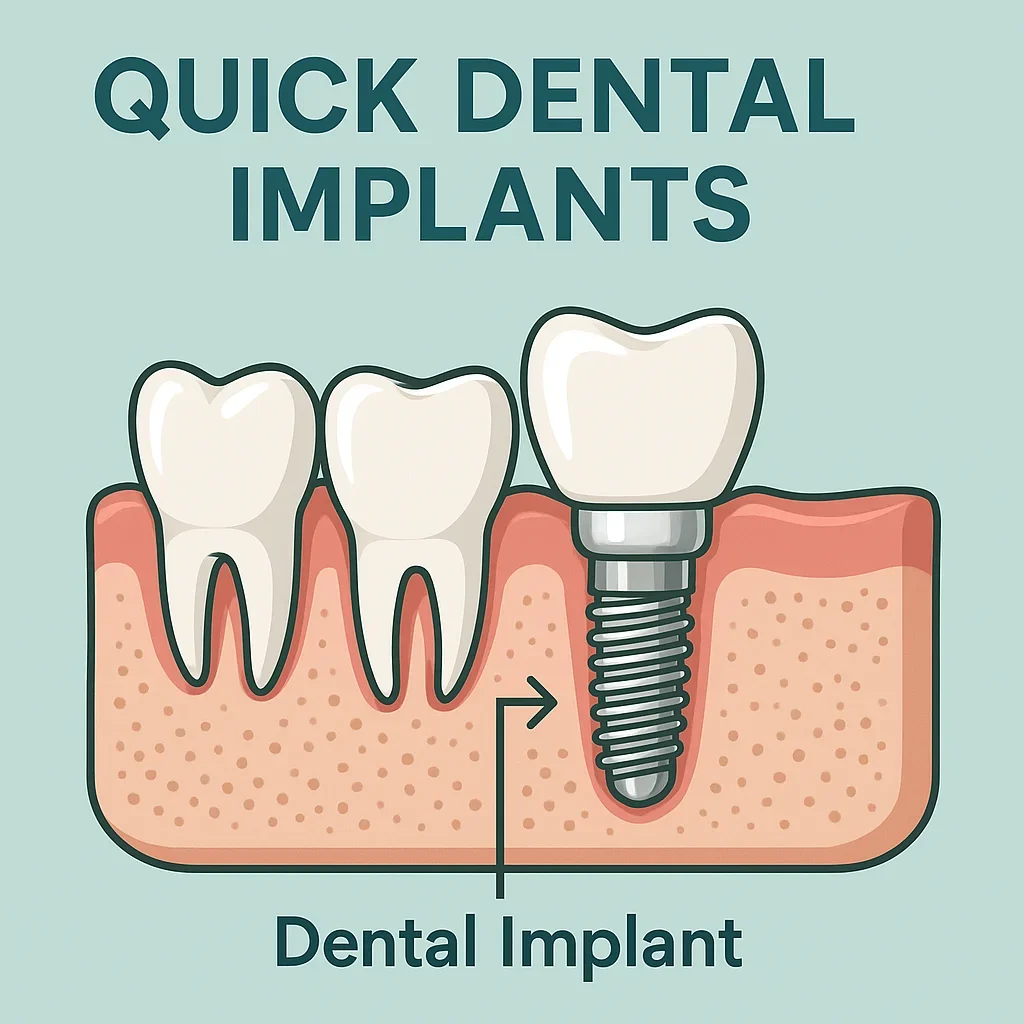
Quick dental implants rely on advanced techniques and precise planning. Dentists use digital imaging, 3D scanning, and guided surgery tools to ensure accurate placement of the implant into the jawbone. By doing so, the implant achieves immediate stability, allowing it to support a temporary crown almost instantly. This immediate function differentiates it from conventional implant methods, where a healing phase of three to six months is required before loading the prosthetic tooth.
Another reason these implants are gaining global attention is that they provide patients with a practical balance of speed and long-term stability. While dentures and bridges may offer fast results, they often lack the durability, bone preservation, and natural feel of implants. Quick implants combine the best of both worlds: immediate aesthetics and reliable long-term performance. 🌟
In terms of medical and dental health, choosing quick dental implants has multiple benefits. First, they help prevent jawbone resorption, which naturally occurs after tooth loss. The implant post functions like a tooth root, stimulating the bone and preventing further deterioration. Second, they maintain facial structure and harmony, as bone loss in the jaw can lead to sagging cheeks and premature aging. Third, implants provide superior chewing function, allowing patients to enjoy their favorite foods without restriction.
Many patients worry about whether quick implants are as safe and effective as traditional options. According to studies and reports published by respected organizations like the American Dental Association, success rates of immediate load implants are comparable to conventional implants, provided that the patient is carefully selected and the procedure is carried out by an experienced dental team. In other words, choosing the right clinic and dental professional plays a crucial role in ensuring long-term success. If you are considering this treatment, contacting a reputable center such as the Redent Klinik Contact Page can help you get personalized advice and treatment plans tailored to your needs.
It is also important to understand that not every patient qualifies for quick implants. For successful immediate loading, the jawbone must be dense enough to provide primary stability. In cases of significant bone loss, additional procedures like bone grafting may be recommended before placing the implant. Despite this limitation, the number of patients eligible for same-day implants is growing due to advancements in dental technology, including the use of stronger materials and innovative surgical techniques.
The popularity of quick dental implants is also linked to lifestyle demands. People today seek solutions that save time without compromising quality. Business professionals, frequent travelers, and individuals with social commitments often cannot afford long treatment schedules. For them, immediate implants represent a life-changing option that restores both function and confidence in record time.
When it comes to costs, same-day implants may initially appear higher in price compared to dentures or bridges. However, when evaluating their long-term durability, natural function, and the fact that they prevent additional dental problems such as bone loss, they are considered a cost-effective investment. Many patients find the one-time expense worthwhile compared to the ongoing adjustments and replacements required with traditional prosthetics.
Ultimately, quick dental implants are not just about speed—they are about delivering long-lasting results while minimizing disruption to a patient’s daily life. With proper oral hygiene, regular check-ups, and guidance from qualified professionals, these implants can last decades, offering both beauty and functionality. As dentistry continues to evolve, immediate implant solutions are expected to become even more refined, expanding their availability to a larger population worldwide.
For anyone considering tooth replacement options, learning about quick dental implants is the first step toward making an informed decision. They combine modern technology, patient-centered care, and proven durability to deliver an advanced solution for tooth loss. Whether you are missing one tooth, multiple teeth, or need a full arch replacement, immediate implant solutions could be the treatment that restores your smile and quality of life. 😁
The Rise of Quick Dental Implants in Modern Dentistry
In recent decades, dentistry has experienced groundbreaking changes that focus on improving patient comfort, speed, and long-term oral health. Among these advancements, quick dental implants have emerged as one of the most influential innovations. By reducing treatment time from months to just one day in many cases, they have revolutionized the way both patients and professionals approach tooth replacement. This shift reflects not only advances in surgical technology but also the growing demand for faster, more efficient dental care worldwide. 🌍
Historical Perspective: From Conventional to Quick Implants
Traditionally, dental implants followed a strict multi-step process. After tooth extraction, patients were often required to wait several months for bone healing before an implant could be placed. Following that, an additional three to six months were needed for osseointegration—the biological process where the implant fuses with the jawbone. Only then could the final crown or bridge be attached. While this method ensured long-term stability, it was a lengthy journey that left many patients frustrated. In contrast, quick dental implants challenged this model by demonstrating that with the right technology and case selection, immediate implant placement could achieve similar success rates. This shift represents a major evolution in dental practice.
Why Quick Dental Implants Became Popular
The popularity of immediate implants can be attributed to several cultural and medical factors. Patients today lead busier lives and often prioritize treatments that minimize downtime. The idea of replacing missing teeth in a single day appeals not only to aesthetics but also to personal confidence, work commitments, and social interactions. Furthermore, dentists recognized that quicker procedures reduced the risk of prolonged bone loss, which often occurs after extended periods of missing teeth. This alignment of patient needs and medical benefits created a perfect environment for quick dental implants to thrive.
Technological Innovations Driving Adoption
The rise of quick implants is closely tied to rapid advancements in digital dentistry. Tools such as cone-beam computed tomography (CBCT) scans, digital impressions, and computer-guided surgery allow dentists to plan implant placement with incredible precision. This ensures immediate stability of the implant, which is essential for successful same-day loading. Additionally, stronger implant materials, such as titanium alloys and ceramic zirconia, provide durability and biocompatibility, making quick dental implants safe and long-lasting. These innovations have set a new standard for patient care, where speed no longer compromises quality.
Patient-Centered Dentistry and Immediate Results
One of the main reasons quick dental implants have become a cornerstone of modern dentistry is their ability to meet patient expectations. People no longer want to endure removable dentures for months or avoid smiling in public while waiting for implants to heal. Instead, they seek instant solutions that improve self-esteem and restore normal function. By offering immediate teeth replacement, clinics worldwide have seen a surge in patient satisfaction and higher acceptance rates of implant treatments. For many, the psychological benefits of walking out with a new tooth the same day are just as important as the physical restoration.
Impact on Dental Practices Worldwide
The introduction of quick dental implants has not only transformed patient experiences but also reshaped how dental clinics operate. Practices that adopt immediate implant techniques often see increased demand, as patients actively search for faster alternatives online. This competitive advantage has encouraged many clinics to invest in new technologies, specialized training, and partnerships with digital labs. As a result, the dental industry as a whole is moving toward a future where same-day solutions become the standard rather than the exception.
Global Growth and Accessibility
Initially, quick implants were available mainly in advanced clinics in major cities. However, globalization of dental education and the spread of affordable digital technologies have made them more accessible in many countries. Nations with strong dental tourism industries, such as Turkey, Mexico, and Hungary, are at the forefront of offering cost-effective same-day implants, attracting international patients. This accessibility has accelerated the rise of quick dental implants as a mainstream treatment option rather than a luxury service.
Scientific Evidence Supporting Quick Implants
Some skeptics initially questioned whether immediate loading could match the success rates of conventional implants. However, multiple studies have demonstrated that with proper case selection, quick dental implants can achieve survival rates of 95% or higher—comparable to traditional methods. These findings have been endorsed by global dental organizations, reinforcing the legitimacy of quick implant techniques. As a result, many dentists who were once cautious have now integrated same-day implants into their standard treatment offerings.
Future of Quick Dental Implants in Dentistry
Looking forward, experts predict that quick dental implants will become even more prevalent as technology continues to advance. Artificial intelligence is already being integrated into treatment planning, further reducing human error and increasing predictability. Additionally, innovations in biomaterials may soon allow for even faster healing and better osseointegration, broadening the eligibility pool for patients. In the near future, we may see a world where waiting months for tooth replacement becomes obsolete, replaced by efficient, patient-friendly solutions available to all.
In summary, the rise of quick dental implants in modern dentistry represents a turning point in how tooth loss is treated. From historical limitations to today’s cutting-edge techniques, this evolution reflects both patient demand and technological progress. As clinics continue to adopt and refine immediate implant solutions, more patients worldwide will benefit from faster, safer, and more reliable tooth replacement options. This marks a new era where dentistry is no longer just about function but also about providing life-changing results in the shortest possible time. 😁
How the Quick Dental Implant Procedure Works Step by Step
For many patients considering tooth replacement, understanding the exact process is essential before making a decision. Unlike traditional implants, which often require multiple visits and months of waiting, quick dental implants are designed to restore function and aesthetics in record time. By combining advanced diagnostics, surgical precision, and modern restorative techniques, this treatment delivers safe and effective results within a single day in many cases. Below is a detailed breakdown of how the procedure works, from initial consultation to final placement. 🦷
Step 1: Comprehensive Consultation and Assessment
The first step in receiving quick dental implants is a thorough consultation with a qualified implant dentist. During this phase, the dentist evaluates the patient’s overall oral health, medical history, and bone density. Advanced imaging, including cone-beam computed tomography (CBCT) scans, is used to obtain a 3D view of the jawbone. This ensures accurate planning for implant placement and helps identify whether additional treatments like bone grafting are necessary. At this stage, patients also discuss their expectations, budget, and any potential concerns, ensuring that the treatment plan is customized to their needs.
Digital Impressions and Treatment Planning
Instead of traditional molds, digital impressions are often taken using intraoral scanners. These provide a highly accurate model of the teeth and gums, which is then used for computer-guided implant planning. Specialized software maps out the precise angle, depth, and location for implant placement. This planning step is crucial in ensuring that quick dental implants can be loaded immediately without compromising stability or long-term success.
Step 2: Tooth Extraction (if needed)
For patients who still have damaged or unsalvageable teeth, extraction may be performed on the same day as implant placement. The dentist carefully removes the affected tooth while preserving as much bone and gum tissue as possible. Thanks to minimally invasive techniques, discomfort is reduced, and healing is faster. Once the tooth is extracted, the site is immediately prepared for the implant placement, reducing overall treatment time and eliminating the need for multiple appointments.
Step 3: Implant Placement
The implant itself is a small titanium or zirconia post designed to function like a natural tooth root. Using guided surgical tools, the dentist places the implant directly into the jawbone with high precision. The stability of this initial placement—referred to as “primary stability”—is the key factor that allows for immediate loading of a temporary crown. Patients undergoing quick dental implants benefit from techniques that minimize surgical trauma, leading to reduced swelling and faster recovery.
Local Anesthesia and Comfort Measures
Most procedures are performed under local anesthesia, ensuring the patient feels no pain during surgery. For anxious individuals, sedation options may also be available. Clinics offering quick dental implants often emphasize patient comfort, combining advanced anesthesia methods with minimally invasive techniques to provide a stress-free experience.
Step 4: Immediate Temporary Crown Placement
Once the implant is securely in place, a temporary crown is attached the same day. This crown is carefully crafted to match the size, shape, and color of surrounding teeth, allowing the patient to leave the clinic with a fully functional smile. Although temporary, these crowns are highly durable and aesthetically pleasing, ensuring patients can eat soft foods and smile with confidence while waiting for final restoration. This step highlights the major advantage of quick dental implants—the ability to restore both function and appearance in a single visit. 😁
Step 5: Healing and Osseointegration
Despite the immediate placement of a crown, the biological process of osseointegration still occurs beneath the surface. Over the course of three to six months, the jawbone naturally fuses with the implant post, providing long-term stability. During this period, patients are advised to follow a soft diet, maintain proper oral hygiene, and attend follow-up visits to ensure healing progresses as expected. The temporary crown continues to provide comfort and aesthetics while the implant integrates fully.
Aftercare and Follow-Up Visits
Follow-up appointments allow the dentist to monitor healing and make any necessary adjustments to the temporary crown. These visits are also opportunities for patients to discuss their recovery, ask questions, and receive professional cleaning or maintenance instructions. Regular monitoring ensures that quick dental implants remain on track for successful long-term outcomes.
Step 6: Final Crown Placement
Once osseointegration is complete, the temporary crown is replaced with a permanent prosthetic. This final crown is custom-designed for durability, aesthetics, and precise bite alignment. Whether made from porcelain, zirconia, or ceramic composites, the permanent crown delivers a natural look and feel that blends seamlessly with existing teeth. At this stage, the patient can enjoy full chewing function without dietary restrictions.
Step 7: Long-Term Care and Maintenance
After the final crown is placed, maintaining the implant is similar to caring for natural teeth. Regular brushing, flossing, and dental check-ups are essential. Dentists often recommend professional cleanings every six months to remove plaque and prevent gum disease. With proper care, quick dental implants can last decades, making them one of the most reliable tooth replacement options available.
In conclusion, the step-by-step process of receiving quick dental implants highlights the blend of technology, precision, and patient-focused care that defines modern dentistry. From the initial consultation to final restoration, every stage is designed to maximize efficiency without sacrificing quality. For patients seeking a fast, safe, and long-lasting solution to tooth loss, immediate implants represent a revolutionary advancement that combines speed with proven reliability. 🦷✨
Benefits of Quick Dental Implants Compared to Traditional Options
One of the main reasons patients increasingly choose quick dental implants is the wide range of benefits they offer over traditional methods of tooth replacement. While conventional implants remain a trusted solution, immediate load implants stand out because they deliver results faster, restore function sooner, and often improve overall patient satisfaction. Understanding these benefits helps patients make informed decisions and allows dental professionals to emphasize the transformative potential of same-day implantology. Below, we explore the major advantages in detail. 🦷
Immediate Aesthetic and Functional Results
The most obvious benefit of quick dental implants is the ability to walk out of the clinic with a natural-looking tooth replacement on the very same day. Traditional implants require months of waiting before a permanent crown can be attached, leaving patients with temporary dentures or gaps. With immediate implants, patients enjoy restored aesthetics and chewing function immediately, avoiding the discomfort and embarrassment of missing teeth during the healing process. This instant transformation improves confidence, social interactions, and quality of life.
Psychological and Emotional Advantages
Beyond physical appearance, quick restoration of teeth significantly boosts emotional well-being. Patients no longer need to hide their smiles or avoid social gatherings while waiting for conventional implant procedures to finish. This positive psychological impact is especially important for professionals, performers, or anyone who interacts frequently with others. In short, quick dental implants offer not only functional restoration but also peace of mind.
Time Efficiency and Fewer Dental Visits
Traditional implants often involve several stages: tooth extraction, bone healing, implant placement, osseointegration, and final crown placement. Each stage may require a separate appointment and months of waiting. In contrast, quick dental implants compress this timeline dramatically, often requiring just one or two visits. For busy individuals or patients traveling for dental tourism, this efficiency is a game-changer. Clinics in countries such as Turkey and Mexico have seen a rise in international patients seeking same-day treatments for this very reason.
Preservation of Jawbone and Oral Health
When teeth are missing for extended periods, the jawbone begins to deteriorate due to lack of stimulation. This process, known as bone resorption, can change facial appearance and complicate future restorative procedures. By placing quick dental implants immediately after extraction, dentists can help preserve bone volume and maintain natural facial contours. This makes immediate implants not only an aesthetic solution but also a preventative measure against long-term oral health problems.
Support for Adjacent Teeth
Unlike dental bridges, which rely on grinding down healthy teeth for support, implants stand independently. This means quick dental implants protect adjacent natural teeth from unnecessary wear or alteration. Preserving natural enamel contributes to long-term dental health and reduces the risk of complications such as tooth sensitivity or decay in neighboring teeth.
Enhanced Comfort and Stability Compared to Dentures
While dentures provide an affordable and fast replacement, they often lack stability and can cause discomfort, slipping, or sore spots. Implants, by contrast, are anchored directly into the jawbone, providing unmatched stability and natural function. Patients who switch from dentures to quick dental implants often report improved speech clarity, better chewing ability, and a renewed sense of confidence. This stability also prevents the dietary restrictions common with removable prosthetics.
Long-Term Durability and Cost-Effectiveness
Although quick implants may initially cost more than bridges or dentures, they prove to be more cost-effective in the long run. With proper care, quick dental implants can last decades, reducing the need for frequent replacements or repairs. In contrast, dentures often require relining, adjustments, or complete replacement every few years. By investing in implants, patients secure a long-term solution that saves both money and hassle over time.
Better Oral Hygiene Management
Maintaining oral hygiene with quick dental implants is similar to caring for natural teeth. Patients can brush, floss, and undergo professional cleanings as usual. This contrasts with dentures, which require special cleaning solutions and overnight soaking. The simplicity of implant maintenance encourages consistent oral care, reducing the risk of gum disease and other dental issues.
Improved Speech and Natural Feel
Missing teeth or ill-fitting dentures can cause speech difficulties, such as slurring or whistling. Because implants mimic the root structure of natural teeth, they allow patients to speak clearly without worrying about movement or instability. Additionally, quick dental implants feel natural within the mouth, blending seamlessly with existing teeth and enhancing overall comfort.
Increased Success Rates With Modern Technology
Thanks to digital planning, guided surgery, and improved implant materials, the success rates of immediate load implants rival those of conventional ones. Studies show survival rates above 95% when patient selection and placement are performed correctly. The combination of high success rates and rapid results has fueled the popularity of quick dental implants worldwide.
In conclusion, the benefits of quick dental implants extend far beyond speed. They provide immediate aesthetics, preserve oral health, support natural teeth, and offer long-lasting stability—all while reducing the number of appointments and improving patient confidence. Compared to traditional methods, they represent a comprehensive, patient-friendly solution that addresses both short-term needs and long-term outcomes. 🌟
Who Is the Ideal Candidate for Quick Dental Implants?
While quick dental implants are a revolutionary option for tooth replacement, they are not suitable for everyone. Immediate load implants require specific conditions to ensure success, and patient selection is one of the most important steps in the treatment process. Dentists carefully evaluate each individual’s oral health, bone structure, and lifestyle factors before recommending this advanced solution. Understanding the eligibility requirements can help patients determine whether they may be a good fit for same-day implants or whether additional preparation is needed.
General Health Requirements
The first factor dentists consider is the patient’s overall health. Since quick dental implants involve a surgical procedure, candidates should be free from uncontrolled chronic diseases such as diabetes, autoimmune disorders, or conditions that compromise healing. Patients must also be non-smokers or willing to quit, as smoking significantly reduces blood flow to the gums and impairs osseointegration. Those in generally good health with no major systemic complications are usually excellent candidates for immediate implants.
Age Considerations
Although implants can be placed in adults of all ages, quick dental implants are generally not recommended for individuals whose jawbones are still developing, such as teenagers. The jaw must be fully matured to ensure stable and long-lasting results. On the other hand, older adults with healthy bones and gums often qualify for same-day implants, making age less of a limiting factor compared to other health considerations.
Bone Density and Jaw Structure
Bone quality is one of the most critical elements in determining candidacy for quick dental implants. Immediate load implants require sufficient bone density and volume to achieve primary stability. Patients with strong, healthy jawbones typically experience high success rates. However, those with significant bone loss may require bone grafting or sinus lift procedures before implants can be placed. In some cases, advanced implant designs can help overcome mild bone deficiencies, broadening eligibility for patients who previously might not have qualified.
The Role of Digital Imaging in Evaluation
Modern dentistry uses 3D cone-beam computed tomography (CBCT) to measure bone density, height, and volume accurately. This imaging helps dentists determine whether quick dental implants can be placed immediately or whether preparatory treatments are necessary. Thanks to digital planning, dentists can customize solutions even for borderline cases, increasing the pool of eligible candidates.
Gum Health and Oral Hygiene
Healthy gums are just as important as healthy bone when it comes to implant success. Patients with untreated gum disease or periodontal issues are typically advised to undergo treatment before considering quick dental implants. Active infections or inflammation can jeopardize osseointegration and compromise implant longevity. Candidates should also demonstrate a commitment to maintaining excellent oral hygiene, as long-term success depends heavily on consistent care, brushing, flossing, and professional cleanings.
Lifestyle and Commitment to Aftercare
Another key factor in determining eligibility is lifestyle. Ideal candidates for quick dental implants are those who can follow their dentist’s aftercare instructions closely. This includes adhering to a soft diet during the initial healing phase, avoiding harmful habits like smoking or teeth grinding, and attending regular follow-up visits. Patients who value their oral health and are willing to maintain good habits are more likely to enjoy decades of success with immediate implants.
Psychological Readiness and Expectations
It is equally important for patients to have realistic expectations. While quick dental implants provide immediate results, they still require a healing period beneath the gums where the bone integrates with the implant. Patients must understand that the temporary crown is not the final restoration and that proper care is crucial to avoid complications. Dentists often spend time educating patients about the process to ensure they are mentally prepared and committed to long-term oral health.
Who May Not Be a Suitable Candidate?
Although same-day implants are suitable for many people, some patients may not qualify immediately. Those with severe bone loss, untreated gum disease, uncontrolled diabetes, heavy smoking habits, or poor oral hygiene are often considered high-risk candidates. For these individuals, preparatory treatments may be necessary before proceeding with quick dental implants. In some rare cases, alternative solutions such as traditional implants with staged loading, dental bridges, or dentures may be more appropriate.
Ideal Scenarios for Quick Dental Implants
Patients missing a single tooth, multiple teeth, or even a full arch of teeth can be candidates for immediate implants if bone and gum conditions are favorable. In fact, full-mouth restorations using the All-on-4 or All-on-6 techniques are often performed using quick dental implants. These approaches restore entire smiles in just one day, making them highly attractive to individuals who want a complete transformation without lengthy waiting periods.
In conclusion, the ideal candidates for quick dental implants are healthy individuals with strong jawbones, disease-free gums, and a willingness to commit to proper aftercare. Thanks to advances in digital imaging and surgical techniques, more patients than ever can qualify for same-day implants. By carefully evaluating health, lifestyle, and oral conditions, dentists ensure that immediate implants deliver safe, reliable, and life-changing results. 🌟
Recovery Timeline and Aftercare Tips for Faster Healing
Undergoing quick dental implants is a life-changing experience, but the treatment does not end when you leave the dental chair. The recovery timeline and aftercare play a crucial role in ensuring long-term success and comfort. While one of the main benefits of immediate load implants is that patients walk out with a functional smile on the same day, proper healing beneath the gums and within the jawbone must occur for the implant to remain stable for years to come. By following dentist-recommended aftercare guidelines, patients can minimize complications, accelerate recovery, and protect their new smile. 🦷✨
Immediate Post-Surgery Recovery (First 24–72 Hours)
The first few days after receiving quick dental implants are the most delicate. Patients may experience mild swelling, slight bleeding, and minor discomfort around the surgical site. These are normal signs of healing. Dentists typically prescribe anti-inflammatory medications or mild pain relievers to ease discomfort. Applying a cold compress on the outside of the cheek can also help reduce swelling. Patients are strongly advised to avoid smoking, drinking alcohol, or engaging in strenuous activities during this time, as these habits may interfere with healing.
Dietary Recommendations
Soft foods such as yogurt, mashed potatoes, smoothies, scrambled eggs, and soups are recommended during the first days. Avoiding crunchy, spicy, or very hot foods helps protect the implant site. Chewing should be done on the opposite side of the mouth if possible. Even though a temporary crown is already in place, it should not be overloaded during the early healing phase.
First Week: Stabilization and Gum Healing
By the end of the first week, most patients report a significant reduction in swelling and discomfort. At this stage, the gum tissue begins to adapt around the implant, sealing it from external bacteria. Maintaining proper oral hygiene is essential. Dentists often recommend rinsing with an antimicrobial mouthwash or a warm saltwater solution to reduce the risk of infection. Gentle brushing with a soft-bristled toothbrush is encouraged, but patients should avoid direct pressure on the surgical area.
Importance of Rest and Hydration
Rest and hydration are essential during the initial recovery phase. Adequate sleep supports the immune system, while drinking enough water promotes faster healing. Patients should avoid dehydration, as dry mouth can encourage bacterial growth around the implant site.
Two to Six Weeks: Bone Integration Phase
Although the temporary crown placed during quick dental implants allows for immediate aesthetics and limited function, the true healing process occurs within the jawbone. This stage, known as osseointegration, involves the fusion of the bone with the implant post. During these weeks, patients should stick to a soft or semi-soft diet, gradually reintroducing more solid foods as recommended by their dentist. Regular check-ups ensure that the implant remains stable and that gum tissues heal properly.
Follow-Up Appointments
Follow-up visits are critical during this period. Dentists assess healing progress, check for signs of infection, and ensure that the implant is integrating successfully. X-rays may be taken to confirm bone adaptation. Adjustments to the temporary crown can also be made to reduce pressure on the implant site if needed.
Three to Six Months: Final Crown Preparation
After the osseointegration phase is complete, patients are ready for the permanent crown. The final prosthetic is custom-made to match the natural color, shape, and bite alignment of the patient’s existing teeth. This stage represents the end of the recovery timeline for quick dental implants, providing a long-lasting, functional, and aesthetically pleasing solution.
Long-Term Aftercare Tips
Even after healing, proper care ensures that implants remain healthy for decades. Unlike dentures, implants are fixed solutions, but they require daily maintenance similar to natural teeth. Good oral hygiene, lifestyle adjustments, and professional care are vital for long-term success.
Daily Oral Hygiene Practices
- Brush at least twice a day with a soft-bristled toothbrush and fluoride toothpaste.
- Floss daily or use interdental brushes designed for implants.
- Rinse with an antimicrobial mouthwash to reduce bacterial buildup.
Professional Dental Care
Regular dental check-ups (every 6 months) allow for professional cleaning and early detection of potential problems. Dentists check for gum health, bite alignment, and bone stability during these visits. Early intervention helps prevent complications such as peri-implantitis, a condition similar to gum disease that affects implant health.
Lifestyle Habits for Long-Term Success
To ensure the longevity of quick dental implants, patients should avoid smoking, which restricts blood flow and slows healing. Limiting sugary foods and drinks helps prevent gum disease. Additionally, those who grind their teeth at night may be advised to wear a custom night guard to protect both implants and natural teeth.
Warning Signs to Watch Out For
Although most patients recover smoothly, certain symptoms should never be ignored. These include prolonged pain, excessive bleeding, loosening of the implant, or signs of infection such as pus or fever. Patients experiencing any of these should contact their dentist immediately for evaluation.
In conclusion, recovery from quick dental implants is generally shorter and more comfortable compared to traditional implants, but it requires careful adherence to aftercare instructions. By following dietary guidelines, practicing excellent oral hygiene, attending regular follow-ups, and maintaining healthy lifestyle habits, patients can ensure faster healing and long-term implant success. The combination of advanced technology and patient responsibility makes immediate implants one of the most reliable and transformative dental treatments available today. 🌟
Potential Risks and How to Minimize Complications
Although quick dental implants offer life-changing benefits, patients should also be aware of the potential risks associated with the procedure. Just like any surgical treatment, immediate implants come with certain challenges that must be managed carefully. The good news is that with proper planning, advanced technology, and patient cooperation, most risks can be minimized, leading to long-term success rates above 95%. This section explores the possible complications of same-day implants and offers practical strategies to reduce these risks. 🦷
Common Short-Term Risks
In the first days following surgery, patients may experience mild discomfort, swelling, or minor bleeding. These are normal signs of healing and typically subside within a week. However, poor aftercare or ignoring dentist instructions can lead to more serious problems. Understanding short-term risks helps patients stay alert during the crucial recovery period.
Infection at the Implant Site
One of the most common risks is infection. Since the gums and bone are exposed during surgery, bacteria may enter the site if oral hygiene is neglected. Patients receiving quick dental implants must be diligent with antimicrobial rinses, gentle brushing, and avoiding foods that may irritate the gums. Prescribed antibiotics should always be taken as directed.
Implant Instability
Immediate load implants rely on strong initial stability. If the implant does not integrate properly into the bone or if the patient chews hard foods too soon, it may loosen. This is why soft diets and follow-up visits are critical during the healing phase.
Medium-Term Risks During Osseointegration
The fusion of the implant with the jawbone, known as osseointegration, typically takes several months. If integration fails, the implant may become unstable. Risk factors include smoking, diabetes, and poor oral hygiene. Fortunately, modern techniques and materials have significantly improved the success of osseointegration for quick dental implants.
Nerve Damage
In rare cases, if implants are placed too close to nerves, patients may experience numbness, tingling, or pain in the lips, cheeks, or chin. Advanced digital imaging and 3D surgical guides greatly reduce this risk by allowing dentists to plan precise placement.
Sinus Complications
For implants placed in the upper jaw, there is a risk of interfering with the sinus cavity. To avoid this complication, dentists may recommend sinus lift procedures or use specialized implants designed for shallow bone areas. Proper diagnostics minimize these risks significantly.
Long-Term Risks and Complications
Even after successful placement, long-term complications can arise if patients neglect oral care or if the implant is subjected to excessive pressure. The goal is to treat quick dental implants like natural teeth—maintaining hygiene and avoiding harmful habits to ensure decades of success.
Peri-Implantitis
This is an inflammatory condition similar to gum disease that affects the tissues around an implant. It can lead to bone loss and implant failure if untreated. Regular dental check-ups, professional cleaning, and daily flossing are key to preventing peri-implantitis.
Bone Loss Around the Implant
Although implants stimulate the bone like natural roots, poor hygiene or systemic conditions can lead to bone loss over time. This reduces implant support and may compromise stability. Early detection through X-rays helps dentists intervene quickly with bone regeneration techniques.
Patient-Related Risk Factors
Not all risks are related to surgery itself—many depend on the patient’s health and lifestyle. Smokers, for example, face a significantly higher risk of implant failure due to restricted blood flow and delayed healing. Patients with uncontrolled diabetes or autoimmune conditions may also face challenges in achieving proper osseointegration. That is why careful screening before quick dental implants is essential.
Bruxism (Teeth Grinding)
People who grind their teeth put excessive pressure on implants, especially during the early healing phase. Custom night guards can help protect the implant and surrounding teeth from damage caused by bruxism.
Poor Oral Hygiene
Neglecting brushing, flossing, and routine check-ups is one of the leading causes of implant failure. Quick dental implants require the same level of care as natural teeth, making oral hygiene a non-negotiable factor in long-term success.
How to Minimize Risks Effectively
Fortunately, most risks associated with immediate implants can be prevented with the right strategies. Dentists play a major role in minimizing complications, but patient cooperation is equally important.
- Choose an experienced and qualified implant dentist with a proven track record.
- Follow all pre-surgery and post-surgery instructions carefully.
- Maintain excellent oral hygiene using recommended tools and techniques.
- Attend scheduled follow-up visits for monitoring and adjustments.
- Adopt healthy habits such as quitting smoking and reducing alcohol intake.
In summary, while quick dental implants carry some risks, these are generally low when the procedure is performed by skilled professionals and supported by patient commitment. By being aware of potential complications and actively working to prevent them, patients can enjoy the life-changing benefits of immediate implants with confidence. The combination of advanced dental technology and responsible aftercare makes same-day implants one of the safest and most rewarding options in modern restorative dentistry. 🌟
Cost of Quick Dental Implants: What to Expect in 2025
One of the most common questions patients ask about quick dental implants is how much the treatment will cost. Since this advanced solution offers immediate results, many assume it must be significantly more expensive than traditional implants. While same-day implants can be costlier upfront, they also eliminate the need for multiple appointments, temporary prosthetics, and extended healing phases. To understand the real cost of treatment in 2025, patients should consider factors such as geographic location, clinic expertise, implant materials, and additional procedures that may be required.
Average Cost Ranges in 2025
The price of quick dental implants can vary widely depending on the region and complexity of the case. On average:
- Single quick implant (with temporary crown): $2,500 – $4,000 in the U.S.
- Full-arch restorations (All-on-4 or All-on-6 same-day implants): $18,000 – $30,000 per arch in the U.S.
- Dental tourism packages (countries like Turkey, Hungary, or Mexico): $1,000 – $1,800 per implant, or $8,000 – $15,000 per arch.
These figures reflect 2025 market averages and are influenced by both economic inflation and the growing demand for immediate implant procedures.
Factors That Influence the Cost
The total expense for quick dental implants depends on multiple variables. Patients should understand these cost drivers to make better decisions:
Implant Material and Technology
High-quality titanium or zirconia implants generally cost more than standard-grade materials. Clinics that use digital imaging, guided surgery, and custom-designed crowns may also charge higher fees due to advanced technology integration.
Clinic Location and Expertise
Urban clinics in major cities often charge more due to higher overhead costs, while dental tourism destinations offer lower prices with similar quality. Experienced implantologists with specialized training may also set higher fees, but this often translates into higher success rates and fewer complications.
Additional Procedures
Some patients require preparatory treatments before receiving quick dental implants. Procedures such as bone grafting, sinus lifts, or extractions add to the overall cost. However, when implants can be placed immediately without additional surgeries, the expense is generally lower.
Insurance and Financing Options
In most countries, dental implants are considered elective procedures and are not fully covered by insurance. However, partial coverage may be available for extractions, diagnostics, or crowns. Many dental clinics also provide financing plans, allowing patients to spread payments over several months or years. This makes quick dental implants more accessible to those who cannot pay the full amount upfront.
Flexible Payment Plans
Some clinics now offer zero-interest financing or customized payment schedules. These plans are especially helpful for patients seeking full-mouth restoration, which can cost tens of thousands of dollars in a single treatment. By dividing the cost into manageable installments, more patients can access advanced care.
Comparing Costs With Other Options
When evaluating the price of quick dental implants, it is important to compare them with traditional alternatives:
- Traditional implants: Usually require more visits and longer healing time, often leading to higher indirect costs such as time off work.
- Dental bridges: Less expensive initially ($1,500 – $3,000 per tooth) but may compromise neighboring teeth and require replacement after 10–15 years.
- Dentures: The cheapest option ($800 – $2,000 per arch) but less stable, requiring frequent adjustments and replacements.
While dentures or bridges may save money initially, they often lead to recurring costs, whereas quick dental implants provide a long-lasting, durable solution that may be more cost-effective over time.
Long-Term Value and Investment
One of the most important aspects of cost evaluation is considering long-term value. With proper care, quick dental implants can last decades, preserving bone health, preventing shifting of adjacent teeth, and providing superior chewing ability. This makes them a long-term investment not just in dental function but also in overall health and quality of life.
Hidden Savings
Patients who choose same-day implants often save money by avoiding temporary prosthetics, repeated dental visits, and prolonged healing complications. Additionally, preserving bone and gum health reduces the need for costly corrective surgeries in the future.
Dental Tourism Trends in 2025
As dental costs in countries like the U.S., U.K., and Canada continue to rise, many patients are traveling abroad for affordable treatment. Turkey, for instance, has become one of the most popular destinations for quick dental implants, offering high-quality care at a fraction of the cost. Packages often include travel, accommodation, and full dental treatment, making them appealing to international patients seeking cost-effective solutions.
In conclusion, the cost of quick dental implants in 2025 depends on several factors, but patients should consider both upfront prices and long-term value. Although they may seem expensive compared to dentures or bridges, their durability, stability, and natural feel make them a worthwhile investment. By exploring insurance options, financing plans, and dental tourism opportunities, patients can access this cutting-edge treatment without compromising their budget. 🌟
Long-Term Success Rates and Patient Satisfaction
When considering quick dental implants, one of the most important factors for patients is whether these implants can stand the test of time. Success rates and patient satisfaction are critical measures of treatment effectiveness, and research shows that immediate load implants can achieve long-term stability comparable to traditional implants when performed under the right conditions. This section examines survival rates, patient experiences, and the key elements that contribute to lasting satisfaction with same-day implants. 🌟
Clinical Success Rates Over Time
According to multiple peer-reviewed studies, the survival rate for quick dental implants remains between 93% and 98% after 10 years, which is nearly identical to conventional implant success rates. These results indicate that immediate loading does not compromise durability when patient selection, surgical precision, and aftercare are properly managed. Success depends on achieving primary stability at the time of placement and ensuring bone integration during the months that follow.
Comparison With Traditional Implants
Traditional implants typically require a healing period before loading, which many believe reduces failure risk. However, clinical evidence suggests that immediate load implants—when placed in healthy bone and supported by advanced imaging and guided surgery—perform equally well in the long term. This parity in outcomes is one of the reasons why quick dental implants continue to grow in popularity worldwide.
Factors That Influence Long-Term Success
The success of same-day implants is influenced by multiple patient- and dentist-related factors. Understanding these elements helps patients optimize outcomes and maintain their implants for decades.
Bone Quality and Density
Strong, dense bone offers the best environment for osseointegration. Patients with healthy bone structures generally report higher success rates with quick dental implants. For those with reduced bone density, preparatory procedures may be required to ensure long-term stability.
Oral Hygiene and Maintenance
Daily care plays a major role in ensuring implant longevity. Patients who maintain consistent brushing, flossing, and attend regular dental check-ups typically enjoy higher long-term success. Neglecting oral hygiene, on the other hand, can lead to peri-implantitis and eventual implant failure.
Patient Satisfaction Levels
Beyond clinical survival rates, patient satisfaction is an equally valuable measure of implant success. Surveys and clinical follow-ups consistently show that individuals with quick dental implants report very high levels of satisfaction. The reasons include immediate improvements in aesthetics, restored chewing ability, and psychological benefits such as increased self-esteem.
Aesthetic Outcomes
One of the top drivers of satisfaction is the natural appearance of implants. Same-day crowns are carefully designed to match surrounding teeth in color, size, and shape. For many patients, the ability to smile confidently immediately after surgery is a life-changing benefit.
Functional Improvements
Patients also report dramatic improvements in chewing function and speech. Unlike dentures, which can slip or cause discomfort, quick dental implants provide fixed stability. This allows patients to enjoy a wider variety of foods without fear of embarrassment or discomfort, further boosting overall satisfaction.
Long-Term Psychological Benefits
The emotional impact of implants should not be underestimated. Many patients who once avoided smiling or social interactions regain confidence within hours of receiving their implants. Long-term, this improvement in quality of life is one of the most significant factors in patient satisfaction. The sense of having permanent, natural-feeling teeth contributes to mental well-being and self-image.
Challenges That Can Affect Satisfaction
While most outcomes are positive, certain factors can reduce satisfaction if not properly addressed. For example, patients who grind their teeth without wearing a protective night guard may experience premature crown wear. Similarly, those who fail to follow dietary guidelines in the early healing phase may encounter complications that affect long-term stability. Fortunately, these issues are preventable with good aftercare and consistent dental monitoring.
The Role of Patient Expectations
Patients with realistic expectations are more likely to feel satisfied with quick dental implants. Understanding that the temporary crown is not the final prosthetic, and that ongoing oral care is required, sets the stage for positive long-term outcomes. Dentists play a key role in educating patients to align expectations with clinical reality.
Future Outlook for Long-Term Success
As dental technology continues to advance, the long-term outcomes of immediate load implants are expected to improve even further. Innovations in biomaterials, digital surgical planning, and regenerative dentistry will likely increase success rates and reduce complications. Artificial intelligence-assisted implant planning is also becoming more common, further refining predictability and patient outcomes.
In conclusion, the long-term success and satisfaction associated with quick dental implants are very encouraging. With survival rates exceeding 95% in most studies and consistently high patient-reported satisfaction, same-day implants represent not only a fast solution but also a reliable one. By following proper aftercare protocols and working with skilled professionals, patients can enjoy decades of stable, functional, and aesthetically pleasing results that enhance both oral health and overall quality of life. 😁
Quick Dental Implants vs. Alternatives: Bridges & Dentures
When evaluating tooth replacement options, patients often compare quick dental implants with more traditional solutions such as bridges and dentures. Each treatment has advantages and limitations, but implants stand out for their long-term durability, natural feel, and ability to preserve oral health. To make an informed decision, it is essential to examine how same-day implants differ from bridges and dentures in terms of functionality, cost, aesthetics, and overall quality of life. 🦷
Functional Differences
One of the biggest distinctions between quick dental implants and alternatives is how they function in the mouth. Implants are anchored directly into the jawbone, replicating the natural root structure of a tooth. This provides unmatched stability, allowing patients to chew and speak without concern. In contrast, dentures rest on the gums and may shift during eating or talking, while bridges rely on adjacent teeth for support, potentially compromising their strength. For patients seeking permanent stability, immediate implants deliver the most natural experience.
Chewing Efficiency
Scientific studies have shown that implants restore up to 90% of natural chewing capacity, compared to only 20–30% with removable dentures. Bridges perform better than dentures but still lack the bone stimulation that implants provide. With quick dental implants, patients can enjoy their favorite foods, from crunchy apples to steaks, without restrictions, which dramatically improves daily life.
Aesthetic Comparisons
Appearance is another critical factor for patients deciding between implants, bridges, and dentures. Same-day implants offer immediate cosmetic results by placing a temporary crown that looks and feels natural. Dentures, on the other hand, may appear bulky and sometimes cause facial sagging if bone loss progresses. Bridges generally provide good aesthetics but require grinding down healthy teeth, which can alter the natural look of the smile. Quick dental implants maintain facial structure by preventing bone resorption, giving patients a youthful, confident appearance.
Impact on Facial Structure
Missing teeth lead to bone loss over time, which can cause sunken cheeks and premature aging. Dentures cannot prevent this process, and bridges only mask the gap without stimulating the jawbone. Implants, however, act as artificial roots that keep bone tissue healthy. This advantage makes quick dental implants a superior choice for patients concerned about long-term aesthetics.
Health and Longevity
Durability is another major difference among these options. With proper care, quick dental implants can last decades, often for a lifetime. Bridges typically need replacement every 10–15 years, and dentures may require adjustments, relining, or replacement within 5–8 years. Furthermore, dentures can sometimes cause gum irritation or infections if not maintained correctly, while implants integrate naturally with the jawbone, reducing such risks.
Effect on Natural Teeth
Dental bridges require the filing down of adjacent healthy teeth to support the prosthetic. This permanently alters otherwise intact teeth and may increase their risk of decay or sensitivity. Dentures place pressure on gum tissues and bone, which can accelerate resorption. By contrast, quick dental implants preserve natural teeth and help protect oral structures from further deterioration.
Cost Considerations
When comparing costs, dentures appear cheapest, bridges fall in the mid-range, and implants are generally the most expensive option. However, long-term value tells a different story. Since quick dental implants can last for decades, they often prove more cost-effective in the long run compared to the recurring expense of replacing bridges and dentures. Patients should also factor in hidden costs such as adhesives for dentures or replacements for worn bridges.
Dental Tourism and Affordability
With the rise of dental tourism, patients now have more affordable access to quick dental implants. Clinics in destinations such as Turkey, Mexico, and Hungary provide high-quality implants at a fraction of the cost charged in the U.S. or U.K., making implants more financially accessible than ever before.
Patient Satisfaction and Lifestyle Impact
When surveyed, patients consistently rate implants higher for comfort, confidence, and lifestyle improvements compared to bridges and dentures. The ability to smile without fear of movement, eat without restrictions, and maintain oral health contributes to higher satisfaction. Quick dental implants provide the added advantage of instant transformation, allowing patients to regain self-esteem on the same day of surgery.
Convenience of Maintenance
Implants are maintained just like natural teeth, with regular brushing, flossing, and professional check-ups. Dentures require daily removal, soaking, and adhesives, while bridges need special cleaning tools to prevent decay around supporting teeth. Patients who prefer simplicity overwhelmingly favor implants over other prosthetics.
Which Option Is Best for You?
The choice between quick dental implants, bridges, and dentures depends on each patient’s oral health, budget, and personal needs. While dentures and bridges provide affordable short-term solutions, implants remain the gold standard for those seeking permanence, aesthetics, and functionality. For individuals eligible for same-day placement, immediate implants offer the fastest path to a restored smile without sacrificing quality or long-term results.
In conclusion, quick dental implants clearly outperform traditional bridges and dentures in terms of function, appearance, and longevity. While the upfront cost may be higher, their ability to preserve oral health, maintain bone structure, and provide lifelong stability makes them the most comprehensive tooth replacement option available today. By comparing these treatments carefully, patients can choose the solution that best fits their goals and lifestyle. 😁