
Dental implants are widely considered the most advanced and reliable solution for replacing missing teeth. However, one of the first questions patients ask before starting treatment is about the real cost of dental implants. While many advertisements or online searches may show attractive starting prices, the truth is that the real cost of dental implants often includes several factors that patients do not initially realize. Understanding the real cost of dental implants helps patients plan their treatment more confidently and avoid unexpected expenses later.
Dental implants are not simply artificial teeth placed into the mouth. Instead, they are a multi-step medical procedure involving surgical placement of a titanium post into the jawbone, healing time for bone integration, and the placement of a custom dental crown. Each of these stages contributes to the real cost of dental implants. Because implants are designed to function like natural teeth for many years, the investment reflects both advanced technology and professional expertise. When patients explore the real cost of dental implants, they should think of it as a long-term solution rather than just a one-time dental procedure.
One of the most important reasons the real cost of dental implants varies is that every patient’s dental health condition is different. Some individuals may only need a straightforward implant placement, while others might require additional procedures such as bone grafting, sinus lifting, or tooth extraction before the implant can be placed. These preparatory treatments can significantly influence the real cost of dental implants. A dentist will always evaluate jawbone density, gum health, and overall oral condition before giving a precise treatment plan.
Another factor affecting the real cost of dental implants is the type of implant system used. Modern dental implants are made from biocompatible materials like titanium or zirconia, which allow them to integrate safely with the jawbone. High-quality implant systems are manufactured with strict medical standards, which ensures durability and long-term success. Naturally, these premium materials contribute to the real cost of dental implants, but they also provide patients with better stability and reliability over time.
Technology also plays a crucial role in determining the real cost of dental implants. Many modern dental clinics use digital imaging technologies such as 3D CT scans, computer-guided implant placement, and digital smile design. These technologies allow dentists to place implants with incredible precision and minimize risks. While advanced tools may increase the real cost of dental implants, they significantly improve treatment success rates and patient comfort.
Patients should also remember that the real cost of dental implants is not only about the surgical procedure. Post-treatment care, follow-up appointments, and the fabrication of a custom dental crown are also included in the overall process. The crown placed on top of the implant must match the shape, color, and alignment of natural teeth. This personalized craftsmanship is one reason why the real cost of dental implants may appear higher compared with other tooth replacement methods like dentures or bridges.
Despite the initial investment, many dentists emphasize that the real cost of dental implants should be evaluated over the long term. Unlike traditional dental bridges or removable dentures, implants are designed to last for decades when properly cared for. Because they fuse with the jawbone, implants help preserve bone density and maintain facial structure. In this sense, the real cost of dental implants often becomes more cost-effective over time because patients avoid repeated replacement treatments.
Reliable information about dental implants can also be found from trusted organizations such as the
American Dental Association. These professional organizations highlight that implants have become one of the most predictable and successful procedures in modern dentistry. When evaluating the real cost of dental implants, patients should therefore focus on treatment quality, clinical experience, and long-term results rather than only comparing prices.
If you are considering implant treatment and want a personalized evaluation, consulting an experienced dental team is essential. Clinics such as Redent Klinik offer professional consultations where dentists analyze your oral health and explain the real cost of dental implants based on your specific situation. If you would like to speak with a dental specialist or schedule an evaluation, you can visit the
Redent Klinik Contact Page. A detailed consultation will provide clarity about treatment steps, healing time, and the realistic expectations for the real cost of dental implants.
In summary, the real cost of dental implants depends on many elements including medical evaluation, implant materials, surgical expertise, and personalized dental restoration. While the upfront investment may appear significant, dental implants offer unmatched durability, comfort, and natural appearance. Understanding the real cost of dental implants allows patients to make informed decisions and choose a solution that protects both their oral health and their long-term quality of life. 😊
What Determines the Real Cost of Dental Implants?
When patients begin researching implant treatment, one of the first questions they ask is what determines the real cost of dental implants. Many people see advertisements promoting low prices, but the reality is that the real cost of dental implants depends on several clinical, technological, and personal factors. Dental implants are not a one-size-fits-all procedure. Each treatment plan is customized according to the patient’s oral health condition, the complexity of the surgery, and the materials used. Understanding what influences the real cost of dental implants allows patients to evaluate treatment options realistically and avoid misleading expectations.
The real cost of dental implants is determined through a comprehensive evaluation performed by a dentist or oral surgeon. During this evaluation, the dentist examines the patient’s jawbone, gum health, bite alignment, and the number of teeth that need to be replaced. Each of these elements contributes to the final treatment plan and therefore affects the real cost of dental implants. The more complex the treatment requirements, the more steps may be necessary to ensure long-term implant success.
Patient’s Oral Health Condition
One of the biggest factors affecting the real cost of dental implants is the patient’s overall oral health. Dental implants require a strong and healthy jawbone to support the titanium implant post. If the jawbone has deteriorated due to tooth loss, gum disease, or injury, additional procedures may be required before implant placement. These procedures can influence the real cost of dental implants.
For example, patients with bone loss may require bone grafting before receiving implants. A bone graft rebuilds the jawbone structure and creates a stable foundation for the implant. This step improves implant success rates but can increase the real cost of dental implants. Similarly, patients with gum disease may need periodontal treatment before implants can be safely placed. Addressing these issues ensures long-term stability and protects the investment in the real cost of dental implants.
Pre-Treatment Procedures
In many cases, the real cost of dental implants includes additional procedures necessary to prepare the mouth for implant placement. These procedures may include:
- Tooth extraction
- Bone grafting
- Sinus lift surgery
- Periodontal treatment
- Digital diagnostic imaging
Each of these procedures plays an important role in ensuring that the implant integrates properly with the jawbone. While they may increase the real cost of dental implants, they also significantly improve treatment outcomes and reduce the risk of implant failure.
Implant Materials and Brand Quality
Another key factor influencing the real cost of dental implants is the quality of the implant materials. Dental implants are typically made from medical-grade titanium or zirconia. These materials are chosen because they are biocompatible and can integrate safely with the jawbone through a process known as osseointegration. High-quality implant brands undergo rigorous testing and comply with strict international medical standards. Because of these factors, premium implant systems may increase the real cost of dental implants.
However, choosing high-quality implants is often a wise investment. Premium implants are designed to last decades when properly maintained. This means that the real cost of dental implants may actually be lower over time compared with cheaper alternatives that may require replacement or repair.
Dental Technology and Treatment Planning
Modern dental technology also contributes to the real cost of dental implants. Many advanced dental clinics use digital imaging systems, such as 3D cone-beam computed tomography (CBCT), to analyze the patient’s jaw structure in detail. This technology allows dentists to plan implant placement with incredible precision.
Computer-guided implant surgery is another innovation that affects the real cost of dental implants. With digital surgical guides, dentists can place implants in the most accurate position, reducing surgical trauma and improving healing time. Although this technology may increase the initial real cost of dental implants, it enhances patient safety and treatment predictability.
Dentist Expertise and Clinical Experience
The experience and training of the dentist performing the procedure can also influence the real cost of dental implants. Implant dentistry requires specialized knowledge of oral surgery, prosthodontics, and bone biology. Dentists who have extensive experience in implant procedures often achieve higher success rates and more natural-looking results.
Patients should view the dentist’s expertise as an important component of the real cost of dental implants. Choosing a highly skilled dental professional may cost more initially, but it reduces the risk of complications and ensures a longer-lasting restoration.
Number of Implants Needed
The number of implants required for treatment is another major factor affecting the real cost of dental implants. Replacing a single tooth requires only one implant and one crown. However, replacing multiple teeth or a full arch may require several implants and a larger prosthetic restoration.
For example, a full-mouth restoration using implant-supported bridges or All-on-4 systems involves multiple implants and custom prosthetic teeth. Because of the increased materials, laboratory work, and surgical time involved, these procedures significantly impact the real cost of dental implants.
Laboratory Work and Custom Crown Design
After the implant post has fused with the jawbone, a custom dental crown is placed on top of the implant. This crown is carefully designed to match the patient’s natural teeth in color, shape, and size. High-quality dental laboratories use advanced materials such as porcelain or zirconia to create durable and aesthetically pleasing restorations.
The craftsmanship involved in designing these restorations contributes to the real cost of dental implants. However, this step is essential because the final crown determines how natural and functional the implant will appear.
In conclusion, the real cost of dental implants is influenced by many factors including oral health condition, implant materials, advanced technology, dentist expertise, and the number of implants required. Patients should evaluate these factors carefully rather than focusing only on advertised prices. A well-planned implant treatment provides long-term stability, comfort, and a natural-looking smile. Understanding what determines the real cost of dental implants helps patients make informed decisions and invest in a solution that protects their oral health for many years. 😊
Average Real Cost of Dental Implants Around the World
Many patients who research dental implants quickly discover that the real cost of dental implants can vary dramatically depending on where the treatment is performed. While dental implants are considered a global standard for replacing missing teeth, the real cost of dental implants differs between countries due to factors such as healthcare systems, clinic technology, dentist expertise, and local economic conditions. Understanding these global differences helps patients evaluate treatment options more realistically and make informed decisions about their dental care.
Dental implants involve advanced surgical procedures, specialized materials, and precision laboratory work. Because of these elements, the real cost of dental implants is influenced by both medical standards and the cost of living in a particular country. In highly developed healthcare systems, treatment prices may be higher due to strict regulations and higher operating costs. In other regions where dental tourism is common, the real cost of dental implants may be significantly lower while still maintaining high-quality standards.
Average Cost of Dental Implants in the United States
The United States is known for having one of the highest treatment costs in dentistry. For this reason, the real cost of dental implants in the U.S. can be considerably higher than in many other countries. Several factors contribute to this, including advanced dental technology, strict medical regulations, and high clinical operating expenses.
Typical Price Range in the United States
The average real cost of dental implants in the United States typically falls within the following ranges:
- Single dental implant: $3,000 – $6,000
- Implant with crown: $4,000 – $7,500
- Implant-supported bridge: $8,000 – $15,000
- Full mouth implants (All-on-4): $20,000 – $50,000
These prices usually include diagnostic imaging, implant surgery, and the final dental crown. However, additional treatments such as bone grafting or sinus lifts can increase the real cost of dental implants. Patients should always request a detailed treatment plan to understand what is included in the final price.
Dental Implant Costs in Europe
Across Europe, the real cost of dental implants varies between Western and Eastern European countries. Western European countries such as Germany, Switzerland, and the United Kingdom tend to have higher prices due to strong healthcare regulations and higher labor costs. In contrast, countries that attract dental tourism often provide similar treatments at more affordable prices.
Typical European Price Ranges
- United Kingdom: $3,500 – $6,500 per implant
- Germany: $2,500 – $5,500 per implant
- Spain: $2,000 – $4,000 per implant
- Turkey: $900 – $2,500 per implant
Turkey has become one of the most popular destinations for dental tourism because the real cost of dental implants can be significantly lower compared with Western countries. Despite the lower price, many clinics offer advanced technology and internationally trained dentists. This combination of affordability and quality is why many patients travel internationally to reduce the real cost of dental implants.
Dental Implant Costs in Asia
Asia also offers a wide range of implant treatment options, and the real cost of dental implants in this region can vary depending on the country and clinic reputation. Countries such as South Korea, Thailand, and India have modern dental facilities that attract international patients seeking affordable treatment.
Typical Implant Costs in Asia
- South Korea: $1,800 – $3,500 per implant
- Thailand: $1,500 – $3,000 per implant
- India: $800 – $2,000 per implant
Although the real cost of dental implants may appear lower in some Asian countries, patients should carefully research clinic credentials, implant brands, and dentist experience before choosing treatment abroad. Quality assurance is essential when evaluating the real cost of dental implants.
Why Prices Differ Between Countries
There are several reasons why the real cost of dental implants differs between countries. Understanding these factors helps patients interpret pricing differences more accurately.
Cost of Living and Healthcare Systems
Countries with higher living costs often have higher dental treatment prices. Dental clinics must cover expenses such as staff salaries, medical equipment, insurance, and facility costs. These economic factors directly influence the real cost of dental implants.
Regulations and Certification Standards
Strict healthcare regulations in some countries increase the operational costs of dental clinics. Compliance with sterilization standards, safety regulations, and professional licensing requirements can influence the real cost of dental implants.
Technology and Implant Brands
High-end clinics that use premium implant brands and advanced digital technology may charge higher prices. These technologies improve surgical accuracy and treatment outcomes, which contributes to the real cost of dental implants.
Dental Tourism and Cost Savings
Dental tourism has become increasingly popular for patients seeking to reduce the real cost of dental implants. Many individuals travel internationally to receive implant treatment while combining their visit with a vacation experience. Countries such as Turkey, Mexico, and Hungary have developed strong reputations in dental tourism by offering high-quality care at more affordable prices.
However, patients considering dental tourism should evaluate more than just the real cost of dental implants. Important considerations include clinic accreditation, dentist experience, implant brand quality, and post-treatment follow-up care. Traveling for treatment can reduce the real cost of dental implants, but proper planning is essential to ensure safe and successful outcomes.
In conclusion, the real cost of dental implants varies significantly around the world due to economic conditions, healthcare systems, clinical expertise, and technology availability. While price comparisons can be helpful, patients should focus on treatment quality, safety standards, and long-term success. Understanding global differences in the real cost of dental implants allows patients to make informed decisions and choose the treatment option that best fits their health needs and financial situation. 🌍
Hidden Fees That Increase the Real Cost of Dental Implants
When patients begin researching implant treatment, they often focus on the advertised price of the procedure. However, many people are surprised to discover that the real cost of dental implants can be higher than the initial quote. This happens because dental implant treatment involves multiple stages, diagnostic procedures, and personalized restorations. Each of these steps can add additional expenses that patients may not initially consider. Understanding these hidden factors is essential for accurately evaluating the real cost of dental implants.
In many cases, advertisements highlight the price of the implant post alone. While this may appear affordable, the real cost of dental implants typically includes several additional elements such as diagnostic imaging, surgical planning, prosthetic crowns, and follow-up care. Patients who understand these components are better prepared to plan financially and avoid unexpected expenses during treatment.
Diagnostic Imaging and Treatment Planning
One of the first steps in implant treatment is a detailed diagnostic evaluation. Dentists must carefully examine the patient’s jawbone, gum condition, and overall oral health before placing an implant. This process helps ensure that the implant integrates successfully with the bone and functions like a natural tooth.
3D Scans and Digital Imaging
Modern dental clinics often use cone-beam computed tomography (CBCT) scans and digital X-rays to evaluate bone density and nerve positions. These scans allow dentists to plan implant placement with extreme precision. While these technologies significantly improve treatment success rates, they can increase the real cost of dental implants. Diagnostic imaging may cost between $150 and $500 depending on the clinic and technology used.
Although this step adds to the real cost of dental implants, it plays a critical role in preventing complications and ensuring that implants are placed safely.
Tooth Extraction Before Implant Placement
Some patients require tooth extraction before receiving dental implants. If a damaged or decayed tooth must be removed, the extraction procedure becomes part of the treatment process. This step can increase the real cost of dental implants, especially if the extraction is complex or requires surgical intervention.
Typical extraction costs may range from $100 to $500 per tooth. While this may seem like an additional expense, removing unhealthy teeth is necessary to create a stable foundation for implants and maintain long-term oral health.
Bone Grafting Procedures
Bone grafting is one of the most common hidden expenses affecting the real cost of dental implants. Dental implants require sufficient bone density to remain stable. However, when teeth have been missing for a long time, the jawbone may shrink due to lack of stimulation. In such cases, bone grafting may be required before implant placement.
Types of Bone Grafts
- Minor bone graft: $300 – $800
- Moderate bone graft: $800 – $2,000
- Major bone graft surgery: $2,000 – $5,000
Bone grafting increases the real cost of dental implants, but it also significantly improves the stability and longevity of the implant. Without adequate bone support, implant failure becomes more likely.
Sinus Lift Surgery
For patients receiving implants in the upper jaw, especially in the molar area, a sinus lift may be necessary. This procedure raises the sinus membrane and adds bone material to create space for the implant. Because the upper jaw often has less natural bone, sinus lifts are commonly required.
A sinus lift can increase the real cost of dental implants by $1,500 to $4,000 depending on the complexity of the surgery. While it adds to the total expense, the procedure ensures that implants remain secure and functional for many years.
Custom Dental Crown Fabrication
After the implant post has fused with the jawbone, a custom dental crown must be created and attached. The crown is the visible portion of the implant that looks and functions like a natural tooth. Dental laboratories design these crowns individually for each patient, carefully matching the color, shape, and bite alignment.
Crown Material Options
- Porcelain crown: $800 – $1,500
- Zirconia crown: $1,000 – $2,000
- Premium aesthetic crown: $1,500 – $3,000
Because the crown requires precision craftsmanship and durable materials, it contributes significantly to the real cost of dental implants. However, this customization ensures a natural appearance and long-lasting function.
Temporary Teeth During Healing
In some cases, patients may receive temporary teeth while the implant heals. This is especially common for implants placed in visible areas such as the front teeth. Temporary restorations allow patients to maintain a natural smile during the healing phase.
Temporary restorations can add several hundred dollars to the real cost of dental implants. Although optional in some cases, they improve comfort and confidence during treatment.
Follow-Up Appointments and Maintenance
Another factor affecting the real cost of dental implants is post-treatment care. After implant placement, dentists schedule follow-up visits to monitor healing and ensure that the implant integrates properly with the jawbone. These appointments may include X-rays, cleaning, and adjustments.
Although these visits may appear as additional costs, they protect the long-term success of the implant and prevent complications. Proper maintenance is essential for preserving the investment in the real cost of dental implants.
Why Understanding Hidden Costs Matters
Patients who only compare advertised implant prices may underestimate the real cost of dental implants. Dental implant treatment is a complex medical procedure that requires careful planning, advanced technology, and personalized restorations. Each stage of the process contributes to the final outcome.
Understanding the hidden factors that influence the real cost of dental implants allows patients to choose treatment options more confidently. Instead of focusing solely on the lowest price, patients should evaluate the full treatment plan, clinic reputation, and dentist expertise.
In summary, the real cost of dental implants includes far more than the implant itself. Diagnostic imaging, tooth extractions, bone grafting, sinus lifts, crown fabrication, and follow-up care all play essential roles in successful implant treatment. While these steps may increase the total price, they ensure that implants remain stable, functional, and natural-looking for many years. When patients fully understand the real cost of dental implants, they can make informed decisions that protect both their oral health and long-term investment. 😊
Single Tooth vs Full Mouth: How the Real Cost of Dental Implants Changes
When patients start researching implant treatment, one of the biggest factors influencing the real cost of dental implants is how many teeth need to be replaced. Replacing a single missing tooth is very different from restoring an entire arch or a full mouth. Because dental implants are designed to replace the root of a tooth and support a crown, bridge, or full prosthesis, the number of implants required can significantly change the real cost of dental implants.
Some patients only need one implant to replace a single missing tooth, while others may require multiple implants to restore chewing ability and aesthetics. In more complex cases, full-mouth rehabilitation using implant-supported bridges or full-arch prosthetics may be necessary. Understanding how these treatment variations affect the real cost of dental implants helps patients better prepare for their dental investment and choose the most suitable treatment option.
Replacing a Single Tooth With an Implant
A single missing tooth is one of the most common reasons patients consider implant treatment. In this scenario, one titanium implant post is placed into the jawbone and later restored with a custom crown. Compared with more complex procedures, replacing a single tooth typically results in a lower real cost of dental implants.
Typical Cost for a Single Tooth Implant
The real cost of dental implants for a single tooth generally includes the following components:
- Consultation and diagnostic imaging
- Implant placement surgery
- Healing and osseointegration period
- Custom abutment and crown placement
The average real cost of dental implants for a single tooth typically ranges from:
- $3,000 – $6,000 in the United States
- $2,000 – $4,000 in Western Europe
- $900 – $2,500 in popular dental tourism destinations
While the initial investment may seem significant, a single implant often lasts decades with proper care. This makes the real cost of dental implants a worthwhile long-term solution compared with dental bridges that may require replacement every 10–15 years.
Multiple Tooth Replacement With Implant Bridges
When multiple adjacent teeth are missing, dentists may recommend an implant-supported bridge instead of placing an implant for every missing tooth. In this approach, two or more implants support a bridge that replaces several teeth. This strategy can sometimes reduce the real cost of dental implants while still providing excellent stability and function.
For example, if a patient is missing three teeth in a row, the dentist may place two implants and attach a three-unit bridge. Because fewer implants are used, the total real cost of dental implants may be lower than placing three individual implants. However, the cost still depends on the complexity of the case and the materials used.
Estimated Cost for Implant-Supported Bridges
- Two implants with bridge: $6,000 – $12,000
- Three implants with extended bridge: $10,000 – $18,000
These prices vary depending on the implant system, laboratory craftsmanship, and clinical expertise. Regardless of the price range, implant bridges provide strong biting power and help maintain jawbone health, which justifies the real cost of dental implants.
Full Arch Implant Solutions
Patients who have lost most or all of their teeth may benefit from full-arch implant restoration. Instead of replacing every tooth with an individual implant, dentists often use systems such as All-on-4 or All-on-6. These techniques support an entire arch of teeth using four to six implants.
Although the total real cost of dental implants for a full arch is higher than for a single tooth, this method is far more efficient than placing implants for every missing tooth. Full-arch implants restore chewing function, speech, and facial structure while providing a natural-looking smile.
Average Full-Arch Implant Costs
- All-on-4 implants (per arch): $15,000 – $30,000
- All-on-6 implants (per arch): $20,000 – $40,000
- Full mouth implants (both arches): $30,000 – $60,000+
Because these treatments involve surgery, laboratory work, and complex prosthetic design, the real cost of dental implants for full-mouth restoration reflects the extensive expertise required.
Factors That Increase Full Mouth Implant Costs
The real cost of dental implants for full-mouth treatment can vary significantly depending on the patient’s oral health condition. Some patients may require additional procedures before implants can be placed safely.
Additional Treatments That Affect Cost
- Bone grafting to rebuild jawbone structure
- Sinus lift surgery for upper jaw implants
- Removal of damaged teeth
- Temporary teeth during healing
- Advanced digital treatment planning
Each of these procedures contributes to the real cost of dental implants, but they also ensure that implants remain stable and functional for many years.
Why Treatment Type Matters for Cost
Understanding the relationship between treatment type and the real cost of dental implants helps patients evaluate their options realistically. A single implant procedure is simpler and less expensive, while full-mouth restoration requires more surgical planning, materials, and laboratory work.
However, the benefits of implant-supported restorations often outweigh the costs. Dental implants restore natural chewing ability, improve speech, and help preserve jawbone density. Over time, these benefits make the real cost of dental implants a valuable investment in long-term oral health.
In conclusion, the number of teeth being replaced plays a major role in determining the real cost of dental implants. Whether replacing a single tooth, several teeth, or a full arch, implant treatment can be customized to meet each patient’s needs. By understanding how treatment complexity affects the real cost of dental implants, patients can make informed decisions and select the solution that best restores their smile and quality of life. 😁
Materials and Technology That Affect the Real Cost of Dental Implants
When patients research implant treatment, they often focus only on the procedure itself. However, a major factor influencing the real cost of dental implants is the type of materials and technology used during the treatment process. Dental implants are highly sophisticated medical devices that must function inside the human body for many years. Because of this, implant manufacturers and dental clinics rely on advanced materials, strict medical standards, and modern digital technologies. All of these elements contribute to the real cost of dental implants.
Unlike traditional dentures or bridges, dental implants replace the natural tooth root with a surgically placed post. This post must bond securely with the jawbone through a process called osseointegration. To achieve this, implant systems use highly engineered materials and surface treatments designed for long-term compatibility with human tissue. As a result, the real cost of dental implants reflects not only the procedure but also the research, manufacturing precision, and medical safety behind these materials.
Implant Materials Used in Modern Dentistry
The material used for the implant post itself is one of the most important factors affecting the real cost of dental implants. Dental implants must be extremely durable, resistant to corrosion, and biocompatible with bone tissue. Two primary materials are commonly used in modern implant dentistry.
Titanium Dental Implants
Titanium is the most widely used material for dental implants. It has been used in medical implants for decades because of its excellent strength and ability to fuse with bone tissue. Titanium implants are lightweight, strong, and highly resistant to corrosion. Because of these qualities, they are considered the gold standard in implant dentistry.
High-quality titanium implants are manufactured with specialized surface textures that encourage faster bone integration. These advanced manufacturing techniques can influence the real cost of dental implants, but they also increase the long-term success rate of the treatment.
Zirconia Dental Implants
Zirconia implants are a newer alternative to titanium implants. Zirconia is a ceramic material that offers excellent aesthetics because it is naturally white and blends well with surrounding teeth. Some patients also prefer zirconia implants because they are metal-free.
Because zirconia implants require specialized production techniques and are less widely used than titanium implants, they may increase the real cost of dental implants. However, they can be an excellent option for patients seeking highly aesthetic restorations.
Implant Brand and Manufacturing Quality
Another factor that influences the real cost of dental implants is the brand of the implant system. There are hundreds of implant manufacturers worldwide, but not all systems are created with the same level of quality and research.
Leading implant brands invest heavily in clinical research, product testing, and long-term studies to ensure safety and reliability. These companies produce implants with extremely precise manufacturing tolerances and advanced surface coatings that improve osseointegration.
Examples of Premium Implant Brands
- Straumann
- Nobel Biocare
- Zimmer Biomet
- BioHorizons
Implants from these manufacturers may increase the real cost of dental implants, but they are supported by decades of research and high success rates. Choosing a reputable implant brand is often recommended to ensure long-term durability and stability.
Digital Technology in Implant Dentistry
Modern dentistry relies heavily on digital technologies to improve implant planning and surgical precision. These innovations have transformed implant procedures and greatly improved patient outcomes. However, advanced technology can also influence the real cost of dental implants.
3D Cone Beam CT Imaging
Before placing an implant, dentists often perform a cone-beam computed tomography (CBCT) scan. This 3D imaging technology allows the dentist to evaluate bone density, nerve location, and sinus anatomy with incredible accuracy.
Although CBCT scans add to the real cost of dental implants, they significantly reduce surgical risks and allow dentists to plan implant placement more precisely.
Computer-Guided Implant Surgery
Computer-guided implant surgery uses digital planning software to create a virtual model of the patient’s mouth. Dentists can determine the exact angle, depth, and position of each implant before the surgery begins.
This technology improves surgical accuracy and shortens recovery time. While it may increase the real cost of dental implants, it provides a safer and more predictable treatment experience.
Custom Abutments and Prosthetic Design
Another technological component influencing the real cost of dental implants is the fabrication of the abutment and crown. The abutment is the connector that attaches the implant post to the final dental crown.
CAD/CAM Crown Manufacturing
Modern dental laboratories often use CAD/CAM technology to design implant crowns with extreme precision. Digital scanners capture the patient’s bite and tooth shape, allowing technicians to create crowns that match natural teeth perfectly.
These advanced fabrication methods improve aesthetics and durability but may also affect the real cost of dental implants. High-quality materials such as zirconia or porcelain are commonly used to produce crowns that look natural and resist wear.
Surface Treatments and Implant Innovation
One of the most important technological developments in implant dentistry is the use of specialized implant surface treatments. Manufacturers design implant surfaces with microscopic textures that help bone cells attach more quickly to the implant.
These advanced surface technologies increase the stability of the implant and shorten healing time. Because they involve sophisticated manufacturing techniques, they contribute to the real cost of dental implants.
Why Technology and Materials Matter
Although advanced materials and digital technologies may increase the real cost of dental implants, they also play a crucial role in the success of the treatment. High-quality implants and precise surgical planning greatly reduce the risk of complications and implant failure.
Patients should view these innovations as an investment in long-term oral health. The durability and reliability of modern implants mean that the real cost of dental implants often becomes more economical over time compared with temporary tooth replacement options.
In conclusion, the real cost of dental implants is strongly influenced by the materials and technologies used throughout the treatment process. Titanium and zirconia implants, advanced imaging systems, computer-guided surgery, and custom prosthetic design all contribute to the final price. While these factors may increase the initial expense, they significantly improve treatment safety, comfort, and longevity. By understanding how materials and technology influence the real cost of dental implants, patients can make more informed decisions and choose a solution that offers both durability and natural aesthetics. 🦷
Why the Real Cost of Dental Implants Varies Between Clinics
Patients often notice that the real cost of dental implants can differ significantly from one dental clinic to another. Even within the same city, implant treatment prices may vary widely. This difference can be confusing for patients who are trying to determine what a fair price should be. The truth is that the real cost of dental implants is influenced by multiple clinical, technological, and operational factors. Each dental clinic has its own standards, equipment, expertise, and treatment protocols, which can affect the overall price of implant procedures.
Understanding why the real cost of dental implants changes between clinics helps patients make smarter decisions when selecting a dental provider. Instead of focusing only on the lowest advertised price, patients should consider the quality of care, the dentist’s experience, and the technologies used in the treatment process. In many cases, the difference in the real cost of dental implants reflects differences in safety, durability, and long-term results.
Experience and Qualifications of the Dentist
One of the most important factors influencing the real cost of dental implants is the expertise of the dentist performing the procedure. Implant dentistry is a specialized field that requires advanced training in oral surgery, prosthodontics, and bone biology. Dentists who have completed additional education and certifications in implantology often have higher success rates and greater clinical precision.
Specialized Implant Training
Dentists who regularly perform implant surgeries often attend advanced training courses and international conferences. They stay updated on new techniques, implant systems, and digital technologies. This level of expertise can increase the real cost of dental implants, but it also ensures a higher level of safety and long-term success. Experienced implant dentists can accurately plan treatment, avoid complications, and achieve natural-looking results.
When evaluating the real cost of dental implants, patients should consider the dentist’s clinical background, years of experience, and the number of implant procedures performed annually. Skilled professionals often justify a higher price because of their proven expertise.
Technology and Equipment Used by the Clinic
Modern dental clinics often invest heavily in advanced technology to improve implant precision and patient comfort. The presence of digital equipment can significantly influence the real cost of dental implants. Clinics that utilize cutting-edge diagnostic tools and digital planning systems typically provide more accurate and predictable treatments.
Advanced Diagnostic Tools
- 3D cone-beam CT imaging
- Digital intraoral scanners
- Computer-guided implant surgery
- Digital smile design software
These technologies allow dentists to analyze the jawbone in detail, determine optimal implant placement, and reduce surgical risks. Although such equipment increases operational costs, it also improves treatment accuracy. As a result, the real cost of dental implants in high-tech clinics may be higher but often leads to better outcomes.
Quality of Implant Systems and Materials
Not all dental implants are created equal. The implant brand and materials used can also affect the real cost of dental implants. Premium implant manufacturers invest heavily in clinical research and product testing to ensure durability and long-term performance. These implant systems typically have higher production costs but provide excellent reliability.
Differences Between Implant Brands
Clinics that use internationally recognized implant brands may charge higher fees because the materials themselves are more expensive. However, these implants often come with long-term warranties and documented success rates. Choosing reliable implant systems can reduce the risk of implant failure and therefore protect the investment in the real cost of dental implants.
Location and Operating Costs of the Clinic
Another reason the real cost of dental implants varies between clinics is the geographic location and operational expenses of the practice. Dental clinics located in large metropolitan areas or high-cost regions often have higher overhead expenses, including rent, staff salaries, insurance, and equipment maintenance.
Because these operational costs are reflected in treatment pricing, the real cost of dental implants may be higher in cities compared with smaller towns. However, higher prices do not necessarily mean better quality. Patients should evaluate the clinic’s reputation and expertise in addition to the location.
Laboratory Partnerships and Crown Quality
Dental implants require a custom crown that is carefully designed to match the patient’s natural teeth. The dental laboratory that fabricates the crown plays an important role in determining the real cost of dental implants. High-quality laboratories use premium materials such as zirconia or layered porcelain and rely on advanced CAD/CAM technology for precise crown fabrication.
Types of Implant Crowns
- Standard porcelain crowns
- Zirconia crowns
- High-end aesthetic layered ceramic crowns
Premium crown materials and skilled laboratory craftsmanship increase the real cost of dental implants, but they also ensure a natural appearance and long-term durability. Poorly made crowns can cause bite problems or aesthetic issues, which may require costly replacements later.
Level of Patient Care and Follow-Up Support
Some dental clinics provide comprehensive treatment packages that include consultation, imaging, surgery, temporary restorations, and follow-up appointments. Others may charge separately for each step of the treatment process. This difference in service structure can influence the real cost of dental implants.
Clinics that offer detailed follow-up care often monitor the healing process closely to ensure that implants integrate properly with the jawbone. Although this level of care may increase the real cost of dental implants, it also improves long-term success and patient satisfaction.
Why Price Should Not Be the Only Factor
Patients should remember that the real cost of dental implants reflects many important elements beyond the implant itself. Dentist expertise, clinic technology, implant materials, laboratory craftsmanship, and patient care services all influence the final price of treatment.
Choosing a clinic solely based on the lowest price can sometimes lead to lower-quality treatment or unexpected complications. Instead, patients should consider the overall value provided by the clinic. A slightly higher real cost of dental implants may offer better technology, experienced professionals, and long-lasting results.
In conclusion, the real cost of dental implants varies between clinics because each dental practice operates differently. Factors such as dentist expertise, advanced technology, implant brand quality, clinic location, and laboratory craftsmanship all influence the final treatment price. By understanding these differences, patients can evaluate implant treatment options more effectively and select a clinic that provides both safety and long-term value for their dental health. 😊
Financing Options to Manage the Real Cost of Dental Implants
For many patients, the biggest concern about implant treatment is affordability. Although implants provide long-term oral health benefits, the real cost of dental implants can appear significant at first. However, modern dentistry offers several financing solutions that make implant treatment more accessible. Understanding these options allows patients to manage the real cost of dental implants in a way that fits their financial situation without delaying essential dental care.
Dental implants are a long-term investment in oral health, function, and confidence. Because the real cost of dental implants reflects advanced surgical procedures, durable materials, and custom restorations, many clinics now provide flexible payment plans to help patients move forward with treatment. Instead of paying the full amount upfront, patients can spread the real cost of dental implants over time through structured financing programs.
Dental Insurance and Implant Coverage
Dental insurance is often the first financial resource patients consider when evaluating the real cost of dental implants. While implants were once considered purely cosmetic, many insurance providers now recognize them as an important restorative treatment. However, coverage policies vary significantly between insurance plans.
What Insurance May Cover
In some cases, dental insurance may cover portions of the treatment related to:
- Diagnostic imaging (X-rays or CT scans)
- Tooth extraction procedures
- Bone grafting preparation
- The implant crown or prosthetic restoration
Although insurance may not always cover the entire real cost of dental implants, it can significantly reduce the overall financial burden. Patients should carefully review their policy details or speak with their insurance provider to understand which parts of the treatment may be reimbursed.
Monthly Payment Plans Offered by Clinics
Many dental clinics understand that the real cost of dental implants can be challenging to pay all at once. For this reason, numerous clinics offer in-house payment plans that allow patients to divide the total cost into manageable monthly installments. These plans help patients receive treatment immediately while paying gradually over time.
Typical Payment Plan Structure
Clinic financing plans often follow a structure similar to the following:
- Initial deposit before surgery
- Monthly payments over 6–24 months
- Low or zero interest depending on the clinic
This approach allows patients to manage the real cost of dental implants without delaying treatment for years. Spreading payments across several months makes implant treatment more financially realistic for many individuals.
Healthcare Credit Programs
In some countries, specialized healthcare financing companies offer credit programs specifically for medical and dental procedures. These financing services allow patients to pay for treatments such as implants while distributing the real cost of dental implants into smaller monthly payments.
Advantages of Healthcare Financing
- Flexible repayment periods
- Immediate approval in many cases
- Interest-free promotional periods
- Ability to finance the full treatment plan
These programs can make the real cost of dental implants easier to manage, especially for patients who require multiple implants or full-arch restorations.
Dental Tourism and International Treatment
Another option some patients explore is dental tourism. Traveling to another country for treatment can sometimes reduce the real cost of dental implants while still maintaining high clinical standards. Certain countries have developed strong reputations for providing advanced dental care at more affordable prices.
For example, many international patients travel to clinics that combine modern technology with competitive pricing. By doing so, they may significantly reduce the real cost of dental implants compared with treatment in high-cost regions. However, patients should always research clinic credentials, dentist experience, and follow-up care options before choosing treatment abroad.
Health Savings Accounts (HSA) and Medical Savings Plans
In some healthcare systems, patients can use Health Savings Accounts (HSA) or similar medical savings programs to help cover the real cost of dental implants. These accounts allow individuals to save money specifically for healthcare expenses, often with tax advantages.
Benefits of Medical Savings Accounts
- Tax-advantaged savings for medical procedures
- Funds can accumulate over time
- Can be used for many dental treatments including implants
Using these savings programs can reduce the financial impact of the real cost of dental implants while allowing patients to prioritize their long-term oral health.
Comparing Long-Term Value Instead of Upfront Price
While financing solutions help manage the real cost of dental implants, patients should also consider the long-term value of implant treatment. Unlike removable dentures or traditional bridges, implants are designed to last for decades with proper care. This durability often makes the real cost of dental implants more economical over time.
For example, dentures may require frequent adjustments or replacements, and bridges can affect neighboring teeth. Dental implants, on the other hand, integrate directly with the jawbone and function like natural teeth. Because of this stability, the real cost of dental implants often becomes a worthwhile investment in both oral health and quality of life.
Consulting With a Dental Professional
Before deciding on financing options, patients should consult a qualified dental professional who can evaluate their oral health and create a personalized treatment plan. A detailed consultation will provide a clear understanding of the real cost of dental implants, including any preparatory procedures that may be necessary.
Dental professionals can also recommend financing solutions that match the patient’s budget and treatment needs. By discussing payment options early in the planning process, patients can confidently move forward with implant treatment while managing the real cost of dental implants responsibly.
In conclusion, although the real cost of dental implants may initially seem high, a wide range of financing solutions now makes this treatment accessible to many patients. Insurance coverage, clinic payment plans, healthcare financing programs, dental tourism, and medical savings accounts all help reduce the financial barrier to implant treatment. By exploring these options carefully, patients can manage the real cost of dental implants while investing in a durable and life-changing dental solution. 😊
Long-Term Value: Are Dental Implants Worth the Real Cost?
Many patients hesitate before choosing implant treatment because they focus on the upfront price. However, when evaluating whether implants are truly worthwhile, it is important to consider the long-term perspective. The real cost of dental implants should not be viewed only as an initial expense, but rather as an investment in oral health, functionality, and quality of life. Dental implants are designed to replicate natural teeth in both appearance and function, which means their long-term value often outweighs the initial real cost of dental implants.
Unlike temporary dental solutions, implants are surgically placed into the jawbone and integrate with it over time. This integration creates a stable foundation that allows implants to function like natural teeth. Because of this durability, the real cost of dental implants frequently becomes more economical when compared with alternatives such as dentures or dental bridges that require regular replacement or maintenance.
Durability and Longevity of Dental Implants
One of the most important reasons patients consider implant treatment is its exceptional durability. With proper care, dental implants can last 20 years or longer, and many patients keep them for a lifetime. This durability significantly influences how the real cost of dental implants should be evaluated.
Why Implants Last Longer Than Other Options
Dental implants are made from highly durable materials such as titanium or zirconia, which are specifically designed to integrate with bone tissue. Once the implant fuses with the jawbone, it becomes a permanent part of the oral structure. This structural integration is why the real cost of dental implants often represents long-term value rather than a short-term expense.
In contrast, traditional dental bridges typically last around 10–15 years and may require replacement due to wear or damage. Dentures can require adjustments or replacement even more frequently. Over time, repeated replacements may exceed the real cost of dental implants, making implants a more cost-effective solution in the long run.
Preserving Jawbone Health
Another major benefit of implants is their ability to preserve jawbone structure. When a tooth is lost, the surrounding bone gradually begins to shrink because it no longer receives stimulation from the tooth root. This bone loss can lead to facial sagging and changes in facial appearance.
How Implants Protect Bone Structure
Dental implants replace the natural tooth root, which means they continue to stimulate the jawbone during chewing. This stimulation helps maintain bone density and prevents bone deterioration. Because implants preserve bone health, the real cost of dental implants also includes the long-term benefit of protecting facial structure and oral stability.
In contrast, dentures rest on top of the gums and do not stimulate the bone underneath. Over time, this lack of stimulation can lead to significant bone loss. When considering these long-term consequences, many patients find that the real cost of dental implants becomes a worthwhile investment.
Improved Comfort and Natural Function
One of the biggest advantages of implants is how naturally they function. Dental implants restore nearly the same chewing strength as natural teeth, allowing patients to enjoy a wider range of foods. This improved functionality is another reason why the real cost of dental implants can provide lasting value.
Daily Benefits of Implant-Supported Teeth
- Strong and stable chewing ability
- No slipping or movement while speaking
- Comfort comparable to natural teeth
- Improved speech clarity
- No need for adhesive products
These daily benefits make a significant difference in a patient’s lifestyle. When evaluating the real cost of dental implants, it is important to consider not only financial factors but also the improvements in comfort, confidence, and convenience.
Enhanced Aesthetics and Confidence
Dental implants are designed to look almost identical to natural teeth. The crowns attached to implants are carefully crafted to match the color, shape, and size of surrounding teeth. This customization provides a natural and attractive smile.
Psychological Benefits of a Restored Smile
Missing teeth can affect self-confidence and social interactions. Many patients feel embarrassed about smiling, speaking, or eating in public. Implant treatment restores a complete smile, which can greatly improve emotional well-being. In this sense, the real cost of dental implants includes not only physical restoration but also psychological benefits.
Patients often report feeling more confident in both personal and professional settings after receiving implants. The natural appearance and stability of implants allow them to forget about their dental restoration and simply enjoy life again.
Comparing Long-Term Costs With Other Treatments
When patients compare treatment options, they often focus on the immediate price difference between implants and other restorations. However, the long-term financial picture tells a different story. While dentures and bridges may initially appear cheaper, ongoing maintenance and replacement costs can accumulate over time.
Example Long-Term Cost Comparison
- Dentures replaced every 5–8 years
- Bridge replacement approximately every 10–15 years
- Implants lasting 20+ years or more
When these repeated replacement costs are considered, the real cost of dental implants often becomes comparable or even lower than alternative treatments over several decades.
Maintenance and Care Requirements
Another advantage of implants is their simple maintenance routine. Unlike removable dentures, implants do not require special cleaning products or overnight soaking. Patients can care for implants using the same brushing and flossing techniques used for natural teeth.
Basic Implant Care Tips
- Brush twice daily with a soft toothbrush
- Floss around the implant regularly
- Attend regular dental checkups
- Avoid excessive chewing of very hard objects
With proper oral hygiene and professional dental care, implants can remain functional for many decades. This durability further supports the long-term value of the real cost of dental implants.
Why Many Patients Choose Implants Despite the Cost
Patients who initially hesitate about the real cost of dental implants often change their perspective after learning about the long-term benefits. Dental implants provide stability, durability, aesthetics, and improved oral health. These benefits extend far beyond what traditional tooth replacement options can offer.
Instead of viewing implants purely as an expense, many dental professionals encourage patients to view the real cost of dental implants as an investment in their overall health and quality of life. When patients can eat comfortably, speak clearly, and smile confidently, the value of implants becomes much more apparent.
In conclusion, the real cost of dental implants should be evaluated based on long-term outcomes rather than just the initial price. Implants provide unmatched durability, protect jawbone health, restore natural function, and enhance confidence. When these benefits are considered, many patients discover that the real cost of dental implants represents one of the most valuable investments they can make for their oral health and overall well-being. 😊
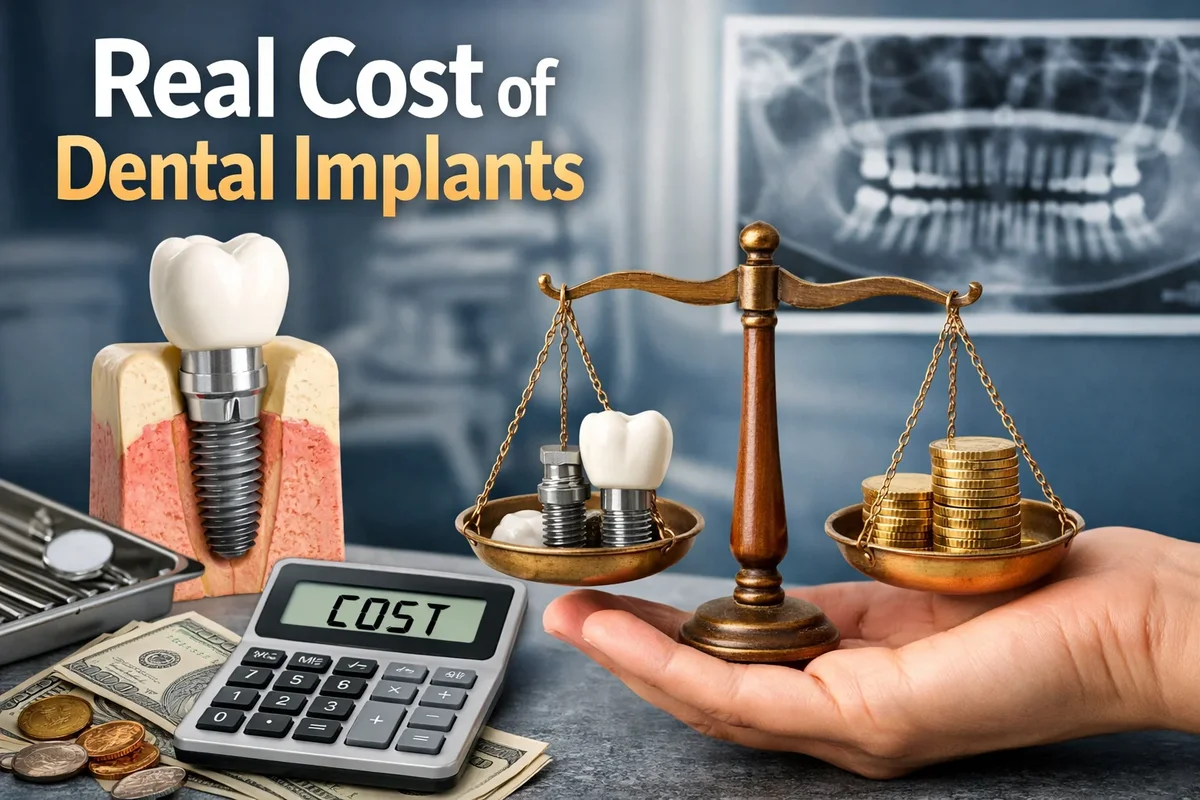
How to Reduce the Real Cost of Dental Implants Without Risk
Many patients who need implant treatment wonder whether it is possible to lower the real cost of dental implants without sacrificing quality or safety. Dental implants are a long-term investment in oral health, so choosing the cheapest option is not always the best decision. However, there are several smart strategies that can help patients reduce the real cost of dental implants while still receiving high-quality treatment from experienced dental professionals.
Understanding how to evaluate treatment plans, compare clinics, and plan financially can make a significant difference. When patients approach implant treatment carefully and with the right information, they can manage the real cost of dental implants effectively without taking unnecessary risks.
Choose an Experienced Implant Specialist
It may seem counterintuitive, but one of the best ways to control the real cost of dental implants is to choose a highly experienced dentist or implant specialist. Skilled professionals are more likely to perform the procedure correctly the first time, which reduces the risk of complications or implant failure.
Why Experience Matters
Implant failure can lead to additional surgeries, extended healing time, and higher expenses. These unexpected complications can significantly increase the real cost of dental implants. By selecting a dentist with extensive experience in implant dentistry, patients reduce the likelihood of needing corrective procedures later.
Experienced implant dentists also provide more accurate treatment planning, which helps patients understand the full real cost of dental implants before starting treatment.
Get a Comprehensive Consultation and Treatment Plan
Before committing to implant treatment, patients should always request a detailed consultation. A thorough evaluation allows the dentist to identify all necessary procedures and provide a clear estimate of the real cost of dental implants.
What a Detailed Treatment Plan Should Include
- Diagnostic imaging and examination
- Number of implants required
- Possible bone grafting or preparatory procedures
- Type of implant system used
- Cost of the crown or prosthetic restoration
When patients understand every step of the treatment process, they are less likely to encounter unexpected charges that increase the real cost of dental implants. Transparency in pricing helps patients plan financially and avoid surprises.
Compare Clinics Carefully
Another effective way to manage the real cost of dental implants is to compare treatment options between reputable clinics. Prices may vary depending on the clinic’s location, equipment, and expertise.
What to Evaluate When Comparing Clinics
- Dentist qualifications and experience
- Technology and imaging equipment used
- Implant brand and materials
- Patient reviews and treatment success rates
- Follow-up care and warranty policies
While comparing clinics can help reduce the real cost of dental implants, patients should avoid choosing a clinic based solely on the lowest price. Quality of care, safety standards, and long-term success should always be prioritized.
Consider Dental Tourism Carefully
Some patients choose to travel abroad for implant treatment because the real cost of dental implants may be significantly lower in certain countries. Dental tourism has grown rapidly in recent years as international clinics offer competitive prices combined with advanced technology.
Benefits of Dental Tourism
- Lower treatment costs compared with some countries
- Modern dental clinics with advanced equipment
- Experienced dentists who treat international patients
While dental tourism can reduce the real cost of dental implants, patients should research clinics carefully. Verifying the dentist’s credentials, clinic accreditation, and implant brand quality is essential before traveling for treatment.
Take Advantage of Payment Plans
Many dental clinics offer financing options that allow patients to spread the real cost of dental implants across multiple monthly payments. These plans make implant treatment more accessible and reduce the financial burden of paying for the entire procedure upfront.
Common Financing Options
- Monthly payment plans through the clinic
- Healthcare credit programs
- Low-interest medical financing
- Insurance reimbursements for certain procedures
Using these financing solutions allows patients to manage the real cost of dental implants while still receiving high-quality care.
Maintain Excellent Oral Hygiene
Preventive care is one of the most effective ways to protect the investment in the real cost of dental implants. Once implants are placed, proper oral hygiene helps ensure that they remain stable and healthy for decades.
Essential Implant Care Practices
- Brush teeth twice daily
- Floss regularly around implants
- Attend routine dental checkups
- Avoid smoking and excessive sugar consumption
By maintaining good oral hygiene, patients reduce the risk of implant complications and avoid additional procedures that could increase the real cost of dental implants.
Understand Long-Term Value Instead of Short-Term Price
Reducing the real cost of dental implants does not necessarily mean choosing the lowest price available. Instead, it involves finding the best balance between affordability, quality, and long-term durability.
Dental implants are designed to last for many years, often decades, when properly maintained. Compared with other tooth replacement options that may require frequent replacement, implants provide lasting stability and natural function. Because of this durability, the real cost of dental implants often becomes more economical over time.
Final Thoughts on Managing Implant Costs
The real cost of dental implants can initially seem high, but with careful planning and informed decision-making, patients can manage the investment effectively. Choosing experienced professionals, comparing clinics responsibly, exploring financing options, and maintaining good oral hygiene all help reduce the real cost of dental implants without compromising safety or treatment quality.
Ultimately, dental implants provide one of the most reliable and natural solutions for replacing missing teeth. By understanding how to control the real cost of dental implants, patients can restore their smile confidently while protecting both their oral health and their long-term financial well-being. 😁