
A bright smile can improve confidence, enhance appearance, and help people feel more comfortable in social and professional situations 😁. Because of this, many patients search for the most recommended teeth whitening methods to remove stains and restore a clean, youthful smile. Today, there are many whitening solutions available, but not every option provides safe or lasting results. Understanding the difference between professional care and over-the-counter products is important before starting any recommended teeth whitening treatment.
Sponsored resource
Before choosing whitening, toothpaste, toothbrush, or oral-care products, compare available products, prices, and options through this partner resource.
Recommended teeth whitening treatments are designed to safely reduce discoloration caused by coffee, tea, smoking, wine, aging, and poor oral hygiene. Teeth naturally lose brightness over time because enamel becomes thinner and stains build up on the surface. Professional whitening systems help remove these stains while protecting enamel and minimizing tooth sensitivity. Many patients prefer recommended teeth whitening because it offers fast, noticeable improvements without invasive dental procedures.
One of the biggest advantages of recommended teeth whitening is the variety of treatment options available. Patients can choose in-office whitening, dentist-supervised take-home trays, whitening strips, whitening toothpaste, or LED whitening kits. However, professional guidance is essential because some products may damage enamel or irritate gums if used incorrectly. The American Dental Association recommends selecting whitening products that have been clinically tested for safety and effectiveness.
Many people wonder whether recommended teeth whitening is safe for everyone. In most cases, healthy adults can safely whiten their teeth when treatments are performed correctly. However, individuals with untreated cavities, gum disease, cracked teeth, or severe enamel erosion should visit a dentist before starting whitening procedures. Whitening products do not work on crowns, veneers, fillings, or dental bonding materials, so professional evaluation is necessary to achieve balanced cosmetic results.
Professional recommended teeth whitening treatments usually contain hydrogen peroxide or carbamide peroxide. These active ingredients penetrate enamel and break down stain molecules inside the tooth structure. Compared to low-quality products found online, dentist-approved whitening systems use controlled concentrations that maximize safety and effectiveness. This is why many dental clinics strongly encourage patients to choose professional recommended teeth whitening instead of risky DIY methods.
Patients often notice significant whitening improvements after a single appointment. In-office recommended teeth whitening procedures commonly lighten teeth by several shades within one session. Dentists may also use special lights or laser technology to accelerate the whitening process. At-home professional kits work more gradually but still provide reliable results when used consistently. Both options are considered highly recommended teeth whitening solutions for people seeking a brighter smile.
Another important benefit of recommended teeth whitening is improved self-confidence ✨. Many people feel embarrassed by yellow or stained teeth, especially during conversations, photographs, or public events. Whitening treatments can help patients smile more comfortably and feel better about their appearance. A healthy-looking smile is often associated with cleanliness, youth, and confidence, making recommended teeth whitening a popular cosmetic dental treatment worldwide.
Diet and lifestyle habits also affect whitening success. Drinking coffee, black tea, cola, and red wine frequently may cause stains to return more quickly after treatment. Smoking and tobacco use are major contributors to discoloration as well. Dentists usually advise patients to avoid strongly pigmented foods and beverages for at least 48 hours after recommended teeth whitening procedures. Proper oral hygiene, including brushing and flossing regularly, helps maintain long-lasting whitening results.
There are also natural-looking whitening approaches available for patients who want gradual improvements. Some forms of recommended teeth whitening focus on maintaining enamel health while gently reducing stains over time. Whitening toothpaste with fluoride, low-abrasion formulas, and dentist-approved whitening mouthwashes can help preserve brightness between professional treatments. These products are often part of a complete smile maintenance plan.
Sensitivity is one of the most common concerns associated with recommended teeth whitening. Temporary sensitivity may occur because whitening ingredients penetrate enamel during treatment. Fortunately, professional whitening systems often include desensitizing agents that reduce discomfort. Dentists may also recommend fluoride gels or sensitivity toothpaste before and after whitening sessions. Patients with naturally sensitive teeth should always discuss concerns with a dental professional before starting any recommended teeth whitening process.
The cost of recommended teeth whitening varies depending on the treatment method and clinic location. In-office whitening generally costs more because it delivers faster and stronger results under professional supervision. At-home dentist-supervised trays are usually more affordable while still offering reliable whitening improvements.
Estimated Recommended Teeth Whitening Prices 💰
- Professional in-office whitening: $300–$1,000
- Dentist take-home whitening trays: $150–$400
- Whitening strips and kits: $20–$100
- Whitening toothpaste: $5–$25
Patients searching for safe and effective cosmetic dental care should always choose trusted clinics that provide personalized treatment planning. A professional dental evaluation helps determine the most suitable recommended teeth whitening option based on enamel condition, stain severity, and oral health needs. If you are considering cosmetic dental improvements, you can contact experienced professionals through the Redent Klinik Contact Page.
Modern cosmetic dentistry continues to improve, making recommended teeth whitening more accessible, safer, and more effective than ever before. Whether patients choose professional chairside whitening or dentist-supervised home treatments, the goal is always the same: achieving a healthier, brighter, and more confident smile 😄. By following professional advice and maintaining good oral hygiene habits, patients can enjoy long-lasting results and preserve their beautiful smile for years.
Why Recommended Teeth Whitening Matters for Oral Health
Many people think whitening treatments are only cosmetic, but recommended teeth whitening can also encourage better oral care habits and improve overall dental confidence 😁. A clean and bright smile often motivates patients to brush more carefully, floss consistently, and attend regular dental checkups. While whitening itself does not directly treat cavities or gum disease, choosing a safe and professionally guided recommended teeth whitening procedure can support long-term oral hygiene goals.
Teeth naturally become darker over time because enamel slowly wears down and stains accumulate from food, beverages, smoking, and aging. Coffee, black tea, soda, curry, berries, and tobacco products are among the most common causes of discoloration. Professional recommended teeth whitening helps reduce these stains and restore a healthier appearance without damaging the natural tooth structure when performed correctly.
Understanding the Causes of Tooth Discoloration
Before starting any recommended teeth whitening treatment, it is important to understand why teeth become stained. Dental discoloration is usually divided into two categories: extrinsic stains and intrinsic stains.
Sponsored resource
This sponsored resource links to a partner shop for oral-care and dental-care products. It does not replace dental diagnosis, treatment planning, or advice from your dentist.
Extrinsic Stains
Extrinsic stains occur on the outer surface of enamel. These stains are commonly caused by:
- Coffee and tea consumption ☕
- Red wine and dark-colored beverages
- Smoking and tobacco use 🚬
- Poor oral hygiene habits
- Highly pigmented foods
Most cases of extrinsic discoloration respond very well to recommended teeth whitening treatments because the stains remain near the enamel surface.
Intrinsic Stains
Intrinsic stains develop inside the tooth structure and are often more difficult to remove. Causes may include:
- Aging and enamel thinning
- Dental trauma
- Certain medications
- Excess fluoride exposure during childhood
- Genetic enamel conditions
Patients with intrinsic discoloration may still benefit from recommended teeth whitening, although professional treatments are usually necessary for visible improvements.
How Recommended Teeth Whitening Supports Confidence
A bright smile can positively affect emotional well-being and social interactions ✨. Many patients feel self-conscious when their teeth appear yellow or stained. They may avoid smiling in photos, speaking openly, or participating confidently in professional settings. One major advantage of recommended teeth whitening is the psychological improvement many people experience after treatment.
Research consistently shows that people often associate white teeth with youth, cleanliness, and good health. This is one reason why recommended teeth whitening remains one of the most requested cosmetic dental procedures worldwide. Patients frequently report feeling more confident at work, during social events, and in daily life after improving their smile appearance.
Professional Recommended Teeth Whitening vs Unsafe DIY Methods
Not all whitening methods are equally safe. Social media trends sometimes promote dangerous home remedies that may damage enamel or irritate gum tissue. Lemon juice, charcoal scrubs, baking soda abuse, and acidic whitening mixtures can weaken teeth over time. Dentists strongly advise patients to avoid unverified methods and instead choose clinically tested recommended teeth whitening options.
Professional whitening systems use carefully controlled whitening agents such as hydrogen peroxide or carbamide peroxide. These ingredients break down stain molecules while minimizing harm to enamel. Dentists also protect gum tissues during treatment and monitor sensitivity levels. This professional supervision makes recommended teeth whitening significantly safer than random DIY whitening hacks found online.
Benefits of Professional Whitening
- Customized treatment plans
- Safer peroxide concentrations
- Faster and more noticeable results
- Reduced risk of gum irritation
- Professional monitoring for sensitivity
- Longer-lasting whitening outcomes
How Recommended Teeth Whitening Improves Smile Appearance
One reason patients prefer recommended teeth whitening is the immediate visual transformation it can provide. Professional whitening can brighten teeth by several shades within a short time. In-office treatments often produce dramatic improvements in a single appointment, while take-home systems gradually enhance tooth color over several weeks.
Modern cosmetic dentistry focuses on natural-looking results rather than unrealistic bright white shades. Dentists evaluate facial features, natural enamel tone, and smile aesthetics before selecting whitening intensity. This personalized approach helps patients achieve balanced and attractive outcomes through recommended teeth whitening.
The Importance of Oral Health Before Whitening
Healthy teeth and gums are essential before starting any recommended teeth whitening treatment. Dentists usually perform a complete oral examination to identify issues such as:
- Untreated cavities
- Gum disease
- Tooth fractures
- Enamel erosion
- Exposed tooth roots
Whitening damaged teeth without addressing these problems may increase discomfort or worsen dental conditions. Professional evaluation ensures patients receive the safest and most effective recommended teeth whitening experience possible.
Some patients may require professional cleaning before whitening procedures. Plaque and tartar buildup can interfere with whitening results and prevent even color improvement. Dental cleanings remove surface deposits and prepare teeth for better whitening performance.
Maintaining Recommended Teeth Whitening Results
Maintaining whitening results requires consistent oral care habits 🦷. Patients who complete recommended teeth whitening treatments should follow dentist instructions carefully to preserve their brighter smile.
Helpful Maintenance Tips
- Brush teeth twice daily with fluoride toothpaste
- Floss every day
- Limit staining foods and beverages
- Use a straw for dark-colored drinks
- Avoid smoking and tobacco products
- Schedule regular professional cleanings
- Use dentist-approved touch-up whitening products
Some foods and drinks may temporarily stain teeth more easily immediately after whitening because enamel pores remain slightly open. Dentists often recommend avoiding coffee, wine, cola, dark sauces, and tobacco for at least 48 hours following recommended teeth whitening procedures.
Patients searching for safe cosmetic dental care should always choose experienced professionals who provide evidence-based whitening treatments. If you are interested in improving your smile safely and effectively, you can contact specialists through the Redent Klinik Contact Page.
Modern cosmetic dentistry continues to make recommended teeth whitening more accessible, comfortable, and effective for patients of all ages. Whether someone chooses in-office whitening or professional take-home trays, proper dental supervision remains the key to achieving beautiful, healthy, and long-lasting whitening results 😄. For additional oral health guidance and professional dental recommendations, patients can also visit the American Dental Association.
Best Recommended Teeth Whitening Treatments by Dentists
Choosing the right recommended teeth whitening treatment can make a major difference in both safety and long-term results 😁. Dentists evaluate several factors before selecting the best whitening method, including enamel condition, tooth sensitivity, stain severity, age, and oral health history. Professional dental clinics often provide customized whitening solutions because every patient responds differently to bleaching agents and cosmetic treatments.
Today, there are many whitening products available online and in stores, but dentist-approved recommended teeth whitening procedures remain the safest and most effective option for achieving visible and lasting improvements. Professional whitening systems are carefully designed to brighten teeth while minimizing gum irritation and enamel damage. Understanding the different whitening treatments available can help patients make informed decisions about their smile care.
In-Office Professional Recommended Teeth Whitening
In-office whitening is widely considered one of the most effective recommended teeth whitening treatments available today. During this procedure, dentists apply professional-grade whitening gel directly onto the teeth while protecting the gums and surrounding soft tissues. The whitening agents usually contain hydrogen peroxide or carbamide peroxide at stronger concentrations than over-the-counter products.
One of the biggest benefits of in-office recommended teeth whitening is speed. Many patients achieve dramatically brighter teeth in just one appointment. Dentists may also use special LED lights or laser technology to activate the whitening gel and accelerate stain removal.
Advantages of In-Office Whitening
- Fast visible results ⚡
- Professional supervision
- Customized whitening intensity
- Reduced gum irritation risk
- More even whitening outcomes
- Safer for sensitive teeth
Most in-office recommended teeth whitening sessions last between 60 and 90 minutes. Patients often leave the clinic with teeth several shades brighter after a single visit.
Dentist-Supervised Take-Home Whitening Trays
Many patients prefer take-home recommended teeth whitening systems because they combine professional supervision with the convenience of home treatment. Dentists create custom-fitted whitening trays designed specifically for the patient’s teeth. These trays help distribute whitening gel evenly while reducing contact with the gums.
Compared to generic whitening strips or store-bought trays, professional take-home recommended teeth whitening kits provide more predictable and comfortable results. Patients usually wear the trays for a few hours daily or overnight for one to two weeks depending on the whitening plan.
Benefits of Custom Whitening Trays
- Comfortable personalized fit
- Gradual natural-looking whitening
- Lower sensitivity risk
- Easy maintenance treatments
- Better stain coverage
Dentist-supervised home systems are considered highly recommended teeth whitening options for patients who want professional-quality results without spending extended time in the dental office.
Whitening Strips and Over-the-Counter Products
Whitening strips remain one of the most popular store-bought recommended teeth whitening products because they are affordable and easy to use. These thin flexible strips contain low concentrations of peroxide-based whitening agents. Patients place the strips directly onto the teeth for a specified period each day.
Although whitening strips can improve mild discoloration, they generally produce less dramatic results compared to professional whitening systems. Some patients may also experience uneven whitening if the strips do not fully cover all tooth surfaces.
Many dentists still consider certain clinically tested strips acceptable recommended teeth whitening products for mild surface stains. However, professional evaluation is still important to avoid misuse and unnecessary tooth sensitivity.
LED Whitening Kits
LED whitening systems have become increasingly popular in cosmetic dentistry ✨. These kits combine whitening gel with blue LED light technology designed to enhance bleaching effects. Some home LED kits are marketed as professional-level recommended teeth whitening solutions, although results vary depending on product quality.
Professional dental clinics may use stronger and more effective LED systems during in-office whitening sessions. While LED technology may accelerate the whitening process, the active whitening ingredient remains the peroxide gel itself.
Are LED Kits Effective?
Many patients see moderate improvements with LED kits, especially when combined with dentist-approved whitening formulas. However, not all LED devices are equally effective. Patients should always choose reliable and clinically tested recommended teeth whitening products to avoid disappointing results.
Whitening Toothpaste and Mouthwash
Whitening toothpaste is often included in daily recommended teeth whitening maintenance routines. These products contain mild abrasives or polishing agents that help remove surface stains caused by coffee, tea, and food pigments.
It is important to understand that whitening toothpaste usually cannot significantly change the natural color of teeth because it mainly removes external stains rather than deeply bleaching enamel. However, when combined with professional treatments, whitening toothpaste can help maintain recommended teeth whitening results over time.
Whitening mouthwashes may also provide minor stain reduction benefits, but they generally work more slowly than stronger whitening systems.
Recommended Teeth Whitening for Sensitive Teeth
Many patients worry about sensitivity during whitening procedures 🦷. Fortunately, modern recommended teeth whitening systems are designed to minimize discomfort while still producing noticeable improvements.
Dentists may recommend:
- Lower peroxide concentrations
- Shorter whitening sessions
- Desensitizing gels
- Fluoride treatments
- Sensitivity toothpaste before and after treatment
Patients with naturally sensitive teeth should always consult a dental professional before beginning any recommended teeth whitening procedure. Proper supervision greatly reduces the risk of prolonged sensitivity or gum irritation.
How Long Recommended Teeth Whitening Results Last
The longevity of recommended teeth whitening results depends heavily on lifestyle habits and oral hygiene routines. Patients who smoke or regularly consume staining beverages may notice discoloration returning more quickly.
Factors That Affect Whitening Longevity
- Coffee and tea consumption ☕
- Smoking and tobacco use
- Wine and soda intake
- Oral hygiene quality
- Professional cleaning frequency
- Genetic enamel characteristics
With proper care, professional recommended teeth whitening results can last from several months to multiple years. Many patients schedule occasional touch-up treatments to maintain a bright smile.
Estimated Whitening Treatment Costs 💰
- In-office professional whitening: $300–$1,000
- Custom take-home trays: $150–$400
- LED whitening kits: $50–$300
- Whitening strips: $20–$80
- Whitening toothpaste: $5–$25
Patients interested in achieving safe and long-lasting smile improvements should always seek professional advice before selecting a whitening system. A dentist can evaluate oral health conditions and recommend the most suitable recommended teeth whitening option for individual needs. To learn more about cosmetic dentistry services and personalized smile care, patients can visit the Redent Klinik Contact Page.
Professional cosmetic dentistry continues to improve rapidly, making recommended teeth whitening more effective, comfortable, and accessible than ever before 😄. Whether patients choose in-office procedures or supervised home whitening systems, selecting dentist-approved treatments remains the safest path toward a brighter and healthier smile. Additional oral health information and whitening guidance can also be found through the American Dental Association.
How Recommended Teeth Whitening Works on Tooth Stains
Understanding how recommended teeth whitening works helps patients choose safer and more effective cosmetic dental treatments 😁. Tooth discoloration develops gradually over time due to staining foods, smoking, aging, medications, and natural enamel wear. Professional whitening procedures target these stains using scientifically tested bleaching agents that brighten teeth while protecting oral health. Modern recommended teeth whitening systems are specifically designed to improve smile appearance without causing unnecessary damage to enamel.
Many patients believe whitening simply “scrubs away” stains, but the actual process is far more advanced. Professional recommended teeth whitening products use active ingredients that penetrate enamel and chemically break down stain molecules inside the tooth structure. This process allows teeth to appear visibly brighter and cleaner after treatment.
The Science Behind Recommended Teeth Whitening
The primary active ingredients in most recommended teeth whitening treatments are hydrogen peroxide and carbamide peroxide. These compounds release oxygen molecules that penetrate microscopic pores within the enamel. Once inside the tooth structure, oxygen molecules break apart dark-colored stain compounds into smaller particles that reflect less color.
This chemical oxidation process is the reason professional recommended teeth whitening treatments can remove both surface stains and deeper discoloration. Unlike ordinary toothpaste, whitening gels can reach below the enamel surface to improve the natural shade of teeth.
How Whitening Ingredients Work
- Hydrogen peroxide rapidly breaks down stain molecules ⚡
- Carbamide peroxide releases whitening agents more gradually
- Oxygen particles penetrate enamel pores
- Stain compounds become colorless after oxidation
- Teeth reflect more light and appear brighter
Because of this advanced process, dentist-approved recommended teeth whitening systems generally provide much more noticeable results than ordinary whitening toothpaste or home remedies.
Types of Tooth Stains Treated by Recommended Teeth Whitening
Not every stain responds equally to whitening treatment. Dentists first identify the type and severity of discoloration before selecting the most effective recommended teeth whitening method.
Extrinsic Surface Stains
Extrinsic stains develop on the outer enamel layer and are usually caused by:
- Coffee and tea ☕
- Red wine
- Smoking and tobacco use 🚬
- Dark-colored foods
- Poor oral hygiene
These stains often respond very well to recommended teeth whitening because they remain close to the enamel surface.
Intrinsic Deep Stains
Intrinsic discoloration occurs inside the tooth and may result from:
- Aging
- Dental trauma
- Certain antibiotics
- Fluorosis
- Genetic enamel conditions
Deep stains are more challenging to treat, but professional recommended teeth whitening systems can still improve many cases significantly. Some severe discoloration may require veneers or bonding if whitening alone cannot achieve the desired result.
Why Professional Whitening Works Better Than DIY Methods
Many online whitening trends claim to provide fast results, but unsafe DIY methods can permanently damage enamel. Lemon juice, charcoal abrasives, baking soda overuse, and acidic whitening hacks may weaken tooth structure and irritate gums.
Professional recommended teeth whitening treatments are safer because dentists carefully control whitening agent concentrations and protect soft tissues during treatment. Clinical whitening systems are also tested for effectiveness and enamel safety.
Advantages of Professional Whitening
- Controlled peroxide levels
- Customized treatment planning
- Lower sensitivity risk
- Even whitening coverage
- Safer gum protection
- Longer-lasting results ✨
This is why dentists strongly recommend choosing clinically approved recommended teeth whitening treatments rather than unverified internet remedies.
How Long Whitening Takes to Work
The speed of recommended teeth whitening results depends on the type of treatment selected and the severity of staining. In-office whitening procedures often provide visible improvements within one appointment, while take-home systems gradually whiten teeth over one to two weeks.
Typical Whitening Timelines
- Professional in-office whitening: 1 session
- Custom whitening trays: 1–2 weeks
- Whitening strips: 2–4 weeks
- Whitening toothpaste: gradual maintenance
Patients with heavier staining from smoking or dark beverages may require multiple recommended teeth whitening sessions for optimal brightness.
Does Recommended Teeth Whitening Damage Enamel?
One of the most common concerns patients have involves enamel safety 🦷. Scientifically tested recommended teeth whitening treatments are considered safe when used properly under professional supervision. Whitening gels do not physically remove enamel; instead, they chemically lighten stain molecules.
However, excessive or improper whitening may temporarily increase tooth sensitivity or irritate gums. Overusing whitening products without professional guidance can sometimes weaken enamel over time. Dentists help prevent these problems by monitoring treatment duration and peroxide concentration carefully.
Tips to Protect Enamel During Whitening
- Follow dentist instructions carefully
- Avoid overusing whitening products
- Use fluoride toothpaste
- Limit acidic beverages
- Attend regular dental checkups
Patients with enamel erosion, exposed roots, or untreated cavities should receive dental treatment before starting recommended teeth whitening.
Why Some Teeth Whiten Unevenly
Not all teeth whiten at the same rate. Some areas may appear brighter while others remain darker. Several factors affect whitening consistency, including enamel thickness, previous dental restorations, and stain depth.
It is important to understand that crowns, veneers, fillings, and bonding materials do not respond to recommended teeth whitening agents because they are not natural enamel. Dentists may recommend replacing older restorations after whitening to match the new tooth shade.
Maintaining Whitening Results After Treatment
After completing recommended teeth whitening, patients should maintain good oral hygiene and avoid habits that contribute to discoloration.
Best Habits for Long-Lasting Results
- Brush twice daily
- Floss regularly
- Reduce coffee and wine intake
- Avoid tobacco products 🚭
- Use a straw for dark beverages
- Schedule professional cleanings
Many dentists recommend occasional touch-up whitening treatments to preserve brightness over time. Professional cleanings also help remove new surface stains before they become permanent.
Estimated Recommended Teeth Whitening Costs 💰
- Professional whitening session: $300–$1,000
- Take-home custom trays: $150–$400
- Whitening strips: $20–$80
- LED whitening systems: $50–$300
Patients interested in safe cosmetic smile enhancement should consult experienced dental professionals before beginning any whitening treatment. Personalized treatment planning helps achieve more natural and longer-lasting results with recommended teeth whitening. For additional information about cosmetic dentistry and smile care services, patients can visit the Redent Klinik Contact Page.
Modern cosmetic dentistry has made recommended teeth whitening more advanced, comfortable, and effective than ever before 😄. By understanding how whitening works and selecting dentist-approved treatments, patients can safely achieve a healthier and more radiant smile. Additional oral health information and evidence-based whitening guidance are also available through the American Dental Association.
Recommended Teeth Whitening for Sensitive Teeth
Many people avoid cosmetic whitening treatments because they worry about tooth sensitivity 🦷. Fortunately, modern recommended teeth whitening procedures are now designed to minimize discomfort while still delivering noticeable smile improvements. Patients with naturally sensitive teeth can often safely whiten their smiles when treatments are carefully planned and supervised by dental professionals. Understanding how sensitivity develops and which whitening methods are safest can help patients achieve brighter teeth without unnecessary pain.
Sensitive teeth occur when enamel becomes thinner or when gum recession exposes the dentin layer underneath the enamel. Dentin contains microscopic tubules connected to nerve endings inside the tooth. During recommended teeth whitening, whitening agents temporarily penetrate enamel and may stimulate these nerve pathways, causing temporary discomfort. However, professional cosmetic dentistry now offers multiple ways to reduce sensitivity during whitening procedures.
Why Teeth Become Sensitive During Whitening
To understand sensitivity management, patients first need to understand how recommended teeth whitening works. Whitening gels containing hydrogen peroxide or carbamide peroxide enter the enamel and break apart stain molecules through oxidation. During this process, the whitening agents may temporarily irritate nerves inside the teeth.
Most sensitivity caused by recommended teeth whitening is temporary and usually disappears within a few hours or days after treatment. The intensity of sensitivity depends on several factors, including enamel thickness, gum health, whitening concentration, and treatment duration.
Common Causes of Whitening Sensitivity
- Thin enamel
- Exposed tooth roots
- Gum recession
- Untreated cavities
- Overuse of whitening products
- Strong peroxide concentrations
This is why dentists strongly recommend professional evaluation before beginning any recommended teeth whitening procedure.
Best Recommended Teeth Whitening Options for Sensitive Teeth
Not all whitening systems are equally suitable for sensitive patients. Some treatments use lower peroxide concentrations or special desensitizing ingredients to reduce discomfort while still improving tooth color.
Professional In-Office Whitening
Many patients are surprised to learn that professional in-office recommended teeth whitening can actually be safer for sensitive teeth than random over-the-counter products. Dentists carefully monitor the whitening process and apply protective barriers to shield the gums.
Professional whitening systems often include desensitizing compounds such as potassium nitrate and fluoride. These ingredients help calm nerve activity and strengthen enamel during treatment.
Dentist-Supervised Custom Trays
Custom whitening trays are another excellent recommended teeth whitening solution for sensitive patients. Because the trays are individually fitted, they reduce unnecessary gel leakage onto gum tissues and allow for controlled whitening exposure.
Dentists may also adjust treatment schedules by:
- Reducing whitening session length
- Using lower peroxide concentrations
- Spacing treatments further apart
- Alternating whitening days
This customized approach makes professional tray systems one of the most comfortable recommended teeth whitening methods available.
Whitening Ingredients That Help Reduce Sensitivity
Modern cosmetic dentistry has significantly improved recommended teeth whitening formulas to reduce irritation while maintaining whitening effectiveness ✨. Several important ingredients are commonly included in professional whitening systems for sensitive teeth.
Potassium Nitrate
Potassium nitrate helps calm nerve activity inside the tooth. It is frequently used in sensitivity toothpaste and professional whitening products. Many dentists recommend using potassium nitrate toothpaste for several weeks before starting recommended teeth whitening.
Fluoride
Fluoride strengthens enamel and reduces tooth sensitivity. Professional fluoride treatments are often performed before or after recommended teeth whitening sessions to protect enamel and improve comfort.
Amorphous Calcium Phosphate
Some advanced whitening products contain calcium compounds that help remineralize enamel during treatment. These ingredients help maintain enamel strength while reducing discomfort associated with recommended teeth whitening.
How Dentists Protect Sensitive Teeth During Whitening
Dental professionals take multiple precautions to ensure recommended teeth whitening remains safe and comfortable for patients with sensitivity concerns.
Professional Protective Techniques
- Gum barrier protection
- Customized whitening strength
- Shorter treatment sessions
- Desensitizing gels
- Fluoride varnish applications
- Careful oral health evaluations
Before beginning recommended teeth whitening, dentists also check for underlying problems such as cracked teeth, enamel erosion, or untreated cavities. Addressing these issues first greatly reduces the risk of severe sensitivity.
Recommended Teeth Whitening Aftercare for Sensitive Teeth
Proper aftercare is essential for minimizing discomfort following recommended teeth whitening. Teeth are often temporarily more porous after whitening, making them slightly more sensitive to temperature changes and acidic foods.
Helpful Aftercare Tips
- Use sensitivity toothpaste 🪥
- Avoid ice-cold beverages
- Limit acidic foods temporarily
- Avoid smoking and tobacco
- Drink through a straw
- Use fluoride mouthwash
Many dentists recommend avoiding highly pigmented foods and drinks for at least 48 hours after recommended teeth whitening because enamel is more likely to absorb stains during this period.
How Long Sensitivity Usually Lasts
For most patients, sensitivity from recommended teeth whitening is temporary and mild. Minor discomfort typically disappears within 24 to 72 hours after treatment. Patients using stronger professional whitening systems may occasionally experience slightly longer sensitivity, but severe or prolonged pain is uncommon when whitening is performed correctly.
If sensitivity persists for more than several days, patients should contact their dentist for evaluation. Professional monitoring helps ensure that recommended teeth whitening remains both safe and effective.
Are Over-the-Counter Whitening Products Safe for Sensitive Teeth?
Some store-bought whitening products may work well for mild discoloration, but they are not always ideal for patients with sensitivity issues. Poorly fitted trays, excessive usage, or harsh ingredients can worsen discomfort.
Professional recommended teeth whitening systems remain the safest option because dentists customize treatment based on individual enamel condition and sensitivity level. Clinical supervision also reduces the risk of over-whitening or gum irritation.
Estimated Sensitive Teeth Whitening Costs 💰
- Professional in-office whitening: $300–$1,000
- Custom sensitive whitening trays: $150–$400
- Sensitivity toothpaste: $5–$20
- LED whitening kits for sensitive teeth: $50–$250
Patients interested in achieving a brighter smile without discomfort should consult experienced cosmetic dental professionals before starting any whitening treatment. Personalized care helps ensure safer and more comfortable recommended teeth whitening results. For additional information about cosmetic dentistry services and whitening options, patients can visit the Redent Klinik Contact Page.
Modern dental technology continues to improve recommended teeth whitening for patients with sensitivity concerns 😄. Through customized treatment plans, advanced whitening ingredients, and professional supervision, even sensitive patients can often achieve healthier and more radiant smiles safely. Additional oral health guidance and evidence-based whitening recommendations are also available through the American Dental Association.
Professional vs At-Home Recommended Teeth Whitening Options
Choosing between professional and home-based recommended teeth whitening treatments is one of the most important decisions patients make when improving their smile 😁. Both methods can reduce stains and brighten teeth, but they differ significantly in effectiveness, safety, speed, comfort, and long-term results. Understanding these differences helps patients choose the whitening option that best fits their oral health needs, cosmetic goals, and budget.
Modern cosmetic dentistry offers multiple recommended teeth whitening solutions ranging from in-office laser treatments to over-the-counter whitening strips. While some patients prefer the convenience of home products, others prioritize the faster and more predictable outcomes available through professional care. Dentists usually recommend personalized whitening plans because every patient’s enamel condition, sensitivity level, and stain severity are unique.
What Is Professional Recommended Teeth Whitening?
Professional recommended teeth whitening refers to whitening treatments performed or supervised by licensed dental professionals. These procedures use clinically tested whitening agents and customized treatment methods to maximize safety and effectiveness.
There are two primary categories of professional whitening:
- In-office whitening procedures
- Dentist-supervised take-home whitening trays
Professional whitening systems usually contain stronger peroxide concentrations than store-bought products, allowing them to remove deeper stains more effectively.
In-Office Whitening Procedures
In-office recommended teeth whitening is one of the fastest cosmetic dental treatments available ✨. During the appointment, dentists apply high-strength whitening gel directly to the teeth while protecting the gums and lips with special barriers.
Many clinics also use LED lights or laser technology to accelerate the whitening process. Patients often achieve several shades of improvement in just one session lasting approximately 60 to 90 minutes.
Benefits of Professional Whitening
- Fast and dramatic results ⚡
- Professional supervision
- Customized whitening strength
- Safer for sensitive teeth
- Reduced risk of uneven whitening
- Longer-lasting brightness
Because dentists monitor the entire process, professional recommended teeth whitening is generally considered the safest option for patients with dental sensitivity or complex discoloration.
What Is At-Home Recommended Teeth Whitening?
At-home recommended teeth whitening includes over-the-counter products and dentist-provided whitening kits used outside the dental office. These systems are popular because they are convenient and often less expensive than professional chairside treatments.
Common at-home whitening products include:
- Whitening strips
- LED whitening kits
- Whitening toothpaste
- Whitening mouthwash
- Generic whitening trays
Some patients achieve good results with home whitening systems, especially when treating mild surface stains. However, product quality varies significantly, and improper use may increase sensitivity or gum irritation.
Dentist-Supervised Home Whitening Kits
Custom home whitening trays provided by dentists are considered one of the most effective at-home recommended teeth whitening solutions. Dentists create personalized trays that fit comfortably over the teeth and distribute whitening gel evenly.
Compared to generic store-bought trays, professional custom trays reduce leakage and improve whitening consistency. Patients usually wear the trays daily for one to two weeks.
Comparing Whitening Effectiveness
One of the biggest differences between professional and home recommended teeth whitening systems is whitening strength. Professional treatments use higher peroxide concentrations, allowing them to penetrate enamel more deeply and remove stubborn stains more efficiently.
Professional Whitening Strengths
- More dramatic color improvement
- Faster stain removal
- Better treatment for intrinsic discoloration
- More predictable results
Home Whitening Strengths
- Convenient daily use
- Lower initial cost 💰
- Gradual whitening process
- Good for maintenance treatments
Patients with severe discoloration from smoking, aging, or medication stains often benefit more from professional recommended teeth whitening because over-the-counter products may not provide strong enough whitening action.
Safety Differences Between Professional and Home Whitening
Safety is another major factor when choosing a recommended teeth whitening treatment. Professional whitening procedures are carefully monitored to protect enamel and gum tissues. Dentists also evaluate oral health conditions before treatment begins.
At-home products may cause problems if used incorrectly or excessively. Common risks include:
- Gum irritation
- Uneven whitening
- Temporary tooth sensitivity
- Enamel dehydration
- Over-whitening
This is why many dentists recommend professional supervision for patients considering recommended teeth whitening, especially individuals with sensitivity, dental restorations, or gum recession.
How Long Whitening Results Last
The longevity of recommended teeth whitening depends heavily on lifestyle habits and treatment quality. Professional whitening generally lasts longer because stronger whitening agents remove deeper stains.
Factors That Affect Whitening Longevity
- Smoking and tobacco use 🚭
- Coffee and tea consumption ☕
- Wine and soda intake
- Daily oral hygiene habits
- Professional dental cleanings
Patients who maintain excellent oral hygiene and avoid staining habits often enjoy professional recommended teeth whitening results for one to three years with occasional touch-up treatments.
Cost Comparison Between Professional and Home Whitening
Budget is often an important consideration when choosing between whitening methods. Professional treatments cost more initially, but they usually provide stronger and more durable results.
Estimated Recommended Teeth Whitening Costs 💰
- Professional in-office whitening: $300–$1,000
- Dentist custom whitening trays: $150–$400
- LED whitening kits: $50–$300
- Whitening strips: $20–$80
- Whitening toothpaste: $5–$25
Although over-the-counter products appear less expensive initially, repeated use of low-quality whitening products may produce inconsistent results. Many patients ultimately choose professional recommended teeth whitening after becoming dissatisfied with weaker home treatments.
Who Should Choose Professional Whitening?
Professional recommended teeth whitening is often ideal for:
- Patients with severe discoloration
- People with tooth sensitivity
- Individuals seeking fast results
- Patients with uneven stains
- People preparing for important events 🎉
Professional care is also strongly recommended for patients with crowns, veneers, gum disease, or enamel damage because dentists can customize treatment safely.
Who May Benefit From At-Home Whitening?
Some patients may achieve satisfactory improvements using at-home recommended teeth whitening products if their discoloration is mild and their oral health is stable. Whitening strips, toothpaste, and dentist-supervised home kits are often useful for maintaining results between professional treatments.
However, patients should always consult a dental professional before starting any whitening program. Personalized guidance helps prevent unnecessary complications and ensures safer recommended teeth whitening outcomes.
Individuals interested in cosmetic smile improvement can learn more about personalized whitening solutions through the Redent Klinik Contact Page. Additional evidence-based oral health information and whitening recommendations are also available from the American Dental Association.
Modern cosmetic dentistry continues to improve both professional and home recommended teeth whitening systems 😄. Whether patients choose chairside procedures or supervised home whitening kits, selecting safe and clinically tested treatments remains the key to achieving a brighter, healthier, and more confident smile.
Recommended Teeth Whitening Ingredients That Actually Work
Many patients searching for brighter smiles feel overwhelmed by the huge number of whitening products available online and in stores 😁. Toothpaste, strips, gels, LED kits, whitening pens, and natural remedies all claim to provide dramatic results. However, not every whitening ingredient is scientifically proven to work safely and effectively. Understanding which ingredients are truly effective helps patients choose the best recommended teeth whitening products while avoiding harmful or misleading treatments.
Professional cosmetic dentistry relies on clinically tested whitening ingredients that safely remove stains without causing unnecessary enamel damage. Dentists carefully evaluate ingredient strength, safety, and effectiveness before recommending any recommended teeth whitening system. Some ingredients brighten teeth by chemically breaking down stains, while others mainly polish surface discoloration.
Hydrogen Peroxide: The Most Effective Whitening Ingredient
Hydrogen peroxide is considered one of the most powerful and widely used ingredients in professional recommended teeth whitening systems ✨. It works by penetrating enamel and releasing oxygen molecules that break apart stain compounds inside the tooth structure.
This chemical oxidation process helps lighten both surface stains and deeper discoloration. Hydrogen peroxide is commonly used in professional in-office whitening treatments because it produces fast and noticeable improvements.
Benefits of Hydrogen Peroxide
- Fast whitening action ⚡
- Effective for deep stains
- Professional-strength results
- Scientifically tested safety
- Used by cosmetic dentists worldwide
Because hydrogen peroxide is highly effective, professional recommended teeth whitening systems carefully control concentration levels to minimize tooth sensitivity and gum irritation.
Carbamide Peroxide in Recommended Teeth Whitening
Carbamide peroxide is another common ingredient found in many recommended teeth whitening products. It breaks down into hydrogen peroxide and urea after application, releasing whitening agents more gradually than pure hydrogen peroxide.
This slower release makes carbamide peroxide especially popular for take-home whitening trays provided by dentists. Patients can wear these trays for longer periods while still maintaining comfortable whitening conditions.
Advantages of Carbamide Peroxide
- Gentler whitening process
- Reduced sensitivity risk 🦷
- Ideal for overnight whitening trays
- Long-lasting whitening action
- Suitable for sensitive patients
Dentist-supervised carbamide peroxide systems remain one of the most trusted recommended teeth whitening options for gradual and natural-looking smile improvements.
Potassium Nitrate for Sensitivity Protection
Many professional recommended teeth whitening products include potassium nitrate to reduce tooth sensitivity during treatment. Whitening agents temporarily stimulate nerves inside the teeth, and potassium nitrate helps calm this nerve activity.
Patients with sensitive teeth often benefit from whitening formulas that contain potassium nitrate because it allows them to achieve brighter smiles with less discomfort.
Why Potassium Nitrate Matters
- Helps reduce nerve irritation
- Improves whitening comfort
- Supports sensitive teeth treatment
- Commonly used in sensitivity toothpaste
Modern cosmetic dentistry increasingly combines whitening ingredients with desensitizing compounds to create safer and more comfortable recommended teeth whitening experiences.
Fluoride and Enamel Protection
Fluoride plays an important role in many recommended teeth whitening systems because it helps strengthen enamel during and after treatment. Whitening procedures may temporarily make teeth more porous, and fluoride helps remineralize enamel to reduce sensitivity.
Some professional whitening kits include fluoride gels or fluoride-based aftercare products to protect tooth structure while maintaining whitening results.
Benefits of Fluoride in Whitening Products
- Strengthens enamel
- Reduces post-whitening sensitivity
- Helps prevent cavities
- Supports long-term oral health
Dentists often recommend fluoride toothpaste and mouthwash after recommended teeth whitening to preserve both enamel strength and whitening longevity.
Whitening Toothpaste Ingredients
Whitening toothpaste usually works differently from professional bleaching systems. Instead of deeply whitening enamel, most whitening toothpaste products use mild abrasives and polishing agents to remove surface stains.
Common Whitening Toothpaste Ingredients
- Hydrated silica
- Baking soda
- Calcium carbonate
- Low-level peroxide compounds
While whitening toothpaste can help maintain recommended teeth whitening results, it usually cannot dramatically change the natural tooth shade by itself.
Patients should avoid highly abrasive whitening toothpaste products because excessive abrasion may slowly wear down enamel over time.
Ingredients That Should Be Avoided
Not every whitening trend is safe. Some social media remedies may actually harm teeth instead of improving them 🚫. Patients should be cautious about using unverified whitening methods without professional guidance.
Unsafe Whitening Ingredients and Methods
- Lemon juice
- Undiluted vinegar
- Activated charcoal overuse
- Excessive baking soda scrubbing
- Acidic whitening mixtures
These methods may erode enamel, irritate gums, and increase long-term tooth sensitivity. Professional recommended teeth whitening products are carefully tested to ensure safety and effectiveness, unlike many viral internet trends.
How Dentists Choose the Right Whitening Ingredients
Dental professionals customize recommended teeth whitening treatments based on each patient’s oral health condition, stain severity, enamel thickness, and sensitivity level.
Factors Dentists Evaluate
- Type of discoloration
- Presence of gum recession
- Tooth sensitivity level
- Existing restorations
- Enamel strength
- Whitening goals 🎯
Patients with severe discoloration may require stronger peroxide formulas, while individuals with sensitivity concerns may benefit from lower concentrations and additional desensitizing ingredients.
Natural-Looking Whitening Results
Modern recommended teeth whitening focuses on achieving realistic and healthy-looking results instead of unnatural bright white shades. Dentists carefully balance whitening intensity to preserve natural smile aesthetics.
Some patients assume “stronger is always better,” but excessive whitening may create artificial-looking results or increase sensitivity risks. Professional cosmetic dentistry emphasizes gradual and controlled whitening for safer and more attractive outcomes.
Estimated Recommended Teeth Whitening Product Costs 💰
- Professional peroxide whitening: $300–$1,000
- Custom carbamide peroxide trays: $150–$400
- Whitening toothpaste: $5–$25
- Sensitivity-friendly whitening gels: $20–$100
- LED whitening kits: $50–$300
Patients interested in improving their smile safely should always seek professional guidance before selecting whitening products. Personalized evaluations help identify the most suitable recommended teeth whitening ingredients for each patient’s oral health needs. To learn more about cosmetic smile enhancement and personalized dental care, patients can visit the Redent Klinik Contact Page.
Modern cosmetic dentistry continues to improve the safety and effectiveness of recommended teeth whitening products 😄. By choosing clinically tested ingredients and professional supervision, patients can achieve healthier, brighter, and more confident smiles while protecting long-term enamel health. Additional oral care recommendations and evidence-based whitening guidance are also available through the American Dental Association.
Foods and Habits That Affect Recommended Teeth Whitening Results
Achieving a brighter smile through recommended teeth whitening is only part of the process 😁. Maintaining long-lasting whitening results depends heavily on daily habits, oral hygiene routines, and dietary choices. Many patients are surprised to learn that certain foods and beverages can quickly reverse whitening improvements if proper care is not maintained. Understanding which habits help or harm whitening results allows patients to preserve their brighter smile for much longer.
Professional recommended teeth whitening treatments can dramatically improve tooth color, but enamel remains vulnerable to new stains after treatment. Teeth naturally absorb pigments from food, drinks, and tobacco over time. Some lifestyle habits accelerate discoloration, while others help preserve whitening results and maintain overall oral health.
Why Teeth Become Stained Again After Whitening
After recommended teeth whitening, enamel temporarily becomes more porous because whitening agents penetrate the tooth structure to break apart stain molecules. During the first 24 to 48 hours after treatment, teeth are especially vulnerable to absorbing new pigments from dark-colored foods and beverages.
This temporary condition is one reason dentists often recommend a “white diet” immediately after recommended teeth whitening. Patients are encouraged to consume light-colored foods and avoid strong pigments during the early recovery period.
Why Staining Happens
- Enamel naturally absorbs pigments
- Dark beverages contain strong chromogens
- Acidic foods weaken enamel temporarily
- Tobacco chemicals deeply discolor teeth 🚬
Following proper aftercare instructions can significantly extend the effectiveness of recommended teeth whitening treatments.
Foods That Commonly Stain Teeth
Certain foods are well known for causing discoloration. Patients who regularly consume these items may notice whitening results fading more quickly.
Dark Beverages
Beverages are among the biggest contributors to tooth staining. Common examples include:
- Coffee ☕
- Black tea
- Red wine 🍷
- Dark soda
- Energy drinks
These beverages contain chromogens and tannins that easily attach to enamel surfaces. Even patients who complete professional recommended teeth whitening may experience gradual discoloration if these drinks are consumed frequently.
Highly Pigmented Foods
Several foods also contribute to staining:
- Curry dishes
- Tomato sauce 🍅
- Soy sauce
- Berries
- Beets
- Dark chocolate
These foods contain strong natural pigments that may reduce the longevity of recommended teeth whitening results.
Smoking and Tobacco Use
Smoking is one of the most damaging habits for tooth color and oral health 🚭. Tobacco products contain tar and nicotine, which deeply penetrate enamel and create yellow or brown discoloration over time.
Even the best recommended teeth whitening treatments may lose effectiveness quickly if smoking continues after whitening procedures. Tobacco also increases the risk of gum disease, tooth loss, and oral cancer, making smoking cessation extremely important for both cosmetic and medical reasons.
Effects of Tobacco on Teeth
- Deep yellow staining
- Brown discoloration
- Persistent bad breath
- Higher plaque accumulation
- Increased gum disease risk
Dentists strongly encourage patients to stop smoking to maintain healthier and longer-lasting recommended teeth whitening results.
Acidic Foods and Enamel Health
Acidic foods and drinks may weaken enamel and increase stain absorption after recommended teeth whitening. While these items do not directly stain teeth, they soften enamel temporarily and allow pigments to penetrate more easily.
Common Acidic Foods
- Citrus fruits 🍋
- Vinegar-based dressings
- Carbonated beverages
- Sports drinks
- Wine
Patients do not necessarily need to avoid acidic foods completely, but moderation and proper oral hygiene are important for preserving recommended teeth whitening results.
Habits That Help Maintain Whitening Results
Good oral hygiene habits play a major role in maintaining bright teeth after recommended teeth whitening. Consistent dental care removes plaque and surface stains before they become deeply embedded in enamel.
Healthy Habits for a Brighter Smile
- Brush twice daily 🪥
- Floss every day
- Use fluoride toothpaste
- Drink water after meals
- Attend regular dental cleanings
- Use whitening maintenance products
Patients who follow these habits often maintain recommended teeth whitening results significantly longer than individuals with inconsistent oral care routines.
The Importance of Drinking Water
Water is one of the simplest ways to protect whitening results. Drinking water after consuming coffee, wine, or dark foods helps rinse pigments away before they settle onto enamel surfaces.
Water also supports saliva production, which naturally protects teeth against plaque buildup and discoloration. Dentists frequently encourage patients to increase water intake after recommended teeth whitening to help preserve brightness.
Can Whitening Toothpaste Help?
Whitening toothpaste can support long-term recommended teeth whitening maintenance when used correctly. Most whitening toothpaste products contain mild polishing agents that remove surface stains before they become permanent.
However, patients should avoid highly abrasive products because excessive abrasion may gradually damage enamel. Dentist-approved whitening toothpaste is usually the safest option for maintaining recommended teeth whitening results.
Best Uses for Whitening Toothpaste
- Daily maintenance after whitening
- Removing light surface stains
- Supporting professional whitening results
- Freshening breath and reducing plaque
How Professional Cleanings Support Whitening
Regular professional dental cleanings are essential for maintaining recommended teeth whitening improvements ✨. Even with excellent brushing habits, plaque and tartar eventually accumulate in hard-to-clean areas.
Dental hygienists use specialized tools to remove surface stains and tartar buildup safely. Many patients notice their smile appears brighter after professional cleanings even without additional whitening treatment.
Dentists may also recommend periodic touch-up whitening sessions depending on the patient’s staining habits and cosmetic goals.
Foods That Are Safer After Whitening
Immediately after recommended teeth whitening, patients are often advised to follow a “white diet” for at least two days.
Safer Food Choices After Whitening
- Chicken 🍗
- Rice
- Plain yogurt
- White fish
- Cauliflower
- Milk and cheese
- Bananas
These lighter-colored foods reduce the risk of immediate stain absorption while enamel recovers after recommended teeth whitening.
Estimated Whitening Maintenance Costs 💰
- Professional touch-up whitening: $100–$400
- Whitening toothpaste: $5–$25
- Professional cleaning: $75–$250
- Whitening mouthwash: $10–$30
Patients interested in maintaining a bright and healthy smile should work closely with dental professionals to create personalized care routines. Proper oral hygiene and lifestyle choices greatly improve the longevity of recommended teeth whitening treatments. To learn more about cosmetic smile care and professional whitening services, patients can visit the Redent Klinik Contact Page.
Modern cosmetic dentistry makes achieving a beautiful smile easier than ever 😄, but maintaining recommended teeth whitening results depends heavily on long-term daily habits. By avoiding stain-causing foods, reducing tobacco use, and practicing consistent oral hygiene, patients can preserve their brighter smile for years. Additional oral care guidance and evidence-based recommendations are also available through the American Dental Association.
Recommended Teeth Whitening Costs and Treatment Expectations
Many patients interested in cosmetic dentistry want to know how much recommended teeth whitening costs and what results they can realistically expect 😁. Whitening treatments vary significantly in price depending on the method used, the clinic location, the severity of discoloration, and the patient’s cosmetic goals. Understanding the differences between whitening systems helps patients choose safer and more effective treatments while avoiding unrealistic expectations.
Professional recommended teeth whitening treatments are considered one of the most affordable cosmetic dental procedures because they can dramatically improve smile appearance without surgery or invasive dental work. However, whitening results are not identical for every patient. Tooth color, enamel thickness, lifestyle habits, and oral health conditions all influence the final outcome.
What Affects Recommended Teeth Whitening Costs?
The cost of recommended teeth whitening depends on several important factors. Professional whitening systems performed by cosmetic dentists usually cost more than over-the-counter products because they provide stronger, safer, and more predictable results.
Main Factors That Influence Whitening Prices
- Type of whitening treatment
- Severity of tooth discoloration
- Number of whitening sessions needed
- Clinic location 🌍
- Dentist experience level
- Use of advanced technology such as LED or laser systems
Patients with deeper stains or severe discoloration may require multiple recommended teeth whitening sessions, increasing the total treatment cost.
Professional In-Office Whitening Costs
In-office recommended teeth whitening procedures are usually the most expensive whitening option, but they also provide the fastest and most dramatic improvements ✨. During treatment, dentists use professional-strength peroxide gels that penetrate enamel more effectively than home products.
Most professional whitening appointments take between 60 and 90 minutes. Some clinics also use LED lights or laser activation to accelerate whitening results.
Typical In-Office Whitening Price Range
- Basic professional whitening: $300–$600
- Advanced laser whitening: $600–$1,000
- Premium cosmetic whitening packages: $1,000+
Although professional recommended teeth whitening costs more initially, many patients prefer it because of the immediate visible improvement and reduced risk of uneven whitening.
Custom Take-Home Whitening Tray Costs
Dentist-supervised take-home trays are another highly effective recommended teeth whitening option. Dentists create personalized whitening trays that fit the patient’s teeth precisely, allowing even whitening and reducing gum irritation.
Patients typically use these trays for one to two weeks depending on stain severity and whitening goals.
Typical Take-Home Tray Costs
- Custom tray creation: $100–$250
- Professional whitening gel kits: $50–$150
- Complete dentist-supervised systems: $150–$400
Many patients choose custom trays because they combine professional guidance with the convenience of home-based recommended teeth whitening.
Over-the-Counter Whitening Product Costs
Store-bought whitening products are usually the least expensive recommended teeth whitening option 💰. However, results are generally less dramatic compared to professional systems.
Average Over-the-Counter Whitening Prices
- Whitening strips: $20–$80
- LED whitening kits: $50–$300
- Whitening toothpaste: $5–$25
- Whitening mouthwash: $10–$30
- Whitening pens: $15–$60
While some over-the-counter products can improve mild surface stains, patients with deeper discoloration may become frustrated by slower or less noticeable whitening progress.
How Many Shades Whiter Can Teeth Become?
One of the most common questions patients ask about recommended teeth whitening is how white their teeth can realistically become. Results vary significantly depending on enamel condition and stain type.
Typical Whitening Improvements
- Mild stains: 2–4 shades brighter
- Moderate discoloration: 4–8 shades brighter
- Heavy staining: multiple sessions may be required
Professional recommended teeth whitening treatments usually produce more dramatic improvements because stronger whitening agents penetrate enamel more deeply.
It is important to understand that whitening treatments do not create artificial “paper white” teeth naturally. Modern cosmetic dentistry focuses on natural-looking smile enhancement instead of unrealistic brightness.
How Long Recommended Teeth Whitening Results Last
The longevity of recommended teeth whitening depends heavily on lifestyle habits and oral hygiene routines. Patients who smoke or frequently consume coffee, tea, or wine may notice staining returning more quickly.
Average Whitening Longevity
- Professional whitening: 1–3 years
- Custom tray systems: 6–24 months
- Over-the-counter products: several months
Touch-up whitening sessions are commonly recommended to maintain bright and healthy-looking results.
What to Expect During Whitening Treatment
Patients beginning recommended teeth whitening should understand that temporary sensitivity is relatively common 🦷. Professional whitening systems often include desensitizing ingredients to minimize discomfort.
Common Whitening Experiences
- Temporary cold sensitivity
- Mild gum irritation
- Noticeable brightness improvement
- Temporary enamel dehydration
- Gradual stabilization of final shade
Most side effects disappear within a few days after recommended teeth whitening procedures.
Can Insurance Cover Recommended Teeth Whitening?
In most cases, dental insurance does not cover recommended teeth whitening because it is considered a cosmetic procedure rather than a medical necessity. However, some dental clinics offer financing plans, payment packages, or promotional discounts for cosmetic treatments.
Patients interested in whitening should ask dental clinics about available payment options before beginning treatment.
How to Choose the Best Whitening Investment
The best recommended teeth whitening treatment depends on each patient’s goals, budget, and oral health condition. Some patients prioritize rapid cosmetic improvement, while others prefer gradual and lower-cost whitening methods.
Questions Patients Should Consider
- How severe are the stains?
- Do I have tooth sensitivity?
- How quickly do I want results?
- Am I comfortable using home whitening products?
- Do I want long-lasting professional results?
Consulting a dental professional helps patients select the safest and most effective recommended teeth whitening solution for their individual needs.
Complete Recommended Teeth Whitening Cost Overview 💰
- Professional in-office whitening: $300–$1,000+
- Custom take-home trays: $150–$400
- Whitening strips: $20–$80
- LED whitening systems: $50–$300
- Whitening toothpaste and maintenance: $5–$30
Patients interested in cosmetic smile enhancement should always seek professional guidance before selecting whitening treatments. Personalized evaluations improve both safety and whitening success while helping patients achieve more realistic expectations from recommended teeth whitening. To learn more about cosmetic dentistry services and smile improvement options, patients can visit the Redent Klinik Contact Page.
Modern cosmetic dentistry makes achieving a brighter smile more accessible than ever 😄. Whether patients choose professional procedures or home whitening systems, understanding treatment costs and realistic expectations is essential for successful recommended teeth whitening outcomes. Additional oral health recommendations and evidence-based cosmetic dentistry information are also available through the American Dental Association.
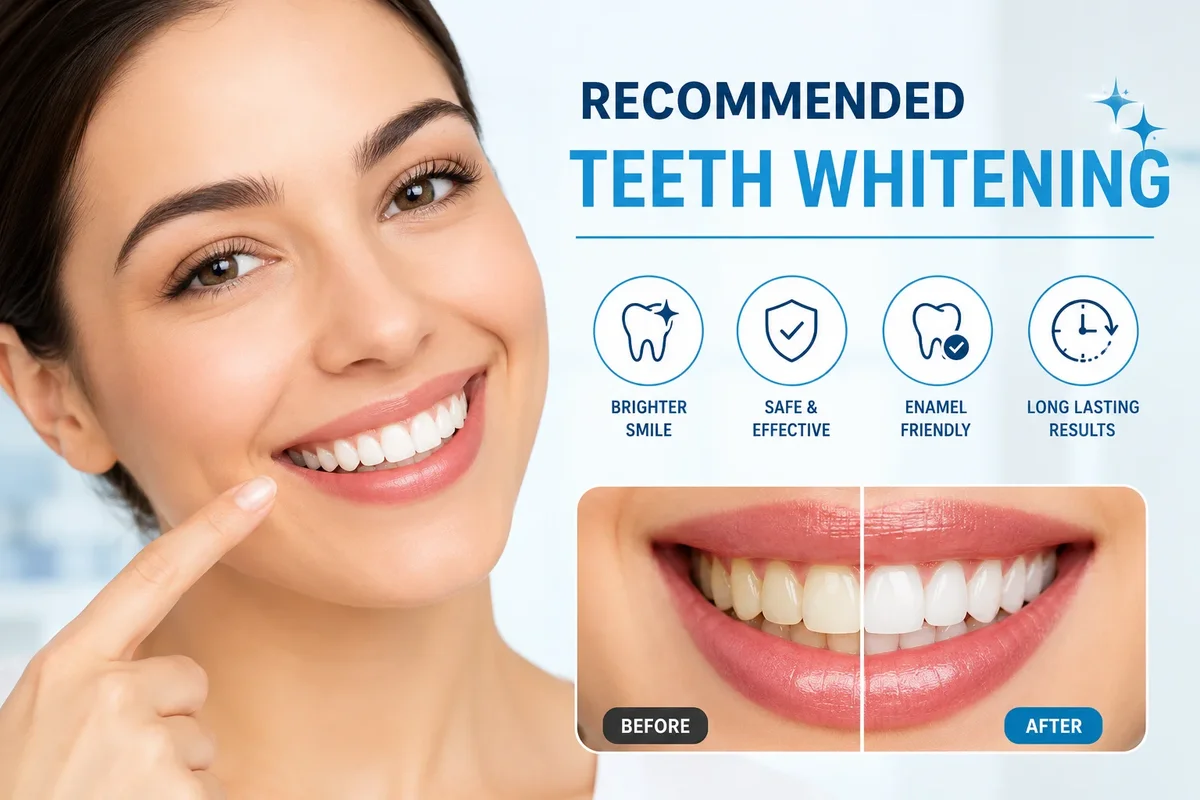
How to Maintain Recommended Teeth Whitening Results Long-Term
Achieving a brighter smile through recommended teeth whitening is an exciting cosmetic improvement, but maintaining those results long-term requires consistent care and healthy habits 😁. Many patients invest time and money into professional whitening treatments only to notice stains gradually returning because of lifestyle choices, poor oral hygiene, or lack of maintenance. Understanding how to preserve whitening results helps patients keep their smile bright, healthy, and attractive for years.
Professional recommended teeth whitening treatments can dramatically improve tooth color, but whitening is not permanent. Teeth naturally absorb pigments from foods, beverages, and tobacco over time. In addition, aging and enamel wear gradually contribute to discoloration. Fortunately, dentists provide several effective strategies that help patients maintain their whitening improvements and reduce future staining.
Why Whitening Results Fade Over Time
Even the best recommended teeth whitening treatments are affected by everyday habits. Teeth are constantly exposed to substances that can stain enamel or weaken its natural brightness. The whitening process removes stain molecules, but new stains can develop if oral care is neglected.
Several common factors contribute to whitening relapse:
- Coffee and tea consumption ☕
- Smoking and tobacco use 🚬
- Red wine and dark soda
- Poor brushing habits
- Infrequent dental cleanings
- Natural aging
Patients who understand these risks are more likely to preserve their recommended teeth whitening results successfully.
Daily Oral Hygiene for Whitening Maintenance
Consistent oral hygiene is the foundation of long-lasting recommended teeth whitening. Plaque and surface stains accumulate every day, and proper brushing helps remove these deposits before they become permanent.
Best Daily Habits for Bright Teeth
- Brush twice daily 🪥
- Floss every day
- Use fluoride toothpaste
- Clean the tongue regularly
- Use alcohol-free mouthwash
Dentists often recommend whitening toothpaste as part of a whitening maintenance routine. These products help polish away mild surface stains while supporting overall oral health.
However, patients should avoid highly abrasive whitening products because excessive enamel wear may increase sensitivity and make teeth more vulnerable to discoloration later.
Foods and Drinks to Limit After Whitening
One of the most important ways to preserve recommended teeth whitening results is reducing exposure to staining foods and beverages. Dark pigments can gradually attach to enamel and reduce smile brightness.
Most Common Staining Drinks
- Coffee ☕
- Black tea
- Red wine 🍷
- Dark cola
- Energy drinks
Foods That Can Cause Discoloration
- Tomato sauce 🍅
- Curry dishes
- Soy sauce
- Berries
- Beets
- Dark chocolate
Patients do not necessarily need to eliminate these foods entirely, but moderation helps extend the effects of recommended teeth whitening.
How Drinking Water Helps Protect Whitening Results
Drinking water regularly is one of the easiest ways to maintain recommended teeth whitening improvements 💧. Water rinses away food particles, acids, and pigments before they settle onto enamel surfaces.
Many dentists recommend rinsing the mouth with water immediately after consuming coffee, tea, wine, or staining foods. This simple habit can significantly reduce long-term discoloration.
Water also supports saliva production, which naturally protects teeth against plaque buildup and enamel erosion.
The Importance of Avoiding Tobacco
Tobacco products are among the most harmful factors affecting recommended teeth whitening longevity 🚭. Smoking introduces nicotine and tar into the mouth, causing deep yellow and brown stains that are difficult to remove.
Even after professional whitening, continued smoking can rapidly reverse cosmetic improvements. Tobacco use also increases the risk of:
- Gum disease
- Bad breath
- Tooth loss
- Oral cancer
- Plaque accumulation
Patients who stop smoking often enjoy much longer-lasting recommended teeth whitening results and better overall oral health.
Professional Dental Cleanings and Whitening Maintenance
Regular professional cleanings are essential for preserving recommended teeth whitening improvements ✨. Dental hygienists remove plaque, tartar, and surface stains that daily brushing cannot fully eliminate.
Most dentists recommend professional cleanings every six months, although some patients with heavy staining habits may benefit from more frequent visits.
Benefits of Professional Cleanings
- Removal of surface stains
- Plaque and tartar reduction
- Early cavity detection
- Gum health monitoring
- Improved whitening longevity
Professional maintenance appointments help patients protect their investment in recommended teeth whitening.
Touch-Up Whitening Treatments
Over time, many patients choose touch-up treatments to maintain optimal brightness. Touch-up recommended teeth whitening sessions are usually shorter and less intensive than the original procedure.
Dentists may recommend:
- Custom whitening tray refreshers
- Short in-office touch-up sessions
- Whitening gel refills
- Professional polishing treatments
These maintenance procedures help preserve natural-looking brightness while minimizing the need for repeated full whitening treatments.
Protecting Enamel After Whitening
Healthy enamel is essential for maintaining successful recommended teeth whitening results 🦷. Weak or eroded enamel absorbs stains more easily and may become increasingly sensitive.
Ways to Strengthen Enamel
- Use fluoride toothpaste
- Avoid excessive acidic beverages
- Do not brush aggressively
- Use soft-bristle toothbrushes
- Attend regular dental checkups
Strong enamel not only supports whitening longevity but also protects against cavities and sensitivity.
How Long Recommended Teeth Whitening Can Last
The duration of recommended teeth whitening results varies from person to person. Some patients maintain bright teeth for several years, while others may notice gradual discoloration within months due to lifestyle habits.
Average Whitening Longevity
- Professional whitening: 1–3 years
- Custom tray whitening: 6–24 months
- Whitening strips: several months
- Touch-up whitening: every 6–12 months
Patients who practice excellent oral hygiene and avoid tobacco generally experience the longest-lasting recommended teeth whitening outcomes.
When to Contact a Dentist
Patients should contact their dentist if they notice severe sensitivity, uneven whitening, gum irritation, or rapid discoloration after treatment. Professional evaluation helps identify underlying oral health issues that may interfere with recommended teeth whitening success.
Some discoloration may be caused by cavities, enamel damage, or internal tooth conditions rather than ordinary staining. Dentists can recommend the safest and most effective cosmetic solutions based on each patient’s needs.
Estimated Whitening Maintenance Costs 💰
- Professional touch-up whitening: $100–$400
- Whitening toothpaste: $5–$25
- Professional cleaning: $75–$250
- Custom whitening gel refills: $30–$100
Patients interested in maintaining a bright and healthy smile should always follow personalized dental advice after whitening treatments. Professional guidance helps maximize the safety and longevity of recommended teeth whitening results. To learn more about cosmetic smile care and personalized whitening solutions, patients can visit the Redent Klinik Contact Page.
Modern cosmetic dentistry makes long-lasting smile enhancement more achievable than ever 😄. Through proper oral hygiene, healthy lifestyle choices, and regular professional care, patients can preserve the benefits of recommended teeth whitening for many years while maintaining healthier teeth and gums. Additional oral health information and evidence-based whitening recommendations are also available through the American Dental Association.
Disclosure: this page may contain affiliate links. We may earn a commission if you use them, at no extra cost to you.