
If you are considering full-arch tooth replacement, one of the very first questions on your mind is almost certainly the recovery time for all on 4 dental implants. This is completely natural. Dental implant surgery is a significant procedure, and understanding how long healing takes helps you plan your work schedule, travel, diet, and daily life with confidence 😊. The good news is that All-on-4 treatment is specifically designed to shorten recovery while delivering long-term, stable results.
The recovery time for all on 4 dental implants is different from traditional implant methods. Instead of placing many implants and waiting months between stages, the All-on-4 technique uses four strategically angled implants to support a full arch of teeth. This approach minimizes surgical trauma, improves stability, and allows many patients to receive temporary fixed teeth on the same day as surgery. As a result, patients often experience a faster functional and emotional recovery compared to conventional full-mouth implants.
In general, the recovery time for all on 4 dental implants can be divided into three overlapping phases: immediate recovery, short-term healing, and long-term bone integration. Immediate recovery typically lasts a few days and focuses on managing swelling, mild discomfort, and adapting to your temporary teeth. Short-term healing spans several weeks as the gums and soft tissues strengthen. Long-term recovery involves osseointegration, where the implants fuse with the jawbone, ensuring long-lasting stability.
It is important to understand that the recovery time for all on 4 dental implants does not mean being unable to function normally. Most patients return to light daily activities within 24–72 hours. Many are pleasantly surprised to find they can speak, smile, and socialize far sooner than expected 😄. While strenuous exercise and hard foods must be avoided initially, the overall impact on daily life is usually minimal when post-operative instructions are followed correctly.
Another key aspect of the recovery time for all on 4 dental implants is pain management. Despite sounding complex, All-on-4 surgery is often less painful than people imagine. Advances in surgical planning, guided implant placement, and modern anesthesia techniques significantly reduce discomfort. Most patients describe post-surgical pain as moderate and manageable with prescribed medication, cold compresses, and rest. Severe pain is uncommon and should always be reported to your dental provider.
The psychological recovery is just as important as physical healing. One major advantage of the All-on-4 approach is that patients are never left without teeth. Having fixed temporary teeth immediately after surgery boosts confidence and reduces anxiety. This emotional comfort plays a surprisingly large role in how patients perceive the recovery time for all on 4 dental implants, making the experience feel shorter and more positive overall.
It is also essential to recognize that recovery time for all on 4 dental implants varies slightly from person to person. Factors such as bone density, overall health, smoking habits, oral hygiene, and adherence to aftercare instructions all influence healing speed. However, because the implants are placed in areas of optimal bone strength, even patients with bone loss often enjoy predictable and efficient healing compared to older implant techniques.
During the healing period, regular follow-up appointments are crucial. These visits allow your dental team to monitor progress, adjust your bite if necessary, and ensure that healing is on track. Clinics that specialize in full-arch implant dentistry often provide structured recovery plans, which further optimize the recovery time for all on 4 dental implants. If you ever have concerns or questions during healing, reaching out early can prevent minor issues from becoming major setbacks.
From a long-term perspective, the recovery time for all on 4 dental implants is a short investment for a life-changing result. Once healing is complete and permanent teeth are placed, patients enjoy improved chewing ability, clearer speech, better facial support, and renewed self-confidence. The implants are designed to last for decades with proper care, making the initial recovery period well worth it 🦷✨.
If you are planning treatment and want personalized guidance about your own recovery time for all on 4 dental implants, professional consultation is essential. You can reach out directly through the Redent Klinik Contact Page to discuss your case, medical history, and expectations. For general oral health guidance and implant education, trusted resources like the American Dental Association also provide valuable information.
In summary, the recovery time for all on 4 dental implants is typically faster, smoother, and more patient-friendly than many people expect. With proper planning, expert care, and good aftercare habits, most patients transition quickly from surgery to a confident, functional smile—often within just a few short weeks.
What Is the Recovery Time for All on 4 Dental Implants?
The recovery time for all on 4 dental implants refers to the complete healing period your body needs after surgery to adapt to the implants, heal the surrounding tissues, and securely integrate the implants with the jawbone. This process is both biological and functional, meaning it involves not only physical healing but also your ability to return to normal eating, speaking, and daily activities comfortably 😊.
Unlike traditional implant treatments that may take many months and require multiple surgical stages, the All-on-4 technique is specifically engineered to reduce overall recovery time. Because only four implants are used per jaw—strategically placed in areas of strong bone—the body experiences less trauma, and healing tends to be faster and more predictable. As a result, the recovery time for all on 4 dental implants is often shorter than patients initially expect.
Understanding the Phases of Recovery
To truly understand the recovery time for all on 4 dental implants, it helps to break it down into clear phases. Each phase has its own goals, sensations, and care requirements.
Immediate Recovery Phase (First Few Days)
The first phase of the recovery time for all on 4 dental implants begins immediately after surgery and typically lasts between 3 and 5 days. During this period, the body responds to the surgical procedure with mild to moderate swelling, tenderness, and occasional bruising. These reactions are normal signs that healing has begun.
Most patients are surprised to learn that they can leave the clinic with fixed temporary teeth on the same day. This immediate functionality significantly improves comfort and confidence, even during the earliest stage of the recovery time for all on 4 dental implants. Pain is usually well controlled with prescribed medication, and many patients report that discomfort is less than expected.
Short-Term Healing Phase (Weeks 1–6)
The second phase of the recovery time for all on 4 dental implants focuses on soft tissue healing. Over the next several weeks, the gums tighten around the implants, swelling decreases, and everyday comfort steadily improves. By the end of this phase, most patients are able to return fully to work, social activities, and light exercise.
Although daily life feels mostly normal during this stage, it is still important to follow dietary guidelines. Soft foods are recommended to avoid placing excessive pressure on the implants while healing continues. This careful balance between function and protection plays a crucial role in shortening the overall recovery time for all on 4 dental implants.
Long-Term Integration Phase (3–6 Months)
The final phase of the recovery time for all on 4 dental implants is known as osseointegration. This is the biological process where the jawbone gradually fuses with the surface of the implants. Although this phase occurs beneath the surface and often without noticeable symptoms, it is the most critical step for long-term success.
During this time, patients typically continue using their temporary teeth while the implants strengthen. Once integration is complete, the final permanent prosthesis is placed. At this point, the recovery time for all on 4 dental implants is considered complete, and patients can enjoy full chewing power and stability 🦷.
Why All-on-4 Recovery Is Faster Than Traditional Implants
A major reason the recovery time for all on 4 dental implants is shorter lies in the surgical design. Traditional full-mouth implant treatments may involve placing six to ten implants per jaw, often combined with bone grafting. Bone grafts significantly extend healing time.
All-on-4 implants are angled to maximize contact with existing bone, often eliminating the need for grafting. Fewer implants, fewer incisions, and reduced surgical time all contribute to a smoother and faster recovery time for all on 4 dental implants.
What Patients Usually Feel During Recovery
From a patient perspective, the recovery time for all on 4 dental implants is often described as manageable and far less disruptive than expected. Mild swelling peaks around day two or three and then steadily subsides. Speech may feel slightly different at first, but most people adapt within a week.
Fatigue is also common in the early days, as the body uses energy to heal. This is normal and temporary. By listening to your body and following professional aftercare instructions, you actively support a smoother recovery time for all on 4 dental implants.
Is the Recovery Time the Same for Everyone?
While the general timeline is similar, the recovery time for all on 4 dental implants can vary slightly depending on individual factors. Overall health, age, bone quality, smoking habits, and oral hygiene all influence healing speed. However, even patients with previous bone loss often heal well thanks to the stability-focused design of the All-on-4 system.
Close communication with your dental provider ensures that your recovery time for all on 4 dental implants stays on track. Regular check-ups allow early detection of any issues and help maintain optimal healing conditions.
In summary, the recovery time for all on 4 dental implants is a structured, predictable process that prioritizes both comfort and long-term success. By understanding each phase and knowing what to expect, patients can approach treatment with confidence, realistic expectations, and peace of mind 🌟.
Day-by-Day Healing Timeline After All on 4 Surgery
Understanding the day-by-day healing process is one of the best ways to reduce anxiety and set realistic expectations about the recovery time for all on 4 dental implants. While every patient heals slightly differently, the overall timeline follows a predictable pattern. Knowing what typically happens each day helps you recognize what is normal, what requires patience, and when you can expect meaningful improvements 😊.
The recovery time for all on 4 dental implants is not a single event but a gradual progression. Some changes are noticeable day by day, especially in the first week, while others happen quietly beneath the surface as your body integrates the implants into the jawbone. Below is a detailed breakdown of what most patients experience.
Day 0: Surgery Day
Day zero marks the beginning of the recovery time for all on 4 dental implants. On this day, the implants are placed, and in most cases, a fixed temporary prosthesis is attached. You leave the clinic with a functional smile, which is a major emotional and practical benefit of this treatment.
Numbness from anesthesia gradually wears off, and mild discomfort may begin later in the day. Swelling typically starts within a few hours. Rest is essential at this stage, and patients are advised to avoid physical exertion. Although you already have teeth, this is still a surgical day, and your body needs calm conditions to initiate healing.
Days 1–3: Peak Swelling and Initial Healing
The first three days are often considered the most intense part of the recovery time for all on 4 dental implants. Swelling usually peaks around day two and may be accompanied by minor bruising around the jaw or cheeks. These symptoms are normal inflammatory responses and not signs of complications.
During this phase, pain is generally manageable with prescribed or recommended medication. Cold compresses, head elevation, and soft foods play a key role in comfort. Speech may feel slightly awkward at first, but most patients adapt quickly. Despite these temporary symptoms, many people are surprised by how functional they already feel.
What to Focus on During Days 1–3
- Strict adherence to medication schedules
- Cold therapy to control swelling
- Soft, nutritious foods to support healing
- Minimal talking and physical activity
Days 4–7: Rapid Improvement Phase
By the fourth day, most patients notice a clear turning point in the recovery time for all on 4 dental implants. Swelling begins to decrease, discomfort lessens significantly, and energy levels start to return. Many patients resume light daily activities and feel more confident speaking and smiling.
The gums may still feel tender, but this is part of normal tissue healing. Oral hygiene routines are gently reintroduced under professional guidance. At this stage, patients often realize that the recovery time for all on 4 dental implants is far more manageable than they initially feared 😌.
Week 2: Stabilization and Comfort
Entering the second week, the recovery time for all on 4 dental implants becomes much less noticeable in daily life. Swelling is minimal or gone, bruising fades, and most patients feel comfortable enough to return to work and social activities without concern.
The temporary teeth feel more natural, and chewing soft foods becomes easier. However, it is still crucial to avoid hard or crunchy foods that could place excess pressure on the implants. Even though you feel better, internal healing is still ongoing.
Weeks 3–4: Functional Confidence Returns
By weeks three and four, patients often report feeling almost fully recovered. This phase of the recovery time for all on 4 dental implants is marked by increased confidence, improved speech clarity, and better chewing efficiency. The gums continue to strengthen around the implants, providing additional stability.
Although comfort is high, this period remains critical for long-term success. Overconfidence can lead some patients to test foods that are too hard. Following professional dietary recommendations ensures that the recovery time for all on 4 dental implants continues smoothly.
Months 2–6: Hidden Healing and Bone Integration
While daily sensations may feel normal, the deeper phase of the recovery time for all on 4 dental implants continues for several months. During this time, osseointegration takes place as the jawbone fuses with the implants. This biological process happens silently and painlessly but is essential for durability.
Regular check-ups during this phase confirm that integration is progressing as expected. Once completed, your dentist will replace the temporary prosthesis with permanent teeth. At this point, the recovery time for all on 4 dental implants reaches its final milestone, and full function is restored 🦷✨.
Why This Timeline Matters
Understanding the day-by-day progression of the recovery time for all on 4 dental implants empowers patients to plan responsibly. It reduces unnecessary worry, improves compliance with aftercare, and supports better long-term outcomes. When patients know what is normal at each stage, they are more likely to heal comfortably and confidently.
In summary, the recovery time for all on 4 dental implants follows a clear, patient-friendly timeline. With proper care, realistic expectations, and professional guidance, most individuals find the healing process smoother and faster than anticipated—making All-on-4 a highly appealing solution for full-arch tooth replacement.
Immediate Recovery: First 72 Hours After Implant Placement
The first 72 hours play a crucial role in shaping the overall recovery time for all on 4 dental implants. This short but important window sets the foundation for proper healing, implant stability, and patient comfort. While the idea of surgery may sound intimidating, most patients are pleasantly surprised by how manageable this early recovery phase feels when they know what to expect 😊.
Immediately after implant placement, your body begins an organized healing response. Blood flow increases to the surgical areas, inflammation helps protect against infection, and tissues start repairing themselves. Understanding what is normal during this phase helps patients remain calm and confident throughout the recovery time for all on 4 dental implants.
The First 24 Hours: Rest and Protection
The first day is often the most sensitive part of the recovery time for all on 4 dental implants. Once anesthesia wears off, mild to moderate discomfort may appear. This is expected and typically well controlled with prescribed pain medication. Swelling usually begins within a few hours and may gradually increase.
Patients are encouraged to rest, avoid talking excessively, and keep their head elevated. Light bleeding or oozing from the surgical area may occur during the first several hours, which is normal. Following post-operative instructions closely during this stage significantly shortens the overall recovery time for all on 4 dental implants.
Key Do’s for the First Day
- Take medications exactly as prescribed
- Apply cold compresses in intervals
- Stick to liquids and very soft foods
- Avoid rinsing or spitting forcefully
Hours 24–48: Swelling Peaks, Healing Strengthens
During the second day, swelling often reaches its peak. This is a normal part of the inflammatory response and does not mean something is wrong. Bruising around the cheeks or jaw may become visible. Despite these changes, many patients still describe the recovery time for all on 4 dental implants as more comfortable than expected.
Energy levels may feel lower as the body focuses resources on healing. It is common to feel tired or slightly foggy. Staying hydrated and maintaining gentle nutrition supports the immune system and contributes to a smoother recovery time for all on 4 dental implants.
What Patients Commonly Notice on Day Two
- Maximum facial swelling
- Improved pain control compared to day one
- Increased awareness of the temporary teeth
- Better ability to speak comfortably
Hours 48–72: Turning the Corner
By the third day, most patients begin to notice a positive shift. Swelling stabilizes and may start to decrease, discomfort becomes milder, and daily activities feel more manageable. This turning point often reassures patients that the recovery time for all on 4 dental implants is progressing well.
Many individuals are able to move around more freely, engage in light tasks, and speak with greater confidence. Although chewing is still limited to soft foods, overall comfort improves noticeably. This phase is where patients often realize that the recovery time for all on 4 dental implants is not as disruptive as they initially feared 😌.
Managing Pain and Discomfort Effectively
Pain management is a major concern during the first 72 hours of the recovery time for all on 4 dental implants. Fortunately, pain is typically moderate and short-lived. Modern surgical techniques minimize trauma, and medications are highly effective when used correctly.
Cold therapy remains beneficial during this period, especially within the first 48 hours. Patients should avoid heat, smoking, alcohol, and strenuous activity, as these can prolong inflammation and extend the recovery time for all on 4 dental implants.
Temporary Teeth During Immediate Recovery
One of the most reassuring aspects of the recovery time for all on 4 dental implants is leaving the clinic with fixed temporary teeth. These teeth are designed for aesthetics and light function, allowing patients to smile confidently even during early healing.
However, they are not meant for heavy chewing during the initial phase. Respecting this limitation protects the implants while the bone begins its integration process. Proper use of temporary teeth directly influences the success and overall recovery time for all on 4 dental implants.
When to Contact Your Dental Provider
While most symptoms during the first 72 hours are normal, certain signs should not be ignored. Persistent heavy bleeding, severe pain that does not improve with medication, fever, or unusual discharge should be reported immediately.
Early communication ensures small issues do not interfere with the recovery time for all on 4 dental implants. Prompt guidance often resolves concerns quickly and keeps healing on track.
In summary, the first 72 hours are a controlled and predictable part of the recovery time for all on 4 dental implants. With rest, proper care, and professional support, this initial phase passes quickly, paving the way for smoother healing and long-term implant success 🦷✨.
Short-Term Healing Phase: The First 2 to 6 Weeks
The period between weeks two and six is a critical and reassuring stage in the recovery time for all on 4 dental implants. By this point, the most intense post-surgical symptoms have usually passed, and patients begin to feel more like themselves again. However, even though comfort improves significantly, important healing processes are still actively taking place beneath the surface 😊.
This phase of the recovery time for all on 4 dental implants focuses mainly on soft tissue healing, stabilization of the implants, and gradual adaptation to the temporary prosthesis. Many patients mistakenly believe that feeling “better” means healing is complete, but understanding what happens during these weeks is essential for long-term success.
What Happens Biologically During Weeks 2–6
During this stage of the recovery time for all on 4 dental implants, the gums continue to heal and form a tight seal around the implant posts. This seal acts as a protective barrier against bacteria and is vital for preventing infection. Inflammation steadily decreases, and blood circulation in the area normalizes.
At the same time, the jawbone begins early-stage osseointegration. Although full bone fusion takes several months, these early changes are crucial. The implants start to feel more stable, and the body gradually accepts them as part of its natural structure.
How You Will Likely Feel Physically
Most patients report a noticeable improvement in comfort during this portion of the recovery time for all on 4 dental implants. Swelling is minimal or completely gone, and tenderness is usually limited to slight gum sensitivity. Pain medication is rarely needed at this point.
Speech feels more natural, facial expressions are unrestricted, and social interactions become effortless again. Many patients return fully to work, travel, and normal routines during this stage, which makes the recovery time for all on 4 dental implants feel surprisingly short.
Common Sensations That Are Still Normal
- Mild gum tightness or pressure
- Occasional sensitivity around implant sites
- Heightened awareness of the temporary teeth
Diet Progression During the Short-Term Healing Phase
Diet plays a central role in shaping the recovery time for all on 4 dental implants during weeks two to six. While patients can expand their food choices, caution is still required. Soft and semi-soft foods are encouraged, such as scrambled eggs, pasta, fish, well-cooked vegetables, and soft fruits.
Hard, sticky, or crunchy foods should still be avoided, as they can transmit excessive force to the implants. Even though the implants feel stable, internal healing is ongoing. Respecting dietary guidelines helps ensure the recovery time for all on 4 dental implants stays on schedule.
Oral Hygiene: Finding the Right Balance
Maintaining excellent oral hygiene becomes increasingly important during this phase of the recovery time for all on 4 dental implants. Patients are usually instructed to gently brush around the implants using a soft-bristled toothbrush and recommended cleaning aids.
Antibacterial mouth rinses may still be part of the routine, but aggressive rinsing or flossing around implant sites should only be done as directed. Proper hygiene supports healthy gums and directly influences how smoothly the recovery time for all on 4 dental implants progresses.
Follow-Up Visits and Adjustments
Regular check-ups are a key component of the short-term recovery time for all on 4 dental implants. During these visits, the dental team evaluates healing, checks implant stability, and may adjust the temporary prosthesis to improve comfort or bite alignment.
Minor bite imbalances can place uneven pressure on implants if left uncorrected. Addressing them early protects the healing process and prevents unnecessary delays in the overall recovery time for all on 4 dental implants.
Activity and Exercise Guidelines
By this stage, most patients can resume light to moderate physical activity. Walking, stretching, and low-impact exercise are generally safe and even beneficial. However, high-impact sports, heavy lifting, and activities that increase blood pressure excessively should still be approached cautiously.
Listening to your body is essential. Overexertion can increase inflammation and subtly extend the recovery time for all on 4 dental implants, even if no immediate discomfort is felt.
Emotional and Psychological Recovery
An often-overlooked aspect of the recovery time for all on 4 dental implants is emotional healing. As comfort returns and appearance stabilizes, patients frequently experience a boost in self-confidence. Smiling, laughing, and speaking without hesitation becomes second nature again 😄.
This psychological comfort reinforces positive habits, improves compliance with aftercare, and contributes to overall satisfaction with treatment.
In summary, the first two to six weeks represent a powerful transition period in the recovery time for all on 4 dental implants. While life feels mostly normal again, continued care, patience, and professional guidance ensure that healing remains strong—setting the stage for long-term implant success and a confident, fully functional smile 🦷✨.
Long-Term Recovery and Bone Integration Process
The long-term phase is the most critical part of the recovery time for all on 4 dental implants, even though it is often the least noticeable for patients. While swelling, discomfort, and daily limitations largely disappear within weeks, true implant success depends on what happens over the following months beneath the gums. This stage focuses on bone integration, structural stability, and preparing the mouth for permanent teeth 🦷.
Many patients feel so comfortable during this phase that they forget healing is still underway. However, understanding the biological process behind long-term recovery helps explain why patience and proper care remain essential to completing the recovery time for all on 4 dental implants successfully.
What Is Osseointegration and Why It Matters
Osseointegration is the biological process in which the jawbone gradually fuses with the surface of the dental implants. This process is the foundation of long-term implant stability and a defining element of the recovery time for all on 4 dental implants.
Unlike natural teeth, implants do not rely on ligaments. Instead, the bone grows directly around the implant, locking it in place. This fusion creates a strong, stable base capable of supporting a full arch of teeth for decades. Osseointegration usually takes between three and six months, depending on individual healing capacity and bone quality.
Why Osseointegration Cannot Be Rushed
Although patients often feel fully healed much earlier, bone biology follows its own timeline. Applying excessive pressure too soon can interfere with integration and potentially prolong the recovery time for all on 4 dental implants. This is why dentists emphasize gradual progression and controlled function during this phase.
What Patients Experience During Long-Term Recovery
From a physical standpoint, the long-term recovery time for all on 4 dental implants is usually comfortable and uneventful. There is typically no pain, swelling, or visible sign of healing. Patients eat, speak, and smile normally using their temporary prosthesis.
Occasionally, patients may notice mild pressure sensations or temporary sensitivity, especially after follow-up adjustments. These sensations are normal and usually indicate that the implants are adapting to functional forces.
The Role of Temporary Teeth in Long-Term Healing
Temporary teeth play a crucial role in shaping the recovery time for all on 4 dental implants. They allow controlled chewing and help train the jaw muscles while protecting the implants from excessive stress. Proper use of temporary teeth supports bone integration rather than interfering with it.
Patients are still advised to avoid extremely hard or sticky foods during this period. Even though comfort is high, restraint ensures that the recovery time for all on 4 dental implants stays on track without setbacks.
Follow-Up Appointments and Monitoring
Regular check-ups are essential during long-term recovery. These visits allow the dental team to evaluate bone integration, check implant stability, and monitor gum health. Imaging may be used to confirm that osseointegration is progressing as expected.
These appointments are not just routine—they are safeguards that protect the success of the recovery time for all on 4 dental implants. Small adjustments or early interventions can prevent complications that might otherwise delay final restoration.
Lifestyle Factors That Affect Long-Term Recovery
Certain lifestyle habits significantly influence the recovery time for all on 4 dental implants. Smoking, for example, reduces blood flow and oxygen delivery to bone tissue, which can slow or compromise osseointegration. Patients who avoid smoking typically experience more predictable healing.
Nutrition also plays a role. Adequate protein, vitamins, and minerals support bone regeneration and immune function. Staying hydrated and maintaining overall health contribute positively to the recovery time for all on 4 dental implants.
Transition to Permanent Teeth
Once osseointegration is complete, the final stage of the recovery time for all on 4 dental implants begins: placement of the permanent prosthesis. This milestone marks the end of biological healing and the beginning of full functional restoration.
Permanent teeth are custom-designed for durability, aesthetics, and precise bite alignment. When they are placed, patients often notice a dramatic improvement in chewing efficiency, comfort, and confidence. This moment represents the successful completion of the recovery time for all on 4 dental implants ✨.
Long-Term Outlook After Recovery Is Complete
After the recovery time for all on 4 dental implants is fully completed, maintenance becomes the primary focus. With proper oral hygiene and regular dental visits, implants can last for decades. Most patients report that their implants feel natural and require no special thought in daily life.
The long-term recovery phase may require patience, but it is a short investment compared to the lifelong benefits of stable, fixed teeth.
In summary, long-term recovery and bone integration are the backbone of the recovery time for all on 4 dental implants. While this phase is quiet and mostly invisible, it determines the strength, durability, and success of the entire treatment. With proper care, monitoring, and healthy habits, patients complete this stage with confidence—ready to enjoy a fully restored smile for years to come 😄.
Factors That Affect Recovery Time for All on 4 Dental Implants
The recovery time for all on 4 dental implants follows a general timeline, but it is not identical for every patient. While the All-on-4 technique is designed to be efficient and predictable, individual factors can significantly influence how quickly and smoothly healing occurs. Understanding these factors helps patients set realistic expectations and take an active role in optimizing their recovery 😊.
Some elements are related to biology, others to lifestyle choices, and some to how well post-operative instructions are followed. When these factors are managed correctly, the recovery time for all on 4 dental implants can be noticeably smoother and more comfortable.
Overall Health and Medical Conditions
General health plays a major role in determining the recovery time for all on 4 dental implants. Patients with well-controlled health conditions tend to heal more predictably than those with unmanaged systemic issues.
Conditions such as diabetes, autoimmune disorders, or cardiovascular disease can slow healing if not properly controlled. This does not mean All-on-4 treatment is unsuitable, but it may require closer monitoring. When medical conditions are stable, the recovery time for all on 4 dental implants often remains well within normal expectations.
Medications and Healing Response
Certain medications can influence bone metabolism and soft tissue healing. Blood thinners, immunosuppressive drugs, or long-term steroid use may slightly extend the recovery time for all on 4 dental implants. A detailed medical history allows the dental team to plan accordingly and minimize risks.
Bone Quality and Jaw Structure
Bone density is one of the most important biological factors affecting the recovery time for all on 4 dental implants. Strong, healthy bone provides excellent initial implant stability, which supports faster and more predictable osseointegration.
One advantage of the All-on-4 technique is that implants are placed in areas of the jaw where bone quality is naturally higher. Even patients with bone loss often heal well because angled implant placement maximizes contact with available bone. This design feature helps standardize the recovery time for all on 4 dental implants across a wide range of patients.
Smoking and Tobacco Use
Smoking is one of the most significant lifestyle factors affecting the recovery time for all on 4 dental implants. Nicotine restricts blood flow, reduces oxygen delivery to tissues, and interferes with bone regeneration. These effects can slow healing and increase the risk of complications.
Patients who stop smoking before and after surgery generally experience a smoother recovery time for all on 4 dental implants. Even temporary cessation during the healing phase can dramatically improve outcomes.
Oral Hygiene and Infection Control
Good oral hygiene directly impacts the recovery time for all on 4 dental implants. Clean surgical sites heal faster and are less likely to develop inflammation or infection. Patients who follow cleaning instructions carefully help protect the implants during their most vulnerable stages.
Poor hygiene, on the other hand, can prolong inflammation and delay healing. This may extend the recovery time for all on 4 dental implants and require additional interventions.
Diet and Nutrition
Nutrition is often underestimated but plays a critical role in healing. A balanced diet rich in protein, vitamins, and minerals supports tissue repair and bone integration. Patients who maintain good nutrition often notice a smoother recovery time for all on 4 dental implants.
Staying hydrated also supports circulation and immune function. Soft but nutrient-dense foods are ideal during early healing, helping the body recover without placing stress on the implants.
Compliance With Post-Operative Instructions
One of the most controllable factors influencing the recovery time for all on 4 dental implants is patient compliance. Following instructions related to medication, diet, activity level, and oral care dramatically improves healing outcomes.
Ignoring guidelines—such as chewing hard foods too early or skipping follow-up visits—can place unnecessary stress on implants. Patients who actively participate in their care often experience the shortest and most comfortable recovery time for all on 4 dental implants.
Experience of the Dental Team
The skill and experience of the dental team also influence recovery. Precise implant placement, gentle surgical technique, and accurate bite alignment reduce trauma and promote faster healing.
Clinics that specialize in full-arch implant dentistry often achieve more consistent recovery timelines. This expertise helps ensure the recovery time for all on 4 dental implants remains predictable and complication-free.
Emotional and Psychological Factors
Stress and anxiety can indirectly affect healing by impacting sleep quality, immune response, and overall well-being. Patients who feel informed and supported tend to recover more smoothly.
Confidence in the treatment plan and trust in the dental team reduce stress, which can positively influence the recovery time for all on 4 dental implants 😊.
In summary, while the recovery time for all on 4 dental implants follows a general pattern, individual factors shape the exact experience. By optimizing health, habits, and compliance, patients can significantly improve healing speed and comfort—ensuring a successful and lasting outcome.
How Pain, Swelling, and Discomfort Change During Recovery
Pain, swelling, and general discomfort are among the most common concerns patients have when thinking about the recovery time for all on 4 dental implants. While these symptoms are a normal part of healing, understanding how they evolve over time can significantly reduce anxiety and help patients feel more in control of their recovery 😊.
The key thing to remember is that discomfort during the recovery time for all on 4 dental implants is usually temporary, predictable, and manageable. Modern surgical techniques, precise implant placement, and improved post-operative care protocols have greatly reduced the intensity and duration of these symptoms compared to older implant methods.
Early Pain and Discomfort: What’s Normal?
In the earliest stage of the recovery time for all on 4 dental implants, discomfort is typically most noticeable. This is your body’s natural response to surgery. Pain is usually described as moderate pressure or soreness rather than sharp pain.
Most patients find that prescribed or recommended pain medication is sufficient. The intensity of pain often peaks within the first 24 to 48 hours and then steadily decreases. Severe or worsening pain is uncommon and should be reported, but for the majority of patients, discomfort is well controlled and short-lived.
Common Early Sensations
- Tightness in the jaw or gums
- Aching or pressure around implant sites
- Mild headaches due to muscle tension
Swelling Patterns During Recovery
Swelling is a natural inflammatory response and a normal part of the recovery time for all on 4 dental implants. It typically begins within a few hours after surgery and reaches its peak around day two or three.
Facial swelling may be more noticeable in some patients, especially those who required extractions at the same time as implant placement. Cold compresses are highly effective during the first 48 hours and can significantly reduce swelling duration.
How Swelling Changes Over Time
After peaking, swelling gradually decreases. By the end of the first week, most visible swelling has resolved. By weeks two to three, swelling is usually no longer noticeable. This predictable pattern reassures patients that the recovery time for all on 4 dental implants is progressing normally.
Bruising and Tissue Sensitivity
Bruising is less common than swelling but can still occur during the recovery time for all on 4 dental implants. When present, it usually appears along the jawline or cheeks and fades within one to two weeks.
Gum sensitivity may persist slightly longer, especially when cleaning around implant sites. This sensitivity is a normal part of soft tissue healing and improves as the gums strengthen and adapt.
Mid-Recovery: Weeks 2–4 Comfort Changes
By the second week, most patients experience a dramatic improvement in comfort. Pain is minimal or absent, and swelling has largely resolved. This stage of the recovery time for all on 4 dental implants is often when patients begin to forget they recently had surgery.
Occasional pressure or mild soreness may still occur, especially after follow-up adjustments or increased chewing activity. These sensations are usually brief and not a cause for concern.
Long-Term Comfort and Stability
As the recovery time for all on 4 dental implants progresses into the long-term phase, discomfort is rare. The implants feel increasingly stable as bone integration continues. Patients typically report that their teeth feel secure and natural.
At this stage, any discomfort is more likely related to bite adjustments rather than healing. These minor issues are easily corrected and do not indicate problems with implant integration.
What Can Increase Pain or Swelling?
Certain behaviors can intensify discomfort and extend the recovery time for all on 4 dental implants. Smoking, poor oral hygiene, excessive physical activity, and chewing hard foods too early are common contributors.
Stress and lack of sleep can also amplify pain perception. Managing these factors helps ensure a smoother recovery experience.
When Pain or Swelling Is Not Normal
While discomfort is expected, certain warning signs should not be ignored. Severe pain that worsens after the first few days, persistent swelling beyond two weeks, fever, or discharge may indicate infection or implant stress.
Early intervention protects the recovery time for all on 4 dental implants and prevents complications from affecting long-term success.
Patient Perspective: Why Expectations Matter
Patients who understand how pain and swelling normally change during the recovery time for all on 4 dental implants tend to cope better and heal more comfortably. Knowing that symptoms follow a predictable curve reduces anxiety and improves overall satisfaction 😌.
In summary, pain, swelling, and discomfort are natural but temporary parts of the recovery time for all on 4 dental implants. With proper care, realistic expectations, and professional guidance, these symptoms fade quickly—allowing patients to focus on the long-term benefits of a stable, confident smile 🦷✨.
Diet, Oral Care, and Lifestyle Tips to Speed Up Recovery
While surgical technique and biology play major roles, daily habits have a powerful influence on the recovery time for all on 4 dental implants. What you eat, how you clean your mouth, and the lifestyle choices you make during healing can either support smooth recovery or unintentionally slow it down. The good news is that patients have a high level of control over this part of the process 😊.
By following evidence-based dietary, oral care, and lifestyle guidelines, patients can actively shorten the recovery time for all on 4 dental implants and reduce the risk of complications. These habits not only support healing in the short term but also protect implant longevity in the long run.
Dietary Guidelines That Support Healing
Nutrition is one of the most important yet overlooked factors affecting the recovery time for all on 4 dental implants. Healing tissues and integrating bone require energy, protein, vitamins, and minerals. A nutrient-rich diet provides the building blocks your body needs to repair itself efficiently.
Best Foods During Early and Mid-Recovery
During the first several weeks, soft and easy-to-chew foods are essential. Ideal options include soups, smoothies, yogurt, eggs, mashed vegetables, fish, soft pasta, and well-cooked grains. These foods provide nourishment without placing stress on the implants.
Protein is especially important because it supports tissue regeneration. Adequate protein intake has been shown to improve surgical healing outcomes and can positively influence the recovery time for all on 4 dental implants.
Foods to Avoid During Healing
Hard, crunchy, sticky, or chewy foods should be avoided during the recovery time for all on 4 dental implants. Nuts, hard bread, candy, and tough meats can transmit excessive force to the implants before full integration is complete.
Very hot foods and beverages should also be limited in the early phase, as they may increase inflammation. Gradual reintroduction of firmer foods should only occur with professional approval.
Oral Care Habits That Protect Implants
Excellent oral hygiene is critical for maintaining healthy gums and preventing infection during the recovery time for all on 4 dental implants. Clean tissues heal faster and create a stronger seal around the implants.
Patients are usually advised to brush gently with a soft-bristled toothbrush and use prescribed rinses to control bacteria. Cleaning should be thorough but careful, especially around the surgical sites.
Common Oral Care Mistakes to Avoid
- Brushing too aggressively near implant sites
- Skipping cleaning due to fear of discomfort
- Using non-recommended oral products
A balanced approach to cleaning supports gum health without irritating healing tissues, helping optimize the recovery time for all on 4 dental implants.
Lifestyle Choices That Speed or Slow Recovery
Lifestyle habits strongly influence circulation, immune response, and bone metabolism—all key elements of healing. Patients who make supportive choices often experience a noticeably smoother recovery time for all on 4 dental implants.
Smoking and Alcohol Use
Smoking is one of the most damaging habits during implant recovery. It restricts blood flow, delays bone healing, and increases the risk of implant failure. Avoiding smoking before and after surgery significantly improves the recovery time for all on 4 dental implants.
Alcohol should also be limited, especially during the early weeks. Alcohol can interfere with medications, dehydrate tissues, and slow immune function.
Sleep, Stress, and Physical Activity
Quality sleep is essential for healing. During sleep, the body releases growth factors and hormones that promote tissue repair. Poor sleep can extend inflammation and subtly lengthen the recovery time for all on 4 dental implants.
Stress management also matters. Chronic stress can weaken immune response and increase pain perception. Gentle activities such as walking, breathing exercises, and light stretching support overall recovery without placing stress on implants.
Hydration and Immune Support
Staying well hydrated supports circulation, nutrient delivery, and waste removal at surgical sites. Dehydration can slow healing and increase discomfort.
Supporting immune health through balanced nutrition, hydration, and rest reduces the risk of infection and supports a predictable recovery time for all on 4 dental implants.
Consistency Is the Key to Faster Recovery
No single habit determines healing speed. Instead, consistent adherence to recommended diet, oral care, and lifestyle guidelines creates the best environment for recovery. Patients who follow instructions closely often experience fewer setbacks and a more comfortable recovery time for all on 4 dental implants.
In summary, while surgery begins the process, daily habits complete it. By making smart dietary choices, maintaining careful oral hygiene, and adopting healthy lifestyle behaviors, patients can actively support and even shorten the recovery time for all on 4 dental implants—leading to stronger integration, fewer complications, and long-term implant success 🦷✨.
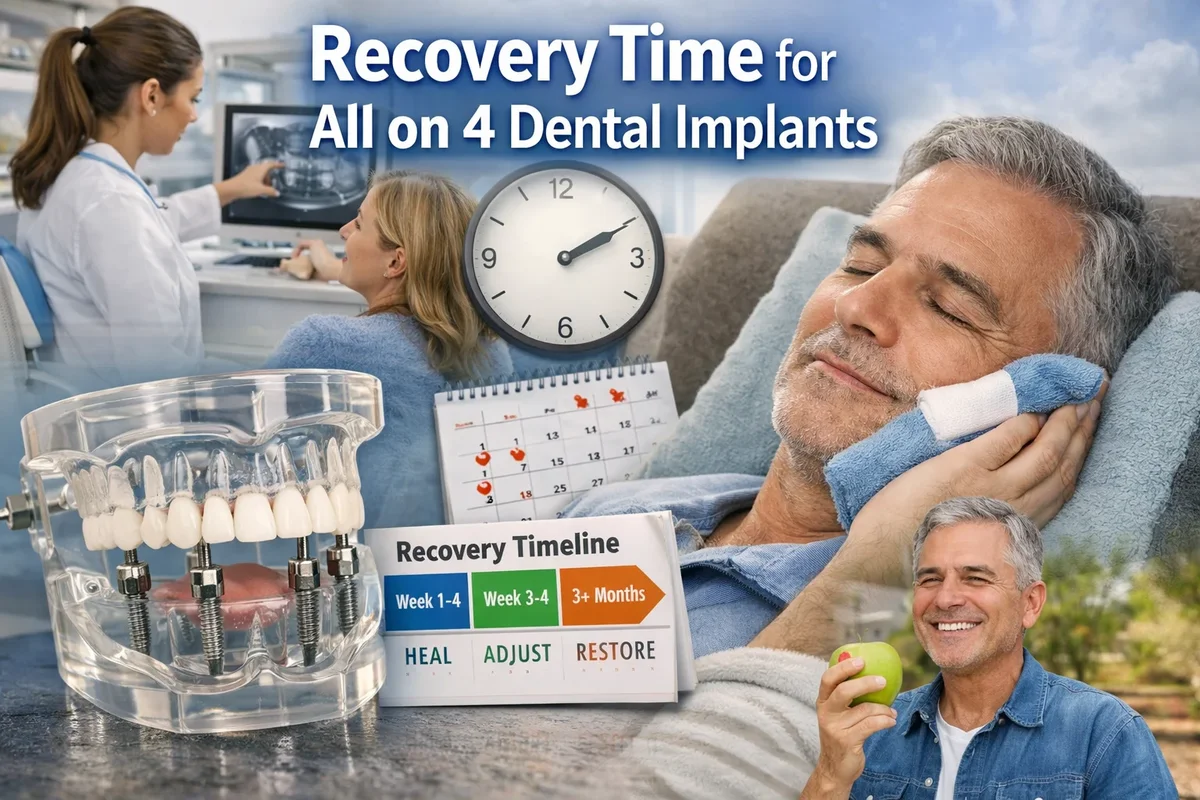
When Can You Return to Normal Life After All on 4 Implants?
One of the most practical and frequently asked questions about the recovery time for all on 4 dental implants is when life truly goes back to normal. Patients want to know when they can return to work, exercise, social events, travel, and everyday routines without restrictions. The reassuring answer is that All-on-4 treatment is designed to restore normalcy faster than many other full-mouth solutions 😊.
That said, “normal life” does not return all at once. Instead, it happens in stages. Understanding these stages helps patients avoid frustration, protect their implants, and feel confident throughout the recovery time for all on 4 dental implants.
Returning to Work and Daily Responsibilities
For most patients, returning to work is possible relatively early in the recovery time for all on 4 dental implants. Many people with desk jobs or light duties go back within 3 to 5 days. Jobs that involve physical labor, heavy lifting, or long hours on your feet may require a longer break.
Fatigue is common during the first week because the body is healing. Even if pain is minimal, energy levels may be lower. Planning a gradual return to work supports a smoother recovery time for all on 4 dental implants and reduces unnecessary stress.
Work Return Timeline (General Guide)
- Office or remote work: 3–5 days
- Moderate physical work: 1–2 weeks
- Heavy labor or intense activity: 3–4 weeks (or as advised)
Social Life, Speaking, and Confidence
Social interaction is often one of the quickest aspects of life to normalize during the recovery time for all on 4 dental implants. Because patients receive fixed temporary teeth on the day of surgery, there is no period without teeth. This greatly reduces social anxiety.
Speech may feel slightly different at first, especially during the first week. Most patients adapt quickly as the tongue adjusts to the new shape of the teeth. By the second week, speech usually feels natural again, allowing patients to engage socially with confidence 😄.
Eating in Public and Dining Out
Eating is a social activity, and many patients worry about dining out during the recovery time for all on 4 dental implants. While chewing restrictions apply initially, patients can still enjoy meals in social settings by choosing appropriate foods.
Soft dishes such as fish, pasta, soups, and well-cooked vegetables are widely available and easy to manage. As healing progresses, food options gradually expand. By planning smartly, most patients continue dining out without discomfort or embarrassment.
Exercise and Physical Activity
Physical activity should be reintroduced gradually during the recovery time for all on 4 dental implants. Light walking is encouraged early, as it promotes circulation and overall health. However, intense exercise too soon can increase blood pressure and swelling.
Safe Activity Progression
During the first week, rest and gentle movement are best. Weeks two to three allow for low-impact activities such as walking, stretching, and light cycling. More intense workouts, weightlifting, and contact sports should only resume after professional approval.
Respecting these guidelines helps prevent inflammation and protects the implants during the critical healing stages of the recovery time for all on 4 dental implants.
Travel and Long-Distance Plans
Travel is often possible relatively early, but timing matters. Short trips are usually safe after the first week, provided follow-up care is scheduled appropriately. Long-distance or international travel is best planned after initial healing and the first check-up.
Proper planning ensures access to care if needed and avoids disruptions in the recovery time for all on 4 dental implants.
Emotional Normalcy and Mental Well-Being
Feeling “normal” is not only physical—it is emotional. As comfort improves and appearance stabilizes, patients often experience a boost in self-esteem. Smiling without hesitation and speaking freely contribute significantly to emotional recovery.
This psychological improvement often occurs faster than expected and positively influences how patients perceive the recovery time for all on 4 dental implants.
When Life Feels Completely Normal Again
For most patients, life feels largely normal by 3 to 4 weeks into the recovery time for all on 4 dental implants. By this point, daily routines, work, social life, and light exercise are comfortably resumed.
Complete normalcy—including unrestricted eating and full confidence in implant strength—typically arrives after final teeth placement, once bone integration is complete. At that stage, patients no longer think about recovery at all.
Why Patience Leads to Better Long-Term Results
Rushing recovery rarely leads to better outcomes. Patients who respect each phase of the recovery time for all on 4 dental implants protect their investment and reduce the risk of complications.
Following guidance closely allows the body to heal at its natural pace—resulting in stronger implants, better comfort, and long-term success.
In summary, returning to normal life after All-on-4 implants happens sooner than many patients expect, but it should be done thoughtfully. With proper timing, realistic expectations, and professional guidance, the recovery time for all on 4 dental implants blends smoothly into everyday life—leaving patients free to enjoy their restored smile with confidence and ease 🦷✨.