
Maintaining healthy gums is one of the most important aspects of oral health, yet many people focus primarily on their teeth while overlooking the condition of their gum tissue. In recent years, red light therapy for gums has gained significant attention among dental professionals and patients looking for non-invasive ways to support gum health. This innovative treatment uses specific wavelengths of red and near-infrared light to stimulate cellular activity, promote healing, and reduce inflammation in the oral tissues. As more research emerges, red light therapy for gums is becoming a valuable complement to traditional dental care and periodontal treatments.
Red light therapy for gums is based on a process known as photobiomodulation. During this process, low-level red light penetrates the gum tissue and is absorbed by the mitochondria, often referred to as the powerhouses of cells. This absorption helps increase the production of adenosine triphosphate (ATP), which provides energy for cellular repair and regeneration. As a result, red light therapy for gums may help improve circulation, accelerate tissue recovery, and support healthier gums over time. 😊
One of the key reasons why red light therapy for gums has become increasingly popular is its non-invasive nature. Unlike surgical procedures or aggressive treatments, this therapy does not involve cutting, injections, or lengthy recovery periods. Patients often find the treatment comfortable and relaxing, making it an attractive option for those seeking additional support for their oral health. While it is not intended to replace professional dental care, red light therapy for gums may serve as an effective adjunct to routine cleanings, periodontal therapy, and proper oral hygiene practices.
Inflammation is a major contributor to many gum-related issues. Conditions such as gingivitis and periodontitis can cause redness, swelling, tenderness, and bleeding of the gums. Research suggests that red light therapy for gums may help reduce inflammatory responses by encouraging the body’s natural healing mechanisms. By decreasing inflammation, the therapy may contribute to a healthier oral environment and improve overall gum comfort. This is one reason many patients explore red light therapy for gums as part of a comprehensive oral wellness strategy.
Another important advantage of red light therapy for gums is its potential role in enhancing tissue repair. Following dental procedures such as deep cleanings, gum surgeries, dental implants, or tooth extractions, the body requires time to heal. Some dental professionals utilize light-based therapies to support the recovery process and encourage optimal tissue regeneration. Through improved cellular activity and circulation, red light therapy for gums may help promote more efficient healing and reduce post-treatment discomfort.
People who suffer from chronic gum sensitivity may also be interested in red light therapy for gums. Sensitive gums can interfere with daily activities such as brushing, flossing, and eating. By supporting tissue health and reducing irritation, this therapy may help create a more comfortable experience for patients. While individual results vary, many individuals report positive experiences when incorporating red light therapy for gums into their dental care routines.
The growing popularity of low-level laser therapy and photobiomodulation in dentistry has encouraged further scientific investigation into the effectiveness of red light therapy for gums. Researchers continue to explore how different wavelengths, treatment durations, and clinical protocols may influence outcomes. Although ongoing studies are needed, current evidence suggests that properly administered red light therapy for gums may offer meaningful benefits for gum health when combined with professional dental guidance.
It is important to understand that red light therapy for gums should not be viewed as a standalone cure for gum disease or severe periodontal conditions. Effective oral care still requires regular dental examinations, professional cleanings, proper brushing and flossing habits, and individualized treatment plans. However, many dental experts recognize that red light therapy for gums can be a useful supportive therapy that complements conventional approaches.
Patients considering red light therapy for gums should consult with qualified dental professionals to determine whether it is appropriate for their specific needs. A comprehensive oral examination can identify underlying issues and help establish realistic expectations. Dental clinics that incorporate advanced technologies may offer customized treatment protocols designed to maximize the potential benefits of red light therapy for gums.
For individuals interested in learning more about advanced periodontal treatments and oral health solutions, the Redent Klinik Contact Page provides an opportunity to connect with experienced dental professionals. Additionally, trusted organizations such as the American Dental Association offer valuable educational resources regarding oral hygiene, gum disease prevention, and evidence-based dental care.
As awareness of innovative dental technologies continues to grow, red light therapy for gums is attracting attention as a promising option for supporting healthier gums, improving tissue recovery, and enhancing overall oral wellness. Whether used alongside periodontal treatment, after dental procedures, or as part of a preventive care strategy, red light therapy for gums represents an exciting development in modern dentistry. By combining scientific advancements with traditional oral healthcare practices, patients may be able to achieve stronger, healthier gums and maintain a brighter smile for years to come. ✨
What Is Red Light Therapy for Gums and How Does It Work?
As interest in advanced dental wellness solutions continues to grow, many patients are asking an important question: what exactly is red light therapy for gums, and how does it work? Understanding the science behind this innovative treatment can help individuals make informed decisions about their oral health. Red light therapy for gums is a non-invasive treatment that uses specific wavelengths of red and near-infrared light to stimulate cellular activity within gum tissues. This process supports natural healing mechanisms, promotes tissue regeneration, and may help reduce inflammation associated with various gum conditions.
Unlike surgical procedures or medication-based treatments, red light therapy for gums relies on light energy rather than chemicals or invasive interventions. The therapy has become increasingly popular in modern dentistry because it offers a gentle approach to supporting gum health while complementing traditional dental care. Many dental professionals now incorporate red light therapy for gums into treatment plans for patients recovering from periodontal procedures, experiencing gum inflammation, or seeking preventive oral care solutions. 😊
The Science Behind Red Light Therapy for Gums
To understand how red light therapy for gums works, it is essential to look at the biological process known as photobiomodulation. During treatment, specialized devices emit red or near-infrared light at carefully controlled wavelengths. These wavelengths penetrate the gum tissue and are absorbed by structures within cells called mitochondria.
Mitochondria produce adenosine triphosphate (ATP), which serves as the primary energy source for cellular functions. When exposed to therapeutic light, mitochondria may increase ATP production. This boost in cellular energy can enhance the body’s natural repair processes and improve the efficiency of tissue regeneration. As a result, red light therapy for gums may support healthier gum tissues and encourage faster recovery after injury or dental procedures.
Researchers have also found that photobiomodulation may influence cellular signaling pathways involved in inflammation and healing. Because chronic inflammation is a major factor in many gum diseases, reducing inflammatory responses can contribute significantly to improved oral health outcomes. This scientific foundation explains why red light therapy for gums has attracted growing attention from both clinicians and patients.
How Light Penetrates Gum Tissue
The effectiveness of red light therapy for gums depends largely on the ability of specific light wavelengths to penetrate soft tissue. Red light typically ranges from approximately 620 to 700 nanometers, while near-infrared light generally ranges from 700 to 1100 nanometers. These wavelengths are capable of reaching the deeper layers of gum tissue without causing damage.
Once the light reaches targeted cells, biological reactions begin almost immediately. Improved cellular metabolism, increased circulation, and enhanced oxygen delivery may occur within treated tissues. These effects can help create an environment that supports healing and tissue maintenance. Because red light therapy for gums works at a cellular level, its benefits may extend beyond temporary symptom relief and contribute to long-term gum health.
Key Cellular Effects of Red Light Therapy for Gums
- Enhanced ATP production for cellular energy
- Improved microcirculation within gum tissues
- Support for collagen synthesis and tissue repair
- Reduction of inflammatory markers
- Promotion of healthy cellular communication
- Acceleration of natural healing processes
These biological responses make red light therapy for gums a promising adjunctive treatment in periodontal care and oral wellness programs.
Why Healthy Gum Cells Matter
Healthy gums are composed of highly active cells that continuously repair, regenerate, and defend against bacterial challenges. Every day, gum tissues face stress from chewing, brushing, plaque accumulation, and exposure to bacteria. When these tissues become inflamed or damaged, healing mechanisms must work efficiently to restore normal function.
Red light therapy for gums may assist these natural repair systems by providing cells with additional energy resources. Better cellular performance can contribute to stronger tissue integrity, improved resilience against inflammation, and healthier gum attachment around the teeth. This is one reason many dental professionals view red light therapy for gums as a valuable addition to comprehensive oral healthcare.
Conditions That May Benefit from Red Light Therapy for Gums
Although treatment recommendations vary depending on individual circumstances, red light therapy for gums is often explored for several oral health concerns. Patients experiencing early-stage gum inflammation, sensitivity, post-surgical healing needs, or general periodontal maintenance may benefit from this technology.
Some of the most common situations where red light therapy for gums may be considered include:
- Gingivitis and mild gum inflammation
- Recovery after deep cleaning procedures
- Healing support following dental implant placement
- Post-operative periodontal surgery recovery
- Management of gum tenderness and sensitivity
- Long-term maintenance of periodontal health
While outcomes vary from person to person, these applications demonstrate the broad potential of red light therapy for gums within modern dentistry.
What Happens During a Treatment Session?
A typical session of red light therapy for gums is straightforward and comfortable. The dental professional positions a specialized light-emitting device near the treatment area, allowing the therapeutic wavelengths to reach the gum tissues. Sessions are generally painless and do not require anesthesia.
Most patients report feeling little or no sensation during treatment. Unlike high-powered dental lasers used for cutting tissue, the devices used for red light therapy for gums generate low-level light energy designed specifically for cellular stimulation rather than tissue removal. This makes the procedure highly attractive for patients seeking gentle treatment options.
Advantages of Non-Invasive Treatment
One reason why red light therapy for gums continues to gain popularity is its excellent patient comfort profile. Benefits may include:
- No incisions or surgical intervention
- No recovery downtime
- Minimal discomfort during treatment
- Compatibility with many periodontal therapies
- Potential support for faster tissue healing
- Suitable for preventive and restorative care plans
As dental technology continues to advance, red light therapy for gums represents an exciting intersection of science, innovation, and patient-centered care. By harnessing the power of photobiomodulation, this therapy may help support healthier gum tissues, improve recovery processes, and enhance overall oral wellness. Although it should always be used alongside professional dental care and good oral hygiene practices, red light therapy for gums has become an increasingly valuable tool in modern periodontal treatment and preventive dentistry. ✨
Benefits of Red Light Therapy for Gums in Oral Health
As modern dentistry continues to evolve, patients are increasingly looking for non-invasive solutions that support long-term oral health. One treatment that has gained considerable attention is red light therapy for gums. While traditional oral care methods such as brushing, flossing, professional cleanings, and periodontal treatments remain essential, many dental professionals are now incorporating advanced light-based therapies to enhance treatment outcomes. The growing popularity of red light therapy for gums is largely due to its potential to support healing, reduce inflammation, and improve overall gum health without discomfort or downtime.
The gums play a critical role in maintaining oral health. They provide support for the teeth, protect underlying bone structures, and serve as a barrier against harmful bacteria. When gum tissues become inflamed or damaged, the risk of developing serious periodontal problems increases significantly. This is where red light therapy for gums may provide valuable support by encouraging the body’s natural healing responses and promoting healthier tissue function. 😊
Reduction of Gum Inflammation
One of the most widely recognized benefits of red light therapy for gums is its ability to help reduce inflammation. Gum inflammation is often the first sign of oral health problems such as gingivitis. Symptoms may include redness, swelling, tenderness, and bleeding during brushing or flossing.
Research into photobiomodulation suggests that specific wavelengths of red and near-infrared light can influence inflammatory pathways within tissues. By helping regulate inflammatory responses, red light therapy for gums may contribute to a healthier oral environment. Reduced inflammation not only improves comfort but may also decrease the likelihood of gum disease progression when combined with professional dental care.
For patients who experience chronic gum irritation, incorporating red light therapy for gums into a treatment plan may help support ongoing tissue health and improve daily comfort.
Enhanced Tissue Healing and Regeneration
The body’s ability to repair damaged tissues is essential for maintaining healthy gums. Every day, gum tissues undergo minor wear and tear from chewing, brushing, and exposure to bacteria. Following dental procedures, the healing process becomes even more important.
Red light therapy for gums supports cellular energy production by stimulating mitochondrial activity. Increased cellular energy may enhance tissue regeneration and accelerate natural healing processes. This benefit makes red light therapy for gums particularly valuable after procedures such as:
- Deep periodontal cleanings
- Dental implant placement
- Tooth extractions
- Gum graft procedures
- Periodontal surgery
- Laser gum treatments
By supporting tissue recovery, red light therapy for gums may help patients return to normal activities more comfortably while promoting optimal healing outcomes.
Why Faster Healing Matters
Faster tissue recovery can reduce discomfort, improve patient satisfaction, and lower the risk of complications. Healthy healing also helps preserve gum integrity and supports long-term oral stability. As a result, many clinicians view red light therapy for gums as a beneficial complement to traditional post-treatment care protocols.
Improved Blood Circulation in Gum Tissue
Healthy circulation is essential for delivering oxygen and nutrients to gum tissues. Blood flow also helps remove waste products and supports immune system activity. Poor circulation may slow healing and negatively affect gum health.
Red light therapy for gums may encourage improved microcirculation within treated tissues. Better blood flow can provide cells with the resources they need to function effectively and repair damage more efficiently. Enhanced circulation may also contribute to healthier tissue coloration and improved resilience against everyday stressors.
For patients with compromised gum health, the circulatory benefits associated with red light therapy for gums can be an important part of a comprehensive oral wellness strategy.
Support for Periodontal Health
Periodontal disease remains one of the leading causes of tooth loss among adults worldwide. Managing periodontal health requires a combination of professional treatment and consistent home care. While red light therapy for gums is not a replacement for periodontal therapy, it may provide supportive benefits that enhance treatment effectiveness.
Many dental professionals use red light therapy for gums alongside scaling and root planing procedures to support healing and reduce post-treatment inflammation. By promoting healthier tissue responses, the therapy may help create conditions that support long-term periodontal stability.
Potential Benefits for Periodontal Maintenance
- Reduced tissue inflammation
- Improved healing response
- Enhanced tissue regeneration
- Support for healthier gum attachment
- Greater patient comfort during recovery
- Long-term maintenance support
These advantages have contributed to the increasing use of red light therapy for gums within modern periodontal treatment programs.
Reduced Gum Sensitivity and Discomfort
Many people struggle with gum sensitivity that makes brushing, flossing, or eating uncomfortable. Sensitive gums can discourage proper oral hygiene, potentially increasing the risk of plaque accumulation and gum disease.
Some patients report improvements in comfort after undergoing red light therapy for gums. By helping calm irritated tissues and supporting healing processes, the therapy may contribute to reduced sensitivity over time. While individual experiences vary, this potential benefit makes red light therapy for gums appealing to those seeking additional support for oral comfort.
Support for Collagen Production
Collagen is a critical structural protein found throughout the body, including the gums. Healthy collagen production helps maintain tissue strength, elasticity, and integrity. Research suggests that photobiomodulation may stimulate biological processes associated with collagen synthesis.
As a result, red light therapy for gums may contribute to stronger and healthier gum tissues by supporting collagen production. Improved collagen formation can be especially important during healing and tissue regeneration phases following dental procedures.
Long-Term Oral Health Advantages
When integrated into a professional oral care plan, red light therapy for gums may provide several long-term advantages, including:
- Healthier gum appearance
- Improved tissue resilience
- Enhanced recovery after treatments
- Better support for periodontal maintenance
- Greater comfort during daily oral care
- Potential reduction in recurring inflammation
A Complementary Approach to Modern Dentistry
One of the greatest strengths of red light therapy for gums is its ability to complement rather than replace conventional dental care. Successful oral health management still depends on regular dental checkups, professional cleanings, proper brushing, flossing, and individualized treatment plans. However, when used appropriately, red light therapy for gums may enhance these efforts by supporting the body’s natural healing mechanisms.
Today, many dental clinics view low-level laser therapy, photobiomodulation, and other light-based technologies as valuable tools for improving patient outcomes. As scientific research continues to expand, the potential applications of red light therapy for gums may become even broader.
Ultimately, the benefits of red light therapy for gums extend beyond symptom management. Through its effects on inflammation, circulation, tissue regeneration, collagen production, and healing support, this innovative therapy offers a promising way to enhance oral health and maintain stronger, healthier gums. When combined with professional dental guidance and consistent oral hygiene practices, red light therapy for gums can become an important part of a comprehensive strategy for lifelong periodontal wellness. ✨
Can Red Light Therapy for Gums Help Treat Gum Disease?
Gum disease is one of the most common oral health problems worldwide, affecting millions of people every year. It ranges from mild inflammation of the gums, known as gingivitis, to advanced periodontal disease that can lead to gum recession, bone loss, and even tooth loss. As patients search for innovative and less invasive ways to support their oral health, many ask whether red light therapy for gums can help treat gum disease. While this therapy is not considered a standalone cure, growing scientific evidence suggests that red light therapy for gums may play a valuable supportive role in managing periodontal conditions and promoting healthier gum tissues.
Understanding how gum disease develops is essential when evaluating the potential benefits of red light therapy for gums. Gum disease begins when plaque and bacteria accumulate around the gumline. If not removed through proper oral hygiene and professional dental cleanings, these bacteria trigger inflammation within the gum tissue. Over time, persistent inflammation can damage the supporting structures of the teeth and create periodontal pockets where bacteria continue to thrive.
Understanding the Different Stages of Gum Disease
Before exploring how red light therapy for gums may help, it is important to understand the progression of periodontal disease.
Stage 1: Gingivitis
Gingivitis is the earliest and most reversible form of gum disease. Common symptoms include:
- Red or swollen gums
- Bleeding during brushing or flossing
- Mild tenderness
- Persistent bad breath
At this stage, professional dental cleaning and improved oral hygiene can often reverse the condition. Because inflammation is a primary characteristic of gingivitis, red light therapy for gums may provide supportive benefits by helping reduce inflammatory responses within the gum tissue.
Stage 2: Periodontitis
If gingivitis remains untreated, it may progress into periodontitis. In this stage, the infection extends deeper into the tissues supporting the teeth. Periodontal pockets form, bone loss may begin, and gum recession can develop.
Although advanced periodontal disease requires professional treatment, many clinicians believe that red light therapy for gums may support healing and tissue recovery when used alongside conventional periodontal therapies.
How Red Light Therapy for Gums May Help Reduce Inflammation
Inflammation is one of the primary drivers of periodontal tissue destruction. When the immune system responds to bacterial plaque, inflammatory chemicals are released into the surrounding tissues. While this response is designed to fight infection, excessive inflammation can damage healthy gum structures.
One of the most significant potential benefits of red light therapy for gums is its ability to support the body’s natural regulation of inflammatory processes. Through photobiomodulation, therapeutic red light may influence cellular pathways involved in inflammation management.
By helping reduce excessive inflammatory activity, red light therapy for gums may contribute to:
- Less gum swelling
- Reduced redness
- Improved patient comfort
- Healthier tissue response
- Enhanced healing conditions
This anti-inflammatory effect is one reason why red light therapy for gums has become increasingly popular in periodontal treatment settings. 😊
Supporting Tissue Repair During Periodontal Treatment
Professional periodontal therapy often involves procedures such as scaling and root planing, periodontal surgery, gum grafting, or laser treatments. These interventions aim to eliminate harmful bacteria and restore healthier conditions within the gums.
Following these treatments, tissue healing becomes a critical factor in achieving successful outcomes. Red light therapy for gums may support this healing process by enhancing cellular energy production and encouraging tissue regeneration.
Healthy tissue repair can help:
- Improve recovery after treatment
- Support stronger gum attachment
- Reduce post-procedure discomfort
- Promote healthier tissue formation
- Enhance overall treatment success
For this reason, many dental professionals use red light therapy for gums as an adjunctive therapy during periodontal rehabilitation programs.
Cellular Healing Mechanisms
The effectiveness of red light therapy for gums is linked to increased mitochondrial activity within cells. By stimulating ATP production, cells receive more energy to perform essential functions such as repair, regeneration, and defense against stress. This enhanced cellular performance may help periodontal tissues recover more efficiently after treatment.
Can Red Light Therapy for Gums Eliminate Harmful Bacteria?
A common misconception is that red light therapy for gums directly kills the bacteria responsible for gum disease. While certain types of laser therapies may possess antibacterial properties under specific conditions, traditional red light therapy primarily works by supporting the body’s healing responses rather than serving as a bacterial eradication treatment.
This distinction is important because periodontal disease management still requires professional dental intervention. Scaling, root planing, antimicrobial treatments, and proper oral hygiene remain essential components of effective care.
Instead of replacing these therapies, red light therapy for gums may help create a healthier environment in which tissues can recover and respond more effectively to treatment.
Benefits for Patients with Chronic Periodontal Issues
Some individuals experience recurring gum inflammation despite maintaining good oral hygiene. Factors such as genetics, smoking, diabetes, immune system conditions, and lifestyle habits can increase susceptibility to periodontal disease.
For these patients, red light therapy for gums may offer additional support as part of a long-term periodontal maintenance plan. Regular therapy sessions may help encourage healthier tissue responses and assist in maintaining gum stability between dental visits.
Potential Long-Term Benefits
- Improved tissue resilience
- Enhanced healing capacity
- Reduced inflammatory burden
- Better periodontal maintenance support
- Greater comfort during daily oral care
- Healthier appearance of gum tissues
What Red Light Therapy for Gums Cannot Do
While the benefits of red light therapy for gums are promising, it is important to maintain realistic expectations. The therapy is not a substitute for professional periodontal treatment. It cannot remove hardened tartar deposits, reverse severe bone loss, or cure advanced gum disease on its own.
Patients should view red light therapy for gums as a complementary treatment rather than a replacement for evidence-based periodontal care. Optimal results are achieved when therapy is combined with:
- Professional dental cleanings
- Scaling and root planing
- Regular periodontal evaluations
- Daily brushing and flossing
- Healthy lifestyle habits
- Individualized treatment planning
Final Thoughts on Gum Disease and Red Light Therapy
So, can red light therapy for gums help treat gum disease? The answer is yes—but primarily as a supportive therapy rather than a standalone solution. Through its potential effects on inflammation reduction, tissue regeneration, circulation enhancement, and healing support, red light therapy for gums may help improve treatment outcomes and contribute to healthier periodontal tissues.
For patients dealing with gingivitis, recovering from periodontal procedures, or seeking additional support for long-term gum health, red light therapy for gums represents an exciting advancement in modern dental care. When integrated into a comprehensive periodontal treatment plan and guided by qualified dental professionals, red light therapy for gums can become a valuable tool for maintaining healthier gums and supporting lifelong oral wellness. ✨
Red Light Therapy for Gums and Faster Healing After Dental Procedures
Recovery after dental treatment is an important part of achieving successful oral health outcomes. Whether a patient undergoes a tooth extraction, dental implant placement, periodontal surgery, gum grafting procedure, or deep cleaning treatment, the body’s ability to heal properly can significantly influence both comfort and long-term results. In recent years, red light therapy for gums has emerged as a promising supportive treatment that may help accelerate healing and improve tissue recovery following various dental procedures.
Modern dentistry increasingly focuses not only on treating oral conditions but also on optimizing recovery after treatment. This is where red light therapy for gums has attracted attention among dental professionals. By utilizing specific wavelengths of red and near-infrared light, this therapy supports cellular activity within gum tissues and may enhance the body’s natural healing mechanisms. As a result, many clinicians are incorporating red light therapy for gums into post-treatment care plans to improve patient experiences and encourage healthier healing outcomes. 😊
Why Healing Matters After Dental Procedures
Every dental procedure creates a healing response within the body. Even minimally invasive treatments can cause temporary inflammation, tissue irritation, or microscopic injury that requires repair. The speed and quality of this healing process influence how quickly patients return to normal activities and how successfully tissues recover.
When healing is delayed, patients may experience prolonged discomfort, increased sensitivity, swelling, and a greater risk of complications. For this reason, dental professionals continually seek methods that support tissue recovery. Red light therapy for gums has become a valuable option because it works with the body’s natural biological processes rather than relying solely on medications or invasive interventions.
By supporting cellular function and promoting tissue repair, red light therapy for gums may help improve recovery following many common dental procedures.
How Red Light Therapy for Gums Supports Healing
The primary mechanism behind red light therapy for gums is photobiomodulation. During treatment, therapeutic wavelengths of light penetrate the gum tissues and are absorbed by cellular mitochondria. These structures are responsible for producing adenosine triphosphate (ATP), which serves as the energy source for cellular activities.
When ATP production increases, cells may function more efficiently and repair damaged tissues more effectively. This enhanced cellular activity is one reason why red light therapy for gums is associated with improved healing responses.
Potential healing-related effects include:
- Increased cellular energy production
- Enhanced tissue regeneration
- Improved oxygen utilization
- Better circulation within healing tissues
- Reduced inflammatory responses
- Support for collagen formation
These biological processes create an environment that may help gum tissues recover more efficiently after dental treatment.
Cellular Repair and Tissue Regeneration
One of the most valuable benefits of red light therapy for gums is its ability to support cellular repair. Following a dental procedure, cells must regenerate damaged tissue, rebuild blood vessels, and restore healthy gum structures. The additional cellular energy stimulated by therapeutic light may help these processes occur more efficiently.
Red Light Therapy for Gums After Tooth Extractions
Tooth extractions are among the most common dental procedures performed worldwide. Although routine extractions generally heal well, patients often experience swelling, tenderness, and temporary discomfort during recovery.
Many clinicians utilize red light therapy for gums after extractions to support tissue healing and improve patient comfort. By helping regulate inflammation and promoting tissue repair, the therapy may contribute to a smoother recovery process.
Potential benefits after extractions may include:
- Reduced swelling
- Enhanced soft tissue healing
- Improved circulation around the extraction site
- Support for healthy tissue regeneration
- Greater overall comfort during recovery
Although every patient heals differently, red light therapy for gums may provide meaningful support during the post-extraction healing phase.
Supporting Recovery After Dental Implant Placement
Dental implants require successful healing and integration with the surrounding bone and gum tissues. The period immediately following implant placement is critical for long-term treatment success.
Some dental professionals incorporate red light therapy for gums into implant recovery protocols because of its potential ability to promote tissue health and healing. Healthy gums around an implant play a major role in protecting the implant structure and maintaining long-term stability.
Benefits that may support implant recovery include:
- Enhanced gum tissue healing
- Reduced post-operative inflammation
- Support for soft tissue regeneration
- Improved circulation near the implant site
- Better patient comfort during recovery
While red light therapy for gums does not replace standard implant care, it may complement traditional recovery protocols effectively.
Collagen Production and Implant Success
Collagen plays a crucial role in soft tissue healing around dental implants. Research suggests that photobiomodulation may support collagen synthesis, potentially contributing to stronger and healthier gum tissues during recovery. This is another reason why red light therapy for gums is gaining attention within implant dentistry.
Benefits After Periodontal Surgery
Periodontal surgery is often performed to address advanced gum disease, repair damaged tissues, or improve periodontal health. Following surgery, healing tissues are particularly vulnerable to inflammation and discomfort.
Red light therapy for gums may help support recovery after periodontal procedures by encouraging tissue regeneration and reducing inflammatory responses. Many clinicians report that patients appreciate the non-invasive nature of the therapy and its potential contribution to a more comfortable healing experience.
Common post-surgical goals supported by red light therapy for gums may include:
- Faster soft tissue healing
- Improved tissue quality
- Reduced swelling and redness
- Enhanced patient comfort
- Support for long-term periodontal stability
Can Red Light Therapy for Gums Reduce Recovery Time?
A frequently asked question is whether red light therapy for gums can actually shorten healing times. While results vary among individuals and procedures, several studies investigating photobiomodulation suggest that therapeutic light may accelerate certain aspects of tissue repair.
Rather than functioning as a miracle cure, red light therapy for gums helps optimize the body’s existing healing capabilities. By improving cellular performance and supporting tissue regeneration, recovery may progress more efficiently in some patients.
However, healing outcomes still depend on several factors, including:
- Overall health status
- Smoking habits
- Oral hygiene practices
- Nutritional health
- Complexity of the procedure
- Compliance with post-operative instructions
Who May Benefit Most?
Patients undergoing complex dental treatments, periodontal procedures, implant surgeries, or multiple extractions may be particularly interested in the supportive effects of red light therapy for gums. Those seeking non-invasive methods to enhance recovery often find this therapy appealing as part of a comprehensive treatment plan.
Final Thoughts on Healing and Recovery
Successful dental treatment extends beyond the procedure itself—it also depends on how well tissues heal afterward. This is where red light therapy for gums offers exciting potential. Through enhanced cellular energy production, improved circulation, support for collagen formation, and reduction of inflammation, red light therapy for gums may help promote healthier and more efficient healing after many dental procedures.
While it should never replace professional post-operative care or individualized treatment recommendations, red light therapy for gums can serve as a valuable adjunctive therapy that supports tissue recovery and patient comfort. As research into photobiomodulation continues to expand, the role of red light therapy for gums in post-procedure healing is likely to become an increasingly important part of modern dental care. ✨
The Science Behind Red Light Therapy for Gums
The growing popularity of red light therapy for gums has led many patients to ask an important question: is there real science behind this treatment, or is it simply another wellness trend? The answer lies in decades of research involving photobiomodulation, cellular biology, tissue healing, and light-based medical therapies. While studies are still ongoing, the scientific foundation supporting red light therapy for gums is substantial enough that many dental professionals now incorporate it into periodontal care, post-surgical recovery protocols, and preventive oral health programs.
Unlike treatments that rely on medication or invasive procedures, red light therapy for gums works by delivering specific wavelengths of light energy directly to gum tissues. These wavelengths trigger biological responses at the cellular level, helping the body perform natural repair and healing functions more efficiently. Understanding these mechanisms can help patients appreciate why red light therapy for gums has become an increasingly respected tool in modern dentistry. 🔬✨
What Is Photobiomodulation?
The scientific principle behind red light therapy for gums is known as photobiomodulation. This term describes the process by which light energy interacts with living cells to influence biological activity. Unlike high-powered surgical lasers that cut or remove tissue, photobiomodulation uses low-level light to stimulate cellular function without causing damage.
When therapeutic red or near-infrared light reaches gum tissues, cells absorb the light energy and respond through a series of biochemical reactions. These reactions may improve healing, reduce inflammation, and support tissue regeneration. This cellular stimulation is the primary reason why red light therapy for gums has attracted attention from researchers and clinicians around the world.
Why Photobiomodulation Matters in Dentistry
Dental treatments often involve tissue healing, inflammation control, and regeneration of soft tissues. Because photobiomodulation directly affects these processes, red light therapy for gums has become particularly relevant in periodontal care and oral surgery recovery.
The Role of Mitochondria in Red Light Therapy for Gums
One of the most fascinating aspects of red light therapy for gums involves the mitochondria found within human cells. Mitochondria are often referred to as the “powerhouses” of the cell because they produce adenosine triphosphate (ATP), the molecule responsible for cellular energy.
Research suggests that therapeutic wavelengths used in red light therapy for gums are absorbed by an enzyme called cytochrome c oxidase within the mitochondria. This interaction may improve mitochondrial efficiency and increase ATP production.
When cells have more energy available, they can perform critical functions more effectively, including:
- Repairing damaged tissue
- Producing structural proteins
- Supporting immune responses
- Reducing oxidative stress
- Promoting healthy cell communication
- Facilitating tissue regeneration
This increase in cellular energy forms one of the core scientific explanations for the effectiveness of red light therapy for gums.
How Red Light Influences Inflammation
Inflammation is one of the most important factors in gum disease and tissue damage. Although inflammation is a natural defense mechanism, excessive or chronic inflammation can lead to tissue destruction and periodontal complications.
Studies investigating red light therapy for gums suggest that photobiomodulation may help regulate inflammatory responses by influencing cellular signaling molecules and inflammatory mediators. Rather than completely suppressing inflammation, the therapy appears to help the body maintain a healthier balance.
Potential anti-inflammatory effects include:
- Reduced tissue swelling
- Lower levels of inflammatory markers
- Improved comfort during healing
- Healthier tissue responses
- Enhanced recovery after procedures
These findings help explain why red light therapy for gums is frequently used in conjunction with periodontal treatments and oral surgeries.
Inflammation and Gum Disease
Because gingivitis and periodontitis are driven largely by inflammatory processes, managing inflammation is critical for maintaining gum health. The ability of red light therapy for gums to support inflammation regulation represents one of its most valuable potential benefits.
The Connection Between Red Light Therapy and Blood Circulation
Healthy blood circulation is essential for delivering oxygen, nutrients, and immune cells to gum tissues. Efficient circulation also helps remove waste products that accumulate during healing and inflammatory processes.
Research indicates that red light therapy for gums may encourage improved microcirculation within treated tissues. Better blood flow creates an environment that supports tissue repair and overall gum health.
Potential circulation-related benefits include:
- Improved oxygen delivery
- Enhanced nutrient transport
- Faster removal of cellular waste
- Support for tissue regeneration
- Healthier healing conditions
For patients recovering from dental procedures or managing periodontal concerns, these effects may contribute significantly to positive treatment outcomes.
Collagen Production and Tissue Regeneration
Collagen is one of the most important structural proteins in the human body. It provides strength and support for skin, connective tissues, and gums. During healing, collagen production plays a crucial role in rebuilding damaged tissues.
Scientific studies suggest that photobiomodulation may stimulate biological pathways involved in collagen synthesis. As a result, red light therapy for gums may support healthier tissue regeneration and stronger gum structures.
Enhanced collagen production may contribute to:
- Improved tissue strength
- Better healing quality
- Healthier gum appearance
- Greater tissue resilience
- Support for periodontal maintenance
This regenerative potential is one reason why red light therapy for gums is often used following periodontal procedures and implant treatments.
Why Tissue Regeneration Matters
Successful oral health depends not only on eliminating disease but also on restoring healthy tissues. By supporting cellular repair and collagen formation, red light therapy for gums may contribute to stronger and more functional gum tissues over time.
What Research Says About Red Light Therapy for Gums
Numerous clinical studies have investigated the effects of photobiomodulation in dentistry. Researchers have explored its use in periodontal therapy, implant dentistry, oral surgery recovery, and management of inflammatory gum conditions.
Although study designs and treatment protocols vary, many findings suggest that red light therapy for gums may help:
- Reduce post-treatment discomfort
- Support soft tissue healing
- Improve periodontal treatment outcomes
- Enhance recovery after oral surgery
- Promote healthier tissue responses
Importantly, most researchers emphasize that red light therapy for gums works best as a complementary therapy alongside evidence-based dental treatments rather than as a standalone solution.
The Future of Red Light Therapy for Gums
As scientific understanding continues to evolve, researchers are exploring new ways to optimize red light therapy for gums. Future studies may help determine ideal wavelengths, treatment durations, frequency protocols, and patient selection criteria.
Advances in photobiomodulation technology are also making treatment devices more precise and accessible. These developments may further expand the role of red light therapy for gums in preventive care, periodontal treatment, and post-operative recovery.
Final Scientific Perspective
The science behind red light therapy for gums is rooted in well-established biological principles involving cellular energy production, inflammation regulation, blood circulation, and tissue regeneration. While research continues to develop, current evidence supports the idea that red light therapy for gums can be a valuable adjunctive treatment within modern dentistry.
By harnessing the power of photobiomodulation, red light therapy for gums offers a scientifically grounded approach to supporting healthier gums, enhancing tissue recovery, and improving overall oral wellness. When combined with professional dental care and proper oral hygiene, this innovative therapy represents an exciting advancement in the future of periodontal health. 🦷✨
Is Red Light Therapy for Gums Safe for Daily Use?
As the popularity of advanced oral health technologies continues to grow, many patients naturally ask an important question: Is red light therapy for gums safe for daily use? Safety is one of the most critical factors when considering any treatment, especially one that may be used repeatedly over long periods. Fortunately, red light therapy for gums has gained a reputation as a non-invasive and generally well-tolerated therapy when used appropriately and under professional guidance.
Unlike surgical lasers, medications, or invasive periodontal treatments, red light therapy for gums works by delivering low-level light energy to gum tissues without causing tissue destruction or thermal damage. This gentle approach has made it increasingly attractive for patients seeking additional support for gum health, healing, and inflammation management. However, understanding how the therapy works, its safety profile, and the situations in which caution may be necessary is essential before incorporating red light therapy for gums into a daily oral care routine. 😊
Understanding Why Red Light Therapy for Gums Is Considered Safe
The safety of red light therapy for gums is largely related to the type of light used during treatment. Therapeutic red and near-infrared light operate at low energy levels that stimulate biological activity without damaging tissues. This process, known as photobiomodulation, encourages cellular responses rather than creating heat-based tissue injury.
Unlike high-powered dental lasers designed for cutting, reshaping, or removing tissue, devices used for red light therapy for gums are specifically engineered to promote healing and support cellular function. As a result, patients typically experience little to no discomfort during treatment sessions.
Several characteristics contribute to the favorable safety profile of red light therapy for gums:
- Non-invasive treatment approach
- No incisions or surgical procedures
- No tissue burning or cutting
- No required recovery period
- Minimal risk of complications when used properly
- Compatibility with many dental treatments
These qualities make red light therapy for gums one of the more patient-friendly adjunctive therapies available in modern dentistry.
Low-Level Light Versus High-Powered Lasers
Many people mistakenly assume that all dental laser treatments are the same. In reality, there is a significant difference between surgical lasers and the low-level devices used for red light therapy for gums. Surgical lasers intentionally generate enough energy to modify tissue, while red light therapy devices focus on stimulating biological processes without causing damage.
Can Red Light Therapy for Gums Be Used Every Day?
In many cases, properly designed photobiomodulation protocols allow red light therapy for gums to be used frequently, including daily applications. However, the ideal treatment schedule depends on several factors, including the specific condition being addressed, the device being used, and the recommendations of a qualified dental professional.
For example, patients recovering from periodontal surgery may receive more frequent treatments during the initial healing phase. Individuals using red light therapy for gums for wellness or maintenance purposes may follow a different schedule tailored to their oral health needs.
Although daily use is often considered safe when appropriate protocols are followed, more frequent treatment does not necessarily mean better results. Like many biological therapies, photobiomodulation tends to work best within specific dosage ranges.
The Importance of Proper Dosage
One of the most important concepts in photobiomodulation research is the idea that optimal outcomes occur when tissues receive the right amount of light energy. Insufficient exposure may limit benefits, while excessive exposure may reduce effectiveness. This is why professional guidance is valuable when incorporating red light therapy for gums into a routine treatment plan.
Potential Side Effects of Red Light Therapy for Gums
Compared with many dental procedures and medications, red light therapy for gums is associated with very few reported side effects. Most patients tolerate treatment extremely well, and serious complications are rare when therapy is administered correctly.
In some cases, individuals may experience temporary and mild reactions such as:
- Temporary tissue sensitivity
- Mild warmth in the treatment area
- Temporary gum awareness after treatment
- Short-lived tissue response during healing
These effects are generally mild and transient. Most patients report that red light therapy for gums is comfortable and relaxing during treatment sessions.
Who Should Consult a Dental Professional Before Treatment?
Although red light therapy for gums is generally considered safe, not every patient has identical oral health needs. Individuals with complex medical histories or ongoing oral health conditions should consult a qualified dental professional before beginning treatment.
Professional evaluation helps determine whether red light therapy for gums is appropriate and allows clinicians to develop individualized treatment protocols.
Patients who should seek professional guidance include:
- Individuals with advanced periodontal disease
- Patients recovering from major oral surgery
- People with complex medical conditions
- Individuals taking photosensitizing medications
- Patients experiencing unexplained oral symptoms
A comprehensive oral examination ensures that red light therapy for gums is used safely and effectively as part of an overall treatment strategy.
Why Professional Monitoring Matters
Professional supervision allows dental providers to evaluate treatment progress, adjust therapy schedules, and ensure that any underlying oral health issues are properly addressed. While red light therapy for gums can be highly beneficial, it should complement rather than replace evidence-based dental care.
Home Devices Versus Professional Treatments
The growing popularity of photobiomodulation has led to the availability of various home-use devices marketed for oral health. While some home products may offer convenience, professional treatments often provide greater precision and individualized care.
Dental professionals understand how to apply red light therapy for gums based on specific clinical goals, treatment areas, and patient needs. Professional devices may also deliver more consistent and carefully calibrated therapeutic wavelengths.
Advantages of professional treatment include:
- Customized treatment planning
- Clinical monitoring of progress
- Precise dosage control
- Integration with periodontal therapies
- Evidence-based treatment protocols
For patients considering regular use of red light therapy for gums, discussing available options with a dental provider is highly recommended.
Long-Term Safety of Red Light Therapy for Gums
One of the reasons researchers continue to investigate red light therapy for gums is its promising long-term safety profile. Unlike treatments that rely on medication, photobiomodulation does not introduce chemicals into the body. Instead, it works by stimulating natural cellular processes.
Current evidence suggests that properly administered red light therapy for gums is safe for repeated use and can be incorporated into ongoing oral health management plans. As research continues, scientists are further refining treatment protocols to maximize effectiveness while maintaining high safety standards.
Long-Term Benefits May Include
- Support for healthy gum tissues
- Improved recovery after dental procedures
- Enhanced tissue resilience
- Reduced inflammation over time
- Better periodontal maintenance support
- Greater overall oral wellness
Final Thoughts on Safety and Daily Use
For most patients, red light therapy for gums is considered a safe and well-tolerated treatment when used appropriately. Its non-invasive nature, minimal side effects, and ability to support natural healing processes have contributed to its growing popularity within dentistry.
While daily use of red light therapy for gums may be suitable in certain situations, treatment schedules should always be guided by individual needs and professional recommendations. When incorporated into a comprehensive oral care plan that includes regular dental visits, proper brushing, flossing, and periodontal maintenance, red light therapy for gums can serve as a valuable tool for supporting long-term gum health and overall oral wellness. 🦷✨
Comparing Red Light Therapy for Gums with Traditional Gum Treatments
Modern dentistry offers a wide range of treatments designed to maintain healthy gums, manage periodontal disease, and support oral wellness. As innovative technologies continue to emerge, many patients are curious about how red light therapy for gums compares to traditional gum treatments. Understanding the differences, similarities, advantages, and limitations of each approach can help patients make informed decisions about their oral health.
Traditional periodontal therapies remain the foundation of effective gum care. Procedures such as professional cleanings, scaling and root planing, periodontal surgery, antibiotic therapy, and improved oral hygiene practices are supported by decades of clinical evidence. At the same time, red light therapy for gums has gained attention as a non-invasive adjunctive treatment that may enhance healing, reduce inflammation, and support tissue recovery. Rather than competing with traditional methods, red light therapy for gums is often used alongside them to improve overall treatment outcomes. 🦷✨
Understanding Traditional Gum Treatments
Traditional gum treatments focus on identifying and eliminating the underlying causes of gum disease. Because bacterial plaque and tartar accumulation are major contributors to periodontal problems, conventional treatments aim to remove harmful deposits and create a healthier environment for the gums.
Common traditional gum treatments include:
- Professional dental cleanings
- Scaling and root planing
- Periodontal maintenance therapy
- Antimicrobial treatments
- Gum graft procedures
- Periodontal surgery
- Improved home oral hygiene routines
These approaches directly address the bacterial and structural factors that contribute to gum disease. While highly effective, some treatments may involve temporary discomfort, recovery periods, or invasive procedures depending on the severity of the condition.
In contrast, red light therapy for gums focuses primarily on supporting the body’s natural healing mechanisms rather than physically removing plaque or performing surgical corrections.
How Red Light Therapy for Gums Differs from Traditional Treatments
The most significant difference between red light therapy for gums and conventional periodontal treatments lies in their purpose and mechanism of action.
Traditional therapies generally focus on:
- Removing bacterial deposits
- Eliminating infection sources
- Correcting structural damage
- Preventing disease progression
Meanwhile, red light therapy for gums primarily works by:
- Supporting cellular energy production
- Reducing inflammation
- Promoting tissue regeneration
- Enhancing circulation
- Supporting post-treatment healing
This distinction is important because red light therapy for gums does not replace scaling, root planing, periodontal surgery, or routine cleanings. Instead, it serves as a complementary therapy that may improve tissue responses and recovery.
Supportive Versus Corrective Treatment
Traditional periodontal treatments are often corrective in nature, directly addressing disease-causing factors. By comparison, red light therapy for gums is supportive, helping the body heal more effectively and maintain healthier tissues after treatment.
Comparing Effectiveness for Gum Disease Management
When treating gum disease, eliminating bacterial plaque and tartar remains essential. No amount of red light therapy for gums can remove hardened calculus deposits or replace professional periodontal cleaning procedures.
However, studies suggest that red light therapy for gums may improve treatment outcomes when used alongside conventional care. For example, patients undergoing scaling and root planing may benefit from reduced inflammation and improved healing when photobiomodulation is incorporated into their treatment plans.
Potential advantages include:
- Faster tissue recovery
- Reduced post-treatment discomfort
- Improved healing conditions
- Enhanced patient comfort
- Support for long-term periodontal maintenance
This combination approach allows patients to benefit from both the corrective effects of traditional therapies and the supportive effects of red light therapy for gums.
Patient Comfort and Treatment Experience
Patient comfort is another important consideration when comparing treatment options. Some traditional periodontal procedures may cause temporary sensitivity, tenderness, or recovery-related discomfort.
One reason many patients appreciate red light therapy for gums is its gentle, non-invasive nature. Treatment sessions are typically painless and do not require anesthesia or recovery time.
Many individuals report that red light therapy for gums feels comfortable and relaxing. Because there is no cutting, drilling, or tissue removal involved, patients often view the therapy as a low-stress addition to their oral care routine.
Comfort Benefits of Red Light Therapy for Gums
- No surgical incisions
- No injections
- No significant downtime
- Minimal treatment discomfort
- Quick and convenient sessions
- Suitable for many patient populations
Recovery After Treatment
Recovery is another area where red light therapy for gums may offer meaningful advantages. Traditional periodontal procedures often require tissue healing, especially after surgery, deep cleaning, implant placement, or gum grafting.
Photobiomodulation research suggests that red light therapy for gums may help accelerate certain aspects of tissue recovery by supporting cellular energy production and circulation. Improved healing can contribute to better treatment experiences and potentially faster returns to normal activities.
For patients concerned about recovery time, combining traditional therapies with red light therapy for gums may provide additional support during the healing phase.
Cost Considerations
When evaluating treatment options, cost is often an important factor. Traditional gum treatments vary significantly in price depending on complexity, geographic location, and individual patient needs.
Typical Traditional Gum Treatment Costs
- Professional dental cleaning: approximately $75–$250
- Scaling and root planing: approximately $150–$400 per quadrant
- Gum graft surgery: approximately $600–$3,000+
- Periodontal surgery: approximately $500–$10,000+ depending on treatment complexity
Meanwhile, red light therapy for gums may be offered as a standalone service or integrated into broader treatment plans. Pricing varies by clinic, treatment duration, and technology used. Patients should always consult their dental provider for accurate pricing information specific to their treatment needs.
Because red light therapy for gums is often considered an adjunctive treatment, its value should be evaluated in terms of potential healing support, comfort improvements, and enhanced treatment outcomes rather than direct disease correction alone.
Which Option Is Best?
The answer depends on the patient’s specific oral health condition. For active gum disease involving bacterial infection and tartar buildup, traditional periodontal treatment remains essential. No evidence currently supports using red light therapy for gums as a replacement for professional dental care.
However, patients seeking additional support for healing, inflammation reduction, tissue regeneration, and recovery may benefit from incorporating red light therapy for gums into their treatment plans.
Ideal Candidates for Combined Treatment
- Patients with gingivitis
- Individuals undergoing periodontal therapy
- Dental implant patients
- Individuals recovering from oral surgery
- Patients with chronic gum inflammation
- People seeking preventive oral wellness support
Final Comparison
Rather than viewing traditional periodontal care and red light therapy for gums as competing treatments, it is more accurate to see them as complementary approaches. Traditional therapies directly address the causes of gum disease, while red light therapy for gums supports the body’s natural healing and recovery processes.
For many patients, the most effective strategy involves combining evidence-based periodontal treatment with supportive therapies that enhance healing and comfort. As research continues to advance, red light therapy for gums is increasingly being recognized as a valuable addition to comprehensive oral healthcare programs. When guided by experienced dental professionals, this combination approach may help patients achieve healthier gums, improved recovery, and better long-term periodontal outcomes. 🌟
Who Is a Good Candidate for Red Light Therapy for Gums?
As awareness of advanced dental technologies grows, many patients are interested in learning whether red light therapy for gums is right for them. While this innovative treatment has shown promise in supporting gum health, reducing inflammation, and enhancing tissue healing, it is important to understand that not every patient has the same oral health needs. Determining whether someone is a good candidate for red light therapy for gums requires evaluating their current oral condition, treatment goals, medical history, and overall dental health.
One of the reasons red light therapy for gums has become increasingly popular is its versatility. Unlike many dental treatments that are designed for a specific condition, photobiomodulation may benefit a wide range of patients. From individuals experiencing early gum inflammation to those recovering from complex periodontal procedures, red light therapy for gums can often serve as a valuable adjunctive therapy within a comprehensive dental care plan. 🦷✨
Patients with Gingivitis
One of the most common groups that may benefit from red light therapy for gums includes patients with gingivitis. Gingivitis is the earliest stage of gum disease and is characterized by inflammation of the gum tissue without permanent damage to the supporting structures of the teeth.
Common symptoms include:
- Red or swollen gums
- Bleeding during brushing or flossing
- Mild tenderness
- Persistent bad breath
Because inflammation is a central feature of gingivitis, red light therapy for gums may help support healthier tissue responses when combined with professional cleanings and improved oral hygiene. Patients diagnosed with early-stage gum inflammation often seek supportive treatments that may enhance healing and reduce discomfort.
It is important to remember that red light therapy for gums should complement—not replace—professional dental care and plaque removal.
Individuals with Periodontal Disease
Patients with periodontitis may also be candidates for red light therapy for gums. Periodontitis is a more advanced form of gum disease that affects the deeper supporting structures of the teeth, including connective tissue and bone.
Traditional periodontal treatment remains essential for managing active disease. However, many dental professionals incorporate red light therapy for gums into treatment plans because of its potential ability to support healing, reduce inflammation, and enhance tissue recovery.
Potential benefits for periodontal patients may include:
- Support for post-treatment healing
- Reduced inflammation
- Enhanced tissue regeneration
- Improved patient comfort
- Long-term periodontal maintenance support
For individuals undergoing scaling and root planing or periodontal surgery, red light therapy for gums may provide additional support throughout the recovery process.
Why Periodontal Maintenance Matters
Patients with a history of periodontal disease require ongoing maintenance to prevent recurrence. In some cases, red light therapy for gums may be incorporated into maintenance programs to support healthier tissue conditions between routine dental visits.
Patients Recovering from Dental Procedures
Many candidates for red light therapy for gums are individuals recovering from dental treatments that involve soft tissue healing. Procedures such as dental implant placement, gum grafting, tooth extractions, and periodontal surgeries place temporary stress on oral tissues and require effective healing.
Because photobiomodulation supports cellular energy production and tissue regeneration, red light therapy for gums may help create favorable healing conditions during the recovery period.
Patients recovering from the following procedures may be considered suitable candidates:
- Dental implants
- Tooth extractions
- Periodontal surgery
- Gum graft procedures
- Deep cleaning treatments
- Laser periodontal therapy
By supporting tissue repair, red light therapy for gums may contribute to improved healing experiences and greater patient comfort.
People with Chronic Gum Sensitivity
Some individuals experience ongoing gum sensitivity even when they maintain excellent oral hygiene. This sensitivity may make brushing, flossing, and eating uncomfortable.
For patients struggling with chronic gum irritation, red light therapy for gums may provide supportive benefits by promoting healthier tissue function and reducing inflammatory responses. Although treatment outcomes vary, many patients appreciate the gentle and non-invasive nature of the therapy.
Those experiencing recurring gum discomfort often ask their dental providers whether red light therapy for gums may be appropriate as part of a broader oral wellness strategy.
Common Symptoms That May Prompt Interest
- Frequent gum tenderness
- Persistent tissue irritation
- Discomfort during brushing
- Sensitivity near the gumline
- Recurring mild inflammation
Dental Implant Patients
Dental implant success depends heavily on healthy soft tissue healing and long-term periodontal stability. Because gum tissues play a crucial role in protecting implants, many clinicians explore supportive therapies that encourage optimal recovery.
Red light therapy for gums may help support tissue healing around implants by encouraging circulation, collagen production, and cellular repair. While it cannot replace standard implant care protocols, it may complement them effectively.
Implant patients often represent ideal candidates for red light therapy for gums because healthy gum tissue contributes significantly to long-term implant success.
Patients Seeking Preventive Oral Wellness
Not every candidate for red light therapy for gums is experiencing active disease or recovering from surgery. Some individuals seek preventive therapies that support long-term oral health and gum maintenance.
Patients interested in preventive care often appreciate the non-invasive nature of red light therapy for gums. When incorporated into a professional oral healthcare routine, the therapy may support tissue resilience and overall gum wellness.
Preventive candidates often include:
- Individuals with a family history of gum disease
- Patients seeking advanced wellness therapies
- People focused on long-term oral health
- Individuals committed to preventive dental care
For these patients, red light therapy for gums may become one component of a broader strategy that includes regular cleanings, excellent oral hygiene, and routine dental evaluations.
Who May Need Additional Evaluation Before Treatment?
Although red light therapy for gums is generally considered safe and well tolerated, some patients may require additional assessment before beginning treatment. A dental professional can evaluate whether therapy is appropriate based on the individual’s oral and medical history.
Patients who should consult their dentist before treatment include:
- Individuals with advanced untreated periodontal disease
- Patients with unexplained oral lesions
- People taking photosensitizing medications
- Individuals with complex medical conditions
- Patients requiring comprehensive periodontal evaluation
A thorough consultation helps ensure that red light therapy for gums is used safely and effectively as part of a personalized treatment plan.
The Importance of Professional Assessment
While many patients are excellent candidates, professional evaluation remains essential. Dentists can determine whether red light therapy for gums aligns with specific treatment goals and can recommend appropriate treatment protocols based on individual needs.
Final Thoughts on Candidate Selection
The range of patients who may benefit from red light therapy for gums continues to expand as research and clinical experience grow. Individuals with gingivitis, periodontal disease, gum sensitivity, dental implants, post-surgical recovery needs, or preventive oral health goals may all be suitable candidates for this innovative therapy.
However, the most successful outcomes occur when red light therapy for gums is integrated into a comprehensive dental care plan developed by qualified professionals. By combining evidence-based periodontal care with the healing support offered by photobiomodulation, patients can take a proactive approach toward healthier gums and improved long-term oral wellness. As modern dentistry continues to evolve, red light therapy for gums is becoming an increasingly valuable option for a diverse range of patients seeking stronger, healthier, and more resilient gum tissues. 🌟
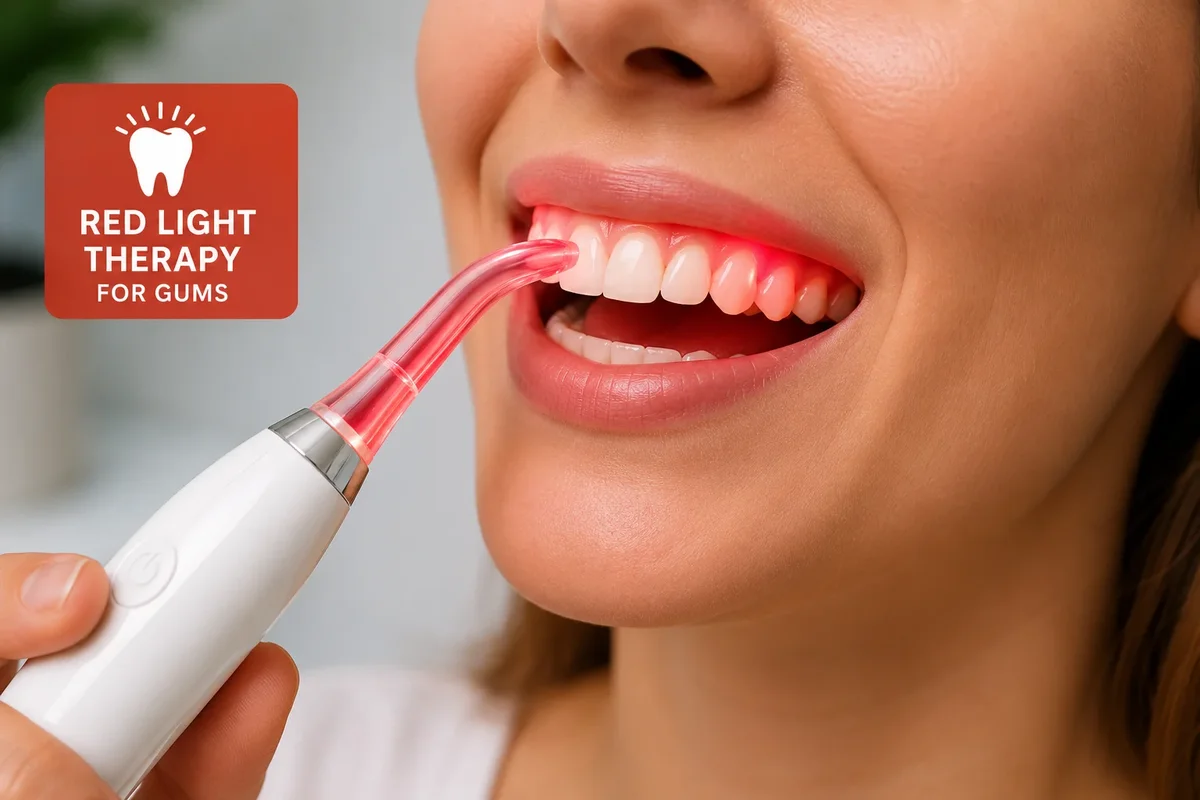
How to Use Red Light Therapy for Gums Effectively at Home and in Dental Clinics
As awareness of photobiomodulation continues to grow, many people are interested in learning how to use red light therapy for gums safely and effectively. Whether performed in a professional dental clinic or with an approved home-use device, proper application plays a crucial role in achieving the best possible outcomes. While red light therapy for gums is known for being non-invasive and generally well tolerated, understanding correct treatment methods, realistic expectations, and professional guidance can help maximize its benefits.
Today, both dental professionals and patients recognize that red light therapy for gums is most effective when integrated into a comprehensive oral health plan. It should be viewed as a supportive therapy rather than a replacement for brushing, flossing, periodontal maintenance, or professional dental treatment. When used appropriately, however, red light therapy for gums may contribute to healthier gum tissues, improved healing, reduced inflammation, and enhanced oral wellness. 😊
Professional Red Light Therapy for Gums in Dental Clinics
Many dental clinics now offer red light therapy for gums as part of periodontal care, post-surgical recovery programs, and preventive oral health services. Professional treatments are performed using specialized equipment designed to deliver carefully controlled wavelengths of red or near-infrared light directly to targeted gum tissues.
One major advantage of clinical treatment is the ability to customize therapy based on individual patient needs. Dentists and periodontal specialists can determine the most appropriate treatment parameters depending on factors such as:
- The severity of gum inflammation
- Presence of periodontal disease
- Recent dental procedures
- Healing requirements
- Overall oral health condition
- Long-term treatment goals
Because professional devices are calibrated for clinical use, dental providers can ensure that red light therapy for gums is delivered safely and effectively within evidence-based treatment protocols.
What Happens During a Clinical Session?
A typical clinical session involving red light therapy for gums is usually quick, comfortable, and non-invasive. The dental professional positions a specialized light-emitting device near the treatment area and exposes the gums to therapeutic wavelengths for a predetermined period.
Patients generally experience little or no discomfort during treatment. Most describe the procedure as painless and relaxing, making red light therapy for gums an attractive option for individuals who prefer gentle approaches to oral care.
Using Red Light Therapy for Gums at Home
With the increasing popularity of photobiomodulation, various home-use devices have entered the market. These products are designed to make red light therapy for gums more accessible to individuals who want to incorporate supportive light therapy into their daily oral care routines.
Home devices vary considerably in quality, wavelength output, treatment design, and effectiveness. Therefore, patients should always consult their dental provider before purchasing or using any device intended for red light therapy for gums.
Professional guidance helps ensure that:
- The device is appropriate for oral use
- Treatment goals are realistic
- Safety guidelines are followed
- Therapy complements existing dental care
- Underlying oral conditions are properly managed
While home devices may provide convenience, they are generally most effective when used as part of a broader oral health strategy.
Best Practices for Using Red Light Therapy for Gums
Whether treatment occurs in a dental office or at home, following proper usage practices is essential for achieving optimal results. Consistency, safety, and realistic expectations all play important roles.
Follow Professional Recommendations
Every patient has unique oral health needs. The most effective approach to red light therapy for gums involves following treatment recommendations provided by a qualified dental professional. This may include guidance regarding session frequency, treatment duration, and overall treatment goals.
Maintain Excellent Oral Hygiene
No amount of red light therapy for gums can replace good oral hygiene habits. Daily brushing, flossing, and routine dental cleanings remain essential for maintaining healthy gums and preventing periodontal disease.
Patients should view red light therapy for gums as a supportive addition to oral care—not as a substitute for evidence-based dental practices.
Be Consistent
Photobiomodulation typically works through cumulative biological effects rather than immediate dramatic changes. Consistent use of red light therapy for gums according to professional recommendations may provide better long-term outcomes than irregular treatment schedules.
How Often Should Red Light Therapy for Gums Be Used?
One of the most common questions patients ask is how frequently red light therapy for gums should be performed. The answer depends on several factors, including the reason for treatment and the patient’s overall oral health status.
For example:
- Post-surgical patients may require more frequent sessions during healing.
- Individuals with chronic gum inflammation may follow a maintenance schedule.
- Preventive care patients may use therapy less frequently.
- Home-use protocols may differ from professional treatment plans.
Because treatment needs vary significantly, a dental professional should determine the most appropriate schedule for red light therapy for gums.
More Is Not Always Better
A common misconception is that increasing treatment frequency automatically produces better results. In reality, photobiomodulation research suggests that tissues respond best to specific therapeutic dosages. Excessive use may not provide additional benefits and could potentially reduce treatment effectiveness.
Combining Red Light Therapy for Gums with Other Treatments
One of the greatest strengths of red light therapy for gums is its compatibility with many other dental therapies. Dentists frequently integrate photobiomodulation into broader treatment plans to support healing and improve patient outcomes.
Red light therapy for gums may be used alongside:
- Professional cleanings
- Scaling and root planing
- Dental implant procedures
- Periodontal surgery
- Gum grafting
- Preventive periodontal maintenance
This integrated approach allows patients to benefit from both traditional treatment methods and the supportive effects of red light therapy for gums.
Expected Results and Timeline
Patients often want to know how quickly they can expect results from red light therapy for gums. The timeline varies depending on treatment goals, oral health status, and individual healing responses.
Some individuals report noticeable improvements in comfort and tissue appearance relatively quickly, while others experience gradual benefits over time. Because red light therapy for gums works by supporting natural biological processes, results often develop progressively rather than instantly.
Factors influencing outcomes include:
- Severity of gum condition
- Consistency of treatment
- Oral hygiene habits
- Smoking status
- Nutritional health
- Overall systemic health
Patience Is Important
Successful use of red light therapy for gums requires realistic expectations. The therapy supports the body’s natural healing abilities, which take time to produce measurable improvements.
Common Mistakes to Avoid
To maximize the effectiveness of red light therapy for gums, patients should avoid several common mistakes:
- Using therapy as a replacement for dental care
- Ignoring signs of gum disease
- Skipping professional evaluations
- Using unverified devices
- Failing to maintain oral hygiene
- Expecting immediate results
A balanced approach that combines professional care with responsible use of red light therapy for gums is generally the most effective strategy.
Final Thoughts on Effective Use
Whether used in a dental clinic or through an approved home device, red light therapy for gums offers a promising way to support oral health, healing, and gum wellness. Clinical treatments provide professional oversight and customized care, while home-use options may offer convenience when used responsibly.
The key to success with red light therapy for gums is understanding its role as a complementary therapy. When combined with professional dental treatment, excellent oral hygiene, regular checkups, and individualized care plans, red light therapy for gums can become a valuable tool for promoting healthier gums and supporting long-term periodontal health. As dental technology continues to advance, patients who use red light therapy for gums appropriately may benefit from enhanced healing, improved comfort, and stronger overall oral wellness. 🌟
Disclosure: this page may contain affiliate links. We may earn a commission if you use them, at no extra cost to you.