
For many people, visiting the dentist can be one of the most stressful experiences in their healthcare routine. Fear of pain, unfamiliar instruments, and even the smell of a clinic can trigger significant anxiety 😟. That’s where the concept of relax dental comes in. This modern approach to oral healthcare is designed to eliminate stress, reduce discomfort, and provide patients with a calm and reassuring experience from the moment they step into the clinic.
The philosophy behind relax dental is not just about procedures—it’s about creating an atmosphere of peace and trust. From gentle communication and sedation options to ergonomic chairs and soothing environments, the goal is to make dentistry a truly positive experience. Patients who once avoided treatments due to fear can finally receive the oral care they need without unnecessary distress. In fact, research has shown that relaxed patients respond better to dental procedures and have improved long-term outcomes because they’re more likely to keep up with regular checkups.
Modern relax dental techniques integrate several components: patient-centered communication, anxiety-reducing methods, sedation dentistry when needed, and advanced technology that shortens procedure times. For example, using laser dentistry instead of traditional drills can significantly reduce the noise and vibrations that trigger anxiety. Similarly, offering noise-canceling headphones 🎧 or providing calming visuals on ceiling screens can transform a dental chair into a comfortable setting rather than a place of fear.
Another important aspect of relax dental is the role of empathy. Dentists and hygienists who adopt this philosophy spend time listening to patients, understanding their concerns, and reassuring them before starting any procedure. This compassionate approach builds trust and fosters loyalty. For patients with severe dental phobia, techniques such as nitrous oxide sedation (“laughing gas”) or intravenous sedation may be recommended. These methods allow individuals to remain conscious yet deeply relaxed, ensuring they can undergo essential treatments without stress.
The importance of relax dental care extends beyond patient comfort. Stress and anxiety can cause elevated heart rates, blood pressure spikes, and overall tension in the body, which may complicate procedures. By contrast, when patients are calm and at ease, dentists can work more efficiently and achieve better results. For example, a relaxed jaw is easier to treat, and patients are more likely to follow post-treatment instructions carefully if they had a positive experience during their appointment.
Furthermore, relax dental clinics often design their waiting areas and treatment rooms with relaxation in mind. Soft lighting, calming music, aromatherapy, and even natural elements like indoor plants 🌱 can create a tranquil environment. This holistic approach reduces pre-treatment anxiety and sets the tone for a smoother dental visit. Some practices even offer blankets, warm towels, or complimentary herbal teas to help patients feel cared for in every aspect.
It’s also worth noting that relax dental practices can be especially helpful for children and elderly patients. Young children who experience dentistry in a calm and gentle way are less likely to develop dental phobia in adulthood. Meanwhile, older adults who may have medical conditions benefit from reduced stress during procedures, which can lower risks associated with high anxiety levels.
If you are considering this type of care, it’s important to choose a clinic that emphasizes patient comfort and offers evidence-based relaxation methods. You may also want to consult professional resources like the American Dental Association for guidance on safe and effective dental practices. For personalized care in Turkey, you can also reach out directly via the Redent Klinik Contact Page.
Ultimately, relax dental is more than a trend—it’s a patient-focused movement toward compassionate and comfortable oral care. By prioritizing relaxation and stress management, dental professionals help patients maintain healthier smiles, encourage consistent dental visits, and reduce the stigma often associated with dental treatments. Whether you are nervous about your next cleaning or preparing for a more complex procedure, exploring relax dental options could transform your experience into one that feels calm, safe, and even empowering 💙.
Why Relax Dental Care Matters for Patients with Anxiety
Anxiety about dental visits is far more common than many people realize. Studies show that nearly 36% of patients feel dental anxiety, and around 12% suffer from extreme dental phobia. This fear often prevents individuals from seeking timely care, leading to more complex oral health issues in the future. The concept of relax dental directly addresses this challenge, offering a structured, patient-centered approach designed to ease fears and create a stress-free dental experience.
Understanding the Root of Dental Anxiety
Dental anxiety can stem from multiple sources: fear of pain, negative past experiences, loss of control, or even embarrassment about oral health conditions. In some cases, patients may have had traumatic childhood experiences that make them avoid dental visits well into adulthood. By adopting a relax dental model, clinics can break this cycle and encourage patients to return for routine care. A calm and supportive environment combined with empathetic communication is often the first step toward building long-term trust.
How Relax Dental Techniques Ease Stress
The goal of relax dental care is not just to manage physical discomfort but to minimize psychological distress as well. Methods such as sedation dentistry, mindfulness coaching, and patient education play vital roles. Clinics may also use relaxation aids such as soothing music, guided breathing techniques, or aromatherapy 🌸. For many anxious patients, knowing that they have options for relaxation—even before the procedure begins—can be a major relief.
Sedation Options for Nervous Patients
One of the most effective aspects of the relax dental philosophy is the use of sedation. Options range from mild nitrous oxide (laughing gas) to oral sedatives or even IV sedation in more complex cases. These methods ensure that patients remain calm, cooperative, and free of excessive stress during their procedures. While sedation may not be necessary for every visit, it can be life-changing for individuals who have avoided dental care for years due to fear.
Communication as a Relaxation Tool
Another cornerstone of relax dental care is clear and compassionate communication. Dentists explain each step of the process, answer questions patiently, and respect patients’ comfort levels. Something as simple as allowing a patient to raise their hand if they need a break during treatment can drastically reduce anxiety levels. This combination of technical expertise and emotional intelligence is what sets a true relax dental practice apart.
The Health Benefits of Reduced Anxiety
When patients are calm and comfortable, both their physical and emotional health benefit. Anxiety causes muscle tension, elevated blood pressure, and increased heart rate, which can complicate dental procedures. A relax dental approach minimizes these risks, making treatments safer and more efficient. In addition, patients who have positive, stress-free experiences are more likely to return for preventive care, leading to healthier teeth and gums in the long run.
Why Patients Choose Relax Dental Clinics
Patients who have had negative dental experiences in the past often seek out relax dental clinics as an alternative. These clinics focus on comfort as much as clinical results, and many offer special accommodations such as private rooms, noise-canceling headphones 🎧, or virtual reality headsets. For parents, this approach is also reassuring because children are less likely to develop lifelong dental fears when introduced to a relaxed, friendly environment early on.
Special Considerations for Children and Elderly Patients
Children often fear the unknown, so a gentle introduction to relax dental care can prevent long-term phobia. Clinics may use playful explanations, interactive tools, and even therapy pets to help children feel at ease. Elderly patients, on the other hand, may have medical conditions such as hypertension or heart disease that make stress particularly dangerous. A calm and supportive dental setting ensures that their health is not compromised by unnecessary anxiety.
Building Trust Through Relax Dental Care
Trust is essential in any healthcare relationship. Patients who feel that their concerns are heard and respected are far more likely to continue treatments and follow preventive care recommendations. Relax dental care builds this trust by combining advanced clinical skills with genuine compassion. Over time, many patients who once dreaded dental appointments begin to view them as manageable—even positive—experiences.
For anyone struggling with dental anxiety, choosing a clinic that prioritizes relax dental care is an investment in both oral health and overall well-being. Professional organizations such as the American Dental Association emphasize the importance of addressing patient comfort, and modern clinics around the world are embracing this philosophy. If you are seeking a supportive, patient-first approach, reach out directly through the Redent Klinik Contact Page for personalized advice and solutions.
In summary, relax dental care matters because it transforms fearful patients into confident ones, ensures safer procedures, and supports long-term oral health. By tackling anxiety at its source and offering holistic comfort strategies, this approach creates a future where dental visits are no longer something to fear but rather an essential and positive part of personal wellness 🌟.
Relax Dental Techniques That Reduce Pain and Stress
One of the most transformative aspects of relax dental care is its ability to reduce both physical pain and psychological stress for patients of all ages. Traditional dentistry has often been associated with discomfort—drills, injections, and long procedures. However, advancements in technology, combined with patient-focused relaxation strategies, are changing the way people experience oral healthcare. These innovative relax dental techniques not only make visits more comfortable but also encourage patients to keep up with preventive care, leading to healthier smiles and improved overall well-being.
Modern Technology in Relax Dental Care
Technology plays a crucial role in delivering a relax dental experience. For example, laser dentistry has become a popular alternative to traditional drills. Lasers minimize bleeding, reduce the need for sutures, and most importantly, eliminate the vibrations and noise that often trigger patient anxiety. Similarly, digital scanning technology replaces messy and uncomfortable impression molds, allowing for a smoother and more precise process 🖥️. By integrating these modern tools, dentists create a calming environment where patients can feel safe and cared for.
Laser Dentistry: Gentle and Precise
Laser systems are highly effective in both soft and hard tissue treatments. From gum reshaping to cavity removal, lasers allow for precision and minimal invasiveness. Patients report less pain and faster healing times when treated with lasers, which is why this technology is a cornerstone of the relax dental philosophy.
Digital X-Rays and Imaging
Another stress-reducing advancement is digital radiography. Unlike traditional X-rays, digital images are taken quickly, emit far less radiation, and can be displayed instantly on a screen. This transparency helps dentists explain treatment plans more clearly, reducing uncertainty and building patient trust. The speed and safety of digital imaging align perfectly with relax dental techniques.
Non-Pharmacological Relaxation Methods
Not all relaxation strategies involve medication or sedation. Many relax dental clinics incorporate holistic methods that target both the mind and body. These may include aromatherapy, calming music, guided breathing techniques, or even the use of virtual reality headsets to distract patients during treatment. Such approaches are non-invasive yet highly effective, particularly for patients who prefer to avoid sedatives.
Mindfulness and Guided Relaxation
Mindfulness practices, such as guided meditation or deep-breathing exercises, are powerful tools for reducing stress before and during dental visits. Clinics that adopt relax dental care may offer short guided sessions to help patients shift their focus away from fear and toward a calm state of mind 🌿.
Comfort-Focused Environments
Physical surroundings also contribute significantly to a patient’s emotional state. Relaxing décor, soft lighting, and comfortable chairs can reduce tension even before treatment begins. Some clinics go further by providing blankets, aromatherapy oils, or noise-canceling headphones 🎶. These details, while small, create a sense of comfort and control, reinforcing the principles of relax dental.
Pharmacological Techniques for Stress-Free Dentistry
For patients with higher levels of anxiety, pharmacological support can be an essential component of relax dental treatment. Options include nitrous oxide (laughing gas), oral sedatives, or IV sedation, depending on the complexity of the procedure and the patient’s comfort needs. These methods allow patients to remain conscious and cooperative while feeling deeply relaxed.
Nitrous Oxide for Quick Relief
Nitrous oxide is one of the most common and safest sedation options. It induces a state of relaxation within minutes and wears off quickly, allowing patients to resume daily activities soon after treatment. This makes it an excellent choice for routine procedures within the relax dental framework.
IV Sedation for Complex Cases
For more complex procedures or severe dental phobia, IV sedation provides a deeper level of relaxation. Patients remain awake but are often less aware of the procedure. This method is highly effective in making challenging treatments manageable, reinforcing the promise of relax dental care.
Behavioral Approaches That Build Confidence
Beyond technology and medication, relax dental clinics also focus on behavior-based strategies to build patient confidence. Techniques such as “tell-show-do” (explaining a procedure, showing the instruments, and then performing the treatment) can significantly reduce uncertainty. Patients appreciate transparency and the chance to understand exactly what will happen before it begins. This builds trust and reduces fear.
The Long-Term Impact of Relax Dental Techniques
When patients consistently experience positive, stress-free dental visits, they are more likely to schedule regular appointments and follow preventive care routines. This leads to fewer emergencies, better oral health outcomes, and improved overall confidence in their smile 😁. In addition, the reputation of relax dental clinics grows, attracting more patients who value comfort as much as clinical expertise.
For individuals seeking professional support, organizations like the American Dental Association provide resources on safe, effective dental practices. Patients can also explore personalized care through trusted providers, such as by contacting specialists directly via the Redent Klinik Contact Page.
In conclusion, relax dental techniques are reshaping the future of dentistry. By combining cutting-edge technology, holistic relaxation methods, sedation options, and behavioral approaches, clinics are creating an entirely new experience—one where fear and pain no longer define dental care. Instead, patients can look forward to visits that are calm, comfortable, and centered on their well-being 🌟.
Sedation Dentistry vs. Relax Dental: Key Differences Explained
Many patients confuse sedation dentistry with the broader concept of relax dental care. While both approaches aim to reduce fear and discomfort, they are not identical. Sedation dentistry primarily involves the use of medication to calm patients, whereas relax dental is a holistic philosophy that combines sedation with advanced technology, patient communication, and stress-reducing environments. Understanding the differences can help patients choose the most suitable option for their needs, whether it’s a simple cleaning or a complex procedure.
What Is Sedation Dentistry?
Sedation dentistry refers to the use of medications—such as nitrous oxide, oral sedatives, or intravenous drugs—to keep patients calm during dental procedures. It is particularly beneficial for people with severe dental phobia, those undergoing long or invasive treatments, and patients with medical conditions that make stress dangerous. The main focus of sedation dentistry is controlling anxiety through pharmaceutical means, often allowing patients to undergo treatments they might otherwise avoid entirely.
Types of Sedation
There are several levels of sedation used in dentistry:
- Minimal sedation – The patient is awake but relaxed. Nitrous oxide (“laughing gas”) is commonly used here.
- Moderate sedation – Patients may slur words and have little memory of the procedure. Oral sedatives fall under this category.
- Deep sedation – Patients are on the edge of consciousness but can still be awakened if needed. Often delivered intravenously.
- General anesthesia – A state of complete unconsciousness, typically reserved for highly complex oral surgeries.
Sedation dentistry is effective but often focuses narrowly on pharmaceutical management, without addressing the environmental and psychological aspects of patient comfort. This is where relax dental care offers a broader solution.
What Is Relax Dental Care?
Unlike sedation dentistry, relax dental care emphasizes a comprehensive, patient-centered experience. Sedation may be a part of it, but the philosophy goes further. Relax dental includes advanced technology such as laser dentistry, ergonomic chairs, noise-canceling headphones, aromatherapy, and guided relaxation techniques. It also prioritizes empathetic communication, helping patients feel empowered and in control throughout the process. This approach doesn’t just mask fear—it actively works to eliminate its root causes by creating trust and comfort.
Holistic Comfort Strategies
Some of the non-pharmacological techniques that define relax dental include:
- Environment design – Soft lighting, calming colors, and soothing music create a tranquil atmosphere.
- Behavioral techniques – Dentists explain each step of treatment, offer hand signals for breaks, and reassure patients continually.
- Technological solutions – Lasers, digital X-rays, and minimally invasive procedures reduce both physical pain and stress triggers.
This holistic model ensures that even patients who prefer to avoid sedation can still enjoy a calm, anxiety-free dental experience.
Key Differences Between Sedation Dentistry and Relax Dental
| Aspect | Sedation Dentistry | Relax Dental Care |
|---|---|---|
| Main Focus | Pharmaceutical anxiety control | Holistic patient comfort (environment, communication, and technology) |
| Techniques Used | Nitrous oxide, oral sedatives, IV sedation | Sedation (if needed) plus lasers, mindfulness, ergonomic chairs, and patient education |
| Scope | Mostly during procedures | Before, during, and after procedures |
| Suitability | Patients with severe phobia or undergoing long treatments | All patients, including children, elderly, and anxious individuals |
When to Choose Sedation Dentistry
Sedation dentistry may be the right choice for patients with severe phobias, those needing oral surgery, or individuals who require extensive procedures in one sitting. In such cases, the primary concern is ensuring that the patient can safely complete the treatment. Sedation works quickly, is highly effective, and can be adjusted to suit different levels of fear or pain tolerance.
When to Choose Relax Dental Care
For patients who want an ongoing, positive relationship with their dentist, relax dental care offers long-term solutions. By reducing anxiety without relying solely on medication, patients become more willing to attend regular checkups and preventive appointments. This approach fosters healthier oral habits, minimizes the risk of emergency treatments, and provides a more empowering dental journey overall 🌟.
Combined Approach: Best of Both Worlds
In many modern clinics, sedation dentistry and relax dental care are not mutually exclusive. They can be combined to create a fully customized treatment plan. For example, a patient may undergo sedation for a complex root canal while also benefiting from a relaxing environment, noise-canceling headphones, and a supportive dental team. This synergy ensures both immediate comfort and long-term trust in the clinic.
To make an informed choice, patients are encouraged to consult reliable resources such as the American Dental Association, which provides detailed guidelines on both sedation and patient comfort. For tailored care and local expertise, you can also connect with specialists via the Redent Klinik Contact Page.
In summary, while sedation dentistry focuses on medication to reduce fear, relax dental care takes a broader approach that integrates technology, environment, and empathy. Together, they represent the future of dentistry: safe, comfortable, and stress-free for every patient 😌.
Benefits of Choosing a Relax Dental Approach for Your Smile
Modern dentistry is no longer just about filling cavities or fixing broken teeth—it’s about providing comprehensive oral care in a way that prioritizes patient comfort. One of the most revolutionary models in this shift is the relax dental approach. By focusing on both the emotional and physical well-being of patients, relax dental techniques ensure that individuals not only receive top-quality treatment but also feel positive about the entire experience. The benefits of adopting this philosophy are numerous, impacting oral health, overall wellness, and even long-term dental habits.
Enhanced Comfort During Procedures
The most immediate benefit of relax dental is improved comfort during procedures. For many patients, anxiety about drills, needles, and pain has kept them from visiting the dentist. With relax dental care, advanced tools such as laser dentistry, noise-canceling headphones, and sedation options significantly reduce discomfort. Patients feel safe and supported, making treatments like root canals, fillings, or even cosmetic dentistry more approachable and far less intimidating 😌.
Pain Reduction with Advanced Technology
Modern technologies, like lasers and digital scanners, make treatments faster and more precise. By minimizing invasive methods, relax dental care reduces recovery time and discomfort. This technology-driven comfort not only improves the immediate experience but also ensures better results for patients.
Stress-Free Environment
From calming music to aromatherapy, clinics practicing relax dental design their environments with patient relaxation in mind. This holistic setup helps reduce anxiety before the procedure even begins, setting the tone for a stress-free experience.
Improved Oral Health Outcomes
Another key advantage of relax dental care is its positive impact on long-term oral health. Patients who feel comfortable and safe are far more likely to schedule regular appointments. Preventive checkups and cleanings catch issues early, leading to fewer emergencies and better overall dental health. In essence, the relax dental philosophy helps transform occasional, fearful visits into consistent, proactive oral care.
Prevention of Dental Emergencies
When patients avoid dental visits due to fear, problems like cavities or gum disease often progress until they require urgent intervention. By embracing relax dental, patients break this cycle, ensuring they get timely treatments before conditions worsen.
Better Patient Compliance
When the experience is calm and supportive, patients are more likely to follow through with treatment plans and home care instructions. This increases the effectiveness of preventive and restorative dentistry, improving outcomes in the long term.
Positive Emotional and Psychological Benefits
Dentistry is not only about the teeth; it’s also about mental health. The relax dental model acknowledges the role emotions play in oral healthcare. Patients who once dreaded dental visits often experience a major psychological shift when introduced to a supportive, stress-free environment. This fosters trust, reduces phobia, and creates a sense of empowerment in managing personal health 🌟.
Overcoming Dental Phobia
Dental anxiety is a barrier to care for millions worldwide. By offering sedation options, transparent communication, and a calming atmosphere, relax dental care helps patients overcome long-standing fears. This benefit is especially significant for individuals who have avoided dental visits for years.
Confidence in Future Visits
Once patients experience the comfort of relax dental care, they are more confident in returning for future visits. This consistent care cycle results in healthier teeth, reduced costs over time, and a stronger sense of control over oral health.
Suitability for All Age Groups
Another advantage of the relax dental philosophy is its adaptability across age groups. Children, adults, and elderly patients can all benefit from the comfort-first model.
Children’s Dental Health
For children, early positive experiences with dentistry set the stage for lifelong healthy habits. Relax dental clinics often incorporate playful explanations, gentle care, and distraction techniques to make visits fun instead of frightening 🧸.
Elderly and Medically Vulnerable Patients
Elderly patients and those with conditions such as heart disease or high blood pressure benefit from reduced stress during treatments. By lowering anxiety, relax dental care also minimizes the risks associated with elevated heart rate or blood pressure during procedures.
Economic Benefits of Relax Dental Care
Though some might assume comfort-focused dentistry comes at a premium, relax dental can actually save money in the long run. By encouraging regular visits and preventing emergencies, patients avoid costly surgeries or advanced treatments. Clinics that adopt this philosophy also often provide transparent pricing, making it easier for patients to plan their care effectively.
Typical Pricing Snapshot:
– Relax dental cleaning sessions: $80–$150
– Laser cavity treatment: $200–$400
– Sedation support (nitrous oxide): $100–$200 per session
Prices may vary by region and clinic, but many patients find the investment worthwhile due to the comfort and preventive benefits.
Strengthened Trust Between Patient and Dentist
Ultimately, one of the most profound benefits of relax dental care is the trust it builds between patients and providers. Trust leads to better communication, more accurate treatment outcomes, and a sense of partnership in oral health. Clinics that embrace this approach often see stronger patient loyalty and referrals, as satisfied patients share their positive experiences with friends and family.
For anyone considering this type of care, professional organizations like the American Dental Association offer resources on safe and effective dental practices. Patients seeking personalized treatment plans can also contact specialists directly through the Redent Klinik Contact Page.
In conclusion, the relax dental philosophy delivers benefits that extend far beyond the dental chair. From reducing fear and improving oral health outcomes to saving money and enhancing psychological well-being, it represents a true evolution in patient-centered dentistry. Choosing relax dental care is not just about making a single appointment easier—it’s about transforming oral healthcare into a positive, empowering, and life-changing experience 💙.
How Relax Dental Enhances Recovery and Healing After Treatments
The benefits of relax dental care do not end when a procedure is over. In fact, one of its most powerful advantages is the way it supports faster recovery and better healing outcomes. By reducing stress, minimizing trauma, and promoting comfort, relax dental techniques help patients heal more efficiently both physically and emotionally. Whether it’s a routine cleaning or a complex oral surgery, recovery is smoother when patients are relaxed before, during, and after treatment.
The Link Between Stress and Healing
Scientific studies show that stress directly affects the body’s ability to heal. High levels of anxiety release hormones like cortisol, which can delay tissue regeneration, suppress the immune system, and increase inflammation. By embracing a relax dental philosophy, clinics reduce these stressors, allowing the body to focus its energy on healing instead of combating anxiety. A calm patient is less likely to clench their jaw, experience blood pressure spikes, or suffer unnecessary post-procedure pain.
Lowering Cortisol for Faster Recovery
Stress hormones are one of the biggest barriers to efficient healing. Relaxation techniques offered in a relax dental environment—such as guided breathing, soft lighting, and sedation when appropriate—help lower cortisol levels. As a result, patients often report reduced swelling, less post-operative discomfort, and quicker return to normal function.
Pain Management Through Relax Dental Techniques
Pain control is central to successful recovery. Relax dental care integrates modern technologies like laser treatments and minimally invasive techniques that reduce tissue damage and accelerate healing. These approaches not only decrease the need for strong painkillers but also lower the risk of complications such as infections. Patients who feel less pain recover more quickly and are more willing to continue with follow-up care.
Laser Therapy for Healing
Lasers are an important part of the relax dental toolkit because they cause less trauma than traditional instruments. They seal blood vessels during procedures, which reduces bleeding and promotes faster tissue repair. This precision supports smoother healing with fewer post-operative complications.
Comfort-Based Pain Relief
Beyond technology, comfort measures such as ergonomic chairs, soothing environments, and sedation help prevent pain from escalating. When patients remain relaxed, their bodies experience less muscle tension, leading to quicker recovery and improved healing outcomes.
Improved Compliance with Aftercare Instructions
Healing depends not only on the procedure itself but also on patient cooperation afterward. The relax dental approach increases compliance by creating a positive and trusting patient-dentist relationship. Patients who feel respected and understood are more likely to follow oral hygiene advice, take medications properly, and attend follow-up appointments.
Clear Communication for Better Healing
Dentists in relax dental clinics often spend extra time explaining post-treatment instructions in a clear and supportive manner. This ensures patients feel confident in their ability to manage recovery at home. Better understanding directly translates into fewer complications and quicker healing times.
Psychological Benefits of a Relax Dental Approach
The emotional state of a patient significantly affects how well they recover. Anxiety, fear, and negative expectations can worsen the perception of pain and delay healing. Relax dental care addresses these issues by creating a reassuring atmosphere that leaves patients feeling cared for and supported. This positive psychological state helps reduce post-operative complications and encourages faster physical healing 🌟.
Reducing Post-Traumatic Dental Stress
Patients who undergo painful or frightening dental procedures without relaxation support sometimes develop long-term phobias that prevent them from returning for future care. A relax dental experience prevents this by ensuring recovery is associated with comfort and calmness, not trauma.
Suitability for Surgical and Non-Surgical Recovery
The advantages of relax dental apply to all types of treatment—from minor fillings to complex surgical procedures. For surgical patients, reducing stress and promoting relaxation lowers the risk of infections and accelerates tissue regeneration. For non-surgical treatments like whitening or orthodontics, a calm approach ensures that patients stay motivated to follow care plans, reducing discomfort and improving results.
Long-Term Benefits of Relax Dental Recovery
Healing isn’t only about the days following a procedure—it’s also about long-term oral health. Patients who consistently experience calm, pain-free recoveries are less fearful of returning for additional care. Over time, this improves oral health outcomes and prevents small issues from becoming major problems. Relax dental recovery strategies create a cycle of trust, compliance, and healthier smiles 😁.
To ensure the best recovery, patients should look for clinics that follow relax dental principles and align with professional standards. The American Dental Association offers valuable resources on safe recovery practices, while local specialists can provide personalized guidance. For specific advice and tailored care, you can contact trusted professionals through the Redent Klinik Contact Page.
In conclusion, relax dental care enhances recovery by lowering stress, reducing pain, encouraging compliance, and fostering a positive mindset. This holistic approach ensures that healing is not just faster but also more comfortable, setting patients up for long-term oral health success 💙.
Relax Dental Solutions for Kids and Family-Friendly Care
For many families, dental visits can be a stressful experience—especially for children who may associate the dentist with fear or discomfort. The relax dental philosophy transforms this narrative by offering family-friendly solutions that make dental care a calm, positive, and even enjoyable experience. By integrating kid-focused techniques, parent support, and comfort-driven practices, relax dental ensures that oral health becomes a routine part of family life rather than a dreaded event.
Why Children Need Relax Dental Care
Children are especially vulnerable to developing dental anxiety because their first impressions of the dentist can last a lifetime. A bad early experience may lead to phobia, which often continues into adulthood. Relax dental care tackles this by creating a welcoming atmosphere, using gentle techniques, and turning dental visits into educational and empowering experiences. This proactive approach helps kids build trust with their dentist, forming a foundation for lifelong oral health.
Early Experiences Shape Lifelong Habits
Studies show that children who have positive dental visits are more likely to continue preventive care into adulthood. By prioritizing comfort through relax dental techniques such as distraction games, soft music, and friendly communication, clinics ensure that young patients leave with smiles rather than fear.
Family-Friendly Environment
Creating a family-friendly clinic environment is a cornerstone of the relax dental philosophy. Instead of sterile, intimidating spaces, these clinics often feature play areas, colorful décor, and warm, welcoming staff. Such an atmosphere helps children feel at ease while reassuring parents that their family’s needs are being met. Small details, like offering cartoon shows on ceiling screens or providing therapy pets 🐶, can make all the difference in calming a nervous child.
Parental Involvement in Care
Parents play a critical role in helping children feel comfortable at the dentist. Relax dental clinics encourage parents to stay with their children during procedures if desired, explain treatments in kid-friendly language, and provide tips for reinforcing positive habits at home. This collaborative model empowers both children and parents to feel confident about oral health care.
Pain-Free Techniques for Kids
One of the most important aspects of relax dental solutions for children is the use of pain-free or minimally invasive techniques. Laser dentistry, topical anesthetics, and smaller, kid-friendly instruments help minimize discomfort. This ensures children leave the clinic without the painful memories that often fuel dental phobia later in life.
Use of Distraction Methods
Distraction is one of the most effective strategies in pediatric dentistry. Relax dental practices often provide noise-canceling headphones, VR headsets, or playful storytelling during treatments. By shifting the child’s focus, anxiety levels drop, and procedures become smoother for both patient and dentist 🎧.
Tailored Relax Dental Solutions for Different Age Groups
Every child is unique, and relax dental clinics recognize that age-appropriate solutions are essential. Younger children may respond best to playful introductions, while teenagers may appreciate detailed explanations and greater involvement in decision-making. This adaptability ensures every family member feels respected and cared for.
Special Considerations for Adolescents
Teenagers face unique challenges such as orthodontic treatments, wisdom teeth removal, and cosmetic concerns. Relax dental clinics focus on reducing the stress associated with these procedures by providing clear communication, privacy, and comfort measures, making the transition into adulthood less intimidating.
Supporting Families Beyond the Clinic
The relax dental model doesn’t end at the clinic door. Many family-focused practices offer educational workshops, at-home care tips, and follow-up reminders to ensure parents can support their children effectively. By encouraging healthy brushing and flossing habits at home, clinics reinforce the positive experiences built during appointments.
Educational Games and Rewards
Gamification is often used in relax dental programs for kids. Reward charts, fun educational games, and small prizes after appointments motivate children to view dental care positively. These playful elements build excitement around oral health rather than fear.
Emotional and Psychological Benefits for Families
A family-friendly relax dental approach reduces stress for everyone involved. Parents no longer feel guilty about forcing a fearful child into the dental chair, and children associate oral care with kindness and trust. This shared experience strengthens family confidence in dentistry, leading to consistent, preventive care over the years 🌟.
To ensure the best care for your family, it’s recommended to choose clinics that embrace relax dental solutions tailored to children and families. Professional organizations such as the American Dental Association highlight the importance of comfort in pediatric care. For direct, family-centered services, you can also reach out via the Redent Klinik Contact Page.
In summary, relax dental solutions for kids and families create a future where dentistry is no longer feared but embraced as part of a healthy lifestyle. By offering child-centered techniques, family involvement, and stress-free environments, this approach builds stronger oral health habits, prevents long-term phobias, and ensures healthier smiles across generations 💙.
Costs and Pricing for Relax Dental Treatments Worldwide
When considering dental care, cost is often one of the biggest factors influencing a patient’s decision. The relax dental approach, while focusing on comfort and stress-free treatment, also comes with a pricing structure that varies depending on the type of procedure, level of sedation, and the country where treatment is performed. Understanding these costs can help patients make informed choices, balance budgets, and recognize the value of investing in comfort-oriented oral health care.
Factors That Influence Relax Dental Costs
The cost of relax dental services is determined by multiple factors. These include the complexity of the procedure, the technology used (e.g., laser dentistry vs. traditional methods), the type of sedation applied, and the geographic location of the clinic. Additional amenities, such as aromatherapy, private treatment suites, or advanced imaging technologies, may also increase the price. Despite these variables, many patients find that the benefits—reduced stress, better healing, and higher quality of life—make the investment worthwhile.
Procedure Complexity
Simple procedures like cleanings or fillings are typically less expensive, while oral surgeries, implants, and cosmetic procedures can significantly increase costs. A relax dental clinic may charge slightly higher fees than a traditional clinic because of the added comfort measures and advanced equipment, but these often translate into a smoother and more positive experience.
Sedation Options
Sedation levels also impact pricing. Nitrous oxide (laughing gas) is one of the most affordable options, whereas IV sedation or general anesthesia is more costly due to the need for specialized staff and monitoring equipment. Since sedation is often a core component of relax dental care, understanding these differences helps patients prepare financially.
Average Pricing in the United States
In the U.S., dental costs tend to be higher compared to many other countries, particularly when incorporating relax dental amenities. Here are approximate price ranges:
- Relax dental cleaning: $100 – $250
- Fillings with comfort care: $150 – $350 per tooth
- Root canal with sedation: $800 – $1,500
- Laser-assisted gum treatment: $500 – $1,200
- IV sedation add-on: $300 – $600 per session
Although these prices may seem steep, many patients value the anxiety-free experience and faster healing associated with relax dental care.
Costs in Europe
Europe offers a wide range of pricing depending on the country. In Western European nations like Germany, the U.K., or France, prices are comparable to or slightly lower than in the U.S. For instance:
- Dental cleaning with relax dental care: €70 – €150
- Fillings with sedation: €120 – €250
- Laser periodontal therapy: €400 – €900
In Eastern European countries such as Hungary, Poland, or Turkey, costs are significantly lower while still maintaining high standards of care. This has made countries like Turkey especially popular for dental tourism, offering world-class relax dental treatments at more affordable rates.
Example: Turkey as a Relax Dental Hub
Turkey has become one of the top destinations for dental care due to its combination of affordability and quality. For example:
- Professional cleaning: $50 – $100
- Tooth fillings: $80 – $150
- Implants (with sedation): $700 – $1,200
- Whitening procedures: $150 – $250
Clinics like those available at the Redent Klinik Contact Page offer personalized relax dental solutions at globally competitive prices, making them a sought-after choice for international patients.
Costs in Asia
Asian countries also provide competitive pricing for relax dental treatments. Nations such as India, Thailand, and the Philippines attract international patients due to their affordability and quality services. Approximate costs include:
- Cleaning with sedation support: $30 – $70
- Fillings: $50 – $120
- Crowns: $150 – $400
- Implants with sedation: $600 – $1,000
Many clinics in Asia adopt the relax dental approach, incorporating holistic care alongside advanced technology at a fraction of Western prices.
Insurance and Financing Options
In some countries, parts of relax dental treatments—such as sedation for necessary procedures—may be covered by insurance. However, amenities like aromatherapy or private recovery rooms are usually out-of-pocket expenses. Many clinics also offer financing options, enabling patients to spread costs over time while still benefiting from stress-free care.
Is Relax Dental Worth the Price?
For many patients, the advantages of relax dental care far outweigh the additional costs. The reduction in fear, increased compliance with treatment plans, faster healing, and improved emotional well-being make the investment worthwhile. Patients often report that once they experience dentistry in a relaxed, comfortable environment, they cannot imagine going back to traditional methods 🌟.
For professional advice on safe and cost-effective dental treatments, the American Dental Association provides resources. Patients exploring international options can contact specialized clinics directly, such as through the Redent Klinik Contact Page, to receive personalized treatment plans and pricing details.
In conclusion, while the price of relax dental care varies worldwide, the long-term benefits—reduced anxiety, improved health outcomes, and better overall experiences—make it a valuable investment. Whether in the U.S., Europe, or Asia, patients can find options that fit their needs and budget while ensuring stress-free, patient-first oral care 💙.
What to Expect During Your First Relax Dental Appointment
For patients who have never experienced a relax dental visit before, the thought of their first appointment can bring both curiosity and relief. Unlike traditional dental visits that may trigger anxiety, a relax dental clinic prioritizes comfort, calmness, and a patient-first approach from start to finish. Knowing what to expect during this initial visit helps eliminate fear and sets the tone for a positive relationship with your dentist. From the moment you step through the door until the time you leave, every stage of the appointment is designed to reduce stress and provide reassurance.
Welcoming and Calming Environment
The first impression of a relax dental clinic is often the environment itself. Patients are welcomed into a soothing space with soft lighting, relaxing music, and comfortable seating. Some practices offer aromatherapy, complimentary herbal teas, or even relaxation zones to ease pre-appointment nerves. This warm and inviting atmosphere contrasts sharply with the sterile, intimidating settings of many traditional clinics, helping patients feel safe right away 🌿.
Friendly and Supportive Staff
Staff members in relax dental clinics are trained to recognize signs of anxiety and respond with empathy. They greet patients warmly, explain the registration process clearly, and offer reassurance before any procedures begin. This personal touch helps reduce fear before patients even sit in the dental chair.
Initial Consultation and Discussion
One of the hallmarks of a relax dental appointment is open communication. Before any treatment begins, the dentist takes time to discuss the patient’s concerns, dental history, and expectations. This consultation allows patients to express fears, ask questions, and feel involved in the process. Transparency builds trust and reassures patients that their comfort is just as important as their oral health.
Customized Anxiety Assessment
Many relax dental professionals begin with an anxiety evaluation. This may include a short questionnaire or discussion to identify what specifically makes the patient nervous. By understanding these triggers, dentists can customize treatment plans with relaxation techniques tailored to individual needs.
Gentle Examination and Diagnostic Tools
Following the consultation, a thorough examination is performed. In a relax dental setting, this step is carried out with extra care to ensure patients remain comfortable. Dentists may use advanced, minimally invasive tools such as digital X-rays, intraoral cameras, and laser technology to avoid discomfort. Unlike traditional impressions that can feel overwhelming, digital scanning makes the process quick and mess-free 🖥️.
Explaining Each Step
A defining feature of relax dental is that dentists explain every step before performing it. This “tell-show-do” method reduces uncertainty and gives patients a sense of control. Knowing what to expect helps significantly lower anxiety levels.
Introduction to Relaxation Options
During the first appointment, patients are introduced to the different relaxation tools and techniques available. These may include sedation dentistry (such as nitrous oxide or oral sedatives), mindfulness techniques, noise-canceling headphones, or entertainment options like ceiling TVs. By offering these choices, relax dental clinics empower patients to shape their own care experience.
Trial of Comfort Techniques
Some clinics allow patients to try relaxation methods before treatments begin. For instance, a short breathing exercise or a brief demonstration of noise-canceling headphones may be provided. This trial run gives patients confidence that they will be comfortable during actual treatments.
Step-by-Step Treatment Plan
After the examination and initial discussions, the dentist outlines a personalized treatment plan. In relax dental care, this plan is explained in detail, including options for relaxation during each procedure. Patients are encouraged to ask questions, and dentists often provide written summaries for clarity. This transparency ensures there are no surprises during future visits.
Flexible Scheduling
Relax dental practices often offer flexible scheduling for anxious patients. This may include shorter, more frequent appointments instead of long sessions, allowing patients to gradually build confidence and tolerance.
Aftercare Guidance and Support
The first visit doesn’t end when the patient leaves the chair. Relax dental clinics provide aftercare guidance tailored to both oral health and emotional well-being. Dentists may recommend follow-up calls, check-ins, or educational resources to help patients stay on track with their care plan. This continued support reinforces the sense of trust and reduces stress about future visits.
Psychological Benefits of the First Appointment
Perhaps the most profound effect of a first relax dental appointment is psychological. Patients who once feared the dentist often leave feeling empowered and reassured. This positive first experience sets the stage for long-term oral health by encouraging regular visits and breaking the cycle of dental avoidance. Over time, patients begin to associate dental care with calmness and confidence instead of fear 🌟.
To explore what a first relax dental appointment might look like in more detail, patients can consult professional resources such as the American Dental Association. For personalized advice and to book an anxiety-free first visit, you can also connect directly via the Redent Klinik Contact Page.
In conclusion, a first relax dental appointment is designed to replace fear with comfort, uncertainty with trust, and stress with calm reassurance. From the welcoming environment and empathetic staff to the gentle examination and personalized treatment plan, every detail is tailored to patient well-being. This foundation paves the way for healthier smiles, happier patients, and a lifelong positive relationship with dentistry 💙.
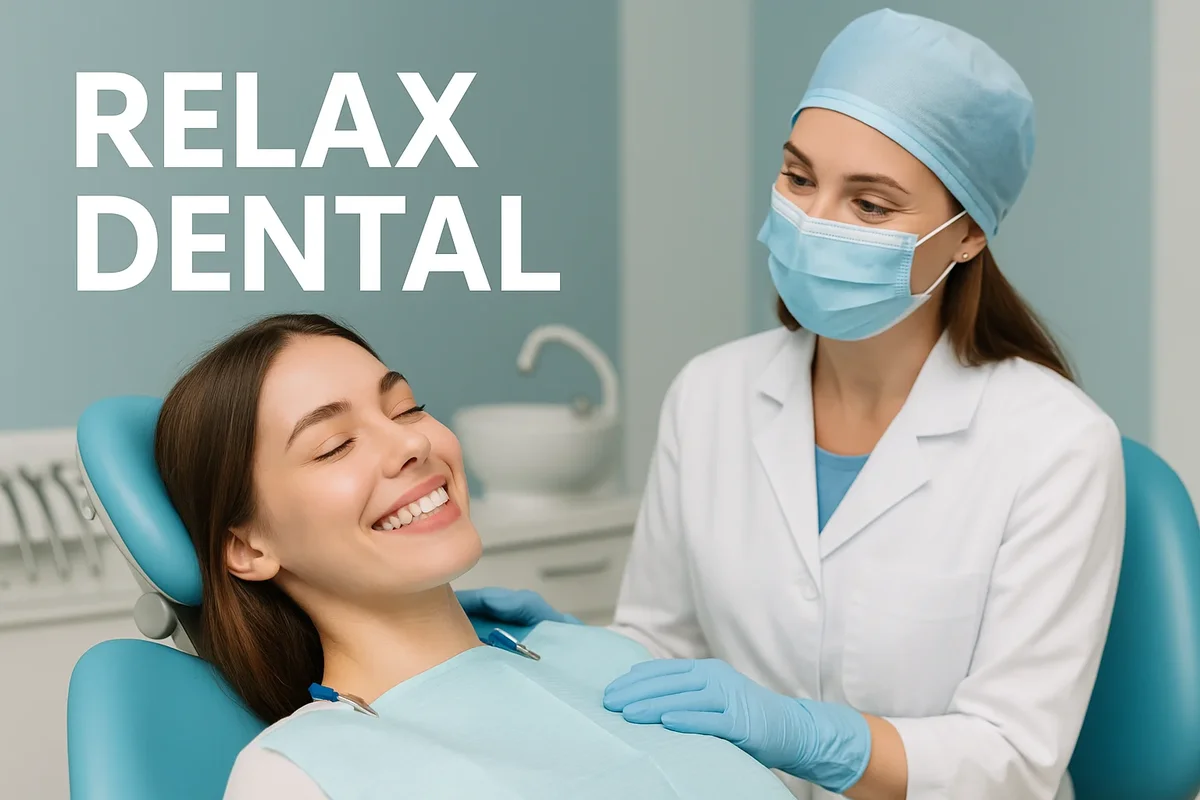
Expert Tips to Find the Best Relax Dental Clinic Near You
Choosing the right clinic for your dental care is an important decision, especially if you want a stress-free experience rooted in the relax dental philosophy. With so many providers available worldwide, it can be overwhelming to identify which practice will truly meet your needs. Fortunately, by following expert guidelines, you can evaluate clinics effectively, compare services, and ensure that you receive both professional dental treatment and emotional comfort. This section will help you understand exactly what to look for when searching for the best relax dental clinic near you.
Check the Clinic’s Philosophy and Approach
Not every dental practice embraces a full relax dental philosophy. Before making a decision, review the clinic’s website, brochures, or patient testimonials to see if comfort, stress reduction, and patient-centered care are explicitly mentioned. A true relax dental clinic doesn’t just offer sedation—it integrates technology, empathy, and environment design to create a comprehensive comfort experience.
Questions to Ask
- Does the clinic highlight relaxation or comfort as part of its core services?
- Are staff trained in handling anxious patients?
- Do they provide non-pharmacological relaxation methods in addition to sedation?
Evaluate Technology and Comfort Options
The best relax dental clinics invest in modern technologies that reduce pain and shorten recovery times. Look for practices that use laser dentistry, digital X-rays, and ergonomic chairs. Comfort amenities like aromatherapy, soothing music, and noise-canceling headphones also signal that a clinic takes patient relaxation seriously 🌿.
Sedation Variety
While sedation is not the only factor in relax dental care, having a variety of options—such as nitrous oxide, oral sedatives, and IV sedation—shows that the clinic can adapt to different levels of patient anxiety. The more flexible the approach, the better the chances of finding a treatment style that suits you.
Review Dentist Credentials and Experience
Expertise matters. A qualified relax dental professional not only understands dental procedures but also has training in patient communication and stress management. Check for certifications, memberships in professional organizations, and years of experience. Many top dentists are also affiliated with groups such as the American Dental Association, which upholds high standards of care.
Specializations
If you need specific treatments—such as pediatric care, cosmetic dentistry, or oral surgery—make sure the dentist has specialized training in those areas. Specialized relax dental clinics often cater to unique needs, making them a better fit for patients seeking targeted solutions.
Read Patient Reviews and Testimonials
One of the most reliable ways to evaluate a relax dental clinic is through the experiences of past patients. Online reviews often reveal how clinics handle anxious patients, whether staff are friendly, and how effective comfort strategies are. Look for recurring themes such as “stress-free,” “painless,” or “supportive,” as these are strong indicators of relax dental care in action 🌟.
Look Beyond Star Ratings
Don’t just rely on star ratings—read the full reviews. A clinic may have a high rating overall, but if patients mention rushed appointments or lack of empathy, it may not align with the relax dental philosophy.
Compare Pricing and Transparency
While comfort is priceless, cost is still a practical consideration. Relax dental treatments may be slightly more expensive due to advanced technology and added amenities. However, clinics that are upfront about pricing and provide detailed breakdowns of costs show respect for patients. Transparency in pricing reduces financial anxiety, which further supports a stress-free experience.
Check for Packages and Financing
Some relax dental clinics offer treatment packages, financing plans, or loyalty discounts. These can make care more affordable and encourage consistent visits, especially for families or patients requiring multiple procedures.
Accessibility and Location
A clinic’s location and accessibility are often overlooked but critical in reducing stress. Long travel times or difficult-to-reach offices can add to anxiety. Choosing a conveniently located relax dental clinic near you ensures that the experience remains calm and practical from start to finish.
Family-Friendly Accessibility
If you are bringing children or elderly family members, look for clinics with easy parking, wheelchair access, and family-oriented amenities such as play areas or private waiting rooms.
Personalized First Appointment Experience
Many clinics offer introductory consultations where you can meet the staff, tour the facilities, and discuss your concerns. A true relax dental provider will prioritize this step, using it as an opportunity to understand your needs and tailor services accordingly. This personalized touch is a strong sign of quality care.
Building Long-Term Trust
Ultimately, the best relax dental clinic is one where you feel safe, heard, and respected. Trust develops over time, but it starts with the first impression. Patients who experience consistent comfort are more likely to return regularly, leading to improved oral health outcomes and greater confidence in dental care 😁.
For patients considering their options, consulting trusted organizations such as the American Dental Association provides valuable information. To book a consultation with a clinic that embraces the relax dental philosophy, you can also connect through the Redent Klinik Contact Page for tailored guidance.
In conclusion, finding the best relax dental clinic near you requires evaluating the clinic’s philosophy, technology, staff expertise, pricing transparency, and patient reviews. By focusing on these factors, you can ensure that your dental visits are no longer sources of fear but experiences of calmness, trust, and lasting oral health 💙.