
Removable aligners have transformed the world of orthodontics, offering a comfortable, discreet, and flexible alternative to traditional braces. As more people seek aesthetic and convenient solutions, removable aligners have become one of the most researched orthodontic treatments online — and for good reason. In this comprehensive guide, you’ll learn exactly how these clear devices work, why they’re so effective, and what to expect throughout your journey. 😄
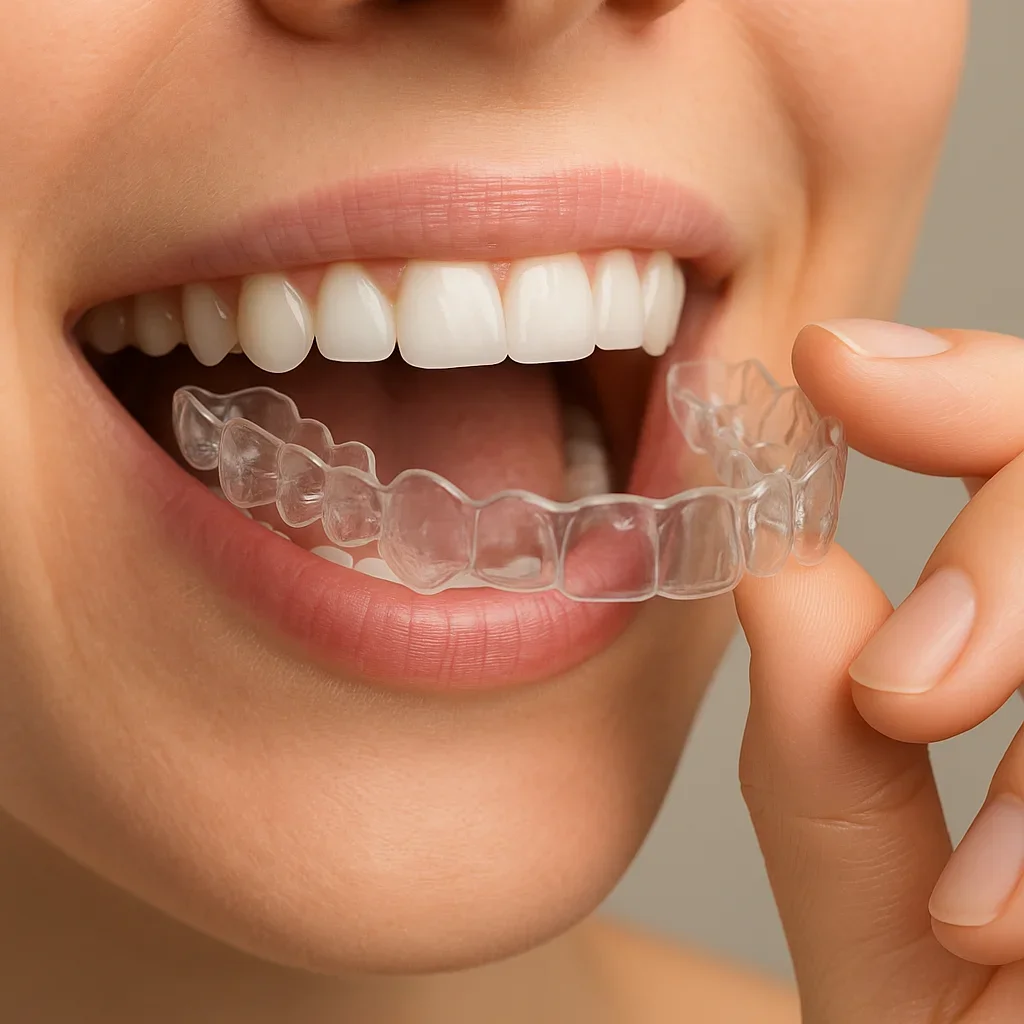
At their core, removable aligners are transparent trays custom-made to gradually shift your teeth into ideal alignment. Unlike metal braces, they can be taken out anytime, giving you more control over your daily routine. Whether you’re eating, brushing, or attending a social event, the ability to remove your aligners provides an unmatched level of convenience. Today’s modern versions use digital scans, 3D modelling, and computer-aided treatment planning to ensure precise and predictable results.
One of the biggest reasons people prefer removable aligners is their subtle appearance. Because they are nearly invisible, they blend naturally with your smile — a huge confidence boost during treatment.✨ This makes them especially popular among adults and professionals who want effective orthodontic correction without the noticeable look of metal brackets and wires. Teens also benefit, particularly those seeking comfort and fewer food restrictions.
From a health standpoint, removable aligners can significantly improve oral hygiene. Since they can be taken out before brushing and flossing, patients can maintain cleaner teeth and healthier gums throughout treatment. This reduces the risk of plaque buildup, staining, and gum irritation — issues commonly associated with fixed appliances. Maintaining oral hygiene becomes much easier since you can clean your teeth as you normally would, unlike with traditional braces that often require special tools.
Comfort is another major advantage. Removable aligners do not contain sharp edges or metal components that can irritate the cheeks or gums. Their smooth, custom-fit design offers a more pleasant experience, especially in the initial adjustment phase. While mild pressure is felt as teeth move, most patients report that aligners are far more comfortable than traditional orthodontic treatment.
How aligners are made is equally interesting. Dentists use advanced digital scanners to map the exact structure of your teeth. These scans are then sent to specialized laboratories where orthodontic software predicts how your teeth will move. Based on this plan, a series of aligners is created — each tray applying gentle pressure to achieve specific movements. You typically switch to a new set every one to two weeks, depending on your dentist’s guidance. This progressive system ensures controlled, safe, and effective tooth movement.
When discussing treatment expectations, compliance plays a huge role. For optimal results, removable aligners should be worn 20–22 hours daily. Removing them too often or for extended periods can slow progress or affect final outcomes. While the flexibility of aligners is a major selling point, success ultimately depends on forming consistent habits and following your dentist’s instructions.
Removable aligners are suitable for various dental issues, including crowding, gaps, overbites, underbites, and crossbites. They are also beneficial for individuals seeking mild to moderate correction or those who have experienced relapse after previous orthodontic treatment. They can even support broader oral health goals by improving bite function and reducing strain on the jaw.
Choosing the right clinic also matters. A qualified dentist or orthodontist with experience in aligner therapy ensures better planning, monitoring, and results. For patients seeking personalised support and detailed guidance, the Redent Klinik Contact Page is an excellent starting point. High-quality clinics provide continuous follow-ups, digital progress checks, and treatment adjustments when necessary.
For additional credibility and scientific backing, you can explore orthodontic research and guidelines provided by trusted authorities like the American Dental Association. This ensures that your expectations align with clinically approved recommendations.
In summary, removable aligners offer a combination of aesthetics, convenience, comfort, and hygiene benefits that traditional braces cannot match. From advanced digital planning to lifestyle flexibility and predictable outcomes, aligners represent one of the most modern and patient-friendly solutions in dentistry. If you’re searching for a safe, efficient, and nearly invisible orthodontic method, removable aligners may be the ideal choice to achieve a more confident, aligned smile. 😁
How Removable Aligners Work: Step-by-Step Treatment Process
Understanding how removable aligners work is essential for anyone considering this modern orthodontic solution. While the trays look simple from the outside, the technology, planning, and biology behind them are highly advanced. In this detailed section, we break down each phase — from the first consultation to the final refinement stage — so you know exactly what to expect. 😄
The Digital Scanning and Assessment Phase
Every successful aligner journey begins with a thorough dental examination. Your dentist or orthodontist assesses your bite, tooth alignment, gum health, and overall oral structure. Instead of messy impressions, today’s clinics use 3D intraoral scanners to capture ultra-precise digital images of your teeth. These scans are accurate to the micron, allowing the system to create removable aligners that fit perfectly.
This digital model is then analysed with specialised orthodontic software. The software simulates tooth movement across each stage of the treatment, showing how your smile will transform over time. This virtual preview is one of the biggest advantages of the technology — patients can see their future smile before treatment even begins, which can be incredibly motivating.
Creating a Personalized Treatment Plan
Once the digital assessment is complete, your dentist builds a customised step-by-step plan. Unlike fixed braces that often require on-the-spot adjustments, removable aligners use a controlled sequence of trays. Each tray is designed to move your teeth slightly — usually by 0.2 to 0.3 millimetres per stage. The software predicts how long each movement will take and generates the exact number of aligners needed to achieve the desired outcome.
Predictable Tooth Movement With 3D Mapping
The system calculates the ideal force needed for each tooth. Too much pressure can cause pain or root damage, while too little pressure leads to slow or ineffective results. The 3D mapping ensures every tray applies the correct, gentle force in the right direction, making removable aligners both safe and effective.
Manufacturing the Aligners: Precision Engineering
After the plan is approved, the aligners are produced using medical-grade, BPA-free thermoplastic materials. These materials are strong enough to guide teeth yet flexible enough to feel comfortable. Their crystal-clear transparency keeps them nearly invisible, allowing patients to speak, smile, and socialize freely.
Each tray is laser-trimmed to fit your gum line perfectly. This improves comfort and reduces irritation. Because removable aligners are custom-made, even slight changes in tooth anatomy are matched with exact precision.
Starting the Treatment Journey
Your aligner sets are provided in sequence. Most patients switch to a new tray every 7–14 days, depending on the treatment plan. To achieve the best results, removable aligners must be worn for 20–22 hours daily. Taking them out too often can delay progress, so consistency is key.
The initial adjustment period may include slight pressure or tightness, which is normal. This sensation indicates the aligners are actively moving your teeth. Since removable aligners lack metal brackets and wires, they cause significantly fewer sore spots than traditional braces.
Monitoring Progress With Regular Check-Ins
Routine dental check-ups are essential to ensure your teeth are moving as planned. Many modern clinics offer digital monitoring, allowing patients to send progress photos from home. This makes the treatment more accessible for busy individuals or those living far from the clinic.
Some cases require attachments — small tooth-colored bumps bonded to the teeth. These enhance grip and help the aligners apply precise pressure. Attachments are temporary and removed once treatment ends.
Handling Mid-Treatment Adjustments
If certain teeth do not move as predicted, refinement trays may be needed. These additional aligners fine-tune the final positioning and ensure the results are symmetrical, functional, and aesthetically pleasing. Refinement is a normal part of most aligner journeys and helps guarantee accuracy.
Finishing the Process and Maintaining the Results
Once all stages are complete, the final step is retention. Teeth naturally try to shift back to their original positions, so wearing retainers is crucial. Retainers resemble removable aligners but are designed to maintain alignment rather than correct it. Most dentists recommend wearing them daily at first, then only at night.
To maintain your new smile, regular dental cleanings, good oral hygiene, and adherence to retainer instructions are essential. A well-maintained smile can last a lifetime — and the effort is absolutely worth it.
In summary, the engineering and biological principles behind removable aligners make them a reliable, comfortable, and highly precise orthodontic treatment. From digital scans to customised planning and predictable staging, every step is designed for efficiency and comfort. Whether you’re correcting minor crowding or more complex bite issues, removable aligners offer a modern, flexible pathway to a beautifully aligned smile. 😁
Benefits of Removable Aligners Compared to Traditional Braces
When comparing orthodontic options, removable aligners consistently stand out for their comfort, aesthetics, and lifestyle flexibility. They have become the preferred choice for adults, teens, and even professionals who want effective dental correction without the visual or physical inconvenience of traditional braces. Below, this detailed guide explores the major benefits of removable aligners and explains why they continue to dominate the field of modern orthodontics. 😁
Nearly Invisible Appearance for Maximum Confidence
One of the most significant advantages of removable aligners is their discreet, transparent design. Traditional metal braces draw immediate attention, often causing self-consciousness during conversations, photos, and professional settings. Aligners, however, blend seamlessly with your natural teeth, making them ideal for anyone who wants an aesthetic solution.
Professionals in industries such as business, entertainment, education, and customer service particularly value this benefit. Aligners allow individuals to maintain a polished appearance while undergoing orthodontic treatment — something metal braces simply cannot match. Whether you’re giving a presentation, attending a wedding, or taking photos, removable aligners help you smile confidently at every stage.
Superior Comfort Without Brackets or Wires
Traditional braces use metal brackets and tension wires that often cause soreness, cuts, or irritation inside the mouth. Removable aligners, on the other hand, are smooth and custom-molded to fit your teeth perfectly. Their lightweight, BPA-free plastic material eliminates sharp edges, ensuring a gentle experience from the very first day.
Pressure vs. Pain: A Healthier Way to Move Teeth
Aligners apply consistent, controlled pressure — not harsh tightening — which reduces discomfort significantly. Each tray shifts the teeth gradually, resulting in manageable pressure that most patients find easy to adapt to. This contrasts with braces, which often require forceful adjustments that can leave gums and cheeks sensitive for days.
Removable Convenience for Everyday Activities
One of the greatest advantages of removable aligners is right in the name — they can be taken out anytime. This means you can remove them while eating, drinking anything other than water, brushing, flossing, or participating in special events. This level of freedom is impossible with fixed braces.
No dietary restrictions are necessary. Popcorn, apples, nuts, corn on the cob, and even hard or chewy foods are perfectly allowed as long as aligners are removed beforehand. With traditional braces, these foods pose a risk of bending wires or breaking brackets.
Improved Oral Hygiene and Gum Health
With braces, brushing and flossing require special tools to navigate around metal components. Food particles easily become trapped, raising the risk of plaque accumulation and gum irritation. Removable aligners eliminate this challenge completely.
Easier Daily Cleaning Routine
Patients can remove the trays and brush their teeth as usual, improving overall oral hygiene. Clear aligners also reduce bacteria buildup that often occurs around metal brackets. Cleaner teeth mean healthier gums, fresher breath, and significantly less chance of developing sensitivity or decay during treatment.
Because oral health remains easier to maintain, many dentists consider removable aligners a better long-term choice for patients with a history of gum issues or sensitivity.
Predictable, Digitally Planned Results
Modern orthodontic systems rely on advanced 3D software to design each stage of tooth movement. Before treatment begins, patients receive a visual simulation showing not only the expected final result but also the entire progression leading up to it. This level of transparency builds confidence and helps patients understand exactly what their journey will look like.
Traditional braces, however, involve manual adjustments and estimations that vary depending on the orthodontist’s approach. The precision of removable aligners ensures more predictable outcomes and often shorter treatment times.
Fewer Dental Appointments and Faster Visits
Metal braces require frequent follow-ups for tightening, wire replacements, and bracket repairs. These visits can be long and uncomfortable. Removable aligner check-ups are typically quicker and less frequent — usually every 6–10 weeks — because they involve simple progress assessments instead of invasive adjustments.
This benefit makes aligners especially appealing to people with busy schedules, parents managing children’s appointments, or patients living far from the clinic.
No Emergencies From Broken Brackets or Wires
Broken wires, loose brackets, and accidental poking injuries are some of the most common orthodontic emergencies associated with traditional braces. These issues often require immediate repairs.
Removable aligners eliminate these problems entirely. No wires, no brackets, and no emergency visits. If an aligner cracks, the next tray can often be used temporarily, and most clinics provide quick replacements.
Suitable for a Wide Range of Orthodontic Cases
While aligners were once limited to mild cases, today’s advanced options can treat crowding, spacing, crossbites, underbites, overbites, and even relapse cases from previously incomplete orthodontic work. Innovations in attachments and digital treatment planning make removable aligners a reliable solution for both teens and adults seeking a healthier, more harmonious bite.
Overall, removable aligners offer unmatched comfort, aesthetic appeal, and efficiency compared to traditional braces. Their technology, flexibility, and predictable results make them one of the most trusted orthodontic solutions in modern dentistry. 😃
Who Is a Good Candidate for Removable Aligners?
Determining whether you are a good candidate for removable aligners is an essential step before beginning treatment. While aligners are highly versatile and effective, they are not suitable for every single orthodontic case. Understanding the factors that influence eligibility helps patients set realistic expectations and ensures that their treatment progresses smoothly. This section explores the ideal candidate profile in great detail — covering age, dental concerns, lifestyle habits, oral health, and even personality traits that impact treatment success. 😄
Age Considerations for Removable Aligners
Although removable aligners are available for both teens and adults, certain biological factors play a role in determining suitability. Adults typically make excellent candidates because their jaw growth is complete, allowing orthodontists to predict tooth movement more accurately. Adults also tend to be more disciplined, which is critical because aligners need to be worn for 20–22 hours daily.
Teens can also benefit greatly, especially those who prefer a discreet option over traditional braces. However, compliance must be monitored more closely. Some teen aligner systems even come with built-in wear indicators that gradually fade, allowing parents and dentists to track usage.
Types of Dental Problems That Aligners Can Successfully Treat
The technology behind removable aligners has advanced tremendously, meaning they now treat a wider range of orthodontic issues than ever before. Below is a breakdown of the most common conditions aligners can address and when alternative treatments might be needed.
Crowding and Spacing Issues
Mild to moderate crowding is one of the best problems to treat with aligners. When teeth overlap slightly or rotate inward, aligners gradually create space and guide teeth into proper alignment.
Spacing issues — the opposite problem — are also highly responsive to aligner therapy. Whether gaps are small or noticeable, aligners gently reposition the teeth to close spaces while maintaining symmetry.
Bite Misalignments
Many bite-related conditions can also be improved with modern removable aligners:
- Overbite: Aligners can reduce the overlap between upper and lower teeth by shifting them into a healthier position.
- Underbite: Mild underbites respond well when the lower teeth are gently guided back.
- Crossbite: Certain crossbites, particularly those involving a few teeth, can be corrected.
- Open bite: Aligners can close small open bites by controlling vertical movement.
Severe bite irregularities, especially those caused by skeletal issues, may require additional orthodontic tools or even surgical intervention. In such cases, aligners can still play a role as part of a hybrid treatment plan.
Oral Health Requirements and Gum Condition
Before starting treatment with removable aligners, your general oral health must be stable. Active gum disease, severe inflammation, or untreated cavities can interfere with tooth movement and negatively affect results. Dentists typically recommend completing any necessary restorations or periodontal treatments prior to beginning aligner therapy.
Patients with good brushing and flossing habits typically do very well with aligners. Since aligners must be worn for long periods, it’s crucial that bacteria levels remain low and gums stay healthy to prevent complications throughout treatment.
Lifestyle Factors That Influence Candidacy
One of the unique aspects of removable aligners is that they require personal responsibility. Because you can take them out at any time, the treatment depends heavily on your daily routine and discipline.
If you frequently snack, sip sugary drinks, or forget routines easily, your treatment may take longer than expected. Aligners must be removed before eating or drinking, which means additional planning is required. For some individuals, this lifestyle change is simple; for others, it may take time to adjust.
Ideal Personality Traits for Success
- Consistency: Wearing aligners for 20–22 hours a day is critical.
- Organization: Keeping track of aligners when removed prevents loss or damage.
- Motivation: Staying committed ensures faster progress and better results.
Patients who embrace the responsibility typically achieve excellent outcomes and appreciate the flexibility the system offers.
Previous Orthodontic Treatment History
People who have worn braces in the past but experienced mild relapse are often perfect candidates. Relapse usually involves small shifts that aligners can correct quickly and efficiently.
For individuals with more complex relapse cases, aligners can still work but may require attachments or additional stages to refine the final result.
When Removable Aligners May Not Be the Best Option
There are certain situations where removable aligners may not be ideal, such as:
- Severe skeletal bite problems requiring jaw correction.
- Large tooth rotations that exceed aligner capability.
- Extremely short or misshapen teeth that reduce aligner grip.
- Poor oral hygiene habits that increase risk during treatment.
- Patients unable or unwilling to wear aligners consistently.
In these cases, your dentist may recommend traditional braces or a combined approach to ensure optimal results.
Final Evaluation and Professional Recommendation
Ultimately, the best way to determine candidacy is through a professional dental examination that includes digital scans, X-rays, and a detailed bite analysis. Clinics experienced in aligner therapy — such as those accessible through the Redent Klinik Contact Page — can offer personalized evaluations and treatment plans tailored to your needs.
For reliable scientific guidance, reviewing recommendations from trusted institutions like the American Dental Association can help reinforce your confidence in choosing the right orthodontic path.
In summary, removable aligners are an excellent choice for individuals seeking a discreet, comfortable, and highly effective orthodontic solution. If you have healthy gums, realistic expectations, and a commitment to wearing your aligners consistently, you may be a perfect candidate for this modern treatment method. 😄
Daily Care Tips to Keep Your Removable Aligners Clean and Clear
Keeping your removable aligners clean is just as important as wearing them consistently. Proper hygiene ensures your aligners remain crystal-clear, odor-free, and effective throughout your treatment. Since they sit directly on your teeth for 20–22 hours every day, any buildup, bacteria, or staining can affect your oral health and overall results. This comprehensive guide explains the best daily habits, cleaning methods, and maintenance techniques to keep your aligners in perfect condition from day one. 😄
Why Cleaning Your Aligners Matters
Many patients assume aligners stay clean simply because they are made from clear plastic — but the reality is much different. Removable aligners are constantly exposed to saliva, natural mouth bacteria, and microscopic food particles. Without proper care, the trays can develop discoloration, odors, cloudy surfaces, or buildup that impacts both hygiene and comfort.
Additionally, because aligners fit tightly over your teeth, any stuck food debris or plaque can be pressed directly against enamel, increasing the risk of cavities or gum irritation. Proper maintenance protects not only your aligners but also your long-term oral health.
Morning and Night Cleaning Routine
Just like brushing your teeth twice a day, aligners benefit from a structured cleaning routine every morning and evening. This habit keeps your trays fresh, clear, and ready for a full day of wear.
Step-by-Step Daily Cleaning Guide
- Remove your aligners carefully: Always use both hands to avoid bending or stressing the material.
- Rinse with lukewarm water: Never use hot water — it can warp and permanently damage your aligners.
- Brush gently: Use a soft toothbrush dedicated only to aligner cleaning. Avoid toothpaste, as it can scratch the surface.
- Use a mild, clear soap: Clear antibacterial liquid soap effectively removes bacteria without leaving residue.
- Rinse thoroughly: Ensure no soap remains; residue can cause irritation or unpleasant taste.
You should also brush and floss your teeth thoroughly before putting your removable aligners back in. This prevents trapped bacteria and keeps both your smile and your trays cleaner.
Midday Cleaning and On-the-Go Maintenance
Because life doesn’t always go according to schedule, knowing how to clean your aligners outside the home is essential. Whether you’re at work, traveling, or out with friends, a simple routine keeps your aligners fresh.
A compact aligner kit — containing a travel case, mini toothbrush, floss, and cleaning wipes — can make a huge difference. Wiping your aligners with alcohol-free dental wipes is an excellent quick-clean method when brushing isn’t possible.
Avoiding Stains and Odors: What NOT to Do
Stains and unpleasant smells are among the most avoidable issues with removable aligners. A few common habits can cause discoloration or odor buildup faster than you might expect.
- Never drink anything except water while wearing aligners. Coffee, tea, juice, and soda can stain the trays and trap sugar against your teeth.
- Avoid smoking or vaping with aligners in. Nicotine causes rapid yellowing and strong odor absorption.
- Do not soak aligners in mouthwash containing alcohol. It can cause cracking or warping.
- Skip toothpaste during cleaning. Most toothpaste contains abrasives that scratch the surface, making trays cloudy.
These simple habits protect the transparency and lifespan of each aligner set, ensuring they remain virtually invisible and effective throughout your treatment.
Weekly Deep Cleaning Routine
In addition to daily cleaning, a weekly deep-clean routine helps maintain the clarity of your trays and prevents stubborn buildup. Most dentists recommend soaking your aligners once or twice a week using specialized cleaning crystals or tablets.
How to Perform a Deep Clean
- Fill a glass with lukewarm water.
- Add an aligner-cleaning tablet (non-abrasive, orthodontic-safe).
- Soak for 10–20 minutes.
- Brush gently with your dedicated aligner toothbrush.
- Rinse thoroughly before wearing again.
Avoid DIY soaking solutions like vinegar or baking soda unless approved by your dentist — while effective for some appliances, they may damage the smooth finish of modern removable aligners.
How to Store Your Aligners Properly
Improper storage is one of the main reasons aligners are lost, damaged, or contaminated. Whenever you remove your trays, place them directly into a protective case.
- Never leave aligners on a napkin or table: Most lost aligners end up in the trash by accident.
- Keep them away from pets: Dogs are especially attracted to aligner scent.
- Always travel with a case: This prevents bending or scratching.
Your aligner case should also be cleaned weekly with soap and water to prevent bacteria buildup.
Maintaining Oral Hygiene Alongside Your Aligners
Healthy teeth and gums are essential for successful treatment with removable aligners. Because you wear the trays for long hours, any plaque or food debris left on your teeth can become trapped and lead to cavities or gum inflammation.
Brush at least twice daily, floss once daily, and consider using an alcohol-free antibacterial mouth rinse. Many patients also benefit from professional cleanings every three to four months during aligner treatment.
Professional Guidance and Support
If you ever notice cloudiness, persistent odor, cracks, or discomfort with your aligners, schedule a consultation with your dental provider. Clinics experienced in aligner care — such as those found through the Redent Klinik Contact Page — can provide customized cleaning recommendations or replacement trays.
For additional scientific guidelines on oral hygiene and aligner-friendly habits, refer to trusted sources like the American Dental Association.
By developing consistent hygiene habits, deep-cleaning weekly, and storing your trays properly, you can ensure your removable aligners remain clear, comfortable, and effective from start to finish — helping you achieve the healthiest and brightest smile possible. 😁
Common Problems and How to Fix Issues With Removable Aligners
Even though removable aligners offer one of the most comfortable and predictable orthodontic experiences available today, it’s normal to encounter occasional challenges during treatment. Understanding these issues — and knowing exactly how to solve them — ensures smoother progress, fewer disruptions, and better long-term results. In this comprehensive guide, we’ll break down the most common aligner-related problems, why they happen, and the precise steps you can take to fix them quickly and safely. 😄
Aligners Feeling Too Tight or Uncomfortable
Many patients notice that their removable aligners feel tight when switching to a new set. While mild pressure is normal and expected, excessive discomfort can raise concerns.
Why Tightness Happens
- Your teeth are adjusting to a new stage of movement.
- The previous tray may not have been worn long enough.
- Your teeth may be moving slower or faster than predicted.
How to Fix It
- Use chewies: These small, rubbery cylinders help seat the aligners properly.
- Wear them longer: If discomfort persists, wear the previous tray for an extra 1–2 days.
- Warm water soak: Soaking aligners in slightly warm (not hot) water for 30 seconds softens the edges and improves comfort.
If pain is severe or doesn’t improve after 48 hours, contact your orthodontist to check for alignment accuracy.
Aligners Not Fitting or “Popping Out”
Sometimes removable aligners may feel loose or may not snap into place properly. This can happen at the beginning or mid-way through a treatment cycle.
Why Fit Issues Occur
- Skipping aligner sets too quickly.
- Not wearing aligners for 20–22 hours daily.
- Attachment points not engaging correctly.
- Minor manufacturing variances.
How to Fix It
- Re-seat aligners with chewies three times daily.
- Check for food debris trapped between your teeth and trays.
- Use aligner-seating exercises — bite gently and repeatedly on chewies.
- Return to the previous tray for 24–48 hours to re-stabilize tooth movement.
If alignment still feels off, your provider can inspect the tray and confirm whether refinements or a replacement set is needed.
Cracks or Damage to the Aligners
Although the material used in removable aligners is durable, cracks can occur if trays are mishandled. Biting them too forcefully, using hot water, or removing them incorrectly can cause structural damage.
How to Prevent Cracks
- Use both hands when removing aligners.
- Avoid chewing gum or biting hard foods with trays in place.
- Keep aligners away from pets — dogs especially love chewing them.
- Store trays only in their protective case.
How to Fix a Damaged Aligner
- If the crack is small: Continue wearing the aligner but handle gently.
- If the aligner breaks completely: Move ahead to the next tray if advised by your dentist.
- Contact your clinic to request a replacement if neither option works.
Always consult your provider before skipping ahead; moving to the next stage too early can disrupt the overall treatment plan.
Soreness or Irritation of the Gums and Lips
Most patients find removable aligners more comfortable than braces, but slight irritation can still occur.
Common Causes of Irritation
- Sharp edges on aligners.
- New attachments rubbing against soft tissue.
- Gum sensitivity due to pressure.
Solutions
- Nail file smoothing: Dentists recommend gently smoothing edges with a fine glass nail file for minor issues.
- Orthodontic wax: Adding a small piece to irritating spots helps protect gums.
- Warm saltwater rinse: Reduces inflammation and speeds healing.
If discomfort lasts longer than a few days, your clinic can trim or re-polish the aligners professionally.
Excessive Saliva or Dry Mouth
Your mouth may respond to removable aligners by producing more saliva, especially during the first week. Dry mouth is also a possible reaction.
How to Fix Excess Saliva
- Give your mouth 48–72 hours to adjust.
- Practice swallowing consciously while speaking.
- Chewies can help your mouth adapt faster.
How to Fix Dry Mouth
- Drink more water throughout the day.
- Use sugar-free xylitol gum (only when aligners are removed).
- Use a dentist-approved dry-mouth spray.
Bad Odor or Cloudy Appearance
Cloudiness or odor indicates bacterial buildup, improper cleaning, or wearing aligners after eating.
Prevention and Solutions
- Clean aligners twice daily with soft soap and water.
- Avoid toothpaste — it scratches the surface.
- Soak aligners weekly in cleaning crystals.
- Brush and floss before reinserting trays.
For persistent issues, a dental hygienist can provide a professional evaluation and cleaning advice via the Redent Klinik Contact Page.
Losing or Misplacing Aligners
Because removable aligners can be taken out easily, they are also easy to misplace.
How to Avoid Losing Them
- Always store aligners in their case — never in a napkin.
- Label your case with your name and phone number.
- Carry a backup case when traveling.
If You Lose an Aligner
- Wear the previous tray to maintain progress.
- Contact your provider for a replacement.
- In some cases, move forward to the next tray (with approval).
When to Seek Professional Help
While most problems are easy to fix, some situations require immediate professional care. If you notice severe pain, sudden swelling, gum bleeding, or an aligner that simply won’t fit, schedule an appointment.
Your dentist can assess your situation using digital scans and create a personalized correction plan. For trusted orthodontic guidance, refer to reputable dental sources like the American Dental Association.
By understanding common issues and following these evidence-based solutions, you can ensure that your removable aligners treatment remains smooth, effective, and stress-free — bringing you closer to a perfectly aligned smile with confidence. 😁
How Long Does Treatment With Removable Aligners Really Take?
One of the first questions patients ask about removable aligners is how long the treatment will take. While aligners offer a faster and more predictable alternative to traditional braces, the total duration still depends on multiple factors — from the complexity of your dental alignment to your daily discipline. In this detailed guide, we will explore every aspect of treatment length, what affects it, how to speed it up safely, and what realistic timelines look like for different cases. 😄
Average Treatment Time for Most Patients
The majority of people using removable aligners complete treatment within 6 to 18 months. This range varies based on how much tooth movement is needed. Minor alignment issues may require only a few months, while complex bite corrections take longer. One major advantage of aligners is the predictability offered by digital planning, allowing dentists to estimate treatment length far more accurately than traditional braces.
Because each set of aligners gently moves the teeth by approximately 0.2–0.3 millimeters, your total number of trays directly influences your timeline. Most patients receive between 12 and 40 sets during their orthodontic journey.
What Affects the Length of Treatment?
Several factors influence how long it takes for removable aligners to deliver optimal results. Below are the major elements that determine your timeline:
The Complexity of Your Alignment Issues
- Mild spacing or crowding: 4–8 months.
- Moderate misalignment: 8–14 months.
- Severe crowding or bite problems: 14–20+ months.
If you need tooth rotations greater than 20 degrees or large repositioning movements, your case may require additional aligners or refinement stages.
Your Daily Wear Time
This is the single most important factor affecting treatment speed. Dentists recommend wearing removable aligners for 20–22 hours daily.
- Wearing them only 18 hours per day can extend treatment by several months.
- Removing aligners frequently for snacking slows tooth movement significantly.
- Consistency ensures that each tray performs its full job within the expected timeframe.
Patients who commit to consistent wear almost always finish their treatment faster.
How Your Body Responds to Tooth Movement
Every person’s biology is unique. Some patients experience quick, smooth tooth movement, while others progress more slowly. Bone density, gum health, and overall oral health influence your individual response.
Understanding the Different Treatment Phases
Treatment with removable aligners involves multiple stages, each with its own timeline. Knowing these phases helps you understand your progress from start to finish.
1. Initial Assessment and Digital Planning (1–3 weeks)
Your journey begins with a consultation, 3D digital scans, and a custom treatment plan. Software simulations predict the exact movement of each tooth, allowing your dentist to create precise aligners.
2. Active Alignment Phase (6–18 months)
This is where your teeth gradually shift. Each aligner set is worn for 7–14 days, depending on your dentist’s instructions.
3. Refinement Stage (2–12 weeks)
Most patients need refinement aligners at the end of their initial series. These fine-tune small discrepancies and ensure perfect results.
4. Retention Phase (Lifetime maintenance)
After completing treatment, you must wear retainers to prevent teeth from shifting back. Retainers resemble removable aligners but are designed to maintain alignment rather than move teeth.
How to Shorten Your Treatment Time Safely
Patients often wonder if they can finish aligner treatment faster. While it’s essential to avoid shortcuts that compromise oral health, several scientifically supported methods can help accelerate results.
Wear Aligners Consistently
Skipping hours each day is the number one cause of delayed progress. Use reminders, alarms, or smartphone apps to maintain consistent wear times.
Use Chewies Regularly
Chewies help seat your aligners fully onto your teeth, ensuring they apply the correct force. This leads to more accurate and faster tooth movement.
Avoid Unnecessary Snacking
Every time you remove your aligners, your wear time decreases. Reducing casual snacking keeps aligners in your mouth longer and speeds progress.
Stay on Schedule With Dental Check-Ups
Regular check-ins allow your dentist to make adjustments before small issues slow down your progress. Clinics such as those accessible via the Redent Klinik Contact Page offer professional monitoring to keep your treatment on track.
Case Examples: How Long Does It Really Take?
Every patient is different, but the following real-world scenarios provide a general idea of what to expect:
- Mild gap closure (e.g., a diastema): 3–6 months.
- Mild to moderate crowding: 6–12 months.
- Overbite correction: 10–16 months.
- Full bite correction with rotations: 14–20 months.
These estimates vary depending on tray changes, biological response, and treatment consistency.
When Treatment Takes Longer Than Expected
In some cases, patients may require additional aligner sets, known as refinements. Reasons include:
- Teeth not tracking as planned.
- Skipping or shortening daily wear.
- Unexpected dental issues like gum inflammation.
- Biological variation in tooth movement.
If delays occur, your dentist may revise your plan, add attachments, or create new trays using updated scans.
What Happens After Treatment Ends?
Once the active treatment phase is complete, you’ll transition to retainers to keep your new smile stable. Wearing retainers every night is essential to prevent teeth from drifting back. Trusted dental organizations, including the American Dental Association, emphasize that retention is a lifelong commitment for maintaining orthodontic results.
In summary, treatment with removable aligners is highly predictable, efficient, and faster than many traditional orthodontic methods. By following your dentist’s instructions, wearing aligners consistently, and committing to proper habits, you can enjoy a beautifully aligned smile in the shortest time possible. 😁
Eating, Drinking & Lifestyle Habits While Using Removable Aligners
Adjusting your daily habits is an important part of achieving successful results with removable aligners. While aligners offer unparalleled convenience compared to traditional braces, they still require mindful routine changes — especially when it comes to eating, drinking, exercise, social activities, and personal habits. In this section, we’ll explore exactly how your aligners interact with everyday life and provide clear, practical strategies for maintaining comfort, hygiene, and consistent progress throughout treatment. 😄
Eating With Removable Aligners: The Golden Rules
One of the biggest advantages of removable aligners is that you can take them out while eating, eliminating the food restrictions that come with metal braces. However, this benefit comes with responsibility, because the more time your aligners spend out of your mouth, the longer your treatment may take.
Always Remove Aligners Before Eating
Eating with aligners in place can cause:
- Cracks or distortion due to chewing pressure.
- Food particles getting trapped between the trays and teeth.
- Staining or cloudiness from pigmented foods.
- Increased bacteria, leading to bad breath or cavities.
Before every meal — even a small snack — remove your aligners and place them in a protective case. Never wrap them in tissue paper, as this is the most common reason patients accidentally throw them away.
What to Do After Eating
Once you finish eating:
- Brush your teeth thoroughly.
- If brushing is not possible, rinse your mouth with water.
- Rinse your aligners before reinserting them.
This helps prevent debris from becoming trapped under your removable aligners, which could contribute to plaque buildup or unpleasant odors.
Drinking Habits While Wearing Aligners
You may be surprised to learn that drinking habits have a big impact on aligner hygiene and treatment results. Except for plain water, most beverages can damage aligners or harm your teeth when trapped beneath the trays.
Safe and Unsafe Drinks With Aligners
You can safely drink:
- Cold or room-temperature water
You should remove aligners before drinking:
- Coffee and tea (cause staining)
- Juices and smoothies (contain sugars)
- Soda and energy drinks (acidic and sugary)
- Alcoholic beverages (especially red wine and cocktails)
Wearing removable aligners while consuming anything sugary or acidic can trap the liquid and accelerate enamel erosion, leading to long-term oral health issues.
Snacking and Meal Frequency During Treatment
Patients who snack frequently may accidentally reduce the number of hours they wear their aligners. Every snack means removing and reinserting your trays, which adds up and cuts into essential wear time.
Tips to Maintain Proper Wear Time
- Switch to 2–3 structured meals a day to limit unnecessary removal.
- Choose filling snacks when you must snack to minimize frequency.
- Drink more water to reduce cravings.
- Set reminders on your phone to reinsert aligners after meals.
By focusing on routine, you’ll improve treatment speed and overall comfort.
Lifestyle Habits: Fitness, Work, Social Life & More
Life doesn’t stop when you’re using removable aligners. Thankfully, aligners are designed to fit seamlessly into everyday activities. With a few mindful adjustments, you can continue enjoying your lifestyle without interruption.
Exercise & Sports
Aligners are safe to wear during most forms of exercise, including:
- Weight training
- Running
- Yoga
- Cycling
However, if you participate in contact sports such as football, basketball, or martial arts, remove your aligners and wear a sports mouthguard instead. Aligners are not designed to withstand impacts and may crack under force.
Public Speaking & Professional Settings
Many patients worry that aligners may affect speech. Minor lisping is normal during the first few days but usually disappears quickly. Practicing reading aloud, singing lightly, or speaking slowly helps your tongue adjust faster.
Social Activities & Dining Out
You can fully enjoy social events while using removable aligners — you just need to plan ahead.
Smart Guidelines for Social Events
- Bring your aligner case everywhere.
- Rinse your mouth after drinks or appetizers.
- If you forget a toothbrush, use sugar-free gum briefly (with aligners removed).
- Wear aligners during conversations — they are nearly invisible.
If you plan to drink alcohol, remove your aligners and store them in a case. Alcohol stains and distorts aligner trays, particularly drinks like red wine or colored cocktails.
Smoking and Vaping With Aligners
Both smoking and vaping can severely damage removable aligners. Nicotine discolors the plastic, making trays look yellow or cloudy within days. Vapor and smoke residue can also cause persistent odors.
Recommendation
- Remove aligners before smoking or vaping.
- Clean your teeth and rinse aligners before putting them back in.
This habit protects both your aligners and your oral hygiene.
Traveling With Aligners
Traveling is made easier with aligners, thanks to their portability and simplicity. However, preparing a dedicated travel kit ensures you stay on track.
Items to Include in a Travel Kit
- Aligner case
- Mini toothbrush and toothpaste
- Dental floss
- Cleaning tablets
- Backup aligner set (if advised by your dentist)
Clinics like those reachable through the Redent Klinik Contact Page can provide additional guidance before long trips.
Maintaining Hygiene on Busy Days
On hectic days when brushing after every meal isn’t possible, rinse your mouth thoroughly before reinserting your removable aligners. Use mouthwash only after removing your trays — alcohol-free mouthwash is recommended to avoid damaging the plastic.
Professional Advice & Scientific Guidance
For the most accurate oral health recommendations, refer to trusted authorities such as the American Dental Association. They provide valuable evidence-based guidance that supports the safe and effective use of orthodontic appliances.
In summary, everyday habits play a crucial role in the success of your removable aligners treatment. By understanding how food, drinks, lifestyle routines, social settings, and hygiene choices interact with your aligners, you can maintain faster progress, clearer trays, and healthier teeth throughout your journey. These habits not only enhance your experience but also help you achieve a beautifully aligned smile with confidence. 😁
Removable Aligners for Teens vs. Adults: Key Differences
Both teenagers and adults increasingly choose removable aligners as a modern alternative to traditional braces. Although the treatment concept is similar for all age groups, the experience, biological response, lifestyle needs, and treatment expectations can differ significantly between teens and adults. Understanding these differences helps patients — and parents — make informed decisions for successful orthodontic care. In this comprehensive guide, we’ll analyze how age affects treatment length, discipline, comfort, responsibilities, bone development, and long-term retention. 😄
Biological Differences Between Teens and Adults
One of the biggest factors influencing treatment outcomes with removable aligners is biology. The way teeth and jaws respond to pressure varies greatly depending on age.
Younger Patients Experience Faster Tooth Movement
- Teenagers have more flexible bone structures.
- Their jawbones are still developing, making it easier to move teeth.
- Teens often require fewer aligner sets for the same correction.
Since teens’ teeth shift more easily, many complete their treatment faster than adults — sometimes in as little as 6–10 months for mild to moderate cases.
Adults Have Fully Developed Bones
- Tooth movement is typically slower.
- Bite issues may be more complex due to long-term habits or prior dental work.
- Adults may require additional refinements or attachments.
Even so, removable aligners remain highly effective for adults, offering discreet, comfortable treatment without lifestyle limitations.
Discipline and Compliance: Teens vs. Adults
Daily wear time is crucial for aligner success. Both teens and adults must commit to wearing aligners for 20–22 hours each day, but the ability to maintain discipline varies.
Teen Compliance Challenges
- Teens may forget to reinsert aligners after meals.
- They may remove them more frequently for social reasons.
- Sports, snacking, or school activities can interrupt wear time.
To help monitor progress, many teen aligners include compliance indicators — small blue or green dots that fade with consistent use. These allow parents and dentists to confirm whether aligners are worn correctly.
Adults Are Generally More Consistent
- Adults understand the investment of money and time.
- They are more motivated by aesthetic and professional goals.
- They tend to follow instructions closely.
This discipline often contributes to more predictable outcomes for adults, even with more complex dental issues.
Common Treatment Goals: Teens vs. Adults
The motivations for seeking removable aligners vary widely between age groups.
Teen Treatment Goals
- Correcting crowding or spacing early.
- Improving bite issues before growth finishes.
- Boosting confidence during school years.
Adult Treatment Goals
- Achieving a more aesthetic smile for professional or personal reasons.
- Correcting relapse after not wearing retainers during youth.
- Improving oral health before cosmetic treatments like veneers or implants.
Adults often pursue aligners as part of a larger dental restoration plan, whereas teens usually focus primarily on alignment.
Lifestyle Considerations for Teens and Adults
Lifestyle plays an essential role in the success and comfort of removable aligners.
Teens
Teenagers frequently participate in sports, school lunches, and social activities. Aligners may require additional planning during:
- Sports (remove aligners, wear a mouthguard).
- School meals (avoid losing trays).
- Social events (carry a case to avoid misplacing aligners).
Teens benefit from parental guidance to maintain hygiene and wear-time consistency.
Adults
Adults integrate aligners more easily into their routines, but they must consider work schedules, family responsibilities, and dietary habits.
- Business meetings may require discreet removal before meals.
- Coffee and wine consumption may cause staining if aligners are worn during drinks.
- Late-night snacking can reduce wear time.
Thanks to their nearly invisible appearance, removable aligners are ideal for adults who prefer subtle orthodontic treatment in professional settings.
Aligner Design Differences for Teens and Adults
While the core technology is similar, some aligner systems create specialized versions for teenage patients.
Teen-Specific Features
- Compliance indicators that fade when worn properly.
- Eruption tabs that allow room for incoming teeth.
- Tracking tools that allow dentists to monitor growth.
These features help ensure predictable results even as teens’ jaws continue to develop.
Adult-Specific Considerations
- Incorporating restorations like crowns or bridges.
- Addressing periodontal sensitivity.
- Working around previous orthodontic treatments.
Adults may also require more refinement aligners and retainers due to complex cases.
Treatment Length: Teens vs. Adults
In most cases, teenagers finish treatment slightly faster than adults because their teeth respond more quickly to pressure.
- Teens: 6–14 months
- Adults: 8–20 months
However, compliance remains the ultimate factor in determining how long removable aligners take to complete treatment successfully.
Retention Phase Differences
After treatment ends, both teens and adults must wear retainers to prevent teeth from shifting back. Teens may need longer retainer use because their jaw is still developing, while adults require permanent nighttime retention to maintain results.
Teen Retention Needs
- Jaw growth continues until 18–21 years old.
- Retainer use helps maintain long-term alignment.
Adult Retention Needs
- Retainers must be worn indefinitely at night.
- Failure to wear retainers can cause relapse within months.
When to Seek Professional Guidance
Parents and adult patients can access expert advice through clinics such as those available on the Redent Klinik Contact Page. For scientific and evidence-based orthodontic guidance, organizations like the American Dental Association offer reputable resources.
In conclusion, removable aligners offer life-changing results for both teens and adults, but the treatment experience differs across age groups. Understanding these differences helps patients stay motivated, follow wear-time rules, maintain hygiene, and enjoy a smoother, more effective orthodontic journey — regardless of age. 😁
Choosing the Best Dental Clinic for Removable Aligners Treatment
Finding the right dental clinic is one of the most critical decisions you’ll make during your removable aligners journey. While the aligner system you choose plays a significant role, the skill, knowledge, and experience of the clinic ultimately determine how accurate, safe, and successful your treatment will be. Selecting a high-quality clinic ensures personalized care, fewer complications, precise digital planning, and long-lasting results — all essential for achieving your ideal smile.
In this section, we’ll break down everything you need to know when evaluating clinics, from technological infrastructure and orthodontic expertise to patient communication and long-term support. Whether you’re seeking aligner treatment locally or considering options abroad, this detailed guide will help you make an informed decision with confidence. 😄
Why Choosing the Right Clinic Matters
Even though removable aligners follow a standardized process, the outcome varies greatly depending on the dentist behind your treatment plan. A well-trained orthodontist or cosmetic dentist can identify nuances in your alignment, recommend the best staging strategy, and ensure proper tooth movement without damaging roots, gums, or jaw structure.
A reputable clinic also ensures that each step of the process — from digital scanning to refinement stages — is handled correctly, reducing the risk of delays, discomfort, or bite imbalances.
Key Factors to Consider When Choosing a Dental Clinic
Not all clinics offer the same level of expertise in removable aligners. Below are the essential factors you should evaluate before making your decision.
1. Expertise & Credentials of the Dentist
- Look for clinics that specialize in orthodontics or cosmetic dentistry.
- Check whether the dentist has certifications or training specifically for aligner therapy.
- Ask about their experience handling cases similar to yours (crowding, spacing, bite correction, rotations).
A knowledgeable dentist can anticipate potential challenges and adjust your treatment plan accordingly, ensuring predictable and safe tooth movement.
2. Use of Advanced Technology
Modern clinics equipped with advanced digital technologies produce more accurate results. Look for:
- 3D digital scanners to replace messy traditional impressions.
- Computerized treatment planning software for precise tooth movement simulation.
- AI-driven monitoring tools that allow for remote progress tracking.
These tools improve comfort, reduce errors, and help dentists create highly accurate removable aligners.
3. Customization and Treatment Personalization
A high-quality clinic does not rely on generic aligner protocols. Instead, they tailor each treatment plan to your unique oral structure, lifestyle, and goals. Personalized planning includes:
- Customized aligner designs and staging.
- Specific instructions for wear time based on your needs.
- Adapted tooth movement pace for sensitive or slow-moving teeth.
The more personalized your plan, the more predictable and effective your treatment becomes.
4. Transparent Communication & Patient Support
Exceptional clinics prioritize communication and make sure patients fully understand the process. This includes:
- Explaining each stage of treatment clearly and simply.
- Offering full transparency in pricing, timelines, and expected results.
- Being available for questions through phone, email, or follow-up appointments.
If you ever feel rushed, uninformed, or pressured, consider this a red flag.
Evaluation Tools: How to Compare Clinics
When choosing a clinic for removable aligners, you should apply specific evaluation criteria to ensure a trustworthy and comfortable experience.
Request a Digital Smile Simulation
Most modern clinics offer a digital preview of how your teeth will look after treatment. This helps set realistic expectations and allows you to compare treatment plans across different providers.
Ask About Refinement Policies
Most patients require refinement aligners near the end of treatment. Professional clinics include refinement stages in the overall plan rather than charging unexpected fees later.
Review Before-and-After Cases
A professional clinic will proudly show you before-and-after photos of previous patients. These demonstrate:
- Experience handling cases similar to yours.
- Consistency of results.
- Realistic expectations for treatment outcomes.
Understanding Pricing and Value
Prices for removable aligners vary depending on the region, complexity, and aligner brand. Instead of choosing the cheapest option, evaluate the overall value provided by the clinic.
Key Price Factors
- Number of aligner sets.
- Inclusion of retainers.
- Refinement stages.
- Digital scanning vs. traditional impressions.
- Ongoing check-ups and support.
Transparent clinics provide written estimates and explain each cost step-by-step.
Important Note on Pricing Research
If you wish to compare typical aligner treatment costs worldwide, many dental forums and international pricing databases offer helpful insights. Always ensure research is taken from reputable sources.
Clinic Reputation and Patient Testimonials
Reading testimonials helps you understand the clinic’s reliability, treatment quality, and patient experience. Look for comments about:
- Comfort of treatment.
- Speed of results.
- Professionalism of staff.
- Cleanliness and environment of the clinic.
- Responsiveness to patient concerns.
Genuine reviews reflect the real performance of a clinic.
Importance of Follow-Up Appointments
Even though removable aligners require fewer in-person visits compared to braces, follow-up appointments are essential for monitoring progress, checking tooth tracking, and adjusting the treatment plan.
Some clinics offer remote monitoring tools that allow dentists to track your progress through photos or 3D model updates. This is especially beneficial for patients with busy schedules or those traveling frequently.
Making Your Final Choice With Confidence
Your final decision should be based on both objective metrics and personal comfort. Trust your instincts — if a clinic makes you feel supported, informed, and valued, it’s likely a strong candidate for your aligner journey.
You can also reach out to reputable clinics through the Redent Klinik Contact Page to obtain personalized guidance and treatment evaluations.
Reliable Sources for Verifying Clinic Standards
For additional credibility, refer to evidence-based dental authorities such as the American Dental Association. These organizations set high professional standards that help patients evaluate clinics more confidently.
In summary, choosing the right clinic for your removable aligners treatment ensures not only better results but also a more comfortable, efficient, and positive orthodontic experience. By evaluating credentials, technology, communication style, treatment customization, and follow-up support, you can confidently select a clinic capable of guiding you toward your ideal smile. 😁