
Removable braces are one of the most flexible and patient-friendly orthodontic solutions available today. Unlike traditional fixed braces that are permanently attached to your teeth, removable braces can be taken out whenever necessary, making them highly convenient for daily life. Whether you are considering orthodontic treatment for yourself or your child, understanding how removable braces work, their advantages, and their limitations can help you make an informed decision.
Removable braces are typically designed to correct mild to moderate dental alignment issues. These appliances are custom-made using advanced dental impressions or digital scans to ensure a precise fit. Because removable braces can be taken out during eating, brushing, or special occasions, they offer a level of freedom that fixed orthodontic systems cannot match. 😊 However, this flexibility also means that patient discipline plays a crucial role in achieving successful results.
At their core, removable braces function by applying gentle and controlled pressure to specific teeth over time. This pressure gradually shifts teeth into their desired positions. While removable braces are not suitable for every orthodontic problem, they are highly effective for cases such as minor crowding, spacing issues, and certain bite corrections. Orthodontists often recommend removable braces for younger patients whose jaws are still developing, but adults can also benefit from them depending on their dental needs.
There are several types of removable braces available, including clear aligners, retainers with active components, and functional appliances. Clear aligners, in particular, have gained popularity due to their nearly invisible appearance and ease of use. These aligners are worn for most of the day and changed periodically to continue the teeth-straightening process. In many cases, patients prefer removable braces because they are discreet and do not interfere with their appearance during social or professional interactions.
One of the biggest advantages of removable braces is oral hygiene. Since removable braces can be taken out, patients can brush and floss their teeth normally without navigating around wires and brackets. This significantly reduces the risk of plaque buildup, cavities, and gum disease during treatment. Maintaining good oral health is essential for achieving the best possible outcome with removable braces.
Another important aspect to consider is comfort. Removable braces are generally more comfortable than fixed braces because they do not involve metal brackets or wires that can irritate the inside of the mouth. While there may be some initial discomfort as your teeth begin to move, most patients adapt quickly to wearing removable braces. 🦷
However, removable braces require commitment. For optimal results, they must be worn for the recommended number of hours each day, usually between 20 and 22 hours. Removing them too often or forgetting to wear them can delay progress and affect the final outcome. This is why orthodontists emphasize patient responsibility when prescribing removable braces.
If you are unsure whether removable braces are the right choice for you, consulting with a qualified dental professional is essential. You can reach out through the Redent Klinik Contact Page to receive personalized guidance and treatment recommendations tailored to your needs.
Additionally, it is always beneficial to refer to trusted organizations like the American Dental Association for reliable information about orthodontic care and dental health standards. These resources can help you better understand the role of removable braces in modern dentistry.
In summary, removable braces offer a modern, convenient, and effective way to improve your smile without the restrictions of traditional braces. They are ideal for individuals seeking a more flexible orthodontic solution, provided they are committed to following their treatment plan. With proper use and professional guidance, removable braces can deliver excellent results and boost both confidence and oral health. 🌟
What Are Removable Braces and How Do They Work?
Removable braces are a modern orthodontic solution designed to straighten teeth and improve bite alignment without being permanently fixed to the teeth. Unlike traditional metal braces, removable braces can be taken out whenever necessary, offering flexibility and comfort for patients of all ages. These appliances are custom-made to fit your teeth precisely, ensuring effective and controlled tooth movement over time. Understanding how removable braces work is essential for anyone considering this treatment option.
Understanding the Structure of Removable Braces
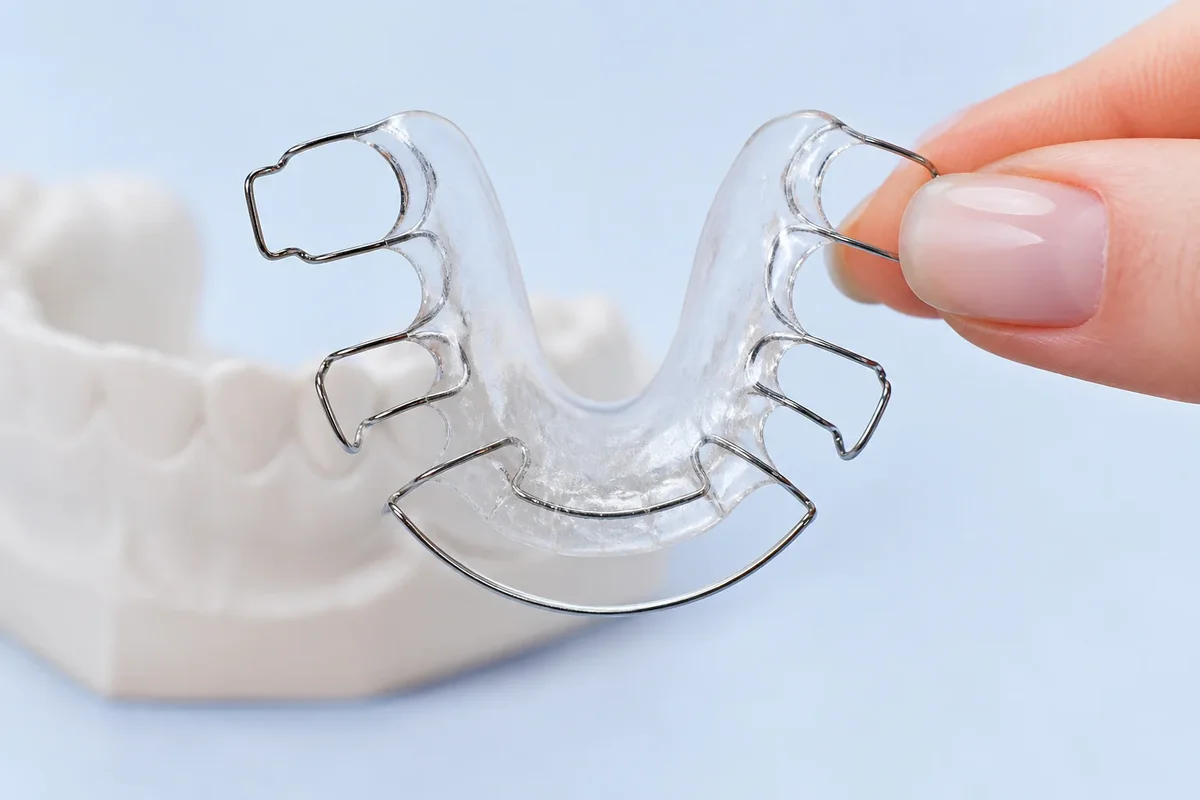
Removable braces typically consist of a plastic base that sits against the roof of the mouth or along the inner side of the teeth, combined with metal wires or springs that apply gentle pressure to specific teeth. In newer systems like clear aligners, the entire appliance is made from transparent plastic, making removable braces almost invisible when worn. This aesthetic advantage is one of the main reasons why removable braces have become increasingly popular among adults and teenagers. 😊
The design of removable braces varies depending on the treatment goal. Some are used to move a single tooth, while others can guide multiple teeth into better alignment. Regardless of the type, removable braces are always tailored to the individual’s dental structure using precise measurements or digital scans.
Custom-Made for Precision
Each set of removable braces is uniquely created based on your dental impressions. Orthodontists use advanced technology to ensure that removable braces fit perfectly and deliver the right amount of pressure. This customization is crucial because it allows removable braces to target specific areas without affecting surrounding teeth unnecessarily.
How Removable Braces Move Teeth
The core principle behind removable braces is the application of consistent, gentle force. When removable braces are worn for the recommended duration each day, they gradually shift teeth into their desired positions. This process involves the remodeling of bone around the teeth, allowing them to move safely and effectively.
Removable braces must be worn for 20–22 hours daily to maintain continuous pressure. Removing them for extended periods interrupts this process, which can slow down treatment or even reverse progress. Therefore, patient compliance plays a critical role in the success of removable braces.
Step-by-Step Tooth Movement
With systems like clear aligners, removable braces are replaced every few weeks with a new set that continues the movement process. Each aligner is slightly different, guiding the teeth step by step. This gradual progression ensures that removable braces deliver controlled and predictable results.
Different Types of Removable Braces
There are several types of removable braces available, each designed for specific orthodontic needs. The most common include:
- Clear aligners: Transparent trays that are nearly invisible and widely used for cosmetic orthodontics.
- Hawley retainers: Traditional removable braces with a wire and acrylic base, often used after treatment to maintain results.
- Functional appliances: Used primarily in growing children to guide jaw development.
Each type of removable braces serves a unique purpose, and your orthodontist will recommend the most suitable option based on your condition.
Benefits of the Removable Design
The ability to remove removable braces offers several advantages. Patients can eat without restrictions, maintain better oral hygiene, and avoid the discomfort often associated with fixed braces. Brushing and flossing become significantly easier, reducing the risk of plaque buildup and gum disease during treatment. 🪥
Additionally, removable braces are less likely to cause irritation to the cheeks and gums because they do not have sharp brackets or wires. This makes them a more comfortable choice for many patients.
Flexibility in Daily Life
One of the most appealing aspects of removable braces is their adaptability to daily routines. Whether attending a special event, eating a meal, or playing sports, removable braces can be temporarily removed. However, it is important to remember that excessive removal can negatively impact treatment progress.
Limitations You Should Know
While removable braces offer many benefits, they are not suitable for all orthodontic cases. Severe misalignments or complex bite issues may require fixed braces for effective correction. Additionally, removable braces rely heavily on patient discipline. Forgetting to wear them or wearing them inconsistently can lead to prolonged treatment times.
It is also important to store removable braces properly when not in use to avoid damage or loss. Orthodontists usually provide a protective case for this purpose.
Professional Guidance Is Essential
Choosing removable braces should always involve a professional consultation. A qualified dental clinic can assess your needs and determine whether removable braces are the right solution for you. If you are considering treatment, you can contact a specialist through the Redent Klinik Contact Page for personalized advice.
For additional reliable information about orthodontic care and dental treatments, you can also visit the American Dental Association, which provides trusted guidelines and resources.
In conclusion, removable braces are a versatile and effective orthodontic option that combines comfort, aesthetics, and functionality. By understanding how removable braces work and committing to proper usage, patients can achieve excellent results and enjoy a healthier, more confident smile. 🌟
Types of Removable Braces You Should Know
Removable braces come in several forms, each designed to address specific orthodontic concerns while offering flexibility and comfort. Understanding the different types of removable braces is essential for choosing the right treatment option. While all removable braces share the ability to be taken out when needed, their structure, purpose, and effectiveness vary significantly depending on the case. 🦷
Clear Aligners: The Most Popular Removable Braces
Clear aligners are one of the most advanced and widely used types of removable braces today. These transparent trays are custom-made to fit snugly over your teeth and gradually move them into alignment. Because removable braces like clear aligners are nearly invisible, they are especially popular among adults and professionals who prefer a discreet orthodontic solution.
Patients typically receive a series of aligners, each slightly adjusted to continue the movement of teeth. These removable braces must be worn for 20–22 hours per day for optimal results. The convenience of being able to remove removable braces during meals and oral hygiene routines makes clear aligners highly attractive.
Advantages of Clear Aligners
- Virtually invisible appearance
- Comfortable fit with no metal components
- Easy to clean and maintain
- Improved oral hygiene compared to fixed systems
Hawley Retainers with Active Components
Another common type of removable braces is the Hawley retainer, which includes a combination of acrylic and metal wire. While often used as retainers after orthodontic treatment, some Hawley appliances are designed as active removable braces to move teeth slightly.
These removable braces are durable and adjustable, allowing orthodontists to make small modifications during treatment. Although they are more visible than clear aligners, they are highly effective for minor corrections and maintenance of alignment.
When Are Hawley Removable Braces Used?
Hawley removable braces are typically recommended for:
- Maintaining results after braces
- Minor tooth adjustments
- Correcting slight relapses
Functional Appliances for Jaw Development
Functional appliances are a specialized category of removable braces used primarily in children and teenagers. These appliances are designed not only to move teeth but also to influence jaw growth and alignment. Because younger patients are still developing, removable braces in this category can guide proper jaw positioning effectively.
Examples include twin block appliances and activators. These removable braces are worn for extended periods each day and are crucial in correcting bite issues such as overbite or underbite.
Key Benefits of Functional Removable Braces
Functional removable braces can:
- Promote proper jaw growth
- Improve facial symmetry
- Reduce the need for future complex treatments
Essix Retainers and Minor Correction Appliances
Essix retainers are another form of removable braces made from clear plastic material. While primarily used to maintain alignment after orthodontic treatment, they can also serve minor corrective purposes. These removable braces are similar in appearance to clear aligners but are generally thinner and less durable.
Because they are transparent, Essix removable braces are highly aesthetic. However, they may not be suitable for significant tooth movement. Patients often use these removable braces as a finishing step after active orthodontic treatment.
Comparing Different Types of Removable Braces
Each type of removable braces has its own advantages and limitations. Clear aligners are best for aesthetic and moderate corrections, while Hawley appliances are ideal for durability and minor adjustments. Functional removable braces are essential for growing patients, and Essix retainers are excellent for maintaining results.
Choosing the right type of removable braces depends on several factors, including the severity of the dental issue, age, lifestyle, and personal preferences. A professional consultation is necessary to determine which removable braces will deliver the best outcome.
Factors Influencing the Choice
When selecting removable braces, orthodontists consider:
- Severity of misalignment
- Patient age and jaw development
- Aesthetic expectations
- Level of patient compliance
Importance of Professional Guidance
Although removable braces offer flexibility, selecting the wrong type can lead to ineffective treatment. Therefore, consulting a dental professional is crucial. You can reach out through the Redent Klinik Contact Page to receive expert advice tailored to your needs.
For additional trusted information about orthodontic options and dental care standards, you can also visit the American Dental Association. This ensures that your decision regarding removable braces is well-informed and based on reliable sources.
Final Thoughts on Types of Removable Braces
Removable braces are not a one-size-fits-all solution. With multiple types available, each designed for specific purposes, patients have more options than ever before. Whether you prioritize aesthetics, comfort, or functionality, there is a type of removable braces that can meet your needs.
By understanding the differences between these options and committing to proper usage, you can achieve excellent orthodontic results. Removable braces continue to evolve with advancements in dental technology, making them an increasingly popular choice for achieving a confident and healthy smile. 😊
Who Is a Good Candidate for Removable Braces?
Removable braces are an excellent orthodontic option for many individuals, but they are not suitable for everyone. Determining whether removable braces are the right choice depends on several factors, including the severity of dental issues, age, lifestyle, and commitment to treatment. Understanding who qualifies as a good candidate for removable braces can help patients make informed decisions and achieve the best possible results. 😊
Ideal Cases for Removable Braces
Removable braces are most effective in treating mild to moderate orthodontic problems. These include minor crowding, small gaps between teeth, and slight bite misalignments. Patients with these conditions often benefit greatly from removable braces because the appliances can apply controlled, gentle pressure to shift teeth gradually.
In many cases, removable braces are recommended as an early intervention tool. For example, children and teenagers whose jaws are still developing can benefit from removable braces that guide proper tooth alignment and jaw growth. Early use of removable braces can prevent more complex orthodontic issues later in life.
Common Conditions Treated
- Minor crowding of teeth
- Small gaps (spacing issues)
- Mild overbite or underbite
- Relapse after previous orthodontic treatment
Age Considerations for Removable Braces
Age plays an important role in determining candidacy for removable braces. While removable braces can be used by both children and adults, younger patients often experience faster and more effective results. This is because their bones are still growing and more adaptable, allowing removable braces to guide development more efficiently.
Adults can also benefit from removable braces, especially if they are dealing with cosmetic concerns or mild alignment issues. Many adults prefer removable braces because they are discreet and do not interfere with professional or social interactions. 🧑⚕️
Children vs Adults
For children, removable braces can influence jaw growth and prevent severe orthodontic problems. For adults, removable braces are typically used for alignment correction and smile enhancement. In both cases, proper usage is essential for success.
The Importance of Patient Discipline
One of the most critical factors in determining whether someone is a good candidate for removable braces is their level of commitment. Unlike fixed braces, removable braces rely heavily on patient responsibility. They must be worn for 20–22 hours per day to be effective.
Patients who frequently forget to wear their removable braces or remove them for extended periods may not achieve the desired results. Therefore, individuals who are disciplined and motivated are the best candidates for removable braces.
Daily Commitment Requirements
- Wearing removable braces consistently throughout the day
- Removing them only for eating and cleaning
- Keeping them in a safe case when not in use
- Following orthodontist instructions carefully
When Removable Braces May Not Be Suitable
Although removable braces are highly versatile, they are not suitable for severe orthodontic problems. Complex cases involving significant misalignment, major bite issues, or rotated teeth often require fixed braces or other advanced treatments.
Additionally, patients who are unable to maintain consistent wear may not be ideal candidates for removable braces. In such cases, orthodontists may recommend fixed appliances that do not depend on patient compliance.
Limitations to Consider
Removable braces may not be effective for:
- Severe crowding or overlapping teeth
- Complex bite corrections
- Large tooth rotations
- Patients with low compliance
Lifestyle Factors and Removable Braces
Lifestyle is another important consideration when evaluating candidates for removable braces. Individuals with busy schedules, frequent social interactions, or professional commitments often prefer removable braces because of their flexibility and discreet appearance.
For example, removable braces can be taken out during important meetings, special events, or meals. This adaptability makes them a convenient choice for modern lifestyles. However, it is crucial to ensure that removable braces are worn consistently despite these conveniences.
Who Benefits the Most?
Removable braces are ideal for:
- Students and young individuals
- Working professionals
- People seeking aesthetic orthodontic solutions
- Patients committed to following treatment guidelines
Professional Assessment Is Essential
The best way to determine whether removable braces are suitable for you is through a professional dental evaluation. Orthodontists use detailed examinations, X-rays, and digital scans to assess your dental structure and recommend the most effective treatment plan.
If you are considering removable braces, you can contact a specialist through the Redent Klinik Contact Page for personalized consultation and guidance tailored to your needs.
Additionally, for trusted information about orthodontic treatments and dental health standards, visiting the American Dental Association can provide valuable insights.
Final Thoughts on Candidacy
Removable braces are a highly effective and convenient orthodontic solution for the right candidates. They offer flexibility, comfort, and aesthetic advantages, making them a popular choice for many patients. However, success with removable braces depends on selecting the right case and maintaining consistent usage.
By understanding whether you are a suitable candidate and working closely with a dental professional, you can achieve a healthier, straighter smile with removable braces. 🌟
Benefits of Choosing Removable Braces for Orthodontic Treatment
Removable braces have become an increasingly popular orthodontic solution due to their flexibility, comfort, and modern design. Patients today are not only looking for effective treatment but also for convenience and aesthetics, and removable braces meet these expectations in many ways. Understanding the benefits of removable braces can help you decide whether this treatment aligns with your dental goals and lifestyle. 😊
Improved Comfort Compared to Traditional Braces
One of the most noticeable advantages of removable braces is the level of comfort they provide. Unlike fixed braces that use metal brackets and wires, removable braces are typically made from smooth plastic or acrylic materials. This design reduces irritation to the gums, cheeks, and lips.
Patients wearing removable braces often experience less pain and discomfort, especially during the initial stages of treatment. While some pressure is necessary for tooth movement, removable braces apply this force more gently and evenly.
No Sharp Edges or Wires
Because removable braces do not include sharp metal components, there is a significantly lower risk of cuts or sores inside the mouth. This makes removable braces a preferred choice for individuals with sensitive oral tissues.
Enhanced Oral Hygiene and Dental Health
Maintaining oral hygiene is much easier with removable braces. Since removable braces can be taken out during brushing and flossing, patients can clean their teeth thoroughly without any obstructions. This helps prevent plaque buildup, tooth decay, and gum disease during treatment.
In contrast, fixed braces can trap food particles and make cleaning more difficult. With removable braces, patients can continue their normal oral care routine, ensuring better long-term dental health. 🪥
Simple Cleaning Routine
Cleaning removable braces themselves is also straightforward. Patients can rinse them with water, use a soft brush, or apply specialized cleaning solutions to keep them hygienic and odor-free.
Greater Flexibility in Daily Life
Another major benefit of removable braces is their flexibility. Patients can remove removable braces when eating, drinking, or attending special events. This eliminates dietary restrictions commonly associated with fixed braces.
For example, foods that are hard, sticky, or chewy can damage traditional braces, but with removable braces, patients can simply take them out before meals. This freedom allows individuals to maintain their usual eating habits without compromising their treatment.
Convenience for Social and Professional Settings
Removable braces are especially beneficial for people who frequently interact in social or professional environments. Being able to remove removable braces temporarily allows patients to feel more confident during important occasions such as meetings, presentations, or celebrations. 🎉
Aesthetic Advantages of Removable Braces
Appearance plays a significant role in choosing orthodontic treatment. Removable braces, particularly clear aligners, are designed to be discreet and nearly invisible. This makes them an attractive option for adults and teenagers who want to straighten their teeth without drawing attention.
Because removable braces are less noticeable, patients often feel more comfortable smiling and speaking during treatment. This boosts confidence and encourages consistent use of the appliance.
Boosting Self-Confidence
The subtle design of removable braces helps patients maintain their natural appearance while undergoing treatment. This is particularly important for individuals concerned about the visual impact of traditional braces.
Predictable and Controlled Results
Modern removable braces, especially clear aligner systems, use advanced digital planning to map out the entire treatment process. This allows orthodontists to predict how the teeth will move over time and create a series of aligners to guide this movement precisely.
Patients using removable braces can often see a preview of their expected results before starting treatment. This level of predictability makes removable braces a highly appealing option.
Step-by-Step Progress
Each set of removable braces is designed to make small adjustments, ensuring gradual and controlled tooth movement. This reduces the risk of complications and enhances overall treatment efficiency.
Reduced Emergency Visits
With traditional braces, issues such as broken wires or loose brackets can require urgent dental visits. Removable braces significantly reduce the likelihood of such emergencies. Since removable braces do not have fixed components, there is less chance of mechanical failure.
This means fewer unexpected appointments and a smoother treatment experience overall.
Personalized Treatment Approach
Removable braces are tailored to each patient’s specific dental structure and treatment goals. This customization ensures that removable braces provide targeted and effective results. Orthodontists carefully design each appliance to address individual needs.
If you are considering removable braces, you can consult a professional through the Redent Klinik Contact Page to receive personalized recommendations.
For additional trusted information about orthodontic treatments, you can also visit the American Dental Association, which offers reliable guidelines and resources.
Encouraging Patient Responsibility
Although removable braces require discipline, this can also be seen as a benefit. Patients become more involved in their treatment process and develop better oral care habits. Wearing removable braces consistently encourages responsibility and awareness of dental health.
Building Healthy Habits
Patients who use removable braces often become more mindful of their oral hygiene and daily routines. These habits can lead to improved long-term dental health even after treatment is complete.
Final Thoughts on the Benefits
Removable braces offer a combination of comfort, convenience, and effectiveness that makes them an excellent choice for many patients. From improved oral hygiene to aesthetic advantages and lifestyle flexibility, removable braces provide numerous benefits that align with modern needs.
By choosing removable braces and following professional guidance, patients can achieve a healthier, straighter smile while enjoying a more comfortable orthodontic experience. 🌟
Limitations and Disadvantages of Removable Braces
While removable braces offer many advantages in terms of comfort, flexibility, and aesthetics, they are not without limitations. Understanding the disadvantages of removable braces is just as important as knowing their benefits, especially when deciding on the most suitable orthodontic treatment. Like any dental solution, removable braces have specific constraints that may affect their effectiveness depending on the patient’s condition and level of commitment. 🦷
Limited Effectiveness for Complex Cases
One of the main limitations of removable braces is that they are not suitable for all orthodontic problems. Removable braces are generally effective for mild to moderate alignment issues, but they may not be capable of correcting severe crowding, complex bite problems, or significant tooth rotations.
In cases where teeth require substantial movement or repositioning, fixed braces or other advanced orthodontic systems are often more appropriate. Removable braces simply cannot apply the same level of force and precision required for complex corrections.
Conditions Less Suitable for Removable Braces
- Severe overcrowding of teeth
- Large gaps requiring major movement
- Significant bite misalignment (deep bite, crossbite)
- Rotated or impacted teeth
Dependence on Patient Compliance
Another significant disadvantage of removable braces is the reliance on patient discipline. Unlike fixed braces, which work continuously once applied, removable braces must be worn consistently for 20–22 hours per day to be effective.
If a patient frequently forgets to wear their removable braces or removes them for extended periods, the treatment may be delayed or fail altogether. This makes removable braces less suitable for individuals who may struggle with maintaining a strict routine.
Impact of Inconsistent Use
Failing to wear removable braces as prescribed can lead to:
- Slower progress in tooth movement
- Extended treatment duration
- Incomplete or unsatisfactory results
- Possible reversal of achieved alignment
Risk of Loss or Damage
Because removable braces can be taken out, there is always a risk of losing or damaging them. Patients may accidentally misplace their removable braces during meals or while traveling. Additionally, improper handling can lead to cracks or deformation.
Replacing removable braces can be costly and may delay treatment. Therefore, patients must be diligent about storing their removable braces in a protective case when not in use.
Proper Storage Is Essential
To avoid loss or damage, patients should:
- Always use a protective storage case
- Avoid wrapping removable braces in napkins
- Keep them away from heat sources
- Handle them carefully during cleaning
Speech and Adjustment Challenges
Some patients may experience temporary speech difficulties when they first start wearing removable braces. The presence of the appliance in the mouth can affect tongue movement, leading to slight lisping or pronunciation issues.
Although most patients adapt within a few days, this initial adjustment period can be uncomfortable or inconvenient, especially for individuals who rely heavily on clear speech in their daily activities. 🎤
Adapting to Removable Braces
Practicing speaking and reading aloud can help patients adjust more quickly to removable braces. Consistent wear also accelerates adaptation.
Maintenance and Cleaning Responsibilities
While removable braces make oral hygiene easier, they require their own maintenance routine. Patients must clean removable braces regularly to prevent bacteria buildup, odors, and discoloration.
Neglecting to clean removable braces properly can lead to hygiene issues and may even affect oral health. This added responsibility may be inconvenient for some patients.
Daily Cleaning Routine
Proper care for removable braces includes:
- Rinsing them after removal
- Brushing gently with a soft toothbrush
- Using specialized cleaning solutions
- Avoiding hot water that may warp the material
Potential for Discomfort During Movement
Although removable braces are generally more comfortable than fixed braces, patients may still experience discomfort as their teeth shift. Each new set of removable braces or adjustment can create pressure on the teeth.
This discomfort is usually mild and temporary, but it can still be a concern for some individuals. Pain management techniques, such as over-the-counter pain relief or soft foods, can help during this phase.
Not Completely Invisible in All Cases
While many removable braces are designed to be discreet, not all types are completely invisible. Appliances like Hawley retainers include visible wires, which may affect the patient’s appearance.
Patients who prioritize aesthetics should discuss their preferences with their orthodontist to select the most suitable type of removable braces.
Need for Professional Monitoring
Even though removable braces offer flexibility, they still require regular monitoring by a dental professional. Orthodontists need to track progress, make adjustments, and ensure that removable braces are working as intended.
If you are considering removable braces, it is important to consult a qualified specialist. You can schedule an appointment through the Redent Klinik Contact Page for expert guidance.
For additional reliable information about orthodontic care and dental standards, visiting the American Dental Association is highly recommended.
Final Thoughts on Limitations
Removable braces are a highly effective and convenient orthodontic solution, but they are not suitable for every situation. Their success depends on proper case selection, patient commitment, and consistent use. While removable braces offer many benefits, understanding their limitations helps set realistic expectations.
By working closely with a dental professional and following treatment guidelines, patients can overcome these challenges and achieve excellent results with removable braces. 🌟
Removable Braces vs Fixed Braces: Key Differences Explained
When considering orthodontic treatment, one of the most common questions patients ask is whether to choose removable braces or fixed braces. Both options are designed to straighten teeth and improve oral health, but they differ significantly in terms of structure, functionality, comfort, and treatment outcomes. Understanding these differences is essential to making the right choice for your dental needs. 😊
Basic Structure and Design Differences
Removable braces are designed to be taken out by the patient whenever necessary. These appliances are usually made from plastic or acrylic materials and may include wires or be completely transparent, like clear aligners. In contrast, fixed braces are permanently attached to the teeth using brackets and wires, which remain in place throughout the entire treatment period.
The flexibility of removable braces allows patients to remove them during meals or oral hygiene routines, while fixed braces continuously work without interruption. This fundamental difference greatly influences the overall treatment experience.
Visual Appearance
Removable braces are often more aesthetically pleasing, especially clear aligners, which are nearly invisible. Fixed braces, on the other hand, are more noticeable, although modern options like ceramic braces have improved their appearance.
Effectiveness and Treatment Capabilities
One of the most important distinctions between removable braces and fixed braces is their effectiveness in treating different orthodontic issues. Removable braces are generally suitable for mild to moderate cases, while fixed braces can handle more complex dental problems.
Fixed braces provide greater control over tooth movement because they are constantly applying pressure. This makes them ideal for severe crowding, large gaps, and complicated bite corrections. Removable braces, while effective, rely on patient compliance and are better suited for less complex cases.
Precision in Tooth Movement
Fixed braces allow orthodontists to make precise adjustments at each visit. Removable braces, although advanced, may not achieve the same level of precision in certain situations.
Comfort and Daily Experience
Comfort is a major factor for many patients. Removable braces are generally more comfortable because they do not involve metal brackets or wires that can irritate the mouth. Patients using removable braces often report fewer sores and less discomfort.
Fixed braces, however, can cause irritation, especially after adjustments. The brackets and wires may rub against the cheeks and lips, leading to temporary discomfort.
Eating and Lifestyle Flexibility
With removable braces, patients can remove the appliance before eating, allowing them to enjoy all types of food without restrictions. Fixed braces require dietary adjustments, as certain foods can damage the brackets or wires. 🍎
Oral Hygiene and Maintenance
Maintaining oral hygiene is significantly easier with removable braces. Since they can be taken out, patients can brush and floss their teeth normally. This reduces the risk of plaque buildup and gum disease.
Fixed braces make cleaning more challenging, as food particles can become trapped around the brackets and wires. Patients must use special tools like interdental brushes to maintain proper hygiene.
Cleaning Requirements
While removable braces require cleaning as well, the process is straightforward and can be done separately from brushing the teeth.
Dependence on Patient Responsibility
Removable braces require a high level of discipline. Patients must wear them for 20–22 hours per day to achieve effective results. Failure to do so can delay treatment or reduce its effectiveness.
Fixed braces, on the other hand, do not depend on patient compliance in the same way. Once they are attached, they continuously work to move the teeth, making them a more reliable option for individuals who may struggle with consistency.
Who Should Consider Each Option?
Removable braces are ideal for responsible patients who can follow instructions carefully. Fixed braces are better suited for those who prefer a “set-it-and-forget-it” approach.
Duration of Treatment
The treatment time for removable braces and fixed braces can vary depending on the complexity of the case. In some mild cases, removable braces may offer faster results. However, for more severe issues, fixed braces are typically more efficient.
Consistency plays a key role in treatment duration with removable braces. If worn properly, they can be just as effective as fixed braces for suitable cases.
Cost Considerations
The cost of removable braces and fixed braces can differ based on the type of appliance and the complexity of treatment. Clear aligners, a type of removable braces, may sometimes be more expensive due to their advanced technology and aesthetic appeal.
Fixed braces are often more affordable in general, but the total cost depends on the duration and complexity of the treatment plan.
Consultation Is Key
To determine the most cost-effective and suitable option, it is important to consult a dental professional. You can reach out through the Redent Klinik Contact Page for personalized advice.
For additional reliable information about orthodontic treatments and dental standards, visiting the American Dental Association is highly recommended.
Final Comparison and Conclusion
Both removable braces and fixed braces have their own advantages and limitations. Removable braces offer flexibility, comfort, and aesthetic benefits, while fixed braces provide greater control and effectiveness for complex cases.
Choosing between removable braces and fixed braces ultimately depends on your specific dental needs, lifestyle, and level of commitment. By consulting with an experienced orthodontist and understanding these key differences, you can select the treatment that will help you achieve the best possible results. 🌟
Daily Care and Maintenance of Removable Braces
Proper daily care is essential for achieving the best results with removable braces. While removable braces offer flexibility and convenience, they also require consistent maintenance to remain effective and hygienic. Neglecting the care routine can lead to bacterial buildup, unpleasant odors, and even delays in treatment progress. By following a structured care routine, patients can ensure that their removable braces stay clean, safe, and fully functional throughout the treatment process. 😊
Why Daily Care of Removable Braces Is Important
Removable braces are in constant contact with your teeth and saliva, which makes them prone to accumulating plaque and bacteria. Without proper cleaning, removable braces can become a breeding ground for harmful microorganisms, potentially affecting both oral health and overall treatment success.
Maintaining clean removable braces not only protects your teeth and gums but also ensures that the appliance continues to fit correctly. A poorly maintained set of removable braces may become discolored, warped, or ineffective over time.
Consequences of Poor Maintenance
- Bad breath caused by bacterial buildup
- Increased risk of tooth decay and gum disease
- Staining or discoloration of removable braces
- Reduced effectiveness of treatment
Daily Cleaning Routine for Removable Braces
Cleaning removable braces should be part of your daily hygiene routine. Ideally, removable braces should be cleaned every time they are removed from the mouth. This helps prevent the accumulation of plaque and keeps the appliance fresh.
Patients should rinse their removable braces under lukewarm water immediately after removal. This removes saliva and debris before it dries and hardens. Brushing removable braces gently with a soft toothbrush is also recommended to eliminate any remaining particles.
Best Cleaning Practices
- Use a soft-bristled toothbrush to clean removable braces
- Avoid using toothpaste with abrasive particles
- Rinse thoroughly with lukewarm water
- Use specialized cleaning tablets when needed
Handling Removable Braces Safely
Proper handling is just as important as cleaning when it comes to removable braces. Since removable braces can be taken out, they are more vulnerable to damage or loss compared to fixed braces.
Patients should always handle removable braces with clean hands and avoid bending or applying excessive force. Improper handling can lead to cracks, distortion, or breakage, which may require replacement.
Storage Guidelines
Whenever removable braces are not in use, they should be stored in a protective case. This prevents accidental damage and keeps them safe from contamination. Avoid placing removable braces in napkins or leaving them exposed, as they can easily be lost or thrown away.
Maintaining Oral Hygiene Alongside Removable Braces
Although removable braces can be taken out, maintaining oral hygiene remains crucial. Patients should brush their teeth at least twice a day and floss regularly to ensure that their teeth and gums remain healthy during treatment.
One of the biggest advantages of removable braces is that they allow for normal brushing and flossing without obstruction. This makes it easier to maintain a clean and healthy mouth compared to fixed braces. 🪥
Recommended Oral Care Routine
- Brush teeth after every meal before reinserting removable braces
- Floss daily to remove plaque between teeth
- Use mouthwash for additional protection
Dos and Don’ts of Wearing Removable Braces
Following simple dos and don’ts can significantly improve the effectiveness and longevity of removable braces. Patients should be mindful of their habits to avoid unnecessary complications.
Dos
- Wear removable braces for 20–22 hours daily
- Clean them regularly
- Store them properly when not in use
Don’ts
- Do not eat while wearing removable braces
- Do not expose them to hot water
- Do not skip cleaning routines
Regular Check-Ups and Professional Care
Even with proper daily care, regular dental check-ups are essential when using removable braces. Orthodontists need to monitor progress, make adjustments, and ensure that the treatment is on track.
If you notice any issues such as discomfort, poor fit, or damage, it is important to consult a professional immediately. You can contact a specialist through the Redent Klinik Contact Page for expert assistance.
For additional trusted information about dental hygiene and orthodontic care, you can visit the American Dental Association, which provides reliable guidelines.
Traveling with Removable Braces
When traveling, maintaining your routine with removable braces is just as important. Always carry a protective case, a toothbrush, and cleaning supplies to ensure that your removable braces remain hygienic and safe.
Being prepared helps prevent disruptions in your treatment and ensures that removable braces continue to function effectively, even when you are away from home. ✈️
Final Thoughts on Daily Care
Daily care and maintenance are essential components of successful orthodontic treatment with removable braces. By following a consistent routine, handling the appliance carefully, and maintaining good oral hygiene, patients can maximize the effectiveness of removable braces.
With proper attention and commitment, removable braces can deliver excellent results while keeping your teeth healthy and your smile confident throughout the treatment journey. 🌟
How Long Does Treatment with Removable Braces Take?
The duration of orthodontic treatment is one of the most common concerns for patients considering removable braces. While removable braces offer flexibility and comfort, the total treatment time can vary depending on several important factors. Understanding how long removable braces typically take to deliver results helps set realistic expectations and ensures better compliance throughout the process. ⏳
Average Treatment Time with Removable Braces
In general, treatment with removable braces can take anywhere from a few months to around 18 months. For mild cases, such as slight crowding or small gaps, removable braces may produce noticeable improvements within 3 to 6 months. However, more complex cases requiring gradual and precise adjustments may extend the duration to a year or longer.
The key to success with removable braces is consistency. Unlike fixed braces, which work continuously, removable braces rely on the patient wearing them for 20–22 hours per day. Failure to meet this requirement can significantly increase treatment time.
Typical Time Ranges
- Mild alignment issues: 3–6 months
- Moderate cases: 6–12 months
- More complex cases: 12–18 months
Factors That Influence Treatment Duration
Several variables affect how long removable braces will take to achieve the desired results. Each patient’s situation is unique, and orthodontists evaluate these factors carefully before recommending a treatment plan.
Severity of the Dental Issue
The complexity of the dental problem is one of the most significant factors. Minor corrections can be completed quickly with removable braces, while more complicated cases require additional time and adjustments.
Patient Compliance
One of the most critical factors in determining the success and speed of removable braces treatment is patient compliance. Wearing removable braces consistently for the recommended number of hours ensures continuous pressure on the teeth, which is necessary for movement.
Patients who frequently remove their removable braces or forget to wear them may experience delays or setbacks in their treatment.
Age and Bone Structure
Younger patients often respond more quickly to removable braces because their bones are still developing and more adaptable. Adults can also achieve excellent results with removable braces, but the process may take slightly longer due to denser bone structure.
Stages of Treatment with Removable Braces
Orthodontic treatment with removable braces typically follows a structured process. Each stage is carefully planned to ensure gradual and safe tooth movement.
Initial Consultation and Planning
The process begins with a detailed consultation, during which the orthodontist evaluates your dental condition and creates a customized treatment plan. Digital scans or impressions are taken to design your removable braces.
Active Treatment Phase
During this phase, removable braces are worn daily to shift teeth into their desired positions. In systems like clear aligners, patients switch to a new set of removable braces every few weeks to continue the progression.
Retention Phase
After the teeth have moved into their correct positions, a retention phase begins. Removable braces or retainers are used to maintain the results and prevent teeth from shifting back.
How to Speed Up Treatment with Removable Braces
While the timeline for removable braces cannot be drastically shortened, patients can take certain steps to ensure that their treatment progresses as efficiently as possible.
Follow Instructions Carefully
Wearing removable braces for the recommended 20–22 hours per day is the most important factor in achieving timely results.
Maintain Good Oral Hygiene
Keeping both your teeth and removable braces clean helps prevent complications that could delay treatment.
Attend Regular Check-Ups
Routine visits to your orthodontist allow for progress monitoring and necessary adjustments. If you need professional guidance, you can reach out through the Redent Klinik Contact Page for expert consultation.
For additional reliable information about orthodontic timelines and dental health, you can also visit the American Dental Association.
What Happens If You Don’t Wear Removable Braces Properly?
Inconsistent use of removable braces can significantly impact treatment duration. Teeth may shift back to their original positions, requiring additional time to correct. In some cases, neglecting to wear removable braces properly may even lead to restarting certain stages of treatment.
This is why orthodontists emphasize the importance of discipline and consistency when using removable braces.
Comparing Treatment Time with Fixed Braces
In some cases, removable braces may offer similar treatment times to fixed braces for mild to moderate issues. However, for complex cases, fixed braces are often faster and more efficient due to their continuous application of force.
Choosing between removable braces and fixed braces depends on the specific needs of the patient and their ability to follow treatment guidelines.
Final Thoughts on Treatment Duration
The length of treatment with removable braces varies depending on individual factors, but with proper use and professional guidance, patients can achieve excellent results within a reasonable timeframe. Removable braces provide a flexible and effective solution, especially for those who are committed to following their orthodontic plan.
By understanding the treatment timeline and staying consistent, you can enjoy a smoother orthodontic journey and achieve the confident smile you desire. 🌟
Cost of Removable Braces and What Affects the Price
The cost of orthodontic treatment is often one of the most important factors for patients considering removable braces. While removable braces offer flexibility, comfort, and aesthetic advantages, their price can vary widely depending on several key elements. Understanding the cost structure of removable braces helps patients plan their treatment effectively and avoid unexpected expenses. 💰
Average Cost of Removable Braces
The price of removable braces depends largely on the type of appliance and the complexity of the dental issue being treated. In general, removable braces such as clear aligners tend to be more expensive than traditional removable appliances due to their advanced technology and customization.
Estimated Price Ranges
United States:
- Basic removable braces (simple appliances): $1,500 – $3,000
- Clear aligners (e.g., Invisalign-type systems): $3,000 – $7,000
Europe:
- Removable braces: €1,200 – €4,500
Turkey:
- Removable braces: $800 – $3,000
These ranges are approximate and may vary depending on the clinic, location, and individual treatment needs. Removable braces are often considered a worthwhile investment due to their convenience and effectiveness.
Factors That Influence the Cost of Removable Braces
The cost of removable braces is not fixed and can be influenced by multiple factors. Orthodontists evaluate each patient individually, which means pricing is customized based on specific needs.
Severity of the Dental Problem
Patients with minor alignment issues typically require fewer adjustments and shorter treatment durations, which lowers the overall cost of removable braces. More complex cases require additional aligners or appliances, increasing the total price.
Type of Removable Braces
Different types of removable braces come with different price points. Clear aligners, for example, are generally more expensive than traditional removable appliances due to their advanced digital design and manufacturing process.
Duration of Treatment
The longer the treatment period, the higher the cost of removable braces. Extended treatment may require additional sets of aligners or follow-up visits, which can increase the overall expense.
Clinic Location and Expertise
The cost of removable braces can also vary depending on the location of the dental clinic and the experience of the orthodontist. Clinics in major cities or those with highly specialized professionals may charge higher fees.
Are Removable Braces Covered by Insurance?
Insurance coverage for removable braces depends on the patient’s policy and the country of treatment. In some cases, dental insurance may cover part of the cost, especially if the treatment is deemed medically necessary.
However, many insurance plans consider removable braces, particularly clear aligners, as cosmetic treatments, which may limit coverage. Patients are advised to check with their insurance provider to understand their benefits.
Payment Plans and Financing Options
Many clinics offer flexible payment plans to make removable braces more accessible. These plans allow patients to spread the cost over several months, reducing the financial burden.
If you are considering removable braces, you can explore available options by contacting a professional through the Redent Klinik Contact Page.
Hidden Costs to Consider
In addition to the base cost, patients should be aware of potential additional expenses associated with removable braces. These may include:
- Replacement of lost or damaged removable braces
- Follow-up appointments and adjustments
- Retainers after treatment completion
- Cleaning products and maintenance tools
Being aware of these factors helps patients budget more accurately and avoid surprises during treatment.
Value vs Cost: Are Removable Braces Worth It?
While removable braces may seem expensive at first glance, they offer significant value in terms of comfort, convenience, and aesthetics. The ability to remove removable braces during meals and maintain proper oral hygiene makes them a practical choice for many patients.
Additionally, the discreet appearance of removable braces can boost confidence during treatment, which is an important consideration for adults and teenagers alike.
Long-Term Benefits
Investing in removable braces can lead to improved oral health, better alignment, and enhanced self-confidence. These long-term benefits often outweigh the initial cost of treatment.
Comparing Costs with Fixed Braces
When comparing removable braces to fixed braces, the cost difference depends on the type of removable system chosen. Traditional fixed braces are often less expensive, but they may come with additional lifestyle restrictions.
Removable braces, especially clear aligners, may cost more but provide greater flexibility and comfort. Patients should weigh these factors carefully when making a decision.
Professional Advice and Reliable Information
Choosing the right orthodontic treatment involves more than just comparing prices. It is important to seek professional advice to determine the most suitable option for your needs. Consulting an experienced orthodontist ensures that removable braces will deliver the desired results.
For trusted information about dental care and orthodontic treatments, you can also visit the American Dental Association, which provides reliable guidelines and resources.
Final Thoughts on Cost
The cost of removable braces varies based on multiple factors, but with proper planning and professional guidance, patients can find a solution that fits their budget and needs. Removable braces offer a modern and effective way to achieve a healthier smile while maintaining comfort and flexibility.
By understanding the pricing structure and available options, you can make a confident decision and invest in a treatment that enhances both your dental health and overall quality of life. 🌟