
Orthodontic treatments have evolved dramatically over the past two decades, and removable clear aligners have become the leading choice for patients seeking a comfortable, discreet, and highly effective way to achieve a perfect smile 😁. Unlike traditional metal braces, these aligners are transparent, removable, and customized to fit each patient’s teeth with precision. The goal is not only to straighten teeth but also to enhance oral health, aesthetics, and overall confidence. This innovative technology is transforming how people perceive orthodontic care, offering flexibility and convenience that fixed braces simply cannot match.
The concept of removable clear aligners revolves around the use of a series of transparent, BPA-free plastic trays that apply gentle, controlled pressure to gradually shift teeth into their correct positions. Each set of aligners is worn for about one to two weeks, depending on the treatment plan prescribed by the orthodontist. The aligners are created using advanced 3D digital scanning and computer-aided design, ensuring exceptional accuracy and comfort. Because they are removable, patients can take them out while eating, brushing, or attending special occasions—making oral hygiene maintenance much easier than with metal brackets.
For many patients, the decision to choose removable clear aligners is driven by aesthetics and lifestyle. Teenagers and adults alike appreciate the nearly invisible appearance of the aligners, which allows them to smile confidently during treatment. Professionals in public-facing roles—such as teachers, salespeople, and executives—often prefer this solution because it provides effective orthodontic correction without the self-consciousness associated with traditional braces. Furthermore, clear aligners eliminate the discomfort of sharp wires and metal components that can cause mouth sores or irritation.
One of the most notable advantages of removable clear aligners is their ability to enhance oral hygiene. Because they can be taken out before meals and during brushing, patients can maintain a healthier mouth throughout treatment. Traditional braces, by contrast, often trap food particles around brackets and wires, increasing the risk of cavities, plaque buildup, and gum disease. With aligners, regular flossing and brushing are easy to continue, which supports overall dental health and helps prevent long-term complications. Maintaining good oral hygiene during orthodontic treatment also ensures better final results, both functionally and aesthetically.
Another major benefit of removable clear aligners is predictability. Advanced dental technologies—like 3D imaging and digital modeling—allow orthodontists to simulate the entire treatment from start to finish. Patients can preview how their teeth will move with each stage of the process and even see a digital projection of their final smile. This transparency builds trust and motivation, as individuals can visualize their progress before committing to treatment. Additionally, the precise planning behind aligner therapy often leads to shorter treatment times compared to traditional methods, especially in cases of mild to moderate misalignment.
Comfort is another cornerstone of removable clear aligners. Each tray is custom-designed and laser-trimmed to avoid gum irritation. Since there are no brackets or wires to adjust, patients experience far less discomfort during follow-up visits. Most users describe the feeling as mild pressure rather than pain—an indication that their teeth are moving effectively. Aligners also come with smooth edges, reducing the likelihood of soft tissue injuries. This makes them ideal for people with sensitive mouths or those who participate in sports and prefer a safer, less invasive orthodontic solution.
Beyond functionality, removable clear aligners contribute to a significant boost in confidence. A straighter smile enhances facial symmetry, improves pronunciation, and can even influence social interactions positively. Studies have shown that individuals with well-aligned teeth are often perceived as more attractive and approachable. The psychological impact of this transformation should not be underestimated; many patients report greater self-esteem and satisfaction in both their personal and professional lives after completing treatment.
From a dental health perspective, correcting misaligned teeth with removable clear aligners can prevent numerous oral issues. Crowded or overlapping teeth are harder to clean, which can lead to cavities and gum inflammation. By repositioning teeth into a more ideal alignment, aligners reduce these risks and create a balanced bite that distributes chewing forces evenly. This minimizes stress on the jaw joints and prevents problems like temporomandibular joint (TMJ) discomfort or premature tooth wear.
As dental innovation continues to progress, removable clear aligners are expected to become even more accessible and efficient. With advancements in AI-driven treatment planning, digital impressions, and smart materials, aligners will continue to deliver faster results and greater comfort. The increasing adoption of aligners across the globe highlights a growing awareness of both dental aesthetics and oral health importance. Patients are realizing that investing in modern orthodontic care is not just about appearance—it’s about long-term wellness and confidence 🌟.
If you are considering this treatment, the best next step is to consult with an experienced orthodontic professional. You can easily schedule an appointment through the Redent Klinik Contact Page to learn more about personalized treatment options and outcomes. For scientific background and orthodontic standards, the American Dental Association provides comprehensive information on aligner technologies and dental best practices.
Ultimately, removable clear aligners represent a breakthrough in modern dentistry—merging science, technology, and aesthetics to create smiles that are not only beautiful but also healthy. Whether you are a teenager seeking a confident smile or an adult wanting a discreet alternative to braces, aligners can help you achieve remarkable results with minimal lifestyle disruption.
How Removable Clear Aligners Work: Step-by-Step Guide
Understanding how removable clear aligners work can help patients make informed decisions about their orthodontic treatment. Unlike traditional braces, which use metal brackets and wires to reposition teeth, clear aligners rely on a series of transparent, removable trays that gradually shift teeth into their ideal positions. Each stage of treatment is carefully planned by dental professionals using 3D imaging technology, ensuring that every tooth moves precisely according to the treatment map. This combination of comfort, aesthetics, and predictability makes aligners one of the most advanced orthodontic systems available today 🦷.
Step 1: Comprehensive Dental Evaluation and 3D Scanning
The journey toward a straighter smile begins with a thorough examination by a certified dentist or orthodontist. The doctor evaluates the alignment of the teeth, bite pattern, and overall oral health. If the patient is a good candidate for removable clear aligners, the next step involves digital imaging. Traditional molds are no longer required—modern clinics use intraoral scanners to create detailed 3D models of the teeth. This scan captures every contour and angle, allowing for highly precise aligner fabrication. The digital impression also eliminates discomfort associated with messy putty molds and ensures faster results.
Once the scan is complete, it’s uploaded to specialized orthodontic software that maps the current position of the teeth and simulates their movement over time. Using this 3D simulation, the orthodontist plans the entire course of treatment—from the first aligner to the final result. This technology not only enhances accuracy but also gives patients a visual preview of their future smile 😄.
Step 2: Custom Design and Fabrication of Aligners
After planning, the next stage involves fabricating the customized aligners. The data from the 3D scan is sent to a dental laboratory equipped with computer-aided design (CAD) and computer-aided manufacturing (CAM) systems. Each aligner is carefully crafted from medical-grade, BPA-free thermoplastic material, ensuring safety and comfort. These trays are nearly invisible, smooth-edged, and tailored to fit the patient’s unique dental anatomy. A typical treatment requires between 15 and 40 aligners, depending on the severity of the misalignment.
Each set of removable clear aligners is worn for about 10 to 14 days before moving on to the next one. The gradual adjustments allow the teeth to move incrementally without causing pain or trauma to the gums. The controlled force applied by each aligner ensures that movement happens safely, aligning the teeth step by step toward the final target position.
Step 3: Wearing and Maintenance Routine
To achieve optimal results, patients must wear their removable clear aligners for at least 20 to 22 hours per day. The trays should only be removed while eating, brushing, or flossing. Consistent wear ensures steady pressure on the teeth, leading to predictable movement. Each time a new aligner is inserted, patients might feel mild pressure, which typically subsides after a few days as the teeth adjust.
Proper hygiene plays a key role during this stage. Aligners should be cleaned regularly using lukewarm water and a soft-bristle toothbrush. Avoid using hot water, as it can distort the thermoplastic material. Specialized cleaning crystals or antibacterial solutions designed for aligners can also be used to maintain freshness and transparency. A clean aligner not only looks better but also prevents bacteria buildup and unpleasant odors. Practicing good oral hygiene while using aligners contributes to healthier gums and stronger teeth throughout treatment.
Pro Tip: Managing Discomfort During Treatment
Although removable clear aligners are designed for comfort, some patients experience mild tightness during the first few days of a new set. This is a positive sign that the aligners are working effectively. Using orthodontic wax, drinking cold water, or applying light pressure with the tongue can ease temporary discomfort. In contrast to metal braces, there are no sharp edges or wire adjustments, significantly reducing the risk of mouth sores and irritation.
Step 4: Monitoring Progress and Orthodontic Checkups
Regular follow-up appointments are essential to ensure that the teeth are moving as planned. Most clinics schedule visits every 6–8 weeks, although some systems now offer remote monitoring through smartphone apps. During these checkups, orthodontists may refine the treatment plan or order additional aligners if adjustments are needed. Patients who follow their treatment schedules closely typically achieve the best results within the estimated timeframe.
Modern aligner systems incorporate smart tracking technology, where small blue indicators fade with wear, helping both patients and clinicians verify compliance. This innovation ensures treatment stays on track and minimizes delays.
Step 5: Completion and Retention Phase
Once the final stage of removable clear aligners is complete, patients move into the retention phase to maintain their new smile. Retainers are custom-made to hold teeth in their new positions and prevent them from shifting back. These retainers are often similar in appearance to aligners but are made from slightly sturdier material. Consistent nighttime use, along with regular dental visits, helps ensure long-term stability and success of the treatment.
Patients should understand that retention is a lifelong commitment—teeth naturally have a tendency to move over time. Wearing retainers as instructed will preserve the aesthetic and functional improvements gained from aligner therapy. In addition, regular dental cleanings and examinations should continue to keep the mouth healthy and the results lasting.
Technology Behind the Transformation
The success of removable clear aligners relies heavily on advanced digital dentistry tools. Artificial intelligence and machine learning algorithms are now used to enhance treatment planning accuracy. These systems analyze thousands of previous cases to predict optimal tooth movement paths. Additionally, modern materials such as SmartTrack™ and Zendura™ provide superior elasticity and strength, allowing more efficient and comfortable tooth movement compared to earlier generations of aligners.
Final Overview
The complete process—from evaluation to retention—is a seamless blend of science and aesthetics. Removable clear aligners offer a noninvasive, lifestyle-friendly, and highly effective solution for achieving straight teeth without compromising comfort or appearance. For anyone interested in beginning their journey, visiting the Redent Klinik Contact Page is the best way to connect with experts who can design a personalized plan. Patients may also refer to the American Dental Association for more insights into aligner technology and orthodontic standards.
By following this step-by-step approach, patients can experience the full potential of removable clear aligners—a revolutionary orthodontic solution that combines precision, comfort, and convenience to deliver healthier, more confident smiles 🌟.
Top Benefits of Using Removable Clear Aligners Over Traditional Braces
Choosing the right orthodontic treatment can significantly affect both comfort and confidence. For many patients, removable clear aligners have become the preferred choice over traditional metal braces due to their superior comfort, flexibility, and aesthetics. Beyond their transparent appearance, these aligners offer a range of clinical and lifestyle advantages that make them ideal for both teenagers and adults seeking an effective, modern approach to teeth straightening. This section explores in depth the top benefits that make removable clear aligners stand out in the world of orthodontics 🦷.
1. Aesthetic Appeal and Discreet Appearance
One of the most celebrated advantages of removable clear aligners is their virtually invisible design. Unlike metal braces, which are easily noticeable, aligners are made of transparent medical-grade plastic that blends seamlessly with natural teeth. This feature allows patients to undergo orthodontic treatment without drawing unwanted attention. Professionals, students, and even brides-to-be often prefer this aesthetic advantage, as it helps maintain confidence in social and professional environments.
Traditional braces can cause self-consciousness, especially for adults who associate them with teenage years. In contrast, clear aligners offer a subtle, sophisticated alternative that doesn’t compromise appearance. Whether you’re giving a presentation, attending a meeting, or posing for photos, your smile remains natural and unaltered 😊.
2. Enhanced Comfort and No Metal Irritation
Comfort is a major reason why patients choose removable clear aligners over braces. Metal brackets and wires often cause irritation, ulcers, and discomfort due to friction against the inner cheeks and gums. Clear aligners, on the other hand, are smooth and custom-fitted to the contours of each patient’s teeth. The absence of metal parts means no painful tightening appointments or emergency visits due to broken wires.
Patients who switch from braces to aligners frequently describe the experience as “life-changing.” The aligners fit snugly and exert gentle, consistent pressure that guides teeth into their proper positions without the sharp sensations or soreness commonly associated with braces.
3. Removability for Easier Eating and Oral Hygiene
The term removable clear aligners highlights one of their most practical benefits—the ability to take them out whenever necessary. This feature makes eating and oral hygiene significantly easier. With braces, food particles often get trapped between brackets and wires, leading to plaque buildup and bad breath. Aligners eliminate this issue completely. You can remove them before meals, enjoy your favorite foods, and brush and floss as usual before reinserting them.
Good oral hygiene is essential during orthodontic treatment, and aligners make it possible to maintain healthy gums and clean teeth throughout the process. This benefit not only contributes to better dental health but also helps ensure more effective treatment outcomes in the long term.
Pro Tip: Keeping Aligners Clean
To maintain their transparency and freshness, aligners should be cleaned daily using mild soap or special cleaning crystals. Avoid using toothpaste, which may scratch the surface and reduce clarity. Proper maintenance ensures that removable clear aligners remain invisible and odor-free, allowing patients to smile confidently throughout their treatment.
4. Predictable Results Through Digital Planning
Modern removable clear aligners rely on cutting-edge digital technology to plan each stage of tooth movement. Before treatment begins, orthodontists create a 3D simulation of how teeth will move from their current position to the desired alignment. This virtual treatment plan allows patients to visualize their results before committing, providing a clear understanding of the expected outcome. Such predictability is rarely possible with traditional braces.
Advanced systems like AI-driven aligner planning and 3D printing ensure precision at every step. These technologies also enable faster adjustments and shorter overall treatment durations compared to traditional orthodontics. On average, aligner treatment can be completed in 6–18 months, depending on the complexity of the case.
5. Fewer Dental Visits and Minimal Interruption
With removable clear aligners, patients typically require fewer in-office visits. There are no wire adjustments or bracket replacements, reducing the need for frequent checkups. Instead, orthodontists provide several sets of aligners in advance, allowing patients to progress through their treatment independently while maintaining virtual communication or periodic monitoring.
This convenience is especially beneficial for busy professionals or international patients who cannot commit to frequent appointments. The simplicity and flexibility of aligner therapy make it ideal for modern lifestyles that value efficiency and autonomy.
6. Improved Oral Health and Hygiene Benefits
Aligners promote healthier mouths by enabling consistent and effective oral care. Since removable clear aligners can be taken out for brushing and flossing, patients can easily reach every tooth surface. This drastically reduces the risk of plaque accumulation, gum inflammation, and tooth decay—common complications associated with fixed braces. Clean teeth and healthy gums also ensure more stable and aesthetic results once treatment concludes.
Additionally, aligners don’t trap food debris or cause enamel discoloration. Patients often notice whiter and cleaner teeth throughout treatment, as they can continue to use whitening toothpaste and maintain normal hygiene routines.
Did You Know?
Studies show that patients who use removable clear aligners are 40% more likely to maintain good oral hygiene compared to those with fixed braces. This habit not only leads to healthier teeth but also promotes a longer-lasting smile after treatment.
7. Safe and Biocompatible Materials
Safety is another critical factor in orthodontic treatment. Removable clear aligners are made from FDA-approved, BPA-free thermoplastic materials that are gentle on oral tissues. They are hypoallergenic and free from harmful chemicals, making them suitable for patients with metal sensitivities or allergies. The aligners are designed to provide consistent force while minimizing irritation, ensuring a safer and more pleasant orthodontic experience.
8. No Dietary Restrictions
Traditional braces come with a long list of restricted foods—no popcorn, sticky candies, nuts, or hard snacks. In contrast, removable clear aligners give patients complete dietary freedom. Since the trays can be taken out before eating, there’s no risk of damaging orthodontic components. This flexibility helps maintain a balanced diet, allowing patients to enjoy crunchy fruits, salads, and other nutritious meals that might be off-limits with braces.
9. Boosted Confidence and Lifestyle Compatibility
Ultimately, the confidence boost gained from using removable clear aligners cannot be overstated. The discreet appearance, comfort, and convenience all contribute to a positive self-image. Patients can continue speaking, smiling, and socializing naturally without worrying about visible metal. The aligners fit effortlessly into all aspects of daily life—work, sports, special events, and even travel ✈️.
For individuals seeking professional advice, contacting dental experts through the Redent Klinik Contact Page can help determine whether aligners are the right choice. For additional reference, visit the American Dental Association to learn more about the health standards and safety regulations behind orthodontic treatments.
In conclusion, removable clear aligners are more than just an aesthetic upgrade—they are a comprehensive, health-oriented solution that combines technology, comfort, and science to deliver exceptional orthodontic results. Their advantages over traditional braces make them the clear winner for patients seeking efficient, beautiful, and healthy smiles for life 🌟.
Are Removable Clear Aligners Right for You? Eligibility and Candidacy
While removable clear aligners have revolutionized orthodontics with their comfort, aesthetics, and flexibility, they are not a one-size-fits-all solution. Determining whether you are an ideal candidate involves evaluating several factors such as the complexity of your dental condition, oral hygiene habits, commitment level, and overall health. Understanding these elements ensures realistic expectations and successful outcomes. This detailed guide explains who can benefit most from removable clear aligners and which cases may require alternative treatments 🦷.
Who Is a Good Candidate for Removable Clear Aligners?
Ideal candidates for removable clear aligners are individuals with mild to moderate orthodontic issues. These include minor crowding, small gaps between teeth, slight overbites, or mild crossbites. Because aligners move teeth through gradual pressure rather than fixed hardware, they are most effective for patients whose alignment problems don’t require complex rotation or root movement.
Adults and teenagers alike are eligible, provided they have all their permanent teeth and good oral hygiene. Aligners are particularly suitable for professionals who desire a discreet correction method, as well as for people who have previously undergone braces treatment but experienced relapse. Since aligners are transparent and removable, they also appeal to those who value convenience and aesthetics in equal measure.
Key Characteristics of an Ideal Candidate
- ✔️ Good overall oral health (no untreated cavities or gum disease).
- ✔️ Commitment to wearing aligners for 20–22 hours daily.
- ✔️ Mild or moderate spacing, crowding, or bite alignment issues.
- ✔️ A non-smoking lifestyle (as nicotine can discolor aligners).
- ✔️ Motivation to follow up with regular dental visits and care routines.
If you meet most of these criteria, removable clear aligners could be a highly effective and rewarding orthodontic solution for you.
Cases That May Require Alternative Treatments
Although aligners are versatile, they are not suitable for every case. Patients with severe malocclusion (misalignment of the jaw), large gaps, or significant tooth rotation might require traditional braces or a hybrid approach combining both systems. Additionally, patients with missing teeth or complex skeletal discrepancies may need specialized orthodontic or surgical interventions.
For example, individuals with deep overbites or underbites often need more advanced appliances to reposition the jaw. In such situations, orthodontists may recommend fixed braces first, followed by removable clear aligners to fine-tune the final alignment. The flexibility of modern dentistry allows customized treatment plans that combine multiple techniques for optimal outcomes.
Age Considerations and Aligner Suitability
Age plays an important role in determining candidacy for removable clear aligners. Teenagers with fully erupted permanent teeth can benefit greatly, as their teeth and bone structures are still adaptable to movement. Adults, on the other hand, often choose aligners for aesthetic reasons and the convenience of not disrupting their lifestyle. For older adults, aligners remain effective as long as periodontal health (gum health) is stable and tooth movement is possible.
Interestingly, clear aligners are not recommended for young children, as their dental structures are still developing. Orthodontists typically wait until all permanent teeth have emerged to ensure accurate and lasting results. However, for younger patients requiring early intervention, other orthodontic appliances are available.
Teen-Specific Aligners
Leading brands have introduced specialized versions such as “Aligners for Teens,” which include wear indicators and eruption allowances. These features help track compliance and accommodate incoming molars. The flexibility of removable clear aligners means teenagers can enjoy school events, sports, and social gatherings without the dietary and aesthetic limitations of braces 🎒.
Lifestyle and Compliance Factors
Commitment is one of the most crucial aspects of success with removable clear aligners. Since the system depends on consistent wear, patients must take responsibility for maintaining the routine—removing aligners only for eating, drinking, or brushing. Unlike braces, which are fixed, aligners require self-discipline. Failing to wear them as prescribed can delay or even reverse treatment progress.
For people with busy lifestyles, aligners are advantageous due to their flexibility and minimal disruption. However, patients who are prone to misplacing or forgetting their trays may struggle. Therefore, orthodontists often assess not only dental conditions but also behavioral tendencies before recommending this treatment. Good organizational habits and consistency are key to success.
Oral Health Prerequisites
Healthy gums and teeth are non-negotiable prerequisites for using removable clear aligners. If you have untreated cavities, gum inflammation, or periodontal disease, your dentist will need to address these issues first. Moving teeth in an unhealthy oral environment can worsen underlying conditions and compromise results.
Patients with sensitive gums or enamel erosion should discuss concerns with their orthodontist. Most aligners are gentle, but it’s essential to ensure that the materials used are compatible with your oral health needs. Since aligners are made from hypoallergenic, medical-grade plastic, they are safe for most individuals. Still, initial adjustments—like mild pressure or dryness—are normal and temporary.
Proactive Steps Before Starting Treatment
- 🪥 Schedule a professional cleaning and full dental examination.
- 📸 Get digital X-rays or 3D scans for precise treatment planning.
- 💬 Discuss oral hygiene habits and any dental sensitivity concerns.
- 📅 Plan regular checkups to monitor progress and gum health.
Psychological and Lifestyle Readiness
Orthodontic treatment is not only physical but also psychological. Patients choosing removable clear aligners should be mentally prepared to commit for several months. Although aligners are comfortable, successful outcomes depend on persistence and routine adherence. Patients who enjoy structure and value self-care often excel with this system.
Furthermore, aligners support professional and social lifestyles. They can be removed for special occasions such as weddings, job interviews, or public speaking events—offering unmatched flexibility compared to metal braces. This adaptability makes them particularly appealing to adults and image-conscious individuals.
Consultation and Expert Evaluation
The only way to determine candidacy definitively is through an expert evaluation. A dental professional will review your oral history, scan your teeth, and analyze your bite. They’ll also discuss your goals, timeline, and budget before recommending the best course of action. You can easily request an appointment through the Redent Klinik Contact Page for a personalized consultation. For professional standards and treatment guidelines, the American Dental Association provides comprehensive information on aligner safety and orthodontic best practices.
Conclusion: Aligners for the Right Smile Journey
In summary, removable clear aligners are an excellent choice for individuals seeking a modern, discreet, and convenient orthodontic solution. They are particularly effective for adults and teens with mild to moderate alignment issues and good oral hygiene habits. However, success depends on commitment and professional oversight. Consulting a qualified orthodontist ensures that your treatment is tailored precisely to your needs, leading to a beautiful, healthy, and confident smile for years to come 🌟.
The Complete Treatment Process with Removable Clear Aligners
Undergoing orthodontic treatment with removable clear aligners is a personalized and technologically advanced journey designed to deliver predictable, aesthetic, and comfortable results. This process blends modern 3D scanning, computer-assisted planning, and patient cooperation to transform smiles efficiently and effectively. Understanding each stage of the treatment can help patients stay motivated, follow instructions carefully, and achieve the best possible outcomes 🦷.
1. Initial Consultation and Smile Assessment
The journey toward straight teeth begins with a professional consultation. During this appointment, the orthodontist performs a full oral examination, checks bite alignment, and reviews dental history. If the patient appears suitable for removable clear aligners, digital scans or impressions are taken to capture the exact structure of the teeth and gums. This data is essential for creating a personalized treatment plan that aligns with the patient’s goals and dental needs.
In some clinics, advanced 3D scanners replace traditional molds, providing a faster and more comfortable experience. Patients can even preview a virtual simulation of their new smile using digital software. This visualization helps set expectations and provides motivation throughout treatment.
What Happens During the Consultation?
- 📸 3D digital scans and high-resolution photos of your teeth
- 🦷 Discussion of goals, lifestyle, and treatment expectations
- 💬 Explanation of how removable clear aligners work
- 🗓️ Timeline estimate and personalized treatment plan proposal
This stage establishes a clear understanding between the patient and the orthodontist and ensures that the treatment strategy is both realistic and effective.
2. Digital Planning and Aligner Fabrication
Once data collection is complete, the orthodontist uses digital modeling software to design the full course of treatment. Each movement of every tooth is carefully mapped, ensuring a precise, gradual realignment. The use of artificial intelligence and 3D imaging allows orthodontists to visualize the outcome before fabrication even begins.
After approval, a series of removable clear aligners is custom-manufactured using BPA-free thermoplastic material. Each aligner represents a new stage in the tooth movement process. The aligners are laser-trimmed to fit the gum line perfectly, ensuring maximum comfort and minimal irritation.
How Many Aligners Are Needed?
The number of aligners varies depending on the complexity of the case. Mild cases may require as few as 10–15 sets, while more advanced corrections might need 30–40 sets. Each aligner is typically worn for one to two weeks before progressing to the next. Regular compliance ensures timely progress and predictable results.
3. Beginning Treatment and Wearing the First Set
Once the first set of removable clear aligners is ready, patients receive detailed instructions on how to wear and care for them. Aligners must be worn 20–22 hours daily, removed only when eating, brushing, or flossing. The gentle pressure applied by each tray gradually shifts the teeth toward their desired positions.
Some patients experience slight tightness during the first few days, which indicates that the aligners are actively working. This sensation usually fades quickly as the mouth adjusts. Unlike traditional braces, there are no painful wire adjustments—only smooth transitions from one set to another.
Tracking Progress and Motivation
Most modern aligner systems now include tracking apps that help patients monitor their progress. Digital reminders can ensure consistent wear time, which is vital for success. Patients are encouraged to take progress photos to visualize their improvement over time. These tools not only boost motivation but also allow orthodontists to remotely supervise treatment.
4. Checkups and Mid-Treatment Adjustments
Regular checkups play a crucial role in achieving the best results. Typically, appointments occur every six to eight weeks to review progress and make any necessary modifications. During these visits, the orthodontist ensures that teeth are moving as predicted and that no unforeseen issues—like irritation or improper fit—are present.
In some cases, attachments or “buttons” are added to specific teeth to enhance aligner grip and precision. These tiny, tooth-colored additions help guide teeth more effectively without affecting aesthetics. If changes are required, the orthodontist may order refinement aligners to perfect the final alignment phase.
Patients using removable clear aligners often enjoy the advantage of fewer in-office appointments compared to traditional braces. Some systems even allow remote follow-ups using smartphone photos or virtual consultations, providing flexibility for busy lifestyles 🌐.
5. Lifestyle Integration and Daily Care
One of the best aspects of removable clear aligners is their compatibility with daily routines. Since aligners can be taken out during meals, there are no dietary restrictions. Patients can continue enjoying crunchy fruits, popcorn, or hard snacks without fear of damaging their orthodontic appliances. This flexibility significantly improves overall treatment satisfaction.
However, hygiene is essential. Aligners should be cleaned twice daily using a soft-bristled toothbrush and mild soap or dedicated cleaning crystals. Avoid using toothpaste, which can scratch the aligners and reduce clarity. For freshness, rinse aligners every time they are removed and store them in their protective case when not in use. Consistent care ensures transparency and prevents bacterial buildup.
Pro Tip for Hygiene
Rinse your removable clear aligners with lukewarm water (never hot!) and soak them in antibacterial cleaning solution at least twice a week. This keeps your aligners clear, odor-free, and hygienic, ensuring both health and comfort throughout treatment.
6. Refinement and Final Adjustments
As treatment nears completion, your orthodontist will assess whether all teeth have reached their target positions. Occasionally, minor refinements may be required. These involve producing an additional set of removable clear aligners to make small, precise adjustments. Such refinements ensure that every tooth is perfectly aligned for both function and aesthetics.
Refinement is not a setback—it’s a sign of precision. Orthodontists use this stage to fine-tune the bite, ensure symmetry, and guarantee that the final results are both visually and functionally perfect.
7. Retention and Post-Treatment Care
Once the active phase ends, the retention stage begins. To maintain your new smile, you’ll receive custom retainers that look similar to aligners but are made of stronger material. Retainers prevent teeth from shifting back into their original positions. Most orthodontists recommend wearing them every night initially and then gradually reducing frequency over time.
Patients who diligently use retainers preserve the results of their removable clear aligners treatment for years. Regular dental visits also help ensure long-term oral health and prevent relapse.
8. The Role of Professional Guidance
Although the aligner process may appear straightforward, professional supervision is essential for safety and accuracy. DIY or mail-order aligner kits often lack clinical oversight, increasing the risk of misalignment, gum damage, or bite issues. A certified orthodontist ensures that each phase of treatment follows best practices, monitors progress, and makes timely adjustments for optimal results.
For trustworthy care, it’s advisable to seek guidance from recognized dental institutions or experts. You can book a consultation through the Redent Klinik Contact Page for a personalized assessment. For international orthodontic standards and safety regulations, visit the American Dental Association.
Conclusion: A Journey Toward a Confident Smile
The treatment process with removable clear aligners combines advanced technology, clinical expertise, and patient cooperation to deliver transformative results. Each phase—from digital planning to retention—plays a vital role in ensuring a harmonious, healthy smile. By adhering to instructions and maintaining good oral hygiene, patients can achieve a perfectly aligned smile that enhances both confidence and long-term dental wellness 🌟.
Maintenance and Cleaning Tips for Removable Clear Aligners 🪥
Maintaining excellent hygiene during orthodontic treatment is essential, and removable clear aligners require consistent care to stay clean, odor-free, and transparent. Because aligners are worn for up to 22 hours a day, they are exposed to saliva, food particles, and bacteria. Neglecting proper cleaning can lead to staining, unpleasant smells, or even oral health issues such as plaque buildup and gum irritation. Fortunately, keeping your aligners clean is simple when you follow a structured routine. In this section, we’ll cover in detail how to clean, store, and care for your aligners—ensuring they remain clear, comfortable, and hygienic throughout your treatment.
1. Daily Cleaning Routine
To maintain the effectiveness and appearance of your removable clear aligners, a proper daily cleaning regimen is crucial. Every morning and evening, rinse your aligners with lukewarm water to remove saliva and debris. Avoid using hot water—it can distort the plastic material, making the aligners less effective. Using a soft-bristle toothbrush, gently brush both the inside and outside surfaces of the aligners with mild, unscented soap or an approved aligner cleanser.
Regular cleaning prevents discoloration and bacterial growth. Many patients mistakenly use toothpaste for this purpose, but toothpaste contains abrasive ingredients that can scratch the aligner surface, reducing its clarity. Instead, specialized aligner cleaning tablets or crystals are a safer choice. These dissolve in water and provide antibacterial protection without damaging the material.
Step-by-Step Cleaning Instructions
- 🫧 Rinse your aligners immediately after removing them.
- 🪥 Use a soft toothbrush and mild soap to gently scrub them.
- 💧 Rinse thoroughly under lukewarm water.
- 🧴 Soak aligners in a cleaning solution 2–3 times per week for deep sanitation.
- 📦 Store aligners in their protective case when not in use.
Adhering to these steps keeps your removable clear aligners crystal clear and prevents unpleasant odors or bacterial buildup that could affect your oral health.
2. Proper Handling and Storage
Aligners should always be handled with clean, dry hands. Before touching your removable clear aligners, wash your hands with antibacterial soap to avoid transferring germs or oils. When you remove your aligners for meals or brushing, store them in a ventilated aligner case to prevent loss or contamination. Never wrap aligners in napkins or tissues, as they can easily be mistaken for trash and accidentally discarded.
Exposure to extreme heat, such as leaving aligners in a hot car or near radiators, can warp the plastic and affect their fit. Always store them at room temperature. For best hygiene, periodically wash your storage case with soap and water or disinfectant wipes to avoid bacterial transfer back to your aligners.
Traveling With Aligners
When traveling, always pack your removable clear aligners in a sturdy case along with a small bottle of antibacterial soap, a toothbrush, and cleaning crystals. Having a portable kit ensures that your oral hygiene routine remains consistent, even on the go ✈️. If you are traveling for an extended period, bring the next set of aligners with you and store them safely to avoid treatment delays.
3. Eating and Drinking Guidelines
Unlike traditional braces, removable clear aligners allow complete dietary freedom—however, certain precautions should be followed to maintain hygiene and prevent staining. Always remove your aligners before eating or drinking anything other than water. Eating with them on can cause cracks or discoloration, while sugary or acidic drinks can lead to bacterial buildup between the aligner and teeth.
After eating, brush and rinse your mouth before reinserting your aligners. If brushing isn’t possible, at least rinse with water or mouthwash to remove food residue. This practice prevents plaque from forming and maintains the clarity of the aligners.
What to Avoid While Wearing Aligners
- 🚫 Hot beverages (can deform aligners)
- 🚫 Coffee, tea, or wine (may cause staining)
- 🚫 Sugary drinks (increase bacteria and acid exposure)
- 🚫 Smoking or vaping (causes yellowing and odor)
By following these simple habits, your removable clear aligners will stay clear, comfortable, and effective throughout treatment.
4. Dealing With Odor and Stains
Even with proper care, removable clear aligners may sometimes develop a cloudy film or slight odor due to natural bacterial accumulation. To address this, regular deep-cleaning is recommended. Soak your aligners in a specialized aligner-cleaning solution or denture cleaner for 15–20 minutes once or twice per week. This kills bacteria and removes any buildup that regular brushing may miss.
If discoloration persists, consult your orthodontist rather than using harsh chemicals or whitening toothpaste, as these can damage the aligner surface. For mild odor issues, rinsing aligners in a mixture of equal parts vinegar and lukewarm water for 10 minutes can help neutralize smells—just ensure they are thoroughly rinsed afterward.
Professional Cleaning Options
Some dental clinics offer ultrasonic aligner cleaning services. These devices use sound waves and cleaning solutions to eliminate bacteria and stains effectively without abrasion. Scheduling a professional cleaning once every few months helps maintain the quality of your removable clear aligners and ensures continued hygiene and performance.
5. Oral Hygiene During Treatment
Caring for your mouth is as important as caring for your aligners. Brush your teeth at least twice daily and floss once a day to remove trapped particles. Always brush before reinserting your removable clear aligners to prevent bacteria from being sealed between the trays and your enamel. Failing to do so can lead to gum inflammation or tooth decay.
Using fluoride toothpaste and an antibacterial mouthwash supports a healthy oral environment. Additionally, scheduling professional cleanings every six months ensures your gums and teeth remain in top condition during treatment.
Quick Hygiene Checklist
- 🪥 Brush teeth and aligners morning and night
- 🦷 Floss daily to remove hidden food particles
- 💧 Rinse aligners before and after every use
- 📦 Store aligners safely in their protective case
- 🧼 Clean the case regularly to prevent contamination
6. Common Mistakes to Avoid
Even diligent patients can sometimes make errors that affect their treatment results. Here are common mistakes to avoid with removable clear aligners:
- ❌ Using hot water for cleaning (causes distortion)
- ❌ Skipping nighttime cleaning (promotes bacteria growth)
- ❌ Using abrasive cleaners or toothpaste
- ❌ Wrapping aligners in tissue or napkins
- ❌ Forgetting to wear aligners for 20–22 hours a day
Following best practices ensures a smooth, hygienic, and successful treatment journey from start to finish.
7. Long-Term Hygiene After Treatment
Once you’ve completed your treatment with removable clear aligners, maintaining the cleanliness of your retainers becomes the next priority. Retainers should be cleaned using the same methods—brushing, rinsing, and soaking in a non-abrasive solution. Keeping your post-treatment devices clean ensures your beautifully aligned teeth remain stable and healthy for years to come.
8. Professional Guidance for Best Results
Orthodontists emphasize that consistent cleaning habits directly impact the success of aligner therapy. Following professional instructions and attending regular checkups ensure that your aligners stay effective and your oral health remains optimal. If you have concerns about odor, staining, or discomfort, consult your dental specialist rather than attempting DIY solutions. For expert guidance or checkups, you can reach professionals through the Redent Klinik Contact Page. For additional oral health standards and recommendations, refer to the American Dental Association.
Conclusion: Clean Aligners, Confident Smile
Proper maintenance is the foundation of successful treatment with removable clear aligners. A clean, transparent aligner not only enhances comfort and appearance but also promotes healthier gums and fresher breath. By dedicating a few minutes each day to cleaning and care, patients ensure that their aligners remain efficient, invisible, and odor-free. Consistency in these habits will protect your investment, keep your treatment on track, and leave you with a bright, confident smile that lasts a lifetime 🌟.
Common Myths About Removable Clear Aligners Debunked
As the popularity of removable clear aligners continues to grow, so do the misconceptions surrounding them. Many patients have heard mixed opinions about how aligners work, what they can or cannot do, and whether they are truly as effective as traditional braces. These myths can create confusion and hesitation for those considering treatment. In this section, we’ll clarify the most common myths and provide evidence-based explanations that separate fact from fiction. Understanding the truth behind these misconceptions helps patients make confident, informed decisions about their orthodontic care 🦷.
1. Myth: Removable Clear Aligners Are Only for Minor Dental Problems
One of the most widespread misconceptions is that removable clear aligners can only correct very mild cases of misalignment. While aligners were initially designed for simple spacing and crowding issues, modern orthodontic technology has advanced dramatically. Today’s aligners, enhanced by 3D digital mapping and AI-driven planning, can address a wide range of orthodontic conditions—such as crossbites, overbites, underbites, and even complex crowding.
Innovations in treatment planning software and the introduction of attachments—small tooth-colored buttons placed on certain teeth—allow aligners to achieve more controlled and precise tooth movements. For some patients, hybrid approaches that combine aligners with other orthodontic tools produce exceptional results. Thus, aligners are not limited to minor corrections—they are a powerful, versatile orthodontic solution for both moderate and complex cases.
Truth:
With advanced scanning and customized treatment plans, removable clear aligners are now capable of treating more complex orthodontic conditions than ever before. The key lies in professional diagnosis and expert supervision.
2. Myth: Aligners Don’t Work as Well as Braces
Another misconception is that removable clear aligners are less effective than traditional braces. This belief is outdated. Both systems rely on the same fundamental principle—applying continuous, gentle pressure to move teeth. The difference lies in the method of application. Aligners achieve tooth movement through custom-designed trays, while braces use metal brackets and wires.
When worn consistently for 20–22 hours per day, aligners can produce results equal to, or in some cases faster than, braces. Since treatment is digitally planned, tooth movements are predictable, minimizing the need for in-office adjustments. Patients often complete treatment in less time because aligners eliminate setbacks caused by broken wires or bracket failures.
Truth:
Aligners are scientifically proven to deliver the same level of precision and efficiency as traditional braces, provided patients comply with wear-time guidelines and receive professional oversight.
3. Myth: Aligners Are Painful to Wear
Because aligners move teeth, patients assume they must cause significant pain. In reality, removable clear aligners are designed to minimize discomfort. The smooth, medical-grade plastic material eliminates irritation caused by brackets or sharp wires. Most users report only mild pressure or tightness during the first couple of days of wearing a new aligner set—a normal sign that the treatment is working.
Unlike braces, aligners don’t require tightening appointments that can cause soreness. Additionally, they can be temporarily removed for short relief when needed. Properly fitted aligners offer comfort and convenience unmatched by traditional orthodontic systems.
Truth:
Any discomfort from removable clear aligners is mild and temporary, typically lasting only 24–48 hours after switching trays. Most patients describe it as gentle pressure rather than pain.
4. Myth: Aligners Are Expensive and Not Worth the Cost
Many people believe that removable clear aligners are significantly more expensive than braces. However, treatment costs depend on various factors, including case complexity, treatment duration, and geographic location. In many cases, aligner treatment costs are comparable to those of traditional braces. Additionally, aligners often save money indirectly by requiring fewer dental visits and causing fewer emergencies.
Moreover, when considering comfort, aesthetics, and flexibility, many patients view aligners as a worthwhile investment. They provide a discreet treatment experience that doesn’t interrupt daily life—an important advantage for professionals and socially active individuals.
Truth:
The cost of removable clear aligners is similar to that of traditional braces, and many clinics offer flexible payment plans or financing options to make treatment affordable for everyone.
5. Myth: Aligners Affect Speech Permanently
Some patients worry that wearing removable clear aligners will make speaking difficult or cause a permanent lisp. While minor speech changes may occur during the initial adjustment period, they typically resolve within a few days. The tongue quickly adapts to the aligner’s smooth surface and resumes normal pronunciation. In contrast, braces can sometimes affect speech longer due to their bulkier components.
Practicing speaking aloud—reading or talking with aligners on—can speed up adaptation. Consistent wear ensures the mouth and tongue adjust faster, making any speech change temporary and minimal.
Truth:
Speech changes with removable clear aligners are short-lived. Within a week, most users speak clearly without any noticeable difference.
6. Myth: Aligners Can Be Used Without a Dentist
With the rise of mail-order aligner companies, some people believe they can straighten their teeth without visiting a professional. However, unsupervised treatment can lead to serious dental complications. Proper aligner therapy requires diagnostic imaging, clinical evaluation, and continuous monitoring by a licensed orthodontist. Without professional oversight, patients risk incorrect tooth movement, bite misalignment, or gum recession.
Professional clinics use advanced 3D scans, X-rays, and periodic assessments to ensure safety and precision. At-home impression kits lack the accuracy and clinical supervision necessary for optimal results. Always seek treatment from a qualified dental provider for the best outcome.
Truth:
Removable clear aligners should only be used under the supervision of a certified dental professional to ensure safety and proper tooth movement.
7. Myth: Aligners Require No Maintenance
Because removable clear aligners are easy to wear, some patients underestimate the importance of cleaning and maintenance. In truth, neglecting hygiene can lead to odor, staining, and bacterial buildup. Aligners must be cleaned daily using mild soap or dedicated cleaning crystals. They should also be rinsed every time they are removed to maintain freshness and transparency.
Proper storage in a ventilated case prevents contamination and damage. Regular hygiene ensures that aligners remain invisible and effective throughout treatment.
Truth:
Like any orthodontic appliance, removable clear aligners require consistent cleaning and care. Good hygiene habits are essential for both oral health and treatment success.
8. Myth: Results Are Temporary
Some individuals assume that teeth will shift back after finishing aligner treatment. This misconception stems from misunderstanding the role of retainers. Once treatment is complete, retainers are used to maintain the new tooth positions. Skipping retainer use can cause relapse, but following the orthodontist’s recommendations ensures long-lasting results.
Retainers are typically worn at night and are just as discreet as aligners. With consistent use, the smile achieved through removable clear aligners remains stable for a lifetime.
Truth:
Results from removable clear aligners are permanent when retention protocols are followed correctly. Retainers help preserve the alignment and protect your investment in a beautiful smile.
9. Myth: Aligners Are Only for Adults
While aligners are highly popular among adults, they are also effective for teenagers. Many systems now offer “Teen” versions with compliance indicators and eruption zones for growing teeth. These innovations make removable clear aligners an excellent choice for responsible teens who prefer a discreet alternative to braces.
Whether you’re a high school student, a working professional, or a retiree, aligners can be customized for your unique orthodontic needs and lifestyle. Age is not a barrier—what matters is oral health and commitment to treatment.
Truth:
Removable clear aligners are suitable for patients of all ages, from teens with permanent teeth to adults seeking aesthetic correction. Their adaptability and comfort make them universally effective.
Conclusion: Knowledge Replaces Myths
By separating fact from fiction, it’s clear that removable clear aligners are a scientifically proven, highly efficient, and comfortable solution for straightening teeth. Myths about pain, ineffectiveness, or limited use stem from outdated information. Modern dental technology ensures that aligners deliver precise, safe, and long-lasting results when supervised by professionals. If you’re considering treatment, schedule a consultation through the Redent Klinik Contact Page to receive expert advice tailored to your smile. For verified information on orthodontic standards, visit the American Dental Association. Embracing the truth allows you to confidently take the first step toward a radiant, healthy, and perfectly aligned smile 🌟.
What to Expect: Before, During, and After Clear Aligner Treatment
Starting orthodontic treatment with removable clear aligners is an exciting step toward achieving a confident, healthy smile. However, understanding what happens before, during, and after the process helps set realistic expectations and ensures that patients stay committed throughout their journey. From the initial consultation to post-treatment maintenance, every stage plays a crucial role in delivering the desired results. In this section, you’ll learn exactly what to expect during each phase—emotionally, physically, and practically—so you can approach your treatment with full confidence 🦷.
Before Treatment: Preparation and Planning
The first stage begins with a detailed consultation where your orthodontist assesses your smile, bite, and oral health. This step determines if removable clear aligners are the right solution for your needs. The dentist takes digital scans or impressions of your teeth and photographs to create a 3D model. Using this data, advanced orthodontic software simulates the entire treatment, showing you a visual timeline of how your teeth will move with each aligner set.
This preview not only helps manage expectations but also builds trust and excitement for the transformation ahead. Your orthodontist will also explain how to care for your aligners, the estimated treatment duration, and your responsibilities as a patient. Typically, treatment time varies between 6 and 18 months depending on the complexity of alignment issues.
Tips to Prepare for Your First Day
- 🪥 Have a professional dental cleaning before starting treatment.
- 🦷 Address any cavities or gum issues in advance.
- 📅 Set reminders to ensure you wear your aligners for at least 20–22 hours daily.
- 🧴 Purchase cleaning supplies, such as aligner-safe soap or cleaning crystals.
Preparing properly before beginning ensures that your removable clear aligners work effectively from day one and that your oral health stays optimal throughout the process.
During Treatment: The Adjustment Phase
Once you begin wearing your first set of removable clear aligners, the real transformation starts. Each aligner is worn for about 10–14 days before switching to the next one in the series. The trays apply gentle pressure to move your teeth gradually toward their planned positions. While most patients experience mild tightness or sensitivity in the first few days of a new set, this is temporary and a sign that the aligners are working effectively.
Wearing aligners consistently is critical. Removing them too often can slow progress and extend treatment time. To help stay on track, many modern aligner systems include smartphone apps that track usage and send reminders when it’s time to change trays. These tools make compliance easier and help you visualize progress.
What to Expect in the First Week
During the first few days, you may notice minor differences in speech, a sensation of pressure, or increased saliva production. These symptoms are normal and fade within a few days as your mouth adjusts. To ease discomfort, you can rinse with lukewarm saltwater or apply orthodontic wax on any areas causing irritation. Because removable clear aligners are smooth and metal-free, they are far less irritating than braces.
Eating and Drinking During Treatment
One of the best parts of using removable clear aligners is the flexibility they offer. Unlike braces, there are no dietary restrictions—you simply remove your aligners before eating. However, there are still best practices to follow. Always brush and rinse before reinserting the trays to prevent food residue from being trapped between your teeth and aligners. Avoid consuming hot drinks while wearing them, as heat can warp the material. For optimal results, stick to water during aligner wear and limit sugary beverages.
Maintaining Oral Hygiene
Oral hygiene becomes even more important during aligner treatment. Brush at least twice daily, floss once a day, and clean your aligners every morning and night. Clean aligners are essential to prevent bacterial buildup and unpleasant odors. A simple routine using mild soap and warm water is effective and keeps aligners transparent and fresh.
Regular Checkups and Progress Monitoring
Your orthodontist will schedule follow-ups every 6–8 weeks to evaluate progress. These visits are shorter and more comfortable than traditional brace adjustments. The dentist checks tooth movement, ensures your removable clear aligners fit properly, and provides your next sets of trays. In some clinics, remote monitoring through digital photos or apps reduces the need for frequent in-office appointments, offering added convenience.
Staying in touch with your orthodontist is crucial. If an aligner cracks, becomes loose, or doesn’t fit perfectly, report it immediately. Minor refinements are common and help ensure precise alignment.
During Treatment: Emotional and Physical Changes
As your smile begins to transform, you’ll notice not just physical changes but also psychological ones. Many patients report feeling more confident and motivated after just a few weeks of treatment with removable clear aligners. Teeth start aligning visibly, and this positive progress reinforces commitment. Mild tenderness or pressure during new tray transitions is normal and typically fades in 48 hours.
Patients also enjoy improved self-esteem because aligners are nearly invisible, allowing them to smile freely during important social or professional moments. This emotional benefit makes aligners particularly popular among adults who value a discreet yet powerful orthodontic solution.
Adapting to a New Routine
It might take a few days to integrate aligner care into your daily life, but soon it becomes second nature. Carrying your aligner case, maintaining cleanliness, and tracking wear time quickly fit into your routine. Consistency is key to achieving predictable results and completing treatment on time ⏱️.
After Treatment: Retention and Long-Term Maintenance
Once the active phase of removable clear aligners treatment is completed, you’ll move to the retention stage. Retainers, which look similar to aligners, are used to maintain the new position of your teeth. Without retainers, teeth can gradually shift back toward their original positions—a process called relapse.
Your orthodontist will provide a custom retainer designed specifically for your mouth. At first, you’ll wear it nightly, and over time, usage may reduce to a few nights per week. Proper retainer care is essential—clean it using the same routine as your aligners and store it safely when not in use.
How to Protect Your New Smile
- 🦷 Continue brushing and flossing daily to preserve gum health.
- 💧 Use fluoride toothpaste to strengthen enamel.
- 📅 Visit your dentist for regular cleanings every six months.
- 📦 Store retainers in a ventilated case when not in use.
- 🌙 Wear retainers nightly as instructed to prevent tooth shifting.
With consistent care and follow-up, your newly aligned smile will remain straight and healthy for years to come. Remember that orthodontic success depends on both technology and your personal commitment.
Lifestyle After Treatment
Completing treatment with removable clear aligners often brings noticeable lifestyle benefits. Patients report increased confidence, improved chewing and speech, and even easier dental maintenance. Straight teeth are easier to clean and less prone to cavities or gum disease. Beyond aesthetics, the functional benefits—like balanced bite and jaw comfort—enhance overall oral wellness.
Many individuals find themselves smiling more often, participating in photos, and speaking confidently. These emotional rewards are long-lasting and deeply motivating. It’s not just a dental transformation—it’s a personal one 🌟.
Professional Support for Every Stage
Your orthodontist remains a key partner even after treatment is finished. Regular post-treatment evaluations ensure stability and help detect any early signs of relapse. If you ever experience shifting or retainer discomfort, contact your dental provider immediately. To schedule follow-ups or request additional retainers, you can reach out through the Redent Klinik Contact Page. For scientific background and professional orthodontic guidelines, refer to the American Dental Association.
Conclusion: A Lifetime of Confidence
Knowing what to expect before, during, and after treatment helps patients fully embrace their journey with removable clear aligners. By maintaining discipline, good hygiene, and open communication with your orthodontist, you can achieve long-lasting results and a radiant smile. Whether you’re just beginning or finishing treatment, every stage contributes to the same goal: a confident, healthy, and beautifully aligned smile that lasts a lifetime 😁.
Comparing Removable Clear Aligners with Traditional Braces
Choosing between removable clear aligners and traditional braces is one of the most common dilemmas for people seeking orthodontic treatment. Both options are designed to correct misaligned teeth, close gaps, and improve bite function. However, the way they achieve these results, their appearance, and their impact on daily life are very different. In this comprehensive section, we’ll break down the major differences in comfort, aesthetics, hygiene, treatment time, cost, and effectiveness—helping you decide which option best suits your dental and lifestyle needs 🦷.
1. Aesthetic Appearance and Discretion
One of the key advantages of removable clear aligners is their virtually invisible appearance. Made from transparent medical-grade plastic, these aligners fit snugly over your teeth, making them almost unnoticeable during conversations or photos. This aesthetic benefit is particularly valued by adults and professionals who want to improve their smiles discreetly. Traditional braces, on the other hand, use metal brackets and wires that are highly visible, even from a distance.
While ceramic braces offer a less visible alternative, they still have metal components and can stain over time. In contrast, removable clear aligners remain invisible as long as they are kept clean and maintained properly. Patients report feeling more confident in social and professional environments because they can smile naturally throughout the treatment process 😄.
Summary: Visual Impact
- ✅ Aligners: Nearly invisible and discreet
- ⚙️ Braces: Metal brackets and wires are visible
- ✨ Ceramic braces: Less noticeable but still visible
Verdict: For patients seeking an aesthetic, low-profile treatment option, aligners are the clear winner.
2. Comfort and Lifestyle Flexibility
Removable clear aligners are known for their comfort. They are made from smooth, flexible material that minimizes irritation to the gums and cheeks. Traditional braces, however, often cause sores and discomfort due to sharp edges and frequent wire adjustments. Since aligners apply gentle, gradual pressure, patients experience significantly less pain.
Another major advantage is flexibility. Aligners can be removed for eating, brushing, and special occasions. This freedom allows patients to maintain their usual diet and oral hygiene routine—something braces make challenging. With braces, patients must avoid sticky, hard, or crunchy foods that could damage the wires or brackets.
Comfort and Flexibility Comparison
- 🦷 Aligners: Smooth and removable; minimal irritation
- 🔩 Braces: Fixed metal parts may cause discomfort
- 🍎 Aligners: No food restrictions
- 🥦 Braces: Many dietary limitations
Verdict: Aligners offer a superior experience for patients who prioritize comfort and convenience.
3. Hygiene and Oral Health
Maintaining oral hygiene is simpler and more effective with removable clear aligners. Since they can be taken out, brushing and flossing remain easy and thorough. You can clean every surface of your teeth without obstruction, helping prevent cavities, gum disease, and staining. Braces, however, trap food particles around brackets and wires, making cleaning time-consuming and less effective.
Aligners themselves also require daily cleaning to stay clear and odor-free. A simple rinse with lukewarm water and gentle brushing is sufficient. Some orthodontists recommend soaking them in cleaning solutions a few times per week for optimal freshness.
Hygiene Scorecard
- 🧼 Aligners: Easy cleaning and better gum health
- 🪥 Braces: Difficult to clean; risk of plaque buildup
- 💧 Aligners: Removable for full oral care access
Verdict: Aligners clearly lead when it comes to hygiene and overall dental health maintenance.
4. Treatment Duration and Predictability
Treatment duration depends on individual cases, but removable clear aligners often offer shorter timelines for mild to moderate cases. Since every movement is pre-programmed digitally, the process is highly predictable. Patients can even preview their final results before beginning treatment through a 3D simulation.
Braces, while effective for complex issues, often require longer treatment due to manual adjustments and unplanned delays. Aligners usually need fewer in-office visits because the progress is built into the digital plan and supervised remotely in many clinics.
Time and Precision Analysis
- ⏱️ Aligners: 6–18 months (digitally optimized movement)
- 🧭 Braces: 18–30 months (manual adjustments required)
- 📲 Aligners: Progress tracking via apps and digital tools
Verdict: Aligners win for predictability and convenience, while braces may still be preferred for very complex movements requiring intricate control.
5. Effectiveness and Clinical Range
There’s a misconception that removable clear aligners can only handle minor alignment issues. In reality, modern systems can correct most orthodontic problems, including crossbites, overbites, and gaps. The key difference is that braces can still be slightly more versatile in extreme cases—such as severe rotations or vertical tooth movements.
For most patients, however, aligners are equally effective and produce precise, stable results when worn as prescribed. The use of attachments (small tooth-colored bumps) enhances aligner grip, allowing for complex movement control comparable to braces.
Clinical Comparison
- 🦷 Aligners: Effective for mild to moderately complex cases
- ⚙️ Braces: Suitable for complex and severe cases
- 🤖 Aligners: Guided by AI and 3D imaging for precision
Verdict: Aligners are ideal for most patients; braces may still be necessary for highly complex orthodontic conditions.
6. Cost and Maintenance
The cost of removable clear aligners varies depending on the treatment plan, brand, and clinic location. In most cases, prices are comparable to braces, though aligners may require a slightly higher initial investment. However, because aligners involve fewer emergency visits, less breakage, and shorter appointment times, the long-term cost difference is minimal.
Maintenance is another cost-saving factor. Aligners require no wire replacements or repair visits. As long as you wear them properly and clean them daily, you’ll rarely experience complications. Additionally, many dental clinics now offer flexible payment plans, making aligner treatment accessible to a broader range of patients.
Cost Breakdown
- 💰 Aligners: Similar overall cost to braces with fewer maintenance issues
- 🔧 Braces: Lower upfront cost but more follow-up adjustments
- 📅 Aligners: Less time in the dental chair, saving long-term expenses
Verdict: Both options are cost-effective, but aligners provide better value in terms of comfort and convenience.
7. Lifestyle and Social Confidence
Perhaps the most underrated benefit of removable clear aligners is their positive effect on self-esteem and lifestyle. Since aligners are transparent, patients can smile confidently throughout treatment. They don’t interfere with public speaking, photography, or social interactions. For professionals or public figures, this discretion makes aligners a preferred choice.
With braces, some people may feel self-conscious due to the metallic appearance. Aligners, being barely visible, allow for natural expressions and social ease. Patients often report a psychological boost that motivates them to stay consistent and complete treatment successfully 🌟.
Confidence Comparison
- 😃 Aligners: Invisible, boost confidence
- 😐 Braces: Visible, may affect self-esteem
- 🎤 Aligners: No speech interference after short adaptation
Verdict: Aligners deliver superior aesthetic and emotional comfort, making them ideal for adults and image-conscious patients.
8. Follow-Up Care and Long-Term Results
After completing treatment, both braces and aligner patients must wear retainers to maintain results. However, those who used removable clear aligners typically find the transition easier since retainers feel similar to aligners. This consistency encourages better compliance. Additionally, the digital treatment records from aligner systems make retainer replacement easier if needed later.
In terms of long-term results, both systems deliver stable, lasting smiles—provided that patients follow their orthodontist’s post-treatment instructions diligently.
9. Professional Guidance and Support
Regardless of your choice, professional supervision is non-negotiable. Consulting with a certified orthodontist ensures your treatment is safe, effective, and customized to your oral anatomy. To discuss your specific case or compare both options, you can schedule an appointment via the Redent Klinik Contact Page. For scientific resources and dental standards, visit the American Dental Association.
Conclusion: Which Option Is Right for You?
Both traditional braces and removable clear aligners can deliver a beautiful, healthy smile. The choice depends on your lifestyle, case complexity, and personal preference. Aligners offer unmatched aesthetics, comfort, and flexibility, making them ideal for most adults and teens. Braces, meanwhile, remain the gold standard for severe cases requiring intricate control. By consulting with your orthodontist and understanding your goals, you can confidently choose the treatment that fits your needs—leading to a lifetime of confident, radiant smiles 😁.
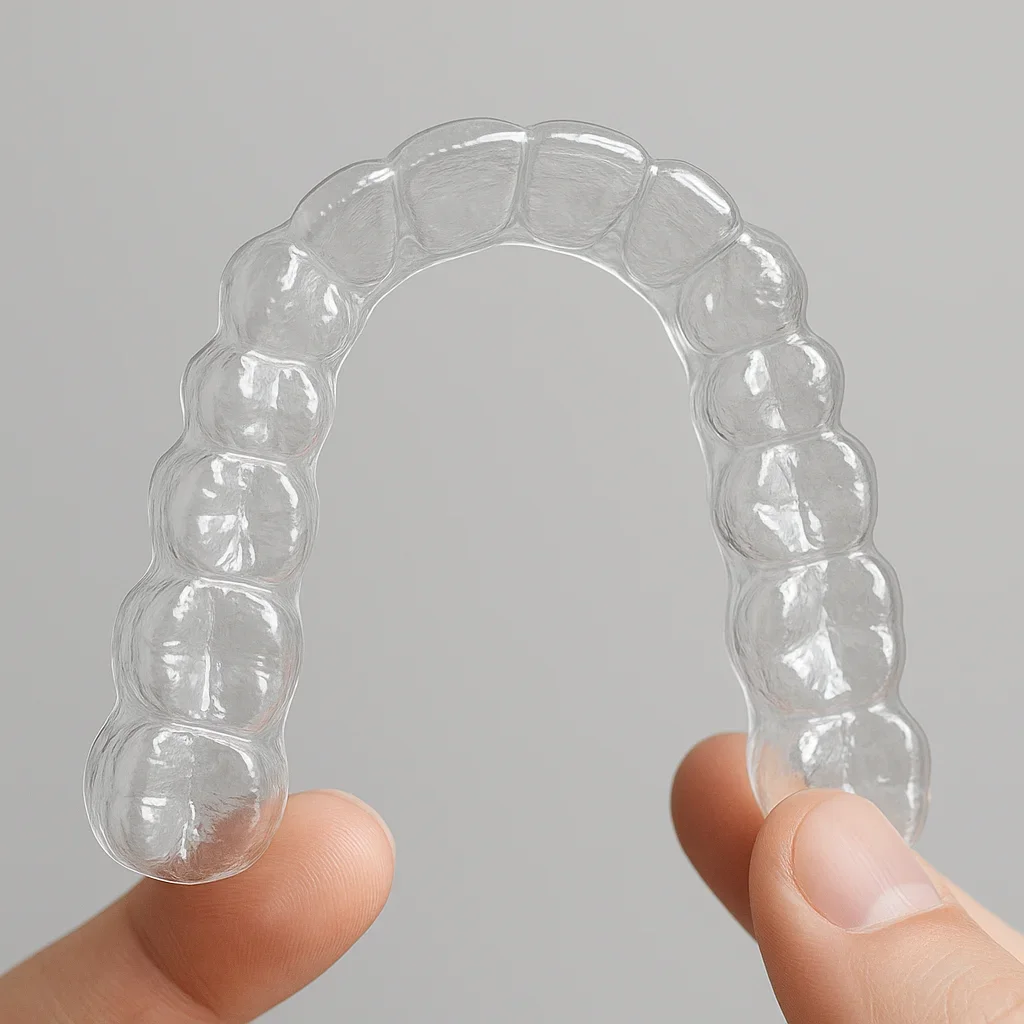
Long-Term Results and Retention After Using Removable Clear Aligners
The success of removable clear aligners doesn’t end when the final tray is worn — it continues through long-term retention and proper oral care. Achieving a straight smile is only the first phase of orthodontic transformation; maintaining it for life is the ultimate goal. After treatment, your teeth naturally tend to shift back toward their original positions, a process called relapse. To prevent this, orthodontists use retainers and regular monitoring to stabilize the new alignment. In this section, we’ll explore what happens after treatment, how to preserve results permanently, and what habits help ensure your smile stays flawless for years to come 🌟.
1. The Importance of Retention After Treatment
Once removable clear aligners have successfully aligned your teeth, your bone and gum tissues need time to adapt to their new positions. Retention ensures this adaptation occurs smoothly and that your teeth remain stable. Without a retainer, your teeth could begin shifting within weeks — undoing months of progress. That’s why orthodontists emphasize retention as an essential continuation of treatment, not an optional phase.
Retention isn’t just about preserving cosmetic appeal; it’s also about maintaining functional bite alignment and oral health. Straight teeth reduce plaque buildup, make cleaning easier, and support even pressure distribution during chewing — protecting gums and jaw joints over time.
Types of Relapse Prevention
- 🦷 Use of retainers to stabilize tooth positions
- 🧬 Regular dental monitoring to check bone adaptation
- 🪥 Continued good hygiene to prevent periodontal movement
By following these measures, the long-term benefits of removable clear aligners are fully preserved.
2. Types of Retainers and Their Benefits
After completing treatment with removable clear aligners, your orthodontist will recommend one of three types of retainers: removable plastic retainers, fixed wire retainers, or hybrid options. Each serves the same purpose — to hold your teeth in their corrected positions — but with different maintenance needs.
Removable Retainers (Essix or Vivera Type)
These are clear retainers that look similar to aligners but are made from slightly thicker, more durable material. They are worn primarily at night and offer comfort and invisibility. Removable retainers are easy to clean and allow flexibility for meals and hygiene routines.
Fixed Retainers
Fixed retainers consist of a thin metal wire bonded behind the front teeth. They are ideal for patients who might forget to wear a removable retainer consistently. This option provides continuous retention but requires careful flossing and professional cleanings to prevent tartar buildup.
Hybrid Solutions
Some patients benefit from using both fixed and removable retainers — a fixed wire on the lower teeth and a clear removable retainer for the upper teeth. This combination maximizes stability while maintaining comfort and cleanliness.
3. Retainer Wear Schedule
The retention phase varies depending on the individual’s case, but a general guideline involves wearing retainers full-time for the first 3–6 months, then transitioning to nighttime use indefinitely. While it may sound demanding, wearing retainers is much easier than going through active alignment again. Skipping wear time can quickly cause relapse, even after years of stability.
Typical Retention Timeline
- 🗓️ 0–6 months: Full-time wear (20–22 hours daily)
- 🌙 6–12 months: Nighttime wear only
- 💤 1 year and beyond: 3–4 nights per week for maintenance
Patients who follow this schedule maintain their beautifully aligned teeth without regression. Consistency is key to locking in the results of removable clear aligners.
4. Cleaning and Caring for Retainers
Just like removable clear aligners, retainers require daily cleaning to remain hygienic and odor-free. Bacteria, plaque, and food particles can accumulate if retainers are not maintained properly. Use a soft toothbrush and mild soap to clean them each morning and night. Avoid toothpaste, as its abrasiveness can dull the retainer’s surface. For deeper cleaning, soak retainers in a specialized retainer cleaner or a mixture of vinegar and water once or twice per week.
Always store retainers in a ventilated protective case when not in use, and avoid exposing them to heat, as high temperatures can distort their shape. Regularly inspect your retainers for cracks, discoloration, or looseness and inform your orthodontist if replacements are needed.
Do’s and Don’ts for Retainer Care
- ✅ Rinse with lukewarm water after every use
- ✅ Brush gently with soft bristles and mild soap
- 🚫 Avoid hot water and harsh chemicals
- 🚫 Never wrap retainers in tissue or napkins
- 📦 Keep retainers in their case when not worn
5. Regular Checkups and Monitoring
After finishing treatment with removable clear aligners, regular follow-ups are essential to ensure long-term stability. Your orthodontist will assess how well the retainers are maintaining alignment, inspect your bite, and check for gum or enamel issues. These visits typically occur every six months for the first year, then annually.
Routine dental cleanings also help preserve the integrity of your new smile. Professional cleanings remove plaque around retainers and keep your gums healthy. If any shifting or discomfort occurs, early detection allows for quick intervention before relapse progresses.
6. Lifestyle Adjustments for Long-Term Success
Retention isn’t just about retainers — it’s also about adopting healthy lifestyle habits. Limiting habits like teeth grinding, nail biting, or chewing on hard objects protects alignment. Additionally, maintaining strong gums through proper brushing, flossing, and regular checkups ensures that your teeth remain supported in their new positions.
Wearing your retainer as prescribed ensures that the investment in removable clear aligners yields lifelong rewards. Many patients incorporate nighttime wear into their bedtime routine as naturally as brushing their teeth — a small effort for a lifetime of confident smiles 😁.
Additional Lifestyle Tips
- 🥦 Eat a balanced diet rich in calcium and vitamin D for bone strength.
- 🚫 Avoid grinding teeth — use a nightguard if necessary.
- 💧 Stay hydrated to support gum health and saliva flow.
- 🦷 Use fluoride toothpaste to strengthen enamel.
7. Replacements and Upgrades
Over time, retainers wear out or become loose, especially if worn nightly. Most orthodontists recommend replacing clear retainers every 1–2 years. Since digital scans from your removable clear aligners treatment are stored, new retainers can be produced quickly without another in-office impression. This ensures a seamless continuation of care.
If your retainers feel tight after skipping wear for a few days, resume full-time use immediately. Slight tightness is normal, but severe discomfort may indicate minor relapse — consult your orthodontist for adjustments or refinements.
8. Long-Term Benefits of Proper Retention
Maintaining your results after removable clear aligners treatment offers more than just aesthetic rewards. Proper retention improves bite stability, speech, and chewing efficiency. Straight teeth also make cleaning easier, preventing plaque buildup and reducing the risk of gum disease or tooth wear. Many patients notice enhanced confidence and oral comfort years after treatment, thanks to consistent retainer use.
Benefits at a Glance
- ✨ Stable, well-aligned teeth for life
- 🦷 Reduced risk of cavities and gum inflammation
- 😄 Long-lasting confidence and aesthetic appeal
- 🪥 Easier oral hygiene and dental maintenance
9. Professional Support and Guidance
Retention is a lifelong commitment, but you’re never alone in the process. Your dental provider monitors progress and provides timely adjustments or new retainers as needed. For ongoing support and professional advice, contact your specialist through the Redent Klinik Contact Page. To learn more about orthodontic retention standards and post-treatment care, refer to the American Dental Association.
Conclusion: Preserving a Lifetime of Smiles
The true value of removable clear aligners lies not only in creating a straighter smile but also in maintaining it for life. Through consistent retainer use, regular checkups, and healthy habits, you can protect your beautiful results for decades to come. Orthodontic success is a long-term partnership between patient and provider — and with dedication, your confident, radiant smile will remain one of your greatest assets forever 🌈.
Disclosure: this page may contain affiliate links. We may earn a commission if you use them, at no extra cost to you.