
Maintaining a healthy smile is not just about aesthetics—it is a crucial part of your overall health. Many people today are actively searching for ways to repair teeth and gums due to increasing issues like tooth decay, gum disease, sensitivity, and enamel erosion. Whether caused by poor oral hygiene, diet, or lifestyle habits, damage to your oral health can progress quickly if not addressed early. Fortunately, modern dentistry combined with proper daily care offers effective solutions to repair teeth and gums and restore both function and appearance.
When we talk about how to repair teeth and gums, we are referring to a broad range of treatments and habits aimed at reversing or managing oral damage. This includes strengthening enamel, treating cavities, healing inflamed gums, and preventing further deterioration. From professional dental procedures to natural at-home care strategies, understanding your options is the first step toward long-term oral health.
One of the most common reasons people need to repair teeth and gums is tooth decay. This occurs when harmful bacteria produce acids that break down the enamel, leading to cavities. If left untreated, decay can penetrate deeper layers of the tooth, causing pain and infection. Similarly, gum disease (also known as periodontal disease) starts with inflammation and can eventually damage the tissues and bones supporting your teeth. Learning how to repair teeth and gums early can prevent these conditions from becoming severe.
Another critical factor in the need to repair teeth and gums is enamel erosion. Acidic foods, sugary drinks, and poor brushing habits can weaken the protective layer of your teeth. Once enamel is lost, it does not regenerate naturally, which makes prevention and early intervention essential. However, dentists can still help repair teeth and gums through treatments such as bonding, fluoride therapy, and crowns that protect and restore damaged areas.
Gum health plays an equally important role. Healthy gums act as a foundation for your teeth, and when they become inflamed or infected, they can recede or bleed. If you are trying to repair teeth and gums, you must focus on both simultaneously. Ignoring gum problems while treating teeth—or vice versa—can lead to incomplete results. This is why dentists emphasize a comprehensive approach when helping patients repair teeth and gums effectively.
There are also lifestyle factors that influence your ability to repair teeth and gums. Smoking, for example, reduces blood flow to the gums and slows healing. Poor nutrition can deprive your body of essential vitamins like Vitamin C and calcium, which are vital for oral repair. By making healthier lifestyle choices, you significantly increase your chances of successfully repairing teeth and gums and maintaining the results long-term.
Modern dentistry provides advanced options for those who need to repair teeth and gums quickly and efficiently. Treatments such as dental fillings, root canal therapy, scaling and root planing, and even dental implants can restore damaged structures. If you are unsure which treatment is right for you, consulting a professional is essential. You can easily reach out through the Redent Klinik Contact Page to get personalized guidance and begin your journey to repair teeth and gums.
Additionally, trusted organizations like the American Dental Association emphasize the importance of early diagnosis and preventive care. Their research highlights that consistent oral hygiene and regular dental visits are the most effective ways to repair teeth and gums and avoid complex procedures later on.
In summary, the process to repair teeth and gums involves a combination of professional care, daily habits, and informed lifestyle choices. Whether you are dealing with cavities, gum inflammation, or general oral discomfort, taking action early can save you time, money, and pain. By understanding the causes, symptoms, and solutions, you can confidently take steps to repair teeth and gums and enjoy a healthier, brighter smile 😊.
What Does It Mean to Repair Teeth and Gums?
Understanding what it truly means to repair teeth and gums is essential if you want to achieve long-term oral health and a confident smile 😊. Many people assume that repairing teeth is only about fixing cavities, but the concept is much broader. To repair teeth and gums effectively, you must address both the structural integrity of your teeth and the health of the surrounding gum tissue. This combined approach ensures that your smile is not only aesthetically pleasing but also functionally strong and resistant to future problems.
When dental professionals talk about how to repair teeth and gums, they refer to restoring damaged enamel, treating infections, rebuilding lost tissue, and preventing further deterioration. This can involve both professional dental treatments and consistent at-home care. The goal is to bring your oral health back to an optimal state where your teeth and gums work together harmoniously.
The Core Components of Repairing Teeth and Gums
To fully understand how to repair teeth and gums, it’s helpful to break the process down into its core components. Each plays a critical role in restoring oral health and preventing recurring issues.
1. Tooth Restoration
Tooth restoration is one of the most common ways to repair teeth and gums. This involves fixing structural damage caused by decay, trauma, or wear. Treatments such as fillings, crowns, and veneers are used to rebuild the tooth and protect it from further damage. In more severe cases, procedures like root canal therapy may be required to remove infection and save the tooth.
Without proper tooth restoration, it becomes nearly impossible to fully repair teeth and gums, because damaged teeth can harbor bacteria that spread to the gums.
2. Gum Healing and Regeneration
Healthy gums are the foundation of a strong smile. To repair teeth and gums, dentists often focus on treating gum inflammation and infection. This may include deep cleaning procedures such as scaling and root planing, which remove plaque and bacteria from below the gum line.
In advanced cases, surgical treatments may be needed to regenerate lost gum tissue. This is especially important if gum recession has exposed the roots of the teeth, making it harder to repair teeth and gums effectively.
3. Enamel Protection and Strengthening
Enamel is the outer protective layer of your teeth, and once it is damaged, it cannot regenerate naturally. However, you can still take steps to strengthen and protect it. Fluoride treatments, remineralizing toothpaste, and dietary adjustments all help to repair teeth and gums by reinforcing the enamel and reducing sensitivity.
Strengthening enamel is a key part of any strategy to repair teeth and gums, as it prevents further decay and enhances overall durability.
Why Repairing Teeth and Gums Together Matters
Many people focus only on their teeth while ignoring their gums, but this approach can lead to incomplete results. To truly repair teeth and gums, both must be treated simultaneously. For example, even if a cavity is filled, untreated gum disease can still lead to tooth loss.
Gums provide essential support for your teeth, and if they are weak or infected, your teeth cannot remain stable. This is why dentists always recommend a holistic approach when helping patients repair teeth and gums. Addressing both areas ensures long-lasting results and reduces the risk of recurrence.
Modern Approaches to Repair Teeth and Gums
Advancements in dental technology have made it easier than ever to repair teeth and gums with precision and comfort. Today, treatments are faster, less invasive, and more effective than in the past.
Minimally Invasive Techniques
Modern dentistry focuses on preserving as much natural tooth structure as possible. Techniques such as laser dentistry allow professionals to repair teeth and gums with minimal discomfort and quicker recovery times.
Biocompatible Materials
New materials used in dental restorations are designed to mimic natural teeth in both function and appearance. These materials help ensure that efforts to repair teeth and gums look natural and last longer.
Preventive Integration
Another important aspect of modern care is prevention. Dentists not only work to repair teeth and gums but also educate patients on how to avoid future damage. This includes proper brushing techniques, flossing habits, and dietary guidance.
The Role of Daily Habits
Even the best professional treatments cannot succeed without proper daily care. If you want to effectively repair teeth and gums, you must commit to a consistent oral hygiene routine. This includes brushing twice daily, flossing regularly, and using mouthwash to reduce bacteria.
Additionally, regular dental check-ups are essential. Visiting your dentist every six months allows early detection of issues, making it easier to repair teeth and gums before problems become severe.
In conclusion, to repair teeth and gums means taking a comprehensive, multi-layered approach to oral health. It involves restoring damaged teeth, healing gum tissue, protecting enamel, and maintaining healthy habits. By understanding this process in detail, you can take control of your oral health and enjoy a strong, beautiful smile for years to come 😁.
Common Causes That Damage Teeth and Gums
To successfully repair teeth and gums, it is essential to first understand what causes the damage. Many oral health problems develop gradually, often without noticeable symptoms in the early stages. By identifying the most common causes, you can take proactive steps to prevent further harm and make the process to repair teeth and gums more effective and long-lasting 😊.
Damage to oral structures rarely happens overnight. It is usually the result of a combination of lifestyle habits, dietary choices, and inadequate oral hygiene. Whether you are currently trying to repair teeth and gums or simply want to protect your smile, knowing these causes will help you make better decisions every day.
Poor Oral Hygiene Habits
One of the leading reasons people need to repair teeth and gums is poor oral hygiene. Failing to brush and floss regularly allows plaque—a sticky film of bacteria—to accumulate on teeth and along the gum line.
Inadequate Brushing
Brushing less than twice a day or using improper techniques can leave food particles and bacteria behind. Over time, this leads to cavities and gum inflammation, making it necessary to repair teeth and gums through professional intervention.
Skipping Flossing
Flossing removes debris from areas that a toothbrush cannot reach. Without it, plaque builds up between teeth, increasing the risk of decay and gum disease. If neglected for too long, more extensive treatments may be required to repair teeth and gums.
Unhealthy Diet and Sugar Consumption
Your diet plays a crucial role in oral health. Consuming high amounts of sugar and acidic foods is a major factor that leads people to seek ways to repair teeth and gums.
Sugary Foods and Drinks
Sugar feeds harmful bacteria in the mouth, which produce acids that attack tooth enamel. Frequent consumption of sugary snacks or beverages accelerates decay, making it harder to repair teeth and gums naturally.
Acidic Foods
Foods like citrus fruits, soda, and vinegar-based products can erode enamel over time. Once enamel is weakened, teeth become more vulnerable, increasing the need to repair teeth and gums with professional care.
Gum Disease (Periodontal Disease)
Gum disease is another major cause of oral damage and one of the primary reasons patients need to repair teeth and gums. It typically begins as gingivitis and can progress into more severe forms if untreated.
Gingivitis
This early stage of gum disease is characterized by redness, swelling, and bleeding gums. At this point, it is still possible to repair teeth and gums with improved oral hygiene and professional cleaning.
Periodontitis
If gingivitis is not treated, it can advance to periodontitis, where the supporting structures of the teeth are damaged. This makes it much more challenging to repair teeth and gums, often requiring advanced dental procedures.
Smoking and Tobacco Use
Smoking significantly increases the risk of oral health problems. It reduces blood flow to the gums, slowing down healing and making it more difficult to repair teeth and gums effectively.
Tobacco use also contributes to plaque buildup, staining, and a higher likelihood of gum disease. Patients who smoke often require more intensive treatments to successfully repair teeth and gums.
Teeth Grinding (Bruxism)
Teeth grinding, especially during sleep, can cause significant damage over time. This condition puts excessive pressure on the teeth, leading to cracks, wear, and sensitivity.
Enamel Wear
Grinding gradually wears down the enamel, making teeth more vulnerable to decay. This increases the need to repair teeth and gums through restorative treatments such as crowns or bonding.
Gum Stress
The constant pressure from grinding can also affect the gums, contributing to recession and inflammation. Addressing this issue is essential if you want to fully repair teeth and gums.
Dry Mouth (Xerostomia)
Saliva plays a vital role in maintaining oral health by neutralizing acids and washing away food particles. A lack of saliva can significantly increase the need to repair teeth and gums.
Dry mouth may be caused by medications, medical conditions, or dehydration. Without sufficient saliva, bacteria thrive, leading to decay and gum problems that require intervention to repair teeth and gums.
Trauma and Physical Injury
Accidents, sports injuries, or biting hard objects can cause immediate damage to teeth and gums. Chips, cracks, or even tooth loss may occur, requiring urgent care to repair teeth and gums.
In such cases, prompt treatment is crucial. Delaying care can worsen the condition and make it more difficult to fully repair teeth and gums later.
Neglecting Regular Dental Visits
Routine dental check-ups are essential for early detection of oral problems. Skipping these visits often leads to unnoticed issues that become more severe over time.
Regular cleanings and examinations allow dentists to identify problems early, making it easier to repair teeth and gums before they require complex treatments.
In conclusion, understanding the common causes of oral damage is a crucial step in learning how to repair teeth and gums effectively. From poor hygiene and unhealthy diets to smoking and neglect, each factor contributes to the deterioration of your oral health. By addressing these causes and making positive changes, you can not only repair teeth and gums but also prevent future damage and maintain a healthy, confident smile 😁.
Early Signs You Need to Repair Teeth and Gums
Recognizing the early warning signs is one of the most important steps if you want to successfully repair teeth and gums. Many dental problems begin silently, without severe pain or obvious symptoms. However, subtle changes in your mouth can indicate that damage is already occurring. By identifying these signs early, you can take immediate action to repair teeth and gums before the condition worsens 😊.
Delaying treatment often leads to more complex and expensive procedures. That’s why dentists emphasize early detection as the most effective way to repair teeth and gums with minimal intervention. Below are the most common early signs that indicate your oral health needs attention.
Persistent Tooth Sensitivity
Tooth sensitivity is often one of the first signs that you need to repair teeth and gums. If you feel discomfort when consuming hot, cold, sweet, or acidic foods, it may indicate enamel erosion or exposed dentin.
What Causes Sensitivity?
Sensitivity occurs when the protective enamel layer is weakened or when gums recede, exposing the inner layers of the tooth. This condition makes it essential to repair teeth and gums early to prevent further damage.
Why You Should Not Ignore It
Ignoring sensitivity can lead to more serious problems such as cavities or infections. Addressing it promptly allows you to repair teeth and gums with less invasive treatments.
Bleeding or Swollen Gums
Healthy gums should not bleed during brushing or flossing. If you notice bleeding, swelling, or tenderness, it is a clear sign that you need to repair teeth and gums.
Early Gum Inflammation
This condition, known as gingivitis, is the earliest stage of gum disease. At this point, it is still reversible, making it easier to repair teeth and gums through proper care and professional cleaning.
Progression Risk
If left untreated, gum inflammation can progress into periodontitis, a more severe condition that requires advanced procedures to repair teeth and gums.
Bad Breath (Halitosis)
Chronic bad breath is not just a social concern—it is often a sign of underlying dental issues. Persistent halitosis can indicate bacterial buildup, decay, or gum disease.
To eliminate the root cause, you may need to repair teeth and gums by removing plaque, treating infections, and improving oral hygiene habits.
Visible Plaque and Tartar Build-Up
Plaque is a sticky layer of bacteria that forms on teeth, and if not removed, it hardens into tartar. This buildup is a major reason people need to repair teeth and gums.
Why It’s Dangerous
Tartar cannot be removed by brushing alone and creates a rough surface that attracts more bacteria. This increases the risk of decay and gum disease, making it necessary to repair teeth and gums professionally.
Early Intervention
Regular dental cleanings can prevent tartar buildup and reduce the need for extensive procedures to repair teeth and gums.
Receding Gums
If your teeth appear longer than usual or your gums are pulling back, it may indicate gum recession. This condition exposes the roots of the teeth, increasing sensitivity and vulnerability.
Gum recession is a serious issue that requires immediate attention to repair teeth and gums and prevent further deterioration.
Tooth Discoloration or Spots
Changes in tooth color, such as white spots, brown stains, or dark patches, can signal early decay or enamel damage. These visual cues often indicate the need to repair teeth and gums before cavities fully develop.
Early Enamel Damage
White spots are often the first sign of demineralization. Addressing them early can help you repair teeth and gums without invasive procedures.
Advanced Decay
Darker stains may indicate deeper decay that requires fillings or other treatments to repair teeth and gums.
Loose Teeth or Changes in Bite
If your teeth feel loose or your bite feels different, it may indicate damage to the supporting structures of your teeth. This is often associated with advanced gum disease.
At this stage, immediate professional care is required to repair teeth and gums and stabilize your oral health.
Pain or Discomfort in the Mouth
Persistent pain, even if mild, should never be ignored. It may indicate infection, decay, or gum problems that require attention.
Addressing pain early allows dentists to repair teeth and gums before the condition becomes severe and requires more complex treatment.
Dry Mouth and Increased Plaque
A dry mouth reduces saliva production, which plays a vital role in protecting your teeth and gums. Without enough saliva, bacteria can thrive, leading to decay and gum issues.
If you notice dryness along with increased plaque, it may be time to take action to repair teeth and gums and restore a healthy oral environment.
In conclusion, recognizing these early signs can make a significant difference in your oral health journey. Whether it’s sensitivity, bleeding gums, or discoloration, each symptom is a signal that you may need to repair teeth and gums. Acting quickly not only simplifies the treatment process but also helps you maintain a healthy, confident smile for years to come 😁.
Professional Treatments to Repair Teeth and Gums
When home care is not enough, professional dentistry plays a crucial role in helping patients repair teeth and gums effectively and safely. Modern dental clinics offer a wide range of advanced treatments designed to restore damaged teeth, heal gum tissues, and prevent future complications. If you are experiencing persistent oral health issues, seeking professional help is often the fastest and most reliable way to repair teeth and gums and regain full function and aesthetics 😊.
Understanding the available treatments can help you make informed decisions about your oral health. Dentists tailor each treatment plan based on the severity of the problem, ensuring that the approach used to repair teeth and gums is both personalized and effective.
Dental Fillings for Cavity Repair
One of the most common procedures used to repair teeth and gums is dental filling. This treatment is used when tooth decay creates cavities that compromise the structure of the tooth.
How Fillings Work
The dentist removes the decayed portion of the tooth and fills the space with a durable material such as composite resin or porcelain. This restores the tooth’s shape and function, making it an essential step to repair teeth and gums.
Average Costs
Based on general estimates:
- Composite fillings: $100 – $300 per tooth
- Porcelain fillings: $250 – $4,500 depending on size
Early treatment with fillings helps prevent more complex procedures later when trying to repair teeth and gums.
Scaling and Root Planing (Deep Cleaning)
For patients with gum disease, scaling and root planing is a highly effective procedure to repair teeth and gums. This deep cleaning treatment targets bacteria below the gum line.
What Happens During the Procedure
The dentist removes plaque and tartar from tooth surfaces and smooths the roots to prevent further bacterial buildup. This promotes healing and allows the gums to reattach to the teeth, helping to repair teeth and gums.
Cost Range
- $150 – $300 per quadrant
This procedure is often the first line of defense when attempting to repair teeth and gums affected by periodontal disease.
Dental Crowns for Structural Restoration
When a tooth is severely damaged or weakened, a dental crown is used to fully restore its strength and appearance. This is a key method to repair teeth and gums when simple fillings are not sufficient.
Benefits of Crowns
Crowns cover the entire tooth, protecting it from further damage and restoring functionality. They are especially useful after root canal treatment, ensuring long-term success in efforts to repair teeth and gums.
Estimated Costs
- Porcelain crowns: $800 – $2,500 per tooth
Root Canal Therapy
If decay reaches the inner pulp of the tooth, root canal therapy becomes necessary to repair teeth and gums and eliminate infection.
Procedure Overview
The infected pulp is removed, the root canals are cleaned and disinfected, and the tooth is sealed. This saves the natural tooth and prevents the spread of infection, making it a critical step to repair teeth and gums.
Cost Estimates
- $700 – $1,500 depending on tooth location
Gum Surgery for Advanced Cases
In more severe situations, surgical intervention may be required to repair teeth and gums. This includes procedures such as gum grafting or flap surgery.
Gum Grafting
This procedure involves taking tissue from another part of the mouth and attaching it to areas where the gums have receded. It helps protect exposed roots and restore a healthy gum line, aiding efforts to repair teeth and gums.
Flap Surgery
The gums are lifted to remove deep bacteria deposits and then repositioned. This is often necessary when non-surgical treatments are not enough to repair teeth and gums.
Dental Implants for Tooth Replacement
If a tooth is lost, dental implants provide a permanent solution to repair teeth and gums and restore full oral function.
How Implants Work
A titanium post is placed into the jawbone, acting as a root replacement. A crown is then attached, creating a natural-looking tooth that helps stabilize surrounding structures and supports efforts to repair teeth and gums.
Cost Overview
- $1,500 – $6,000 per implant
Laser Dentistry for Minimally Invasive Repair
Laser technology is increasingly used to repair teeth and gums with greater precision and less discomfort.
Advantages
Laser treatments reduce bleeding, minimize pain, and promote faster healing. They are commonly used for gum reshaping and treating infections, making them an innovative way to repair teeth and gums.
Fluoride Treatments and Remineralization
For early-stage damage, fluoride treatments help strengthen enamel and prevent decay progression. This is a simple yet effective way to repair teeth and gums without invasive procedures.
Application Process
Fluoride is applied directly to the teeth in the form of gel, foam, or varnish. It helps rebuild weakened enamel and supports the natural process to repair teeth and gums.
Comprehensive Treatment Planning
In many cases, a combination of treatments is required to fully repair teeth and gums. Dentists create customized plans that may include multiple procedures over time.
If you are unsure which treatment is right for you, it is best to consult a professional. You can easily schedule an appointment through the Redent Klinik Contact Page to receive personalized care tailored to your needs.
In conclusion, professional dental treatments provide powerful solutions to repair teeth and gums at every stage of damage. From simple fillings to advanced surgical procedures, modern dentistry offers effective options to restore oral health. By seeking timely treatment and following expert recommendations, you can successfully repair teeth and gums and maintain a strong, healthy smile for life 😁.
At-Home Remedies to Support Teeth and Gum Repair
While professional dental treatments are essential in many cases, there are also effective at-home strategies that can help you repair teeth and gums and maintain long-term oral health. These remedies are not a replacement for professional care, but they play a powerful supportive role in preventing damage, reducing inflammation, and strengthening your teeth and gums naturally 😊. If you are looking for ways to repair teeth and gums between dental visits, adopting the right daily habits is crucial.
At-home care focuses on reducing harmful bacteria, supporting enamel strength, and improving gum health. By consistently applying these methods, you can enhance your ability to repair teeth and gums and prevent future oral issues.
Proper Brushing Techniques
Brushing your teeth correctly is one of the most fundamental ways to repair teeth and gums. Many people brush daily but still experience problems due to incorrect technique.
Choose the Right Toothbrush
Using a soft-bristled toothbrush helps protect enamel and avoid irritating the gums. Hard bristles can damage both, making it harder to repair teeth and gums over time.
Brush for Two Minutes
Brushing for at least two minutes ensures that all surfaces of the teeth are cleaned. This reduces plaque buildup and supports your efforts to repair teeth and gums effectively.
Daily Flossing Routine
Flossing is essential for cleaning areas that your toothbrush cannot reach. Without it, food particles and plaque remain between teeth, leading to decay and gum disease.
By flossing daily, you remove harmful bacteria and create a healthier environment to repair teeth and gums. This simple habit significantly reduces the risk of needing complex dental treatments.
Saltwater Rinses for Gum Healing
Saltwater rinses are a natural and effective way to soothe inflamed gums and promote healing. This method has been used for generations to support oral health.
How It Works
Saltwater helps reduce bacteria and inflammation in the mouth. Regular rinsing can support your efforts to repair teeth and gums by creating a cleaner oral environment.
How to Use
Mix half a teaspoon of salt in a glass of warm water and rinse for 30 seconds. Repeat once or twice daily to help repair teeth and gums naturally.
Oil Pulling for Bacterial Reduction
Oil pulling is an ancient practice that involves swishing oil (such as coconut oil) in your mouth to remove toxins and bacteria.
Benefits of Oil Pulling
This method can reduce plaque buildup and improve gum health, making it a helpful addition to your routine if you want to repair teeth and gums.
How to Practice
Swish one tablespoon of coconut oil in your mouth for 10–15 minutes, then spit it out and rinse thoroughly. This can complement your efforts to repair teeth and gums over time.
Using Fluoride and Remineralizing Products
Fluoride is essential for strengthening enamel and preventing decay. It plays a key role in helping you repair teeth and gums at home.
Fluoride Toothpaste
Brushing with fluoride toothpaste helps rebuild weakened enamel and reduces sensitivity. This is one of the easiest ways to repair teeth and gums daily.
Remineralizing Agents
Products containing calcium and phosphate can enhance enamel repair, further supporting your ability to repair teeth and gums naturally.
Hydration and Saliva Production
Staying hydrated is often overlooked, but it is vital for oral health. Saliva helps wash away bacteria and neutralize acids.
Drinking enough water ensures proper saliva production, which is essential to repair teeth and gums and maintain a balanced oral environment.
Healthy Dietary Choices
Your diet has a direct impact on your ability to repair teeth and gums. Nutrient-rich foods support tissue healing and enamel strength.
Foods That Help
- Dairy products for calcium
- Leafy greens for vitamins
- Crunchy fruits and vegetables for natural cleaning
Incorporating these foods into your diet helps create optimal conditions to repair teeth and gums effectively.
Foods to Avoid
Limit sugary snacks, acidic drinks, and processed foods, as they can hinder your efforts to repair teeth and gums and accelerate damage.
Natural Antibacterial Solutions
Some natural ingredients have antibacterial properties that can support oral health.
Aloe Vera
Aloe vera gel can be applied to gums to reduce inflammation and promote healing, aiding your efforts to repair teeth and gums.
Tea Tree Oil (Diluted)
When used carefully, tea tree oil can help fight bacteria. Always dilute it properly before use to safely support your goal to repair teeth and gums.
Consistency Is Key
The most important factor in any at-home routine is consistency. Occasional care is not enough to repair teeth and gums effectively. Daily commitment to proper hygiene and healthy habits is essential.
Even with the best at-home care, regular dental check-ups remain necessary. Professional guidance ensures that your efforts to repair teeth and gums are on the right track and that any hidden issues are addressed early.
In conclusion, at-home remedies are powerful tools that can support and enhance your ability to repair teeth and gums. From proper brushing and flossing to natural rinses and a balanced diet, these methods help maintain a healthy oral environment. When combined with professional care, they provide a comprehensive approach to achieving strong teeth, healthy gums, and a confident smile 😁.
Nutrition Tips to Naturally Repair Teeth and Gums
Your diet plays a powerful role in your ability to repair teeth and gums naturally. While professional dental care is essential for treating advanced issues, proper nutrition provides the foundation your body needs to heal, strengthen, and maintain oral health. By choosing the right foods and nutrients, you can significantly improve your chances to repair teeth and gums and prevent further damage 😊.
Teeth and gums rely on a steady supply of vitamins and minerals to stay strong. Deficiencies can weaken enamel, slow healing, and increase the risk of infections. If you want to effectively repair teeth and gums, your diet must support both structural repair and immune function.
Essential Nutrients for Teeth and Gum Repair
Certain nutrients are particularly important when trying to repair teeth and gums. These nutrients directly contribute to enamel strength, gum health, and tissue regeneration.
Calcium for Strong Teeth
Calcium is one of the most important minerals for dental health. It helps rebuild and maintain the structure of your teeth, making it essential to repair teeth and gums.
- Milk, cheese, and yogurt
- Almonds
- Leafy green vegetables
Regular intake of calcium-rich foods supports enamel strength and helps you repair teeth and gums more effectively.
Vitamin D for Absorption
Vitamin D helps your body absorb calcium efficiently. Without it, even a calcium-rich diet may not be enough to repair teeth and gums.
- Sunlight exposure
- Fatty fish like salmon
- Egg yolks
Ensuring adequate Vitamin D levels is crucial if you want to successfully repair teeth and gums.
Vitamin C for Gum Health
Vitamin C is essential for maintaining healthy gums and preventing inflammation. It plays a key role in collagen production, which supports gum tissue.
- Oranges and citrus fruits
- Strawberries
- Bell peppers
A deficiency in Vitamin C can lead to bleeding gums, making it harder to repair teeth and gums.
Phosphorus for Enamel Strength
Phosphorus works alongside calcium to strengthen teeth and repair enamel. It is another vital nutrient for those aiming to repair teeth and gums.
- Fish
- Eggs
- Nuts and seeds
Foods That Help Repair Teeth and Gums
Incorporating specific foods into your diet can actively support your efforts to repair teeth and gums. These foods not only provide essential nutrients but also help maintain a clean and balanced oral environment.
Crunchy Fruits and Vegetables
Foods like apples, carrots, and celery act as natural toothbrushes. They stimulate saliva production and help remove plaque, making it easier to repair teeth and gums.
Dairy Products
Dairy products are rich in calcium and phosphates, which strengthen enamel and neutralize acids. Including them in your diet can significantly help you repair teeth and gums.
Green Tea
Green tea contains antioxidants that reduce inflammation and fight bacteria. Drinking it regularly can support your goal to repair teeth and gums.
Foods to Avoid for Better Oral Repair
Just as some foods help, others can hinder your ability to repair teeth and gums. Avoiding harmful dietary habits is just as important as adopting healthy ones.
Sugary Snacks and Drinks
Sugar feeds harmful bacteria that produce acids, leading to enamel erosion. Reducing sugar intake is essential if you want to repair teeth and gums effectively.
Acidic Beverages
Sodas, energy drinks, and even some fruit juices can weaken enamel. Limiting these beverages helps protect your teeth and supports efforts to repair teeth and gums.
Sticky Foods
Foods that stick to your teeth, like caramel and dried fruits, can trap bacteria and increase decay risk. Avoiding them can make it easier to repair teeth and gums.
The Role of Hydration
Water is often overlooked but plays a vital role in oral health. Staying hydrated helps maintain saliva production, which is essential for washing away food particles and neutralizing acids.
Drinking enough water throughout the day supports your body’s natural ability to repair teeth and gums and maintain a balanced oral environment.
Meal Timing and Snacking Habits
Frequent snacking can expose your teeth to constant acid attacks. To repair teeth and gums, it is important to give your mouth time to recover between meals.
Limit Snacking
Reducing the frequency of snacks helps protect enamel and allows saliva to do its job, making it easier to repair teeth and gums.
Choose Healthy Snacks
If you need to snack, choose options like nuts, cheese, or fresh vegetables. These choices support your efforts to repair teeth and gums rather than harm them.
Supplements for Additional Support
In some cases, dietary supplements may be necessary to ensure adequate nutrient intake. Supplements can help fill gaps and support your goal to repair teeth and gums.
Calcium and Vitamin D Supplements
These are commonly recommended to strengthen teeth and bones, especially if dietary intake is insufficient.
Multivitamins
A balanced multivitamin can provide essential nutrients needed to repair teeth and gums and maintain overall health.
Building Long-Term Dietary Habits
The key to success is consistency. A single healthy meal will not repair teeth and gums, but a long-term commitment to proper nutrition will make a significant difference.
By combining a nutrient-rich diet with good oral hygiene and regular dental visits, you create the ideal conditions to repair teeth and gums naturally and maintain a strong, healthy smile.
In conclusion, nutrition is a powerful tool in your journey to repair teeth and gums. By focusing on essential nutrients, choosing the right foods, and avoiding harmful dietary habits, you can support your oral health from within. This holistic approach not only helps you repair teeth and gums but also ensures long-lasting results and a confident smile 😁.
Daily Oral Care Routine to Repair Teeth and Gums
Creating a consistent daily routine is one of the most powerful ways to repair teeth and gums and maintain long-term oral health. While professional treatments and nutrition are essential, your everyday habits determine whether your teeth and gums improve or continue to deteriorate. A well-structured routine helps control bacteria, strengthen enamel, and support gum healing, making it easier to repair teeth and gums naturally and effectively 😊.
The key to success is not complexity but consistency. Small daily actions, when performed correctly, can significantly improve your ability to repair teeth and gums and prevent future issues. Below is a comprehensive routine that you can follow to achieve optimal results.
Morning Routine for a Fresh Start
Your morning routine sets the tone for your oral health throughout the day. Starting strong helps you actively repair teeth and gums from the moment you wake up.
Brush Your Teeth Properly
Use a fluoride toothpaste and a soft-bristled toothbrush to clean your teeth thoroughly. Brush for at least two minutes, ensuring you reach all surfaces. This removes overnight bacterial buildup and supports your efforts to repair teeth and gums.
Clean Your Tongue
Bacteria also accumulate on the tongue, contributing to bad breath and oral health issues. Using a tongue scraper or your toothbrush helps reduce bacteria and enhances your ability to repair teeth and gums.
Use Mouthwash
An antibacterial mouthwash helps eliminate remaining bacteria and freshens your breath. This step complements brushing and helps you repair teeth and gums more effectively.
Midday Habits to Maintain Oral Health
What you do during the day plays a crucial role in your ability to repair teeth and gums. Maintaining good habits between meals prevents damage from accumulating.
Rinse After Meals
Rinsing your mouth with water after eating helps remove food particles and neutralize acids. This simple habit supports your efforts to repair teeth and gums by reducing bacterial activity.
Choose Tooth-Friendly Snacks
Opt for snacks like apples, cheese, or nuts instead of sugary foods. These healthier choices create a better environment to repair teeth and gums and protect enamel.
Stay Hydrated
Drinking water throughout the day promotes saliva production, which is essential for washing away bacteria and supporting your body’s natural ability to repair teeth and gums.
Evening Routine for Deep Cleaning
Your evening routine is the most important part of the day when it comes to repair teeth and gums. Removing all accumulated plaque and bacteria before sleep prevents overnight damage.
Thorough Brushing
Brush your teeth again before bed, paying extra attention to areas that are harder to reach. This step is critical to repair teeth and gums and prevent decay.
Floss Carefully
Flossing at night removes debris from between teeth and along the gum line. This is essential for gum health and plays a major role in helping you repair teeth and gums.
Apply Remineralizing Products
Using fluoride gels or remineralizing pastes before sleep can strengthen enamel overnight. This enhances your ability to repair teeth and gums while you rest.
Weekly and Monthly Care Practices
In addition to daily habits, incorporating weekly and monthly practices can further support your goal to repair teeth and gums.
Replace Your Toothbrush
Change your toothbrush every 3 months or sooner if the bristles are worn. A fresh toothbrush is more effective at cleaning and helps you repair teeth and gums properly.
Use Interdental Brushes
Interdental brushes can reach areas that floss may miss. Including them in your routine improves cleaning efficiency and supports efforts to repair teeth and gums.
Correct Techniques Matter
Even the best routine will not be effective if done incorrectly. Learning proper techniques is essential if you want to truly repair teeth and gums.
Gentle Brushing
Brushing too hard can damage enamel and irritate gums. Use gentle, circular motions to clean effectively without causing harm, allowing you to repair teeth and gums safely.
Consistent Timing
Brushing at the same times every day ensures that your routine becomes a habit. Consistency is key to successfully repair teeth and gums.
Combining Routine with Professional Care
While a daily routine is essential, it should always be combined with regular dental visits. Professional cleanings and check-ups ensure that your efforts to repair teeth and gums are supported by expert care.
If you are unsure about your routine or need personalized advice, consider reaching out through the Redent Klinik Contact Page for guidance tailored to your needs.
Building Long-Term Habits
The ultimate goal is to turn your daily routine into a lifelong habit. The more consistent you are, the easier it becomes to repair teeth and gums and maintain your results.
By following a structured routine every day, you create the ideal conditions for healing and protection. Over time, these habits will not only help you repair teeth and gums but also prevent future damage and improve your overall oral health.
In conclusion, a well-planned daily oral care routine is one of the most effective ways to repair teeth and gums. From morning brushing to evening flossing and everything in between, each step plays a vital role. By staying consistent and combining your efforts with professional care, you can achieve a healthier, stronger smile that lasts for years 😁.
Cost of Procedures to Repair Teeth and Gums
Understanding the financial aspect is an important part of planning how to repair teeth and gums. Dental treatments can vary significantly in cost depending on the severity of the problem, the type of procedure required, and the location of the clinic. While some treatments are relatively affordable, others may require a larger investment. However, delaying care often leads to more expensive procedures later, making early action the smartest way to repair teeth and gums efficiently 😊.
In this section, we will break down the typical costs associated with different procedures used to repair teeth and gums, helping you better understand what to expect and how to plan your budget.
Basic Treatments and Preventive Costs
Preventive care and minor treatments are usually the most affordable options when you begin to repair teeth and gums early.
Dental Check-Ups and Cleanings
Regular dental visits are essential for maintaining oral health and catching problems early. These visits help reduce the need for extensive procedures to repair teeth and gums.
- Routine check-up: $50 – $200
- Professional cleaning: $75 – $200
Investing in preventive care can significantly lower the overall cost required to repair teeth and gums in the long term.
Fluoride Treatments
Fluoride applications strengthen enamel and help prevent decay. This is one of the simplest ways to support efforts to repair teeth and gums.
- Fluoride treatment: $20 – $50
Moderate Treatments for Repair Teeth and Gums
When oral issues progress beyond the early stages, moderate treatments become necessary to repair teeth and gums.
Dental Fillings
Fillings are used to treat cavities and restore tooth structure. They are one of the most common procedures to repair teeth and gums.
- Composite fillings: $100 – $300 per tooth
- Amalgam fillings: $80 – $200 per tooth
Scaling and Root Planing
This deep cleaning procedure treats gum disease and is essential when bacteria have spread below the gum line. It is a key method to repair teeth and gums.
- $150 – $300 per quadrant
Advanced Treatments and Their Costs
For more severe cases, advanced procedures are required to fully repair teeth and gums. These treatments are more complex but provide long-lasting results.
Dental Crowns
Crowns restore severely damaged teeth by covering them completely. This helps protect the tooth and supports efforts to repair teeth and gums.
- Porcelain crowns: $800 – $2,500 per tooth
Root Canal Therapy
This procedure removes infected pulp and saves the natural tooth. It is often necessary to repair teeth and gums when decay reaches deeper layers.
- $700 – $1,500 per tooth
Gum Surgery
Surgical procedures may be required for advanced gum disease. These treatments are essential to fully repair teeth and gums in severe cases.
- Gum grafting: $600 – $3,000
- Flap surgery: $1,000 – $3,000
Tooth Replacement Options
If a tooth is lost, replacement options are necessary to restore function and appearance while helping to repair teeth and gums.
Dental Implants
Implants are a long-term solution that replaces missing teeth with artificial roots and crowns. They are one of the most effective ways to repair teeth and gums permanently.
- $1,500 – $6,000 per implant
Dental Bridges
Bridges fill the gap left by missing teeth and help maintain alignment, contributing to efforts to repair teeth and gums.
- $500 – $2,500 per tooth
Factors That Influence the Cost
The total cost to repair teeth and gums can vary depending on several factors.
Severity of the Condition
More advanced problems require more complex and expensive treatments. Addressing issues early makes it easier and more affordable to repair teeth and gums.
Location of the Clinic
Dental costs can differ depending on the country or city. Some patients choose dental tourism to repair teeth and gums at a lower cost without compromising quality.
Materials Used
High-quality materials may cost more but offer better durability and aesthetics, improving the overall outcome when you repair teeth and gums.
Insurance and Payment Options
Many dental insurance plans cover part of the cost for procedures used to repair teeth and gums. Coverage varies depending on the policy and type of treatment.
Some clinics also offer payment plans, making it easier to manage expenses while working to repair teeth and gums without financial strain.
Long-Term Value of Investing in Oral Health
Although the cost of dental care may seem high, it is important to view it as an investment in your health. Proper treatment not only helps you repair teeth and gums but also prevents more serious and costly problems in the future.
Neglecting oral health can lead to complications such as infections, tooth loss, and systemic health issues. By addressing problems early, you reduce the need for expensive procedures and ensure that your efforts to repair teeth and gums are successful.
If you are considering treatment and want expert advice, you can consult professionals through the Redent Klinik Contact Page to receive a personalized plan tailored to your needs.
In conclusion, the cost to repair teeth and gums varies widely depending on the treatment required. From affordable preventive care to advanced surgical procedures, there are options for every situation. By understanding these costs and planning accordingly, you can make informed decisions and achieve a healthy, confident smile without unnecessary financial stress 😁.
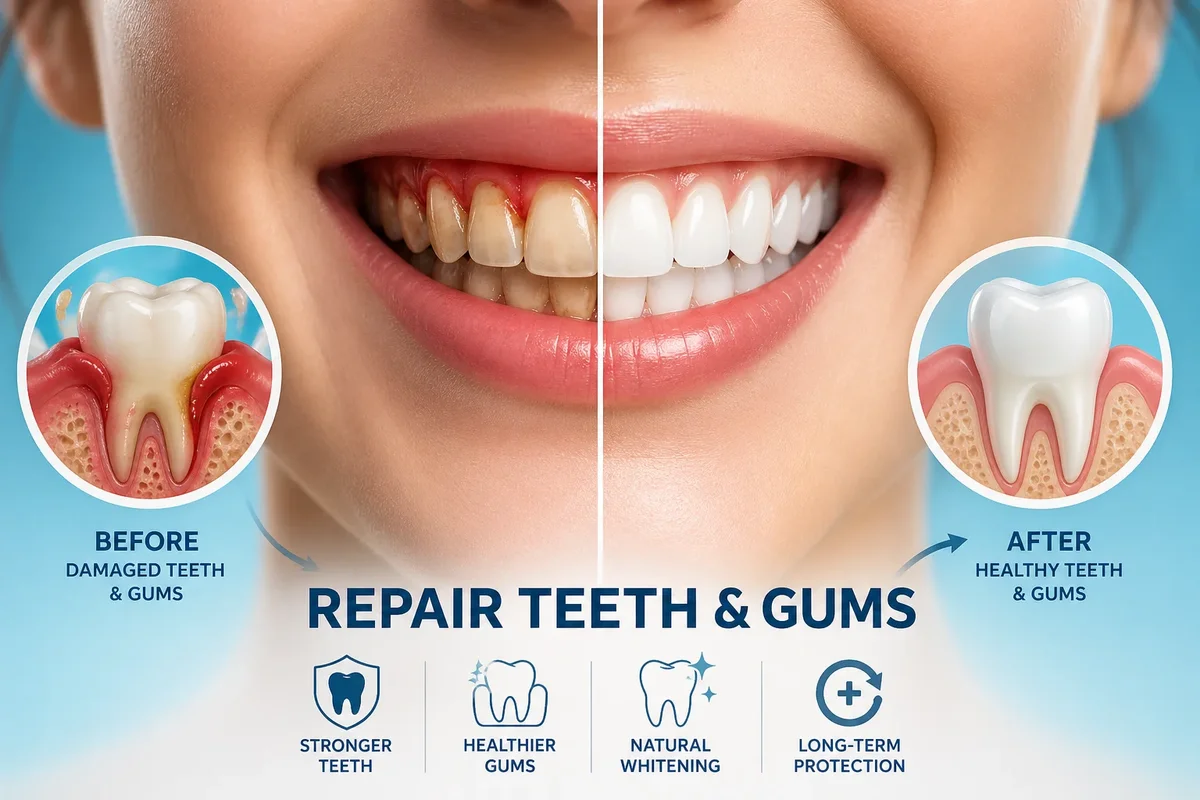
How to Prevent Future Damage to Teeth and Gums
After you successfully repair teeth and gums, the next critical step is preventing future damage. Many patients focus only on treatment but overlook maintenance, which can lead to recurring issues. Prevention is the key to protecting your investment in oral health and ensuring that your efforts to repair teeth and gums last for years 😊.
Preventing damage is not complicated, but it requires consistency, awareness, and the right habits. By understanding what causes deterioration and actively avoiding those factors, you can maintain a healthy smile and minimize the need to repeatedly repair teeth and gums.
Maintain a Consistent Oral Hygiene Routine
The foundation of prevention starts with daily oral care. Without proper hygiene, bacteria quickly rebuild, undoing your efforts to repair teeth and gums.
Brush Twice Daily
Brushing your teeth in the morning and before bed removes plaque and bacteria. This simple habit is essential to maintain results after you repair teeth and gums.
Floss Every Day
Flossing prevents plaque buildup between teeth, reducing the risk of gum disease. It is one of the most effective ways to protect your progress after you repair teeth and gums.
Use Mouthwash
An antibacterial mouthwash helps eliminate harmful bacteria and supports long-term oral health, making it easier to maintain your ability to repair teeth and gums when needed.
Adopt a Tooth-Friendly Diet
Your dietary choices have a direct impact on your oral health. A balanced diet helps strengthen your teeth and gums, reducing the need to frequently repair teeth and gums.
Limit Sugar Intake
Sugary foods and drinks are a major cause of tooth decay. Reducing sugar consumption helps prevent damage and supports your goal to repair teeth and gums effectively.
Choose Nutrient-Rich Foods
Foods rich in calcium, vitamins, and minerals strengthen teeth and support gum health. These nutrients play a vital role in maintaining the results after you repair teeth and gums.
Avoid Harmful Habits
Certain habits can quickly undo your progress, making it necessary to repair teeth and gums again.
Stop Smoking
Smoking weakens the immune system and reduces blood flow to the gums, making it harder to heal. Quitting smoking is one of the best ways to protect your ability to repair teeth and gums.
Avoid Teeth Grinding
Grinding your teeth can cause enamel wear and gum stress. Using a night guard can help protect your teeth and reduce the need to repair teeth and gums.
Stay Hydrated and Support Saliva Production
Saliva plays a crucial role in maintaining oral health by washing away food particles and neutralizing acids. Staying hydrated helps your body naturally repair teeth and gums and prevent damage.
Drinking water regularly throughout the day supports a healthy oral environment and reduces the risk of decay.
Schedule Regular Dental Check-Ups
Routine dental visits are essential for preventing problems before they become serious. Dentists can identify early signs of damage and help you take action to repair teeth and gums before conditions worsen.
Professional Cleanings
Regular cleanings remove tartar that cannot be eliminated through brushing alone. This helps maintain the results after you repair teeth and gums.
Early Detection
Check-ups allow for early diagnosis of cavities, gum disease, and other issues, making it easier to repair teeth and gums with minimal intervention.
If you want personalized advice or professional care, you can reach out through the Redent Klinik Contact Page for expert guidance.
Use Protective Measures
Protecting your teeth from physical damage is another important aspect of prevention.
Mouthguards for Sports
If you participate in sports, wearing a mouthguard can prevent injuries that may require you to repair teeth and gums.
Avoid Using Teeth as Tools
Using your teeth to open packages or bite hard objects can cause cracks and chips. Avoiding this habit helps preserve your ability to maintain healthy teeth and gums.
Monitor Changes in Your Oral Health
Pay attention to any changes in your mouth, such as sensitivity, bleeding gums, or discomfort. Early detection allows you to act quickly and repair teeth and gums before the issue becomes severe.
Respond Quickly to Symptoms
Ignoring small problems can lead to bigger complications. Addressing issues early ensures that your efforts to repair teeth and gums remain effective.
Build Long-Term Healthy Habits
The most effective way to prevent future damage is to make oral care a lifelong priority. Consistency in your habits ensures that you rarely need extensive procedures to repair teeth and gums.
By combining proper hygiene, a healthy diet, regular dental visits, and protective measures, you create a strong defense against oral health problems.
In conclusion, prevention is the key to maintaining a healthy smile after you repair teeth and gums. By adopting the right habits and staying proactive, you can avoid future damage and enjoy long-lasting results. A consistent and mindful approach will help you protect your oral health and keep your smile strong and confident for years to come 😁.