
If you are searching for how to replace dental implant safely, effectively, and with the highest long-term success rate, this guide provides a complete medical-level explanation in user-friendly language. Dental implants are designed to last for many years, but certain conditions—such as bone loss, infection, mechanical damage, or failed osseointegration—can make replacement necessary. Understanding when and why an implant must be replaced is crucial for protecting your long-term oral health. This article explains every detail from symptoms to treatment steps, ensuring that you know exactly what to expect at every stage of the process. 😊
When patients hear the phrase replace dental implant, they often imagine a complicated or risky procedure. In reality, modern techniques have made implant replacement safer and more predictable than ever. Today’s dental technology allows specialists to remove failed implants with minimal trauma and restore the area with new, stronger implants using advanced methods like guided surgery, bone regeneration, and immediate-load options. The ultimate goal is not just to restore your smile but to rebuild a stable foundation that prevents future complications.
Replacing a dental implant becomes necessary when the original implant no longer functions properly or begins to compromise oral health. Some patients experience issues caused by peri-implantitis, which is a gum infection similar to periodontal disease but occurring around an implant. Others may have problems tied to the implant material, prosthetic screw fractures, or bone resorption. If you notice persistent discomfort, reduced chewing ability, or visible changes around the implant, a specialist evaluation is essential. Early diagnosis significantly increases the success rate of replacement treatments.
The most important factor to consider is that replacing an implant is not a one-size-fits-all procedure. Each case requires a personalized approach based on medical history, bone density, implant type, and soft tissue condition. The first step is always a detailed clinical examination combined with a 3D CBCT scan. This imaging helps your implant specialist assess the depth and quality of the surrounding bone and determine whether bone grafting, sinus lifting, or ridge augmentation is needed before inserting a new implant.
One of the most common fears among patients is whether replacing an implant will be painful. The truth is that implant removal and replacement are typically performed under local anesthesia, and most patients report mild discomfort at most. Advanced surgical instruments allow specialists to loosen and extract the failed implant using controlled torque, avoiding unnecessary damage. In many cases, a new implant can be placed on the same day if conditions are favorable. This is called immediate implant placement and can significantly shorten the entire treatment timeline.
The keyword phrase replace dental implant also encompasses related concepts such as “dental implant revision” and “implant restoration replacement,” which are often requested by patients researching alternative treatment options. LSI-related terms like implant replacement procedure and restoring failed implants help describe the broader context of modern implant dentistry. These semantic connections reflect the wide variety of scenarios in which replacement may be considered the best option for long-term success.
Patients who require implant replacement often worry about cost and treatment duration. The overall timeline varies depending on bone regeneration needs and healing dynamics. For example, if bone grafting is required, the process may extend over several months. However, clinics equipped with digital planning technology can create a faster, smoother workflow. To discuss your personal situation or schedule an examination, you can visit the Redent Klinik Contact Page, where experienced specialists provide individual assessments and customized treatment planning.
It’s also essential to rely on credible medical resources when researching how to replace a dental implant. Trusted organizations such as the American Dental Association offer patient-friendly guidelines and clinical standards that help ensure you are making informed decisions backed by science. Dental implants are biomedical devices, and their replacement should only be handled by trained surgeons who follow high-level surgical protocols.
Whether your implant has failed due to infection, trauma, or prosthetic complications, understanding the full process of replacement gives you confidence and clarity. By learning the symptoms, risks, surgical procedures, and long-term expectations, you take an active role in your oral health journey. With professional planning and proper aftercare, replacing a dental implant can restore strength, stability, and natural beauty to your smile—ensuring that your new implant becomes a long-lasting part of your life. 🌟
Why You May Need to Replace a Dental Implant
Many patients are surprised to learn that even though dental implants are considered one of the most durable and long-lasting tooth replacement solutions, certain conditions may still require you to replace dental implant components or the entire implant fixture. Understanding the underlying causes helps you take early action, protect surrounding tissues, and maintain a healthy smile for decades. In this section, we explore medical, mechanical, and biological factors that may lead to implant replacement, supported by expert-level explanations in simple, patient-friendly language. 🦷✨
1. Peri-Implantitis and Soft Tissue Complications
One of the leading reasons patients must replace dental implant parts or the entire fixture is peri-implantitis. This inflammatory condition affects the gum and bone around the implant, similar to severe gum disease. If untreated, it causes bone loss, gum recession, and structural instability. The progression is often slow, meaning many patients do not notice early warning signs. Symptoms may include bleeding during brushing, persistent swelling, foul taste, or visible pocket formation around the implant. Once bone loss reaches moderate to advanced levels, implant replacement becomes the safest and most predictable solution.
Soft tissue complications can also arise if the gum line around the implant is too thin or improperly shaped. Poor tissue thickness may contribute to recurring inflammation, aesthetic concerns, or exposure of implant threads. In such cases, the implant may need to be removed temporarily, followed by gum grafting or tissue regeneration before placing a new one.
How Peri-Implantitis Leads to Implant Replacement
When bacteria accumulate around the implant surface, they penetrate deep into the bone. Over time, the infected bone begins to resorb. Since dental implants rely on bone stability through osseointegration, any structural weakness threatens the implant’s functionality. If bone loss extends beyond a certain threshold, efforts to save the implant become less predictable, and the recommended approach is often extraction and replacement after regenerating the bone.
2. Failed Osseointegration and Bone Insufficiency
Osseointegration refers to the natural process where the implant fuses with the jawbone. When this fusion does not occur properly, the implant becomes mobile or uncomfortable, requiring correction or replacement. Early failure usually occurs within the first few months after surgery, often linked to inadequate bone density, smoking, systemic conditions, or improper surgical angulation.
Bone insufficiency is another factor that can make implant replacement necessary. For example, if the implant was initially placed in an area with borderline bone height or width, it may appear stable at first but gradually lose support over time. Replacing the implant often involves preparing the site with bone grafting or sinus lift procedures to create a stronger foundation.
Factors That Increase Osseointegration Failure Risk
- Smoking or tobacco use
- Diabetes or uncontrolled systemic diseases
- Bruxism (teeth grinding)
- Insufficient postoperative care
- Low-quality bone density
These risk factors weaken the biological bond between bone and implant, making it necessary to replace dental implant structures in the future.
3. Mechanical or Prosthetic Complications
Although implants themselves are made of strong titanium or zirconia, the prosthetic components—such as screws, abutments, or crowns—may experience wear or damage. In some cases, a fractured abutment screw or cracked implant crown can be repaired without replacing the entire implant. However, when mechanical stress damages the implant fixture, replacement becomes the only reliable long-term solution.
Additionally, poorly designed bite forces or an imbalanced occlusion (bite alignment) can cause ongoing pressure on the implant. Over time, this may loosen the implant or lead to micromovement that disrupts osseointegration. In such cases, the implant must be removed, the site treated, and a new implant placed once stability has been restored.
When Mechanical Damage Requires Full Implant Replacement
Full replacement is often necessary when:
- The implant body fractures due to metal fatigue.
- The implant loses stability because of repetitive overload.
- Internal implant components become irreversibly damaged.
4. Aesthetic or Functional Dissatisfaction
Not all implant replacements occur due to medical complications. Some patients choose to replace dental implant structures for aesthetic or functional improvement. If the original implant was placed improperly or the crown does not match adjacent teeth, modern digital dentistry can offer a far better, more natural outcome.
For example:
- If the implant is angled incorrectly, causing gum asymmetry
- If the crown appears too long or mismatched
- If speech changes or chewing efficiency becomes compromised
- If the gum tissue recedes around the implant
In these situations, replacing the implant can restore confidence, improve function, and create a more harmonious smile. This process is known as implant revision, an LSI-related term describing a cosmetic or restorative improvement procedure.
5. Traumatic Injury or Accidents
Unexpected injuries resulting from sports, falls, or accidents can severely damage an implant. If the surrounding bone fractures or the implant shifts due to external force, removal and replacement are often required. Trauma-related implant complications must be addressed quickly to prevent bone loss or additional tissue damage.
If you suspect trauma has compromised your implant, contact a dental professional immediately. You may also reach out through the Redent Klinik Contact Page for urgent guidance and evaluation.
6. Importance of Early Detection and Professional Evaluation
The sooner issues are diagnosed, the easier it is to save or replace dental implant components without unnecessary complications. Regular check-ups, professional cleanings, 3D imaging, and early intervention are essential for preserving implant stability. Trusted institutions like the American Dental Association emphasize the importance of early periodontal assessment around implants to ensure long-term health.
Overall, understanding why implant replacement may become necessary empowers you to take proactive steps toward maintaining a stable, functional, and aesthetic smile. Whether due to infection, mechanical issues, trauma, or dissatisfaction with appearance, replacing an implant can significantly improve both oral health and confidence when performed by an experienced specialist. 😊
Early Signs Your Dental Implant Needs Replacement
Recognizing the early signs that you may need to replace dental implant structures is essential for preventing more serious complications such as bone loss, infection, or total implant failure. While dental implants are engineered for long-term durability, they are not immune to biological changes or mechanical stress. Detecting warning signals early allows your dentist to intervene quickly, increasing the success rate of treatment and minimizing discomfort. This comprehensive guide explains the clinical symptoms, subtle indicators, and professional diagnostic methods that help determine whether your implant may require removal and replacement. 🦷✨
1. Persistent Discomfort or Pain Around the Implant
A properly integrated implant should feel just like a natural tooth—stable, comfortable, and functional. One of the earliest warning signs that you may need to replace dental implant components is persistent discomfort. Pain that does not improve with time or worsens during chewing may indicate inflammation, nerve irritation, or impaired osseointegration. Unlike temporary surgical soreness, this type of pain often feels dull, throbbing, or pressure-like.
Many patients mistakenly assume occasional discomfort is normal. However, early intervention is crucial: persistent pain can signal peri-implantitis or micromovement, both of which require professional evaluation. If the discomfort is accompanied by swelling, the need for implant replacement becomes even more likely.
When Pain Suggests Early-Stage Implant Failure
You should be concerned if pain:
- Occurs during normal chewing or biting
- Persists for more than two weeks after surgery
- Becomes sharp or radiating
- Accompanies gum bleeding or sensitivity
2. Movement or Loosening of the Implant
An implant that feels even slightly mobile is a significant red flag. Implants are designed to fuse directly with bone, so any movement indicates a breakdown of osseointegration. If untreated, this situation rapidly progresses into more serious issues requiring immediate removal.
Patients often describe the sensation as “the implant moving when I touch it” or “feeling a wiggle when chewing.” Even minor mobility should be evaluated as soon as possible. In most cases, mobility means you must replace dental implant components or the entire fixture.
Possible Causes of Implant Loosening
- Failed osseointegration
- Bone loss from infection or trauma
- Loose abutment screws
- Excessive biting forces or bruxism
3. Gum Inflammation, Bleeding, or Recession
Healthy implants require healthy gum tissue. When the tissue around the implant begins to show signs of inflammation—such as redness, swelling, or bleeding—this may indicate early peri-implant mucositis or the more severe peri-implantitis. This inflammatory process, if untreated, can destroy bone around the implant and eventually require full implant removal and replacement.
Gum recession is also a clear warning sign. When recession exposes the metal implant threads, bacteria gain easier access to deeper structures. Patients may notice the implant appears longer or that the crown looks misaligned due to tissue loss. In such cases, it is common for specialists to recommend surgical correction followed by a plan to replace dental implant fixtures if stability is compromised.
Signs of Soft Tissue Problems Around Implants
- Bleeding when brushing or flossing
- Foul taste or odor around the implant
- Pus or fluid discharge
- Sensitivity to hot or cold
4. Difficulty Chewing or Changes in Bite Alignment
If chewing feels different, uneven, or painful, the implant may not be functioning properly. Bite inconsistencies can place uneven pressure on the implant, leading to micromovement or mechanical failure. Many patients report a clicking or tapping sound while eating, which may indicate underlying instability.
Changes in bite alignment often develop gradually. If left untreated, they can damage the implant crown or abutment and accelerate the need to replace dental implant structures. Addressing bite problems early helps protect surrounding teeth and reduces long-term complications.
Functional Changes to Watch For
- Feeling like the implant tooth is “high” or “low”
- Jaw fatigue or soreness
- Trouble chewing harder foods
- Grinding or clenching symptoms worsening over time
5. Visible Changes in the Implant Crown or Prosthetic
Cracks, chips, or loosening of the crown or abutment are early indicators that deeper structural issues may be present. While some prosthetic problems can be repaired without removing the implant, repeated failures often signal that replacement is the more predictable and long-lasting option.
Patients may also notice small gaps forming between the implant crown and gum line. This may occur from gum recession, bone loss, or improper angulation. Over time, food particles collect in these gaps, increasing the risk of infection.
6. Infection Symptoms or Bad Odor
If an implant area emits a persistent bad smell or bad taste, this may indicate bacterial buildup under the gum line. Infection is one of the strongest predictors of implant failure. When antibiotics or cleaning cannot resolve the underlying issue, specialists often recommend removal followed by a plan to replace dental implant components once the tissue is healthy again.
Advanced infections require urgent evaluation. If untreated, bacteria can spread to adjacent teeth or facial structures.
7. Radiographic Signs Detected by Dentists
Some early implant problems do not present visible symptoms but can be detected through dental imaging. A CBCT scan or periapical X-ray can reveal:
- Bone loss around the implant threads
- Improper angulation or microfractures
- Gaps between the implant and bone
- Signs of peri-implantitis not yet felt by the patient
Early radiographic detection allows dentists to intervene quickly, preventing more severe complications. Trusted authorities like the American Dental Association emphasize the importance of regular monitoring for long-term implant success.
8. When to Seek Professional Help Immediately
If you experience any of the symptoms described in this section, scheduling an evaluation is crucial. Early diagnosis can mean the difference between a simple corrective procedure and the need to replace dental implant fixtures entirely. You may contact professionals directly through the Redent Klinik Contact Page for thorough assessment and personalized treatment planning.
Understanding these early signs empowers you to take proactive steps toward protecting your oral health. By acting quickly and relying on experienced specialists, you can prevent severe complications and ensure long-term implant stability. 🌟🦷
Common Causes of Implant Failure and Replacement Needs
Understanding the reasons behind implant failure is one of the most important steps in determining when you may need to replace dental implant structures. While dental implants boast high success rates—often exceeding 95%—they can still fail due to biological, mechanical, or lifestyle-related factors. By exploring these causes in detail, patients can better protect their oral health and reduce the likelihood of future complications. This section provides an expert-level yet patient-friendly explanation of the most common causes of implant failure and why replacement may become necessary. 🦷✨
1. Peri-Implantitis and Chronic Infection
Peri-implantitis is the leading biological cause of implant failure. This condition occurs when the tissue surrounding the implant becomes infected, leading to inflammation, bone deterioration, and eventual loss of implant stability. When infection reaches the implant surface, bacteria colonize microscopic grooves, making it increasingly difficult to clean or reverse the condition without removing the implant.
Once bone loss progresses beyond a certain point, the most predictable solution is to replace dental implant fixtures entirely. The infected tissue must be cleaned, bone regenerated, and a new implant placed under healthier, more controlled conditions.
Early Indicators of Peri-Implantitis
- Persistent bleeding around the implant
- Pus discharge or foul taste
- Gum swelling or redness
- Visible implant threads due to gum recession
Ignoring these signs enables the infection to spread deeper into the bone, making replacement inevitable.
2. Failed Osseointegration
Osseointegration—the fusion of implant and bone—is the foundation of implant success. When this process fails, the implant cannot withstand normal biting forces and will loosen over time. Failure may occur early (within months of placement) or later due to bone loss or systemic conditions.
Common contributors include smoking, diabetes, osteoporosis, or improper implant placement angle. Systemic diseases can limit blood flow and reduce the body’s natural healing ability, preventing proper integration. When osseointegration failure occurs, the only reliable option is to replace dental implant fixtures after improving the surrounding bone.
Why Osseointegration Failure Occurs
- Poor bone quality or density
- Improper surgical technique
- Uncontrolled systemic diseases
- Premature stress placed on the implant
Each factor contributes to a weakened biological bond between bone and implant, making replacement medically necessary.
3. Mechanical Overload and Bite Force Issues
Even when biological healing is successful, excessive mechanical stress can cause implant failure. Hard chewing, bruxism (teeth grinding), or an unbalanced bite may create force patterns that the implant was not designed to withstand. Over time, this leads to microfractures, loosening, or total structural failure.
In cases of severe mechanical overload, the implant fixture may fracture completely. Since an implant cannot be “repaired” once the titanium body cracks, the only solution is to replace dental implant components with a new, stronger implant placed under more optimal conditions.
Common Mechanical Causes of Implant Damage
- Grinding or clenching during sleep
- High bite pressure on one side of the mouth
- Incorrect crown or abutment shape
- Accidental trauma when biting hard objects
Night guards, bite adjustments, and proper occlusion management are essential to prevent recurrence after replacement.
4. Poor Surgical Placement or Angulation Issues
Dental implants require millimeter-level precision. If the implant is placed at an incorrect angle or in an improper position, long-term complications are unavoidable. Poor placement can affect chewing ability, put stress on the implant, or cause the crown to fit poorly.
In severe cases, misalignment can even jeopardize adjacent teeth or nerves. When these issues occur, specialists often recommend removing and repositioning the implant to restore proper function. This process is commonly described as an implant revision, an LSI-related term connected to “replace dental implant.”
Signs of Poor Surgical Placement
- Difficulty chewing due to awkward crown position
- Nerve sensitivity or numbness
- Visible misalignment when smiling
- Pressure on neighboring teeth
Digital-guided surgery used during replacement boosts accuracy and reduces the risk of recurrence.
5. Low-Quality Prosthetic Components
Not all dental implants and crowns are created equal. Inferior materials can weaken over time, causing the crown to break, the abutment to loosen, or screws to fracture. Even if the implant fixture itself is still functional, repeated prosthetic failures often indicate deeper compatibility issues.
Many patients who seek to replace dental implant structures discover that their original provider used low-strength alloys or outdated components. High-quality titanium or zirconia implants provide significantly longer stability and are the preferred choice in reputable clinics.
Impact of Material Quality on Longevity
- Weak screw materials lead to frequent loosening
- Poorly bonded crowns increase risk of breakage
- Implants made from inferior alloys have lower fatigue resistance
6. Trauma, Accidents, and Sports Injuries
Traumatic injuries can instantly compromise an implant. Whether due to contact sports, falls, car accidents, or unexpected blows, trauma may fracture the surrounding bone or damage the implant body. If the structural stability is affected, the safest long-term solution is to remove and replace dental implant components after healing.
Severe trauma requires immediate professional attention. In cases where the implant crown is dislodged or the bone is cracked, early intervention prevents further complications and speeds up recovery.
7. Systemic Health Problems Affecting Bone and Healing
Conditions like diabetes, osteoporosis, autoimmune diseases, and hormonal disorders can negatively impact bone regeneration and tissue stability. A weakened immune system also increases susceptibility to infections around the implant.
Even patients who successfully undergo implant surgery may later develop conditions that reduce bone density. When this leads to implant instability or bone shrinkage, replacement becomes necessary to restore oral health.
Regular check-ups and collaboration with a medical doctor can greatly reduce risks and improve outcomes after implant replacement.
8. When to Seek Professional Help
If you notice pain, swelling, mechanical problems, or changes in your bite, early evaluation is crucial. You may contact specialists through the Redent Klinik Contact Page for a comprehensive assessment of your implant health.
For evidence-based guidance, authoritative organizations such as the American Dental Association provide valuable information on implant standards, safety, and failure prevention.
Overall, knowing the causes of implant failure empowers you to take preventive action, understand treatment options, and make informed decisions if you ever need to replace dental implant fixtures. With the right care, technology, and specialist, implant replacement can restore both confidence and function. 😊
How the Replace Dental Implant Procedure Works Step-by-Step
Understanding the complete clinical process required to replace dental implant structures is essential for patients who want clarity, confidence, and predictable long-term results. Dental implant replacement is a multi-stage medical procedure that includes diagnosis, removal of the failed implant, preparation of the bone and soft tissue, placement of the new implant, and final restoration. Each stage involves precise techniques backed by scientific research and modern dental technology. This section explains the entire process in detail so you fully understand what to expect before, during, and after treatment. 🦷✨
1. Comprehensive Diagnostic Examination
The first step in planning to replace dental implant fixtures is a complete clinical and radiographic evaluation. Your dentist performs a thorough assessment of the gum tissue, the stability of the existing implant, and the surrounding bone structure. Advanced imaging techniques are used to identify infection, bone loss, and improper angulation.
The most common diagnostic tools include:
- 3D CBCT scan to evaluate bone volume and detect structural defects
- Intraoral X-rays to check prosthetic screw loosening or fractures
- Periodontal probing to measure soft tissue health and pocket depth
These assessments allow your dentist to determine whether immediate replacement is possible or if additional treatments, such as bone grafting, must be completed first. Trusted institutions like the American Dental Association emphasize the importance of detailed radiographic planning to ensure long-term implant success.
When Immediate Replacement Is Possible
If the implant has failed mechanically (e.g., due to a fractured screw) but the bone is healthy and infection-free, your specialist may recommend same-day immediate replacement. This approach shortens the treatment timeline significantly.
When Delayed Replacement Is Required
If infection or bone loss is present, the site must be treated before inserting a new implant. Delayed replacement ensures a healthier environment for long-term stability.
2. Removal of the Failed Implant
Once the diagnosis is complete, the next step is removing the damaged or failed implant. Modern microsurgical instruments and torque-controlled devices allow specialists to extract the implant with minimal trauma to surrounding bone.
There are several techniques used during extraction:
- Counter-torque extraction – a tool applies reverse torque to safely remove the implant
- Piezoelectric surgery – ultrasonic vibrations loosen bone around the implant
- Trephine burs – used only for severe cases when implants are deeply embedded
The objective is to preserve as much healthy bone as possible so the new implant has a stable foundation. If bone loss is substantial, bone grafting will be required after extraction.
What Patients Feel During Removal
The procedure is typically painless due to local anesthesia. Most patients describe pressure rather than sharp pain. After removal, mild swelling or soreness may occur for a few days.
3. Treating the Implant Site: Bone Grafting and Regeneration
Many patients who need to replace dental implant components have experienced bone loss due to infection or mechanical overload. To ensure a new implant can integrate successfully, the bone must be rebuilt. This is where regenerative procedures come into play.
Common treatments include:
- Socket preservation grafting – fills the empty implant space with bone material
- Ridge augmentation – rebuilds horizontal bone width
- Sinus lifting – adds vertical height in the upper jaw
Biocompatible materials such as xenografts, allografts, or synthetic grafts are used to stimulate new bone formation. Growth factors, like PRF (Platelet-Rich Fibrin), may be added to accelerate healing.
Healing Timeline After Bone Grafting
Bone regeneration takes time. On average:
- Socket graft: 8–12 weeks
- Ridge augmentation: 4–6 months
- Sinus lift: 6–9 months
Once the bone is strong enough, the new implant can be placed successfully.
4. Placement of the New Dental Implant
After preparing the site, your specialist proceeds to place the new implant. Modern implant placement relies heavily on digital technology such as surgical guides, laser-assisted incisions, and 3D planning software. These tools ensure the implant is angled correctly and inserted into the optimal bone position.
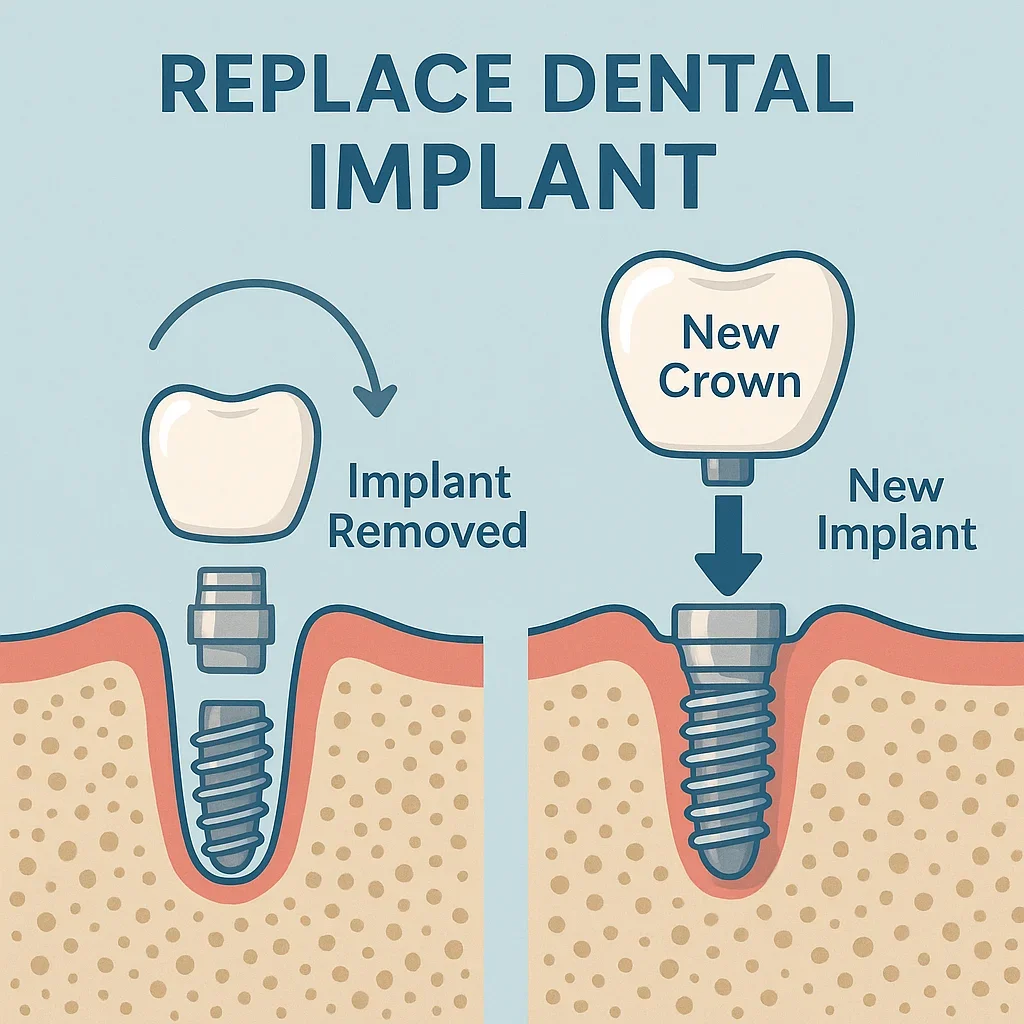
The replacement implant is placed under local anesthesia using the same principles as initial implant surgery, with a focus on precision and long-term sustainability. To replace dental implant fixtures effectively, your specialist selects an implant design and size that match your bone structure and occlusal (bite) needs.
Key Steps During Implant Placement
- A small incision is made in the gum tissue
- A pilot hole is drilled into the bone
- The titanium implant is inserted at a specific torque level
- The area is sutured and allowed to heal
Osseointegration begins immediately after placement and continues for several months.
5. Healing, Osseointegration, and Temporary Restorations
The healing phase is critical for long-term success. During osseointegration, bone cells grow onto the implant surface, anchoring it securely. Patients usually wear a temporary prosthetic during this time to maintain aesthetics and function.
Healing times vary based on bone density and individual health, but most patients integrate fully within 3–6 months.
How to Support Healing
- Avoid smoking or alcohol
- Keep excellent oral hygiene
- Use recommended antiseptic rinses
- Follow all dietary guidelines during early healing
6. Final Crown Placement and Bite Adjustment
Once osseointegration is complete, your dentist attaches an abutment and fabricates the final crown. Modern crowns are created using digital scanning for optimal fit and natural aesthetics. The crown may be zirconia, porcelain-fused-to-metal, or ceramic, depending on your needs.
Proper bite adjustment is essential to avoid mechanical overload. A beautifully shaped crown ensures comfortable chewing, natural appearance, and long-term implant stability.
7. Post-Procedure Monitoring and Maintenance
After completing the process to replace dental implant fixtures, regular professional monitoring is essential. Follow-up visits help ensure proper bone retention, gum health, and mechanical function.
Patients should schedule routine check-ups every 6 months for maintenance, cleaning, and examination. This proactive care helps prevent future complications and keeps the new implant functioning optimally.
8. When to Seek Immediate Help
If you notice swelling, infection symptoms, mobility, or severe discomfort during any stage of the process, contact your provider immediately. You may also reach out for expert assistance through the Redent Klinik Contact Page for personalized guidance.
By understanding each step in the clinical workflow, you gain confidence and control over your treatment journey. Replacing an implant is a sophisticated procedure, but with modern technology and expert care, the process is predictable, comfortable, and highly successful. 🌟🦷
Recovery Timeline After a Dental Implant Replacement
The recovery period after you replace dental implant structures is a carefully planned process that ensures successful healing, proper osseointegration, and long-term implant stability. Understanding what happens in the hours, days, weeks, and months following implant replacement empowers you to manage expectations, follow professional guidelines, and avoid complications. Each phase of healing plays a crucial role in determining the strength and longevity of your new implant. This comprehensive guide explains the full recovery timeline—from the immediate postoperative stage to long-term maintenance—so you know exactly what to expect at every step of the journey. 🦷✨
1. The First 24 Hours After Implant Replacement
The first day after you replace dental implant components is all about protecting the surgical site and minimizing inflammation. During this initial period, your body begins the early healing process, forming a blood clot around the implant area and preparing tissue for regeneration.
Common sensations during the first 24 hours include mild soreness, pressure, or slight bleeding. These symptoms are normal and usually manageable with over-the-counter pain relief recommended by your dentist. Ice packs applied intermittently can help reduce swelling. Avoiding physical activity, hot drinks, and touching the surgical area speeds healing.
Immediate Postoperative Tips
- Do not rinse your mouth vigorously for 24 hours
- Avoid smoking and alcohol completely
- Eat soft foods and drink plenty of water
- Keep your head elevated when resting
Following these instructions reduces stress on the new implant and prevents early complications.
2. Days 2–7: Managing Swelling and Early Tissue Healing
During the first week, soft tissues around the implant begin to heal. Mild swelling may peak around day two or three but gradually decreases afterward. The gum tissue starts to adapt to the new implant and stabilize the surgical site.
Mouth rinsing with a prescribed antimicrobial solution (often chlorhexidine) helps control bacteria and reduce inflammation. You should continue avoiding hard or chewy foods and practice gentle brushing away from the implant site.
What Is Normal During the First Week?
- Mild swelling or bruising
- Sensitivity when chewing
- Slight bleeding when brushing
If swelling becomes excessive or if pain increases instead of improving, this may indicate infection and should be evaluated immediately. Early detection can prevent the need to replace dental implant components again later.
3. Weeks 2–4: Gum Tissue Stabilization and Comfort Improvement
By the second week, most patients experience significant comfort and reduced tenderness. The gums begin to reattach and seal around the area, creating a protective barrier that supports long-term health.
During this stage, your dentist may schedule a follow-up appointment to ensure that the implant site is healing properly and to confirm there are no signs of infection or early implant mobility.
Signs of Healthy Progress
- Decreased swelling and discomfort
- Stable gum contours forming around the implant
- Normal chewing ability for soft-to-medium foods
Maintaining excellent oral hygiene is crucial. Gentle brush strokes and cautious flossing around adjacent teeth help keep bacteria away from the healing implant.
4. Months 1–3: Osseointegration Phase
The most essential part of recovery after you replace dental implant components is osseointegration—the biological process where the bone fuses to the implant surface. This phase determines long-term stability and success. Depending on bone density and health, osseointegration typically takes 8–12 weeks but may extend to 4–6 months in complex cases.
During this period, you may wear a temporary crown or removable prosthetic. These are designed to avoid excessive pressure on the implant while allowing you to maintain aesthetics and basic function.
What Happens During Osseointegration?
- Bone cells attach to the implant’s micro-roughened surface
- New bone tissue forms around the implant threads
- The implant becomes fully anchored within the jaw
It is essential to avoid chewing hard foods directly on the implant during this stage. Excessive force can disrupt the fusion process and lead to implant failure.
5. Months 3–6: Abutment Placement and Crown Fabrication
Once your dentist confirms successful osseointegration through imaging and clinical examination, the next phase involves exposing the implant and attaching an abutment. The abutment acts as a connector between the implant and the final crown.
Digital impressions are taken to create a customized crown that matches your bite, gum line, and natural tooth color. Modern 3D scanning ensures exceptional accuracy for aesthetics and function.
Choosing the Right Crown Material
- Zirconia – best for strength and natural appearance
- Porcelain – highly aesthetic for front teeth
- PFM (porcelain fused to metal) – durable and cost-effective
After your final crown is placed, your dentist performs a bite adjustment to ensure no excessive pressure is exerted on the new implant.
6. Long-Term Maintenance After Implant Replacement
The journey doesn’t end once you replace dental implant structures and receive your permanent crown. Long-term maintenance plays a significant role in preventing future complications. Regular check-ups, proper oral hygiene, and avoiding harmful habits protect both the implant and natural teeth.
Professional cleanings every six months help remove plaque buildup that could lead to inflammation or peri-implantitis. Your dentist may also recommend night guards if you grind your teeth.
Daily Care Checklist
- Brush twice daily with a soft-bristle toothbrush
- Use non-abrasive toothpaste
- Floss around natural teeth and implant areas
- Use antimicrobial mouth rinses as recommended
These practices maintain gum health and ensure your replacement implant remains strong and functional.
7. When to Contact a Professional During Recovery
If at any point you notice swelling, mobility, severe pain, or unpleasant odor around the implant, seek immediate dental assistance. Early intervention prevents complications and protects your investment in your new implant. You can reach out to specialists through the Redent Klinik Contact Page for expert support.
For additional educational resources and implant care guidelines, respected organizations like the American Dental Association offer trusted information based on clinical research.
Ultimately, knowing the full recovery timeline helps ensure that once you replace dental implant fixtures, you enjoy lasting stability, comfort, and confidence in your restored smile. 🌟🦷
Advanced Techniques for Successful Implant Replacement
Modern dentistry has evolved dramatically, offering highly predictable and minimally invasive techniques to replace dental implant structures with superior long-term success rates. When a dental implant fails—whether due to infection, bone loss, mechanical overload, or placement errors—today’s advanced technologies ensure a smoother, safer, and more precise replacement process than ever before. This comprehensive section explores the newest strategies, surgical approaches, regenerative techniques, and digital innovations that specialists use to deliver exceptional outcomes during implant replacement. 🦷🚀
1. Digital Implant Planning and 3D Imaging
One of the most significant advancements in implant dentistry is 3D digital planning. Before specialists replace dental implant fixtures, they create a complete digital model of your jaw using CBCT (Cone Beam Computed Tomography). This technology provides high-resolution images of bone height, width, density, and surrounding anatomical structures such as sinus cavities and nerves.
Using this detailed map, implant surgeons can design the ideal placement angle, depth, and implant size tailored to your unique bone structure. Digital planning drastically reduces surgical risks and increases precision.
Benefits of Digital Planning
- Predictable implant positioning
- Reduced risk of nerve or sinus complications
- Enhanced bone preservation
- Better long-term stability
These innovations make it significantly easier to replace dental implant components with high accuracy, even in complex cases.
2. Guided Implant Surgery for Maximum Accuracy
Guided implant surgery uses digitally fabricated surgical guides—transparent templates placed over your teeth or gums during surgery. These guides contain small channels that direct the surgeon’s instruments with millimeter-level precision.
Whether correcting a poorly angled implant or replacing a failed fixture, surgical guides provide consistency and enhanced safety. They are especially beneficial when bone is limited or when immediate placement is planned.
Advantages of Guided Surgery
- Reduced surgical time
- More accurate implant trajectory
- Improved esthetic and functional outcomes
- Ideal for full-mouth or complex replacements
Guided surgery transforms the ability to replace dental implant structures in anatomically challenging zones.
3. Piezoelectric Bone Surgery for Minimally Invasive Implant Removal
Piezoelectric surgery uses ultrasonic micro-vibrations to cut bone with remarkable precision while protecting soft tissues. This technology is widely used during implant replacement to remove failed implants gently and preserve as much bone as possible.
Unlike traditional drills, piezoelectric tools reduce trauma, bleeding, and heat generation, leading to faster and more comfortable healing.
Why Piezo Surgery Is Ideal for Implant Replacement
- Preserves fragile and thin bone
- Minimizes postoperative swelling
- Allows for immediate implant placement in many cases
Patients who need to replace dental implant fixtures benefit greatly from the tissue-friendly nature of piezoelectric instruments.
4. Advanced Bone Regeneration Techniques
Successful implant replacement often requires rebuilding bone that was lost due to infection or trauma. Modern regenerative techniques create strong, dense bone capable of supporting a new implant with long-term reliability.
Common advanced bone regeneration methods include:
- GBR (Guided Bone Regeneration) – uses barrier membranes to stimulate bone growth
- Ridge augmentation – reconstructs bone width and height
- Sinus lift surgery – adds vertical bone in the upper jaw
- PRF (Platelet-Rich Fibrin) – accelerates healing using growth factors from your own blood
These techniques ensure that when you replace dental implant structures, the new implant has a solid biological foundation.
Why Advanced Regeneration Matters
- Increases long-term implant survival
- Prevents future bone resorption
- Improves facial aesthetics
5. Immediate Implant Replacement and Same-Day Solutions
For suitable candidates, immediate replacement—removing the failed implant and placing a new one on the same day—offers incredible convenience. This technique minimizes the number of surgeries and reduces overall treatment time by months.
Immediate replacement is typically recommended when:
- The failed implant was removed without significant bone loss
- No active infection is present
- Bone stability is sufficient
In these cases, the surgeon can stabilize the new implant in fresh, healthy bone. This approach helps patients restore oral function faster while maintaining optimal bone structure.
6. Use of High-Performance Implant Materials
Advanced implant materials—such as titanium-grade alloys and zirconia—provide improved strength, biocompatibility, and osseointegration rates. When specialists replace dental implant structures, using superior materials significantly reduces the risk of future failure.
Material Improvements Include:
- Micro-roughened implant surfaces that promote bone attachment
- Zirconia implants for metal-free restorations
- Fatigue-resistant titanium alloys for high bite forces
The implant surface technology alone has improved success rates dramatically in the past decade.
7. Regenerative Soft Tissue Techniques for Better Aesthetics
Healthy, strong gum tissue is critical for long-term implant success. When implants fail due to soft tissue recession, specialists use advanced gingival grafting or connective tissue grafts to rebuild the gum line.
This approach not only supports the implant biologically but also improves smile aesthetics.
Benefits of Soft Tissue Regeneration
- Reduces risk of peri-implantitis
- Improves crown appearance
- Creates a natural-looking gum contour
8. Intraoral Scanners and Digital Crown Fabrication
Once the new implant has healed, high-precision intraoral scanners capture digital impressions for crown fabrication. These devices eliminate the discomfort of traditional molds and create incredibly accurate restorations.
Digital crowns ensure the replacement implant aligns perfectly with your bite and neighboring teeth.
9. When to Seek a Specialist for Advanced Implant Replacement
Given the complexity of modern implant replacement techniques, choosing a highly trained specialist is critical. If you suspect implant failure or want expert evaluation, you can contact professionals through the Redent Klinik Contact Page.
For science-backed standards and recommendations, respected institutions such as the American Dental Association provide authoritative guidance on implant procedures.
With advanced surgical tools, digital precision, regenerative techniques, and high-performance materials, modern dentistry offers exceptional opportunities to replace dental implant systems successfully and restore full function, stability, and aesthetics to your smile. 🌟🦷
Choosing the Right Clinic and Specialist for Implant Replacement
Selecting the right dental clinic and specialist is one of the most critical factors when planning to replace dental implant structures. Implant replacement is a highly technical procedure requiring advanced surgical skills, in-depth anatomical knowledge, and access to modern technology. Choosing an experienced specialist not only increases the success rate but also ensures a comfortable, predictable, and long-lasting result. In this section, we explore the essential criteria for selecting the right provider, the qualifications to look for, the technology a clinic should have, and the factors that truly matter when restoring your implant health. 🦷🌟
1. Qualifications and Training of the Implant Specialist
Implant dentistry is not a general dental procedure—it is a specialized branch requiring extensive training in surgical techniques, bone biology, prosthodontics, and advanced diagnostic planning. Before you replace dental implant components, it is essential to verify the surgeon’s education, certifications, and hands-on experience.
Key Qualifications to Look For
- Postgraduate training in implantology, oral surgery, or periodontics
- Membership in reputable dental associations
- Experience with complex implant cases including revisions and bone grafting
- Track record of successful long-term implant outcomes
Experienced providers understand both the biological and mechanical reasons implants fail and can craft precise treatment plans to restore function and aesthetics safely.
2. Technology and Equipment Used by the Clinic
Modern technology plays one of the biggest roles in implant success. Clinics equipped with advanced diagnostic tools can identify issues early, plan replacement procedures accurately, and reduce the risk of complications.
Before choosing where to replace dental implant fixtures, ensure the clinic is equipped with the following:
Essential Diagnostic Tools
- CBCT 3D imaging for detailed bone analysis
- Intraoral scanners for digital impressions
- Surgical guide fabrication technology for precise placement
Advanced Surgical Equipment
- Piezoelectric bone surgery devices for minimally invasive implant removal
- Digital torque-controlled instruments for safe implant insertion
- PRF centrifuge systems to enhance healing and bone regeneration
A technologically advanced clinic significantly improves treatment predictability, especially in complex replacement cases involving bone loss or infection.
3. Clinic Experience with Implant Replacement Cases
Not all clinics perform implant replacements regularly. Many dental practices are experienced with placing implants, but far fewer specialize in fixing failed implants or performing revision surgeries.
A clinic with extensive experience in implant replacement understands the nuances of:
- Managing peri-implantitis
- Removing fractured or damaged implants
- Rebuilding bone and soft tissue
- Correcting previous placement errors
The more revision cases a clinic handles, the more capable it becomes of addressing your specific needs.
Questions You Should Ask the Clinic
- How many implant replacement procedures do you perform annually?
- What technologies do you use for implant removal and planning?
- Can you show before-and-after results of similar cases?
- What are your long-term success statistics for replacement procedures?
4. Treatment Philosophy and Patient-Centered Approach
A truly skilled specialist does more than simply replace dental implant structures—they listen, understand your concerns, and personalize your care plan. A patient-centered clinic focuses on safety, comfort, and long-term outcomes rather than quick fixes.
Signs of a Patient-Centered Clinic
- Clear explanation of all treatment options
- Detailed breakdown of risks and expected results
- Transparent communication regarding total costs
- Time allocated for questions and second opinions
When patients feel supported and informed, treatment outcomes tend to be significantly better.
5. Reviews, Testimonials, and Reputation
Online reviews and patient testimonials provide insight into real patient experiences and overall satisfaction. Look for patterns rather than isolated comments—consistent positive themes often indicate high-quality care.
Authentic reviews may highlight:
- Professionalism and friendliness of the staff
- Comfort during the surgical process
- Success of implant replacement procedures
- Post-treatment support and follow-up care
Reputation matters immensely when planning to replace dental implant fixtures, especially in complex cases.
6. Hygiene Standards and Safety Protocols
Implant replacement requires absolute adherence to sterilization and infection control standards. Clinics that follow strict protocols reduce postoperative risks significantly.
Important Safety Measures
- Use of sterile surgical rooms
- High-level instrument sterilization
- Disposable surgical materials when appropriate
- Strict adherence to ADA and CDC infection control guidelines
The American Dental Association provides standards that reputable clinics follow to ensure patient safety during all implant procedures.
7. Availability of Comprehensive Aftercare
Aftercare is one of the biggest determinants of success after you replace dental implant components. A reliable clinic offers structured follow-up visits, professional cleanings, and long-term monitoring.
Ask whether the clinic provides:
- Regular check-up schedules
- Postoperative instructions and emergency support
- Professional peri-implant cleaning services
- Bite adjustment and occlusion maintenance
8. When to Contact a Trusted Specialist
If you believe your implant is failing or you want expert guidance, reaching out to trusted professionals is essential. You can schedule a consultation through the Redent Klinik Contact Page to receive personalized assessments and detailed treatment recommendations.
Choosing the right specialist ensures a smoother experience, faster recovery, and significantly better results when you need to replace dental implant fixtures. With the right clinic, you can restore your smile’s function, health, and aesthetic quality with confidence. 🌟🦷
Costs, Insurance, and Realistic Expectations for Implant Replacement
Understanding the financial aspects, insurance considerations, and realistic outcomes when planning to replace dental implant structures is essential for making informed decisions. Implant replacement is a highly specialized procedure involving surgical expertise, advanced technology, and multiple treatment phases such as implant removal, bone grafting, and placement of a new implant. These factors influence cost, treatment duration, long-term success, and overall patient satisfaction. This detailed section breaks down everything you need to know—from average price ranges to what insurance may cover—so you can approach your treatment with confidence and clarity. 💡🦷
1. Factors That Influence the Cost of Implant Replacement
The cost to replace dental implant fixtures varies significantly depending on the complexity of your case. Unlike initial implant placement, replacement often requires additional procedures such as bone regeneration or gum tissue repair. The exact cost depends on the following key elements:
Major Cost Variables
- Surgical removal of the failed implant
- Bone grafting or sinus lifting if bone loss is present
- Implant material (titanium or zirconia)
- Abutment and crown choice (ceramic, zirconia, or PFM)
- Use of advanced technology such as guided surgery or PRF
- Geographic location and clinic reputation
Complex cases generally cost more due to additional surgical time and the need for multiple procedures. However, advanced techniques improve long-term success, making the investment worthwhile.
2. Typical Price Ranges for Implant Replacement
While prices vary globally, the following ranges represent common estimates for patients needing to replace dental implant components. These figures are based on international averages and publicly available clinic data:
Estimated Treatment Costs
• Implant removal:               $250 – $700
• Bone grafting:                 $300 – $2,000
• New titanium implant:          $1,200 – $3,000
• Zirconia implant option:       $2,000 – $4,000
• Abutment and crown:            $800 – $2,000
• Full implant replacement cost: $2,500 – $8,000 (all steps combined)
These ranges reflect standard clinical pricing and may vary based on the complexity of each case. If multiple teeth need replacement, costs multiply accordingly. However, some clinics offer bundle packages for full-mouth restorations.
3. How Insurance Handles Implant Replacement Costs
Insurance coverage for implant replacement can be confusing because dental implants fall into both cosmetic and medical categories, depending on the situation. Many insurance providers cover part of the procedure if medical necessity is proven, especially in cases involving trauma, infection, or bone deterioration.
What Insurance May Cover
- Implant removal due to infection or structural failure
- Diagnostic exams (X-rays, CBCT scans)
- Bone grafting when deemed medically necessary
- Part of the crown or abutment cost
Patients should always check their policy terms carefully. In some cases, dental and medical insurance can be combined to reduce out-of-pocket expenses.
What Insurance Typically Does NOT Cover
- Cosmetic upgrades (e.g., zirconia implant selection)
- Implant replacement due to poor hygiene or negligence
- Luxury or aesthetic crown options
To streamline the reimbursement process, many clinics assist patients in preparing documentation that demonstrates medical necessity.
4. Financing and Payment Plan Options
Many reputable clinics offer financing solutions to make replacing an implant more affordable. Third-party medical financing companies provide low-interest or zero-interest monthly payment plans, depending on credit approval.
Common Financing Options
- Installment plans through the clinic
- Medical credit card programs
- Zero-interest promotional periods
- Long-term loans with flexible repayment
These options help patients proceed with treatment sooner, preventing further complications that could make the procedure more costly later.
5. Realistic Expectations About Treatment Outcomes
When you replace dental implant fixtures, it is essential to have clear and realistic expectations about the process, timeline, and results. While modern technology has drastically improved implant success rates, outcomes vary based on bone health, gum condition, and patient habits.
What Most Patients Can Expect
- Improved stability and function compared to the failed implant
- A natural-looking crown with excellent aesthetics
- Stronger bone support thanks to regeneration techniques
- Comfortable chewing and restored speech clarity
With proper care, the new implant can last 20+ years or even a lifetime.
Factors Affecting Long-Term Success
- Smoking or tobacco use
- Chronic diabetes or autoimmune disorders
- Poor oral hygiene habits
- Uncontrolled bruxism (teeth grinding)
Understanding these variables helps set achievable expectations and improves overall satisfaction.
6. The Value of Choosing Experienced Specialists
An experienced specialist not only delivers better results but also minimizes risks and reduces long-term costs. Expert implant surgeons handle complications more effectively and use technologies that increase precision.
Patients seeking to replace dental implant structures benefit strongly from clinics with advanced imaging, guided surgery tools, and regenerative materials. These elements enhance predictability and reduce the possibility of future implant failure.
7. When to Seek Professional Consultation
If you are experiencing pain, mobility, aesthetic concerns, or believe your implant is failing, a professional evaluation is essential. You can schedule an appointment through the Redent Klinik Contact Page to receive personalized guidance and cost estimates based on your unique dental condition.
For trusted information on standards, safety, and implant guidelines, reputable organizations such as the American Dental Association provide valuable resources.
When you fully understand the pricing, insurance options, and realistic expectations involved in choosing to replace dental implant systems, you can make confident decisions that support long-term oral health and comfort. 🌟🦷
Long-Term Care Tips to Avoid Future Implant Replacement
Once you decide to replace dental implant structures and complete the treatment successfully, your long-term maintenance habits become the single most important factor in ensuring that your new implant lasts for decades. Even the highest-quality implants depend on consistent oral care, proper hygiene, healthy lifestyle choices, and regular professional follow-ups. This comprehensive guide outlines the best long-term care strategies to protect your implant investment, prevent complications like peri-implantitis, and maintain optimal oral health. By following these expert-level tips, you greatly reduce the risk of needing additional implant replacements in the future. 🦷🌿
1. Maintain Excellent Daily Oral Hygiene
Oral hygiene is the cornerstone of maintaining dental implants. When plaque accumulates around the implant, it can lead to inflammation, gum recession, and bone loss. Over time, these issues may force you to replace dental implant components again. Preventing plaque buildup protects both the surrounding tissue and the structural integrity of the implant.
Daily Hygiene Essentials
- Brush twice daily using a soft-bristle toothbrush
- Use non-abrasive toothpaste to avoid scratching implant surfaces
- Floss daily with implant-safe floss or interdental brushes
- Rinse with antibacterial mouthwash as recommended
These steps help prevent early-stage inflammation and maintain stable tissue around your implant.
2. Professional Cleaning and Routine Check-Ups
Even with impeccable oral hygiene, professional maintenance is crucial. Your dentist can identify early signs of potential issues long before you feel symptoms. These early checks may prevent you from having to replace dental implant fixtures due to overlooked problems.
Recommended Follow-Up Schedule
- Every 3–6 months for implant-specific cleaning
- Annual CBCT imaging for long-term evaluation
- Regular periodontal evaluations to ensure gum health
Professional cleanings remove deposits that at-home brushing cannot eliminate, reducing the risk of peri-implantitis dramatically.
3. Protect Your Implants from Mechanical Stress
Excessive bite force is a common cause of implant problems. Grinding, clenching, and chewing hard foods can weaken the implant-bone connection or damage the crown. If such stress continues, replacement may eventually become necessary.
Ways to Reduce Mechanical Stress
- Wear a custom night guard if you grind your teeth
- Avoid biting ice, hard candy, or very tough foods
- Ensure proper bite alignment through regular check-ups
Protecting your implant from mechanical stress is essential for ensuring its longevity.
4. Adopt a Healthy Lifestyle for Strong Bone and Gum Support
Your overall health plays a vital role in implant durability. Nutrition, hydration, hormonal balance, and lifestyle habits influence your body’s ability to maintain bone and gum health. A healthier body significantly decreases the chances that you’ll need to replace dental implant structures again in the future.
Lifestyle Habits That Boost Implant Longevity
- Quit smoking—tobacco restricts blood flow and weakens bone
- Follow a nutrient-rich diet high in vitamins D and K2
- Exercise regularly to improve circulation and immunity
- Stay hydrated to maintain healthy gum tissue
Strong oral tissues and bone structure create a stable environment for lifelong implant support.
5. Manage Systemic Health Conditions Proactively
Certain medical conditions can compromise implant stability over time. Diabetes, autoimmune disorders, osteoporosis, and hormonal changes may affect bone density, healing ability, and tissue integrity. If these conditions are untreated or unstable, they may ultimately lead to the need to replace dental implant components again.
Medical Conditions to Monitor Closely
- Diabetes (especially uncontrolled blood sugar)
- Osteoporosis and bone metabolism disorders
- Autoimmune diseases affecting healing
- Thyroid dysfunction and hormonal imbalances
Managing these systemic conditions in partnership with your physician drastically increases the survival rate of your implant.
6. Monitor Early Warning Signs of Implant Problems
The sooner you identify early symptoms of implant-related issues, the easier they are to treat. Ignoring warning signs allows inflammation and bone loss to progress, increasing the likelihood that you will eventually need to replace dental implant fixtures.
Symptoms to Watch For
- Gum bleeding or swelling around the implant
- Persistent discomfort when biting down
- Exposed implant threads
- Bad taste or odor from the implant area
- Any mobility or looseness
Immediate professional evaluation can stop minor issues from becoming serious complications.
7. Use the Right Oral Care Tools for Implants
Not all dental products are appropriate for implants. Some tools are too abrasive or ineffective in removing plaque around titanium surfaces. The right tools help maintain implant integration and prevent tissue irritation.
Recommended Implant-Friendly Tools
- Soft-bristle toothbrushes
- Nylon-coated interdental brushes
- Water flossers for deep-cleaning
- Low-abrasion toothpaste formulations
These tools support both daily care and long-term implant health.
8. Importance of Choosing a Skilled Specialist for Aftercare
The expertise of your dentist or periodontist plays a major role in long-term implant success. Specialists are trained to monitor subtle changes in gum tissue, bone density, and implant alignment. Their guidance helps prevent future complications and reduces the need to replace dental implant systems again.
If you notice persistent symptoms or need long-term follow-up care, you can reach experienced professionals through the Redent Klinik Contact Page.
9. Trusted Sources for Ongoing Implant Health Education
Reliable dental institutions offer evidence-based guidelines on maintaining implant health. Accessing reputable resources helps you stay informed about best practices and emerging research.
Organizations such as the American Dental Association provide patient-friendly articles, clinical standards, and implant maintenance recommendations.
By maintaining excellent oral hygiene, staying proactive about health, and following professional advice, you significantly reduce the risk of having to replace dental implant structures again. Through diligent care and awareness, your implant can remain strong, functional, and aesthetically pleasing for many years. 🌟🦷