
Dental implants are widely considered the gold standard for replacing missing teeth. However, even the most advanced systems may sometimes require revision. If you have been told that you need to replace select implant, you are probably wondering what that means, why it happens, and what to expect next. This comprehensive guide explains everything in clear, patient-friendly language so you can feel confident about your treatment decisions. 😊
To replace select implant means removing an existing dental implant and placing a new one in the same or an adjusted position. This is not a common situation, but it can occur due to implant failure, bone loss, infection, mechanical complications, or aesthetic concerns. While dental implants have a success rate of over 95% according to the American Dental Association, a small percentage of cases require corrective action. When properly managed by an experienced implant specialist, the process to replace select implant can restore both function and appearance successfully.
There are several reasons why a patient might need to replace select implant. Early implant failure can happen if the implant does not properly integrate with the jawbone, a process known as osseointegration. Late failure may occur years later due to peri-implantitis (an inflammatory condition similar to gum disease), trauma, or excessive biting forces. In other cases, patients may choose to replace select implant for cosmetic reasons if the implant position affects the smile line or gum symmetry.
Understanding the biology behind dental implants helps clarify why replacement is sometimes necessary. An implant is a titanium or zirconia post placed into the jawbone to act as an artificial tooth root. Over time, bone cells fuse with the implant surface. If this fusion is incomplete or compromised by infection, the stability of the implant decreases. When stability is lost, dentists may recommend removing and planning to replace select implant after proper healing and preparation.
Many patients feel anxious when they hear they must replace select implant, but modern dentistry offers predictable solutions. The first step typically involves detailed diagnostics such as 3D cone beam CT imaging. This allows the clinician to evaluate bone density, surrounding anatomical structures, and the cause of failure. Once the problem is identified, a personalized treatment plan is developed to safely replace select implant with improved positioning or additional bone support if necessary.
In some cases, bone grafting may be required before you can replace select implant. Bone grafting rebuilds areas of lost bone to create a strong foundation for the new implant. Healing periods vary depending on the extent of grafting, but once the area is stable, the new implant can be placed with a high likelihood of success. Advanced surface technologies and digital planning further improve outcomes when you replace select implant.
Another important consideration is timing. Sometimes dentists can remove the failing implant and immediately replace select implant in the same surgical session. In other situations, especially if infection is present, a healing period of several weeks or months may be required before placing a new implant. Your specialist will determine the safest and most predictable protocol for your individual case.
Patients often ask whether replacing an implant is painful. Fortunately, the procedure to replace select implant is performed under local anesthesia, and sedation options are available for anxious individuals. Post-operative discomfort is typically manageable with prescribed or over-the-counter medication. Swelling and mild tenderness usually resolve within a few days. Most patients report that the experience is similar to their original implant placement.
Functionally, when you replace select implant, the goal is to restore full chewing efficiency and prevent bone deterioration. A stable implant stimulates the jawbone just like a natural tooth root. This helps maintain facial structure and prevents the sunken appearance that can occur with missing teeth. Aesthetically, replacing an implant can dramatically improve smile symmetry, gum contours, and overall confidence. 😁
If you suspect problems with your existing implant, do not delay evaluation. Early intervention makes it easier to plan and successfully replace select implant if needed. Warning signs include mobility, persistent pain, swelling, bleeding gums, or changes in bite alignment. A prompt consultation ensures the best possible outcome and may even prevent complete implant loss.
Choosing an experienced dental clinic is critical when planning to replace select implant. At specialized centers like Redent Klinik, advanced digital planning, experienced implant surgeons, and strict sterilization protocols increase success rates significantly. If you have concerns about your dental implant or would like a second opinion, you can contact professionals directly through the Redent Klinik Contact Page for a personalized consultation.
In summary, to replace select implant means correcting a compromised dental implant in order to restore long-term stability, comfort, and aesthetics. While implant replacement may sound intimidating, modern techniques make it a safe and highly predictable solution. With proper diagnosis, expert surgical planning, and attentive aftercare, patients can once again enjoy a strong, natural-looking smile that lasts for many years. 🌟
1. What Does Replace Select Implant Mean?
When a dentist recommends that you replace select implant, it means that an existing dental implant must be removed and substituted with a new one to restore proper function, stability, and aesthetics. Although dental implants are designed to be a long-term solution for missing teeth, certain clinical situations make it necessary to replace select implant to protect your oral health and prevent further complications.
Dental implants function as artificial tooth roots, typically made from biocompatible titanium. They integrate with the jawbone through a process called osseointegration. If this integration fails or deteriorates over time, the implant may become unstable. In such cases, your dentist may determine that the safest and most predictable solution is to replace select implant rather than attempt temporary repairs.
Understanding Implant Failure
One of the primary reasons patients must replace select implant is implant failure. Failure can occur early (within the first few months after placement) or late (years after successful integration). Early failure often results from inadequate bone integration, surgical trauma, or infection. Late failure is more commonly associated with peri-implantitis, a condition similar to advanced gum disease that causes bone loss around the implant.
When infection or bone loss progresses, the implant may loosen. At this stage, the most effective solution is usually to remove and replace select implant after resolving the underlying issue. Treating the infection thoroughly before reimplantation significantly increases the success rate of the new implant.
Early vs. Late Complications
Early complications may include persistent pain, swelling, or failure of the implant to integrate with bone. If osseointegration does not occur properly, your dentist may recommend to replace select implant after evaluating bone quality and healing conditions.
Late complications often involve inflammatory processes. Peri-implantitis can silently destroy supporting bone over time. Once bone support drops below a critical threshold, dentists often advise to replace select implant to avoid further deterioration and protect adjacent teeth.
Mechanical and Prosthetic Issues
Not all situations requiring you to replace select implant involve infection. Sometimes mechanical problems arise. These may include implant fracture, abutment damage, screw loosening, or incorrect angulation that affects chewing efficiency or aesthetics.
If the implant is improperly positioned, it can compromise the final crown’s appearance. In highly visible areas of the mouth, even minor misalignment can impact smile symmetry. In such cases, patients may choose to replace select implant for aesthetic improvement and long-term functional harmony.
Implant Positioning Errors
Modern dentistry relies heavily on digital planning and 3D imaging to avoid positioning errors. However, older implants placed without advanced imaging sometimes require correction. When positioning affects bite alignment or gum contour, specialists may recommend to carefully remove and replace select implant using guided surgical techniques for optimal placement.
Bone Loss and Structural Support
Bone stability is essential for implant longevity. If bone resorption occurs due to infection, trauma, or systemic health conditions, your dentist may advise to replace select implant after performing bone grafting procedures. Bone grafting rebuilds lost volume and creates a stable foundation for the new implant.
Replacing an implant is not simply about inserting a new screw; it involves a comprehensive evaluation of bone density, gum health, and overall oral condition. In some cases, immediate placement is possible. In others, a healing period is necessary before you can safely replace select implant.
Is It Common to Replace a Dental Implant?
Dental implants have high success rates, typically exceeding 95% according to the American Dental Association. Therefore, the need to replace select implant is relatively uncommon. However, when it does become necessary, modern surgical protocols make the procedure highly predictable.
Advancements such as guided implant surgery, improved implant surface technologies, and regenerative procedures significantly increase success rates when you replace select implant. Choosing an experienced implant specialist is crucial to achieving long-term stability.
Emotional Concerns and Patient Confidence
Hearing that you need to replace select implant can be stressful. Patients often worry about discomfort, cost, and recovery time. Fortunately, implant replacement is typically performed under local anesthesia, and sedation options are available for anxious individuals. Most patients report that the procedure feels similar to their initial implant placement.
If you have concerns about your current implant or have been advised to replace select implant, consulting a qualified clinic is essential. A personalized treatment plan can address both functional and aesthetic goals. You may contact specialists directly through the Redent Klinik Contact Page to receive professional guidance tailored to your needs.
In summary, to replace select implant means carefully removing a compromised implant and placing a new one under optimized conditions. Whether due to infection, mechanical failure, bone loss, or aesthetic correction, implant replacement is a safe and effective solution when performed by experienced professionals. With proper planning and aftercare, patients can regain full chewing function, preserve jawbone health, and restore a confident, natural-looking smile. 😊
2. Why Would You Need to Replace Select Implant?
Dental implants are designed to be a long-term and highly reliable solution for missing teeth. However, in certain clinical situations, your dentist may recommend that you replace select implant to protect your oral health and restore full function. Understanding why it becomes necessary to replace select implant helps reduce anxiety and allows you to make informed decisions about your treatment.
Although implant success rates are very high, no medical procedure offers a 100% guarantee. Biological factors, mechanical stress, oral hygiene habits, and systemic health conditions can all influence whether an implant remains stable over time. When complications compromise the stability or health of the surrounding tissues, specialists may determine that the safest long-term solution is to replace select implant.
Biological Reasons for Implant Replacement
One of the most common biological reasons to replace select implant is peri-implantitis. This inflammatory condition affects the gum and bone surrounding the implant. It is similar to advanced periodontal disease and can gradually destroy the bone that holds the implant in place.
Peri-Implantitis and Bone Loss
Peri-implantitis often begins with mild gum inflammation, known as peri-implant mucositis. If untreated, bacteria can penetrate deeper tissues, leading to progressive bone loss. Once bone support drops below a critical level, the implant may loosen. At this stage, conservative treatment may no longer be sufficient, and your dentist may advise to replace select implant after eliminating infection and rebuilding bone support if necessary.
Patients who smoke, have uncontrolled diabetes, or struggle with poor oral hygiene face a higher risk of needing to replace select implant due to inflammatory complications. Early diagnosis significantly improves outcomes, which is why regular dental checkups are essential.
Failure of Osseointegration
Osseointegration is the process by which the implant fuses with the jawbone. If this biological bond fails to form properly, the implant may never achieve stability. Early mobility, persistent discomfort, or radiographic signs of bone gaps may indicate the need to replace select implant.
Several factors can interfere with osseointegration, including insufficient bone density, excessive heat during surgery, or premature loading of the implant with a crown. When integration fails, removal and planning to replace select implant under improved clinical conditions typically leads to better long-term success.
Mechanical and Structural Complications
Not all reasons to replace select implant are biological. Mechanical stress can also compromise implant integrity. Implants are subjected to constant chewing forces. If bite alignment is incorrect or if a patient grinds their teeth (bruxism), excessive pressure may damage implant components.
Implant Fracture or Component Failure
Although rare, implant fracture can occur, especially in cases involving narrow-diameter implants placed in high-stress areas. Abutment screws may also loosen or fracture. When structural integrity is compromised beyond repair, dentists may recommend to replace select implant to restore safe chewing function.
Advances in implant design and digital planning have significantly reduced these risks. However, if mechanical failure occurs, carefully removing and planning to replace select implant ensures long-term durability.
Aesthetic Concerns
In visible areas of the mouth, aesthetics are just as important as function. Improper implant positioning, gum recession, or uneven crown contours may negatively impact your smile. In such cases, patients sometimes choose to replace select implant to improve cosmetic results.
Modern digital smile design and guided surgery allow specialists to precisely plan implant placement. If an older implant was placed without advanced imaging technology, replacing it may dramatically enhance gum harmony and tooth alignment. When you replace select implant for aesthetic reasons, the goal is to achieve natural-looking symmetry and improved confidence. 😁
Trauma or Accidental Damage
Accidents can also create situations where it becomes necessary to replace select implant. A direct blow to the mouth during sports or an unexpected fall may damage the implant or surrounding bone. Even if the crown appears intact, internal structural damage may require removal and replacement.
Protective measures such as wearing custom mouthguards during sports activities can reduce the likelihood that you will need to replace select implant due to trauma.
Systemic Health Factors
Certain systemic conditions may influence implant stability over time. Uncontrolled diabetes, autoimmune disorders, or long-term steroid use can impair healing and increase infection risk. If systemic factors compromise bone support, dentists may determine that it is safer to replace select implant once medical conditions are stabilized.
The American Dental Association emphasizes the importance of comprehensive medical evaluation before and after implant placement. Maintaining overall health significantly reduces the likelihood that you will need to replace select implant in the future.
When to Seek Professional Advice
If you experience persistent pain, swelling, bleeding around the implant, or notice mobility, seek professional evaluation immediately. Early intervention may prevent full implant failure. However, if your specialist determines that removal is necessary, planning to replace select implant under controlled and optimized conditions can restore both function and aesthetics effectively.
Patients who have concerns about implant stability or cosmetic appearance can consult experts through the Redent Klinik Contact Page for personalized evaluation and treatment planning.
In conclusion, there are multiple reasons why a patient may need to replace select implant, including biological complications, mechanical failure, aesthetic correction, trauma, or systemic health influences. While implant replacement may sound intimidating, modern dentistry provides predictable, safe, and long-lasting solutions. With proper diagnosis, advanced imaging, and experienced surgical care, choosing to replace select implant can successfully restore oral health, chewing efficiency, and a confident smile. 🌟
3. Signs That Your Implant Needs Replacement
Dental implants are built to last for decades, but certain warning signs may indicate that it is time to replace select implant. Recognizing these symptoms early can prevent further complications and protect your overall oral health. While minor discomfort immediately after surgery is normal, persistent or unusual symptoms months or years later should never be ignored.
Understanding when to replace select implant is essential because early intervention often improves success rates. Many patients hesitate to seek evaluation, assuming mild symptoms will resolve on their own. However, dental implants function as artificial roots anchored in bone, and any instability can compromise surrounding tissues if left untreated.
Persistent Pain or Discomfort
One of the clearest signs that you may need to replace select implant is ongoing pain around the implant site. Mild soreness after placement is expected, but discomfort that continues weeks or months later is not normal. Persistent pain may indicate infection, nerve irritation, or failure of osseointegration.
How to Differentiate Normal Healing from a Problem
Normal healing discomfort typically subsides within a few days and improves steadily. If pain increases over time, radiates to surrounding areas, or is accompanied by swelling, your dentist may evaluate whether it is necessary to replace select implant. Early imaging and clinical examination help determine whether the implant is stable or compromised.
Implant Mobility
A healthy dental implant should feel as stable as a natural tooth. If you notice even slight movement, it is a serious indicator that you may need to replace select implant. Mobility often signals a breakdown of the bond between the implant and jawbone.
Implant movement can result from bone loss, trauma, or failed integration. Once mobility is confirmed, conservative treatment is rarely sufficient. In most cases, dentists recommend removing the unstable implant and planning to replace select implant after addressing the underlying cause.
Swelling, Redness, or Bleeding Gums
Inflamed gums around an implant may indicate peri-implantitis. This inflammatory condition can progressively destroy bone support. If left untreated, the damage may become irreversible, requiring you to replace select implant to restore stability.
Warning Signs of Peri-Implantitis
Symptoms include bleeding while brushing, pus discharge, gum recession, and persistent bad breath. The American Dental Association highlights the importance of early diagnosis in managing implant-related infections. When bone loss becomes advanced, specialists often advise to replace select implant following thorough infection control and possibly bone grafting procedures.
Bone Loss Detected on X-Rays
Not all problems are visible or painful. Sometimes routine dental X-rays reveal progressive bone loss around the implant. Even if you feel no discomfort, significant bone deterioration may require intervention. If bone levels drop below safe thresholds, dentists may recommend to replace select implant before complete failure occurs.
Bone loss can result from chronic inflammation, poor oral hygiene, smoking, or systemic health conditions. Regular checkups allow your dentist to detect subtle changes early, potentially reducing the need to replace select implant in advanced stages.
Changes in Bite or Chewing Function
If your bite feels uneven or chewing becomes uncomfortable, it may signal mechanical stress on the implant. Excessive pressure from bruxism (teeth grinding) or misalignment can weaken the implant over time. In cases where structural damage occurs, it may become necessary to replace select implant to restore proper occlusion.
Mechanical Complications
Loose abutment screws, fractured components, or crown instability can also indicate deeper structural issues. While minor prosthetic problems can sometimes be repaired, severe cases require removing the compromised fixture and planning to replace select implant for long-term success.
Aesthetic Changes
Gum recession around the implant may expose metal surfaces, affecting smile aesthetics. If cosmetic concerns are significant, patients sometimes choose to replace select implant with improved positioning or soft tissue grafting to achieve a more natural appearance. 😊
Modern digital planning techniques allow specialists to carefully evaluate gum contours and smile symmetry before deciding to replace select implant. Aesthetic corrections often improve both confidence and oral health.
When to Seek Immediate Evaluation
If you experience pain, swelling, mobility, or visible changes around your implant, schedule an evaluation immediately. Early assessment may prevent further complications. If removal becomes necessary, an experienced specialist can safely replace select implant under optimized conditions to restore stability.
Patients seeking professional advice can consult experts through the Redent Klinik Contact Page for personalized diagnosis and treatment planning.
In conclusion, recognizing the signs that you may need to replace select implant is crucial for maintaining long-term oral health. Persistent pain, mobility, infection, bone loss, mechanical damage, or aesthetic concerns all warrant professional evaluation. While implant replacement may sound concerning, modern dentistry offers predictable and safe solutions. By acting early and choosing experienced specialists, patients can successfully replace select implant and regain full chewing function, bone stability, and a confident smile. 🌟
4. Step-by-Step Procedure to Replace Select Implant
If your dentist has recommended that you replace select implant, understanding the full procedure can help reduce anxiety and set realistic expectations. While the idea of implant replacement may sound complex, modern implantology follows a structured, evidence-based protocol designed to maximize safety and long-term success. When performed by an experienced specialist, the process to replace select implant is highly predictable and carefully planned from start to finish.
Comprehensive Clinical Evaluation
The first step before you replace select implant is a thorough clinical and radiographic assessment. Your dentist will examine the implant site, surrounding gums, and bite alignment. Advanced imaging, such as 3D cone beam computed tomography (CBCT), provides detailed visualization of bone density and anatomical structures.
This stage is crucial because the reason you need to replace select implant determines the treatment plan. If infection is present, it must be fully eliminated before a new implant is placed. If bone loss has occurred, regenerative procedures may be necessary.
Medical History Review
Systemic health conditions such as diabetes, autoimmune disorders, or smoking habits can influence healing. Before planning to replace select implant, your dentist evaluates these factors to optimize surgical outcomes. According to the American Dental Association, comprehensive assessment significantly improves implant success rates.
Removal of the Failing Implant
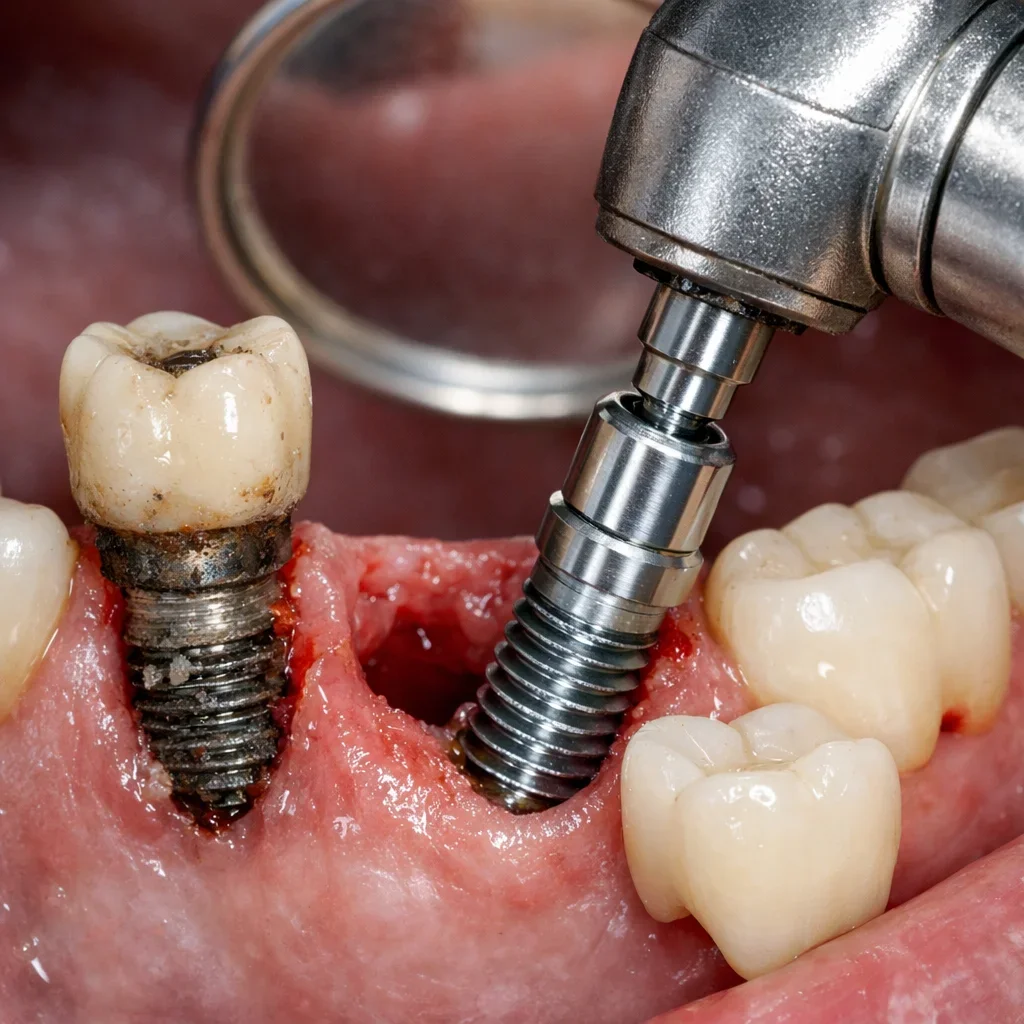
The next step in the process to replace select implant involves safely removing the compromised fixture. Specialized surgical tools are used to minimize trauma to surrounding bone. In many cases, removal is less invasive than the original implant placement.
If the implant is mobile, extraction may be relatively straightforward. However, if the implant is partially integrated, controlled surgical techniques are used to preserve as much healthy bone as possible before proceeding to replace select implant.
Site Cleaning and Infection Control
Once the implant is removed, the area is meticulously cleaned. Any infected or inflamed tissue is eliminated to create a healthy foundation. If peri-implantitis caused the failure, deep decontamination of the site is essential before planning to replace select implant.
Antibiotic therapy may be prescribed to support healing. Proper infection management greatly increases the likelihood that the new implant will integrate successfully when you replace select implant.
Bone Grafting (If Necessary)
In cases where bone loss has occurred, grafting procedures may be required before you can safely replace select implant. Bone grafting materials—either synthetic, donor-derived, or autogenous—are placed to rebuild lost volume.
Healing Period After Grafting
Healing times vary depending on the extent of bone reconstruction. Minor grafts may require a few weeks, while more extensive cases may need several months before you can proceed to replace select implant. During this time, the graft material integrates with natural bone, creating a stable base for the new implant.
Placement of the New Implant
Once the site is fully healed and stable, your dentist proceeds to replace select implant by placing a new implant fixture. Modern digital planning and guided surgical templates ensure precise positioning. Correct angulation and depth are critical to avoid complications and ensure long-term stability.
The implant is inserted into the jawbone under local anesthesia. Many patients report that the experience of replace select implant feels similar—or even easier—than the original procedure. 😊
Osseointegration and Healing Phase
After placement, the implant undergoes osseointegration. This biological process allows bone cells to fuse with the implant surface. The healing period typically lasts between 2 to 4 months, depending on bone quality and overall health.
During this stage, it is essential to follow all post-operative instructions carefully. Proper oral hygiene and regular follow-up visits ensure successful integration after you replace select implant.
Abutment and Crown Placement
Once osseointegration is confirmed, an abutment is attached to connect the implant with the final crown. The custom-made crown is then secured, restoring full chewing function and aesthetic appearance.
At this stage, patients who replace select implant often experience renewed confidence and comfort. The final restoration is designed to blend seamlessly with surrounding teeth.
Follow-Up and Long-Term Monitoring
Regular follow-up appointments are essential after you replace select implant. Your dentist will monitor bone levels, gum health, and implant stability. Early detection of potential issues prevents future complications.
If you have concerns or would like expert guidance regarding implant replacement, you can consult professionals through the Redent Klinik Contact Page for personalized care.
In summary, the procedure to replace select implant follows a structured, step-by-step protocol: evaluation, removal, infection control, possible bone grafting, precise placement, healing, and final restoration. While implant replacement requires careful planning, modern dental technology ensures high success rates and predictable outcomes. With proper care and professional expertise, patients who replace select implant can regain optimal function, bone stability, and a natural-looking smile that lasts for many years. 🌟
5. Costs and Price Factors for Implant Replacement
One of the most common questions patients ask when they need to replace select implant is about the cost. Implant replacement is a highly individualized procedure, and pricing depends on multiple clinical and geographical factors. While it is impossible to provide an exact figure without an examination, understanding the elements that influence cost helps you plan realistically and avoid unexpected surprises.
When you replace select implant, the overall investment reflects surgical expertise, advanced diagnostic imaging, materials used, laboratory fees, and any additional procedures such as bone grafting. Unlike simple dental treatments, implant replacement involves both surgical and restorative phases, which contributes to the total price.
Average Cost Range for Implant Replacement
In the United States, the cost to replace select implant typically ranges between $2,500 and $6,000 per implant. This estimate often includes implant removal, placement of the new implant, and the crown. However, prices may increase if bone grafting or sinus lifting is required.
In some European countries, costs may range from $1,800 to $4,500, depending on the clinic’s technology and expertise. Dental tourism destinations may offer lower pricing, but it is important to ensure that quality standards and sterilization protocols meet international guidelines before deciding to replace select implant abroad.
Why Prices Vary
The cost to replace select implant varies because no two cases are identical. Some patients require only straightforward implant removal and immediate replacement. Others need extensive regenerative procedures, which significantly influence the final amount.
Factors That Influence the Cost
1. Diagnostic Imaging and Evaluation
Before you replace select implant, detailed imaging such as 3D CBCT scans is required. These advanced diagnostics allow precise planning and reduce surgical risks. Although imaging adds to the cost, it increases the success rate and prevents complications.
2. Implant Removal Complexity
If the existing implant is mobile, removal may be simple. However, if it is partially integrated or surrounded by inflamed tissue, surgical removal becomes more complex. The level of difficulty directly affects the cost when you replace select implant.
3. Bone Grafting Requirements
Bone grafting is one of the biggest variables in pricing. If significant bone loss has occurred due to infection or trauma, rebuilding the foundation is necessary before you can safely replace select implant. Bone grafting procedures may add between $300 and $3,000, depending on the extent and materials used.
4. Implant Brand and Material
Premium implant brands often cost more due to advanced surface technology and long-term research backing their performance. High-quality materials improve integration success when you replace select implant. Cheaper alternatives may lower initial costs but could compromise durability.
5. Specialist Expertise
Choosing an experienced implantologist or oral surgeon may increase upfront costs, but it significantly reduces the risk of needing further corrective procedures. The American Dental Association emphasizes the importance of professional qualifications in ensuring implant success. When you replace select implant, expertise directly impacts long-term outcomes.
Insurance Coverage and Payment Options
Dental insurance policies vary widely. Some plans may partially cover implant removal but not the new implant placement. Others classify implants as elective procedures. It is important to verify coverage details before planning to replace select implant.
Many dental clinics offer flexible payment plans or financing options to make it easier to replace select implant without financial strain. Spreading payments over several months can make treatment more accessible.
Long-Term Value vs. Short-Term Cost
While the cost to replace select implant may seem significant, it is important to consider the long-term value. Dental implants preserve jawbone density, maintain facial structure, and restore full chewing efficiency. Choosing a lower-cost but inexperienced provider may increase the risk of complications, potentially leading to higher expenses in the future.
Investing in high-quality treatment when you replace select implant often results in decades of reliable performance. Proper placement and follow-up care reduce the likelihood of repeat procedures.
How to Receive an Accurate Cost Estimate
The only way to receive a precise quote to replace select implant is through a personalized clinical evaluation. During consultation, your dentist will assess bone condition, gum health, and the reason for implant failure. A customized treatment plan ensures transparent pricing and clear expectations.
If you would like a detailed assessment and individualized quote, you can contact professionals directly through the Redent Klinik Contact Page. Experienced specialists can evaluate your case and explain all cost components clearly.
In conclusion, the cost to replace select implant depends on diagnostic requirements, surgical complexity, bone grafting needs, implant materials, and professional expertise. Although the financial investment varies, prioritizing quality and long-term stability ensures that replacing your implant delivers lasting functional and aesthetic benefits. With proper planning and expert care, choosing to replace select implant can restore your smile and protect your oral health for many years. 💎
6. Recovery Timeline After You Replace Select Implant
Understanding the recovery process is essential if you are planning to replace select implant. Many patients worry that implant replacement may involve a longer or more painful healing period than the original procedure. In reality, the recovery timeline after you replace select implant depends on several factors, including the reason for replacement, bone condition, infection control, and whether additional procedures such as bone grafting were necessary.
Modern surgical techniques, precise imaging, and minimally invasive methods significantly improve healing outcomes when you replace select implant. With proper care and professional supervision, most patients experience a smooth and predictable recovery process.
Immediate Post-Surgery Phase (First 24–72 Hours)
Right after the procedure to replace select implant, mild swelling, tenderness, and slight bleeding are normal. These symptoms typically peak within the first 48 hours and gradually decrease. Your dentist will likely prescribe anti-inflammatory medication or mild pain relievers to ensure comfort.
Managing Swelling and Discomfort
Applying cold compresses during the first 24 hours can reduce swelling. Soft foods are recommended to avoid placing pressure on the surgical site. Proper rest during this phase supports optimal healing after you replace select implant. Avoid smoking or alcohol consumption, as both can delay recovery and interfere with osseointegration.
Early Healing Phase (Week 1–2)
Within the first week after you replace select implant, gum tissues begin to close and stabilize around the surgical site. Stitches, if used, are usually removed within 7–10 days unless dissolvable sutures were applied.
At this stage, maintaining gentle but thorough oral hygiene is crucial. Your dentist may recommend antibacterial mouth rinses to minimize infection risk. Proper hygiene significantly reduces complications when you replace select implant.
Bone Integration Phase (2–4 Months)
The most critical stage after you replace select implant is osseointegration. During this biological process, bone cells gradually fuse with the surface of the new implant. This phase typically lasts between 8 and 16 weeks, depending on bone density and overall health.
Factors Influencing Osseointegration
Bone quality plays a major role in how quickly the implant stabilizes. Patients with strong, dense jawbone often heal faster. However, if bone grafting was required before you replace select implant, healing may take slightly longer. Systemic conditions such as uncontrolled diabetes or smoking can also slow integration.
According to the American Dental Association, careful monitoring during this phase significantly increases long-term implant success rates. Follow-up appointments allow your dentist to confirm that integration is progressing properly after you replace select implant.
Abutment Placement and Crown Restoration
Once osseointegration is confirmed, the next step after you replace select implant involves attaching the abutment and final crown. This restorative phase is typically straightforward and minimally invasive.
Patients often feel a sense of relief and renewed confidence at this stage. The new crown is custom-designed to match surrounding teeth in shape, color, and alignment. After completing this final step of replace select implant, normal chewing function is restored.
Long-Term Healing and Monitoring
Although the implant may feel stable within a few months, long-term healing continues beneath the surface. Bone remodeling and soft tissue adaptation occur gradually over time. Regular dental checkups are essential after you replace select implant to ensure continued stability.
When to Contact Your Dentist
While most patients recover smoothly, certain symptoms require immediate evaluation. Persistent swelling, severe pain, mobility, or discharge may indicate infection or integration problems. Early intervention increases the likelihood of preserving the implant after you replace select implant.
If you experience any unusual symptoms or would like professional guidance during your healing period, you can reach specialists directly through the Redent Klinik Contact Page for personalized support.
Tips for a Smooth Recovery
To maximize healing success after you replace select implant, follow these essential recommendations:
- Maintain excellent oral hygiene without applying excessive pressure to the surgical area.
- Avoid hard or sticky foods during early healing.
- Attend all scheduled follow-up visits.
- Stop smoking, as it significantly increases implant failure risk.
- Follow medication instructions precisely.
By carefully following these guidelines, patients who replace select implant typically achieve strong, long-lasting results.
In conclusion, the recovery timeline after you replace select implant follows a structured progression: immediate post-surgical healing, soft tissue recovery, bone integration, and final restoration. While minor discomfort is normal in the early days, modern techniques ensure a predictable and comfortable healing experience. With proper care, professional monitoring, and patient cooperation, choosing to replace select implant can restore full oral function and deliver a stable, confident smile for many years to come. 😊
7. Risks and Complications to Consider
Although modern implant dentistry is highly predictable, every surgical procedure carries potential risks. If you are planning to replace select implant, it is important to understand possible complications so you can make an informed and confident decision. The good news is that most risks are rare and can be minimized with proper planning, experienced surgical care, and strict post-operative compliance. Still, being aware of what may happen when you replace select implant allows you to recognize warning signs early and seek prompt professional support.
Surgical Risks During the Procedure
When specialists replace select implant, they carefully remove the failing implant and prepare the site for a new fixture. Although the procedure is typically safe, minor surgical risks can occur.
Bleeding and Swelling
Some bleeding and swelling are normal after you replace select implant. However, excessive or prolonged bleeding may require evaluation. Patients who take blood thinners or have clotting disorders must inform their dentist before the procedure. Proper pre-surgical assessment greatly reduces complications when you replace select implant.
Nerve Irritation
In lower jaw procedures, the implant site may be close to sensory nerves. If placement is not carefully planned, temporary or rarely permanent numbness can occur. Advanced 3D imaging significantly reduces this risk when clinicians replace select implant. Precise digital planning ensures safe positioning away from critical anatomical structures.
Infection and Inflammation
Infection is one of the primary concerns after you replace select implant. While sterile surgical environments and antibiotics lower the likelihood, bacterial contamination can still occur if oral hygiene is inadequate.
Peri-Implantitis Recurrence
If the original implant failed due to peri-implantitis, there is a possibility of recurrence. Patients who replace select implant must commit to strict oral hygiene and regular professional cleanings. The American Dental Association emphasizes consistent monitoring to prevent inflammatory complications.
Smoking significantly increases infection risk. Patients who continue smoking after they replace select implant are statistically more likely to experience complications.
Failure of Osseointegration
Just like with initial implant placement, the new implant must integrate with bone. If osseointegration fails again, it may become necessary to reassess bone quality, systemic health, or occlusion. Although rare, repeat integration failure is a potential risk when you replace select implant.
Risk Factors for Integration Failure
Common contributing factors include uncontrolled diabetes, immune disorders, excessive biting forces, and poor bone density. Careful medical evaluation before you replace select implant reduces these risks significantly.
Bone Loss or Insufficient Stability
If significant bone loss occurred before you replace select implant, stability of the new implant may depend on successful grafting procedures. Inadequate bone regeneration can compromise long-term support. That is why surgeons sometimes recommend staged treatment rather than immediate placement when planning to replace select implant.
Following all healing instructions is critical to ensure graft integration and stable bone formation after you replace select implant.
Mechanical Complications
Although implant materials are durable, mechanical issues such as screw loosening, crown fracture, or implant component wear can occur over time. Proper bite alignment and high-quality materials reduce mechanical stress when you replace select implant.
Bruxism and Bite Forces
Patients who grind their teeth place additional stress on implants. Dentists often recommend night guards to protect the new implant after you replace select implant. Addressing bite alignment reduces excessive pressure and helps maintain long-term stability.
Aesthetic Complications
In front-tooth regions, gum recession or improper angulation may affect appearance. Advanced digital planning and guided surgery techniques minimize aesthetic risks when specialists replace select implant. However, patients with thin gum biotypes may require soft tissue grafting to achieve optimal results.
Psychological and Emotional Considerations
Needing to replace select implant can cause emotional stress. Patients may worry about repeated failure or financial investment. Open communication with your dental team helps alleviate these concerns. Understanding that implant replacement success rates remain high provides reassurance and confidence.
If you are uncertain about your specific risk profile, professional consultation is essential. You can reach experienced specialists through the Redent Klinik Contact Page to receive personalized guidance tailored to your situation.
How to Minimize Risks
To reduce complications when you replace select implant, consider the following precautions:
- Choose an experienced implant specialist.
- Follow all pre- and post-operative instructions carefully.
- Maintain excellent oral hygiene.
- Stop smoking before and after surgery.
- Attend regular follow-up appointments.
These preventive steps significantly increase long-term success after you replace select implant.
In conclusion, while there are risks associated with any surgical procedure, complications when you replace select implant are uncommon when proper planning and care are followed. Surgical precision, infection control, bone quality assessment, and patient compliance all play crucial roles in ensuring successful outcomes. By choosing qualified professionals and committing to long-term oral health maintenance, patients who replace select implant can expect durable function, stable bone support, and an attractive, confident smile for years to come. 🌟
8. Benefits of Choosing a Specialist for Implant Replacement
If you need to replace select implant, one of the most important decisions you will make is choosing the right professional. While general dentists may place implants, implant replacement is often more complex than initial placement. Selecting a qualified implant specialist significantly increases the likelihood of long-term success when you replace select implant. Experience, advanced training, and modern technology all play critical roles in achieving predictable and safe outcomes.
Advanced Diagnostic Capabilities
Specialists who frequently replace select implant cases rely on high-level diagnostic tools such as 3D cone beam CT (CBCT) imaging. These scans provide a detailed view of bone density, nerve pathways, and sinus cavities. Accurate imaging allows the clinician to plan implant positioning with extreme precision.
Digital Treatment Planning
Digital planning software enables specialists to simulate the exact angle, depth, and placement of the new implant before surgery begins. This precision dramatically reduces complications when you replace select implant. Guided surgical templates are often used to transfer the digital plan directly to the patient’s mouth, minimizing human error.
Without advanced diagnostics, implant positioning may rely more heavily on manual estimation, which increases risk. Choosing a specialist ensures that when you replace select implant, every detail is carefully evaluated beforehand.
Expertise in Managing Complications
Implant replacement cases often involve bone loss, infection, or mechanical failure. Specialists are specifically trained to manage these complex scenarios. If peri-implantitis caused the initial failure, an experienced surgeon knows how to thoroughly disinfect and prepare the site before planning to replace select implant.
Bone Grafting and Regenerative Skills
Many patients who must replace select implant require bone grafting procedures. Implant specialists are highly skilled in bone regeneration techniques, including guided bone regeneration (GBR), sinus lifting, and soft tissue grafting. Proper regeneration is essential for achieving stable integration after you replace select implant.
Regenerative expertise ensures that bone quality and volume are optimized before the new implant is placed. This significantly reduces the risk of repeat failure.
Higher Success Rates
Studies consistently show that experienced implantologists achieve higher long-term success rates. According to the American Dental Association, clinical expertise and careful case selection are major predictors of implant success. When you replace select implant under the supervision of a trained specialist, you benefit from their knowledge of biomechanics, bone physiology, and surgical technique.
Replacing an implant is not simply repeating the original procedure. It requires identifying and correcting the factors that caused failure. A specialist carefully analyzes why you need to replace select implant in the first place, ensuring that those issues are not repeated.
Improved Aesthetic Outcomes
In visible areas of the mouth, aesthetic precision is essential. Specialists who frequently replace select implant cases understand the importance of gum contour, crown proportion, and smile symmetry. Advanced digital smile design tools help create a natural and harmonious result.
Soft Tissue Management
Proper management of gum tissue is critical for aesthetic success. If gum recession contributed to the need to replace select implant, soft tissue grafting techniques may be incorporated to improve appearance. Skilled specialists ensure that the final restoration blends seamlessly with surrounding teeth. 😊
Reduced Risk of Future Complications
One of the greatest benefits of choosing a specialist when you replace select implant is risk reduction. Experienced clinicians follow strict sterilization protocols, precise surgical techniques, and structured follow-up schedules.
They also evaluate occlusion (bite alignment) to prevent excessive mechanical stress on the new implant. Addressing bruxism or bite imbalances significantly reduces the likelihood that you will need to replace select implant again in the future.
Personalized Treatment Planning
Every implant replacement case is unique. Specialists develop individualized treatment plans tailored to your bone structure, health condition, and aesthetic goals. Rather than using a one-size-fits-all approach, they carefully customize the process to ensure optimal results when you replace select implant.
Comprehensive consultation includes discussion of healing timelines, maintenance strategies, and long-term expectations. Patients who replace select implant under specialized care often report greater confidence and satisfaction with their outcomes.
Access to Multidisciplinary Care
Implant specialists often collaborate with prosthodontists, periodontists, and oral surgeons. This multidisciplinary approach ensures that every aspect of your care is optimized when you replace select implant. Complex cases benefit greatly from coordinated expertise.
If you are considering implant replacement and want expert evaluation, you can consult experienced professionals directly through the Redent Klinik Contact Page for personalized guidance.
Long-Term Peace of Mind
Ultimately, choosing a specialist when you replace select implant provides peace of mind. Knowing that advanced technology, surgical precision, and years of expertise support your treatment allows you to feel secure in your decision.
In conclusion, the benefits of selecting a specialist to replace select implant include superior diagnostics, regenerative expertise, improved aesthetics, higher success rates, and reduced complication risk. Implant replacement is a complex procedure that requires precision and experience. By trusting a qualified implant professional, patients who replace select implant can expect durable stability, restored function, and a confident, natural-looking smile that lasts for many years. 🌟
9. Long-Term Care After You Replace Select Implant
Once you successfully replace select implant, your responsibility does not end with the final crown placement. Long-term care plays a decisive role in ensuring that your new implant remains stable, functional, and aesthetically pleasing for decades. Dental implants are highly durable, but their longevity depends heavily on daily hygiene habits, professional monitoring, and lifestyle choices. Understanding how to properly maintain your oral health after you replace select implant is essential to prevent future complications.
Daily Oral Hygiene Routine
Maintaining excellent oral hygiene is the most important factor after you replace select implant. Although implants cannot develop cavities like natural teeth, the surrounding gum and bone tissues remain vulnerable to inflammation and infection.
Brushing Techniques
Use a soft-bristled toothbrush to clean around the implant at least twice daily. Electric toothbrushes can be particularly effective in removing plaque. Pay special attention to the gum line where bacteria tend to accumulate. Consistent brushing significantly reduces the risk of peri-implantitis after you replace select implant.
Flossing and Interdental Cleaning
Flossing is equally important. Specialized implant floss or interdental brushes help clean areas that standard floss may not reach. Water flossers can also enhance cleaning efficiency. Patients who neglect flossing after they replace select implant increase their risk of inflammation and bone loss.
Professional Dental Checkups
Routine dental visits are critical after you replace select implant. Most dentists recommend checkups every 6 months, though some patients may require more frequent monitoring depending on their risk profile.
Radiographic Monitoring
Periodic X-rays allow your dentist to evaluate bone levels around the implant. Early detection of bone changes can prevent severe complications. According to the American Dental Association, regular professional assessment significantly improves long-term implant success.
Professional cleanings remove hardened plaque deposits that daily brushing cannot eliminate. This preventive care is essential to avoid the need to replace select implant again in the future.
Lifestyle Considerations
Your lifestyle habits strongly influence implant longevity after you replace select implant. Smoking is one of the most significant risk factors for implant complications. Nicotine restricts blood flow, slows healing, and increases infection risk.
Managing Bruxism
If you grind your teeth at night (bruxism), wearing a custom night guard protects the implant from excessive pressure. Mechanical overload is a common cause of implant complications. Taking preventive measures ensures that the new restoration placed when you replace select implant remains stable.
Healthy Diet and Bone Support
A balanced diet rich in calcium, vitamin D, and protein supports bone health. Strong bone density is crucial for maintaining stability after you replace select implant. Limiting sugary foods also reduces bacterial growth in the mouth.
Staying hydrated helps maintain saliva flow, which naturally cleanses the oral cavity. Proper nutrition and hydration contribute to long-term success after you replace select implant.
Recognizing Early Warning Signs
Even with excellent care, it is important to remain vigilant. Warning signs such as bleeding gums, swelling, discomfort, or mobility require immediate evaluation. Early intervention may prevent serious complications after you replace select implant.
When to Seek Immediate Attention
If you experience persistent pain, pus discharge, or changes in bite alignment, contact your dentist immediately. Quick response can prevent further bone loss and protect your investment after you replace select implant.
Patients seeking expert follow-up care or professional evaluation can reach specialists directly through the Redent Klinik Contact Page for personalized guidance.
Long-Term Success Rates
With proper maintenance, implants can last 20 years or longer. Many patients who replace select implant enjoy lifelong stability when they commit to consistent oral hygiene and regular dental visits. The key is prevention and early detection of potential issues.
Replacing an implant offers a second opportunity to restore oral function and aesthetics. Protecting that investment requires dedication, professional oversight, and healthy habits.
Emotional and Functional Benefits
After you replace select implant, patients often report renewed confidence in their smile and improved chewing ability. Maintaining long-term care preserves these benefits and prevents unnecessary stress or additional procedures. 😊
In conclusion, long-term care after you replace select implant is the foundation of lasting success. Daily brushing and flossing, regular dental checkups, lifestyle modifications, and early detection of warning signs all contribute to implant stability. By taking proactive steps and working closely with your dental professional, patients who replace select implant can enjoy strong bone support, healthy gums, and a confident smile for decades to come. 🌟