
Missing teeth can affect more than just your smile — they can impact your speech, your ability to chew, and even your confidence. If you’re looking to replace teeth, you’re not alone. Millions of people every year explore tooth replacement options due to decay, injury, or natural aging. Understanding why you might need to replace teeth is the first step toward restoring your oral health and achieving a smile you’re proud of.
In this section, we will explore the top reasons why replacing missing teeth is so important. Whether you’ve lost a single tooth or multiple teeth, modern dentistry offers a variety of effective solutions. The right choice for you will depend on factors like budget, oral health status, and long-term goals. If you’re unsure where to start, consulting with a qualified dental professional can help you make the best decision for your needs.
1. Why You Might Need to Replace Teeth
There are several common reasons why people need to replace teeth:
- Tooth Decay: Severe cavities can damage a tooth beyond repair, requiring extraction and replacement.
- Gum Disease: Advanced periodontal disease can loosen teeth, leading to tooth loss.
- Trauma or Injury: Accidents during sports or daily activities can knock out teeth unexpectedly.
- Wear and Tear: Aging can lead to weakened teeth that eventually require replacement.
- Genetic Factors: Some people are born without certain permanent teeth, necessitating replacements.
When you fail to replace teeth promptly, several oral health issues can arise. Neighboring teeth may shift into the empty space, leading to misalignment. The jawbone in that area can deteriorate over time, making future dental restoration more challenging. Additionally, gaps in your teeth can make chewing and speaking difficult, impacting your quality of life.
From a health perspective, missing teeth can also put more strain on your remaining teeth, causing uneven wear and potential damage. This is why dentists often recommend not delaying tooth replacement procedures.
The Psychological Impact of Missing Teeth
Beyond the physical effects, there is also a psychological component. Missing teeth can cause self-consciousness and social anxiety, making people hesitant to smile or speak in public. Replacing your teeth not only restores function but also boosts self-esteem.
Early Action Matters
Experts from the American Dental Association emphasize that acting quickly to replace teeth yields better outcomes. Early intervention helps preserve bone density, prevents shifting of adjacent teeth, and allows for a more natural-looking result.
Consulting a Professional
If you suspect you might need to replace teeth, schedule an evaluation with a trusted dental clinic. A comprehensive exam will determine whether you are a candidate for dental implants, bridges, or other restorative treatments. You can contact our team at Redent Klinik Contact Page to explore your options and receive a personalized treatment plan.
Remember, modern dentistry offers highly advanced solutions to replace teeth effectively. Whether you’re looking for a permanent fix or a temporary measure while you plan for a long-term restoration, there’s an option that fits your needs and budget.
2. Dental Implants: The Gold Standard in Tooth Replacement
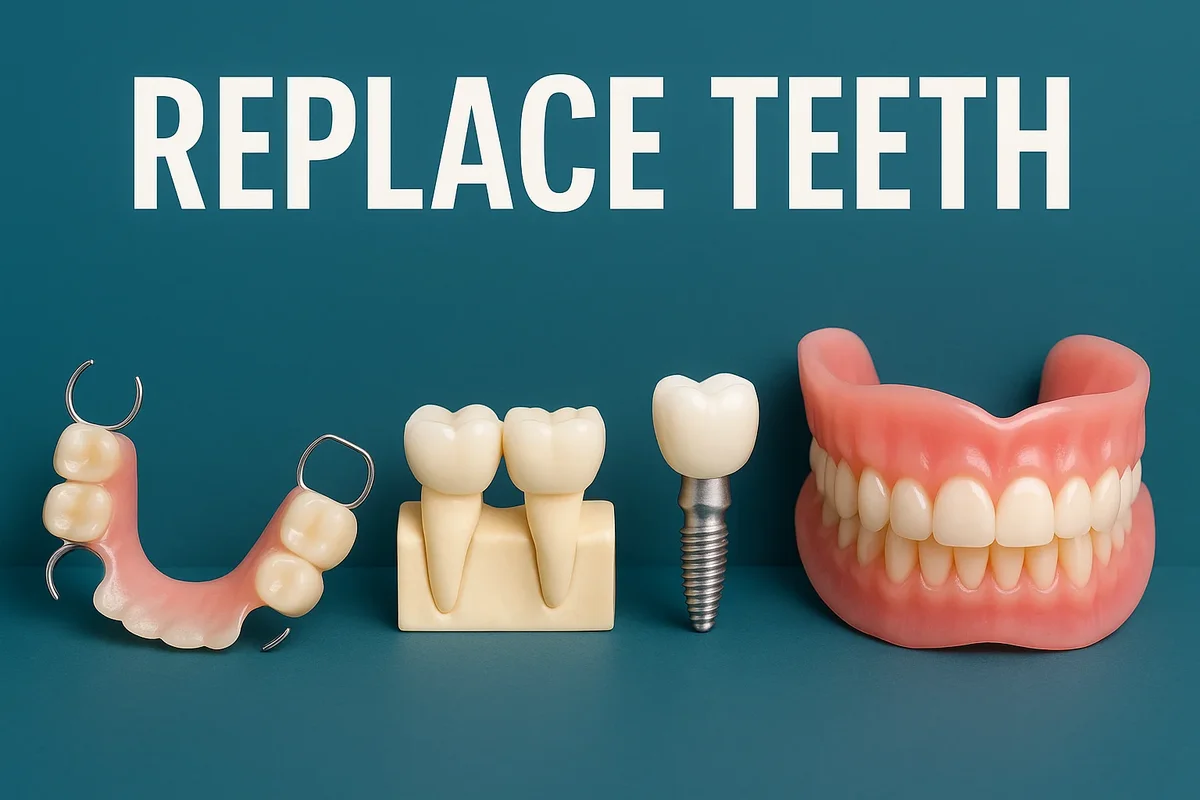
When it comes to the most natural and long-lasting way to replace teeth, dental implants are considered the gold standard in modern dentistry. These innovative solutions mimic the structure of natural teeth, offering both functional and aesthetic benefits. A dental implant consists of a titanium post surgically inserted into the jawbone, acting as an artificial tooth root. This is then topped with a custom-made crown that blends seamlessly with your existing teeth.
Why Dental Implants Are the Preferred Option
Unlike removable dentures or traditional bridges, implants fuse with your bone through a process called osseointegration. This provides unparalleled stability, allowing you to eat, speak, and smile with confidence. Dental implants also help maintain jawbone density, which can deteriorate after tooth loss if you don’t promptly replace teeth.
- Durability: With proper care, implants can last decades or even a lifetime.
- Natural Appearance: The crown is designed to match the color, size, and shape of your natural teeth.
- Preservation of Oral Health: Unlike bridges, implants do not require filing down adjacent healthy teeth.
- Bone Preservation: Stimulates bone growth and prevents resorption.
The Implant Procedure Step-by-Step
The process of getting dental implants to replace teeth typically involves several stages:
- Initial Consultation: A dental exam, X-rays, and sometimes 3D imaging determine your suitability.
- Surgical Placement: The titanium post is placed into your jawbone under local anesthesia or sedation.
- Healing Period: Over several months, the implant integrates with your bone.
- Abutment Placement: A small connector piece is attached to the implant.
- Crown Attachment: A custom-made crown is fixed onto the abutment, completing the restoration.
Eligibility for Dental Implants
Not everyone is immediately eligible for implants. Adequate bone density, healthy gums, and good oral hygiene are essential. If bone loss has occurred, your dentist may recommend bone grafting before proceeding. The sooner you decide to replace teeth with implants, the less likely you’ll need additional preparatory procedures.
Costs of Dental Implants in 2025
In 2025, the average cost of a single dental implant in the United States ranges between:
Price Range: $3,000 – $5,500 per tooth (including surgery, abutment, and crown)
Prices vary depending on the complexity of the case, the materials used, and the location of the dental clinic. For example, dental implants in Turkey — particularly at reputable clinics like Redent Klinik Contact Page — can be significantly more affordable, often costing 50–70% less than in the U.S. without compromising on quality.
Aftercare for Dental Implants
Maintaining your implants is similar to caring for natural teeth. Brush twice daily, floss regularly, and visit your dentist for check-ups. Avoid smoking, as it can hinder healing and affect the longevity of your implants. If cared for properly, implants can last for decades, making them a cost-effective solution to replace teeth long-term.
Expert Opinions
The American Dental Association supports dental implants as a safe, effective, and predictable option for tooth replacement. Their research shows high success rates — often above 95% — making them a trusted choice for patients worldwide.
In summary, dental implants offer unmatched stability, a natural look, and long-term durability. If you want a solution that feels just like your own teeth, implants are the ideal way to replace teeth and restore full function to your smile.
3. Fixed Dental Bridges: A Reliable Way to Replace Teeth
Fixed dental bridges have been a trusted solution for decades when people need to replace teeth. They are especially suitable for patients who have lost one or more teeth in a row but still have healthy teeth on both sides of the gap. A dental bridge consists of an artificial tooth (pontic) anchored to crowns placed on the adjacent teeth. This creates a “bridge” that restores function and appearance.
How Fixed Dental Bridges Work
When you choose a bridge to replace teeth, your dentist will first prepare the neighboring teeth by reshaping them to accommodate crowns. These crowns act as supports (abutments) for the pontic in the middle. The bridge is cemented permanently, meaning it stays in place and functions like natural teeth.
- Traditional Bridges: Supported by crowns on both sides of the gap.
- Cantilever Bridges: Attached to only one supporting tooth (less common).
- Maryland Bridges: Bonded with a metal or porcelain framework to the back of adjacent teeth.
Advantages of Choosing a Bridge to Replace Teeth
- Restores your smile quickly (usually within 2–3 dental visits).
- Improves chewing and speech by filling the gap.
- Prevents shifting of remaining teeth.
- More affordable than dental implants in many cases.
Bridges are a popular choice for those who want to replace teeth without undergoing surgery, especially if the surrounding teeth already need crowns. They are also a great option for patients who may not have enough jawbone density for implants.
Costs of Fixed Dental Bridges in 2025
The cost of a dental bridge varies based on materials, complexity, and the number of missing teeth:
Price Range: $1,500 – $3,500 per pontic (U.S. prices).
In Turkey, at clinics like Redent Klinik Contact Page, prices may be 40–60% lower.
Maintenance and Lifespan
With proper care, a fixed bridge can last 10–15 years. Daily brushing and flossing are essential to prevent decay under the crowns and around the pontic. Dentists recommend using special floss threaders to clean under the bridge effectively. If you maintain good oral hygiene, a bridge can serve as a long-term way to replace teeth.
Limitations to Consider
While bridges are reliable, they do have some limitations:
- The abutment teeth must be reshaped, which may not be ideal if they are perfectly healthy.
- They do not prevent jawbone loss under the missing tooth area, unlike implants.
- Bridges may need replacement over time if decay develops in the supporting teeth.
Expert Dental Insight
The American Dental Association recognizes bridges as a safe and effective option to replace missing teeth when performed by skilled dentists. They stress the importance of regular check-ups to monitor the bridge’s condition and oral health.
For patients who want to replace teeth without surgery, fixed dental bridges offer a practical and aesthetically pleasing solution. While they may not provide the bone-preserving benefits of implants, they can restore your smile and confidence in a relatively short time frame.
In the next section, we will discuss another traditional method to replace teeth — removable dentures — which remain popular for their affordability and versatility.
4. Removable Dentures: Affordable and Accessible Options
For many patients, removable dentures remain one of the most cost-effective and widely accessible ways to replace teeth. They are custom-made prosthetic devices designed to fit comfortably over the gums, restoring the appearance and function of natural teeth. Dentures can be full (replacing all teeth in the upper or lower arch) or partial (replacing a few missing teeth while leaving natural ones intact).
Types of Removable Dentures
- Complete Dentures: Used when all teeth in an arch need replacement. These rest directly on the gums and are held in place by suction or denture adhesive.
- Partial Dentures: Replace a smaller section of missing teeth and are secured with clasps or precision attachments to surrounding natural teeth.
- Immediate Dentures: Provided immediately after tooth extraction, allowing patients to replace teeth without waiting for healing to complete.
- Overdentures: Fit over remaining natural teeth or dental implants for added stability.
Benefits of Choosing Dentures to Replace Teeth
- Significantly more affordable than implants or bridges.
- Non-invasive — no surgery required.
- Can be made relatively quickly, restoring your smile in weeks.
- Customizable to match your gum color and natural tooth shade.
Many patients opt for dentures when they need to replace teeth quickly and within a limited budget. They are especially beneficial for those who may not be candidates for implants due to health conditions or insufficient bone density.
Costs of Removable Dentures in 2025
Price Range:
– Complete dentures: $1,000 – $3,000 per arch (U.S. prices)
– Partial dentures: $700 – $2,000 per arch
In Turkey, prices at clinics like Redent Klinik Contact Page can be 50–70% lower while maintaining high-quality materials and craftsmanship.
Adjusting to Life with Dentures
It’s normal to experience some initial discomfort or increased saliva production when first wearing dentures. Over time, your mouth adapts, and speaking and eating become easier. Starting with softer foods can help during the adjustment period. If dentures feel loose or cause sore spots, your dentist can adjust them for a better fit.
Maintenance and Care
Proper care is essential to keep dentures clean and extend their lifespan. Unlike natural teeth, dentures should be removed and cleaned daily. Use a soft-bristled brush and non-abrasive denture cleaner. Avoid hot water, as it can warp the material. Store dentures in water or a denture solution overnight to prevent them from drying out.
Limitations of Dentures
- May shift slightly while eating or speaking if not fitted properly.
- Do not prevent jawbone loss in areas where teeth are missing.
- Require periodic adjustments or relining as the gums and jawbone change over time.
Expert Recommendations
The American Dental Association advises patients to have their dentures checked every few years for proper fit and to maintain oral health. Regular dental visits are important even if all your teeth have been replaced with dentures, as dentists can check for gum disease, oral cancer, and other concerns.
For patients seeking a quick, budget-friendly way to replace teeth, removable dentures are a time-tested option. While they may not offer the same stability as implants, advances in denture technology have greatly improved their comfort, fit, and appearance. In the next section, we’ll explore the All-on-4 and All-on-6 implant systems, which combine the benefits of fixed solutions with the ability to replace an entire arch of teeth.
5. All-on-4 and All-on-6 Implants for Full Arch Replacement
When you need to replace teeth across an entire arch — whether upper, lower, or both — the All-on-4 and All-on-6 dental implant systems offer an advanced, permanent solution. These techniques use a minimal number of implants to support a full set of prosthetic teeth, providing excellent stability and a natural look.
What Are All-on-4 and All-on-6 Implants?
The numbers “4” and “6” refer to the number of implants placed into the jawbone. In the All-on-4 method, four strategically angled implants are used to support a full arch of replacement teeth. The All-on-6 approach adds two more implants for additional stability, often recommended for patients with higher bite forces or specific bone conditions.
By angling the rear implants, dentists can maximize contact with the available bone, often avoiding the need for bone grafting. This makes it a faster, less invasive way to replace teeth compared to placing an implant for each missing tooth.
Benefits of All-on-4 and All-on-6 Systems
- Immediate Function: In many cases, patients receive a temporary full arch on the same day as surgery.
- Fewer Implants Needed: Cost-effective compared to traditional implant methods.
- Bone Preservation: Prevents further jawbone deterioration.
- Natural Look and Feel: Restores a confident smile and normal chewing ability.
The Procedure Step-by-Step
- Initial Assessment: Comprehensive dental exam, 3D scans, and bite analysis to determine candidacy.
- Implant Placement: Four or six implants are surgically inserted into the jawbone, often under sedation.
- Temporary Prosthesis: A full arch of teeth is attached the same day, allowing immediate use.
- Healing Period: Over 3–6 months, the implants integrate with the bone (osseointegration).
- Final Prosthesis: A custom-designed, permanent set of teeth is secured to the implants.
Costs of All-on-4 and All-on-6 in 2025
All-on-4 Price Range: $15,000 – $25,000 per arch (U.S. prices)
All-on-6 Price Range: $18,000 – $28,000 per arch
In Turkey, at clinics like Redent Klinik Contact Page, costs are typically 50–65% lower, with the same high-quality materials and technology.
Who Is a Good Candidate?
Ideal candidates for All-on-4 or All-on-6 implants are those who have lost most or all of their teeth in an arch, have sufficient bone density in key areas, and want a fixed, non-removable solution. Even patients who have worn dentures for years may be eligible, provided they have enough bone to anchor the implants.
Advantages Over Traditional Dentures
Compared to removable dentures, All-on-4 and All-on-6 systems provide significantly more stability, comfort, and chewing efficiency. They also eliminate issues such as slipping, clicking, or the need for adhesives — making them a long-term and secure way to replace teeth.
Post-Surgery Care
After the procedure, patients should follow a soft diet during the initial healing phase and maintain excellent oral hygiene. Using a water flosser can help clean under the prosthesis. Regular dental check-ups are crucial to ensure the implants remain healthy and functional.
Expert Recommendations
The American Dental Association highlights All-on-4 and All-on-6 as proven, high-success-rate methods for full arch rehabilitation. Their research shows these solutions can last decades with proper care, making them one of the best investments for patients needing to replace teeth extensively.
For anyone seeking a complete, permanent, and aesthetically pleasing way to replace teeth, these implant systems provide a life-changing result — restoring both function and confidence in a single transformative procedure.
6. Temporary Solutions While Waiting to Replace Teeth
Sometimes, patients are not able to get a permanent restoration immediately. In these cases, temporary options are essential to restore appearance, improve function, and protect oral health while waiting to replace teeth permanently. These solutions can be worn for weeks or even months, depending on healing time, budget, or treatment planning.
Why Temporary Solutions Are Important
Gaps from missing teeth can lead to several problems, even in the short term. Neighboring teeth may shift toward the gap, your bite may change, and jawbone loss can begin quickly. Additionally, visible missing teeth can affect confidence and social interactions. Temporary replacements bridge this gap — both literally and figuratively — until the final treatment is ready.
Common Temporary Options to Replace Teeth
- Flipper Dentures: Lightweight, removable partial dentures made of acrylic. Often used after an extraction while waiting for implants or bridges.
- Essix Retainers with Teeth: Clear retainers with artificial teeth added to fill spaces, offering a discreet temporary fix.
- Temporary Bridges: Short-term fixed bridges designed to be replaced with permanent ones later.
- Healing Dentures: Used after full-mouth extractions to provide immediate function and aesthetics during the healing phase.
Benefits of Temporary Tooth Replacement
- Restores your ability to speak and eat comfortably.
- Maintains proper spacing and prevents teeth from shifting.
- Improves self-esteem and confidence while you wait to replace teeth permanently.
- Provides protection to extraction sites as they heal.
Costs of Temporary Solutions in 2025
Flipper Denture: $300 – $800
Essix Retainer with Tooth: $150 – $400
Temporary Bridge: $800 – $1,500
In Turkey, options at Redent Klinik Contact Page are typically 40–70% less expensive, with quick turnaround times.
Limitations to Keep in Mind
Temporary solutions are not designed for long-term use. They may be less durable, more prone to staining, and less comfortable than permanent restorations. Patients should follow their dentist’s instructions to avoid damaging the temporary appliance or surrounding teeth.
Transitioning from Temporary to Permanent
One of the main goals of temporary appliances is to make the transition to a permanent restoration smooth. For example, wearing a flipper denture after an extraction allows the gums and bone to heal before placing an implant. Your dentist will monitor healing progress and recommend the right time to move forward with the final treatment to replace teeth.
Care and Maintenance
Even though temporary replacements are short-term, proper care is vital. Remove and clean removable appliances daily, brush gently around healing sites, and avoid hard or sticky foods that could damage the appliance. For fixed temporary bridges, maintain excellent oral hygiene and attend follow-up appointments to ensure no issues develop.
Expert Insight
The American Dental Association emphasizes that temporary restorations are not only cosmetic but also functional. They help preserve oral health during treatment planning, making the eventual permanent solution more successful.
In summary, temporary solutions provide an essential bridge between tooth loss and permanent restoration. They allow patients to maintain comfort, function, and confidence while waiting for the ideal, long-term way to replace teeth.
7. Costs of Different Replace Teeth Procedures in 2025
When planning to replace teeth, one of the most important considerations for patients is cost. The price of tooth replacement procedures can vary greatly depending on the method, materials used, geographic location, and the expertise of the dentist. In 2025, advancements in dental technology have improved efficiency and outcomes, but costs remain an important factor in decision-making.
Factors Affecting the Cost to Replace Teeth
- Type of Procedure: Implants, bridges, dentures, and temporary solutions each have different price ranges.
- Number of Teeth Missing: Replacing a single tooth is less expensive than replacing an entire arch.
- Materials Used: High-quality porcelain, zirconia, or titanium components may increase cost but offer better longevity.
- Location: Dental care costs vary significantly between countries, and even between cities.
- Preparatory Procedures: Bone grafts, sinus lifts, or extractions can add to the total expense.
Average Costs in the United States (2025)
Single Dental Implant: $3,000 – $5,500 per tooth
Fixed Dental Bridge: $1,500 – $3,500 per pontic
Removable Partial Denture: $700 – $2,000 per arch
Complete Denture: $1,000 – $3,000 per arch
All-on-4 Implants: $15,000 – $25,000 per arch
Temporary Flipper Denture: $300 – $800
Average Costs in Turkey (2025)
Many patients travel to Turkey for affordable, high-quality dental care. At clinics like Redent Klinik Contact Page, prices are significantly lower due to reduced operating costs while maintaining world-class standards:
Single Dental Implant: $800 – $1,500
Fixed Dental Bridge: $500 – $1,000 per pontic
Removable Partial Denture: $300 – $600 per arch
Complete Denture: $400 – $800 per arch
All-on-4 Implants: $6,000 – $10,000 per arch
Temporary Flipper Denture: $100 – $250
Insurance Coverage
In the U.S., dental insurance may cover part of the cost to replace teeth, particularly for dentures and bridges. However, implants are often considered elective and may not be fully covered. Some plans now offer partial reimbursement for implant-based restorations due to their proven long-term benefits. In other countries, such as Turkey, private insurance coverage varies and is less common for elective dental work.
Financing and Payment Options
Many dental clinics offer financing plans, allowing patients to pay for treatments over time. Payment options may include credit plans, in-house financing, or medical loan services. Patients looking to replace teeth should ask their clinic about monthly payment options to ease the financial burden.
Long-Term Cost Considerations
While some methods, like dentures, are initially cheaper, they may require replacement every 5–10 years. In contrast, dental implants can last decades or a lifetime if properly maintained. When calculating costs to replace teeth, it’s important to factor in long-term durability and maintenance expenses.
Why Cheaper Isn’t Always Better
Low-cost treatments can be tempting, but they may compromise on material quality, expertise, or aftercare. Choosing a qualified dentist with a proven track record is crucial for ensuring the success of your tooth replacement. The American Dental Association advises patients to evaluate a clinic’s credentials, patient reviews, and before-and-after cases before committing to treatment.
Cost vs. Value
The real value of investing to replace teeth lies in improved oral health, restored function, and enhanced confidence. Patients often report that the benefits far outweigh the initial costs, particularly when considering the positive impact on daily life and long-term well-being.
Ultimately, the cost to replace teeth varies widely, but with proper planning, patients can find solutions that balance affordability, quality, and long-term benefits. In the next section, we’ll cover how to care for your new teeth after replacement to maximize their lifespan and maintain your oral health.
8. How to Care for Your New Teeth After Replacement
Once you’ve decided to replace teeth and completed your treatment, proper care is essential to ensure your investment lasts for years — or even a lifetime. Whether you’ve chosen dental implants, bridges, dentures, or other solutions, maintenance plays a major role in preserving your new smile and protecting your oral health.
Daily Oral Hygiene
Even though replacement teeth are not susceptible to cavities in the same way as natural teeth, the surrounding gums, bone, and adjacent natural teeth still require attention. Bacteria and plaque can cause gum disease, which may compromise the success of your restoration. Follow these daily steps to keep your mouth healthy:
- Brush Twice a Day: Use a soft-bristled toothbrush and fluoride toothpaste to clean your teeth and gums.
- Floss or Use Interdental Cleaners: Essential for bridges, implants, and natural teeth alike to prevent plaque buildup.
- Rinse with Mouthwash: An antimicrobial rinse can help reduce bacteria and freshen breath.
Special Care for Different Types of Tooth Replacements
- Dental Implants: Brush gently around the implant crown and use an interdental brush or water flosser to clean between implants.
- Fixed Bridges: Use a floss threader or special bridge floss to clean under the pontic.
- Removable Dentures: Remove and clean daily with a non-abrasive denture cleaner; soak overnight in water or denture solution.
- All-on-4/All-on-6: Use a water flosser to clean beneath the fixed prosthesis, and maintain regular professional cleanings.
Professional Check-Ups
Regular dental visits are crucial after you replace teeth. Your dentist can monitor the health of your gums, check for any wear or damage to your restorations, and ensure proper fit and function. For most patients, visits every six months are recommended, although your dentist may advise more frequent appointments if needed.
Dietary Tips
What you eat after you replace teeth can significantly impact their longevity. While modern dental restorations are strong, avoiding certain foods can prevent damage:
- Avoid biting hard objects (ice, pens, fingernails).
- Limit sticky foods like caramel or chewing gum, especially with bridges and dentures.
- In the first weeks after surgery (for implants), stick to a soft diet to allow healing.
Protecting Your New Smile
- Use a Mouthguard: If you grind your teeth at night or play contact sports, a custom-fitted mouthguard can protect your restorations.
- Manage Habits: Avoid smoking and excessive alcohol consumption, as both can affect healing and gum health.
Signs You Should Contact Your Dentist
After you replace teeth, be alert for any signs of trouble:
- Persistent pain or swelling around the restoration.
- Loose or shifting restorations.
- Changes in bite alignment.
- Bleeding or receding gums.
Long-Term Benefits of Proper Care
Maintaining good oral hygiene and following professional advice ensures that your investment in replacing teeth pays off. According to the American Dental Association, patients who follow aftercare guidelines are significantly more likely to enjoy their restorations for 10, 20, or more years without complications.
Combining At-Home and Professional Maintenance
Success in keeping your new teeth healthy is a partnership between you and your dentist. At home, consistent brushing, flossing, and diet management protect your investment. In the clinic, professional cleaning and periodic X-rays can catch issues before they become serious.
In summary, replacing missing teeth is only the first step. To truly benefit from your decision to replace teeth, you must commit to a daily care routine, regular dental visits, and protective habits. With proper maintenance, your smile can remain strong, functional, and beautiful for decades.
Next, we’ll debunk some of the most common myths about tooth replacement so you can make informed decisions without being misled by outdated or incorrect information.
9. Common Myths About Replace Teeth Debunked
When it comes to making the decision to replace teeth, there’s no shortage of misinformation. These myths can cause unnecessary fear, confusion, and even delay in seeking treatment. By separating fact from fiction, you can make informed decisions and choose the best tooth replacement method for your needs.
Myth 1: Only Older People Need to Replace Teeth
Tooth loss can happen at any age due to trauma, decay, gum disease, or congenital conditions. Young adults, athletes, and even teenagers sometimes need to replace teeth after accidents or severe dental issues. Age should never be the deciding factor — dental health and lifestyle matter far more.
Myth 2: Dental Implants Are Painful
Many people fear that getting implants to replace teeth will be extremely painful. In reality, modern dentistry uses advanced anesthesia and sedation techniques to make the procedure comfortable. Most patients report minimal discomfort, often less than having a tooth extracted. Any mild soreness typically resolves in a few days.
Myth 3: Dentures Look Fake
Older dentures had a reputation for looking unnatural, but today’s designs are highly realistic. Modern materials and precise customization allow dentures to closely match natural teeth and gum color. If you choose an experienced dentist, dentures can be an excellent way to replace teeth without compromising your appearance.
Myth 4: Tooth Replacement Is Too Expensive for Most People
While some methods, like implants, have higher upfront costs, there are affordable alternatives such as bridges, partial dentures, and flippers. Many clinics — including Redent Klinik Contact Page — offer financing plans to make it easier to replace teeth without straining your budget. In addition, prices in certain countries can be significantly lower without sacrificing quality.
Myth 5: You Can Wait Indefinitely Before Replacing a Tooth
Delaying treatment after tooth loss can lead to bone loss, shifting teeth, bite misalignment, and gum issues. The longer you wait to replace teeth, the more complex and costly the procedure may become. Acting promptly often results in better outcomes and less invasive treatment.
Myth 6: All Replacement Teeth Require the Same Care
Different restoration types have unique maintenance needs. Implants require cleaning around the base, bridges need floss threading under the pontic, and dentures must be removed and cleaned daily. Assuming that all replacements require identical care can lead to problems in the long run.
Myth 7: Only Implants Look Natural
While implants are often considered the most natural-looking option, advances in bridge and denture design have closed the gap. High-quality ceramics, precise shade matching, and expert craftsmanship can make other replacement options look just as natural and help you confidently replace teeth.
Myth 8: It’s Hard to Find a Qualified Dentist for Tooth Replacement
In reality, many dentists specialize in restorative dentistry and offer a wide range of solutions. The American Dental Association provides directories and resources to help patients find qualified professionals. In countries like Turkey, dental tourism has grown significantly, attracting skilled experts who regularly perform complex procedures to replace teeth.
Myth 9: Tooth Replacement Doesn’t Last
With proper care, dental implants can last decades, and bridges or dentures can remain functional for many years before needing replacement. The key is consistent maintenance, regular dental check-ups, and avoiding harmful habits like smoking or chewing hard objects.
Myth 10: Tooth Replacement Is Purely Cosmetic
While a restored smile is visually appealing, the benefits of replacing teeth extend far beyond appearance. Replacements improve chewing ability, speech, jawbone health, and overall oral function. In many cases, they prevent more serious dental problems from developing in the future.
Final Thoughts
By debunking these myths, patients can approach the decision to replace teeth with confidence. Understanding the truth helps you choose the right treatment, avoid unnecessary delays, and protect your long-term oral health. In our final section, we’ll guide you through choosing the right dentist to ensure your tooth replacement journey is successful and stress-free.
10. Choosing the Right Dentist to Replace Teeth
Selecting the right dental professional is one of the most critical steps when you decide to replace teeth. A skilled and experienced dentist not only ensures the success of the procedure but also guarantees comfort, safety, and long-term satisfaction. With so many options available, knowing what to look for can make all the difference.
Check Qualifications and Credentials
Always verify that your dentist is licensed and has specialized training in restorative dentistry, prosthodontics, or implantology. Professional affiliations — such as membership in the American Dental Association — indicate a commitment to high standards and ongoing education in the latest techniques to replace teeth effectively.
Look for Experience in Your Specific Procedure
Different methods to replace teeth require different skill sets. If you’re considering dental implants, ensure your dentist has extensive surgical experience. For bridges or dentures, look for a track record of creating natural-looking and comfortable restorations. Ask how many similar procedures they have performed and request before-and-after photos of actual patients.
Evaluate Technology and Facilities
Modern dental technology greatly improves accuracy and patient comfort. Look for clinics equipped with:
- 3D cone-beam CT scanners for precise implant planning.
- Digital impressions for more accurate and comfortable fittings.
- CAD/CAM technology for same-day crowns or bridges.
Advanced technology is a sign that the clinic is committed to delivering high-quality results when helping patients replace teeth.
Read Reviews and Testimonials
Patient reviews provide valuable insights into the dentist’s professionalism, bedside manner, and results. Look for consistent positive feedback on treatment outcomes, comfort, and aftercare. If possible, speak directly with former patients about their experience replacing teeth with that clinic.
Consider Communication and Comfort
Replacing teeth is a significant investment in your health and appearance. Choose a dentist who takes the time to explain all your options, answers your questions clearly, and makes you feel at ease. Good communication ensures you fully understand the process, costs, and expected results.
Understand the Costs and Payment Options
Before committing, ask for a detailed treatment plan outlining every step and associated cost. The best dentists offer transparent pricing and flexible payment options. Clinics like Redent Klinik Contact Page often provide free consultations and cost estimates, making it easier to plan your treatment to replace teeth without financial surprises.
Check Aftercare Services
Successful tooth replacement doesn’t end when the procedure is complete. Ongoing care and maintenance are essential for long-term success. Choose a dentist who offers comprehensive aftercare, including follow-up appointments, cleaning, and adjustments as needed.
Watch for Red Flags
Be cautious if a clinic:
- Pushes one treatment option without explaining alternatives.
- Offers unusually low prices without detailing materials or procedures.
- Has limited or outdated technology.
- Cannot provide credentials or patient references.
These could be warning signs that the clinic may not provide the quality and safety you need to replace teeth successfully.
The Role of Dental Tourism
In recent years, dental tourism has become popular for those looking to replace teeth at a lower cost without sacrificing quality. Countries like Turkey have emerged as leading destinations due to their skilled dentists, modern facilities, and affordable prices. Just ensure you choose a reputable clinic with verifiable credentials and patient reviews before traveling.
Final Advice
Choosing the right dentist is as important as the tooth replacement method itself. A qualified, experienced professional ensures the procedure is safe, comfortable, and produces long-lasting results. Take your time to research, ask questions, and compare options. With the right dentist by your side, you can replace teeth confidently and enjoy a healthy, beautiful smile for years to come.
This concludes our comprehensive guide on how to replace teeth. From understanding your options to selecting the right dentist, we’ve covered every step to help you make an informed decision. If you’re ready to begin your journey, reach out to our team at Redent Klinik Contact Page and take the first step toward restoring your smile.