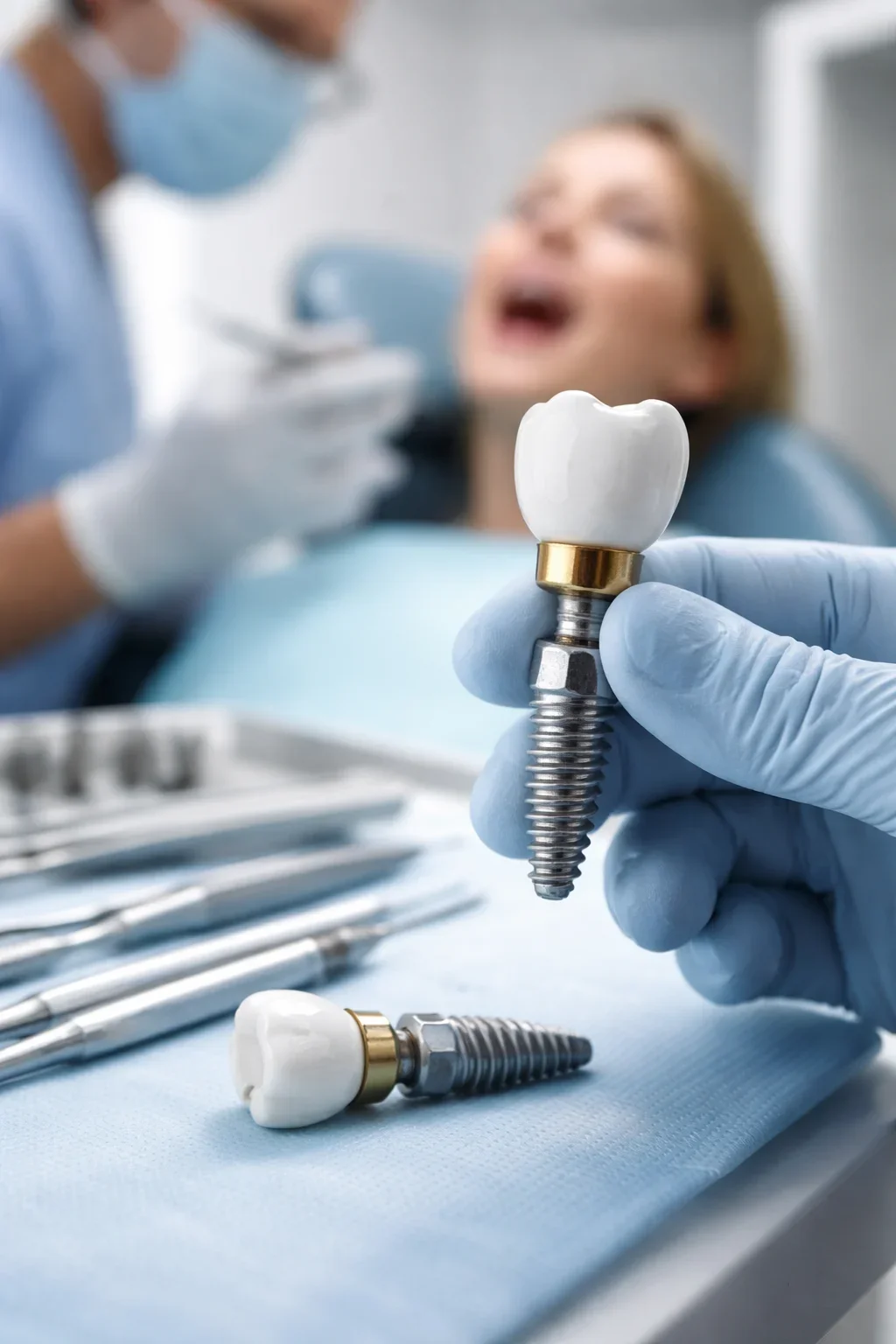
Dental implants are widely considered one of the most reliable and long-lasting solutions for replacing missing teeth. However, even though implants are designed to last for many years, there are situations where replacing implants becomes necessary. Understanding the reasons, process, and expectations around replacing implants can help patients make confident decisions about their oral health. Whether an implant has failed, become damaged, or needs revision due to aesthetic concerns, modern dentistry offers safe and predictable methods for replacing implants.
Many patients believe that dental implants last forever, but like any medical treatment, they require proper care and monitoring. In rare cases, complications such as infection, bone loss, trauma, or mechanical damage can lead to the need for replacing implants. Fortunately, advances in implant technology and surgical techniques have significantly improved the success rate of procedures involving replacing implants. With careful planning and experienced professionals, most patients can restore their smile successfully.
One important concept to understand is that replacing implants does not necessarily mean the entire treatment has failed. Sometimes the implant crown, abutment, or surrounding structures need modification. In other cases, the implant fixture itself may require removal and replacement. Dental specialists carefully evaluate the condition of the implant and surrounding bone before recommending replacing implants as the best solution.
There are several reasons why patients might need replacing implants. The most common cause is implant failure, which can occur if the implant does not properly integrate with the jawbone. This process, known as osseointegration, is essential for implant stability. If osseointegration fails, the implant may become loose or uncomfortable, making replacing implants necessary to restore function and stability.
Another factor that may lead to replacing implants is peri-implantitis, a condition similar to gum disease that affects the tissues surrounding an implant. Peri-implantitis can cause bone loss around the implant and may eventually compromise its stability. Early detection and treatment are important, but in advanced cases, replacing implants may be the most effective way to preserve long-term oral health.
Mechanical damage is another reason for replacing implants. Although dental implants are made from durable materials like titanium, they can still experience wear, fracture, or structural problems over time. Accidents, grinding teeth, or excessive pressure can sometimes damage the implant components. When this occurs, dental professionals evaluate whether repair is possible or if replacing implants is the safer option.
Patients sometimes choose replacing implants for aesthetic reasons as well. Over time, changes in the gums, bone structure, or surrounding teeth may affect how the implant looks. For individuals who want to improve the appearance of their smile, replacing implants can help achieve better alignment, shape, or symmetry.
Before recommending replacing implants, dentists perform a comprehensive examination that may include digital X-rays, 3D scans, and oral health assessments. These diagnostic tools allow specialists to determine the cause of the problem and create a precise treatment plan. According to the American Dental Association, careful diagnosis and treatment planning are key factors in achieving successful implant outcomes.
Patients who are considering replacing implants should also understand that modern implant procedures are highly predictable. With experienced surgeons and advanced technologies such as guided implant surgery and digital planning, the success rate for procedures involving replacing implants is extremely high. These innovations allow dentists to place implants more accurately and minimize recovery time.
The consultation stage is especially important when planning replacing implants. During this appointment, patients can discuss their symptoms, concerns, and treatment goals with their dentist. Factors such as bone density, gum health, and overall medical history all play a role in determining whether replacing implants is the right option. If bone loss is present, procedures such as bone grafting may be recommended before performing replacing implants.
Another advantage of modern techniques for replacing implants is the ability to customize treatment for each patient. Digital imaging and computer-guided surgery allow dentists to design implants that match the patient’s natural teeth and facial structure. This means that after replacing implants, patients can enjoy both functional and aesthetic improvements.
Recovery after replacing implants is typically straightforward. Most patients experience only mild swelling or discomfort for a few days. Dentists often recommend soft foods, proper oral hygiene, and follow-up visits to ensure the implant heals correctly. By following professional advice and maintaining good dental care, patients can significantly reduce the chances of needing replacing implants again in the future.
If you believe your dental implant may require evaluation, it is important to seek professional advice promptly. Early intervention can often prevent complications and ensure the best possible outcome. You can easily reach specialists through the Redent Klinik Contact Page to discuss concerns about replacing implants and explore personalized treatment options.
Ultimately, replacing implants is not something patients should fear. With modern dental technology, skilled specialists, and comprehensive treatment planning, replacing an implant can restore both oral health and confidence. By understanding the reasons, procedures, and benefits associated with replacing implants, patients can approach treatment with confidence and achieve long-lasting results. 😊
What Does Replacing Implants Mean in Modern Dentistry?
Dental implants are widely known for their durability and long-term success. However, even the most advanced dental solutions may occasionally require correction, adjustment, or replacement. In modern dentistry, replacing implants refers to the process of removing a failing or damaged dental implant and placing a new one to restore function, stability, and appearance. While dental implants often last decades, certain clinical situations may require replacing implants to ensure long-term oral health and patient comfort.
Today’s dental technologies have made replacing implants safer, more predictable, and more efficient than ever before. Using digital diagnostics, 3D imaging, and advanced surgical techniques, dentists can identify the root cause of implant complications and develop a personalized plan for replacing implants. The goal is not only to restore the missing tooth but also to ensure that the replacement implant integrates properly with the surrounding bone and gum tissue.
Understanding the Concept of Replacing Dental Implants
To understand the importance of replacing implants, it is helpful to first know how dental implants function. A dental implant typically consists of three main components: the titanium implant fixture inserted into the jawbone, the abutment that connects the implant to the crown, and the crown that resembles a natural tooth. When everything works properly, these components function together to mimic the structure and strength of a natural tooth.
However, in some situations, problems may develop that require replacing implants. These problems might involve the implant itself, the surrounding bone, or the prosthetic crown attached to the implant. For example, if an implant becomes loose due to failed osseointegration—the process where the bone fuses with the implant—then replacing implants may be necessary to restore proper support.
Another scenario where replacing implants becomes relevant is when there is significant bone loss around the implant. Bone loss may occur due to infection, trauma, or underlying health conditions. In such cases, dental specialists evaluate whether the implant can be preserved or if replacing implants will provide a more stable long-term solution.
When Dentists Recommend Replacing Implants
Dentists typically recommend replacing implants only after careful evaluation. Advanced diagnostic tools such as digital X-rays, cone beam CT scans, and intraoral examinations help determine the condition of the implant and surrounding structures. If the implant is damaged beyond repair or if complications threaten the patient’s oral health, the dentist may suggest replacing implants as the safest option.
Common situations that may require replacing implants include:
- Implant failure due to poor osseointegration
- Severe peri-implantitis causing bone loss
- Mechanical fracture of the implant or abutment
- Trauma or injury affecting the implant structure
- Aesthetic concerns that cannot be corrected with prosthetic adjustments
Although these situations can occur, they are relatively uncommon. According to the American Dental Association, dental implants have a success rate of over 95% when properly placed and maintained. This means that the need for replacing implants is rare, but when necessary, it can effectively restore oral health.
The Evolution of Implant Replacement Techniques
Modern dental technology has transformed how dentists approach replacing implants. In the past, removing a failed implant could be complicated and require significant healing time. Today, specialized tools allow dentists to remove implants with minimal trauma to the surrounding bone.
Innovations such as guided implant surgery, computer-assisted planning, and digital impressions have significantly improved the accuracy of replacing implants. These technologies allow dentists to determine the exact position, angle, and depth for the new implant, ensuring optimal stability and aesthetics.
Digital Imaging and Treatment Planning
One of the most important advancements in replacing implants is the use of 3D imaging. Cone beam computed tomography (CBCT) scans provide detailed views of the jawbone, nerves, and surrounding structures. This information helps dentists determine whether bone grafting or additional procedures are required before replacing implants.
Improved Implant Materials
Another innovation that has enhanced the success of replacing implants is the development of advanced implant materials. Most modern implants are made from high-quality titanium or zirconia, both of which are biocompatible and resistant to corrosion. These materials improve the likelihood of successful osseointegration during replacing implants procedures.
The Importance of Choosing an Experienced Implant Specialist
While replacing implants is a routine procedure for experienced implant dentists, it still requires careful planning and technical expertise. Selecting a qualified dental professional ensures that the procedure is performed safely and that any underlying issues are addressed before the new implant is placed.
Patients considering replacing implants should schedule a detailed consultation to discuss their treatment options. During this consultation, the dentist will evaluate oral health, review medical history, and explain the steps involved in replacing implants. If you are seeking professional advice about implant treatment, you can contact specialists through the Redent Klinik Contact Page.
In conclusion, replacing implants is an important procedure within modern implant dentistry. Although dental implants are designed to last many years, certain circumstances may require replacement to maintain optimal oral health. Thanks to technological advancements, improved materials, and precise surgical techniques, replacing implants today is highly successful and allows patients to regain both function and confidence in their smile. 😊
Common Reasons Why Dental Implants Need Replacing
Dental implants are considered one of the most reliable and long-lasting solutions for missing teeth. In fact, many patients enjoy successful results for decades. However, there are situations where replacing implants becomes necessary to maintain oral health, comfort, and function. Understanding the most common reasons for replacing implants helps patients recognize potential risks and take preventive steps to protect their dental investment.
Although implant success rates are extremely high, complications can occasionally occur due to biological factors, mechanical problems, or external influences. When these issues compromise the stability or safety of the implant, dentists may recommend replacing implants as the most effective solution. In many cases, early diagnosis and proper treatment planning can ensure that replacing implants restores full function and aesthetics.
Implant Failure Due to Osseointegration Problems
One of the most important reasons for replacing implants is failure of osseointegration. Osseointegration is the biological process where the jawbone fuses with the implant surface. This fusion creates the stability needed for the implant to function like a natural tooth root.
When osseointegration fails, the implant may become loose or unstable. This situation can occur shortly after surgery or even months later. Several factors may contribute to this issue, including:
- Insufficient bone density
- Poor surgical placement
- Smoking habits
- Systemic health conditions
- Infection during healing
If osseointegration fails completely, replacing implants becomes necessary. In many cases, dentists may perform bone grafting to strengthen the jawbone before placing a new implant. With proper planning, replacing implants after osseointegration failure can still lead to long-term success.
Peri-Implantitis and Gum Infection
Another major reason for replacing implants is peri-implantitis. This condition is similar to periodontal disease but affects the tissues surrounding dental implants. Peri-implantitis causes inflammation, infection, and gradual bone loss around the implant.
Early signs of peri-implantitis include:
- Red or swollen gums
- Bleeding around the implant
- Persistent bad breath
- Discomfort when chewing
- Gradual implant loosening
If peri-implantitis is detected early, dentists may treat it with deep cleaning, antibiotics, or laser therapy. However, when bone loss becomes severe, replacing implants may be the safest approach. Removing the infected implant allows the area to heal before a new implant is placed.
Poor Oral Hygiene
Insufficient oral hygiene is a common contributor to peri-implantitis. Patients who neglect brushing, flossing, or professional cleanings increase the risk of infection. Maintaining proper oral care significantly reduces the chances of needing replacing implants in the future.
Mechanical Damage to the Implant
Dental implants are built from extremely durable materials such as titanium or zirconia. However, mechanical damage can still occur over time. Excessive bite pressure, teeth grinding (bruxism), or accidents may damage the implant components.
Mechanical issues that may require replacing implants include:
- Implant fracture
- Abutment loosening
- Broken implant crown
- Severe structural wear
In some cases, only the crown or abutment needs replacement. However, if the implant fixture itself is damaged, replacing implants becomes the most reliable option.
Bone Loss Around the Implant
Healthy jawbone structure is essential for implant stability. When bone loss occurs around the implant, it weakens the support system that holds the implant in place. This condition may develop slowly over several years and eventually require replacing implants.
Bone loss may occur due to:
- Untreated gum disease
- Peri-implantitis
- Trauma or injury
- Osteoporosis
- Long-term bite pressure
When dentists detect bone loss, they may recommend bone grafting before performing replacing implants. Bone grafting helps rebuild the jawbone so that the new implant has sufficient support.
Trauma or Accidental Injury
Accidents and injuries are another factor that can lead to replacing implants. A strong blow to the mouth, sports injury, or unexpected fall can damage the implant structure or surrounding bone.
Even though dental implants are strong, sudden trauma can cause fractures or movement in the implant. In such cases, dentists carefully evaluate the damage. If the implant cannot be repaired, replacing implants ensures the patient regains proper function and aesthetics.
Aesthetic Concerns Over Time
Sometimes replacing implants is recommended for aesthetic reasons rather than medical necessity. Changes in gum shape, facial structure, or neighboring teeth may affect the appearance of an implant crown.
Patients who want to improve the appearance of their smile may consider replacing implants to achieve better symmetry, alignment, or color matching. Modern implant designs allow dentists to create natural-looking restorations that blend seamlessly with surrounding teeth.
Advancements in Implant Technology
Dental technology continues to evolve rapidly. Some patients choose replacing implants simply because newer implant systems offer improved durability, aesthetics, and comfort compared to older models.
Advanced implant designs, digital planning, and guided surgery techniques have greatly improved the outcomes of replacing implants. These technologies allow dentists to position implants with greater precision and achieve more predictable results.
Why Early Evaluation Is Important
If you suspect a problem with your implant, early evaluation is crucial. Symptoms such as pain, mobility, swelling, or bleeding should never be ignored. Addressing these symptoms early may prevent more complex procedures later.
Patients who need professional advice about replacing implants can consult experienced specialists through the Redent Klinik Contact Page. Professional evaluation ensures that the correct treatment plan is chosen.
According to the American Dental Association, proper oral hygiene, routine dental visits, and early treatment significantly reduce the risk of implant complications.
Ultimately, while dental implants are extremely reliable, there are situations where replacing implants becomes necessary. Understanding these causes allows patients to take preventive measures, maintain good oral hygiene, and seek professional care when needed. With modern techniques and experienced dental specialists, replacing implants can restore both oral health and confidence in your smile. 😊
Signs That Indicate You May Need Replacing Implants
Dental implants are designed to be durable and long-lasting, but certain warning signs may indicate that replacing implants is necessary. Recognizing these signs early is extremely important because timely intervention can prevent more serious oral health complications. Many patients are unaware that subtle symptoms such as mild discomfort or gum irritation may signal underlying implant problems. Understanding these symptoms helps patients seek professional care before conditions worsen and require more complex procedures related to replacing implants.
In most cases, dental implants function successfully for many years. However, changes in the surrounding gum tissue, bone structure, or implant components may occasionally indicate that replacing implants should be considered. Dentists evaluate these symptoms carefully using advanced diagnostic tools before recommending treatment.
If you notice unusual sensations around an implant, persistent discomfort, or visual changes, it is wise to schedule an evaluation. Specialists can determine whether conservative treatment is possible or if replacing implants is the safest solution.
Persistent Pain or Discomfort Around the Implant
One of the earliest warning signs that may indicate the need for replacing implants is persistent pain around the implant site. While mild discomfort immediately after implant placement is normal, ongoing pain months or years later is not typical.
Persistent pain may indicate several issues, including infection, bone loss, or mechanical stress on the implant. In some situations, the implant may have failed to integrate properly with the bone. When this happens, dentists may recommend replacing implants to restore stability and eliminate discomfort.
Common symptoms associated with implant-related pain include:
- Sharp or throbbing pain while chewing
- Sensitivity around the implant
- Swelling or tenderness in surrounding tissues
- Pain that gradually worsens over time
Patients experiencing these symptoms should not ignore them. Early evaluation can often prevent the need for extensive procedures associated with replacing implants.
Implant Mobility or Loosening
A properly integrated implant should feel as stable as a natural tooth. If an implant becomes loose or begins to move, it is a strong indication that replacing implants may be necessary.
Implant mobility typically occurs when osseointegration fails or when bone loss develops around the implant. When the implant loses its bond with the jawbone, it cannot support chewing forces properly.
Signs of implant mobility may include:
- Feeling movement when biting or chewing
- Unusual shifting sensation in the implant
- Difficulty chewing certain foods
- Noticeable movement when touching the implant
If these symptoms occur, dentists often recommend removing the unstable implant and performing replacing implants after the bone has healed.
Inflamed or Bleeding Gums Around the Implant
Healthy gum tissue should appear pink, firm, and free of bleeding. Redness, swelling, or bleeding around an implant may signal peri-implantitis, an inflammatory condition affecting tissues surrounding dental implants.
Peri-implantitis is one of the most common reasons for replacing implants. If left untreated, it can lead to progressive bone loss and eventual implant failure.
Common gum symptoms include:
- Swollen or tender gums
- Bleeding during brushing or flossing
- Pus around the implant
- Persistent bad breath
Early treatment may control infection and save the implant. However, if the infection becomes severe, dentists may recommend replacing implants to restore healthy tissues.
The Role of Oral Hygiene
Poor oral hygiene significantly increases the risk of peri-implantitis. Patients who neglect daily brushing, flossing, and routine dental visits may eventually face complications requiring replacing implants. Maintaining proper hygiene practices greatly reduces this risk.
Bone Loss Visible on Dental Imaging
Bone loss around an implant is another important indicator that replacing implants might be necessary. Dentists typically detect this problem through X-rays or 3D imaging scans.
The jawbone plays a critical role in stabilizing the implant. When bone gradually deteriorates, the implant may lose its support structure. This condition can develop due to infection, excessive bite pressure, or underlying medical conditions.
If bone loss becomes severe, dentists may remove the implant, perform bone grafting, and proceed with replacing implants once the bone has regenerated.
Advanced Diagnostic Tools
Modern dentistry uses technologies such as cone beam CT scans to identify bone changes early. These diagnostic tools allow specialists to determine whether conservative treatment is possible or if replacing implants will provide the best long-term outcome.
Changes in Bite Alignment
Changes in bite alignment can sometimes indicate underlying implant problems. When an implant shifts slightly or becomes unstable, it may alter the way teeth meet when biting.
Patients may notice symptoms such as:
- Uneven bite pressure
- Difficulty chewing certain foods
- Jaw discomfort
- Unexpected wear on surrounding teeth
If bite alignment changes significantly, dentists may evaluate whether replacing implants is necessary to restore proper dental function.
Aesthetic Changes Around the Implant
In some cases, aesthetic concerns may indicate a need for replacing implants. Gum recession, discoloration of the crown, or visible metal components can affect the appearance of a dental implant.
Although these issues may not always indicate structural problems, they can affect a patient’s confidence when smiling. Dentists sometimes recommend replacing implants to improve aesthetics and achieve better harmony with surrounding teeth.
When to Seek Professional Evaluation
If any of the symptoms mentioned above occur, seeking professional evaluation promptly is essential. Early detection often prevents complications and reduces the likelihood of needing extensive procedures related to replacing implants.
Patients who suspect implant problems can consult experienced specialists through the Redent Klinik Contact Page to receive professional guidance and personalized treatment recommendations.
According to the American Dental Association, regular dental checkups and professional monitoring play a key role in maintaining long-term implant health.
In summary, recognizing the early warning signs that may require replacing implants allows patients to act quickly and protect their oral health. By paying attention to symptoms such as pain, mobility, gum inflammation, bone loss, and aesthetic changes, individuals can seek timely care and ensure their dental implants continue to support a healthy, confident smile. 😊
The Step-by-Step Process of Replacing Dental Implants
The procedure of replacing implants is a carefully planned dental treatment designed to restore stability, function, and aesthetics when an existing implant fails or becomes problematic. Although dental implants are highly successful, certain situations—such as infection, bone loss, trauma, or implant fracture—may require replacing implants. Fortunately, modern dentistry provides advanced technologies and surgical techniques that make the process predictable, safe, and comfortable for patients.
Understanding how the process works helps patients feel more confident about the treatment. The procedure of replacing implants typically involves several stages, including evaluation, removal of the failed implant, healing and preparation of the bone, placement of the new implant, and final restoration. Each stage plays a crucial role in ensuring that replacing implants leads to long-term success.
Comprehensive Evaluation Before Replacing Implants
The first step in replacing implants is a thorough dental evaluation. Dentists carefully assess the implant site, surrounding bone, and gum tissues to determine the exact cause of the implant problem. This stage is critical because identifying the root issue ensures that replacing implants will succeed without repeating the same complication.
During this stage, dentists often use advanced diagnostic tools such as:
- Digital dental X-rays
- 3D cone beam CT scans
- Intraoral imaging
- Bite analysis
These tools allow dentists to visualize bone density, detect infection, and plan the most precise strategy for replacing implants. According to the American Dental Association, accurate diagnosis and digital planning significantly increase the success rate of implant procedures.
Medical and Dental History Review
Before beginning replacing implants, dentists review the patient’s medical history and lifestyle habits. Factors such as smoking, diabetes, bone disorders, and medications may influence healing and implant success. By evaluating these factors, dentists can adjust the treatment plan to ensure that replacing implants proceeds safely.
Removal of the Failed Implant
The next step in replacing implants is the careful removal of the problematic implant. Modern implant removal techniques are designed to minimize trauma to the surrounding bone and soft tissue. Specialized surgical instruments allow dentists to extract the implant while preserving as much bone structure as possible.
The removal stage is usually performed under local anesthesia, ensuring that the patient remains comfortable during the procedure. In most cases, the removal process is relatively quick and painless. Once the failing implant is removed, the dentist evaluates the condition of the bone before continuing with replacing implants.
Cleaning and Disinfection of the Implant Site
After removing the implant, the dentist thoroughly cleans the area to eliminate bacteria, damaged tissue, and infection. This step is essential because infection is a common reason for replacing implants. Proper cleaning helps create a healthy environment for the new implant.
Bone Regeneration and Healing Phase
In some situations, bone loss around the implant may require additional treatment before replacing implants. If the jawbone is not strong enough to support a new implant, dentists may recommend bone grafting.
Bone grafting helps rebuild the jawbone by adding natural or synthetic bone material to the area. Over time, the bone integrates with the graft material, creating a stable foundation for the new implant. Healing after bone grafting usually takes several months before replacing implants can proceed.
Not every patient requires bone grafting. If the bone remains healthy after implant removal, dentists may proceed with replacing implants much sooner.
Placement of the New Dental Implant
Once the implant site has healed and the bone is strong enough, the dentist places the new implant. This stage is the core of the replacing implants process. The implant is inserted into the jawbone and positioned precisely to support the future crown.
Modern technology such as computer-guided implant surgery allows dentists to perform replacing implants with remarkable accuracy. These systems ensure that the implant is placed at the optimal depth and angle, improving both stability and aesthetics.
After placement, the implant begins the process of osseointegration. During this phase, the bone fuses with the implant surface, creating a secure foundation. Osseointegration usually takes several months, but it is one of the most critical stages in successful replacing implants.
Temporary Restoration Options
Some patients receive temporary crowns while waiting for the implant to heal. Temporary restorations allow patients to maintain normal appearance and function during the healing phase of replacing implants.
Placement of the Abutment and Final Crown
After successful osseointegration, the dentist attaches an abutment to the implant. The abutment serves as the connector between the implant and the final crown. Once the abutment is in place, impressions are taken to design the custom dental crown.
The final crown is crafted to match the color, shape, and size of the patient’s natural teeth. This ensures that the results of replacing implants look completely natural and blend seamlessly with the surrounding smile.
Recovery and Follow-Up Care
Recovery after replacing implants is generally smooth. Patients may experience mild swelling or tenderness for a few days, but most individuals return to normal activities quickly. Dentists typically recommend soft foods, proper oral hygiene, and follow-up visits to monitor healing.
Routine dental checkups are essential to ensure the long-term success of replacing implants. Dentists monitor bone health, gum condition, and bite alignment to detect any potential issues early.
When to Seek Professional Implant Care
If you suspect that your implant may require evaluation, professional guidance is essential. Experienced implant specialists can determine whether repair, adjustment, or replacing implants is the most appropriate treatment.
Patients who wish to learn more about treatment options can easily contact specialists through the Redent Klinik Contact Page. A professional consultation helps ensure that the process of replacing implants is performed with precision and personalized care.
In summary, the process of replacing implants involves multiple carefully coordinated steps designed to restore both oral health and smile aesthetics. From diagnosis and implant removal to bone regeneration and final crown placement, every stage is crucial for achieving long-lasting results. With modern dental technology and skilled professionals, replacing implants can successfully restore confidence, comfort, and full dental function. 😊
How Long Does the Replacing Implants Procedure Take?
One of the most common questions patients ask before treatment is how long the process of replacing implants actually takes. While dental implants are known for their durability, situations such as infection, mechanical damage, or bone loss may make replacing implants necessary. The timeline for this procedure varies depending on several clinical factors, including bone health, gum condition, and the complexity of the implant replacement.
In general, the process of replacing implants can range from a few weeks to several months. The timeline is influenced by whether additional procedures—such as bone grafting or infection treatment—are required before placing a new implant. Although the process may seem lengthy, each step is essential to ensure that replacing implants leads to stable, long-lasting results.
Understanding the stages involved in replacing implants can help patients prepare for the procedure and set realistic expectations regarding treatment duration.
Initial Consultation and Diagnostic Planning
The first stage of replacing implants begins with a comprehensive consultation. During this visit, the dentist examines the implant site, reviews the patient’s medical history, and determines why the original implant failed. Accurate diagnosis is critical for successful replacing implants, as it allows the dentist to address underlying issues before placing a new implant.
Diagnostic tools used during this stage may include:
- Digital dental X-rays
- 3D cone beam CT scans
- Intraoral photographs
- Occlusion and bite analysis
This evaluation phase usually takes one appointment, although complex cases may require additional consultations before replacing implants can begin.
Treatment Planning and Scheduling
Once the dentist completes the diagnostic evaluation, a personalized treatment plan for replacing implants is developed. This plan outlines each stage of the procedure, expected healing periods, and any preparatory treatments that may be necessary.
Removal of the Failed Implant
The next step in replacing implants is removing the problematic implant. Modern dental techniques allow dentists to remove implants with minimal trauma to surrounding bone and gum tissue.
The removal procedure itself is typically quick and often completed within 30 to 60 minutes under local anesthesia. After removing the implant, the dentist carefully cleans the site to eliminate bacteria and damaged tissue before continuing with the replacing implants process.
Depending on the condition of the surrounding bone, the dentist may either proceed immediately with replacing implants or allow the area to heal before placing the new implant.
Healing Period After Implant Removal
In many cases, a healing period is necessary before replacing implants. This allows the bone and gum tissue to recover from the removal procedure. The healing phase typically lasts between 6 and 12 weeks.
However, if the bone structure remains strong and free from infection, dentists may sometimes perform immediate replacing implants during the same surgical session. Immediate implant replacement is not always possible, but when conditions are ideal, it significantly shortens the overall treatment timeline.
Bone Grafting When Needed
If bone loss has occurred around the failed implant, a bone graft may be necessary before replacing implants. Bone grafting rebuilds the jawbone and provides a stable foundation for the new implant.
The healing time for bone grafting typically ranges from 3 to 6 months before dentists proceed with replacing implants. Although this extends the treatment timeline, it greatly improves implant stability and long-term success.
Placement of the New Dental Implant
Once the implant site has healed and the bone is strong enough, the dentist proceeds with placing the new implant. This surgical stage of replacing implants usually takes between 30 minutes and 1 hour depending on the complexity of the case.
After placement, the implant must integrate with the jawbone through a biological process known as osseointegration. During osseointegration, the bone gradually fuses with the implant surface, creating a stable and durable foundation.
Osseointegration is a crucial phase in replacing implants, and it typically requires 3 to 6 months for complete healing.
Placement of the Abutment and Crown
After the implant has fully integrated with the bone, the dentist attaches the abutment, which connects the implant to the final crown. This step usually requires a minor procedure and a short healing period.
Once the gum tissue heals around the abutment, impressions are taken to design a custom dental crown. The final crown is carefully crafted to match the shape, color, and alignment of the patient’s natural teeth.
The crown placement stage marks the final step in replacing implants, restoring both function and aesthetics.
Total Timeline for Replacing Implants
The complete timeline for replacing implants depends on individual circumstances. Below is a general overview of the estimated treatment duration:
- Consultation and diagnosis: 1–2 weeks
- Implant removal procedure: 1 day
- Healing period after removal: 6–12 weeks
- Bone graft healing (if required): 3–6 months
- New implant placement: 1 day
- Osseointegration period: 3–6 months
- Crown placement: 2–3 weeks
For patients who do not require bone grafting, the total duration of replacing implants may range from 3 to 6 months. More complex cases involving bone regeneration may extend the process to 9 months or longer.
Why Patience Is Important for Implant Success
Although the process of replacing implants may seem lengthy, each stage is critical to ensuring long-term stability and oral health. Rushing the procedure can increase the risk of complications, implant failure, or infection.
Dental specialists carefully monitor healing progress to ensure that replacing implants is performed at the right time. This careful approach significantly improves the success rate of implant treatments.
According to the American Dental Association, proper planning and healing time are key factors in achieving long-term implant success.
When to Consult an Implant Specialist
If you suspect problems with an existing implant or want to learn more about the timeline for replacing implants, consulting an experienced implant dentist is essential. Early evaluation allows dentists to detect issues before they become severe.
Patients who wish to discuss their treatment options can contact experienced dental professionals through the Redent Klinik Contact Page. Personalized consultations help determine the most efficient and safe approach for replacing implants.
In conclusion, the timeline for replacing implants varies depending on bone health, healing conditions, and treatment complexity. While the process may require several months, each step ensures that the new implant integrates successfully and provides long-term comfort and stability. With proper planning and expert care, replacing implants can restore both oral function and a confident smile. 😊
Cost Factors Involved in Replacing Dental Implants
When patients learn that they may need replacing implants, one of the first questions they ask concerns the cost of the procedure. Dental implants are considered a long-term investment in oral health, but when complications arise and replacing implants becomes necessary, the financial aspect is an important consideration. The cost of replacing implants can vary significantly depending on several factors such as the condition of the jawbone, the complexity of the procedure, and the materials used for the new implant restoration.
Understanding the elements that influence the cost of replacing implants helps patients make informed decisions and plan their treatment more confidently. While replacing an implant may involve additional procedures, modern dental technology and careful treatment planning ensure that replacing implants remains a reliable and worthwhile investment in oral health.
Primary Components That Influence the Cost
The overall cost of replacing implants typically includes several components. Each stage of the treatment contributes to the final price, and dentists determine the cost based on the complexity of the individual case.
Key cost components involved in replacing implants include:
- Initial consultation and diagnostic imaging
- Removal of the failed implant
- Bone grafting or regenerative procedures if necessary
- Placement of the new implant
- Abutment placement
- Fabrication of the dental crown
- Follow-up appointments and monitoring
Each of these steps ensures that replacing implants is performed safely and effectively. The final cost may vary depending on whether additional treatments are required before placing the new implant.
Average Cost Estimates for Replacing Implants
The price of replacing implants varies widely depending on geographic location, clinic expertise, and materials used. Below is a general estimate based on common dental implant pricing in many countries:
Dental Implant Removal:        $200 – $600
Bone Grafting Procedure:       $300 – $2,000
New Implant Placement:         $1,500 – $3,500
Abutment and Crown:            $800 – $2,500
------------------------------------------------
Estimated Total Cost:          $2,800 – $8,000+
These figures represent typical ranges and may vary depending on the specific circumstances surrounding replacing implants. Some cases require fewer procedures, while others may involve advanced treatments that influence the overall cost.
According to the American Dental Association, treatment costs often depend on diagnostic complexity, materials used, and surgical expertise.
Bone Health and Additional Procedures
The condition of the jawbone plays a major role in determining the cost of replacing implants. If the bone surrounding the failed implant has deteriorated, dentists may recommend bone grafting before placing a new implant.
Bone grafting strengthens the implant site and increases the success rate of replacing implants. However, it also adds additional costs and extends the treatment timeline. The grafting material may come from synthetic sources, donor bone, or the patient’s own bone.
Sinus Lift Procedures
In cases involving upper jaw implants, a sinus lift may be necessary before replacing implants. This procedure raises the sinus floor to create additional space for bone growth, allowing the implant to be placed securely.
Although sinus lift procedures increase the cost of replacing implants, they significantly improve implant stability and long-term success.
Quality of Implant Materials
The materials used for the implant and crown also affect the total cost of replacing implants. Most modern implants are made from titanium, a highly durable and biocompatible material. Some clinics also offer zirconia implants for patients seeking metal-free alternatives.
Similarly, dental crowns may be made from various materials such as porcelain, ceramic, or zirconia. High-quality materials used during replacing implants often provide better durability, improved aesthetics, and greater resistance to wear.
Experience and Expertise of the Dentist
The skill and experience of the dental specialist also influence the price of replacing implants. Implant dentistry requires advanced training, precise surgical skills, and specialized equipment.
Clinics that invest in modern technologies—such as digital implant planning, guided surgery, and 3D imaging—may charge higher fees. However, these technologies significantly increase the accuracy and success rate of replacing implants, making them a worthwhile investment for many patients.
Technology and Surgical Precision
Advanced equipment used during replacing implants allows dentists to perform procedures with greater accuracy. Digital treatment planning ensures the implant is placed at the optimal position and angle, reducing the risk of complications.
Geographic Location and Clinic Standards
Another factor influencing the cost of replacing implants is geographic location. Dental treatment costs can vary significantly between countries and even between cities.
For example, dental clinics in regions known for medical tourism may offer high-quality replacing implants procedures at more competitive prices compared to clinics in some Western countries. Many patients travel internationally to receive advanced implant treatments while reducing overall costs.
Insurance Coverage and Financing Options
Dental insurance coverage for replacing implants varies depending on the policy and provider. Some insurance plans cover part of the treatment, particularly diagnostic procedures or implant removal.
Many dental clinics also provide financing plans that allow patients to spread the cost of replacing implants over several months or years. These payment options make implant treatment more accessible for patients seeking long-term dental solutions.
Why Replacing Implants Is a Valuable Investment
Although the cost of replacing implants may initially seem significant, it is important to view implant treatment as a long-term investment in oral health. Dental implants restore chewing ability, improve speech, preserve jawbone structure, and enhance overall confidence.
Unlike removable dentures or temporary restorations, implants offer stability and durability that can last for many years. Properly performed replacing implants procedures often provide decades of reliable function.
Patients who wish to explore their options or receive a personalized treatment estimate can contact specialists through the Redent Klinik Contact Page.
In conclusion, the cost of replacing implants depends on multiple factors including bone health, surgical complexity, materials used, and clinic expertise. While treatment costs vary, replacing a failed implant provides significant benefits in terms of oral health, comfort, and long-term dental stability. With proper planning and professional care, replacing implants can restore both function and confidence in your smile. 😊
Risks and Complications When Replacing Implants
Dental implant procedures are widely considered safe and highly successful. However, as with any surgical treatment, there are potential risks and complications associated with replacing implants. Understanding these risks allows patients to make informed decisions and take proactive steps to ensure a successful outcome. While modern dental technology has greatly improved the safety of implant treatments, it is still important to recognize the factors that may influence the success of replacing implants.
Most complications related to replacing implants are rare and can often be prevented through proper diagnosis, treatment planning, and patient compliance. Dental specialists carefully evaluate each patient’s oral health before performing the procedure to minimize risks. When replacing implants is carried out by experienced professionals using advanced techniques, the success rate remains extremely high.
Infection Around the Implant Site
One of the most common complications associated with replacing implants is infection at the surgical site. Infection may occur if bacteria enter the implant area during or after the procedure. Poor oral hygiene, smoking, and certain medical conditions may increase the risk of infection.
Signs of infection following replacing implants may include:
- Persistent swelling around the implant site
- Red or inflamed gums
- Pain that worsens over time
- Pus or discharge near the implant
- Bad taste or odor in the mouth
Early treatment with antibiotics and professional cleaning often resolves mild infections. However, severe infections may require additional procedures before continuing with replacing implants. Maintaining proper oral hygiene and following post-operative instructions significantly reduces the likelihood of infection.
Importance of Post-Surgical Care
After replacing implants, patients are usually advised to avoid smoking, maintain gentle oral hygiene practices, and follow dietary recommendations. These precautions help the surgical site heal properly and prevent bacterial contamination.
Failure of Osseointegration
Another potential complication during replacing implants is the failure of osseointegration. Osseointegration is the biological process where the jawbone fuses with the implant surface. This fusion is essential because it provides the stability required for the implant to function like a natural tooth root.
If osseointegration fails after replacing implants, the implant may become loose or unstable. Several factors can contribute to this complication, including:
- Insufficient bone density
- Smoking habits
- Poor oral hygiene
- Systemic medical conditions
- Excessive bite pressure
When osseointegration does not occur successfully, dentists may remove the implant and allow the bone to heal before attempting replacing implants again.
Nerve or Tissue Damage
Although uncommon, nerve or tissue damage can occur during replacing implants. The jaw contains sensitive nerves that control sensation in the lips, chin, and tongue. If an implant is placed too close to a nerve, patients may experience numbness, tingling, or discomfort.
Modern dental technology has greatly reduced this risk. Digital imaging systems such as cone beam CT scans allow dentists to precisely locate nerves and plan the safest position for replacing implants.
Advanced Surgical Planning
Guided implant surgery uses digital templates to ensure the implant is placed accurately. This technology significantly reduces the risk of nerve injury during replacing implants.
Bone Loss Around the New Implant
Bone loss can sometimes occur after replacing implants, particularly if infection develops around the implant. This condition is known as peri-implantitis and can gradually weaken the bone supporting the implant.
Risk factors for peri-implantitis include:
- Poor oral hygiene
- Smoking
- History of periodontal disease
- Uncontrolled diabetes
- Excessive bite forces
Regular dental checkups help detect early signs of bone loss after replacing implants. Early treatment may prevent further damage and preserve implant stability.
Implant Fracture or Mechanical Failure
Although dental implants are made from highly durable materials such as titanium or zirconia, mechanical failure can still occur in rare cases. Excessive pressure from teeth grinding, accidents, or improper bite alignment may damage the implant structure.
Mechanical complications after replacing implants may include:
- Loose abutments
- Broken implant crowns
- Implant fixture fractures
- Wear of prosthetic components
Regular dental monitoring helps detect these problems early and prevent further complications following replacing implants.
Sinus Complications in Upper Jaw Implants
When replacing implants in the upper jaw, there is a small risk that the implant may extend into the sinus cavity. This situation can cause sinus discomfort or infection.
Dentists typically perform sinus lift procedures or use advanced imaging to avoid sinus complications during replacing implants. Proper planning greatly reduces the likelihood of this issue.
Patient Health Factors That Influence Risk
Several health conditions can influence the success of replacing implants. Patients with uncontrolled diabetes, autoimmune diseases, or compromised immune systems may experience slower healing.
Lifestyle habits also play an important role. Smoking, excessive alcohol consumption, and poor oral hygiene significantly increase the risk of complications during replacing implants.
Before performing the procedure, dentists carefully review the patient’s medical history to determine whether replacing implants can be performed safely.
How Dentists Minimize Risks During Implant Replacement
Modern dentistry uses several strategies to reduce complications during replacing implants. These include:
- Digital treatment planning
- 3D imaging for precise implant placement
- Use of high-quality implant materials
- Sterile surgical techniques
- Regular follow-up appointments
These methods significantly improve the safety and success rate of replacing implants. According to the American Dental Association, dental implants have success rates exceeding 95% when placed and maintained properly.
When to Contact a Dental Specialist
If you experience unusual symptoms such as severe pain, swelling, or implant mobility after treatment, it is important to seek professional care promptly. Early intervention helps prevent complications and improves the success of replacing implants.
Patients who need professional guidance can contact dental specialists through the Redent Klinik Contact Page to discuss treatment options and receive expert evaluation.
In summary, while there are potential risks associated with replacing implants, these complications are relatively rare when the procedure is performed by experienced professionals. With proper diagnosis, advanced surgical techniques, and careful patient care, most individuals experience successful outcomes and long-term implant stability. By understanding the possible risks and following professional guidance, patients can confidently undergo replacing implants and enjoy a healthy, functional smile for many years. 😊
How to Prevent the Need for Replacing Implants
Dental implants are one of the most reliable and long-lasting solutions for missing teeth, often lasting decades when properly maintained. However, even though the success rate of dental implants is extremely high, certain lifestyle habits, oral hygiene practices, and medical conditions can increase the risk of implant complications. Understanding how to care for your dental implants properly can significantly reduce the chances of replacing implants in the future.
Preventing complications that may lead to replacing implants requires a combination of professional dental care, daily hygiene routines, and healthy lifestyle choices. By following the recommendations of experienced dental professionals, patients can protect their implants and maintain optimal oral health for many years.
Maintain Excellent Oral Hygiene
One of the most effective ways to prevent problems that could result in replacing implants is maintaining excellent oral hygiene. Even though implants cannot develop cavities like natural teeth, the surrounding gum tissue and bone remain vulnerable to infection.
Bacterial plaque can accumulate around implants and cause inflammation known as peri-implant mucositis. If left untreated, this condition may progress to peri-implantitis, which is one of the most common reasons for replacing implants.
To maintain optimal oral hygiene and avoid replacing implants, dentists typically recommend:
- Brushing teeth at least twice per day
- Using a soft-bristled toothbrush
- Cleaning between implants with floss or interdental brushes
- Using antibacterial mouthwash
- Regularly removing plaque and food debris
These simple daily habits significantly reduce the risk of infection and help prevent conditions that may require replacing implants.
Special Cleaning Tools for Implant Care
Dental professionals often recommend specialized cleaning tools designed for implant maintenance. Water flossers, interdental brushes, and implant-specific floss can help remove plaque from areas that traditional brushing may miss. These tools are particularly helpful in preventing infections that could lead to replacing implants.
Attend Regular Dental Checkups
Routine dental visits play a crucial role in preventing complications that may require replacing implants. During these appointments, dentists evaluate the condition of the implant, surrounding bone, and gum tissues.
Professional cleanings remove hardened plaque and bacteria that cannot be eliminated through daily brushing alone. Dentists also use diagnostic tools such as digital X-rays to detect early signs of bone loss or infection before they develop into serious problems requiring replacing implants.
Most dental professionals recommend scheduling checkups every six months. However, patients with implants may require more frequent monitoring depending on their oral health status.
Avoid Smoking and Tobacco Products
Smoking is one of the leading risk factors associated with implant failure and the eventual need for replacing implants. Tobacco use restricts blood flow to the gums, slowing down the healing process and increasing the risk of infection.
Patients who smoke are more likely to experience complications such as:
- Poor osseointegration
- Gum inflammation
- Bone loss around implants
- Delayed healing after surgery
Quitting smoking significantly improves the long-term success of dental implants and greatly reduces the likelihood of needing replacing implants.
Impact of Smoking on Implant Stability
Nicotine reduces oxygen supply to tissues and weakens the immune response. This environment allows bacteria to thrive, increasing the risk of peri-implantitis—a major cause of replacing implants.
Protect Implants From Excessive Bite Pressure
Excessive bite pressure can damage both natural teeth and dental implants. Patients who grind or clench their teeth, a condition known as bruxism, place additional stress on implants.
Over time, this pressure may loosen implant components or damage the surrounding bone, potentially leading to replacing implants. Dentists often recommend custom night guards to protect implants from excessive force during sleep.
Using a night guard helps distribute bite pressure evenly and prevents mechanical stress that could otherwise result in replacing implants.
Maintain Healthy Gums and Bone Structure
Healthy gums and strong jawbone structure are essential for long-term implant success. Periodontal disease weakens the bone and soft tissues that support dental implants. When gum disease progresses, it can eventually lead to implant instability and the need for replacing implants.
Preventing gum disease requires a combination of good oral hygiene, professional cleanings, and early treatment when symptoms arise. Warning signs of gum problems include:
- Bleeding gums
- Persistent bad breath
- Swollen or tender gums
- Receding gum line
Addressing these symptoms early reduces the likelihood of advanced periodontal disease and helps prevent situations where replacing implants becomes necessary.
Follow Post-Treatment Care Instructions
After implant placement or implant restoration, following the dentist’s instructions carefully is essential. Proper post-treatment care significantly reduces the chances of complications that may require replacing implants.
Typical post-treatment recommendations include:
- Eating soft foods during the healing phase
- Avoiding hard or sticky foods
- Keeping the surgical area clean
- Taking prescribed medications as directed
- Attending follow-up appointments
Patients who strictly follow these guidelines experience fewer complications and reduce the risk of future procedures related to replacing implants.
Choose an Experienced Implant Specialist
The skill and experience of the dental professional performing the procedure also influence the long-term success of implants. Proper surgical technique and accurate implant placement are essential for avoiding complications that could lead to replacing implants.
Modern dental clinics use advanced technologies such as digital implant planning, 3D imaging, and guided surgery to increase accuracy and stability. These technologies significantly reduce the risk of implant failure and the need for replacing implants.
Patients seeking expert advice can consult experienced dental specialists through the Redent Klinik Contact Page for personalized implant care and treatment planning.
Long-Term Implant Monitoring
Even when implants are functioning perfectly, long-term monitoring is important. Dentists track the health of implants during routine visits to ensure that the surrounding bone and gum tissues remain stable.
According to the American Dental Association, consistent dental monitoring helps detect early warning signs before they develop into complications requiring replacing implants.
By maintaining good oral hygiene, attending regular dental appointments, protecting implants from excessive force, and following professional recommendations, patients can significantly reduce the risk of implant complications.
In summary, preventing the need for replacing implants is largely within the patient’s control. Daily oral care, healthy lifestyle choices, and regular dental checkups play a critical role in maintaining implant health. With proper maintenance and professional guidance, dental implants can provide stable, functional, and aesthetic results for many years without requiring replacing implants. 😊
Choosing the Right Clinic for Replacing Implants
When patients discover they may need replacing implants, one of the most important decisions they will make is choosing the right dental clinic. Implant replacement is a complex dental procedure that requires advanced technology, precise surgical skills, and careful treatment planning. Selecting an experienced clinic greatly increases the chances that replacing implants will be successful and long-lasting.
Dental implants function as artificial tooth roots that must integrate properly with the jawbone. When complications occur and replacing implants becomes necessary, the procedure must address both the original problem and the placement of a new implant. This means the dentist must not only remove the failing implant but also ensure that the new implant is positioned correctly to prevent future issues.
Choosing a qualified implant specialist ensures that the procedure of replacing implants is performed using the most advanced techniques available in modern dentistry.
Experience and Qualifications of the Implant Specialist
The experience of the dental professional performing replacing implants plays a critical role in treatment success. Implant dentistry requires specialized training beyond general dentistry because the procedure involves surgical placement into the jawbone.
Patients should consider several factors when evaluating the experience of a dentist performing replacing implants:
- Advanced training in implant dentistry
- Years of experience placing and replacing implants
- Documented success rates
- Professional certifications and continuing education
Dentists who frequently perform replacing implants are more familiar with complex cases and are better equipped to manage complications such as bone loss, infection, or implant fracture.
Importance of Specialized Implant Training
Implant dentistry requires precise surgical skills and an in-depth understanding of jawbone anatomy. Specialists trained in implantology can perform replacing implants with greater accuracy and predictability. This expertise reduces surgical risks and improves long-term implant stability.
Use of Advanced Dental Technology
Modern dental clinics use advanced technology to improve the success rate of replacing implants. These technologies allow dentists to diagnose problems accurately, plan treatment precisely, and perform implant procedures with greater efficiency.
Key technologies that support successful replacing implants include:
- 3D cone beam CT imaging
- Digital implant planning software
- Computer-guided implant surgery
- Intraoral digital scanners
These tools allow dentists to visualize the jawbone structure and plan the exact position for the new implant. Precise planning reduces surgical risks and increases the long-term success of replacing implants.
Benefits of Digital Implant Planning
Digital treatment planning allows dentists to simulate the entire procedure before surgery begins. By mapping the implant placement digitally, clinicians can ensure that replacing implants occurs at the ideal depth and angle, improving both stability and aesthetic results.
Comprehensive Diagnostic Evaluation
A reputable dental clinic will always begin the process of replacing implants with a detailed diagnostic evaluation. This assessment identifies the exact cause of the implant problem and ensures that underlying issues are addressed before placing a new implant.
The diagnostic process often includes:
- 3D imaging scans
- Bone density analysis
- Gum health evaluation
- Bite and occlusion analysis
Without proper diagnosis, simply performing replacing implants may not solve the underlying problem. Addressing factors such as infection, bone loss, or bite pressure ensures that the new implant functions successfully.
Personalized Treatment Planning
Every patient’s oral anatomy and health conditions are unique. For this reason, personalized treatment planning is essential for successful replacing implants. Experienced clinics develop customized treatment strategies based on the patient’s bone structure, gum health, and medical history.
A personalized treatment plan for replacing implants may include:
- Bone grafting procedures
- Sinus lift surgery
- Temporary prosthetic restorations
- Custom-designed implant crowns
This individualized approach ensures that replacing implants restores both functionality and aesthetic harmony.
Hygiene Standards and Patient Safety
High hygiene standards are essential when performing surgical procedures such as replacing implants. Dental clinics must follow strict sterilization protocols to prevent infection and ensure patient safety.
Modern clinics typically use sterile surgical environments, disposable instruments, and advanced infection control systems. These practices significantly reduce the risk of complications during replacing implants.
Organizations such as the American Dental Association emphasize the importance of maintaining strict infection control standards in dental implant procedures.
Patient Communication and Transparency
Clear communication between patients and dental professionals is essential during the process of replacing implants. A trustworthy clinic will explain each stage of the treatment, potential risks, expected results, and financial considerations.
Patients should feel comfortable asking questions about:
- Implant success rates
- Alternative treatment options
- Healing timelines
- Post-treatment care
Transparent communication helps patients feel confident about the process of replacing implants and ensures they understand every step involved.
Reviews and Patient Testimonials
Patient reviews and testimonials can provide valuable insights when choosing a clinic for replacing implants. Positive feedback from previous patients often reflects high treatment quality, professionalism, and patient satisfaction.
When researching clinics for replacing implants, patients may consider:
- Online patient reviews
- Before-and-after treatment photos
- Clinic reputation in implant dentistry
- Professional affiliations
These factors help patients identify clinics with proven expertise in performing replacing implants.
Long-Term Follow-Up Care
Successful implant treatment does not end once the new implant is placed. Long-term follow-up care is essential to monitor healing and ensure the stability of the implant.
Reputable dental clinics provide ongoing monitoring after replacing implants. These follow-up visits allow dentists to detect potential complications early and maintain the health of the surrounding bone and gum tissue.
Patients interested in professional implant care can schedule consultations through the Redent Klinik Contact Page to discuss personalized treatment options for replacing implants.
In conclusion, choosing the right clinic is one of the most critical factors in achieving successful results when replacing implants. Experienced specialists, modern technology, strict hygiene standards, and personalized treatment planning all contribute to long-term implant success. By carefully selecting a reputable dental clinic, patients can ensure that replacing implants restores both oral health and confidence in their smile for many years to come. 😊