
Choosing the right dental provider is one of the most important decisions you can make for your oral health. In recent years, many patients have become interested in the concept of a research dental clinic because these facilities often combine advanced dental treatments, evidence-based care, and innovative technology. Understanding how a research dental clinic operates can help patients make informed decisions and gain access to some of the latest developments in modern dentistry. 🦷
Sponsored research resource
When a dental topic needs deeper background, a scientific publisher can be a useful next step for books and eBooks. This partner link is informational and not medical advice.
A research dental clinic is a specialized dental facility that integrates patient care with ongoing scientific studies, clinical evaluations, and evidence-based treatment protocols. Unlike a conventional dental office that focuses solely on providing treatment, a research dental clinic actively participates in the advancement of dental science. This means dentists, specialists, and researchers work together to evaluate new procedures, materials, technologies, and treatment approaches that may improve patient outcomes.
One of the key advantages of visiting a research dental clinic is access to treatments supported by current scientific findings. Dentistry evolves rapidly, with new implant systems, restorative materials, digital imaging methods, and preventive techniques being introduced regularly. A research dental clinic often adopts these innovations earlier than many traditional practices because its mission includes evaluating and implementing evidence-based improvements.
Many people assume that a research dental clinic is only intended for complex cases, but this is not necessarily true. These clinics typically provide a wide range of dental services, including routine examinations, professional cleanings, fillings, crowns, bridges, dental implants, orthodontics, periodontal treatments, cosmetic dentistry, and oral surgery. The difference lies in the clinic’s commitment to continuously assessing and refining treatment methods through scientific investigation.
The foundation of every reputable research dental clinic is evidence-based dentistry. Evidence-based dentistry combines clinical expertise, patient preferences, and the latest scientific research to guide treatment decisions. Rather than relying solely on tradition or personal experience, professionals at a research dental clinic evaluate high-quality scientific studies before recommending procedures. This approach helps ensure patients receive treatments supported by reliable data.
Technology also plays a major role in the operation of a research dental clinic. Many facilities utilize advanced diagnostic tools such as digital radiography, intraoral scanners, cone beam computed tomography (CBCT), artificial intelligence-assisted diagnostics, and digital smile design systems. These technologies help clinicians diagnose conditions more accurately and develop highly personalized treatment plans. As a result, patients often benefit from improved comfort, efficiency, and predictability throughout their treatment journey.
Another important aspect of a research dental clinic is collaboration among dental professionals. Researchers, prosthodontists, implantologists, orthodontists, periodontists, oral surgeons, and general dentists frequently work together to evaluate challenging cases. This multidisciplinary approach can be particularly beneficial for patients who require comprehensive rehabilitation or treatment involving multiple specialties.
Patient safety remains a top priority in every ethical research dental clinic. Clinical protocols are designed to meet strict standards, and any research activities involving patients must follow ethical guidelines and informed consent procedures. Patients are fully informed about treatment options, potential benefits, and possible risks before participating in any study or receiving innovative therapies. Transparency and patient-centered care are essential components of modern clinical research environments.
The role of a research dental clinic extends beyond treatment. These facilities often contribute to professional education and training. Dental students, residents, and specialists may participate in supervised learning programs where they gain experience with cutting-edge technologies and evidence-based techniques. This educational component helps advance the overall quality of dental care available to future generations.
For individuals seeking dental treatment abroad, selecting a research dental clinic can provide additional confidence. Patients often look for clinics that demonstrate a strong commitment to quality assurance, scientific validation, and continuous improvement. Facilities involved in dental research frequently maintain rigorous standards and invest heavily in modern equipment and staff development.
When evaluating potential providers, patients should consider factors such as clinician qualifications, technology investments, treatment success rates, patient reviews, and adherence to professional guidelines. Trusted organizations such as the American Dental Association provide valuable information about quality standards and best practices in dentistry. Additionally, patients interested in learning more about treatment options can contact experienced providers through the Redent Klinik Contact Page.
Ultimately, a research dental clinic represents the intersection of scientific innovation and patient-centered care. By combining advanced technology, multidisciplinary expertise, continuous education, and evidence-based treatment protocols, a research dental clinic aims to deliver safer, more effective, and more predictable outcomes. As dentistry continues to evolve, the importance of the research dental clinic model is expected to grow, helping patients benefit from the latest discoveries while receiving high-quality oral healthcare tailored to their individual needs. 🌟
What Is a Research Dental Clinic and How Does It Work?
A research dental clinic is a healthcare facility that combines patient treatment with scientific investigation, clinical studies, and evidence-based dentistry. Unlike traditional dental offices that primarily focus on diagnosing and treating oral health problems, a research dental clinic also contributes to the advancement of dental science through ongoing research and innovation. These clinics help develop new treatment methods, evaluate dental technologies, and improve patient outcomes through carefully monitored clinical protocols.
Sponsored research resource
For readers who want deeper dental or clinical background, this sponsored resource links to a scientific publisher book and eBook shop. It does not replace advice from a clinician.
The growing popularity of the research dental clinic model reflects a broader trend in healthcare toward evidence-based practice. Patients today are more informed than ever before and often seek providers that utilize scientifically validated techniques rather than relying solely on conventional methods. As a result, the modern research dental clinic has become an important bridge between academic research and real-world patient care. 🦷
The Core Purpose of a Research Dental Clinic
The primary goal of a research dental clinic is to improve oral healthcare through scientific discovery and practical application. Researchers and clinicians work together to investigate new materials, treatment approaches, diagnostic tools, and preventive strategies. These findings are then integrated into patient care whenever sufficient evidence demonstrates their effectiveness.
For example, a research dental clinic may participate in studies evaluating advanced dental implant surfaces, innovative orthodontic systems, regenerative periodontal therapies, or digital workflow technologies. By testing and analyzing these developments, professionals can determine which innovations genuinely benefit patients and which require further refinement.
This approach allows patients visiting a research dental clinic to potentially benefit from newer treatment options while still receiving care under strict safety and ethical standards.
How Patient Care Is Delivered
Patient care in a research dental clinic generally follows the same fundamental process found in high-quality dental practices. The journey begins with a comprehensive consultation, oral examination, and diagnostic assessment. However, because a research dental clinic often has access to advanced technologies, the diagnostic process may be more detailed and data-driven.
Digital radiography, intraoral scanners, three-dimensional imaging systems, and artificial intelligence-assisted analysis tools are commonly used to create highly accurate treatment plans. These technologies enable clinicians to identify issues earlier and develop more personalized solutions.
Once a diagnosis is established, dentists discuss treatment options with the patient. In many cases, the proposed treatments are based on the latest scientific literature and clinical evidence available through the research dental clinic‘s ongoing involvement in dental studies.
Evidence-Based Decision Making
One of the defining characteristics of a research dental clinic is its commitment to evidence-based dentistry. Every recommendation is supported by a combination of scientific research, professional expertise, and patient preferences.
Rather than simply following traditional methods, clinicians evaluate current research findings before recommending procedures. This process helps ensure that treatments offered by a research dental clinic are both effective and appropriate for the patient’s unique circumstances.
Evidence-based dentistry also promotes transparency. Patients are often provided with detailed explanations regarding treatment success rates, expected outcomes, potential complications, and alternative options.
Clinical Research and Patient Participation
Many people mistakenly assume that every patient at a research dental clinic automatically becomes part of a clinical study. In reality, participation in research projects is entirely voluntary and requires informed consent.
When a clinic conducts clinical trials or observational studies, patients receive detailed information about the purpose of the research, potential benefits, possible risks, and their rights as participants. Ethical review boards carefully evaluate studies before they are approved, ensuring patient welfare remains the highest priority.
Patients who choose to participate may gain access to emerging treatments, while those who prefer standard care can still receive comprehensive treatment through the research dental clinic without joining any research project.
Safety and Ethical Standards
Safety protocols within a research dental clinic are often extremely rigorous. Research activities must comply with local regulations, professional guidelines, and international ethical standards. This includes strict infection control measures, patient confidentiality protections, and continuous monitoring of treatment outcomes.
Any innovative procedure introduced within a research dental clinic undergoes extensive evaluation before becoming part of routine care. This systematic approach helps protect patients while encouraging responsible innovation.
Advanced Technology in Research Dental Clinics
Technology is a major factor that distinguishes a research dental clinic from many conventional dental practices. Modern facilities frequently invest in cutting-edge equipment to support both research initiatives and patient treatment.
Examples include:
- Digital intraoral scanners for precise impressions.
- CBCT imaging for detailed three-dimensional diagnostics.
- Computer-guided implant placement systems.
- Digital smile design software.
- Artificial intelligence-assisted diagnostic tools.
- Laser dentistry technologies.
- CAD/CAM same-day restoration systems.
These innovations improve efficiency, enhance accuracy, and often increase patient comfort throughout the treatment process.
Benefits for Patients
Choosing a research dental clinic offers several potential advantages. Patients may benefit from access to advanced treatment techniques, multidisciplinary expertise, and a strong commitment to continuous improvement. Because these clinics actively evaluate outcomes, they often maintain detailed quality assurance programs designed to optimize patient satisfaction and treatment success.
Additionally, the collaborative environment within a research dental clinic allows specialists from multiple fields to work together on complex cases. This teamwork can be especially valuable for patients requiring extensive restorative, implant, periodontal, or orthodontic treatment.
Ultimately, a research dental clinic represents the future of modern dentistry by combining innovation, scientific validation, advanced technology, and patient-centered care. Through ongoing research and evidence-based practice, a research dental clinic helps ensure that dental treatments continue to become safer, more effective, and more predictable for patients around the world. 🌟
Benefits of Choosing a Research Dental Clinic for Dental Care
When patients begin searching for high-quality dental treatment, they often focus on factors such as experience, technology, affordability, and treatment success rates. However, an increasingly important consideration is whether the provider operates as a research dental clinic. A research dental clinic offers unique advantages that extend beyond routine dental care by combining scientific innovation with patient-centered treatment. This approach helps ensure that patients receive care based on the latest evidence, modern technology, and continuous quality improvement. 🦷
The healthcare landscape is constantly evolving, and dentistry is no exception. New materials, digital tools, implant techniques, and preventive strategies are developed every year. A research dental clinic actively evaluates these advancements and integrates proven innovations into clinical practice. As a result, patients often gain access to more effective treatment options and improved long-term outcomes.
Access to Evidence-Based Dental Treatments
One of the most significant benefits of choosing a research dental clinic is access to evidence-based dentistry. Evidence-based care means treatment decisions are guided by high-quality scientific research rather than assumptions or outdated practices.
At a research dental clinic, clinicians continuously review current studies, clinical trials, and professional guidelines to determine which treatments provide the best outcomes. This process helps ensure that patients receive therapies supported by reliable scientific evidence.
For example, if new implant technologies demonstrate higher long-term success rates, a research dental clinic is more likely to evaluate and adopt these innovations once their safety and effectiveness have been verified. This commitment to scientific validation allows patients to benefit from advancements that may not yet be widely available elsewhere.
Reduced Reliance on Outdated Methods
Traditional treatment methods can remain in use for years simply because they are familiar. In contrast, a research dental clinic regularly assesses whether existing procedures continue to represent the best available option. This culture of continuous evaluation reduces reliance on outdated approaches and promotes higher standards of care.
Advanced Diagnostic Technology
Technology plays a central role within a research dental clinic. Accurate diagnosis is the foundation of successful treatment, and advanced diagnostic systems help clinicians identify problems earlier and more precisely.
Many research-focused facilities invest in:
- Digital radiography with lower radiation exposure.
- Cone Beam Computed Tomography (CBCT).
- Intraoral scanners for digital impressions.
- Artificial intelligence-assisted diagnostics.
- Digital smile design software.
- Computer-guided implant planning systems.
By using these technologies, a research dental clinic can develop highly customized treatment plans tailored to each patient’s specific oral health needs. This level of precision often contributes to more predictable outcomes and improved patient satisfaction.
Higher Standards of Quality Control
A major strength of every reputable research dental clinic is its commitment to quality assurance. Because research facilities constantly measure treatment outcomes, they often maintain detailed systems for tracking performance and patient satisfaction.
Clinicians at a research dental clinic regularly review treatment data, monitor success rates, and identify opportunities for improvement. This ongoing evaluation creates an environment where excellence is continuously pursued rather than assumed.
For patients, this means greater confidence that the care they receive is supported by measurable results and ongoing professional scrutiny.
Continuous Professional Development
Dental professionals working within a research dental clinic frequently participate in conferences, training programs, and scientific collaborations. Their involvement in ongoing education helps them stay informed about the latest developments in oral healthcare.
As a result, patients benefit from treatment provided by clinicians who remain actively engaged with modern dentistry rather than relying solely on knowledge acquired years earlier.
Multidisciplinary Expertise
Many complex dental cases require input from multiple specialists. A research dental clinic often brings together implantologists, prosthodontists, orthodontists, oral surgeons, periodontists, and restorative dentists under one collaborative framework.
This multidisciplinary environment allows specialists to coordinate treatment plans more effectively. For example, a patient requiring implants, bone grafting, and cosmetic rehabilitation may benefit from multiple experts reviewing the case simultaneously.
The collaborative nature of a research dental clinic can reduce treatment complications, improve communication, and enhance overall outcomes.
Enhanced Patient Safety
Patient safety is a top priority within every ethical research dental clinic. Research-oriented facilities operate under strict clinical protocols designed to protect patients while maintaining high treatment standards.
Infection control procedures, sterilization protocols, documentation systems, and ethical oversight are often exceptionally rigorous. These safeguards help ensure that all treatments meet recognized professional standards.
Additionally, any innovative procedure introduced within a research dental clinic undergoes extensive evaluation before becoming part of routine patient care.
Transparency and Informed Decision-Making
Another advantage of a research dental clinic is transparency. Patients typically receive detailed information regarding treatment options, expected outcomes, potential risks, and alternative approaches.
This educational approach empowers patients to make informed decisions about their oral health while developing realistic expectations regarding treatment results.
Long-Term Benefits for Oral Health
The ultimate goal of a research dental clinic is not simply to treat existing dental problems but to improve long-term oral health outcomes. By integrating scientific research, advanced technology, preventive strategies, and multidisciplinary expertise, these facilities aim to provide more durable and predictable results.
Patients often appreciate the proactive nature of care provided by a research dental clinic. Preventive measures, early diagnosis, and personalized treatment planning help minimize future complications and reduce the need for extensive corrective procedures later.
Furthermore, the emphasis on innovation allows a research dental clinic to adapt quickly as new discoveries emerge. This ensures patients continue benefiting from the latest advancements in dental science throughout their treatment journey.
In summary, choosing a research dental clinic offers numerous advantages, including evidence-based treatment, advanced diagnostic technology, rigorous quality control, multidisciplinary expertise, enhanced safety standards, and improved long-term outcomes. As dentistry continues to evolve, the research dental clinic model represents one of the most effective ways to combine scientific progress with exceptional patient care. 🌟
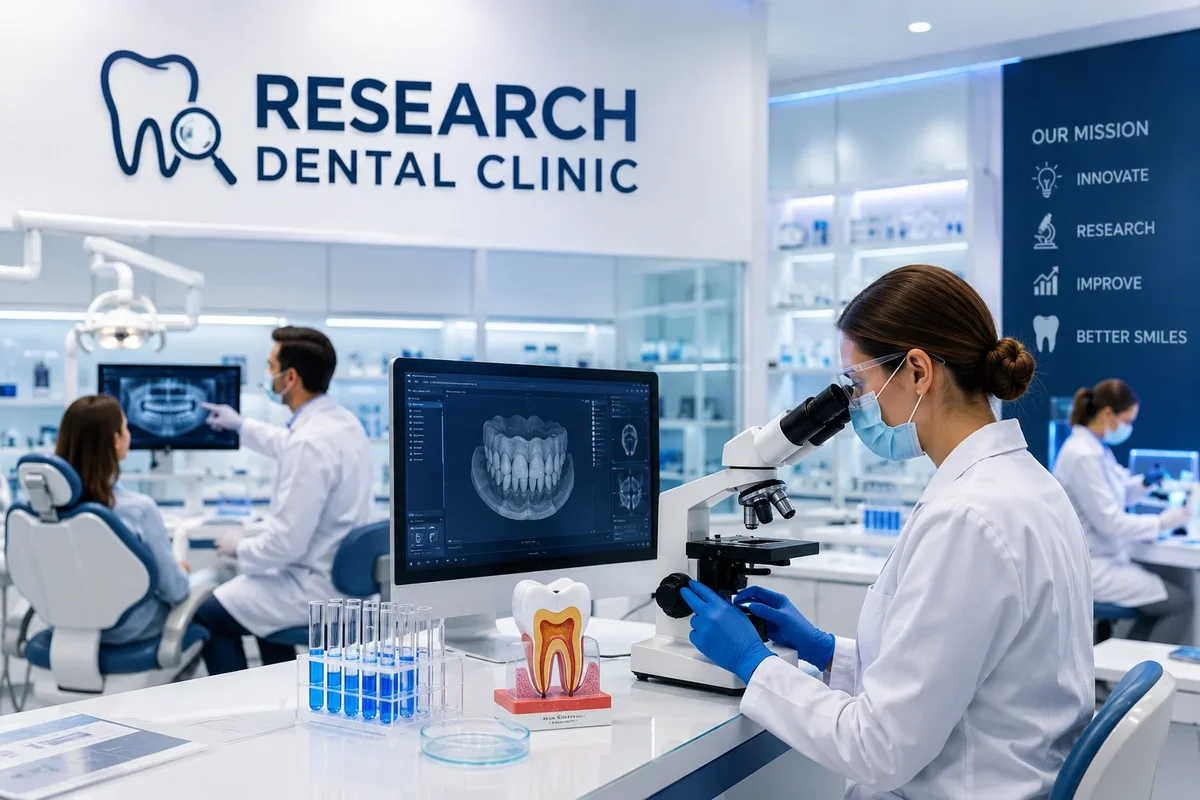
How Research Dental Clinics Use Advanced Technology
Technology has transformed modern dentistry in remarkable ways, and nowhere is this transformation more visible than in a research dental clinic. These specialized facilities are often at the forefront of innovation, evaluating and implementing advanced technologies that improve diagnostic accuracy, treatment efficiency, patient comfort, and long-term outcomes. A research dental clinic serves as a bridge between scientific discovery and practical patient care, ensuring that proven technological advancements become accessible to individuals seeking high-quality dental treatment. 🦷
The integration of advanced technology is one of the primary reasons many patients choose a research dental clinic over a traditional dental practice. Modern equipment allows clinicians to gather more detailed information, make more accurate diagnoses, and develop highly personalized treatment plans. These capabilities contribute significantly to improved treatment success rates and patient satisfaction.
Digital Imaging and Precision Diagnostics
One of the most important technological advantages offered by a research dental clinic is advanced diagnostic imaging. Accurate diagnosis is the foundation of successful treatment, and digital technologies provide significantly more information than conventional methods.
Digital radiography has largely replaced traditional film-based X-rays in many facilities. This technology produces high-quality images almost instantly while exposing patients to lower levels of radiation. Within a research dental clinic, digital radiography is often integrated with sophisticated software that allows clinicians to analyze images in greater detail.
Another major advancement is Cone Beam Computed Tomography (CBCT). This three-dimensional imaging technology creates detailed views of teeth, bone structures, nerves, and surrounding tissues. A research dental clinic frequently uses CBCT scans for implant planning, oral surgery, orthodontics, and complex diagnostic evaluations.
Benefits of Advanced Imaging
- More accurate diagnoses.
- Earlier detection of dental problems.
- Improved implant planning.
- Enhanced surgical precision.
- Better visualization of anatomical structures.
- Reduced treatment complications.
These advantages help a research dental clinic provide safer and more predictable treatment outcomes.
Intraoral Scanners and Digital Impressions
Traditional dental impressions often require trays filled with impression material, which many patients find uncomfortable. A research dental clinic frequently replaces this process with intraoral scanners that create highly accurate digital models of the patient’s mouth.
These handheld devices capture thousands of images per second, generating detailed three-dimensional representations of teeth and soft tissues. The digital data can then be used for restorative dentistry, orthodontics, implant planning, and cosmetic procedures.
Because digital impressions are highly precise, a research dental clinic can often reduce errors associated with traditional molds. This leads to better-fitting crowns, bridges, aligners, and implant restorations.
Improved Patient Experience
Digital scanning technology significantly improves patient comfort. Individuals with sensitive gag reflexes often appreciate the convenience of digital impressions. Additionally, treatment planning becomes faster and more efficient because digital files can be transmitted instantly to laboratories or design software.
Computer-Guided Implant Dentistry
Dental implants have become one of the most successful solutions for replacing missing teeth, and a research dental clinic often utilizes advanced digital planning systems to optimize implant placement.
Computer-guided implant surgery combines CBCT imaging with specialized planning software. Clinicians can virtually position implants before treatment begins, evaluating bone volume, anatomical structures, and prosthetic requirements.
This technology allows a research dental clinic to create surgical guides that help place implants with exceptional precision. Accurate placement contributes to improved function, aesthetics, and long-term stability.
Patients benefit from shorter surgical times, less invasive procedures, and more predictable outcomes compared with traditional freehand implant placement techniques.
Artificial Intelligence in Modern Dentistry
Artificial intelligence (AI) is becoming increasingly important within the modern research dental clinic. AI-powered systems assist clinicians by analyzing diagnostic images, identifying patterns, and highlighting potential abnormalities.
For example, AI software can help detect:
- Early tooth decay.
- Bone loss associated with periodontal disease.
- Periapical lesions.
- Impacted teeth.
- Potential orthodontic concerns.
Although AI does not replace professional judgment, it serves as a valuable decision-support tool within a research dental clinic. By combining human expertise with advanced computational analysis, clinicians can improve diagnostic consistency and accuracy.
The Role of AI in Research
Because innovation is central to the mission of a research dental clinic, AI technologies are often evaluated through ongoing studies. Researchers continuously investigate how machine learning algorithms can improve diagnosis, treatment planning, and patient monitoring.
CAD/CAM and Same-Day Restorations
Computer-Aided Design and Computer-Aided Manufacturing (CAD/CAM) technology has revolutionized restorative dentistry. A research dental clinic may use CAD/CAM systems to design and fabricate crowns, veneers, inlays, and onlays in a single visit.
After digital scanning, specialized software designs the restoration with remarkable precision. A milling machine then creates the restoration from high-quality ceramic materials. This streamlined workflow eliminates many of the delays associated with traditional laboratory fabrication.
Patients appreciate the convenience of receiving durable restorations without multiple appointments.
Digital Smile Design and Personalized Treatment
Many patients seek dental treatment not only for health reasons but also to improve aesthetics. A research dental clinic often utilizes Digital Smile Design (DSD) software to create highly personalized treatment plans.
This technology allows clinicians to analyze facial features, tooth proportions, and smile dynamics. Patients can often preview potential treatment outcomes before procedures begin, helping them make informed decisions about cosmetic enhancements.
Through digital visualization, a research dental clinic improves communication between clinicians and patients while increasing confidence in treatment planning.
The Future of Technology in Research Dental Clinics
The future of dentistry will likely be shaped by continued technological innovation. Robotics, regenerative medicine, advanced biomaterials, virtual reality training systems, and increasingly sophisticated AI applications are already being explored within many research dental clinic environments.
As these technologies mature, patients can expect even greater precision, efficiency, comfort, and personalization. The commitment to scientific evaluation ensures that only safe and effective innovations become part of routine clinical care.
Ultimately, the technological capabilities of a research dental clinic provide significant benefits for both patients and clinicians. Through advanced imaging, digital workflows, artificial intelligence, computer-guided procedures, and personalized treatment planning, a research dental clinic continues to redefine what is possible in modern dentistry. By embracing innovation while maintaining evidence-based standards, these facilities help deliver exceptional oral healthcare outcomes for patients around the world. 🌟
Dental Treatments Commonly Offered at a Research Dental Clinic
A research dental clinic is often associated with innovation, scientific advancement, and evidence-based care, but many patients wonder what types of treatments are actually available in these specialized facilities. The answer is simple: a research dental clinic typically provides a comprehensive range of dental services similar to those offered in traditional practices while also incorporating the latest technologies, materials, and treatment methods supported by clinical research. This combination allows patients to receive modern, high-quality care designed to improve both oral health and overall quality of life. 🦷
Whether a patient requires preventive care, restorative procedures, cosmetic improvements, or advanced surgical treatment, a research dental clinic often has the expertise and resources necessary to address complex oral health needs. Because these clinics continuously evaluate treatment outcomes and scientific developments, they are frequently among the first to adopt innovations that have demonstrated measurable benefits.
Preventive Dentistry Services
Prevention remains one of the most important aspects of oral healthcare. A research dental clinic emphasizes preventive dentistry because avoiding disease is often more effective and less costly than treating advanced conditions.
Common preventive services include:
- Comprehensive oral examinations.
- Professional dental cleanings.
- Digital diagnostic imaging.
- Fluoride treatments.
- Dental sealants.
- Oral cancer screenings.
- Personalized oral hygiene education.
Through ongoing research and data analysis, a research dental clinic continually refines preventive strategies to help patients reduce their risk of cavities, gum disease, and other oral health problems.
Early Detection Through Advanced Diagnostics
One advantage of visiting a research dental clinic for preventive care is access to advanced diagnostic technologies. Early detection of oral diseases can significantly improve treatment outcomes and minimize the need for invasive procedures later.
Digital imaging systems, artificial intelligence-assisted analysis, and three-dimensional scanning technologies allow clinicians to identify concerns that might otherwise remain unnoticed during routine examinations.
Restorative Dentistry Procedures
Restorative dentistry focuses on repairing damaged teeth and restoring oral function. A research dental clinic often utilizes state-of-the-art materials and digital workflows to improve the durability and aesthetics of restorations.
Common restorative treatments include:
- Tooth-colored fillings.
- Dental crowns.
- Bridges.
- Inlays and onlays.
- Full-mouth rehabilitation.
- Replacement of failing restorations.
Because a research dental clinic actively evaluates restorative materials, patients may benefit from newer ceramics, composite resins, and adhesive systems that offer improved strength, longevity, and appearance.
Dental Implant Treatment
Dental implants are among the most frequently performed advanced procedures in a research dental clinic. Implants provide a highly effective solution for replacing missing teeth while preserving jawbone health and restoring natural function.
Research-driven facilities often utilize:
- Computer-guided implant surgery.
- Three-dimensional treatment planning.
- Digital implant workflows.
- Advanced implant surface technologies.
- Immediate loading protocols where appropriate.
The scientific focus of a research dental clinic allows clinicians to stay current with evolving implant techniques and optimize treatment outcomes based on emerging evidence.
Bone Grafting and Regenerative Procedures
Many implant patients require additional procedures before implant placement. A research dental clinic frequently offers regenerative treatments such as bone grafting, sinus augmentation, and guided tissue regeneration.
These procedures help create adequate support for dental implants and improve long-term stability. Ongoing research continues to enhance the effectiveness of regenerative therapies used in modern implant dentistry.
Periodontal (Gum Disease) Treatment
Gum disease remains one of the leading causes of tooth loss worldwide. A research dental clinic typically offers comprehensive periodontal care designed to manage both early and advanced stages of periodontal disease.
Treatment options may include:
- Scaling and root planing.
- Periodontal maintenance programs.
- Laser-assisted therapy.
- Gum grafting procedures.
- Regenerative periodontal surgery.
Because a research dental clinic continually evaluates treatment outcomes, periodontal protocols are often refined to maximize effectiveness while minimizing patient discomfort.
Cosmetic Dentistry Solutions
Many patients visit a research dental clinic seeking aesthetic improvements. Cosmetic dentistry combines science and artistry to enhance the appearance of teeth and smiles.
Popular cosmetic procedures include:
- Professional teeth whitening.
- Porcelain veneers.
- Smile makeovers.
- Dental bonding.
- Digital smile design.
- Gum contouring.
Advanced imaging and digital planning systems used within a research dental clinic help patients visualize potential outcomes before treatment begins, leading to improved communication and satisfaction.
Personalized Smile Design
Modern cosmetic dentistry increasingly relies on customization. A research dental clinic may utilize facial analysis software and digital simulations to design treatments tailored to each patient’s unique facial features and aesthetic goals.
Orthodontic and Clear Aligner Treatment
Orthodontic care is another important service commonly offered at a research dental clinic. Advances in orthodontic technology have expanded treatment options for both children and adults.
Available solutions may include:
- Traditional braces.
- Clear aligner therapy.
- Digital orthodontic planning.
- Accelerated orthodontic techniques.
Research conducted within a research dental clinic often contributes to improvements in treatment efficiency, comfort, and predictability.
Oral Surgery and Complex Treatments
Many patients requiring advanced procedures benefit from the multidisciplinary expertise available within a research dental clinic. Oral surgery services may include wisdom tooth removal, corrective jaw procedures, biopsy services, and treatment of complex oral conditions.
Collaboration among specialists allows a research dental clinic to provide comprehensive care for patients with challenging treatment needs.
In summary, a research dental clinic offers far more than experimental procedures or scientific studies. These facilities provide comprehensive preventive, restorative, cosmetic, periodontal, orthodontic, implant, and surgical treatments while continuously incorporating evidence-based innovations. By combining advanced technology, clinical expertise, and ongoing scientific evaluation, a research dental clinic helps patients access some of the most effective and modern dental care available today. 🌟
Research Dental Clinic vs Traditional Dental Practice
When choosing a dental provider, patients often compare different types of practices to determine which environment best suits their needs. One comparison that has become increasingly relevant in modern dentistry is the difference between a research dental clinic and a traditional dental practice. While both aim to improve oral health and provide professional dental care, there are significant differences in their approach to technology, treatment planning, scientific involvement, and patient care. Understanding these distinctions can help patients make informed decisions and choose a provider that aligns with their expectations and long-term oral health goals. 🦷
A traditional dental practice primarily focuses on diagnosing, treating, and preventing oral health conditions using established methods and technologies. In contrast, a research dental clinic combines patient care with ongoing scientific investigation, clinical evaluation, and evidence-based innovation. This unique model enables the research dental clinic to play an active role in advancing dentistry while simultaneously delivering treatment to patients.
The Primary Mission of Each Practice
The fundamental difference between a research dental clinic and a traditional practice lies in their primary mission.
A traditional dental office is mainly concerned with delivering effective patient care based on accepted clinical standards. Dentists diagnose conditions, perform treatments, and help patients maintain oral health using established protocols.
Meanwhile, a research dental clinic pursues an additional objective: generating new knowledge and improving future dental care through scientific research. In addition to treating patients, professionals within a research dental clinic evaluate emerging technologies, study treatment outcomes, and contribute to the development of innovative procedures.
This dual focus allows the research dental clinic to remain closely connected to the latest scientific discoveries and advancements in oral healthcare.
Commitment to Innovation
Innovation tends to occur more rapidly within a research dental clinic because scientific investigation is integrated into daily operations. While traditional practices may adopt new techniques after they become widely accepted, a research dental clinic often participates in evaluating those innovations during earlier stages of development.
Approach to Treatment Planning
Treatment planning is another area where important differences can be observed.
In a traditional dental office, clinicians typically rely on their professional experience, continuing education, and established treatment guidelines. This approach is often highly effective and appropriate for many patients.
However, a research dental clinic frequently incorporates additional layers of scientific analysis. Treatment recommendations are often supported by ongoing literature reviews, clinical outcome data, and evidence gathered through research activities.
Because a research dental clinic continuously evaluates treatment effectiveness, recommendations may be refined more frequently to reflect emerging scientific findings.
Evidence-Based Dentistry
One hallmark of a research dental clinic is its strong emphasis on evidence-based dentistry. Clinicians systematically review scientific studies and treatment outcomes before incorporating new procedures into patient care.
This process helps ensure that therapies recommended by a research dental clinic are supported by credible evidence rather than trends or anecdotal observations.
Technology and Equipment
Technology often serves as a major differentiating factor between a research dental clinic and a traditional dental practice.
Many traditional offices utilize modern equipment and maintain high standards of care. However, a research dental clinic frequently invests in emerging technologies earlier because evaluating these innovations forms part of its mission.
Examples of technologies commonly found in a research dental clinic include:
- Artificial intelligence-assisted diagnostics.
- Advanced CBCT imaging systems.
- Digital smile design software.
- Computer-guided implant surgery.
- Advanced intraoral scanning systems.
- Research-grade data collection tools.
These technologies allow clinicians within a research dental clinic to collect highly detailed information and develop personalized treatment plans.
Professional Collaboration
Many traditional practices are led by one dentist or a small group of clinicians. While this structure can provide excellent care, a research dental clinic often involves broader collaboration among specialists, researchers, educators, and clinicians.
This multidisciplinary environment encourages knowledge sharing and comprehensive case evaluation. Patients with complex treatment needs frequently benefit from multiple experts reviewing their case simultaneously.
The collaborative structure of a research dental clinic can enhance treatment coordination and improve outcomes for patients requiring advanced care.
Access to Specialized Expertise
Because a research dental clinic often works closely with academic institutions and specialist teams, patients may gain access to expertise across multiple dental disciplines without needing referrals to numerous external providers.
Patient Experience and Communication
Both traditional practices and a research dental clinic strive to provide positive patient experiences. However, the communication style may differ somewhat.
Professionals within a research dental clinic frequently spend additional time discussing scientific evidence, treatment alternatives, expected outcomes, and emerging technologies. Patients often receive detailed educational information designed to support informed decision-making.
This educational approach can be particularly valuable for individuals seeking a deeper understanding of their treatment options.
Quality Assurance and Outcome Monitoring
One of the strongest advantages of a research dental clinic is its emphasis on measuring and analyzing treatment outcomes. Because research requires systematic data collection, these facilities often maintain extensive quality assurance programs.
Clinicians regularly review success rates, patient satisfaction metrics, complication rates, and long-term treatment performance. This continuous evaluation helps identify opportunities for improvement and supports higher standards of care.
Traditional practices may also track outcomes, but the process is often more extensive within a research dental clinic due to its scientific focus.
Which Option Is Right for Patients?
Choosing between a traditional dental office and a research dental clinic depends on individual needs and preferences. Many traditional practices provide outstanding care and successfully manage a wide variety of dental conditions.
However, patients seeking access to advanced technologies, evidence-based innovations, multidisciplinary expertise, and ongoing scientific evaluation may find a research dental clinic particularly appealing.
Ultimately, both models play valuable roles in modern oral healthcare. The key distinction is that a research dental clinic combines exceptional patient care with a commitment to advancing dental science. Through continuous innovation, rigorous outcome assessment, and evidence-based treatment planning, the research dental clinic helps shape the future of dentistry while delivering high-quality care to today’s patients. 🌟
How Clinical Research Improves Patient Outcomes
Modern dentistry continues to evolve at an impressive pace, driven largely by scientific discovery and clinical investigation. One of the primary reasons a research dental clinic has become increasingly valuable in today’s healthcare environment is its direct involvement in clinical research. Clinical research serves as the foundation for many of the treatments, materials, technologies, and protocols that dentists use every day. By continuously studying patient outcomes and evaluating innovative approaches, a research dental clinic helps improve the quality, safety, and effectiveness of dental care for both current and future patients. 🦷
Many people benefit from dental innovations without realizing that these advancements originated through years of scientific evaluation. Whether it involves stronger dental implants, more durable restorative materials, improved orthodontic techniques, or enhanced diagnostic tools, nearly every major development in dentistry has been refined through clinical research. The mission of a research dental clinic is to participate in this process while simultaneously providing excellent patient care.
What Is Clinical Research in Dentistry?
Clinical research refers to the systematic investigation of dental treatments, materials, technologies, and healthcare strategies involving real patients. Within a research dental clinic, clinicians and researchers collect data, monitor outcomes, and analyze results to determine which approaches provide the greatest benefits.
Unlike laboratory studies conducted under controlled experimental conditions, clinical research evaluates how treatments perform in actual patient populations. This real-world perspective is essential because it helps determine whether innovations are truly effective, safe, and practical for everyday dental care.
The findings generated within a research dental clinic often contribute to professional guidelines, educational programs, and future treatment recommendations used throughout the dental industry.
The Goal of Clinical Research
The ultimate purpose of clinical research is simple: improve patient outcomes. Every study conducted within a research dental clinic seeks to answer important questions that may help patients receive safer, faster, more comfortable, and more predictable treatment.
Improved Treatment Effectiveness
One of the most important ways a research dental clinic improves patient outcomes is by identifying treatments that deliver superior results. Clinical studies compare various techniques, materials, and protocols to determine which options produce the best long-term success rates.
For example, researchers may evaluate:
- Different implant surface technologies.
- Advanced restorative materials.
- New orthodontic systems.
- Innovative periodontal therapies.
- Digital treatment planning methods.
When evidence demonstrates that a particular approach consistently outperforms alternatives, a research dental clinic can integrate those findings into patient care. This process helps ensure patients benefit from scientifically validated improvements.
Earlier and More Accurate Diagnosis
Clinical research has contributed significantly to advancements in diagnostic technology. A research dental clinic frequently evaluates tools designed to identify dental problems at earlier stages, allowing treatment to begin before conditions become more severe.
Research-driven diagnostic improvements include:
- Digital imaging systems.
- Three-dimensional CBCT scanning.
- Artificial intelligence-assisted analysis.
- Digital caries detection technologies.
- Enhanced oral cancer screening methods.
Because a research dental clinic actively investigates these innovations, patients may benefit from more precise diagnoses and earlier intervention. Early treatment often results in less invasive procedures, lower overall treatment complexity, and better long-term oral health outcomes.
Reducing Diagnostic Errors
Advanced research helps improve diagnostic consistency. By developing and validating new technologies, a research dental clinic contributes to reducing the risk of missed findings and diagnostic inaccuracies.
Enhanced Patient Safety
Safety remains one of the most important priorities within a research dental clinic. Clinical research plays a vital role in identifying potential risks associated with treatments and developing strategies to minimize complications.
Before new procedures become widely accepted, they undergo extensive evaluation through carefully designed studies. Researchers monitor success rates, adverse events, patient experiences, and long-term performance.
This rigorous assessment process helps ensure that innovations adopted by a research dental clinic meet high standards of safety and effectiveness before becoming part of routine care.
Personalized Treatment Planning
Another major contribution of clinical research is the movement toward personalized dentistry. Not every patient responds to treatment in exactly the same way. Factors such as age, medical history, genetics, oral anatomy, and lifestyle can influence treatment outcomes.
A research dental clinic uses research findings to better understand these variations and develop individualized treatment strategies. Personalized care allows clinicians to select procedures and materials that are most appropriate for each patient’s unique circumstances.
This patient-centered approach often improves treatment efficiency and increases the likelihood of successful outcomes.
Data-Driven Decision Making
Through continuous outcome monitoring, a research dental clinic accumulates valuable data regarding treatment performance. These insights help clinicians make evidence-based decisions tailored to specific patient needs rather than relying solely on generalized recommendations.
Long-Term Success and Predictability
One of the greatest benefits of research-driven dentistry is improved predictability. Patients want confidence that their treatment will provide durable, long-lasting results.
Clinical studies conducted within a research dental clinic often follow patients for years after treatment. Long-term data helps identify which procedures consistently maintain success over time and which approaches require refinement.
This information enables clinicians to recommend treatments with greater confidence and provide realistic expectations regarding outcomes.
Continuous Improvement in Dental Care
Perhaps the most significant advantage of a research dental clinic is its commitment to continuous improvement. Dentistry is never static. New discoveries emerge regularly, creating opportunities to enhance patient care.
By participating in ongoing research, a research dental clinic remains closely connected to scientific progress. Clinicians continuously evaluate emerging evidence and adapt treatment protocols when improvements are identified.
This culture of innovation benefits not only current patients but also future generations who will receive increasingly advanced and effective care.
In conclusion, clinical research plays a fundamental role in improving patient outcomes within a research dental clinic. Through enhanced diagnostics, safer procedures, personalized treatment planning, evidence-based decision-making, and continuous quality improvement, a research dental clinic helps deliver more effective and predictable dental care. As scientific knowledge continues to expand, the influence of the research dental clinic will remain essential in shaping the future of oral healthcare and ensuring better results for patients worldwide. 🌟
What to Look for When Selecting a Research Dental Clinic
Choosing the right research dental clinic is one of the most important decisions a patient can make when seeking advanced dental care. While many facilities may advertise modern equipment and innovative treatments, not all clinics operate at the same level of scientific rigor, clinical expertise, or patient-centered care. A high-quality research dental clinic combines evidence-based dentistry, advanced technology, experienced professionals, and a commitment to ongoing improvement. Understanding the key factors to evaluate can help patients identify a provider capable of delivering exceptional treatment outcomes. 🦷
Because dental treatment often represents a significant investment of time, effort, and resources, careful clinic selection is essential. Patients should not focus solely on marketing claims or pricing. Instead, they should assess the overall quality, credibility, and long-term reliability of the research dental clinic they are considering.
Evaluate Professional Qualifications
The expertise of the dental team remains one of the most important indicators of quality. A reputable research dental clinic typically employs highly trained clinicians who maintain active involvement in continuing education, professional development, and scientific advancement.
When researching a clinic, patients should review:
- Educational background of dentists and specialists.
- Professional certifications.
- Membership in recognized dental organizations.
- Specialized training in advanced procedures.
- Participation in scientific research or publications.
Clinicians working within a research dental clinic often possess extensive experience in evidence-based dentistry and may contribute directly to advancements in their field.
Importance of Ongoing Education
Modern dentistry evolves rapidly. A strong research dental clinic encourages its professionals to attend conferences, complete advanced training, and remain informed about emerging treatment approaches. Continuous learning helps ensure patients receive care based on current scientific knowledge rather than outdated methods.
Assess the Clinic’s Technology
Technology plays a major role in distinguishing a research dental clinic from many conventional practices. Advanced diagnostic and treatment systems improve precision, efficiency, and predictability.
Patients should investigate whether the clinic utilizes technologies such as:
- Digital radiography.
- Cone Beam Computed Tomography (CBCT).
- Intraoral scanning systems.
- Computer-guided implant planning.
- Digital smile design software.
- CAD/CAM restoration technology.
- Artificial intelligence-assisted diagnostics.
A technologically advanced research dental clinic often provides more accurate diagnoses and highly personalized treatment plans, contributing to improved outcomes and patient satisfaction.
Review Research and Scientific Involvement
The defining characteristic of a research dental clinic is active participation in scientific research and clinical evaluation. Patients should explore how involved the clinic is in advancing dental science.
Indicators of meaningful scientific engagement include:
- Published research studies.
- Participation in clinical trials.
- Collaboration with universities.
- Presentations at scientific conferences.
- Contributions to professional guidelines.
A research dental clinic that actively contributes to scientific knowledge demonstrates a commitment to improving patient care through evidence-based innovation.
Evidence-Based Treatment Philosophy
Research participation alone is not enough. A quality research dental clinic should also integrate scientific findings into everyday patient care. Clinicians should be able to explain how research influences treatment recommendations and outcomes.
Analyze Patient Reviews and Testimonials
Patient feedback provides valuable insight into the real-world performance of a research dental clinic. Reviews often reveal information about communication, treatment quality, professionalism, and overall patient satisfaction.
When reading reviews, patients should look for recurring themes rather than focusing on isolated comments. Consistent praise regarding clinical expertise, transparency, and successful treatment outcomes may indicate a trustworthy research dental clinic.
Testimonials describing long-term success following complex procedures can be particularly informative when evaluating advanced treatment providers.
Examine Treatment Planning and Communication
Effective communication is essential in modern healthcare. A reputable research dental clinic should prioritize patient education and informed decision-making.
During consultations, clinicians should:
- Perform thorough examinations.
- Explain findings clearly.
- Present multiple treatment options when appropriate.
- Discuss benefits and risks.
- Provide realistic expectations.
- Answer patient questions openly.
A patient-centered research dental clinic encourages collaboration rather than pressuring individuals into treatment decisions.
Transparency Builds Trust
Transparency is a hallmark of a high-quality research dental clinic. Patients should receive detailed explanations regarding procedures, timelines, maintenance requirements, and expected outcomes. Clear communication helps build confidence and trust throughout the treatment process.
Consider Multidisciplinary Expertise
Many advanced dental cases involve multiple specialties. A comprehensive research dental clinic often brings together experts in implantology, prosthodontics, periodontics, orthodontics, oral surgery, and restorative dentistry.
This collaborative environment allows specialists to evaluate cases from multiple perspectives and develop coordinated treatment plans. Patients with complex needs frequently benefit from this multidisciplinary approach.
The ability to access several specialists within one research dental clinic can simplify treatment while improving overall care quality.
Evaluate Safety and Quality Standards
Patient safety should never be overlooked when selecting a research dental clinic. Facilities involved in research generally maintain rigorous protocols for infection control, sterilization, patient privacy, and clinical documentation.
Questions patients may consider include:
- Does the clinic follow international safety standards?
- Are sterilization procedures clearly documented?
- Does the clinic maintain quality assurance programs?
- Are treatment outcomes regularly monitored?
A responsible research dental clinic continually evaluates its own performance and seeks opportunities to improve patient care.
Long-Term Value Over Short-Term Cost
Although pricing may influence decision-making, patients should avoid choosing a provider based solely on cost. The cheapest option does not always provide the best value. A research dental clinic may offer greater long-term benefits through higher treatment quality, improved durability, reduced complications, and better overall outcomes.
Investing in scientifically supported care can often reduce future treatment needs and contribute to better oral health over time.
In conclusion, selecting the right research dental clinic requires careful evaluation of professional qualifications, technology, scientific involvement, patient reviews, communication standards, multidisciplinary expertise, and safety protocols. A well-established research dental clinic combines innovation with evidence-based care, helping patients achieve optimal oral health while benefiting from the latest advancements in modern dentistry. By taking the time to assess these factors, patients can confidently choose a provider capable of delivering exceptional treatment and long-term success. 🌟
Patient Safety Standards in a Research Dental Clinic
Patient safety is one of the most important foundations of modern healthcare, and it plays an especially critical role within a research dental clinic. While innovation and scientific advancement are key characteristics of these facilities, no treatment, technology, or research initiative should ever compromise patient well-being. A reputable research dental clinic operates under rigorous safety protocols designed to protect patients at every stage of care, from the initial consultation to long-term follow-up evaluations. By combining evidence-based practices, ethical oversight, advanced infection control measures, and continuous quality monitoring, a research dental clinic strives to deliver safe, predictable, and effective treatment outcomes. 🦷
Patients considering treatment at a research dental clinic often wonder whether research involvement introduces additional risks. In reality, the opposite is frequently true. Because research environments require extensive documentation, monitoring, and compliance with ethical regulations, many safety systems within a research dental clinic are exceptionally comprehensive.
The Foundation of Patient Safety in Research Dentistry
The safety culture within a research dental clinic begins with a commitment to evidence-based care. Every treatment recommendation is evaluated through scientific research, clinical expertise, and patient-specific considerations.
Before innovative procedures become part of routine practice, they undergo extensive investigation to determine their effectiveness and safety. This systematic evaluation helps ensure that patients treated in a research dental clinic benefit from carefully validated approaches rather than unproven experimental methods.
The emphasis on evidence allows clinicians to minimize uncertainty and select treatments supported by reliable scientific data.
Why Evidence Matters
Evidence-based dentistry reduces the likelihood of unnecessary procedures and ineffective treatments. By relying on objective scientific findings, a research dental clinic can make treatment decisions that prioritize patient welfare while maximizing clinical success.
Comprehensive Patient Assessments
A thorough evaluation is one of the most effective ways to improve safety before treatment begins. A research dental clinic typically performs detailed assessments that include:
- Medical history reviews.
- Medication evaluations.
- Allergy screenings.
- Comprehensive oral examinations.
- Advanced diagnostic imaging.
- Risk factor analysis.
These assessments help clinicians identify conditions that may influence treatment outcomes. By understanding a patient’s overall health status, a research dental clinic can tailor procedures to minimize risks and optimize safety.
Patients with chronic illnesses, complex medical histories, or special healthcare needs often benefit from the individualized planning provided within a research dental clinic.
Infection Prevention and Sterilization Protocols
Infection control remains a fundamental component of patient safety. Every reputable research dental clinic follows strict sterilization procedures designed to prevent cross-contamination and reduce the risk of infection.
Common infection prevention measures include:
- Instrument sterilization using validated processes.
- Use of disposable materials when appropriate.
- Protective equipment for clinical staff.
- Surface disinfection protocols.
- Air quality management systems.
- Regular infection control audits.
Because a research dental clinic often participates in scientific studies, infection control procedures may be subject to additional monitoring and documentation requirements.
Continuous Monitoring of Compliance
Many facilities conduct regular audits to verify compliance with infection control standards. This ongoing monitoring helps ensure that a research dental clinic consistently maintains high levels of patient protection.
Ethical Oversight and Patient Rights
Ethics play a central role in every research dental clinic. Any research activity involving human participants must comply with strict ethical standards designed to protect patient autonomy and well-being.
Patients are informed about:
- The purpose of proposed treatments or studies.
- Potential benefits.
- Possible risks.
- Available alternatives.
- Their right to decline participation.
Informed consent is a critical requirement within a research dental clinic. Patients should never feel pressured to participate in research activities and may withdraw consent at any time without compromising their access to care.
Advanced Technology and Safety Improvements
Modern technology contributes significantly to patient safety within a research dental clinic. Advanced diagnostic tools allow clinicians to identify potential problems earlier and plan treatments more accurately.
Examples include:
- Three-dimensional CBCT imaging.
- Digital radiography with lower radiation exposure.
- Computer-guided implant placement.
- Artificial intelligence-assisted diagnostics.
- Digital treatment planning software.
These technologies help reduce uncertainty and improve procedural precision. As a result, patients treated in a research dental clinic often benefit from fewer complications and more predictable outcomes.
Reducing Human Error
While professional expertise remains essential, technology can assist clinicians by providing additional information and decision-support tools. A research dental clinic frequently evaluates emerging technologies that may further improve patient safety and treatment consistency.
Quality Assurance Programs
One of the defining strengths of a research dental clinic is its commitment to continuous quality improvement. Treatment outcomes are regularly reviewed and analyzed to identify areas for enhancement.
Quality assurance activities may include:
- Monitoring treatment success rates.
- Tracking patient satisfaction.
- Reviewing complication data.
- Conducting peer evaluations.
- Updating clinical protocols.
These initiatives help ensure that the research dental clinic remains focused on delivering the highest possible standard of care.
Emergency Preparedness and Risk Management
Although serious complications are uncommon, every research dental clinic must be prepared to respond effectively if emergencies occur. Staff members receive training in emergency management and maintain access to appropriate equipment and medications.
Risk management protocols help clinicians identify potential concerns before treatment begins, reducing the likelihood of unexpected complications.
This proactive approach reflects the broader commitment to patient safety found within a research dental clinic.
Building Patient Confidence Through Safety
Patients often feel more confident when they understand the safety measures protecting them throughout treatment. A transparent research dental clinic openly discusses safety protocols, treatment planning processes, and quality assurance initiatives.
By prioritizing communication and patient education, clinicians help individuals make informed decisions regarding their oral healthcare.
In conclusion, patient safety standards within a research dental clinic extend far beyond basic clinical requirements. Through evidence-based treatment planning, comprehensive assessments, rigorous infection control, ethical oversight, advanced technology, quality assurance programs, and emergency preparedness, a research dental clinic creates an environment focused on protecting patients while delivering exceptional care. These safeguards not only improve treatment outcomes but also strengthen patient trust, making the research dental clinic an important model for the future of modern dentistry. 🌟
The Future of Dentistry Through Research Dental Clinics
The future of dentistry is being shaped by rapid technological innovation, scientific discovery, and a growing commitment to personalized patient care. At the center of this transformation is the research dental clinic, a model that combines clinical excellence with continuous scientific investigation. As oral healthcare evolves, the research dental clinic is expected to play an increasingly important role in developing safer treatments, improving patient outcomes, and introducing innovative technologies that redefine what is possible in modern dentistry. 🦷
Throughout history, major advancements in dentistry have emerged through research and clinical evaluation. From dental implants and digital imaging to modern restorative materials and orthodontic systems, scientific investigation has consistently driven progress. Today, the research dental clinic continues this tradition by serving as a bridge between emerging discoveries and practical patient care.
As healthcare becomes more data-driven and technology-focused, the influence of the research dental clinic will likely expand even further. Future dental care may look dramatically different from current practices, with greater precision, improved efficiency, and highly personalized treatment experiences.
The Rise of Personalized Dentistry
One of the most exciting developments within a research dental clinic is the movement toward personalized dentistry. Traditional treatment approaches often rely on generalized recommendations based on broad patient populations. However, ongoing research is helping clinicians better understand how individual factors influence treatment outcomes.
These factors may include:
- Genetic characteristics.
- Medical history.
- Lifestyle habits.
- Oral microbiome composition.
- Bone density and anatomy.
- Immune system responses.
A future-oriented research dental clinic may use these insights to design highly individualized treatment plans. Personalized care can improve effectiveness, reduce complications, and increase patient satisfaction by tailoring interventions to specific biological and clinical needs.
Precision Treatment Planning
Advances in data collection and predictive modeling are expected to help a research dental clinic create treatment plans that are more accurate than ever before. Clinicians may soon be able to predict treatment responses with greater confidence, helping patients make better-informed decisions.
Artificial Intelligence and Smart Diagnostics
Artificial intelligence (AI) is already influencing modern healthcare, and its role within the research dental clinic is expected to grow substantially over the coming years. AI systems can analyze large volumes of clinical data, identify patterns, and assist clinicians in diagnosing oral health conditions.
Future applications may include:
- Automated cavity detection.
- Early oral cancer identification.
- Periodontal disease risk assessment.
- Predictive implant success analysis.
- Orthodontic treatment optimization.
- Personalized preventive care recommendations.
Although human expertise will remain essential, AI technologies evaluated within a research dental clinic can provide valuable support for diagnostic and treatment planning decisions.
Regenerative Dentistry and Tissue Engineering
One of the most promising areas of investigation within a research dental clinic involves regenerative dentistry. Instead of simply repairing damaged tissues, future treatments may encourage the body to regenerate natural structures.
Researchers are exploring:
- Stem cell therapies.
- Biological tooth regeneration.
- Advanced bone regeneration techniques.
- Tissue engineering technologies.
- Biocompatible scaffolds.
While many of these innovations remain under investigation, the research dental clinic plays a critical role in evaluating their safety and effectiveness. Future breakthroughs could significantly reduce the need for artificial replacements and transform restorative dentistry.
The Possibility of Natural Tooth Regeneration
Scientists continue exploring methods that may one day enable patients to regenerate damaged dental tissues naturally. If successful, research conducted through a research dental clinic could fundamentally change how tooth loss and structural damage are treated.
Digital Dentistry and Automation
Digital technology has already revolutionized many aspects of dental care, and future innovations are expected to expand these capabilities even further. A research dental clinic often serves as an early testing environment for emerging digital workflows.
Future advancements may include:
- Fully integrated digital treatment planning.
- Automated restoration fabrication.
- Robotic-assisted procedures.
- Enhanced virtual treatment simulations.
- Remote patient monitoring systems.
These technologies could improve efficiency while reducing treatment times and enhancing patient convenience.
Improved Preventive Dentistry
Prevention is expected to become even more important in future oral healthcare models. A research dental clinic continuously investigates methods to identify disease risks before symptoms develop.
Future preventive strategies may include:
- Advanced risk prediction models.
- Salivary diagnostic testing.
- Microbiome analysis.
- AI-assisted preventive planning.
- Personalized maintenance programs.
By identifying risks earlier, a research dental clinic can help patients avoid extensive treatment and maintain healthier smiles throughout their lives.
From Reactive to Predictive Care
Historically, dentistry often focused on treating existing problems. Future care models developed within a research dental clinic aim to predict and prevent disease before significant damage occurs.
Global Collaboration and Knowledge Sharing
Advancements in communication technology are enabling greater collaboration among researchers, universities, healthcare institutions, and dental professionals worldwide. A research dental clinic often participates in these global networks, sharing findings and contributing to international progress.
This collaborative environment accelerates innovation and helps ensure that valuable discoveries are rapidly translated into patient care.
As global cooperation increases, patients visiting a research dental clinic may benefit from scientific insights generated by experts across multiple countries and disciplines.
Patient-Centered Innovation
Perhaps the most important aspect of the future research dental clinic is its commitment to patient-centered innovation. Technological progress is valuable only when it improves real-world patient experiences.
Future developments will likely focus on:
- Greater treatment comfort.
- Shorter recovery periods.
- Improved aesthetics.
- Enhanced long-term durability.
- Better accessibility to care.
- More predictable outcomes.
By continuously evaluating patient needs and treatment results, a research dental clinic ensures that innovation remains aligned with meaningful healthcare improvements.
In conclusion, the future of dentistry is closely connected to the ongoing work performed within a research dental clinic. Through advancements in artificial intelligence, regenerative medicine, personalized treatment planning, digital workflows, preventive care, and global scientific collaboration, the research dental clinic continues to shape the next generation of oral healthcare. As research expands and technology evolves, patients can expect safer, smarter, and more effective dental treatments that deliver better outcomes and healthier smiles for years to come. 🌟
Disclosure: this page may contain affiliate links. We may earn a commission if you use them, at no extra cost to you.