
A retainer appointment is one of the most important follow-up visits after orthodontic treatment. Many patients believe that once braces or clear aligners are removed, their orthodontic journey is complete. However, this is not entirely true. Teeth naturally tend to shift back toward their original positions over time. A properly scheduled retainer appointment ensures that your teeth remain aligned, your bite stays stable, and your smile continues to look healthy and attractive for years to come. 😁
During a retainer appointment, your dentist or orthodontist evaluates the condition of your retainer and checks whether your teeth have remained in their corrected position. Retainers play a critical role in maintaining orthodontic results, which is why dental professionals emphasize regular monitoring. According to the American Dental Association, retainers help prevent relapse, a condition where teeth slowly move back to their previous positions after orthodontic treatment.
If you recently finished braces or aligner therapy, your first retainer appointment usually occurs shortly after the retainer is delivered. At this visit, the dental professional checks the fit, comfort, and functionality of the retainer. Even minor pressure or slight tooth movement can be identified during a retainer appointment, allowing dentists to make quick adjustments before the issue becomes more serious.
Another reason a retainer appointment is essential is hygiene and retainer maintenance. Over time, retainers can accumulate plaque, bacteria, and stains. During your retainer appointment, your dentist will inspect the appliance for signs of wear or damage. They may also provide instructions for cleaning and maintaining your retainer to prevent oral health problems such as gum irritation or bad breath. Proper maintenance ensures that your retainer remains safe, comfortable, and effective.
Many patients are surprised to learn that teeth can shift even years after orthodontic treatment. That is why dentists strongly recommend periodic retainer appointments. These visits allow professionals to monitor long-term stability and detect subtle changes early. Without regular retainer appointment checkups, small alignment issues may go unnoticed until they become significant problems requiring additional treatment.
A typical retainer appointment also provides an opportunity to evaluate your bite and jaw alignment. Even if the retainer appears to fit correctly, dentists still check whether your upper and lower teeth are meeting properly. Bite changes can occur gradually, and a routine retainer appointment allows the dental team to ensure that your orthodontic results remain balanced and functional.
Patients who experience discomfort while wearing their retainer should never ignore the problem. Pain, pressure, or difficulty inserting the retainer may indicate that your teeth have shifted slightly. Scheduling a retainer appointment promptly allows your dentist to identify the cause and prevent further movement. Sometimes the solution is as simple as adjusting the retainer or replacing it with a new one.
If your retainer becomes cracked, warped, or lost, a retainer appointment becomes even more critical. Waiting too long to replace a damaged retainer can lead to unwanted tooth movement. At your retainer appointment, the dental team can take new impressions or digital scans of your teeth and create a replacement retainer quickly. Acting fast ensures that your orthodontic investment remains protected.
Patients who have questions about their retainer or orthodontic results are encouraged to discuss them during a retainer appointment. These visits provide valuable time to ask about retainer wear schedules, cleaning techniques, and long-term oral care strategies. Open communication with your dental professional helps maintain both oral health and confidence in your smile.
If you notice any issues with your retainer or alignment, contacting your dental clinic promptly is recommended. You can easily reach out through the
Redent Klinik Contact Page to schedule a retainer appointment and receive professional guidance. Early evaluation and preventive care can make a significant difference in protecting your orthodontic results.
Ultimately, a retainer appointment is not just a routine dental visit—it is a crucial step in preserving the results of months or even years of orthodontic treatment. By attending each scheduled retainer appointment, patients can maintain their beautiful smiles, prevent relapse, and ensure that their teeth remain healthy and aligned. Regular monitoring, proper retainer care, and timely professional adjustments all contribute to long-term dental stability.
7 Key Things Dentists Check During a Retainer Appointment
A retainer appointment is not simply a quick check of your orthodontic appliance. Instead, it is a detailed evaluation that helps ensure your teeth remain aligned after orthodontic treatment. Many patients assume that wearing a retainer alone guarantees stable teeth, but that is not always the case. Over time, teeth can gradually shift, retainers can wear out, and oral health conditions can change. During a professional retainer appointment, dentists carefully examine several important factors to ensure your orthodontic results stay intact. 🦷
Understanding what happens during a retainer appointment can help patients appreciate why these visits are essential. Orthodontists and dentists use these appointments to detect early signs of tooth movement, appliance damage, or bite issues before they become serious problems. Below are the seven key things dental professionals evaluate during a typical retainer appointment.
1. Retainer Fit and Comfort
One of the first things dentists check during a retainer appointment is whether the retainer still fits correctly. A retainer that once felt comfortable may gradually become tight or loose. Even slight tooth movement can affect how the retainer sits on your teeth.
During the retainer appointment, the dentist will ask you to place the retainer in your mouth to evaluate how well it fits. If the appliance does not seat properly or causes unusual pressure, this could indicate shifting teeth. A well-fitting retainer should feel snug but not painful.
Signs Your Retainer Fit May Be Off
Dentists often look for warning signs during a retainer appointment, such as:
- Difficulty inserting the retainer
- Pressure in certain teeth
- Retainer popping off unexpectedly
- Gaps between the retainer and teeth
If these issues appear during the retainer appointment, your dentist may adjust the appliance or recommend replacing it.
2. Tooth Alignment Stability
A major goal of every retainer appointment is to confirm that your teeth remain in their correct positions. After braces or aligners, teeth are still capable of moving for months or even years. Retainers help stabilize them, but monitoring remains essential.
During the retainer appointment, dentists carefully inspect tooth alignment. They compare current tooth positions with previous records or scans to ensure that the orthodontic results have not changed. Even very small shifts can be detected during a professional retainer appointment.
If the dentist notices slight changes, they may recommend wearing the retainer more frequently or scheduling another retainer appointment sooner to monitor progress.
3. Bite Alignment and Jaw Function
Your bite plays an important role in oral health, and dentists evaluate it carefully during a retainer appointment. Even when teeth look straight, the way the upper and lower teeth meet can change over time.
At the retainer appointment, the dentist may ask you to bite down naturally. They check whether your bite remains balanced and whether certain teeth are hitting too early or too strongly. These issues can sometimes develop gradually after orthodontic treatment.
A proper bite ensures comfortable chewing and protects teeth from uneven wear. By monitoring bite alignment during each retainer appointment, dentists help maintain both function and long-term dental health.
4. Retainer Condition and Wear
Retainers are durable but not indestructible. Over time they may crack, warp, or become loose. For this reason, dentists inspect the physical condition of the appliance during every retainer appointment.
Plastic retainers may become cloudy or develop small fractures. Wire retainers can bend or loosen. During the retainer appointment, the dentist carefully examines the appliance to ensure it is still structurally sound.
If damage is found, a replacement retainer may be recommended. Ignoring a damaged retainer between retainer appointments can allow teeth to move back toward their original positions.
5. Oral Hygiene and Plaque Buildup
Another important focus of a retainer appointment is oral hygiene. Retainers can trap bacteria, plaque, and food particles if they are not cleaned properly. Over time, this buildup can cause gum irritation or bad breath.
During the retainer appointment, dentists check the retainer for signs of plaque and staining. They may also evaluate gum health around the teeth. If necessary, patients receive instructions on better cleaning techniques.
Maintaining good hygiene between each retainer appointment is essential. Cleaning your retainer daily helps prevent bacterial growth and keeps your oral environment healthy.
6. Gum and Bone Health
A retainer appointment is not only about the retainer itself. Dentists also evaluate the health of the surrounding tissues. Healthy gums and strong bone support are essential for keeping teeth stable after orthodontic treatment.
During the retainer appointment, the dentist examines the gums for signs of inflammation, recession, or infection. If any issues appear, they may recommend professional cleaning or additional care.
Strong gum health supports tooth stability, making each retainer appointment an important preventive step in maintaining long-term orthodontic results.
7. Retainer Wear Schedule Review
Finally, dentists review your retainer wearing habits during the retainer appointment. Many patients gradually reduce their retainer use over time, sometimes sooner than recommended.
During the retainer appointment, the dentist will ask questions about how often you wear your retainer and whether you experience discomfort when inserting it. Based on the evaluation, they may recommend continuing nightly wear or adjusting your schedule.
Following the recommended wear schedule between each retainer appointment is one of the most effective ways to maintain straight teeth. Patients who consistently follow these instructions are far less likely to experience orthodontic relapse.
Ultimately, a retainer appointment provides valuable insight into the long-term success of orthodontic treatment. By examining retainer fit, alignment stability, bite function, appliance condition, hygiene, gum health, and wear habits, dentists ensure that your smile remains stable and healthy. Attending every scheduled retainer appointment helps protect your orthodontic investment and keeps your teeth looking their best for years to come. ✨
How Often Should You Schedule a Retainer Appointment?
Many patients believe that once orthodontic treatment is finished, their dental visits related to alignment are complete. In reality, scheduling a regular retainer appointment is essential to maintaining the results achieved with braces or clear aligners. Teeth naturally shift throughout life, and even a well-fitted retainer cannot guarantee perfect stability without professional monitoring. A properly timed retainer appointment allows dentists to ensure that your retainer continues to work effectively and that your teeth remain in their corrected positions. 🦷
Orthodontists often emphasize that retainers are only part of the long-term solution. Without routine checkups, patients may not notice gradual tooth movement or retainer damage. A periodic retainer appointment helps detect these issues early, preventing relapse and protecting the investment made during orthodontic treatment.
Typical Retainer Appointment Schedule After Orthodontic Treatment
The frequency of a retainer appointment depends on how recently orthodontic treatment was completed. The first year after braces removal is the most critical period because teeth are more likely to shift back toward their original positions.
First 3–6 Months After Braces Removal
During this early phase, dentists may recommend a retainer appointment approximately every three to six months. This period is crucial because the bone and gum tissues surrounding the teeth are still stabilizing. Regular monitoring during each retainer appointment ensures that the retainer fits properly and continues to maintain alignment.
At this stage, many patients wear their retainer full time or for most of the day. Your dentist will evaluate whether the appliance still fits comfortably during every retainer appointment and determine whether adjustments are necessary.
6–12 Months After Orthodontic Treatment
After the first several months, most orthodontists reduce the frequency of the retainer appointment schedule. Many patients transition to nighttime retainer wear during this stage. Even though the appliance is worn less frequently, attending a retainer appointment remains essential to confirm that the teeth have stabilized.
Dentists may check for subtle alignment changes during this retainer appointment. If small shifts are detected, they may recommend increasing retainer wear or scheduling another retainer appointment sooner to monitor progress.
Long-Term Retainer Appointment Frequency
Once teeth have stabilized after orthodontic treatment, most dentists recommend attending a retainer appointment once every 12 months. Even years after treatment, teeth can gradually move due to natural aging, jaw changes, or nighttime grinding habits.
During these long-term visits, the retainer appointment focuses on evaluating the retainer condition, confirming tooth stability, and ensuring that the appliance continues to fit comfortably. Retainers may eventually need replacement, and a routine retainer appointment helps dentists identify the right time for a new appliance.
Factors That May Change Your Retainer Appointment Schedule
Although general guidelines exist, every patient’s situation is unique. Certain factors may require more frequent retainer appointments.
Age and Tooth Movement Tendencies
Younger patients often experience more rapid tooth movement than adults. As a result, dentists may recommend additional retainer appointments during the first year to ensure that alignment remains stable.
Type of Retainer Used
The type of retainer you wear can influence how often you need a retainer appointment. Clear plastic retainers, such as Essix retainers, may wear out faster than traditional wire retainers. If your appliance shows signs of wear, the dentist may schedule a replacement or follow-up retainer appointment.
Oral Habits and Lifestyle
Habits such as teeth grinding, clenching, or inconsistent retainer use may require additional monitoring. If your dentist notices early signs of movement during a retainer appointment, they may recommend more frequent checkups to protect your orthodontic results.
Why Skipping a Retainer Appointment Can Cause Problems
Missing a scheduled retainer appointment might seem harmless, especially if the retainer still feels comfortable. However, gradual tooth movement can occur without obvious symptoms. By the time patients notice visible shifting, correcting the issue may require additional orthodontic treatment.
A routine retainer appointment allows dentists to identify early warning signs before they become major problems. Preventive monitoring ensures that small issues can be corrected quickly and easily.
In some cases, skipping multiple retainer appointments may lead to a situation where the retainer no longer fits properly. When this happens, the dentist may need to create a new retainer or recommend minor orthodontic correction.
When You Should Schedule an Extra Retainer Appointment
Aside from your regular schedule, certain situations require an additional retainer appointment. These include:
- Your retainer feels tight or painful
- You notice slight tooth movement
- The retainer becomes cracked or damaged
- The appliance no longer fits comfortably
- You lost your retainer
In these situations, scheduling a retainer appointment promptly helps prevent further shifting and protects your orthodontic results.
Maintaining Your Smile Between Retainer Appointments
Although professional monitoring is important, patients also play a key role in maintaining their smiles between each retainer appointment. Wearing your retainer as instructed, cleaning it daily, and storing it safely can significantly reduce the risk of complications.
If you ever experience concerns about your retainer or alignment, it is best to schedule a retainer appointment rather than waiting for your next routine visit. Early evaluation can prevent unnecessary orthodontic corrections and keep your smile looking its best.
Ultimately, maintaining a consistent retainer appointment schedule ensures that your teeth remain aligned and your orthodontic investment is protected. By combining regular dental monitoring with proper retainer care, patients can enjoy stable, healthy smiles for many years after orthodontic treatment. ✨
Signs You Need a Retainer Appointment Sooner Than Planned
Even if you follow your dentist’s recommendations carefully, situations can arise where you need a retainer appointment earlier than expected. Teeth are not fixed permanently in place after orthodontic treatment. They remain biologically active and can shift due to pressure, daily habits, or changes in oral health. Because of this, dentists encourage patients to watch for early warning signs that indicate the need for a retainer appointment. Detecting these signs early can prevent more serious alignment problems and help maintain the results achieved with braces or clear aligners. 🦷
Many patients assume that if their retainer still fits, everything must be fine. However, subtle changes may occur before discomfort or visible tooth movement appears. Scheduling a retainer appointment as soon as you notice unusual symptoms allows your dental professional to assess the situation and make adjustments if necessary. The sooner a problem is identified during a retainer appointment, the easier it usually is to correct.
Difficulty Inserting or Removing Your Retainer
One of the most common signs that you need a retainer appointment is difficulty inserting or removing your retainer. If your retainer suddenly feels tighter than usual, this may indicate that your teeth have begun to shift slightly. Even minimal movement can change how the retainer fits.
Why Tight Retainers Should Not Be Ignored
During a retainer appointment, dentists check whether the appliance still fits properly. If the retainer feels tight, it may be forcing teeth back into alignment. While minor pressure can be normal, significant discomfort should be evaluated during a retainer appointment. Ignoring this symptom may allow tooth movement to continue.
A professional retainer appointment allows your dentist to determine whether the retainer simply needs adjustment or whether a new appliance should be created.
Visible Tooth Movement
Another clear reason to schedule a retainer appointment is noticeable tooth movement. Patients sometimes observe that small gaps appear between teeth or that previously straight teeth look slightly misaligned. These changes can occur slowly and may become more noticeable when looking at photos or mirrors.
During the retainer appointment, the dentist compares your current tooth positions with earlier records or digital scans. Even very small alignment changes can be detected during a professional retainer appointment.
Common Causes of Tooth Shifting
- Inconsistent retainer wear
- Natural aging and jaw changes
- Grinding or clenching teeth at night
- Loss or damage of the retainer
- Pressure from wisdom teeth or surrounding structures
If these issues are detected early during a retainer appointment, your dentist can recommend corrective strategies before significant relapse occurs.
Cracked, Bent, or Warped Retainers
Retainers are durable but not immune to damage. A broken appliance is one of the most urgent reasons to schedule a retainer appointment. Cracks, warping, or bent wires can prevent the retainer from functioning properly.
For example, clear plastic retainers can warp if exposed to heat, such as hot water or a dishwasher. Wire retainers may bend if dropped or mishandled. When this occurs, a retainer appointment becomes essential to determine whether the appliance can be repaired or must be replaced.
Warning Signs of Retainer Damage
- Retainer feels loose or unstable
- Plastic sections appear cloudy or cracked
- Metal wires feel bent or sharp
- The appliance no longer sits flush against teeth
If you notice any of these symptoms, booking a retainer appointment promptly can prevent unwanted tooth movement.
Discomfort or Pressure in Certain Teeth
Occasional mild pressure from a retainer can be normal, particularly if you skipped wearing it for a night. However, persistent discomfort should not be ignored. Pain in specific teeth is a strong indication that a retainer appointment may be necessary.
During a retainer appointment, dentists evaluate whether the pressure results from retainer misalignment or from teeth shifting out of position. If detected early, the issue may be corrected through minor adjustments.
Waiting too long to schedule a retainer appointment could allow the teeth to shift further, potentially requiring additional orthodontic intervention.
Gum Irritation or Oral Hygiene Issues
Sometimes the need for a retainer appointment is related to oral hygiene. Retainers can trap plaque and bacteria if not cleaned properly. Over time, this may cause gum irritation or inflammation around the teeth.
During the retainer appointment, the dentist evaluates gum health and checks for signs of infection or inflammation. If necessary, they may recommend improved cleaning techniques or adjustments to the appliance.
Symptoms of Hygiene Problems
- Red or swollen gums
- Bad breath that persists despite brushing
- Plaque buildup on the retainer
- Sensitivity near the gumline
Addressing these concerns during a retainer appointment helps protect both your orthodontic results and your overall oral health.
Losing Your Retainer
Losing a retainer is one of the most urgent reasons to schedule a retainer appointment. Without the appliance holding teeth in position, movement can begin surprisingly quickly. In some cases, teeth may start shifting within just a few days.
If your retainer is lost, scheduling a retainer appointment immediately allows the dentist to take impressions or digital scans for a replacement appliance. Acting quickly ensures that your teeth remain aligned while the new retainer is fabricated.
When in Doubt, Schedule a Retainer Appointment
Many orthodontists share a simple rule: if something about your retainer feels different, schedule a retainer appointment. It is always better to have a professional evaluate the situation early rather than waiting for visible tooth movement.
Regular monitoring combined with timely retainer appointments provides the best protection against orthodontic relapse. By paying attention to these warning signs and responding quickly, patients can maintain their straight smiles and avoid additional treatment.
Ultimately, recognizing early symptoms and scheduling a retainer appointment when needed is one of the most effective ways to safeguard the results of orthodontic treatment. Prompt care ensures that retainers continue to function properly and that your smile remains healthy, stable, and confident for years to come. ✨
Step-by-Step: What Happens During a Retainer Appointment
A retainer appointment may seem like a simple follow-up visit after orthodontic treatment, but it actually involves several important evaluations and procedures designed to protect the results of your orthodontic care. After months or even years of wearing braces or aligners, maintaining tooth alignment becomes the primary goal. During a professional retainer appointment, dentists or orthodontists carefully examine both your teeth and your retainer to ensure everything continues working as intended. 😊
Understanding what happens during a retainer appointment helps patients feel more confident and prepared for the visit. Each step of the process focuses on maintaining tooth stability, checking oral health, and ensuring the retainer is functioning correctly. Below is a detailed breakdown of the typical steps involved in a comprehensive retainer appointment.
Initial Consultation and Patient Feedback
The first step in a retainer appointment usually begins with a short conversation between the patient and the dental professional. The dentist will ask questions about how the retainer feels, how often it is worn, and whether the patient has noticed any changes in tooth alignment.
Patients are encouraged to share any concerns during this part of the retainer appointment. For example, they might mention discomfort, difficulty inserting the retainer, or noticing small changes in tooth position. These details help the dentist determine what to focus on during the rest of the retainer appointment.
Questions Commonly Asked During This Step
- How often are you wearing your retainer?
- Do you experience pressure when inserting it?
- Have you noticed any shifting in your teeth?
- Has the retainer been damaged or lost recently?
By gathering this information at the beginning of the retainer appointment, the dentist gains valuable insight into the patient’s retainer habits and potential problems.
Examination of Tooth Alignment
After the initial discussion, the dentist closely examines the alignment of your teeth during the retainer appointment. Even if teeth appear straight at first glance, small movements can occur over time. Detecting these subtle changes is one of the main reasons why attending a regular retainer appointment is so important.
The dentist may compare your current tooth alignment with previous dental records or digital scans. If minor shifting is detected during the retainer appointment, adjustments to the retainer or changes in wear schedule may be recommended.
Tools Used During Alignment Checks
- Dental mirrors and examination tools
- Digital intraoral scanners
- Previous orthodontic records
- Bite analysis instruments
These tools help ensure that the evaluation during the retainer appointment is precise and reliable.
Retainer Fit Assessment
Another key part of the retainer appointment is checking how well the retainer fits on your teeth. A retainer should sit comfortably and securely without causing significant pressure. If it feels too tight or too loose, it may indicate changes in tooth position.
During the retainer appointment, the dentist will ask you to place the retainer in your mouth and gently bite down. They check whether the retainer fully seats against the teeth and whether any areas feel uncomfortable.
If the retainer does not fit properly during the retainer appointment, adjustments may be made or a replacement retainer may be recommended.
Inspection of Retainer Condition
Retainers experience daily wear and tear, especially if they are worn every night. For this reason, dentists carefully inspect the physical condition of the appliance during a retainer appointment. Even small cracks or bends can affect how effectively the retainer maintains tooth alignment.
Common Retainer Problems Found
- Cracked plastic retainers
- Loose or bent metal wires
- Warped plastic from heat exposure
- Retainer discoloration from plaque buildup
If damage is detected during the retainer appointment, the dentist may recommend repairing or replacing the retainer to ensure continued effectiveness.
Bite and Jaw Alignment Evaluation
Another important step in a retainer appointment involves evaluating your bite. Even if teeth remain straight, the way upper and lower teeth meet can gradually change. A balanced bite ensures comfortable chewing and prevents excessive pressure on certain teeth.
During the retainer appointment, the dentist may ask you to bite down naturally and move your jaw slightly. This helps them determine whether the bite remains properly aligned.
If irregularities are noticed during the retainer appointment, the dentist may recommend adjustments to the retainer or further orthodontic evaluation.
Oral Hygiene and Gum Health Check
A retainer appointment is also an opportunity to evaluate overall oral health. Retainers can trap bacteria and plaque if they are not cleaned properly. During the appointment, the dentist examines the gums, teeth, and surrounding tissues for signs of irritation or inflammation.
The dentist may also inspect the retainer for plaque buildup during the retainer appointment. If necessary, they will provide advice on proper retainer cleaning techniques to maintain good oral hygiene.
Helpful Retainer Cleaning Tips
- Clean the retainer daily with lukewarm water
- Use a soft toothbrush to remove plaque
- Avoid hot water that can warp plastic retainers
- Store the retainer in its protective case
Maintaining proper hygiene between each retainer appointment ensures both your retainer and your oral health remain in excellent condition.
Review of Retainer Wear Schedule
At the end of the retainer appointment, the dentist will review how often you should wear your retainer. Many patients begin with full-time wear immediately after braces removal, then gradually transition to nighttime use.
Based on your current alignment and retainer condition, the dentist may adjust your wear schedule during the retainer appointment. Following these recommendations carefully helps prevent orthodontic relapse.
Planning Future Retainer Appointments
Finally, the dentist schedules the next retainer appointment. Regular follow-up visits ensure that any small alignment changes are detected early. Even years after orthodontic treatment, occasional retainer appointments remain beneficial.
Patients who consistently attend each retainer appointment are far more likely to maintain their orthodontic results long-term. These routine evaluations provide reassurance that the retainer is functioning properly and that the smile remains healthy and aligned.
In summary, a retainer appointment involves much more than simply checking an orthodontic appliance. From alignment assessments to retainer inspection and oral health evaluation, every step helps preserve the beautiful smile achieved through orthodontic treatment. By attending every scheduled retainer appointment, patients can enjoy long-lasting orthodontic results and confident smiles for years to come. ✨
Common Problems Found During a Retainer Appointment
A retainer appointment is designed to ensure that your orthodontic results remain stable and that your retainer continues to function properly. While many patients attend their retainer appointment expecting a quick routine check, dentists often identify small issues that could eventually lead to tooth movement or discomfort. Detecting these problems early during a retainer appointment helps prevent orthodontic relapse and protects the investment you made in braces or aligner treatment. 🦷
Retainers are highly effective tools for maintaining alignment, but they are not immune to wear, damage, or improper use. During a professional retainer appointment, dentists carefully evaluate both the retainer and the surrounding oral structures. The goal of the retainer appointment is to identify potential complications before they affect the position of your teeth or your overall oral health.
Retainer Fit Problems
One of the most frequently discovered issues during a retainer appointment is improper retainer fit. A retainer should sit snugly over the teeth without causing significant discomfort. If the appliance becomes too tight or too loose, it may no longer hold the teeth in their correct positions.
During the retainer appointment, the dentist will ask the patient to insert the retainer and evaluate how it fits against the teeth. A poorly fitting retainer can allow gradual tooth movement or create pressure in certain areas.
Signs of an Improper Retainer Fit
- Difficulty placing the retainer over the teeth
- Excessive tightness when wearing the retainer
- The retainer popping out of place
- Visible gaps between the retainer and teeth
If these symptoms appear during a retainer appointment, the dentist may adjust the retainer or recommend replacing it to maintain proper tooth alignment.
Retainer Damage or Wear
Another common problem discovered during a retainer appointment is physical damage to the retainer. Because retainers are used daily, they can gradually develop cracks, bends, or warping. These issues can significantly reduce the retainer’s effectiveness.
During the retainer appointment, the dentist closely inspects the appliance for signs of damage. Plastic retainers may become cloudy or brittle, while metal wire retainers may bend or loosen over time.
Types of Retainer Damage Dentists Look For
- Hairline cracks in clear plastic retainers
- Bent or distorted metal wires
- Warping caused by hot water exposure
- Structural weakness from prolonged use
If damage is detected during the retainer appointment, replacing the retainer promptly helps prevent unwanted tooth movement.
Plaque and Bacteria Buildup
Hygiene issues are another common concern addressed during a retainer appointment. Retainers can trap bacteria and plaque if they are not cleaned properly. Over time, this buildup may cause unpleasant odors, staining, or gum irritation.
During the retainer appointment, dentists examine the retainer surface and the surrounding gum tissue. They may also ask about the patient’s cleaning routine to ensure proper hygiene practices.
Signs of Retainer Hygiene Problems
- White or yellow buildup on the retainer
- Persistent bad breath
- Gum redness near the retainer area
- Visible plaque accumulation
Addressing hygiene concerns during a retainer appointment helps prevent oral infections and ensures the retainer remains safe to wear.
Minor Tooth Movement
Even when patients wear their retainers regularly, slight tooth movement can sometimes occur. One of the most important purposes of a retainer appointment is detecting these small alignment changes early.
Dentists use visual examinations and sometimes digital scans during the retainer appointment to compare current tooth positions with previous records. Identifying small shifts early allows the dentist to adjust the retainer or modify the wear schedule.
Without a routine retainer appointment, these subtle changes may go unnoticed until they become more significant.
Bite Alignment Changes
Another issue occasionally identified during a retainer appointment involves bite alignment. Even when teeth remain straight, the way upper and lower teeth meet can gradually change. Bite imbalances may lead to uneven tooth wear or jaw discomfort.
During the retainer appointment, the dentist evaluates how the teeth contact when the patient bites down. If irregularities are detected, adjustments may be recommended to restore balance.
Possible Bite Issues
- Premature tooth contact
- Uneven pressure distribution
- Jaw discomfort while chewing
- Grinding-related tooth wear
Evaluating bite function during each retainer appointment helps maintain both comfort and long-term dental stability.
Gum Irritation or Soft Tissue Problems
Sometimes a retainer appointment reveals irritation in the soft tissues of the mouth. This can occur if a retainer edge becomes rough or if bacteria accumulate around the appliance.
During the retainer appointment, dentists inspect the gums, tongue, and cheeks to ensure the retainer is not causing irritation. Minor adjustments can often resolve these issues quickly.
Symptoms of Soft Tissue Irritation
- Redness or swelling near the retainer
- Sensitivity around the gums
- Small sores or abrasions
- Discomfort while wearing the appliance
Addressing these concerns during a retainer appointment ensures that the retainer remains comfortable and safe to use.
Retainer Wear Habits
Another important topic discussed during a retainer appointment is the patient’s retainer usage habits. Inconsistent wear is one of the most common reasons teeth begin shifting after orthodontic treatment.
Dentists often ask detailed questions during the retainer appointment to understand how often the retainer is worn. If patients report irregular usage, the dentist may recommend wearing the retainer more consistently.
Common Retainer Usage Mistakes
- Skipping nightly wear
- Forgetting to bring the retainer while traveling
- Leaving the retainer exposed instead of in its case
- Cleaning it improperly
Correcting these habits during a retainer appointment helps ensure long-term orthodontic stability.
Why Detecting Problems Early Matters
The main benefit of attending every scheduled retainer appointment is early detection. Many orthodontic problems develop gradually and may not be noticeable to patients. A professional evaluation during a retainer appointment allows dentists to identify these issues before they require extensive treatment.
From retainer damage to minor tooth movement, each problem identified during a retainer appointment can be addressed quickly and effectively. Patients who attend regular appointments are far less likely to experience orthodontic relapse.
Ultimately, a retainer appointment serves as a preventive check that protects the alignment achieved during orthodontic treatment. By identifying common problems early and addressing them promptly, dentists help patients maintain healthy, stable smiles for many years. ✨
Retainer Appointment Costs and Insurance Considerations
A retainer appointment is an essential part of maintaining your orthodontic results, but many patients also want to understand the financial aspect of these visits. After completing orthodontic treatment such as braces or clear aligners, retainers and follow-up care help ensure that teeth remain properly aligned. While the cost of a retainer appointment is usually lower than major orthodontic procedures, understanding potential expenses and insurance coverage can help patients plan ahead. 💰
The total cost of a retainer appointment can vary depending on several factors, including the dental clinic, geographic location, type of retainer used, and whether adjustments or replacements are needed. In many cases, orthodontic practices include a limited number of follow-up visits in the original treatment plan, while additional retainer appointments may have separate fees.
Average Cost of a Retainer Appointment
The price of a retainer appointment can differ widely between dental clinics and countries. In general, routine follow-up visits are relatively affordable compared to full orthodontic treatments. However, if the retainer requires adjustment, repair, or replacement, the total cost of the retainer appointment may increase.
Typical Price Ranges
Based on common orthodontic pricing data, the following estimates may apply to a standard retainer appointment:
- Routine retainer check appointment: $50 – $150
- Retainer adjustment during appointment: $40 – $120
- Replacement clear plastic retainer: $150 – $400
- Replacement wire retainer: $200 – $500
- Emergency retainer appointment due to damage or loss: $75 – $200
These numbers represent general estimates and may vary depending on the dental clinic. During a retainer appointment, your dentist will explain whether any additional procedures or replacements are required and provide a cost estimate before treatment continues.
Factors That Affect Retainer Appointment Costs
Several factors can influence the cost of a retainer appointment. Understanding these variables can help patients better prepare financially and avoid unexpected expenses.
Type of Retainer
Different retainers require different levels of maintenance. Clear plastic retainers, often called Essix retainers, are popular because they are discreet and comfortable. However, they may need replacement more frequently. If a new retainer is needed during a retainer appointment, the cost may be higher compared to a simple inspection visit.
Permanent or bonded retainers, which are attached to the back of the teeth, may also require periodic monitoring during a retainer appointment. If the wire becomes loose or detached, repairs may increase the overall cost of the visit.
Dental Clinic Location
The cost of a retainer appointment can vary depending on the city or country where treatment is provided. Dental services in major metropolitan areas tend to be more expensive due to higher operating costs. Clinics in smaller cities may offer more affordable retainer appointments.
Experience of the Orthodontist
Highly experienced orthodontists or specialists may charge slightly more for a retainer appointment, particularly if advanced evaluation techniques such as digital scanning or bite analysis are included. However, professional expertise often ensures more accurate monitoring of tooth stability.
Does Dental Insurance Cover a Retainer Appointment?
Insurance coverage for a retainer appointment depends on the specific dental insurance plan. Many orthodontic plans cover a portion of retainer-related care, particularly during the first year after orthodontic treatment is completed.
In some cases, the initial retainer appointment and retainer device are included in the total orthodontic treatment fee. However, additional visits or replacement retainers may not be fully covered by insurance.
Insurance Coverage Examples
- Initial retainer appointment after braces removal may be included in orthodontic treatment.
- Annual follow-up retainer appointments may receive partial coverage.
- Replacement retainers may require out-of-pocket payment.
- Emergency retainer appointments may have limited insurance support.
Patients should always review their dental insurance policy or contact their provider before scheduling a retainer appointment to understand their coverage.
Ways to Reduce Retainer Appointment Costs
Although a retainer appointment is an important investment in maintaining your smile, there are several ways to minimize unnecessary costs.
Proper Retainer Care
Taking good care of your retainer reduces the likelihood of needing repairs or replacements during a retainer appointment. Proper maintenance includes cleaning the retainer daily, avoiding heat exposure, and storing it in a protective case.
Follow Your Wear Schedule
Wearing your retainer as instructed can prevent tooth movement. If teeth shift significantly, additional orthodontic treatment may be required during a retainer appointment, which can increase costs.
Attend Regular Checkups
Skipping routine retainer appointments may seem like a way to save money, but it often leads to bigger problems later. Early detection of small issues during a retainer appointment can prevent costly corrections in the future.
When a Replacement Retainer May Be Needed
Sometimes a retainer appointment reveals that the retainer needs replacement. Retainers may wear out over time due to daily use. Dentists typically recommend replacing clear retainers every few years depending on usage and condition.
During the retainer appointment, the dentist may take new impressions or digital scans of your teeth to create a new retainer. Although this may increase the cost of the visit, it ensures that your teeth remain aligned and stable.
The Long-Term Value of a Retainer Appointment
While the cost of a retainer appointment may vary, these visits provide significant long-term value. Maintaining straight teeth after orthodontic treatment prevents the need for additional corrective procedures, which can be far more expensive.
By attending regular retainer appointments, patients protect their orthodontic investment and maintain healthy, aligned smiles. The relatively small cost of a retainer appointment is often far less than the expense of repeating orthodontic treatment due to relapse.
Ultimately, understanding the financial aspects of a retainer appointment allows patients to plan ahead and prioritize ongoing dental care. With proper maintenance, regular monitoring, and good oral hygiene habits, retainers can continue protecting your smile for many years after orthodontic treatment ends. ✨
How to Prepare for Your Retainer Appointment
Preparing properly for a retainer appointment can make the visit smoother, faster, and more productive. Although a retainer appointment is usually a routine follow-up visit after orthodontic treatment, arriving prepared allows your dentist or orthodontist to evaluate your retainer and dental health more effectively. Many patients underestimate the importance of preparation, but small steps taken before a retainer appointment can help your dental professional detect potential issues earlier and provide better guidance for maintaining your orthodontic results. 🦷
A well-prepared retainer appointment ensures that your dentist can fully evaluate your retainer fit, check tooth stability, and answer any concerns you may have about your orthodontic maintenance. Taking a few minutes to prepare beforehand can significantly improve the quality of your retainer appointment and help you protect your smile long-term.
Bring Your Retainer to the Appointment
One of the most important things to remember before a retainer appointment is to bring your retainer with you. This may seem obvious, but many patients forget to bring the appliance, especially if they only wear it at night.
During the retainer appointment, the dentist needs to inspect the retainer for fit, wear, and structural integrity. Without the retainer present, it becomes difficult to evaluate whether it is functioning properly.
Checklist Before Leaving for Your Appointment
- Place your retainer in its protective case
- Make sure the retainer is clean before bringing it
- Bring any backup retainers you may have
- Carry the retainer case in a safe location
By remembering to bring your appliance to the retainer appointment, your dentist can perform a full evaluation and recommend any necessary adjustments.
Clean Your Retainer Before the Visit
Cleaning your retainer before a retainer appointment is both courteous and helpful for the dental examination. A clean retainer allows the dentist to inspect the appliance more clearly and evaluate its condition accurately.
Retainers can accumulate plaque and bacteria if they are not cleaned regularly. Bringing a dirty retainer to your retainer appointment may make it harder for the dentist to determine whether discoloration or buildup is caused by damage or poor hygiene.
Simple Retainer Cleaning Routine
- Rinse the retainer with lukewarm water
- Use a soft toothbrush to remove plaque
- Avoid hot water that can warp plastic retainers
- Allow the retainer to dry before placing it in the case
Maintaining good hygiene before every retainer appointment also helps keep your oral environment healthy.
Note Any Changes in Your Teeth or Retainer
Before attending your retainer appointment, take a moment to observe your teeth and retainer carefully. If you notice any unusual changes, it is helpful to mention them during the appointment.
Dentists rely on patient feedback during a retainer appointment to identify potential problems that may not be immediately visible during examination.
Things to Observe Before the Appointment
- Any tightness when wearing the retainer
- Visible tooth shifting
- Cracks or damage in the retainer
- Discomfort while wearing the appliance
Sharing these observations during your retainer appointment helps the dentist understand how your retainer is functioning in daily use.
Maintain Good Oral Hygiene Before the Visit
Another important step before a retainer appointment is practicing proper oral hygiene. Brushing and flossing your teeth before the appointment allows the dentist to examine your teeth and gums more clearly.
Good hygiene habits also demonstrate that you are caring for your orthodontic results properly between each retainer appointment.
Recommended Oral Care Routine
- Brush your teeth for at least two minutes
- Floss between each tooth
- Use mouthwash if recommended by your dentist
- Clean your retainer after brushing
These simple steps ensure that your retainer appointment focuses on evaluating orthodontic stability rather than addressing avoidable hygiene concerns.
Prepare Questions for Your Dentist
A retainer appointment is also a valuable opportunity to ask questions about maintaining your orthodontic results. Many patients leave their appointments wishing they had asked additional questions about retainer care or long-term tooth stability.
Preparing questions before the retainer appointment helps you make the most of the visit and gain useful advice for maintaining your smile.
Helpful Questions to Ask
- How long should I continue wearing my retainer?
- Is my retainer showing signs of wear?
- Do I need a replacement retainer soon?
- How often should I schedule my next retainer appointment?
Discussing these topics during your retainer appointment ensures that you fully understand how to maintain your orthodontic results.
Arrive on Time for Your Appointment
Arriving on time for your retainer appointment allows the dental team to complete a thorough evaluation without feeling rushed. Many dental clinics schedule appointments closely together, so punctuality ensures that your visit receives the attention it deserves.
Being punctual also provides time to complete any necessary paperwork or update your dental records before the retainer appointment begins.
Follow Post-Appointment Instructions
Preparation does not end once the retainer appointment is finished. Dentists often provide instructions after the visit regarding retainer wear schedules, cleaning routines, or follow-up appointments.
Following these recommendations between each retainer appointment ensures that your teeth remain aligned and your retainer continues functioning properly.
Why Preparation Improves Your Retainer Appointment
Preparing properly for a retainer appointment allows both the patient and dentist to focus on maintaining orthodontic stability. Bringing a clean retainer, noting changes in tooth alignment, and asking relevant questions all contribute to a more effective visit.
Patients who take time to prepare for their retainer appointment often receive more personalized guidance and achieve better long-term results from their orthodontic treatment.
Ultimately, a retainer appointment is an important step in protecting the smile you worked hard to achieve. With proper preparation, these visits become efficient, informative, and highly beneficial for maintaining straight, healthy teeth for many years. ✨
Long-Term Benefits of Keeping Your Retainer Appointment
A retainer appointment may seem like a small follow-up visit, but in reality it plays a major role in protecting the long-term success of orthodontic treatment. After braces or clear aligners are removed, teeth are not permanently fixed in place. The surrounding bone and gum tissues need time to stabilize, and teeth naturally tend to shift throughout life. Attending each scheduled retainer appointment helps ensure that the results of your orthodontic treatment remain stable and that your smile continues to look healthy and aligned. 😁
Many patients spend months or even years completing orthodontic treatment. However, maintaining those results requires consistent monitoring. A routine retainer appointment allows your dentist or orthodontist to evaluate your retainer, check tooth alignment, and detect any early changes before they develop into more serious issues. Patients who consistently attend a retainer appointment often maintain their orthodontic results for decades.
Prevents Orthodontic Relapse
One of the most important benefits of a retainer appointment is preventing orthodontic relapse. Relapse occurs when teeth gradually move back toward their original positions after braces or aligner treatment. Even slight changes in tooth position can affect the appearance and function of your smile.
During a retainer appointment, the dentist checks whether the retainer continues to hold the teeth in the correct position. If minor movement is detected, the dentist may adjust the retainer or recommend wearing it more frequently. Addressing these issues during a retainer appointment helps prevent the need for additional orthodontic treatment later.
Why Teeth Naturally Shift Over Time
- Natural aging and jaw changes
- Pressure from chewing and daily habits
- Grinding or clenching teeth at night
- Changes in bone structure
- Inconsistent retainer wear
A regular retainer appointment helps dentists detect these shifts early and protect your orthodontic investment.
Maintains a Straight and Confident Smile
For many patients, the primary reason for orthodontic treatment is achieving a beautiful smile. A retainer appointment ensures that the straight alignment achieved during treatment remains stable. Over time, even small shifts can affect how your teeth look when you smile.
Dentists monitor these changes during each retainer appointment. If they notice early signs of movement, they can recommend simple solutions such as adjusting the retainer or modifying the wear schedule. Maintaining consistent retainer appointments helps patients preserve the aesthetic results of orthodontic treatment for many years.
Protects Your Bite and Jaw Function
A properly aligned bite is essential for comfortable chewing and long-term dental health. Another benefit of attending a retainer appointment is monitoring bite alignment. Even when teeth appear straight, the way upper and lower teeth meet can gradually change.
During a retainer appointment, dentists evaluate how the teeth contact when biting down. If an imbalance develops, it can place excessive pressure on certain teeth or cause jaw discomfort. Identifying these problems during a retainer appointment allows dentists to recommend corrective measures early.
Potential Bite Issues Prevented by Retainer Monitoring
- Uneven tooth wear
- Jaw discomfort or clicking
- Pressure on specific teeth
- Difficulty chewing certain foods
Regular retainer appointments ensure that your bite remains balanced and functional.
Extends the Lifespan of Your Retainer
Retainers experience daily wear and tear. Over time, they may crack, bend, or warp. A routine retainer appointment allows dentists to inspect the appliance and detect signs of damage early.
During the retainer appointment, the dentist evaluates the condition of the retainer and determines whether adjustments or replacements are needed. Addressing minor damage during a retainer appointment prevents the retainer from failing unexpectedly.
Signs a Retainer May Need Replacement
- Cracks or fractures in plastic retainers
- Bent metal wires
- Retainer no longer fitting securely
- Discoloration from plaque buildup
Detecting these problems during a retainer appointment helps ensure that the appliance continues to function effectively.
Supports Long-Term Oral Health
A retainer appointment is not only about maintaining alignment. It also provides an opportunity for dentists to evaluate overall oral health. Retainers can sometimes trap bacteria or plaque if they are not cleaned properly. Over time, this may lead to gum irritation or dental hygiene issues.
During the retainer appointment, the dentist examines the gums, teeth, and surrounding tissues. If any signs of inflammation or plaque buildup appear, they can provide guidance on improving retainer hygiene.
Benefits of Professional Monitoring
- Early detection of gum irritation
- Evaluation of oral hygiene habits
- Monitoring for plaque accumulation
- Ensuring retainer cleanliness
By attending each retainer appointment, patients maintain both orthodontic stability and overall dental health.
Protects Your Orthodontic Investment
Orthodontic treatment represents a significant investment of time and money. A consistent retainer appointment schedule helps protect that investment. Without proper follow-up care, teeth may shift enough to require additional orthodontic treatment.
The cost and effort required to maintain results through a retainer appointment are far lower than repeating braces or aligner therapy. Regular monitoring ensures that small changes can be corrected quickly.
Encourages Lifelong Dental Care Habits
Attending a retainer appointment also helps patients maintain consistent dental care habits. These visits remind patients to wear their retainers regularly, clean them properly, and remain aware of their oral health.
Patients who maintain a consistent retainer appointment schedule often develop stronger long-term dental habits. These habits contribute to healthier teeth, stronger gums, and greater confidence in their smile.
Long-Term Stability for Your Smile
Ultimately, the greatest benefit of a retainer appointment is long-term smile stability. Teeth naturally shift throughout life, but regular monitoring ensures that those changes remain minimal. A professional retainer appointment allows dentists to make small adjustments that protect your orthodontic results.
Patients who consistently attend every retainer appointment enjoy straighter teeth, better bite alignment, and improved oral health over time. These visits serve as a simple but powerful way to preserve the smile you worked hard to achieve.
In summary, a retainer appointment offers numerous long-term benefits, including preventing orthodontic relapse, maintaining a confident smile, protecting bite function, and supporting oral health. By committing to each scheduled retainer appointment, you ensure that your smile remains healthy, stable, and beautiful for many years to come. ✨
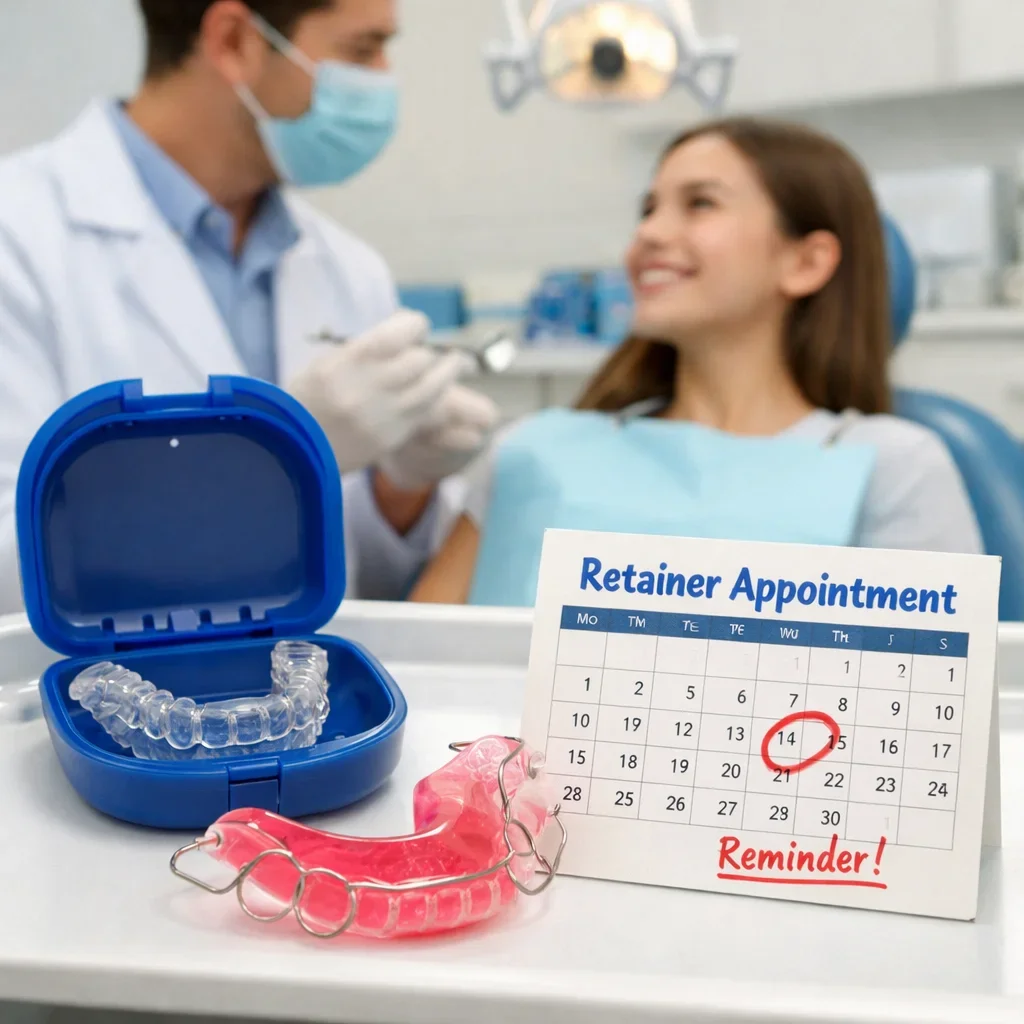
Frequently Asked Questions About a Retainer Appointment
A retainer appointment is one of the most common follow-up visits after orthodontic treatment, yet many patients still have questions about what happens during these visits and why they are necessary. Whether you recently finished braces or have been wearing a retainer for years, understanding the purpose of a retainer appointment helps you maintain long-term dental health and protect your orthodontic investment. 🦷
Dentists and orthodontists encourage patients to attend each scheduled retainer appointment because these visits allow professionals to evaluate retainer performance, check for tooth movement, and ensure that the appliance remains effective. Many small issues discovered during a retainer appointment can be corrected quickly before they turn into more complicated orthodontic problems.
Below are some of the most frequently asked questions patients have about a retainer appointment and the detailed answers provided by dental professionals.
How Long Does a Retainer Appointment Take?
A typical retainer appointment is usually short and efficient. Most visits last between 15 and 30 minutes, depending on the purpose of the appointment and whether any adjustments are required.
During the retainer appointment, the dentist will check how the retainer fits, inspect your teeth for movement, and examine your bite alignment. If everything appears stable, the retainer appointment may be completed quickly. However, if the dentist needs to adjust the retainer or evaluate alignment changes, the visit may take slightly longer.
Factors That May Affect Appointment Length
- Retainer adjustments or repairs
- Evaluation of minor tooth movement
- Replacement retainer impressions or digital scans
- Discussion of retainer wear habits
Even though the visit is brief, attending every retainer appointment ensures that orthodontic results remain stable over time.
Is a Retainer Appointment Painful?
Most patients find that a retainer appointment is completely painless. The dentist primarily performs visual examinations and checks how the retainer fits over your teeth.
Occasionally, during a retainer appointment, you may feel slight pressure if the dentist adjusts the retainer or if your teeth have shifted slightly. However, this pressure is usually mild and temporary.
When Mild Discomfort May Occur
- Adjusting the retainer wire
- Testing the retainer fit
- Checking bite alignment
If you experience pain outside of a retainer appointment, it is best to schedule a visit promptly so the dentist can determine the cause.
How Often Should I Schedule a Retainer Appointment?
The frequency of a retainer appointment depends on how recently you completed orthodontic treatment. In the first year after braces or aligners are removed, dentists may recommend scheduling a retainer appointment every three to six months.
Once teeth become more stable, many patients only need a retainer appointment once per year. However, this schedule can vary depending on the patient’s oral health, retainer condition, and orthodontic history.
Typical Follow-Up Schedule
- First year after orthodontic treatment: every 3–6 months
- After stabilization: once per year
- If issues occur: additional retainer appointments as needed
Your dentist will recommend the ideal retainer appointment schedule for your individual situation.
What Happens If I Miss a Retainer Appointment?
Missing a retainer appointment may not seem serious at first, but it can increase the risk of unnoticed tooth movement. Without professional monitoring, small alignment changes may gradually worsen.
If you miss a scheduled retainer appointment, it is best to reschedule as soon as possible. Dentists use these visits to ensure that the retainer continues to fit properly and that the teeth remain aligned.
Possible Risks of Skipping Retainer Appointments
- Undetected tooth shifting
- Retainer damage going unnoticed
- Bite alignment changes
- Increased chance of orthodontic relapse
Attending each retainer appointment helps avoid these potential problems.
What Should I Do If My Retainer Breaks?
If your retainer becomes cracked, bent, or lost, you should schedule a retainer appointment as soon as possible. Retainers are responsible for holding teeth in their corrected positions. Without the appliance, teeth may begin shifting quickly.
During the emergency retainer appointment, the dentist may evaluate the damage and determine whether the retainer can be repaired or needs replacement. Acting quickly helps preserve your orthodontic results.
Steps to Take if a Retainer Breaks
- Stop wearing the damaged retainer
- Store the retainer pieces safely
- Schedule a retainer appointment immediately
- Follow the dentist’s instructions for replacement
Prompt action ensures that your teeth remain stable between retainer appointments.
Can Teeth Move Even If I Wear My Retainer?
Yes, teeth can still experience minor movement even if you consistently wear your retainer. This is one reason why attending a retainer appointment remains important long after orthodontic treatment ends.
During the retainer appointment, the dentist evaluates whether the retainer continues to hold the teeth in their correct positions. If small changes are detected, the dentist may adjust the retainer or recommend wearing it more frequently.
Reasons Teeth May Still Shift
- Natural aging processes
- Jawbone changes over time
- Grinding or clenching habits
- Retainer wear inconsistencies
Regular retainer appointments ensure that these changes are identified early.
When Should I Schedule My Next Retainer Appointment?
Your dentist will usually recommend the timing of your next retainer appointment before you leave the clinic. Scheduling the next visit in advance helps maintain consistency and prevents long gaps between checkups.
If you ever notice discomfort, tooth movement, or retainer damage before your next scheduled retainer appointment, it is best to contact your dental clinic immediately and arrange an earlier visit.
Why Retainer Appointments Are Essential
A retainer appointment plays a crucial role in preserving the results of orthodontic treatment. By attending regular visits, patients ensure that their retainers continue working effectively and that their teeth remain properly aligned.
These visits allow dentists to detect small issues early, provide guidance on retainer care, and maintain both dental health and smile aesthetics. Ultimately, a consistent retainer appointment schedule is one of the most effective ways to maintain a straight, healthy smile long after braces or aligners are removed. ✨