
After completing orthodontic treatment such as braces or aligners, many patients believe their journey to a perfect smile is finished. However, maintaining those results is just as important as achieving them. This is where a retainer dentist plays a critical role. A retainer dentist is a dental professional who specializes in preserving the alignment of your teeth after orthodontic correction. Without proper follow-up care from a retainer dentist, teeth can gradually shift back to their original positions, undoing months or even years of treatment.
A retainer dentist focuses on ensuring long-term stability of your smile by providing customized retainers, monitoring your dental alignment, and offering guidance on retainer usage. Retainers are not a one-size-fits-all solution; each patient requires a personalized approach. A skilled retainer dentist evaluates your bite, tooth movement patterns, and oral health to recommend the most suitable retainer type, whether fixed or removable.
One of the most important responsibilities of a retainer dentist is to prevent relapse. Relapse refers to the natural tendency of teeth to move back to their original positions after orthodontic treatment. This can happen due to factors such as aging, jaw growth, or inconsistent retainer use. By regularly visiting a retainer dentist, patients can catch early signs of shifting and take corrective action before significant changes occur.
Another key role of a retainer dentist is patient education. Many individuals are unaware of how to properly wear, clean, and store their retainers. A retainer dentist provides detailed instructions to ensure that your retainer remains effective and hygienic. Improper care can lead to bacterial buildup, bad breath, or even oral infections. Therefore, guidance from a retainer dentist is essential for maintaining both oral health and retainer longevity.
In addition to maintenance, a retainer dentist also helps address issues such as broken or ill-fitting retainers. Over time, retainers can wear out, crack, or lose their shape. When this happens, they may no longer hold your teeth in the correct position. A retainer dentist can quickly assess the problem and provide a replacement or adjustment, ensuring continuous protection of your smile.
Regular check-ups with a retainer dentist are typically recommended every 6 to 12 months, depending on your individual needs. During these visits, the dentist evaluates your teeth alignment, checks the condition of your retainer, and ensures that everything is functioning as expected. These appointments are usually quick but extremely valuable in preserving the results of your orthodontic investment.
Many patients also ask whether visiting a retainer dentist is necessary if they feel their teeth are stable. The answer is yes. Even if your teeth appear perfectly aligned, subtle shifts can occur without noticeable symptoms. A professional evaluation by a retainer dentist can detect these minor changes early and prevent more serious issues in the future.
At Redent Klinik Contact Page, patients can easily connect with experienced dental professionals who provide comprehensive retainer care. Additionally, trusted organizations like the American Dental Association emphasize the importance of post-orthodontic retention and regular dental visits for long-term oral health.
Ultimately, a retainer dentist is your partner in maintaining a healthy, straight, and confident smile. 😊 Investing time in follow-up care ensures that your orthodontic results last a lifetime. Whether you have recently completed treatment or have been wearing a retainer for years, consulting a retainer dentist is one of the smartest decisions you can make for your dental health.
What Does a Retainer Dentist Do After Orthodontic Treatment?
After completing orthodontic treatment, many patients mistakenly believe their dental journey is over. In reality, this is where the role of a retainer dentist becomes essential. A retainer dentist focuses on preserving the results achieved through braces or aligners by ensuring that your teeth remain in their corrected positions. Without proper follow-up care from a retainer dentist, teeth can gradually shift, leading to relapse and the need for additional treatment.
The Primary Role of a Retainer Dentist
The main responsibility of a retainer dentist is to maintain the alignment of your teeth after orthodontic correction. This involves evaluating your current dental structure, recommending the most suitable retainer type, and ensuring that it fits perfectly. A retainer dentist carefully monitors how your teeth respond after treatment, as this period is critical for stabilizing results.
Teeth naturally have a tendency to move due to factors such as muscle pressure, aging, and bone remodeling. A retainer dentist understands these biological processes and creates a retention plan tailored to your needs. This plan may include full-time retainer use initially, followed by nighttime wear as your teeth stabilize.
Customized Retainer Planning
Every patient is unique, which is why a retainer dentist develops a personalized retention strategy. There are different types of retainers, including removable clear retainers, Hawley retainers, and fixed (bonded) retainers. A retainer dentist will assess factors such as your bite, lifestyle, and oral hygiene habits before recommending the best option.
For example, patients who prefer convenience may opt for clear removable retainers, while those who want a permanent solution may benefit from fixed retainers. The expertise of a retainer dentist ensures that the chosen retainer provides maximum effectiveness and comfort.
Monitoring Tooth Stability Over Time
Another crucial aspect of a retainer dentist’s role is ongoing monitoring. Even after your teeth appear stable, subtle movements can occur over time. Regular visits to a retainer dentist allow for early detection of these changes, preventing more significant alignment issues.
During check-ups, the retainer dentist evaluates your bite, checks for any shifting, and examines the condition of your retainer. These visits are essential for maintaining long-term results and avoiding costly corrective procedures in the future.
Adjustments and Retainer Replacement
Over time, retainers can wear out, become loose, or even break. A retainer dentist is responsible for identifying these issues and providing timely replacements or adjustments. Wearing a damaged retainer can compromise your results, so it is important to consult a retainer dentist as soon as you notice any problems.
Additionally, as your mouth changes with age, your retainer may need modifications. A retainer dentist ensures that your retainer continues to fit properly and remains effective in maintaining alignment.
Patient Education and Guidance
Education is a key component of what a retainer dentist does. Many patients are unsure about how long they should wear their retainer, how to clean it, or what to do if they lose it. A retainer dentist provides clear instructions to help patients maintain their retainers and protect their oral health.
For instance, improper cleaning can lead to bacteria buildup, unpleasant odors, and even infections. A retainer dentist will recommend safe cleaning methods and products to ensure hygiene. They also emphasize the importance of consistency, as skipping retainer use—even for a few days—can lead to noticeable shifting.
Long-Term Smile Protection
Ultimately, the goal of a retainer dentist is to protect your smile for life. Orthodontic treatment is a significant investment, and maintaining those results requires commitment and professional guidance. By following the advice of a retainer dentist, patients can enjoy straight teeth and improved confidence for many years.
If you ever have concerns about your retainer or notice changes in your teeth alignment, it is important to act quickly. You can easily reach out through the Redent Klinik Contact Page to get professional assistance. Additionally, organizations like the American Dental Association highlight the importance of retention as a critical phase in orthodontic care.
In conclusion, a retainer dentist plays a vital role in ensuring that your orthodontic results last a lifetime. From creating personalized retainers to monitoring tooth stability and educating patients, the expertise of a retainer dentist is indispensable. 😊 Regular visits and proper retainer care are the keys to preserving your perfect smile.
Why Visiting a Retainer Dentist Is Crucial for Long-Term Results
Achieving a straight, healthy smile through orthodontic treatment is a major milestone, but maintaining those results requires ongoing care. This is where a retainer dentist becomes indispensable. Many patients underestimate the importance of follow-up visits after braces or aligner therapy, assuming that their teeth will remain in place permanently. However, without proper guidance from a retainer dentist, teeth can gradually shift back to their original positions—a process known as orthodontic relapse.
A retainer dentist ensures that your investment in orthodontic treatment is protected for the long term. Teeth are not fixed structures; they are influenced by daily habits, jaw movement, and even natural aging. Visiting a retainer dentist regularly helps monitor these changes and ensures your smile remains aligned and stable. 😊
The Risk of Orthodontic Relapse Without a Retainer Dentist
One of the most compelling reasons to visit a retainer dentist is to prevent relapse. After orthodontic treatment, the bone and tissues surrounding your teeth need time to stabilize. During this period, teeth are particularly vulnerable to movement. A retainer dentist carefully supervises this phase and ensures that your retainer is doing its job effectively.
Without guidance from a retainer dentist, patients may wear their retainers inconsistently or incorrectly. Even a few missed nights can lead to noticeable shifting. Over time, this can undo months or years of orthodontic work. A retainer dentist helps you stay on track and avoid these costly setbacks.
Subtle Changes That Only a Retainer Dentist Can Detect
Many alignment changes are too subtle to notice at first. A retainer dentist uses professional tools and expertise to identify even the smallest shifts in tooth position. Early detection allows for minor adjustments rather than major corrective treatments later on. This proactive approach is one of the key benefits of visiting a retainer dentist regularly.
Ensuring Proper Retainer Fit and Function
Your retainer is the primary tool for maintaining alignment, but it must fit correctly to be effective. A retainer dentist evaluates the fit of your retainer during each visit. Over time, retainers can become loose, warped, or damaged. A poorly fitting retainer may not hold your teeth in place properly, which is why routine check-ups with a retainer dentist are essential.
If any issues are detected, a retainer dentist can quickly provide adjustments or replacements. This ensures continuous protection of your smile and prevents unnecessary complications. Patients who skip visits to a retainer dentist often discover problems too late, when significant shifting has already occurred.
Adapting to Changes Over Time
Your mouth is constantly evolving due to factors such as aging, dental work, and lifestyle habits. A retainer dentist adapts your retention plan to these changes. For example, if you undergo dental procedures like fillings or crowns, your retainer may need modification. A retainer dentist ensures that your retainer remains compatible with your current dental condition.
Improving Oral Health Through Professional Guidance
Beyond alignment, a retainer dentist also contributes to your overall oral health. Retainers can trap bacteria if not cleaned properly, leading to issues such as plaque buildup, gum irritation, or bad breath. A retainer dentist provides detailed instructions on cleaning and maintaining your retainer to prevent these problems.
Additionally, a retainer dentist examines your teeth and gums during visits, ensuring that your oral health remains optimal. This comprehensive care approach helps patients avoid complications that could affect both their retainers and their overall dental well-being.
Building Long-Term Habits
Consistency is key when it comes to retainer use. A retainer dentist helps patients develop strong habits that support long-term success. From wearing schedules to storage practices, the advice provided by a retainer dentist ensures that patients stay committed to their retention plan.
Protecting Your Investment in Orthodontic Treatment
Orthodontic treatment requires a significant investment of time, effort, and resources. Visiting a retainer dentist is essential for protecting that investment. Without proper retention, the results of treatment can diminish, leading to the need for additional procedures.
By working closely with a retainer dentist, patients can ensure that their smile remains straight and healthy for years to come. If you have questions or need professional support, you can visit the Redent Klinik Contact Page for assistance. Furthermore, trusted organizations like the American Dental Association emphasize the importance of ongoing dental care and retention after orthodontic treatment.
In conclusion, visiting a retainer dentist is not optional—it is a crucial step in maintaining your orthodontic results. From preventing relapse to ensuring proper retainer function and supporting oral health, a retainer dentist plays a vital role in your long-term smile success. 😊 Regular visits provide peace of mind and help you enjoy the full benefits of your beautifully aligned teeth.
Types of Retainers Recommended by a Retainer Dentist
After orthodontic treatment, choosing the right type of retainer is one of the most important decisions you will make. A retainer dentist plays a key role in guiding patients toward the most suitable option based on their unique dental needs, lifestyle, and long-term goals. Not all retainers are the same, and understanding the differences can help you maintain your results effectively. A professional retainer dentist ensures that your retainer is not only comfortable but also highly effective in keeping your teeth aligned.
There are generally three main types of retainers that a retainer dentist may recommend: removable clear retainers, Hawley retainers, and fixed (bonded) retainers. Each option has its advantages and considerations, and the expertise of a retainer dentist is essential in selecting the right one. 😊
Clear Removable Retainers (Essix Retainers)
Clear retainers are one of the most popular options recommended by a retainer dentist. These retainers are made from transparent plastic and are custom-fitted to your teeth, making them nearly invisible when worn. Patients often prefer this type because of its aesthetic appeal and comfort.
Advantages of Clear Retainers
A retainer dentist often recommends clear retainers for patients who value discretion. These retainers are lightweight, easy to wear, and do not affect speech significantly. Additionally, they provide full coverage of the teeth, which helps maintain alignment effectively. A retainer dentist ensures that the fit is precise, maximizing retention performance.
Considerations and Maintenance
While clear retainers are convenient, a retainer dentist will emphasize the importance of proper care. They can stain easily and may warp if exposed to heat. Regular cleaning and safe storage are essential. A retainer dentist will guide you on how to maintain hygiene and when to replace your retainer if it shows signs of wear.
Hawley Retainers (Traditional Retainers)
Hawley retainers are a classic option that a retainer dentist may recommend, especially for patients who need durability and adjustability. These retainers consist of a plastic base combined with a metal wire that holds the teeth in position.
Benefits of Hawley Retainers
A retainer dentist often suggests Hawley retainers because they are long-lasting and can be adjusted over time. This flexibility allows the retainer dentist to make minor corrections if slight shifting occurs. They are also more resistant to damage compared to clear retainers.
Drawbacks to Consider
Despite their durability, Hawley retainers are more visible due to the metal wire. A retainer dentist will discuss whether this is a concern for you. Additionally, they may take some time to get used to, especially in terms of speech. However, with proper guidance from a retainer dentist, most patients adapt quickly.
Fixed (Bonded) Retainers
Fixed retainers are permanently attached to the back of the teeth, usually the lower front teeth. A retainer dentist may recommend this option for patients who are at a higher risk of relapse or who prefer a “set-it-and-forget-it” solution.
Advantages of Fixed Retainers
One of the biggest benefits of fixed retainers is that they are always in place. A retainer dentist often recommends them for patients who may forget to wear removable retainers. Since they are bonded to the teeth, they provide continuous support and eliminate the need for daily compliance.
Challenges and Care Requirements
However, a retainer dentist will also explain that fixed retainers require extra attention when cleaning. Food particles can get trapped around the wire, increasing the risk of plaque buildup. A retainer dentist will demonstrate proper flossing techniques and may recommend special tools to maintain oral hygiene.
How a Retainer Dentist Helps You Choose the Right Option
Selecting the right retainer is not just about preference—it involves careful evaluation by a retainer dentist. Factors such as your orthodontic history, risk of relapse, lifestyle habits, and oral hygiene all influence the decision. A retainer dentist will take these elements into account to create a personalized retention plan.
In some cases, a retainer dentist may even recommend a combination of retainers. For example, a fixed retainer for the lower teeth combined with a removable retainer for the upper teeth. This approach provides maximum stability and flexibility.
Long-Term Success with the Right Retainer
The success of your orthodontic treatment largely depends on the retainer you use and how well you follow your retainer dentist’s instructions. Regular check-ups ensure that your retainer continues to function properly and that your teeth remain aligned.
If you are unsure which type of retainer is best for you, consulting a professional is essential. You can easily reach out through the Redent Klinik Contact Page for personalized advice. Additionally, organizations like the American Dental Association provide valuable information about orthodontic retention and oral health.
In conclusion, understanding the different types of retainers recommended by a retainer dentist empowers you to make informed decisions about your dental care. Whether you choose clear, Hawley, or fixed retainers, the guidance of a retainer dentist ensures that your smile remains straight, healthy, and beautiful for years to come. 😊
How Often Should You See a Retainer Dentist?
One of the most common questions patients ask after completing orthodontic treatment is how often they should visit a retainer dentist. While many people assume that retainers require little to no follow-up care, the reality is quite different. Regular check-ups with a retainer dentist are essential to ensure that your teeth remain properly aligned and that your retainer continues to function effectively. The frequency of visits may vary depending on individual needs, but consistent monitoring by a retainer dentist is key to maintaining long-term results.
Teeth are dynamic structures that can shift over time due to natural forces such as aging, chewing pressure, and even slight jaw changes. A retainer dentist helps manage these changes by evaluating your alignment and making necessary adjustments. Without regular visits to a retainer dentist, small issues can develop into more significant problems that require additional treatment. 😊
Recommended Visit Frequency After Orthodontic Treatment
Immediately after completing orthodontic treatment, your retainer dentist will typically recommend more frequent visits. During the first year, it is common to see a retainer dentist every 3 to 6 months. This period is critical because your teeth are still stabilizing in their new positions.
First Year: Critical Stabilization Phase
During the initial months, a retainer dentist closely monitors how your teeth respond to the retainer. Adjustments may be needed to ensure optimal fit and effectiveness. A retainer dentist will also check for early signs of relapse and address them promptly. This proactive approach helps prevent long-term complications.
Patients are often required to wear their retainers full-time during this phase, removing them only for eating and cleaning. A retainer dentist will guide you through this process and ensure that you follow the correct routine.
Long-Term Maintenance Visits
After the first year, the frequency of visits to a retainer dentist may decrease. Most patients are advised to schedule check-ups every 6 to 12 months. These visits are still essential, even if your teeth appear stable. A retainer dentist can detect subtle changes that may not be visible to the untrained eye.
Annual Check-Ups for Ongoing Stability
During annual visits, a retainer dentist evaluates the condition of your retainer and your overall dental alignment. Over time, retainers can wear out, lose their shape, or become less effective. A retainer dentist ensures that your retainer is still providing the necessary support.
Additionally, a retainer dentist may adjust your wearing schedule based on your progress. Many patients transition from full-time wear to nighttime use, but this decision should always be guided by a retainer dentist.
Factors That Influence Visit Frequency
Not all patients require the same schedule when it comes to visiting a retainer dentist. Several factors can influence how often you should schedule appointments.
Individual Risk of Tooth Movement
Some patients are more prone to tooth movement than others. A retainer dentist evaluates your risk based on your orthodontic history, age, and lifestyle habits. If you are at a higher risk of relapse, your retainer dentist may recommend more frequent visits.
Type of Retainer Used
The type of retainer you have also plays a role. Patients with fixed retainers may need regular monitoring to ensure proper hygiene and bonding. A retainer dentist will check for plaque buildup and ensure that the retainer remains securely attached. For removable retainers, a retainer dentist focuses on fit and wear patterns.
When to Visit a Retainer Dentist Sooner
In some cases, you should not wait for your scheduled appointment. A retainer dentist should be consulted immediately if you notice any issues such as discomfort, tightness, or visible shifting of your teeth.
Warning Signs to Watch For
If your retainer suddenly feels tight or does not fit properly, it may indicate that your teeth have started to move. A retainer dentist can assess the situation and provide a solution before the problem worsens. Similarly, if your retainer is damaged or lost, contacting a retainer dentist promptly is crucial.
The Importance of Consistency
Consistency is one of the most important factors in maintaining your orthodontic results. Regular visits to a retainer dentist ensure that any issues are addressed early and that your retainer continues to function effectively. Skipping appointments can lead to unnoticed changes that may require more complex treatments later.
If you are unsure about your visit schedule or need professional guidance, you can easily connect with experts through the Redent Klinik Contact Page. Additionally, trusted organizations like the American Dental Association emphasize the importance of regular dental check-ups for maintaining oral health and orthodontic results.
In conclusion, visiting a retainer dentist regularly is essential for preserving your smile. Whether during the critical first year or in long-term maintenance, the expertise of a retainer dentist ensures that your teeth remain aligned and healthy. 😊 By following a consistent schedule and seeking professional advice when needed, you can enjoy the lasting benefits of your orthodontic treatment.
Signs You Need to Visit a Retainer Dentist Immediately
Even if you are following your post-orthodontic care routine carefully, there are situations where you should not wait for your next scheduled appointment. A retainer dentist is not only responsible for routine maintenance but also for addressing urgent issues that could compromise your dental alignment. Recognizing early warning signs can help you act quickly and protect your smile. Visiting a retainer dentist at the right time can prevent minor concerns from turning into major orthodontic problems.
Many patients assume that as long as they wear their retainers, everything will remain stable. However, teeth can shift due to various factors such as inconsistent use, wear and tear of the retainer, or natural changes in the mouth. A retainer dentist is trained to identify and correct these issues before they worsen. 😊
Sudden Tightness or Poor Fit of Your Retainer
One of the most common signs that you need to see a retainer dentist immediately is when your retainer feels unusually tight or does not fit properly. This can indicate that your teeth have started to move. Even slight shifts can make your retainer feel uncomfortable or difficult to wear.
Why Fit Matters
A properly fitting retainer is essential for maintaining alignment. If your retainer no longer fits, it may not be able to hold your teeth in their correct positions. A retainer dentist can assess the situation and determine whether adjustments or a replacement are necessary. Ignoring this issue can lead to further shifting, making it harder to correct later.
Visible Shifting of Teeth
If you notice that your teeth appear slightly crooked or misaligned compared to before, it is time to consult a retainer dentist. These changes may be subtle at first but can progress quickly if left untreated.
Early Detection Is Key
A retainer dentist can detect even minor changes in alignment and take corrective action. This may involve modifying your retainer or recommending temporary increased wear. Acting early with the help of a retainer dentist can prevent the need for additional orthodontic treatment.
Broken, Cracked, or Damaged Retainer
Your retainer is a critical tool, and any damage can reduce its effectiveness. If your retainer is cracked, bent, or broken, you should visit a retainer dentist as soon as possible. Wearing a damaged retainer may not only fail to maintain alignment but could also harm your teeth or gums.
When to Replace Your Retainer
A retainer dentist will evaluate the condition of your retainer and decide whether it can be repaired or needs replacement. Over time, all retainers experience wear and tear. A retainer dentist ensures that you always have a properly functioning retainer to protect your smile.
Persistent Discomfort or Pain
While mild pressure is normal when wearing a retainer, persistent pain or discomfort is not. If you experience ongoing discomfort, it is important to consult a retainer dentist. Pain may indicate that your retainer is no longer fitting correctly or that your teeth are shifting.
Understanding the Cause of Pain
A retainer dentist can identify the source of the discomfort and provide appropriate solutions. This may include adjusting the retainer or addressing underlying dental issues. Ignoring pain can lead to more serious complications, making it essential to seek help from a retainer dentist promptly.
Difficulty Wearing Your Retainer Consistently
If you find it increasingly difficult to wear your retainer, whether due to discomfort or changes in fit, this is a clear sign to visit a retainer dentist. Consistency is crucial for maintaining alignment, and any obstacles should be addressed immediately.
Restoring Comfort and Compliance
A retainer dentist can adjust your retainer or recommend a different type that better suits your needs. Ensuring comfort encourages consistent use, which is essential for long-term success. A retainer dentist helps you stay on track and maintain your results.
Loss of Your Retainer
Losing your retainer is another urgent situation that requires immediate attention from a retainer dentist. Without your retainer, your teeth can begin to shift within days. The sooner you contact a retainer dentist, the better your chances of preventing noticeable changes.
Acting Quickly After Loss
A retainer dentist can create a replacement retainer quickly, minimizing the risk of relapse. Delaying this process can lead to significant movement, making it more difficult to restore alignment later.
Importance of Prompt Action
Recognizing these warning signs and acting quickly can make a significant difference in maintaining your orthodontic results. A retainer dentist provides the expertise needed to address issues efficiently and effectively. Ignoring problems or delaying visits can result in more complex treatments and additional costs.
If you experience any of these signs, do not hesitate to seek professional help. You can easily reach out through the Redent Klinik Contact Page for expert assistance. Additionally, trusted organizations like the American Dental Association emphasize the importance of timely dental care to maintain oral health and alignment.
In conclusion, being aware of the signs that require immediate attention from a retainer dentist is essential for protecting your smile. From fit issues to discomfort and damage, early intervention ensures that your teeth remain aligned and healthy. 😊 A proactive approach, combined with regular visits to a retainer dentist, guarantees long-term success after orthodontic treatment.
Cost of Retainers and Services from a Retainer Dentist
Understanding the cost of retainers and the services provided by a retainer dentist is an important part of planning your long-term dental care. After investing time and money into orthodontic treatment, maintaining your results with the help of a retainer dentist is essential. While many patients focus on the cost of braces or aligners, they often overlook the ongoing expenses associated with retention. However, working with a retainer dentist is typically far more affordable than repeating orthodontic treatment due to relapse.
The total cost can vary depending on factors such as the type of retainer, the complexity of your case, and the level of care provided by your retainer dentist. In this section, we will break down the typical costs and explain what you can expect when visiting a retainer dentist. 😊
Average Cost of Different Types of Retainers
A retainer dentist offers several types of retainers, each with its own price range. These costs may vary depending on your location and dental clinic, but the following estimates provide a general idea.
Clear Removable Retainers (Essix)
Clear retainers are one of the most commonly recommended options by a retainer dentist. They are affordable and aesthetically pleasing. The typical cost ranges between:
- $100 – $300 per retainer
- $200 – $600 for a full set (upper and lower)
A retainer dentist may recommend replacing these retainers every 6–12 months due to wear and tear. While the upfront cost is relatively low, regular replacements should be considered when budgeting.
Hawley Retainers
Hawley retainers are more durable and adjustable, making them a long-term solution recommended by many retainer dentist professionals. The typical cost is:
- $150 – $400 per retainer
- $300 – $800 for a full set
A retainer dentist may suggest this option for patients who need a more robust and adjustable retainer. Although slightly more expensive, they often last longer than clear retainers.
Fixed (Bonded) Retainers
Fixed retainers are permanently attached to the teeth and require professional installation by a retainer dentist. The cost typically includes placement and follow-up care:
- $250 – $500 per arch
- $500 – $1,000 for both upper and lower arches
A retainer dentist may recommend this option for patients at high risk of relapse. While the initial cost is higher, it eliminates the need for daily compliance.
Additional Costs from a Retainer Dentist
Beyond the cost of the retainer itself, there are additional services provided by a retainer dentist that may influence the total expense.
Consultation and Check-Up Fees
Routine visits to a retainer dentist are essential for monitoring your alignment. These appointments typically cost:
- $50 – $150 per visit
A retainer dentist uses these check-ups to evaluate your retainer’s condition and ensure your teeth remain aligned. Regular visits can prevent more costly treatments later.
Retainer Repairs and Adjustments
If your retainer becomes damaged or uncomfortable, a retainer dentist can perform repairs or adjustments. Costs may vary depending on the issue:
- $50 – $200 for minor repairs
- $100 – $300 for adjustments or partial replacements
Prompt attention from a retainer dentist can extend the life of your retainer and maintain its effectiveness.
Factors That Affect Pricing
The cost of services from a retainer dentist can vary based on several factors.
Location and Clinic Reputation
Dental clinics in major cities or specialized orthodontic centers may charge higher fees. A highly experienced retainer dentist may also have higher consultation costs due to their expertise.
Complexity of the Case
Patients with more complex orthodontic histories may require additional monitoring and customized retainers. A retainer dentist will tailor the treatment plan accordingly, which can influence pricing.
Is Visiting a Retainer Dentist Worth the Cost?
Many patients wonder whether the cost of visiting a retainer dentist is justified. The answer is a clear yes. Retention is a crucial phase of orthodontic care, and skipping it can lead to relapse, requiring expensive corrective treatment.
A retainer dentist helps protect your initial investment in braces or aligners. Compared to the cost of repeating orthodontic treatment—which can range from $3,000 to $8,000—retainer maintenance is relatively affordable.
Long-Term Savings and Benefits
By working with a retainer dentist, you ensure that your teeth remain aligned without the need for additional procedures. This not only saves money but also preserves your confidence and oral health. 😊
If you are considering retainer services or need expert advice, you can contact professionals through the Redent Klinik Contact Page. Additionally, the American Dental Association provides valuable information on dental care costs and treatment options.
In conclusion, while there are costs associated with visiting a retainer dentist, they are a worthwhile investment in maintaining your smile. From retainer types to ongoing care, a retainer dentist ensures long-term success and helps you avoid costly future treatments. 😊 Proper planning and regular visits make it easy to manage these expenses while enjoying lasting orthodontic results.
How to Clean and Maintain Your Retainer Properly
Proper cleaning and maintenance are essential for ensuring that your retainer remains effective, hygienic, and long-lasting. A retainer dentist will always emphasize that wearing your retainer is only part of the process—how you care for it is equally important. Without proper hygiene, retainers can become a breeding ground for bacteria, leading to unpleasant odors, oral infections, and even damage to your teeth and gums. Following the guidance of a retainer dentist helps you protect both your smile and your overall oral health. 😊
Many patients underestimate how quickly plaque and bacteria can accumulate on a retainer. Since retainers are worn for extended periods, they are constantly exposed to saliva, food particles, and microorganisms. A retainer dentist ensures that patients understand the importance of daily cleaning routines and proper storage habits.
Daily Cleaning Routine Recommended by a Retainer Dentist
A consistent cleaning routine is the foundation of retainer care. A retainer dentist typically recommends cleaning your retainer every time you remove it or at least twice a day.
Step-by-Step Cleaning Process
A retainer dentist often advises the following steps for effective cleaning:
- Rinse your retainer with lukewarm water immediately after removal
- Use a soft toothbrush to gently clean all surfaces
- Avoid using toothpaste, as it can be abrasive
- Use a mild soap or retainer-specific cleaning solution
A retainer dentist stresses that hot water should never be used, as it can warp the retainer and affect its fit. Maintaining the correct shape is crucial, and a retainer dentist will always highlight this detail.
Deep Cleaning Methods for Retainers
In addition to daily cleaning, a retainer dentist recommends periodic deep cleaning to remove stubborn buildup and bacteria.
Using Cleaning Tablets and Solutions
Retainer cleaning tablets are a popular option suggested by a retainer dentist. These tablets dissolve in water and create a solution that helps disinfect the retainer. Soaking your retainer once or twice a week can significantly improve hygiene.
A retainer dentist may also recommend specialized solutions designed specifically for orthodontic appliances. These products are formulated to clean effectively without damaging the material.
Natural Cleaning Alternatives
Some patients prefer natural methods, such as using a mixture of water and white vinegar. While these can be effective, a retainer dentist should always be consulted before trying alternative cleaning methods to ensure safety and compatibility with your retainer type.
Proper Storage Techniques
When your retainer is not in use, proper storage is essential. A retainer dentist will advise you to always keep your retainer in a protective case. Leaving it exposed increases the risk of contamination, damage, or loss.
Avoiding Common Storage Mistakes
A retainer dentist frequently encounters patients who accidentally throw away their retainers by wrapping them in napkins. To avoid this, always store your retainer in its designated case. Additionally, keep it away from pets, as animals are often attracted to the smell.
Proper storage ensures that your retainer remains clean and intact. A retainer dentist emphasizes that neglecting this step can lead to unnecessary replacements and added costs.
Maintaining Oral Hygiene Alongside Retainer Care
Your oral hygiene routine directly impacts the cleanliness of your retainer. A retainer dentist will stress the importance of brushing and flossing your teeth before wearing your retainer. Placing a retainer over unclean teeth can trap bacteria and increase the risk of cavities.
Best Practices for Oral Care
A retainer dentist recommends brushing your teeth at least twice a day and flossing daily. This ensures that your retainer remains clean when worn. Additionally, rinsing your mouth before inserting the retainer can help remove food particles.
When to Replace Your Retainer
Even with proper care, retainers do not last forever. A retainer dentist will monitor the condition of your retainer and advise when it is time for a replacement.
Signs of Wear and Tear
If your retainer shows signs of cracks, discoloration, or loss of fit, it is time to consult a retainer dentist. Continuing to use a damaged retainer can compromise your alignment. A retainer dentist ensures that you always have a properly functioning retainer.
The Role of a Retainer Dentist in Long-Term Maintenance
Regular visits to a retainer dentist are essential for maintaining both your retainer and your oral health. During check-ups, the dentist evaluates the condition of your retainer and provides personalized advice for care.
If you have questions about retainer maintenance or need professional assistance, you can easily reach out through the Redent Klinik Contact Page. Additionally, the American Dental Association offers reliable information on maintaining oral hygiene and dental appliances.
In conclusion, proper cleaning and maintenance are essential for the effectiveness of your retainer. By following the guidance of a retainer dentist, you can ensure that your retainer remains clean, functional, and comfortable. 😊 Consistent care not only protects your investment but also helps you maintain a healthy and beautiful smile for years to come.
Common Mistakes Patients Make After Visiting a Retainer Dentist
After completing orthodontic treatment and receiving guidance from a retainer dentist, many patients feel confident that their smile will remain perfect with minimal effort. However, maintaining alignment requires ongoing responsibility. Unfortunately, there are several common mistakes patients make after visiting a retainer dentist that can lead to unwanted tooth movement, discomfort, or even the need for additional treatment. Understanding these mistakes—and how to avoid them—can help you protect your results for years to come. 😊
A retainer dentist provides detailed instructions for retainer use and care, but long-term success depends on how well patients follow those recommendations. Even small lapses in routine can have noticeable consequences over time. Let’s explore the most frequent mistakes and how a retainer dentist helps prevent them.
Not Wearing the Retainer Consistently
One of the most common mistakes is inconsistent retainer use. A retainer dentist typically provides a specific schedule, especially during the first year after treatment. Ignoring this schedule can quickly lead to tooth movement.
Why Consistency Is Critical
Teeth naturally tend to shift back to their original positions. A retainer dentist emphasizes that even missing a few days can cause noticeable changes. Patients who do not follow their retainer schedule often experience tightness or discomfort when they try to wear it again, which is a clear sign that movement has occurred.
To avoid this, always follow the instructions given by your retainer dentist and make retainer use a daily habit.
Improper Cleaning and Hygiene
Another major mistake is neglecting proper cleaning. A retainer dentist frequently sees patients who develop bad breath, plaque buildup, or gum irritation due to poor retainer hygiene.
Consequences of Poor Cleaning
When retainers are not cleaned regularly, bacteria can accumulate and transfer to your teeth and gums. A retainer dentist warns that this can lead to cavities or infections. Additionally, dirty retainers can develop unpleasant odors, making them uncomfortable to wear.
Following the cleaning routine recommended by your retainer dentist is essential for maintaining both oral health and retainer effectiveness.
Using Hot Water or Harsh Chemicals
Some patients attempt to clean their retainers using hot water or strong cleaning agents. This is a serious mistake that a retainer dentist strongly advises against.
Damage Caused by Improper Cleaning Methods
Hot water can warp the retainer, causing it to lose its shape. A retainer dentist explains that even slight distortion can make the retainer ineffective. Harsh chemicals can also damage the material and irritate oral tissues.
Always use lukewarm water and dentist-approved cleaning solutions, as recommended by your retainer dentist.
Not Storing the Retainer Properly
Improper storage is another frequent issue. Many patients leave their retainers exposed or wrap them in tissues, increasing the risk of damage or loss. A retainer dentist often hears stories of retainers being accidentally thrown away or chewed by pets.
Safe Storage Practices
A retainer dentist advises always keeping your retainer in a protective case when not in use. This simple habit can prevent unnecessary replacements and ensure that your retainer remains clean and intact.
Ignoring Signs of Damage or Poor Fit
Some patients continue using a damaged or ill-fitting retainer without consulting a retainer dentist. This can lead to ineffective retention and further complications.
When to Seek Help
If your retainer feels loose, tight, or uncomfortable, it is important to contact a retainer dentist immediately. Early intervention can prevent more serious issues. A retainer dentist will assess the problem and provide the necessary adjustments or replacements.
Skipping Follow-Up Appointments
Many patients assume that once they receive their retainer, they no longer need to visit a retainer dentist. This is a critical mistake. Regular check-ups are essential for monitoring alignment and retainer condition.
The Importance of Regular Visits
A retainer dentist can detect subtle changes that patients may not notice. Skipping appointments can allow minor issues to develop into major problems. Consistent visits ensure that your retention plan remains effective.
Attempting DIY Fixes
Some patients try to adjust or repair their retainers at home, which can cause further damage. A retainer dentist strongly discourages this practice.
Risks of DIY Repairs
Improper adjustments can alter the retainer’s shape and reduce its effectiveness. A retainer dentist has the tools and expertise needed to make safe and accurate modifications. Always seek professional help instead of attempting DIY solutions.
The Role of a Retainer Dentist in Preventing Mistakes
A retainer dentist not only provides retainers but also educates patients on proper care and usage. By following the guidance of a retainer dentist, patients can avoid these common mistakes and maintain their results.
If you need professional advice or assistance, you can contact experts through the Redent Klinik Contact Page. Additionally, the American Dental Association offers valuable information on maintaining oral health and dental appliances.
In conclusion, avoiding common mistakes after visiting a retainer dentist is essential for long-term success. From consistent use to proper cleaning and regular check-ups, every step plays a role in maintaining your smile. 😊 By staying informed and proactive, you can ensure that your orthodontic results last a lifetime with the support of a retainer dentist.
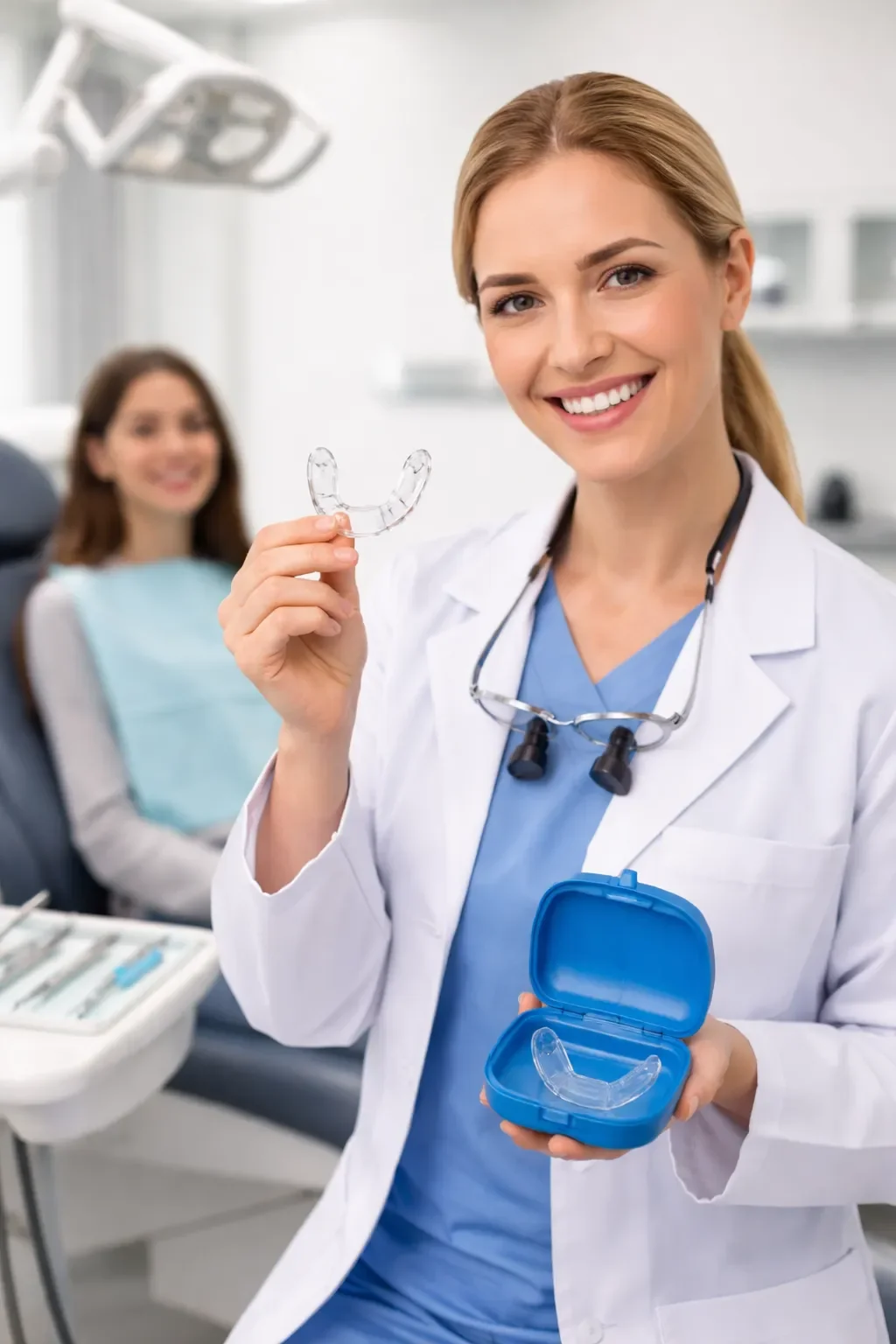
Choosing the Best Retainer Dentist for Your Needs
Selecting the right retainer dentist is one of the most important decisions you can make after completing orthodontic treatment. While many patients focus heavily on choosing an orthodontist, the role of a retainer dentist is equally critical for maintaining long-term results. A qualified retainer dentist ensures that your teeth remain aligned, your retainer functions properly, and your overall oral health is preserved for years to come.
With so many dental professionals available, finding the best retainer dentist can feel overwhelming. However, by understanding what to look for and asking the right questions, you can make a confident and informed decision. 😊
Qualifications and Experience of a Retainer Dentist
The first factor to consider when choosing a retainer dentist is their qualifications and experience. Not all dentists specialize in post-orthodontic care, so it is important to select someone with expertise in retention.
Why Experience Matters
An experienced retainer dentist has a deeper understanding of how teeth behave after orthodontic treatment. They can anticipate potential issues, recommend the most suitable retainer type, and provide effective solutions if problems arise. A skilled retainer dentist also stays updated with the latest techniques and technologies in dental care.
When researching a retainer dentist, look for certifications, years of practice, and patient reviews. These indicators can help you assess their level of expertise.
Range of Services Offered
A high-quality retainer dentist should offer a comprehensive range of services related to retainer care. This includes fitting, adjustments, repairs, replacements, and ongoing monitoring.
Comprehensive Care Approach
A retainer dentist who provides full-service care ensures continuity and convenience. Instead of visiting multiple providers, you can rely on one trusted retainer dentist for all your retention needs. This approach improves efficiency and ensures consistent results.
Technology and Modern Techniques
Modern dental technology plays a significant role in the effectiveness of retainer treatment. A forward-thinking retainer dentist uses advanced tools such as digital scans and 3D modeling to create precise and comfortable retainers.
Benefits of Advanced Technology
A retainer dentist who uses digital impressions can provide a better fit compared to traditional methods. This improves comfort and effectiveness. Additionally, advanced technology allows a retainer dentist to detect alignment changes early and make accurate adjustments.
Patient Communication and Support
Clear communication is essential when working with a retainer dentist. You should feel comfortable asking questions and discussing concerns. A good retainer dentist takes the time to explain your treatment plan and provide detailed instructions.
Building Trust and Confidence
A retainer dentist who prioritizes patient education helps you understand the importance of retention and how to care for your retainer. This builds trust and ensures that you follow the recommended guidelines effectively.
Convenience and Accessibility
Location and availability are also important factors when choosing a retainer dentist. Regular visits are necessary, so selecting a conveniently located clinic can make it easier to maintain your appointments.
Flexible Scheduling Options
A retainer dentist who offers flexible scheduling, including evening or weekend appointments, can accommodate your busy lifestyle. Accessibility ensures that you do not miss important check-ups with your retainer dentist.
Cost Transparency and Value
Cost is another important consideration. A reputable retainer dentist provides clear and transparent pricing for services. Understanding the costs upfront helps you plan your budget effectively.
Balancing Cost and Quality
While affordability is important, choosing the cheapest option is not always the best decision. A qualified retainer dentist offers value through expertise, quality materials, and reliable care. Investing in a skilled retainer dentist can save you money in the long run by preventing costly corrections.
Reviews and Patient Feedback
Reading reviews and testimonials can provide valuable insights into the quality of care offered by a retainer dentist. Positive feedback from other patients indicates a high level of satisfaction and reliability.
What to Look for in Reviews
When evaluating reviews, pay attention to comments about professionalism, communication, and results. A highly rated retainer dentist is more likely to provide a positive experience and effective treatment.
Taking the First Step
Choosing the right retainer dentist is a crucial step in maintaining your smile. By considering factors such as experience, services, technology, and patient support, you can find a provider who meets your needs.
If you are ready to take the next step, you can connect with experienced professionals through the Redent Klinik Contact Page. Additionally, trusted organizations like the American Dental Association offer reliable information to help you make informed decisions about your dental care.
In conclusion, the right retainer dentist plays a vital role in preserving your orthodontic results. 😊 By choosing a knowledgeable and supportive retainer dentist, you can ensure that your smile remains straight, healthy, and confident for years to come. Taking the time to make the right choice will provide lasting benefits and peace of mind.