
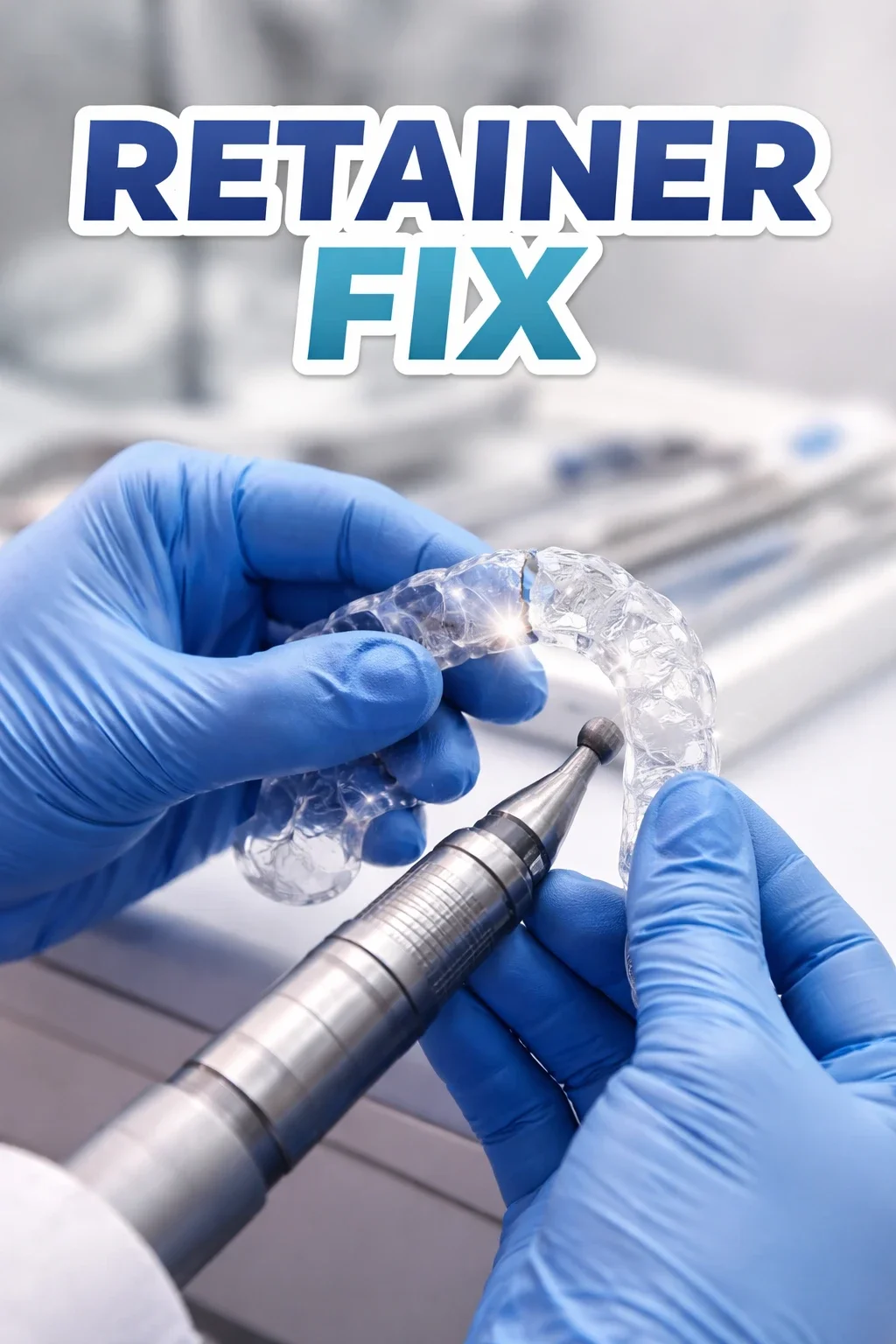
A retainer fix is the process of repairing, adjusting, or restoring a dental retainer so it continues to hold your teeth in their correct, post-orthodontic position. Retainers are not optional accessories after braces or aligner treatment—they are essential medical devices designed to prevent teeth from shifting back to their original alignment. When a retainer breaks, loosens, cracks, or no longer fits correctly, a proper retainer fix becomes critical for both oral health and long-term orthodontic success 🦷.
Many patients underestimate the importance of addressing retainer problems quickly. Even minor damage can reduce effectiveness, allowing teeth to move within days or weeks. A delayed retainer fix may result in the need for retreatment, additional orthodontic costs, or permanent changes in bite alignment. This is why dentists and orthodontists consistently stress early intervention when retainer issues arise.
There are several types of retainers—clear plastic (Essix), Hawley retainers with wire and acrylic, and fixed (bonded) retainers attached behind the teeth. Each type requires a different approach to a retainer fix. For example, cracked clear retainers often need replacement rather than repair, while a loose bonded wire may simply require re-bonding. Understanding the nature of your retainer helps determine the safest and most effective solution.
A professional retainer fix is not just about restoring comfort; it protects your investment in orthodontic treatment. Braces or aligners represent months or years of effort, and retainers are what lock in those results. Ignoring damage, attempting unsafe DIY repairs, or continuing to wear a poorly fitting retainer can cause gum irritation, enamel wear, jaw discomfort, and unwanted tooth movement 😬.
Patients often ask whether a retainer fix is urgent. The short answer is yes. Teeth naturally tend to shift throughout life, especially after orthodontic treatment. A damaged retainer no longer applies consistent pressure, and gaps or misalignment can return silently. Early signs—such as tightness, pressure, or visible cracks—should never be ignored. Acting quickly can mean the difference between a simple adjustment and full retainer replacement.
Another important aspect of a proper retainer fix is hygiene and safety. Broken retainers can trap bacteria, leading to bad breath, gum inflammation, or even oral infections. Sharp edges may injure the tongue or cheeks. Dental professionals follow strict clinical standards recommended by organizations like the American Dental Association to ensure repairs are safe, sterile, and long-lasting.
While some people search for at-home solutions, it’s important to understand that most DIY methods are temporary at best and harmful at worst. Glues, heat, or household tools can distort the retainer and permanently compromise fit. A medically correct retainer fix always starts with a professional evaluation to assess tooth position, retainer integrity, and bite stability.
From a patient-experience perspective, modern retainer fix procedures are usually quick, minimally invasive, and cost-effective when handled early. Many fixes can be completed the same day, especially for minor wire adjustments or rebonding. Dental clinics equipped with digital impressions and in-house labs can often provide replacement retainers within a short timeframe.
If you notice discomfort, looseness, or visible damage, the best next step is to contact a qualified dental clinic immediately. You can reach a professional team through the Redent Klinik Contact Page for personalized guidance and timely care. A prompt retainer fix protects your smile, your comfort, and the results you worked so hard to achieve 😊.
In summary, a retainer fix is not merely a repair—it is a preventive dental service that safeguards alignment, oral health, and confidence. By understanding its importance and acting early, patients can avoid unnecessary complications and enjoy stable, long-lasting orthodontic results.
What Is a Retainer Fix and Why It Matters for Oral Health
A retainer fix refers to any professional dental procedure aimed at restoring a retainer so it can properly maintain tooth alignment after orthodontic treatment. This may involve repairing, adjusting, rebonding, or fully replacing the retainer depending on the level of damage. While it may sound minor, a timely and correct retainer fix plays a major role in protecting oral health and preserving the results of braces or clear aligners 🦷.
Retainers are designed to hold teeth in a very specific position. When that balance is disrupted due to cracks, warping, looseness, or breakage, the teeth are no longer properly supported. This is why dentists consider a retainer fix a preventive dental service rather than a cosmetic one. Without intervention, even small retainer issues can quickly escalate into larger orthodontic problems.
Understanding the Purpose of a Dental Retainer
To understand why a retainer fix matters, it’s important to understand what retainers actually do. After orthodontic treatment, the surrounding bone and gum tissue need time to stabilize around the newly positioned teeth. Retainers provide constant, gentle pressure that keeps teeth from drifting during this critical period.
When a retainer is damaged, that pressure becomes uneven or disappears entirely. A delayed retainer fix allows teeth to shift naturally, often without the patient noticing until visible changes appear. This movement can affect not only aesthetics but also bite function, jaw comfort, and long-term oral stability.
Types of Retainers and How Fixes Differ
Different retainers require different approaches to a retainer fix. Clear plastic retainers may crack or warp and often need replacement rather than repair. Hawley retainers may require wire adjustments or acrylic repairs. Fixed retainers bonded behind teeth commonly need rebonding if they loosen.
Each type has unique risks when damaged, which is why a professional assessment is essential. Attempting a one-size-fits-all solution can lead to improper fit and further complications.
Why Oral Health Depends on a Proper Retainer Fix
A neglected retainer problem doesn’t just affect tooth alignment—it can directly impact oral health. Broken or ill-fitting retainers can rub against gums, create sore spots, and trap plaque and bacteria. Over time, this increases the risk of gum inflammation, enamel erosion, and bad breath.
A correct retainer fix ensures that the appliance sits flush against teeth, minimizes friction, and allows for proper oral hygiene. Dentists follow strict clinical guidelines supported by organizations like the American Dental Association to ensure repairs are safe and hygienic.
The Cost of Ignoring Retainer Problems
Many patients delay a retainer fix because the damage seems small or painless. Unfortunately, this delay often leads to higher costs later. Teeth that shift significantly may require a new orthodontic treatment plan, additional appliances, or long-term corrective care.
From a financial perspective, a simple retainer fix is far more affordable than retreatment with braces or aligners. From a health perspective, it prevents unnecessary stress on teeth, gums, and jaw joints 😟.
Professional Retainer Fix vs Temporary Solutions
Online searches often suggest temporary solutions like gluing a retainer or reshaping it with heat. These methods may seem convenient, but they usually cause more harm than good. Improper materials can be toxic, and altered retainers rarely fit correctly afterward.
A professional retainer fix includes checking tooth alignment, retainer fit, and bite balance before making any adjustment. This ensures that the solution supports both comfort and long-term oral health.
When to Seek a Retainer Fix Immediately
There are clear warning signs that indicate the need for an urgent retainer fix: visible cracks, looseness, sharp edges, discomfort when wearing the retainer, or a feeling that teeth are shifting. Acting quickly can prevent irreversible changes.
If you experience any of these issues, contacting a dental clinic promptly is the safest step. You can reach out through the Redent Klinik Contact Page to get expert guidance and avoid unnecessary complications.
In essence, a retainer fix is a crucial part of post-orthodontic care. It protects your smile, supports oral health, and ensures that the time and effort invested in orthodontic treatment continue to pay off for years to come 😊.
Common Signs Your Dental Retainer Needs a Fix
Recognizing the early warning signs that indicate the need for a retainer fix is essential for protecting your orthodontic results and maintaining oral health. Many patients continue wearing a damaged or poorly fitting retainer without realizing the harm it may cause. Unfortunately, teeth can begin shifting quietly, and by the time changes are noticeable, the solution may be more complex than a simple retainer fix 🦷.
Retainers are precision devices. Even minor changes in fit, shape, or stability can significantly reduce their effectiveness. Knowing what to look for empowers you to act early and avoid unnecessary complications.
Physical Damage You Can See or Feel
One of the most obvious indicators that you need a retainer fix is visible damage. Cracks, chips, broken wires, or distorted plastic are clear signs that the retainer can no longer function as intended. Even small fractures can worsen over time, especially with daily wear and cleaning.
Sharp edges or rough surfaces are particularly concerning. These can irritate the tongue, cheeks, or gums and increase the risk of infection. In such cases, continuing to wear the retainer without a professional retainer fix may do more harm than good.
Loose or Detached Fixed Retainers
If you have a bonded retainer behind your teeth, looseness is a major red flag. A wire that detaches from one or more teeth no longer provides uniform support. This uneven tension can actually accelerate tooth movement, making an urgent retainer fix necessary.
Patients often notice this when flossing becomes difficult or when the wire feels rough against the tongue. Any change in how a fixed retainer feels should prompt immediate evaluation.
Changes in Fit or Comfort
A properly functioning retainer should feel snug but comfortable. If your retainer suddenly feels too tight, too loose, or uncomfortable to wear, this may indicate warping or structural damage. These changes are common reasons patients require a retainer fix.
Discomfort can also signal that your teeth have already begun shifting due to an ineffective retainer. In such cases, delaying a retainer fix increases the risk that the retainer will no longer fit at all.
Difficulty Inserting or Removing the Retainer
If you struggle to place or remove your retainer, it may no longer match your dental anatomy. This is especially common with clear plastic retainers exposed to heat or improper cleaning methods. A professional retainer fix can determine whether adjustment or replacement is needed.
Subtle Tooth Movement and Bite Changes
One of the most dangerous signs that a retainer fix is needed is subtle tooth movement. You may notice small gaps, slight crowding, or a change in how your teeth meet when biting down. These shifts often happen gradually and painlessly.
Because tooth movement can occur quickly after orthodontic treatment, even a short period without proper retention can undo months of progress. Addressing these changes early with a retainer fix can prevent permanent alignment issues.
Increased Plaque, Odor, or Gum Irritation
Damaged or ill-fitting retainers can trap food particles and bacteria, making proper cleaning difficult. If you notice persistent bad breath, gum redness, or irritation despite good oral hygiene, your retainer may be part of the problem.
A professional retainer fix restores proper fit and smooth surfaces, reducing bacterial buildup and supporting gum health. Dental professionals follow hygiene standards recommended by the American Dental Association to ensure safe outcomes.
Why Early Action Matters
Ignoring early warning signs often turns a simple retainer fix into a more extensive and costly procedure. What could have been a minor adjustment may become a full retainer replacement or even renewed orthodontic treatment.
From both a health and financial standpoint, prompt action is always the better choice. If you suspect any issue, contacting a dental professional as soon as possible is key. You can easily schedule guidance or an evaluation through the Redent Klinik Contact Page.
In conclusion, understanding the common signs that signal the need for a retainer fix helps you protect your smile proactively. By responding early to visible damage, discomfort, or subtle changes, you ensure that your retainer continues to do its job—keeping your teeth healthy, aligned, and stable for years to come 😊.
Causes of Retainer Damage: How Problems Start
Understanding the root causes of retainer damage is essential for preventing repeated issues and reducing the need for a retainer fix. Many patients assume retainers break randomly, but in reality, damage usually develops due to identifiable habits, environmental factors, or simple lack of awareness. By recognizing how problems start, you can protect your appliance and minimize the likelihood of requiring frequent retainer fix procedures 🦷.
Dental retainers are designed to be durable, but they are not indestructible. Each type—clear plastic, Hawley, or fixed—has specific vulnerabilities. When these weak points are stressed repeatedly, damage becomes inevitable.
Improper Handling and Storage
One of the most common causes leading to a retainer fix is improper handling. Retainers are often damaged when they are removed carelessly, bent with fingers, or wrapped in tissues and accidentally thrown away. Clear plastic retainers, in particular, are highly susceptible to cracking when bent or compressed.
Failing to store a retainer in its protective case exposes it to pressure, contamination, and accidental damage. Sitting on a retainer, placing it in a pocket, or leaving it on a nightstand are frequent scenarios that eventually result in the need for a retainer fix.
Travel and On-the-Go Risks
Travel significantly increases the risk of retainer damage. Changes in routine, lack of storage cases, and exposure to heat can warp or crack retainers. Many patients seek a retainer fix after vacations due to lost or damaged appliances.
Heat Exposure and Cleaning Mistakes
Heat is one of the biggest enemies of dental retainers. Hot water, dishwashers, car dashboards, and even some cleaning devices can warp plastic retainers beyond repair. Once warped, the retainer no longer fits properly, making a professional retainer fix unavoidable.
Using harsh chemicals or abrasive toothpaste can also weaken retainer materials over time. These cleaning mistakes create micro-cracks that expand with daily use. Dental professionals recommend gentle, approved cleaning methods supported by organizations like the American Dental Association.
Teeth Grinding and Jaw Pressure
Bruxism, or teeth grinding, places excessive force on retainers during sleep. Over time, this pressure can crack plastic retainers or bend wires, leading to frequent need for a retainer fix. Many patients are unaware they grind their teeth until retainer damage becomes recurrent.
If grinding is suspected, dentists may recommend additional protective solutions to reduce stress on the retainer and prevent repeated damage.
Normal Wear and Tear Over Time
Even with perfect care, retainers are subject to natural wear. Daily insertion and removal, chewing pressure, and exposure to saliva gradually degrade materials. After months or years of use, this wear can lead to looseness or reduced effectiveness, signaling the need for a retainer fix.
This is particularly common with clear retainers, which may lose rigidity over time. Regular dental checkups allow professionals to detect early wear and perform preventive retainer fix measures before failure occurs.
Improper Fit After Dental Changes
Dental changes such as new fillings, crowns, or minor tooth movement can alter how a retainer fits. When a retainer no longer matches your dental anatomy, pressure points develop, increasing the risk of cracking or loosening.
In these cases, a retainer fix ensures the appliance adapts safely to your updated dental structure rather than causing damage or discomfort.
Why Identifying the Cause Matters
Repeatedly repairing a retainer without addressing the underlying cause often leads to a cycle of damage and frustration. Identifying why a retainer fix is needed allows dentists to provide long-term solutions rather than temporary repairs.
If you notice frequent issues with your retainer, professional guidance is essential. You can consult a qualified dental team through the Redent Klinik Contact Page to determine the exact cause and prevent future problems.
In summary, most retainer damage is preventable. Improper handling, heat exposure, grinding, and normal wear all contribute to the need for a retainer fix. By understanding how these problems start and taking proactive steps, you can extend the life of your retainer and maintain a healthy, stable smile 😊.
Can You Do a Retainer Fix at Home Safely?
Many patients facing retainer problems immediately wonder whether a retainer fix can be done at home. The idea is understandable—home solutions seem faster, cheaper, and more convenient. However, when it comes to dental retainers, attempting a retainer fix without professional supervision carries significant risks that are often underestimated 🦷.
Retainers are medical devices designed with precise measurements. Even a small change in shape, tension, or fit can reduce their effectiveness or cause harm. While the internet is full of DIY advice, most at-home retainer fix methods are temporary at best and damaging at worst.
Common DIY Retainer Fix Methods People Try
Patients often attempt various home remedies when their retainer breaks or feels uncomfortable. These include using household glue, reshaping plastic with hot water, bending wires with tools, or continuing to wear a damaged retainer despite discomfort.
Unfortunately, these approaches usually worsen the problem. Household adhesives are not designed for oral use and may contain toxic substances. Heat-based reshaping almost always leads to warping, making a professional retainer fix unavoidable later.
Why Glue Is Especially Dangerous
Using glue is one of the most harmful DIY attempts at a retainer fix. Glue alters the retainer’s structure, creates uneven surfaces, and introduces chemicals into the mouth. It also makes professional repair more difficult or impossible.
Once glue is applied, dentists often cannot safely repair the retainer and must recommend full replacement instead of a simple retainer fix.
Short-Term vs Long-Term Consequences
Some at-home solutions may seem to “work” temporarily, but they rarely address the underlying issue. A warped or glued retainer may feel stable for a few days while silently allowing teeth to shift. This delayed damage often turns a minor retainer fix into a more complex orthodontic problem.
Long-term consequences can include bite changes, gum irritation, enamel wear, and renewed tooth misalignment. In severe cases, patients may need orthodontic retreatment—far more costly and time-consuming than a proper retainer fix.
When Is Home Care Acceptable?
While actual repair should never be attempted at home, there are limited situations where temporary precautions are acceptable until you see a dentist. For example, if a retainer cracks or feels sharp, removing it to prevent injury is safer than continuing to wear it.
Proper cleaning, safe storage in a protective case, and avoiding heat exposure are preventive steps—not a retainer fix—but they help avoid further damage while waiting for professional care.
Why Professional Evaluation Is Essential
A dentist or orthodontist does more than just repair the retainer. A professional retainer fix includes checking tooth position, bite alignment, gum health, and overall fit. This ensures that the retainer continues to support long-term oral stability.
Dental professionals follow evidence-based standards supported by organizations like the American Dental Association, ensuring that materials, techniques, and hygiene protocols are safe and effective.
The Cost Myth of DIY Retainer Fixes
Many patients attempt a home retainer fix to save money. Ironically, DIY repairs often increase costs. A retainer that could have been adjusted or rebonded may become unusable due to improper handling.
From a financial perspective, early professional intervention is almost always more affordable than replacement or orthodontic retreatment.
What to Do Instead of a DIY Retainer Fix
If you suspect damage, the safest step is to stop wearing the retainer and seek professional advice immediately. Dental clinics can assess whether repair, adjustment, or replacement is needed.
You can quickly reach an experienced dental team through the Redent Klinik Contact Page and receive guidance tailored to your situation.
In summary, while it may be tempting to attempt a retainer fix at home, doing so is rarely safe and often harmful. Retainers require professional care to ensure accuracy, comfort, and long-term effectiveness. Choosing expert evaluation over DIY methods protects both your smile and your investment in orthodontic treatment 😊.
Professional Retainer Fix Options at a Dental Clinic
When a retainer is damaged, uncomfortable, or no longer fits correctly, seeking a professional retainer fix at a dental clinic is the safest and most effective solution. Unlike temporary or improvised methods, clinical repair options are designed to restore both function and oral health while preventing further complications. A professional retainer fix is always tailored to the type of retainer you use, the condition of your teeth, and the extent of the damage 🦷.
Dental clinics approach retainer problems systematically. Before any repair is performed, the dentist or orthodontist evaluates tooth alignment, bite balance, gum condition, and retainer integrity. This comprehensive assessment ensures that the retainer fix supports long-term orthodontic stability rather than just short-term comfort.
Assessment and Diagnosis Before a Retainer Fix
The first step in any professional retainer fix is diagnosis. The dentist examines whether the retainer itself is the only issue or if tooth movement has already occurred. In some cases, what appears to be a retainer problem is actually early relapse in tooth alignment.
This diagnostic phase is crucial. Repairing a retainer without correcting underlying alignment issues may worsen the situation. That’s why professional evaluation is a defining advantage of clinical retainer fix procedures.
Common In-Clinic Retainer Fix Methods
There are several proven approaches dentists use depending on the retainer type and damage severity. Each retainer fix method prioritizes precision, hygiene, and durability.
Rebonding Fixed (Bonded) Retainers
For bonded retainers that have loosened or detached from one or more teeth, rebonding is a common retainer fix. The dentist cleans the tooth surface, applies dental-grade adhesive, and secures the wire back into place with exact positioning.
This method restores uniform tension across all teeth and prevents uneven forces that could cause shifting. Rebonding is usually quick and minimally invasive.
Adjusting or Repairing Hawley Retainers
Hawley retainers consist of wires and acrylic, making them more adjustable than clear plastic retainers. A professional retainer fix may involve tightening wires, smoothing rough acrylic edges, or repairing minor cracks.
Because these retainers can be reshaped precisely using orthodontic tools, they often last many years with proper professional care.
Replacing Clear Plastic Retainers
Clear retainers that are cracked, warped, or no longer fit correctly usually require replacement rather than repair. In this case, the retainer fix involves taking new impressions or digital scans to fabricate a perfectly fitting replacement.
While replacement may sound more involved, it ensures accuracy and prevents future discomfort or tooth movement.
Advanced Technology in Modern Retainer Fix Procedures
Many dental clinics now use digital scanning and in-house laboratories to speed up the retainer fix process. Digital impressions are more comfortable for patients and provide highly accurate models for retainer fabrication.
This technology allows clinics to deliver replacement retainers faster and with better fit than traditional methods.
Safety and Hygiene Standards in Professional Retainer Fix
Professional retainer fix procedures follow strict hygiene and safety protocols. Dental-grade materials are biocompatible and designed specifically for oral use, unlike household alternatives.
These standards align with clinical recommendations from organizations such as the American Dental Association, ensuring patient safety and long-term effectiveness.
Why Professional Care Prevents Future Problems
A major advantage of a clinic-based retainer fix is prevention. Dentists don’t just repair the current issue—they identify habits, fit problems, or bite changes that may cause repeated damage.
This proactive approach reduces the likelihood of needing frequent retainer fix appointments and helps patients maintain stable results.
When to Visit a Dental Clinic Immediately
Any sudden discomfort, looseness, visible damage, or change in bite is a reason to seek a professional retainer fix promptly. Early intervention often allows for simpler and more affordable solutions.
If you suspect an issue, contacting a qualified clinic quickly is key. You can arrange professional guidance through the Redent Klinik Contact Page and avoid unnecessary complications.
In conclusion, professional retainer fix options at a dental clinic offer accuracy, safety, and long-term protection that home methods simply cannot match. By choosing expert care, you safeguard your smile, your comfort, and the orthodontic results you worked hard to achieve 😊.
Retainer Fix Cost: What to Expect and Price Factors
One of the most common concerns patients have when facing retainer problems is cost. Understanding the price of a retainer fix helps reduce anxiety and allows you to act quickly instead of delaying care. The good news is that most professional retainer fix procedures are relatively affordable—especially when compared to the cost of orthodontic retreatment 🦷.
However, the exact cost of a retainer fix varies depending on several important factors. These include the type of retainer, the extent of the damage, the repair method required, and whether replacement is necessary. Knowing what influences pricing allows you to make informed decisions and avoid unexpected expenses.
Main Factors That Affect Retainer Fix Cost
No two retainer problems are identical. Dentists evaluate multiple elements before determining the most appropriate retainer fix. Below are the key factors that influence pricing.
Type of Retainer
The type of retainer you wear plays a major role in determining the cost of a retainer fix. Fixed (bonded) retainers often require rebonding, which is usually less expensive than fabricating a new retainer. Hawley retainers may need wire adjustments or acrylic repairs, while clear plastic retainers often require full replacement if damaged.
Clear retainers tend to have higher replacement costs because they must be custom-made to fit your teeth precisely.
Extent of Damage
Minor issues such as a loose wire or small adjustment typically require a simple retainer fix. More severe damage—such as cracks, warping, or complete breakage—often increases cost due to additional materials, lab work, or replacement.
Early intervention usually keeps costs lower. Delaying care often turns a minor retainer fix into a more expensive solution.
Average Retainer Fix Costs (General Ranges)
While prices vary by region and clinic, the following general ranges can help set expectations:
- Bonded retainer rebonding: approximately $50–$150
- Hawley retainer adjustment or repair: approximately $75–$200
- Clear retainer replacement: approximately $150–$400
These figures reflect common market ranges and may vary based on clinic technology, expertise, and local costs. A professional evaluation is always required for an accurate quote.
Why a Retainer Fix Is Cost-Effective
From a long-term perspective, a timely retainer fix is one of the most cost-effective dental decisions you can make. Orthodontic retreatment with braces or aligners can cost thousands of dollars, while a simple repair or replacement is only a fraction of that amount.
Additionally, an effective retainer fix protects your oral health by preventing bite problems, gum irritation, and uneven tooth wear—issues that may lead to further dental expenses if left untreated.
Insurance and Retainer Fix Coverage
Dental insurance coverage for a retainer fix varies. Some plans partially cover repairs or replacements, especially if the retainer is considered medically necessary. Others may not include orthodontic appliances at all.
It’s always best to check with your provider and dental clinic in advance. Many clinics help patients understand their benefits and explore payment options.
Hidden Costs of Delaying a Retainer Fix
Postponing a retainer fix often leads to higher overall costs. Teeth that shift out of alignment may require new orthodontic appliances, extended treatment time, or additional dental procedures.
What starts as a small repair can quickly become a major financial and clinical issue if ignored 😟.
Value of Professional Assessment
A professional consultation ensures that you receive the most appropriate and cost-efficient retainer fix. Dentists follow clinical guidelines supported by organizations such as the American Dental Association to ensure accuracy, safety, and value.
If you’re unsure about the condition of your retainer or want a clear cost estimate, reaching out to a trusted clinic is the best next step. You can request expert guidance through the Redent Klinik Contact Page.
In summary, the cost of a retainer fix depends on multiple factors, but it is almost always more affordable than ignoring the problem. Acting early protects both your smile and your budget, ensuring long-lasting orthodontic results with minimal stress 😊.
How Long Does a Retainer Fix Take?
Time is a major concern for patients dealing with retainer issues. One of the most frequently asked questions is how long a retainer fix actually takes. The answer depends on several variables, including the type of retainer, the severity of the problem, and whether repair or replacement is required. Fortunately, many professional retainer fix procedures are faster than patients expect 🦷.
Understanding the typical timeline helps reduce stress and encourages prompt action. Delaying a retainer fix out of fear that it will be time-consuming often leads to bigger problems that take far longer to resolve.
Same-Day Retainer Fix Scenarios
In many cases, a retainer fix can be completed during a single dental visit. This is especially true for minor issues such as loose bonded retainers, small wire adjustments, or smoothing rough edges.
Bonded retainer rebonding, for example, often takes less than 30 minutes. Hawley retainer wire adjustments can usually be completed in a similar timeframe. These quick solutions restore function immediately and prevent further tooth movement.
Why Early Detection Saves Time
When patients notice a problem early, the retainer fix is often simple and fast. Minor looseness or discomfort is far easier to correct than advanced damage or misalignment.
This highlights the importance of responding quickly to any changes in fit or comfort.
When a Retainer Fix Takes a Few Days
Some situations require a slightly longer timeline. If a clear plastic retainer is cracked or warped, replacement is usually necessary. In these cases, the retainer fix involves taking impressions or digital scans and fabricating a new appliance.
With modern dental technology, many clinics can complete this process within a few days. Some clinics even offer expedited services using in-house labs, significantly reducing wait time.
Complex Cases That Take Longer
In more complex situations, a retainer fix may take longer. This includes cases where teeth have already shifted, multiple retainers are damaged, or additional orthodontic adjustments are required.
In such scenarios, dentists may need to realign teeth slightly before fitting a new retainer. While this extends the timeline, it ensures that the final result is stable and effective.
Temporary Solutions During the Retainer Fix Process
If a replacement retainer is being fabricated, dentists may provide guidance on how to protect your teeth in the meantime. This could include limited wear instructions or temporary appliances in select cases.
It’s important not to attempt an improvised retainer fix during this waiting period, as doing so may compromise the final outcome.
Factors That Influence Retainer Fix Duration
Several factors determine how long a retainer fix takes:
- Type of retainer (fixed, Hawley, clear)
- Severity and cause of damage
- Availability of in-house lab or digital scanning
- Patient’s tooth alignment at the time of repair
A professional evaluation ensures the fastest and most appropriate solution.
Why Speed Matters in Retainer Fix Timing
Teeth can begin shifting within days without proper retention. A delayed retainer fix increases the risk that the retainer will no longer fit or that additional orthodontic treatment will be required.
Dental professionals follow timing guidelines supported by organizations like the American Dental Association to minimize these risks and protect orthodontic results.
How to Avoid Delays
The fastest way to complete a retainer fix is to seek professional care as soon as an issue is noticed. Keeping your retainer, even if damaged, and bringing it to your appointment also helps speed up diagnosis.
You can quickly arrange an evaluation and avoid unnecessary delays by contacting a trusted clinic through the Redent Klinik Contact Page.
In summary, most retainer fix procedures are quick and efficient, especially when addressed early. From same-day repairs to short replacement timelines, professional care ensures minimal disruption while protecting your smile and orthodontic investment 😊.
Risks of Ignoring a Broken or Loose Retainer
Ignoring a damaged retainer may seem harmless at first, especially if there is little or no pain. However, postponing a retainer fix can lead to serious and often irreversible consequences. Retainers are not passive devices—they actively maintain tooth alignment. When they fail, teeth begin to move, sometimes faster than patients expect 🦷.
Many people delay a retainer fix because the retainer is “only slightly broken” or “still wearable.” Unfortunately, even minor defects can disrupt the delicate balance that keeps teeth in place. The longer the delay, the greater the risk to both oral health and orthodontic results.
Unwanted Tooth Movement and Orthodontic Relapse
The most significant risk of skipping a retainer fix is orthodontic relapse. Teeth naturally want to shift back toward their original positions, especially after braces or aligners. A broken or loose retainer cannot apply consistent pressure, allowing teeth to move unevenly.
This movement may begin subtly—slight crowding, small gaps, or a change in how teeth feel when biting. Over time, these changes become more visible and harder to correct. In many cases, patients who delay a retainer fix eventually require new orthodontic treatment.
Why Relapse Can Happen Quickly
After orthodontic treatment, the surrounding bone and tissues are still stabilizing. Without proper retention, teeth can begin shifting within days or weeks. This makes early retainer fix intervention absolutely critical.
Bite Problems and Jaw Discomfort
When teeth move out of alignment, the bite changes. A compromised bite can lead to uneven pressure during chewing, jaw strain, and even headaches. These issues often develop gradually, making them easy to overlook.
A delayed retainer fix allows bite imbalance to worsen, increasing the risk of temporomandibular joint (TMJ) discomfort and long-term jaw issues.
Gum Irritation and Soft Tissue Injury
Broken retainers often have sharp edges or rough surfaces. Continuing to wear them without a retainer fix can cause cuts, sores, and chronic irritation to the tongue, cheeks, and gums.
In addition to discomfort, these injuries create entry points for bacteria, increasing the risk of infection and inflammation. Professional repair eliminates these hazards by restoring smooth, safe surfaces.
Increased Plaque Buildup and Hygiene Issues
Damaged retainers frequently trap food particles and bacteria. Cracks, gaps, and poor fit make cleaning difficult, even for patients with excellent oral hygiene habits.
Over time, this buildup can lead to bad breath, gum disease, and enamel demineralization. A timely retainer fix restores proper fit and supports effective cleaning.
Higher Long-Term Costs
Delaying a retainer fix often increases overall dental costs. What could have been a simple adjustment or rebonding may turn into full retainer replacement or renewed orthodontic treatment.
From a financial standpoint, early action is almost always more cost-effective. Ignoring the issue rarely saves money and often leads to more expensive solutions later 😟.
False Sense of Security
One of the biggest dangers is assuming that wearing a damaged retainer is “better than nothing.” In reality, an ineffective retainer can sometimes be worse than no retainer at all, as it may apply uneven pressure and accelerate misalignment.
This false sense of security is why dentists strongly discourage delaying a professional retainer fix.
Professional Perspective on Retainer Risks
Dental professionals emphasize early intervention because the risks of delay are well-documented. Clinical guidelines supported by organizations such as the American Dental Association stress the importance of proper retention in maintaining orthodontic results.
A professional retainer fix is not merely a repair—it is a preventive measure that protects alignment, oral health, and overall comfort.
When to Act Immediately
If your retainer feels loose, uncomfortable, sharp, or no longer fits correctly, action should be taken immediately. The sooner you address the issue, the simpler and more effective the retainer fix will be.
You can seek timely professional advice and prevent further complications by contacting a qualified dental team through the Redent Klinik Contact Page.
In conclusion, ignoring a broken or loose retainer carries real and lasting risks. A prompt retainer fix protects your smile, prevents unnecessary discomfort, and preserves the results of your orthodontic treatment. Acting early is always the safest and smartest choice 😊.
How to Prevent Future Retainer Problems After a Fix
After completing a professional retainer fix, many patients assume the problem is permanently solved. While a successful repair or replacement restores function, long-term success depends heavily on how the retainer is cared for afterward. Preventing future issues is just as important as the initial retainer fix itself 🦷.
Retainers are designed to last, but their lifespan is directly influenced by daily habits, storage, cleaning routines, and regular dental monitoring. By following preventive strategies, patients can significantly reduce the likelihood of needing another retainer fix in the future.
Proper Daily Handling and Storage
One of the most effective ways to prevent repeat damage after a retainer fix is careful handling. Retainers should always be removed gently using both hands to avoid bending or uneven stress. Twisting or pulling on one side increases the risk of cracks and wire distortion.
Equally important is storage. Retainers should always be placed in a rigid, ventilated case when not in use. Leaving a retainer exposed on a table, in a pocket, or wrapped in a napkin dramatically increases the chance of accidental damage and another retainer fix.
Why Protective Cases Matter
Protective cases shield retainers from pressure, contamination, and pets—one of the most common causes of retainer damage. Dogs are particularly attracted to retainers due to saliva scent. A proper case is a simple but powerful preventive tool.
Safe and Consistent Cleaning Habits
Cleaning mistakes are a frequent reason patients require repeated retainer fix procedures. Retainers should be cleaned daily using lukewarm water and non-abrasive cleaners recommended by dental professionals.
Hot water, dishwashers, and aggressive brushing weaken materials and cause warping. These errors often undo the benefits of a recent retainer fix without the patient realizing it.
Managing Teeth Grinding and Jaw Pressure
If you grind your teeth at night, your retainer may be exposed to excessive force. This pressure can shorten its lifespan and increase the need for another retainer fix.
Informing your dentist about grinding symptoms allows them to recommend protective strategies. Addressing this underlying issue helps preserve the integrity of your retainer long after repair.
Regular Dental Checkups After a Retainer Fix
Routine dental visits play a critical role in preventing future retainer issues. During checkups, dentists can assess retainer fit, tooth alignment, and early signs of wear.
Minor adjustments made early often prevent the need for a full retainer fix later. These evaluations follow preventive care principles supported by organizations like the American Dental Association.
Being Alert to Early Warning Signs
Even after a successful retainer fix, patients should remain attentive to changes. Tightness, looseness, discomfort, or difficulty inserting the retainer are early indicators that something is wrong.
Addressing these signs immediately allows for quick intervention before significant damage or tooth movement occurs.
Lifestyle Habits That Protect Your Retainer
Simple lifestyle adjustments can greatly extend the life of your retainer. Avoid eating or drinking anything except water while wearing it, and never expose it to heat sources such as car interiors or hot beverages.
These habits reinforce the effectiveness of your retainer fix and reduce the risk of recurrence.
When to Seek Professional Advice Again
No retainer lasts forever. Even with perfect care, materials age and dental anatomy can change. If you suspect any issue, seeking professional advice early is always the safest option.
You can easily request follow-up guidance or preventive evaluation through the Redent Klinik Contact Page to ensure your retainer continues to function optimally.
In conclusion, preventing future problems after a retainer fix requires consistent care, awareness, and professional monitoring. By adopting proper habits and responding early to changes, patients can enjoy long-lasting orthodontic results, protect their oral health, and avoid unnecessary repairs. A well-maintained retainer is the final key to preserving a confident, healthy smile 😊.