
If you have recently completed orthodontic treatment, you may be wondering what comes next. This is where a retainer invisalign becomes essential. After months—or even years—of braces or clear aligner therapy, your teeth need stabilization. Without proper retention, they can gradually shift back to their original position. A retainer invisalign is specifically designed to protect your investment and maintain your beautifully aligned smile for years to come. 😊
In simple terms, a retainer invisalign is a clear, custom-made dental appliance worn after orthodontic treatment to hold teeth in their corrected position. While many people associate Invisalign with straightening teeth using clear aligners, the retention phase is equally important. The retainer invisalign functions as the final step in the orthodontic journey, ensuring long-term stability and preventing relapse.
When braces or aligners move teeth, the surrounding bone and soft tissues need time to adapt. Immediately after treatment, teeth are not fully stabilized. This is why orthodontists strongly recommend wearing a retainer invisalign as instructed. According to professional dental standards supported by the American Dental Association, proper retention is critical for maintaining orthodontic outcomes and preventing unwanted shifting.
The retainer invisalign is typically made from durable, transparent plastic that fits snugly over your teeth. Because it is custom-designed using digital impressions or 3D scans, it provides a precise fit. Unlike traditional wire retainers, a retainer invisalign is nearly invisible, comfortable, and removable. This makes it an appealing option for adults and teenagers who value aesthetics and convenience.
One of the main advantages of a retainer invisalign is its discreet appearance. Since it resembles clear aligners, most people won’t even notice you are wearing it. This allows patients to confidently continue their daily routines without feeling self-conscious. Additionally, the smooth plastic material reduces irritation compared to some metal-based retainers.
But how exactly does a retainer invisalign work? After orthodontic treatment, the periodontal ligaments—the tiny fibers that hold your teeth in place—remain slightly flexible. The retainer applies gentle, consistent pressure to prevent teeth from moving. Over time, the surrounding bone restructures and stabilizes around the new tooth position. Consistent use of a retainer invisalign during this critical phase ensures long-term alignment success.
It’s important to understand that retention is not optional. Even perfectly aligned teeth can relapse if a retainer invisalign is not worn as recommended. Many orthodontists advise full-time wear (20–22 hours daily) for the first few months after treatment, followed by nighttime wear long term. In many cases, wearing a retainer invisalign at night indefinitely helps maintain ideal results.
Patients often ask whether a retainer invisalign is comfortable. The answer is yes—most users find it very comfortable once they adjust. You may feel mild tightness when first wearing it, especially if you skipped a few nights. This slight pressure is normal and indicates that the retainer invisalign is doing its job by guiding teeth back into position.
Another benefit of a retainer invisalign is ease of maintenance. Because it is removable, you can take it out while eating or brushing. However, it must be cleaned regularly to prevent plaque buildup and odor. Proper care ensures that your retainer invisalign remains clear, hygienic, and effective.
Some patients may confuse a retainer invisalign with an aligner tray. While they look similar, their purposes differ. Aligners actively move teeth into new positions, whereas a retainer invisalign maintains the final alignment. In orthodontic terminology, this phase is known as “retention,” and it is just as important as the active treatment phase.
If you are unsure whether you need a new retainer invisalign or have concerns about your current one, it is wise to consult a dental professional. You can easily schedule a consultation through the Redent Klinik Contact Page to receive personalized advice tailored to your smile.
In summary, a retainer invisalign is a crucial part of maintaining orthodontic results. It protects your investment, prevents shifting, and ensures that your smile remains straight and healthy. Whether you completed treatment with braces or clear aligners, wearing a retainer invisalign consistently will help preserve your beautiful results for the long term. Your journey to a confident smile does not end when the braces come off—it continues with proper retention. ✨
What Is a Retainer Invisalign and How Does It Work?
A retainer invisalign is a custom-made, clear orthodontic appliance designed to maintain the alignment of your teeth after braces or clear aligner treatment. While many people focus heavily on the active straightening phase, the retention phase is equally important. A retainer invisalign ensures that your newly positioned teeth remain stable and do not gradually shift back to their original alignment. In orthodontics, this process is known as preventing “relapse,” and it plays a critical role in long-term smile success. 😊
The Purpose of a Retainer Invisalign
When orthodontic treatment moves your teeth, it also affects the surrounding bone, ligaments, and soft tissues. These structures need time to stabilize in their new position. A retainer invisalign holds the teeth firmly in place while your jawbone remodels and strengthens around them. Without wearing a retainer invisalign, teeth may begin to drift, sometimes within weeks of completing treatment.
The primary goal of a retainer invisalign is retention. Unlike aligner trays used during treatment, this device does not actively shift teeth. Instead, it preserves the results achieved through months of orthodontic care. Many orthodontists recommend wearing a retainer invisalign full-time for the first few months, followed by nightly wear for several years—or even indefinitely—to maintain optimal results.
How a Retainer Invisalign Is Made
A retainer invisalign is created using advanced digital technology. After your orthodontic treatment is completed, your dentist or orthodontist takes a 3D scan or digital impression of your teeth. This precise scan ensures that your retainer invisalign fits perfectly over your dental arches. Because it is custom-designed, it provides maximum comfort and effectiveness.
The material used for a retainer invisalign is typically a durable, medical-grade thermoplastic. This transparent material is strong enough to maintain tooth position while remaining discreet and comfortable. Many patients prefer a retainer invisalign over traditional wire retainers because of its clear appearance and smooth edges.
Digital Precision and Custom Fit
One of the standout features of a retainer invisalign is its precision. Since it is fabricated using digital scans, the fit is highly accurate. A well-fitted retainer invisalign minimizes movement, reduces discomfort, and increases patient compliance. When the fit is snug, you may feel slight pressure at first, but this sensation usually fades quickly.
How a Retainer Invisalign Works Daily
On a daily basis, a retainer invisalign applies gentle, consistent pressure to keep your teeth in place. Even after treatment, the periodontal ligaments around your teeth remain slightly flexible. The retainer invisalign acts as a stabilizing guide, ensuring that teeth remain aligned while the bone fully adapts.
To function effectively, a retainer invisalign must be worn according to your orthodontist’s instructions. Skipping nights or forgetting to wear your retainer invisalign may lead to minor tooth movement. If the retainer begins to feel tight, it may indicate that your teeth have shifted slightly, reinforcing the importance of consistent wear.
Removability and Convenience
Unlike fixed retainers bonded behind the teeth, a retainer invisalign is removable. This makes eating and oral hygiene easier. You can remove your retainer invisalign while eating, brushing, and flossing, which helps maintain better dental hygiene compared to some permanent retention options.
However, because it is removable, responsibility lies with the patient. Always store your retainer invisalign in its protective case when not in use. Accidental damage or loss is common if it is wrapped in a napkin or left on a table.
Benefits Compared to Other Retention Methods
There are several types of retainers, including Hawley retainers (wire-based) and bonded lingual retainers. However, a retainer invisalign offers a combination of aesthetics, comfort, and ease of maintenance. It is nearly invisible, making it ideal for adults and teens who want a discreet solution.
Additionally, a retainer invisalign typically covers all teeth in the arch, which can provide uniform retention. This full-coverage design helps protect your smile investment and reduces the risk of individual teeth shifting out of alignment.
Long-Term Importance of Retention
Orthodontic relapse can occur even years after treatment if retention is neglected. Wearing a retainer invisalign long term is often the safest way to maintain straight teeth. Teeth naturally tend to move throughout life due to aging, chewing forces, and jaw changes. A consistent retainer invisalign routine acts as a safeguard against these natural shifts.
In conclusion, a retainer invisalign is more than just a post-treatment accessory—it is a critical component of orthodontic success. By stabilizing teeth, supporting bone adaptation, and preventing relapse, the retainer invisalign protects your smile for years to come. Wearing it consistently and caring for it properly ensures that the time, effort, and investment you put into orthodontic treatment are preserved. ✨
Why You Need a Retainer Invisalign After Orthodontic Treatment
Completing braces or clear aligner therapy is a major milestone, but your orthodontic journey does not truly end there. The most critical phase begins immediately after treatment: retention. A retainer invisalign plays a vital role in preserving the alignment you worked so hard to achieve. Without wearing a retainer invisalign properly, teeth can gradually shift back toward their original positions—a process known as orthodontic relapse. Understanding why retention matters will help you protect your smile long term. 😊
The Science Behind Tooth Movement
During orthodontic treatment, controlled pressure is applied to move teeth into new positions. This movement affects not only the teeth but also the surrounding bone and periodontal ligaments. These supporting tissues need time to stabilize after treatment ends. A retainer invisalign keeps teeth steady while the bone remodels and strengthens around them.
Immediately after braces or aligners are removed, teeth are more vulnerable to shifting. The fibers that once held the teeth in their previous positions may attempt to pull them back. Wearing a retainer invisalign counteracts this natural tendency by maintaining consistent positioning during the healing phase.
Bone Remodeling and Stabilization
Bone remodeling can take several months to complete. During this period, the retainer invisalign serves as a stabilizing device. If the retainer invisalign is not worn consistently, even slight movement can occur, especially in the lower front teeth, which are most prone to relapse.
Preventing Orthodontic Relapse
Relapse is one of the most common concerns after orthodontic treatment. Studies show that teeth naturally shift throughout life due to aging, chewing forces, and jaw development. A retainer invisalign acts as long-term insurance against these changes.
Even patients with perfectly aligned smiles can experience movement if they stop wearing their retainer invisalign. Small changes may seem insignificant at first, but over time they can alter your bite and appearance. By committing to wearing a retainer invisalign as instructed, you dramatically reduce the risk of losing your results.
High-Risk Areas for Shifting
The lower front teeth are particularly vulnerable to crowding after treatment. A properly fitted retainer invisalign helps stabilize this area by maintaining consistent pressure across the arch. Because a retainer invisalign covers the entire row of teeth, it provides uniform support and alignment control.
Long-Term Smile Protection
Your orthodontic treatment required time, financial investment, and patience. A retainer invisalign protects that investment. Think of it as the final step that locks in your beautiful results. Many orthodontists recommend full-time wear (20–22 hours per day) for the first few months, followed by nighttime wear for life. Wearing a retainer invisalign at night becomes a simple routine that ensures long-term stability.
Some patients mistakenly believe that retention is temporary. However, teeth can shift even years after treatment. Wearing a retainer invisalign consistently provides ongoing protection against natural changes in the mouth.
Comfort and Aesthetic Advantages
One reason patients are more compliant with retention today is the comfort and appearance of a retainer invisalign. Unlike traditional wire retainers, the retainer invisalign is clear, smooth, and discreet. It fits snugly over the teeth and is barely noticeable in social or professional settings.
Because the retainer invisalign is removable, maintaining oral hygiene is easier compared to fixed retainers. You can brush and floss normally, which helps prevent plaque buildup and gum issues. Proper cleaning and consistent wear make the retainer invisalign both practical and hygienic.
Psychological Benefits of Retention
Maintaining a straight smile contributes to confidence and self-esteem. Wearing a retainer invisalign ensures that your smile remains consistent and attractive. Knowing that your alignment is protected reduces anxiety about relapse and enhances satisfaction with your orthodontic outcome.
What Happens If You Stop Wearing It?
If you stop wearing your retainer invisalign, you may notice tightness when you attempt to wear it again. This is often a sign that your teeth have shifted slightly. Ignoring this can lead to more noticeable misalignment over time. In some cases, patients may require additional aligner treatment if the retainer invisalign is not used as prescribed.
Consistency is key. Even missing a few nights occasionally may cause minor movement. Wearing your retainer invisalign regularly ensures that your teeth remain exactly where your orthodontist intended them to be.
Professional Guidance Matters
Every patient’s retention plan may vary depending on their orthodontic case. Consulting your dentist or orthodontist ensures that your retainer invisalign is properly fitted and functioning correctly. If your retainer feels loose, cracked, or uncomfortable, it may need adjustment or replacement.
In summary, a retainer invisalign is essential after orthodontic treatment because it stabilizes teeth, prevents relapse, protects your investment, and maintains your confident smile. Skipping retention can undo months or years of progress. By wearing your retainer invisalign consistently and following professional guidance, you ensure long-lasting results and a healthy, aligned smile for years to come. ✨
Retainer Invisalign vs Traditional Retainers: Key Differences
After completing orthodontic treatment, choosing the right retention method is critical. Many patients wonder whether a retainer invisalign is better than traditional retainers. While both options are designed to maintain tooth alignment, they differ significantly in design, comfort, appearance, durability, and maintenance. Understanding these differences will help you make an informed decision and protect your smile long term. 😊
Design and Material Differences
A retainer invisalign is made from clear, medical-grade thermoplastic material that fits snugly over your entire dental arch. It is custom-designed using digital impressions, ensuring a precise and comfortable fit. Because the retainer invisalign covers all teeth in the arch, it provides uniform retention and consistent support.
Traditional retainers generally fall into two main categories: Hawley retainers and fixed (bonded) retainers. A Hawley retainer consists of a plastic base with a visible metal wire across the front teeth. While effective, it is more noticeable compared to a retainer invisalign. Fixed retainers, on the other hand, are thin wires bonded to the back of the teeth and remain in place permanently unless removed by a dentist.
Appearance and Aesthetics
One of the biggest advantages of a retainer invisalign is its nearly invisible appearance. Because it is clear and fits tightly over the teeth, most people won’t notice you are wearing it. This makes the retainer invisalign particularly popular among adults and professionals who prefer a discreet option.
In contrast, Hawley retainers have visible metal components, which some patients may find less appealing. Although fixed retainers are hidden behind the teeth, they are not removable and may feel more intrusive over time. For patients prioritizing aesthetics, a retainer invisalign often becomes the preferred choice.
Comfort and Fit
Comfort plays a major role in long-term compliance. A retainer invisalign is smooth, thin, and custom-molded to your teeth. Because of this precise fit, most patients adapt quickly. While mild tightness may occur initially, it usually fades within a few days.
Traditional Hawley retainers may feel bulkier due to the acrylic base and metal wire. Some patients report temporary speech changes when first wearing them. Fixed retainers eliminate removability concerns but can sometimes irritate the tongue. Overall, the retainer invisalign tends to offer a more comfortable and modern retention experience.
Speech and Daily Function
Speech interference is generally minimal with a retainer invisalign, especially after the first few days. Because it sits flush against the teeth, it does not significantly affect tongue placement. Hawley retainers, however, may temporarily alter pronunciation due to their acrylic plate. For individuals who frequently speak in public or professionally, a retainer invisalign provides greater confidence.
Durability and Longevity
When comparing durability, both options have advantages. A retainer invisalign is durable but can wear down over time, especially if patients grind their teeth at night. Most orthodontists recommend replacing a retainer invisalign every 6 to 24 months depending on usage and wear.
Hawley retainers are generally more resistant to cracking and may last longer if well maintained. Fixed retainers can remain in place for years but require careful hygiene to prevent plaque buildup around the bonded wire. Each method has unique maintenance considerations, but regular dental checkups are essential regardless of which retainer you choose.
Oral Hygiene and Maintenance
Maintaining oral hygiene is simpler with a removable retainer invisalign. Because you can take it out while eating and brushing, you can clean your teeth thoroughly. Cleaning the retainer invisalign itself is also straightforward—using lukewarm water, a soft toothbrush, and non-abrasive cleaner helps keep it clear and odor-free.
Fixed retainers require meticulous brushing and flossing around the bonded wire. Special floss threaders may be needed to clean properly. Hawley retainers are removable, but their wire components require extra care to prevent bending. For patients who prioritize easy maintenance, a retainer invisalign offers a convenient solution.
Risk of Damage or Loss
Because a retainer invisalign is removable, there is a risk of losing or accidentally damaging it. Patients should always store their retainer invisalign in its protective case when not in use. Fixed retainers eliminate the risk of loss but may detach if exposed to excessive force.
Cost Considerations
In terms of cost, prices may vary by clinic and region. On average, a retainer invisalign may range between $150 and $500 per arch in many dental practices. Replacement costs may apply if it becomes worn or lost. Hawley retainers typically fall within a similar price range, while fixed retainers may have higher placement and maintenance costs.
While cost is important, long-term comfort and compliance are equally critical. A retainer invisalign may encourage more consistent wear due to its discreet design and comfort, which ultimately protects your orthodontic investment.
Which Option Is Right for You?
The choice between a retainer invisalign and traditional retainers depends on individual preferences, lifestyle, and orthodontic needs. Patients who value aesthetics, comfort, and removability often prefer a retainer invisalign. Those who want a more permanent solution may consider fixed retention.
Ultimately, the best retention method is the one you will wear consistently. Your orthodontist can evaluate your specific case and recommend whether a retainer invisalign or another option is most suitable. By choosing wisely and following professional guidance, you ensure that your beautifully aligned smile remains stable and confident for years to come. ✨
How Long Should You Wear a Retainer Invisalign?
One of the most common questions patients ask after completing orthodontic treatment is: how long do I need to wear my retainer invisalign? The honest answer is longer than most people expect. Retention is not a short-term phase; it is a long-term commitment that protects your smile investment. A retainer invisalign is specifically designed to prevent teeth from shifting back to their original positions, and the duration of wear plays a crucial role in maintaining stable, long-lasting results. 😊
The First 3–6 Months: Full-Time Wear
Immediately after braces or clear aligners are removed, teeth are highly susceptible to movement. During this initial stabilization phase, orthodontists typically recommend wearing your retainer invisalign for 20–22 hours per day. This means you should only remove the retainer invisalign for eating, drinking (except water), brushing, and flossing.
Why is full-time wear so important? After orthodontic movement, the periodontal ligaments and surrounding bone structures need time to remodel. Without a retainer invisalign, these tissues may pull teeth slightly out of alignment. The first few months are critical for ensuring that your teeth “lock in” to their new positions.
What Happens If You Skip Days?
If you forget to wear your retainer invisalign during the early phase, you may notice tightness when you put it back in. This tight feeling is a sign that minor shifting has occurred. Consistent use of the retainer invisalign prevents this discomfort and protects your orthodontic results.
After 6 Months: Transition to Nighttime Wear
Once your orthodontist confirms that your teeth have stabilized, you will likely transition to nighttime wear only. At this stage, wearing your retainer invisalign while sleeping is usually sufficient to maintain alignment. Nighttime wear is more manageable for most patients and improves long-term compliance.
Although the schedule becomes less strict, the importance of wearing your retainer invisalign does not decrease. Teeth continue to shift naturally due to aging, chewing forces, and subtle jaw changes. Wearing your retainer invisalign at night serves as ongoing protection against these gradual movements.
Is Nighttime Wear for Life?
In many cases, yes. Orthodontic professionals increasingly recommend lifelong nighttime wear of a retainer invisalign. While it may sound surprising, teeth can shift even decades after treatment. Committing to wearing your retainer invisalign a few nights per week long term is a simple habit that preserves your smile.
Factors That Affect Retainer Duration
Not every patient has the same retention timeline. Several factors influence how long you should wear your retainer invisalign:
- Severity of initial misalignment: More complex cases may require longer retention.
- Age: Younger patients may experience more natural tooth movement over time.
- Lower front teeth crowding: This area is particularly prone to relapse without consistent retainer invisalign use.
- Compliance: Patients who skip wearing their retainer invisalign may need extended full-time wear again.
Your orthodontist will personalize your retention plan. However, the general rule remains: the longer you consistently wear your retainer invisalign, the better your long-term stability.
Signs You May Need to Increase Wear Time
If your retainer invisalign feels tighter than usual, or if you notice slight changes in tooth alignment, it may indicate reduced compliance. In such cases, returning to full-time wear temporarily can help re-stabilize your teeth. Ignoring these signs could result in permanent shifting that requires additional orthodontic treatment.
When a Retainer No Longer Fits
If your retainer invisalign no longer fits properly, do not force it into place. This may damage the appliance or cause discomfort. Instead, consult your dental professional immediately. A replacement retainer invisalign may be necessary to maintain alignment.
Long-Term Benefits of Consistent Wear
Wearing your retainer invisalign consistently protects the time, effort, and financial investment you made in orthodontic treatment. It prevents relapse, maintains bite stability, and ensures your smile remains symmetrical and attractive. Additionally, maintaining alignment can contribute to better oral hygiene and reduced risk of gum issues.
Patients who commit to wearing their retainer invisalign long term often experience minimal shifting throughout their lifetime. This simple nightly routine becomes second nature and requires very little effort compared to the months spent in braces or aligners.
Final Recommendation
So, how long should you wear a retainer invisalign? The safest answer is: as long as you want your teeth to stay straight. Initially, full-time wear is essential. After stabilization, nighttime wear becomes the standard. Many orthodontists recommend lifelong nighttime use of a retainer invisalign to guarantee lasting results.
In summary, retention is not optional—it is the final and most important phase of orthodontic treatment. Wearing your retainer invisalign consistently ensures that your smile remains aligned, healthy, and confident for years to come. ✨
How Much Does a Retainer Invisalign Cost in 2026?
Understanding the cost of a retainer invisalign is an important part of planning your post-orthodontic care. After investing time and money into braces or clear aligners, protecting your results with a retainer invisalign is essential. Prices in 2026 can vary depending on location, dental clinic expertise, materials used, and whether the retainer is part of your original treatment package. In this section, we will break down the average cost of a retainer invisalign, what affects the price, and what you can expect financially. 💰😊
Average Cost of a Retainer Invisalign in 2026
On average, the cost of a retainer invisalign in 2026 typically ranges between $150 and $500 per arch in the United States. If you need both upper and lower retainers, the total may range from $300 to $800. Some orthodontic treatment plans include the first retainer invisalign in the total treatment fee, while replacements are charged separately.
Here is a general pricing overview:
- Single arch retainer invisalign: $150 – $500
- Upper and lower retainer invisalign: $300 – $800
- Replacement retainer invisalign: $100 – $400 per arch
- Multiple backup retainers (package deals): $400 – $1,000
Prices may vary internationally. In Europe, the cost of a retainer invisalign can range between €120 and €450 per arch, depending on the clinic and country.
Is the Retainer Included in Invisalign Treatment?
Some orthodontists include the first retainer invisalign in the total Invisalign treatment package. However, not all clinics follow this policy. It is important to clarify whether your retainer invisalign is included or billed separately at the end of treatment.
Factors That Influence the Cost
Several factors can affect the final price of a retainer invisalign:
- Geographic location: Urban dental clinics often charge more than rural practices.
- Clinic reputation and expertise: Highly specialized orthodontists may have higher fees.
- Material quality: Premium thermoplastic materials may increase the cost of a retainer invisalign.
- Digital scanning technology: Clinics using advanced 3D scanning systems may charge more.
- Warranty or retainer programs: Some practices offer protection plans covering lost or damaged retainers.
While cost is important, the quality and fit of your retainer invisalign should not be compromised. A poorly fitted retainer may fail to prevent relapse, leading to additional orthodontic expenses in the future.
Replacement Costs and Long-Term Planning
A retainer invisalign is durable but not permanent. Over time, normal wear and tear can cause cracks, discoloration, or loss of elasticity. Most orthodontists recommend replacing a retainer invisalign every 6 to 24 months depending on usage and teeth grinding habits.
If you grind your teeth at night (bruxism), your retainer invisalign may wear out more quickly. In such cases, budgeting for periodic replacement is wise. Some dental clinics offer discounted packages for purchasing multiple backup retainers in advance.
What Happens If You Lose Your Retainer?
Losing a retainer invisalign can be costly if not replaced quickly. Teeth may begin shifting within days or weeks. Replacing your retainer invisalign promptly prevents relapse and avoids the need for additional aligner treatment, which can cost significantly more.
Insurance and Payment Options
Dental insurance coverage for a retainer invisalign varies. Some insurance plans cover part of the retention phase if it is included in orthodontic treatment. Others may consider a replacement retainer invisalign a separate expense. It is advisable to contact your insurance provider to confirm coverage details.
Many dental clinics also offer flexible payment plans for a retainer invisalign. Monthly installment options can make the cost more manageable. Health Savings Accounts (HSA) and Flexible Spending Accounts (FSA) may also be used to pay for a retainer invisalign in eligible cases.
Is a Retainer Invisalign Worth the Cost?
Considering the overall cost of orthodontic treatment—which often ranges from $3,000 to $7,000—the price of a retainer invisalign is relatively small. Skipping retention can result in tooth movement that may require retreatment, costing thousands more. In this context, a retainer invisalign is a cost-effective investment that protects your smile long term.
The long-term value of wearing a retainer invisalign far outweighs the replacement cost. Maintaining straight teeth supports better oral hygiene, reduces crowding-related gum issues, and preserves your confident smile.
Final Thoughts on Cost
In 2026, the cost of a retainer invisalign depends on several factors, but it generally ranges between $150 and $500 per arch. While it may seem like an additional expense after orthodontic treatment, a retainer invisalign is essential for protecting your investment and ensuring long-term stability.
Ultimately, prioritizing a high-quality retainer invisalign and replacing it when necessary is far more affordable than correcting relapse. By understanding the pricing structure and planning ahead, you can confidently maintain your beautifully aligned smile for years to come. ✨
How to Clean and Maintain Your Retainer Invisalign Properly
Keeping your retainer invisalign clean is just as important as wearing it consistently. Because a retainer invisalign sits snugly over your teeth for many hours each day, it can easily accumulate plaque, bacteria, and food debris if not properly maintained. Poor hygiene may lead to unpleasant odors, discoloration, gum irritation, and even oral infections. By following the correct cleaning routine, you can extend the lifespan of your retainer invisalign and protect your oral health. 😊
Why Cleaning Your Retainer Invisalign Is Essential
A retainer invisalign creates a warm and moist environment inside your mouth. This environment can become a breeding ground for bacteria if the appliance is not cleaned daily. When plaque builds up on your retainer invisalign, it may transfer back to your teeth, increasing the risk of cavities and gum inflammation.
Additionally, improper cleaning can cause your retainer invisalign to develop a cloudy appearance. Since one of the major benefits of a retainer invisalign is its clear, discreet design, maintaining transparency is important for both hygiene and aesthetics.
Daily Cleaning Routine
You should clean your retainer invisalign every time you remove it. Rinse it under lukewarm (never hot) water to remove saliva and debris. Use a soft toothbrush dedicated solely to your retainer invisalign. Gently brush the surface using mild, non-abrasive soap or a specialized retainer cleaner.
Avoid using toothpaste, as many formulas contain abrasive particles that can scratch the plastic material of your retainer invisalign. Scratches not only affect appearance but also allow bacteria to cling more easily.
Deep Cleaning Methods
In addition to daily brushing, you should deep clean your retainer invisalign several times per week. This helps eliminate stubborn bacteria and prevents odor buildup.
Using Retainer Cleaning Tablets
Effervescent cleaning tablets specifically designed for orthodontic appliances are highly effective. Simply dissolve a tablet in lukewarm water and soak your retainer invisalign for the recommended time (usually 10–20 minutes). After soaking, rinse thoroughly before placing your retainer invisalign back in your mouth.
Vinegar and Water Solution
A natural alternative involves soaking your retainer invisalign in a 1:1 mixture of white vinegar and lukewarm water for about 15–20 minutes. This helps remove mineral buildup and bacteria. Always rinse thoroughly afterward to eliminate any vinegar taste.
What to Avoid When Cleaning
Improper cleaning methods can damage your retainer invisalign. Avoid these common mistakes:
- Using hot or boiling water (can warp the plastic)
- Scrubbing with hard-bristled brushes
- Using bleach or harsh chemicals
- Placing your retainer invisalign in the dishwasher
- Leaving it exposed to direct sunlight for long periods
Heat is particularly harmful. Even slightly hot water can distort your retainer invisalign, making it ineffective. If the appliance becomes warped, it may no longer fit properly and could require replacement.
Proper Storage Habits
Whenever your retainer invisalign is not in your mouth, it should be stored in a protective case. Wrapping it in a napkin or leaving it on a table increases the risk of accidental damage or loss. Many lost retainer invisalign cases happen in restaurants when they are mistaken for trash.
Always clean your retainer invisalign before storing it. Placing it in a case while still wet with saliva can promote bacterial growth.
Travel Tips
When traveling, bring your storage case and cleaning supplies. Maintaining your retainer invisalign hygiene routine while away from home ensures consistent protection and avoids unpleasant surprises.
Oral Hygiene and Retainer Care
Cleaning your retainer invisalign alone is not enough—you must also maintain excellent oral hygiene. Always brush and floss before inserting your retainer invisalign. Placing it over unclean teeth traps bacteria and increases the risk of cavities.
Regular dental checkups are also essential. Your dentist can evaluate your retainer invisalign for wear and ensure it continues to fit properly.
How Often Should You Replace It?
Even with excellent care, a retainer invisalign does not last forever. Most retainers need replacement every 6 to 24 months depending on wear and habits such as teeth grinding. If your retainer invisalign becomes cracked, loose, or discolored beyond cleaning, consult your dental professional for a replacement.
Final Thoughts on Maintenance
Maintaining your retainer invisalign properly protects both your oral health and your orthodontic results. A clean and well-maintained retainer invisalign remains clear, odor-free, and effective. By establishing a consistent cleaning routine, avoiding damaging practices, and storing it safely, you ensure long-term comfort and stability.
Remember, your retainer invisalign is the key to preserving your straight smile. Proper care requires only a few minutes each day but delivers years of lasting results. ✨
Common Problems With Retainer Invisalign and How to Fix Them
Even though a retainer invisalign is designed to be comfortable, durable, and easy to use, patients may occasionally experience minor issues. Understanding these common problems—and knowing how to address them—can help you maintain your results without unnecessary stress. A retainer invisalign is a long-term commitment, and like any dental appliance, it requires proper care, monitoring, and professional guidance when needed. 😊
Tightness or Discomfort When Wearing
One of the most common concerns patients report is tightness when inserting their retainer invisalign. Mild pressure is normal, especially if you have recently transitioned from full-time wear to nighttime use. The retainer invisalign is designed to hold teeth in position, so slight tension indicates that it is working properly.
When Tightness Becomes a Concern
If your retainer invisalign feels extremely tight or painful, this may indicate that your teeth have shifted due to inconsistent wear. In such cases, wearing the retainer invisalign consistently for several nights may help reposition the teeth slightly. However, if discomfort persists, you should consult your dentist. Forcing a tight retainer invisalign into place can damage the appliance or your teeth.
Cracks, Breakage, or Warping
Although a retainer invisalign is made from durable thermoplastic material, it is not indestructible. Accidental drops, chewing on the retainer, or exposure to hot water can cause cracks or warping. A warped retainer invisalign may no longer fit properly and could fail to prevent tooth movement.
How to Prevent Damage
- Avoid rinsing your retainer invisalign with hot water.
- Always store it in its protective case.
- Do not chew or bite down on the retainer invisalign.
- Keep it away from pets, as animals often mistake it for a toy.
If your retainer invisalign becomes cracked or distorted, schedule an appointment promptly. Continuing to use a damaged retainer may compromise your orthodontic results.
Cloudiness or Discoloration
Over time, a retainer invisalign may become cloudy or stained. This usually results from plaque buildup, poor cleaning habits, or drinking colored beverages while wearing the appliance. While slight discoloration is common, heavy staining can make your retainer invisalign less aesthetically pleasing.
Solutions for Staining
Regular cleaning with non-abrasive soap or specialized retainer tablets can restore clarity. Deep cleaning your retainer invisalign several times per week helps prevent permanent discoloration. Avoid coffee, tea, wine, or soda while wearing your retainer invisalign to reduce staining risk.
Bad Odor or Unpleasant Taste
If your retainer invisalign develops a foul smell, bacteria may be accumulating on its surface. This often happens when the retainer is stored without proper cleaning. Because a retainer invisalign sits over your teeth for hours, it can trap bacteria if not cleaned thoroughly.
How to Eliminate Odor
Soak your retainer invisalign in a retainer cleaning solution or a vinegar-water mixture for 15–20 minutes. Rinse thoroughly before wearing it again. Maintaining both oral hygiene and retainer hygiene ensures that your retainer invisalign remains fresh and safe.
Loose Fit or Slipping
A properly fitting retainer invisalign should feel snug but not painful. If it feels loose or does not fully seat over your teeth, it may have worn out or warped. A loose retainer invisalign cannot effectively prevent relapse.
When Replacement Is Necessary
Over time, daily use can reduce the structural integrity of a retainer invisalign. If you notice looseness or reduced retention, consult your dentist for evaluation. Replacing a worn retainer invisalign promptly prevents minor tooth shifts from becoming major alignment problems.
Speech Changes
Some patients experience slight speech changes when first wearing a retainer invisalign. This is usually temporary and resolves within a few days as the tongue adapts. Because the retainer invisalign is thin and closely fitted, speech disturbances are typically minimal compared to bulkier retainers.
Loss of the Retainer
Losing a retainer invisalign is one of the most common problems patients face. Because it is clear and removable, it can easily be misplaced. Teeth may begin shifting within days if you are not wearing your retainer invisalign.
Immediate Steps If Lost
If you lose your retainer invisalign, contact your dental clinic immediately. Delaying replacement increases the risk of relapse. Some patients choose to purchase backup retainers in advance to avoid this issue.
Final Thoughts on Managing Problems
While minor issues with a retainer invisalign are common, most are easily resolved with proper care and professional guidance. The key is consistency—wear your retainer invisalign as instructed, clean it thoroughly, and store it safely. Addressing problems early prevents complications and protects your orthodontic investment.
Your retainer invisalign is the final safeguard for your straight smile. By recognizing common problems and responding promptly, you ensure long-term comfort, stability, and confidence in your beautifully aligned teeth. ✨
When to Replace Your Retainer Invisalign
A retainer invisalign is designed to be durable, discreet, and long-lasting, but it is not permanent. Just like any dental appliance, a retainer invisalign experiences daily wear and tear. Over time, the material can weaken, lose its tight fit, or become damaged. Knowing when to replace your retainer invisalign is essential to maintaining your orthodontic results and preventing unwanted tooth movement. 😊
How Long Does a Retainer Invisalign Typically Last?
The lifespan of a retainer invisalign varies depending on how often you wear it and how well you maintain it. On average, most patients need to replace their retainer invisalign every 6 to 24 months. If you wear your retainer invisalign nightly and clean it properly, it may last closer to two years. However, patients who grind their teeth (bruxism) may notice wear much sooner.
Because a retainer invisalign is made from thermoplastic material, constant pressure from chewing forces and nighttime grinding can gradually thin the material. Over time, this reduces the effectiveness of the retainer invisalign in holding teeth securely in place.
Signs of Normal Wear
Small surface scratches, minor cloudiness, and slight thinning can be expected with long-term use. However, these signs alone do not necessarily mean your retainer invisalign must be replaced. Regular dental checkups allow your orthodontist to evaluate whether your retainer invisalign is still functioning properly.
Clear Signs You Need a Replacement
There are specific warning signs that indicate it is time to replace your retainer invisalign. Ignoring these signs may result in tooth movement or discomfort.
1. Cracks or Fractures
If your retainer invisalign develops visible cracks, chips, or fractures, it may no longer provide even pressure across your teeth. A damaged retainer invisalign can lose structural integrity and fail to maintain alignment.
2. Warping or Poor Fit
Exposure to heat, such as hot water, can warp the plastic material of a retainer invisalign. If the appliance no longer fits snugly or feels loose, it may not be holding your teeth properly. A poorly fitting retainer invisalign should be evaluated and replaced if necessary.
3. Persistent Tightness After Consistent Wear
If your retainer invisalign suddenly feels tight despite consistent nightly wear, it may indicate subtle tooth shifting or material distortion. A new retainer invisalign may be needed to ensure accurate retention.
4. Discoloration and Odor That Cannot Be Cleaned
While mild staining is common, heavy discoloration or persistent odor that does not improve with cleaning may signal that bacteria have deeply penetrated the material. In such cases, replacing your retainer invisalign supports better oral hygiene.
What Happens If You Don’t Replace It?
Continuing to use a worn-out retainer invisalign can compromise your orthodontic results. If the appliance no longer applies consistent pressure, teeth may gradually shift. Even minor changes in alignment can affect your bite and smile aesthetics.
In severe cases, neglecting to replace a damaged retainer invisalign may lead to relapse that requires additional aligner treatment. Considering the cost and time involved in orthodontic retreatment, replacing your retainer invisalign on time is a smart preventive measure.
How to Extend the Life of Your Retainer Invisalign
While replacement is sometimes unavoidable, proper care can maximize the lifespan of your retainer invisalign. Follow these tips:
- Clean your retainer invisalign daily with non-abrasive products.
- Avoid hot water when rinsing.
- Store it in a protective case when not in use.
- Do not chew on your retainer invisalign.
- Attend regular dental checkups to monitor its condition.
These simple steps help preserve the structural integrity of your retainer invisalign and delay the need for replacement.
Should You Keep a Backup Retainer?
Many orthodontists recommend ordering a backup retainer invisalign. Having an extra appliance ensures that if your primary retainer invisalign becomes damaged or lost, you can immediately switch to the backup. This prevents even short periods without retention, which could allow teeth to shift.
Some dental clinics offer discounted packages when purchasing multiple retainer invisalign appliances at once. Investing in a backup can save time, stress, and potential orthodontic relapse.
Professional Evaluation Is Key
Your dentist or orthodontist plays an essential role in determining when to replace your retainer invisalign. During routine visits, they can assess fit, material integrity, and overall effectiveness. If your retainer invisalign shows signs of wear or damage, timely replacement ensures continued stability.
Final Thoughts
A retainer invisalign is the final safeguard protecting your straight smile. Although durable, it requires periodic replacement to remain effective. Recognizing early signs of wear, damage, or poor fit allows you to act quickly and maintain alignment.
By replacing your retainer invisalign when necessary and maintaining proper care habits, you ensure that your orthodontic results last for years—possibly a lifetime. Consistent retention, combined with professional monitoring, keeps your smile healthy, stable, and confident. ✨
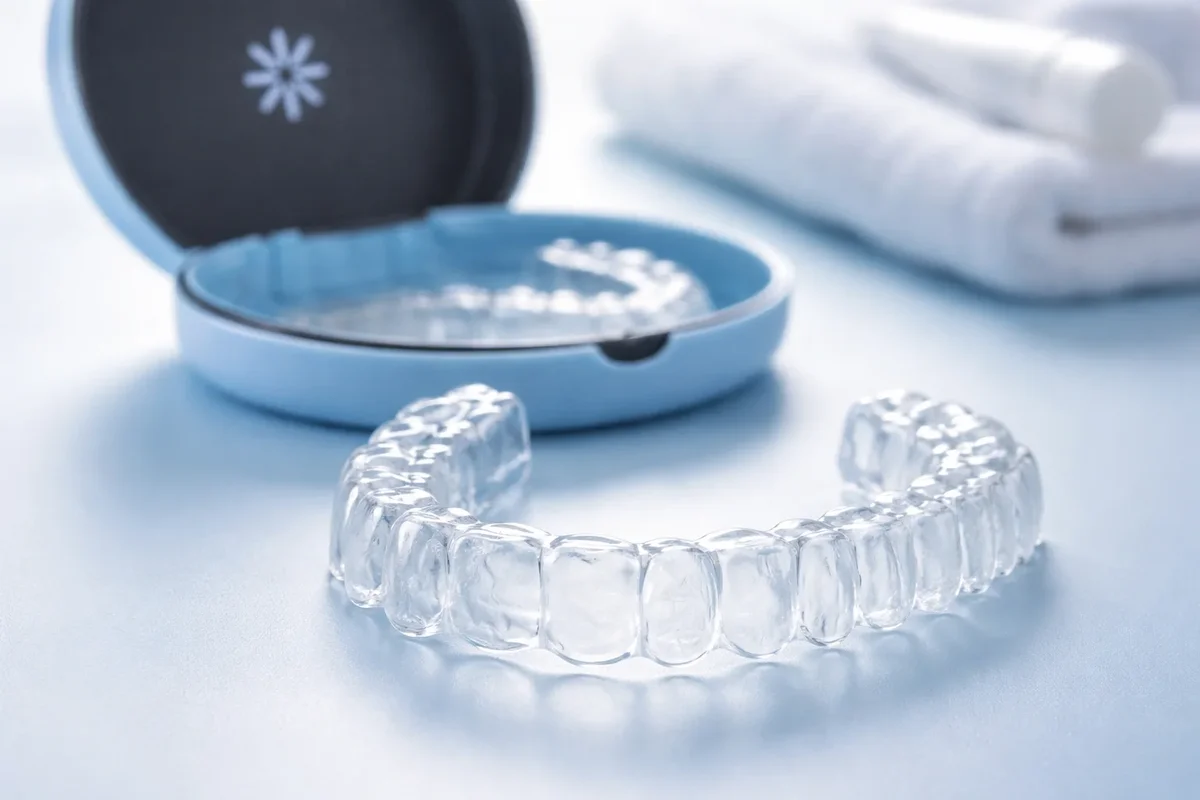
Where to Get a Professional Retainer Invisalign Consultation
Choosing where to receive your retainer invisalign consultation is just as important as wearing the appliance itself. While the device may appear simple, proper evaluation, digital scanning, and follow-up care are essential for ensuring that your retainer invisalign fits perfectly and performs effectively. A professional consultation guarantees that your retention plan is customized to your dental structure, orthodontic history, and long-term smile goals. 😊
Why Professional Guidance Matters
A retainer invisalign must be precisely fabricated based on accurate digital impressions of your teeth. Even slight inaccuracies can result in poor fit, discomfort, or inadequate retention. During a professional consultation, your dentist or orthodontist evaluates tooth alignment, bite stability, and any signs of relapse before prescribing a new retainer invisalign.
Orthodontic retention is not a one-size-fits-all process. A qualified professional will determine whether you need full-time wear, nighttime wear, or a modified retention schedule. Without expert oversight, an improperly fitted retainer invisalign may fail to prevent tooth movement.
Digital Scanning Technology
Modern dental clinics use advanced 3D intraoral scanners to create a precise model of your teeth. This digital approach ensures that your retainer invisalign is fabricated with maximum accuracy. Compared to traditional impression materials, digital scans are more comfortable and produce better-fitting results.
Orthodontist vs General Dentist
Both orthodontists and experienced general dentists can provide a retainer invisalign consultation. Orthodontists specialize in tooth movement and long-term retention strategies, making them ideal for complex cases. However, many general dentists also offer high-quality retainer invisalign services, especially for patients who completed aligner treatment.
The key factor is experience and technology. A clinic with expertise in Invisalign systems and retention planning can ensure your retainer invisalign is customized correctly.
When to See a Specialist
If you notice significant shifting, bite discomfort, or difficulty fitting your current retainer invisalign, scheduling a consultation with an orthodontic specialist may be the best choice. Early evaluation prevents more complex orthodontic retreatment.
What to Expect During the Consultation
A professional retainer invisalign consultation typically includes:
- Comprehensive dental examination
- Digital 3D scanning or impressions
- Evaluation of bite stability
- Discussion of wear schedule
- Cost estimate and replacement options
Your dentist will assess whether your current retainer invisalign is functioning properly or if a replacement is needed. If your teeth have shifted, minor corrective aligners may be recommended before fabricating a new retainer invisalign.
Cost Transparency and Treatment Planning
During your consultation, the clinic should provide a clear breakdown of the cost of your retainer invisalign. As discussed earlier, prices typically range between $150 and $500 per arch in 2026. Some clinics offer multi-retainer packages or replacement programs that reduce long-term costs.
A transparent consultation ensures that you understand what is included, whether warranties apply, and how long your new retainer invisalign is expected to last.
Insurance and Payment Options
Some dental insurance plans partially cover a retainer invisalign, especially if it is part of orthodontic treatment. During your consultation, clinic staff can help verify insurance benefits and discuss flexible payment options.
Importance of Ongoing Follow-Up
A retainer invisalign consultation is not a one-time event. Periodic checkups ensure that your appliance continues to fit properly. Teeth naturally shift over time, and routine monitoring allows your dentist to adjust your retention strategy if necessary.
If your retainer invisalign becomes loose, cracked, or uncomfortable, scheduling a follow-up appointment promptly prevents potential relapse. Early intervention is always easier and more affordable than corrective orthodontic treatment.
Choosing the Right Dental Clinic
When selecting a clinic for your retainer invisalign consultation, consider the following factors:
- Experience with Invisalign and retention planning
- Use of modern digital scanning technology
- Clear pricing structure
- Positive patient reviews
- Accessible follow-up care
A reputable clinic will take the time to explain how your retainer invisalign works, how long you should wear it, and when it should be replaced.
Long-Term Smile Protection
Your straight smile represents months or even years of orthodontic effort. Scheduling a professional retainer invisalign consultation ensures that your results are protected for the long term. Even if your current appliance appears fine, periodic evaluation confirms that your retainer invisalign continues to function optimally.
In summary, a professional retainer invisalign consultation provides accurate assessment, customized planning, cost transparency, and long-term monitoring. Whether you need a new appliance, a replacement, or simply reassurance that your retention plan is working, consulting a qualified dental professional ensures that your smile remains stable, healthy, and confident for years to come. ✨