
After completing orthodontic treatment, keeping your teeth straight and aligned is crucial — and that’s where a retainers dentist plays a vital role. 🦷 Many patients assume that once braces are removed, their smile will remain flawless forever. Unfortunately, without retainers and professional follow-up, teeth naturally shift back to their previous positions over time. A retainers dentist ensures this doesn’t happen by creating custom retainers, offering professional fitting, and guiding you through post-orthodontic care to maintain that perfect alignment. Let’s dive into why seeing a retainers dentist is one of the most important steps after orthodontic treatment.
First, it’s essential to understand that a retainers dentist is usually a general dentist or orthodontist who specializes in post-treatment stabilization. After braces or clear aligner therapy, the jawbone and gum tissues around your teeth are still adapting to the new alignment. During this adjustment phase, retainers act as stabilizers — keeping your teeth in their corrected positions while bone and tissue harden into their new structure. Your retainers dentist monitors this process and ensures your retainers fit perfectly for long-term success.
There are different types of retainers, including fixed retainers (bonded to the back of your teeth) and removable retainers (such as Hawley or Essix retainers). A skilled retainers dentist will determine which type best suits your lifestyle and dental needs. For example, if you’re someone who tends to forget things, a fixed retainer might be the best option since it remains in place 24/7. On the other hand, if you prefer flexibility and easy cleaning, removable retainers may be ideal. The dentist will evaluate your bite, alignment stability, and gum health before recommending a suitable choice.
Beyond just fitting retainers, the retainers dentist also provides personalized care instructions to prevent damage and maintain oral hygiene. Since retainers can accumulate bacteria and plaque, regular cleaning is vital. Neglecting this step can lead to bad breath, gum irritation, or even cavities. Most dentists recommend cleaning your retainers daily using a soft toothbrush and mild soap — not toothpaste, which can scratch the material. In addition, periodic check-ups at your retainers dentist allow for adjustments if your retainers become loose or uncomfortable over time.
It’s worth noting that retainers are not just for teenagers who recently had braces — adults can also benefit from visiting a retainers dentist. Many adults experience minor teeth shifting as they age, even if they’ve never worn braces. Factors like nighttime grinding, tooth loss, or natural jaw changes can subtly alter your smile’s alignment. A professional retainers dentist can design a custom retainer to stop further movement, helping you maintain a straight smile without undergoing full orthodontic treatment again.
Most retainers dentist visits involve digital scans or impressions to create a model of your teeth. With modern technology, these retainers are now crafted using 3D printing and precision software, ensuring an exact fit and maximum comfort. During your appointment, the dentist will check how your retainer sits on your teeth, verify your bite alignment, and make small adjustments as needed. These precision checks are key to preventing discomfort and ensuring that your retainer does its job effectively.
In terms of cost, the average price for a retainer can range between $150 to $600 per arch, depending on the type and material used. Some dental insurance plans may cover part of the cost, especially if it’s part of orthodontic aftercare. You can always consult your retainers dentist to understand what options fit your budget. In Turkey, for instance, clinics like Redent Klinik Contact Page offer personalized aftercare plans that include both fixed and removable retainers at competitive prices. 🌍
It’s also essential to remember that retainers are not “set and forget” devices. Over time, your dental structure may change slightly due to age, bone remodeling, or dental restorations. Regular visits to your retainers dentist allow for periodic assessments, ensuring that your retainer still fits properly and that your teeth remain stable. Ignoring this follow-up care can result in gradual relapse — meaning your teeth could slowly drift back to their pre-treatment positions.
Professionally supervised care also minimizes potential issues such as speech difficulties, pressure sores, or damaged retainers. In fact, some retainers dentists even use digital monitoring systems, where you can send photos of your teeth remotely to ensure your retainers still fit perfectly. This modern approach saves time and ensures your smile remains on track without frequent in-person visits.
To sum up, a retainers dentist is not just someone who gives you a piece of plastic to wear at night — they are a key partner in maintaining your orthodontic results and protecting your investment. By choosing a qualified dentist, following care instructions, and attending routine appointments, you ensure that your smile remains straight, healthy, and confident for years to come. For trusted dental guidelines, you can also visit the American Dental Association website to learn more about post-orthodontic care and retainer hygiene. 🌟
In the end, your retainers dentist helps you keep that radiant smile you worked so hard for. Whether you’re a teenager finishing braces or an adult correcting minor misalignments, consistent care, regular visits, and a well-fitted retainer are the golden trio for lasting results. 🪞
What Does a Retainers Dentist Do? Understanding Their Role
After orthodontic treatment, many patients wonder what happens next. The retainers dentist is the professional who ensures that all the effort and investment you put into straightening your teeth remains effective for life. 🦷 This dental expert focuses on post-orthodontic stability — the phase that begins right after your braces or aligner treatment ends. Their role is far more than simply handing you a piece of plastic; they provide the foundation for long-term smile maintenance, comfort, and dental health.
Post-Orthodontic Stabilization Explained
When braces come off, your teeth are not yet “set in stone.” The bone and soft tissues surrounding your teeth need time to adapt to their new alignment. A retainers dentist helps stabilize these changes through customized retainers designed to hold the teeth in their corrected positions. Without this crucial phase, your teeth can begin to shift back — a process known as relapse. In fact, research shows that even a few months without retainers can undo years of orthodontic progress.
How a Retainers Dentist Designs the Perfect Fit
Creating an effective retainer requires precision and experience. During your visit, the retainers dentist starts with a detailed examination of your bite and alignment. They may use digital scans or physical impressions to create an accurate 3D model of your teeth. This ensures that the retainer fits snugly and exerts the correct level of pressure. Many modern dentists now use 3D printing technologies and advanced materials such as clear thermoplastics to improve comfort and transparency.
The dentist also determines the type of retainer most suitable for your needs — whether a fixed retainer bonded behind the teeth or a removable one that you can take out for cleaning. Each has its own set of advantages. A fixed retainer provides continuous support and is ideal for patients prone to forgetting or losing their appliances. In contrast, removable retainers offer flexibility and are easier to clean. Your retainers dentist will evaluate your habits, dental anatomy, and preferences before recommending the best option.
The Importance of Retainer Check-Ups
Even with the perfect retainer, routine visits to your retainers dentist are essential. These check-ups allow for small adjustments that keep your retainers comfortable and effective. Over time, normal wear and tear, temperature changes, and biting pressure can slightly alter their shape. Regular monitoring helps prevent discomfort, cracking, or looseness. Your dentist might also perform professional cleaning to remove plaque buildup on the retainer surface.
Why Skipping Visits Can Be Risky
Neglecting these visits might seem harmless, but it can have long-term consequences. Without professional supervision, your retainer could stop fitting correctly, leading to gradual tooth movement. This can affect your bite, cause crowding, and even require repeat orthodontic treatment in severe cases. Consistent care from your retainers dentist helps you avoid these setbacks and ensures that your smile remains symmetrical and healthy.
Education and Guidance From a Retainers Dentist
A major part of a retainers dentist’s job is education. They teach you how to clean, store, and maintain your retainers properly. Retainers can accumulate bacteria, plaque, and tartar just like teeth do. If not cleaned daily, they may cause unpleasant odors, irritation, or even infection. Most dentists recommend using a soft toothbrush and gentle soap or specialized cleaning tablets. Hot water should be avoided as it can distort the shape of the retainer. Your dentist might also advise alternating between daytime and nighttime wear, depending on your specific case.
Customized Wear Schedules
Every smile is unique, and so is every retainer plan. Some patients may need to wear their retainers 24/7 for the first few months, while others only at night. The retainers dentist creates a wear schedule tailored to your tooth movement patterns and bone remodeling rate. Gradually, the dentist may reduce the frequency of wear as your teeth become more stable. This guided transition prevents relapse while allowing you to adapt comfortably.
Advanced Technology and Digital Monitoring
Modern retainers dentists are now integrating digital tools to make care easier and more efficient. For example, some clinics use mobile apps where patients can send regular smile photos for remote assessment. These digital check-ins help dentists catch early signs of shifting teeth or damaged retainers without requiring an in-person visit. This technology enhances convenience, especially for patients who live far from their dental clinic.
Professional Collaboration for Best Outcomes
A retainers dentist often collaborates with orthodontists and general dentists to ensure continuity of care. This multidisciplinary approach ensures that your dental health, bite function, and aesthetic results are preserved. They also maintain detailed records of your orthodontic history, which helps guide long-term follow-up strategies. The end goal is simple yet significant — keeping your smile as beautiful and healthy as the day your braces came off. ✨
Cost Considerations and Long-Term Value
The services of a retainers dentist may vary in cost depending on location, materials, and complexity. Generally, initial appointments range from $100 to $250, while replacement retainers can cost $150 to $600 per arch. Considering that these devices can protect years of orthodontic investment worth thousands, the value they provide is immense. Some clinics, like Redent Klinik Contact Page, even offer bundled aftercare packages that include retainer creation, fitting, and maintenance sessions for comprehensive post-treatment support.
Additionally, insurance coverage or health plans may reimburse part of these expenses, especially if retainers are considered medically necessary. It’s always advisable to discuss these details during your consultation with a retainers dentist.
Why Every Orthodontic Patient Needs a Retainers Dentist
Whether you’re a teenager who just completed braces or an adult maintaining your smile after aligner therapy, visiting a retainers dentist ensures that your results last a lifetime. They are not just accessory providers — they are long-term guardians of your smile’s alignment. By combining advanced technology, personalized care, and ongoing guidance, these professionals help you avoid relapse, discomfort, and future costs. For authoritative insights on retainer care and dental standards, you can visit the American Dental Association website, which provides valuable recommendations on post-orthodontic hygiene and maintenance.
In conclusion, a retainers dentist is a cornerstone of post-orthodontic success. From creating custom retainers to monitoring your smile’s stability, their expertise ensures that your teeth remain beautifully aligned. Investing in this care means protecting both your confidence and your long-term dental health. 😁
How Long Should You Wear Retainers After Braces?
One of the most common questions patients ask their retainers dentist after finishing orthodontic treatment is, “How long do I have to wear my retainers?” The answer isn’t the same for everyone — it depends on your unique dental structure, the type of treatment you had, and how your teeth respond to stabilization. However, one fact is universal: wearing retainers consistently is the only way to ensure your teeth don’t move back to their original positions. 🦷
The Critical Post-Braces Phase
Immediately after your braces or aligners are removed, your teeth are in a delicate state. The surrounding bone and gum tissue haven’t yet fully adapted to the new alignment. During this phase, your retainers dentist will recommend that you wear your retainers full-time, typically for the first 3 to 6 months. This is the period when teeth are most likely to relapse, meaning they try to move back to their previous locations. The retainer acts like a memory lock, holding your teeth in their corrected positions while the tissues stabilize.
Most retainers dentists agree that the first year after braces is the most important. Depending on how your teeth respond, your dentist might gradually reduce your wear schedule — from full-time to nighttime only. This gradual transition allows your teeth to remain stable without over-relying on the appliance.
Why Lifelong Retainer Use Is the Gold Standard
In the past, orthodontists used to recommend retainers for just a few years after braces. But modern research and long-term studies have shown that teeth can continue to shift naturally throughout life. Factors such as aging, jawbone density changes, and even mild nighttime clenching can influence tooth position. That’s why many professionals — including your retainers dentist — now suggest wearing retainers indefinitely, at least a few nights a week.
Think of it like maintaining your fitness: you don’t stop exercising after reaching your goal weight. Similarly, to maintain your perfect smile, you’ll need to keep up with your retainer routine. Regular use ensures your teeth stay aligned and symmetrical even decades after your braces come off.
Different Phases of Retainer Wear
1. Full-Time Wear Phase
During the initial months, your retainers dentist will ask you to wear your retainers all day and night, except while eating or brushing your teeth. This phase lasts around 3 to 6 months, depending on your case. The purpose is to give your jawbone enough time to rebuild and harden around the new tooth positions. Removing the retainers too early could undo all the work achieved through orthodontics.
2. Nighttime-Only Phase
Once your teeth stabilize, you’ll transition to wearing your retainers only at night. Most patients enjoy this phase as it’s less restrictive but still effective. Your retainers dentist might recommend 8–10 hours of nightly wear, which is usually enough to prevent relapse. Over time, you may be allowed to reduce this to a few nights per week, depending on your progress.
3. Maintenance Phase
This is the lifelong phase. Even if your teeth appear stable, subtle shifts can still occur as you age. Wearing your retainers a few times a week — as instructed by your retainers dentist — ensures your smile remains aligned. Think of your retainers as “insurance” for your orthodontic results. 🛡️
Factors That Affect Retainer Duration
Several factors determine how long you should wear your retainers, and your retainers dentist will personalize your plan accordingly. These include:
- Age: Younger patients often require longer wear because their bones and tissues are still developing.
- Initial Misalignment: The more severe your original dental issue, the longer your retention phase will likely be.
- Retainer Type: Fixed retainers provide continuous support, while removable ones depend on user consistency.
- Habits: Grinding, chewing on pens, or nail biting can affect tooth position and require extended retainer use.
- Jaw Growth: Ongoing skeletal growth, especially in teens, may lead to natural shifting without proper retention.
Signs You’re Wearing Retainers Correctly
Your retainers dentist will check several signs to ensure your retainers are doing their job properly. A perfect fit means your teeth feel stable and aligned when the retainer is in place. There should be no pressure marks, no looseness, and no difficulty in inserting or removing it. You should also be able to speak comfortably after a short adjustment period. If your retainer suddenly feels tight or doesn’t fit, it could mean your teeth have already started to shift — a sign to visit your retainers dentist immediately.
Common Mistakes to Avoid
Many patients shorten their wear time prematurely, assuming their teeth are “set.” Unfortunately, this can lead to relapse within weeks or months. Forgetting to wear your retainers regularly, storing them in hot water, or exposing them to pets (yes, dogs love chewing retainers!) are among the biggest mistakes. Always follow the cleaning and storage instructions given by your retainers dentist to prevent costly replacements.
Cost Implications of Long-Term Retainer Use
Maintaining retainers for life might sound expensive, but in reality, it’s far more affordable than repeating orthodontic treatment. The average cost of a new retainer ranges between $150 and $600 per arch. However, many dental clinics — like Redent Klinik Contact Page — offer package deals that include free follow-up checks and discounted replacements for loyal patients. Investing in regular visits to your retainers dentist ensures both your dental health and your wallet remain safe. 💰
Professional Advice on Retainer Longevity
According to the American Dental Association, retainers should be considered part of lifelong dental care, not a temporary solution. Regular cleaning, storage in protective cases, and periodic inspections by your retainers dentist will help you maximize their lifespan. Depending on material quality, most retainers last 2 to 5 years before needing replacement. Your dentist will check for cracks, distortion, or wear and guide you on when to get a new one.
In conclusion, the question isn’t how long you should wear your retainers, but rather how consistently. Your retainers dentist is your long-term partner in maintaining your smile’s perfection. By following their schedule, cleaning instructions, and check-up recommendations, you’ll keep your teeth beautifully aligned for life — without needing braces again. 😁
Fixed vs. Removable Retainers: Pros and Cons
When your orthodontic journey ends, your retainers dentist will discuss two main options to keep your teeth straight: fixed retainers and removable retainers. Both are designed to prevent relapse — the natural tendency of teeth to move back to their original position — but they differ in structure, care, comfort, and longevity. Understanding the pros and cons of each will help you make an informed choice and ensure long-term success for your new smile. 😁
What Are Fixed Retainers?
Fixed retainers, also known as bonded retainers, are thin metal wires permanently attached to the back of your teeth using dental adhesive. Your retainers dentist typically bonds them to the lower front teeth (and sometimes upper ones) where relapse risk is highest. They are invisible from the outside and require little daily effort — which is a huge advantage for patients who prefer a low-maintenance option.
Advantages of Fixed Retainers
- Constant Support: Since they remain in your mouth 24/7, fixed retainers continuously maintain your tooth alignment.
- Invisible Design: The wire is hidden behind your teeth, making it completely unnoticeable to others.
- No Forgetfulness: Because they’re permanent, you never have to worry about losing or forgetting to wear them — a common issue with removable retainers.
- Ideal for Busy Lifestyles: If you lead an active lifestyle or travel frequently, a fixed retainer requires no extra care beyond daily oral hygiene.
Your retainers dentist may recommend this type if your teeth had severe crowding before treatment or if you’re prone to inconsistent retainer use. However, despite their advantages, fixed retainers aren’t perfect for everyone.
Disadvantages of Fixed Retainers
- Challenging Cleaning Routine: Since the wire is bonded, flossing can be tricky. You’ll need floss threaders or interdental brushes to clean effectively.
- Potential for Plaque Build-Up: Food particles can accumulate around the bonded area if not cleaned properly, leading to tartar or gum irritation.
- Risk of Detachment: The adhesive can loosen over time, causing the wire to partially detach — something your retainers dentist must repair quickly.
- Limited Accessibility: Only a dental professional can remove or replace fixed retainers; they’re not designed for home removal.
What Are Removable Retainers?
Removable retainers, on the other hand, can be taken out for eating, brushing, or cleaning. They’re usually made from acrylic and wire (Hawley retainers) or clear plastic (Essix retainers). Your retainers dentist will take precise digital scans or molds of your teeth to craft a perfect fit. These retainers are comfortable, transparent, and easily replaceable, making them a popular choice for many patients.
Advantages of Removable Retainers
- Easy to Clean: You can remove and clean them thoroughly with a toothbrush and mild soap or soaking solution.
- Comfortable and Adjustable: If you experience tightness or pressure, your retainers dentist can make quick adjustments during check-ups.
- Improved Oral Hygiene: Since you can brush and floss without obstruction, your gum health remains optimal.
- Transparent Option Available: Clear retainers are almost invisible, making them ideal for patients who prefer discreet dental care.
Disadvantages of Removable Retainers
- User Dependence: Their effectiveness depends on your discipline. Forgetting to wear them regularly can lead to relapse within days.
- Risk of Loss or Damage: Because they’re portable, they’re more prone to getting lost, broken, or chewed by pets.
- Replacement Cost: If you lose your retainers, you’ll need replacements, which can cost between $150 and $600 per arch.
Your retainers dentist will discuss your lifestyle and preferences to decide whether a removable option fits your routine. For example, if you’re diligent and prefer flexibility, removable retainers may be perfect. If you’re forgetful or have crowded lower teeth, fixed retainers might be safer.
Comparing Comfort and Maintenance
Comfort is subjective. Fixed retainers eliminate the need to remember anything, but some patients feel mild tongue irritation initially. Removable retainers, on the other hand, might feel tight during the first few nights of wear. Your retainers dentist ensures both options are precisely fitted to minimize discomfort. Proper care — brushing gently around wires for fixed ones or cleaning removable retainers daily — makes all the difference in long-term satisfaction.
Maintenance Tips from Experts
- Clean removable retainers daily using lukewarm water and a soft brush.
- Avoid heat, as it can warp plastic retainers.
- For fixed retainers, use a water flosser or threader to clean between teeth and wire.
- Visit your retainers dentist every 6 months for a professional check and cleaning.
Durability and Lifespan
Fixed retainers can last for 5–10 years if maintained properly, while removable ones usually last 2–5 years depending on the material. Your retainers dentist will inspect them during routine visits and recommend replacements when necessary. Over time, minor wear is normal — wires can loosen or plastic can discolor — but professional maintenance extends their life significantly.
Which Type Should You Choose?
Ultimately, the choice between fixed and removable retainers depends on your personality, dental history, and habits. Some patients even combine both — a fixed retainer for the lower teeth and a removable one for the upper arch. This hybrid approach, often suggested by experienced retainers dentists, provides maximum stability and flexibility. For example, Redent Klinik Contact Page offers custom treatment plans combining both options for long-term results. 🌟
Professional Insight and Recommendations
The American Dental Association recommends retainers as lifelong devices to maintain post-orthodontic alignment. Consulting a qualified retainers dentist ensures you receive the right guidance, personalized fitting, and maintenance care to protect your smile. Whether you choose fixed or removable, the most important step is consistent use and follow-up care.
In conclusion, both fixed and removable retainers have unique advantages. The best choice depends on your lifestyle, hygiene habits, and personal preference. By working closely with a retainers dentist and following their maintenance plan, you can enjoy a straight, confident smile that lasts a lifetime. 🦷
The Cost of Retainers and What Affects the Price
Understanding the cost of retainers is essential before completing orthodontic treatment. Patients often focus on braces or aligner prices, forgetting that retainers are a vital part of maintaining results. Your retainers dentist will explain that retainers are not optional; they are the key to keeping your smile straight for life. The total cost of retainers varies based on several factors, including the type, material, clinic location, and aftercare services. Let’s explore how much retainers typically cost and what influences the price — so you can plan confidently for this final stage of your orthodontic journey. 💰
Average Cost of Retainers by Type
The first thing your retainers dentist will discuss is the type of retainer that best suits your needs. There are three main categories — Hawley, Essix, and fixed (bonded) retainers — each with its own pricing structure. Here’s an overview of typical costs:
- Hawley Retainers: These traditional retainers are made of acrylic and metal wire. The average cost ranges from $150 to $350 per arch.
- Essix (Clear) Retainers: Made of transparent plastic, these cost between $100 and $300 per arch and are nearly invisible.
- Fixed (Bonded) Retainers: These are attached permanently behind your teeth and generally cost between $250 and $600 per arch.
In Turkey and other countries where dental tourism is popular, prices can be significantly lower while maintaining high quality. Clinics like Redent Klinik Contact Page offer comprehensive orthodontic packages that include both retainers and long-term follow-up, often at 40–60% less than Western Europe or the U.S. 🌍
What Factors Influence the Cost of Retainers?
Your retainers dentist determines the price based on a combination of practical and clinical factors. Understanding these elements helps you know exactly where your money goes.
1. Type of Retainer
The material and design play a major role in pricing. Fixed retainers use high-grade stainless steel wire and require bonding cement and precise fitting. Removable retainers, especially clear ones, need digital scanning, vacuum forming, or 3D printing. These technologies affect production costs, and your retainers dentist will explain which model fits your needs and budget.
2. Customization and Technology
Modern retainers dentists rely on 3D scanning and computer-aided design to achieve a perfect fit. Digital retainers tend to cost more but offer greater precision and comfort. While traditional mold-based retainers are cheaper, they may not be as durable or accurate. Investing in digital fabrication ensures fewer replacements and better long-term satisfaction.
3. Geographic Location
The location of your dental clinic has a direct impact on cost. Urban centers or countries with high labor and material costs charge more. For instance, a fixed retainer in New York might cost $600, while the same service at a reputable Turkish clinic could be under $250 — without compromising quality. Many international patients now travel to specialized clinics like Redent Klinik for affordable, expert care by a certified retainers dentist.
4. Dentist Expertise and Clinic Reputation
Experience matters. A highly skilled retainers dentist with advanced equipment and a proven track record may charge slightly more, but their precision reduces long-term issues like discomfort, wire detachment, or ill-fitting retainers. Reputable clinics also use biocompatible materials that don’t irritate gums or discolor easily — ensuring lasting comfort and hygiene.
5. Aftercare and Replacement Policy
Some dental clinics offer retainers at a lower initial price but charge for every adjustment or check-up. Others, like Redent Klinik Contact Page, provide long-term maintenance plans that include cleaning, adjustments, and replacements if needed. Discussing aftercare packages with your retainers dentist can help you avoid unexpected expenses later.
How Long Do Retainers Last?
The longevity of your retainers significantly affects cost-effectiveness. On average, removable retainers last 2–5 years, while fixed retainers can last up to 10 years with proper care. However, their lifespan depends on material quality and how well you follow maintenance instructions. Your retainers dentist will usually inspect your device during biannual check-ups, ensuring that it remains in good shape and doesn’t require early replacement.
Signs That It’s Time for a Replacement
- Visible cracks or warping in removable retainers
- Loose wire or detachment in fixed retainers
- Persistent discomfort or tightness
- Staining that doesn’t come off after cleaning
When any of these occur, your retainers dentist will recommend a new retainer to prevent relapse or gum irritation. Though replacement costs may seem high, they are far cheaper than undergoing another orthodontic treatment due to neglect.
Insurance and Payment Options
Many dental insurance plans provide partial reimbursement for retainers if they’re medically necessary following orthodontic treatment. Your retainers dentist can provide a detailed invoice and clinical report to support your claim. Some clinics also offer flexible payment plans or loyalty discounts for repeat visits, which can reduce your overall expenditure.
Hidden Costs You Should Know
While retainers themselves are the main cost, there are additional expenses to consider:
- Follow-up appointments: Check-ups every 6–12 months are necessary to ensure proper fit and hygiene.
- Cleaning kits: Specialized cleaning solutions for clear retainers typically cost $10–$30 monthly.
- Emergency repairs: If a fixed retainer breaks, a quick visit to your retainers dentist can cost $50–$150 depending on the damage.
Balancing Cost and Quality
Cheaper isn’t always better when it comes to dental devices that affect your long-term smile. Opting for low-cost retainers made from substandard materials can lead to discomfort, breakage, or bacterial buildup. Choosing a qualified retainers dentist ensures your device is crafted from safe, durable, and properly sterilized materials. Remember: a well-made retainer is an investment in your smile’s future — not just an accessory.
Expert Insights on Value and Longevity
According to the American Dental Association, retainers are essential for long-term orthodontic success and should be maintained as part of a lifetime dental care plan. Regular check-ups, good hygiene, and immediate repairs when issues arise can significantly extend their lifespan. Your retainers dentist will customize a plan that balances cost, convenience, and durability — ensuring that your beautiful smile stays stable without breaking the bank. 💎
In summary, while the price of retainers can vary, what truly matters is their quality and your commitment to using them as directed. By working closely with a skilled retainers dentist, investing in proper aftercare, and maintaining your devices, you’ll enjoy a confident and healthy smile for many years to come.
How to Clean and Maintain Your Dental Retainers
Proper care and maintenance of your retainers are vital to ensure they remain effective, hygienic, and long-lasting. A skilled retainers dentist will emphasize that cleaning your retainers isn’t just about keeping them fresh—it’s about protecting your oral health and preserving your beautiful smile. 🦷 Retainers, whether fixed or removable, can easily collect bacteria, plaque, and food particles if not cleaned regularly. This leads to bad breath, gum irritation, and even cavities. In this section, you’ll learn everything you need to know about cleaning, storing, and maintaining your retainers the right way.
Why Cleaning Retainers Is Essential
When you wear your retainer daily, it comes into constant contact with saliva and bacteria. Without proper hygiene, these microorganisms can build up, forming a thin biofilm similar to dental plaque. Over time, this buildup can create odors and discoloration. Your retainers dentist will warn that dirty retainers can also cause oral infections, gum inflammation, and calcium deposits known as “white film.” Keeping your retainers clean is, therefore, a key part of long-term oral care.
Daily Cleaning Routine
Maintaining a simple daily cleaning routine recommended by your retainers dentist ensures your appliance stays in perfect condition. You should clean removable retainers every time you brush your teeth. Here’s a step-by-step method most dental professionals suggest:
Step 1: Rinse Immediately After Removal
Each time you take your retainers out, rinse them with lukewarm water. This prevents dried saliva and debris from sticking to the surface. Never use hot water—it can warp the plastic or distort your retainer’s shape. Your retainers dentist will remind you that temperature-sensitive materials can easily lose their form.
Step 2: Brush Gently With Soft Bristles
Use a soft-bristled toothbrush and mild, non-abrasive soap or a specialized retainer cleaner. Toothpaste is not recommended because it contains abrasives that can scratch the material. A scratched surface can harbor more bacteria. Gently brush all areas, especially around wires and edges, where residue tends to collect.
Step 3: Soak for Deep Cleaning
Once or twice a week, soak your removable retainers in a cleaning solution. The most common types include:
- Denture Cleaning Tablets: Dissolve in water for a 15–20 minute soak.
- Retainer-Specific Solutions: Designed for plastic and metal retainers, preventing discoloration.
- DIY Mix: Equal parts of white vinegar and water, followed by a thorough rinse to eliminate the smell.
Your retainers dentist can recommend a professional-grade cleaner that suits your retainer’s material type. Always rinse thoroughly after soaking to avoid chemical residue that could irritate your mouth.
Cleaning Fixed Retainers
Fixed retainers are slightly more challenging to clean because they’re bonded behind your teeth. However, consistent oral hygiene and the right tools make it manageable. Your retainers dentist will recommend:
- Using a floss threader or superfloss to clean between the teeth and under the wire.
- Incorporating a water flosser to dislodge plaque and food debris efficiently.
- Regular professional cleanings at least twice a year.
Neglecting a fixed retainer can lead to tartar buildup and gum inflammation. During your follow-up visits, your retainers dentist will inspect the wire and adhesive to ensure they’re intact and not causing irritation.
Storage Tips for Removable Retainers
When not wearing your retainers, proper storage is essential. A common mistake is leaving them exposed to air or wrapped in tissue, where they can dry out or get accidentally thrown away. Always keep them in a ventilated case provided by your retainers dentist. Avoid sealed containers for long durations, as trapped moisture can encourage bacterial growth. 🧴
Important Storage Guidelines
- Keep retainers away from heat and direct sunlight.
- Never soak retainers overnight in alcohol-based mouthwash—it can weaken the material.
- Label your case clearly, especially for children or family members who also use orthodontic devices.
What to Avoid When Cleaning Retainers
Your retainers dentist will caution you against several common cleaning mistakes:
- Boiling Water: It will permanently deform plastic retainers.
- Abrasive Cleaners: Baking soda and toothpaste scratch and dull retainers.
- Harsh Chemicals: Bleach or hydrogen peroxide can damage the surface and irritate gums.
- Skipping Cleaning: Even a few days of neglect can cause odor and bacterial growth.
Following professional recommendations is crucial for maintaining hygiene and comfort. If unsure, contact your retainers dentist for safe cleaning alternatives.
Professional Cleaning and Check-Ups
Even with the best home care, retainers benefit from periodic professional cleaning. During these visits, your retainers dentist will use ultrasonic cleaners and specialized solutions to remove hard mineral buildup that’s impossible to eliminate at home. They’ll also examine your retainer for cracks or distortions and confirm that it still fits properly.
Frequency of Professional Maintenance
Experts generally recommend visiting your retainers dentist every 6 to 12 months for a check-up. This ensures early detection of potential issues such as loosened wires, bacterial buildup, or early signs of gum irritation caused by the retainer’s contact with soft tissues. 🩺
Replacing Old or Damaged Retainers
Retainers don’t last forever. Over time, wear and tear can cause cracks, loosened fit, or discoloration. If you notice any of these issues, contact your retainers dentist promptly. Continuing to wear a damaged retainer may lead to discomfort or even tooth movement. Replacement costs typically range from $150 to $600 per arch, depending on the type and material.
Long-Term Benefits of Proper Maintenance
Keeping your retainers clean and well-maintained extends their lifespan and protects your orthodontic results. Consistent care prevents plaque buildup, discoloration, and bacterial infections, ensuring that your retainer remains safe and effective. Clinics like Redent Klinik Contact Page often include cleaning tutorials and periodic follow-ups to help patients maintain their retainers long-term.
Expert Recommendations
The American Dental Association also stresses the importance of cleaning retainers daily to prevent oral infections. By following their guidelines and your retainers dentist’s personalized advice, you’ll preserve your retainer’s condition and protect your teeth from shifting. Remember, consistent hygiene practices not only maintain your retainer but also ensure a healthy, confident smile. ✨
In summary, cleaning and maintaining your retainers is a lifelong responsibility. With the expert guidance of a retainers dentist, proper cleaning tools, and a regular routine, you can ensure that your retainer continues to serve its purpose — keeping your teeth straight, your smile bright, and your oral health at its best for years to come.
Common Problems With Retainers and How to Fix Them
Even with the best care, retainers can develop issues over time — they’re daily-use devices exposed to constant pressure, moisture, and bacteria. A skilled retainers dentist helps identify and correct these problems early to avoid tooth shifting, discomfort, or costly replacements. In this section, we’ll explore the most common retainer problems, what causes them, and how your dentist can fix each one efficiently. 🦷
1. Retainers Feeling Too Tight or Too Loose
It’s normal for retainers to feel snug when you first wear them after a long day or a missed night. However, persistent tightness can be a warning sign that your teeth have started shifting slightly. If the tightness lasts for more than a few days or causes discomfort, visit your retainers dentist immediately. They will check for early relapse and make necessary adjustments.
On the other hand, a retainer that feels loose no longer fits properly. This could be due to changes in your tooth alignment or natural wear of the material. A retainers dentist might reheat and reshape a clear retainer or recommend a new one altogether. Ignoring looseness can allow subtle movement that gradually misaligns your teeth again.
How to Prevent Fit Issues
- Wear your retainers consistently as prescribed.
- Avoid bending the wires or squeezing plastic retainers when removing them.
- Store them safely in a case to prevent deformation.
Your retainers dentist will also remind you not to attempt DIY fixes, as improper heating or bending can ruin the device completely.
2. Cracks or Breaks in Retainers
Over time, even high-quality retainers can crack or split due to pressure, teeth grinding, or accidental dropping. Acrylic and clear plastic retainers are especially prone to this damage. If you notice a small crack, don’t ignore it — it can quickly worsen and affect how your retainer fits. Your retainers dentist can assess whether the device can be repaired or needs replacement.
What Causes Cracks?
- Biting or chewing on retainers
- Using hot water for cleaning
- Leaving retainers in hot cars or under sunlight
- Grinding or clenching your teeth at night
Minor surface fractures may be fixed in-clinic using dental-grade adhesives, but deep cracks usually require a new retainer. Replacements cost between $150 and $600, depending on the material and design. In some cases, clinics like Redent Klinik Contact Page offer discounted replacement retainers as part of their aftercare program.
3. Calcium or Plaque Buildup on Retainers
If you notice a white, chalky layer on your retainers that doesn’t come off easily, that’s calcium buildup — also known as tartar. It forms when plaque hardens on the surface. This can create unpleasant odors and make the retainers look cloudy. Your retainers dentist can professionally clean them using ultrasonic machines or replace them if the buildup has permanently bonded to the surface.
At-Home Prevention Tips
- Rinse and brush your retainers daily using mild soap and lukewarm water.
- Soak them weekly in an approved cleaning solution.
- Avoid sugary drinks while wearing your retainers to prevent plaque buildup.
Regular maintenance helps you avoid the need for early replacements and ensures your retainers stay odor-free and transparent.
4. Gum or Mouth Irritation
Some patients experience soreness or irritation where the retainers touch their gums or inner cheeks. This usually happens due to rough edges, improper fitting, or trapped bacteria. Your retainers dentist can smooth sharp edges, polish metal wires, or adjust the fit to eliminate friction. If the irritation persists, it may indicate an allergic reaction to certain materials — in that case, your dentist will recommend hypoallergenic alternatives.
How to Relieve Discomfort
- Rinse your mouth with warm saltwater to reduce inflammation.
- Keep the retainers clean to prevent infection.
- Avoid wearing them until your dentist confirms they are safe again.
Always communicate any discomfort early. A professional adjustment is a quick fix that prevents small issues from turning into major ones.
5. Lost or Misplaced Retainers
It happens more often than you’d think — retainers wrapped in napkins at lunch or forgotten on bathroom counters. Losing your retainers can undo months or years of orthodontic work. If this happens, contact your retainers dentist immediately. The faster you get a replacement, the less chance your teeth will move. Some clinics can even recreate your retainers using your previous digital scan without needing a new impression, saving time and cost.
Pro Tip: Prevention Is Better Than Cure
- Always store your retainers in their case when not in use.
- Carry a spare case in your bag or car.
- Ask your retainers dentist if they can provide a backup set for emergencies.
6. Unpleasant Odor or Taste
A common issue patients report to their retainers dentist is an unpleasant odor or taste. This is almost always caused by inadequate cleaning. Bacteria trapped in small crevices multiply rapidly, creating foul smells. To fix this, deep-clean your retainers with a professional cleaning solution or visit your dentist for ultrasonic disinfection. Regular cleaning, as described in your care instructions, prevents this from recurring.
7. Retainers Causing Speech Difficulties
It’s natural to experience slight speech changes when you first start wearing retainers. However, if the issue persists beyond a few days, your retainers dentist should check for alignment or fit issues. Sometimes, trimming excess acrylic or smoothing the edges resolves the problem immediately. Practicing pronunciation and reading aloud while wearing the retainers can also help you adapt faster. 🗣️
8. Allergic Reactions to Retainer Materials
Though rare, some people develop mild allergic reactions to metals, acrylics, or cleaning chemicals used in retainers. Symptoms include itching, redness, or a burning sensation. Your retainers dentist can identify the cause and switch to hypoallergenic materials such as titanium or BPA-free plastic. Never ignore these symptoms — prolonged exposure could irritate gums and soft tissues.
When to Visit Your Retainers Dentist
Small problems can often be resolved with at-home care, but you should visit your retainers dentist if you notice:
- Persistent discomfort or pain
- Visible damage or cracks
- Difficulty inserting or removing retainers
- Changes in bite or tooth alignment
During your visit, your dentist will assess the damage, perform adjustments, or take new impressions if necessary. Regular check-ups every 6–12 months ensure these problems are detected early before they compromise your results.
Expert Guidance and Prevention
The American Dental Association emphasizes regular maintenance and professional supervision to prevent retainer-related issues. Reputable clinics like Redent Klinik Contact Page provide detailed aftercare plans, including periodic evaluations and free adjustments. Following your retainers dentist’s advice, maintaining hygiene, and addressing problems early guarantee that your retainer stays comfortable and functional for years. 🌟
In conclusion, understanding and promptly addressing common retainer problems ensures lasting orthodontic success. With consistent care, regular visits to your retainers dentist, and a proactive mindset, you can protect your investment and keep your smile perfectly aligned for a lifetime. 😁
How Long Should You Wear Retainers After Braces?
One of the most common questions patients ask their retainers dentist after finishing orthodontic treatment is: “How long do I need to wear my retainers?” The answer depends on various factors — your age, the severity of your initial misalignment, and how your teeth respond after braces. 🦷 A retainers dentist will always emphasize that retainers are not just temporary accessories; they’re long-term tools that preserve your smile alignment. Let’s break down how long you should wear retainers, why it matters, and how to transition safely from full-time to part-time wear.
The First 6 Months After Braces
The period immediately after your braces come off is the most crucial. During these first six months, your teeth are still “settling” into their new positions, and the surrounding bone and gum tissues are adapting. Your retainers dentist will likely recommend wearing your retainers full-time — usually around 22 hours a day. You should only remove them for meals and cleaning. This constant pressure helps the teeth stabilize and prevents them from shifting back toward their original positions, a process known as relapse.
Many orthodontists emphasize that neglecting retainers during this period can undo years of effort in just a few weeks. Your retainers dentist will also monitor the fit closely and make adjustments if you experience tightness, soreness, or difficulty speaking.
Tips for the Initial Phase
- Always store your retainers in a case during meals to prevent damage or loss.
- Clean them daily with mild soap or a retainer-specific cleaner.
- Never skip nights — most shifting occurs while you sleep.
Think of this phase as “training time” for your teeth. With diligence and care, you’ll reduce the risk of relapse and secure a lasting, beautiful smile.
The Next 6–12 Months: Transition to Part-Time Wear
After the first 6 months, most patients can transition to part-time retainer use. This typically means wearing them at night while sleeping. Your retainers dentist will decide when you’re ready for this stage, based on how stable your teeth have become. During this phase, your teeth are still at risk of shifting slightly, especially if your original crowding was severe or your gums are still adapting.
What Happens During This Stage
Your retainer’s role now shifts from “stabilization” to “maintenance.” The retainers continue to provide gentle guidance, reminding your teeth of their correct positions. However, if you skip nights, your teeth may move enough that your retainers feel tight the next time you wear them — a sign that relapse is beginning. Your retainers dentist may instruct you to return to full-time use for a few days to realign them naturally.
Long-Term (1–5 Years and Beyond)
After one year, many patients assume they can stop wearing retainers entirely. This is one of the most common and costly mistakes your retainers dentist wants you to avoid. Teeth continue to shift naturally with age due to jaw growth, muscle pressure, and even gravity. Without the stabilizing support of retainers, this movement can cause noticeable misalignment over time.
Most dentists now recommend “lifetime wear” — meaning wearing retainers at least a few nights per week indefinitely. The frequency may vary, but the principle remains the same: consistent wear equals a straight smile for life. 🕒
Signs You Need to Keep Wearing Them
- You notice your teeth feel tight or your bite feels different when skipping a few nights.
- There’s visible movement, especially with your front teeth.
- Your retainers suddenly fit less comfortably than before.
In these cases, your retainers dentist will likely recommend returning to nightly wear or making a new retainer to correct the fit.
Differences Between Fixed and Removable Retainers
The type of retainer you have determines how long you’ll wear it. A retainers dentist typically offers two main options: fixed (bonded) and removable retainers. Fixed retainers are permanently attached to the back of your teeth, while removable ones are worn as directed.
Fixed Retainers
These are ideal for patients prone to relapse or with significant pre-treatment crowding. A bonded wire remains in place indefinitely, ensuring your teeth don’t move. You’ll still need to visit your retainers dentist regularly to check for buildup and make sure the wire remains secure. Most people wear these for 5–10 years, or longer if they maintain excellent oral hygiene.
Removable Retainers
These provide flexibility but require discipline. Your retainers dentist will instruct you on a schedule — usually full-time at first, then gradually tapering to nighttime wear. The longevity of removable retainers depends on care and material quality, generally lasting between 2 and 5 years.
What Happens If You Stop Wearing Retainers?
Teeth have “memory” — they naturally try to return to their original positions. This process accelerates if you stop wearing retainers completely. Within weeks, you may notice gaps, rotations, or overlapping returning. Once your teeth shift significantly, retainers alone may not correct it — you might need new orthodontic treatment. That’s why your retainers dentist insists on consistent, lifelong retainer use as the final step of orthodontic success.
Recovery Plan After Neglect
If you’ve stopped wearing retainers and notice movement, contact your retainers dentist immediately. They may take new impressions or 3D scans to create a fresh set of retainers that match your current alignment. In more advanced cases, partial aligner therapy might be needed to reposition teeth before retainers can work effectively again.
Professional Monitoring and Regular Check-Ups
Long-term success with retainers relies on regular dental check-ups. Your retainers dentist will monitor fit, hygiene, and alignment. They’ll also evaluate your bite and ensure there’s no unwanted tooth movement. It’s generally recommended to schedule visits every 6–12 months. Clinics like Redent Klinik Contact Page provide comprehensive orthodontic follow-up programs to help patients maintain their results for life.
Expert Opinions on Retainer Duration
According to the American Dental Association, retainers are an essential part of post-orthodontic treatment and should be worn for as long as possible. Studies show that patients who continue using retainers for life maintain nearly perfect alignment decades after treatment, while those who stop early often experience noticeable shifting. 🧠
Key Takeaway: Retainers Are for Life
Ultimately, your retainers dentist will tailor the wear schedule to your specific needs. However, the general rule is simple: the longer you wear retainers, the longer your smile stays straight. Whether you use a fixed or removable version, lifelong consistency is the best insurance for your orthodontic investment. Maintaining regular visits and following your dentist’s instructions will ensure your teeth remain beautifully aligned — for life. 😁
Choosing the Best Retainers Dentist for Long-Term Results
Finding the right retainers dentist is one of the most important decisions you’ll make after orthodontic treatment. Retainers are the final and most crucial step in maintaining your beautiful smile. Without proper guidance and follow-up from an experienced professional, even perfectly aligned teeth can shift over time. This section explains how to choose the ideal retainers dentist, what qualifications to look for, and what kind of care you should expect to ensure your orthodontic results last a lifetime. 🌟
Why Your Choice of Retainers Dentist Matters
Retainers are not one-size-fits-all. Every patient has unique dental anatomy, bone density, and bite structure, which is why customization and expert fitting are essential. A qualified retainers dentist ensures your device fits precisely, feels comfortable, and effectively prevents relapse. On the other hand, an inexperienced provider may create retainers that are too loose, too tight, or poorly designed — potentially undoing months or years of orthodontic progress.
Your dentist’s expertise also affects long-term comfort. An improperly fitted retainer can cause gum irritation, enamel wear, or speech difficulties. That’s why working with a professional who specializes in post-orthodontic care makes a world of difference in maintaining alignment, oral hygiene, and confidence. 😁
Qualifications to Look for in a Retainers Dentist
When choosing the right retainers dentist, look for these qualifications and characteristics to ensure high-quality care:
1. Specialized Training in Orthodontics
While general dentists can create retainers, an orthodontically trained retainers dentist has advanced expertise in tooth movement, occlusion, and jaw structure. They understand how small adjustments affect the long-term balance of your smile. Certified orthodontists or dentists with post-graduate orthodontic certification are the safest choice.
2. Digital Scanning and 3D Technology
Modern retainers dentists use 3D intraoral scanners instead of traditional impressions. This technology provides ultra-precise digital models of your teeth, resulting in retainers that fit more accurately and comfortably. Clinics equipped with CAD/CAM technology can also reproduce lost retainers instantly without needing new molds, saving time and money.
3. Proven Patient Results
Before choosing a retainers dentist, check reviews, testimonials, and before-and-after photos. Look for consistent success in maintaining patients’ results long-term. Many reputable clinics like Redent Klinik Contact Page display real case studies to demonstrate their expertise in orthodontic retention and follow-up care.
4. Use of High-Quality Materials
Cheap retainers made from low-grade plastics or metals often crack, discolor, or cause irritation. A skilled retainers dentist will use medical-grade, BPA-free materials that are both safe and durable. They’ll also tailor the design to your lifestyle — for example, recommending clear retainers for aesthetic preferences or fixed ones for long-term stability.
5. Comprehensive Aftercare Programs
Your dentist’s commitment shouldn’t end once your retainers are fitted. The best retainers dentist will schedule regular follow-up visits to check fit, hygiene, and bite stability. Ongoing maintenance programs ensure small issues like looseness or wire detachment are corrected early before leading to major problems. Clinics offering free or discounted retainer check-ups demonstrate true dedication to patient care. 💙
What to Expect During Your First Appointment
Your initial consultation with a retainers dentist usually includes a comprehensive oral examination, a discussion of your orthodontic history, and digital scans or impressions. The dentist will then assess whether you need a fixed, removable, or combination retainer system. They may also evaluate your gum health, jaw alignment, and any signs of previous relapse.
Here’s what typically happens during your visit:
- Step 1: A detailed visual and digital assessment of your teeth.
- Step 2: A 3D scan or traditional mold impression for retainer design.
- Step 3: Discussion of material options (clear plastic, metal, or hybrid).
- Step 4: Instructions on wearing schedules, cleaning, and maintenance.
- Step 5: Follow-up scheduling for future evaluations.
A good retainers dentist will answer your questions clearly and tailor their recommendations to your lifestyle — whether you’re an athlete, a frequent traveler, or simply someone who wants low-maintenance care.
How to Compare Clinics and Prices
Retainer costs vary widely depending on location, technology, and service quality. While affordability is important, don’t base your decision solely on price. Instead, evaluate the total value offered by your retainers dentist. For instance, some clinics charge a bit more but include digital scanning, lifetime fit warranties, or free adjustments. Others may offer cheaper retainers but charge extra for every follow-up visit.
Questions to Ask Before Committing
- Do you use 3D scanning or traditional molds?
- What materials do you use for retainers?
- How often do you recommend follow-up visits?
- Is there a replacement or repair policy?
- Do you offer both removable and fixed options?
Asking these questions ensures transparency and helps you find a retainers dentist who prioritizes your long-term satisfaction, not just short-term convenience.
Signs You’re in Good Hands
A trustworthy retainers dentist doesn’t rush your appointment. They take time to educate you on proper wear schedules, hygiene, and potential warning signs of shifting teeth. They also provide written care instructions and encourage regular communication if issues arise. Personalized attention, modern equipment, and a clean, patient-friendly environment are all hallmarks of a professional, reliable dental practice.
Expert Insights on Choosing a Retainers Dentist
The American Dental Association recommends selecting a dentist who offers post-orthodontic follow-up as part of their standard care plan. This ensures your smile remains healthy and stable for decades. Furthermore, consistent supervision by a skilled retainers dentist reduces relapse risk, prevents gum irritation, and helps extend the lifespan of your retainers.
Finding the Right Clinic for You
Global dental tourism destinations like Turkey have become increasingly popular for orthodontic treatments and retainer care. Clinics such as Redent Klinik Contact Page provide state-of-the-art technology, multilingual staff, and affordable packages for international patients. Whether local or abroad, your goal should be to find a clinic that combines expertise, transparency, and post-treatment support.
Key Takeaway: Trust Experience and Technology
Choosing the right retainers dentist is about more than convenience — it’s about securing a lifetime of confident smiles. Look for professionals with proven experience, up-to-date technology, and genuine care for your long-term results. By partnering with the right expert, you’ll ensure your teeth remain perfectly aligned, your retainers fit comfortably, and your investment in orthodontics continues to pay off every day. 😄
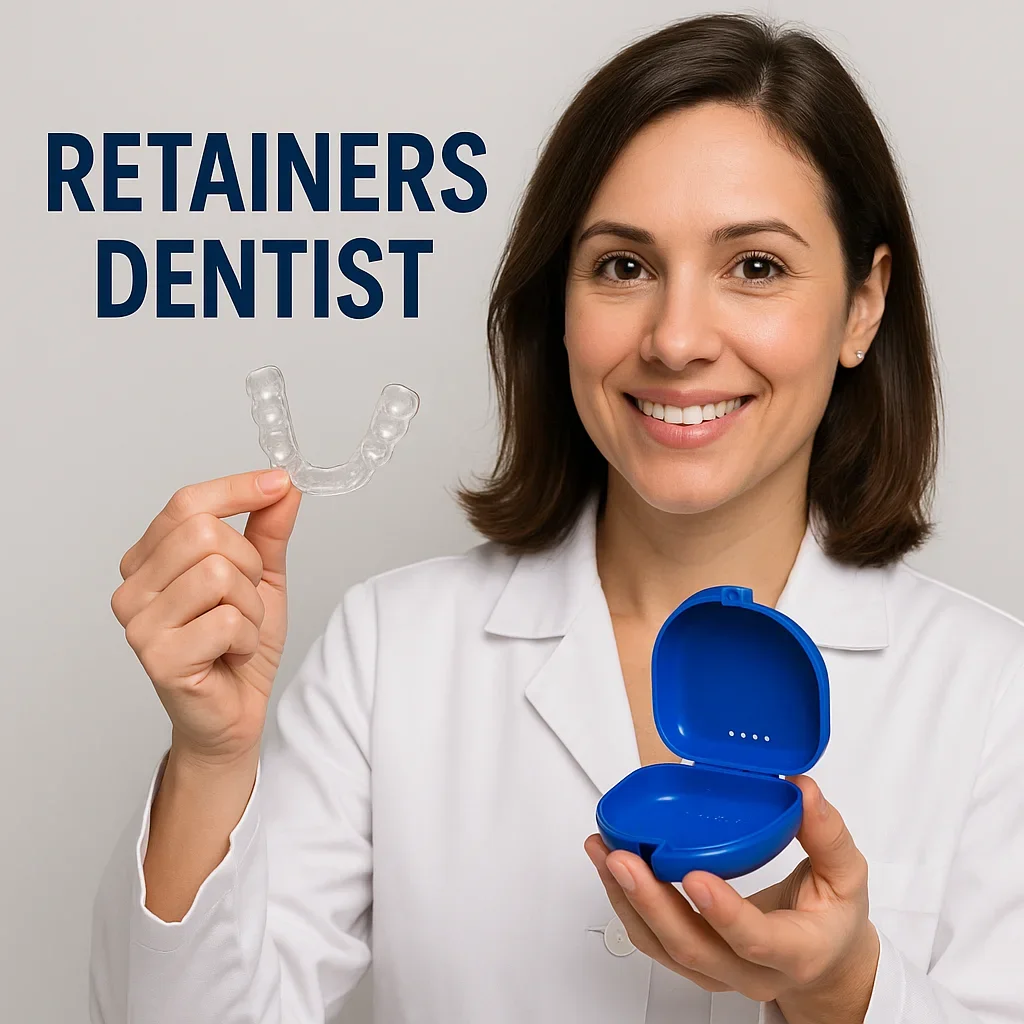
Retainers Dentist: Long-Term Oral Health Benefits and Final Care Tips
Visiting a skilled retainers dentist doesn’t just help keep your teeth straight—it ensures your long-term oral health remains strong and stable. While most people think of retainers only as tools for maintaining alignment after braces, their benefits extend far beyond that. Properly maintained retainers prevent jaw imbalances, bite issues, gum irritation, and even tooth loss in severe cases. In this final section, we’ll explore the long-term benefits of retainers, essential oral care habits, and expert recommendations from top dental associations to preserve your smile for life. 🌟
Long-Term Oral Health Benefits of Wearing Retainers
Your retainers dentist will often emphasize that orthodontic correction doesn’t end when braces come off—it evolves into a lifetime of maintenance and protection. Retainers act as guardians that keep your teeth and gums healthy while preventing unwanted movement.
1. Preventing Teeth Shifting (Relapse)
After orthodontic treatment, the bone and ligaments around your teeth are still soft and adaptable. Without support, teeth may gradually drift back to their original positions. Regular visits to a retainers dentist ensure your retainers remain effective in stabilizing the bone structure until it hardens fully—a process that can take several years. 🦷
In many cases, even minor shifting can affect your bite, cause uneven wear, or make cleaning harder. That’s why consistent retainer use is crucial to maintaining a balanced and functional smile.
2. Maintaining Jaw Alignment
When your teeth shift, your jaw position can change too, potentially leading to joint discomfort or temporomandibular joint (TMJ) disorders. Your retainers dentist can detect subtle signs of misalignment early and make minor retainer adjustments before pain or dysfunction develops. Balanced teeth equal a balanced jaw—resulting in smoother chewing, less strain, and improved facial symmetry.
3. Supporting Gum and Bone Health
Aligned teeth make it easier to clean effectively. When retainers preserve straightness, you can brush and floss thoroughly, reducing plaque accumulation and gum inflammation. A retainers dentist will regularly check that your retainers fit perfectly and don’t trap bacteria or irritate the gums. This simple preventive care lowers your risk of periodontal disease and bone loss around the roots.
4. Preventing Bruxism and Tooth Wear
Some people develop nighttime grinding habits after orthodontic treatment. Custom retainers, crafted by an experienced retainers dentist, act as a protective barrier that absorbs the pressure from grinding. This not only prevents enamel wear but also reduces jaw tension and morning headaches. For many patients, a retainer doubles as a night guard—offering both functional and protective benefits.
Essential Long-Term Care Tips for Retainers
To get the most from your retainers, consistent care and maintenance are non-negotiable. Here are some dentist-approved strategies to keep them in top shape for years:
1. Regular Professional Check-Ups
Scheduling appointments every 6–12 months with your retainers dentist ensures your appliance continues fitting perfectly. Over time, your mouth naturally changes shape due to age, diet, and bone remodeling. Routine assessments allow for early adjustments, prolonging your retainer’s lifespan and safeguarding your smile.
2. Maintain Daily Cleaning Habits
Cleaning your retainers daily removes plaque, bacteria, and calcium buildup. Use lukewarm water, soft brushes, and mild soap instead of abrasive toothpaste. Your retainers dentist may recommend professional cleaning tablets or ultrasonic cleaners for deep disinfection every few weeks. Consistent hygiene keeps retainers transparent, odor-free, and comfortable. 🧼
3. Proper Storage and Handling
Always store removable retainers in a ventilated case when not in use. Avoid wrapping them in tissue (a common cause of accidental loss) or leaving them near heat sources. Your retainers dentist can provide a durable case and replacement instructions in case of damage or misplacement. Retainers exposed to extreme heat can warp, compromising their effectiveness.
4. Avoid Harmful Habits
Chewing on pens, biting nails, or eating sticky foods while wearing retainers can cause cracks or warping. Always remove them during meals, and keep them safe in their protective case. If you accidentally damage your device, contact your retainers dentist immediately for repair or replacement. Ignoring minor cracks often leads to improper fit and tooth movement over time.
Professional Monitoring and Replacements
Retainers typically last between two and five years for removable types and up to ten years for fixed ones. However, wear and tear are inevitable. Your retainers dentist will inspect your retainers during visits to detect early signs of damage, discoloration, or bacterial buildup. They may suggest polishing, rebonding, or crafting a new appliance as needed.
When to Replace Your Retainers
- They feel loose or no longer fit snugly.
- Visible cracks, warping, or yellowing appear.
- You experience persistent bad odor even after cleaning.
- Your bite feels different, indicating tooth movement.
Replacing retainers promptly ensures consistent results and prevents costly orthodontic relapse. Some advanced clinics, such as Redent Klinik Contact Page, even keep digital 3D scans on file to create replacements instantly without requiring new impressions. ⚙️
Integrating Retainer Care Into Overall Oral Health
Good oral hygiene complements effective retainer use. Your retainers dentist will recommend a holistic routine that includes:
- Brushing at least twice daily with fluoride toothpaste.
- Flossing under fixed retainers using threaders or water flossers.
- Using alcohol-free mouthwash to control bacteria.
- Maintaining a balanced diet low in sugar and acids.
These daily habits ensure your retainers stay clean and your teeth remain strong and bright. Regular dental visits also help detect early signs of decay, gum issues, or enamel wear caused by improper cleaning techniques.
Expert Recommendations for Lifelong Smile Retention
The American Dental Association highlights that lifelong retainer use under professional supervision dramatically improves the stability of orthodontic results. Following your retainers dentist’s guidance — wearing your retainers as directed, keeping them clean, and scheduling regular visits — minimizes long-term complications. 🩺
Final Care Checklist
Before concluding your orthodontic journey, review this essential checklist provided by expert retainers dentists worldwide:
- ✔️ Wear your retainers daily (or nightly) as prescribed.
- ✔️ Clean them after every meal and before sleeping.
- ✔️ Store them safely in a ventilated protective case.
- ✔️ Schedule biannual dental check-ups.
- ✔️ Replace them immediately when damaged.
Conclusion: Retainers for a Lifetime of Confidence
Your journey to a perfect smile doesn’t end when the braces come off—it continues with lifelong care under a trusted retainers dentist. Regular use and maintenance of retainers safeguard your orthodontic investment, keep your teeth in flawless alignment, and protect your gums and jaw from long-term complications. By following your dentist’s advice and integrating these practices into your routine, you’ll enjoy a radiant, confident, and healthy smile for decades to come. ✨