
Orthodontic treatment does not truly end when braces or clear aligners are removed. In fact, one of the most important stages of orthodontic care begins right afterward. This stage is known as retention in orthodontics, and it plays a crucial role in maintaining the alignment results achieved during treatment. Many patients mistakenly believe that once their braces come off, their teeth will permanently stay in place. However, the reality is that teeth have a natural tendency to shift back toward their original positions if proper retention protocols are not followed.
The concept of retention in orthodontics refers to the methods orthodontists use to stabilize teeth after they have been moved into a new, corrected position. During orthodontic treatment, the surrounding bone, periodontal ligaments, and soft tissues are gradually adapted to support the new alignment. Yet these tissues require time to fully reorganize and stabilize. Without adequate retention in orthodontics, these tissues may exert forces that pull teeth back to their former misaligned positions, a phenomenon known as orthodontic relapse.
This is why orthodontists place such strong emphasis on retention in orthodontics immediately after active treatment. Retainers are typically used to keep teeth in their new positions while the bone and surrounding tissues remodel and strengthen. The retention phase ensures that the time, effort, and investment put into orthodontic treatment are preserved for the long term. 😁
The Biological Reason Retention Is Necessary
To understand why retention in orthodontics is essential, it helps to understand what happens biologically during orthodontic treatment. When braces apply gentle, controlled pressure to teeth, the bone surrounding the tooth roots undergoes a process called bone remodeling. On one side of the tooth, bone is resorbed, while new bone forms on the opposite side. This process allows the teeth to gradually move into new positions.
However, even after braces are removed, the surrounding bone and periodontal ligament fibers remain somewhat elastic and memory-driven. These tissues can attempt to move the teeth back toward their original alignment. Retention in orthodontics prevents this relapse by holding the teeth steady while the tissues reorganize and stabilize around the new positions.
Orthodontists often describe retention as the phase that “locks in” the results of treatment. Without proper retention in orthodontics, even the most perfectly aligned smile can slowly change over time.
Retention Protects Your Orthodontic Investment
Orthodontic treatment often represents a significant investment in both time and money. Many patients spend one to three years wearing braces or aligners, attending regular dental visits, and following strict oral hygiene routines. The purpose of retention in orthodontics is to protect that investment and ensure the long-term stability of the smile.
Patients who neglect the retention phase often experience relapse, where teeth gradually shift out of alignment again. In some cases, this movement can be minor. In other situations, it may require additional orthodontic treatment to correct. Retention in orthodontics prevents these setbacks and allows patients to enjoy the lasting benefits of their treatment.
If you have questions about maintaining your orthodontic results or need professional guidance, you can always contact specialists through the Redent Klinik Contact Page. Consulting an experienced dental team helps ensure that your retention plan is properly managed and tailored to your needs.
The Psychological and Aesthetic Benefits
Beyond the medical and structural reasons, retention in orthodontics also plays a key role in maintaining confidence and self-esteem. Many patients undergo orthodontic treatment specifically to improve the appearance of their smile. A straight smile often boosts confidence in social and professional situations.
When retention in orthodontics is followed correctly, the aesthetic improvements achieved through orthodontic treatment remain stable for many years. Patients can continue to enjoy a balanced, symmetrical smile that enhances facial harmony and overall appearance. ✨
In addition, properly aligned teeth are easier to clean, which supports long-term oral health. Retention in orthodontics therefore contributes not only to cosmetic benefits but also to functional improvements such as better bite alignment and improved oral hygiene.
Retention Supports Long-Term Oral Health
Orthodontic alignment improves more than just the visual appearance of teeth. Straight teeth are easier to brush and floss effectively, which helps reduce the risk of plaque buildup, cavities, and gum disease. Retention in orthodontics ensures that these functional benefits remain intact after treatment.
When teeth remain stable in their corrected positions, patients can maintain better oral hygiene routines. Crooked or crowded teeth often create tight spaces that trap food particles and bacteria. By supporting proper alignment, retention in orthodontics contributes to healthier gums and stronger teeth over time.
Professional dental organizations, including the American Dental Association, emphasize the importance of long-term dental maintenance following orthodontic care. Retention protocols form a vital part of that maintenance strategy.
The Transition From Treatment to Stability
Think of orthodontic treatment as building a strong foundation for a healthy smile, while retention in orthodontics acts as the protective system that preserves that foundation. The transition from braces to retainers marks the shift from active tooth movement to long-term stabilization.
During the first months after braces are removed, retention in orthodontics is particularly important. Orthodontists typically recommend wearing retainers for most hours of the day during this early period. Over time, retainer use may gradually decrease to nighttime wear as the teeth become more stable.
Even years after treatment, occasional retainer use may still be recommended to maintain alignment. Teeth can shift naturally with age due to subtle biological changes in the jaw and surrounding tissues. Long-term retention in orthodontics helps protect against these gradual shifts.
Retention Is a Lifelong Commitment
One of the most important things patients should understand is that retention in orthodontics is not a short-term step but a long-term commitment. While the intensity of retainer use may decrease over time, maintaining alignment often requires lifelong awareness and occasional retainer wear.
Orthodontists frequently remind patients that teeth naturally move throughout life. Factors such as aging, chewing forces, and minor bone changes can influence tooth position. Retention in orthodontics provides a reliable method to keep those movements under control.
By understanding the importance of retention and following professional guidance, patients can preserve their straight smiles for decades. A well-maintained retention plan ensures that the results achieved through orthodontic treatment remain stable, functional, and beautiful for years to come. 😊
What Is Retention in Orthodontics and Why Is It Important?
After months or even years of orthodontic treatment, patients often assume their smile transformation is complete once braces or aligners are removed. However, orthodontists emphasize that treatment does not truly end at this point. Instead, it transitions into a critical phase known as retention in orthodontics. This stage ensures that the teeth remain in their corrected positions after active orthodontic movement has finished.
Retention in orthodontics refers to the methods used to stabilize teeth after they have been repositioned through braces, clear aligners, or other orthodontic appliances. During orthodontic treatment, teeth are gradually guided into new positions using controlled forces. Once these forces are removed, the surrounding tissues — including bone, gums, and periodontal ligaments — need time to adapt and stabilize around the new alignment. Without proper retention in orthodontics, teeth can begin to drift back toward their original positions, undoing the results achieved through treatment.
For this reason, orthodontists consider retention in orthodontics one of the most important phases of treatment. It protects the time, financial investment, and effort that patients dedicate to achieving a healthy and well-aligned smile. 😁
The Purpose of Retention in Orthodontics
The primary goal of retention in orthodontics is to maintain the alignment of teeth after orthodontic treatment has moved them into the desired positions. Teeth are not fixed permanently in the jaw; they are held in place by periodontal ligaments that allow for slight movement. This natural flexibility is beneficial for chewing and absorbing forces, but it also means that teeth can shift if they are not stabilized after orthodontic treatment.
Retention in orthodontics works by using retainers or other stabilization devices to hold teeth in their new positions while the surrounding tissues adjust. During the months following treatment, bone remodeling occurs around the tooth roots. This biological process strengthens the support structure of the teeth and gradually locks them into their corrected alignment.
If retention in orthodontics is ignored or neglected, the tissues may pull the teeth back toward their original positions. This phenomenon, known as orthodontic relapse, can compromise the results of treatment and may require additional orthodontic correction.
Why Teeth Naturally Want to Move Back
Many patients are surprised to learn that teeth have a natural tendency to return to their previous positions. This happens because the periodontal fibers surrounding the teeth retain a form of biological memory. When orthodontic treatment moves teeth, these fibers stretch and twist. Once the braces are removed, the fibers may attempt to pull the teeth back to their former alignment.
Retention in orthodontics prevents this relapse by maintaining gentle stabilization until the periodontal fibers reorganize and adapt to the new tooth positions. Over time, these tissues lose their memory of the old alignment and become accustomed to the corrected arrangement.
This is why orthodontists typically recommend wearing retainers consistently during the first months after treatment. The early stage of retention in orthodontics is the most critical period for preventing relapse.
Biological Stabilization Takes Time
One of the most important reasons retention in orthodontics is necessary is that the body needs time to rebuild the supporting bone around newly positioned teeth. During orthodontic movement, bone on one side of the tooth is resorbed while new bone forms on the opposite side. After treatment ends, the new bone must continue to mineralize and strengthen.
Retention in orthodontics allows this process to occur without interruption. By holding teeth in place with retainers, orthodontists ensure that the bone remodeling process stabilizes the new tooth positions.
According to guidance from the American Dental Association, maintaining proper post-treatment care — including retainer use — is essential for preserving orthodontic results and supporting long-term oral health.
Retention in Orthodontics Protects the Results of Treatment
Orthodontic treatment requires dedication. Patients attend multiple appointments, follow dietary restrictions, maintain excellent oral hygiene, and commit to wearing appliances for extended periods. Retention in orthodontics ensures that these efforts lead to long-term success rather than temporary improvement.
Without retention in orthodontics, even small shifts in tooth position can accumulate over time. Minor misalignments may appear first, but these can gradually progress into noticeable crowding or bite problems. Retainers prevent these changes and keep the smile stable.
For patients who want guidance on maintaining their orthodontic results or who need advice about retainer use, professional dental teams can help. The specialists available through the Redent Klinik Contact Page can provide personalized recommendations for long-term orthodontic stability.
Retention in Orthodontics Supports Functional Improvements
Orthodontic treatment does more than improve appearance. Proper tooth alignment also enhances bite function, chewing efficiency, and overall oral health. Retention in orthodontics preserves these functional improvements by keeping teeth in their corrected positions.
For example, properly aligned teeth distribute chewing forces evenly across the jaw. This reduces strain on individual teeth and decreases the risk of enamel wear or jaw discomfort. Retention in orthodontics ensures that these functional benefits remain stable over time.
In addition, aligned teeth are easier to clean. Crowded or overlapping teeth can create areas where plaque accumulates easily, increasing the risk of cavities and gum disease. By maintaining alignment, retention in orthodontics helps patients maintain better oral hygiene routines.
Retention in Orthodontics Is a Long-Term Strategy
Another important aspect of retention in orthodontics is understanding that it is not simply a short-term phase lasting a few weeks. Instead, orthodontists view retention as a long-term maintenance strategy for preserving the results of treatment.
In many cases, patients are advised to wear retainers full-time during the first few months after braces are removed. Later, retainer wear may transition to nighttime use only. Some orthodontists even recommend occasional retainer wear for life to ensure that teeth remain stable.
This long-term approach reflects the reality that teeth can shift gradually with age. Factors such as chewing forces, jaw growth, and natural aging processes can influence tooth alignment. Retention in orthodontics provides a reliable way to prevent these gradual changes from affecting the smile.
Retention in Orthodontics and Patient Responsibility
Successful retention in orthodontics depends not only on orthodontic expertise but also on patient commitment. Wearing retainers as recommended, keeping them clean, and attending follow-up appointments are essential steps for maintaining alignment.
Patients who follow their orthodontist’s retention instructions are far more likely to enjoy stable results for decades. Those who neglect retention in orthodontics may eventually notice shifting teeth, requiring additional treatment.
By understanding the purpose and importance of retention in orthodontics, patients can take an active role in protecting their smile. The retention phase ensures that the benefits of orthodontic treatment remain visible, functional, and healthy long after braces are removed. ✨
Types of Retainers Used in Retention in Orthodontics
After braces or clear aligners are removed, the next critical phase begins: retention in orthodontics. This stage focuses on maintaining the alignment that orthodontic treatment has achieved. One of the most important tools used during this phase is the retainer. Retainers are specialized dental appliances designed to hold teeth in their corrected positions while the surrounding bone and tissues stabilize.
Understanding the types of retainers used in retention in orthodontics helps patients follow their orthodontist’s recommendations more confidently. Each retainer type has its own advantages, durability characteristics, maintenance requirements, and comfort level. Orthodontists carefully select the most appropriate retainer depending on the patient’s bite, treatment complexity, and long-term stability needs.
In modern dentistry, retainers have evolved significantly. Today’s retainers are more comfortable, more aesthetic, and more effective than earlier designs. Whether fixed or removable, every appliance used in retention in orthodontics serves the same purpose: preserving the results of orthodontic treatment and preventing teeth from shifting back into their previous positions. 😁
Why Retainers Are Essential in Retention in Orthodontics
During orthodontic treatment, teeth are moved gradually through controlled pressure applied by braces or aligners. This movement affects not only the teeth but also the bone and connective tissues surrounding them. When the braces are removed, these tissues still need time to adapt to the new alignment.
Without proper stabilization, the periodontal fibers may pull teeth back toward their original positions. This natural tendency is known as orthodontic relapse. Retainers used in retention in orthodontics counteract this effect by keeping teeth in place while bone remodeling occurs.
The retainer essentially acts as a protective barrier against unwanted movement. It ensures that the months or years spent on orthodontic treatment are not lost due to natural shifting.
Removable Retainers in Retention in Orthodontics
Removable retainers are among the most commonly used appliances in retention in orthodontics. As the name suggests, patients can remove these retainers for eating, brushing, and flossing. Orthodontists often prescribe removable retainers because they are convenient and relatively easy to maintain.
There are two main types of removable retainers used in retention in orthodontics: Hawley retainers and clear plastic retainers.
Hawley Retainers
The Hawley retainer is one of the oldest and most reliable designs used in retention in orthodontics. It consists of a metal wire that runs across the front of the teeth and an acrylic base that rests against the roof of the mouth or behind the lower teeth.
Advantages of Hawley retainers include:
- Durability and long lifespan
- Adjustability by orthodontists if minor tooth movement occurs
- Strong support for long-term retention in orthodontics
Because they are durable and adjustable, Hawley retainers are often recommended for patients who need strong stabilization after complex orthodontic treatment.
Clear Plastic Retainers (Essix Retainers)
Clear retainers, often called Essix retainers, have become extremely popular in modern retention in orthodontics. These retainers are made from transparent plastic and fit snugly over the teeth, similar to clear aligners.
Their main advantage is aesthetics. Because they are nearly invisible, patients often feel more comfortable wearing them regularly. This improves compliance and increases the effectiveness of retention in orthodontics.
Benefits of clear retainers include:
- Virtually invisible appearance
- Comfortable fit
- Lightweight design
However, they may need replacement sooner than Hawley retainers because the plastic can wear down over time.
Fixed Retainers in Retention in Orthodontics
Fixed retainers are another important option used in retention in orthodontics. Unlike removable retainers, these appliances are bonded directly to the back surface of the teeth using dental adhesive. They usually consist of a thin metal wire that runs along the inside of the front teeth.
Because fixed retainers are permanently attached, they provide continuous stabilization without requiring patient compliance. This makes them especially useful for individuals who might forget to wear removable retainers consistently.
Fixed retainers are commonly used for lower front teeth because this area has a high risk of relapse. Maintaining alignment in this region is a key goal of retention in orthodontics.
Advantages of Fixed Retainers
- Continuous retention without removal
- Invisible from the front of the smile
- Highly effective for preventing crowding relapse
Although fixed retainers are effective, they require careful oral hygiene. Patients must clean around the bonded wire thoroughly to prevent plaque buildup.
Choosing the Right Retainer for Retention in Orthodontics
Selecting the appropriate retainer depends on several factors. Orthodontists consider the patient’s bite, age, treatment complexity, and lifestyle when recommending a retention strategy.
In many cases, orthodontists combine different retainer types to maximize the effectiveness of retention in orthodontics. For example, a patient may receive a fixed retainer on the lower teeth along with a removable clear retainer for nighttime use.
This combination approach offers both stability and flexibility, helping maintain alignment while allowing patients to clean their teeth easily.
Patients who have questions about retainer options or retention protocols can seek professional advice through the Redent Klinik Contact Page. Orthodontic specialists can evaluate individual needs and recommend the most suitable retention plan.
Maintaining Retainers for Effective Retention in Orthodontics
Proper maintenance is essential for successful retention in orthodontics. Removable retainers should be cleaned daily to prevent bacterial buildup. Patients should avoid exposing them to heat, which can warp the plastic.
Fixed retainers require careful brushing and flossing to keep the area around the wire clean. Orthodontists may recommend special flossing tools to make cleaning easier.
Routine dental checkups also play an important role in retention in orthodontics. Dental professionals can monitor retainer condition, check tooth stability, and replace retainers when necessary.
According to guidelines from the American Dental Association, maintaining proper oral hygiene and attending regular dental visits are key components of preserving orthodontic results.
The Long-Term Role of Retainers in Retention in Orthodontics
Retainers are not just temporary devices; they play a long-term role in retention in orthodontics. Even years after orthodontic treatment, teeth may continue to shift gradually due to natural biological changes.
For this reason, orthodontists often recommend wearing retainers at night indefinitely. This ongoing use helps maintain the stability of the smile and protects the results achieved through orthodontic treatment.
By understanding the different types of retainers used in retention in orthodontics, patients can appreciate the importance of this final stage of treatment. Proper retainer use ensures that the beautiful, healthy smile created by orthodontic care remains stable for many years to come. ✨
Fixed vs Removable Retainers in Retention in Orthodontics
One of the most common questions patients ask after completing orthodontic treatment is whether they should use a fixed retainer or a removable retainer. Both appliances play an essential role in retention in orthodontics, and choosing the right option depends on the patient’s specific orthodontic history, lifestyle, and long-term stability needs. Orthodontists evaluate several factors before recommending a retainer type, including the severity of the original misalignment, the risk of relapse, and patient compliance.
The goal of every retainer is the same: to support retention in orthodontics by stabilizing the teeth in their corrected positions after braces or clear aligners are removed. However, the way fixed and removable retainers achieve this stability differs. Each design has unique advantages, maintenance requirements, and comfort considerations. Understanding these differences helps patients follow the correct post-treatment protocol and preserve their smile results for many years.
Understanding Fixed Retainers in Retention in Orthodontics
Fixed retainers are thin metal wires bonded to the inner surface of the teeth, typically behind the lower front teeth or occasionally behind the upper teeth. Because the wire is attached with dental adhesive, it remains permanently in place and cannot be removed by the patient. This continuous stabilization makes fixed retainers highly effective for maintaining retention in orthodontics.
Orthodontists frequently recommend fixed retainers for patients who had significant crowding before treatment or whose teeth show a higher risk of relapse. The lower front teeth are particularly prone to shifting after orthodontic treatment, which is why fixed retainers are commonly placed in this area.
Advantages of Fixed Retainers
- They provide continuous stabilization without relying on patient compliance.
- They are completely invisible from the front of the smile.
- They are highly effective for maintaining long-term retention in orthodontics.
- They prevent common relapse patterns, especially lower incisor crowding.
Because they remain bonded to the teeth, fixed retainers ensure that retention in orthodontics continues even if a patient forgets about the retention phase. This makes them particularly beneficial for teenagers or individuals who may struggle with remembering to wear removable appliances consistently.
Challenges of Fixed Retainers
Despite their effectiveness, fixed retainers require careful oral hygiene. Since the wire sits behind the teeth, food particles and plaque can accumulate around it if cleaning is not performed properly. Patients must use specialized flossing tools or floss threaders to clean between the teeth and under the wire.
Orthodontists also recommend regular dental checkups to monitor the retainer’s condition. Over time, the bonding material may loosen or the wire may become damaged. Monitoring helps ensure that the device continues supporting retention in orthodontics effectively.
Understanding Removable Retainers in Retention in Orthodontics
Removable retainers represent another widely used method in retention in orthodontics. Unlike fixed retainers, these appliances can be taken out when eating, brushing, or flossing. Patients typically wear removable retainers according to a schedule determined by their orthodontist.
There are two primary types of removable retainers commonly used in retention in orthodontics:
- Hawley retainers
- Clear plastic retainers (Essix retainers)
Each design offers different benefits depending on the patient’s needs.
Hawley Retainers
The Hawley retainer is a traditional design consisting of a metal wire across the front of the teeth and an acrylic base that rests against the palate or behind the lower teeth. It is durable and adjustable, which allows orthodontists to make small modifications if needed.
Because of its strength and longevity, the Hawley retainer is often recommended for extended retention in orthodontics. The appliance can last for many years with proper care and provides strong stabilization.
Clear Plastic Retainers
Clear plastic retainers are increasingly popular because they are almost invisible. These retainers resemble clear aligners and fit snugly over the teeth. Many patients prefer them because they offer a discreet appearance while still supporting effective retention in orthodontics.
Although clear retainers are comfortable and aesthetically pleasing, they may wear out faster than Hawley retainers and may need replacement after several years of use.
Comparing Fixed and Removable Retainers
Both retainer types are effective tools for maintaining retention in orthodontics, but their differences influence which option is best for each patient. Fixed retainers offer continuous retention without relying on patient discipline, while removable retainers provide flexibility and easier cleaning.
The choice often depends on the patient’s lifestyle and orthodontic history. Some orthodontists even recommend a combination approach to maximize the effectiveness of retention in orthodontics.
For example, a patient may have:
- A fixed retainer on the lower front teeth
- A removable retainer worn at night for the upper teeth
This combination ensures constant stabilization in high-risk areas while allowing flexibility for cleaning and comfort.
The Role of Patient Compliance in Retention in Orthodontics
Regardless of the retainer type, patient cooperation remains essential for successful retention in orthodontics. Removable retainers require consistent wear according to orthodontic instructions. Patients who forget to wear them regularly may notice gradual tooth shifting.
Even patients with fixed retainers must maintain good oral hygiene and attend follow-up visits. These appointments allow orthodontists to evaluate tooth stability and confirm that retention in orthodontics is functioning correctly.
Patients who experience discomfort, retainer damage, or noticeable tooth movement should contact their dental provider immediately. Professional guidance can be obtained through the Redent Klinik Contact Page, where specialists can evaluate retention needs and recommend the appropriate adjustments.
Professional Recommendations for Retention in Orthodontics
Dental professionals worldwide emphasize the importance of long-term stabilization following orthodontic treatment. According to resources from the American Dental Association, maintaining proper retainer use and dental follow-up is essential to preserve the results of orthodontic care.
Retention in orthodontics is not a temporary stage but rather a long-term maintenance strategy. Teeth naturally shift over time due to aging, chewing forces, and changes in the jaw structure. Retainers — whether fixed or removable — help control these movements and maintain the corrected alignment.
Why Choosing the Right Retainer Matters
Selecting the appropriate retainer type significantly influences the success of retention in orthodontics. A well-designed retention plan ensures that the results of orthodontic treatment remain stable and functional for many years.
Orthodontists tailor retention plans individually, considering both medical factors and patient preferences. When patients understand the differences between fixed and removable retainers, they can participate more actively in their long-term dental care.
Ultimately, both retainer types play valuable roles in maintaining a straight, healthy smile. When used correctly, they protect the investment made in orthodontic treatment and allow patients to enjoy their improved smiles with confidence. 😁
How Long Retention in Orthodontics Should Last
One of the most frequently asked questions after braces or aligners are removed is: “How long do I need to wear my retainer?” The answer is closely connected to the long-term philosophy of retention in orthodontics. Orthodontists widely agree that maintaining tooth alignment is not a short-term step but a long-term commitment. While the most intensive phase of retention occurs immediately after orthodontic treatment, the process of retention in orthodontics often continues for many years and sometimes even for life.
The reason retention in orthodontics lasts so long is rooted in biology. Teeth are not fixed permanently in the jawbone. They are supported by periodontal ligaments and surrounding bone that remain dynamic throughout life. Because of this biological flexibility, teeth can shift gradually due to natural forces such as chewing, aging, jaw growth, and tissue remodeling. Retainers used in retention in orthodontics prevent these movements from reversing the results achieved during treatment.
The Initial Phase of Retention in Orthodontics
The first stage of retention in orthodontics begins immediately after braces or aligners are removed. During this early phase, teeth are most vulnerable to shifting because the bone and surrounding tissues are still adapting to their new positions. Orthodontists typically recommend wearing retainers full-time during this period.
Full-time wear usually means wearing the retainer approximately 20 to 22 hours per day. Patients remove it only when eating, brushing, or flossing. This continuous support allows the periodontal fibers and bone structure to stabilize around the newly aligned teeth.
The initial retention period typically lasts between three and six months, though the exact duration varies depending on the complexity of the orthodontic treatment and the patient’s biological response. During this phase, retention in orthodontics plays a critical role in preventing immediate relapse.
Why the First Months Are Critical
Orthodontists often emphasize that the first few months of retention in orthodontics are the most important. The periodontal fibers that surround the teeth have a natural memory of their previous position. Without a retainer, these fibers can pull teeth back toward their original alignment.
By wearing retainers consistently during this stage, patients allow time for the fibers to reorganize and adapt to the new alignment. Once this biological adjustment occurs, the teeth become significantly more stable.
The Transition to Nighttime Retainer Wear
After the initial stabilization phase, orthodontists usually adjust the retention schedule. Instead of wearing retainers all day, patients transition to nighttime use only. This phase still represents an essential part of retention in orthodontics because teeth can continue to shift gradually during the months following treatment.
Nighttime retainer wear typically lasts at least one to two years. During this period, patients wear the retainer while sleeping, allowing the appliance to maintain tooth alignment during hours when natural jaw movement is minimal.
Nighttime retention is often easier for patients to maintain because it fits naturally into daily routines. This long-term schedule helps ensure that retention in orthodontics remains effective without interfering with normal daytime activities.
Why Long-Term Retention Is Recommended
Even after the first few years following treatment, teeth can still move. Aging, changes in the jaw structure, and everyday forces from chewing or grinding can gradually influence tooth alignment. This is why many orthodontists recommend lifelong retainer wear at night.
Long-term retention in orthodontics helps prevent subtle shifts that may occur slowly over time. Even small movements can eventually affect the symmetry of the smile or create mild crowding.
Factors That Influence the Duration of Retention in Orthodontics
Not every patient requires the same retention schedule. Orthodontists personalize retention plans based on several factors that influence tooth stability.
- Severity of the original misalignment
- Patient age and jaw growth patterns
- Type of orthodontic treatment performed
- Presence of crowding or spacing before treatment
- Patient compliance with retainer use
For example, patients who originally had severe crowding may require longer retention in orthodontics compared with those who had mild alignment issues. Similarly, younger patients whose jaws are still growing may need closer monitoring during the retention phase.
Orthodontists evaluate these factors carefully to ensure that retention in orthodontics is tailored to each patient’s needs.
What Happens If Retainers Are Not Worn?
Failure to follow retention instructions can lead to orthodontic relapse. When retainers are not worn consistently, teeth may gradually return toward their previous positions. This movement may start subtly but can become noticeable over time.
In some cases, patients who neglect retention in orthodontics may require additional orthodontic treatment to correct the shifting teeth. This is why orthodontists strongly emphasize consistent retainer wear.
If a patient notices that their retainer no longer fits properly, it may be a sign that teeth have already started shifting. In this situation, contacting a dental professional immediately is important. Professional guidance can be obtained through the Redent Klinik Contact Page, where dental specialists can evaluate the situation and recommend corrective steps.
The Role of Follow-Up Visits During Retention in Orthodontics
Regular follow-up visits are an important part of retention in orthodontics. During these appointments, orthodontists check the stability of the teeth and examine the condition of retainers. They may adjust the retainer schedule or recommend replacement appliances if necessary.
Professional monitoring helps ensure that the retention process remains effective over time. Dental professionals can detect early signs of tooth movement and address them before they become major issues.
Organizations such as the American Dental Association emphasize the importance of ongoing dental care after orthodontic treatment. Retention protocols and regular dental checkups help maintain both the appearance and health of the smile.
Retention in Orthodontics as a Lifelong Habit
Modern orthodontics increasingly recognizes that retention in orthodontics should be viewed as a lifelong habit rather than a temporary stage. Even individuals who completed orthodontic treatment decades ago may experience minor tooth shifting if retainers are not used occasionally.
Wearing a retainer at night a few times per week can often maintain alignment effectively. This simple habit protects the results of orthodontic treatment and ensures that the smile remains straight and balanced.
Ultimately, retention in orthodontics safeguards the investment patients make in their orthodontic care. By following professional guidance and maintaining regular retainer use, patients can enjoy stable, healthy smiles for many years to come. 😁
Daily Care and Maintenance During Retention in Orthodontics
The success of orthodontic treatment does not end when braces are removed. Instead, the maintenance phase begins, where proper care becomes essential to protect the results achieved during treatment. This stage is known as retention in orthodontics, and it requires consistent attention to oral hygiene, retainer maintenance, and regular dental monitoring. Patients who follow correct daily care routines significantly improve the long-term stability of their smile.
Daily habits during retention in orthodontics play a crucial role in preventing relapse, protecting retainers from damage, and maintaining overall oral health. Since retainers are responsible for holding teeth in their new positions, they must remain clean, functional, and properly fitted. In addition, patients must maintain excellent dental hygiene to prevent plaque accumulation around teeth and retainers.
Understanding how to properly care for retainers and teeth during retention in orthodontics ensures that the time and effort invested in orthodontic treatment continue to provide benefits for many years. 😁
Importance of Oral Hygiene During Retention in Orthodontics
One of the most critical aspects of retention in orthodontics is maintaining excellent oral hygiene. After orthodontic treatment, teeth are often straighter and easier to clean, but the presence of retainers introduces new areas where plaque can accumulate.
Patients should brush their teeth at least twice a day and floss daily to remove food particles and bacteria. When removable retainers are used, teeth should be cleaned before reinserting the retainer to prevent trapping bacteria between the appliance and tooth surfaces.
Good hygiene habits support retention in orthodontics by protecting gum health and preventing decay. Healthy gums and bone structure help stabilize teeth in their corrected positions.
Recommended Brushing Techniques
Dentists recommend brushing for at least two minutes using a soft-bristled toothbrush and fluoride toothpaste. Special attention should be given to the gumline and the surfaces where retainers make contact with the teeth.
Patients with fixed retainers should brush carefully around the bonded wire. Because the wire sits on the inner side of the teeth, plaque can accumulate in this area if it is not cleaned thoroughly. Proper brushing ensures that retention in orthodontics remains effective without compromising oral health.
Cleaning Removable Retainers Properly
Removable retainers require daily cleaning to maintain hygiene and prevent odor or bacterial buildup. During retention in orthodontics, patients should treat retainers as carefully as they treat their teeth.
The recommended cleaning process typically includes:
- Rinsing the retainer with lukewarm water after removal
- Brushing it gently with a soft toothbrush
- Using mild soap or specialized retainer cleaning tablets
- Avoiding hot water that can warp the plastic
Hot water should never be used when cleaning clear retainers because heat can deform the appliance, causing it to fit incorrectly. If the retainer no longer fits properly, it may compromise retention in orthodontics and allow teeth to shift.
When to Replace a Retainer
Even with proper care, retainers may wear out over time. Plastic retainers can develop cracks, while wires on Hawley retainers may loosen. Orthodontists recommend periodic evaluation of retainers to ensure they continue supporting retention in orthodontics effectively.
If a retainer becomes damaged or uncomfortable, patients should seek professional advice. Specialists available through the Redent Klinik Contact Page can assess whether the appliance needs adjustment or replacement.
Caring for Fixed Retainers During Retention in Orthodontics
Fixed retainers require a slightly different maintenance approach. Since the wire is bonded to the inner surface of the teeth, it cannot be removed for cleaning. Patients must adapt their oral hygiene routine to ensure the area around the wire remains clean.
Using floss threaders or orthodontic floss helps remove plaque beneath the wire. Interdental brushes can also be effective for cleaning small spaces between the teeth and the retainer.
Maintaining cleanliness around fixed retainers is essential for successful retention in orthodontics. Poor hygiene can lead to plaque buildup, gum inflammation, and potential weakening of the bonding material.
Monitoring Bonded Retainers
Patients should periodically check whether the wire of a fixed retainer feels loose or detached. If any portion becomes unbonded, the teeth may begin to shift. Immediate professional attention helps prevent relapse and ensures retention in orthodontics remains effective.
Daily Habits That Support Retention in Orthodontics
Beyond cleaning routines, several daily habits contribute to successful retention in orthodontics. Patients should avoid behaviors that could damage retainers or place excessive pressure on the teeth.
Helpful habits include:
- Always storing removable retainers in their protective case
- Avoiding chewing on retainers
- Removing retainers before eating
- Keeping retainers away from pets that may chew them
These simple precautions help maintain the integrity of retainers and ensure that retention in orthodontics continues to function properly.
Regular Dental Visits During Retention in Orthodontics
Routine dental checkups remain an essential component of retention in orthodontics. During these visits, dental professionals evaluate tooth stability, inspect retainers, and check for signs of relapse.
Dentists may also perform professional cleanings that remove plaque or tartar buildup around retainers. This additional care helps maintain gum health and supports long-term stability.
According to recommendations from the American Dental Association, regular dental visits are essential for maintaining oral health after orthodontic treatment. Monitoring ensures that retention in orthodontics continues to protect the results achieved through braces or aligners.
Recognizing Signs of Retainer Problems
Patients should also be aware of warning signs that may indicate a problem during retention in orthodontics. These signs include:
- Retainers feeling tighter than usual
- Visible cracks or warping in removable retainers
- Loose wires in fixed retainers
- Teeth feeling slightly shifted
Addressing these issues early prevents more serious complications. If a retainer is lost or broken, patients should contact their orthodontist immediately to obtain a replacement.
Long-Term Maintenance for Stable Results
The retention phase represents a partnership between the orthodontist and the patient. While orthodontists design the treatment plan, daily care ultimately determines whether retention in orthodontics succeeds in preserving the alignment of the teeth.
By maintaining proper hygiene, cleaning retainers regularly, and following professional guidance, patients can ensure their smiles remain stable for decades. The daily habits developed during retention in orthodontics help protect both oral health and the aesthetic benefits achieved through orthodontic treatment.
Ultimately, consistent care and responsible retainer use transform retention in orthodontics into a reliable strategy for maintaining a straight, healthy smile throughout life. ✨
Common Problems Patients Face During Retention in Orthodontics
Although orthodontic treatment successfully aligns teeth, the period that follows—known as retention in orthodontics—can present several challenges for patients. This phase requires discipline, awareness, and proper care to maintain the results achieved during treatment. Many individuals underestimate how important retention in orthodontics is, and as a result, they may encounter problems that compromise the stability of their smile.
Retention in orthodontics involves maintaining tooth alignment using retainers while the surrounding bone and periodontal tissues stabilize. However, issues such as retainer damage, inconsistent use, poor hygiene, and natural tooth movement can occur during this phase. Understanding the most common challenges associated with retention in orthodontics helps patients prevent complications and maintain long-term orthodontic success. 😊
Forgetting to Wear Retainers
One of the most common problems during retention in orthodontics is inconsistent retainer use. After braces are removed, patients often feel relieved and may gradually become less disciplined about wearing their retainers. Unfortunately, even a short period without a retainer can allow teeth to shift slightly.
Teeth are naturally influenced by the surrounding periodontal ligaments and chewing forces. Without the stabilizing effect of a retainer, the teeth may slowly begin moving back toward their original positions. This process, known as orthodontic relapse, is one of the primary risks when retention in orthodontics is not followed properly.
Signs That Teeth Are Beginning to Shift
- Retainers suddenly feel tighter than usual
- Small gaps appear between teeth
- Mild crowding develops in the front teeth
- The bite begins to feel slightly different
If any of these symptoms occur, patients should immediately contact a dental professional. Early intervention can often prevent more significant relapse and protect the success of retention in orthodontics.
Retainer Damage or Loss
Another common issue during retention in orthodontics is damage to retainers or accidental loss. Because retainers are removable in many cases, they may be misplaced or damaged during daily activities.
Clear plastic retainers can crack if exposed to excessive pressure or heat. Hawley retainers may bend if they are not stored properly. Fixed retainers, although durable, can sometimes loosen if the bonding material wears down over time.
Common Causes of Retainer Damage
- Leaving retainers exposed outside their protective case
- Cleaning them with hot water
- Chewing on retainers or placing them under pressure
- Pets chewing on retainers
If a retainer breaks or becomes lost, retention in orthodontics may be compromised. Patients should replace damaged retainers as soon as possible to prevent unwanted tooth movement.
For professional advice regarding retainer replacement or adjustment, patients can reach dental specialists through the Redent Klinik Contact Page. Prompt evaluation ensures that retention in orthodontics continues without interruption.
Poor Oral Hygiene During Retention in Orthodontics
Oral hygiene remains extremely important during retention in orthodontics. Retainers create additional surfaces where bacteria and plaque can accumulate. If these appliances are not cleaned regularly, they can contribute to oral health problems such as bad breath, tooth decay, and gum inflammation.
Patients with fixed retainers must be especially careful. Since the wire is bonded behind the teeth, plaque can collect around it if brushing and flossing are not performed thoroughly.
How Hygiene Issues Affect Retention
Poor oral hygiene may lead to gum disease, which can weaken the structures that support teeth. When gum health deteriorates, it becomes more difficult to maintain stable tooth alignment, potentially interfering with retention in orthodontics.
Maintaining good hygiene habits—including brushing twice daily, flossing, and cleaning retainers—helps prevent these complications and supports long-term orthodontic stability.
Retainer Discomfort and Adaptation Issues
Some patients experience temporary discomfort when they begin wearing retainers during retention in orthodontics. This sensation is typically mild and occurs because the teeth and surrounding tissues are adjusting to the stabilizing appliance.
Clear retainers may feel tight initially, especially if they have not been worn consistently. Hawley retainers may require minor adjustments to ensure comfort. Fixed retainers sometimes cause slight tongue irritation during the first few days after placement.
Tips to Improve Comfort
- Wear retainers consistently according to orthodontist instructions
- Use orthodontic wax temporarily if irritation occurs
- Report persistent discomfort to the orthodontist
Most patients adapt quickly, and discomfort typically disappears within a few days. Consistent wear ensures that retention in orthodontics remains effective and comfortable.
Natural Tooth Movement Over Time
Even when retainers are worn correctly, teeth can still experience minor natural changes over time. Biological processes such as aging, jaw development, and daily chewing forces may influence tooth alignment gradually.
This is why orthodontists emphasize that retention in orthodontics should be considered a long-term maintenance strategy rather than a short-term step.
Nighttime retainer use for life is often recommended because it provides ongoing stabilization while allowing patients to maintain their daily routines comfortably.
Psychological Factors and Patient Motivation
Motivation plays a major role in the success of retention in orthodontics. Some patients feel less motivated to follow instructions after their braces are removed because they believe treatment is complete. However, orthodontists stress that retention is the phase that protects the results achieved during treatment.
Patients who remain committed to wearing retainers and maintaining oral hygiene are far more likely to preserve their smile alignment long term.
Professional Monitoring Prevents Long-Term Problems
Regular dental checkups help prevent complications during retention in orthodontics. Orthodontists evaluate tooth stability, inspect retainers for wear or damage, and identify early signs of relapse.
Professional organizations such as the American Dental Association emphasize the importance of ongoing dental monitoring after orthodontic treatment. Routine checkups ensure that both oral health and orthodontic results remain stable.
How Patients Can Ensure Successful Retention in Orthodontics
Although challenges may arise, most problems associated with retention in orthodontics can be prevented with proper awareness and responsible care. Patients who follow their orthodontist’s recommendations significantly reduce the risk of relapse or complications.
- Wear retainers according to the recommended schedule
- Clean retainers and teeth daily
- Store removable retainers safely
- Attend regular dental checkups
- Seek professional advice if any retainer problems occur
By maintaining these habits, patients ensure that retention in orthodontics successfully protects the alignment achieved through orthodontic treatment. With consistent care and professional guidance, a straight and healthy smile can remain stable for decades. ✨
Costs Associated With Retention in Orthodontics
After orthodontic treatment is completed, many patients focus primarily on the visual results of their new smile. However, the phase that follows—retention in orthodontics—also involves financial considerations. Retainers, follow-up visits, maintenance, and occasional replacements are all part of maintaining tooth alignment after braces or aligners are removed. Understanding the costs associated with retention in orthodontics helps patients plan ahead and avoid unexpected expenses.
Although the main orthodontic treatment often represents the largest investment, retention in orthodontics is essential for protecting that investment. Without proper retention, teeth can gradually shift, potentially requiring additional orthodontic treatment. In comparison, the costs associated with retention in orthodontics are typically much lower and serve as preventative care that preserves long-term results.
Why Retention in Orthodontics Has Ongoing Costs
Retention in orthodontics involves several components that contribute to its overall cost. While some orthodontic treatment packages include retainers in the initial treatment fee, others charge separately for retainers and long-term maintenance.
The ongoing expenses associated with retention in orthodontics generally include:
- Initial retainers after braces removal
- Replacement retainers if lost or damaged
- Follow-up orthodontic appointments
- Cleaning and maintenance products for retainers
These costs vary depending on the type of retainer used and the dental clinic providing the treatment.
Average Cost of Retainers Used in Retention in Orthodontics
Retainers are the most common cost associated with retention in orthodontics. Their price depends on the design, material, and whether the appliance is removable or fixed.
Removable Retainer Costs
Removable retainers such as Hawley retainers or clear plastic retainers are commonly used during retention in orthodontics. Their typical price ranges are:
- Clear plastic retainers: $150 – $400 per retainer
- Hawley retainers: $250 – $600 per retainer
These retainers may last several years with proper care. However, clear plastic retainers may need replacement sooner if they become worn or cracked.
Fixed Retainer Costs
Fixed retainers used in retention in orthodontics are bonded behind the teeth and provide continuous stabilization. Because they require professional placement and bonding, their cost may be slightly higher.
- Fixed retainer placement: $250 – $600 per arch
- Repair or rebonding: $100 – $300
Despite the initial cost, fixed retainers often provide excellent long-term stability and may reduce the risk of relapse.
Replacement Costs During Retention in Orthodontics
Another financial factor associated with retention in orthodontics is the possibility of replacing retainers. Retainers can wear out, become damaged, or be lost over time.
Common reasons patients need replacement retainers include:
- Accidental loss
- Plastic cracking or warping
- Wire bending in Hawley retainers
- Damage caused by heat or pressure
Replacement retainers usually cost the same as the original appliance. For this reason, orthodontists recommend storing removable retainers in protective cases and avoiding exposure to high temperatures.
If a retainer becomes damaged or lost, patients should seek professional guidance quickly to maintain effective retention in orthodontics. Dental specialists available through the Redent Klinik Contact Page can evaluate whether a replacement appliance is necessary.
Follow-Up Appointments During Retention in Orthodontics
Routine follow-up visits are another component of the cost associated with retention in orthodontics. During these appointments, orthodontists check the stability of the teeth and evaluate whether retainers are functioning correctly.
Typical follow-up visits may cost between:
- $50 – $200 per visit
Some clinics include several retention checkups within the original orthodontic treatment package, while others charge separately for long-term monitoring.
These visits are important because they allow orthodontists to detect early signs of relapse and adjust retention plans if necessary.
Insurance Coverage for Retention in Orthodontics
Dental insurance plans sometimes cover part of orthodontic treatment, but coverage for retention in orthodontics varies widely. Some insurance plans include retainers as part of the overall orthodontic treatment coverage, while others consider them separate appliances.
Patients should review their insurance policy or speak with their provider to determine whether retainers and retention follow-up visits are included.
Factors That Influence Insurance Coverage
- Type of orthodontic treatment performed
- Age of the patient
- Policy coverage limits
- Specific insurance provider rules
Even if insurance does not cover all retention-related expenses, the cost of retention in orthodontics is usually small compared with the cost of repeating orthodontic treatment due to relapse.
Cost Comparison: Retention vs Retreatment
The financial importance of retention in orthodontics becomes clearer when comparing retention costs with the cost of additional orthodontic treatment.
Typical orthodontic treatment costs range between:
- $3,000 – $7,500 for braces
- $3,500 – $8,000 for clear aligner therapy
If teeth shift significantly due to poor retention, patients may need retreatment. Compared with these amounts, the relatively small cost of retainers and follow-up visits makes retention in orthodontics a highly cost-effective strategy.
How Patients Can Reduce Retention Costs
Patients can minimize expenses related to retention in orthodontics by taking good care of their retainers and following professional recommendations. Simple habits can extend the lifespan of retainers and reduce replacement frequency.
- Store retainers in protective cases when not in use
- Clean retainers regularly with appropriate cleaning products
- Avoid exposing retainers to heat
- Attend regular dental checkups
These preventive steps protect the retainer and ensure that retention in orthodontics continues to function effectively.
The Long-Term Value of Retention in Orthodontics
While there are some costs associated with retention in orthodontics, they represent a valuable investment in maintaining the results of orthodontic treatment. Retainers and follow-up care help ensure that teeth remain aligned and that the benefits of orthodontic treatment are preserved for decades.
Dental organizations such as the American Dental Association emphasize the importance of long-term dental maintenance following orthodontic treatment. Retention protocols play a key role in this process by supporting both functional and aesthetic stability.
Ultimately, the cost of retention in orthodontics is relatively small compared with the benefits it provides. With proper retainer use and regular dental monitoring, patients can protect their investment and enjoy a straight, healthy smile for many years. ✨
Professional Monitoring and Follow-Ups in Retention in Orthodontics
Completing orthodontic treatment is an exciting milestone for patients, but the journey toward maintaining a straight and healthy smile does not end when braces or aligners are removed. The phase known as retention in orthodontics requires ongoing monitoring by dental professionals to ensure that teeth remain stable and aligned over time. Professional supervision during this phase helps detect potential issues early and ensures that retainers and other stabilization methods continue to function effectively.
While retainers play the primary role in retention in orthodontics, orthodontists and dental professionals provide the expertise needed to monitor tooth stability, retainer condition, and overall oral health. Regular follow-up appointments are essential because even small changes in tooth alignment can gradually lead to relapse if left unaddressed.
Professional monitoring ensures that retention in orthodontics remains effective for the long term, protecting the results of orthodontic treatment and maintaining both the functional and aesthetic benefits achieved during the active treatment phase. 😁
Why Professional Monitoring Is Essential in Retention in Orthodontics
Retention in orthodontics relies on both patient responsibility and professional supervision. While patients are responsible for wearing and maintaining their retainers, orthodontists evaluate how well the teeth are responding to the retention process.
Teeth can shift gradually due to natural biological forces, chewing pressure, and aging. Without professional monitoring, these subtle changes may go unnoticed until the alignment has already been affected. Orthodontists can detect early signs of relapse and adjust the retention plan if necessary.
Professional oversight ensures that retention in orthodontics continues to maintain the stability achieved during orthodontic treatment.
Key Objectives of Follow-Up Visits
- Evaluate tooth stability after orthodontic treatment
- Inspect the condition and fit of retainers
- Detect early signs of orthodontic relapse
- Assess oral hygiene and gum health
- Adjust retention protocols when necessary
These evaluations allow orthodontists to ensure that retention in orthodontics continues to protect the alignment of the teeth.
Typical Follow-Up Schedule During Retention in Orthodontics
The frequency of follow-up visits during retention in orthodontics varies depending on the patient’s orthodontic history and individual risk factors. However, most orthodontists follow a general monitoring schedule.
Early Retention Phase
The first year after orthodontic treatment is the most critical stage of retention in orthodontics. During this period, the periodontal ligaments and bone surrounding the teeth are still adapting to the new alignment.
Orthodontists often schedule follow-up visits every three to six months during the first year. These appointments allow the orthodontist to verify that the teeth remain stable and that the retainer fits properly.
Long-Term Retention Phase
After the first year, follow-up visits may become less frequent. Patients may visit their orthodontist once a year or as recommended by their dental provider.
Even years after treatment, periodic evaluations help ensure that retention in orthodontics continues to maintain proper alignment. Teeth can shift slowly over time, so occasional monitoring helps prevent long-term relapse.
Evaluating Retainers During Professional Checkups
Retainers are the primary tool used in retention in orthodontics, so orthodontists carefully examine them during follow-up appointments. Over time, retainers can become worn, cracked, or slightly deformed.
Clear plastic retainers may lose their shape due to heat or pressure. Hawley retainers may require wire adjustments. Fixed retainers can sometimes loosen if the bonding material weakens.
Signs That a Retainer Needs Adjustment
- The retainer feels loose or no longer fits snugly
- Visible cracks or damage appear on the appliance
- Teeth begin to feel slightly misaligned
- The wire on a fixed retainer becomes detached
If any of these issues occur, orthodontists can repair or replace the appliance to maintain effective retention in orthodontics.
Patients who notice retainer problems between appointments should seek professional advice immediately. Dental specialists can provide guidance through the Redent Klinik Contact Page, where professional support is available for orthodontic follow-up care.
Monitoring Oral Health During Retention in Orthodontics
Professional monitoring during retention in orthodontics also focuses on overall oral health. Retainers can sometimes create areas where plaque accumulates if oral hygiene is not maintained properly.
During follow-up visits, dental professionals check for signs of gum inflammation, plaque buildup, or enamel damage. Addressing these issues early ensures that retention in orthodontics does not negatively impact oral health.
Dental hygienists may also provide professional cleaning to remove tartar and maintain healthy gums. Healthy periodontal tissues are essential for stabilizing teeth and supporting the success of retention in orthodontics.
Preventing Orthodontic Relapse Through Monitoring
Orthodontic relapse is one of the main concerns during retention in orthodontics. Relapse occurs when teeth gradually move back toward their original positions after treatment.
Professional monitoring allows orthodontists to detect minor changes before they become significant problems. If early movement is detected, the orthodontist may adjust the retainer, recommend increased retainer wear, or introduce additional stabilization methods.
By addressing these changes early, retention in orthodontics continues to protect the alignment achieved during treatment.
Role of Dental Organizations in Post-Orthodontic Care
Leading dental organizations emphasize the importance of professional monitoring after orthodontic treatment. The American Dental Association highlights ongoing dental care as a key factor in maintaining oral health and orthodontic results.
These guidelines reinforce the role of regular dental visits in supporting retention in orthodontics. Professional care helps ensure that retainers function correctly and that teeth remain properly aligned.
Patient Cooperation and Professional Guidance
Successful retention in orthodontics depends on a partnership between patients and dental professionals. While orthodontists provide monitoring and guidance, patients must follow retainer instructions and maintain proper oral hygiene.
Patients should always report any changes in tooth alignment, retainer discomfort, or damage to their orthodontist. Early communication allows professionals to correct problems before they affect the stability of the smile.
Long-Term Benefits of Professional Monitoring
Regular professional supervision during retention in orthodontics ensures that orthodontic results remain stable for decades. Follow-up visits help protect the investment patients make in orthodontic treatment by preventing relapse and maintaining oral health.
With consistent monitoring, proper retainer use, and responsible dental care, patients can enjoy the full benefits of their orthodontic treatment long after braces have been removed. Retention in orthodontics, supported by professional guidance, ensures that a straight and confident smile lasts a lifetime. ✨
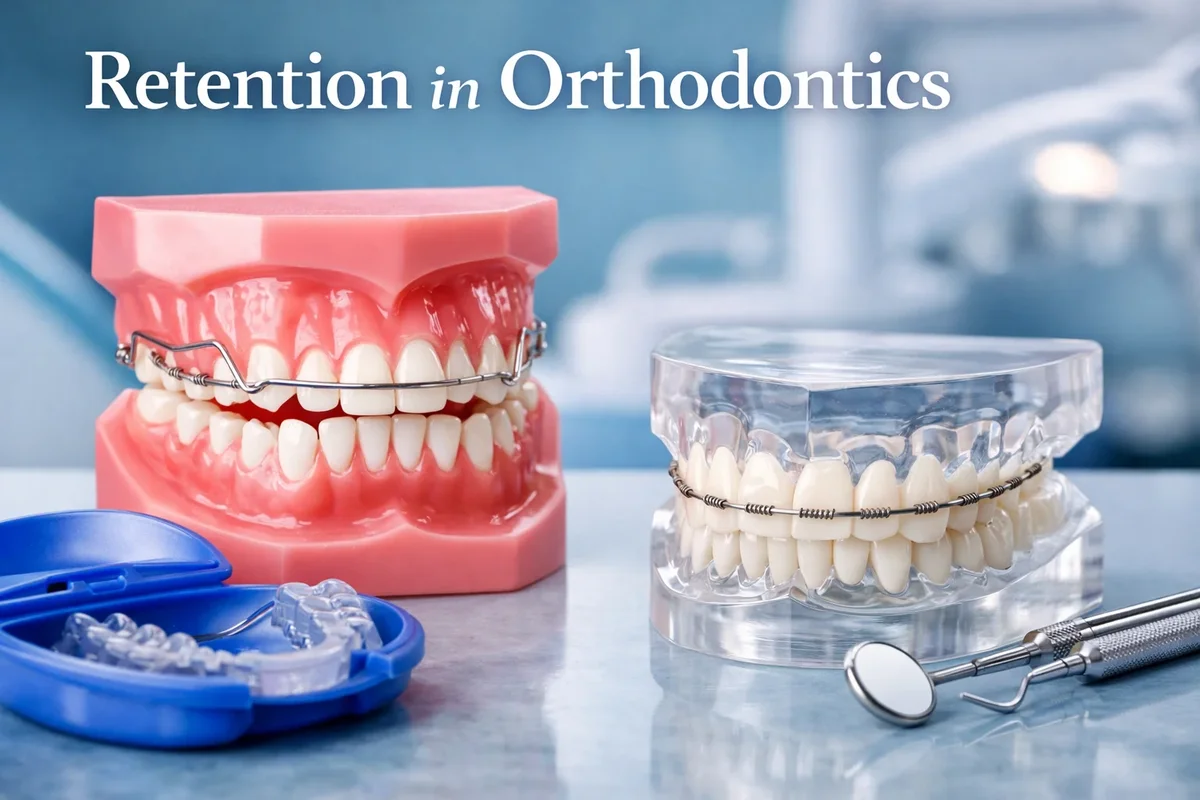
Long-Term Benefits of Proper Retention in Orthodontics
Orthodontic treatment is designed to create a healthy, balanced, and aesthetically pleasing smile. However, achieving straight teeth is only part of the journey. Maintaining those results over time depends on the success of retention in orthodontics. This final stage of orthodontic care ensures that the teeth remain stable after braces or aligners have completed their work.
Proper retention in orthodontics offers numerous long-term benefits that extend far beyond aesthetics. It protects the structural alignment of the teeth, supports oral health, and preserves the investment patients make in orthodontic treatment. Without consistent retention practices, even the most successful orthodontic results can gradually change.
By understanding the long-term advantages of retention in orthodontics, patients can appreciate why orthodontists emphasize this stage so strongly. Maintaining alignment through retainers and professional monitoring allows individuals to enjoy their improved smiles for decades. 😁
Preserving the Results of Orthodontic Treatment
The most obvious benefit of retention in orthodontics is the preservation of the alignment achieved during treatment. Orthodontic procedures gradually reposition teeth by applying controlled forces that reshape the surrounding bone and connective tissues. Once braces are removed, the teeth must remain stable while these structures fully adapt.
Retention in orthodontics ensures that teeth stay in their corrected positions during this stabilization period. Retainers hold the teeth in place while the periodontal ligaments reorganize and the bone surrounding the tooth roots becomes stronger.
Without this stabilization process, teeth may slowly shift back toward their original alignment. Retention in orthodontics protects against this relapse and preserves the months or years of effort invested in orthodontic treatment.
Preventing Orthodontic Relapse
Orthodontic relapse occurs when teeth gradually return toward their previous positions. This movement can occur because periodontal fibers retain a form of biological memory of their original alignment.
Retention in orthodontics prevents relapse by maintaining consistent pressure that keeps the teeth stable. Over time, the surrounding tissues adapt fully to the new tooth positions, reducing the likelihood of future movement.
Improving Long-Term Oral Health
Another important benefit of retention in orthodontics is the positive impact it has on overall oral health. Straight teeth are significantly easier to clean than crowded or overlapping teeth. Proper alignment allows toothbrush bristles and dental floss to reach all surfaces effectively.
When retention in orthodontics maintains tooth alignment, patients experience several oral health advantages:
- Reduced risk of plaque accumulation
- Lower likelihood of cavities
- Improved gum health
- Easier long-term oral hygiene routines
Maintaining alignment through retention in orthodontics helps protect both teeth and gums from long-term dental complications.
Protecting the Bite and Jaw Function
Orthodontic treatment also improves the way the upper and lower teeth fit together, known as the bite or occlusion. When the bite is properly aligned, chewing forces are distributed evenly across the teeth.
Retention in orthodontics ensures that this balanced bite relationship remains stable. Maintaining a proper bite reduces excessive wear on individual teeth and decreases strain on the jaw joints.
Enhancing Facial Aesthetics and Confidence
Many patients pursue orthodontic treatment to improve their smile and overall facial appearance. Straight teeth contribute to facial symmetry and enhance the natural proportions of the face.
Retention in orthodontics ensures that these aesthetic improvements remain visible over the long term. By preventing tooth movement, retainers help maintain the balanced smile created during orthodontic treatment.
For many individuals, maintaining a straight smile leads to improved confidence in social and professional situations. Retention in orthodontics allows patients to enjoy these psychological benefits long after treatment ends.
Supporting Stability as the Body Ages
Teeth naturally shift throughout life due to aging, chewing forces, and subtle changes in the jaw structure. Even individuals who have never undergone orthodontic treatment may notice minor alignment changes over time.
For patients who have completed orthodontic treatment, retention in orthodontics provides a protective mechanism that prevents these natural shifts from disrupting the alignment achieved during treatment.
Lifelong Retainer Use
Many orthodontists recommend occasional retainer use for life, especially during nighttime. This habit ensures that retention in orthodontics continues to maintain tooth stability even decades after treatment.
Nighttime retainer wear is simple, comfortable, and highly effective at preventing gradual tooth movement.
Protecting the Financial Investment in Orthodontic Care
Orthodontic treatment often represents a significant financial commitment. Braces or clear aligners may require months or years of treatment and multiple dental visits. Retention in orthodontics protects this investment by ensuring that the results remain stable.
Without proper retention, teeth may shift enough to require additional orthodontic treatment. Retainers and follow-up care are far less expensive than repeating the entire treatment process.
Patients who have questions about maintaining their orthodontic results can seek professional guidance through the Redent Klinik Contact Page, where dental professionals can evaluate retention needs and provide personalized advice.
Professional Recommendations for Long-Term Stability
Dental organizations around the world emphasize the importance of ongoing dental care after orthodontic treatment. According to the American Dental Association, maintaining oral health and regular dental visits are key components of long-term dental stability.
Retention in orthodontics aligns closely with these recommendations. Professional monitoring and retainer use help ensure that teeth remain healthy and properly aligned.
Psychological Benefits of Long-Term Smile Stability
The benefits of retention in orthodontics extend beyond physical dental health. Maintaining a straight smile can significantly improve self-esteem and confidence. Individuals who feel comfortable with their smiles often report greater confidence in personal interactions and public speaking.
By protecting the results of orthodontic treatment, retention in orthodontics allows patients to continue experiencing these psychological benefits for many years.
A Lifetime of Smile Stability
Ultimately, the greatest advantage of retention in orthodontics is long-term smile stability. This phase of orthodontic care ensures that the effort invested in braces or aligners produces lasting results.
With proper retainer use, regular dental checkups, and responsible oral hygiene habits, patients can maintain the alignment achieved through orthodontic treatment for the rest of their lives.
Retention in orthodontics transforms orthodontic treatment from a temporary improvement into a permanent enhancement of dental health and appearance. By committing to this final stage of care, patients can enjoy the benefits of a healthy, confident smile for decades to come. ✨