
Understanding root canal insurance coverage is one of the first steps toward making a confident decision about saving a damaged or infected tooth. The short answer is that many dental insurance plans provide some level of root canal insurance coverage, but the amount you receive depends on your specific policy, annual maximum benefits, waiting periods, deductibles, and whether the treatment is considered medically necessary. Some plans cover a significant percentage of the treatment after the deductible has been met, while others may only provide limited benefits or require you to visit an in-network dentist. Because every insurance policy is different, reviewing your benefits before treatment is always the safest approach.
For many patients, hearing that they need a root canal can be stressful because they immediately think about cost. Fortunately, root canal insurance coverage often helps reduce out-of-pocket expenses. However, insurance rarely determines whether you actually need treatment. Instead, your dentist evaluates the condition of your tooth through a clinical examination, symptoms, and dental X-rays before recommending the most appropriate treatment. Once a diagnosis has been made, your insurance provider generally determines how much of the approved treatment cost is eligible for reimbursement according to your policy.
A root canal is designed to remove infected or inflamed tissue from inside the tooth while preserving the natural tooth structure whenever possible. In many situations, saving the natural tooth is preferable to extracting it because maintaining your own tooth can help preserve normal chewing function and reduce the likelihood of future restorative procedures. Understanding your root canal insurance coverage can therefore help you evaluate both the financial and clinical aspects of treatment instead of focusing only on the initial cost.
It is also important to understand that dental insurance typically distinguishes between preventive, basic, and major procedures. Depending on your provider and policy, root canal treatment may fall into a category with partial reimbursement rather than full reimbursement. This is why two people with different insurance plans may receive very different levels of root canal insurance coverage even when undergoing the same procedure. Your annual benefit limit may also affect how much your insurer contributes if you have already used part of your dental benefits earlier in the year.
Another factor to remember is timing. If your dentist recommends treatment because the pulp inside the tooth has become infected, delaying care simply to postpone expenses may increase the complexity of the problem. An untreated infection can worsen over time, potentially requiring additional procedures such as retreatment, surgical intervention, extraction, or tooth replacement. Although root canal insurance coverage can help reduce treatment costs, the long-term value of preserving a healthy natural tooth should also be considered during your decision-making process.
Many patients also ask whether a dental crown is included in root canal insurance coverage. In many cases, especially for molars and premolars, a crown is recommended after root canal treatment to strengthen the remaining tooth structure. Insurance plans frequently evaluate the crown separately from the root canal itself, meaning each procedure may have different reimbursement percentages and policy conditions. Reviewing your treatment estimate before beginning care can help you better understand your expected expenses.
If you are comparing dental providers, remember that treatment recommendations should not be based solely on price or insurance participation. The experience of the dental team, diagnostic process, available technology, and long-term treatment planning are equally important. Whether you receive care locally or explore treatment abroad, requesting a detailed examination and written treatment plan provides a clearer picture of both clinical needs and anticipated insurance benefits.
Reliable information is equally valuable when researching dental treatment. Organizations such as the American Dental Association provide educational resources about root canal therapy, oral health, and preventive care that can help patients better understand recommended treatments. While these resources explain general principles, they cannot replace an individual examination because every patient’s dental condition is unique.
If you are considering treatment at Redent Klinik, your consultation can include an evaluation of the affected tooth, discussion of available treatment options, and guidance on understanding your documentation and estimated costs. While the clinic cannot determine your insurer’s final reimbursement, having a comprehensive treatment plan may make it easier to communicate with your insurance provider regarding potential root canal insurance coverage. If you would like to arrange a personalized assessment, you can visit the Redent Klinik Contact Page for appointment information.
In practical terms, the most useful approach is to gather three pieces of information before making a decision: first, confirm whether your dentist believes the tooth can reasonably be preserved; second, ask your insurance provider exactly how your root canal insurance coverage applies to both the root canal and any recommended crown; and third, compare the long-term benefits of preserving your natural tooth with any available alternatives. These steps allow you to make an informed decision based on your oral health needs rather than assumptions about insurance alone.
Next step: If you are experiencing persistent tooth pain, sensitivity, swelling, or have already been told you may need a root canal, schedule a professional dental examination promptly. After receiving a diagnosis and treatment plan, review your insurance benefits carefully so you understand how your root canal insurance coverage may apply before treatment begins.
Does Root Canal Insurance Coverage Usually Pay for Treatment?
One of the most common questions patients ask after learning they need a root canal is whether root canal insurance coverage will help pay for the procedure. The simple answer is that many dental insurance plans provide some level of coverage, but the exact amount varies according to your policy, annual benefit limits, waiting periods, deductibles, network rules, and the type of treatment required. Understanding how root canal insurance coverage works before scheduling treatment can help you make a more informed financial decision while focusing on protecting your oral health rather than delaying necessary care.
Dental insurance is designed to reduce part of the financial burden of treatment instead of paying every expense. For this reason, patients with different insurance companies—or even different plans from the same company—may receive very different reimbursement levels. Rather than assuming your plan will pay a certain percentage, it is better to request a treatment estimate from your dental provider and compare it with your insurance benefits before treatment begins.
Why Coverage Can Be Different Between Patients
Several factors influence root canal insurance coverage. Insurance companies evaluate procedures according to policy terms rather than individual expectations. Even if two people require treatment on the same type of tooth, their benefits may not be identical because their insurance plans differ.
Some of the most common variables include:
- The category of treatment defined by the insurance policy.
- Your annual maximum dental benefit.
- Whether your deductible has already been met.
- Whether waiting periods apply.
- Whether your dentist is in-network or out-of-network.
- Whether additional procedures such as a crown are required.
Understanding these variables gives you a more realistic expectation of your potential out-of-pocket expenses instead of relying on estimates from friends or online discussions.
Does Insurance Cover Every Type of Root Canal?
Not always. Root canal insurance coverage often depends on which tooth requires treatment and the complexity of the procedure. Treating a front tooth may differ technically from treating a molar because molars generally contain more canals and require additional clinical time. Insurance companies usually evaluate procedures using treatment codes rather than the perceived difficulty, but your overall treatment costs may still vary.
If your dentist recommends referral to an endodontist because your case is more complex, your insurance benefits may also depend on whether that specialist participates in your insurance network.
Insurance May Treat Additional Procedures Separately
Many patients are surprised to learn that root canal insurance coverage may apply differently to the root canal procedure and the restoration placed afterward. For example, if your dentist recommends a dental crown to strengthen the tooth after treatment, that restoration may be processed under a separate insurance category with different reimbursement rules.
This distinction is important because preserving the tooth often involves more than completing the root canal itself. A comprehensive treatment plan should explain every recommended procedure before treatment begins.
Should You Delay Treatment Until Insurance Changes?
Waiting for better insurance benefits may appear financially attractive, but delaying treatment is not always the healthiest decision. An infected or inflamed tooth can worsen over time. While every patient’s situation is different, postponing recommended treatment may increase discomfort and could potentially lead to more extensive dental procedures later.
Instead of delaying solely because of insurance concerns, discuss available options with your dentist. They may help you understand whether immediate treatment is advisable or whether there is reasonable flexibility based on your specific clinical findings.
Questions to Ask Your Insurance Company
Before scheduling treatment, it is worthwhile contacting your insurance provider directly. Asking detailed questions helps eliminate uncertainty regarding root canal insurance coverage.
- Is root canal treatment covered under my policy?
- Have I met my deductible?
- How much of my annual maximum benefit remains?
- Is my dentist or specialist in-network?
- Does coverage differ between front teeth and molars?
- Is the recommended crown evaluated separately?
- Are there waiting periods that still apply?
- Do I need preauthorization before treatment?
Having these answers before your appointment allows you to plan financially while avoiding unnecessary surprises.
Why a Professional Examination Matters More Than Insurance Alone
Insurance should support treatment decisions—not replace professional diagnosis. Your dentist determines whether a root canal is appropriate based on symptoms, clinical examination, vitality testing, and dental imaging. Insurance companies generally review submitted documentation after treatment planning has already established the clinical need.
This means the first priority should always be understanding the health of the tooth. Once a diagnosis has been established, evaluating your root canal insurance coverage becomes much easier because the exact procedures are already identified.
If you are considering treatment at Redent Klinik, the consultation focuses on evaluating your dental condition, explaining available treatment options, and providing a detailed treatment plan that may assist when discussing reimbursement with your insurance provider. You can request further information through the Redent Klinik Contact Page.
For additional patient education regarding endodontic care and oral health recommendations, the American Dental Association offers reliable educational resources that explain common dental procedures and preventive care.
Making the Right Decision
The best decision combines both clinical information and financial planning. Rather than asking only whether root canal insurance coverage pays for treatment, consider whether preserving the natural tooth is the most appropriate long-term solution. Insurance benefits can reduce costs, but delaying clinically necessary care simply because reimbursement is uncertain may not always be the most beneficial approach.
When comparing treatment options, ask your dentist to explain:
- The condition of the affected tooth.
- The likelihood that the tooth can be preserved.
- Whether alternative treatments are appropriate.
- Whether additional restorative procedures are expected.
- How your insurance estimate relates to the complete treatment plan.
Understanding both the clinical recommendation and your insurance benefits allows you to make a confident decision without relying on assumptions or incomplete information.
What to check next: Before proceeding with treatment, verify your remaining insurance benefits, deductible status, waiting periods, and whether any recommended crown or restoration is evaluated separately from the root canal. If you experience persistent tooth pain, swelling, prolonged sensitivity, or have already received a recommendation for root canal therapy, request a professional dental examination promptly so your treatment options and potential root canal insurance coverage can be evaluated based on your individual situation.
What Affects Root Canal Insurance Coverage and Your Final Cost?
Many patients assume that if they have dental insurance, the total cost of treatment will be predictable. In reality, root canal insurance coverage is only one part of the overall financial picture. The amount you ultimately pay depends on several factors, including the condition of the tooth, the complexity of the procedure, the type of restoration required afterward, your insurance policy, and your dentist’s treatment plan. Understanding these variables before treatment allows you to prepare financially while making decisions that support your long-term oral health.
Rather than focusing only on whether insurance will contribute to treatment, it is helpful to ask what influences the total cost from the beginning. A personalized examination provides far more useful information than online estimates because every patient’s dental condition is unique. Even two people with similar symptoms may require different procedures depending on the severity of infection, the tooth involved, and the remaining healthy tooth structure.
Insurance Is Only One Part of the Total Treatment Cost
Although root canal insurance coverage may reduce your out-of-pocket expenses, insurance rarely determines the complete treatment fee. Most dental insurance plans calculate reimbursement according to their own benefit schedules rather than the actual amount charged by the dental clinic. As a result, the portion covered by insurance and the remaining patient responsibility may differ between providers and policies.
Before beginning treatment, ask your dental provider for a written treatment estimate. This document often helps you understand which procedures are planned and can also assist when discussing benefits with your insurance company.
Factors That Influence Your Final Cost
Several clinical and administrative factors influence both treatment expenses and root canal insurance coverage. Understanding them makes it easier to compare treatment options without making assumptions.
1. Which Tooth Requires Treatment
The location of the affected tooth often influences treatment complexity. Front teeth usually contain fewer root canals than premolars or molars, while molars frequently require additional clinical time because of their anatomy. Although insurance companies generally process treatment according to procedure codes, the overall treatment plan may vary depending on which tooth is involved.
2. Severity of the Infection
If infection has spread beyond the tooth or significant inflammation is present, your dentist may recommend additional diagnostic imaging or supportive procedures. While not every patient requires extra treatment, advanced dental problems sometimes increase overall costs compared with treatment performed earlier.
Many teeth treated with root canal therapy—particularly back teeth—benefit from a crown after healing. A crown helps restore strength and function, but it is usually evaluated separately from the root canal itself. Consequently, root canal insurance coverage for the endodontic procedure does not necessarily mean the crown receives identical reimbursement.
4. Specialist or General Dentist
Some root canals are completed successfully by general dentists, while others require referral to an endodontist because of complex anatomy or previous treatment. Depending on your insurance network, reimbursement may differ if a specialist performs the procedure.
5. Geographic Location
Treatment fees naturally vary between regions and countries because of differences in operating expenses, laboratory fees, and healthcare systems. For this reason, published online prices should be viewed only as general references rather than exact expectations.
Why Online Price Estimates Can Be Misleading
Searching online for treatment prices is common, but these figures often fail to reflect your individual circumstances. Articles discussing average costs cannot determine the exact condition of your tooth, whether additional procedures are required, or how your specific root canal insurance coverage applies.
A personalized examination remains the most reliable way to receive an accurate treatment plan. Your dentist can evaluate the tooth clinically, review diagnostic images, and explain whether restoration, retreatment, or other procedures are recommended.
How to Estimate Your Personal Expenses
If you want a clearer financial picture before treatment, follow a structured approach rather than relying solely on insurance advertisements.
- Request a comprehensive dental examination.
- Obtain a written treatment plan.
- Ask for procedure codes if available.
- Contact your insurance provider with those codes.
- Confirm your deductible status.
- Verify your remaining annual maximum.
- Ask whether the treating dentist is in-network.
- Clarify whether a crown is processed separately.
This process generally provides a much more realistic estimate than comparing generalized pricing tables found online.
Should Cost Influence Your Treatment Decision?
Financial considerations are important, but they should not be the only factor when deciding whether to proceed with treatment. A root canal is intended to preserve the natural tooth whenever clinically appropriate. In many situations, saving a healthy portion of the natural tooth may reduce the need for more extensive restorative procedures in the future.
If treatment is delayed because of uncertainty about root canal insurance coverage, the dental condition may change over time. Although every patient is different, postponing care can sometimes increase treatment complexity. For this reason, discussing both the clinical findings and available financial options with your dentist is usually more productive than making decisions based solely on estimated costs.
Planning Ahead Can Reduce Financial Stress
Good financial planning often begins before treatment starts. Many dental clinics provide written estimates, explain proposed procedures, and discuss possible payment options where appropriate. These conversations help patients understand expected expenses without creating unrealistic expectations regarding insurance reimbursement.
If you are exploring treatment at Redent Klinik, your consultation can include a detailed evaluation of your dental condition together with a personalized treatment plan. While no clinic can determine your insurance company’s final reimbursement decision, detailed documentation may help when communicating with your insurer. Appointment information is available through the Redent Klinik Contact Page.
For additional educational information about root canal treatment and oral health, the American Dental Association provides evidence-based patient resources that explain common dental procedures and preventive care recommendations.
Making an Informed Financial Decision
The best approach is to view root canal insurance coverage as one component of a broader treatment decision rather than the only deciding factor. Consider the health of the tooth, the likelihood of preserving natural function, your insurance benefits, and the complete treatment plan together. This balanced approach supports informed decision-making without relying on assumptions or generalized pricing information.
What to check next: Before scheduling treatment, ask your dentist for a detailed written treatment plan, confirm how your root canal insurance coverage applies to every recommended procedure—including any crown or restoration—and contact your insurance provider to verify deductibles, annual benefits, waiting periods, and network participation. If you have ongoing tooth pain, swelling, or prolonged sensitivity, request a professional dental evaluation promptly so treatment recommendations can be based on your individual clinical condition rather than cost estimates alone.
Who Is Eligible for Root Canal Insurance Coverage?
Many people believe that simply having dental insurance automatically means they qualify for full root canal insurance coverage. In reality, eligibility depends on several factors, including your insurance policy, the condition of your tooth, the timing of your enrollment, and the specific terms outlined by your insurance provider. Understanding these requirements before treatment helps you make informed decisions, avoid unexpected expenses, and prepare realistic expectations regarding your dental benefits.
It is important to distinguish between being eligible for treatment and being eligible for insurance reimbursement. Your dentist determines whether a root canal is clinically appropriate after examining the affected tooth, reviewing your symptoms, and evaluating diagnostic images. Your insurance company, on the other hand, decides whether your treatment qualifies for benefits according to your individual policy. These are two separate decisions, and understanding the difference is essential when evaluating root canal insurance coverage.
Does Having Dental Insurance Automatically Mean You Are Covered?
Not necessarily. Many dental insurance policies include benefits for endodontic procedures, but the level of root canal insurance coverage varies significantly between plans. Some policies provide benefits shortly after enrollment, while others include waiting periods before major restorative or endodontic procedures become eligible for reimbursement.
For this reason, never assume your treatment will automatically be covered simply because you hold a dental insurance policy. Reviewing your policy documents or contacting your insurance provider before treatment is one of the most effective ways to understand your potential benefits.
Common Eligibility Factors
Insurance companies evaluate claims using specific policy rules. While requirements differ between providers, several common factors frequently determine eligibility for root canal insurance coverage.
Active Insurance Policy
Your dental insurance policy generally needs to be active on the date treatment is performed. If coverage has expired, premiums have not been paid, or enrollment has ended, reimbursement may not be available even if treatment is clinically necessary.
Waiting Period Requirements
Some dental insurance plans apply waiting periods for restorative or endodontic treatment. If your policy includes a waiting period that has not yet been completed, your root canal insurance coverage may be limited or unavailable until that period ends.
Medical Necessity
Insurance providers commonly require documentation demonstrating that treatment is clinically necessary. Your dentist may submit diagnostic information, examination findings, and radiographs that support the recommendation for root canal therapy. Insurance companies typically review this documentation according to their own coverage guidelines.
Annual Benefit Availability
Even if you qualify for root canal insurance coverage, your remaining annual maximum benefit can influence how much your insurance contributes. If previous dental treatments have already used much of your yearly allowance, you may be responsible for a larger portion of the remaining costs.
Network Participation
Many insurance plans distinguish between in-network and out-of-network providers. Choosing a participating dentist may influence reimbursement levels depending on your policy. However, selecting a dentist should involve more than insurance participation alone. Clinical experience, treatment planning, communication, and long-term care are equally important considerations.
Can Pre-Existing Dental Problems Affect Coverage?
Some patients worry that existing tooth pain or previously diagnosed dental problems automatically prevent root canal insurance coverage. The answer depends entirely on the specific insurance contract. Certain policies may include exclusions or limitations relating to conditions that existed before enrollment, while others do not apply such restrictions.
Rather than making assumptions, ask your insurance provider directly whether pre-existing conditions affect your benefits. This approach provides far more reliable information than relying on general online discussions.
Eligibility for Adults and Children
Eligibility requirements often differ depending on the type of insurance policy. Employer-sponsored plans, individual dental insurance policies, and family plans may all have different benefit structures. Children may also receive different levels of coverage depending on policy design and regional insurance regulations.
Because insurance rules vary significantly between providers, it is always advisable to review the benefits that apply specifically to the person receiving treatment rather than assuming every family member has identical coverage.
When a Crown May Have Separate Eligibility Rules
Completing the root canal is often only one part of restoring the tooth. Many teeth—particularly molars—benefit from a crown after treatment to improve long-term durability. Insurance companies frequently evaluate crowns separately from endodontic procedures, meaning eligibility for the crown may differ from eligibility for the root canal itself.
When reviewing your treatment plan, ask your dental office whether each recommended procedure has separate insurance codes. This helps you understand how root canal insurance coverage may apply to the complete course of treatment rather than only the initial procedure.
How to Confirm Your Eligibility Before Treatment
Preparing in advance reduces uncertainty and helps you make confident financial decisions. Before scheduling your appointment, consider taking the following steps:
- Verify that your insurance policy is currently active.
- Confirm whether waiting periods apply.
- Ask about remaining annual benefits.
- Review your deductible status.
- Determine whether your dentist participates in your insurance network.
- Ask whether preauthorization is recommended.
- Clarify whether crowns or additional restorations receive separate benefits.
Completing these steps beforehand often prevents confusion after treatment has already begun.
Why Clinical Evaluation Comes First
Although understanding root canal insurance coverage is important, your oral health should remain the primary consideration. Insurance policies determine financial benefits, but they cannot determine whether treatment is clinically appropriate. Only a qualified dental examination can establish whether a root canal is the most suitable option for preserving your tooth.
If your dentist recommends treatment, discussing the findings together with your insurance benefits provides the most balanced approach. This allows you to evaluate both the health of the tooth and the financial aspects of treatment without placing unnecessary emphasis on either factor alone.
If you are considering treatment at Redent Klinik, your consultation includes a comprehensive assessment of your dental condition and a personalized treatment plan. Although the clinic cannot guarantee insurance reimbursement, detailed treatment documentation may assist when communicating with your insurance provider regarding potential root canal insurance coverage. Appointment details are available through the Redent Klinik Contact Page.
For additional educational resources about root canal treatment, oral health, and recommended dental care, the American Dental Association offers reliable patient information based on current professional guidance.
Making the Right Decision
Eligibility for root canal insurance coverage should be viewed as one part of your overall treatment planning rather than the only deciding factor. The healthiest decision combines a professional diagnosis, a clear understanding of your insurance benefits, and realistic financial planning. Taking time to verify eligibility before treatment helps reduce uncertainty while allowing you to focus on preserving your oral health whenever appropriate.
What to check next: Before beginning treatment, verify that your insurance policy is active, ask whether waiting periods or annual benefit limits affect your root canal insurance coverage, and review whether any recommended crown or restoration has separate eligibility requirements. If you are experiencing persistent tooth pain, swelling, sensitivity, or have already been advised to consider root canal treatment, arrange a professional dental examination promptly so your treatment options can be evaluated according to your individual clinical needs.
How the Root Canal Procedure Works with Insurance Coverage
Understanding the treatment process can make the idea of a root canal much less intimidating. Many patients focus first on root canal insurance coverage, but it is equally important to understand how the procedure is performed, when insurance documentation is typically handled, and what to expect before, during, and after treatment. Knowing the complete process allows you to make informed decisions about your oral health while avoiding unnecessary surprises regarding both treatment and insurance.
A root canal is performed to remove infected or inflamed tissue from inside a tooth while preserving as much healthy tooth structure as possible. The objective is not only to relieve symptoms associated with pulp infection but also to help maintain the natural tooth whenever this is clinically appropriate. While root canal insurance coverage may reduce part of the treatment cost, the decision to proceed should primarily be based on the condition of the tooth and the recommendation of a qualified dental professional.
Step 1: Clinical Examination and Diagnosis
The process usually begins with a comprehensive dental examination. Your dentist reviews your symptoms, examines the affected tooth, and evaluates dental X-rays or other diagnostic images. Persistent pain, prolonged sensitivity to temperature, swelling, tenderness while chewing, or deep decay may indicate that the pulp inside the tooth has been damaged or infected.
At this stage, your dentist determines whether root canal therapy is the most suitable treatment. Insurance companies generally do not decide whether you need treatment—they evaluate reimbursement after a clinical diagnosis has been made. This distinction is important when discussing root canal insurance coverage.
Step 2: Treatment Planning and Insurance Review
Once the diagnosis has been established, the dental team prepares a treatment plan. This document often includes the recommended procedures, estimated appointment sequence, and expected restorative work following the root canal. Many clinics also provide treatment codes that patients can use when contacting their insurance company.
Reviewing your root canal insurance coverage before treatment begins allows you to understand possible reimbursement, deductible requirements, annual maximum benefits, and whether any waiting periods apply. If preauthorization is required by your insurer, completing that process before treatment may help avoid unnecessary administrative delays.
Questions Worth Asking Before Treatment
- Does my insurance require preauthorization?
- Is my remaining annual benefit sufficient for this treatment?
- Will the crown be covered separately?
- Is my dentist or specialist within my insurance network?
- What documentation will be submitted to my insurance provider?
These questions help clarify both the clinical and financial aspects of treatment before your appointment.
Step 3: Preparing the Tooth
During the procedure, local anesthesia is typically administered to help numb the treatment area. Once the tooth is comfortable, the dentist isolates it using appropriate clinical techniques to maintain a clean working environment. A small opening is created to access the infected pulp chamber.
Although patients often worry about discomfort, modern techniques and local anesthesia allow many root canal procedures to be completed comfortably. Individual experiences vary depending on the condition of the tooth and surrounding tissues.
Step 4: Cleaning and Shaping the Root Canals
The infected or inflamed pulp tissue is carefully removed from the root canal system. Specialized instruments are then used to clean, disinfect, and shape the canals before they are sealed with appropriate filling material. This stage is essential because it reduces bacterial contamination within the tooth while preserving the surrounding tooth structure whenever possible.
Whether your root canal insurance coverage reimburses part of the procedure generally depends on your policy rather than the specific instruments or technology used during treatment.
Step 5: Temporary or Permanent Restoration
After the canals have been sealed, the tooth usually receives either a temporary restoration or a permanent filling depending on the treatment plan. In many situations, particularly for molars, a dental crown is later recommended to strengthen the tooth and reduce the risk of fracture during normal chewing.
It is important to remember that insurance providers frequently evaluate the crown separately from the root canal procedure. Therefore, reviewing your root canal insurance coverage for both stages of treatment is advisable before finalizing your treatment plan.
Recovery After Treatment
Most patients can return to their normal daily activities shortly after treatment unless advised otherwise by their dentist. Mild tenderness for a limited period may occur, particularly if significant infection or inflammation was present before treatment. Your dentist will explain appropriate aftercare instructions based on your individual situation.
Good oral hygiene remains essential after treatment. Regular brushing, flossing, professional dental examinations, and timely placement of any recommended crown all contribute to the long-term success of preserving the treated tooth.
How Insurance Documentation Is Usually Managed
Many dental clinics assist patients by preparing treatment documentation that supports insurance claims. Depending on your insurance provider, submitted information may include procedure codes, clinical findings, treatment notes, and diagnostic radiographs. However, final reimbursement decisions remain the responsibility of the insurance company according to your policy terms.
For this reason, patients should avoid assuming that every recommended procedure automatically qualifies for identical root canal insurance coverage. Confirming benefits directly with your insurer remains the most reliable approach.
When a Specialist May Be Recommended
While many root canals are completed successfully by experienced general dentists, some situations require referral to an endodontist. Teeth with complex anatomy, previous root canal treatment, significant calcification, or difficult access may benefit from specialist care.
If referral becomes necessary, ask your insurance provider whether your root canal insurance coverage differs when treatment is performed by an endodontist rather than a general dentist. Understanding this beforehand may help you plan financially while still receiving appropriate clinical care.
Choosing Treatment Based on Health and Long-Term Outcomes
Insurance benefits are valuable, but they should support—not replace—sound clinical decision-making. Preserving a natural tooth is often an important goal because it maintains normal function and may reduce the need for more extensive restorative treatment in the future. A comprehensive examination allows your dentist to explain whether root canal therapy is the most appropriate option for your specific dental condition.
If you are considering treatment at Redent Klinik, your consultation includes a detailed examination, discussion of treatment alternatives, and preparation of a personalized treatment plan that may assist when communicating with your insurance provider about potential root canal insurance coverage. Appointment information can be found on the Redent Klinik Contact Page.
For additional evidence-based information about root canal treatment and oral health, the American Dental Association offers educational resources that help patients better understand common dental procedures and preventive care.
Making an Informed Decision
Understanding both the clinical procedure and your root canal insurance coverage allows you to prepare for treatment with greater confidence. Rather than focusing only on reimbursement, consider the health of the tooth, the expected long-term outcome, the recommended restoration, and the guidance provided by your dental professional. Combining these factors supports a balanced decision that prioritizes both oral health and financial planning.
What to check next: Before treatment begins, review your complete treatment plan, confirm how your root canal insurance coverage applies to each recommended procedure—including any crown or follow-up restoration—and ask your dentist whether specialist referral is necessary. If you have ongoing tooth pain, swelling, prolonged sensitivity, or have been advised that root canal treatment may be appropriate, schedule a professional dental consultation promptly so your treatment options can be evaluated according to your individual clinical needs.
Risks, Waiting Too Long, and Insurance Considerations
Many patients spend time researching root canal insurance coverage before deciding whether to begin treatment. While understanding insurance benefits is important, it should never become the only factor influencing your decision. The health of the affected tooth, the progression of infection, and the likelihood of preserving your natural tooth are equally important considerations. Delaying treatment simply because you are uncertain about insurance benefits may allow the dental condition to become more complicated, which could affect both treatment options and overall costs.
A root canal is typically recommended when the pulp inside the tooth has become infected or severely inflamed. In many cases, treating the problem early allows the tooth to be preserved. However, every patient’s situation is different, and only a professional examination can determine whether root canal therapy remains the most appropriate solution. Understanding how root canal insurance coverage works should support your planning, but clinical evaluation should always come first.
Why Delaying Treatment Can Increase Risk
A damaged or infected tooth does not always remain stable over time. While symptoms may temporarily improve or fluctuate, the underlying dental condition can continue progressing without obvious warning signs. Waiting several weeks or months before seeking professional care may reduce the likelihood of preserving the tooth in some situations.
Possible consequences of delaying recommended treatment may include:
- Progression of infection inside the tooth.
- Increased discomfort or sensitivity.
- Swelling of surrounding tissues.
- Damage to supporting bone around the tooth.
- Greater likelihood of needing additional restorative procedures.
- Possible extraction if the tooth can no longer be predictably preserved.
These outcomes do not occur in every case, but they illustrate why treatment decisions should not be based solely on root canal insurance coverage.
Can Insurance Influence Treatment Timing?
Some patients consider postponing treatment until a new insurance policy begins, a waiting period expires, or annual benefits renew. While this may seem financially reasonable, the clinical condition of the tooth should always be discussed with your dentist before deciding to wait.
Your dentist can explain whether immediate treatment is advisable based on the examination findings. If delaying treatment presents increased clinical risk, it may be safer to proceed rather than waiting for potentially improved root canal insurance coverage. Every decision should balance financial planning with the long-term health of the tooth.
What Happens if the Tooth Cannot Be Saved?
Not every tooth remains suitable for root canal treatment. Extensive fractures, severe structural damage, advanced periodontal disease, or other clinical findings may lead your dentist to recommend alternative treatment. If extraction becomes necessary, replacement options such as dental implants or bridges may be discussed depending on your individual circumstances.
These procedures are frequently evaluated differently by insurance companies. Consequently, root canal insurance coverage should not be assumed to apply in the same way to extraction or tooth replacement. Understanding the complete treatment plan allows you to compare long-term outcomes rather than focusing only on immediate costs.
Retreatment May Occasionally Be Necessary
Although many root canal treatments are successful, there are situations in which retreatment or additional endodontic procedures may be recommended. Persistent infection, complex root anatomy, previously untreated canals, or new bacterial contamination can occasionally require further care.
If retreatment is recommended, your insurance company may evaluate reimbursement differently from the original procedure. Reviewing your individual policy helps clarify how your root canal insurance coverage applies to future treatment if it becomes necessary.
Balancing Financial Concerns with Oral Health
It is completely understandable to consider treatment costs before scheduling a procedure. However, preserving a natural tooth often provides long-term functional benefits that extend beyond the immediate financial decision. While root canal insurance coverage can reduce some expenses, delaying clinically appropriate treatment may ultimately increase the complexity of future dental care.
Rather than asking only, “How much will insurance pay?” consider asking additional questions:
- Can my natural tooth still be preserved?
- What are the risks of postponing treatment?
- Will waiting affect future treatment options?
- What additional procedures may become necessary if treatment is delayed?
- How does my insurance apply to every stage of treatment?
These questions encourage a more balanced decision based on both health and financial planning.
Recognizing Symptoms That Require Prompt Attention
Not every toothache requires a root canal, but some symptoms should be evaluated promptly by a dental professional. Persistent pain, prolonged sensitivity to hot or cold, swelling, tenderness while biting, discoloration of a tooth, or recurring gum abscesses may indicate that professional assessment is needed.
Ignoring these symptoms while waiting to clarify root canal insurance coverage may delay diagnosis. Because dental infections vary considerably between patients, only a comprehensive examination can determine the appropriate treatment.
How Insurance Documentation Helps
When treatment is recommended, many dental clinics prepare documentation that supports insurance claims. This may include examination findings, diagnostic images, treatment codes, and clinical notes. While this information assists the insurance review process, final reimbursement decisions remain the responsibility of your insurance provider according to your policy.
For this reason, patients should confirm details of their root canal insurance coverage directly with their insurer rather than assuming that every recommended procedure qualifies for identical benefits.
Planning for Long-Term Dental Health
The most successful treatment decisions are based on preserving oral health over the long term. If your dentist recommends root canal therapy because the tooth can reasonably be saved, understanding both the clinical benefits and your insurance options allows you to make an informed decision. Cost is important, but preserving normal chewing function, maintaining natural teeth, and reducing the need for more extensive restorative procedures may also deserve careful consideration.
If you are considering treatment at Redent Klinik, your consultation includes a detailed assessment of the affected tooth together with a personalized treatment plan. Although the clinic cannot determine your insurer’s reimbursement decision, comprehensive documentation may help you better understand your potential root canal insurance coverage. Appointment information is available through the Redent Klinik Contact Page.
For additional patient education regarding endodontic treatment and preventive dental care, the American Dental Association offers reliable educational resources that explain common dental conditions and treatment options.
Making the Right Decision at the Right Time
Understanding root canal insurance coverage is valuable, but the healthiest decision combines insurance information with a professional diagnosis. Waiting may sometimes be reasonable, while in other situations prompt treatment may provide the best opportunity to preserve the natural tooth. Discussing both the clinical findings and financial considerations with your dentist allows you to make a decision based on complete information rather than uncertainty.
What to check next: If you have persistent tooth pain, swelling, prolonged sensitivity, or have already been advised that root canal treatment may be appropriate, arrange a professional dental examination as soon as possible. Before treatment begins, review your complete treatment plan, confirm how your root canal insurance coverage applies to each recommended procedure, and ask your insurance provider about deductibles, annual maximums, waiting periods, and any limitations that may affect your reimbursement.
Alternatives When Root Canal Insurance Coverage Is Limited
Discovering that your root canal insurance coverage is lower than expected can be frustrating, especially when your dentist has recommended prompt treatment. Fortunately, limited insurance benefits do not automatically mean that treatment is impossible or that extraction is your only choice. The most appropriate option depends on the condition of your tooth, your overall oral health, your long-term goals, and your financial situation. Understanding the available alternatives allows you to make an informed decision instead of choosing solely based on insurance reimbursement.
Before considering any alternative, it is important to remember that a dentist recommends a root canal because preserving the natural tooth is often clinically beneficial whenever possible. A healthy natural tooth generally supports normal chewing, helps maintain jaw function, and reduces the need for more extensive restorative treatment. Therefore, even if your root canal insurance coverage is limited, preserving the tooth may still be the most appropriate long-term solution depending on your individual diagnosis.
Should You Proceed Even with Limited Insurance?
Many patients immediately ask whether treatment is worthwhile if insurance does not pay as much as expected. The answer depends on the clinical condition of the tooth rather than insurance alone. If the tooth has a good prognosis following root canal therapy and restoration, preserving it may provide long-term benefits that outweigh the short-term financial challenge.
Instead of making a decision immediately after reviewing your insurance estimate, ask your dentist to explain:
- Whether the tooth can reasonably be preserved.
- How long the tooth may function after appropriate treatment.
- Whether additional procedures are recommended.
- How delaying treatment could affect future options.
- What alternatives exist if root canal therapy is not performed.
These discussions help place root canal insurance coverage into the broader context of your overall dental health.
Alternative 1: Tooth Extraction
If the tooth cannot be predictably saved or if root canal treatment is not appropriate, extraction may be discussed. Removing the tooth eliminates the source of infection, but it also creates an empty space that may eventually affect chewing function, neighboring teeth, and bite alignment if not replaced.
Extraction itself is not necessarily the end of treatment. Many patients later consider tooth replacement options, which can involve additional procedures and costs. Because insurance policies often evaluate these treatments differently, limited root canal insurance coverage does not automatically predict how extraction or replacement procedures will be reimbursed.
Advantages of Extraction
- Removes a severely damaged tooth when preservation is not possible.
- May be appropriate in cases involving extensive structural damage.
- Can resolve infection when other treatment is unsuitable.
Points to Consider
- The missing tooth may eventually require replacement.
- Replacement options involve additional planning.
- Insurance benefits for replacement procedures may differ.
Alternative 2: Dental Implant
If extraction becomes necessary, a dental implant may be one possible replacement option depending on your oral health, bone condition, and overall treatment goals. Implants are designed to replace missing tooth roots and support a restoration that functions similarly to a natural tooth.
However, patients should remember that implant treatment is a completely different procedure from root canal therapy. Your root canal insurance coverage generally does not determine implant benefits, as insurance providers usually classify implants separately according to individual policy rules.
Alternative 3: Dental Bridge
A fixed dental bridge may also be considered after extraction if neighboring teeth are suitable to support the restoration. Bridges have their own clinical indications, advantages, and limitations. Whether a bridge is appropriate depends on the health of adjacent teeth and your overall treatment plan.
Insurance companies frequently process bridge treatment under separate restorative categories, so reimbursement should not be assumed based on your existing root canal insurance coverage.
Alternative 4: Monitoring the Tooth
Some patients ask whether treatment can simply be postponed while symptoms remain mild. This decision should only be made after careful discussion with your dentist. Certain dental conditions require prompt treatment, while others may be monitored temporarily under professional supervision depending on clinical findings.
Monitoring without professional guidance is generally not advisable because symptoms alone do not always reflect the severity of internal tooth damage. Delaying treatment without regular evaluation may reduce the likelihood of preserving the tooth in some situations.
Can Payment Options Make Treatment More Accessible?
Even when root canal insurance coverage is limited, many patients are still able to proceed with treatment after discussing financial arrangements with their dental provider. Depending on the clinic and local regulations, payment plans or staged treatment may sometimes be available. Availability varies, so it is always appropriate to ask your dental office what options exist before making a final decision.
Financial planning should support—not replace—clinical decision-making. Choosing the least expensive option without considering long-term oral health may not always provide the best outcome.
How to Compare Your Options Objectively
Rather than focusing only on immediate treatment costs, compare each option using several practical questions:
- Can my natural tooth still be preserved?
- What are the expected long-term functional outcomes?
- Will additional procedures likely be required?
- How does each option affect future oral health?
- How does my insurance apply to every recommended procedure?
- What are the likely maintenance requirements over time?
Considering these questions provides a more balanced framework than comparing treatment choices solely according to root canal insurance coverage.
Why Personalized Treatment Planning Matters
No article can determine which treatment is best for your specific situation. The condition of the tooth, surrounding bone, gums, bite, and overall dental health all influence the appropriate recommendation. A personalized examination allows your dentist to explain whether preserving the tooth remains feasible or whether another solution may provide a more predictable outcome.
If you are considering treatment at Redent Klinik, your consultation includes a comprehensive examination, discussion of available treatment alternatives, and a personalized treatment plan tailored to your clinical findings. Although reimbursement decisions remain the responsibility of your insurance provider, detailed documentation may assist when reviewing your potential root canal insurance coverage. Appointment information is available through the Redent Klinik Contact Page.
For additional educational information about root canal therapy, restorative dentistry, and maintaining oral health, the American Dental Association provides evidence-based patient resources that explain common dental procedures and treatment options.
Making the Right Choice for Your Situation
Limited root canal insurance coverage should not automatically determine your treatment decision. Instead, combine your dentist’s clinical recommendation, your insurance benefits, your long-term oral health goals, and your financial planning into one complete evaluation. Preserving a natural tooth may be the preferred option in many situations, but only a professional examination can determine whether that remains clinically appropriate.
What to check next: Before deciding between root canal treatment, extraction, or another restorative option, ask your dentist to explain the long-term advantages and limitations of each choice. Review how your root canal insurance coverage applies to every recommended procedure, including any crown, extraction, implant, or bridge, and request professional advice whenever you experience persistent pain, swelling, prolonged sensitivity, or uncertainty about the most appropriate treatment pathway.
Payment Plans, Financing, and Maximizing Root Canal Insurance Coverage
Even when patients understand their root canal insurance coverage, many still wonder how to manage the remaining treatment costs. Dental insurance often reduces part of the financial responsibility, but deductibles, annual maximums, co-payments, and services that are not fully reimbursed may still leave an out-of-pocket balance. The good news is that planning ahead, understanding your insurance benefits, and discussing available payment options with your dental provider can make treatment more manageable without compromising your oral health.
The goal should not simply be to spend the least amount of money today. Instead, it is helpful to balance immediate affordability with the long-term value of preserving your natural tooth whenever clinically appropriate. Understanding your root canal insurance coverage together with available financing strategies allows you to make decisions based on both your dental needs and your financial circumstances.
Understand Exactly What Your Insurance Pays
One of the biggest mistakes patients make is assuming that every part of treatment receives the same insurance reimbursement. In reality, dental insurance commonly evaluates each procedure separately. A root canal, permanent filling, post, core build-up, and crown may each have different benefit rules depending on your policy.
Before beginning treatment, ask your dental office for a written treatment estimate. Then contact your insurance company to confirm exactly how your root canal insurance coverage applies to every recommended procedure rather than only the root canal itself.
Questions to Ask Your Insurance Provider
- What percentage of the root canal is eligible for reimbursement?
- Is the recommended crown processed separately?
- Have I already met my deductible?
- How much of my annual maximum benefit remains?
- Are there waiting periods?
- Does my policy require preauthorization?
- Does using an in-network dentist affect reimbursement?
Receiving clear answers before treatment reduces uncertainty and helps you prepare financially.
Planning Treatment Around Annual Benefits
Many dental insurance policies include an annual maximum benefit. Once that amount has been used, additional treatment expenses are usually the patient’s responsibility until benefits renew according to the terms of the policy.
If your treatment is not considered urgent, your dentist may discuss whether scheduling different phases of care across separate benefit periods is clinically appropriate. However, this decision should always prioritize the health of the tooth rather than insurance timing alone. Delaying clinically necessary treatment simply to maximize root canal insurance coverage may not always be advisable.
Payment Plans Offered by Dental Clinics
Some dental clinics offer payment arrangements that allow eligible patients to divide treatment costs over time. Availability varies by clinic, country, and local regulations, so these options cannot be assumed. Nevertheless, discussing financial concerns openly with your dental provider often leads to a better understanding of available solutions.
When asking about payment plans, consider discussing:
- Whether installment options are available.
- Whether treatment can be divided into clinically appropriate phases.
- Expected payment timing.
- Accepted payment methods.
- Whether financing partners are available.
These conversations may help reduce financial stress while ensuring that treatment decisions remain clinically appropriate.
Health Savings and Flexible Spending Accounts
Depending on your country and employment benefits, you may have access to healthcare savings programs designed to assist with eligible medical or dental expenses. These accounts may help reduce the financial burden associated with treatment, although eligibility rules differ significantly between healthcare systems.
If such accounts are available to you, ask your benefits administrator whether root canal treatment qualifies and how these resources interact with your root canal insurance coverage. Using multiple financial resources appropriately may reduce overall out-of-pocket expenses.
Why the Lowest Price Is Not Always the Best Value
When comparing treatment options, focusing exclusively on the lowest quoted price may overlook other important considerations. Clinical experience, diagnostic accuracy, treatment planning, sterilization standards, restorative quality, and long-term follow-up all contribute to successful dental care.
A lower initial fee does not necessarily reflect the complete treatment required or the long-term maintenance of the restored tooth. Similarly, choosing treatment solely because of higher root canal insurance coverage may not always provide the most suitable clinical outcome.
How to Maximize Your Insurance Benefits Responsibly
Maximizing insurance benefits does not mean pursuing unnecessary treatment. Instead, it involves understanding your policy and using available benefits efficiently while following evidence-based clinical recommendations.
Practical Strategies
- Review your insurance policy before treatment.
- Confirm remaining annual benefits.
- Verify deductible status.
- Request a written treatment plan.
- Submit preauthorization if required.
- Ask whether every procedure has separate reimbursement rules.
- Maintain regular preventive care to reduce future treatment needs.
These practical steps help patients understand their root canal insurance coverage without relying on assumptions or incomplete information.
Financial Planning and Long-Term Oral Health
Although financial planning is important, preserving your oral health should remain the primary objective. If a tooth can reasonably be saved through root canal treatment, maintaining your natural tooth may offer long-term functional advantages compared with more extensive restorative procedures that could become necessary later.
For this reason, many dentists encourage patients to evaluate both immediate costs and future treatment implications rather than making decisions solely according to insurance reimbursement.
Working with Your Dental Team
Your dental team plays an important role in helping you understand both the clinical and administrative aspects of treatment. A comprehensive consultation allows you to discuss diagnosis, treatment recommendations, expected restoration, estimated costs, and documentation required for insurance claims.
If you are considering treatment at Redent Klinik, your consultation includes a personalized assessment of your dental condition together with a detailed treatment plan. Although reimbursement decisions remain the responsibility of your insurance provider, clear documentation may assist when reviewing your potential root canal insurance coverage. Additional information about appointments is available through the Redent Klinik Contact Page.
For evidence-based educational information about root canal therapy, restorative dentistry, and preventive oral care, the American Dental Association offers reliable patient resources that explain common dental procedures and treatment planning.
Making a Financially Informed Decision
The most effective financial strategy combines realistic budgeting, a clear understanding of your insurance benefits, and professional clinical guidance. Rather than focusing exclusively on the percentage paid through root canal insurance coverage, evaluate the complete treatment plan, the expected long-term function of the tooth, and the value of preserving your natural dentition whenever clinically appropriate.
Thoughtful preparation often reduces financial uncertainty while allowing you to proceed with treatment based on accurate information instead of assumptions.
What to check next: Before scheduling treatment, request a written treatment estimate, verify your remaining insurance benefits, deductible, annual maximum, and any preauthorization requirements. Discuss available payment options with your dental provider and seek professional advice if you have ongoing tooth pain, swelling, prolonged sensitivity, or questions about how your root canal insurance coverage applies to your personalized treatment plan.
Frequently Asked Questions About Root Canal Insurance Coverage
Patients often have similar questions when researching root canal insurance coverage. While insurance policies vary significantly between providers, understanding the most common topics can help you prepare for conversations with both your dentist and your insurance company. The answers below provide general guidance, but they should always be considered alongside your individual treatment plan and the specific terms of your insurance policy.
Remember that insurance determines financial benefits, while your dentist determines the most appropriate clinical treatment based on an examination, diagnostic imaging, and your oral health needs. Combining both sources of information allows you to make informed decisions with greater confidence.
Does Dental Insurance Usually Cover a Root Canal?
Many dental insurance policies provide some level of root canal insurance coverage, but the amount varies depending on the individual plan. Factors such as deductibles, waiting periods, annual maximum benefits, policy exclusions, and network participation all influence reimbursement.
Rather than assuming your treatment will be covered at a specific percentage, request a written treatment plan and confirm your benefits directly with your insurance provider.
Is a Root Canal Considered Preventive or Restorative Treatment?
Root canal therapy is generally classified as restorative or endodontic treatment rather than preventive care. Preventive services usually include examinations, cleanings, fluoride applications, and similar procedures designed to reduce the risk of future dental disease.
Because restorative procedures are often processed differently, your root canal insurance coverage may differ substantially from the benefits available for preventive dental visits.
Will Insurance Also Cover My Dental Crown?
Not necessarily. Many patients assume that every procedure performed during treatment receives identical reimbursement. In reality, insurance providers commonly evaluate crowns separately from root canal therapy.
If your dentist recommends placing a crown after treatment, ask your insurance company whether the restoration receives separate benefits and whether different reimbursement percentages apply. Understanding this distinction helps you estimate your overall financial responsibility more accurately.
What If My Insurance Has a Waiting Period?
Some dental insurance plans include waiting periods before certain restorative procedures become eligible for reimbursement. If your policy contains this requirement, your root canal insurance coverage may not become available until the waiting period has been completed.
However, treatment timing should always be discussed with your dentist. Delaying clinically necessary treatment solely because of insurance timing may not always be appropriate depending on the condition of the tooth.
Can I Receive Treatment from an Out-of-Network Dentist?
Many insurance plans allow treatment from out-of-network providers, although reimbursement levels may differ compared with participating dentists. Some patients prioritize insurance savings, while others focus on clinical experience, convenience, or preferred treatment providers.
Before scheduling treatment, ask both your dental office and your insurance company how out-of-network treatment may affect your root canal insurance coverage.
Will My Insurance Cover Retreatment?
Occasionally, a previously treated tooth may require additional endodontic care. Whether retreatment receives insurance benefits depends on your policy terms, clinical documentation, and insurer requirements.
If retreatment is recommended, request a detailed explanation from your dentist and verify with your insurance company how your existing root canal insurance coverage applies to the new procedure.
Should I Delay Treatment Until My Insurance Renews?
Patients frequently consider waiting until a new benefit year begins to increase available insurance reimbursement. While this may occasionally be appropriate, the health of the affected tooth should always be the deciding factor.
Your dentist can explain whether postponing treatment is clinically reasonable or whether delaying care could increase the likelihood of additional complications. Oral health should remain the primary priority when evaluating root canal insurance coverage.
Can I Receive a Cost Estimate Before Treatment?
Yes. Most dental clinics prepare a written treatment estimate after completing a professional examination. Although the final cost depends on your clinical findings and treatment plan, receiving an estimate helps you discuss expected reimbursement with your insurance provider before treatment begins.
A written estimate also provides an opportunity to clarify which procedures are recommended and whether each procedure has separate insurance reimbursement.
What Information Should I Request from My Dentist?
Preparing for treatment becomes much easier when you ask detailed questions during your consultation.
Helpful Questions Include:
- Can the natural tooth reasonably be preserved?
- Why is a root canal recommended?
- Will I also need a crown?
- Are there alternative treatment options?
- Can I receive a written treatment plan?
- Will the office assist with insurance documentation?
- Should I consult an endodontist?
These questions help you understand both your clinical situation and your potential root canal insurance coverage.
What Information Should I Request from My Insurance Company?
Insurance representatives can explain the financial aspects of treatment based on your individual policy.
Useful Questions Include:
- How much of my annual benefit remains?
- Have I met my deductible?
- Does my plan require preauthorization?
- Are crowns evaluated separately?
- Does specialist treatment affect reimbursement?
- Do waiting periods still apply?
- Are there exclusions that affect my claim?
Receiving these answers before treatment helps reduce uncertainty and supports better financial planning.
How Can I Make the Best Overall Decision?
The best decision combines three essential elements: an accurate professional diagnosis, a clear understanding of your insurance benefits, and realistic financial planning. Focusing exclusively on root canal insurance coverage may overlook important clinical considerations, while ignoring financial planning can create unnecessary stress.
Instead, evaluate your treatment based on:
- The condition of the affected tooth.
- The likelihood of preserving natural function.
- The complete treatment plan.
- Your insurance benefits.
- Your long-term oral health goals.
This balanced approach supports informed decision-making and helps you understand both the clinical and financial aspects of care.
If you are considering treatment at Redent Klinik, your consultation includes a detailed examination, personalized treatment planning, and guidance regarding documentation that may assist when discussing your root canal insurance coverage with your insurance provider. Appointment information is available through the Redent Klinik Contact Page.
For additional educational information about endodontic treatment, oral health, and preventive dental care, the American Dental Association provides evidence-based patient resources that explain common dental procedures and treatment recommendations.
What to check next: Before making your final decision, request a complete written treatment plan from your dentist, verify every aspect of your root canal insurance coverage with your insurance provider, and ask about deductibles, annual benefit limits, waiting periods, crown reimbursement, and network participation. If you have persistent tooth pain, swelling, prolonged sensitivity, or uncertainty about the most appropriate treatment, arrange a professional dental consultation so recommendations can be based on your individual oral health rather than assumptions about insurance benefits.
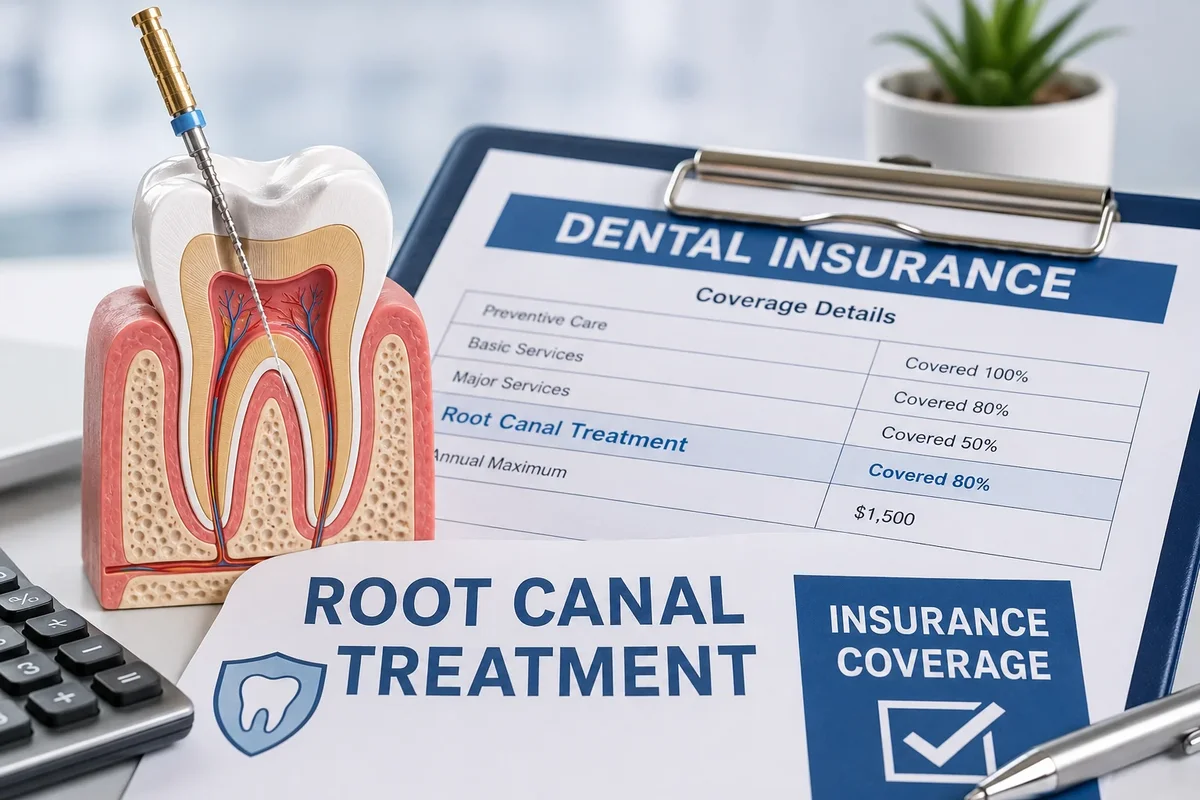
How to Decide Your Next Step for Root Canal Insurance Coverage
After learning about root canal insurance coverage, treatment costs, eligibility requirements, procedure details, potential risks, and available alternatives, the final step is deciding what to do next. Every patient has unique dental needs, insurance benefits, financial circumstances, and long-term oral health goals. For that reason, the best decision is rarely based on a single factor. Instead, it should combine professional diagnosis, realistic financial planning, and a clear understanding of how your insurance benefits apply to your personalized treatment plan.
Many people naturally focus on how much insurance will contribute toward treatment. While this is an important consideration, it should not become the only reason for accepting or postponing care. The condition of the affected tooth, the possibility of preserving your natural tooth, and the expected long-term outcome deserve equal attention. Viewing root canal insurance coverage as one part of the decision-making process rather than the entire decision helps you make a balanced and informed choice.
Step 1: Confirm Whether the Tooth Can Be Preserved
The first question should never be, “How much will insurance pay?” Instead, ask whether the tooth can reasonably be saved. A comprehensive dental examination allows your dentist to evaluate the health of the tooth, surrounding bone, gums, and supporting structures before recommending treatment.
If preserving the natural tooth remains clinically appropriate, root canal therapy may provide significant long-term functional benefits. If the tooth cannot be predictably restored, your dentist may discuss alternative treatment options instead.
Step 2: Understand Your Complete Treatment Plan
Many patients think only about the root canal procedure itself, but successful treatment often involves additional restorative care. Depending on your situation, your treatment plan may include diagnostic imaging, root canal therapy, a permanent filling, a post and core, or a dental crown.
Requesting a written treatment plan helps you understand every recommended procedure before treatment begins. It also allows you to review how your root canal insurance coverage applies to each stage rather than only the initial procedure.
Questions Worth Asking Your Dentist
- Why is root canal treatment recommended?
- Can my natural tooth be preserved?
- Will I need a dental crown afterward?
- Are there alternative treatment options?
- What happens if treatment is delayed?
- Can I receive a written treatment estimate?
These questions encourage productive discussions that support informed decision-making.
Step 3: Verify Every Insurance Detail
Once your treatment plan has been prepared, contact your insurance provider to review your benefits carefully. Insurance policies vary significantly, so relying on assumptions may lead to unexpected expenses.
Important areas to confirm include:
- Remaining annual maximum benefits.
- Deductible status.
- Waiting periods.
- Network participation.
- Preauthorization requirements.
- Separate reimbursement for crowns or restorations.
- Coverage limitations or exclusions.
Understanding these details helps you make practical financial decisions while maximizing your available root canal insurance coverage.
Step 4: Compare Long-Term Value Instead of Short-Term Cost
When evaluating treatment options, it is easy to focus on immediate expenses. However, dentistry often requires considering long-term function rather than only today’s financial commitment.
If preserving the natural tooth is clinically appropriate, maintaining it may help preserve chewing efficiency and reduce the need for more extensive restorative procedures later. Conversely, if the tooth cannot be predictably saved, discussing replacement options with your dentist allows you to understand the long-term implications of every available treatment pathway.
Looking beyond the initial financial estimate helps place root canal insurance coverage into a broader oral health perspective.
Step 5: Avoid Delaying Care Without Professional Advice
Some patients postpone treatment while waiting for insurance benefits to renew or while comparing multiple financial options. Although financial planning is important, delaying clinically recommended treatment without discussing the risks with your dentist may allow dental disease to progress.
Your dentist can explain whether immediate treatment is advisable or whether monitoring is appropriate based on your specific clinical findings. Every situation is unique, so individualized professional advice is essential.
Step 6: Plan Financially Without Compromising Oral Health
If out-of-pocket expenses remain a concern after reviewing your root canal insurance coverage, discuss available financial arrangements with your dental provider. Depending on the clinic and local regulations, payment plans or staged treatment may be available for eligible patients.
Financial planning should support timely treatment whenever appropriate rather than becoming the sole reason for postponing necessary care.
Creating Your Personal Decision Checklist
Before scheduling treatment, review the following checklist to ensure you have gathered the information needed for a confident decision.
Clinical Checklist
- Has the tooth been professionally examined?
- Have diagnostic X-rays been reviewed?
- Has your dentist explained why a root canal is recommended?
- Do you understand possible alternatives?
- Do you know whether a crown will be required?
Insurance Checklist
- Have you verified your root canal insurance coverage?
- Do you know your deductible status?
- Have you confirmed remaining annual benefits?
- Have you reviewed waiting periods?
- Have you confirmed reimbursement for every recommended procedure?
Financial Checklist
- Do you have a written treatment estimate?
- Have you discussed payment options if necessary?
- Have you compared long-term treatment value rather than only initial costs?
Completing this checklist often reduces uncertainty while helping patients feel more prepared for treatment.
Working with an Experienced Dental Team
A detailed consultation allows you to ask questions, understand treatment recommendations, and receive personalized guidance based on your oral health rather than general online information. If you are considering treatment at Redent Klinik, your consultation includes a comprehensive examination, individualized treatment planning, and documentation that may assist when discussing your root canal insurance coverage with your insurance provider. You can arrange an appointment through the Redent Klinik Contact Page.
For additional educational resources about root canal treatment, preventive care, and maintaining long-term oral health, the American Dental Association provides evidence-based information for patients seeking reliable guidance.
Final Thoughts
The best treatment decisions are based on complete information rather than assumptions. Understanding your root canal insurance coverage, receiving a professional diagnosis, reviewing your personalized treatment plan, and considering long-term oral health together provide the strongest foundation for making an informed choice. Insurance benefits are valuable tools that help manage treatment costs, but preserving your oral health should remain the central objective whenever clinically appropriate.
What to check next: Schedule a professional dental examination if you have persistent tooth pain, swelling, prolonged sensitivity, or have already been advised that a root canal may be necessary. Before starting treatment, review your written treatment plan, verify every aspect of your root canal insurance coverage, including deductibles, annual limits, waiting periods, network participation, and coverage for any recommended crown or restoration, and ask your dentist to explain any part of the treatment plan that remains unclear.
Disclosure: this page may contain affiliate links. We may earn a commission if you use them, at no extra cost to you.