
Rotting teeth at gum line is a common yet often overlooked dental problem that can silently damage your oral health if not addressed early. This condition occurs when tooth decay develops right where the tooth meets the gum tissue, an area that is particularly vulnerable due to plaque accumulation, gum recession, and reduced enamel protection. Many people first notice rotting teeth at gum line when they experience sensitivity, discoloration, or even visible damage near the base of the tooth. 😬
Understanding rotting teeth at gum line is essential because this type of decay behaves differently from cavities that form on the chewing surfaces of teeth. At the gum line, the enamel is thinner, and in some cases, the root surface (cementum) may be exposed. This makes it easier for bacteria to penetrate and cause rapid deterioration. When rotting teeth at gum line progresses, it can lead to deeper infections, gum disease, and even tooth loss if left untreated.
One of the main reasons rotting teeth at gum line develops is poor oral hygiene combined with plaque buildup. Plaque is a sticky film of bacteria that accumulates around the gum line. If not removed regularly through brushing and flossing, it hardens into tartar, which further irritates the gums and accelerates decay. Over time, this creates the perfect environment for rotting teeth at gum line to develop and worsen.
Another key factor contributing to rotting teeth at gum line is gum recession. When gums pull back from the teeth, they expose the softer root surfaces, making them highly susceptible to decay. This is why many adults, especially those with periodontal issues, are at a higher risk of developing rotting teeth at gum line. Additionally, habits such as aggressive brushing, smoking, and a diet high in sugar can significantly increase the likelihood of this condition.
Symptoms of rotting teeth at gum line can vary depending on the severity of the decay. Early signs may include mild sensitivity to hot, cold, or sweet foods. As the condition progresses, you may notice visible dark lines or brownish areas near the gum line, persistent bad breath, or even gum inflammation. In advanced cases, rotting teeth at gum line can cause pain, infection, and structural damage to the tooth.
It is important to recognize that rotting teeth at gum line is not just a cosmetic issue. It can have serious consequences for your overall oral health. If decay spreads to the inner layers of the tooth, it can infect the pulp, leading to the need for more complex treatments such as root canals or even tooth extraction. Therefore, early detection and intervention are crucial to prevent complications.
Fortunately, rotting teeth at gum line can be managed and treated effectively when caught early. Preventive measures such as proper brushing techniques, daily flossing, and regular dental check-ups play a vital role in stopping the progression of decay. Professional cleanings help remove tartar buildup, while fluoride treatments can strengthen the enamel and protect vulnerable areas along the gum line.
If you suspect rotting teeth at gum line, seeking professional advice is essential. A dental specialist can assess the severity of the condition and recommend the most appropriate treatment plan tailored to your needs. You can easily reach out for expert help through the Redent Klinik Contact Page, where experienced professionals are ready to guide you toward healthier teeth and gums.
For trusted guidelines and additional information about oral health and decay prevention, visiting authoritative resources like the American Dental Association can provide valuable insights. These resources emphasize the importance of early care and consistent hygiene practices in preventing conditions like rotting teeth at gum line.
In summary, rotting teeth at gum line is a serious dental concern that requires awareness, prevention, and timely treatment. By understanding how it develops and recognizing the early warning signs, you can take proactive steps to protect your smile. Maintaining good oral hygiene habits and seeking professional care when needed are the most effective ways to prevent rotting teeth at gum line from affecting your overall dental health. 😊
What Are Rotting Teeth at Gum Line and Why Do They Occur?
Rotting teeth at gum line refers to a specific type of dental decay that develops where the tooth meets the gum tissue. This area is particularly sensitive because it is often harder to clean thoroughly, allowing bacteria to accumulate and thrive. Unlike cavities that form on the chewing surfaces, rotting teeth at gum line can progress quickly due to thinner enamel and, in some cases, exposed root surfaces. 😷
Understanding how rotting teeth at gum line develops is crucial for prevention and early treatment. The gum line is a natural boundary where plaque tends to build up. If oral hygiene is not consistent, this plaque turns into tartar, which creates an environment where harmful bacteria produce acids that erode tooth structure. Over time, this leads to visible decay and damage known as rotting teeth at gum line.
How Rotting Teeth at Gum Line Develops Over Time
The process of rotting teeth at gum line is gradual but can accelerate if not addressed early. Initially, plaque forms along the gum line due to food particles and bacteria. If this plaque is not removed through brushing and flossing, it begins to harden into tartar. This tartar irritates the gums and creates pockets where bacteria can grow, increasing the risk of rotting teeth at gum line.
As the bacteria continue to produce acids, they weaken the enamel near the gum line. In cases where the gums recede, the root surface becomes exposed. Unlike enamel, the root surface is softer and more vulnerable, making rotting teeth at gum line progress even faster. This is why many people notice sudden sensitivity or discoloration in this area.
Stages of Decay at the Gum Line
Rotting teeth at gum line typically progresses through several stages. In the early stage, you may notice slight discoloration or mild sensitivity. At this point, the decay is still reversible with proper care. However, as the condition advances, small cavities form near the gum line, leading to visible damage.
In more severe cases, rotting teeth at gum line can reach the inner layers of the tooth, affecting the dentin and pulp. This can result in pain, infection, and even abscess formation. If left untreated, it may ultimately require tooth extraction. Recognizing these stages early is key to preventing serious complications.
Common Causes of Rotting Teeth at Gum Line
There are several factors that contribute to rotting teeth at gum line, and understanding them can help you reduce your risk. One of the most common causes is poor oral hygiene. When brushing and flossing are not done properly, plaque accumulates around the gum line, leading to decay.
Another significant factor is gum recession. As the gums pull away from the teeth, they expose the root surfaces, making them more susceptible to rotting teeth at gum line. This is often seen in individuals with periodontal disease or those who brush too aggressively.
Diet also plays a major role. Consuming sugary and acidic foods frequently can accelerate the development of rotting teeth at gum line. These substances feed bacteria, increasing acid production and enamel erosion. Additionally, dry mouth conditions reduce saliva flow, which normally helps protect against decay, making rotting teeth at gum line more likely.
Risk Factors You Should Be Aware Of
Certain habits and conditions can increase the likelihood of developing rotting teeth at gum line. Smoking, for example, weakens gum health and reduces blood flow, making it easier for bacteria to cause damage. Similarly, aging can naturally lead to gum recession, increasing vulnerability.
Medical conditions such as diabetes can also contribute to rotting teeth at gum line by affecting the body’s ability to fight infections. Additionally, poor dental care routines, irregular dental visits, and lack of fluoride exposure can all increase the risk of this condition.
Why This Condition Is More Common Than You Think
Rotting teeth at gum line is more widespread than many people realize because it often develops silently. Unlike obvious cavities, this type of decay can remain hidden until it becomes severe. Many individuals ignore early symptoms such as slight sensitivity or gum irritation, allowing rotting teeth at gum line to progress unnoticed.
Furthermore, modern lifestyles contribute to this issue. Busy schedules, frequent snacking, and inconsistent oral care routines make it easier for plaque to accumulate. This is why dentists emphasize the importance of regular check-ups and professional cleanings to detect rotting teeth at gum line early.
If you are concerned about rotting teeth at gum line, it is important to take action as soon as possible. Professional guidance can help you understand your specific risk factors and create a personalized prevention plan. You can easily consult experts through the Redent Klinik Contact Page for tailored advice and treatment options.
For additional trusted information on oral health and decay prevention, you can refer to the American Dental Association, which provides comprehensive resources on maintaining healthy teeth and gums.
In conclusion, rotting teeth at gum line is a complex condition influenced by multiple factors, including hygiene habits, gum health, and lifestyle choices. By understanding how and why it occurs, you can take proactive steps to protect your oral health and prevent long-term damage. 😊
Early Warning Signs of Rotting Teeth at Gum Line You Should Never Ignore
Recognizing the early symptoms of rotting teeth at gum line is one of the most important steps in protecting your oral health. This condition often begins subtly, without intense pain, which is why many people ignore the initial signs. However, catching rotting teeth at gum line early can prevent more serious complications such as infection, gum disease, or even tooth loss. 😬
Rotting teeth at gum line tends to develop gradually, and the early signs may be easy to overlook if you are not paying close attention. These warning signals act as your body’s way of alerting you that something is wrong near the gum line. Understanding these symptoms can help you seek treatment before the damage becomes severe.
Tooth Sensitivity Near the Gum Line
One of the earliest and most common symptoms of rotting teeth at gum line is increased tooth sensitivity. You may feel discomfort when consuming hot, cold, or sweet foods and drinks. This sensitivity occurs because the protective enamel near the gum line begins to wear down, exposing the underlying dentin.
In cases of rotting teeth at gum line, this sensitivity often becomes more noticeable over time. Initially, it may be mild and occasional, but as decay progresses, the discomfort can become persistent. This is a clear indication that the tooth structure is being compromised and requires attention.
Why Sensitivity Should Not Be Ignored
Ignoring sensitivity related to rotting teeth at gum line can lead to further deterioration. The exposed dentin allows bacteria to penetrate deeper into the tooth, accelerating decay. If left untreated, this can eventually reach the pulp, causing severe pain and infection.
Visible Discoloration at the Gum Line
Another important sign of rotting teeth at gum line is discoloration near the base of the tooth. You may notice yellow, brown, or even black lines forming along the gum line. These discolorations are often caused by bacterial activity and enamel breakdown.
Rotting teeth at gum line may initially appear as faint stains, but over time they can become more pronounced. This visual change is a strong indicator that decay is actively occurring and should not be ignored.
Difference Between Stains and Decay
It is important to distinguish between simple surface stains and rotting teeth at gum line. While stains can often be removed through professional cleaning, decay involves structural damage to the tooth. If the discoloration is accompanied by sensitivity or roughness, it is likely related to rotting teeth at gum line.
Gum Redness, Swelling, and Bleeding
Healthy gums should appear pink and firm. However, when rotting teeth at gum line develops, the surrounding gums may become red, swollen, and prone to bleeding. This is often due to plaque buildup and bacterial irritation along the gum line.
Bleeding while brushing or flossing is a common warning sign associated with rotting teeth at gum line. It indicates inflammation and potential gum disease, which can further expose the tooth roots and worsen decay.
Connection Between Gum Health and Tooth Decay
There is a strong link between gum health and rotting teeth at gum line. When gums recede or become inflamed, they create spaces where bacteria can accumulate. This increases the risk of decay in the vulnerable gum line area.
Persistent Bad Breath or Unpleasant Taste
Chronic bad breath, also known as halitosis, can be an early indicator of rotting teeth at gum line. The bacteria responsible for decay release foul-smelling compounds, leading to persistent bad breath that does not go away with regular brushing.
Additionally, you may experience a constant unpleasant taste in your mouth. This is another sign that rotting teeth at gum line is progressing and that bacterial activity is increasing.
Why Mouth Odor Should Be Taken Seriously
Bad breath linked to rotting teeth at gum line is not just a cosmetic issue. It often signals deeper problems such as infection or advanced decay. Addressing the root cause is essential to restore oral health.
Small Cavities or Rough Edges Near the Gum Line
As rotting teeth at gum line advances, you may begin to feel small holes or rough areas near the base of your teeth. These are early cavities forming as the enamel breaks down. Running your tongue along your teeth may reveal uneven surfaces that were not present before.
These physical changes are clear indicators of rotting teeth at gum line and should prompt immediate dental evaluation. Early intervention can prevent these cavities from expanding into more serious damage.
How Cavities Progress in This Area
Cavities caused by rotting teeth at gum line tend to spread quickly because of the thinner enamel and proximity to the root. Without treatment, they can deepen and affect the inner structures of the tooth.
When to Take Action Immediately
If you notice any combination of these symptoms, it is important to act quickly. Rotting teeth at gum line does not resolve on its own and will continue to worsen without proper care. Early diagnosis and treatment can save your tooth and prevent complications.
Seeking professional help is the best course of action. You can consult dental experts through the Redent Klinik Contact Page to receive personalized advice and treatment options tailored to your condition.
For additional reliable information about oral health and early signs of decay, visiting the American Dental Association can provide valuable guidance.
In conclusion, understanding the early warning signs of rotting teeth at gum line empowers you to take control of your dental health. By recognizing these symptoms and acting promptly, you can prevent serious damage and maintain a healthy, confident smile. 😊
Main Causes Behind Rotting Teeth at Gum Line Explained
Understanding the root causes of rotting teeth at gum line is essential if you want to prevent or manage this condition effectively. While many people assume that tooth decay only happens on the chewing surfaces, the area near the gum line is actually one of the most vulnerable parts of the tooth. Rotting teeth at gum line often results from a combination of biological, lifestyle, and environmental factors working together over time. 😷
By identifying what leads to rotting teeth at gum line, you can take proactive steps to reduce your risk and maintain better oral health. This section breaks down the most common and impactful causes in detail.
Poor Oral Hygiene and Plaque Accumulation
The leading cause of rotting teeth at gum line is inadequate oral hygiene. When brushing and flossing are not done properly or consistently, plaque builds up along the gum line. This sticky film contains bacteria that produce acids, which gradually erode the enamel and lead to decay.
Rotting teeth at gum line often begins when plaque is left undisturbed for long periods. Over time, plaque hardens into tartar, which cannot be removed with regular brushing. Tartar creates a rough surface that allows more bacteria to accumulate, accelerating the development of rotting teeth at gum line.
How Improper Brushing Techniques Contribute
Even people who brush daily can still develop rotting teeth at gum line if their technique is incorrect. Brushing too quickly, missing the gum line area, or not flossing regularly allows plaque to remain in critical areas. Additionally, aggressive brushing can damage the gums, leading to recession and increasing the risk of rotting teeth at gum line.
Gum Recession and Exposed Tooth Roots
Gum recession is another major contributor to rotting teeth at gum line. When gums pull back from the teeth, they expose the root surfaces, which are not protected by enamel. These exposed areas are much softer and more susceptible to decay.
Rotting teeth at gum line becomes more likely as the roots are exposed to bacteria and acids. This condition is especially common in older adults, but it can also affect younger individuals due to poor oral habits or periodontal disease.
Causes of Gum Recession
Several factors can lead to gum recession and increase the risk of rotting teeth at gum line. These include brushing too hard, using a hard-bristled toothbrush, smoking, and untreated gum disease. Genetics can also play a role, making some individuals more prone to gum recession and subsequent rotting teeth at gum line.
Diet High in Sugar and Acidic Foods
Your diet has a direct impact on the development of rotting teeth at gum line. Foods and beverages high in sugar provide fuel for bacteria, allowing them to produce acids that attack tooth enamel. Similarly, acidic drinks such as soda, citrus juices, and energy drinks can weaken enamel over time.
Frequent snacking increases the exposure of your teeth to these harmful substances, making rotting teeth at gum line more likely. The longer your teeth are exposed to sugar and acid, the greater the risk of decay.
Hidden Sugars You Should Watch Out For
Many people are unaware of hidden sugars in processed foods, sauces, and even seemingly healthy snacks. These hidden sugars contribute significantly to rotting teeth at gum line by continuously feeding harmful bacteria throughout the day.
Dry Mouth and Reduced Saliva Flow
Saliva plays a crucial role in protecting your teeth by neutralizing acids and washing away food particles. When saliva production is reduced, the risk of rotting teeth at gum line increases significantly.
Dry mouth, also known as xerostomia, can be caused by certain medications, medical conditions, or dehydration. Without adequate saliva, bacteria can thrive, leading to faster progression of rotting teeth at gum line.
Why Saliva Is Essential for Protection
Saliva contains minerals that help repair early enamel damage. When saliva levels are low, this natural repair process is disrupted, making it easier for rotting teeth at gum line to develop and worsen.
Smoking and Tobacco Use
Smoking is a major risk factor for rotting teeth at gum line. Tobacco use weakens the immune system, reduces blood flow to the gums, and promotes plaque buildup. This creates an environment where bacteria can easily cause decay.
Individuals who smoke are more likely to experience gum disease, which further increases the likelihood of rotting teeth at gum line. Additionally, smoking can mask early symptoms such as bleeding gums, delaying diagnosis and treatment.
Long-Term Effects of Smoking on Oral Health
Over time, smoking not only contributes to rotting teeth at gum line but also increases the risk of tooth loss and oral infections. Quitting smoking can significantly improve gum health and reduce the progression of decay.
Lack of Regular Dental Check-Ups
Skipping routine dental visits is another major cause of rotting teeth at gum line. Regular check-ups allow dentists to detect early signs of decay and provide professional cleanings to remove plaque and tartar.
Without these visits, rotting teeth at gum line can go unnoticed until it becomes severe. Early intervention is key to preventing complications and preserving your natural teeth.
The Importance of Professional Cleaning
Professional cleanings remove hardened tartar that cannot be eliminated through home care. This significantly reduces the risk of rotting teeth at gum line and helps maintain healthy gums.
Taking Preventive Action
Now that you understand the main causes of rotting teeth at gum line, you can take steps to protect your oral health. Maintaining proper hygiene, eating a balanced diet, staying hydrated, and avoiding harmful habits are all essential.
If you are experiencing symptoms or want to prevent rotting teeth at gum line, consulting a dental professional is highly recommended. You can reach out through the Redent Klinik Contact Page for expert advice and personalized care.
For additional trusted information on dental health and prevention strategies, the American Dental Association offers comprehensive resources.
In conclusion, rotting teeth at gum line is caused by multiple factors that often work together. By addressing these causes early and adopting healthy habits, you can significantly reduce your risk and maintain a strong, healthy smile. 😊
How Gum Recession Leads to Rotting Teeth at Gum Line
Gum recession is one of the most critical factors contributing to rotting teeth at gum line. When the gums begin to pull away from the teeth, they expose parts of the tooth that are normally protected, especially the root surface. This exposed area is far more vulnerable than enamel-covered portions of the tooth, making rotting teeth at gum line much more likely to develop and progress rapidly. 😬
Understanding the connection between gum recession and rotting teeth at gum line is essential for both prevention and treatment. Many people are unaware that even mild gum recession can significantly increase their risk of decay, especially if combined with other factors like poor oral hygiene or a high-sugar diet.
What Happens When Gums Recede?
When gum recession occurs, the gum tissue that normally surrounds and protects the base of the tooth begins to shrink or pull back. This creates gaps or pockets between the teeth and gums where bacteria can easily accumulate. These pockets become breeding grounds for harmful bacteria, increasing the likelihood of rotting teeth at gum line.
In addition, the exposed root surface does not have the same level of protection as enamel. It is covered by a softer material called cementum, which wears down more easily. As a result, rotting teeth at gum line can develop much faster in these exposed areas compared to other parts of the tooth.
Why the Root Surface Is More Vulnerable
The root surface lacks the hard enamel layer that protects the crown of the tooth. This means that acids produced by bacteria can penetrate more easily, leading to faster decay. When gums recede, this vulnerability becomes a major factor in the development of rotting teeth at gum line.
Main Causes of Gum Recession
Several factors can lead to gum recession, all of which indirectly contribute to rotting teeth at gum line. One of the most common causes is aggressive brushing. Using a hard-bristled toothbrush or applying too much pressure can wear down the gum tissue over time.
Periodontal disease is another major cause. This infection damages the gum tissue and supporting structures of the teeth, causing the gums to recede. As the gums pull away, the risk of rotting teeth at gum line increases significantly.
Other contributing factors include smoking, hormonal changes, poor oral hygiene, and even genetic predisposition. All of these can weaken gum health and make rotting teeth at gum line more likely.
The Role of Periodontal Disease
Gum disease not only causes inflammation and bleeding but also leads to the destruction of gum tissue. As the disease progresses, the gums recede further, exposing more of the tooth root and creating ideal conditions for rotting teeth at gum line to develop.
How Bacteria Thrive in Receded Areas
Once the gums recede, the newly exposed areas become difficult to clean properly. Even with regular brushing, it can be challenging to remove all the plaque and bacteria from these spaces. This allows bacteria to multiply and produce acids that attack the tooth structure.
Rotting teeth at gum line often starts in these hard-to-reach areas where plaque is left undisturbed. Over time, the continuous bacterial activity leads to enamel breakdown and root decay, worsening the condition.
Importance of Cleaning Along the Gum Line
Proper cleaning techniques are crucial in preventing rotting teeth at gum line, especially if you already have gum recession. Using a soft-bristled toothbrush and flossing carefully along the gum line can help reduce plaque buildup and protect exposed areas.
Symptoms Linking Gum Recession and Decay
There are several warning signs that indicate gum recession may be contributing to rotting teeth at gum line. These include increased tooth sensitivity, visible gaps between teeth and gums, and a longer appearance of the teeth.
You may also notice discoloration near the gum line or feel rough areas on the tooth surface. These symptoms often signal the early stages of rotting teeth at gum line and should not be ignored.
When Symptoms Become Serious
If left untreated, the combination of gum recession and rotting teeth at gum line can lead to severe complications such as deep cavities, infections, and even tooth loss. Early detection and intervention are key to avoiding these outcomes.
Preventing Gum Recession and Protecting Your Teeth
Preventing gum recession is one of the most effective ways to reduce the risk of rotting teeth at gum line. This includes adopting gentle brushing techniques, using a soft toothbrush, and maintaining a consistent oral hygiene routine.
Regular dental check-ups are also essential. Dentists can identify early signs of gum recession and provide treatments to protect your gums and teeth. If you are experiencing symptoms, you can seek professional guidance through the Redent Klinik Contact Page for personalized care.
Additionally, avoiding harmful habits such as smoking and maintaining a balanced diet can improve gum health and reduce the likelihood of rotting teeth at gum line.
Professional Treatments for Gum Recession
In more advanced cases, treatments such as gum grafting or deep cleaning procedures may be necessary to restore gum health and prevent further damage. These treatments can help cover exposed roots and reduce the risk of rotting teeth at gum line.
For further reliable information on gum health and preventive care, the American Dental Association provides valuable resources and recommendations.
In conclusion, gum recession plays a significant role in the development of rotting teeth at gum line. By understanding this connection and taking proactive steps, you can protect your teeth, maintain healthy gums, and prevent long-term dental issues. 😊
Effective Treatment Options for Rotting Teeth at Gum Line
Treating rotting teeth at gum line requires a personalized approach based on how advanced the decay is and whether the surrounding gum tissue is affected. The good news is that modern dentistry offers a wide range of solutions—from simple preventive treatments to advanced restorative procedures—that can stop or even reverse the damage caused by rotting teeth at gum line. 😷
Early intervention is critical. When rotting teeth at gum line is detected in its initial stages, less invasive treatments can be used to restore the tooth and protect it from further decay. However, if the condition has progressed, more complex procedures may be necessary to save the tooth and maintain oral health.
Professional Dental Cleaning and Plaque Removal
One of the first steps in treating rotting teeth at gum line is a thorough professional cleaning. Dentists use specialized tools to remove plaque and tartar buildup from areas that are difficult to reach with regular brushing. This process not only stops the progression of rotting teeth at gum line but also improves overall gum health.
Regular cleanings are especially important for individuals prone to rotting teeth at gum line because they help eliminate bacteria before they can cause significant damage. In many early cases, this alone can significantly slow down or halt decay.
Scaling and Root Planing
For more advanced cases, a deep cleaning procedure known as scaling and root planing may be recommended. This treatment targets bacteria below the gum line and smooths the root surfaces, making it harder for plaque to accumulate again. It is highly effective in managing rotting teeth at gum line associated with gum disease.
Fluoride Treatments and Remineralization
When rotting teeth at gum line is caught early, fluoride treatments can help strengthen the enamel and reverse minor decay. Fluoride works by replenishing lost minerals in the tooth structure, making it more resistant to acid attacks.
Dentists may apply high-concentration fluoride gels or varnishes directly to the affected area. In addition, patients may be advised to use fluoride toothpaste or mouthwash at home to support the healing process of rotting teeth at gum line.
When Remineralization Is Effective
Remineralization is most effective in the earliest stages of rotting teeth at gum line, before cavities form. Once structural damage has occurred, more advanced treatments will be necessary.
Dental Fillings for Gum Line Cavities
If rotting teeth at gum line has progressed to the point where cavities have formed, dental fillings are typically the next step. The dentist removes the decayed portion of the tooth and fills the space with a durable material such as composite resin or glass ionomer.
Fillings restore the shape and function of the tooth while preventing further decay. For rotting teeth at gum line, materials that release fluoride are often preferred because they provide additional protection against future decay.
Choosing the Right Filling Material
The choice of material depends on the location and severity of rotting teeth at gum line. Tooth-colored fillings are commonly used for aesthetic reasons, especially in visible areas near the gum line.
Root Canal Treatment for Advanced Decay
In severe cases where rotting teeth at gum line has reached the inner pulp of the tooth, a root canal may be required. This procedure involves removing the infected tissue, cleaning the inside of the tooth, and sealing it to prevent further infection.
Although many people associate root canals with discomfort, modern techniques make the procedure relatively painless. Root canal treatment can save a tooth that would otherwise need to be extracted due to rotting teeth at gum line.
Signs You May Need a Root Canal
Symptoms such as persistent pain, swelling, and sensitivity may indicate that rotting teeth at gum line has progressed to the pulp. Immediate treatment is essential to prevent complications.
Gum Treatments and Surgical Options
When rotting teeth at gum line is linked to gum recession or periodontal disease, additional treatments may be necessary. Procedures such as gum grafting can help cover exposed roots and protect them from further decay.
In some cases, surgical intervention may be required to remove infected tissue and restore healthy gum structure. These treatments not only address rotting teeth at gum line but also improve the overall stability of the teeth.
Benefits of Gum Restoration
Restoring gum health reduces the exposure of vulnerable root surfaces, significantly lowering the risk of future rotting teeth at gum line.
Cost of Common Treatments
The cost of treating rotting teeth at gum line can vary depending on the severity and type of treatment required. Below is a general estimate:
- Professional cleaning: $75 – $200
- Scaling and root planing: $200 – $400 per quadrant
- Fluoride treatment: $20 – $50
- Dental filling: $100 – $300 per tooth
- Root canal: $700 – $1,500
- Gum graft surgery: $600 – $1,200 per area
These prices may vary based on location and clinic expertise, but they provide a general idea of what to expect when addressing rotting teeth at gum line.
When to Seek Professional Help
If you notice symptoms such as sensitivity, discoloration, or gum recession, it is important to consult a dental professional as soon as possible. Early treatment can prevent the need for more invasive procedures.
You can easily schedule a consultation through the Redent Klinik Contact Page to receive expert guidance and personalized treatment for rotting teeth at gum line.
For additional trusted information about dental treatments and oral health care, you can visit the American Dental Association.
In conclusion, there are many effective ways to treat rotting teeth at gum line, ranging from preventive care to advanced procedures. The key is early detection and timely intervention. With the right treatment plan, you can restore your oral health and prevent further damage. 😊
Can Rotting Teeth at Gum Line Be Reversed or Stopped?
One of the most common questions patients ask is whether rotting teeth at gum line can actually be reversed or at least stopped before it causes serious damage. The answer depends largely on how early the condition is detected. In its earliest stages, rotting teeth at gum line can often be slowed down or even reversed with proper care. However, once the decay progresses into deeper layers of the tooth, it typically cannot be reversed and requires professional treatment. 😬
Understanding the difference between early-stage and advanced rotting teeth at gum line is crucial. Many people assume that all tooth decay is permanent, but in reality, the process begins with mineral loss that can sometimes be repaired if addressed quickly.
Can Early-Stage Rotting Teeth at Gum Line Be Reversed?
In the earliest phase, rotting teeth at gum line starts as demineralization. This means that the enamel near the gum line is losing essential minerals due to acid attacks from bacteria. At this stage, there may be no visible cavity yet—only slight sensitivity or faint discoloration.
If caught early, rotting teeth at gum line can often be reversed through remineralization. This process involves restoring lost minerals to the tooth using fluoride treatments, improved oral hygiene, and dietary changes. The key is consistency and early intervention.
How Remineralization Works
Remineralization helps strengthen weakened enamel by depositing minerals like calcium and phosphate back into the tooth structure. This can effectively halt the progression of rotting teeth at gum line and, in some cases, restore the tooth to a healthy state.
What Happens When Decay Progresses?
Once rotting teeth at gum line advances beyond the enamel and forms a cavity, it can no longer be reversed naturally. At this stage, the tooth structure has been permanently damaged, and professional treatment is required to prevent further deterioration.
Ignoring rotting teeth at gum line at this point can lead to deeper decay affecting the dentin and pulp. This increases the risk of infection, pain, and even tooth loss. Therefore, stopping the progression becomes the primary goal rather than reversing the damage.
Signs That Decay Is No Longer Reversible
Clear indicators that rotting teeth at gum line has progressed include visible holes near the gum line, persistent sensitivity, pain while chewing, and dark discoloration. These symptoms suggest that professional intervention is necessary.
How to Stop Rotting Teeth at Gum Line from Getting Worse
Even if rotting teeth at gum line cannot be reversed, it can still be stopped from worsening with the right approach. The first step is improving daily oral hygiene. Brushing twice a day with fluoride toothpaste and flossing regularly can significantly reduce plaque buildup.
Using antimicrobial mouthwash can also help control bacteria responsible for rotting teeth at gum line. Additionally, reducing sugar intake and avoiding acidic foods can limit further enamel damage.
The Role of Fluoride in Prevention
Fluoride plays a critical role in preventing rotting teeth at gum line from progressing. It strengthens enamel, making it more resistant to acid attacks. Regular use of fluoride products can significantly improve the chances of stopping decay early.
Lifestyle Changes That Make a Difference
Making small but consistent lifestyle changes can have a major impact on preventing and managing rotting teeth at gum line. Drinking plenty of water helps maintain saliva flow, which naturally protects teeth. Avoiding smoking is also crucial, as tobacco use weakens gum health and accelerates decay.
Regular dental visits are equally important. Dentists can monitor rotting teeth at gum line, provide professional cleanings, and recommend treatments tailored to your condition.
Importance of Consistency
Consistency is key when it comes to managing rotting teeth at gum line. Even the best treatments will not be effective without a daily commitment to proper oral care habits.
Professional Treatments to Stop Progression
In cases where rotting teeth at gum line has progressed but not reached severe stages, dentists can use treatments such as fluoride varnishes, sealants, or fillings to stop further damage. These treatments act as barriers, protecting the tooth from bacterial attack.
For more advanced cases, procedures like root canals or gum treatments may be necessary to fully control the condition. Seeking timely professional help ensures that rotting teeth at gum line does not lead to more serious complications.
When to Seek Expert Help
If you are unsure about the severity of your condition, it is best to consult a dental professional. You can easily get expert advice through the Redent Klinik Contact Page and receive a personalized treatment plan for rotting teeth at gum line.
Trusted Resources for Further Guidance
For additional reliable information about preventing and managing tooth decay, the American Dental Association offers comprehensive guidelines and recommendations.
In conclusion, rotting teeth at gum line can sometimes be reversed if detected early, but in most cases, the goal is to stop its progression. By combining good oral hygiene, lifestyle changes, and professional care, you can effectively manage the condition and protect your long-term dental health. 😊
Cost of Treating Rotting Teeth at Gum Line: What to Expect
The cost of treating rotting teeth at gum line can vary widely depending on how advanced the condition is, the type of treatment required, and the location of the dental clinic. Many patients delay treatment because they are unsure about the cost, but understanding the financial aspect can help you make informed decisions and avoid more expensive procedures in the future. 💰
Rotting teeth at gum line often starts with minor issues that are relatively inexpensive to treat. However, if ignored, the condition can progress into more severe stages requiring complex and costly procedures. This is why early diagnosis and treatment are not only beneficial for your health but also for your budget.
Factors That Influence Treatment Costs
Several factors determine the cost of treating rotting teeth at gum line. The severity of decay is the most important factor. Early-stage rotting teeth at gum line may only require preventive care, while advanced cases may need restorative or surgical treatments.
Other factors include the number of affected teeth, the materials used for treatment, and the expertise of the dental clinic. Geographic location can also impact pricing, with clinics in major cities often charging more than those in smaller areas.
Why Early Treatment Is More Affordable
Addressing rotting teeth at gum line in its early stages can significantly reduce costs. Preventive treatments like fluoride application or professional cleaning are much less expensive than procedures such as root canals or gum surgery.
Average Costs of Common Treatments
Below is a general overview of the costs associated with treating rotting teeth at gum line. These estimates are based on international averages and may vary depending on your specific situation:
- Professional dental cleaning: $75 – $200
- Fluoride treatment: $20 – $50
- Scaling and root planing: $200 – $400 per quadrant
- Dental filling (gum line cavity): $100 – $300 per tooth
- Root canal treatment: $700 – $1,500 per tooth
- Dental crown: $800 – $2,000
- Gum graft surgery: $600 – $1,200 per area
These treatments are commonly used to address rotting teeth at gum line at different stages. The earlier the condition is treated, the fewer procedures you will need, reducing overall costs.
Hidden Costs to Consider
In addition to direct treatment costs, there may be additional expenses such as diagnostic X-rays, follow-up visits, and medications. When dealing with rotting teeth at gum line, it is important to consider the full treatment plan rather than just the initial procedure.
Cost Comparison: Early vs Advanced Treatment
There is a significant difference in cost between early and advanced treatment of rotting teeth at gum line. For example, a simple filling may cost around $150, while a root canal combined with a crown can exceed $2,000.
This highlights the importance of early detection. Treating rotting teeth at gum line early not only preserves your natural teeth but also saves you from more complex and expensive procedures.
Long-Term Financial Benefits of Prevention
Investing in preventive care can save you thousands of dollars in the long run. Regular check-ups, cleanings, and proper oral hygiene significantly reduce the risk of developing severe rotting teeth at gum line.
Insurance and Payment Options
Many dental insurance plans cover at least part of the cost of treating rotting teeth at gum line, especially for preventive and basic restorative procedures. However, coverage varies depending on the provider and the specific treatment required.
For patients without insurance, many clinics offer flexible payment plans or financing options. This makes it easier to manage the cost of treating rotting teeth at gum line without delaying necessary care.
How to Maximize Insurance Benefits
To get the most out of your insurance, it is important to schedule regular check-ups and address rotting teeth at gum line as soon as possible. Preventive care is often covered at a higher percentage than major procedures.
Choosing the Right Clinic for Treatment
When selecting a clinic to treat rotting teeth at gum line, it is important to consider both cost and quality. Choosing a reputable clinic ensures that you receive effective treatment and reduces the risk of complications.
You can consult experienced professionals through the Redent Klinik Contact Page to get a detailed cost estimate and personalized treatment plan tailored to your needs.
Why Expertise Matters
Experienced dentists can accurately diagnose and treat rotting teeth at gum line, minimizing the need for repeat procedures and additional costs. Investing in quality care often leads to better long-term outcomes.
Trusted Resources for Cost and Care Information
For additional information about dental procedures and cost considerations, you can visit the American Dental Association. This resource provides reliable guidance on maintaining oral health and understanding treatment options.
In conclusion, the cost of treating rotting teeth at gum line depends on various factors, including severity and treatment type. Early intervention is the most cost-effective approach, helping you avoid expensive procedures and maintain a healthy smile. By understanding your options and planning ahead, you can manage both your oral health and your budget effectively. 😊
Best Daily Oral Care Routine to Prevent Rotting Teeth at Gum Line
Preventing rotting teeth at gum line starts with a consistent and effective daily oral care routine. While professional treatments are important, your everyday habits play the biggest role in keeping your teeth and gums healthy. The gum line is a delicate area where plaque tends to accumulate, making it essential to adopt a targeted hygiene approach to avoid rotting teeth at gum line. 🪥
Many people brush their teeth regularly but still develop rotting teeth at gum line because they miss critical steps or use improper techniques. A well-structured routine can significantly reduce your risk and help maintain strong, healthy teeth for years to come.
Brushing Technique: The Foundation of Prevention
Brushing your teeth properly is the most important step in preventing rotting teeth at gum line. Dentists recommend brushing at least twice a day using a soft-bristled toothbrush and fluoride toothpaste. The key is not just brushing, but how you brush.
To effectively clean the gum line, hold your toothbrush at a 45-degree angle toward the gums. Use gentle circular motions rather than aggressive scrubbing. This technique helps remove plaque from the gum line without causing irritation or recession, both of which can contribute to rotting teeth at gum line.
Common Brushing Mistakes to Avoid
Brushing too hard is one of the biggest mistakes people make. It can damage the gums and expose the root surfaces, increasing the risk of rotting teeth at gum line. Additionally, brushing too quickly or skipping the gum line area leaves plaque behind, allowing decay to develop.
Flossing Daily to Protect the Gum Line
Flossing is essential for removing plaque and food particles from between the teeth and along the gum line—areas that a toothbrush cannot reach. Without flossing, these hidden spaces become breeding grounds for bacteria, leading to rotting teeth at gum line.
Daily flossing helps prevent plaque buildup and reduces inflammation in the gums. When done correctly, it plays a crucial role in stopping rotting teeth at gum line before it starts.
Proper Flossing Technique
Gently slide the floss between your teeth and curve it around each tooth in a “C” shape. Move it up and down along the gum line without snapping it into the gums. This ensures effective cleaning while protecting delicate gum tissue.
Using Mouthwash for Added Protection
Incorporating an antimicrobial or fluoride mouthwash into your routine can provide an extra layer of protection against rotting teeth at gum line. Mouthwash helps kill bacteria, reduce plaque, and strengthen enamel.
While mouthwash should not replace brushing and flossing, it is a valuable addition that enhances your overall oral hygiene routine and reduces the risk of rotting teeth at gum line.
Choosing the Right Mouthwash
Look for mouthwash products that contain fluoride and antibacterial ingredients. These formulations are specifically designed to prevent decay and protect against rotting teeth at gum line.
Dietary Habits That Support Oral Health
Your diet has a direct impact on your risk of developing rotting teeth at gum line. Consuming sugary and acidic foods frequently creates an environment where bacteria thrive. Reducing sugar intake and choosing tooth-friendly foods can significantly lower your risk.
Foods rich in calcium and phosphorus, such as dairy products, leafy greens, and nuts, help strengthen teeth. Drinking plenty of water also helps wash away food particles and maintain saliva production, which naturally protects against rotting teeth at gum line.
Smart Snacking Tips
If you snack throughout the day, choose healthier options like fruits, vegetables, or cheese. Avoid sticky and sugary snacks that cling to the gum line and increase the risk of rotting teeth at gum line.
Importance of Regular Dental Check-Ups
Even with a perfect daily routine, regular dental visits are essential for preventing rotting teeth at gum line. Dentists can detect early signs of decay and provide professional cleanings to remove tartar buildup.
Routine check-ups allow for early intervention, which is key to avoiding more serious issues related to rotting teeth at gum line. Professional guidance ensures that your oral care routine is effective and tailored to your needs.
How Often Should You Visit the Dentist?
Most experts recommend visiting the dentist every six months. However, individuals at higher risk of rotting teeth at gum line may need more frequent visits for optimal care.
Building a Consistent Routine That Works
Consistency is the most important factor in preventing rotting teeth at gum line. A daily routine that includes proper brushing, flossing, mouthwash use, and a healthy diet can significantly reduce your risk.
If you are unsure about your current routine or need personalized advice, you can consult dental professionals through the Redent Klinik Contact Page for expert guidance.
For additional trusted information on oral hygiene practices, the American Dental Association offers comprehensive recommendations to help you maintain a healthy smile.
In conclusion, preventing rotting teeth at gum line is entirely possible with the right daily habits. By focusing on proper techniques, maintaining consistency, and seeking professional care when needed, you can protect your teeth and gums from decay and enjoy long-term oral health. 😊
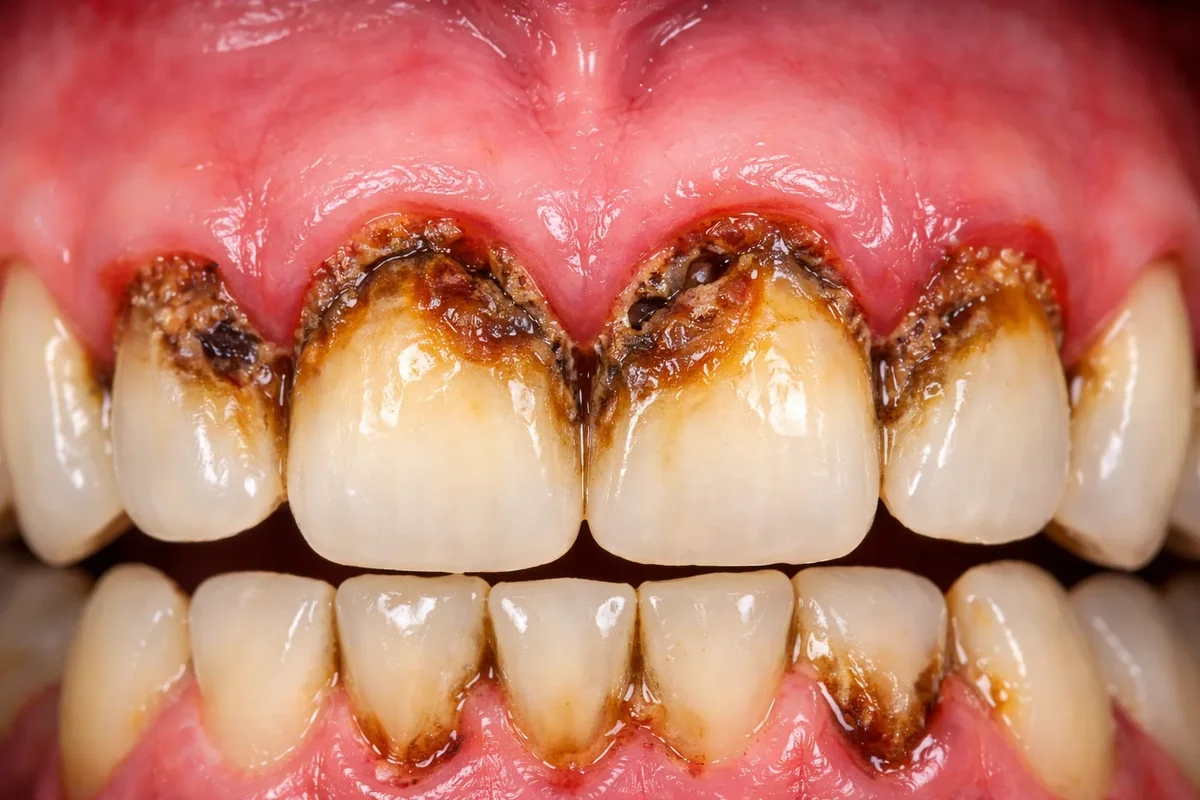
When to See a Dentist for Rotting Teeth at Gum Line
Knowing when to seek professional help is crucial when dealing with rotting teeth at gum line. Many people delay visiting a dentist because the symptoms may seem mild at first, but this condition rarely improves on its own. In fact, rotting teeth at gum line tends to worsen over time, leading to more serious complications if left untreated. Recognizing the right time to consult a dentist can make the difference between a simple treatment and a complex, costly procedure. 😷
While some early symptoms may not feel urgent, they often signal the beginning of decay. Acting quickly can prevent rotting teeth at gum line from progressing into deeper layers of the tooth or affecting the surrounding gums.
Early Signs That Require Immediate Attention
There are several early warning signs that indicate you should see a dentist for rotting teeth at gum line. These include increased sensitivity to hot, cold, or sweet foods, as well as mild discomfort near the gum line. Even if the pain is not severe, it should not be ignored.
Another sign is discoloration near the base of the tooth. Brown, yellow, or black lines along the gum line often indicate the presence of rotting teeth at gum line. Catching these signs early allows for less invasive treatments and better outcomes.
Why Early Visits Matter
Early dental visits can stop rotting teeth at gum line before it develops into cavities or infections. Dentists can apply preventive treatments such as fluoride or recommend lifestyle changes to protect your teeth.
Moderate Symptoms That Should Not Be Ignored
As rotting teeth at gum line progresses, symptoms become more noticeable and uncomfortable. You may experience persistent sensitivity, visible cavities, or rough edges along the gum line. Gum inflammation, redness, and bleeding are also common at this stage.
Bad breath that does not go away with brushing can also indicate bacterial buildup associated with rotting teeth at gum line. These symptoms suggest that the decay is advancing and requires professional intervention.
Risks of Delaying Treatment
Ignoring moderate symptoms of rotting teeth at gum line can lead to deeper decay, gum disease, and infection. The longer you wait, the more complex and expensive the treatment may become.
Severe Symptoms That Require Urgent Care
In advanced cases, rotting teeth at gum line can cause severe pain, swelling, and even abscess formation. These symptoms indicate that the decay has reached the inner pulp of the tooth and may have caused an infection.
At this stage, immediate dental care is essential. Treatments such as root canals or extractions may be necessary to manage rotting teeth at gum line and prevent the infection from spreading.
Warning Signs of Infection
Signs of infection include intense pain, swelling in the gums or face, fever, and pus around the affected area. These symptoms require urgent attention to prevent serious health complications related to rotting teeth at gum line.
Routine Check-Ups as Preventive Care
Even if you do not have noticeable symptoms, regular dental check-ups are essential for preventing rotting teeth at gum line. Dentists can detect early signs of decay that are not visible to the naked eye and provide timely treatment.
Routine visits also include professional cleanings that remove plaque and tartar buildup, reducing the risk of rotting teeth at gum line. Preventive care is always more effective and less costly than treating advanced decay.
Recommended Visit Frequency
Most dental professionals recommend visiting the dentist every six months. However, individuals at higher risk of rotting teeth at gum line may need more frequent check-ups to maintain optimal oral health.
Choosing the Right Time to Act
If you notice any changes in your teeth or gums, it is better to err on the side of caution and consult a dentist. Rotting teeth at gum line does not heal on its own, and delaying treatment can lead to irreversible damage.
You can easily schedule an appointment through the Redent Klinik Contact Page to receive professional evaluation and treatment tailored to your needs.
Benefits of Early Professional Care
Early intervention not only prevents complications but also helps preserve your natural teeth. Treating rotting teeth at gum line in its initial stages is less invasive, less painful, and more affordable.
Trusted Guidance for Dental Health
For additional reliable information about when to seek dental care and how to maintain oral health, you can visit the American Dental Association. This resource provides expert recommendations and guidelines for managing conditions like rotting teeth at gum line.
In conclusion, knowing when to see a dentist for rotting teeth at gum line is essential for protecting your oral health. By recognizing early, moderate, and severe symptoms, you can take timely action and avoid serious complications. Regular check-ups and prompt treatment ensure that your teeth and gums remain healthy and strong for years to come. 😊