
When people search for scaling and polishing of teeth cost, they are usually trying to answer a few very practical questions:
How much will it cost me? Is it really necessary? What exactly am I paying for?
This guide is written to give you clear, honest, and detailed answers — without confusing jargon or sales talk 😊
Scaling and polishing of teeth is one of the most common preventive dental procedures in the world. Despite its routine nature,
the scaling and polishing of teeth cost can vary widely depending on multiple factors, which often leaves patients unsure
whether the price they are quoted is fair or not.
At its core, this treatment focuses on removing plaque, tartar (calculus), and surface stains from your teeth. These deposits cannot
be removed by brushing alone, no matter how good your oral hygiene is. Over time, they harden and settle below the gum line, increasing
the risk of gum disease, bad breath, and even tooth loss. This is why dentists universally recommend professional cleaning as part of
regular dental care.
Understanding the scaling and polishing of teeth cost also means understanding what is included in the procedure itself.
A proper session usually involves:
- Thorough oral examination by a dental professional
- Ultrasonic or manual removal of hardened tartar
- Cleaning below the gum line to prevent inflammation
- Polishing to remove stains and smooth tooth surfaces
- Post-treatment evaluation and oral hygiene advice
Each of these steps requires professional skill, specialized equipment, and clinical time — all of which directly influence the
scaling and polishing of teeth cost. A lower price may sometimes mean fewer steps or a shorter, less thorough cleaning,
while a higher price often reflects a more comprehensive approach.
From a patient perspective, it is important to know that this treatment is not cosmetic-only. While teeth do look brighter afterward ✨,
the main goal is health. Skipping professional cleaning to save on the scaling and polishing of teeth cost can lead to much
higher expenses later, such as gum treatments, root planing, or even tooth replacement procedures.
Another key point many patients overlook is frequency. Dentists usually recommend scaling and polishing once or twice per year, depending
on individual oral health. This means the scaling and polishing of teeth cost should be viewed as a predictable, manageable
part of your annual healthcare budget rather than an unexpected expense.
Globally, awareness around preventive dental care has increased, and organizations like the
American Dental Association consistently emphasize the importance of routine professional
cleaning. Their guidelines highlight that regular scaling helps prevent gum disease and reduces long-term dental risks — reinforcing the
value behind the scaling and polishing of teeth cost.
Patients also frequently ask whether cheaper alternatives exist. While whitening toothpastes or home tools may help with surface stains,
they cannot replace professional scaling. These alternatives may appear cost-effective at first, but they do not eliminate tartar and
do not reduce gum disease risk. In this context, the scaling and polishing of teeth cost represents professional preventive
care rather than a cosmetic upgrade.
Choosing the right clinic also plays a role. A reputable dental clinic will clearly explain what is included in the treatment, how long
it will take, and why the quoted scaling and polishing of teeth cost is justified. If you have questions or want a personalized
assessment, you can always reach out through the
Redent Klinik Contact Page for professional guidance.
In summary, the scaling and polishing of teeth cost reflects much more than just cleaning teeth. It represents preventive
care, professional expertise, long-term oral health protection, and peace of mind 😌. Understanding what you are paying for helps you make
informed decisions and avoid unnecessary dental problems in the future.
Factors That Affect the Scaling and Polishing of Teeth Cost
The scaling and polishing of teeth cost is not a fixed number, and this often surprises patients. Two people visiting
different clinics — or even the same clinic — may receive different quotes for what seems like the same procedure. This variation is not
random. It is influenced by several clinical, geographical, and professional factors that directly affect the final price.
Understanding these factors helps patients make informed decisions, avoid confusion, and better evaluate whether the quoted
scaling and polishing of teeth cost reflects the level of care they are receiving 😊
Severity of Plaque and Tartar Buildup
One of the most important determinants of the scaling and polishing of teeth cost is the amount of plaque and tartar
present on your teeth. Patients who visit the dentist regularly usually require a simple, routine cleaning. In such cases, the procedure
takes less time and fewer instruments.
However, if tartar has accumulated heavily — especially below the gum line — the dentist may need to perform deeper scaling. This
requires more time, precision, and sometimes multiple sessions. As the complexity increases, so does the
scaling and polishing of teeth cost.
Subgingival Cleaning and Gum Sensitivity
When tartar extends beneath the gums, cleaning becomes more delicate. Dentists must work carefully to avoid gum trauma and discomfort.
In some cases, local numbing gels or anesthesia may be used. These additional steps contribute to a higher
scaling and polishing of teeth cost, but they also improve comfort and treatment quality.
Technology and Equipment Used
Not all dental cleanings are performed using the same tools. Modern clinics often use ultrasonic scalers combined with advanced polishing
systems. These devices are more efficient, more comfortable, and more precise than traditional manual tools.
Clinics that invest in advanced technology usually reflect this in the scaling and polishing of teeth cost. While the price
may be slightly higher, patients often experience less discomfort, shorter appointment times, and better overall results.
Dentist Expertise and Clinical Standards
The experience and training of the dental professional performing the procedure also influence the
scaling and polishing of teeth cost. A highly experienced dentist or dental hygienist follows strict clinical protocols,
ensures thorough cleaning, and carefully evaluates gum health during the process.
In contrast, lower-cost services may involve rushed cleanings or limited assessments. While the price difference may seem attractive,
it can affect long-term oral health outcomes. Paying a fair scaling and polishing of teeth cost often means receiving safer
and more comprehensive care.
Clinic Location and Operational Costs
Geographical location plays a significant role in determining the scaling and polishing of teeth cost. Clinics in large
cities or high-cost countries usually have higher rent, staff salaries, and operational expenses. These factors are naturally reflected
in treatment pricing.
On the other hand, clinics in regions with lower operating costs may offer the same quality of care at more affordable prices. This is why
many patients explore dental treatment abroad, while still ensuring the clinic meets international hygiene and safety standards.
Price Ranges You May Encounter
Although prices vary, general global estimates for the scaling and polishing of teeth cost often fall within these ranges:
- Basic routine cleaning: $50 – $150
- Moderate tartar buildup: $150 – $300
- Deep or extensive cleaning: $300 and above
These figures are indicative and may change depending on the factors discussed above. A transparent clinic will always explain why a
specific scaling and polishing of teeth cost applies to your situation.
Additional Services Included in the Cost
Sometimes, the scaling and polishing of teeth cost includes more than just cleaning. Some clinics bundle the procedure with:
- Dental check-up and diagnosis
- Gum health assessment
- Oral hygiene education
- Follow-up recommendations
While bundled services may increase the upfront scaling and polishing of teeth cost, they often provide better value by
addressing potential issues early and preventing future dental problems.
In conclusion, the scaling and polishing of teeth cost is shaped by clinical complexity, technology, expertise, and location.
Rather than focusing solely on price, patients should consider what is included, how thorough the treatment is, and how it supports
long-term oral health 🦷. A well-explained cost is usually a sign of professional, patient-centered care.
Average Scaling and Polishing of Teeth Cost by Country
One of the most common follow-up questions after understanding the procedure itself is how the
scaling and polishing of teeth cost compares from one country to another. Patients often notice significant price
differences worldwide and wonder whether these variations reflect quality, safety, or simply local economic conditions.
In reality, the scaling and polishing of teeth cost is strongly influenced by national healthcare systems, dentist
education standards, clinic operating expenses, and overall cost of living. Knowing these differences helps patients make informed
choices, especially those considering dental care abroad 😊
Scaling and Polishing of Teeth Cost in High-Income Countries
In countries with high living standards and advanced healthcare infrastructures, the
scaling and polishing of teeth cost is usually on the higher end of the spectrum. This includes nations such as the
United States, Canada, the United Kingdom, Australia, and parts of Western Europe.
In these regions, the average scaling and polishing of teeth cost often ranges between $120 and $300
per session. The higher price reflects factors such as:
- High clinic rental and staffing costs
- Strict regulatory and hygiene standards
- Advanced dental technology and materials
- Extensive professional training requirements
United States and Canada
In the United States, the scaling and polishing of teeth cost typically ranges from $150 to $300,
depending on the state and the extent of cleaning required. Canada follows a similar pattern, with prices slightly lower in some
provinces but still relatively high compared to global averages.
Dental insurance may partially reduce the scaling and polishing of teeth cost in these countries, but coverage limits
often apply, especially for more frequent cleanings.
Scaling and Polishing of Teeth Cost in Middle-Income Countries
Middle-income countries often provide an excellent balance between affordability and quality. In these regions, the
scaling and polishing of teeth cost is noticeably lower while still maintaining international treatment standards.
Countries such as Turkey, Poland, Hungary, Mexico, and Thailand have become popular destinations for dental care due to this balance.
Here, the average scaling and polishing of teeth cost usually falls between $40 and $120.
Why Costs Are Lower but Standards Remain High
Lower prices do not necessarily mean lower quality. In many of these countries:
- Clinic operational costs are significantly lower
- Dentists receive internationally recognized training
- Modern equipment is widely used
- Competition keeps prices patient-friendly
As a result, the scaling and polishing of teeth cost reflects economic conditions rather than compromised care.
Patients who research clinics carefully often receive the same procedural quality at a fraction of the price.
Scaling and Polishing of Teeth Cost in Low-Income Countries
In lower-income regions, the scaling and polishing of teeth cost can be extremely affordable, sometimes as low as
$20 to $50. These prices are common in parts of Southeast Asia, South Asia, Africa, and South America.
However, patients should approach these options with caution. While many clinics provide excellent care, regulatory oversight and
standardization can vary widely. A very low scaling and polishing of teeth cost should always prompt questions about
sterilization protocols, clinician credentials, and post-treatment support.
Public vs Private Healthcare Systems
Another important factor affecting the scaling and polishing of teeth cost by country is whether dental care is
delivered through public or private healthcare systems.
In countries with strong public healthcare, basic dental cleaning may be subsidized or offered at reduced cost. However, waiting times
can be long, and services may be limited. Private clinics, even in these countries, usually charge higher
scaling and polishing of teeth cost but provide faster appointments and more personalized care.
Comparative Cost Table (Approximate)
- United States: $150 – $300
- United Kingdom: $100 – $250
- Canada: $120 – $280
- Turkey: $40 – $100
- Eastern Europe: $50 – $120
- Southeast Asia: $20 – $80
These figures highlight how dramatically the scaling and polishing of teeth cost can change depending on location.
What matters most is choosing a clinic that combines transparent pricing, professional standards, and patient-centered care.
In conclusion, while the scaling and polishing of teeth cost varies globally, high-quality treatment is available at
many price points. Understanding country-based differences allows patients to weigh cost savings against convenience, travel, and
personal comfort 🦷🌍.
Scaling and Polishing of Teeth Cost in Private vs Public Clinics
When evaluating the scaling and polishing of teeth cost, one of the most important distinctions patients encounter is
whether the treatment is performed in a public dental clinic or a private dental practice. While the procedure itself may sound identical,
the experience, availability, and overall value can differ significantly between these two settings.
Understanding these differences helps patients decide not only how much they are willing to pay, but also what level of comfort, speed,
and personalization they expect from their dental care 😊
Scaling and Polishing of Teeth Cost in Public Dental Clinics
Public dental clinics are typically funded or subsidized by government healthcare systems. As a result, the
scaling and polishing of teeth cost in public clinics is often lower than in private practices — and in some countries,
it may even be partially or fully covered.
In many public systems, basic scaling and polishing is classified as preventive care. This allows patients to access the service at a
reduced scaling and polishing of teeth cost, making it particularly appealing for individuals on tight budgets or without
private dental insurance.
Advantages of Public Clinics
- Lower or subsidized scaling and polishing of teeth cost
- Access for a wider population
- Standardized treatment protocols
Limitations of Public Clinics
Despite the affordability, public clinics also come with certain limitations that patients should consider:
- Long waiting times for appointments
- Limited appointment durations
- Less personalized care
- Restricted access to advanced technology
In some cases, the low scaling and polishing of teeth cost reflects these constraints. Dentists may have limited time per
patient, meaning the cleaning might be basic rather than comprehensive.
Scaling and Polishing of Teeth Cost in Private Dental Clinics
Private dental clinics operate independently and set their own pricing structures. As a result, the
scaling and polishing of teeth cost in private clinics is usually higher than in public facilities.
However, this higher cost often comes with added value. Private clinics typically invest in advanced equipment, highly trained staff,
and patient-centered environments designed to improve comfort and outcomes.
What You Pay for in Private Clinics
A higher scaling and polishing of teeth cost in private clinics often includes:
- Modern ultrasonic and polishing technology
- Longer, more thorough cleaning sessions
- Personalized gum and oral health assessments
- Flexible appointment scheduling
- Detailed aftercare guidance
Patients who value comfort, efficiency, and comprehensive care often find that the private clinic
scaling and polishing of teeth cost offers better overall value, even if the upfront price is higher.
Cost Comparison: Public vs Private
While prices vary by country, the general comparison looks like this:
- Public clinics: $0 – $80 (often subsidized or partially covered)
- Private clinics: $80 – $300 (depending on complexity and location)
These figures highlight that the scaling and polishing of teeth cost difference is not just about money, but also about
time, convenience, and treatment depth.
Quality and Outcome Considerations
Another key aspect is treatment outcome. A lower scaling and polishing of teeth cost in public clinics does not mean poor
quality, but it may mean a more standardized approach. Private clinics often have the flexibility to tailor the procedure to individual
needs, especially for patients with sensitive gums or heavy tartar buildup.
For patients who require deeper cleaning, frequent maintenance, or additional preventive advice, the higher
scaling and polishing of teeth cost in private clinics can reduce the risk of future dental problems — potentially saving
money in the long term.
Which Option Is Right for You?
Choosing between public and private care depends on your priorities. If affordability is your primary concern and you are comfortable
with longer waiting times, a public clinic may be suitable. If you prioritize comfort, speed, and personalized attention, a private
clinic may justify the higher scaling and polishing of teeth cost.
In conclusion, the scaling and polishing of teeth cost differs significantly between public and private clinics due to
funding structures, service scope, and patient experience. Understanding these differences allows you to choose the option that best
matches your oral health needs, expectations, and budget 🦷💡.
Is Scaling and Polishing of Teeth Cost Covered by Insurance?
One of the most frequent questions patients ask before booking an appointment is whether the
scaling and polishing of teeth cost is covered by dental insurance. This concern is completely valid, as insurance
coverage can significantly reduce out-of-pocket expenses and influence how often patients seek preventive care.
The short answer is: sometimes. Coverage for the scaling and polishing of teeth cost depends on the type of
insurance plan, the country you live in, and whether the procedure is considered preventive or therapeutic within that system 😊
Preventive vs Therapeutic Dental Coverage
Most insurance providers categorize dental treatments into two main groups: preventive and therapeutic. Understanding this distinction
is key to knowing how much of the scaling and polishing of teeth cost may be reimbursed.
Preventive Dental Care
In many insurance plans, routine scaling and polishing is classified as preventive care. This category typically includes:
- Routine dental check-ups
- Basic scaling and polishing
- Early gum disease prevention
When considered preventive, the scaling and polishing of teeth cost is often partially or fully covered — usually once
or twice per year. Some plans reimburse up to 100% of the cost, while others cover a fixed percentage.
Therapeutic or Deep Cleaning
If the procedure involves deeper cleaning due to gum disease or significant tartar buildup, insurers may classify it as therapeutic
treatment. In these cases, the scaling and polishing of teeth cost may be:
- Partially covered
- Covered at a lower percentage
- Subject to annual limits or deductibles
This distinction explains why two patients undergoing similar procedures might receive different insurance reimbursements.
Insurance Coverage by Region
Insurance rules for the scaling and polishing of teeth cost vary widely across countries and healthcare systems.
United States and Canada
In North America, most private dental insurance plans include some level of coverage for the
scaling and polishing of teeth cost. Typically:
- 1–2 cleanings per year are covered
- Coverage ranges from 70% to 100%
- Annual maximums often apply
Once the annual limit is reached, patients must pay the remaining scaling and polishing of teeth cost out of pocket.
Europe and Public Healthcare Systems
In many European countries, public healthcare systems offer partial coverage for basic dental cleaning. However, access may be limited
and waiting times can be long. Private insurance or private clinics often involve a higher
scaling and polishing of teeth cost, but provide faster and more flexible care.
Countries with Limited Dental Insurance
In regions where dental insurance is uncommon, patients usually pay the full
scaling and polishing of teeth cost themselves. Fortunately, treatment prices in these countries are often lower, making
out-of-pocket payment more manageable.
Hidden Limits and Fine Print
Even when insurance appears to cover the scaling and polishing of teeth cost, patients should always review policy
details carefully. Common limitations include:
- Annual coverage caps
- Waiting periods for new policies
- Frequency restrictions (e.g., once per year)
- Exclusions for advanced gum treatment
Failing to check these details can lead to unexpected expenses, even when coverage seems comprehensive.
When Paying Out of Pocket Makes Sense
In some situations, paying the scaling and polishing of teeth cost without insurance may actually be more practical.
For example:
- If insurance coverage is limited or exhausted
- If treatment is more affordable in another country
- If you prefer private care with no waiting time
Many patients choose private clinics or international treatment options where the
scaling and polishing of teeth cost is transparent and competitive, even without insurance involvement.
Why Regular Coverage Matters
Insurance coverage for the scaling and polishing of teeth cost encourages patients to maintain regular dental visits.
This reduces the risk of gum disease, tooth decay, and costly treatments later on.
From a long-term perspective, even partial coverage can make preventive care more accessible and reduce overall dental expenses.
In conclusion, whether the scaling and polishing of teeth cost is covered by insurance depends on plan details, treatment
classification, and regional healthcare systems. Understanding your coverage allows you to plan ahead, avoid surprises, and prioritize
your oral health with confidence 🦷📄.
Scaling and Polishing of Teeth Cost vs Long-Term Oral Health Savings
At first glance, some patients view the scaling and polishing of teeth cost as an optional expense rather than a
necessary investment. This perception is common, especially among individuals who do not experience immediate pain or visible dental
problems. However, when evaluated from a long-term perspective, the scaling and polishing of teeth cost often turns out
to be one of the most cost-effective decisions in oral healthcare.
Preventive dentistry is built on a simple principle: small, regular interventions help avoid large, expensive treatments later.
Understanding how the scaling and polishing of teeth cost compares to future dental expenses can completely change how
patients approach routine cleanings 😊
How Scaling and Polishing Prevents Costly Dental Problems
Plaque and tartar buildup are the primary causes of gum disease and tooth decay. When these deposits are not removed through professional
cleaning, they lead to inflammation, infection, and gradual destruction of supporting tissues.
By paying the scaling and polishing of teeth cost regularly, patients significantly reduce the risk of developing:
- Gingivitis and periodontitis
- Tooth decay and cavities
- Bad breath caused by bacterial buildup
- Bone loss around teeth
Each of these conditions, if left untreated, can result in procedures that cost many times more than the
scaling and polishing of teeth cost.
Comparing Preventive vs Corrective Dental Costs
To truly understand the value of preventive care, it helps to compare the scaling and polishing of teeth cost with the
costs of corrective treatments that may become necessary without regular cleanings.
Common Dental Treatment Cost Comparisons
- Scaling and polishing of teeth cost (routine): $50 – $200
- Gum disease treatment (deep cleaning): $300 – $1,000+
- Dental filling: $150 – $400
- Root canal treatment: $700 – $1,500
- Tooth extraction and replacement: $1,000 – $4,000+
These figures clearly show that skipping routine cleanings to avoid the
scaling and polishing of teeth cost can lead to far higher expenses over time.
Impact on Overall Health and Indirect Savings
Oral health is closely connected to overall health. Research has linked untreated gum disease to conditions such as heart disease,
diabetes complications, and respiratory infections. Regular professional cleaning plays a role in reducing these risks.
By maintaining healthy gums and teeth, the scaling and polishing of teeth cost may also contribute to indirect savings,
including:
- Fewer medical complications
- Reduced need for medications
- Lower healthcare expenses related to chronic conditions
While these benefits are not always immediately visible, they reinforce the long-term value of preventive dental care.
Emotional and Lifestyle Benefits
Beyond financial considerations, the scaling and polishing of teeth cost also delivers lifestyle benefits that are
often overlooked. Clean, healthy teeth improve confidence, comfort, and social interactions 😄
Patients who maintain regular cleanings typically experience:
- Fresher breath
- More attractive smiles
- Less dental anxiety due to fewer major procedures
- Greater comfort when eating and speaking
Avoiding dental pain and emergency visits has both emotional and financial value, further justifying the
scaling and polishing of teeth cost.
Frequency and Long-Term Cost Planning
Most dentists recommend professional cleaning once or twice per year. When the
scaling and polishing of teeth cost is spread across an entire year, it becomes a predictable and manageable expense.
For example, even if a patient pays for two cleanings annually, the total yearly
scaling and polishing of teeth cost is still far lower than the cost of treating advanced gum disease or replacing lost
teeth.
Preventive Care as a Smart Investment
From a financial planning perspective, routine dental cleaning should be viewed as an investment rather than a cost. The relatively
small scaling and polishing of teeth cost helps preserve natural teeth, avoid complex treatments, and maintain oral
function well into the future.
In conclusion, when comparing the scaling and polishing of teeth cost to long-term oral health savings, the choice
becomes clear. Regular professional cleaning protects your teeth, your budget, and your overall well-being 🦷💰. Preventive care today
is almost always cheaper — and healthier — than corrective treatment tomorrow.
How Often Should You Pay the Scaling and Polishing of Teeth Cost?
A common question patients ask after learning about pricing is how frequently the
scaling and polishing of teeth cost needs to be paid. While many people assume this procedure is only necessary when
there is visible buildup or discomfort, dentists strongly emphasize that frequency plays a critical role in maintaining oral health
and controlling long-term expenses.
Understanding how often professional cleaning is needed helps patients plan their dental care schedule wisely and avoid unexpected
increases in the scaling and polishing of teeth cost over time 😊
General Dental Recommendations for Professional Cleaning
For most individuals with healthy gums and good oral hygiene habits, dentists recommend professional scaling and polishing
once or twice per year. In these cases, the scaling and polishing of teeth cost remains relatively stable
and predictable.
This routine schedule allows dentists to remove plaque and tartar before they cause inflammation or structural damage. When cleanings
are performed regularly, they are usually simpler, quicker, and less expensive.
Patients with Excellent Oral Hygiene
People who brush effectively, floss daily, and avoid smoking often accumulate less tartar. For these patients, paying the
scaling and polishing of teeth cost once per year may be sufficient, provided no gum issues are detected during check-ups.
When More Frequent Scaling Is Necessary
Not everyone has the same oral health needs. Some patients require more frequent professional cleaning due to biological or lifestyle
factors. In these situations, the scaling and polishing of teeth cost may be incurred more often — but this helps prevent
much higher expenses later.
Risk Factors That Increase Cleaning Frequency
- Gum disease or history of periodontitis
- Heavy tartar buildup
- Smoking or tobacco use
- Diabetes or immune system conditions
- Orthodontic appliances or dental restorations
Patients with these risk factors may need professional cleaning every three to four months. While this increases the annual
scaling and polishing of teeth cost, it significantly reduces the likelihood of advanced gum treatment or tooth loss.
The Cost of Skipping or Delaying Cleanings
Many patients attempt to save money by postponing dental visits. Unfortunately, delaying cleanings often leads to heavier tartar
accumulation, inflamed gums, and deeper pockets around the teeth.
When this happens, the next appointment may involve more complex procedures, resulting in a higher
scaling and polishing of teeth cost than a routine visit would have required.
Escalating Costs Over Time
Skipping one or two routine cleanings may not seem serious, but over time it can lead to:
- Deeper cleaning procedures
- Longer treatment sessions
- Increased discomfort
- Higher overall scaling and polishing of teeth cost
This cycle often results in patients paying more in the long run than they would have by maintaining a regular schedule.
Personalized Cleaning Schedules
Dentists do not apply a one-size-fits-all approach when recommending cleaning frequency. During each visit, they assess gum health,
tartar buildup, and individual risk factors to determine how often the
scaling and polishing of teeth cost should be planned into a patient’s care routine.
A personalized schedule ensures that patients receive the right level of care without unnecessary treatments or expenses.
Balancing Frequency and Budget
For patients concerned about affordability, spreading the scaling and polishing of teeth cost across the year can make
preventive care more manageable. Many clinics offer maintenance plans or reminders to help patients stay consistent with their visits.
Paying for regular cleanings at predictable intervals is usually far less stressful — and less expensive — than dealing with emergency
dental treatments caused by neglect.
Long-Term Perspective on Cleaning Frequency
When viewed over several years, the frequency of professional cleaning directly impacts both oral health and cumulative dental costs.
A stable, routine scaling and polishing of teeth cost supports healthy gums, preserves natural teeth, and reduces the need
for invasive procedures.
In conclusion, how often you pay the scaling and polishing of teeth cost depends on your individual oral health needs, risk
factors, and lifestyle. Regular professional guidance helps determine the right schedule — ensuring healthier teeth, fewer complications,
and better financial outcomes 🦷📅.
Choosing the Right Clinic for Scaling and Polishing of Teeth
When considering the scaling and polishing of teeth cost, many patients focus primarily on price. While affordability is
important, choosing the right clinic goes far beyond finding the lowest number on a price list. The clinic you select directly affects
treatment quality, comfort, safety, and long-term oral health outcomes.
Understanding how to evaluate a dental clinic helps ensure that the
scaling and polishing of teeth cost you pay delivers real value rather than short-term savings with long-term risks 😊
Why Clinic Selection Matters for Professional Cleaning
Scaling and polishing may appear simple, but it is a clinical procedure that requires skill, precision, and proper hygiene standards.
An improperly performed cleaning can irritate gums, miss deep tartar deposits, or even damage tooth enamel.
This is why the scaling and polishing of teeth cost should always be considered alongside clinic quality, not in isolation.
Key Factors to Evaluate When Choosing a Clinic
Before deciding where to undergo treatment, patients should assess several important criteria that influence both quality and the final
scaling and polishing of teeth cost.
Professional Credentials and Experience
Always check whether the clinic employs licensed dentists or certified dental hygienists. Experienced professionals follow established
clinical protocols, recognize early signs of gum disease, and perform thorough yet gentle cleanings.
A clinic with highly trained staff may charge a slightly higher
scaling and polishing of teeth cost, but this often translates into safer treatment and better outcomes.
Hygiene and Sterilization Standards
Strict infection control is non-negotiable in dental care. Instruments should be properly sterilized, disposable materials should be
used when appropriate, and treatment areas should be visibly clean.
Clinics that maintain high hygiene standards invest significantly in equipment and training, which can influence the
scaling and polishing of teeth cost — but also protects patient health.
Technology and Equipment
Modern dental clinics often use ultrasonic scalers and advanced polishing systems that improve comfort and efficiency. These tools
reduce treatment time and minimize gum irritation.
A clinic using outdated equipment may offer a lower
scaling and polishing of teeth cost, but the patient experience and results may not be comparable.
Transparency in Pricing and Communication
A trustworthy clinic clearly explains what is included in the
scaling and polishing of teeth cost. Patients should feel comfortable asking questions such as:
- How long will the procedure take?
- Is deep cleaning required?
- Are follow-up visits included?
- Will additional treatments increase the cost?
Transparent pricing helps patients avoid unexpected charges and builds confidence in the clinic’s professionalism.
Patient Comfort and Personalized Care
Comfort plays a major role in dental visits. Clinics that prioritize patient comfort often provide:
- Gentle techniques for sensitive gums
- Clear explanations during treatment
- Relaxed, patient-centered environments
These factors may influence the
scaling and polishing of teeth cost, but they also reduce anxiety and encourage regular dental visits.
Reviews, Reputation, and Recommendations
Patient reviews offer valuable insight into a clinic’s consistency and care quality. Look for feedback related to:
- Professionalism of staff
- Cleanliness of the clinic
- Comfort during scaling and polishing
- Honesty about costs
A clinic with strong patient satisfaction may charge a fair
scaling and polishing of teeth cost that reflects reliable service rather than inflated pricing.
Balancing Cost and Quality
Choosing the right clinic means finding a balance between affordability and care standards. The lowest
scaling and polishing of teeth cost is not always the best choice if it compromises treatment thoroughness or safety.
Conversely, the most expensive clinic does not automatically guarantee superior care. Patients should evaluate what the price includes
and whether it aligns with their oral health needs.
Long-Term Relationship with Your Dental Clinic
Selecting a reliable clinic for scaling and polishing often leads to a long-term professional relationship. Regular visits to the same
clinic allow dentists to track changes in oral health and recommend personalized preventive strategies.
Over time, this continuity of care can help stabilize the
scaling and polishing of teeth cost and reduce the likelihood of complex treatments.
In conclusion, choosing the right clinic for professional cleaning involves careful evaluation of expertise, hygiene, technology, and
communication. When these factors are aligned, the
scaling and polishing of teeth cost becomes a worthwhile investment in comfort, safety, and lasting oral health 🦷🏥.
Final Thoughts on Scaling and Polishing of Teeth Cost
After exploring all aspects of professional dental cleaning, it becomes clear that the
scaling and polishing of teeth cost is not just a simple price tag attached to a routine procedure. Instead, it reflects
a combination of preventive care, professional expertise, clinical standards, and long-term oral health benefits.
Patients who fully understand the value behind the scaling and polishing of teeth cost are better equipped to make
informed decisions — not only about where to receive treatment, but also about how often and why it should be done 😊
Why Cost Should Never Be the Only Decision Factor
It is natural to compare prices when planning dental care, but choosing solely based on the lowest
scaling and polishing of teeth cost can be misleading. A lower price may sometimes indicate shorter appointment times,
limited assessment, or outdated equipment.
High-quality professional cleaning focuses on prevention, comfort, and thoroughness. When these elements are present, the
scaling and polishing of teeth cost reflects real clinical value rather than an unnecessary expense.
Quality Over Short-Term Savings
Saving money by skipping cleanings or choosing substandard care often leads to higher costs later. Advanced gum disease, tooth decay,
and tooth loss are significantly more expensive to treat than routine maintenance.
Viewed from this perspective, the scaling and polishing of teeth cost is one of the most affordable investments in
long-term dental health.
Consistency Is the Key to Cost Control
One of the most effective ways to manage the scaling and polishing of teeth cost over time is consistency. Regular
professional cleanings prevent heavy tartar buildup, which keeps procedures simpler and more affordable.
Patients who attend routine appointments typically experience:
- Shorter treatment sessions
- Lower risk of deep cleaning procedures
- More predictable annual dental expenses
- Healthier gums and teeth
Consistency transforms the scaling and polishing of teeth cost into a stable part of preventive healthcare rather than
an unpredictable burden.
Understanding Value vs Price
Price tells you how much you pay. Value tells you what you receive. When evaluating the
scaling and polishing of teeth cost, patients should ask:
- Is the cleaning thorough and professionally performed?
- Are modern tools and hygiene standards used?
- Does the clinic provide personalized advice?
- Is long-term oral health a priority?
When the answer to these questions is yes, the scaling and polishing of teeth cost represents genuine value rather than
an unnecessary expense.
Preventive Care as a Lifestyle Habit
Healthy teeth are not maintained through occasional treatment, but through consistent habits and professional support. Regular scaling
and polishing supports daily brushing and flossing, reinforcing a preventive lifestyle.
By treating the scaling and polishing of teeth cost as part of routine self-care — similar to medical check-ups or
fitness maintenance — patients reduce the likelihood of emergencies and complex dental interventions.
Long-Term Financial and Health Benefits
Over the years, patients who invest in preventive care generally spend less on dental treatment overall. Avoiding advanced gum disease,
root canal therapy, and tooth replacement results in significant financial savings.
In this context, the scaling and polishing of teeth cost delivers returns in multiple ways:
- Lower lifetime dental expenses
- Preservation of natural teeth
- Reduced discomfort and stress
- Improved confidence and quality of life
Making an Informed and Confident Choice
Patients who understand the purpose, frequency, and benefits of professional cleaning approach dental care with confidence rather than
uncertainty. They know what the scaling and polishing of teeth cost includes and why it matters.
Armed with accurate information, choosing a reputable clinic and maintaining a regular cleaning schedule becomes a logical and
empowering decision.
In conclusion, the scaling and polishing of teeth cost is not merely an expense — it is a proactive investment in oral
health, comfort, and long-term well-being 🦷✨. When approached with knowledge and consistency, it supports healthier smiles and more
predictable dental care for years to come.
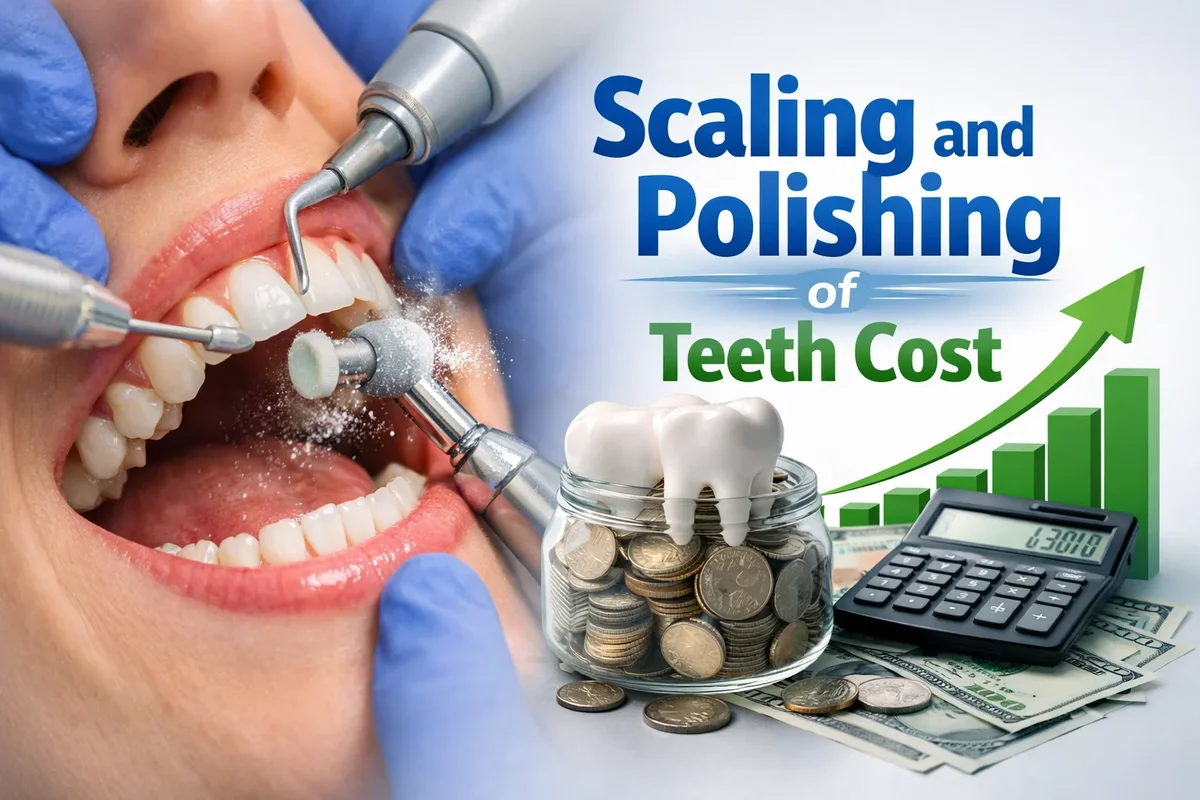
Frequently Asked Questions About Scaling and Polishing of Teeth Cost
Even after understanding procedures, pricing factors, and long-term benefits, many patients still have practical questions about the
scaling and polishing of teeth cost. These questions often come from real-life concerns such as discomfort, appointment
length, value for money, and what exactly happens during the visit.
This section addresses the most common and important questions patients ask, helping you feel fully informed and confident before
paying the scaling and polishing of teeth cost 😊
Is Scaling and Polishing Painful?
One of the biggest fears patients have is discomfort. In most routine cases, scaling and polishing is not painful. Patients may feel
vibration or mild pressure, but the procedure is generally well tolerated.
If tartar buildup is heavy or gums are inflamed, mild sensitivity may occur. In such cases, dentists may use numbing gels or adjust
techniques to improve comfort. These additional steps can slightly influence the
scaling and polishing of teeth cost, but they significantly enhance the patient experience.
How Long Does the Procedure Take?
The duration of the appointment depends on the complexity of the case. A routine cleaning usually takes between 30 and 45 minutes.
More extensive cleaning may require up to an hour or multiple sessions.
Longer appointments often reflect deeper cleaning and more careful assessment, which may increase the
scaling and polishing of teeth cost, but also improve treatment effectiveness.
Why Do Prices Vary Between Clinics?
Patients frequently notice price differences even within the same city. The
scaling and polishing of teeth cost varies due to:
- Clinic location and operating expenses
- Technology and equipment used
- Experience of dental professionals
- Length and depth of the cleaning session
A higher price often reflects more comprehensive care rather than unnecessary charges.
Is Scaling and Polishing Only Cosmetic?
Although teeth look brighter after treatment, scaling and polishing is primarily a medical procedure. It removes harmful bacteria and
tartar that contribute to gum disease.
Viewing the scaling and polishing of teeth cost as purely cosmetic can be misleading. Its true value lies in disease
prevention and long-term oral health protection.
Can I Replace Professional Cleaning with Home Care?
No matter how diligent your brushing and flossing routine is, home care cannot remove hardened tartar. Professional instruments are
required for this task.
Skipping professional visits to avoid the scaling and polishing of teeth cost often leads to more severe problems that
require expensive treatments later.
Does the Cost Include a Dental Check-Up?
In many clinics, the scaling and polishing of teeth cost includes a basic dental examination. This allows dentists to
evaluate gum health, detect early signs of decay, and provide preventive advice.
However, not all clinics include this automatically. Patients should always ask what is included to avoid misunderstandings.
Is It Safe for Sensitive Teeth and Gums?
Yes, when performed by trained professionals, scaling and polishing is safe even for sensitive teeth. Dentists adjust techniques and
tools based on individual needs.
Clinics that prioritize patient comfort may invest more time and resources, which can affect the
scaling and polishing of teeth cost, but results in a gentler experience.
What Happens If I Skip Regular Cleanings?
Skipping professional cleanings allows plaque to harden into tartar, leading to gum inflammation, bleeding, and eventually periodontal
disease.
When treatment becomes more complex, the scaling and polishing of teeth cost may increase significantly due to deeper
cleaning or additional procedures.
Is the Cost Worth It?
From a clinical and financial perspective, the answer is yes. Regular professional cleaning preserves natural teeth, prevents disease,
and reduces the need for invasive treatments.
When compared to the cost of treating advanced dental problems, the
scaling and polishing of teeth cost is relatively small and highly cost-effective.
Final Clarification for Patients
Patients who ask questions, understand their treatment plan, and choose reputable clinics are far more satisfied with their dental
care. Transparency and education ensure that the
scaling and polishing of teeth cost feels justified and manageable.
In summary, addressing common questions removes uncertainty and empowers patients to prioritize preventive care. When understood
clearly, the scaling and polishing of teeth cost becomes a logical, informed, and worthwhile part of maintaining a
healthy smile 🦷✅.