
For many people, the idea of dental surgery triggers anxiety, fear, or even panic 😟. This is exactly where a sedation implant becomes a life-changing solution. A sedation implant is a modern dental implant procedure performed under controlled sedation, allowing patients to receive permanent tooth replacements without stress, pain, or traumatic memories. If you’ve delayed dental implant treatment because of fear, a strong gag reflex, or previous bad experiences, this approach is designed specifically for you.
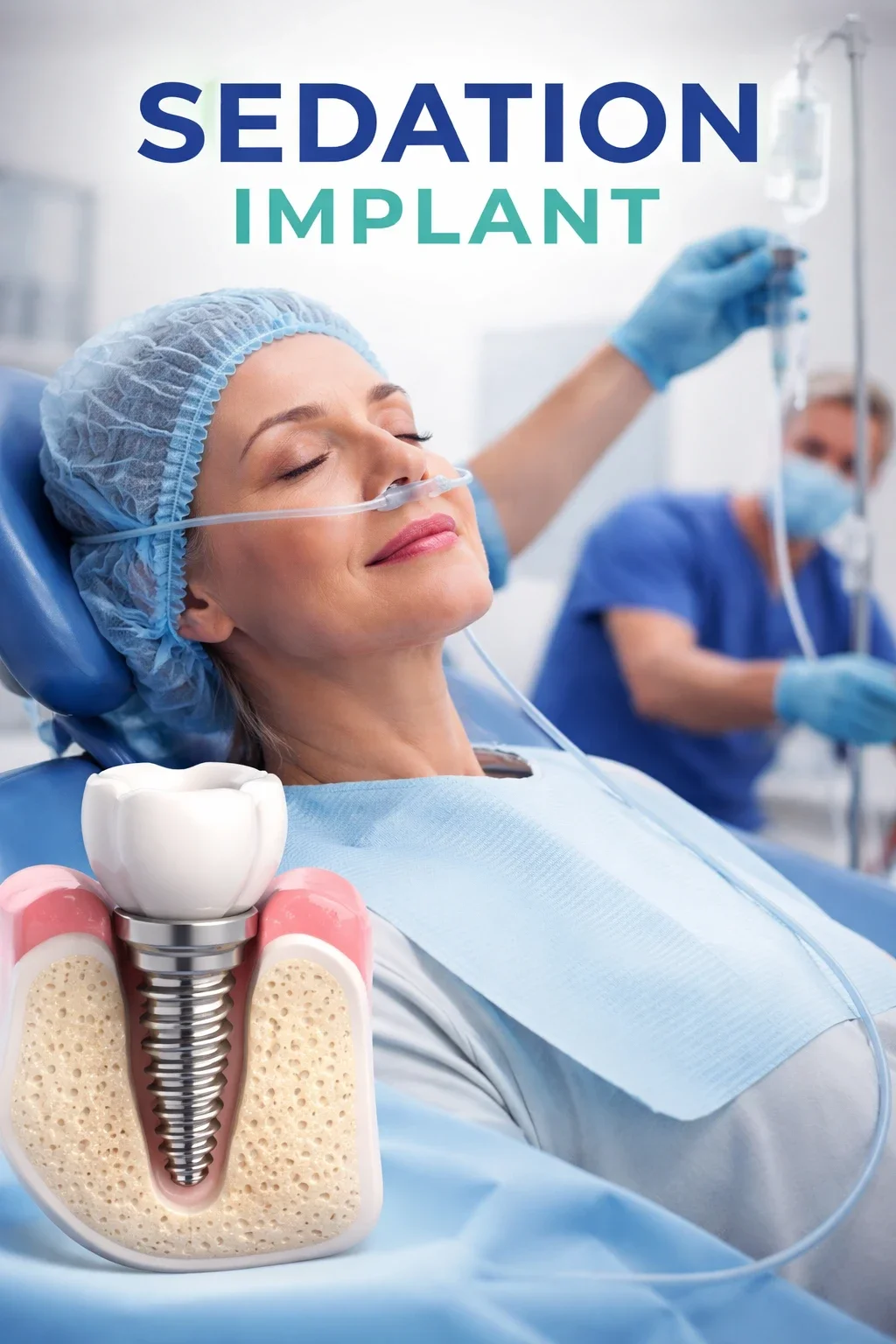
A sedation implant combines two powerful advancements in dentistry: dental implant technology and professional dental sedation. Dental implants replace missing teeth by placing a titanium post into the jawbone, while sedation ensures that the patient remains calm, relaxed, and comfortable throughout the procedure. In some cases, patients remember little to nothing about the treatment, making the entire experience feel surprisingly easy.
Unlike traditional implant surgery, where patients are fully awake and aware, a sedation implant procedure is tailored to both physical and emotional comfort. Sedation can range from mild oral medication to deeper intravenous sedation, depending on the patient’s needs and medical history. This flexibility allows dentists to treat individuals with severe dental anxiety, sensitive pain thresholds, or complex implant cases in a single, smooth session 😊.
One of the most important benefits of a sedation implant is how it removes psychological barriers to treatment. Millions of adults worldwide avoid dental care due to fear, which can lead to bone loss, shifting teeth, gum disease, and serious health complications. Sedation-assisted implant dentistry helps break this cycle by making advanced care accessible and stress-free. This approach is fully supported by modern clinical guidelines and professional standards, including those published by the American Dental Association.
From a clinical perspective, a sedation implant does not change the success rate of the implant itself—in fact, it can improve outcomes. When patients are relaxed, dentists can work with greater precision, place implants more accurately, and perform additional procedures such as bone grafting during the same appointment. Reduced movement, lower stress hormones, and controlled breathing all contribute to a smoother surgical process.
It is also important to understand that a sedation implant is not the same as general anesthesia. Patients continue to breathe on their own and respond to verbal cues, but they feel deeply calm and detached from discomfort. This makes sedation safer, more controlled, and suitable for a wide range of patients, including those who are medically sensitive but still eligible for implant treatment.
Another major advantage of the sedation implant approach is time efficiency ⏱️. Multiple implants, tooth extractions, or preparatory procedures can often be completed in one visit. For busy individuals or international patients seeking dental care abroad, this streamlined method reduces the total number of appointments and speeds up the overall treatment timeline.
Patients frequently report that choosing a sedation implant completely changes their perception of dentistry. Instead of fear and discomfort, the experience is described as calm, fast, and surprisingly pleasant. Many even say they wish they had chosen sedation years earlier, as it allowed them to restore both their smile and confidence without emotional strain.
If you are considering a sedation implant and want personalized guidance, expert evaluation, or treatment planning, you can easily reach out through the Redent Klinik Contact Page. A professional consultation is the first step toward determining the safest and most effective sedation option for your dental implant needs.
In summary, a sedation implant is not just about replacing missing teeth—it’s about transforming the dental experience itself. By combining comfort-focused sedation with long-lasting implant technology, patients can achieve a healthy, functional, and natural-looking smile without fear. Whether you struggle with dental anxiety, require complex treatment, or simply want a more relaxed procedure, sedation-based implant care offers a powerful, patient-centered solution 😌.
What Is a Sedation Implant and How Does It Work?
A sedation implant is a dental implant procedure performed with the support of professional sedation techniques to ensure maximum comfort, relaxation, and stress reduction for the patient 😌. While the implant itself follows the same medical principles as a standard dental implant, the key difference lies in the patient’s experience during treatment. Instead of feeling anxious, tense, or overly aware, patients remain calm and deeply relaxed throughout the procedure.
At its core, a sedation implant is designed for individuals who may otherwise avoid dental implant treatment due to fear, sensitivity, or previous negative experiences. Sedation does not replace the implant process—it enhances it. The titanium implant is still placed into the jawbone to function as an artificial tooth root, but the surrounding environment is carefully controlled to minimize discomfort, emotional stress, and physical tension.
Understanding the Core Components of a Sedation Implant
To fully understand how a sedation implant works, it helps to break the procedure into its essential components. First, there is the implant itself. Dental implants are biocompatible titanium posts that integrate with the jawbone through a natural process called osseointegration. This fusion provides long-term stability and allows the implant to function like a natural tooth root.
The second component is sedation. In a sedation implant procedure, sedation is administered before the implant surgery begins. Depending on the patient’s needs, this may involve oral sedation, intravenous (IV) sedation, or conscious sedation. These methods calm the nervous system, reduce pain perception, and often limit memory of the procedure, making the experience feel much shorter than it actually is ⏳.
How Sedation Is Applied During the Implant Procedure
During a sedation implant, sedation is carefully monitored by trained dental professionals. Vital signs such as heart rate, oxygen levels, and blood pressure are continuously checked to ensure patient safety. While sedated, patients remain responsive but feel detached from the sensations of drilling, pressure, or surgical manipulation.
One major advantage of a sedation implant is that it allows dentists to work efficiently and precisely. Because the patient is relaxed and still, the implant placement can be performed with optimal accuracy. This can be especially beneficial in cases involving multiple implants, bone grafting, or sinus lift procedures.
What the Patient Experiences During a Sedation Implant
From the patient’s perspective, a sedation implant often feels very different from traditional dental surgery. Many describe the sensation as drifting in and out of light sleep or feeling deeply relaxed without concern for what is happening. Sounds and sensations may feel distant or muted, and time often seems to pass quickly.
In most cases, patients report little to no discomfort during a sedation implant. Local anesthesia is still used to numb the treatment area, while sedation addresses anxiety and awareness. This dual approach creates a comfortable and controlled experience that is especially valuable for patients with dental phobia or low pain tolerance.
Why Sedation Does Not Affect Implant Success
A common concern is whether a sedation implant affects the success or durability of the implant. The answer is reassuring: sedation has no negative impact on implant integration or long-term outcomes. In fact, reduced stress levels can support healing by lowering cortisol and muscle tension, which may positively influence recovery.
Clinical standards supported by organizations such as the American Dental Association confirm that sedation dentistry is safe and effective when performed by trained professionals. A sedation implant follows the same surgical protocols as traditional implant placement, simply with an enhanced focus on patient comfort and emotional well-being.
Sedation Implant vs. Traditional Implant Surgery
When comparing a sedation implant to a traditional implant procedure, the primary difference lies in the patient experience rather than the medical technique. Traditional implants require patients to remain fully alert, which can increase anxiety, muscle tension, and perceived pain. A sedation implant eliminates these stressors, making advanced dental care accessible to a broader range of patients.
Ultimately, a sedation implant works by aligning modern implant technology with patient-centered care. It allows individuals to restore missing teeth without fear, discomfort, or emotional distress. For many patients, this approach transforms dental implant treatment from something intimidating into something manageable—and even surprisingly easy 😊.
Who Is the Best Candidate for Sedation Implant Treatment?
A sedation implant is not only about comfort—it is about access. Many people who would greatly benefit from dental implants never move forward because of fear, anxiety, or medical limitations. This treatment approach exists to remove those barriers and make implant dentistry possible for a wider range of patients 😌. Understanding who is the best candidate for a sedation implant can help you decide whether this solution aligns with your needs.
In general, a sedation implant is ideal for patients who require dental implants but struggle with physical, emotional, or psychological challenges that make traditional procedures difficult. Sedation allows dentists to focus on precision and safety while patients remain calm and relaxed throughout the process.
Patients With Dental Anxiety or Dental Phobia
The most common candidates for a sedation implant are individuals who experience moderate to severe dental anxiety. Dental phobia is a real and well-documented condition that can cause rapid heartbeat, sweating, nausea, or panic at the thought of dental treatment. For these patients, even routine procedures feel overwhelming.
A sedation implant helps by calming the nervous system and reducing awareness of the procedure. Patients who previously avoided dental care for years often find that sedation allows them to finally restore missing teeth without emotional distress. This group benefits tremendously from sedation-supported implant dentistry.
Individuals With a Strong Gag Reflex or Sensory Sensitivity
Another group that benefits from a sedation implant includes patients with a strong gag reflex or heightened oral sensitivity. These individuals may struggle to tolerate dental instruments, impressions, or prolonged procedures. Even with local anesthesia, discomfort can make treatment extremely challenging.
By using sedation during a sedation implant, muscle reflexes are reduced and the body remains relaxed. This allows the dentist to perform the implant procedure smoothly while minimizing involuntary reactions. Patients who once found dental visits unbearable often report a dramatically improved experience.
Patients Requiring Complex or Multiple Implant Procedures
A sedation implant is also highly recommended for patients who need multiple implants, bone grafting, or additional surgical steps. These procedures can be lengthy and physically demanding when performed under local anesthesia alone.
With a sedation implant, dentists can often complete several procedures in one session. This reduces the total number of appointments and shortens the overall treatment timeline ⏱️. For patients who prefer fewer visits or who travel for dental care, sedation-based implant treatment is a major advantage.
Patients With Low Pain Tolerance
Low pain tolerance is another important factor when considering a sedation implant. While dental implants are generally well-tolerated, individual sensitivity varies. Some patients perceive pressure or vibration more intensely, even when the area is fully numbed.
Sedation during a sedation implant significantly reduces pain perception and emotional response to discomfort. Combined with local anesthesia, this creates a controlled and comfortable environment where patients feel safe and at ease throughout the procedure.
Medically Stable Patients With Special Considerations
Many people assume that medical conditions automatically disqualify them from sedation, but this is not always the case. In fact, a sedation implant can be appropriate for medically stable patients with conditions such as controlled high blood pressure, diabetes, or mild heart conditions.
Before a sedation implant, a thorough medical evaluation is performed. Dentists review medications, health history, and risk factors to determine the safest sedation option. When properly planned and monitored, sedation can actually reduce medical stress by keeping blood pressure and heart rate more stable during treatment.
Who May Not Be an Ideal Candidate for Sedation Implant?
Although a sedation implant is suitable for many patients, it is not recommended for everyone. Individuals with certain respiratory conditions, severe allergies to sedative medications, or uncontrolled systemic diseases may require alternative approaches.
This is why consultation and personalized assessment are essential. A qualified dental team will determine whether a sedation implant is appropriate or if another form of implant treatment is safer.
Why Proper Evaluation Matters
The success of a sedation implant depends on careful planning, medical screening, and patient education. When the right candidates are selected, sedation-supported implant dentistry delivers exceptional comfort, safety, and long-term results.
In summary, the best candidates for a sedation implant include patients with dental anxiety, strong gag reflexes, low pain tolerance, complex implant needs, or those who simply want a calmer dental experience. If fear or discomfort has held you back from restoring your smile, sedation-based implant care may be the solution that finally makes treatment possible 😊.
Types of Sedation Used in Dental Implant Procedures
One of the most important aspects of a sedation implant procedure is choosing the right type of sedation. Sedation is not a one-size-fits-all solution; instead, it is carefully selected based on the patient’s anxiety level, medical history, treatment complexity, and personal comfort needs 😌. Understanding the different types of sedation used in dental implant procedures helps patients feel more confident and informed before treatment.
In a sedation implant, the goal of sedation is to create a calm, controlled, and pain-free experience while maintaining safety at every stage. All forms of dental sedation are used alongside local anesthesia, meaning the surgical area is fully numbed while sedation focuses on relaxation and stress reduction.
Oral Sedation for Sedation Implant Treatment
Oral sedation is one of the most commonly used methods in a sedation implant procedure. It typically involves taking a prescribed sedative pill before the appointment. This type of sedation produces a deep sense of relaxation while allowing the patient to remain awake and responsive.
Patients undergoing a sedation implant with oral sedation often feel drowsy, calm, and detached from their surroundings. Anxiety decreases significantly, and time perception is altered, making the procedure feel much shorter. Oral sedation is ideal for patients with mild to moderate dental anxiety who want a simple, non-invasive sedation option.
Advantages and Limitations of Oral Sedation
The biggest advantage of oral sedation in a sedation implant is its simplicity. No needles are required, and the medication is easy to administer. However, oral sedation has a more predictable depth and may not be sufficient for patients with severe dental phobia or those undergoing very complex implant procedures.
Intravenous (IV) Sedation for Sedation Implant Procedures
IV sedation is considered the gold standard for many sedation implant treatments. Delivered directly into the bloodstream, IV sedation works quickly and allows the dentist to adjust the level of sedation in real time. This makes it highly effective for patients with intense anxiety or those requiring multiple implants.
During a sedation implant with IV sedation, patients often enter a dream-like state. They remain conscious but deeply relaxed and usually have little or no memory of the procedure. This form of sedation offers the highest level of comfort without the need for general anesthesia.
Why IV Sedation Is Ideal for Complex Implant Cases
IV sedation is especially beneficial in a sedation implant involving bone grafting, sinus lifts, or full-arch implant placement. Because the patient is extremely relaxed and still, the dentist can work efficiently and precisely, reducing overall treatment time ⏱️.
Conscious Sedation and Its Role in Sedation Implant Care
Conscious sedation is a broad category that includes both oral and IV sedation used during a sedation implant. The defining feature is that the patient remains conscious and able to respond to instructions, even though they feel deeply relaxed.
This level of sedation is widely preferred in implant dentistry because it maintains patient safety while eliminating fear and discomfort. Conscious sedation allows patients to breathe independently and avoids the risks associated with full unconsciousness.
Inhalation Sedation (Nitrous Oxide) in Implant Dentistry
In some cases, inhalation sedation—commonly known as nitrous oxide or “laughing gas”—may be used as part of a sedation implant plan. This method involves breathing a mixture of oxygen and nitrous oxide through a mask, creating a light calming effect.
While nitrous oxide can be helpful for mild anxiety, it is less commonly used alone for a sedation implant, especially in surgical cases. It may, however, be combined with other sedation techniques to enhance relaxation.
Safety and Monitoring During Sedation Implant Procedures
No matter which method is chosen, safety is a top priority in every sedation implant. Trained professionals continuously monitor heart rate, oxygen levels, and blood pressure throughout the procedure. This ensures that sedation remains within safe limits and can be adjusted immediately if needed.
Dental sedation protocols follow strict clinical guidelines, including those outlined by organizations such as the American Dental Association. When administered correctly, sedation is considered both safe and effective for implant dentistry.
Choosing the Right Sedation for Your Implant Treatment
The best type of sedation for a sedation implant depends on individual factors. Patients with mild anxiety may do well with oral sedation, while those with severe fear or extensive treatment needs may benefit more from IV sedation.
Ultimately, the purpose of sedation in a sedation implant is to make dental implant treatment accessible, comfortable, and stress-free. By selecting the appropriate sedation method, patients can undergo advanced dental care with confidence, knowing their comfort and safety are fully supported 😊.
Benefits of Choosing a Sedation Implant for Dental Anxiety
Dental anxiety is one of the most common reasons people postpone or completely avoid dental treatment—even when they know it is necessary 😟. A sedation implant directly addresses this problem by transforming the emotional and physical experience of dental implant surgery. Instead of fear, tension, and anticipation of pain, patients experience calmness, control, and comfort. For many, this approach is the only reason implant treatment becomes possible.
The benefits of a sedation implant go far beyond simple relaxation. Sedation-supported implant dentistry improves patient cooperation, treatment efficiency, surgical precision, and overall satisfaction. It allows both the patient and the dentist to focus on outcomes rather than stress.
Eliminating Dental Fear and Anxiety at the Source
The most significant benefit of a sedation implant is its ability to neutralize dental anxiety at a neurological level. Sedation calms the central nervous system, reducing the body’s fight-or-flight response. This means lower heart rate, reduced muscle tension, and decreased stress hormone release.
For patients with long-standing dental fear, a sedation implant can feel life-changing. Many people report that they no longer associate dental visits with panic after experiencing sedation-based treatment. This emotional reset often leads to better long-term oral health because patients become more willing to attend follow-up appointments and routine care.
Minimal Awareness and Reduced Memory of the Procedure
Another powerful advantage of a sedation implant is reduced awareness during surgery. While patients remain conscious in most cases, they feel detached from the procedure. Sounds, pressure, and time perception are significantly diminished.
Many patients undergoing a sedation implant remember little or nothing about the surgery afterward. This is particularly beneficial for individuals who are triggered by dental noises, surgical instruments, or the idea of invasive procedures. The absence of negative memories helps prevent anxiety from returning in the future.
Why This Matters for Long-Term Dental Health
When dental experiences are emotionally neutral or positive, patients are far more likely to continue care. A sedation implant often becomes the turning point that breaks years of avoidance and neglect, allowing patients to fully restore their oral health.
Enhanced Physical Comfort During Implant Surgery
Although dental implants are routinely performed with local anesthesia, physical sensations such as pressure or vibration can still cause discomfort. A sedation implant significantly reduces how the brain processes these sensations.
Sedation works synergistically with local anesthesia. While the area is completely numb, sedation ensures the patient remains relaxed and unbothered. This combination makes a sedation implant one of the most comfortable ways to receive dental implants, even for lengthy or complex procedures 😊.
Ability to Complete More Treatment in Fewer Visits
A major practical benefit of a sedation implant is efficiency. Because patients are calm and still, dentists can often perform multiple procedures during a single appointment. This may include extractions, bone grafting, and implant placement in one session.
For patients with busy schedules or those traveling for dental care, a sedation implant reduces the total number of visits required. Fewer appointments mean less disruption to daily life and faster progress toward a fully restored smile ⏱️.
Ideal for Full-Arch or Multiple Implant Cases
Patients requiring several implants or full-arch restoration benefit greatly from a sedation implant. Long procedures that would otherwise be exhausting become manageable and even comfortable under sedation.
Improved Precision and Treatment Outcomes
When patients are anxious, muscle tension and involuntary movement can make surgery more challenging. A sedation implant eliminates these issues by keeping the patient relaxed and cooperative.
This allows the dentist to work with greater accuracy, improving implant positioning and reducing surgical stress. While sedation does not change the biological integration of the implant, it supports an optimal surgical environment that can positively influence healing.
Psychological Comfort and Confidence Restoration
The emotional impact of a sedation implant should not be underestimated. Patients often feel empowered knowing they were able to complete a procedure they once feared. This confidence frequently extends beyond dentistry, improving overall self-esteem.
Restoring missing teeth already enhances appearance and function—but doing so without fear adds an extra layer of psychological relief. For many, a sedation implant represents both physical restoration and emotional healing.
A Patient-Centered Approach to Modern Implant Dentistry
Ultimately, the greatest benefit of choosing a sedation implant is that it places the patient’s comfort at the center of care. Dentistry is no longer something to endure—it becomes something manageable and respectful of individual needs.
For anyone whose dental anxiety has delayed treatment, a sedation implant offers a safe, effective, and compassionate path forward. It turns fear into calm, hesitation into confidence, and missing teeth into a healthy, functional smile 😌.
Sedation Implant Step-by-Step: Before, During, and After
Understanding the full process of a sedation implant helps patients feel prepared, confident, and in control 😌. While sedation greatly reduces anxiety, knowing what happens before, during, and after the procedure removes uncertainty and builds trust. A sedation implant follows a carefully structured pathway designed to maximize safety, comfort, and long-term success.
Although every patient’s treatment plan is personalized, the overall steps of a sedation implant procedure are consistent. From initial consultation to recovery, each phase is managed with precision and patient-centered care.
Before the Sedation Implant: Consultation and Preparation
The first step in a sedation implant journey is a comprehensive consultation. During this visit, the dentist evaluates oral health, bone structure, and medical history. Advanced imaging such as 3D scans or digital X-rays is often used to assess jawbone density and determine ideal implant placement.
Equally important is the sedation assessment. For a sedation implant, the dental team reviews medications, allergies, anxiety levels, and past medical experiences. This ensures that the selected sedation method is both safe and effective. Patients are given clear instructions, which may include fasting guidelines, medication adjustments, and arranging transportation after the procedure.
Pre-Procedure Guidelines for Sedation Implant Patients
Before a sedation implant, patients are typically advised not to eat or drink for a specific period, especially if IV sedation is planned. Comfortable clothing is recommended, and patients are encouraged to ask questions to fully understand the process. Proper preparation plays a critical role in ensuring a smooth and stress-free experience.
During the Sedation Implant Procedure
On the day of the sedation implant, sedation is administered before any surgical work begins. Once the patient reaches the desired level of relaxation, local anesthesia is applied to completely numb the treatment area. This combination ensures both physical comfort and emotional calm.
During the procedure, patients remain deeply relaxed and often experience altered time perception. Many describe a sedation implant as feeling much shorter than expected. Vital signs such as heart rate, oxygen levels, and blood pressure are continuously monitored to maintain safety.
Implant Placement Under Sedation
With the patient calm and still, the dentist places the titanium implant into the jawbone with precision. If needed, additional procedures such as tooth extraction or bone grafting may be completed during the same sedation implant session. Because the patient is relaxed, the dentist can work efficiently without interruption.
Most patients have little to no memory of this phase, which is one of the most appreciated benefits of a sedation implant. The absence of discomfort and anxiety allows the procedure to proceed smoothly from start to finish.
Immediately After the Sedation Implant
After the sedation implant is completed, patients are moved to a recovery area where sedation effects gradually wear off. It is normal to feel drowsy, relaxed, or slightly disoriented for a short time. This is why patients must have someone accompany them home.
The dental team provides detailed post-operative instructions, including pain management, oral hygiene guidelines, and dietary recommendations. Because sedation minimizes stress and muscle tension, many patients report a smoother initial recovery compared to traditional implant procedures.
Recovery and Healing After a Sedation Implant
Recovery from a sedation implant follows the same biological process as any dental implant. The jawbone begins integrating with the implant through osseointegration, which typically takes several months. During this period, patients may wear a temporary restoration if appropriate.
Thanks to reduced stress during surgery, some patients experience less swelling and discomfort. Proper aftercare—including gentle cleaning, prescribed medications, and follow-up visits—is essential to long-term success.
Follow-Up Appointments and Long-Term Care
Follow-up visits allow the dentist to monitor healing and ensure the sedation implant is integrating correctly. Once healing is complete, the final crown is placed, restoring full function and aesthetics.
Patients who choose a sedation implant often report higher satisfaction not only with the result but with the entire journey. The step-by-step process feels controlled, calm, and respectful of individual needs.
Why the Step-by-Step Approach Matters
A sedation implant is more than a surgical procedure—it is a carefully guided experience. Each step is designed to reduce fear, improve precision, and support healing. By understanding what happens before, during, and after treatment, patients can approach implant care with confidence instead of anxiety 😊.
For anyone hesitant about dental implants, knowing the structured and supportive nature of a sedation implant process can be the reassurance needed to finally move forward.
Safety, Risks, and Medical Considerations of Sedation Implants
When considering a sedation implant, safety is often the first and most important concern for patients. This is completely understandable—any procedure involving sedation and surgery naturally raises questions about risks and medical suitability. The reassuring truth is that a sedation implant is a well-established, carefully regulated dental treatment when performed by trained professionals using proper protocols 😌.
A sedation implant is designed to prioritize patient safety at every stage, from pre-treatment evaluation to post-procedure recovery. While no medical procedure is entirely risk-free, modern sedation dentistry has an excellent safety record when appropriate screening, monitoring, and individualized planning are in place.
Why Sedation Implant Procedures Are Considered Safe
The safety of a sedation implant begins with thorough patient assessment. Before treatment, dentists review medical history, current medications, allergies, and previous reactions to anesthesia or sedation. This step is critical in determining the safest sedation method and dosage.
During a sedation implant, vital signs such as heart rate, blood pressure, and oxygen levels are continuously monitored. This real-time supervision allows the dental team to respond immediately to any changes, ensuring patient stability throughout the procedure.
Another key safety factor is that a sedation implant typically uses conscious sedation rather than general anesthesia. Patients continue breathing on their own and maintain protective reflexes, which significantly reduces medical risk while still providing deep relaxation.
Common Risks Associated With Sedation Implants
Although a sedation implant is generally very safe, it is important to be transparent about potential risks. Most risks are mild and temporary, especially when compared to the emotional and physical stress sedation helps prevent.
Possible short-term effects of sedation during a sedation implant may include drowsiness, mild nausea, dry mouth, or temporary memory gaps. These effects usually resolve within hours as the sedative medications wear off.
Rare but Serious Risks
Serious complications during a sedation implant are rare but may include allergic reactions, breathing difficulties, or changes in blood pressure. These risks are significantly minimized through proper screening and continuous monitoring. This is why sedation should only be administered by trained professionals following established clinical guidelines.
It is also important to note that the surgical aspect of a sedation implant carries the same risks as traditional implant surgery, such as infection, swelling, or delayed healing. Sedation itself does not increase these risks and may even reduce stress-related complications.
Medical Conditions and Sedation Implant Eligibility
Many patients assume that medical conditions automatically disqualify them from a sedation implant, but this is not always true. In fact, sedation can be beneficial for patients whose medical conditions are worsened by stress or anxiety.
Patients with controlled conditions such as high blood pressure, diabetes, or mild heart disease may be suitable candidates for a sedation implant. The key factor is stability and proper medical clearance. Dentists may collaborate with physicians when needed to ensure safe treatment planning.
When Extra Caution Is Required
Certain conditions require special consideration before a sedation implant. These may include severe respiratory disorders, untreated sleep apnea, or complex neurological conditions. In such cases, alternative sedation methods or treatment settings may be recommended.
This careful decision-making process ensures that a sedation implant is only performed when the benefits clearly outweigh any potential risks.
Medication Interactions and Sedation Planning
Another important safety consideration in a sedation implant is medication interaction. Sedatives can interact with certain prescriptions, including antidepressants, blood pressure medications, or sedatives used for other medical conditions.
By reviewing all medications in advance, dental professionals can adjust sedation protocols accordingly. This personalized approach is one of the reasons a sedation implant remains a safe option for a wide range of patients.
Why Professional Training and Monitoring Matter
The safety of a sedation implant is closely tied to the experience and training of the dental team. Dentists who provide sedation undergo specialized education and follow strict clinical standards for patient monitoring and emergency preparedness.
Professional organizations and regulatory bodies emphasize that sedation dentistry, when performed correctly, is both safe and effective. This makes a sedation implant a reliable option for patients who might otherwise avoid essential dental care.
Balancing Risk and Benefit in Sedation Implant Treatment
Every medical decision involves weighing risks against benefits. For many patients, the emotional and physical toll of untreated tooth loss far outweighs the minimal risks associated with a sedation implant. Chronic dental problems can lead to bone loss, bite issues, and systemic health concerns.
In this context, a sedation implant offers a controlled, compassionate, and medically sound path to restoring oral health. By reducing anxiety and improving treatment tolerance, sedation often makes complex dental care safer—not riskier.
Ultimately, a sedation implant is considered a safe and patient-focused solution when proper evaluation, professional expertise, and individualized planning come together. For patients seeking both comfort and confidence, this approach provides peace of mind along with long-term dental success 😊.
Recovery Time and Aftercare Following a Sedation Implant
Recovery is a critical phase of any dental implant procedure, and a sedation implant is no exception. The good news is that many patients report a smoother, more comfortable recovery when sedation is used, largely because stress and muscle tension during surgery are significantly reduced 😌. Understanding what to expect during recovery and how to care for yourself afterward plays a major role in the long-term success of a sedation implant.
While sedation affects the experience during surgery, the biological healing process of a sedation implant follows the same principles as a traditional dental implant. The body needs time to heal, the bone must integrate with the implant, and proper aftercare ensures the best possible outcome.
The First 24 Hours After a Sedation Implant
The initial recovery period after a sedation implant begins immediately following the procedure. Because sedation medications may remain in the body for several hours, patients typically feel drowsy, relaxed, or slightly foggy. This is normal and temporary.
Patients are advised to rest for the remainder of the day and avoid driving, operating machinery, or making important decisions. Having a responsible adult accompany you home is essential after a sedation implant. Mild swelling, tenderness, or minor bleeding at the implant site is common during the first 24 hours.
Managing Discomfort and Swelling
Discomfort following a sedation implant is usually mild to moderate and can be managed with prescribed or recommended pain relievers. Applying ice packs to the outside of the face in short intervals helps reduce swelling and promotes comfort.
Because sedation helps reduce stress-related inflammation, many patients report less post-operative discomfort compared to non-sedated procedures. Still, following aftercare instructions closely is essential.
Oral Hygiene and Care During Healing
Maintaining oral hygiene is vital after a sedation implant, but it must be done gently. Patients are typically advised to avoid brushing the surgical area for the first day, then gradually resume careful cleaning as directed by the dentist.
Rinsing with a prescribed or recommended solution helps keep the area clean and reduces infection risk. Smoking, alcohol use, and aggressive rinsing should be avoided, as they can interfere with healing and compromise the success of a sedation implant.
Dietary Guidelines After a Sedation Implant
Diet plays an important role in recovery following a sedation implant. Soft foods are recommended for the first few days to prevent pressure on the implant site. Examples include yogurt, soups, mashed vegetables, and smoothies.
As healing progresses, patients can gradually reintroduce firmer foods. However, chewing directly on the implant site should be avoided until cleared by the dentist. Proper nutrition supports tissue repair and bone healing during the osseointegration phase of a sedation implant.
Hydration and Healing Support
Staying hydrated is essential after a sedation implant. Drinking plenty of water supports circulation, reduces medication side effects, and promotes overall recovery. Straws should be avoided initially, as suction can disrupt the surgical site.
Osseointegration and Long-Term Healing
The most important stage of recovery after a sedation implant is osseointegration—the process by which the jawbone fuses with the titanium implant. This phase typically takes several months and is crucial for long-term stability.
During this time, patients may have follow-up appointments to monitor healing. Temporary restorations may be used if appropriate. Sedation itself does not affect osseointegration; however, the reduced stress associated with a sedation implant may support a more comfortable healing experience.
Follow-Up Visits and Monitoring
Regular follow-up appointments are essential after a sedation implant. These visits allow the dentist to evaluate healing, ensure there are no signs of infection, and confirm that the implant is integrating properly.
Once healing is complete, the final crown is placed, restoring full function and aesthetics. At this point, the sedation implant functions like a natural tooth and requires the same level of daily care.
Long-Term Aftercare for Sedation Implant Success
Long-term success of a sedation implant depends on consistent oral hygiene, routine dental checkups, and healthy lifestyle habits. Brushing, flossing, and professional cleanings protect both the implant and surrounding gum tissue.
Patients who maintain good oral health habits can expect their sedation implant to last for many years, often decades. The comfort-focused approach of sedation helps ensure that patients remain engaged in ongoing care rather than avoiding dental visits.
Why Recovery Feels Easier With Sedation Implant Treatment
Many patients report that recovery from a sedation implant feels less stressful than anticipated. Reduced anxiety during surgery often leads to a more positive mindset during healing, which can influence how discomfort is perceived.
In summary, recovery after a sedation implant is a structured, manageable process supported by clear aftercare guidelines and professional monitoring. With proper care, patience, and follow-up, patients can enjoy a smooth recovery and long-lasting implant success 😊.
Sedation Implant Success Rates and Long-Term Outcomes
One of the most common questions patients ask before committing to treatment is whether a sedation implant is truly effective in the long run. Comfort is important, but long-term success, durability, and oral health outcomes matter just as much 😊. The reassuring reality is that a sedation implant offers the same—if not sometimes better—success rates as traditional implant procedures, while significantly improving the patient experience.
A sedation implant does not change the biological principles of dental implantology. The implant, materials, surgical technique, and healing process remain identical. What changes is the environment in which the procedure takes place: reduced stress, improved precision, and enhanced patient cooperation. These factors can positively influence both short-term healing and long-term outcomes.
Overall Success Rates of Sedation Implant Treatment
Dental implants are one of the most successful procedures in modern dentistry, with reported success rates commonly exceeding 95%. A sedation implant falls within this same high-success category because sedation does not interfere with osseointegration—the process by which the implant fuses with the jawbone.
In some cases, a sedation implant may indirectly support success by reducing patient movement, muscle tension, and surgical stress. A calm, controlled surgical environment allows for more accurate implant placement, which is a critical factor in long-term stability.
How Sedation Supports Better Surgical Precision
Precision during implant placement is essential for long-term success. During a sedation implant, patients remain relaxed and still, allowing the dentist to focus entirely on optimal positioning without interruption.
Accurate placement improves bite alignment, reduces uneven force distribution, and protects surrounding bone and gum tissue. These factors directly contribute to the longevity of a sedation implant, especially in complex or multi-implant cases.
Reduced Stress and Its Impact on Healing
Stress triggers the release of cortisol and other hormones that can interfere with healing. One often-overlooked advantage of a sedation implant is its ability to minimize this physiological stress response.
Patients who are calm during surgery may experience less inflammation and muscle tension afterward. While sedation itself does not accelerate bone integration, reduced stress can contribute to a smoother and more comfortable recovery process.
Long-Term Stability and Durability of Sedation Implants
Once healing is complete, a sedation implant functions exactly like a traditional dental implant. It supports a crown, bridge, or full-arch restoration and restores normal chewing, speech, and aesthetics.
With proper oral hygiene and regular dental checkups, a sedation implant can last decades. Many patients enjoy lifelong function without complications, especially when risk factors such as smoking or poor oral hygiene are controlled.
Patient Satisfaction and Quality of Life Outcomes
Beyond clinical success, patient satisfaction is a major measure of long-term outcome. Studies and clinical experience consistently show high satisfaction rates among patients who choose a sedation implant.
Patients frequently report improved confidence, better quality of life, and reduced dental fear even after treatment is complete. The positive experience associated with a sedation implant often encourages patients to maintain ongoing dental care rather than avoid it.
Psychological Benefits That Last
The emotional impact of completing implant treatment without fear should not be underestimated. Many patients describe a sedation implant as the moment they stopped fearing dentistry altogether.
This psychological shift leads to better long-term oral health habits, regular checkups, and faster response to dental issues—all of which support implant longevity.
Factors That Influence Long-Term Success
While a sedation implant has a very high success rate, outcomes still depend on several key factors. These include bone quality, overall health, oral hygiene, and adherence to aftercare instructions.
Conditions such as uncontrolled diabetes, heavy smoking, or untreated gum disease can affect implant success regardless of sedation use. This is why careful patient selection and treatment planning remain essential.
Maintenance and Follow-Up for Lasting Results
Long-term success of a sedation implant requires regular dental visits and professional cleanings. Implants are resistant to decay, but the surrounding gum tissue must remain healthy to prevent complications.
With consistent care, the long-term outcomes of a sedation implant are excellent, offering patients a stable, natural-feeling solution for missing teeth.
Why Sedation Implant Outcomes Are So Reliable
The reason a sedation implant delivers such reliable results lies in its patient-centered design. By reducing fear, increasing cooperation, and supporting precise surgical execution, sedation enhances the overall treatment environment.
In summary, a sedation implant offers outstanding success rates, durable long-term outcomes, and high patient satisfaction. For those who want both comfort and confidence in their dental implant journey, sedation-based treatment provides a proven and dependable solution 😌.
Sedation Implant Costs, Insurance, and Treatment Planning
Cost is one of the final—and most important—considerations for patients exploring a sedation implant. While comfort and outcomes matter greatly, understanding pricing, insurance coverage, and how treatment is planned helps patients make confident, informed decisions 😊. The cost of a sedation implant can vary widely depending on several clinical and logistical factors, but when evaluated holistically, many patients find the value compelling.
A sedation implant is not a single, fixed-price procedure. Instead, it is a personalized treatment that combines implant surgery with professional sedation services. Because each patient’s needs are different, pricing is tailored to the scope of care required.
What Factors Influence Sedation Implant Costs?
The total cost of a sedation implant is influenced by multiple components. The most significant factors include the number of implants placed, the type of sedation used, and whether additional procedures—such as extractions or bone grafting—are necessary.
IV sedation typically costs more than oral sedation due to the equipment, medications, and monitoring involved. However, for many patients, the added comfort and efficiency of IV sedation during a sedation implant justify the difference.
Clinical and Technical Variables
Advanced imaging, digital planning, implant brand selection, and surgical complexity all play a role in determining the final price of a sedation implant. Full-arch or multiple-implant cases naturally involve higher costs than single-implant treatments.
Typical Sedation Implant Cost Ranges
While exact pricing requires a personalized consultation, general cost ranges can help set expectations. Based on widely reported dental market data and clinical averages, a sedation implant may fall within the following ranges:
- Dental implant (implant post + crown): $2,500 – $5,000
- Oral sedation (if applicable): $200 – $500
- IV sedation: $500 – $1,500+
- Additional procedures (bone grafting, extractions): Variable
These figures are approximate and can vary by country, clinic expertise, and treatment complexity. A comprehensive consultation is essential to determine the true cost of a sedation implant for your specific case.
Insurance Coverage and Sedation Implant Treatment
Insurance coverage for a sedation implant can be complex. Many dental insurance plans do not fully cover implants, often classifying them as advanced or elective procedures. However, parts of the treatment—such as extractions, imaging, or sedation—may be partially covered.
Sedation coverage depends on medical necessity. If sedation is required due to documented dental anxiety, medical conditions, or special needs, some plans may offer partial reimbursement. Patients are encouraged to review their policy details carefully before proceeding with a sedation implant.
Medical vs. Dental Insurance Considerations
In certain cases, sedation used during a sedation implant may fall under medical insurance rather than dental insurance. This is more common when sedation is required for health-related reasons rather than comfort alone. Coordinated billing can sometimes improve overall coverage.
Flexible Payment Options and Financial Planning
Many clinics offer flexible payment plans to make a sedation implant more accessible. These may include installment plans, third-party financing, or staged treatment approaches that spread costs over time.
From a long-term perspective, a sedation implant can be cost-effective. Unlike removable solutions that may require frequent replacement or maintenance, implants are designed for long-term durability. This reduces future dental expenses and ongoing discomfort.
Why Treatment Planning Matters for Cost Control
Careful treatment planning is essential to optimizing the cost of a sedation implant. Comprehensive diagnostics allow dentists to anticipate additional procedures and avoid unexpected expenses later in the process.
Proper planning also allows multiple treatments to be completed in one session under sedation, reducing overall costs related to repeated appointments. This efficiency is one of the hidden financial benefits of choosing a sedation implant.
Balancing Cost, Comfort, and Outcomes
While a sedation implant may initially appear more expensive than traditional implant surgery, it is important to consider the full value. Reduced anxiety, fewer visits, improved precision, and higher patient satisfaction all contribute to a better overall experience.
Making an Informed Decision About Sedation Implant Treatment
Choosing a sedation implant is both a medical and personal decision. Cost should be evaluated alongside comfort, safety, and long-term success. A transparent consultation allows patients to understand exactly what is included and how their investment supports lasting oral health.
If you are exploring sedation-based implant treatment and want a clear, personalized cost breakdown, professional guidance is essential. You can request detailed information and treatment planning through the Redent Klinik Contact Page.
In summary, a sedation implant represents an investment in both dental health and quality of life. With thoughtful planning, clear communication, and flexible financial options, sedation-supported implant care becomes an achievable and worthwhile solution for patients seeking comfort without compromise 😌.