
Seeing a dentist without insurance can feel overwhelming, especially if you are worried about high costs, unexpected procedures, or limited access to care. However, the reality is that millions of people around the world are seeing a dentist without insurance every year and still managing to maintain healthy smiles. This guide is designed to help you understand your options, reduce your stress, and make informed decisions when seeing a dentist without insurance. 🦷✨
First, it’s important to understand that seeing a dentist without insurance does not mean you have to compromise on quality care. Many dental clinics, including international providers and private practices, offer flexible solutions for patients who are seeing a dentist without insurance. From payment plans to discounted services, there are multiple ways to make dental care more accessible and affordable.
One of the biggest concerns people have when seeing a dentist without insurance is cost transparency. Without insurance coverage, patients often fear unexpected bills. The good news is that most reputable dental clinics provide clear pricing before treatment begins. This means that when seeing a dentist without insurance, you can request a detailed treatment plan and cost breakdown upfront, allowing you to plan your budget accordingly.
Another key factor when seeing a dentist without insurance is prioritizing preventive care. Regular check-ups, cleanings, and early diagnosis can significantly reduce long-term expenses. Skipping routine visits may seem like a way to save money, but it often leads to more serious (and expensive) problems later. Therefore, even if you are seeing a dentist without insurance, maintaining consistent dental visits is a smart financial decision in the long run.
Additionally, patients who are seeing a dentist without insurance should explore alternative care options such as dental schools, community clinics, and international dental tourism. These options can offer high-quality services at a fraction of the cost. Many clinics also provide special packages for patients who are seeing a dentist without insurance, making treatments like implants, crowns, or whitening more affordable.
If you are currently seeing a dentist without insurance and need personalized guidance, you can always reach out to professionals for support. For example, you can contact experienced dental providers through the Redent Klinik Contact Page to get a tailored treatment plan that suits your needs and budget.
It is also worth noting that organizations like the American Dental Association emphasize the importance of regular dental care regardless of insurance status. Their research shows that preventive care is the most effective way to reduce long-term dental expenses. This reinforces the idea that seeing a dentist without insurance is not only possible but can also be managed strategically with the right approach.
When seeing a dentist without insurance, communication becomes your most powerful tool. Always discuss your financial concerns openly with your dentist. Many clinics are willing to adjust treatment plans, prioritize urgent care, or offer staged procedures to help patients who are seeing a dentist without insurance. Transparency on both sides ensures better outcomes and avoids unnecessary stress.
Another important aspect of seeing a dentist without insurance is understanding the difference between essential and cosmetic treatments. While cosmetic procedures can enhance your smile, focusing on essential treatments first helps protect your oral health and prevents complications. Patients who are seeing a dentist without insurance should always prioritize treatments that address pain, infection, or structural issues.
In conclusion, seeing a dentist without insurance may seem challenging at first, but it is entirely manageable with the right knowledge and planning. By exploring affordable options, prioritizing preventive care, and communicating openly with your dentist, you can maintain excellent oral health without financial strain. Remember, seeing a dentist without insurance is not a barrier—it is simply a different path that requires smarter decision-making and proactive care. 😊
Why Seeing a Dentist Without Insurance Is More Common Today
In recent years, seeing a dentist without insurance has become increasingly common across many countries. Rising healthcare costs, changes in employment patterns, and limited access to employer-sponsored benefits have all contributed to this trend. As a result, more individuals and families are seeing a dentist without insurance and actively searching for affordable, flexible solutions to maintain their oral health. 🦷
Understanding why seeing a dentist without insurance is more widespread today can help patients make smarter decisions and feel less alone in their situation. In fact, many people who are seeing a dentist without insurance are discovering that there are practical ways to manage costs without sacrificing quality care.
The Rising Cost of Traditional Dental Insurance
One of the main reasons behind the increase in seeing a dentist without insurance is the cost of dental insurance itself. Monthly premiums, annual limits, waiting periods, and exclusions often make insurance less appealing. Many individuals find that they pay more in premiums than they actually use in benefits. This leads them to choose seeing a dentist without insurance and paying directly for services instead.
Additionally, insurance plans frequently cap annual benefits, which means patients may still face significant out-of-pocket costs. For those already seeing a dentist without insurance, this limitation makes direct payment options feel more transparent and manageable.
Limited Coverage and Hidden Restrictions
Dental insurance plans often come with restrictions that frustrate patients. Procedures like implants or cosmetic treatments may not be fully covered, leaving patients with unexpected expenses. This is another reason why seeing a dentist without insurance is becoming a preferred option for those who want full control over their treatment decisions.
When seeing a dentist without insurance, patients are not limited by insurance approvals or delays. They can choose treatments based on their needs rather than policy limitations.
Changes in Employment and Freelance Work
The modern workforce has shifted dramatically, with more people working as freelancers, remote employees, or gig workers. These roles often do not include dental benefits, which naturally leads to more individuals seeing a dentist without insurance. This shift has made it essential for clinics to adapt and provide flexible payment solutions.
For freelancers and self-employed individuals, seeing a dentist without insurance becomes part of their financial planning. Instead of paying monthly premiums, they may set aside funds specifically for dental care, allowing them to manage expenses more efficiently.
The Gig Economy and Healthcare Gaps
The rise of the gig economy has created gaps in traditional healthcare coverage. Workers in these roles often prioritize immediate income over long-term benefits, resulting in a higher number of people seeing a dentist without insurance. Clinics have responded by offering cash discounts, membership plans, and bundled services tailored to these patients.
Increased Awareness of Alternative Options
Another reason why seeing a dentist without insurance is more common today is the growing awareness of alternative care options. Patients are now more informed about dental schools, community clinics, and international treatment opportunities. These alternatives make seeing a dentist without insurance more accessible and less intimidating.
For example, many patients are choosing dental tourism destinations where high-quality care is available at significantly lower costs. Clinics like those accessible through the Redent Klinik Contact Page provide personalized treatment plans that cater to patients seeing a dentist without insurance, offering both affordability and expertise.
The Role of Trusted Organizations
Organizations such as the American Dental Association have also played a role in educating patients about oral health and preventive care. Their resources help individuals who are seeing a dentist without insurance understand the importance of regular visits and early treatment, reducing long-term costs.
Patient Preference for Transparency and Control
Modern patients value transparency more than ever. When seeing a dentist without insurance, they often receive clear pricing and detailed treatment plans without the complexity of insurance claims. This level of clarity allows patients to make informed decisions about their care.
Moreover, seeing a dentist without insurance gives patients greater control over their treatment timeline. They can prioritize urgent procedures, delay non-essential treatments, or explore alternative solutions without being restricted by insurance policies.
A Shift Toward Preventive and Proactive Care
Many patients who are seeing a dentist without insurance adopt a more proactive approach to oral health. They focus on prevention, such as regular cleanings and proper home care, to avoid costly procedures in the future. This mindset not only improves oral health but also reduces overall expenses.
In conclusion, seeing a dentist without insurance is no longer unusual—it is a growing trend driven by economic changes, evolving work structures, and increased patient awareness. By understanding the reasons behind this shift, individuals can confidently navigate their dental care journey and take advantage of the many options available to those seeing a dentist without insurance. 😊
Affordable Options for Seeing a Dentist Without Insurance
For many patients, seeing a dentist without insurance may initially feel financially overwhelming. However, the reality is that there are numerous affordable options available today that make seeing a dentist without insurance both practical and manageable. By understanding these options, patients can maintain excellent oral health without facing unnecessary financial stress. 😊
One of the most important things to remember when seeing a dentist without insurance is that dental care is not a one-size-fits-all system. Clinics now offer flexible solutions designed specifically for individuals who are seeing a dentist without insurance. These solutions focus on accessibility, transparency, and long-term affordability.
Dental Membership Plans: A Smart Alternative
Dental membership plans are one of the most popular options for patients seeing a dentist without insurance. These plans are offered directly by dental clinics and typically involve a low annual or monthly fee. In return, patients receive discounted services, free check-ups, and reduced rates on treatments.
Unlike traditional insurance, membership plans are simple and transparent. There are no waiting periods, no claim forms, and no complicated approvals. This makes seeing a dentist without insurance much easier, as patients know exactly what they are paying for.
Benefits of Membership Plans
Patients who are seeing a dentist without insurance often prefer membership plans because they provide predictable costs. Preventive services such as cleanings and exams are usually included, helping reduce the risk of expensive procedures later. This approach encourages consistent care, which is essential when seeing a dentist without insurance.
Dental Schools and Teaching Clinics
Another highly effective option for seeing a dentist without insurance is visiting dental schools. These institutions offer treatments performed by supervised students at significantly reduced prices. While the appointments may take longer, the quality of care remains high due to professional oversight.
For individuals seeing a dentist without insurance, dental schools provide access to essential treatments such as cleanings, fillings, and even more advanced procedures at a fraction of the cost.
What to Expect at a Dental School
When seeing a dentist without insurance at a dental school, patients should expect longer appointment times and detailed evaluations. However, this thorough approach often leads to excellent outcomes and lower costs, making it a valuable option.
Community Clinics and Public Health Programs
Community health clinics are another important resource for those seeing a dentist without insurance. These clinics are often funded by government programs or non-profit organizations and aim to provide affordable care to underserved populations.
Patients seeing a dentist without insurance can access basic services such as exams, cleanings, and emergency treatments at reduced rates. Some clinics even offer sliding-scale fees based on income, making dental care more accessible.
How to Find Local Clinics
If you are seeing a dentist without insurance, researching local community clinics can significantly reduce your expenses. Many of these clinics prioritize preventive care, helping patients avoid costly treatments in the future.
Dental Tourism for Cost Savings
Dental tourism has become an increasingly popular option for patients seeing a dentist without insurance. Traveling to countries where dental care is more affordable allows patients to receive high-quality treatments at lower prices. Countries like Turkey have become leading destinations for this purpose.
Clinics accessible through the Redent Klinik Contact Page offer comprehensive packages for patients seeing a dentist without insurance, combining professional care with cost-effective solutions.
Why Dental Tourism Works
For those seeing a dentist without insurance, dental tourism provides access to advanced treatments such as implants, veneers, and crowns at significantly reduced costs. Additionally, many clinics offer all-inclusive packages, making the process seamless and stress-free.
Negotiating Costs Directly with Dentists
One often overlooked strategy when seeing a dentist without insurance is negotiating costs directly with the dental clinic. Many dentists are willing to offer discounts for upfront payments or adjust treatment plans to fit a patient’s budget.
Open communication is key when seeing a dentist without insurance. By discussing your financial situation, you may discover flexible payment options or alternative treatments that reduce costs without compromising quality.
Cash Discounts and Bundled Services
Patients seeing a dentist without insurance can often benefit from cash discounts. Some clinics also offer bundled service packages, which combine multiple treatments at a reduced overall cost. These strategies make seeing a dentist without insurance far more affordable than many people expect.
Preventive Care as a Cost-Saving Strategy
Preventive care is essential for anyone seeing a dentist without insurance. Regular cleanings, proper oral hygiene, and early detection of issues can prevent expensive procedures later. This proactive approach is strongly supported by organizations like the American Dental Association.
By focusing on prevention, patients seeing a dentist without insurance can significantly reduce long-term costs while maintaining a healthy smile.
Daily Habits That Make a Difference
Simple habits such as brushing twice daily, flossing, and using fluoride products can go a long way in reducing dental expenses. For those seeing a dentist without insurance, these habits are not just recommended—they are essential.
In conclusion, seeing a dentist without insurance does not mean sacrificing quality care. With options like membership plans, dental schools, community clinics, and dental tourism, patients can access affordable treatments and maintain excellent oral health. By exploring these solutions and staying proactive, seeing a dentist without insurance becomes a manageable and even empowering experience. 💪🦷
How to Find Low-Cost Clinics When Seeing a Dentist Without Insurance
One of the biggest challenges patients face when seeing a dentist without insurance is finding a clinic that offers high-quality care at a reasonable price. Fortunately, with the right strategies and resources, it is entirely possible to locate affordable dental providers without compromising on treatment standards. In fact, many individuals who are seeing a dentist without insurance successfully access excellent care by knowing where and how to look. 🔍🦷
The key to success when seeing a dentist without insurance lies in research, comparison, and communication. Rather than choosing the first available clinic, patients should explore multiple options, evaluate pricing structures, and prioritize transparency. This proactive approach ensures that seeing a dentist without insurance becomes a manageable and cost-effective experience.
Start with Online Research and Reviews
The internet is one of the most powerful tools for patients seeing a dentist without insurance. By searching for local clinics and reading patient reviews, you can quickly identify providers known for affordability and quality care. Look for clinics that clearly list their pricing or mention flexible payment options.
When seeing a dentist without insurance, reviews can reveal important details about hidden costs, patient satisfaction, and overall transparency. Platforms like Google Reviews and healthcare directories often provide insights into how clinics handle patients who are seeing a dentist without insurance.
What to Look for in Reviews
Focus on feedback related to pricing clarity, staff communication, and treatment outcomes. Patients who are seeing a dentist without insurance often highlight whether a clinic was honest about costs and willing to offer alternatives. These insights can help you avoid unexpected expenses.
Contact Clinics Directly for Price Estimates
Once you have shortlisted a few clinics, the next step when seeing a dentist without insurance is to contact them directly. Ask for detailed price estimates for common procedures such as cleanings, fillings, or X-rays. Most clinics are willing to provide this information upfront.
Direct communication is essential when seeing a dentist without insurance because it allows you to compare prices and identify the most cost-effective option. It also gives you an opportunity to ask about discounts, payment plans, or bundled services.
Questions to Ask Before Booking
When seeing a dentist without insurance, consider asking the following questions:
- What is the cost of a basic exam and cleaning?
- Are there discounts for cash payments?
- Do you offer payment plans?
- Are there additional fees for X-rays or consultations?
These questions help ensure that seeing a dentist without insurance remains transparent and predictable.
Explore Community Health Centers
Community health centers are an excellent resource for patients seeing a dentist without insurance. These clinics are often funded by public programs and provide services at reduced rates. Many offer sliding-scale fees based on income, making dental care more accessible.
For individuals seeing a dentist without insurance, community clinics can provide essential services such as exams, cleanings, and basic treatments at significantly lower costs than private practices.
Advantages of Community Clinics
The main advantage of these centers is affordability. Patients seeing a dentist without insurance benefit from lower fees while still receiving professional care. Additionally, these clinics often prioritize preventive services, helping reduce long-term expenses.
Consider Dental Tourism Options
Dental tourism is another effective strategy for seeing a dentist without insurance. Traveling to countries where dental care is more affordable can result in significant savings, especially for complex procedures like implants or crowns.
For example, clinics accessible via the Redent Klinik Contact Page offer tailored solutions for patients seeing a dentist without insurance, combining high-quality care with competitive pricing.
Comparing Local vs International Costs
Patients seeing a dentist without insurance often find that treatments abroad can cost 50–70% less than in some countries. However, it is important to factor in travel expenses and ensure the clinic meets international standards.
Use Dental Directories and Professional Resources
Professional organizations can also guide patients seeing a dentist without insurance toward reputable providers. The American Dental Association offers directories and resources that help patients locate licensed dentists and understand treatment options.
These resources are particularly valuable for individuals seeing a dentist without insurance, as they ensure that affordability does not come at the expense of safety or quality.
Why Verified Sources Matter
When seeing a dentist without insurance, choosing a verified and accredited clinic is essential. Trusted directories reduce the risk of substandard care and provide peace of mind for patients.
Compare Treatment Plans and Prioritize Needs
Not all dental treatments are urgent, and understanding this can help patients seeing a dentist without insurance manage costs effectively. After receiving a treatment plan, ask your dentist which procedures are essential and which can be delayed.
This approach allows patients seeing a dentist without insurance to focus on immediate needs while planning for future treatments. It also helps distribute costs over time, making dental care more affordable.
Breaking Down Treatment Stages
Many dentists are willing to divide treatments into stages for patients seeing a dentist without insurance. For example, urgent issues like infections can be addressed first, while cosmetic procedures are scheduled later.
In conclusion, finding affordable clinics when seeing a dentist without insurance requires research, communication, and strategic planning. By exploring online reviews, contacting clinics directly, utilizing community resources, and considering dental tourism, patients can access high-quality care without financial strain. Ultimately, seeing a dentist without insurance becomes far less intimidating when you know where to look and how to evaluate your options. 💡🦷
Payment Plans and Financing for Seeing a Dentist Without Insurance
One of the most effective ways to manage the cost of seeing a dentist without insurance is by using payment plans and financing options. Many patients assume that dental care must be paid in full upfront, but this is no longer the case. Today, dental clinics understand the financial challenges associated with seeing a dentist without insurance and offer flexible solutions to make treatments more accessible. 💳🦷
If you are seeing a dentist without insurance, exploring financing options can significantly reduce the immediate financial burden. Instead of delaying necessary treatments, you can spread the cost over time, making dental care both manageable and stress-free.
In-House Payment Plans Offered by Clinics
Many dental clinics now provide in-house payment plans specifically designed for patients seeing a dentist without insurance. These plans allow you to divide the total cost of treatment into smaller monthly payments, often without involving third-party lenders.
For individuals seeing a dentist without insurance, in-house plans are especially beneficial because they usually have minimal requirements and no complicated approval processes. Clinics may customize these plans based on your financial situation and treatment needs.
Advantages of In-House Plans
Patients seeing a dentist without insurance benefit from flexibility and direct communication with the clinic. These plans often come with little or no interest, making them more affordable than traditional loans. Additionally, they allow you to begin treatment immediately rather than waiting until you can pay the full amount.
Third-Party Dental Financing Options
Another popular solution for seeing a dentist without insurance is third-party financing. Companies specializing in healthcare financing offer credit-based payment plans that cover dental procedures. These services enable patients to pay for treatments over several months or even years.
When seeing a dentist without insurance, third-party financing can be particularly useful for more expensive procedures such as implants, crowns, or orthodontic treatments. Approval is typically quick, and many plans offer promotional interest-free periods.
Things to Consider Before Applying
Before choosing third-party financing while seeing a dentist without insurance, it is important to review interest rates, repayment terms, and potential fees. Some plans may become expensive if not paid within the promotional period, so careful planning is essential.
Credit Cards and Medical Credit Lines
Using a credit card is another option for patients seeing a dentist without insurance. While this method provides immediate access to funds, it should be used carefully due to potentially high interest rates.
Medical credit lines are a better alternative for those seeing a dentist without insurance, as they are specifically designed for healthcare expenses. These credit lines often come with lower interest rates and more flexible repayment terms compared to standard credit cards.
Smart Use of Credit for Dental Care
When seeing a dentist without insurance, it is important to use credit strategically. Focus on essential treatments first and avoid accumulating unnecessary debt. Always calculate the total repayment cost before committing to any financing option.
Negotiating Payment Terms with Your Dentist
Many patients underestimate the importance of communication when seeing a dentist without insurance. Dentists are often willing to work with patients to create affordable payment solutions. By discussing your financial situation openly, you may be able to negotiate reduced fees or extended payment timelines.
For those seeing a dentist without insurance, this approach can lead to significant savings and a more comfortable treatment experience. Dentists appreciate honesty and are often motivated to help patients receive the care they need.
How to Approach the Conversation
Be transparent about your budget and ask if there are alternative treatment options. Patients seeing a dentist without insurance should not hesitate to request staged treatments or priority-based care plans that spread costs over time.
Bundled Treatment Packages and Discounts
Some clinics offer bundled packages that combine multiple treatments at a reduced overall cost. This is particularly beneficial for patients seeing a dentist without insurance, as it provides better value compared to paying for each procedure separately.
For example, a package might include consultation, X-rays, cleaning, and minor treatments at a discounted rate. Patients seeing a dentist without insurance can take advantage of these offers to reduce total expenses.
Where to Find Special Offers
Clinics specializing in international patients, such as those reachable via the Redent Klinik Contact Page, often provide tailored packages for individuals seeing a dentist without insurance. These packages may include accommodation and transportation, further enhancing affordability.
Preventive Financing: Investing in Early Care
One of the smartest strategies when seeing a dentist without insurance is to invest in preventive care. Financing smaller, routine treatments can help avoid the need for costly procedures later. This proactive approach is strongly supported by the American Dental Association, which emphasizes the long-term savings of preventive dentistry.
Patients seeing a dentist without insurance who prioritize regular check-ups and cleanings are less likely to face expensive emergencies, making financing more manageable.
Long-Term Financial Benefits
By addressing issues early, patients seeing a dentist without insurance can reduce overall treatment costs and maintain better oral health. This not only saves money but also improves quality of life.
In conclusion, payment plans and financing options play a crucial role in making seeing a dentist without insurance more accessible. Whether through in-house plans, third-party financing, or direct negotiation, patients have multiple ways to manage costs effectively. By choosing the right approach and planning carefully, seeing a dentist without insurance becomes a practical and achievable solution for maintaining a healthy smile. 😊
Preventive Care Tips When Seeing a Dentist Without Insurance
When it comes to managing oral health, preventive care becomes even more critical for individuals seeing a dentist without insurance. Without the financial cushion of insurance coverage, avoiding major dental problems is the most effective way to reduce long-term costs. Fortunately, by adopting the right habits and strategies, patients seeing a dentist without insurance can maintain healthy teeth and gums while minimizing the need for expensive treatments. 🪥✨
Preventive care is not just about brushing your teeth—it is a comprehensive approach that includes daily hygiene, regular monitoring, and lifestyle choices. For anyone seeing a dentist without insurance, prevention is the key to saving both money and time.
Daily Oral Hygiene Habits That Protect Your Smile
The foundation of preventive care for patients seeing a dentist without insurance is a consistent and effective daily oral hygiene routine. Brushing at least twice a day with fluoride toothpaste helps remove plaque and bacteria that cause decay. Flossing daily is equally important, as it cleans areas that a toothbrush cannot reach.
Individuals seeing a dentist without insurance should also consider using an antibacterial mouthwash to reduce the risk of gum disease. These simple habits significantly lower the chances of developing cavities or infections that require costly treatments.
Choosing the Right Dental Products
Patients seeing a dentist without insurance should invest in quality dental products such as soft-bristled toothbrushes and fluoride toothpaste. Electric toothbrushes can also be beneficial, as they provide more effective cleaning. While these products may have a small upfront cost, they help prevent larger expenses in the future.
The Importance of Regular Check-Ups
Even when seeing a dentist without insurance, regular dental visits are essential. Many people skip check-ups to save money, but this often leads to more serious problems that are far more expensive to treat. Preventive visits allow dentists to detect issues early, reducing the need for complex procedures.
Patients seeing a dentist without insurance can often find affordable check-up packages or discounted cleanings at clinics. These visits are a worthwhile investment in long-term oral health.
How Often Should You Visit?
For most individuals seeing a dentist without insurance, visiting the dentist every six months is recommended. However, those with higher risk factors—such as gum disease or frequent cavities—may need more frequent visits. Discussing your needs with your dentist ensures the best preventive plan.
Diet and Lifestyle Choices That Impact Oral Health
Your diet plays a significant role in oral health, especially when seeing a dentist without insurance. Consuming excessive sugar increases the risk of cavities, while acidic foods can weaken enamel. Maintaining a balanced diet rich in calcium, vitamins, and minerals helps strengthen teeth and gums.
Patients seeing a dentist without insurance should also limit sugary drinks and snacks. Drinking water after meals and choosing healthier alternatives can make a big difference in preventing dental issues.
Habits to Avoid
Smoking, excessive alcohol consumption, and frequent snacking can harm oral health. For individuals seeing a dentist without insurance, avoiding these habits is crucial to reducing the risk of costly dental problems.
Early Detection and Self-Monitoring
Being proactive is essential when seeing a dentist without insurance. Regularly checking your teeth and gums for signs of problems—such as bleeding, sensitivity, or discoloration—can help you identify issues early. Early detection allows for simpler and less expensive treatments.
If you notice any unusual symptoms while seeing a dentist without insurance, do not delay seeking professional advice. Addressing problems early prevents them from becoming more serious and costly.
Signs You Should Not Ignore
Persistent pain, swelling, or bleeding gums are warning signs that require immediate attention. Patients seeing a dentist without insurance should treat these symptoms seriously and seek care as soon as possible.
Professional Cleaning and Preventive Treatments
Professional cleanings remove plaque and tartar that cannot be eliminated through brushing alone. For those seeing a dentist without insurance, investing in periodic cleanings can prevent gum disease and tooth decay.
Additional preventive treatments, such as fluoride applications and dental sealants, can provide extra protection. These treatments are especially beneficial for patients seeing a dentist without insurance, as they reduce the likelihood of needing more expensive procedures later.
Affordable Preventive Options
Many clinics offer discounted preventive packages for patients seeing a dentist without insurance. You can explore personalized care options through the Redent Klinik Contact Page, which helps patients access affordable preventive services tailored to their needs.
Education and Awareness for Long-Term Savings
Education is a powerful tool for anyone seeing a dentist without insurance. Understanding proper oral care techniques and staying informed about dental health can significantly reduce the risk of costly treatments. Resources provided by organizations like the American Dental Association offer valuable guidance on maintaining oral health.
Patients seeing a dentist without insurance who stay informed are better equipped to make smart decisions about their care and avoid unnecessary expenses.
Building a Preventive Mindset
Adopting a preventive mindset means prioritizing daily care, regular check-ups, and healthy habits. For individuals seeing a dentist without insurance, this approach ensures long-term savings and a healthier smile.
In conclusion, preventive care is the most effective strategy for managing oral health when seeing a dentist without insurance. By maintaining good hygiene, making smart lifestyle choices, and staying proactive, patients can avoid costly procedures and enjoy lasting dental health. Ultimately, seeing a dentist without insurance becomes far less stressful when prevention is a top priority. 😊🦷
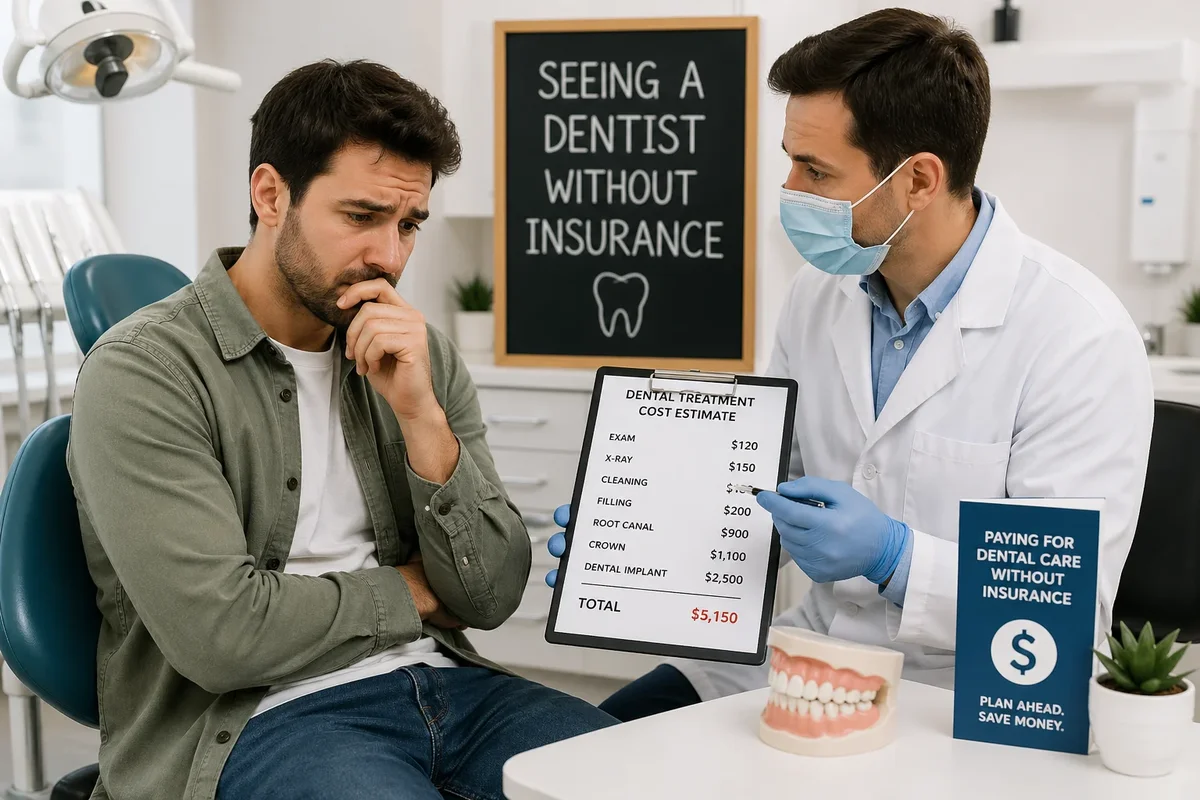
What Treatments Cost When Seeing a Dentist Without Insurance
Understanding treatment costs is one of the most important aspects of seeing a dentist without insurance. Without insurance coverage, patients are responsible for the full price of dental procedures, which can vary significantly depending on location, clinic reputation, and treatment complexity. However, by knowing typical price ranges and cost factors, patients seeing a dentist without insurance can plan ahead and avoid financial surprises. 💡🦷
When seeing a dentist without insurance, transparency becomes essential. Most reputable clinics provide detailed treatment plans that outline costs before any procedure begins. This allows patients to make informed decisions and prioritize necessary treatments.
Average Costs of Common Dental Procedures
For individuals seeing a dentist without insurance, it is helpful to understand the average costs of basic dental services. Below is a general price overview based on global estimates:
- Routine dental exam: $50 – $150
- Professional cleaning: $75 – $200
- Dental X-rays: $100 – $250
- Filling (composite): $150 – $400 per tooth
- Tooth extraction: $150 – $500
- Root canal treatment: $700 – $1,500
- Dental crown: $800 – $2,000
- Dental implant: $1,500 – $4,000 per tooth
These prices highlight why planning is crucial when seeing a dentist without insurance. Costs can vary widely depending on the complexity of the procedure and the materials used.
Why Prices Vary So Much
Patients seeing a dentist without insurance often notice significant price differences between clinics. Factors such as location, dentist experience, technology used, and laboratory costs all influence pricing. High-end clinics may charge more due to advanced equipment and premium materials, while smaller practices may offer more affordable options.
Cost Comparison: Local Clinics vs International Options
One strategy for reducing expenses when seeing a dentist without insurance is comparing local costs with international alternatives. Dental tourism has become popular because many countries offer high-quality treatments at lower prices.
For example, patients seeing a dentist without insurance may find that procedures such as implants or crowns cost significantly less in countries like Turkey. Clinics accessible through the Redent Klinik Contact Page provide cost-effective solutions without compromising quality.
Example Cost Differences
To illustrate, a dental implant that costs $3,000 in some countries may cost between $800 and $1,500 in international clinics. For patients seeing a dentist without insurance, this difference can result in substantial savings, even when travel expenses are included.
Essential vs Cosmetic Treatments
When seeing a dentist without insurance, it is important to distinguish between essential and cosmetic procedures. Essential treatments address health issues such as infections, decay, or structural damage, while cosmetic treatments focus on appearance.
Patients seeing a dentist without insurance should prioritize essential care to prevent complications. Delaying necessary treatments can lead to more serious problems and higher costs in the future.
Examples of Each Category
- Essential: fillings, root canals, extractions, gum treatment
- Cosmetic: teeth whitening, veneers, smile design
By focusing on essential care first, individuals seeing a dentist without insurance can manage their budget more effectively.
Hidden Costs to Be Aware Of
Another important consideration when seeing a dentist without insurance is hidden costs. Some clinics may charge additional fees for consultations, anesthesia, follow-up visits, or materials. These costs can add up quickly if not discussed in advance.
Patients seeing a dentist without insurance should always request a full cost breakdown before starting treatment. This ensures transparency and prevents unexpected expenses.
How to Avoid Surprises
Ask your dentist to provide a written estimate that includes all potential costs. For those seeing a dentist without insurance, this step is essential for financial planning and peace of mind.
Discounts and Cost-Reduction Strategies
There are several ways to reduce expenses when seeing a dentist without insurance. Many clinics offer discounts for upfront payments or bundled services. Others may provide seasonal promotions or special rates for new patients.
Patients seeing a dentist without insurance can also save money by choosing alternative materials or less complex treatment options when appropriate. Discussing these options with your dentist can lead to significant savings.
Negotiation Tips
Do not hesitate to ask about discounts or flexible pricing. Dentists often appreciate honesty and may be willing to adjust costs for patients seeing a dentist without insurance.
The Role of Preventive Care in Reducing Costs
Preventive care plays a crucial role in managing expenses when seeing a dentist without insurance. Regular cleanings and early detection of issues can prevent the need for costly procedures.
According to the American Dental Association, preventive care is the most effective way to reduce long-term dental expenses. Patients seeing a dentist without insurance who invest in routine care often save significantly over time.
Long-Term Financial Benefits
By maintaining good oral hygiene and attending regular check-ups, individuals seeing a dentist without insurance can avoid major treatments and keep costs under control.
In conclusion, understanding treatment costs is essential for anyone seeing a dentist without insurance. By knowing average prices, comparing options, and prioritizing essential care, patients can make informed decisions and manage their dental expenses effectively. With the right approach, seeing a dentist without insurance becomes a practical and financially manageable experience. 😊
Dental Discount Plans vs Insurance: What to Choose
When evaluating options for seeing a dentist without insurance, one of the most common questions patients ask is whether dental discount plans are a better alternative to traditional insurance. While both options aim to reduce costs, they function very differently. Understanding these differences is essential for anyone seeing a dentist without insurance who wants to make a smart and cost-effective decision. 🤔🦷
Dental discount plans have gained popularity among individuals seeing a dentist without insurance because they offer simplicity, transparency, and immediate savings. On the other hand, traditional dental insurance may still appeal to those who prefer structured coverage, even with its limitations.
What Is a Dental Discount Plan?
A dental discount plan is a membership-based program that provides reduced rates on dental services. Instead of paying premiums and dealing with claim approvals, patients seeing a dentist without insurance pay an annual or monthly fee to access discounted treatments at participating clinics.
For those seeing a dentist without insurance, discount plans are often more straightforward. There are no waiting periods, no annual maximums, and no complicated paperwork. Patients simply present their membership and receive reduced pricing.
Key Features of Discount Plans
- Immediate access to discounted rates
- No claim forms or approvals
- No annual spending limits
- Lower overall administrative complexity
These features make discount plans particularly attractive for individuals seeing a dentist without insurance who value simplicity and flexibility.
How Traditional Dental Insurance Works
Traditional dental insurance involves paying monthly premiums in exchange for partial coverage of dental procedures. While this may seem beneficial, it often includes limitations such as annual caps, waiting periods, and exclusions.
Patients seeing a dentist without insurance sometimes find that insurance plans do not cover all treatments or only pay a percentage of the cost. This can result in unexpected out-of-pocket expenses, making insurance less appealing for some individuals.
Common Limitations of Insurance
- Annual maximum benefits (e.g., $1,000–$2,000)
- Waiting periods for major procedures
- Limited coverage for cosmetic treatments
- Complex claim processes
For many patients seeing a dentist without insurance, these limitations reduce the overall value of traditional insurance plans.
Cost Comparison: Discount Plans vs Insurance
Cost is a major factor when deciding between options for seeing a dentist without insurance. Discount plans typically have lower upfront costs compared to insurance premiums. Additionally, they provide predictable pricing without hidden fees.
Insurance, while offering partial coverage, may involve higher long-term costs due to premiums, deductibles, and uncovered services. For patients seeing a dentist without insurance, discount plans often provide better value for routine and preventive care.
Example Cost Breakdown
Discount Plan:
- Annual fee: $100 – $200
- Cleaning: 20–50% discount
- Fillings: 10–30% discount
Insurance Plan:
- Monthly premium: $20 – $50
- Deductible: $50 – $100
- Coverage: 50–80% depending on procedure
For individuals seeing a dentist without insurance, discount plans often provide immediate savings without the complexity of insurance.
Flexibility and Control Over Treatment
One of the biggest advantages of discount plans for patients seeing a dentist without insurance is flexibility. These plans allow patients to choose treatments without waiting for insurance approvals. This means faster care and greater control over decision-making.
In contrast, insurance plans may require pre-authorization for certain procedures, which can delay treatment. For those seeing a dentist without insurance, this delay can be inconvenient and sometimes risky for oral health.
Freedom to Choose Your Dentist
Discount plans often have broader networks or allow patients to choose from a range of participating clinics. Patients seeing a dentist without insurance benefit from this flexibility, as they can select providers based on quality and affordability rather than insurance restrictions.
When Insurance Might Still Be Useful
Although many patients prefer discount plans when seeing a dentist without insurance, there are situations where insurance may still be beneficial. For example, individuals who require frequent major procedures might find insurance helpful in covering part of the cost.
However, even in these cases, patients seeing a dentist without insurance should carefully evaluate whether the premiums and limitations outweigh the benefits.
Who Should Consider Insurance?
- Patients expecting major dental work regularly
- Families needing predictable coverage for children
- Individuals who prefer structured payment systems
For others, especially those seeing a dentist without insurance occasionally, discount plans may offer better value.
Combining Options for Maximum Savings
Some patients seeing a dentist without insurance choose to combine strategies. For example, they may use a discount plan for routine care while saving separately for major treatments. Others may explore international options through the Redent Klinik Contact Page, where comprehensive and affordable treatment plans are available.
This hybrid approach allows patients seeing a dentist without insurance to maximize savings while maintaining access to high-quality care.
Expert Recommendations
According to the American Dental Association, patients should evaluate their individual needs, frequency of visits, and financial situation before choosing between insurance and discount plans. This guidance is especially valuable for those seeing a dentist without insurance.
In conclusion, both dental discount plans and traditional insurance have their advantages, but the best choice depends on your specific needs. For many individuals seeing a dentist without insurance, discount plans offer greater flexibility, lower costs, and immediate benefits. By carefully comparing options and considering your dental care habits, you can make an informed decision that supports both your oral health and your budget. 😊🦷
Emergency Situations When Seeing a Dentist Without Insurance
Dental emergencies can happen at any time, and they are often more stressful for individuals seeing a dentist without insurance. Pain, swelling, or trauma requires immediate attention, and delaying care can lead to serious complications. Fortunately, even when seeing a dentist without insurance, there are practical ways to handle emergencies quickly while managing costs effectively. 🚨🦷
Understanding how to respond in urgent situations is essential for anyone seeing a dentist without insurance. With the right knowledge and preparation, you can protect your oral health and avoid unnecessary financial strain.
Common Dental Emergencies You Should Recognize
Patients seeing a dentist without insurance should be able to identify the most common dental emergencies. These include severe toothaches, broken or chipped teeth, knocked-out teeth, infections, and swelling in the gums or face.
When seeing a dentist without insurance, recognizing these symptoms early can make a significant difference in treatment outcomes and costs. Acting quickly often reduces the complexity and expense of the required care.
Signs That Require Immediate Attention
- Persistent or intense tooth pain
- Swelling in the face or gums
- Bleeding that does not stop
- Loose or knocked-out teeth
- Signs of infection such as fever or pus
If you experience any of these symptoms while seeing a dentist without insurance, seek professional care immediately.
What to Do Before You Reach the Dentist
Knowing how to handle a dental emergency at home can help minimize damage when seeing a dentist without insurance. For example, rinsing your mouth with warm saltwater can reduce bacteria, while applying a cold compress can help control swelling.
Patients seeing a dentist without insurance should also avoid using damaged teeth for chewing and try to keep any broken pieces safe for the dentist to examine.
First Aid Tips for Dental Emergencies
- Use over-the-counter pain relief if necessary
- Apply a cold compress to reduce swelling
- Store a knocked-out tooth in milk or saline
- Avoid hard or sticky foods
These steps can help stabilize the situation until you receive professional care while seeing a dentist without insurance.
Finding Emergency Dental Care Without Insurance
Accessing emergency care is a top priority when seeing a dentist without insurance. Many clinics offer same-day appointments or emergency services specifically for urgent cases. Some may also provide flexible payment options for patients without coverage.
Patients seeing a dentist without insurance can contact clinics directly to ask about emergency availability and pricing. Clinics listed through the Redent Klinik Contact Page can assist in providing immediate care and tailored treatment plans.
Where to Look for Emergency Help
- Local dental clinics with emergency services
- Community health centers
- Hospital emergency departments (for severe infections or trauma)
These options ensure that individuals seeing a dentist without insurance can still receive timely care.
Cost Considerations for Emergency Treatments
One of the biggest concerns during emergencies is cost, especially when seeing a dentist without insurance. Emergency procedures can vary in price depending on the severity of the issue.
For example:
- Emergency consultation: $100 – $300
- Tooth extraction: $150 – $500
- Root canal (urgent): $800 – $1,500
- Temporary crown or repair: $200 – $800
Patients seeing a dentist without insurance should request a clear estimate before treatment begins. This helps avoid unexpected expenses and allows for better financial planning.
Ways to Reduce Emergency Costs
When seeing a dentist without insurance, you can reduce costs by choosing clinics that offer payment plans, negotiating fees, or opting for temporary solutions until a permanent treatment becomes affordable.
Preventing Future Emergencies
While emergencies cannot always be avoided, preventive care plays a crucial role in reducing their likelihood. Patients seeing a dentist without insurance should focus on regular check-ups, proper oral hygiene, and early treatment of minor issues.
According to the American Dental Association, preventive care is the most effective way to avoid serious dental problems. This is especially important for individuals seeing a dentist without insurance, as it helps minimize costly emergency treatments.
Simple Preventive Measures
- Brush and floss daily
- Wear a mouthguard during sports
- Avoid chewing hard objects
- Address minor dental issues early
By following these steps, patients seeing a dentist without insurance can significantly reduce the risk of emergencies.
Emotional and Financial Preparedness
Dental emergencies can be stressful, particularly for those seeing a dentist without insurance. Being prepared both emotionally and financially can make a big difference. Setting aside a small emergency fund for dental care is a practical strategy.
Patients seeing a dentist without insurance should also maintain a list of nearby clinics and emergency contacts. This preparation ensures quick action when urgent situations arise.
Building an Emergency Plan
Having a plan in place allows individuals seeing a dentist without insurance to respond calmly and effectively. Knowing where to go and how to manage costs reduces anxiety and improves outcomes.
In conclusion, emergencies are an unavoidable part of dental care, but they can be managed effectively even when seeing a dentist without insurance. By recognizing symptoms early, taking immediate action, and exploring affordable care options, patients can protect their oral health without unnecessary stress. Ultimately, seeing a dentist without insurance during emergencies requires preparation, awareness, and smart decision-making to achieve the best possible results. 💪🦷
Long-Term Strategies for Managing Oral Health Without Insurance
Maintaining excellent oral health over time requires planning, discipline, and smart decision-making—especially when seeing a dentist without insurance. While short-term solutions such as payment plans or discount clinics are helpful, long-term strategies are what truly protect both your health and your finances. Patients seeing a dentist without insurance who adopt a proactive mindset can significantly reduce the likelihood of expensive treatments and emergencies. 🧠🦷
Long-term success when seeing a dentist without insurance depends on consistency. By building sustainable habits and using available resources wisely, you can ensure that your dental care remains affordable and effective for years to come.
Building a Preventive Care Routine
The foundation of long-term oral health for patients seeing a dentist without insurance is a strong preventive care routine. This includes daily brushing, flossing, and regular dental check-ups. Preventive care reduces the risk of cavities, gum disease, and other issues that can lead to costly procedures.
When seeing a dentist without insurance, prevention is not optional—it is essential. Skipping basic care may save money in the short term but often results in significantly higher costs later.
Consistency Is Key
Patients seeing a dentist without insurance should aim to brush twice daily, floss at least once a day, and use fluoride-based products. These simple habits form the backbone of long-term dental health and help avoid expensive interventions.
Creating a Dental Budget Plan
Financial planning is crucial for individuals seeing a dentist without insurance. Setting aside a small monthly budget for dental care can make a significant difference over time. This fund can be used for routine visits, minor treatments, or unexpected emergencies.
Patients seeing a dentist without insurance who budget effectively are less likely to delay treatment due to cost concerns. This proactive approach ensures that oral health remains a priority.
How to Start Saving
Even saving a small amount each month can build a reliable dental fund. For those seeing a dentist without insurance, this strategy provides financial security and peace of mind.
Choosing the Right Dental Provider
Selecting a trustworthy and affordable dental clinic is a critical long-term strategy when seeing a dentist without insurance. Look for clinics that offer transparent pricing, flexible payment options, and a patient-centered approach.
For example, patients can explore tailored treatment options through the Redent Klinik Contact Page, which provides solutions designed for individuals seeing a dentist without insurance. Choosing the right provider ensures consistent care and better outcomes.
What to Look for in a Clinic
- Clear and upfront pricing
- Flexible payment plans
- Positive patient reviews
- Comprehensive preventive care services
These factors help patients seeing a dentist without insurance maintain a long-term relationship with their dentist.
Prioritizing Preventive Over Reactive Care
One of the most effective strategies for seeing a dentist without insurance is focusing on prevention rather than reacting to problems. Treating issues early is always more affordable than addressing advanced conditions.
According to the American Dental Association, preventive care significantly reduces long-term dental expenses. Patients seeing a dentist without insurance who follow this approach can avoid major procedures and maintain healthier smiles.
Early Intervention Benefits
Addressing minor issues such as small cavities or gum irritation early prevents them from becoming serious problems. For those seeing a dentist without insurance, this approach is both cost-effective and beneficial for overall health.
Using Technology and At-Home Monitoring
Modern technology offers new ways to support oral health, especially for individuals seeing a dentist without insurance. Electric toothbrushes, water flossers, and mobile apps can help improve daily care and track oral hygiene habits.
Patients seeing a dentist without insurance can also use mirrors and lighting to regularly check for signs of dental issues. Early detection reduces the need for complex treatments.
Affordable Tech Tools
Investing in basic dental technology can save money over time. For those seeing a dentist without insurance, these tools enhance preventive care and improve long-term outcomes.
Exploring Long-Term Cost-Saving Options
Patients seeing a dentist without insurance should continuously explore cost-saving opportunities. This includes dental discount plans, community clinics, and even dental tourism for major procedures.
Combining these options allows individuals seeing a dentist without insurance to maintain access to high-quality care while managing expenses effectively.
Strategic Planning for Major Treatments
For larger procedures, planning ahead is essential. Patients seeing a dentist without insurance can compare prices, schedule treatments in stages, or consider international options to reduce costs.
Maintaining a Healthy Lifestyle
Oral health is closely linked to overall lifestyle. Patients seeing a dentist without insurance should adopt healthy habits such as balanced nutrition, hydration, and avoiding harmful behaviors like smoking.
These lifestyle choices not only improve oral health but also reduce the likelihood of expensive dental problems. For individuals seeing a dentist without insurance, prevention through lifestyle is a powerful tool.
Nutrition and Oral Health
A diet rich in calcium, vitamins, and minerals strengthens teeth and gums. Patients seeing a dentist without insurance should limit sugary and acidic foods to protect enamel and reduce the risk of decay.
In conclusion, long-term strategies are the key to successfully managing oral health when seeing a dentist without insurance. By focusing on prevention, budgeting wisely, choosing the right providers, and maintaining healthy habits, patients can achieve lasting dental health without financial strain. Ultimately, seeing a dentist without insurance becomes not a limitation, but an opportunity to take full control of your oral health journey. 😊🦷