
Deciding to sell dental office is a significant step in any dentist’s career journey. Whether you are approaching retirement, pursuing a new venture, or simply ready to transition out of daily patient care, the process of selling a dental practice involves multiple layers of planning, negotiation, and execution. A dental office is more than just a building with equipment—it is a thriving ecosystem that includes loyal patients, skilled staff, financial assets, and a reputation built over years. For this reason, selling a dental office is both a financial transaction and an emotional decision that requires careful consideration. 🦷✨
In today’s competitive healthcare environment, knowing how to sell dental office effectively can make the difference between a smooth, profitable exit and a stressful, drawn-out process. Many dentists underestimate the complexity involved, thinking it’s as simple as finding a buyer and signing a contract. In reality, success requires an in-depth understanding of valuation, market conditions, legal compliance, tax consequences, and buyer selection. By approaching the sale with a structured, informed strategy, you can maximize the value of your dental office and ensure continuity for patients and staff.
The first question many dentists ask is: When is the right time to sell? Timing is crucial. If your practice is thriving, with steady cash flow, a growing patient base, and updated equipment, you are likely to attract more buyers willing to pay a premium. Conversely, waiting too long—such as after revenues have declined or when key staff have left—can reduce the value of your office. Market trends also play an important role. For instance, in 2025, there is increased demand from dental service organizations (DSOs) and private equity groups who are actively acquiring practices across the U.S. Understanding these dynamics will help you position your practice for the best outcome.
Another critical factor in preparing to sell dental office is valuation. Your practice is an asset with tangible and intangible components. Tangible assets include equipment, furniture, and real estate (if owned). Intangible assets involve patient loyalty, goodwill, brand reputation, and referral networks. Professional valuation specialists often use methods such as earnings before interest, taxes, depreciation, and amortization (EBITDA), discounted cash flow analysis, or comparable sales in your region. Getting a fair and accurate valuation not only strengthens your negotiation position but also gives potential buyers confidence in the investment.
Once you know your practice’s value, you must prepare the financial and legal groundwork. Buyers will conduct extensive due diligence, examining tax returns, income statements, accounts receivable, and compliance with healthcare regulations. Any discrepancies or outdated records can delay or derail a sale. This is why financial preparation is not optional—it is mandatory for a successful transition. Legal preparation is equally important, including reviewing lease agreements, vendor contracts, employment agreements, and any partnership structures. Working with a healthcare attorney who specializes in dental transactions is highly recommended.
Marketing plays a central role in the ability to sell dental office quickly and profitably. Gone are the days when word-of-mouth alone could attract buyers. Today, specialized dental brokers, online platforms, and professional networks provide the visibility needed to connect with serious, qualified buyers. Highlighting unique selling points—such as a prime location, state-of-the-art technology, or strong patient retention—can significantly increase buyer interest. Using professional photography, financial summaries, and anonymized patient demographics also creates a professional impression and helps distinguish your practice in a crowded marketplace.
Equally important is considering who will purchase your practice. Some dentists prefer to sell to another private practitioner who will maintain the personal, patient-centered culture. Others may opt for a corporate buyer who can offer higher prices but may change the office’s atmosphere. Understanding the pros and cons of different buyers is essential. While corporate groups may streamline operations and provide stability, private buyers often prioritize relationships and continuity. Choosing the right buyer ensures not only a fair financial return but also peace of mind regarding your legacy and your patients’ well-being.
One area often overlooked when planning to sell dental office is patient and staff transition. Patients develop trust with their dentist and team, and sudden changes can lead to anxiety or even patient loss. Likewise, staff members may feel uncertain about their roles and future security. Creating a transition plan that clearly communicates changes, reassures patients, and maintains staff morale is vital. In some cases, sellers may remain in the practice for a short transition period to help ease the adjustment for everyone involved.
Another consideration is the tax impact of the sale. Depending on how your practice is structured (sole proprietorship, partnership, S corporation, etc.), different tax rules will apply. Some components of the sale may be taxed as capital gains, while others may be treated as ordinary income. Consulting with a tax advisor before finalizing the deal can help you minimize liabilities and maximize profits. Strategic planning in this area could save you thousands—or even hundreds of thousands—of dollars.
Finally, selling a dental office is about looking forward as much as it is about letting go. Many dentists use the sale proceeds to fund retirement, invest in other ventures, or support personal goals such as travel or philanthropy. Others may continue in dentistry in a part-time capacity, mentoring younger professionals or working in public health. Whatever your next chapter, successfully selling your dental office ensures you can enter it with financial stability and peace of mind.
In summary, the decision to sell dental office should not be rushed. With careful planning, professional guidance, and a clear strategy, you can achieve a rewarding outcome that benefits you, your patients, your staff, and the buyer. The process may be complex, but it is entirely manageable with the right steps. In the sections that follow, we will explore the specific strategies, challenges, and opportunities in depth—helping you make informed choices and secure the future you deserve.
Understanding the Dental Practice Market in 2025
Before you decide to sell dental office, it is essential to understand the dynamics of the current dental practice market. In 2025, dentistry is evolving rapidly, shaped by changing demographics, technological innovation, and increasing corporate influence. The market conditions you face today are very different from those of a decade ago. Buyers—whether individual dentists, corporate groups, or private equity firms—evaluate practices through both financial performance and long-term growth potential. By understanding these trends, you can strategically position your office to attract stronger offers and achieve a smoother transition. 🦷📈
Market Growth and Demand for Dental Services
The dental industry continues to expand due to rising demand for both preventive and cosmetic treatments. More patients are seeking advanced procedures such as implants, clear aligners, and full-mouth restorations. This demand increases the attractiveness of practices that offer modern services. If your office provides advanced treatments, it becomes a high-value target for buyers. When you plan to sell dental office, highlighting these service offerings in your marketing materials can set your practice apart from competitors. According to data from industry reports, dental expenditures in the U.S. are projected to surpass $160 billion annually by 2025, reinforcing the long-term stability of this healthcare niche.
Corporate Buyers and DSOs
One of the most significant trends in the dental marketplace is the expansion of Dental Service Organizations (DSOs). These groups acquire practices and centralize administrative functions such as billing, HR, and compliance. For many sellers, this means that when they sell dental office, they may receive higher offers from DSOs compared to independent buyers. DSOs value predictable cash flow, strong patient bases, and modern infrastructure. However, they also tend to make changes to the practice culture, which may or may not align with your values. Understanding the role of corporate buyers helps you weigh financial benefits against the legacy of your office.
Advantages of Selling to DSOs
- Potentially higher sale prices due to access to large investment funds.
- Faster closing timelines, as DSOs have experience in acquisitions.
- Opportunities for the seller to remain as an associate dentist during a transition period.
Challenges of Selling to DSOs
- Possible changes in staff roles and responsibilities.
- Less control over patient care philosophy.
- Corporate policies may reduce the personalized feel of the practice.
Private Buyers and Individual Dentists
On the other hand, many dentists still prefer to sell dental office to an individual buyer. These are often young practitioners looking to establish themselves or experienced dentists relocating to a new area. Selling to a private buyer ensures that the practice maintains its personalized care approach, something that appeals to both staff and patients. However, individual buyers may have more limited access to financing compared to DSOs, which can lead to longer negotiation periods or more stringent loan approval requirements.
Geographic and Demographic Factors
Where your practice is located significantly impacts its value. Urban areas with high patient demand and limited competition often yield higher sale prices. Meanwhile, rural areas may face challenges attracting buyers, even if they have loyal patient bases. Demographic factors also play a role—practices in communities with younger families or a growing population tend to be more attractive. When preparing to sell dental office, it’s important to assess local demographics and include these insights in your sales pitch to potential buyers.
Technology and Modernization as Key Assets
In 2025, technology plays a central role in buyer decisions. Digital X-rays, CAD/CAM systems, intraoral scanners, and electronic health record systems increase efficiency and enhance patient experience. Buyers are willing to pay more for practices that already incorporate these tools, as they reduce the need for immediate capital investments. If you are planning to sell dental office, consider upgrading critical equipment before listing the practice. Even modest improvements can significantly increase perceived value during negotiations.
Examples of High-Value Technologies
- Digital imaging and 3D cone-beam CT scanners
- Paperless patient management systems
- Chairside milling machines for same-day crowns
- Teledentistry platforms for remote consultations
Financial Performance Metrics Buyers Examine
When evaluating whether to sell dental office, remember that buyers scrutinize financial performance closely. Key metrics include annual gross revenue, net profit margins, patient retention rates, and new patient growth. Practices with consistent revenue above $800,000 annually are especially attractive to DSOs. For smaller practices, a loyal patient base and low overhead costs can still create strong appeal for individual buyers. Presenting clean, accurate financial statements reassures buyers and builds trust during the due diligence process.
Future Market Predictions
Looking ahead, experts predict that dental practice consolidation will continue to accelerate. More DSOs will enter mid-sized markets, increasing competition for high-performing practices. At the same time, there will remain strong demand for community-focused practices, particularly in suburban and rural areas where corporate groups have less presence. If you want to sell dental office in 2025 or beyond, positioning your practice within these trends will help ensure maximum profitability.
Ultimately, understanding the dental practice market is the foundation for a successful sale. By staying informed about growth trends, buyer types, financial metrics, and technology expectations, you empower yourself to make smarter decisions. This knowledge not only improves your chances of a profitable outcome but also gives you greater control over how your practice’s legacy continues into the future. 📊🦷
In the following sections, we will dive deeper into specific strategies such as valuation, financial preparation, and negotiation—equipping you with all the tools you need to confidently sell dental office in today’s evolving market landscape.
How to Value Your Dental Office Before Selling
One of the most critical steps when you decide to sell dental office is determining its fair market value. Many dentists mistakenly assume their practice is worth whatever they invested in equipment or real estate, but valuation is far more complex. A proper appraisal balances tangible and intangible factors such as equipment, location, patient base, goodwill, and financial performance. By understanding valuation methods and preparing the right documentation, you can avoid undervaluing your practice and ensure you receive the maximum return on your years of work. 🦷💰
The Importance of Accurate Valuation
An accurate valuation not only sets realistic expectations but also builds trust with potential buyers. When you prepare to sell dental office, buyers want transparency and confidence that the asking price reflects true worth. Overpricing can scare away qualified prospects, while underpricing leaves money on the table. A balanced, evidence-based valuation increases the likelihood of smoother negotiations and faster closing.
Common Valuation Methods
Professional appraisers typically rely on a combination of methods to assess the value of a dental practice. Each approach highlights different strengths and risks, and the final valuation often combines multiple calculations:
Asset-Based Valuation
This method considers the tangible assets of your practice such as dental chairs, X-ray machines, office furniture, and real estate. While useful for practices with significant property ownership, it may undervalue thriving offices where goodwill and patient relationships are the true drivers of revenue.
Income-Based Valuation
Here, the focus is on profitability. Metrics like EBITDA (Earnings Before Interest, Taxes, Depreciation, and Amortization) or adjusted net income are applied to industry-standard multipliers. Buyers care deeply about future earning potential, so this method is often the cornerstone when you sell dental office. A practice consistently generating $1 million in annual collections with healthy margins can command a much higher value than a practice with similar assets but weaker income.
Market Comparison Valuation
This approach looks at recent sales of similar practices in your region. Like real estate comps, it provides context for what buyers are currently paying. While useful, market comparisons must consider differences in patient demographics, location, and service offerings to avoid inaccurate assumptions.
Key Factors That Influence Value
When planning to sell dental office, you must understand what buyers prioritize. Several factors directly influence perceived value:
- Location: Practices in urban or high-growth suburban areas often command higher prices.
- Patient Base: A stable and loyal patient pool adds significant goodwill.
- Revenue and Cash Flow: Consistent collections and profit margins reassure buyers of financial stability.
- Technology: Updated equipment reduces buyer investment needs and increases appeal.
- Staff Stability: Experienced, loyal employees enhance practice continuity.
Goodwill and Intangible Assets
Goodwill is often the largest portion of value when you sell dental office. It represents the reputation, trust, and relationships built over years. Unlike chairs or drills, goodwill cannot be replaced easily. Buyers pay a premium for practices with high patient retention, strong referral networks, and established branding. Demonstrating patient satisfaction—through testimonials, online reviews, or retention statistics—strengthens this intangible but crucial factor.
Documentation Buyers Expect
Preparing comprehensive records is essential to support your valuation claims. Buyers will expect:
- Three to five years of financial statements and tax returns
- Detailed production and collection reports
- Breakdowns of patient demographics and insurance participation
- Lease agreements or property deeds
- Employee contracts and payroll summaries
Having these documents ready accelerates due diligence and demonstrates professionalism. The more organized your records, the more attractive your practice appears to buyers.
Using Professional Appraisers
While you can research valuation methods yourself, hiring a professional dental practice appraiser is highly recommended. Experts not only provide an objective assessment but also know industry benchmarks and current market conditions. Their credibility adds weight during negotiations, helping justify your asking price. In many cases, appraisers also prepare detailed reports that can be shared with lenders, which is especially useful if your buyer needs financing to sell dental office transaction successfully.
Example Valuation Ranges
To provide context, here are sample valuation ranges based on annual collections (figures are estimates as of 2025):
$500,000 – $700,000 annual collections: Practice value ranges from $350,000 – $550,000 depending on profitability and location.
$800,000 – $1.2 million annual collections: Value ranges from $650,000 – $1 million, particularly attractive to DSOs.
$1.5 million+ annual collections: Premium practices often sell above $1.2 million due to strong cash flow and growth potential.
Preparing for Negotiation
Valuation is the foundation for negotiation. When you sell dental office, expect buyers to challenge your figures. Being armed with accurate reports, professional appraisals, and detailed explanations allows you to defend your price. Flexibility is also important—consider structuring deals with partial upfront payments and performance-based earn-outs, especially with corporate buyers. This demonstrates confidence in your numbers while aligning incentives for both parties.
In conclusion, valuing a dental office requires more than a simple calculation. It involves balancing assets, income, goodwill, and market context. With a solid understanding of valuation principles, comprehensive documentation, and professional support, you can confidently set the right price and attract qualified buyers. This preparation ensures that when you finally sell dental office, you achieve both financial success and peace of mind. 🏆
Legal and Financial Preparation for a Smooth Sale
Once you decide to sell dental office, one of the most important stages is ensuring that all legal and financial matters are in perfect order. Many dental practice sales fall apart not because of lack of buyers, but due to poor preparation of contracts, compliance records, and financial statements. By addressing these elements early, you protect your interests, speed up due diligence, and reduce the risk of post-sale disputes. Think of this step as creating a blueprint that reassures buyers and gives you confidence throughout the process. ⚖️💼
Organizing Financial Records
Clear, accurate financial documentation is the backbone of any dental practice sale. Buyers will want to verify that your numbers support the asking price, and lenders will require detailed records to approve financing. Before you sell dental office, prepare at least three to five years of financial statements, including profit and loss reports, balance sheets, and tax returns. Make sure all accounts receivable and payable are current and reconciled. Having discrepancies or outdated information can delay the process and weaken your negotiation position.
Essential Financial Documents to Prepare
- Annual and monthly profit-and-loss statements
- Tax returns for at least three years
- Payroll and employee benefit summaries
- Accounts receivable aging reports
- Loan and lease documentation
Maintaining clean records not only builds trust with buyers but also allows you to confidently defend your valuation figures when you sell dental office.
Legal Compliance and Risk Management
From HIPAA regulations to OSHA compliance, dental practices operate under strict legal frameworks. Buyers want assurance that your office is fully compliant, because inheriting legal problems can be costly and damaging. Conducting a compliance audit before listing your practice is a proactive way to eliminate risks. Ensure patient records are properly maintained, staff training certifications are up to date, and all necessary permits or licenses are current. When you sell dental office, buyers will scrutinize these details closely, so addressing them in advance will prevent complications later.
Common Legal Issues to Address
- Patient Records: Ensure HIPAA-compliant storage and transfer systems.
- Lease Agreements: Verify transfer clauses or negotiate extensions with landlords.
- Employment Contracts: Review agreements with associates, hygienists, and staff.
- Vendor Contracts: Clarify obligations and termination clauses.
- Insurance Policies: Confirm malpractice and liability coverage.
Structuring the Sale Agreement
How you legally structure the transaction significantly affects both taxes and liability. The two most common structures are an asset sale and a stock sale. In an asset sale, the buyer acquires equipment, goodwill, and patient records but not the seller’s corporate entity. This structure is generally preferred by buyers because it limits their risk. A stock sale transfers the entire entity, including liabilities, which may be more favorable for the seller. When you plan to sell dental office, consulting both a healthcare attorney and a tax advisor is crucial for selecting the structure that maximizes your net gain.
Tax Planning and Minimizing Liabilities
The tax implications of selling a practice can be substantial. Depending on how the transaction is structured, parts of the sale may be taxed as ordinary income while others qualify for capital gains treatment. For example, the goodwill portion is typically taxed at the long-term capital gains rate, which is lower than ordinary income tax. Equipment depreciation recapture, however, may be taxed at higher rates. Strategic planning with a certified public accountant (CPA) can help you structure the deal to reduce liabilities and maximize your after-tax proceeds when you sell dental office.
Tax-Saving Strategies
- Allocate more of the sale price toward goodwill to benefit from capital gains rates.
- Utilize retirement plans to defer tax obligations on proceeds.
- Spread payments over multiple years to reduce taxable income spikes.
Protecting Confidentiality
Confidentiality is critical during a sale. You don’t want patients, staff, or competitors learning about your plans prematurely, as it could destabilize the practice. Typically, potential buyers are required to sign a nondisclosure agreement (NDA) before receiving sensitive information. When you sell dental office, confidentiality agreements protect your data while ensuring serious buyers have enough transparency to make informed decisions.
Due Diligence Preparation
Buyers will perform a deep investigation into your practice before closing the deal. This includes reviewing financials, compliance, patient records, and contracts. The smoother you make this process, the faster you can finalize the sale. Consider creating a virtual data room with organized digital files that buyers can access under NDA. This proactive step not only saves time but also demonstrates professionalism, making your practice more appealing.
The Role of Professional Advisors
Navigating the legal and financial complexities of selling a dental practice is challenging without expert support. Engaging a healthcare attorney, dental CPA, and potentially a broker provides essential guidance. Advisors can anticipate issues you may overlook and negotiate on your behalf. While their fees may seem like added expenses, the savings they generate in tax optimization and risk reduction often outweigh the costs. Partnering with trusted advisors ensures that when you sell dental office, you do so with confidence and security.
In conclusion, preparing the legal and financial foundation of your practice is the cornerstone of a successful sale. From compliance audits and tax planning to contract reviews and due diligence, every detail matters. By addressing these areas thoroughly, you reduce risks, speed up the sale, and position yourself for maximum profit. Taking the time to prepare properly means that when you finally sell dental office, the process is smooth, stress-free, and financially rewarding. ✅
Marketing Strategies to Sell Dental Office Fast
When the decision is made to sell dental office, the next challenge is attracting the right buyers quickly and effectively. Even a well-established practice with strong financials can linger on the market if not marketed properly. Successful marketing goes beyond simply listing the practice—it requires a comprehensive strategy that highlights your unique strengths, communicates value, and builds trust with potential buyers. By using a mix of traditional and modern approaches, you can shorten the sales cycle, generate stronger offers, and secure a smooth transition. 🚀🦷
Crafting a Compelling Sales Narrative
Before you start promoting your practice, it’s essential to create a compelling story about why your office is a great investment. Buyers want to know not only about the financials but also about the culture, patient base, and long-term potential. When preparing to sell dental office, highlight the aspects that set you apart, such as:
- A loyal patient base with high retention rates
- Modern equipment and updated technology
- Prime location with growth opportunities
- Strong reputation in the community
A well-crafted narrative reassures buyers that they’re not just purchasing equipment, but also goodwill and future opportunity.
Leveraging Dental Brokers and Advisors
One of the most effective ways to sell dental office quickly is by partnering with a dental practice broker. These professionals have access to extensive buyer networks, understand market trends, and know how to package your practice for maximum appeal. While brokers charge a commission (typically 8–12% of the sale price), the exposure and expertise they provide often lead to faster, more profitable sales.
Advantages of Using Brokers
- Confidential marketing to protect staff and patient relationships
- Professional valuation and pricing advice
- Negotiation support to achieve better terms
- Access to pre-qualified buyers, including DSOs and private dentists
Digital Marketing and Online Listings
Today’s buyers often start their search online, making digital marketing an essential part of selling a practice. Specialized websites for dental practice sales, professional forums, and even LinkedIn can connect you with serious prospects. When you sell dental office through online channels, create listings that include:
- High-quality photos of the facility and equipment
- Anonymous yet detailed descriptions of services and revenue
- Information on staff stability and patient demographics
- Contact details for inquiries managed through an NDA process
Optimizing your listings with relevant keywords like “dental practice for sale” or “opportunity to buy dental office” ensures visibility in search results. This digital presence complements offline efforts and broadens your reach to national and international buyers.
Confidential and Targeted Marketing
Maintaining confidentiality while promoting your practice is a delicate balance. You want to generate interest without alarming staff or patients. Professional brokers and advisors often use anonymized profiles that describe the practice without revealing exact details until buyers sign an NDA. When you plan to sell dental office, this approach ensures both confidentiality and effective outreach.
Networking and Professional Associations
Never underestimate the power of professional networking. Dental associations, local study clubs, and continuing education events provide opportunities to connect with potential buyers. Additionally, organizations like the American Dental Association offer resources and platforms where practices can be listed or marketed. These channels reach highly qualified individuals actively seeking opportunities, increasing your chances of finding the right buyer quickly.
Highlighting Technology and Modernization
Buyers are increasingly interested in practices with modern technology, as it signals efficiency and patient satisfaction. Highlighting your investment in digital imaging, intraoral scanners, or CAD/CAM technology makes your practice more appealing. If you’re preparing to sell dental office, consider upgrading small but impactful areas, such as patient management software or sterilization systems. These improvements not only attract buyers but can also justify a higher asking price.
Technology Features to Showcase
- Digital X-rays and charting systems
- Paperless records and patient portals
- Same-day restorative technology
- Teledentistry capabilities
Using Internal and External Links to Build Trust
Part of marketing is demonstrating credibility. Linking to trusted resources reassures buyers that your practice is reputable and compliant with industry standards. Within your promotional materials, you can also include references like the Redent Klinik Contact Page as a way to show your professionalism and readiness for discussions. Incorporating these elements into your marketing materials supports transparency and builds trust with potential buyers.
Setting the Right Price and Incentives
Marketing is not just about visibility—it’s also about strategy. Pricing your office competitively ensures strong interest. If you overprice, you risk scaring off serious buyers; if you underprice, you lose value. Consider offering incentives such as a smooth transition period where you remain in the office for several months, mentoring the buyer. When you sell dental office, these added assurances can make your listing stand out from others and drive faster sales.
Monitoring Buyer Interest and Following Up
Finally, marketing doesn’t end once inquiries start coming in. You need to monitor buyer engagement, answer questions promptly, and provide additional documentation when requested. Regular follow-ups signal professionalism and commitment, both of which increase buyer confidence. Buyers want reassurance that the seller is cooperative and transparent. The smoother you make this process, the faster you will close a deal.
In conclusion, marketing your dental practice for sale requires a combination of storytelling, professional support, digital visibility, and confidentiality. By leveraging multiple channels, highlighting technology, and working with the right advisors, you can attract serious buyers and shorten the time on the market. A strategic marketing plan ensures that when you finally sell dental office, you achieve the speed, profitability, and peace of mind you deserve. ✅
Negotiation Tactics Every Dentist Should Know
Even if you have prepared your finances, updated your technology, and created a marketing plan, the real test comes when you sit down to negotiate the deal. Knowing how to negotiate effectively is often the difference between walking away with a fair price or leaving value on the table. When you decide to sell dental office, you are not just transferring ownership—you are negotiating goodwill, reputation, and years of dedication. Understanding negotiation strategies allows you to protect your interests while building trust with buyers, ensuring a deal that satisfies both sides. 🤝🦷
Understanding the Buyer’s Perspective
Before you begin negotiations, take time to understand what matters most to the buyer. Corporate groups may prioritize consistent revenue and patient volume, while private dentists may focus on location, growth potential, or practice culture. When you sell dental office, showing that you understand the buyer’s motivations gives you an advantage in framing the discussion. Anticipating their concerns—such as financing, staff retention, or transition plans—helps you prepare counterarguments and solutions that move negotiations forward.
Setting Realistic Expectations
One of the biggest mistakes sellers make is expecting an inflated price. While you naturally want the highest return, setting unrealistic expectations can stall negotiations or drive buyers away. A professional valuation provides an objective foundation to defend your asking price. When you sell dental office, presenting valuation reports and industry benchmarks creates transparency and credibility, reducing the likelihood of disputes over price.
Preparing Your Negotiation Strategy
Successful negotiation is about preparation, not improvisation. Before sitting down with buyers, identify your must-haves, your ideal outcome, and areas where you are willing to compromise. Develop a strategy that prioritizes your core goals—such as securing a fair price, ensuring staff stability, and protecting patient relationships—while leaving room for flexibility in areas like payment structures or transition length.
Key Elements of a Negotiation Strategy
- Non-Negotiables: Establish boundaries for the minimum sale price or terms you will accept.
- Preferred Outcomes: Define your ideal price, timeline, and transition arrangements.
- Concessions: Decide in advance what you can compromise on, such as financing terms or lease flexibility.
Using Multiple Offers to Your Advantage
If possible, attract multiple interested buyers before committing to negotiations. This creates competitive tension and strengthens your position. Buyers who know they are competing are more likely to make stronger offers and compromise on terms. When you plan to sell dental office, keeping multiple offers on the table allows you to compare not only price but also intangibles like cultural fit and long-term vision for the practice.
Payment Structures and Earn-Out Agreements
Not all offers are created equal. Some buyers may propose a lump sum, while others prefer structured payments over time. Corporate groups often use earn-out agreements, where part of the payment depends on future performance. While this can extend your involvement in the practice, it may also yield a higher overall payout. When you sell dental office, carefully evaluate payment structures to balance security with potential upside.
Types of Payment Arrangements
- All-Cash Sale: Immediate payout but sometimes lower offers.
- Seller Financing: You finance part of the purchase, earning interest but assuming risk.
- Earn-Out Agreements: Payments tied to practice performance post-sale.
- Hybrid Models: A combination of upfront cash and structured payments.
Handling Staff and Patient Transition During Negotiation
Many negotiations extend beyond money. Buyers often want assurances that staff will stay and patients will not leave after the transition. When you sell dental office, be prepared to discuss employee retention bonuses, training agreements, or your role in introducing the new owner to patients. These non-financial elements can become powerful bargaining tools, especially if buyers value continuity and goodwill.
Maintaining Professionalism and Emotional Balance
Selling your practice can be emotional—you are parting with a legacy you built over years. However, negotiations should remain professional and fact-based. Avoid letting emotions drive decisions, as this can weaken your position. If discussions become heated, rely on your broker, attorney, or CPA to mediate. Keeping a calm, professional demeanor reassures buyers that you are serious and cooperative, increasing the likelihood of a favorable outcome when you sell dental office.
The Role of Advisors in Negotiation
Engaging professional advisors is invaluable during negotiations. Brokers understand buyer psychology, attorneys protect you from unfavorable terms, and CPAs optimize tax outcomes. While you should be actively involved, letting experts handle the technical aspects allows you to focus on the big picture. Professional representation also signals to buyers that you are well-prepared, which can discourage lowball offers.
Closing the Deal with Confidence
Once terms are agreed upon, negotiations shift toward finalizing legal documents and due diligence. Carefully review contracts to ensure they reflect agreed terms. Do not rush to close—take the time to confirm that all details align with your goals. When you finally sell dental office, closing with confidence means you have protected your financial future, your patients, and your staff.
In conclusion, negotiation is not just about getting the highest price—it’s about achieving a balanced outcome that respects both parties’ interests. By preparing thoroughly, leveraging multiple offers, evaluating payment structures, and maintaining professionalism, you can navigate the process with confidence. Mastering these tactics ensures that when you sell dental office, you do so on terms that reflect the true value of your hard work and dedication. ✅
Tax Implications When You Sell Dental Office
One of the most overlooked yet financially significant aspects of selling a dental practice is the tax burden. Many dentists focus on valuation and negotiation but fail to plan strategically for taxes, only to be surprised when a large portion of the proceeds is consumed by the IRS. If you plan to sell dental office, understanding tax implications in advance is crucial for maximizing your net return. A well-structured sale, guided by knowledgeable advisors, can save you tens of thousands of dollars—or even more. 💵🦷
Why Tax Planning Matters
When you sell dental office, the proceeds are not treated uniformly. The IRS distinguishes between ordinary income and capital gains, and how the deal is structured determines how much you owe. Without careful planning, you could face a much higher tax liability than necessary. Effective tax strategies reduce liability, optimize timing, and allow you to keep more of what you’ve earned from years of dedication to your patients and practice.
Asset Sale vs. Stock Sale
The structure of the transaction significantly impacts taxes. In an asset sale, you sell individual components of the practice—such as equipment, goodwill, and patient records—rather than the entire corporate entity. This structure is favored by buyers because it reduces their risk and allows them to claim depreciation. However, it may increase the seller’s tax burden because certain assets are taxed at ordinary income rates. In a stock sale, the buyer purchases ownership of the entire entity, including liabilities, which often benefits the seller with more favorable capital gains treatment. When you sell dental office, consult both a CPA and attorney to determine which structure produces the best net outcome.
Tax Consequences of Asset Sale
- Equipment depreciation recapture is taxed at ordinary income rates.
- Goodwill allocation is generally taxed as long-term capital gains.
- Buyer gets larger tax benefits, but seller may pay higher taxes.
Tax Consequences of Stock Sale
- Entire proceeds often taxed as capital gains, typically at lower rates.
- Fewer immediate benefits for buyers, making negotiations harder.
- Seller avoids depreciation recapture issues.
Allocation of Purchase Price
How the purchase price is allocated across assets has major tax implications. The IRS requires both parties to agree on allocation, and it must be reported consistently. For example, allocating a higher percentage to goodwill (which is taxed as capital gains) benefits the seller, while allocating more to equipment (depreciable assets) benefits the buyer. When you sell dental office, negotiating this allocation becomes a critical part of maximizing after-tax proceeds.
Capital Gains vs. Ordinary Income
One of the biggest tax considerations is whether the proceeds qualify for long-term capital gains tax, which is typically lower than ordinary income rates. Goodwill, patient records, and practice reputation usually qualify as capital gains. On the other hand, items like accounts receivable, supplies, and equipment depreciation recapture may be taxed as ordinary income. By strategically structuring the sale, you can shift more value into capital gains categories, significantly reducing your overall liability when you sell dental office.
State Tax Considerations
In addition to federal taxes, state tax laws play an important role. Some states have no income tax, while others impose additional capital gains taxes. If your practice is located in a high-tax state, careful planning with a tax advisor is even more essential. For dentists operating across multiple states or with real estate holdings, multi-jurisdictional tax rules can complicate the sale. Ensuring compliance while minimizing liability is part of preparing thoroughly before you sell dental office.
Retirement and Tax-Deferred Strategies
Many dentists use retirement planning as a tool to offset tax liabilities from the sale. By contributing proceeds into tax-deferred accounts or structuring a deal that allows installment payments, you may reduce your immediate taxable income. Options such as SEP IRAs, solo 401(k)s, or defined benefit pension plans can be powerful tools in this process. Leveraging retirement strategies ensures that when you sell dental office, you secure not only immediate cash but also long-term financial stability.
Examples of Tax-Deferred Tools
- SEP IRA contributions from sale proceeds
- Installment sales spreading tax liability over several years
- Charitable trusts for tax deductions and philanthropy
Installment Sales and Cash Flow Benefits
Instead of receiving all proceeds upfront, some dentists choose installment sales, where payments are spread over multiple years. This strategy smooths income, reducing the risk of jumping into higher tax brackets. While it involves some risk—since future payments depend on the buyer’s ability to pay—it can reduce tax liability and provide steady income post-sale. Considering installment structures is a smart option when you sell dental office, especially if retirement or phased withdrawal from dentistry is your goal.
Role of Professional Tax Advisors
Given the complexity of tax law, working with a CPA who specializes in dental transactions is highly recommended. Advisors not only ensure compliance but also identify creative strategies for reducing tax burdens. From structuring allocations to optimizing retirement contributions, their expertise is invaluable. Selling a practice is often a once-in-a-lifetime event, so investing in professional guidance ensures you don’t make costly mistakes when you sell dental office.
In conclusion, tax implications can dramatically affect the financial outcome of selling your practice. From structuring the transaction type to allocating purchase price and leveraging retirement tools, every decision matters. By working with experienced advisors and planning ahead, you can minimize tax liabilities and maximize your profits. Taking a proactive approach ensures that when you sell dental office, you retain the rewards of your career rather than losing them to unnecessary taxes. ✅
Choosing the Right Buyer: Corporate vs. Private
When you decide to sell dental office, one of the most impactful choices you will make is selecting the right buyer. The type of buyer you choose influences not only the financial outcome but also the legacy of your practice, the security of your staff, and the continuity of patient care. In today’s market, most sellers weigh two primary options: corporate buyers such as Dental Service Organizations (DSOs) or private individual dentists. Each path comes with advantages and challenges, and understanding these differences is critical to making a confident decision. 🦷🤝
Corporate Buyers and DSOs
Corporate buyers, often structured as DSOs, have become a dominant force in the dental market. They are backed by private equity and institutional investors, giving them significant resources to acquire multiple practices. When you sell dental office to a DSO, the process is usually faster, with higher upfront offers and streamlined due diligence. However, it’s essential to understand how their acquisition model may affect the future of your practice.
Advantages of Selling to Corporate Buyers
- Higher Purchase Price: DSOs often pay above-market rates to expand rapidly.
- Speed of Transaction: Corporate groups are experienced in acquisitions, reducing delays.
- Operational Support: DSOs manage billing, HR, and compliance, reducing administrative burdens.
- Transition Options: Many offer the seller the chance to stay on as an associate for a defined period.
Potential Downsides of Corporate Buyers
- Loss of Autonomy: Corporate policies may change how your practice operates.
- Patient Experience: Some DSOs prioritize efficiency over personalized care.
- Staff Adjustments: Corporate groups may restructure staff roles to cut costs.
Private Buyers and Individual Dentists
On the other hand, private buyers—often younger dentists seeking ownership—offer a very different experience. Selling to an individual can preserve the culture and patient relationships you’ve built. When you sell dental office to a private dentist, the continuity of care and staff loyalty often remains stronger. However, financing can be more complicated, and negotiations may take longer.
Advantages of Selling to Private Buyers
- Continuity of Care: Patients and staff experience minimal disruption.
- Practice Culture: Personalized, community-focused atmosphere remains intact.
- Long-Term Legacy: Your reputation and philosophy are more likely to be preserved.
Challenges of Private Buyers
- Financing Limitations: Individual buyers rely on loans, which can delay or reduce offers.
- Negotiation Time: Longer due diligence and loan approvals may slow down closing.
- Smaller Offers: Purchase price may be lower compared to DSOs with larger budgets.
Comparing Buyer Types Side by Side
| Factor | Corporate Buyer (DSO) | Private Buyer |
|---|---|---|
| Purchase Price | Often higher, premium valuations | Typically market value or lower |
| Transaction Speed | Fast, experienced in acquisitions | Slower due to financing needs |
| Practice Culture | May change due to corporate policies | Usually preserved, patient-focused |
| Staff Impact | Possible restructuring and role changes | Stability and continuity for employees |
| Seller’s Role | Option to stay temporarily as associate | Seller may fully exit or support transition |
Evaluating Buyer Fit Beyond Price
While the financial offer is critical, dentists who sell dental office should also evaluate the buyer’s philosophy and long-term vision. For instance, if you want your practice to remain community-centered, a private buyer may align better. If your priority is maximizing financial return and exiting quickly, a corporate buyer might be the better fit. Weighing financial and non-financial factors ensures you achieve a deal that reflects your goals and values.
Due Diligence on Buyers
Just as buyers investigate your practice, you should also evaluate them. Ask questions about their experience, financing, and transition plans. Request references from other dentists who have sold to them. When you sell dental office, knowing your buyer’s track record prevents surprises and builds confidence that your patients and staff will be in good hands.
Professional Guidance in Buyer Selection
Dental brokers, attorneys, and CPAs play an essential role in helping you choose the right buyer. They can analyze offers not only for price but also for tax impact, risk exposure, and transition planning. With expert guidance, you can compare corporate and private offers objectively, ensuring you select the buyer who provides the best combination of financial reward and practice continuity.
In conclusion, choosing the right buyer goes far beyond accepting the highest offer. By carefully weighing the differences between corporate and private buyers, assessing long-term impacts, and conducting due diligence, you protect your legacy while securing financial success. When you finally sell dental office, the decision of who buys it will shape the future of your staff, your patients, and the reputation you worked hard to build. ✅
Transition Planning for Patients and Staff
Deciding to sell dental office involves more than financial negotiations—it requires a thoughtful transition plan to protect the trust of patients and the stability of staff. Patients who have built long-term relationships with their dentist may feel anxious about the change, while employees may worry about job security. A smooth transition minimizes disruption, reassures everyone involved, and enhances the overall value of the practice. By creating a detailed plan for patient communication, staff management, and operational continuity, you can leave a legacy of professionalism and care. 🦷💼
The Importance of Transition Planning
When you sell dental office, transition planning is a critical factor that buyers consider during negotiations. A well-structured plan ensures that patients remain loyal to the practice and staff remain engaged with the new owner. Without it, even the most financially attractive sale could unravel due to patient attrition or staff resignations. Buyers value practices with seamless transitions, as they reduce risks and ensure profitability post-sale.
Communicating with Patients
Patients are at the heart of every dental office. Sudden changes can create uncertainty, but clear and timely communication prevents misunderstandings. When you sell dental office, it’s best to introduce the new owner through a formal letter, email campaign, or even personal conversations. Highlight the buyer’s qualifications, commitment to care, and alignment with the office’s values. Reassuring patients that their records and treatment plans will continue seamlessly builds trust and confidence.
Best Practices for Patient Communication
- Send a joint letter signed by both seller and buyer.
- Host a meet-and-greet event where patients can meet the new dentist.
- Provide FAQs to address common patient concerns about insurance, scheduling, and treatment continuity.
- Reinforce that staff members will remain, ensuring familiar faces during appointments.
Managing Staff Transition
Staff play a vital role in the success of a practice. Dental assistants, hygienists, and administrative personnel are often the primary points of contact for patients. When planning to sell dental office, retaining staff is one of the top priorities for buyers. Communicating openly with employees about the transition, offering reassurance, and sometimes providing retention bonuses can ensure loyalty during and after the sale.
Strategies for Staff Retention
- Announce the sale in a confidential meeting before patients are informed.
- Offer retention bonuses for staff who remain through the transition period.
- Encourage staff to collaborate with the new owner to maintain consistent workflows.
- Provide written assurances about role continuity when possible.
Transitioning Clinical and Administrative Systems
Operational continuity is critical. Buyers want assurance that systems—from scheduling and billing to electronic health records—will remain functional during the handover. When you sell dental office, create a step-by-step operational transfer plan. This may include staff training sessions, data migration, and vendor introductions. Ensuring that patients continue to receive seamless service reinforces trust in the new ownership.
Role of the Seller During Transition
Many buyers prefer that the seller remain involved for a short period after closing. This could mean working part-time as an associate, mentoring the buyer, or being available for introductions. When you sell dental office, offering to stay for six to twelve months can ease concerns, provide continuity, and reassure both staff and patients. While this may not be ideal for every seller, it often strengthens negotiations and leads to better deals.
Legal and Confidentiality Considerations
Transition planning must also comply with legal and ethical obligations. Patient records must be transferred securely, following HIPAA guidelines. Staff employment contracts should be reviewed to ensure proper transfer of responsibilities. Confidentiality agreements may be required to protect sensitive information during the handover. Addressing these elements early helps avoid legal complications when you sell dental office.
Monitoring Patient Retention After the Sale
A successful transition doesn’t end at closing. Monitoring patient retention in the months following the sale is essential for ensuring long-term success. Buyers may request that part of the payment be tied to patient retention metrics, making it financially important for sellers as well. Supporting the new owner during this phase—by endorsing them publicly and encouraging patients to continue care—can boost retention rates significantly.
Creating a Positive Legacy
For many dentists, selling a practice is as much about legacy as it is about profit. Patients and staff represent years of dedication, trust, and hard work. When you sell dental office, taking the time to ensure a smooth, respectful transition leaves a lasting positive impression. It also enhances your reputation within the dental community, should you decide to remain involved in mentoring or consulting.
In conclusion, transition planning is one of the most important yet often underestimated steps in selling a dental practice. From communicating with patients to supporting staff and ensuring operational continuity, each detail contributes to long-term success. A comprehensive transition plan reassures buyers, protects your legacy, and ensures that when you finally sell dental office, you do so with dignity, professionalism, and peace of mind. ✅
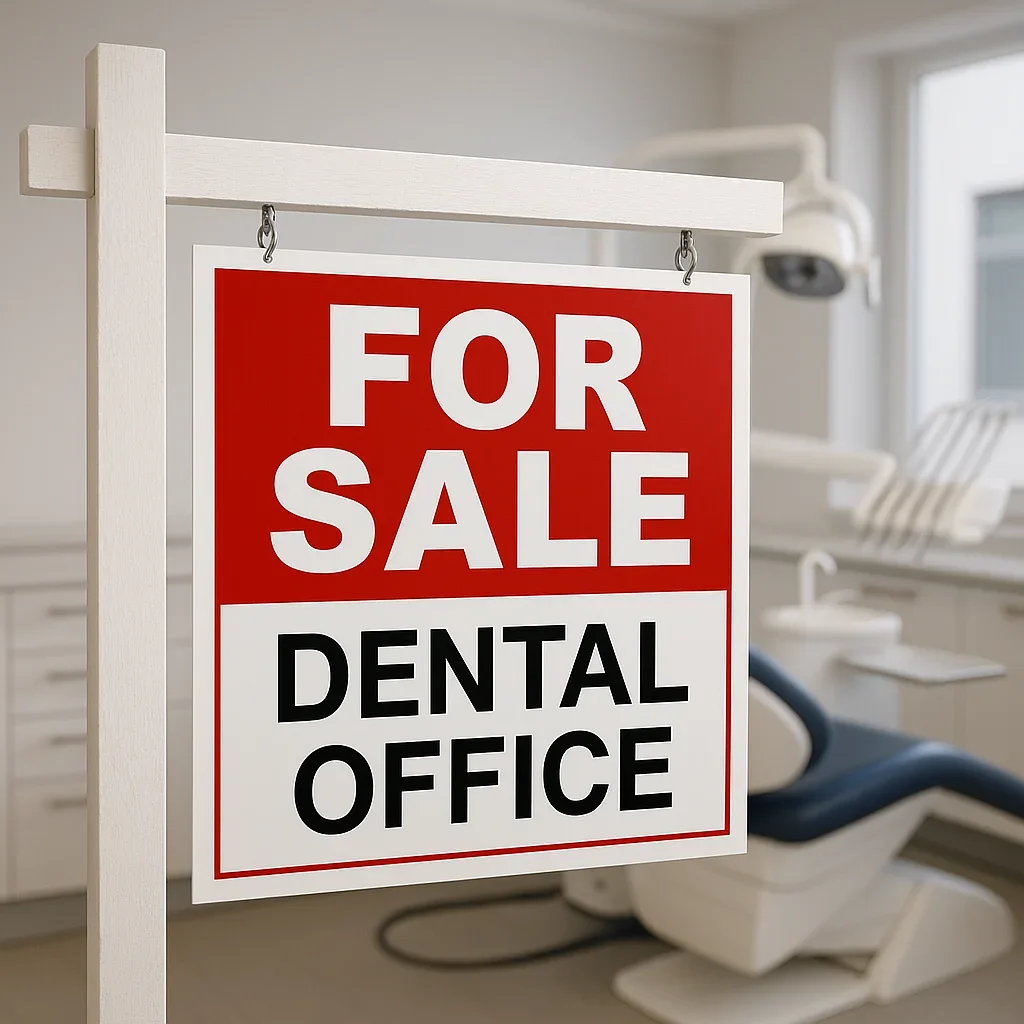
Common Mistakes to Avoid When Selling a Dental Office
After years of dedication to patient care, deciding to sell dental office is a major milestone. However, even well-prepared dentists can make critical mistakes that reduce practice value, complicate negotiations, or delay closing. Recognizing these pitfalls early allows you to take proactive measures, protect your financial future, and ensure a smoother transition. In this section, we’ll explore the most common mistakes dentists make during the sales process and how to avoid them. 🚫🦷
Failing to Prepare Financial Records
One of the most damaging mistakes is entering negotiations without accurate and organized financial documentation. Buyers need clear proof of profitability, expense trends, and patient flow. When you sell dental office, failing to provide clean tax returns, production reports, and overhead analyses undermines credibility. It may also lead buyers to question whether you are hiding liabilities.
How to Avoid This Mistake
- Work with a CPA to prepare at least 3–5 years of tax returns and profit-and-loss statements.
- Standardize reporting formats for easy buyer review.
- Address any red flags (such as unusual expense spikes) before listing your practice.
Overpricing the Practice
Dentists are often emotionally attached to their practices, leading to unrealistic asking prices. Overpricing can scare away qualified buyers and prolong the sales process. When you sell dental office, remember that buyers rely on industry-standard valuation methods. Setting an inflated price not only reduces interest but can also harm negotiations later.
How to Avoid This Mistake
- Hire an experienced dental practice broker or valuation expert.
- Compare your practice to recent local sales to set realistic expectations.
- Be willing to adjust the asking price based on market response.
Neglecting Practice Appearance and Technology
A practice that looks outdated or poorly maintained can turn buyers away, even if financials are strong. Old equipment, worn furniture, or outdated technology signals additional investment costs. When you sell dental office, presenting a modern, well-maintained environment reassures buyers that they are acquiring a thriving business rather than a fixer-upper.
How to Avoid This Mistake
- Invest in minor renovations, such as fresh paint and new flooring.
- Upgrade essential technology like digital X-rays or patient management software.
- Ensure the office is spotless during showings and buyer visits.
Poor Communication with Staff
Some dentists delay informing staff about the sale, leading to uncertainty, low morale, or even resignations. Others overshare too early, creating unnecessary anxiety. Both extremes can negatively affect practice stability. When you sell dental office, poorly managed staff communication may result in lost talent and reduced buyer confidence.
How to Avoid This Mistake
- Plan a structured communication strategy with advisors.
- Inform staff at the right stage—after serious buyer interest but before final closing.
- Offer reassurance and retention incentives to key employees.
Ignoring Tax Implications
Another common mistake is failing to account for the tax burden associated with the sale. Many dentists focus only on gross purchase price without considering how much they’ll owe in taxes. This oversight can lead to disappointment when net proceeds fall short. When you sell dental office, proper tax planning ensures that you keep as much of the proceeds as possible.
How to Avoid This Mistake
- Work with a CPA to project tax liability under different deal structures.
- Consider installment sales or retirement plan contributions to reduce immediate tax impact.
- Negotiate purchase price allocations that favor capital gains treatment.
Failing to Screen Buyers
Not every buyer is qualified or aligned with your practice’s culture. Rushing into negotiations without screening can result in wasted time, broken deals, or mismatched expectations. When you sell dental office, failing to verify a buyer’s financing or professional background may jeopardize the transaction.
How to Avoid This Mistake
- Require proof of financing before entering detailed negotiations.
- Ask for professional references from other acquisitions or employers.
- Evaluate cultural fit to ensure staff and patients feel comfortable with the new owner.
Going Through the Process Alone
Some dentists attempt to handle the entire sales process without professional support, believing it will save money. However, without brokers, attorneys, or CPAs, sellers risk making costly mistakes in negotiations, contracts, and compliance. When you sell dental office, going it alone can result in unfavorable terms and overlooked liabilities.
How to Avoid This Mistake
- Hire a dental practice broker to manage buyer outreach and negotiations.
- Engage an attorney to draft and review contracts.
- Work with a CPA to optimize the financial and tax outcome.
Rushing the Timeline
Impatience can be just as harmful as delays. Some sellers rush to close without completing due diligence, resulting in overlooked issues or disputes after the sale. When you sell dental office, rushing the process may lower the final purchase price or reduce the buyer’s trust.
How to Avoid This Mistake
- Create a realistic timeline that allows for valuation, negotiations, and due diligence.
- Stay patient even if the process feels slow—thoroughness prevents future problems.
- Balance urgency with caution to avoid mistakes that could reduce your proceeds.
Lack of Transition Planning
Some dentists underestimate the importance of patient and staff transition. Without a clear plan, buyers may fear revenue loss and adjust their offers downward. When you sell dental office, neglecting transition planning is one of the most costly mistakes you can make.
How to Avoid This Mistake
- Develop a written transition strategy before listing the practice.
- Communicate proactively with staff and patients.
- Offer to assist the buyer post-closing for a defined period.
In summary, selling a dental practice is a complex process that goes beyond finding a buyer. From financial preparation to staff communication and tax planning, every detail matters. By avoiding these common mistakes and relying on professional guidance, you increase your chances of a smooth and profitable transaction. Taking the time to prepare ensures that when you sell dental office, you do so without regret and with the satisfaction of leaving behind a stable, thriving legacy. ✅