
Visiting a dental clinic can feel stressful for many people, but for individuals with sensory sensitivities, the experience may become overwhelming. A sensory dentist is trained to create a calming, supportive, and comfortable environment for patients who struggle with bright lights, loud sounds, strong smells, or physical sensations during dental treatment. Today, more families are searching for a sensory dentist because they want dental care that focuses not only on oral health but also on emotional comfort and sensory regulation. 😊
A sensory dentist provides specialized dental care for children, teenagers, and adults who may experience sensory processing difficulties, autism spectrum disorder, dental anxiety, ADHD, or heightened sensitivity to stimulation. Unlike a traditional dental office, a sensory-friendly dental clinic uses calming techniques, gentle communication, quieter tools, and customized treatment approaches to reduce fear and discomfort. The goal of a sensory dentist is to make every dental appointment predictable, safe, and manageable for the patient.
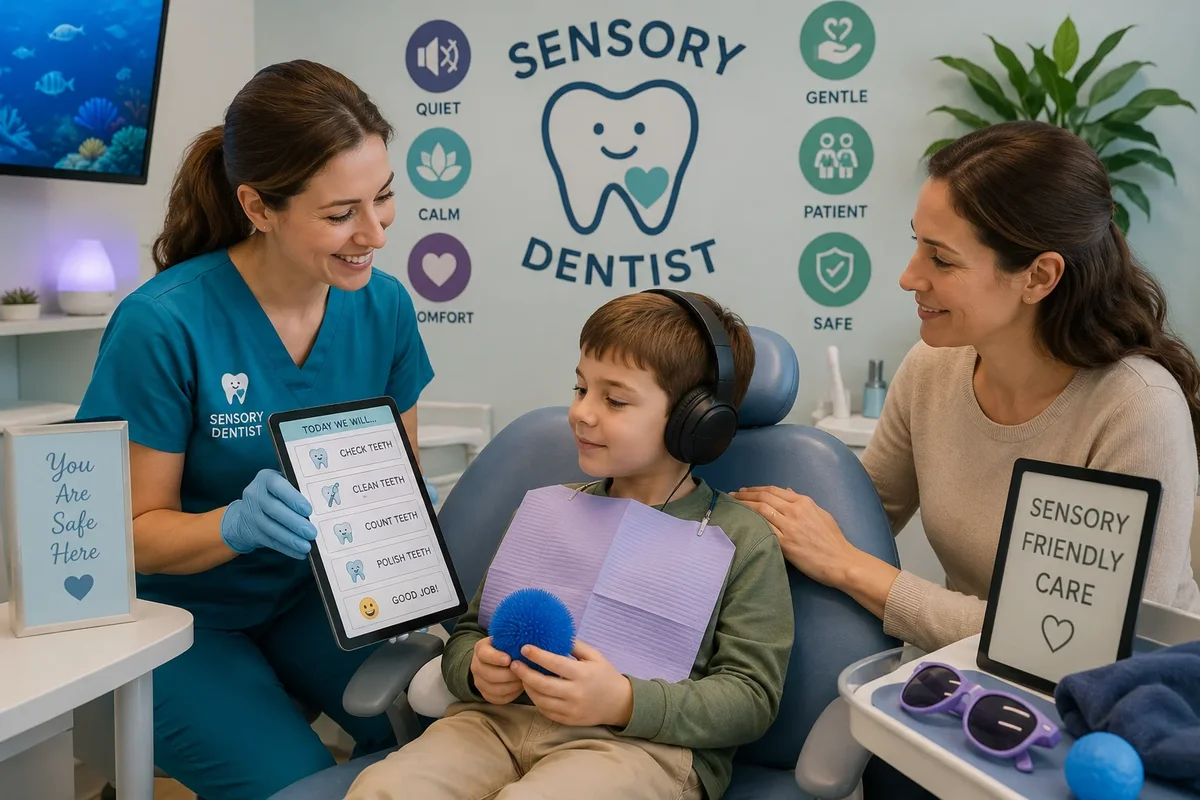
One of the main reasons patients seek a sensory dentist is because ordinary dental visits can trigger stress responses. Bright examination lights, vibrating instruments, suction noises, and unfamiliar smells may create sensory overload. A sensory dentist understands these challenges and adapts the dental experience accordingly. For example, many sensory-friendly dental offices provide dim lighting, noise-canceling headphones, weighted blankets, soothing music, aromatherapy, and quieter treatment rooms. These small adjustments can make a significant difference in helping patients remain calm during treatment.
Families often choose a sensory dentist for children who have difficulty sitting still during appointments or who become anxious in medical environments. However, adults can also benefit greatly from seeing a sensory dentist. Many adults with sensory sensitivities avoided dental treatment for years due to fear or discomfort. A compassionate sensory dentist can help rebuild confidence while improving oral health safely and gradually.
Another important advantage of visiting a sensory dentist is improved communication. Sensory-friendly dental professionals usually explain each step before beginning treatment. This approach reduces uncertainty and helps patients feel more in control. Some patients benefit from visual schedules, hand signals, or scheduled breaks during procedures. A sensory dentist understands that flexibility and patience are essential for successful appointments.
Modern sensory-friendly dentistry also includes advanced technology designed to increase comfort. Digital scanners may replace uncomfortable traditional impressions, while minimally invasive tools can reduce noise and vibration. Many patients discover that a sensory dentist offers a far more relaxing experience than they expected. These innovations are helping more people receive consistent dental care without fear.
In addition to comfort, a sensory dentist focuses on preventive care and long-term oral health. When patients feel safe during appointments, they are more likely to attend regular checkups and cleanings. Preventive visits allow dentists to identify cavities, gum disease, and other oral health issues early before they become severe or expensive. This is especially important for patients who previously delayed treatment due to anxiety or sensory discomfort.
Many parents searching for a sensory dentist also look for clinics that support neurodivergent individuals with personalized care plans. Sensory-friendly dentistry often overlaps with special needs dentistry, but the focus remains on adapting the sensory environment itself. Some sensory-sensitive patients may prefer shorter visits, while others may require additional time to become comfortable with dental instruments. A skilled sensory dentist adjusts treatment plans according to each patient’s individual needs.
According to the American Dental Association, patient-centered care is essential for improving oral health outcomes. A sensory dentist follows this philosophy by prioritizing emotional well-being alongside clinical treatment. This supportive approach helps patients develop healthier relationships with dental care over time.
Patients looking for personalized and compassionate dental services can also contact clinics directly through the Redent Klinik Contact Page. Finding a qualified sensory dentist can transform dental visits from stressful experiences into calm and manageable appointments.
Many people mistakenly believe that avoiding the dentist is easier than coping with sensory discomfort. Unfortunately, delaying dental care may lead to cavities, infections, gum disease, tooth loss, and costly procedures later. A sensory dentist helps break this cycle by creating an environment where patients feel respected, understood, and comfortable. Over time, repeated positive experiences can reduce dental fear significantly.
Another benefit of a sensory dentist is the use of individualized calming techniques. Some patients respond well to distraction methods such as watching videos during treatment, while others prefer relaxation breathing exercises or tactile comfort items. Sensory-aware dental teams carefully observe patient reactions and modify the appointment when necessary. This adaptive care model allows patients to feel more empowered throughout the process. 🌿
Choosing a sensory dentist is not only about comfort—it is also about access to healthcare. Everyone deserves quality dental treatment regardless of sensory challenges or anxiety levels. Sensory-friendly dentistry creates a welcoming environment where patients can maintain healthy teeth and gums without fear. As awareness continues to grow, more dental clinics are adopting sensory-friendly practices to support patients of all ages.
Ultimately, a sensory dentist combines professional dental expertise with empathy, patience, and sensory-conscious care. Whether a patient experiences autism, dental phobia, sensory processing disorder, or general anxiety, the right sensory dentist can provide a dramatically more positive experience. With proper support, patients can receive the preventive and restorative dental care they need while feeling calm, respected, and safe throughout every appointment. 🦷
What Is a Sensory Dentist and How Does Sensory-Friendly Dentistry Work?
A sensory dentist is a dental professional who focuses on creating a calm, adaptable, and supportive experience for patients with sensory sensitivities, dental anxiety, autism spectrum disorder, ADHD, or sensory processing challenges. Traditional dental clinics may unintentionally overwhelm patients with bright lights, loud instruments, unfamiliar smells, and physical sensations. A sensory dentist understands these triggers and modifies the dental environment to reduce stress and improve comfort. 🦷
The goal of a sensory dentist is not only to treat teeth and gums but also to help patients feel emotionally secure throughout every stage of treatment. Sensory-friendly dentistry is becoming increasingly popular because many people avoid dental care due to fear, overstimulation, or traumatic experiences from previous appointments. A compassionate sensory dentist can completely transform how patients view dental visits.
Why Sensory-Friendly Dentistry Is Important
For many individuals, dental care can trigger intense discomfort. Sounds from dental drills, suction devices, and polishing tools may feel unbearable for someone with heightened sensory awareness. Bright overhead lighting and strong disinfectant smells can also contribute to anxiety. A sensory dentist recognizes that these environmental factors affect patients differently and creates personalized strategies to reduce overstimulation.
Patients with autism or neurodivergent conditions often benefit greatly from visiting a sensory dentist. However, sensory-friendly dental care is not limited to autism support. Adults with severe dental anxiety, PTSD, panic disorders, or general sensitivity to touch and sound may also feel safer in a sensory-friendly dental office.
One major advantage of a sensory dentist is improved consistency in oral care. Patients who once avoided cleanings or delayed treatment due to fear may become more comfortable attending regular appointments. Over time, this reduces the risk of cavities, gum disease, infections, and expensive restorative procedures.
How a Sensory Dentist Creates a Comfortable Environment
A sensory dentist carefully designs the dental environment to reduce sensory overload. Small changes can significantly improve the patient experience. Many sensory-friendly clinics offer:
- Dimmed lighting instead of harsh overhead lights
- Noise-canceling headphones 🎧
- Weighted blankets for calming pressure
- Quiet waiting rooms
- Calming music or nature sounds
- Scent-free or low-odor treatment areas
- Flexible appointment scheduling
- Extra time for patient breaks
These modifications help patients feel more relaxed before treatment even begins. A skilled sensory dentist understands that reducing environmental stressors can dramatically improve cooperation and emotional comfort.
Personalized Communication Techniques
Communication is another essential part of sensory-friendly dentistry. A sensory dentist usually explains every step of the procedure before beginning. Patients may receive visual schedules, demonstrations of instruments, or simple step-by-step instructions. This approach creates predictability and reduces fear of the unknown.
Some patients may prefer nonverbal communication methods during treatment. For example, a patient may raise their hand to request a break. A sensory dentist respects these boundaries and adjusts treatment accordingly. This sense of control often helps patients remain calm throughout appointments.
Sensory-Friendly Dental Technology
Modern dental technology also plays an important role in sensory-friendly care. Many clinics now use quieter, less invasive tools that improve patient comfort. A sensory dentist may use digital scanners instead of traditional dental impressions, which can trigger gag reflexes or discomfort.
Laser dentistry is another innovation sometimes used by a sensory dentist. Laser tools can reduce vibration, drilling sounds, and discomfort during certain procedures. Patients who previously feared dental treatment may discover that modern sensory-friendly methods feel much gentler than expected.
Advanced imaging systems also help shorten appointment times. Shorter procedures reduce stress and make treatment more manageable for patients with sensory sensitivities.
Who Can Benefit From a Sensory Dentist?
A sensory dentist can support many different patient groups, including:
- Children with autism spectrum disorder
- Adults with sensory processing disorder
- Patients with severe dental anxiety
- Individuals with ADHD
- Patients with PTSD or panic disorders
- People sensitive to sound, light, smell, or touch
- Children who struggle during standard dental visits
Many families search specifically for a sensory dentist because traditional dental settings caused stress or unsuccessful appointments in the past. Sensory-friendly dentistry helps patients receive the care they need in a more supportive environment.
The Emotional Benefits of a Sensory Dentist
One of the most important aspects of visiting a sensory dentist is emotional reassurance. Patients often feel embarrassed about their anxiety or previous difficulty with dental care. A compassionate sensory dentist understands these concerns and approaches treatment without judgment.
Positive dental experiences can gradually rebuild trust. Patients who once feared routine cleanings may eventually feel comfortable receiving more advanced treatments. This emotional progress is just as valuable as the physical dental care itself. 🌿
Preventive Care and Long-Term Oral Health
A sensory dentist also emphasizes preventive dentistry. When patients attend appointments consistently, dental problems can be identified early before they become painful or expensive. Preventive services may include:
- Professional cleanings
- Digital X-rays
- Fluoride treatments
- Sealants
- Gum disease evaluations
- Personalized oral hygiene education
Regular preventive care improves both oral and overall health. Research from the American Dental Association highlights the importance of ongoing dental visits for maintaining healthy teeth and gums.
Patients interested in compassionate, sensory-friendly care can also learn more through the Redent Klinik Contact Page. Finding the right sensory dentist may completely change how patients experience dental care.
Ultimately, a sensory dentist combines clinical expertise with empathy, patience, and sensory awareness. By adapting the environment, communication style, and treatment approach, a sensory dentist helps patients feel safe, respected, and comfortable throughout their dental journey. This patient-centered approach encourages better oral health habits, greater confidence, and a more positive relationship with dentistry for years to come. 😊
Why Children and Adults Choose a Sensory Dentist for Anxiety-Free Visits
Dental anxiety affects millions of people worldwide, and for individuals with sensory sensitivities, a routine dental appointment can feel extremely stressful. This is one of the main reasons why families and adults increasingly search for a sensory dentist. A sensory dentist creates a supportive and calming environment that reduces fear, minimizes overstimulation, and helps patients feel emotionally safe during treatment. 😊
Unlike a traditional dental clinic, a sensory dentist understands how sensory triggers such as loud noises, bright lights, strong smells, and unexpected physical sensations can overwhelm patients. Sensory-friendly dentistry focuses on adapting every part of the experience to make appointments smoother and more comfortable. This approach helps children and adults receive essential dental care without the panic or distress they may have experienced in the past.
Why Dental Anxiety Is So Common
Many people develop fear of dental visits due to painful past experiences, fear of needles, or anxiety related to loss of control. For patients with sensory processing difficulties, the dental environment itself may become the source of discomfort. A sensory dentist recognizes these emotional and physical reactions and responds with patience and personalized care.
Children especially may struggle to understand unfamiliar dental instruments and procedures. Even the sound of a dental drill or suction device can feel frightening. A sensory dentist helps children feel more secure by introducing equipment slowly, explaining procedures in simple language, and creating predictable routines.
Adults also benefit from seeing a sensory dentist. Many adults avoided dental clinics for years because of severe anxiety or sensory discomfort. Unfortunately, delaying treatment often leads to cavities, infections, gum disease, and tooth loss. A supportive sensory dentist helps patients gradually rebuild trust in dental care while improving oral health safely.
How a Sensory Dentist Reduces Fear During Appointments
A major advantage of visiting a sensory dentist is the focus on patient comfort before treatment even begins. Sensory-friendly dental clinics often use calming techniques that reduce stress naturally. Common features may include:
- Soft lighting instead of harsh overhead lights
- Noise-reducing headphones 🎧
- Private or quiet treatment rooms
- Weighted blankets for relaxation
- Calming music or visual distractions
- Flexible scheduling with fewer waiting times
- Gentle communication methods
These sensory adaptations help patients remain calmer throughout their appointment. A sensory dentist understands that reducing environmental stressors can improve cooperation and emotional stability significantly.
Creating Predictability for Nervous Patients
Fear often increases when patients do not know what will happen next. A sensory dentist helps reduce uncertainty by explaining procedures step-by-step before beginning treatment. Some clinics use visual guides, demonstrations, or social stories to prepare patients in advance.
For children with autism or sensory processing challenges, predictability can make a major difference. A sensory dentist may allow the patient to touch instruments safely, explore the treatment room slowly, or practice sitting in the dental chair before treatment begins. This gradual approach builds confidence over time.
Why Parents Prefer a Sensory Dentist for Children
Parents often search for a sensory dentist after difficult experiences in traditional dental offices. Some children become overwhelmed during cleanings, refuse treatment, or experience meltdowns triggered by sensory overload. Sensory-friendly dentistry provides an alternative approach focused on patience and emotional support.
A sensory dentist usually schedules additional time for pediatric appointments. This extra time allows children to adjust comfortably without feeling rushed. The dental team may use child-friendly explanations, visual cues, and calming strategies tailored to the child’s individual needs.
Parents appreciate that a sensory dentist focuses on long-term trust rather than forcing treatment quickly. Positive early experiences help children develop healthier attitudes toward oral care as they grow older.
Supporting Neurodivergent Patients
Many neurodivergent individuals benefit greatly from seeing a sensory dentist. Patients with autism spectrum disorder, ADHD, or sensory processing disorder may experience heightened sensitivity to sound, touch, or movement. A sensory-friendly environment helps reduce these triggers.
Some sensory-sensitive patients prefer shorter appointments, while others feel calmer with frequent breaks during treatment. A flexible sensory dentist adapts treatment plans according to the patient’s comfort level rather than following a rigid routine.
How Adults Benefit From a Sensory Dentist
Although sensory-friendly dentistry is often associated with children, adults also choose a sensory dentist for anxiety-free care. Adults with past dental trauma may feel embarrassed about their fear, but dental anxiety is extremely common. A compassionate sensory dentist understands these concerns and provides judgment-free care.
Many adults report feeling more relaxed during sensory-friendly appointments because the environment feels calmer and less clinical. Quiet rooms, slower pacing, and clear communication help patients feel more in control. This sense of control reduces panic and improves treatment success.
Adults who once avoided the dentist may finally feel comfortable scheduling regular cleanings and restorative procedures after finding the right sensory dentist. This consistency improves both oral and overall health over time.
The Long-Term Health Benefits of Anxiety-Free Dentistry
Choosing a sensory dentist can lead to better long-term oral health outcomes. When patients feel emotionally safe during appointments, they are more likely to maintain regular dental visits. Preventive care helps detect problems early before they become painful or expensive.
Routine services provided by a sensory dentist may include:
- Dental cleanings
- Digital X-rays
- Fluoride applications
- Cavity prevention treatments
- Gum disease evaluations
- Personalized oral hygiene guidance
According to the American Dental Association, preventive dentistry plays a critical role in maintaining healthy teeth and gums. Patients who delay care due to fear often require more complex procedures later.
Patients searching for compassionate, patient-centered dental care can also contact clinics through the Redent Klinik Contact Page. Finding an experienced sensory dentist may completely change the way patients experience dental treatment.
Emotional Confidence and Positive Dental Experiences
One of the greatest benefits of a sensory dentist is emotional confidence. Patients who once feared every appointment may begin to feel calmer and more empowered over time. Positive experiences gradually replace negative memories, helping patients feel safer during future visits. 🌿
A sensory dentist combines professional dental expertise with empathy, patience, and sensory awareness. Whether the patient is a child with sensory sensitivities or an adult with severe dental anxiety, sensory-friendly dentistry creates a more supportive and comfortable experience. By reducing stress and building trust, a sensory dentist helps patients maintain healthier smiles while feeling respected, understood, and emotionally secure throughout every stage of treatment.
Top Sensory Dentist Techniques That Create a Calm Dental Experience
A sensory dentist uses specialized techniques designed to reduce stress, anxiety, and sensory overload during dental appointments. For many patients, especially those with autism, sensory processing disorder, ADHD, or dental phobia, traditional dental environments can feel overwhelming. Bright lights, loud tools, unfamiliar smells, and physical sensations may create panic or discomfort. A skilled sensory dentist understands these challenges and applies calming strategies that help patients feel safe and supported throughout treatment. 😊
The purpose of sensory-friendly dentistry is not simply to make appointments quieter or slower. A sensory dentist creates a personalized care experience that focuses on emotional comfort, communication, and patient control. These techniques help children and adults receive the oral care they need without fear or unnecessary stress.
Creating a Calm and Sensory-Friendly Environment
One of the first techniques used by a sensory dentist is modifying the physical environment of the clinic. Traditional dental offices often contain harsh lighting, strong chemical smells, crowded waiting rooms, and loud dental equipment. These factors can trigger sensory overload in sensitive patients.
To improve comfort, a sensory dentist may provide:
- Dimmed examination lights
- Quiet treatment rooms
- Noise-canceling headphones 🎧
- Calming music or nature sounds
- Weighted blankets for relaxation
- Minimal waiting room stimulation
- Scent-free or low-odor spaces
These adjustments help reduce anxiety before treatment even begins. Many patients report feeling calmer immediately after entering a sensory-friendly dental clinic.
Why Environmental Control Matters
Sensory-sensitive individuals may process sounds, lights, and physical sensations much more intensely than others. A sensory dentist recognizes that small environmental changes can significantly improve patient cooperation and emotional regulation.
For example, reducing background noise may help prevent overstimulation during cleanings or restorative procedures. Similarly, softer lighting can reduce visual discomfort and make patients feel more relaxed in the dental chair.
Tell-Show-Do Communication Technique
Another highly effective method used by a sensory dentist is the “Tell-Show-Do” approach. This technique helps patients understand procedures step-by-step before treatment starts.
First, the sensory dentist explains what will happen using simple and calming language. Next, the dentist shows the instrument or demonstrates how it works. Finally, the treatment begins only after the patient feels prepared.
This communication style reduces fear of the unknown and increases trust between the patient and dental team. Many sensory-sensitive patients feel calmer when they know exactly what to expect during each stage of treatment.
Using Visual Schedules and Social Stories
Some patients benefit from visual preparation tools before their appointment. A sensory dentist may use picture schedules, short videos, or social stories to explain the dental process. These visual aids help patients understand the sequence of events and reduce uncertainty.
Children with autism spectrum disorder often respond especially well to predictable routines and visual learning methods. A sensory dentist adapts communication according to the patient’s individual needs and comfort level.
Allowing Patient Control and Breaks
Feeling trapped or unable to communicate can increase dental anxiety significantly. A sensory dentist helps patients maintain a sense of control throughout treatment. Patients are often encouraged to use hand signals if they need a break or feel uncomfortable.
Frequent pauses during procedures allow patients time to relax and regulate their emotions. Some sensory-sensitive individuals may require shorter appointments with multiple breaks rather than one long treatment session. A flexible sensory dentist adjusts the pace of care to support patient comfort.
This patient-centered approach helps reduce panic responses and creates more positive dental experiences over time.
Desensitization and Gradual Exposure Techniques
For patients with severe fear or sensory sensitivity, a sensory dentist may use gradual exposure methods. Instead of completing extensive treatment immediately, the dentist slowly introduces the patient to the dental environment over several visits.
During early appointments, the patient may simply sit in the dental chair, explore instruments safely, or practice wearing protective glasses. Gradually increasing exposure helps reduce anxiety while building trust and familiarity.
This desensitization approach is particularly beneficial for children or adults who previously experienced traumatic dental visits.
Positive Reinforcement and Encouragement
A sensory dentist often uses positive reinforcement techniques to encourage cooperation and confidence. Praise, encouragement, rewards, or small achievements may help patients associate dental visits with positive emotions rather than fear.
For pediatric patients, sensory-friendly clinics may offer stickers, sensory toys, or calming activities after treatment. Adults may benefit from verbal reassurance and clear acknowledgment of their progress.
Gentle Technology and Modern Dental Tools
Technology also plays an important role in sensory-friendly dentistry. A sensory dentist may use advanced tools that reduce noise, vibration, and physical discomfort.
Common examples include:
- Digital scanners instead of traditional impressions
- Quieter electric handpieces
- Laser dentistry for minimally invasive treatment
- Digital X-rays with faster imaging
- Comfort-focused treatment chairs
These technologies improve both comfort and efficiency. Many patients discover that treatment with a sensory dentist feels much gentler than traditional dental procedures.
Customized Appointment Scheduling
A sensory dentist also understands that timing can affect patient comfort. Some clinics schedule sensory-sensitive patients during quieter hours to reduce noise and waiting room activity. Early morning appointments may help certain patients avoid sensory fatigue later in the day.
Flexible scheduling reduces stress and creates a calmer experience from the moment patients enter the clinic.
The Importance of Emotional Safety
Perhaps the most important technique used by a sensory dentist is emotional support. Patients with sensory sensitivities often fear judgment or embarrassment about their anxiety. A compassionate sensory dentist creates a nonjudgmental environment where patients feel respected and understood. 🌿
Emotional safety helps patients build trust gradually. Over time, repeated positive experiences may reduce dental fear significantly and improve long-term oral health habits.
According to the American Dental Association, patient-centered care is essential for improving treatment outcomes and encouraging preventive dental visits.
Patients searching for compassionate and sensory-friendly dental care can also connect directly through the Redent Klinik Contact Page. Finding the right sensory dentist can completely transform the dental experience for both children and adults.
Ultimately, the techniques used by a sensory dentist focus on reducing fear, increasing comfort, and helping patients feel in control during treatment. Through calming environments, personalized communication, flexible pacing, and gentle technology, a sensory dentist makes dental care more accessible and emotionally manageable. These sensory-friendly methods allow patients to maintain healthy smiles while feeling safe, supported, and confident during every appointment.
How a Sensory Dentist Supports Patients With Autism and Sensory Sensitivities
A sensory dentist plays an important role in helping patients with autism spectrum disorder, sensory processing disorder, ADHD, and other sensory sensitivities receive comfortable and stress-free dental care. For many neurodivergent individuals, a standard dental office can feel overwhelming due to bright lights, loud sounds, unfamiliar smells, and physical sensations. A sensory dentist understands these challenges and creates a supportive environment designed specifically to reduce anxiety and sensory overload. 😊
Dental care is essential for overall health, yet many patients with sensory sensitivities avoid appointments because previous experiences felt frightening or overwhelming. A compassionate sensory dentist helps remove these barriers by adapting communication, treatment techniques, and the clinical environment according to each patient’s unique needs.
Understanding Autism and Sensory Processing Challenges
Individuals with autism or sensory processing difficulties often experience the world differently. Sounds may seem louder, lights may feel brighter, and certain textures or physical sensations may become uncomfortable. During dental treatment, even simple procedures such as teeth cleaning or X-rays can trigger stress responses.
A sensory dentist recognizes that sensory overload is not simply nervousness or misbehavior. Instead, it is a genuine neurological response to excessive stimulation. Sensory-friendly dentistry focuses on preventing these triggers whenever possible while helping patients feel emotionally secure.
Some common sensory challenges patients may experience during dental visits include:
- Sensitivity to bright examination lights
- Fear of loud dental instruments
- Discomfort from physical touch
- Anxiety about unfamiliar environments
- Difficulty sitting still for long periods
- Stress caused by strong smells or tastes
- Fear of unexpected sensations during treatment
A skilled sensory dentist carefully evaluates these sensitivities and creates personalized strategies that improve patient comfort throughout the appointment.
Creating a Safe and Predictable Dental Environment
One of the most effective ways a sensory dentist supports neurodivergent patients is by creating a predictable and calming environment. Predictability helps reduce uncertainty, which is often a major source of anxiety.
Many sensory-friendly dental clinics use environmental modifications such as:
- Soft or dimmed lighting 🌿
- Noise-canceling headphones 🎧
- Quiet treatment areas
- Minimal waiting room stimulation
- Weighted blankets for calming pressure
- Comfortable seating and sensory tools
- Calming music or visual distractions
These adjustments help reduce sensory overload before treatment even begins. A sensory dentist understands that small environmental changes can greatly improve emotional regulation and cooperation during appointments.
Reducing Fear Through Familiarity
Many patients with autism feel more comfortable when routines remain consistent. A sensory dentist may schedule appointments with the same dental team each visit to build familiarity and trust. Some clinics also allow patients to visit the office before treatment day simply to explore the environment gradually.
This gentle introduction helps patients become familiar with the dental chair, instruments, and staff members at their own pace.
Communication Strategies Used by a Sensory Dentist
Clear communication is one of the most valuable tools a sensory dentist can provide. Patients with sensory sensitivities often feel calmer when they understand what will happen next. Sensory-friendly dental teams explain procedures step-by-step using simple and reassuring language.
Many clinics also use visual communication tools such as:
- Picture schedules
- Visual story guides
- Demonstration videos
- Hand signals for breaks
- Simple written instructions
A sensory dentist may use the “Tell-Show-Do” method to reduce fear. First, the dentist explains the procedure. Next, the patient sees the instrument or process demonstrated safely. Finally, treatment begins only after the patient feels prepared.
Respecting Individual Communication Styles
Every patient communicates differently. Some neurodivergent individuals may prefer verbal explanations, while others respond better to visual cues or shorter instructions. A flexible sensory dentist adapts communication styles according to the patient’s comfort level.
This patient-centered approach helps reduce misunderstandings and creates a greater sense of emotional safety during treatment.
Flexible Appointment Planning and Treatment Pacing
Traditional dental offices may feel rushed or overwhelming for sensory-sensitive patients. A sensory dentist often schedules longer or quieter appointments to provide additional flexibility and comfort.
Some patients benefit from:
- Shorter treatment sessions
- Frequent breaks during procedures
- Morning appointments with less office activity
- Gradual exposure to treatment over multiple visits
- Extra preparation time before procedures
Rather than forcing treatment quickly, a sensory dentist prioritizes patient trust and long-term comfort. This approach often leads to more successful appointments and reduced dental fear over time.
Supporting Families and Caregivers
A sensory dentist also works closely with parents, caregivers, and support professionals. Families often understand the patient’s triggers, calming strategies, and communication preferences better than anyone else. Sensory-friendly dental teams encourage collaboration to improve the patient experience.
Parents may provide information about sensory triggers, favorite calming activities, or successful coping methods used at home. A sensory dentist uses this information to create individualized care plans tailored to the patient’s needs.
Encouraging Positive Dental Experiences
One major goal of a sensory dentist is helping patients build positive associations with dental care. Instead of viewing appointments as frightening experiences, patients gradually learn that dental visits can feel safe and manageable.
Positive reinforcement techniques are often used to encourage confidence and cooperation. Praise, encouragement, or small rewards may help children feel proud of their progress. Adults may benefit from reassurance and recognition of their efforts throughout treatment. 🌟
Long-Term Oral Health Benefits
Patients who avoid dental care due to sensory discomfort often develop serious oral health problems over time. A sensory dentist helps prevent this cycle by making regular checkups more accessible and emotionally manageable.
Routine preventive care may include:
- Professional cleanings
- Digital X-rays
- Fluoride treatments
- Gum health evaluations
- Cavity prevention strategies
- Personalized oral hygiene guidance
According to the American Dental Association, preventive dentistry is essential for maintaining healthy teeth and gums throughout life.
Patients searching for compassionate and supportive dental care can also learn more through the Redent Klinik Contact Page. Finding an experienced sensory dentist can significantly improve both emotional comfort and long-term oral health outcomes.
Ultimately, a sensory dentist combines clinical expertise with empathy, flexibility, and sensory awareness. By adapting the dental environment, communication methods, and treatment pace, a sensory dentist helps neurodivergent patients receive essential dental care in a calm and respectful setting. This patient-focused approach allows children and adults with sensory sensitivities to build confidence, maintain healthier smiles, and experience dental care without overwhelming fear or stress.
Sensory Dentist Office Features That Improve Comfort and Relaxation
A sensory dentist understands that the physical environment of a dental clinic can strongly affect how patients feel during appointments. For individuals with sensory sensitivities, autism spectrum disorder, ADHD, dental anxiety, or sensory processing challenges, traditional dental offices may feel overwhelming. Loud noises, bright lights, crowded waiting rooms, and strong smells can create stress before treatment even begins. A sensory dentist focuses on designing a calming environment that improves emotional comfort and reduces sensory overload throughout the entire visit. 😊
The goal of a sensory-friendly dental office is to help patients feel safe, relaxed, and supported from the moment they enter the clinic. A carefully designed environment allows patients to receive essential oral care with less fear and greater confidence. Today, more families and adults are choosing a sensory dentist because these comfort-focused features make dental visits significantly easier to manage.
Why the Dental Environment Matters
Many patients experience anxiety simply from entering a dental office. Traditional clinics often contain bright fluorescent lights, sharp instrument sounds, crowded reception areas, and unfamiliar smells. For sensory-sensitive individuals, these factors may quickly lead to overstimulation or emotional distress.
A sensory dentist recognizes that environmental triggers can affect treatment success. By reducing unnecessary stimulation, sensory-friendly dental offices help patients remain calmer during appointments. This patient-centered approach improves both emotional comfort and cooperation during treatment.
Children with autism or sensory processing difficulties often benefit especially from sensory-friendly spaces. However, adults with dental phobia, PTSD, or anxiety disorders may also feel significantly more relaxed in a calming dental environment.
Soft Lighting and Reduced Visual Stimulation
One important feature used by a sensory dentist is softer lighting. Bright examination lights can feel uncomfortable or even painful for some sensory-sensitive patients. Harsh fluorescent lighting may increase stress levels and contribute to sensory overload.
To improve comfort, many sensory-friendly dental clinics use:
- Dimmed room lighting 🌿
- Natural light whenever possible
- Indirect overhead lighting
- Protective sunglasses during treatment
- Calming visual environments
Reducing visual stimulation helps patients feel more relaxed in the dental chair. A sensory dentist understands that small environmental changes can have a major emotional impact.
Creating a Calm Visual Atmosphere
Some sensory-friendly clinics also use calming wall colors, nature-themed decorations, or soothing visual projections. These design choices help create a less clinical and more welcoming atmosphere.
A sensory dentist may avoid overly bright colors or busy visual patterns that could increase sensory discomfort. The goal is to create a peaceful space that encourages emotional regulation.
Noise Reduction and Sound Control
Dental offices can be noisy environments. The sound of drills, suction devices, polishing tools, and conversations may become overwhelming for patients with heightened auditory sensitivity. A sensory dentist often prioritizes sound reduction to improve patient comfort.
Common noise-control features include:
- Noise-canceling headphones 🎧
- Quiet treatment rooms
- Calming background music
- Reduced waiting room noise
- Modern quieter dental instruments
Many patients feel significantly calmer when they can block or reduce unpleasant sounds during treatment. Some clinics even allow patients to choose their preferred music or calming audio during procedures.
How Quiet Spaces Improve Anxiety
Auditory overstimulation can trigger panic responses in sensory-sensitive patients. A sensory dentist understands that quieter environments help patients maintain emotional control and reduce feelings of fear.
Patients who once struggled to tolerate dental procedures may find appointments much easier when sound levels are carefully managed.
Comfort Items and Relaxation Tools
Many sensory-friendly clinics provide physical comfort items designed to help patients feel grounded and secure. A sensory dentist often uses calming sensory tools to improve relaxation during treatment.
Common comfort features include:
- Weighted blankets
- Stress balls or fidget tools
- Soft neck pillows
- Comfortable dental chairs
- Warm blankets for relaxation
Weighted blankets are especially helpful for some patients because deep pressure stimulation can create a calming effect. A sensory dentist selects comfort tools based on each patient’s preferences and sensory needs.
Low-Odor and Scent-Controlled Spaces
Strong smells may also trigger discomfort for sensory-sensitive patients. Traditional dental clinics often contain noticeable odors from disinfectants, cleaning solutions, or dental materials. A sensory dentist may reduce or eliminate strong scents whenever possible.
Some sensory-friendly dental offices use:
- Unscented cleaning products
- Improved air circulation
- Minimal use of strong fragrances
- Neutral-smelling treatment rooms
Reducing strong odors helps create a calmer environment and decreases the risk of sensory overload during appointments.
The Importance of Multi-Sensory Comfort
A sensory dentist understands that sensory discomfort often involves multiple triggers at once. Bright lights, loud noises, strong smells, and unfamiliar physical sensations may combine to create overwhelming stress.
By addressing multiple sensory factors together, sensory-friendly dental clinics create a more manageable and emotionally supportive experience for patients.
Flexible Waiting Areas and Appointment Scheduling
Crowded waiting rooms can increase anxiety for sensory-sensitive individuals. A sensory dentist may provide quieter waiting spaces or flexible scheduling to reduce stress before treatment begins.
Many sensory-friendly clinics offer:
- Shorter waiting times
- Private waiting areas
- Early morning appointments
- Reduced office traffic during visits
- Flexible treatment pacing
These scheduling strategies help minimize overstimulation and improve emotional comfort throughout the appointment.
Technology That Supports Comfort
Modern dental technology also improves the patient experience in sensory-friendly clinics. A sensory dentist may use advanced tools that reduce discomfort, noise, and treatment time.
Examples include:
- Digital scanners instead of traditional impressions
- Quieter electric handpieces
- Laser dentistry for minimally invasive treatment
- Digital X-rays with faster imaging
These technologies help create a gentler and more efficient treatment experience for patients with sensory sensitivities.
Building Emotional Safety Through Environment
Perhaps the greatest benefit of a sensory-friendly dental office is emotional safety. A sensory dentist creates an atmosphere where patients feel respected, understood, and supported rather than judged for their anxiety or sensitivities.
Positive environmental experiences gradually help patients develop trust in dental care. Over time, patients who once avoided treatment may begin attending appointments more regularly, improving both oral and overall health. 🌟
According to the American Dental Association, patient comfort and preventive dental care are essential for maintaining healthy teeth and gums throughout life.
Patients searching for compassionate and sensory-friendly dental treatment can also learn more through the Redent Klinik Contact Page. Finding the right sensory dentist can transform dental visits into calmer and more positive experiences.
Ultimately, a sensory dentist combines professional dental care with thoughtful environmental design, calming sensory tools, and patient-focused comfort strategies. Through soft lighting, quieter spaces, flexible scheduling, and supportive communication, a sensory dentist helps patients feel more relaxed and emotionally secure throughout every appointment. These sensory-friendly office features improve not only comfort but also long-term confidence in dental care.
What to Expect During Your First Appointment With a Sensory Dentist
Your first visit to a sensory dentist is designed to feel calm, supportive, and predictable. Unlike traditional dental appointments that may feel rushed or overwhelming, a sensory dentist focuses on reducing anxiety and sensory overload from the very beginning. For patients with autism spectrum disorder, sensory processing challenges, ADHD, dental anxiety, or heightened sensitivities, this patient-centered approach can make a major difference in overall comfort and emotional safety. 😊
Many patients feel nervous before their first sensory-friendly dental appointment because they may have experienced difficult dental visits in the past. However, a sensory dentist understands these concerns and carefully adapts the environment, communication style, and treatment process according to the patient’s individual needs. The primary goal is to help patients feel respected, informed, and emotionally secure throughout every stage of the appointment.
Preparing for the First Visit
Before the appointment begins, a sensory dentist may ask patients or caregivers to share important information about sensory triggers, communication preferences, and previous dental experiences. This preparation helps the dental team create a personalized plan that improves comfort and reduces stress.
Some clinics provide pre-visit forms asking about:
- Sensitivity to sound, light, or touch
- Preferred calming techniques
- Communication methods
- Previous dental anxiety or trauma
- Medical or sensory conditions
- Triggers that may cause distress
This individualized preparation allows a sensory dentist to tailor the appointment according to the patient’s comfort level before they even arrive at the clinic.
Optional Pre-Visit Office Tours
Some sensory-friendly clinics also offer office tours before the actual dental appointment. During these visits, patients can explore the environment, meet staff members, and become familiar with the dental chair and instruments without pressure.
A sensory dentist understands that familiarity often reduces anxiety significantly. These gradual introductions help patients feel more comfortable returning for future treatment.
Entering a Sensory-Friendly Dental Office
One of the first things patients notice when visiting a sensory dentist is the calming atmosphere. Sensory-friendly clinics are often quieter and less visually overwhelming than traditional dental offices.
Many sensory-friendly environments include:
- Dimmed lighting 🌿
- Quiet waiting rooms
- Calming music
- Noise-canceling headphones 🎧
- Comfort items such as weighted blankets
- Minimal waiting times
- Relaxing sensory tools
These features help reduce sensory overload before treatment even begins. A sensory dentist carefully designs the environment to create emotional comfort and reduce unnecessary stressors.
Meeting the Dental Team
During the first appointment, the dental team usually spends time building trust before beginning any treatment. A sensory dentist understands that patients may need additional time to feel comfortable and emotionally safe.
Instead of immediately starting procedures, the dentist may first:
- Introduce staff members slowly
- Explain instruments in simple language
- Allow patients to ask questions
- Demonstrate equipment safely
- Discuss the treatment plan step-by-step
This slower and more supportive approach helps reduce fear of the unknown. Patients often feel more relaxed when they understand what will happen during the appointment.
The Tell-Show-Do Method
Many sensory-friendly clinics use the “Tell-Show-Do” technique. A sensory dentist first explains a procedure clearly, then shows the instrument or demonstrates how it works, and finally begins treatment only after the patient feels ready.
This communication strategy increases predictability and helps patients feel more in control during their dental visit.
Sensory Accommodations During Treatment
Once treatment begins, a sensory dentist continues monitoring the patient’s comfort closely. Sensory-friendly dentistry is highly flexible, and appointments are adjusted according to each patient’s reactions and needs.
Some common sensory accommodations include:
- Frequent breaks during procedures
- Shorter treatment sessions
- Reduced instrument noise
- Protective sunglasses for bright lights
- Weighted blankets for calming pressure
- Visual distractions such as ceiling screens
- Hand signals to pause treatment
A sensory dentist focuses on making the patient feel safe rather than rushing through procedures. This patient-centered approach helps reduce panic and improves treatment success.
How Breaks Help Reduce Anxiety
Many sensory-sensitive patients become overwhelmed when procedures continue for too long without rest. A sensory dentist often encourages short breaks to allow emotional regulation and relaxation.
Patients may sit up, drink water, stretch, or simply pause for a few moments before continuing treatment. These small adjustments often make dental care feel much more manageable.
Initial Examination and Preventive Care
During the first visit, the sensory dentist usually performs a gentle oral examination to evaluate dental health. Depending on the patient’s comfort level, this may include:
- Visual examination of teeth and gums
- Digital X-rays
- Professional cleaning
- Discussion of oral hygiene habits
- Preventive treatment recommendations
Some patients may complete only part of the examination during the first appointment, especially if they need additional time to build trust. A flexible sensory dentist understands that gradual progress is often more effective than forcing treatment too quickly.
Building Trust Over Time
The first appointment with a sensory dentist is often focused more on comfort and trust-building than extensive treatment. Positive early experiences help patients feel safer during future visits.
Many children and adults who previously feared dental care eventually become more confident after repeated sensory-friendly appointments. A compassionate sensory dentist understands that emotional progress is just as important as clinical treatment. 🌟
Encouraging Long-Term Dental Success
When patients feel emotionally secure, they are more likely to attend regular dental checkups and preventive appointments. This consistency improves long-term oral health and reduces the risk of severe dental problems.
According to the American Dental Association, preventive dental care plays a key role in maintaining healthy teeth and gums throughout life.
Patients interested in personalized and compassionate sensory-friendly dental care can also learn more through the Redent Klinik Contact Page. Finding the right sensory dentist can completely transform how patients experience dental treatment.
Ultimately, a first appointment with a sensory dentist is designed to reduce fear, increase predictability, and create a positive relationship with dental care. Through calming environments, supportive communication, flexible pacing, and personalized accommodations, a sensory dentist helps patients feel safe and respected from the moment they enter the clinic. This sensory-friendly approach allows children and adults alike to receive essential dental care in a calm, compassionate, and emotionally supportive setting.
Sensory Dentist Tools and Technology for Gentle Dental Treatment
A modern sensory dentist uses advanced tools and technology to create a calmer, gentler, and more comfortable dental experience for patients with sensory sensitivities. Traditional dental equipment can sometimes produce loud noises, strong vibrations, bright lights, and uncomfortable sensations that may overwhelm patients with autism spectrum disorder, sensory processing challenges, ADHD, or severe dental anxiety. A sensory dentist focuses on reducing these triggers through patient-friendly technology and minimally invasive treatment methods. 😊
Technology plays an important role in sensory-friendly dentistry because it helps reduce discomfort, shorten appointment times, and improve emotional comfort during procedures. By combining advanced equipment with compassionate care, a sensory dentist helps patients feel safer and more relaxed throughout treatment.
Why Traditional Dental Equipment Can Feel Overwhelming
Many patients with sensory sensitivities react strongly to common dental sensations. The high-pitched sound of drills, vibrations from handpieces, bright examination lights, and uncomfortable impressions may trigger anxiety or sensory overload.
A sensory dentist understands that these experiences can become emotionally exhausting for some patients. Sensory-friendly dentistry focuses on replacing or improving traditional methods whenever possible to reduce stress and discomfort.
Some common sensory triggers in standard dental treatment include:
- Loud drilling sounds
- Strong vibrations during procedures
- Bright overhead lights
- Uncomfortable impression materials
- Long appointment durations
- Cold metal instruments
- Strong tastes or smells
A skilled sensory dentist carefully selects tools and technology that reduce these triggers while maintaining high-quality dental care.
Digital Scanners Instead of Traditional Impressions
One of the most helpful innovations used by a sensory dentist is digital scanning technology. Traditional dental impressions often require thick impression materials placed inside the mouth, which may trigger gag reflexes, discomfort, or panic in sensory-sensitive patients.
Digital scanners create detailed 3D images of the teeth without messy impression trays. This process is usually faster, cleaner, and more comfortable for patients.
Benefits of Digital Scanning Technology
A sensory dentist may recommend digital scanners because they provide several sensory-friendly advantages:
- Reduced gag reflex discomfort
- Shorter scanning times
- Less physical pressure inside the mouth
- Improved patient comfort
- More accurate digital results
For patients with sensory sensitivities, avoiding uncomfortable impression materials can make dental treatment feel significantly less stressful.
Quieter Dental Handpieces and Reduced Noise
Loud drilling sounds are one of the most common causes of dental anxiety. A sensory dentist often uses modern electric handpieces that produce less noise and vibration than traditional air-driven drills.
These quieter tools help reduce auditory overstimulation and improve emotional comfort during procedures such as cavity treatment or crown preparation. Some sensory-friendly clinics also combine quieter equipment with calming music or noise-canceling headphones 🎧 to create a more peaceful experience.
Reducing sound intensity allows many patients to remain calmer and more cooperative throughout treatment.
How Reduced Vibration Improves Comfort
Vibrations from dental instruments may feel uncomfortable or distressing for sensory-sensitive individuals. A sensory dentist carefully selects equipment that minimizes vibration whenever possible.
Lower vibration levels help reduce physical discomfort and make treatment feel gentler overall. Patients who previously struggled during procedures often tolerate modern sensory-friendly equipment much better.
Laser Dentistry for Minimally Invasive Care
Laser technology is another valuable tool frequently used by a sensory dentist. Dental lasers can perform certain procedures with less noise, reduced vibration, and improved comfort compared to traditional drills.
Laser dentistry may be used for:
- Cavity treatment
- Gum contouring
- Soft tissue procedures
- Periodontal therapy
- Reducing bacteria during treatment
Many patients prefer laser dentistry because it often creates less anxiety and may reduce the need for extensive drilling.
Advantages of Laser Technology
A sensory dentist may recommend laser treatment because it offers several sensory-friendly benefits:
- Quieter procedures 🌿
- Less vibration
- Reduced bleeding during some treatments
- Improved precision
- Shorter recovery times
These advantages help patients feel more comfortable physically and emotionally throughout treatment.
Digital X-Rays and Faster Imaging
Traditional X-rays sometimes require uncomfortable film placement inside the mouth. A sensory dentist often uses digital X-ray systems that are faster, more efficient, and more comfortable for sensory-sensitive patients.
Digital imaging technology provides:
- Faster image capture
- Reduced discomfort
- Lower radiation exposure
- Improved image quality
- Shorter appointment times
Shorter procedures are especially important for patients who struggle with sitting still or tolerating prolonged dental treatment.
Comfort-Focused Dental Chairs and Sensory Tools
A sensory dentist also pays attention to physical comfort throughout the appointment. Modern sensory-friendly clinics may use specially designed dental chairs and calming sensory tools to help patients feel relaxed.
Comfort features may include:
- Ergonomic treatment chairs
- Weighted blankets
- Neck support pillows
- Stress-relief sensory items
- Protective sunglasses for bright lights
These comfort-focused tools help create a calmer and more supportive treatment experience.
Deep Pressure and Calming Techniques
Some sensory-sensitive individuals respond positively to deep pressure stimulation. A sensory dentist may provide weighted blankets or gentle pressure supports to help patients feel grounded and emotionally regulated.
These calming strategies are especially helpful for patients who experience anxiety during medical or dental procedures.
Technology That Improves Communication
Modern technology also supports better communication between patients and the dental team. A sensory dentist may use visual screens, digital treatment explanations, or educational videos to help patients understand procedures before treatment begins.
Visual communication tools reduce uncertainty and help patients feel more in control during appointments. This sense of predictability is extremely important for individuals with sensory sensitivities.
How Technology Supports Long-Term Oral Health
Advanced sensory-friendly technology does more than improve comfort—it also encourages patients to attend regular appointments consistently. When dental visits feel less stressful, patients are more likely to maintain preventive care routines.
Routine preventive services from a sensory dentist may include:
- Professional cleanings
- Digital examinations
- Preventive fluoride treatments
- Gum disease evaluations
- Personalized oral hygiene education
According to the American Dental Association, preventive dental care is essential for protecting long-term oral health and avoiding more serious dental problems later.
Patients interested in compassionate and technology-supported dental care can also learn more through the Redent Klinik Contact Page. Finding the right sensory dentist can dramatically improve comfort and confidence during dental treatment.
Ultimately, a sensory dentist combines advanced technology with empathy, patience, and sensory-aware care techniques. Through digital scanners, quieter instruments, laser dentistry, and comfort-focused tools, a sensory dentist helps patients receive high-quality dental treatment in a calmer and more emotionally supportive environment. These innovations make dental care more accessible for individuals who previously struggled with anxiety, sensory overload, or fear during traditional dental visits. 🌟
How to Find the Best Sensory Dentist Near You for Long-Term Oral Health
Finding the right sensory dentist can completely change how patients experience dental care. For individuals with autism spectrum disorder, sensory processing difficulties, ADHD, dental anxiety, or heightened sensitivities, choosing the correct dental provider is extremely important. A compassionate and experienced sensory dentist creates a calm, supportive, and patient-focused environment where both children and adults can receive essential dental treatment comfortably and safely. 😊
Many people delay or avoid dental visits because previous appointments felt overwhelming or stressful. Loud sounds, bright lights, uncomfortable sensations, and rushed communication can make traditional dental clinics difficult for sensory-sensitive individuals. A sensory dentist understands these challenges and uses sensory-friendly strategies to reduce anxiety and improve emotional comfort throughout every appointment.
However, not all dental offices provide the same level of sensory-friendly care. Learning how to identify the best sensory dentist helps patients and families make informed decisions that support long-term oral health and emotional well-being.
Look for Specialized Sensory-Friendly Experience
One of the first things to consider when searching for a sensory dentist is professional experience with sensory-sensitive patients. Some dental clinics may advertise themselves as sensory-friendly, but true sensory-focused care requires additional patience, communication skills, and environmental adaptations.
An experienced sensory dentist often works regularly with patients who have:
- Autism spectrum disorder
- Sensory processing disorder
- ADHD
- Dental anxiety or phobia
- PTSD or panic disorders
- Heightened sensitivity to sound, light, or touch
Dental teams familiar with these conditions are usually better prepared to adjust treatment methods according to the patient’s comfort level.
Questions to Ask Before Scheduling
Before booking an appointment, patients or caregivers may want to ask questions such as:
- Does the clinic offer sensory-friendly accommodations?
- Can appointments be scheduled during quiet hours?
- Are noise-canceling headphones available? 🎧
- Does the office provide weighted blankets or calming tools?
- Can extra time be scheduled for appointments?
- Does the dentist have experience with neurodivergent patients?
A knowledgeable sensory dentist will usually answer these questions clearly and compassionately.
Evaluate the Office Environment
The physical environment of the dental office plays a major role in patient comfort. A high-quality sensory dentist often creates a calming and low-stimulation atmosphere designed to reduce sensory overload.
When visiting a clinic or reviewing the office online, look for signs of a sensory-friendly environment such as:
- Soft or dimmed lighting 🌿
- Quiet waiting rooms
- Private treatment areas
- Minimal sensory clutter
- Comfort-focused treatment rooms
- Calming visual or auditory features
These environmental details can significantly affect how relaxed patients feel during appointments.
Why Calm Spaces Improve Dental Experiences
Sensory-sensitive individuals may become overwhelmed quickly in loud or visually intense environments. A sensory dentist understands that reducing stimulation helps patients maintain emotional regulation and feel safer during treatment.
Even small changes such as lower lighting or quieter music may improve comfort dramatically for some patients.
Observe Communication Style and Patience
Communication is one of the most important qualities of an effective sensory dentist. Patients with sensory sensitivities often feel calmer when procedures are explained slowly and clearly.
A compassionate sensory dentist typically:
- Uses simple and reassuring language
- Explains each step before treatment
- Allows time for questions
- Respects patient boundaries
- Encourages breaks during procedures
- Uses visual communication when needed
Patients should feel listened to rather than rushed. A patient-centered communication style helps build trust and reduces anxiety over time.
Building Long-Term Trust
Trust is essential in sensory-friendly dentistry. Many patients searching for a sensory dentist have experienced negative dental visits in the past. A calm and understanding communication style helps replace fear with confidence gradually.
Children especially benefit when dentists speak gently and allow appointments to progress at a comfortable pace.
Check for Flexible Scheduling and Treatment Planning
A good sensory dentist understands that flexibility is often necessary for sensory-sensitive patients. Some individuals may tolerate shorter appointments better, while others may require additional preparation time before treatment begins.
Look for clinics that offer:
- Longer appointment times
- Quiet scheduling options
- Frequent treatment breaks
- Gradual exposure visits
- Customized treatment pacing
Flexible scheduling helps reduce emotional stress and allows patients to feel more comfortable throughout the appointment process.
Review Technology and Comfort Features
Modern technology can significantly improve the patient experience. A high-quality sensory dentist often uses advanced tools designed to reduce noise, discomfort, and treatment time.
Sensory-friendly technologies may include:
- Digital scanners instead of traditional impressions
- Quieter electric handpieces
- Laser dentistry for minimally invasive procedures
- Digital X-rays with faster imaging
- Comfort-focused treatment chairs
These innovations make treatment gentler and more manageable for patients with heightened sensory awareness.
Why Modern Technology Matters
Traditional dental tools sometimes create uncomfortable sounds or sensations that trigger anxiety. A sensory dentist who invests in modern technology demonstrates a commitment to patient comfort and emotional support.
Many sensory-sensitive patients feel more relaxed when procedures are quieter, faster, and less invasive.
Read Reviews and Patient Experiences
Online reviews from other families and patients can provide valuable insight when choosing a sensory dentist. Look for comments mentioning patience, communication, emotional support, and sensory accommodations.
Positive reviews often describe:
- Gentle treatment approaches
- Calm office environments
- Supportive staff members
- Successful experiences with anxious patients
- Improved comfort during procedures
Hearing about real patient experiences can help families feel more confident when selecting a sensory-friendly clinic.
Supporting Long-Term Oral Health
The right sensory dentist does more than provide immediate comfort. Sensory-friendly care encourages patients to maintain regular dental visits and preventive treatment over time.
Routine preventive care may include:
- Professional cleanings
- Digital oral examinations
- Fluoride treatments
- Gum health evaluations
- Preventive cavity care
- Personalized hygiene education
According to the American Dental Association, preventive dentistry plays a critical role in protecting long-term oral health and reducing the risk of serious dental problems.
Patients searching for personalized and compassionate sensory-friendly care can also learn more through the Redent Klinik Contact Page. Finding the right sensory dentist can make dental care feel safer, calmer, and more manageable for both children and adults.
Ultimately, choosing the best sensory dentist involves more than finding a nearby clinic. Patients should look for experience, empathy, communication skills, calming office features, and flexible treatment approaches. A compassionate sensory dentist helps patients feel respected, emotionally secure, and confident during every appointment. With the right sensory-friendly support, individuals with sensory sensitivities can maintain healthier smiles and develop a more positive lifelong relationship with dental care. 🌟
Costs, Insurance, and Benefits of Visiting a Sensory Dentist
Many patients and families wonder whether visiting a sensory dentist costs more than traditional dental care. While pricing can vary depending on location, treatment type, and individual patient needs, the long-term benefits of sensory-friendly dentistry often outweigh the financial concerns. A sensory dentist provides personalized care designed to reduce anxiety, improve comfort, and help sensory-sensitive patients maintain consistent oral health routines. 😊
For individuals with autism spectrum disorder, sensory processing challenges, ADHD, or severe dental anxiety, avoiding dental treatment can eventually lead to expensive oral health problems. Regular visits to a sensory dentist help prevent this cycle by making dental care more accessible and emotionally manageable.
Does a Sensory Dentist Cost More?
In many cases, the cost of visiting a sensory dentist is similar to traditional dental care for routine services such as cleanings, exams, and preventive treatments. However, some sensory-friendly clinics may charge additional fees if appointments require significantly more time, specialized accommodations, sedation options, or customized treatment planning.
The total cost depends on several factors, including:
- Type of dental treatment needed
- Length of the appointment
- Use of advanced technology
- Sedation or relaxation options
- Location of the clinic
- Insurance coverage
- Complexity of oral health issues
A sensory dentist usually prioritizes preventive care and gradual treatment planning, which may actually reduce long-term dental expenses by preventing severe oral health problems later.
Average Preventive Care Costs
Routine services provided by a sensory dentist often fall within standard dental pricing ranges. Approximate average costs in many dental clinics may include:
| Dental Service | Estimated Price Range |
|---|---|
| Dental Exam | $50 – $150 |
| Professional Cleaning | $75 – $250 |
| Digital X-Rays | $25 – $200 |
| Fluoride Treatment | $20 – $60 |
| Dental Filling | $100 – $400+ |
These estimates may vary depending on the region, clinic, and treatment complexity. A sensory dentist often explains treatment costs clearly before procedures begin to help patients feel informed and prepared.
Insurance Coverage for a Sensory Dentist
Many dental insurance plans cover services provided by a sensory dentist just as they would for standard dental care. Preventive treatments such as exams, cleanings, and X-rays are commonly included in dental insurance policies.
However, coverage for additional sensory accommodations or sedation services may vary depending on the insurance provider. Patients should contact both the clinic and insurance company to confirm details before treatment.
Some sensory-friendly dental offices help patients verify insurance benefits and explain expected out-of-pocket costs in advance.
Questions to Ask About Insurance
Before scheduling an appointment with a sensory dentist, patients may want to ask:
- Does the clinic accept my insurance plan?
- Are preventive services fully covered?
- Are sensory accommodations included?
- Does insurance cover sedation options?
- Are payment plans available if needed?
Clear financial communication helps reduce stress and allows patients to focus more comfortably on their dental care experience.
Why Preventive Care Saves Money Long-Term
One major benefit of visiting a sensory dentist is the ability to maintain regular preventive care. Patients who avoid dental visits due to sensory discomfort often develop cavities, gum disease, infections, or broken teeth that require expensive restorative procedures later.
Routine preventive care from a sensory dentist may include:
- Professional cleanings
- Digital oral examinations
- Fluoride treatments
- Gum disease screenings
- Cavity prevention strategies
- Personalized oral hygiene guidance
Early detection and preventive treatment are generally far less expensive than advanced restorative care such as crowns, root canals, extractions, or dental implants.
The Financial Impact of Delayed Treatment
When patients avoid the dentist due to fear or sensory overload, small dental issues can become serious over time. A sensory dentist helps reduce this risk by creating a comfortable environment that encourages consistent dental visits.
For example, treating a small cavity early may cost only a few hundred dollars, while delaying treatment could eventually require a root canal and crown costing several thousand dollars. Sensory-friendly preventive care often protects both oral health and financial health.
Emotional and Psychological Benefits
The benefits of a sensory dentist extend far beyond financial considerations. Many patients experience significant emotional improvements after finding a dental provider who understands sensory sensitivities.
Common emotional benefits include:
- Reduced dental anxiety 🌿
- Improved confidence during appointments
- Greater trust in dental professionals
- Less fear before procedures
- Better emotional regulation during treatment
- More positive long-term dental experiences
For children especially, positive early experiences with a sensory dentist can shape healthier lifelong attitudes toward oral care.
Health Benefits of Sensory-Friendly Dentistry
Maintaining regular dental visits with a sensory dentist improves both oral and overall health. Healthy teeth and gums contribute to better nutrition, reduced infection risk, and improved overall wellness.
Long-term oral health benefits may include:
- Reduced cavity formation
- Healthier gums
- Lower risk of tooth loss
- Earlier detection of oral problems
- Improved oral hygiene habits
- Better overall quality of life
According to the American Dental Association, preventive dental care plays a critical role in maintaining overall health and reducing the risk of serious oral disease.
Improved Access to Dental Care
Perhaps one of the greatest advantages of a sensory dentist is improved access to healthcare. Sensory-sensitive individuals often struggle to receive consistent dental treatment in traditional environments. Sensory-friendly dentistry removes many of these barriers by focusing on emotional safety and personalized care.
Patients who once avoided dental clinics may finally feel comfortable attending regular appointments after finding the right sensory dentist.
Flexible Payment Options and Support
Some sensory-friendly dental clinics offer flexible financing or payment plans to help families manage treatment costs more comfortably. A sensory dentist often understands that financial stress can increase anxiety, so many offices aim to provide clear pricing and supportive payment options.
Patients interested in compassionate and sensory-friendly dental care can also learn more through the Redent Klinik Contact Page. Finding an experienced sensory dentist may improve both emotional comfort and long-term oral health outcomes.
Ultimately, visiting a sensory dentist offers important financial, emotional, and health-related benefits. Although treatment costs may vary depending on individual needs, sensory-friendly dentistry often helps patients avoid more serious dental problems through consistent preventive care. By combining personalized accommodations, gentle treatment approaches, and emotional support, a sensory dentist creates a safer and more comfortable path toward lifelong oral health. 🌟