
Learning how to set a dentist appointment correctly can make a major difference in your oral health, comfort, and long-term dental expenses. Many people delay routine dental visits because they feel nervous, busy, or unsure about the process. However, choosing to set a dentist appointment early can help prevent serious dental issues such as cavities, gum disease, infections, enamel erosion, and tooth loss. Whether you need a regular cleaning, cosmetic consultation, emergency care, or restorative treatment, understanding the right way to set a dentist appointment allows you to receive professional care before problems become severe. 🦷
Today, most dental clinics offer multiple ways to set a dentist appointment. Patients can book online, call the clinic directly, use mobile applications, or request consultations through social media platforms. Modern dental offices are focused on convenience and patient comfort, making the process easier than ever before. If you have never tried to set a dentist appointment online, you may be surprised by how quickly you can choose a date, time, and treatment option that fits your schedule.
One of the biggest reasons to set a dentist appointment regularly is prevention. Preventive dental care helps identify small issues before they become painful and expensive. A simple dental cleaning can remove plaque and tartar buildup that regular brushing cannot fully eliminate. During your visit, your dentist may also check for gum inflammation, oral infections, damaged fillings, jaw problems, or early signs of oral cancer. Patients who consistently set a dentist appointment every six months often avoid complex procedures later in life.
Many patients feel anxious before they set a dentist appointment, especially if they had a negative dental experience in the past. Fortunately, modern dentistry has changed dramatically. Clinics now use advanced imaging systems, digital scanners, painless anesthesia methods, and calming treatment environments designed to reduce fear and discomfort. Sedation dentistry options are also available for nervous patients. If anxiety has prevented you from seeking care, it is important to remember that choosing to set a dentist appointment early may actually prevent future pain and emergency situations.
Another important factor is financial planning. When you set a dentist appointment for routine examinations, you can often avoid expensive restorative procedures later. For example, treating a small cavity may cost between $100 and $300, while delaying treatment could eventually require root canal therapy or a dental crown costing over $1,000. Orthodontic consultations, dental implants, veneers, and teeth whitening procedures can also be discussed during your initial visit. Some clinics even offer payment plans and financing options for patients who want affordable treatment solutions. 💳
Estimated Dental Service Costs
- Routine Dental Cleaning: $75 – $200
- Dental Examination with X-Rays: $100 – $250
- Tooth Filling: $100 – $300
- Teeth Whitening: $250 – $800
- Dental Crown: $800 – $2,000
- Dental Implant: $3,000 – $6,000
Before you set a dentist appointment, it is helpful to gather important information. Most clinics may ask for your full name, phone number, email address, insurance details, medical history, and information about your dental concerns. If you experience tooth sensitivity, bleeding gums, jaw pain, bad breath, or broken teeth, mentioning these symptoms when you set a dentist appointment can help the clinic prepare the appropriate treatment plan for your visit.
Choosing the right dental clinic is equally important. Patients should look for clinics with experienced dentists, modern technology, transparent communication, and positive patient reviews. Reading testimonials and checking before-and-after treatment photos can help you feel more confident before you set a dentist appointment. You may also want to verify whether the clinic specializes in cosmetic dentistry, orthodontics, pediatric care, oral surgery, or implant treatments depending on your needs.
If you are searching for a trusted clinic with international patient support and modern dental treatments, you can visit the Redent Klinik Contact Page to learn more about consultation options and available dental services. Many international patients now travel abroad for high-quality yet affordable dental care, making it easier to set a dentist appointment with experienced specialists who provide comprehensive treatment plans.
According to the American Dental Association, regular dental checkups are essential for maintaining healthy teeth and gums. Professional organizations strongly recommend preventive dental visits because oral health is directly connected to overall health. Conditions such as diabetes, heart disease, and certain infections may show symptoms inside the mouth before they become noticeable elsewhere in the body.
Another advantage when you set a dentist appointment early is flexibility. Popular dental clinics often become fully booked during weekends, holidays, and summer months. Scheduling your visit ahead of time gives you more options for appointment times and allows you to plan around work, school, or travel commitments. Families with children especially benefit from organizing preventive visits in advance. 👨👩👧👦
Some patients only set a dentist appointment when they experience pain, but this approach can create unnecessary stress and emergency treatment costs. Dental pain is often a sign that the issue has already progressed significantly. Preventive visits are usually simpler, faster, and less invasive. Whether you need a cleaning, cosmetic consultation, orthodontic assessment, or emergency treatment, the decision to set a dentist appointment today may help you protect your smile for many years to come.
In summary, learning how to properly set a dentist appointment is one of the most important steps toward better oral hygiene, improved confidence, and long-term wellness. Regular dental visits help maintain healthy teeth, fresh breath, stronger gums, and a brighter smile. By acting early, choosing a qualified clinic, and following preventive care recommendations, you can avoid many serious dental complications while enjoying greater comfort and peace of mind. 😁
Why You Should Set a Dentist Appointment Regularly
Many people underestimate the importance of regular dental visits until they experience severe pain or visible dental damage. However, choosing to set a dentist appointment consistently is one of the smartest decisions you can make for both your oral health and your overall well-being. Preventive dental care is designed to detect problems early, improve hygiene habits, and reduce the risk of expensive treatments in the future. Patients who regularly set a dentist appointment often enjoy healthier gums, stronger teeth, fresher breath, and greater confidence in their smiles. 😁
The Importance of Preventive Dental Care
Preventive care is the primary reason experts recommend that patients set a dentist appointment every six months. During these visits, dentists perform professional cleanings, detailed examinations, and digital imaging when necessary. Even individuals who brush and floss daily can develop plaque and tartar buildup in hard-to-reach areas. If left untreated, these deposits can lead to cavities, gum disease, enamel erosion, and chronic bad breath.
When you set a dentist appointment on a routine basis, your dentist can identify small concerns before they become major complications. A minor cavity can often be treated quickly with a simple filling, while untreated decay may eventually require root canal therapy or tooth extraction. Preventive visits are typically faster, more affordable, and far less stressful than emergency procedures.
Early Detection Saves Teeth
One of the greatest benefits of choosing to set a dentist appointment regularly is early detection. Dental professionals are trained to identify warning signs that patients may not notice themselves. Gum inflammation, tiny fractures, bite alignment issues, oral infections, and early-stage oral cancer can often be detected during routine examinations.
By the time symptoms such as swelling, severe sensitivity, or intense tooth pain appear, the condition may already be advanced. Patients who consistently set a dentist appointment can often avoid these situations entirely through early intervention and proper treatment planning.
How Oral Health Affects Overall Health
Modern research continues to show a strong connection between oral health and general health. Poor dental hygiene has been linked to heart disease, diabetes complications, respiratory infections, and other systemic health concerns. This means that when you set a dentist appointment, you are not only protecting your teeth but also supporting your overall physical health.
Gum disease, also known as periodontal disease, is particularly important to monitor. Bacteria from infected gums may enter the bloodstream and contribute to inflammation in other parts of the body. Regular dental checkups allow your dentist to monitor gum health closely and recommend treatments if signs of disease appear.
According to the American Dental Association, preventive dental visits are essential for maintaining healthy teeth and gums throughout life. Professional dental evaluations remain one of the most effective ways to reduce long-term oral health risks.
Financial Advantages of Regular Dental Visits
Some people avoid dental visits because they worry about treatment costs. Ironically, delaying care often results in far more expensive procedures later. Choosing to set a dentist appointment regularly may actually save significant money over time. Preventive cleanings and examinations are generally affordable compared to complex restorative treatments.
Estimated Preventive vs. Emergency Dental Costs
- Routine Cleaning and Exam: $75 – $250
- Dental Filling: $100 – $300
- Root Canal Treatment: $700 – $1,500
- Dental Crown: $800 – $2,000
- Tooth Extraction with Implant Replacement: $3,000 – $6,000
Patients who regularly set a dentist appointment can often avoid these larger expenses by treating problems while they are still minor. Additionally, many dental insurance plans cover preventive visits completely or partially, making regular care even more accessible.
Better Confidence and Appearance
Another reason to set a dentist appointment regularly is cosmetic improvement. Professional cleanings help remove surface stains caused by coffee, tea, smoking, and certain foods. During your appointment, your dentist may also discuss cosmetic treatments such as whitening, veneers, clear aligners, or smile makeovers.
A healthy smile can improve self-esteem, professional confidence, and social interactions. Patients who consistently set a dentist appointment often feel more comfortable speaking, smiling, and interacting with others. Healthy teeth and fresh breath can positively affect many areas of life, including work opportunities and personal relationships. ✨
Reducing Dental Anxiety Through Routine Visits
Many patients experience fear or nervousness when they think about dental treatment. However, avoiding dental care can actually increase anxiety over time. Regular checkups help patients become familiar with the dental environment, staff, and procedures. As a result, future visits often feel less stressful and more manageable.
When you routinely set a dentist appointment, treatments are usually simpler and less invasive. Patients who delay care may eventually require emergency procedures, which can feel more intimidating and uncomfortable. Building a consistent dental routine creates a more positive and relaxed experience overall.
Convenience and Flexible Scheduling
Modern dental clinics now make it easier than ever to set a dentist appointment. Many offices provide online scheduling systems, mobile booking options, reminder notifications, and weekend availability. Families can often coordinate multiple appointments on the same day for added convenience.
If you are searching for professional dental care and consultation options, you can visit the Redent Klinik Contact Page to explore available services and appointment scheduling opportunities.
Long-Term Benefits of Consistent Dental Care
Patients who regularly set a dentist appointment typically maintain stronger teeth and healthier gums as they age. Preventive care supports better chewing ability, clearer speech, improved digestion, and greater overall comfort. Long-term oral care can also reduce the risk of tooth loss and complex restorative treatments later in life.
In addition, children who grow up in households where parents consistently set a dentist appointment often develop healthier dental habits themselves. Teaching proper oral hygiene and routine dental care early can create lifelong benefits for the entire family. 👨👩👧👦
Ultimately, deciding to set a dentist appointment regularly is one of the most effective ways to protect your health, appearance, and quality of life. Preventive dental care offers medical, cosmetic, emotional, and financial advantages that continue for years. By maintaining consistent checkups, following professional recommendations, and addressing concerns early, patients can enjoy healthier smiles and greater confidence every day.
How to Set a Dentist Appointment Online in Minutes
Modern technology has completely changed the way patients access dental care. Today, it is easier than ever to set a dentist appointment online from your phone, tablet, or computer in just a few minutes. Many dental clinics now offer digital scheduling systems that allow patients to choose appointment times, explain symptoms, upload documents, and communicate directly with dental staff without making a phone call. For busy individuals and families, learning how to set a dentist appointment online can save time, reduce stress, and improve access to preventive care. 💻🦷
Online scheduling systems are especially helpful for patients who prefer flexibility. Instead of waiting during office hours or staying on hold by phone, you can set a dentist appointment at any time of the day or night. Many clinics now provide user-friendly appointment platforms that display available dates, treatment categories, and consultation options instantly.
Why Online Dental Scheduling Is Becoming More Popular
One of the main reasons patients prefer online booking is convenience. People often have busy work schedules, family responsibilities, or travel commitments that make traditional phone scheduling difficult. The ability to quickly set a dentist appointment online provides greater control and flexibility over your healthcare planning.
Digital scheduling systems also reduce misunderstandings. Patients can clearly view appointment dates, office hours, and treatment categories before confirming their visit. Automatic email and text reminders help prevent missed appointments and improve communication between clinics and patients.
Another major advantage is accessibility for international patients. Many individuals now travel abroad for cosmetic dentistry, implants, veneers, orthodontics, and full smile restorations. International patients can easily set a dentist appointment online before arriving in another country, helping them organize consultations, accommodation, and transportation in advance.
Step-by-Step Guide to Online Dental Booking
If you have never tried to set a dentist appointment online before, the process is usually very simple. Most clinics follow a similar appointment system designed for quick and easy navigation.
1. Visit the Dental Clinic Website
The first step to set a dentist appointment online is visiting the clinic’s official website. Most modern clinics include a visible “Book Appointment” or “Schedule Consultation” button on the homepage. This section typically leads to the clinic’s appointment calendar or patient request form.
Patients searching for professional consultation options can also visit the Redent Klinik Contact Page to explore appointment opportunities and dental treatment information.
2. Choose the Type of Dental Service
After entering the scheduling system, patients are usually asked to select the reason for their visit. Common categories may include:
- Routine dental cleaning
- Emergency dental care
- Dental implant consultation
- Orthodontic evaluation
- Teeth whitening
- Cosmetic dentistry
- Pediatric dental care
- Tooth pain or sensitivity
Selecting the correct service while you set a dentist appointment helps the clinic prepare the appropriate equipment, staff, and treatment plan before your arrival.
3. Select a Date and Time
One of the most convenient parts of online booking is viewing available appointment slots in real time. Patients can easily compare morning, afternoon, evening, or weekend availability before they set a dentist appointment. Some clinics even provide emergency same-day appointments for urgent dental concerns.
Booking earlier is often recommended because popular clinics may become fully scheduled during holidays, summer vacations, or weekends.
4. Enter Patient Information
To officially set a dentist appointment, clinics usually request basic information such as:
- Full name
- Phone number
- Email address
- Date of birth
- Insurance information
- Medical history
- Description of dental symptoms
Providing accurate information allows dental teams to prepare for your visit and identify any medical considerations that may affect treatment.
Benefits of Setting Dental Appointments Online
Choosing to set a dentist appointment online offers several important benefits for patients of all ages.
Faster Scheduling Process
Online systems often reduce waiting times significantly. Instead of calling multiple clinics or waiting for callbacks, patients can immediately view available appointment options and confirm their visit within minutes.
Improved Communication
Digital appointment systems often include reminder emails, SMS notifications, and online messaging features. These tools help patients remember appointments, complete forms in advance, and communicate with clinic staff easily.
Reduced Anxiety
Some patients feel nervous when speaking on the phone about dental concerns. Online systems provide a more comfortable and private way to set a dentist appointment without pressure or embarrassment.
Easy Access to Emergency Care
Many clinics now allow patients to set a dentist appointment quickly for urgent situations such as broken teeth, severe toothaches, lost fillings, or gum infections. Fast online scheduling may help patients receive treatment before pain worsens.
What to Prepare Before Your Appointment
After you set a dentist appointment, it is helpful to prepare for your visit in advance. Bring your identification, insurance card, medical records, medication list, and any recent dental X-rays if available. Patients who experience anxiety may also want to write down questions or concerns before the appointment.
It is also important to maintain proper oral hygiene before visiting the clinic. Brushing, flossing, and avoiding tobacco products before your appointment can improve examination accuracy and treatment planning.
Online Booking for Cosmetic and Specialized Dentistry
Many patients specifically set a dentist appointment online for cosmetic procedures such as veneers, whitening, smile design, and dental implants. Digital consultation systems sometimes allow patients to upload photos of their teeth before the visit, helping dentists prepare preliminary evaluations.
Orthodontic patients may also use online scheduling for clear aligner consultations, braces adjustments, and follow-up appointments. Pediatric dental clinics increasingly offer digital booking systems for parents managing multiple children’s appointments. 👨👩👧👦
Trusted Information and Preventive Care
According to the American Dental Association, regular dental visits remain essential for maintaining healthy teeth and gums. The ability to easily set a dentist appointment online encourages more patients to seek preventive care consistently rather than waiting for painful emergencies.
Ultimately, learning how to set a dentist appointment online can improve convenience, reduce stress, and encourage healthier long-term habits. Whether you need preventive cleaning, cosmetic treatment, emergency care, or a full dental consultation, modern online booking systems provide a simple and efficient way to access professional dental services quickly and comfortably. ✨
Best Time to Set a Dentist Appointment for Families
Finding the best time to set a dentist appointment for the entire family can make dental care far more convenient, organized, and stress-free. Families often have busy schedules filled with school activities, work responsibilities, travel plans, and social commitments. Because of this, many parents delay routine dental visits even when they understand the importance of preventive care. However, learning the best strategies to set a dentist appointment at the right time can help families maintain healthy smiles while avoiding scheduling conflicts and unnecessary stress. 👨👩👧👦🦷
Regular dental visits are essential for both children and adults. Dentists can detect early signs of cavities, gum disease, orthodontic problems, enamel wear, and oral infections before they become severe. Families who consistently set a dentist appointment for preventive care often avoid costly emergency procedures later. In addition, children who grow up attending regular dental checkups are more likely to develop healthy oral hygiene habits that continue throughout adulthood.
Why Timing Matters for Family Dental Appointments
Choosing the right moment to set a dentist appointment is especially important for households with multiple family members. Poor scheduling can create missed school hours, work interruptions, transportation difficulties, and long waiting times. By planning appointments strategically, families can improve efficiency while ensuring everyone receives proper dental care.
Dental clinics also experience periods of high demand throughout the year. Popular appointment times, especially weekends and school vacation periods, may become fully booked quickly. Families who plan ahead and set a dentist appointment early usually have more flexibility when choosing convenient dates and times.
Morning Appointments for Children
Many pediatric dentists recommend morning appointments for young children. Children are often more rested, calm, and cooperative earlier in the day. When parents set a dentist appointment in the morning, children may feel less anxious and more comfortable during examinations or treatments.
Morning visits can also help reduce waiting times because dental clinics are typically less delayed earlier in the day. Younger children especially benefit from predictable schedules and shorter appointment experiences.
After-School Appointments for Students
For school-age children and teenagers, after-school appointments are often the most practical option. Parents commonly set a dentist appointment between late afternoon and early evening to avoid missing important classes, exams, or extracurricular activities.
However, because these appointment slots are highly popular, they may book quickly. Families are encouraged to schedule several weeks in advance when possible. Some clinics even offer special family scheduling blocks where multiple family members can receive treatment during the same visit.
Best Seasons to Schedule Family Dental Visits
Seasonal planning can make it much easier to set a dentist appointment for everyone in the household. Different times of the year offer unique advantages depending on school calendars, vacations, and work schedules.
Summer Vacation Appointments
Summer is one of the most popular periods for families to set a dentist appointment. Without school obligations, parents have greater flexibility for cleanings, orthodontic adjustments, fillings, and cosmetic consultations. Summer scheduling is particularly helpful for children who may require longer treatments or recovery periods.
Orthodontic evaluations are also commonly scheduled during summer because braces or aligner treatments can begin before the new school year starts.
Back-to-School Dental Checkups
Many parents choose to set a dentist appointment before the school year begins. Back-to-school dental examinations help ensure children start the academic year with healthy teeth and no untreated dental concerns.
These visits are especially important because tooth pain, cavities, and oral infections can affect concentration, sleep quality, nutrition, and classroom performance. Preventive care before school starts helps children feel more comfortable and confident. ✨
Holiday and End-of-Year Scheduling
Some families prefer to set a dentist appointment during holiday breaks or at the end of the calendar year. This timing may help maximize dental insurance benefits before annual coverage resets. Many insurance plans provide preventive services such as cleanings and exams at reduced costs or full coverage.
Scheduling before insurance expiration dates can help families avoid losing unused benefits while addressing pending dental concerns efficiently.
Coordinating Multiple Family Members
Large families often benefit from grouping appointments together. Many clinics now offer family scheduling systems that allow parents and children to receive care during the same visit. This reduces travel time and minimizes disruptions to daily routines.
When families set a dentist appointment together, clinics can often organize sequential appointment times for cleanings, X-rays, and consultations. This coordinated approach is especially useful for busy parents managing several children’s healthcare schedules.
Families searching for modern dental scheduling solutions can explore available services through the Redent Klinik Contact Page, where consultation and scheduling options may help simplify family dental care planning.
Emergency Situations and Flexible Scheduling
Although preventive scheduling is ideal, some situations require families to set a dentist appointment immediately. Common dental emergencies include:
- Severe tooth pain
- Broken or chipped teeth
- Lost fillings or crowns
- Swollen gums
- Dental abscesses
- Sports injuries
- Orthodontic emergencies
Many dental clinics now provide emergency appointment availability specifically for urgent cases. Families should contact dental offices quickly when symptoms appear to prevent complications from worsening.
How Technology Helps Families Manage Dental Care
Modern digital scheduling tools make it easier than ever to set a dentist appointment for multiple family members. Online booking systems, appointment reminder apps, automated text messages, and patient portals allow parents to manage visits more efficiently.
Some clinics even offer online forms, virtual consultations, and digital insurance verification systems that reduce paperwork and waiting times during appointments.
Benefits of Digital Reminders
Automated reminders help families avoid missed appointments and improve treatment consistency. Parents who regularly set a dentist appointment through digital systems often experience fewer scheduling conflicts and greater convenience overall.
The Long-Term Benefits of Organized Family Dental Care
Families who consistently set a dentist appointment at appropriate times often experience fewer dental emergencies and better oral health outcomes over the years. Preventive care supports stronger teeth, healthier gums, improved speech development, and better eating habits for children and adults alike.
According to the American Dental Association, regular dental examinations remain one of the most effective ways to maintain long-term oral health and detect problems early.
Ultimately, learning the best time to set a dentist appointment for your family can improve convenience, reduce stress, and support healthier smiles for everyone in the household. With careful planning, digital scheduling tools, and preventive care habits, families can maintain excellent oral health while balancing their busy daily routines successfully. 😁
What Information You Need Before You Set a Dentist Appointment
Before you set a dentist appointment, it is important to gather the correct information to ensure a smooth, fast, and stress-free experience. Many patients focus only on choosing a date and time, but proper preparation can significantly improve communication with the dental clinic and help dentists create a more accurate treatment plan. Whether you need a routine cleaning, cosmetic consultation, emergency care, or restorative treatment, understanding what information is required before you set a dentist appointment can save time and prevent unnecessary delays. 🦷
Modern dental clinics often use advanced scheduling systems that collect patient details before the visit. This information allows dental professionals to prepare equipment, review medical concerns, estimate treatment times, and organize insurance documentation in advance. Patients who properly prepare before they set a dentist appointment usually experience shorter waiting times and more efficient consultations.
Basic Personal Information Required
The first step before you set a dentist appointment is preparing your personal identification details. Dental offices typically require basic information to create or update your patient file.
Essential Patient Details
Most clinics will ask for the following information:
- Full legal name
- Date of birth
- Phone number
- Email address
- Home address
- Emergency contact information
Providing accurate details when you set a dentist appointment helps clinics contact you quickly regarding reminders, treatment updates, or schedule changes. Many modern clinics also use digital communication systems that send appointment confirmations by text message or email. 📱
Medical History and Health Conditions
One of the most important parts of preparing to set a dentist appointment is reviewing your medical history. Your overall health can directly affect dental treatment safety and outcomes.
Why Dentists Need Medical Information
Dental procedures may involve anesthesia, medications, surgical techniques, or infection control considerations. Dentists must understand your medical background before treatment begins. Patients should inform clinics about:
- Heart conditions
- Diabetes
- High blood pressure
- Autoimmune disorders
- Thyroid conditions
- Pregnancy
- Allergies
- Bleeding disorders
- Previous surgeries
- Current medications
When you set a dentist appointment, sharing complete health information helps dentists avoid complications and customize treatment plans safely.
Medication Lists and Allergies
Patients should prepare a complete list of medications before they set a dentist appointment. Some medications may affect healing, bleeding, anesthesia response, or infection risk. Common medications that dentists often review include blood thinners, antibiotics, diabetes medications, and immune-suppressing drugs.
It is equally important to report allergies to medications such as penicillin, latex, or certain anesthetics. Proper communication protects patient safety during dental procedures.
Dental Symptoms and Concerns
Before you set a dentist appointment, take time to clearly identify your dental concerns. Providing detailed information helps clinics determine the urgency of your condition and allocate appropriate treatment time.
Common Reasons Patients Schedule Dental Visits
- Tooth pain or sensitivity
- Bleeding gums
- Bad breath
- Loose teeth
- Jaw discomfort
- Broken fillings or crowns
- Cosmetic concerns
- Orthodontic evaluations
- Routine cleanings
- Dental implant consultations
If you experience severe pain or swelling, it is important to set a dentist appointment immediately because these symptoms may indicate infection or advanced dental disease.
Preparing Questions Before Your Visit
Patients often forget important questions during appointments. Before you set a dentist appointment, consider writing down any concerns regarding:
- Treatment options
- Recovery times
- Pain management
- Estimated costs
- Insurance coverage
- Cosmetic results
- Dental hygiene recommendations
Being organized helps patients feel more confident and informed during consultations. ✨
Dental Insurance Information
Insurance details are another major factor when preparing to set a dentist appointment. Many clinics request insurance information before confirming appointments so they can verify benefits and estimate coverage.
Documents You May Need
- Dental insurance card
- Insurance policy number
- Employer insurance details
- Government healthcare information
Providing insurance details early can speed up billing processes and help patients understand potential out-of-pocket expenses before treatment begins.
Typical Costs Without Insurance
- Routine Cleaning: $75 – $200
- Dental Exam with X-Rays: $100 – $250
- Tooth Filling: $100 – $300
- Root Canal Treatment: $700 – $1,500
- Dental Crown: $800 – $2,000
Patients without insurance should still set a dentist appointment for preventive care whenever possible because delaying treatment often increases long-term costs.
Previous Dental Records and X-Rays
If you are visiting a new clinic, previous dental records can be very helpful when you set a dentist appointment. Existing X-rays, treatment notes, and dental history allow your new dentist to understand past procedures and ongoing concerns more accurately.
Why Prior Records Matter
Dental records may reveal:
- Past root canals
- Implant placements
- Orthodontic treatment history
- Bone loss progression
- Previous gum disease treatment
- Tooth extraction history
Sharing these documents may reduce the need for repeated imaging and improve treatment efficiency.
Choosing the Right Dental Clinic
Another important step before you set a dentist appointment is researching the dental clinic itself. Patients should evaluate:
- Dentist qualifications
- Patient reviews
- Technology and equipment
- Emergency services
- Specialized treatments
- Clinic cleanliness
- Communication quality
Families and international patients searching for professional consultation options can visit the Redent Klinik Contact Page for additional information regarding dental services and scheduling opportunities.
Digital Scheduling and Online Forms
Today, many clinics allow patients to set a dentist appointment entirely online. Digital systems often include patient portals where forms can be completed before the visit. This helps reduce paperwork and waiting times at the clinic.
Online scheduling systems may also provide appointment reminders, treatment instructions, and secure messaging features that improve communication between patients and dental staff.
The Importance of Preventive Dental Care
According to the American Dental Association, preventive dental visits are one of the most effective ways to maintain healthy teeth and gums. Patients who consistently set a dentist appointment for routine examinations often avoid serious dental complications later in life.
Ultimately, proper preparation before you set a dentist appointment can improve your overall dental experience significantly. Organizing medical information, insurance details, treatment concerns, and previous records helps clinics provide safer, faster, and more personalized care. Whether you are scheduling a simple cleaning or a complex dental procedure, preparation allows both patients and dentists to achieve the best possible outcomes while reducing stress and improving communication. 😁
Common Dental Problems That Require You to Set a Dentist Appointment
Many people wait too long to seek dental care because they hope their symptoms will disappear on their own. Unfortunately, dental issues rarely improve without professional treatment. In fact, delaying care often allows problems to worsen, leading to more pain, more complicated procedures, and higher treatment costs. Understanding the most common oral health issues can help patients recognize when it is time to set a dentist appointment immediately. Early intervention is one of the most effective ways to protect teeth, gums, and overall health. 🦷
Patients who regularly set a dentist appointment for preventive care often avoid many serious dental complications. However, even individuals with good oral hygiene may eventually experience certain dental problems due to genetics, aging, diet, accidents, or underlying medical conditions. Knowing the warning signs can help patients act quickly before permanent damage occurs.
Tooth Pain and Sensitivity
One of the most common reasons people set a dentist appointment is tooth pain. Dental pain may range from mild sensitivity to severe throbbing discomfort that affects eating, sleeping, and concentration.
Possible Causes of Tooth Pain
- Dental cavities
- Tooth infections
- Cracked teeth
- Exposed tooth roots
- Grinding damage
- Abscess formation
- Loose fillings
If tooth pain persists for more than a day or two, patients should immediately set a dentist appointment. Ignoring pain may allow infection to spread deeper into the tooth or surrounding tissues.
Tooth sensitivity to cold drinks, hot foods, or sweets may also indicate enamel erosion or gum recession. While mild sensitivity may seem manageable initially, professional evaluation is important because untreated conditions can worsen over time.
Bleeding or Swollen Gums
Healthy gums should not bleed during brushing or flossing. Bleeding gums are often one of the earliest warning signs that patients should set a dentist appointment as soon as possible.
Signs of Gum Disease
- Bleeding during brushing
- Red or swollen gums
- Persistent bad breath
- Gum tenderness
- Receding gums
- Loose teeth
These symptoms may indicate gingivitis or periodontal disease. Gum disease is extremely common but highly treatable when detected early. Patients who quickly set a dentist appointment for professional cleaning and periodontal evaluation often prevent more serious bone loss and tooth mobility later.
Advanced gum disease may eventually require deep cleaning procedures, surgical treatment, or even tooth extraction if left untreated.
Broken, Chipped, or Cracked Teeth
Dental injuries are another major reason patients set a dentist appointment. Accidents, sports injuries, falls, hard foods, or nighttime grinding can all damage teeth unexpectedly.
Why Immediate Treatment Matters
Even small cracks may expose sensitive inner tooth structures to bacteria and infection. Patients who set a dentist appointment quickly after dental trauma often have more treatment options available to save the tooth.
Depending on the severity of the damage, treatment may include:
- Dental bonding
- Porcelain veneers
- Dental crowns
- Root canal treatment
- Tooth extraction
- Dental implants
Temporary pain relief should never replace professional evaluation because untreated fractures can progress over time.
Persistent Bad Breath
Chronic bad breath, also called halitosis, is another common reason people set a dentist appointment. While occasional bad breath may result from certain foods or poor hygiene, persistent odor may indicate more serious problems.
Possible Causes of Chronic Bad Breath
- Gum disease
- Tooth decay
- Oral infections
- Dry mouth
- Poor oral hygiene
- Smoking
- Digestive issues
Professional dental cleanings and examinations can often identify the source of persistent bad breath and provide effective treatment solutions.
Loose Fillings, Crowns, or Dental Restorations
Patients frequently set a dentist appointment when fillings, crowns, bridges, or veneers become loose or damaged. Dental restorations experience daily pressure from chewing and may wear down over time.
Risks of Delaying Repair
A loose restoration can expose the tooth underneath to bacteria and decay. Delaying treatment may lead to infection, fracture, or additional damage requiring more complex restoration.
If a filling or crown falls out completely, patients should set a dentist appointment immediately to protect the remaining tooth structure.
Jaw Pain and Bite Problems
Jaw discomfort, clicking sounds, headaches, and bite misalignment are additional signs that patients may need to set a dentist appointment. These symptoms are often associated with temporomandibular joint disorders (TMJ), teeth grinding, or bite imbalance.
Symptoms That Should Not Be Ignored
- Jaw locking
- Difficulty chewing
- Facial pain
- Morning headaches
- Ear pain
- Clicking jaw sounds
Early evaluation may help prevent chronic pain and long-term joint damage. Dentists may recommend bite guards, orthodontic treatment, muscle therapy, or restorative adjustments depending on the underlying cause.
Dental Emergencies
Some situations require patients to set a dentist appointment immediately or seek emergency dental care without delay.
Urgent Dental Situations
- Severe toothache
- Dental abscess
- Facial swelling
- Knocked-out tooth
- Uncontrolled bleeding
- Traumatic injury
Dental abscesses are especially dangerous because infections may spread into surrounding tissues or even the bloodstream if untreated. Patients experiencing swelling, fever, or severe pain should contact a dental clinic immediately.
Families and international patients searching for emergency or preventive dental care options can explore consultation opportunities through the Redent Klinik Contact Page.
Cost of Treating Common Dental Problems
Many patients avoid treatment because they fear high expenses. However, choosing to set a dentist appointment early usually reduces overall costs by preventing complications.
Estimated Costs for Common Treatments
- Dental Filling: $100 – $300
- Deep Cleaning for Gum Disease: $300 – $1,200
- Root Canal Therapy: $700 – $1,500
- Dental Crown: $800 – $2,000
- Emergency Tooth Extraction: $200 – $800
- Dental Implant Replacement: $3,000 – $6,000
Preventive dental visits are almost always more affordable than emergency treatments or full restorations.
The Importance of Routine Checkups
According to the American Dental Association, routine dental examinations remain one of the best ways to identify oral health problems before they become severe. Patients who consistently set a dentist appointment every six months often experience healthier gums, fewer cavities, and reduced risk of tooth loss.
Regular checkups also allow dentists to monitor cosmetic concerns, orthodontic changes, oral cancer risks, and bite function over time.
Ultimately, understanding common dental problems can help patients recognize when it is necessary to set a dentist appointment quickly. Tooth pain, gum bleeding, dental trauma, persistent bad breath, loose restorations, and jaw discomfort should never be ignored. Seeking professional dental care early improves treatment success, protects long-term oral health, and helps patients avoid more serious complications in the future. 😁
How to Choose the Right Clinic Before You Set a Dentist Appointment
Choosing the right dental clinic is one of the most important decisions patients make before they set a dentist appointment. A qualified, modern, and trustworthy clinic can significantly improve treatment quality, comfort, safety, and long-term oral health outcomes. On the other hand, selecting the wrong clinic may lead to poor communication, unnecessary expenses, low-quality results, or even dental complications. Because of this, patients should carefully evaluate several important factors before they set a dentist appointment with any provider. 🦷✨
Today, patients have access to countless dental clinics offering preventive care, cosmetic dentistry, implants, orthodontics, and restorative treatments. While this creates more choices, it can also make the selection process confusing. Understanding what to look for before you set a dentist appointment helps ensure that you receive safe, professional, and personalized care.
Why Choosing the Right Dental Clinic Matters
Dental treatment directly affects your health, appearance, comfort, and confidence. A properly trained dental team can diagnose problems accurately, create effective treatment plans, and provide long-lasting results. Patients who carefully research clinics before they set a dentist appointment often feel more relaxed and confident during treatment.
The right clinic also improves communication. Dentists who explain procedures clearly and answer questions honestly help patients make informed decisions about their care. This is especially important for major treatments such as dental implants, veneers, orthodontics, smile makeovers, or oral surgery.
Long-Term Relationship with Your Dentist
When patients regularly set a dentist appointment with the same trusted clinic, dentists can better monitor long-term oral health changes. This consistency allows for improved preventive care, earlier diagnosis of problems, and more personalized treatment recommendations over time.
Check Dentist Qualifications and Experience
Before you set a dentist appointment, it is essential to verify the qualifications and experience of the dental professionals. Patients should research the dentist’s education, certifications, continuing education training, and treatment specialties.
Important Qualifications to Review
- Dental school education
- Professional licenses
- Specialized certifications
- Membership in professional associations
- Years of clinical experience
- Advanced cosmetic or implant training
Specialized experience becomes especially important for complex procedures. For example, patients seeking implants, veneers, or orthodontic treatment should ideally set a dentist appointment with dentists who focus specifically on those procedures.
According to the American Dental Association, choosing qualified dental professionals is essential for maintaining high standards of oral healthcare and patient safety.
Evaluate Clinic Technology and Equipment
Modern dental technology can dramatically improve diagnosis accuracy, treatment comfort, and overall patient experience. Before you set a dentist appointment, it is wise to investigate the clinic’s technology and facilities.
Modern Dental Technologies
- Digital X-rays
- 3D imaging systems
- Intraoral scanners
- Laser dentistry
- CAD/CAM restorations
- Sterilization systems
- Digital smile design software
Clinics using advanced equipment often provide faster, more comfortable, and more precise treatment experiences. Digital imaging can reduce radiation exposure while improving diagnostic accuracy.
Patients considering cosmetic dentistry or implant procedures should especially review technology options before they set a dentist appointment, as modern tools may significantly affect treatment planning and final results.
Read Patient Reviews and Testimonials
One of the best ways to evaluate a clinic before you set a dentist appointment is reading patient reviews. Online testimonials often provide valuable insight into:
- Staff professionalism
- Clinic cleanliness
- Treatment quality
- Pain management
- Appointment punctuality
- Communication skills
- Overall patient satisfaction
Consistently positive reviews may indicate reliable service and high patient trust. Patients should also pay attention to how clinics respond to negative feedback, as this may reflect their commitment to patient care and problem resolution.
Before-and-After Treatment Photos
Many cosmetic and implant clinics share before-and-after images of previous treatments. Reviewing these photos before you set a dentist appointment can help you evaluate aesthetic quality and treatment consistency.
Patients considering veneers, whitening, smile makeovers, or orthodontic treatment often feel more confident after viewing real patient results.
Consider Clinic Hygiene and Safety Standards
Cleanliness and infection control are critical factors before you set a dentist appointment. Professional clinics should maintain strict sterilization protocols and clean treatment environments.
Signs of a Professional and Safe Clinic
- Clean waiting areas
- Sanitized equipment
- Protective staff gear
- Disposable treatment materials
- Organized treatment rooms
- Clear hygiene procedures
Patients should never hesitate to ask about sterilization methods or infection prevention practices before treatment begins.
Evaluate Communication and Patient Support
Good communication is another essential factor when choosing a clinic before you set a dentist appointment. Professional clinics should explain procedures clearly, discuss costs honestly, and answer questions patiently.
Why Communication Matters
Patients who fully understand treatment options often feel less anxious and more confident during care. Clear communication is especially important for:
- Treatment planning
- Recovery expectations
- Pain management
- Payment arrangements
- Insurance discussions
- Emergency care instructions
International patients may also benefit from multilingual staff and patient coordinators who simplify travel and treatment arrangements.
Patients searching for consultation options and professional dental services can explore the Redent Klinik Contact Page for additional information regarding appointments and treatment planning.
Compare Pricing and Payment Options
Cost is another major consideration before patients set a dentist appointment. Transparent pricing helps patients plan treatment responsibly and avoid unexpected financial stress.
Average Cosmetic and Restorative Treatment Costs
- Professional Teeth Whitening: $250 – $800
- Porcelain Veneers: $800 – $2,500 per tooth
- Dental Crown: $800 – $2,000
- Dental Implant: $3,000 – $6,000
- Orthodontic Treatment: $3,000 – $8,000
Many clinics now offer financing plans, installment options, and insurance assistance programs. Patients should discuss payment structures before they set a dentist appointment for larger procedures.
Location and Appointment Flexibility
Convenience also plays an important role when selecting a clinic. Patients often prefer clinics with:
- Easy parking access
- Public transportation options
- Weekend availability
- Online scheduling systems
- Emergency appointment availability
Busy families and working professionals especially benefit from flexible scheduling options when they regularly set a dentist appointment.
Trust Your Comfort Level
Finally, patients should trust their instincts before they set a dentist appointment. Feeling comfortable with the clinic environment, staff attitude, and dentist communication style is extremely important. Dental anxiety is common, and supportive environments can significantly improve the treatment experience.
Clinics that prioritize patient comfort, gentle care, and emotional support often help nervous patients feel calmer and more confident throughout treatment. 😊
Ultimately, taking time to carefully research clinics before you set a dentist appointment can improve treatment quality, reduce stress, and support better long-term oral health outcomes. By evaluating qualifications, technology, hygiene standards, communication, pricing, and patient reviews, individuals can make informed decisions that protect both their smiles and their overall well-being for many years to come.
What Happens During Your First Dental Visit
Many patients feel nervous before their first dental appointment because they are unsure what to expect. However, understanding the process in advance can reduce anxiety and help patients feel more comfortable during their visit. When you set a dentist appointment for the first time, the dental team’s primary goal is to evaluate your oral health, identify concerns, and create a personalized treatment plan based on your needs. Modern dental clinics focus heavily on patient comfort, communication, and preventive care, making first visits much more relaxed than many people expect. 🦷
Whether you set a dentist appointment for a routine cleaning, cosmetic consultation, emergency evaluation, or restorative treatment, your first visit usually includes several important steps. These steps allow dentists to gather detailed information about your oral condition while helping patients become familiar with the clinic environment and treatment process.
Checking In at the Dental Clinic
After you set a dentist appointment, the first part of your visit usually begins at the reception desk. Patients may be asked to arrive early to complete paperwork, verify insurance, and review medical information.
Documents and Information You May Need
- Photo identification
- Insurance card
- Medical history forms
- Medication list
- Previous dental records
- Emergency contact details
Providing complete and accurate information helps the dental team prepare for your treatment safely and efficiently. Patients who carefully prepare before they set a dentist appointment often experience shorter waiting times and smoother consultations.
Initial Consultation and Medical Review
One of the most important parts of the first visit occurs when the dentist reviews your medical and dental history. Before treatment begins, the dentist will usually ask several questions to better understand your overall health and oral concerns.
Common Questions Dentists May Ask
- Do you currently have tooth pain?
- Have you noticed bleeding gums?
- Do you grind your teeth?
- Have you experienced dental anxiety before?
- Are you taking any medications?
- Do you have allergies or medical conditions?
This conversation allows the dentist to personalize your treatment plan and identify any factors that may affect anesthesia, healing, or dental procedures. Patients who set a dentist appointment for cosmetic treatments may also discuss smile goals, whitening options, veneers, orthodontics, or implants during this stage.
Comprehensive Oral Examination
After reviewing your history, the dentist will perform a complete oral examination. This is one of the main reasons patients set a dentist appointment regularly, because many dental problems can be detected early before symptoms become severe.
What Dentists Check During the Exam
- Tooth decay
- Gum health
- Bite alignment
- Jaw function
- Existing fillings or crowns
- Signs of infection
- Oral cancer indicators
- Tooth wear or fractures
Modern clinics often use digital tools and intraoral cameras to provide detailed images of the teeth and gums. These technologies help patients better understand their oral condition visually.
When patients consistently set a dentist appointment every six months, dentists can compare examinations over time and monitor changes in oral health more effectively.
Dental X-Rays and Imaging
In many cases, dentists recommend X-rays during the first visit. Imaging allows dentists to see areas that are not visible during a standard examination.
Why Dental X-Rays Are Important
- Detect hidden cavities
- Identify bone loss
- Evaluate impacted teeth
- Check root conditions
- Monitor wisdom teeth
- Assess implant or orthodontic planning
Patients who set a dentist appointment after several years without dental care may especially benefit from full-mouth imaging to evaluate underlying problems.
Digital X-rays are commonly used today because they produce clearer images with lower radiation exposure compared to traditional systems.
Professional Dental Cleaning
One of the most common reasons people set a dentist appointment is for professional cleaning. Even patients with excellent oral hygiene develop plaque and tartar buildup over time.
What Happens During a Cleaning
- Tartar removal
- Plaque cleaning
- Teeth polishing
- Flossing
- Fluoride treatment if needed
Professional cleaning helps reduce the risk of cavities, gum disease, and bad breath while improving the appearance of teeth. Many patients notice smoother teeth and fresher breath immediately after the visit. 😁
Discussing Treatment Recommendations
After the examination and cleaning, the dentist usually discusses findings and treatment recommendations. This conversation is one of the most valuable parts of the visit because patients gain a clear understanding of their oral health status.
Possible Treatment Discussions
- Cavity treatment
- Gum therapy
- Orthodontic care
- Whitening options
- Dental crowns
- Implant procedures
- Veneers or cosmetic improvements
Patients who set a dentist appointment for cosmetic goals may receive smile design consultations or digital previews of potential results.
Families and international patients interested in preventive or cosmetic dental care can also explore treatment options through the Redent Klinik Contact Page.
Understanding Costs and Payment Plans
Financial discussions are another important part of the first visit. Patients who set a dentist appointment often want clear information about treatment costs and insurance coverage before proceeding.
Average First Visit Dental Costs
- Initial Consultation: $50 – $200
- Dental Cleaning: $75 – $200
- X-Rays: $50 – $250
- Comprehensive Exam: $100 – $250
- Emergency Evaluation: $100 – $300
Many clinics now provide financing options, installment plans, and insurance support services to help patients manage treatment expenses more comfortably.
Reducing Anxiety During the First Visit
Dental anxiety is extremely common, especially for patients who have not visited a dentist in many years. Fortunately, modern clinics use several methods to help patients feel calm and comfortable after they set a dentist appointment.
Comfort Options Available at Many Clinics
- Gentle anesthesia techniques
- Sedation dentistry
- Noise-canceling headphones
- Comfort pillows and blankets
- Relaxing office environments
- Patient education and reassurance
Patients who communicate their fears openly often receive additional emotional support and customized care approaches.
The Importance of Regular Follow-Up Visits
According to the American Dental Association, routine dental visits are essential for long-term oral health. Patients who consistently set a dentist appointment every six months often experience fewer cavities, healthier gums, and lower risk of tooth loss.
First visits also establish the foundation for long-term preventive care. Dentists can monitor changes over time, identify problems early, and help patients maintain healthy smiles through regular examinations and professional guidance.
Ultimately, understanding what happens during your first visit can make it easier to set a dentist appointment confidently and without fear. From check-in and examinations to cleaning and treatment planning, modern dental clinics are designed to provide safe, comfortable, and personalized care for every patient. With proper preparation and regular follow-up visits, patients can enjoy healthier teeth, improved confidence, and better overall oral health for many years to come. ✨
Costs and Insurance Tips When You Set a Dentist Appointment
One of the biggest reasons many people delay dental care is concern about treatment costs. However, avoiding dental visits often leads to more serious oral health problems and significantly higher expenses later. Understanding pricing, insurance coverage, and payment strategies can help patients feel more confident when they set a dentist appointment. Whether you need preventive cleaning, cosmetic treatment, emergency care, or restorative procedures, financial preparation is an important part of maintaining long-term oral health. 🦷💳
Today, many dental clinics provide flexible payment systems, financing plans, and insurance assistance programs designed to make care more accessible. Patients who learn how to manage costs effectively before they set a dentist appointment often experience less stress and make better treatment decisions overall.
Why Preventive Care Saves Money
One of the smartest financial decisions patients can make is to set a dentist appointment regularly for preventive care. Routine cleanings and examinations are usually far less expensive than emergency procedures or complex restorative treatments.
The Cost of Delaying Dental Care
Small dental issues often become more expensive over time if left untreated. For example, a minor cavity that could have been repaired with a simple filling may eventually require root canal therapy, a crown, or even extraction if ignored.
Preventive vs. Delayed Treatment Costs
- Routine Cleaning: $75 – $200
- Dental Filling: $100 – $300
- Root Canal Treatment: $700 – $1,500
- Dental Crown: $800 – $2,000
- Dental Implant Replacement: $3,000 – $6,000
Patients who consistently set a dentist appointment every six months often avoid these larger restorative costs because dentists can detect problems earlier.
Understanding Dental Insurance Coverage
Dental insurance can significantly reduce treatment expenses, but many patients are unsure how their coverage works when they set a dentist appointment. Insurance policies vary depending on the provider, plan type, employer benefits, and treatment category.
Common Services Covered by Insurance
- Routine cleanings
- Dental examinations
- X-rays
- Basic fillings
- Preventive fluoride treatments
- Certain extractions
Many insurance companies fully or partially cover preventive services because regular checkups help reduce future treatment costs. Patients should verify benefits before they set a dentist appointment to avoid unexpected expenses.
Services with Partial or Limited Coverage
More advanced procedures often receive partial coverage or may require waiting periods. These treatments may include:
- Dental implants
- Orthodontics
- Cosmetic veneers
- Teeth whitening
- Periodontal surgery
- Full smile makeovers
Understanding these limitations before you set a dentist appointment helps patients plan financially and compare treatment options more effectively.
Questions to Ask Your Insurance Provider
Before you set a dentist appointment, it is helpful to contact your insurance company directly and ask important questions regarding coverage.
Important Insurance Questions
- Is the clinic in-network?
- What preventive services are covered?
- What is my annual maximum benefit?
- Are there waiting periods?
- What percentage is covered for major procedures?
- Do I need pre-authorization?
Patients who understand their policy details often experience smoother billing processes and fewer financial surprises during treatment.
Dental Financing and Payment Plans
Many clinics now offer financing options for patients who need extensive treatment. This makes it easier to set a dentist appointment without delaying necessary procedures due to financial concerns.
Common Payment Solutions
- Monthly installment plans
- Medical credit financing
- In-house payment programs
- Cash discounts
- Flexible spending accounts (FSA)
- Health savings accounts (HSA)
Financing allows patients to begin treatment immediately while spreading costs over manageable monthly payments.
For example, orthodontic treatment or dental implants may seem expensive initially, but delaying care could eventually result in additional complications and higher long-term costs.
Cosmetic Dentistry Costs
Many patients specifically set a dentist appointment for cosmetic procedures that improve smile appearance and confidence. Cosmetic dentistry pricing varies depending on the complexity of treatment and materials used.
Average Cosmetic Dentistry Prices
- Professional Teeth Whitening: $250 – $800
- Porcelain Veneers: $800 – $2,500 per tooth
- Dental Bonding: $150 – $600 per tooth
- Clear Aligners: $3,000 – $8,000
- Smile Makeover: $5,000 – $30,000+
Patients considering cosmetic procedures should request detailed treatment plans and written cost estimates before they set a dentist appointment for major smile transformations.
Emergency Dental Costs
Emergency situations are another major reason people set a dentist appointment. Dental emergencies can occur unexpectedly and often require immediate attention.
Common Emergency Treatments
- Toothache evaluation
- Broken tooth repair
- Abscess drainage
- Emergency extraction
- Temporary crown replacement
- Trauma treatment
Emergency visits may cost more than routine preventive appointments because they often require urgent treatment, imaging, or complex procedures.
Patients who maintain regular checkups and consistently set a dentist appointment for preventive care generally experience fewer emergency situations overall.
Tips for Reducing Dental Expenses
There are several practical ways patients can reduce long-term dental costs while maintaining healthy teeth and gums.
Smart Financial Dental Strategies
- Schedule preventive visits twice yearly
- Use dental insurance benefits fully
- Avoid delaying treatment
- Practice strong oral hygiene
- Ask about financing options
- Compare treatment plans carefully
Patients who consistently set a dentist appointment before small issues worsen usually save substantial amounts over time.
International Dental Treatment and Cost Savings
Many international patients now travel abroad to receive affordable, high-quality dental care. Medical tourism has become increasingly popular for procedures such as implants, veneers, crowns, and smile makeovers.
Patients often set a dentist appointment internationally because treatment costs in some countries may be significantly lower while still maintaining excellent quality standards.
Individuals interested in consultation opportunities and treatment planning can explore options through the Redent Klinik Contact Page.
Why Transparent Pricing Matters
Trustworthy clinics should provide clear explanations regarding treatment costs before procedures begin. Patients should always feel comfortable asking questions before they set a dentist appointment.
What Patients Should Request
- Detailed treatment estimates
- Insurance coverage explanations
- Financing information
- Potential additional costs
- Recovery expectations
Transparent communication helps patients make informed decisions and reduces financial anxiety during treatment.
The Long-Term Value of Oral Health
According to the American Dental Association, preventive dental care remains one of the most effective ways to protect long-term oral health and reduce future treatment needs.
Ultimately, understanding costs and insurance options before you set a dentist appointment allows patients to plan more confidently and avoid unnecessary financial stress. Preventive care, insurance planning, financing solutions, and transparent communication all play important roles in making dental treatment more accessible and manageable. By acting early and maintaining consistent oral care, patients can protect both their smiles and their long-term financial well-being. 😁
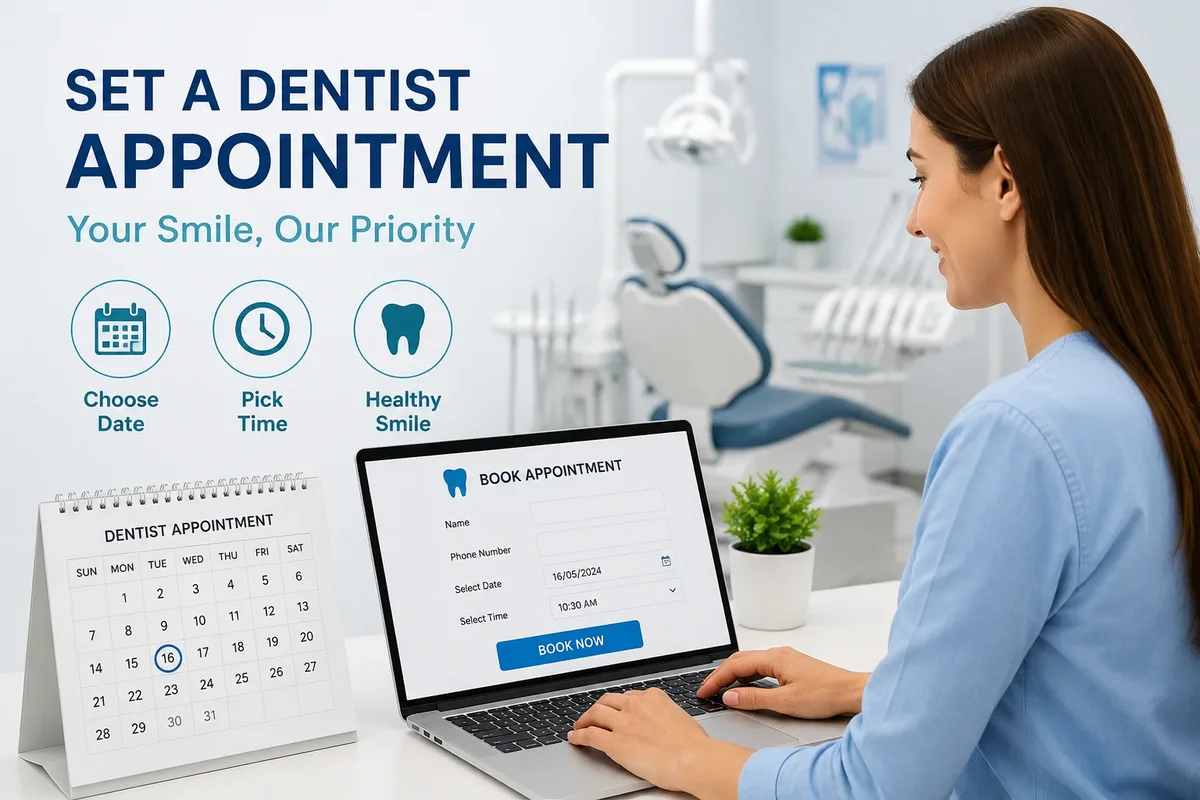
Emergency Situations Where You Must Set a Dentist Appointment Quickly
Dental emergencies can happen unexpectedly and often require immediate professional attention. Many people try to ignore symptoms or delay treatment because they hope the pain will disappear on its own. Unfortunately, postponing care during a dental emergency can lead to severe complications, infections, permanent tooth damage, and even serious health risks. Understanding when to set a dentist appointment urgently is extremely important for protecting both oral health and overall well-being. 🦷🚨
While routine dental checkups are essential for prevention, certain situations require patients to set a dentist appointment immediately or seek emergency care without delay. Acting quickly often increases the chances of saving teeth, reducing pain, and preventing infections from spreading.
Severe Tooth Pain
One of the most common reasons patients urgently set a dentist appointment is severe tooth pain. Persistent or intense pain usually indicates that something serious is happening inside the tooth or surrounding tissues.
Possible Causes of Severe Tooth Pain
- Deep tooth decay
- Dental abscess
- Nerve infection
- Cracked tooth
- Exposed tooth roots
- Advanced gum disease
If pain becomes severe enough to interfere with sleep, eating, or concentration, patients should immediately set a dentist appointment. Delaying treatment may allow infections to spread deeper into the jawbone or surrounding tissues.
Some people attempt to manage tooth pain with temporary home remedies, but painkillers alone do not treat the underlying cause. Professional evaluation remains essential.
Dental Abscess and Infection
A dental abscess is one of the most dangerous oral health emergencies and requires patients to set a dentist appointment as quickly as possible. Abscesses occur when bacteria create pockets of infection around the tooth root or gums.
Symptoms of a Dental Abscess
- Severe throbbing pain
- Swollen gums or face
- Pus drainage
- Bad taste in the mouth
- Fever
- Difficulty swallowing
- Swollen lymph nodes
Untreated dental infections may spread into the jaw, neck, or bloodstream, potentially becoming life-threatening. Patients experiencing swelling or fever should never delay when they need to set a dentist appointment.
Knocked-Out Teeth
Dental trauma is another serious emergency that requires patients to set a dentist appointment immediately. Accidents, sports injuries, falls, or car collisions can completely dislodge teeth from the mouth.
What to Do Immediately
- Pick up the tooth carefully by the crown
- Avoid touching the root
- Rinse gently with clean water
- Try to place the tooth back in the socket if possible
- Store the tooth in milk if reinsertion is not possible
- Seek emergency dental care immediately
Time is extremely important. Patients who quickly set a dentist appointment after losing a tooth often have a much higher chance of saving it successfully.
Broken or Cracked Teeth
Broken, chipped, or cracked teeth may also require urgent dental treatment depending on the severity of the damage. Patients should set a dentist appointment promptly if they experience pain, sharp edges, or visible fractures.
Why Cracks Should Not Be Ignored
Even small cracks may expose sensitive tooth structures to bacteria and infection. Over time, untreated fractures can worsen and lead to:
- Nerve damage
- Severe pain
- Tooth loss
- Infection
- Need for root canal treatment
Quick evaluation allows dentists to determine whether bonding, crowns, veneers, or other restorative procedures are necessary.
Swollen Gums and Facial Swelling
Facial swelling is another major warning sign that patients should set a dentist appointment immediately. Swelling often indicates infection, trauma, or severe inflammation.
Causes of Swelling
- Dental abscess
- Impacted wisdom teeth
- Advanced gum disease
- Oral infections
- Traumatic injuries
Swelling that affects breathing, swallowing, or vision may require emergency medical attention in addition to urgent dental care.
Bleeding That Does Not Stop
Uncontrolled oral bleeding is another situation where patients should immediately set a dentist appointment. While minor bleeding after brushing or flossing may occur occasionally, persistent bleeding can indicate serious problems.
Possible Causes of Excessive Bleeding
- Advanced gum disease
- Trauma
- Post-extraction complications
- Blood clotting disorders
- Severe infection
Patients who experience prolonged bleeding after dental procedures should contact their dentist immediately for evaluation and treatment instructions.
Lost Fillings, Crowns, or Dental Restorations
Although losing a filling or crown may not always seem urgent initially, patients should still set a dentist appointment quickly to avoid further complications.
Why Quick Repair Matters
- Protects exposed tooth structure
- Prevents bacterial infection
- Reduces tooth sensitivity
- Avoids additional fractures
Temporary dental repair kits may help briefly, but professional treatment remains necessary to restore proper tooth function and protection.
Orthodontic Emergencies
Patients wearing braces or clear aligners may also need to set a dentist appointment urgently in certain situations.
Common Orthodontic Emergencies
- Broken brackets
- Poking wires
- Loose appliances
- Severe discomfort
- Damaged aligners
Prompt orthodontic adjustments help prevent treatment delays and reduce irritation or injury inside the mouth.
Emergency Dental Costs
Emergency dental treatment costs vary depending on the severity of the condition and the procedures required.
Average Emergency Dental Costs
- Emergency Consultation: $100 – $300
- Tooth Extraction: $200 – $800
- Root Canal Therapy: $700 – $1,500
- Temporary Crown Repair: $150 – $500
- Abscess Treatment: $300 – $1,200
Patients who regularly set a dentist appointment for preventive care often reduce their risk of experiencing costly dental emergencies later.
How Preventive Care Reduces Emergencies
Routine checkups remain one of the best ways to avoid urgent dental problems. Dentists can identify cavities, fractures, gum disease, and infections early before they become painful emergencies.
According to the American Dental Association, preventive dental visits are essential for maintaining healthy teeth and reducing long-term oral health risks.
Patients who consistently set a dentist appointment every six months are more likely to avoid emergency procedures and severe complications.
Choosing the Right Emergency Dental Clinic
Not all clinics offer emergency dental services, so patients should research local providers before problems occur. A reliable emergency clinic should provide:
- Same-day appointments
- Emergency contact availability
- Advanced diagnostic technology
- Pain management options
- Experienced emergency dentists
Patients searching for consultation opportunities and urgent dental support can also explore services through the Redent Klinik Contact Page.
The Importance of Acting Quickly
One of the biggest mistakes patients make during dental emergencies is waiting too long to seek help. Delaying treatment often increases pain, treatment complexity, and overall costs.
Ultimately, understanding emergency situations where you must set a dentist appointment quickly can protect your health, reduce pain, and improve treatment success. Severe tooth pain, infections, swelling, trauma, bleeding, and damaged restorations should never be ignored. By acting early and seeking professional care immediately, patients can prevent long-term complications while preserving healthier teeth and gums for the future. 😁