
Understanding single dental implants cost is one of the most common concerns for patients who are considering replacing a missing tooth with a durable, natural-looking solution. In 2025, dental implants continue to rank as the gold standard in restorative dentistry because they restore chewing function, protect jawbone health, and offer a long-lasting aesthetic benefit that other treatments cannot match. Yet, many patients still wonder why prices vary, what they are actually paying for, and how the total treatment process unfolds. This comprehensive guide is designed to answer every question clearly, accurately, and in a user-friendly way 😊.
Before diving deeper, it’s important to understand what a single dental implant actually includes. The full treatment is not just the titanium screw. Rather, it consists of multiple components and stages — such as diagnostic scans, the implant fixture, abutment, crown, and follow-up care — all of which influence the final single dental implants cost. Patients also want predictable outcomes, and that requires high-quality materials, certified implant brands, and skilled surgeons. All of these variables contribute to price differences among clinics and countries.
As implant technology continues to advance, more patients are now seeking options that offer faster healing, higher longevity, and minimally invasive procedures. These improvements have also affected the single dental implants cost, especially in regions where modern dental technology is widely adopted. For example, 3D-guided implant surgery and digital impression systems significantly increase precision, reducing complications and improving long-term success rates. Although these modern tools enhance patient comfort and outcomes, they may slightly raise initial treatment fees.
To help clarify cost expectations, it is necessary to view dental implants as a long-term investment rather than a short-term cosmetic fix. Unlike dentures or bridges, which often require replacement or frequent adjustments, dental implants are designed to last decades — in many cases, even a lifetime. When patients consider this extended lifespan, the overall single dental implants cost becomes more understandable. Additionally, implants prevent bone loss, which maintains facial structure and contributes to better oral health over time. These health benefits, combined with durability, make implants one of the most cost-effective dental solutions available today.
The patient journey also plays a major role in determining total treatment cost. From the initial consultation to the final restoration, every step requires professional expertise. Clinics that follow strict sterilization protocols, invest in advanced imaging systems, and use globally recognized implant brands typically provide better safety and long-lasting outcomes. Because of this, many patients are willing to travel to countries like Turkey — known for offering exceptional quality at more affordable rates — to manage the overall single dental implants cost more efficiently.
In addition to cost factors, it is helpful to understand why implants are frequently recommended by leading dental institutions such as the
American Dental Association. Their ongoing research and guidelines highlight the high success rate of implants, their biocompatibility, and their ability to maintain bone stability. This scientific support reassures patients that implants are not just a cosmetic choice but a medically sound treatment.
If you are evaluating your own treatment options and want a personalized estimate, speaking directly with a clinic is the best next step. You may visit the
Redent Klinik Contact Page
to request detailed information, discuss implant brands, and understand the full breakdown of your expected single dental implants cost. Factors such as bone density, gum health, implant placement difficulty, and the skill level of the dental surgeon all influence your final treatment plan.
Patients should also be aware that semantically related concepts such as tooth implant pricing and single tooth replacement expenses can differ based on clinical needs. However, understanding these related terms helps clarify how wide the price range can be and ensures you make informed decisions. By exploring every component of single dental implants cost in detail, this guide provides a strong foundation for patients seeking clarity, confidence, and long-lasting dental health 🦷✨.
What Affects Single Dental Implants Cost in 2025?
When patients begin researching single dental implants cost, one of the first things they notice is how much prices can vary from one clinic to another or even one country to the next. In 2025, implant dentistry has become more advanced, more reliable, and more widely available — yet costs are still influenced by a complex blend of medical, technological, and logistical factors. This section breaks down every detail that affects pricing so patients can make fully informed decisions without confusion 😊.
The Role of Diagnostic Technology in Pricing
Every dental implant treatment starts with a detailed diagnostic process. This typically includes 3D CBCT scans, digital impressions, and computerized planning software. High-resolution imaging ensures precise implant placement, reduces surgical risks, and improves long-term stability. However, these technologies also raise clinic overheads, which influence the single dental implants cost. Clinics using older, outdated methods may offer cheaper prices, but this can compromise accuracy and long-term outcomes. In contrast, fully digital workflows significantly enhance treatment success and reduce complications — an important factor for patients prioritizing safety and predictability.
3D-Guided Implant Surgery
One of the most impactful innovations is 3D-guided surgery. This technique involves creating a digital model of the patient’s jaw to map out the ideal implant position. Although guided surgery may slightly increase the single dental implants cost, it provides higher precision, minimal bone trauma, faster healing, and more predictable cosmetic results. When assessing overall value, patients often consider this added technology a worthwhile investment rather than an unnecessary expense.
Implant Material and Brand Differences
Not all implants are the same — material quality matters. Titanium and zirconia implants are the two main categories, each offering different benefits. Titanium, known for decades of reliability and biocompatibility, is the most common. Zirconia, a metal-free ceramic alternative, is preferred by patients seeking premium aesthetics or hypoallergenic options. Both materials influence single dental implants cost because premium implant brands such as Straumann, Nobel Biocare, and Astra Tech command higher production and research costs. These global brands undergo rigorous scientific testing, contributing to a higher price but also to superior long-term success.
Why Premium Brands Cost More
Top-tier implant manufacturers invest heavily in clinical research, surface technology, and long-term performance studies. These investments directly influence the single dental implants cost from reputable clinics. Patients choosing low-budget brands may pay less upfront but risk lower success rates, more complications, or the need for revision surgery in the future.
Surgeon Expertise and Clinical Experience
Another key factor affecting single dental implants cost is the surgeon’s experience. Implant dentistry requires precision, advanced training, and a deep understanding of facial anatomy. Dentists with thousands of successful cases, international certifications, and specialized implantology training naturally charge more because they deliver higher predictability and fewer complications. Like any medical field, expertise significantly influences the quality—and longevity—of the result. Patients often choose experienced implantologists because long-term success is far more important than initial savings.
Why Skilled Surgeons Reduce Long-Term Costs
A highly trained surgeon minimizes the risk of implant failure, improper placement, nerve injury, or infections — all of which can dramatically increase total expenses later. Therefore, investing in qualified professionals often results in a more stable and cost-effective outcome over the patient’s lifetime.
Bone Grafting and Additional Procedures
Some patients require supplementary procedures such as sinus lifting, bone grafting, or ridge augmentation before receiving an implant. These treatments directly affect single dental implants cost because they add surgical steps, materials, and healing time. Bone grafting, for instance, may be necessary if the jawbone lacks density due to long-term tooth loss. While these procedures increase immediate costs, they ensure stronger implant stability and reduce the risk of failure.
Soft Tissue Treatment and Gum Health
Gum recession, periodontal disease, or inadequate soft tissue volume can also require corrective procedures. These additional treatments improve aesthetic results and help implants blend naturally with surrounding teeth. Because they involve extra materials and surgical sessions, they also influence the overall single dental implants cost.
Geographic Pricing Differences
Location is one of the biggest determinants of single dental implants cost worldwide. Countries with higher operational expenses, stricter regulations, or elevated labor costs naturally charge more. For example, implant costs in the United States, Canada, and Western Europe tend to be significantly higher than in Turkey, where clinics offer world-class care at more accessible prices due to lower operating expenses—not lower quality. This is why Turkey has become a global hub for dental tourism.
Patients researching treatment options should also consider semantically related terms such as implant treatment fees or single tooth implant pricing during their research to better understand regional differences.
Clinic Reputation and Level of Care
Clinics that invest in modern sterilization systems, high-grade materials, advanced equipment, and internationally accredited dentists naturally reflect these standards in their pricing. The single dental implants cost is not just about the implant itself — it includes the entire healthcare ecosystem that guarantees safety, comfort, and success. This is why patients often explore reputable centers and reliable communication channels such as the
Redent Klinik Contact Page
to receive accurate treatment plans and transparent cost breakdowns.
By understanding all of these factors, patients gain a realistic and confident perspective on single dental implants cost. Each component — from diagnostics to materials to surgeon expertise — plays a vital role in determining long-term value, stability, and satisfaction 🦷✨.
Breakdown of Single Dental Implants Cost: Materials, Surgery & Aftercare
A clear understanding of single dental implants cost begins with breaking down each component of the procedure. Many patients assume the implant is just a single item, but in reality, the full treatment consists of multiple stages, materials, and professional services that together create a safe, functional, and long-lasting result. By examining every cost element step-by-step, patients can better understand why implant prices vary and what they are actually paying for. This level of transparency also helps patients evaluate clinics more confidently and avoid misleading advertisements or incomplete price quotes 😊.
The Three Main Components of a Single Dental Implant
The complete single dental implants cost includes three essential parts: the implant post, the abutment, and the crown. Each serves a different function, requires specific materials, and is priced separately. All three components must work together for a long-term solution that mimics natural tooth function and aesthetics.
1. The Implant Fixture (Titanium or Zirconia)
This is the screw-like structure placed into the jawbone. It acts as the artificial root and provides the foundation for the entire restoration. The implant fixture is typically made of:
- Titanium – Highly durable, biocompatible, and used for decades with excellent success rates.
- Zirconia – A metal-free ceramic option preferred for aesthetic or allergy-sensitive cases.
Premium implant brands invest heavily in research, testing, and advanced surface technologies that enhance bone integration. This higher scientific development cost is reflected in the final single dental implants cost. Patients should consider that the fixture is a lifetime investment — choosing a reputable brand significantly reduces the chance of failure or future corrective surgery.
2. The Abutment (Connector Piece)
The abutment is a small but crucial component that connects the implant fixture to the crown. Many clinics provide both stock and customized abutments:
- Stock Abutments – More affordable but less personalized.
- Custom Abutments – Designed digitally for perfect tissue contour and crown fit.
A customized abutment often increases the single dental implants cost, but it dramatically improves long-term aesthetics, comfort, and hygiene. Custom abutments are especially valuable for front-tooth implants where gum shape and symmetry must look natural.
3. The Crown (Final Tooth)
The visible part of the implant — the crown — is crafted using either porcelain-fused-to-metal (PFM) or zirconia. Zirconia crowns offer superior aesthetics, higher durability, and better stain resistance, making them the premium option. Crown material, craftsmanship quality, and whether it is made with CAD/CAM digital technology all influence the overall single dental implants cost.
Surgical Procedures Included in the Cost Breakdown
In addition to the implant components, the surgical process contributes substantially to total pricing. Each step requires specialized equipment, sterilization standards, and clinical expertise.
Implant Placement Surgery
This is the core procedure performed by a trained implantologist. Surgical costs vary based on:
- Surgeon’s experience and training
- Use of digital navigation or guided surgery
- Complexity of the implant site
Highly skilled surgeons typically influence the single dental implants cost because their expertise reduces long-term risk and ensures more predictable outcomes.
Bone Grafting and Soft Tissue Work
Not all patients have sufficient bone or healthy gum tissue to support an implant. When additional procedures are required, they are added to the cost breakdown:
- Minor bone grafting
- Sinus lift (if the upper jaw lacks height)
- Ridge augmentation
- Gum contouring or soft tissue grafts
These supplementary treatments improve the long-term stability and appearance of the implant, even though they contribute to an increased single dental implants cost.
Aftercare, Follow-Ups, and Post-Surgical Maintenance
When budgeting for implants, it is essential to factor in follow-up visits and aftercare instructions. Proper healing requires periodic evaluations and sometimes additional adjustments. Clinics that include long-term follow-up support in their treatment packages typically offer better value for the patient.
Healing Period Appointments
Patients usually return for:
- Post-surgery check-ups to monitor integration
- Suture removal (if non-resorbable sutures are used)
- Assessment of bone healing through digital imaging
These clinical visits are part of the larger single dental implants cost because they ensure that the implant integrates properly and functions as intended.
Final Crown Adjustment and Bite Balancing
Once healing is complete, the dentist must ensure that the crown fits harmoniously with the patient’s natural bite. This prevents long-term complications such as:
- Uneven chewing pressure
- Crown fractures
- Jaw discomfort or TMJ strain
This step is vital for patient comfort and implant longevity and is included in the complete single dental implants cost.
Administrative, Facility, and Sterilization Costs
High-quality dental centers maintain rigorous sterilization protocols, advanced equipment, and well-trained support staff. These operational expenses influence pricing but are essential for patient safety. Cutting corners in clinical hygiene can dramatically impact implant success rates, so reputable clinics incorporate these costs transparently.
To better understand your own treatment plan, you may request a cost breakdown from the clinic through the
Redent Klinik Contact Page. They can explain each stage clearly and help patients compare the single dental implants cost with semantically related concepts such as tooth implant treatment fees or single tooth restoration pricing.
By reviewing all materials, surgical steps, and aftercare procedures, patients gain a complete picture of the single dental implants cost and can confidently choose the option that provides the best long-term health, function, and aesthetics 🦷✨.
Comparing Single Dental Implants Cost Across Countries
Understanding how single dental implants cost varies from one country to another is essential for patients seeking the best combination of affordability, expertise, and long-term success. In 2025, global dental tourism has grown significantly, and implants remain one of the most sought-after treatments for international patients. But why do implant prices differ so widely from the United States to Europe, Asia, or Turkey? The answer lies in economic factors, clinical standards, labor expenses, material sourcing, and healthcare regulations. This comprehensive comparison will help patients make informed decisions and evaluate whether traveling abroad offers meaningful savings without compromising quality.
Why Global Implant Prices Differ So Much
The cost of living, taxation, currency strength, and professional labor rates dramatically impact single dental implants cost in each region. Countries with higher operational expenses — such as the U.S., Canada, or parts of Western Europe — must charge more to cover overhead. Meanwhile, nations like Turkey maintain lower clinic operation costs while still offering high standards of medical care, resulting in significantly more affordable implant pricing. Understanding these disparities empowers patients to choose treatment options aligned with their budget and expectations.
Economic Factors Affecting Cost Variations
Several economic forces directly shape the single dental implants cost globally:
- Labor and clinical staffing expenses — Higher wages increase treatment fees.
- Import taxes on implant brands — Premium brands cost more when imported into high-tax countries.
- Real estate costs — Clinics in metropolitan areas pay more for rent and utilities.
- Healthcare regulation — Countries with strict medical compliance rules often pass those costs to patients.
These variations do not necessarily reflect differences in quality — many affordable regions use the same global implant brands and technologies as top-tier clinics in expensive countries.
United States vs. Europe: High-Cost Regions Explained
In the United States, single dental implants cost is among the highest in the world due to elevated labor costs, malpractice insurance fees, and significant operational overhead. Many U.S. clinics also invest heavily in advanced imaging technologies, which, while beneficial for patient safety, increase overall treatment expenses. Western European countries — such as the U.K., Germany, and France — similarly maintain high costs for similar reasons.
Price Ranges in the U.S. and Western Europe
The average cost breakdown in these regions includes:
- U.S.: High wages and extensive insurance requirements drive up treatment fees.
- U.K. & Germany: Regulatory compliance and medical facility standards contribute to higher costs.
- France & Scandinavia: Advanced healthcare systems provide excellent quality but at premium pricing.
Although treatment quality is generally excellent, the high single dental implants cost in these countries encourages many patients to explore more affordable destinations abroad.
Turkey as a Global Dental Tourism Hub
Turkey has become one of the top destinations for dental implants thanks to its modern facilities, internationally trained dentists, and significantly lower treatment costs. Patients can often save up to 60–70% compared to U.S. or Western European prices, even when factoring in travel expenses. This is not because of lower quality; Turkey uses the same world-renowned implant brands — such as Straumann or Nobel Biocare — that are adopted globally. Instead, lower laboratory costs, favorable currency exchange rates, and reduced operational expenses enable clinics to offer competitive pricing without compromising excellence.
Why Turkey Offers Exceptional Value
Key reasons Turkey attracts international patients include:
- Lower cost of living — Reduces clinic overhead significantly.
- Highly specialized implant surgeons — Many have European or U.S.-based training.
- Advanced technology adoption — Digital dentistry, CAD/CAM systems, and guided surgery at accessible prices.
- Strong focus on patient experience — Clinics often provide personalized care with short waiting times.
For patients researching single dental implants cost, Turkey stands out as a destination where affordability and premium quality meet harmoniously.
Cost Comparisons Among Other Popular Countries
Countries such as Mexico, Thailand, Hungary, and Poland have also become well-known for dental tourism. Their single dental implants cost tends to be lower than in the U.S. and Western Europe, largely due to reduced labor and facility expenses. These regions often provide a strong balance of affordability and expertise, though quality may vary significantly between clinics.
Comparative Factors to Evaluate
When comparing global implant options, patients should consider:
- Clinical accreditation — Ensure dentists are certified in implantology.
- Implant brand transparency — Reputable clinics disclose the brands they use.
- Technology level — Advanced digital tools improve outcomes and safety.
- Post-treatment follow-up — Important for long-term implant health.
Travel, Accommodation, and Follow-Up Considerations
Traveling abroad for dental implants requires planning beyond cost comparisons. Although the single dental implants cost may be lower overseas, patients should factor in:
- Travel expenses
- Accommodation and meals
- Multiple visits if staged treatment is required
- Communication and follow-up arrangements
Patients visiting Turkey, for example, often appreciate how clinics streamline these logistics, offering dedicated appointment managers and multilingual support teams. For assistance and detailed price planning, patients can connect through the
Redent Klinik Contact Page.
Quality Standards and International Safety Guidelines
No matter where patients choose to receive treatment, global dental standards exist to ensure safety and effectiveness. The
American Dental Association offers professional guidelines that many international clinics respect when performing implant procedures.
By comparing economic conditions, clinical expertise, implant materials, and long-term value, patients can make a clear and confident decision about where to receive treatment. Understanding global variations in single dental implants cost empowers them to choose the best location for their health, budget, and overall satisfaction 🦷🌍✨.
Are Single Dental Implants Worth the Cost for Long-Term Oral Health?
Many patients wonder whether the single dental implants cost is truly worth it when compared to other tooth replacement options. While dental implants may seem more expensive upfront, they offer unmatched long-term health benefits, durability, and functionality that alternative treatments simply cannot provide. In 2025, dental implants remain the gold standard for replacing missing teeth not only because of their aesthetic advantages, but also because of their significant impact on oral health, jawbone stability, and overall quality of life. This section provides a deep, detailed examination of why dental implants are considered one of the best long-term investments in modern dentistry 🦷✨.
Long-Term Stability and Bone Preservation
One of the most compelling reasons patients choose implants is their ability to preserve jawbone structure. When a tooth is lost, the bone beneath it begins to deteriorate due to lack of stimulation. This natural resorption leads to facial sagging, shifting teeth, bite misalignment, and eventual dental instability. Bridges and dentures cannot prevent bone loss — they simply sit above the gums and offer no stimulation.
In contrast, implants function like natural tooth roots. They fuse with the bone through osseointegration, stimulating the bone and preventing resorption. Because of this, every dollar invested in the single dental implants cost contributes to maintaining long-term facial structure and oral function. This makes implants not just a cosmetic procedure, but a medical one with significant biological advantages.
Why Bone Preservation Saves Money Long-Term
When bone loss is prevented early, patients avoid:
- Bone graft surgeries
- Jaw misalignment treatments
- Complex restorations due to shifting teeth
- Repeated adjustments required with dentures
Thus, investing in implants reduces future dental expenses and protects overall oral health, further reinforcing the long-term value of the single dental implants cost.
Functional Benefits: Eating, Speaking, and Comfort
One of the most overlooked benefits of implants is their ability to restore full chewing power. Dentures often slip, move, or cause discomfort when eating — making certain foods difficult or even impossible to enjoy. Dental bridges depend on neighboring teeth for support, weakening them over time.
Implants eliminate these limitations. Once healed, an implant provides almost the same bite force as a natural tooth. Patients can enjoy a full diet, speak clearly, and smile confidently without worrying about movement or discomfort. This functional comfort is a major reason why individuals consider the single dental implants cost a worthwhile investment.
The Psychological Impact of a Stable Smile
Beyond physical function, implants significantly improve self-esteem. The ability to smile naturally, eat comfortably in public, and speak without anxiety enhances a patient’s quality of life. Many patients report improved social interactions, career confidence, and emotional well-being after implant treatment.
Durability and Lifetime Value of Implants
One of the strongest arguments in favor of implants is their longevity. While dentures and bridges often need replacement every 5–15 years, implants can last decades — and with proper care, potentially for life. This remarkable durability turns the single dental implants cost into a long-term investment rather than a recurring dental expense.
Implants are made from high-strength titanium or zirconia, engineered to resist wear, corrosion, and pressure. Unlike bridges, implants do not rely on adjacent teeth for support, protecting natural teeth from additional stress. Over 30+ years, patients who choose bridges or dentures typically spend far more on replacements, repairs, adhesives, and adjustments. Thus, implants often become the more economical option over time.
Lifetime Cost Comparison
When comparing lifetime expenses:
- Dentures: Require relining, repairs, adhesives, and replacements.
- Bridges: Often fail due to decay in supporting teeth, requiring replacement.
- Implants: Require minimal maintenance and can last decades.
This demonstrates how the long-term value of the single dental implants cost far exceeds temporary solutions.
Implants Improve Overall Oral Health
Implants preserve the natural alignment of surrounding teeth, prevent bite collapse, and reduce strain on the jaw joint (TMJ). Because they integrate with the bone, implants help maintain the integrity of the dental arch. This contributes to overall oral harmony and prevents secondary issues that may require costly treatment later.
Clinicians worldwide — including those following guidelines from organizations such as the
American Dental Association — strongly support implants as a highly effective long-term solution for missing teeth. Their evidence-based recommendations underline that implants promote oral health more effectively than conventional prosthetics.
The Aesthetic Benefits of Dental Implants
From a cosmetic perspective, implants look and feel remarkably natural. The crown atop the implant is color-matched and shaped to complement the patient’s surrounding teeth. Unlike dentures, implants do not shift or cause changes in facial structure over time. Patients often describe implants as restoring their smile “back to how it used to be,” which dramatically improves self-confidence.
Why Aesthetics Add Value to Total Cost
A stable, youthful, and natural smile contributes to:
- Professional confidence
- Improved social interactions
- Better mental well-being
- Greater satisfaction with appearance
These intangible benefits make the single dental implants cost worthwhile for many individuals seeking both functional and cosmetic restoration.
Why Many Patients Ultimately Choose Implants
When patients evaluate durability, aesthetic benefits, comfort, bone preservation, and long-term savings, implants consistently emerge as the superior option. While alternative treatments offer lower initial prices, they cannot match the lifetime advantages of implants. Patients who want lasting stability, natural function, and a healthy mouth overwhelmingly consider the investment justified.
To learn more or request a personalized assessment of your single dental implants cost, you may contact a specialist directly through the
Redent Klinik Contact Page. Clinics can provide tailored guidance based on your bone health, implant material preference, and long-term treatment goals.
In summary, the single dental implants cost is unquestionably worth it for those prioritizing longevity, oral health, and quality of life. The combination of medical benefits and emotional satisfaction makes implants one of the most valuable dental investments available today 🦷💙.
Single Dental Implants Cost vs. Traditional Tooth Replacement Options
When patients first begin comparing dental treatment choices, one of the most common questions is how the single dental implants cost compares to other tooth replacement alternatives such as dental bridges, dentures, resin-bonded bridges, or partial prosthetics. Although implants may appear more expensive upfront, they offer significant long-term advantages in terms of health, function, durability, and overall life quality. To help patients make an informed decision, this section provides a detailed, step-by-step comparison of implants and traditional solutions, explaining why implants increasingly become the preferred option for long-term oral health and financial value.
Implants vs. Dental Bridges: A Detailed Comparison
Dental bridges have been a common treatment for decades. They involve placing crowns on adjacent teeth to support a false tooth (pontic). While bridges are often initially cheaper, they require modifying healthy teeth — a major drawback for long-term dental health.
Impact on Adjacent Teeth
Bridges require shaving down healthy neighboring teeth, which introduces several problems:
- Loss of natural enamel
- Increased risk of decay
- Higher chances of sensitivity
- Potential for future crown replacement
In contrast, implants stand independently. They do not damage surrounding teeth. This major functional difference explains why many patients consider the single dental implants cost more reasonable when analyzing long-term preservation of natural tooth structure.
Longevity and Replacement Needs
A well-maintained dental bridge typically lasts 7–15 years. Implants, however, can last decades or even a lifetime. As a result, the long-term economics become clear: although initial bridge costs may be lower, repeated replacements make bridges more expensive over a patient’s lifetime. This makes the single dental implants cost a more stable investment.
Implants vs. Partial Dentures
Removable partial dentures are another affordable solution, but they come with limitations. While they may restore basic function and appearance, they cannot replicate the stability, comfort, or natural feel of implants. They are also associated with gum irritation, cleaning challenges, and long-term bone loss.
Bone Preservation and Oral Stability
Because dentures rest on the gums and do not stimulate the jawbone, bone loss continues over time. This affects:
- Facial shape
- Chewing efficiency
- Denture stability
- Overall oral function
Implants, on the other hand, integrate directly with the bone and stop bone deterioration. This significant health benefit is one of the reasons patients ultimately view the single dental implants cost as worthwhile — they are paying not just for a tooth replacement, but for long-term oral health and preserved facial aesthetics.
Comfort and Function
Partial dentures can slip when eating or speaking, and many patients feel self-conscious wearing them. Implants provide stability comparable to natural teeth, eliminating discomfort or movement. For patients who prioritize daily comfort, eating efficiency, and confidence, the practical value of the single dental implants cost becomes clearer.
Implants vs. Complete Dentures
Complete dentures replace all teeth in an arch and are often chosen by patients with significant tooth loss. However, modern dentistry reveals major disadvantages: they can feel bulky, reduce taste sensation, and require adhesives to remain stable. Furthermore, they offer no protection against continued bone resorption.
Why Dentures Often Lead to Secondary Costs
Because bone loss continues, dentures gradually loosen. Patients frequently need:
- Relining
- Adjustments
- Adhesives
- Replacements every 5–10 years
When calculating lifetime expenses, dentures often exceed the long-term value of implants. This comparison highlights how the single dental implants cost provides more economic stability for patients who want durable solutions.
Implants vs. Resin-Bonded Bridges (Maryland Bridges)
Resin-bonded bridges offer a minimally invasive option, mainly used for replacing front teeth. They involve attaching a small artificial tooth using metal or ceramic wings bonded to adjacent teeth. While economical and aesthetic, they are not ideal for patients with strong bite force or missing molars.
Durability Limitations
Maryland bridges often debond due to chewing pressure. Their lifespan is significantly shorter compared to implants, and they may require repeated repairs. This makes them less cost-effective long-term despite their low initial price.
When durability is a priority, many patients find the single dental implants cost more reasonable when weighed against the frequent maintenance needs of resin-bonded bridges.
Comparing Functionality and Daily Quality of Life
Dental implants offer the closest experience to natural teeth. Their unmatched stability allows patients to:
- Eat crunchy, chewy, and hard foods without difficulty
- Speak clearly without slippage
- Smile confidently without visible gaps
- Maintain normal oral hygiene routines
Traditional options may solve cosmetic issues, but they often compromise function and comfort. This is another major reason patients ultimately view the single dental implants cost as a high-value investment.
Aesthetic Differences Between Implants and Traditional Options
Implants are designed to flawlessly mimic natural teeth. With digital dentistry and custom shading, the implant crown blends seamlessly with surrounding teeth. Dentures or bridges may not always match perfectly, and their aesthetics can decline over time due to wear or gum recession.
How Aesthetics Influence Long-Term Satisfaction
Patients consistently report higher satisfaction with implant aesthetics due to their lifelike translucency, stability, and fixed nature. Over 10–20 years, implants maintain their natural appearance better than traditional replacements.
Cost Transparency and Long-Term Financial Value
When evaluating all alternatives, the initial single dental implants cost must be viewed in a long-term context. While dentures and bridges may appear inexpensive initially, their cumulative replacement and maintenance costs often exceed the price of a single implant. Additionally, implants prevent bone loss, avoiding future medical and aesthetic complications.
Patients seeking personalized treatment comparisons can contact their clinic through the
Redent Klinik Contact Page for an accurate and individualized cost analysis based on their dental condition and long-term goals.
In summary, while several tooth replacement options exist, none offer the longevity, stability, bone preservation, and natural appearance of implants. This comprehensive evaluation clearly demonstrates that the single dental implants cost provides exceptional long-term value and remains the superior investment in modern restorative dentistry 🦷💎.
How to Reduce Single Dental Implants Cost Without Compromising Quality
Many patients are surprised to learn that there are safe, ethical, and highly effective ways to reduce the overall single dental implants cost without lowering the quality of materials, surgeon expertise, or long-term treatment outcomes. In fact, with proper planning, informed decision-making, and selecting the right clinic, patients can achieve world-class implant results for significantly less than they expected. This section offers a deeply detailed and practical guide on how to control implant costs while still ensuring the highest standards of care, safety, and durability.
Choose Countries That Offer High Quality at Lower Operational Costs
One of the most effective ways to lower the single dental implants cost is to seek treatment in countries where medical standards are high but living and clinical operation expenses are lower. Turkey, for example, has become a leading global hub for dental tourism because clinics benefit from:
- Lower labor and real estate costs
- Reduced laboratory fees
- Highly trained dental surgeons
- Competitive implant pricing due to currency advantages
This means patients receive premium-quality treatment, access to European implant brands, and state-of-the-art technology at a fraction of the cost they would pay in countries like the U.S. or U.K. The cost savings come from economic factors — not lower medical standards — making this strategy one of the safest ways to reduce the single dental implants cost.
Why Choosing a Reputable Clinic Abroad Matters
Before traveling for treatment, patients should thoroughly vet clinics by:
- Reviewing surgeon credentials and certifications
- Checking international patient reviews
- Confirming the implant brands used
- Verifying sterilization and digital dentistry standards
This ensures that lower cost does not mean lower safety. Clinics that follow global protocols — including those recommended by the
American Dental Association — deliver predictable and long-lasting outcomes.
Selecting the Right Implant Brand for Your Needs
Another way to manage single dental implants cost is choosing an implant brand that fits your budget while still meeting high quality standards. World-renowned brands such as Straumann or Nobel Biocare are premium-priced due to advanced research and lifetime clinical studies. However, mid-tier brands that also demonstrate excellent success rates can significantly reduce total treatment costs without compromising durability.
Premium vs. Mid-Tier Implant Brands
Here’s a simple breakdown:
- Premium brands: Highest longevity, most scientific backing, higher cost.
- Mid-tier brands: High success rates, modern technology, more affordable pricing.
Patients should consult with their implant dentist to determine which option aligns with both their clinical needs and budget. This can lower the single dental implants cost while maintaining excellent treatment outcomes.
Avoiding Unnecessary Add-On Procedures
Some clinics may propose additional procedures — such as expensive sinus lifts or bone grafts — even when simpler alternatives exist. While many patients truly need these procedures, others may benefit from minimally invasive techniques such as short implants or angled implants. Choosing the correct technique can reduce the single dental implants cost significantly.
When Are Add-On Procedures Truly Necessary?
Bone grafting is essential when:
- The jawbone lacks sufficient density
- There is significant bone resorption after tooth loss
- The sinus cavity is too close to the implant site
However, in borderline cases, modern implantology may offer alternative solutions. Getting a second professional opinion helps ensure you pay only for what is medically required.
Benefit From All-Inclusive Treatment Packages
Many reputable clinics offer bundled treatment packages that include consultation, implant surgery, digital scans, abutment placement, crown fabrication, and follow-up visits. These packages often reduce the single dental implants cost by eliminating hidden fees and providing a transparent, predictable treatment plan.
Advantages of Package Pricing
- No surprise charges
- Standardized implant brands and materials
- All appointments included in one clear fee
- Better planning for patients traveling internationally
Patients interested in obtaining a personalized treatment package can easily reach out through the
Redent Klinik Contact Page
for an individual assessment and transparent cost breakdown.
Flexible Payment Plans and Financing Options
Another practical method to reduce the financial burden is to divide the single dental implants cost into manageable monthly payments. Many clinics now offer interest-free or low-interest financing options to spread the cost over several months.
Why Financing Makes Implants More Accessible
Financing allows patients to:
- Start treatment immediately
- Manage payments monthly instead of a large upfront amount
- Select higher quality materials without budget strain
This makes financing an effective way to reduce financial pressure while maintaining treatment quality.
Improve Oral Health Before Treatment
Gum disease, tooth decay, and chronic inflammation can increase total treatment cost because unhealthy tissues require additional corrective procedures. Maintaining strong oral hygiene and addressing dental issues early helps avoid expensive add-ons and keeps the single dental implants cost as low as possible.
Pre-Treatment Steps to Reduce Costs
Before undergoing implant surgery:
- Treat gum infections
- Stop smoking to improve healing
- Maintain excellent hygiene routines
- Control systemic conditions (diabetes, etc.)
Strong oral health reduces complications, shortens treatment time, and avoids extra surgical fees.
Get Multiple Professional Opinions
Comparing treatment plans from different clinics is one of the most effective strategies to reduce single dental implants cost. Each dentist may suggest different techniques, brands, or procedures — and prices can vary significantly. Gathering at least two or three expert opinions ensures that you understand your true clinical needs and avoid unnecessary expenses.
Ultimately, reducing the single dental implants cost is possible without sacrificing quality — as long as patients rely on evidence-based practices, reputable clinics, and transparent communication. By combining smart financial planning, careful clinic selection, and preventive oral care, patients can achieve long-lasting implant results that are both affordable and medically superior 🦷💙.
Insurance, Financing & Payment Plans for Managing Single Dental Implants Cost
For many patients, understanding how to budget for the single dental implants cost can feel overwhelming at first. The good news is that modern dental financing solutions, insurance options, and flexible payment structures have made implants more accessible than ever. While implants remain an investment in long-term oral health, patients do not always need to pay the full amount upfront. This detailed guide explains how insurance works, how to secure financing, and how to structure payments in a way that fits comfortably into personal financial planning — all without compromising the quality of care.
Understanding Dental Insurance and Implant Coverage
Dental insurance is one of the first resources patients explore when managing single dental implants cost. However, it is important to understand that coverage varies widely depending on insurance providers, policy types, and whether implants are classified as restorative or cosmetic procedures. While some insurers still categorize implants as elective, others are increasingly recognizing them as essential for long-term oral health.
What Insurance Typically Covers
Most insurance plans do not cover the full implant treatment, but they may cover portions such as:
- Diagnostic imaging (X-rays, CBCT scans)
- Tooth extraction before implant placement
- Bone grafting when medically necessary
- A portion of the crown or abutment
Patients must carefully review their policies, as these partial coverages can significantly reduce the single dental implants cost. The trend toward broader implant coverage continues to grow as insurers acknowledge the long-term functional and health benefits of implants.
Verification and Pre-Authorization
To avoid unexpected expenses, patients should request a pre-authorization letter from their insurance provider. This document clarifies:
- Which components of implant treatment are covered
- Coverage limits and yearly maximums
- Out-of-pocket responsibilities
- Whether medical insurance may apply in complex cases
Obtaining pre-authorization allows patients to plan financially and understand how much of the single dental implants cost will be supported by insurance.
Medical Insurance and Special Circumstances
In rare cases, medical insurance may cover part of the implant treatment if the tooth loss is linked to:
- Accidents or trauma
- Surgical tumor removal
- Congenital abnormalities
- Severe systemic disease affecting oral function
In such cases, implants may be considered medically necessary, and coverage rules differ significantly. Patients should consult both dental and medical insurers to determine eligibility.
The Importance of Documentation
Medical coverage often requires clinical reports, surgeon letters, imaging results, and documentation proving necessity. When approved, such coverage can substantially reduce the single dental implants cost for qualifying patients.
Financing Options to Make Implants Affordable
Financing plans are among the most practical solutions for patients who want to distribute the single dental implants cost into manageable monthly payments. Many dental clinics partner with third-party finance companies, offering flexible terms that make it easier to begin treatment without large upfront expenses.
Types of Dental Financing Programs
Common financing structures include:
- Interest-free payment plans (0% APR for a limited term)
- Low-interest financing for extended payment periods
- Medical credit cards designed for healthcare procedures
- In-house financing offered directly by certain clinics
These options allow patients to balance their budgets while accessing high-quality implant care. Financing also enables individuals to choose premium implant materials without feeling financially restricted.
Benefits of Monthly Payment Plans
Monthly payments help patients:
- Start treatment earlier instead of delaying due to cost
- Manage finances with predictable payments
- Choose better materials or implant brands
- Avoid credit card debt or large upfront charges
By dividing the single dental implants cost into monthly installments, financial pressure is reduced, making implants much more accessible.
Health Savings Accounts (HSA) and Flexible Spending Accounts (FSA)
Patients in certain countries, especially the U.S., can use tax-advantaged accounts like HSAs and FSAs to pay for dental implants. These accounts allow contributions to be made pre-tax, effectively lowering the total financial burden of the single dental implants cost.
How HSAs and FSAs Support Implant Treatment
- Pre-tax contributions reduce overall taxable income
- Funds can be used for implant components and related procedures
- Some patients can combine HSA/FSA payments with financing programs
This dual approach is especially beneficial for patients undergoing multi-stage implant treatment.
Clinic Discounts and Treatment Packages
Some clinics offer seasonal discounts, bundled treatment packages, or promotional pricing for international patients. These packages often include implant placement, abutments, crowns, and follow-up visits under one comprehensive fee structure.
Advantages of Bundled Pricing
- Transparent pricing with no hidden fees
- Better planning for patients traveling abroad
- Reduced total expenses on multi-step treatments
To explore tailored package options, patients can contact a clinic through the
Redent Klinik Contact Page, where team members provide detailed breakdowns and explain how financing and package pricing interact.
Choosing Clinics That Offer Financial Guidance
Not all dental clinics provide financial planning support, but reputable centers often help patients understand their insurance, payment plans, and cost-saving strategies. These clinics also provide transparent quotes, avoiding unexpected fees that can increase the single dental implants cost.
By combining insurance coverage, financing programs, tax-advantaged accounts, and comprehensive treatment packages, patients can significantly reduce the financial impact of dental implants while still receiving exceptional care. With the right planning and professional guidance, managing the single dental implants cost becomes a manageable and stress-free process — opening the door to a healthier, more confident smile 🦷💙.
Step-by-Step Timeline: What to Expect Before You Pay the Full Implant Cost
For patients evaluating the single dental implants cost, understanding the full treatment timeline is essential. Dental implants are not a one-day procedure — they involve a series of steps designed to ensure safety, precision, and long-term success. Each phase contributes to the total investment and plays a critical role in the final outcome. This detailed step-by-step guide explains what happens before, during, and after implant placement so patients can confidently plan their treatment, budget effectively, and set realistic expectations.
Initial Consultation and Comprehensive Examination
The journey begins with a thorough consultation. During this appointment, the dentist evaluates your dental and medical history, examines your mouth, and discusses your aesthetic and functional goals. This stage influences the single dental implants cost because it determines treatment complexity and any additional procedures that may be needed.
Diagnostic Scans and Digital Imaging
A CBCT scan (Cone Beam Computed Tomography) is typically performed to assess bone density, sinus position, nerve location, and anatomical structures. This advanced imaging technology allows precise planning of implant placement. The cost of these scans is usually included in the total single dental implants cost, especially in reputable clinics that follow international standards such as those recommended by the
American Dental Association.
High-quality diagnostics prevent complications, ensure accurate implant placement, and greatly contribute to long-term success.
Creating a Customized Treatment Plan
Once diagnostic information is gathered, the dentist creates a personalized treatment plan. This plan includes:
- Implant type and material (titanium or zirconia)
- Implant brand selection (premium vs. mid-tier)
- Tooth extraction if necessary
- Bone grafting or sinus lift requirements
- Number of appointments needed
Each of these elements shapes the overall single dental implants cost. A clear treatment plan ensures transparency and helps patients understand why prices differ from case to case.
Discussing Long-Term Expectations
During this phase, the dentist explains healing timelines, crown options, potential risks, and follow-up care. Patients receive a full breakdown of costs and can ask questions about alternatives or financing options. This helps avoid unexpected expenses later.
Surgical Phase: Implant Placement
The implant placement surgery is the central step in the entire process. This procedure is typically performed under local anesthesia, though sedation options are available upon request. Implant placement involves inserting a small titanium or zirconia post into the jawbone.
What Happens During Surgery?
The surgeon:
- Prepares the gum tissue
- Creates space in the bone
- Places the implant precisely
- Closes the site with sutures
The surgical fee is a significant component of the single dental implants cost, especially when performed by a highly experienced implantologist. Expertise plays a crucial role in preventing complications and ensuring proper alignment of the implant.
Healing and Osseointegration Period
After surgery, the implant undergoes a healing process known as osseointegration — where the bone gradually fuses with the implant. This biological bonding ensures long-term stability, allowing the implant to function like a natural tooth root.
How Long Does Healing Take?
Healing typically lasts between 2 and 6 months depending on:
- Bone density
- Patient health
- Smoking habits
- Implant placement complexity
Some patients may be eligible for faster-loading implants, while others require a longer healing period. This stage does not usually add cost itself but ensures the success of the investment in single dental implants cost.
Abutment Placement and Gum Shaping
Once osseointegration is complete, the next step is attaching the abutment — the connector between the implant and the crown. This procedure may require minor gum adjustments to ensure aesthetic harmony.
Why This Step Matters
The quality and precision of the abutment significantly affect crown fit, stability, and natural appearance. Custom abutments may increase the single dental implants cost but ensure superior aesthetic results, especially in visible areas such as the front teeth.
Final Crown Placement
The last stage is fitting the dental crown — the visible tooth restoration that completes the treatment. Crowns are typically made from zirconia or porcelain and digitally designed for a perfect color match and natural look.
Types of Crowns and Their Impact on Cost
Patients can choose from:
- Zirconia crowns: Strong, premium, and highly aesthetic
- Porcelain-fused-to-metal crowns: Durable, slightly more affordable
Crown selection is an important variable in determining the full single dental implants cost.
Follow-Up and Long-Term Maintenance
After the implant is fully restored, follow-up visits are essential to ensure long-term success. These appointments verify that the implant remains stable, the bone is healthy, and the bite is correctly aligned.
Ongoing Maintenance Requirements
Patients should:
- Maintain oral hygiene
- Visit the dentist every 6 months
- Avoid smoking and excessive grinding
Proper care ensures that the investment in the single dental implants cost continues to deliver value for decades.
For those preparing to begin their implant journey and seeking a clear timeline alongside personalized cost planning, contacting a specialist through the
Redent Klinik Contact Page
can provide tailored guidance and detailed treatment sequencing.
By understanding each step — from consultation to crown placement — patients can better appreciate how the single dental implants cost is structured and why every phase plays a vital role in achieving a natural, functional, and long-lasting result 🦷⏳✨.
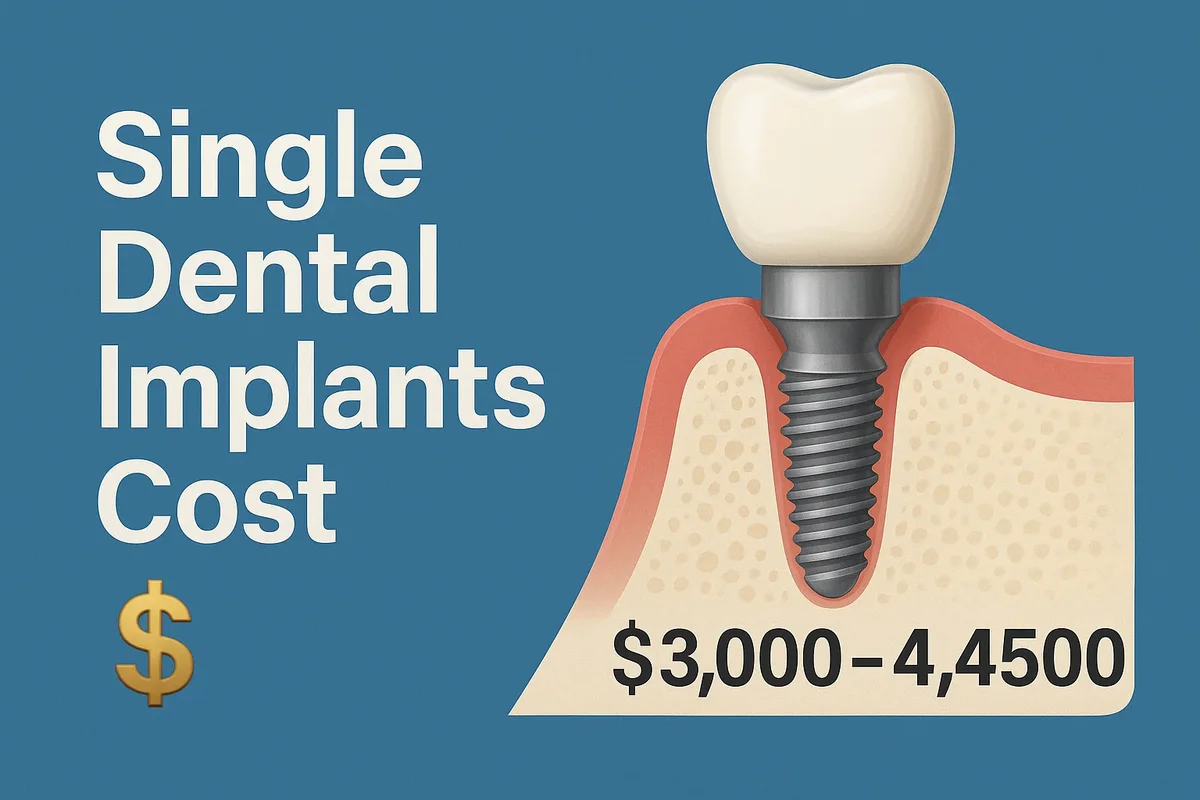
Expert Tips for Choosing a Clinic That Offers Fair Single Dental Implants Cost
Selecting the right dental clinic is one of the most important decisions when evaluating the single dental implants cost. Prices can vary dramatically from one provider to another, but so can quality, safety standards, and long-term results. A lower price does not always mean lower quality — and a higher price does not always guarantee superior care. The key is to know exactly what to look for. In this comprehensive guide, we break down expert-backed strategies that help patients identify reputable clinics offering fair pricing, transparent treatment plans, and world-class implant outcomes.
Evaluate the Dentist’s Credentials and Implantology Training
Implant surgery is a highly specialized procedure. One of the biggest factors influencing both the success rate and the single dental implants cost is the experience of the surgeon. A qualified implantologist should have extensive hands-on training, preferably certified through recognized implant academies or international dental institutions.
What to Look For in an Implant Dentist
- Formal education in oral surgery or prosthodontics
- Advanced implantology certifications
- Years of implant experience and case volume
- Membership in reputable dental associations
Surgeons who consistently perform implant surgeries have honed the precision needed to avoid nerve damage, ensure proper angulation, and achieve stable bone integration. These details directly impact the long-term value of your investment in single dental implants cost.
Check the Implant Brands Used by the Clinic
Not all implants are created equal. The quality and reputation of the implant brand play an enormous role in durability, success rates, and overall treatment value.
Why Implant Brand Matters
Premium brands like Straumann, Nobel Biocare, and Astra Tech undergo rigorous scientific testing, offer lifetime warranties, and use patented surface technologies for faster bone integration. Clinics that use these brands typically offer higher long-term reliability.
Selecting a clinic that uses trusted brands ensures that your single dental implants cost reflects quality materials rather than low-cost alternatives with unreliable success rates.
Assess the Technology and Equipment Used
A modern, well-equipped clinic demonstrates a commitment to accuracy, safety, and patient comfort. Advanced technology helps reduce complications and ensure precise implant placement.
Essential Technologies to Look For
- 3D CBCT Scanners: Provide accurate bone and nerve mapping.
- Digital Impressions: Increase crown accuracy and comfort.
- Guided Surgery Systems: Allow computer-assisted implant placement.
- CAD/CAM Dentistry: Creates perfectly fitted crowns and abutments.
Clinics equipped with these technologies may have a slightly higher base price, but the improved precision offers better long-term results, making the single dental implants cost far more worthwhile.
Review the Clinic’s Sterilization and Safety Standards
A safe clinical environment is non-negotiable. Proper sterilization minimizes infection risks and ensures implants integrate successfully.
Signs of Strong Sterilization Protocols
- Use of Class B autoclaves
- Dedicated sterilization rooms
- Disposable surgical components where appropriate
- Staff trained in infection control
Clinics that adhere to global safety guidelines — including those referenced by the
American Dental Association — tend to have higher success rates and provide excellent long-term value for the single dental implants cost.
Compare Transparent Treatment Plans and Itemized Pricing
A reputable clinic will never surprise you with hidden fees. Instead, they will provide a detailed, itemized breakdown that explains:
- Implant fixture cost
- Abutment cost
- Crown cost
- Diagnostic imaging fees
- Laboratory fees
- Additional procedures if needed
This transparency allows patients to understand exactly why the single dental implants cost is structured in a certain way and ensures there is no confusion later.
Read Patient Reviews and Before/After Case Studies
Patient testimonials provide valuable insight into real experiences and long-term outcomes. Look for reviews that mention comfort, communication, transparency, and postoperative support.
What Reliable Testimonials Should Include
- Photographic evidence
- Details about the treatment timeline
- Experiences with staff and follow-up care
- Mentions of restored function or aesthetics
Case studies and video testimonials often indicate whether the clinic consistently delivers good value for the single dental implants cost.
Evaluate Post-Treatment Care and Follow-Up Policies
High-quality clinics provide follow-up visits and monitoring at no extra charge. Follow-up appointments help ensure that the implant integrates well and the crown functions properly.
Why Aftercare Matters
Proper aftercare reduces complications, extends implant lifespan, and enhances patient satisfaction. Clinics that prioritize aftercare provide better long-term returns on the single dental implants cost.
Look for Clinics Offering Clear Communication and Patient Support
Effective communication is a hallmark of a trustworthy clinic. Whether you’re a local patient or traveling internationally, the clinic should provide clear answers, detailed instructions, and supportive coordination.
Key Communication Indicators
- Fast response times
- Accurate answers to technical questions
- Transparent financial explanations
- Multilingual support for international patients
Patients interested in reliable communication channels and transparent pricing can contact specialists through the
Redent Klinik Contact Page.
Final Thoughts: How to Make the Best Choice
Finding the right clinic is not simply about choosing the lowest price. Instead, the goal is to find a center that balances fair single dental implants cost with excellent quality, safety, technology, and expertise. When all these factors align, patients receive long-lasting, natural-looking implants that provide exceptional functional and aesthetic benefits.
By following these expert tips — evaluating credentials, checking implant brands, reviewing technology, assessing safety standards, and analyzing transparent pricing — patients can confidently select a clinic that delivers outstanding value and world-class care. In doing so, they ensure that their investment in the single dental implants cost results in a healthy, stable, and beautiful smile for many years to come 🦷✨.