
When it comes to replacing a missing tooth, one of the most common questions patients ask is: “What is the single molar implant cost?” 🤔 Dental implants have become the gold standard for restoring both the function and aesthetics of missing teeth, but understanding the cost breakdown can be confusing. This comprehensive guide will explain every aspect of the investment—from initial consultation to the final crown—so you know exactly what to expect in 2025.
Dental implants are not just cosmetic; they are a long-term health solution. When a molar is lost, the surrounding teeth may shift, bone loss can occur, and chewing efficiency drops dramatically. A single molar dental implant helps restore stability to your bite, prevent jawbone deterioration, and maintain your natural facial structure. While the upfront cost may seem high, the lifetime value of a properly placed implant far exceeds other temporary options like bridges or dentures.
Understanding What You’re Paying For
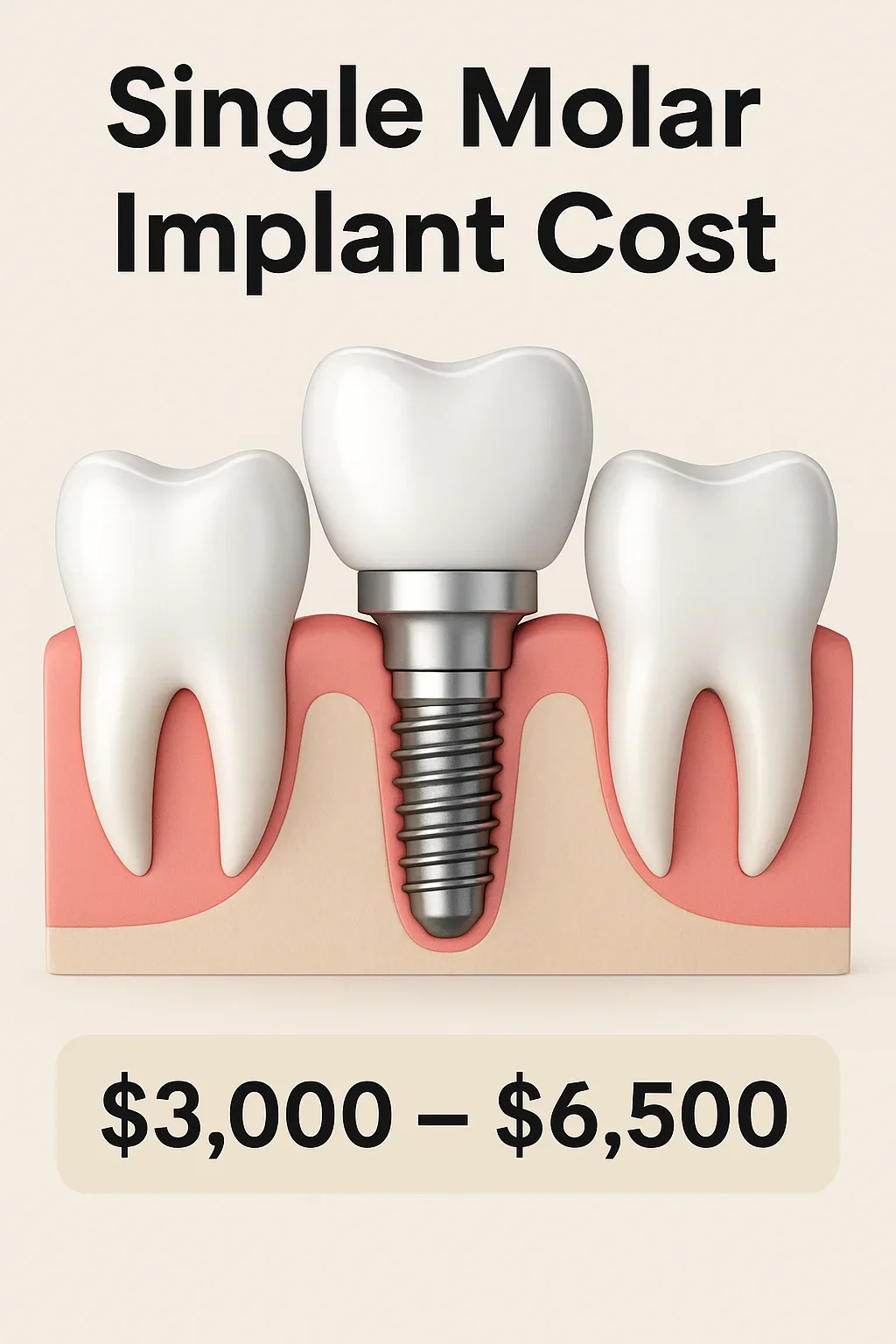
The single molar implant cost includes several components, each of which contributes to the final price. These include the implant fixture (the titanium screw), the abutment (which connects the implant to the crown), and the crown itself (the visible part of the tooth). In addition, there are often diagnostic tests such as panoramic X-rays or 3D CT scans, surgical fees, anesthesia, and post-operative care. Each of these elements ensures your implant is durable, functional, and aesthetically natural.
It’s important to understand that implant dentistry is not one-size-fits-all. The jawbone density, patient’s oral health, and even the geographic location of the dental clinic can influence total pricing. For example, in the United States, the average single molar implant cost ranges between $3,000 and $6,000, while in European countries, the range is slightly lower, averaging around €1,800 to €3,500. In Turkey—where dental tourism is rapidly growing—patients often pay between $700 and $1,500 for the same treatment, without compromising on quality.
• USA: $3,000 – $6,000
• UK: £2,000 – £3,800
• Germany: €2,200 – €3,500
• Turkey: $700 – $1,500
• India: $600 – $1,200
• Australia: AU$3,500 – AU$6,000
Why the Cost Varies
The variation in single molar implant cost depends on several clinical and logistical factors. For instance, if you require a bone graft or sinus lift before implant placement, additional procedures will increase the overall expense. The type of implant system (e.g., Straumann, Nobel Biocare, or Astra Tech), materials used for the crown (zirconia vs. porcelain-fused-to-metal), and the experience level of the dentist also contribute to pricing. A highly trained implantologist will likely charge more, but their expertise significantly reduces the risk of complications and ensures long-term success.
Moreover, modern digital dentistry tools—like 3D guided implant surgery—can enhance accuracy and shorten healing time. Although such technology may slightly raise the initial single molar implant cost, it often results in fewer complications and better long-term performance. Patients should consider this an investment rather than an expense, as the durability and comfort of a well-placed implant can last a lifetime. 🦷
Insurance, Financing, and Value
In many countries, dental implants are not fully covered by insurance. However, partial reimbursement might be possible depending on your plan and whether the tooth loss resulted from trauma or medical conditions. Some clinics, including those in Turkey, offer flexible payment plans or medical tourism packages that include accommodation and transportation. These packages make the single molar implant cost even more attractive for international patients seeking affordable, high-quality care.
For those considering a dental implant abroad, it’s essential to verify the clinic’s certifications and the dentist’s credentials. Choosing an accredited center ensures that internationally recognized sterilization standards, implant materials, and surgical protocols are followed. Clinics like Redent Klinik Contact Page in Turkey specialize in providing top-tier dental implant procedures at competitive prices, making them an excellent choice for patients seeking both affordability and safety.
Is It Worth the Investment?
Absolutely. When you consider that a properly maintained implant can last 20+ years—or even a lifetime—the long-term value is exceptional. Unlike dentures, implants don’t need to be replaced every few years, and they provide a natural biting sensation. Beyond aesthetics, an implant preserves bone structure and prevents adjacent teeth from shifting. The true benefit is not just about saving money, but about maintaining your overall oral health and confidence. 🌟
To sum up, understanding the single molar implant cost is about more than just knowing the price tag—it’s about realizing the health, comfort, and confidence benefits that come with this modern dental solution. Whether you’re comparing prices globally or researching the best clinics for dental tourism, investing in a single molar implant means choosing a healthier and happier future.
For further information about implant standards and safety protocols, visit the American Dental Association website, where you’ll find professional guidelines and recommendations on dental implants and oral care maintenance.
Average Single Molar Implant Cost in 2025
When planning a dental implant, one of the first questions that comes to mind is the single molar implant cost. Understanding the average pricing in 2025 is essential for making an informed decision about your oral health investment. As dental technology advances and international dental tourism grows, implant costs have become more transparent, yet they still vary widely depending on geography, materials, and expertise. In this section, we’ll examine current global averages, cost components, and what patients can expect to pay for a single molar restoration this year.
Global Price Range Overview 🌍
The single molar implant cost can vary from one country to another by as much as 400%. In 2025, patients in the United States typically pay between $3,000 and $6,000 for a complete implant procedure, including the titanium post, abutment, and crown. In contrast, patients seeking dental implants abroad—particularly in countries like Turkey, Hungary, or Mexico—may spend between $700 and $1,800 for the same treatment performed with equivalent materials and precision. This massive difference is largely due to variations in labor costs, currency exchange rates, and healthcare infrastructure rather than quality.
For example, in Turkey, dental tourism is booming because clinics offer world-class facilities and internationally trained dentists at a fraction of Western prices. A patient traveling for treatment in 2025 can receive a complete implant, accommodation, and airport transfers bundled into a cost-effective package. Thus, many individuals searching for “affordable single molar implant cost” find Turkey an appealing destination.
• USA: $3,000 – $6,000
• UK: £2,000 – £3,800
• Canada: CA$3,500 – CA$5,500
• Germany: €2,200 – €3,500
• Turkey: $700 – $1,500
• Thailand: $900 – $1,600
• Mexico: $800 – $1,400
Cost Components Explained
To understand what goes into the single molar implant cost, let’s break down the treatment process. The overall fee includes several distinct stages, each contributing to the total expense. Below is a detailed explanation of these components and their typical 2025 cost range:
1. Initial Consultation and Imaging
Before surgery, patients undergo dental imaging—such as panoramic X-rays or 3D CBCT scans—to assess bone density and positioning. These diagnostic tests can cost between $100 and $250 depending on the clinic. This stage is crucial to ensure accurate implant placement and long-term stability.
2. Implant Fixture (Titanium Screw)
This is the foundation of the implant, surgically inserted into the jawbone. The titanium screw itself generally accounts for about 30–40% of the single molar implant cost. Premium implant brands such as Nobel Biocare or Straumann may cost more but offer superior osseointegration and decades of reliability.
3. Abutment and Crown
The abutment serves as a connector between the implant and crown, while the crown is the visible tooth replacement. Depending on the chosen material—zirconia, porcelain-fused-to-metal, or all-ceramic—this step usually costs between $500 and $1,200. High-end aesthetic crowns add to the final price but also improve durability and appearance.
4. Surgical and Anesthesia Fees
Professional fees for the oral surgeon or implantologist typically range from $800 to $2,000 depending on expertise. Sedation or local anesthesia may add another $200–$500. Clinics with advanced technology, such as 3D-guided surgery, may charge a bit more but reduce operation time and healing risks.
5. Post-Operative Care and Follow-Up Visits
After surgery, follow-up visits are vital to monitor healing and osseointegration (bone fusion). These visits often cost around $100 to $300 in total. Proper aftercare directly influences the long-term success of your implant and helps you avoid additional costs in the future.
Factors Influencing the Price in 2025
The single molar implant cost is not static—it changes based on evolving market trends, inflation, and material innovations. In 2025, rising titanium prices and global logistics costs slightly increased implant fees worldwide. However, new dental technologies like AI-assisted planning and laser-guided surgery have made procedures faster and more predictable, balancing out costs through efficiency. Additionally, competition among international dental clinics has stabilized global pricing, offering patients better deals and transparent service packages.
Geographical factors also matter: clinics in metropolitan cities charge more than those in smaller towns. A clinic in Los Angeles, for example, may charge 20–30% higher than one in a rural area, even if both use the same implant system. Similarly, the dentist’s experience and specialization level influence pricing—board-certified implantologists generally charge more than general dentists but provide greater safety and precision.
Why Turkey Leads in Affordable Dental Implants 🇹🇷
Turkey continues to be one of the top destinations for dental implant tourism due to its affordability and international standards. The single molar implant cost in Turkey averages between $700 and $1,200, including materials, anesthesia, and professional fees. Most clinics are equipped with advanced imaging systems, and dentists are trained in Europe or the U.S. Moreover, patients benefit from full-package deals that include airport transfers, hotel stays, and translation support, making the process seamless and worry-free.
For example, patients choosing Redent Klinik Contact Page in Istanbul can receive premium dental care and international-grade implants while saving up to 70% compared to Western prices. Clinics like these use certified implant systems, ensure transparent cost breakdowns, and provide lifelong warranties on their work—making them leaders in patient satisfaction.
Is a Single Molar Implant Worth the Price?
Yes—when viewed as a long-term investment, the single molar implant cost delivers exceptional value. Unlike dentures, which require regular replacements, a high-quality implant can last 20 years or longer with proper care. It restores natural chewing ability, maintains jawbone structure, and boosts confidence by providing a lifelike smile. Considering these benefits, the cost per year of use is relatively low, especially when factoring in comfort and functionality.
For authoritative insights into dental implant standards, patients can visit the American Dental Association, which provides trusted guidance on treatment protocols and implant materials. Remember, choosing the right clinic and experienced professionals ensures that your investment in oral health truly pays off in the long run. 🌟
In summary, the 2025 single molar implant cost varies globally but remains a worthy and lasting solution for missing teeth. By understanding its components and evaluating international options, patients can achieve top-quality dental care at the most reasonable price possible.
Key Factors That Affect Single Molar Implant Cost
When patients research the single molar implant cost, they often encounter a wide range of prices. The reason for this variation lies in multiple clinical, technical, and economic factors that influence the final treatment cost. From material quality to dentist expertise, every stage of the implant process carries its own pricing component. In this section, we’ll examine the major factors that shape the cost of a single molar implant and how patients can use this knowledge to plan their treatment more effectively in 2025. 🦷
1. Dentist Expertise and Clinic Reputation
The skill and experience of your implant dentist play a significant role in determining the single molar implant cost. An implantologist with decades of experience, specialized certifications, and international training usually charges higher fees—but this added cost often translates into higher success rates, more precise placement, and reduced risk of complications. Clinics that invest in advanced training and equipment can justify their premium pricing by offering predictable and long-lasting results.
Reputable clinics also provide guarantees and warranties for implants and prosthetics, ensuring patients get long-term value for their investment. For example, a trusted dental center like Redent Klinik Contact Page provides world-class implant services backed by strict sterilization protocols, modern surgical tools, and internationally certified implant systems. This level of professionalism is one of the reasons Turkey is highly regarded for dental tourism in 2025.
2. Material Quality and Brand of the Implant System
The choice of implant system has a major impact on overall cost. Premium brands such as Nobel Biocare, Straumann, or Astra Tech come with extensive clinical research, superior surface technology for osseointegration, and longer warranties. While generic or unbranded implants may reduce upfront costs, they often lack long-term performance data and compatibility options. Thus, selecting high-quality materials might raise the single molar implant cost by 15–25%, but it ensures better durability and bone integration.
Material Types and Their Influence on Cost
- Titanium Implants: The most common and durable option. They offer high biocompatibility and long-term strength.
- Zirconia Implants: A newer, metal-free alternative with superior aesthetics for patients with gum sensitivity or thin gingiva. Typically 10–20% more expensive.
The crown material also contributes to the overall single molar implant cost. Zirconia crowns are more lifelike and stain-resistant, while porcelain-fused-to-metal crowns are less costly but can darken over time. Choosing the right combination of materials can balance affordability with appearance.
3. Bone Density and Need for Additional Procedures
If the patient’s jawbone is insufficient to support the implant, additional treatments like bone grafting or sinus lifting may be necessary. These procedures add between $300 and $1,000 to the total single molar implant cost. Bone grafting uses either natural or synthetic material to strengthen the jawbone, ensuring the implant has a stable foundation. Sinus lifting, commonly required for upper molar implants, involves gently repositioning the sinus membrane to create enough bone height for the implant.
Although these procedures increase the total expense, they significantly improve the success rate and longevity of the implant. Skipping them in favor of a cheaper, quicker procedure can lead to implant failure—a much more costly outcome in the long run.
4. Technology and Diagnostic Tools Used
Modern dental clinics utilize advanced technology such as 3D CBCT scans, digital impressions, and computer-guided implant surgery. These innovations improve precision, shorten surgery time, and enhance patient safety. However, clinics that use these technologies often charge slightly more. The inclusion of such tools may raise the single molar implant cost by 10–15%, but they also reduce the risk of complications, ensuring faster healing and better alignment with existing teeth.
In 2025, many clinics are adopting AI-based treatment planning, which allows for exact mapping of the implant’s angle and depth before surgery. This data-driven approach minimizes human error and creates a better long-term outcome—further proving that investing in technology leads to superior results.
5. Geographic Location and Economic Conditions
Geographic variation remains one of the largest contributors to cost difference. In countries like the United States, high labor costs, clinic overhead, and insurance rates drive up prices. In contrast, countries such as Turkey and Thailand benefit from lower operational costs, allowing them to offer competitive single molar implant cost packages without compromising on materials or safety.
Even within a single country, urban centers tend to be more expensive than suburban or rural clinics. For example, the same implant procedure in Los Angeles might cost 20–30% more than in a smaller U.S. city. Likewise, clinics located in tourism hubs or luxury medical centers often charge a premium for their convenience and amenities.
6. Type of Anesthesia and Surgical Setting
The type of anesthesia used—local, sedation, or general—also affects the final single molar implant cost. Local anesthesia is typically included in the base fee, while sedation dentistry or general anesthesia can add between $200 and $600. The surgical environment (clinic-based vs. hospital-based) may also influence cost. Hospital-grade facilities offer additional safety and comfort, particularly for anxious patients or complex cases, but come with higher fees.
7. Post-Surgery Care and Follow-Up Visits
Post-operative care is crucial for implant success. Regular check-ups, X-rays, and professional cleaning visits ensure that the implant integrates properly with the bone and surrounding tissues. These follow-up visits typically add $150–$300 to the total single molar implant cost. While some clinics include follow-ups in their treatment packages, others charge separately per visit, especially in Western countries.
8. Insurance and Payment Plans
Most insurance plans do not fully cover dental implants, but partial reimbursement may be available for specific cases. In countries with universal healthcare, implants are often classified as elective or cosmetic, meaning patients must pay out-of-pocket. However, financing options are increasingly common—many clinics offer interest-free installment plans or special packages for international patients. These flexible plans make it easier to manage the single molar implant cost without compromising treatment quality.
Patients can also consult professional associations like the American Dental Association to understand standardized pricing ranges and ethical billing practices. This ensures transparency and helps avoid overcharging or hidden fees.
9. The Role of Currency Exchange and Inflation
In 2025, currency fluctuations have a noticeable impact on dental tourism. As exchange rates shift, the effective single molar implant cost for international patients may vary month by month. Inflation in materials—especially titanium and zirconia—also contributes to small annual price increases. Therefore, patients considering treatment abroad should monitor exchange rates and book procedures during favorable periods to maximize savings.
Conclusion
To summarize, several interrelated factors determine the single molar implant cost, including the dentist’s expertise, implant brand, procedure complexity, and location. By evaluating these variables, patients can identify high-quality, affordable treatment options that align with their goals. Investing in experienced professionals and premium materials ensures a successful outcome that lasts for decades, making the expense well worth it in the long term. 🦷✨
Comparing Dental Implant Prices: Single vs. Multiple Teeth
When it comes to restoring missing teeth, one of the most frequently asked questions is how the single molar implant cost compares to the cost of replacing multiple teeth. Many patients are surprised to learn that the difference is not directly proportional—meaning, two implants don’t necessarily cost twice as much as one. The total price depends on several factors, including the number of implants, shared surgical procedures, and the materials used for crowns or bridges. In this detailed section, we’ll break down the cost differences and help you understand which option provides the best long-term value for your dental health. 🦷
1. Understanding the Basics of Single and Multiple Implants
A single molar implant replaces one missing tooth using one titanium screw, an abutment, and a custom-made crown. It’s designed to act as a standalone tooth, preserving bone density and maintaining the natural spacing between adjacent teeth. However, when several teeth are missing, the dentist may recommend a multiple implant bridge—a structure where two or more implants support several crowns.
Because surgical setup, imaging, and anesthesia costs are shared across multiple teeth, the single molar implant cost may appear higher on a per-tooth basis compared to multi-implant restorations. However, single implants offer greater flexibility and independence, allowing precise replacement without impacting neighboring teeth.
2. Cost Comparison by Treatment Type
The following breakdown illustrates the typical 2025 price ranges for single and multiple implants around the world. Keep in mind that geographic location, clinic reputation, and the implant brand can influence final prices.
• Single Molar Implant: $700 – $1,500 (Turkey) / $3,000 – $6,000 (USA)
• Two Adjacent Implants: $1,300 – $2,500 (Turkey) / $5,000 – $9,000 (USA)
• Three-Tooth Implant Bridge (supported by 2 implants): $1,800 – $3,200 (Turkey) / $6,000 – $10,000 (USA)
• Full Arch (All-on-4 or All-on-6): $4,000 – $8,000 (Turkey) / $18,000 – $30,000 (USA)
As shown above, while the initial single molar implant cost might seem high, the cumulative cost per tooth decreases as more implants are placed in one surgical session. This is because the same diagnostic scans, anesthesia, and chair time can cover multiple implant placements, reducing overhead expenses per implant.
3. Shared Procedure and Equipment Costs
During the implant procedure, many of the preparatory steps—such as CT scans, sterilization, surgical setup, and anesthesia—are performed once, regardless of how many implants are being placed. Thus, a patient receiving two or three implants at once shares these fixed costs among the treated teeth, lowering the cost per implant. In contrast, a single implant case bears the full burden of these setup expenses, which increases the total single molar implant cost.
Example Scenario
If a single implant procedure costs $1,000, that includes around $300 in fixed setup and imaging expenses. When two implants are done together, these shared costs are divided, so the per-implant total might drop to $850 each. Therefore, scheduling multiple implants during the same session can be a smart way to save money without compromising quality.
4. Material and Prosthetic Differences
Implant restorations can vary significantly depending on the materials chosen for abutments and crowns. A single molar implant typically uses one crown crafted from porcelain-fused-to-metal or zirconia. Multi-tooth bridges, however, use two or more implants as anchors for several connected crowns, saving on material and labor costs. This structural efficiency explains why multi-tooth implant solutions often deliver better price-per-tooth value.
That said, single implants have an advantage in maintenance and long-term stability. If one tooth or crown fails in a bridge system, the repair might affect neighboring crowns, increasing maintenance costs later. Hence, while the single molar implant cost is higher initially, it provides individualized control and easier long-term management.
5. Surgical Complexity and Time Efficiency
Performing several implants in a single session can reduce overall surgical time per implant. However, this benefit depends on bone structure and patient suitability. Complex bone grafting or sinus lift procedures can increase the cost, even for single-tooth replacements. On the other hand, if bone density is strong and no grafting is needed, the single molar implant cost remains more predictable and easier to manage.
6. Insurance and Financing Options
Many dental insurance plans cover part of the procedure—such as the crown or anesthesia—but not the implant fixture itself. In multiple implant cases, insurers may cap reimbursement at a certain amount, leaving the patient to cover the remainder. For this reason, understanding your plan’s coverage details is vital. Clinics often help patients maximize insurance benefits and offer monthly payment options that make even a higher single molar implant cost manageable over time.
For reliable guidance on dental implant coverage and pricing standards, refer to the American Dental Association, which provides updated information about dental treatment protocols and insurance norms in 2025.
7. Country-Specific Price Variations
In Western countries like the USA, UK, and Australia, dental treatment is generally more expensive due to higher labor and infrastructure costs. Meanwhile, countries such as Turkey, Mexico, and Hungary offer comparable quality at significantly reduced prices. A patient paying $4,500 in the U.S. could receive identical treatment in Turkey for approximately $1,000. This global gap explains why medical tourism for dental implants is expanding rapidly, especially for patients seeking to minimize their single molar implant cost without compromising safety or aesthetics.
8. Long-Term Value Considerations
While cost is an important factor, patients should always evaluate long-term performance. A high-quality single molar implant can last 20 years or longer, whereas cheaper multi-unit bridges might require repairs or replacements over time. Therefore, choosing a durable, biocompatible implant with expert placement often provides better lifetime value, even if the upfront cost is higher.
9. Expert Tip: Combine Efficiency and Quality
For patients missing more than one tooth, dentists often recommend combining single and bridge-style restorations for optimal efficiency. For instance, two implants can support a three-crown bridge, reducing total expense while maintaining excellent aesthetics and stability. This hybrid approach balances the benefits of both methods, optimizing both health outcomes and financial investment.
To explore affordable treatment options or request a personalized quote, patients can reach out via the Redent Klinik Contact Page, where professional consultants provide transparent pricing and tailored implant plans. 🌟
Conclusion
In summary, comparing single versus multiple implant prices highlights that shared procedures and efficiency can significantly lower the cost per tooth. However, the single molar implant cost remains an exceptional investment for those seeking a permanent, natural-looking tooth replacement. By understanding how pricing scales with treatment complexity, patients can make smarter financial and health decisions that result in lasting confidence and comfort.
Step-by-Step Procedure for a Single Molar Implant
Understanding the process behind a dental implant can help patients appreciate what goes into the single molar implant cost. While many focus only on the final result—a strong, natural-looking replacement tooth—the treatment involves several critical stages, each requiring precision and specialized care. In this section, we’ll go through the complete step-by-step procedure for placing a single molar implant, explaining what happens at each phase, how long it takes, and how each stage affects the overall cost and outcome. 🦷
1. Initial Consultation and Assessment
The implant journey begins with a thorough clinical evaluation. During this stage, your dentist reviews your oral health history, examines your gums, and checks for conditions such as bone loss or infection. Diagnostic imaging is essential here—3D CBCT scans or panoramic X-rays provide detailed visuals of bone structure, nerve placement, and sinus location. These high-resolution images allow the dentist to create a personalized treatment plan tailored to your anatomy.
This step contributes to the overall single molar implant cost by covering professional consultation fees and advanced imaging technology. On average, the evaluation and scans may cost between $100 and $250, depending on the clinic’s equipment and location. However, clinics offering dental tourism packages often include this in the total price, making it more affordable for international patients.
2. Treatment Planning and Cost Breakdown
After the diagnostic phase, your dentist will create a detailed treatment plan, including the implant type, brand, material, and surgical approach. The dentist will also explain optional procedures like bone grafting or sinus lifting if necessary. Transparency in pricing is vital here—patients should understand how much each stage contributes to the final single molar implant cost. Some clinics, such as Redent Klinik Contact Page, provide full written estimates and discuss payment plans before beginning treatment to ensure financial clarity and patient confidence.
3. Preparatory Procedures (If Needed)
Before implant placement, some patients may require additional procedures to ensure proper bone support. These can include:
- Bone Grafting: Reinforces weak or thin jawbone areas, adding about $300–$800 to the single molar implant cost.
- Sinus Lift: Increases bone height in the upper jaw for molar implants, typically costing an additional $400–$1,000.
- Tooth Extraction: If a damaged tooth needs removal first, this may cost $100–$300 depending on complexity.
Although these procedures raise the total cost, they significantly improve implant longevity and success rates by providing a solid foundation for osseointegration (bone fusion).
4. Implant Placement Surgery
The most crucial stage of the entire process is the surgical insertion of the implant. Under local anesthesia (or sedation, if preferred), the dentist makes a small incision in the gum and drills a precise hole in the jawbone to insert the titanium post. This post acts as the artificial root that will later hold the crown.
The surgery usually takes 30–60 minutes per implant. Modern clinics employ 3D-guided implant surgery systems for maximum precision. These digital guides reduce surgical risks and ensure optimal angulation. This phase accounts for a significant portion of the single molar implant cost, typically between $700 and $1,500 in Turkey and up to $6,000 in the U.S.
After placement, a healing cap is attached to protect the site, and sutures are used to close the gum. The patient receives post-operative instructions, including pain management and hygiene recommendations. 🚑
5. Healing and Osseointegration Phase
This healing stage, known as osseointegration, allows the implant to fuse naturally with the jawbone. The process typically takes 3–6 months, depending on individual healing capacity and bone quality. During this time, the bone grows tightly around the implant, creating a secure and stable foundation for the crown.
Regular check-ups during this phase ensure that no infection or displacement occurs. Follow-up appointments might cost around $100–$200 each, depending on your clinic’s policy. It’s important to follow all dietary and oral care recommendations to ensure smooth healing. Remember, the long-term success of your implant—and the value of your total single molar implant cost—depends heavily on this step.
6. Abutment Placement
Once the implant is fully integrated, a minor procedure is performed to attach an abutment—a connector piece that joins the implant with the final crown. This is done under local anesthesia and typically takes about 20 minutes. Some modern systems use “one-stage” implants, where the abutment is placed immediately during surgery, saving time and cost. However, the traditional two-stage approach remains the gold standard for molar implants due to its higher stability and precision.
The abutment adds approximately $200–$400 to the single molar implant cost. At this stage, the dentist also takes impressions or digital scans to design a perfectly fitting crown.
7. Crown Fabrication and Placement
The final crown—the visible part of your new tooth—is crafted to match your natural teeth in color, shape, and size. Most patients choose zirconia or porcelain-fused-to-metal (PFM) crowns for a realistic appearance and durability. The crown fabrication process typically takes 1–2 weeks, during which a temporary crown may be placed.
Once the permanent crown is ready, it’s secured onto the abutment using either dental cement or a screw-retained method. The dentist checks the bite alignment to ensure even pressure distribution, preventing long-term strain on surrounding teeth. This step contributes about $400–$1,000 to the total single molar implant cost.
8. Post-Procedure Follow-Up and Maintenance
After crown placement, patients must attend at least one follow-up visit to ensure proper healing and bite function. During these visits, the dentist may perform X-rays to confirm the implant’s integration and stability. Regular professional cleaning every six months is also crucial for long-term success. 🪥
Although maintenance adds a small ongoing cost (around $100–$200 annually), it protects your investment and extends implant longevity—potentially reducing future dental expenses. Many reputable clinics, including Redent Klinik Contact Page, include follow-up care and warranty coverage in their implant packages, which enhances the overall value of the treatment.
9. Final Results and Long-Term Benefits
Once fully healed, a dental implant provides strength, aesthetics, and functionality nearly identical to a natural tooth. Patients can chew comfortably, smile confidently, and maintain bone structure for years. Unlike bridges or dentures, implants do not rely on neighboring teeth for support, making them the most durable tooth replacement solution available.
The success rate of modern implants exceeds 95%, and when maintained properly, they can last 20–25 years or more. Considering their longevity, the single molar implant cost proves to be a worthwhile, one-time investment for lasting oral health and confidence.
10. Summary: The Journey from Start to Smile
To recap, the single molar implant cost reflects a multi-stage, highly personalized medical process involving expert planning, advanced materials, and meticulous surgical execution. Each step—from consultation to crown placement—ensures not only a functional replacement but also a natural and enduring aesthetic. For patients seeking transparent, affordable, and world-class dental care, Turkey remains one of the leading destinations, combining modern dentistry with unmatched value. 🌟
For detailed information about implant standards, ethical practices, and procedural guidelines, visit the American Dental Association website. It’s an excellent resource for patients who wish to understand the science and safety behind dental implant treatments worldwide.
How Long Does a Single Molar Implant Last?
One of the most common concerns patients have—after asking about the single molar implant cost—is how long their implant will actually last. A dental implant isn’t just a temporary fix; it’s a long-term investment in oral health, comfort, and confidence. When properly cared for, a single molar implant can last decades or even a lifetime. In this section, we’ll explore all the factors that influence implant longevity, the typical lifespan in real-world conditions, and how you can ensure that your investment pays off for years to come. 🦷
1. Typical Lifespan of a Single Molar Implant
On average, a well-maintained dental implant can last 20 to 25 years or longer. The titanium screw, which functions as the artificial tooth root, can often remain stable for a lifetime if bone integration is successful. However, the crown (the visible part of the tooth) may need replacement after 10–15 years due to normal wear and tear. This doesn’t mean the entire implant must be replaced—only the crown component. When evaluating the single molar implant cost, this longevity factor plays a crucial role in determining long-term value.
Unlike dentures or bridges that require regular adjustments or replacements, implants are designed for durability. With consistent care, patients often keep their implants for the rest of their lives, especially if they maintain strong oral hygiene habits and attend regular dental check-ups.
2. Key Factors That Influence Implant Longevity
Several elements determine how long a single molar implant will last. Some of these are patient-related, while others depend on surgical technique and material quality. Let’s examine these factors in detail:
✔️ Bone Quality and Density
The implant’s success depends heavily on the quality of the jawbone in which it’s placed. Dense bone allows for stronger osseointegration (the process where bone fuses with the titanium implant). Patients with insufficient bone density may require grafting procedures to improve the foundation. Investing in these preparatory treatments increases the total single molar implant cost, but it significantly improves long-term stability and reduces the risk of implant failure.
✔️ Oral Hygiene Habits
Just like natural teeth, implants require daily brushing, flossing, and routine professional cleaning. Poor oral hygiene can lead to peri-implantitis—an infection similar to gum disease—that can weaken the bone around the implant. This is one of the leading causes of implant failure. Therefore, consistent care directly extends the lifespan of your investment.
✔️ Material and Brand of Implant System
High-quality implants made by trusted brands such as Straumann, Nobel Biocare, or Zimmer Biomet have higher long-term success rates. These systems are made with medical-grade titanium or zirconia and come with clinical studies validating their durability. Although premium materials increase the single molar implant cost by 10–20%, they provide superior longevity, precision, and biocompatibility, which makes them a worthwhile choice.
✔️ Dentist Experience and Surgical Precision
The expertise of your dentist is one of the strongest predictors of how long your implant will last. Precise placement angle, depth, and bone assessment are critical. An experienced implantologist will minimize trauma during surgery and ensure optimal load distribution once the crown is placed. This level of precision often comes at a higher single molar implant cost but substantially improves long-term success and reduces the need for costly corrective procedures later.
3. Lifestyle Factors Affecting Longevity
Beyond dental care, several lifestyle choices influence how long your implant will last. Smoking, for example, dramatically increases the risk of implant failure by reducing blood flow and slowing bone healing. Similarly, excessive alcohol consumption can lead to poor gum health, increasing the chance of infection. Patients who maintain a healthy diet, avoid hard foods like ice or nuts, and manage stress tend to enjoy longer implant life spans.
Dietary Impact on Implant Health
A balanced diet rich in calcium, vitamin D, and protein supports bone health and implant stability. Chewing on extremely hard or sticky foods can strain the implant, so moderation is key. Proper nutrition not only helps the bone heal post-surgery but also contributes to maintaining a healthy mouth environment long-term, maximizing the return on your single molar implant cost.
4. Maintenance and Professional Check-Ups
After implant placement, regular professional maintenance is non-negotiable. Dental professionals recommend check-ups every 6 months to evaluate gum health and detect potential issues early. During these visits, hygienists use specialized tools that clean around the implant without scratching the surface. Clinics such as Redent Klinik Contact Page include long-term maintenance programs in their packages, ensuring that patients receive ongoing care even after treatment completion.
Skipping follow-ups might save small amounts short-term but risks implant loosening or infection—leading to expensive repairs that could easily exceed the original single molar implant cost. Prevention is always more cost-effective than correction.
5. How Technological Advancements Improve Longevity
Modern dentistry continues to revolutionize implant durability. In 2025, innovations such as AI-assisted implant planning, laser surface modification, and plasma-treated titanium have improved implant success rates to over 98%. These technologies enhance osseointegration and reduce bacterial colonization, making implants more resistant to failure. Although clinics equipped with advanced technology may charge slightly more, the benefits far outweigh the small addition to the single molar implant cost.
Digital Monitoring and Predictive Maintenance
Some dental centers now offer digital tracking systems that monitor the implant’s stability over time. Patients receive reminders for check-ups and even AI-generated reports showing bone density changes. This futuristic approach ensures early intervention, maximizing implant lifespan and protecting your investment in oral health. 🌟
6. Common Reasons for Implant Failure (and How to Avoid Them)
Implant failure is rare—statistics show success rates above 95%—but it can occur. The leading causes include infection, poor bone integration, uncontrolled diabetes, or excessive bite pressure. To avoid these issues, follow all post-surgery instructions, take prescribed antibiotics, and avoid smoking. Choosing a reputable and experienced dentist greatly minimizes these risks and ensures that the money you spend on your single molar implant cost translates into decades of functionality and beauty.
7. Realistic Expectations and Long-Term Value
While dental implants are extremely durable, they are not indestructible. The crown will naturally wear down over time, just like natural enamel. However, maintaining good habits can extend the life of your restoration well beyond 20 years. When you consider the lifespan and benefits, the single molar implant cost actually becomes one of the most cost-effective dental investments available—far superior to bridges or dentures that require frequent replacements and maintenance.
8. The Role of Aftercare Clinics and Warranties
High-quality clinics often provide long-term warranties on both the implant and the prosthetic components. These warranties usually cover repairs, adjustments, or replacements for up to 10 years. For instance, patients who choose certified centers like Redent Klinik enjoy extended aftercare support, ensuring peace of mind and sustained implant performance. Always confirm warranty terms during your initial consultation to ensure full understanding of what’s included in your single molar implant cost.
Conclusion
In conclusion, the longevity of a dental implant is influenced by a blend of professional skill, material quality, personal care, and technological support. When these factors align, a single implant can last a lifetime. Considering the durability, health benefits, and aesthetic results, the single molar implant cost delivers remarkable long-term value that far exceeds its initial price. To learn more about dental implant care and professional maintenance standards, you can explore trusted resources like the American Dental Association, which provides comprehensive guidelines on maintaining oral health for a lifetime. 🪥✨
Ways to Reduce Your Single Molar Implant Cost
For many patients, the single molar implant cost can feel like a significant financial commitment. However, dental implants are a long-term investment in oral health, and there are numerous effective ways to make the treatment more affordable without compromising on quality. From comparing clinics and choosing the right location to exploring insurance, tax deductions, and financing options, smart planning can help you save considerably. This section explores practical, evidence-based strategies to minimize expenses while still ensuring world-class dental care. 💡
1. Compare Prices Between Clinics and Countries
The first and most impactful way to lower your single molar implant cost is by researching and comparing dental clinic prices both locally and internationally. Global dental tourism has made it possible for patients to receive the same premium treatment at a fraction of the cost. For instance, a single implant that costs $4,000–$6,000 in the U.S. can be completed in Turkey or Hungary for around $800–$1,500—using identical materials and techniques. This cost difference comes primarily from lower operational and labor costs, not a compromise in medical standards.
When considering overseas treatment, prioritize clinics with certified professionals and international accreditations. Many reputable centers, such as Redent Klinik Contact Page in Turkey, combine affordability with internationally recognized care standards. These clinics often include airport transfers, accommodation, and post-op check-ups in their package, helping you save even more while receiving seamless care.
2. Choose Value Packages and Promotions
Many modern clinics offer bundled packages that reduce costs by combining services. These may include the implant, abutment, crown, anesthesia, and follow-up visits in one transparent price. Some centers also provide promotional discounts during off-peak seasons or for multiple implants. Choosing an all-inclusive treatment package can lower the total single molar implant cost by up to 20–30% compared to paying for each procedure separately.
In 2025, clinics in dental tourism hubs like Turkey, Thailand, and Mexico have started offering loyalty programs or referral discounts. Patients who return for additional procedures or recommend friends often receive significant price reductions. 🦷
3. Utilize Dental Insurance Benefits
While most insurance plans classify dental implants as a cosmetic procedure and may not cover the full treatment, partial reimbursement is often available. This can include coverage for the crown, diagnostic scans, or even extractions. Some high-tier plans now include partial implant coverage under “major restorative treatments.”
Tips for Maximizing Insurance Coverage
- Check if your provider covers the abutment or prosthetic portion of the implant.
- Request your dentist to submit pre-authorization forms for better reimbursement.
- Ask for an itemized cost breakdown to identify which components qualify for coverage.
By strategically using your insurance plan, you can lower the effective single molar implant cost by hundreds or even thousands of dollars. Always consult your provider beforehand to ensure there are no surprises.
4. Explore Payment Plans and Financing Options
Many dental clinics, especially those catering to international patients, now offer flexible payment options. Instead of paying the full amount upfront, patients can divide their single molar implant cost into manageable monthly installments with little or no interest. Some clinics collaborate with medical financing institutions to provide zero-interest plans for up to 12 months.
Additionally, using health savings accounts (HSAs) or flexible spending accounts (FSAs) can make implant costs more tax-efficient. In many countries, dental implants are considered a medically necessary expense when related to jawbone preservation or chewing function, which can qualify them for pre-tax spending.
5. Choose Quality Over Cheap Shortcuts
While saving money is important, choosing the cheapest option can sometimes lead to expensive repairs later. A poorly placed or low-quality implant may fail prematurely, costing far more to fix. Instead, focus on balancing affordability with expertise and material quality. High-grade titanium implants and crowns made from zirconia or porcelain-fused-to-metal offer better long-term value even if they raise the initial single molar implant cost slightly.
Think of your implant as a lifetime investment—opting for the best materials and qualified professionals ensures fewer complications and greater comfort for decades.
6. Time Your Treatment Wisely
Scheduling your dental treatment strategically can also reduce your overall costs. Many clinics offer discounts during less busy months, such as late winter or early autumn, when patient traffic is lower. Additionally, global currency fluctuations can impact pricing for international patients. Monitoring exchange rates before booking your procedure can reduce your effective single molar implant cost by up to 10–15%.
7. Consider Multiple Procedures in One Trip
If you need more than one dental treatment, such as teeth whitening, veneers, or additional implants, combining them in a single visit can save you on travel, anesthesia, and consultation fees. This approach maximizes efficiency and minimizes downtime. Many patients traveling for dental tourism use their trip to complete comprehensive smile restorations while still saving compared to local costs.
8. Tax Deductions and Medical Expense Claims
In several countries, medical and dental expenses above a certain threshold can be claimed as tax deductions. If you itemize your tax returns, the single molar implant cost might qualify as a deductible medical expense—especially if it restores function or prevents further oral deterioration. Keep all receipts, invoices, and medical documents to substantiate your claim.
Consult with your accountant or tax advisor to determine your eligibility for dental-related deductions. Over time, these tax benefits can significantly reduce the net expense of your implant treatment.
9. Take Advantage of University Dental Programs
Some dental schools offer implant placements performed by senior students under the supervision of licensed professionals. These programs can reduce the single molar implant cost by 40–60%, making them a viable option for budget-conscious patients. While the procedure might take longer due to the educational process, the quality is often excellent, and the safety protocols are strictly followed.
10. Long-Term Maintenance: Save by Prevention
One of the most overlooked ways to save money on implants is to ensure they last as long as possible. Proper oral hygiene, routine cleanings, and follow-up visits prevent complications such as infection or implant loosening. Neglecting aftercare could lead to expensive repairs or replacements later, effectively increasing your total lifetime single molar implant cost.
11. Leveraging Clinic Partnerships and Warranties
Many international dental centers collaborate with local clinics abroad to offer free or discounted check-ups after your return. Choosing a clinic that provides a long-term warranty ensures that if a problem arises within the first 5–10 years, any necessary repair or replacement is covered at little to no cost. Always verify the warranty duration and terms before finalizing treatment.
Conclusion
Lowering your single molar implant cost doesn’t mean sacrificing quality—it’s about making informed, strategic decisions. By comparing clinics, leveraging insurance, exploring financing options, and prioritizing maintenance, you can achieve a beautiful and lasting smile within your budget. Always seek accredited professionals, read patient reviews, and verify implant materials to ensure safety and value.
For additional insights into safe and ethical dental implant practices, consult the American Dental Association. With careful planning and the right clinic, you can confidently enjoy the benefits of a healthy, functional smile—without overspending. 🌟
Aftercare and Maintenance Tips for Dental Implants
After your dental implant procedure, proper care is essential to protect your investment and ensure long-lasting results. Many patients focus primarily on the single molar implant cost but overlook the importance of long-term maintenance, which ultimately determines the implant’s success and longevity. While implants are designed to be durable and resistant, neglecting oral hygiene or skipping check-ups can lead to complications that increase future costs. In this section, we’ll cover everything you need to know about implant aftercare, daily maintenance routines, and professional follow-up care to help your implant last for decades. 🦷
1. The Critical Role of Aftercare
Immediately following your implant surgery, the body undergoes a crucial healing process known as osseointegration—the stage where bone tissue fuses with the implant. This healing typically takes 3–6 months. During this period, careful maintenance and patience are vital. Any infection, excessive pressure, or improper hygiene can compromise healing and shorten the implant’s lifespan. Ignoring aftercare instructions could turn your initial single molar implant cost into a recurring expense due to potential repairs or replacements.
Your dentist will usually provide post-surgical instructions including medication schedules, dietary restrictions, and follow-up appointments. Following these precisely can make the difference between a successful long-term implant and a costly revision.
2. Immediate Post-Surgery Care
In the first 48–72 hours after surgery, your focus should be on minimizing swelling, preventing infection, and avoiding trauma to the surgical area. Here are essential care steps for this phase:
- Rest: Avoid strenuous activity for at least two days to prevent bleeding or swelling.
- Cold Compress: Apply ice packs intermittently to reduce swelling and discomfort.
- Medication: Take prescribed antibiotics and painkillers exactly as directed.
- Soft Diet: Stick to foods like yogurt, soups, and smoothies for several days. Avoid hard or crunchy foods that may irritate the surgical site.
- No Smoking or Alcohol: Both can slow down healing and increase infection risk.
Following these steps ensures proper healing and maximizes the return on your single molar implant cost by avoiding early complications. 🩺
3. Oral Hygiene After Implant Surgery
Maintaining oral hygiene is non-negotiable for implant success. However, post-surgery cleaning requires gentleness and precision. For the first week, use a soft-bristled toothbrush and rinse gently with an antiseptic mouthwash or saltwater solution. Avoid aggressive brushing near the incision area.
Daily Oral Care Routine
- Brushing: Use a soft toothbrush twice daily to clean both natural teeth and the implant crown.
- Flossing: Use specialized implant floss or interdental brushes to remove plaque around the implant post.
- Rinsing: Alcohol-free antibacterial mouthwash helps prevent infection.
- Hydration: Staying hydrated promotes saliva production, which naturally protects against bacteria.
Neglecting these habits can lead to peri-implantitis, a serious infection that weakens bone support and may cause implant loss. Preventing such conditions saves you from unnecessary expenses that could easily exceed your initial single molar implant cost.
4. Follow-Up Appointments and Professional Cleanings
Regular follow-up visits are essential for long-term success. Your dentist will examine the stability of the implant, gum health, and bite alignment. Typically, visits are scheduled at one week, one month, and then every six months after placement. Professional cleaning around the implant removes plaque and calculus that daily brushing may miss.
Clinics like Redent Klinik Contact Page include scheduled follow-ups in their implant treatment plans, ensuring that patients receive continued care. Such programs increase implant lifespan and optimize the overall return on your single molar implant cost.
5. Nutrition for Long-Term Implant Health
A balanced diet supports both healing and ongoing bone density. Calcium, Vitamin D, and magnesium are especially crucial for maintaining the jawbone structure that supports your implant. Incorporate foods like dairy, leafy greens, and fish into your meals. Avoid excessive sugar and acidic beverages that can harm gums and surrounding teeth.
Proper nutrition not only aids recovery but also extends the implant’s lifespan—effectively lowering the long-term cost of ownership compared to cheaper, short-lived alternatives.
6. Habits to Avoid for a Lasting Implant
Even after full recovery, certain habits can jeopardize implant stability. Avoid these to protect your oral health and preserve your investment:
- Chewing ice or very hard foods (may crack the crown)
- Grinding or clenching teeth (bruxism)
- Using teeth to open packaging
- Smoking or vaping (reduces blood flow to gums)
If you grind your teeth, ask your dentist for a custom night guard. This small protective device can save thousands in potential repairs and safeguard the results of your single molar implant cost.
7. Signs of Potential Problems
Knowing early warning signs can prevent costly complications. Contact your dentist immediately if you experience:
- Persistent pain or swelling beyond the first week
- Bleeding that doesn’t stop
- Implant movement or looseness
- Unpleasant taste or discharge from the implant site
Prompt action can often reverse minor issues before they escalate, saving you from higher expenses later.
8. Long-Term Maintenance Plan
Once your implant has fully healed, maintaining it becomes part of your regular dental care routine. Schedule professional cleanings every six months and X-rays every 1–2 years to monitor bone density around the implant. Proper maintenance ensures the implant crown remains in good condition and the supporting bone stays strong.
Advanced Preventive Treatments
Some clinics now offer laser bacterial reduction and air-polishing treatments to keep implants in pristine condition. While these procedures add minimal cost, they can extend the implant’s lifespan by years—providing long-term protection for your single molar implant cost investment.
9. Importance of Regular Professional Guidance
Even if everything feels fine, routine dental visits are crucial. A dentist can detect early bone loss or gum inflammation invisible to patients. Professional guidance helps maintain not just your implant but also the harmony of your bite and adjacent teeth.
Dental specialists, especially those in certified centers such as Redent Klinik, use the latest tools to track implant integration and predict potential issues long before they become serious. This proactive approach saves both time and money while ensuring your smile remains healthy and functional for decades.
10. The True Value of Maintenance
Proper maintenance transforms your implant from a dental expense into a lifelong asset. When cared for correctly, your implant can outlast bridges or dentures by decades, making the single molar implant cost a one-time investment rather than a recurring financial burden. Patients who commit to regular oral hygiene and professional care rarely experience failures, proving that prevention is both the simplest and most economical path to success. 🌟
Conclusion
In conclusion, aftercare and maintenance are the foundations of implant longevity. By following post-surgical instructions, maintaining excellent oral hygiene, and attending routine check-ups, you ensure your implant remains stable, functional, and aesthetically pleasing for life. Each small step in daily care protects your health and preserves the value of your single molar implant cost. For further resources on best oral care practices and professional implant maintenance, visit the American Dental Association—a trusted authority in dental excellence and safety.
Why Choose Turkey for Affordable Single Molar Implants?
When people research dental implant options, one phrase often stands out: single molar implant cost in Turkey. In recent years, Turkey has become a global hub for dental tourism, attracting thousands of international patients each month seeking affordable, high-quality care. But what makes Turkey so appealing? Is it simply lower prices, or is there more to it? In this section, we’ll explore in detail why Turkey has earned its reputation as one of the best destinations for dental implants—covering cost, quality, safety, technology, and patient experience. 🇹🇷
1. The Price Advantage: High Quality, Lower Cost
The most compelling reason patients travel to Turkey is the remarkable difference in price. While the single molar implant cost in the U.S., U.K., or Western Europe typically ranges between $3,000 and $6,000, the same treatment in Turkey averages only $800 to $1,500. This dramatic reduction isn’t due to inferior materials or techniques—it’s primarily because of lower operational and labor costs.
Dentists in Turkey often use premium implant brands such as Straumann, Nobel Biocare, and Zimmer Biomet—the same global manufacturers used in Europe and America. The savings come from the country’s favorable exchange rates, reduced administrative costs, and government support for medical tourism. This means patients can enjoy world-class dental care without sacrificing quality while significantly lowering their single molar implant cost.
2. Internationally Accredited Dental Clinics
Turkey is home to a growing number of internationally accredited clinics that meet or exceed global dental standards. Many facilities are ISO-certified and staffed by English-speaking dentists who trained in Europe or North America. Clinics such as Redent Klinik Contact Page maintain strict sterilization protocols, use digital imaging systems, and employ cutting-edge surgical guides for precision.
These centers also provide an all-inclusive experience—covering everything from airport pickup and hotel accommodation to post-operative care—making the treatment journey convenient and stress-free. The high standard of care and service ensures that patients receive exceptional value for their single molar implant cost.
3. Expertise and Experience of Turkish Dentists
One of the most important factors behind Turkey’s success in dental tourism is its highly skilled dental professionals. Many Turkish implantologists are members of international organizations such as the American Dental Association or the International Congress of Oral Implantologists (ICOI). Their experience spans thousands of successful implant procedures each year, allowing them to handle even complex cases with confidence.
The sheer volume of procedures performed in Turkey gives dentists unparalleled hands-on experience. This repetition leads to refined surgical techniques and better long-term outcomes—making the single molar implant cost not only more affordable but also more reliable in terms of success rates.
4. Advanced Technology and Modern Infrastructure
Another reason Turkey stands out is its investment in modern dental technology. Clinics use 3D CBCT scanners, computer-guided implant systems, and digital smile design software to plan and execute every procedure with precision. These technologies improve accuracy, shorten treatment times, and minimize discomfort.
Digital Workflow Enhancements
From virtual implant simulation to CAD/CAM milling machines that craft custom crowns, digital workflows ensure each step of the process is optimized. This integration of technology not only enhances patient comfort but also ensures that your single molar implant cost translates into lasting value through superior accuracy and aesthetics.
5. All-Inclusive Dental Tourism Packages
Most Turkish clinics offer comprehensive packages designed for international visitors. These typically include:
- Consultation and 3D imaging
- Implant surgery and abutment
- Temporary and permanent crowns
- Airport transfers and hotel stays
- Language assistance and travel support
By bundling all necessary services into one transparent price, clinics help patients avoid hidden fees. This makes the single molar implant cost in Turkey more predictable and budget-friendly compared to piecemeal billing in Western countries. ✈️
6. Exceptional Patient Experience and Hospitality
Turkey’s culture of hospitality extends naturally into its medical tourism industry. Patients are often greeted personally at the airport and treated with genuine care throughout their stay. Clinics provide personal coordinators who assist with scheduling, translation, and local recommendations.
This warm, patient-centered approach transforms a medical trip into a comfortable, even enjoyable experience. Many patients describe their dental journey as a “mini-vacation,” combining treatment with sightseeing in Istanbul, Antalya, or Izmir—all while saving substantially on their single molar implant cost.
7. High Success Rates and Longevity
Success rates for dental implants in Turkey are consistently high—ranging from 95% to 98%, on par with leading clinics in Europe and the U.S. This is due to advanced surgical training, high-quality implant systems, and meticulous post-operative care. Dentists emphasize long-term follow-ups and proper maintenance to ensure implants last for decades.
When evaluating the total value proposition, the single molar implant cost in Turkey delivers not just savings, but exceptional outcomes comparable to global dental leaders.
8. Travel Convenience and Fast Treatment Timelines
Turkey’s strategic location between Europe, Asia, and the Middle East makes it easily accessible from major cities worldwide. Direct flights to Istanbul, Antalya, and Ankara operate daily from Europe, the UK, and the U.S. Many clinics offer same-day implants or short, two-visit treatment schedules, making the journey convenient for international patients.
Patients often combine their treatment with leisure time, exploring Turkey’s historical landmarks, beaches, and cuisine while benefiting from a cost-effective dental experience. With shorter recovery times and efficient scheduling, patients can return home quickly, fully satisfied with both their smile and their savings. 🌍
9. Transparent Pricing and No Hidden Fees
Unlike many Western clinics, Turkish dental centers are known for their transparent pricing policies. Before any procedure begins, patients receive a full written quote that includes every stage—from consultation to crown placement. This transparency builds trust and eliminates unpleasant financial surprises, ensuring the single molar implant cost remains exactly as quoted.
Many clinics also provide lifetime warranties for implants and 10-year warranties for crowns, further boosting patient confidence and long-term satisfaction.
10. Combining Quality, Affordability, and Care
Choosing Turkey for your dental implant treatment means gaining access to advanced dental care, modern infrastructure, and world-class hospitality—all at a fraction of Western prices. When factoring in the quality of materials, surgical expertise, and post-treatment support, the single molar implant cost in Turkey becomes one of the most competitive and value-rich options globally.
Conclusion
In summary, Turkey offers a perfect combination of affordability, innovation, and patient-centered care. The country’s growing reputation in dental tourism is well-deserved, supported by its high standards, technological investment, and welcoming atmosphere. Whether you’re seeking a single implant or a full-mouth restoration, Turkey provides exceptional results that rival any global destination. For those considering treatment abroad, exploring clinics like Redent Klinik can be a transformative step toward restoring your smile—at a fair and transparent single molar implant cost. For further insights into international dental standards, visit the American Dental Association, which provides global guidance on safe, ethical dental practices. 🌟
Real Patient Experiences and Cost Comparisons
Understanding real-life experiences from patients who have undergone implant treatment can provide valuable insight into the true value of a single molar implant cost. Reviews, testimonials, and comparative studies help you see not only how much people spend, but also what outcomes and satisfaction levels they achieve in different regions. In this section, we’ll explore firsthand patient stories, international cost comparisons, and expert analyses to give you a full picture of what to expect when investing in a dental implant. 🦷
1. Real Patient Stories: From Consultation to Smile
Many patients report that the journey toward a dental implant was smoother and more comfortable than expected. A common theme across testimonials is the boost in confidence and functionality after treatment. Below are a few summarized examples from verified patient experiences shared by clinics and dental forums.
Case Study 1: Emma – London to Istanbul
Emma, a 42-year-old patient from the U.K., chose to have her single molar implant in Istanbul. She was quoted £3,800 locally, but at Redent Klinik in Turkey, the total procedure—including implant, abutment, and zirconia crown—cost her the equivalent of £950. Her treatment included accommodation and transfers. Emma’s testimonial highlighted that despite the lower single molar implant cost, the care and professionalism exceeded her expectations. Within two visits, she restored her full chewing function and aesthetic smile.
Case Study 2: Michael – New York City Experience
Michael, a 55-year-old from the U.S., opted for treatment in his home city. His total single molar implant cost reached nearly $5,200, which included consultation, titanium implant, and porcelain crown. While satisfied with the results, he admitted that the long waiting times and lack of cost transparency were challenging. His takeaway emphasized the importance of researching international alternatives, where similar quality can be achieved for significantly less.
Case Study 3: Lisa – Affordable Treatment with Premium Care
Lisa, from Germany, traveled to Antalya for dental tourism. She paid €1,000 for her implant package—less than one-third of her local clinic’s estimate. The use of 3D-guided implant placement, English-speaking staff, and an all-inclusive travel package convinced her that the lower single molar implant cost didn’t mean compromising on quality. Her review mentioned fast recovery and excellent post-op communication with the clinic.
2. Comparing Global Implant Prices
The cost of a single molar implant varies significantly across countries due to labor costs, clinic expenses, and economic conditions. The following table illustrates average 2025 prices for single dental implants:
| Country | Average Cost (USD) | Includes Crown? |
|---|---|---|
| United States | $4,000–$6,000 | Yes |
| United Kingdom | $3,500–$5,000 | Yes |
| Germany | $2,800–$4,000 | Yes |
| Australia | $3,000–$4,500 | Yes |
| Turkey | $800–$1,500 | Yes |
| Thailand | $1,000–$1,800 | Yes |
From this comparison, Turkey clearly stands out as a cost-effective option without sacrificing medical quality. Patients report that they can enjoy luxury-level service at one-quarter the price of Western clinics, turning the single molar implant cost into a more manageable and predictable investment.
3. Cost Breakdown by Procedure Components
To understand where the money goes, here’s a breakdown of typical charges included in your single molar implant cost:
- Initial Consultation & 3D Imaging: $100–$250
- Implant Surgery (Titanium Post): $600–$1,000
- Abutment & Crown Fabrication: $300–$700
- Post-Operative Care & Check-ups: $100–$200
International clinics often combine these into a single package, simplifying budgeting and ensuring cost transparency.
4. Satisfaction and Success Rates
According to global studies published in dental journals, dental implants have a success rate of over 95%. In Turkey, where dental professionals perform thousands of implant surgeries annually, patient satisfaction levels are similarly high. Follow-up surveys indicate that over 90% of patients report full chewing function and natural aesthetics within six months of the procedure.
Longevity and Value
When considering lifespan, the single molar implant cost is more economical than alternatives like bridges or dentures, which require frequent replacements. While bridges may last 10 years, a properly maintained implant can last 25 years or more—offering a higher return on investment over time.
5. Testimonials on Comfort and Healing
One major concern before surgery is pain. However, most patients describe the experience as surprisingly comfortable. Clinics equipped with digital surgical guides and sedation options report faster recovery and minimal swelling. Many reviewers on forums and video testimonials confirm that discomfort was limited to mild soreness for a few days, managed easily with prescribed medication. 😊
6. Emotional and Aesthetic Benefits
Patients frequently highlight emotional and social improvements after treatment. Regaining the ability to chew, smile, and speak confidently improves not only physical health but also psychological well-being. Several testimonials emphasize that the impact of the treatment far outweighs the single molar implant cost, calling it “the best investment I’ve made in myself.”
7. Role of Clinics with Personalized Follow-Up Care
Clinics like Redent Klinik offer ongoing support long after the implant is placed. Through remote consultations, digital check-ins, and annual maintenance programs, patients receive continued professional oversight. This personalized care ensures lasting satisfaction and justifies every part of the treatment cost.
8. Lessons from Real-World Comparisons
When comparing reviews from patients across countries, three consistent trends emerge:
- Those who researched thoroughly achieved the best cost-to-quality outcomes.
- Transparent clinics with itemized quotes avoided unexpected fees.
- Maintenance habits directly influenced implant longevity, affecting the long-term single molar implant cost value.
9. Professional Insights: What Dentists Emphasize
Dental professionals worldwide stress that price should not be the only deciding factor. Factors such as clinic reputation, dentist credentials, and post-operative care play equal roles in determining success. According to the American Dental Association, choosing an experienced dentist and following maintenance guidelines can increase implant lifespan by over 50%, maximizing the benefit of your initial investment.
10. Final Thoughts: The Real Value Beyond Cost
Ultimately, patient experiences prove that the single molar implant cost represents more than just a financial figure—it’s a path to restoring quality of life. Whether treated locally or abroad, those who invest in professional care, proper hygiene, and long-term follow-up consistently enjoy decades of satisfaction. As many reviewers summarize: “A dental implant doesn’t just replace a tooth—it restores confidence, comfort, and health for life.” 🌟
For anyone considering treatment, consulting with reputable clinics such as Redent Klinik ensures personalized support, accurate pricing, and transparent care from consultation to completion.