
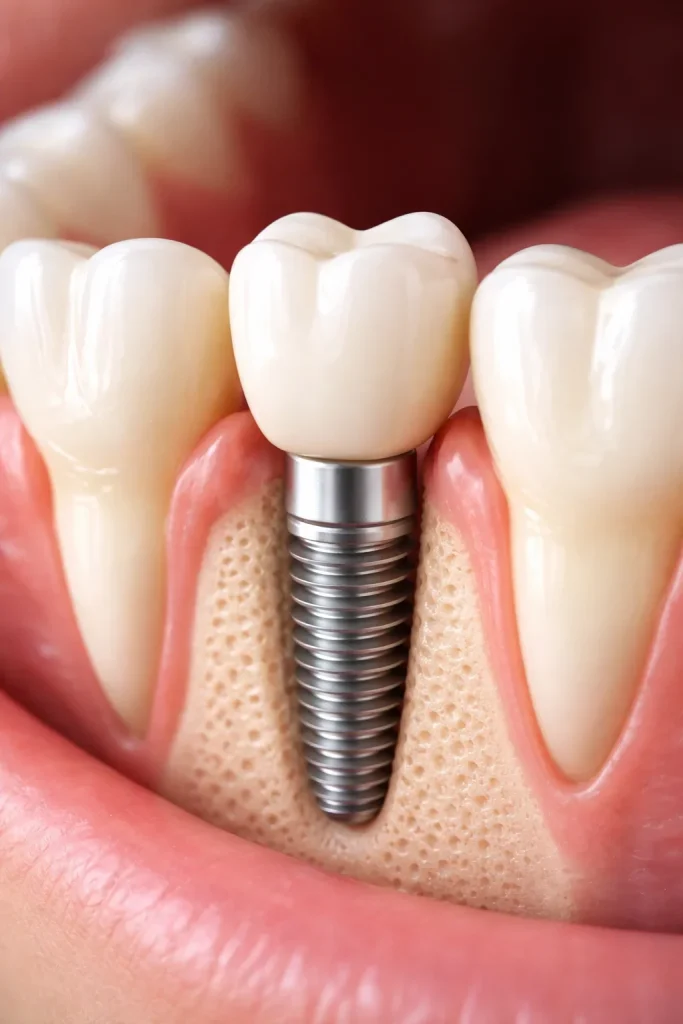
Single tooth dental implants are widely regarded as the most advanced and natural-looking solution for replacing a missing tooth. Whether you lost a tooth due to trauma, decay, or gum disease, this treatment restores not only the visible crown but also the tooth root, helping preserve jawbone health and facial structure 😊. Unlike traditional options, single tooth dental implants function independently, meaning they do not rely on neighboring teeth for support.
At their core, single tooth dental implants consist of three main components: a biocompatible titanium implant post, an abutment, and a custom-made crown. The implant post is surgically placed into the jawbone, where it gradually fuses with the bone through a process called osseointegration. This fusion is what gives single tooth dental implants their exceptional strength and stability, allowing them to feel and function much like a natural tooth.
One of the most important reasons patients choose single tooth dental implants is their ability to prevent bone loss. When a tooth is missing, the jawbone in that area begins to deteriorate due to lack of stimulation. Over time, this can lead to facial sagging and misalignment of surrounding teeth. By replacing the tooth root, single tooth dental implants keep the bone active and healthy, which is something bridges and removable dentures simply cannot do.
From a functional standpoint, single tooth dental implants allow patients to eat, speak, and smile with complete confidence. There is no slipping, clicking, or discomfort commonly associated with removable appliances. You can enjoy hard or chewy foods without worry, and daily oral hygiene routines such as brushing and flossing remain almost identical to caring for natural teeth 🪥.
Aesthetics also play a major role in the popularity of single tooth dental implants. The crown placed on top of the implant is custom-designed to match the color, shape, and size of your surrounding teeth. This ensures a seamless appearance, making it virtually impossible for others to distinguish the implant from natural teeth. For patients concerned about visible gaps in their smile, single tooth dental implants provide a long-lasting cosmetic solution.
Another key advantage of single tooth dental implants is their conservative nature. Unlike dental bridges, which require grinding down healthy adjacent teeth for support, implants preserve the integrity of surrounding teeth. This makes single tooth dental implants a more tooth-friendly and biologically sound option in the long term.
The treatment process for single tooth dental implants is highly predictable when performed by experienced professionals. Initial planning typically includes digital imaging and a comprehensive oral examination to assess bone density and gum health. Once the implant is placed and healing is complete, the final crown is attached, restoring full function and appearance. According to the [American Dental Association](chatgpt://generic-entity?number=0), dental implants have one of the highest success rates in modern dentistry when proper case selection and oral care are maintained.
Many patients wonder whether single tooth dental implants are worth the investment. While the upfront cost may be higher than other options, their longevity often makes them more cost-effective over time. With good oral hygiene and regular dental checkups, single tooth dental implants can last decades—or even a lifetime—making them a durable and reliable tooth replacement solution 💪.
It is also worth noting that single tooth dental implants support overall oral health. By filling the gap left by a missing tooth, they prevent neighboring teeth from drifting out of position, reduce uneven bite forces, and lower the risk of temporomandibular joint (TMJ) issues. This holistic benefit is a major reason dentists worldwide recommend single tooth dental implants as the gold standard for single-tooth replacement.
If you are considering treatment or want a personalized evaluation, you can reach out directly through the Redent Klinik Contact Page. A professional consultation will determine whether single tooth dental implants are the right solution for your specific needs and help you plan a confident path toward restoring your smile 😁.
In summary, single tooth dental implants combine strength, aesthetics, comfort, and long-term health benefits into one comprehensive solution. By replacing both the tooth and its root, they go beyond cosmetic repair and actively contribute to a healthier, more stable oral structure. For patients seeking a permanent, natural-feeling tooth replacement, single tooth dental implants remain the most advanced option available today.
What Are Single Tooth Dental Implants and How Do They Work?
Single tooth dental implants are a modern restorative dental solution designed to replace one missing tooth from root to crown. Unlike temporary or surface-level treatments, this approach recreates the complete structure of a natural tooth, offering unmatched stability, function, and aesthetics. Understanding how single tooth dental implants work helps patients feel more confident and informed before starting treatment 😊.
The Basic Structure of Single Tooth Dental Implants
Single tooth dental implants are made up of three essential components that work together as a unified system. The first and most critical part is the implant post, which is usually made of medical-grade titanium. This post is surgically placed into the jawbone and serves as an artificial tooth root. Titanium is used because it is biocompatible, meaning the body accepts it naturally without triggering rejection.
The second component is the abutment. This small connector piece is attached to the implant post after healing and acts as the bridge between the implant and the visible tooth. Finally, the dental crown is placed on top. This crown is custom-designed to match your surrounding teeth in shape, size, and color, making single tooth dental implants virtually indistinguishable from natural teeth.
How Osseointegration Makes Implants Strong
The key process that allows single tooth dental implants to function so effectively is called osseointegration. After the implant post is placed into the jawbone, the bone gradually grows around and bonds with the implant surface. This biological integration typically takes several weeks to a few months and is essential for long-term success.
Once osseointegration is complete, single tooth dental implants become extremely stable—often stronger than natural teeth. This stability allows patients to chew, bite, and speak normally without fear of movement or discomfort. It also explains why single tooth dental implants do not rely on neighboring teeth for support, unlike dental bridges.
Why Bone Stimulation Matters
When a tooth is lost, the jawbone no longer receives stimulation in that area, leading to gradual bone loss. Single tooth dental implants solve this problem by transmitting chewing forces directly into the bone, just like a natural tooth root. This stimulation helps preserve bone volume, facial structure, and overall oral balance 🦷.
The Surgical Placement Process Explained
The placement of single tooth dental implants is a carefully planned and minimally invasive procedure. Before surgery, detailed imaging such as digital X-rays or 3D scans is used to evaluate bone density and identify the ideal implant position. This planning stage ensures that single tooth dental implants are placed safely and accurately.
During the procedure, the dentist creates a small opening in the gum and places the implant post into the jawbone. The area is then closed to allow healing. Many patients are surprised by how comfortable the process is, often comparing it to a routine tooth extraction rather than major surgery.
Temporary Solutions During Healing
While osseointegration takes place, patients may receive a temporary crown or simply wait until healing is complete before the final restoration. This does not affect the success of single tooth dental implants and allows flexibility based on individual needs and aesthetic concerns.
How Single Tooth Dental Implants Function Daily
Once fully restored, single tooth dental implants function almost identically to natural teeth. You can eat crunchy foods, speak clearly, and smile confidently without worrying about shifting or loosening. There is no special maintenance routine beyond standard oral hygiene practices like brushing, flossing, and regular dental checkups 🪥.
Because single tooth dental implants are fixed in place, they eliminate common problems associated with removable options, such as pressure points, gum irritation, or food trapping. This makes them a preferred solution for patients seeking both comfort and reliability.
Long-Term Performance and Reliability
When properly placed and cared for, single tooth dental implants are designed to last for many years—often decades. Their success rate is exceptionally high, especially when patients maintain good oral hygiene and avoid habits such as smoking or teeth grinding. The crown may eventually need replacement due to normal wear, but the implant itself usually remains intact.
In summary, single tooth dental implants work by replacing both the missing tooth and its root, restoring full function, protecting jawbone health, and delivering natural-looking results. By understanding how single tooth dental implants function from a biological and mechanical perspective, patients can make informed decisions that support long-term oral health and quality of life 😁.
Who Is an Ideal Candidate for Single Tooth Dental Implants?
Single tooth dental implants are an excellent solution for many patients, but like any advanced dental treatment, they are most successful when the individual meets certain health and anatomical criteria. Understanding who qualifies as an ideal candidate for single tooth dental implants helps patients set realistic expectations and ensures long-term success 😊.
General Health Requirements for Single Tooth Dental Implants
Overall health plays a significant role in determining candidacy for single tooth dental implants. Because the procedure involves minor oral surgery and bone healing, patients should be in reasonably good systemic health. Chronic conditions such as uncontrolled diabetes, immune disorders, or severe cardiovascular disease may affect healing and increase the risk of complications.
That said, having a medical condition does not automatically disqualify someone from receiving single tooth dental implants. Many patients with well-managed health conditions successfully undergo implant treatment. A thorough medical history review and coordination with a physician, if necessary, help ensure that single tooth dental implants can be placed safely.
Lifestyle Factors That Influence Implant Success
Daily habits also matter. Smoking, excessive alcohol consumption, and poor oral hygiene can significantly reduce the success rate of single tooth dental implants. Smoking, in particular, restricts blood flow to the gums and bone, slowing healing and increasing the risk of implant failure. Patients willing to reduce or quit smoking greatly improve their chances of long-term implant success 🚭.
Adequate Jawbone Density and Volume
One of the most important requirements for single tooth dental implants is having enough healthy jawbone to support the implant post. Since the implant acts as an artificial tooth root, it must be firmly anchored in bone to remain stable. Patients who have been missing a tooth for a long time may experience bone loss in that area, which can complicate implant placement.
Fortunately, modern dentistry offers solutions such as bone grafting to rebuild lost bone. Even patients with insufficient bone volume may still become good candidates for single tooth dental implants after preparatory procedures. Advanced imaging allows dentists to precisely evaluate bone quality before treatment begins.
Timing Matters After Tooth Loss
The sooner single tooth dental implants are considered after tooth loss, the better. Early placement helps preserve existing bone and reduces the need for additional procedures. However, delayed placement does not eliminate the possibility of implants; it simply requires more careful planning and sometimes additional treatment steps.
Healthy Gums and Oral Environment
Healthy gum tissue is essential for the success of single tooth dental implants. Conditions such as active gum disease must be treated before implant placement. Inflammation or infection around the gums can interfere with healing and compromise implant stability.
An ideal candidate for single tooth dental implants has good periodontal health or is willing to undergo gum treatment beforehand. Once the gums are healthy, the implant has a much higher chance of integrating successfully and remaining problem-free over time 🦷.
Age Considerations for Single Tooth Dental Implants
Age alone is rarely a limiting factor for single tooth dental implants. Adults of almost any age can benefit from implant treatment as long as their jawbone has fully developed and their overall health supports healing. Younger patients must wait until bone growth is complete, typically in the late teens or early twenties.
On the other end of the spectrum, older adults often make excellent candidates for single tooth dental implants. As long as bone quality and general health are adequate, age does not significantly impact implant success rates. In fact, many seniors choose single tooth dental implants to restore comfort and confidence in daily life 😊.
Commitment to Oral Hygiene and Follow-Up Care
Single tooth dental implants are a long-term investment, and their longevity depends heavily on patient commitment. Ideal candidates are those who maintain consistent oral hygiene habits, including daily brushing, flossing, and regular dental visits. Although implants cannot decay like natural teeth, the surrounding gums and bone can still become inflamed if plaque accumulates.
Patients who understand the importance of maintenance are more likely to enjoy decades of trouble-free use from their single tooth dental implants. This level of responsibility is a key factor dentists consider when evaluating candidacy.
Psychological Readiness and Expectations
Finally, ideal candidates for single tooth dental implants have realistic expectations about the process and timeline. Implant treatment requires patience, as healing and restoration occur in stages. Patients who are prepared for this journey—and understand the long-term benefits—tend to be more satisfied with their results.
In summary, the ideal candidate for single tooth dental implants is someone with good general health, sufficient jawbone or the willingness to undergo bone preparation, healthy gums, and a commitment to oral care. With proper evaluation and planning, single tooth dental implants can be a reliable and life-changing solution for a wide range of patients 😁.
Benefits of Choosing Single Tooth Dental Implants Over Bridges
Single tooth dental implants are often considered the gold standard for replacing a missing tooth, especially when compared to traditional dental bridges. While both options aim to restore appearance and function, the long-term benefits of single tooth dental implants make them a superior choice for many patients. Understanding these advantages can help you make a confident, informed decision 😊.
Preservation of Natural Teeth
One of the most significant benefits of single tooth dental implants over bridges is the preservation of adjacent natural teeth. A traditional dental bridge requires the neighboring teeth to be reshaped and crowned to support the artificial tooth. This process permanently alters healthy teeth that may otherwise remain untouched.
In contrast, single tooth dental implants are completely independent. The implant is placed directly into the jawbone, eliminating the need to grind down surrounding teeth. By preserving natural tooth structure, single tooth dental implants support better long-term oral health and reduce the risk of future dental problems.
Why Tooth Preservation Matters Long-Term
Once healthy teeth are altered for a bridge, they become more vulnerable to decay, nerve damage, and future restorative work. Single tooth dental implants avoid this chain reaction entirely, making them a more conservative and biologically sound solution 🦷.
Superior Bone Health and Jaw Stability
Another critical advantage of single tooth dental implants is their ability to preserve jawbone density. When a tooth is lost, the underlying bone begins to shrink due to lack of stimulation. Dental bridges sit above the gum line and do not interact with the bone, meaning bone loss continues unchecked.
Single tooth dental implants replace the tooth root itself, transmitting chewing forces into the jawbone and maintaining natural bone stimulation. This prevents bone deterioration, supports facial structure, and reduces the risk of premature aging caused by bone collapse.
Long-Term Durability and Lifespan
When comparing longevity, single tooth dental implants consistently outperform dental bridges. Bridges typically last 7–15 years, depending on oral hygiene and bite forces. They are more susceptible to wear, decay of supporting teeth, and failure over time.
Single tooth dental implants, on the other hand, are designed for long-term use. With proper care, the implant itself can last decades or even a lifetime. While the crown may need replacement due to normal wear, the implant foundation usually remains stable and functional 💪.
Cost-Effectiveness Over Time
Although the initial cost of single tooth dental implants may be higher, their longevity often makes them more cost-effective in the long run. Replacing bridges multiple times over a lifetime can exceed the cost of a single, well-maintained implant.
Improved Comfort and Natural Function
Comfort is another area where single tooth dental implants excel. Because implants are securely anchored in the jawbone, they feel and function like natural teeth. There is no shifting, pressure on adjacent teeth, or awkward bite sensation.
Dental bridges can sometimes cause discomfort due to uneven bite forces or irritation around the supporting crowns. Single tooth dental implants distribute chewing pressure evenly and allow patients to eat, speak, and smile with complete confidence 😁.
Enhanced Aesthetics and Confidence
From an aesthetic standpoint, single tooth dental implants provide highly natural results. The implant crown emerges from the gum line just like a real tooth, creating a seamless appearance. Over time, bridges may reveal dark spaces at the gum line as bone loss progresses beneath the artificial tooth.
Because single tooth dental implants maintain bone and gum structure, they help preserve a youthful, natural-looking smile. This aesthetic stability is especially important when replacing visible front teeth.
Lower Risk of Future Complications
Dental bridges rely on the health of the supporting teeth. If one of these teeth develops decay, infection, or structural failure, the entire bridge may need replacement. This dependency increases the likelihood of future dental interventions.
Single tooth dental implants stand alone and do not compromise neighboring teeth. This independence significantly reduces the risk of cascading dental issues and simplifies long-term maintenance 🪥.
Easier Oral Hygiene and Maintenance
Maintaining oral hygiene is generally easier with single tooth dental implants than with bridges. Implants can be brushed and flossed like natural teeth, without the need for special threading tools often required for bridges.
Better hygiene access means lower risk of gum inflammation, plaque buildup, and peri-implant issues. Patients who choose single tooth dental implants often find it easier to maintain consistent oral health routines.
A More Modern, Future-Proof Solution
Single tooth dental implants represent the most advanced tooth replacement technology available today. As dental materials and techniques continue to improve, implants remain compatible with future restorative upgrades, while bridges may become outdated more quickly.
In summary, single tooth dental implants offer clear advantages over dental bridges in terms of tooth preservation, bone health, durability, comfort, aesthetics, and long-term reliability. For patients seeking a permanent, natural-feeling, and health-focused solution, single tooth dental implants are often the superior choice 🌟.
The Step-by-Step Procedure for Single Tooth Dental Implants
Single tooth dental implants follow a carefully structured, multi-stage procedure designed to ensure maximum safety, stability, and long-term success. While the process may seem complex at first, each step plays a critical role in creating a strong, natural-looking tooth replacement. Understanding this step-by-step journey helps patients feel prepared and confident throughout their treatment 😊.
Initial Consultation and Comprehensive Evaluation
The first step in receiving single tooth dental implants is a detailed consultation. During this visit, the dentist evaluates your oral health, reviews your medical history, and discusses your expectations. Digital X-rays or 3D imaging are used to assess jawbone density, gum condition, and the precise location of nerves and sinuses.
This planning phase is essential for determining whether single tooth dental implants are suitable and for identifying any preparatory procedures, such as bone grafting or gum treatment. A customized treatment plan is then created to ensure predictable and safe results.
Digital Planning for Precision
Advanced digital planning allows dentists to determine the exact angle, depth, and position of the implant. This precision reduces surgical risks and improves the long-term stability of single tooth dental implants 🦷.
Tooth Extraction (If Required)
If the damaged or decayed tooth is still present, it must be removed before placing single tooth dental implants. In many cases, the implant can be placed immediately after extraction, provided the surrounding bone is healthy. This approach can shorten treatment time and help preserve bone structure.
When immediate placement is not possible, the extraction site is allowed to heal before moving forward. The timing depends on individual healing capacity and bone condition.
Bone Grafting When Necessary
Not all patients have sufficient jawbone to support single tooth dental implants right away. Bone loss may occur if a tooth has been missing for an extended period. In such cases, bone grafting is performed to rebuild the foundation needed for implant stability.
Bone grafting materials may come from the patient, a donor source, or synthetic options. After grafting, a healing period of several months allows the bone to regenerate and strengthen before implant placement.
Healing Before Implant Placement
Although bone grafting adds time to the process, it significantly improves the success rate of single tooth dental implants and ensures long-term durability 💪.
Surgical Placement of the Implant Post
The core step of single tooth dental implants is the surgical placement of the titanium implant post into the jawbone. This procedure is performed under local anesthesia and is generally well tolerated. Many patients report minimal discomfort, often less than expected.
The dentist creates a small opening in the gum, prepares the bone, and inserts the implant post with precision. Once placed, the area is closed to allow healing and osseointegration to begin.
Osseointegration and Healing Phase
Osseointegration is the biological process where the jawbone bonds directly to the implant surface. This phase typically lasts between 3 and 6 months, depending on bone quality and individual healing factors.
During this time, single tooth dental implants become firmly anchored, creating a stable foundation that mimics a natural tooth root. Patients can usually resume normal activities shortly after surgery, following post-operative care instructions 🪥.
Placement of the Abutment
After successful osseointegration, a small connector called an abutment is attached to the implant post. This step may require a minor procedure to expose the implant, depending on the technique used.
The abutment serves as the link between the implant and the final crown, ensuring proper alignment and bite function for single tooth dental implants.
Custom Crown Fabrication and Placement
The final stage of single tooth dental implants is the placement of the custom-made crown. Impressions or digital scans are taken to design a crown that matches your natural teeth in color, shape, and size.
Once ready, the crown is securely attached to the abutment. At this point, the implant restoration is complete, restoring full function and aesthetics. Patients often describe this moment as life-changing, as their smile and bite feel whole again 😁.
Post-Treatment Care and Follow-Up
After completion, regular follow-up visits ensure that single tooth dental implants are functioning properly and that the surrounding gums remain healthy. Good oral hygiene, routine dental checkups, and avoiding harmful habits are key to maintaining long-term success.
In summary, the step-by-step procedure for single tooth dental implants is a well-established, predictable process focused on safety, precision, and lasting results. Each phase—from planning to final restoration—works together to deliver a strong, natural-looking tooth replacement that supports lifelong oral health 🌟.
Healing Timeline and What to Expect After Implant Surgery
Single tooth dental implants are designed for long-term success, but achieving that success depends heavily on proper healing and understanding what to expect after surgery. Many patients feel anxious about the recovery process, yet most are pleasantly surprised by how manageable and structured the healing timeline is 😊. Knowing each phase in advance helps reduce stress and supports better outcomes.
The First 24–72 Hours After Surgery
The initial recovery period following single tooth dental implants typically involves mild swelling, tenderness, and occasional bruising around the surgical site. These symptoms are normal and usually peak within the first 48 hours. Pain is generally minimal and can be effectively managed with prescribed or over-the-counter pain relievers.
Patients are advised to rest, avoid strenuous activity, and apply cold compresses intermittently during this phase. Soft foods, proper hydration, and avoiding the surgical area while brushing help protect the implant site during these critical early days.
What Is Normal and What Is Not
Light bleeding, swelling, and discomfort are expected. However, increasing pain, excessive swelling, or fever should be reported to your dentist promptly. Early monitoring ensures that single tooth dental implants remain on track for successful healing 🦷.
The First Two Weeks: Soft Tissue Healing
During the first one to two weeks, the gums begin to heal and seal around the implant area. Stitches, if used, are typically removed or dissolve on their own. Most patients return to normal daily routines within a few days, with only minor dietary restrictions.
At this stage, single tooth dental implants are still integrating beneath the surface, so it is important to avoid chewing directly on the implant site unless specifically advised otherwise. Gentle oral hygiene is encouraged to keep the area clean without disturbing healing tissue 🪥.
Osseointegration Phase: The Foundation of Success
The most critical phase in the healing timeline for single tooth dental implants is osseointegration. This process involves the jawbone growing and bonding directly to the titanium implant post. Osseointegration typically takes between 3 and 6 months, depending on bone quality, implant location, and individual healing capacity.
Although nothing visible appears to be happening during this period, it is when the implant gains its long-term strength and stability. Successful osseointegration is what allows single tooth dental implants to function like natural teeth for decades.
Factors That Can Influence Healing Speed
Several factors affect how quickly osseointegration occurs, including overall health, smoking habits, bone density, and oral hygiene. Patients who follow post-operative instructions carefully and maintain healthy habits tend to heal more efficiently and experience fewer complications 💪.
Temporary Restorations During Healing
In some cases, a temporary crown may be placed during the healing phase for aesthetic purposes, especially if the implant is in a visible area. This temporary restoration is carefully designed to avoid placing excessive pressure on the implant while still maintaining appearance.
Whether or not a temporary crown is used, the integrity of single tooth dental implants is not compromised as long as chewing forces are controlled and follow-up visits are maintained.
Abutment and Final Crown Placement
Once osseointegration is complete, the next step is attaching the abutment and final crown. This marks the transition from healing to full function. The gums may need a short adjustment period after abutment placement, but discomfort is usually minimal.
The final crown is custom-fitted to match your natural teeth, completing the single tooth dental implants process. At this point, patients can resume normal eating habits and oral care routines with confidence 😁.
Long-Term Healing and Adaptation
Even after the crown is placed, the body continues to adapt to single tooth dental implants. Over the following months, the surrounding gums mature and stabilize, creating a natural seal around the implant. Regular dental checkups help ensure that the implant remains healthy and well-integrated.
Patients often report that after full healing, they no longer notice a difference between their implant and natural teeth. This seamless integration is a hallmark of well-executed single tooth dental implants.
Tips for Supporting Optimal Healing
To maximize healing success, patients should avoid smoking, follow dietary recommendations, maintain excellent oral hygiene, and attend all scheduled follow-up appointments. These steps significantly reduce the risk of complications and extend the lifespan of single tooth dental implants 🌟.
In summary, the healing timeline for single tooth dental implants is gradual but predictable. From initial recovery to complete osseointegration, each stage plays a vital role in ensuring durability, comfort, and natural function. With proper care and patience, single tooth dental implants deliver long-lasting results that fully justify the healing process.
Risks, Complications, and Long-Term Success Rates
Single tooth dental implants are widely recognized as one of the safest and most predictable procedures in modern dentistry. However, like any medical or dental treatment, they are not entirely risk-free. Understanding the possible risks, how complications are managed, and what determines long-term success allows patients to make informed decisions and approach treatment with realistic expectations 😊.
Common Short-Term Risks After Implant Placement
In the short term, single tooth dental implants may be associated with mild and temporary side effects. These typically include swelling, bruising, soreness at the implant site, and minor bleeding. Such symptoms are a normal part of the healing process and usually resolve within a few days to a week.
In some cases, patients may experience temporary numbness or tingling if the implant is placed close to a nerve. This is uncommon and often preventable with proper planning and imaging. When experienced clinicians follow precise placement protocols, the short-term risks of single tooth dental implants remain very low 🦷.
Infection Risk and Prevention
Post-surgical infection is a potential complication, though it is relatively rare. It can occur if bacteria enter the surgical site during healing. Dentists reduce this risk by maintaining sterile conditions, prescribing antibiotics when appropriate, and providing clear aftercare instructions.
Patients play a crucial role as well. Maintaining oral hygiene and following post-operative guidelines significantly lowers the risk of infection and supports successful healing of single tooth dental implants.
Implant Failure: Why It Happens
Implant failure occurs when the implant does not successfully integrate with the jawbone. Early failure typically happens within the first few months and is often related to poor bone quality, excessive movement during healing, smoking, or uncontrolled medical conditions.
Late failure, which is less common, can occur years after placement due to chronic gum inflammation, excessive bite forces, or neglect of oral hygiene. Fortunately, the overall failure rate for single tooth dental implants is very low, especially when risk factors are managed properly.
What Happens If an Implant Fails?
If an implant fails, it can usually be removed safely. After healing, a replacement implant can often be placed, sometimes with additional bone grafting. Implant failure does not mean that single tooth dental implants are no longer an option—it simply means the treatment plan must be adjusted 💪.
Peri-Implantitis: A Long-Term Risk
One of the most discussed long-term risks associated with single tooth dental implants is peri-implantitis. This condition involves inflammation of the gum and bone surrounding the implant, similar to gum disease around natural teeth.
Peri-implantitis is most often caused by plaque buildup, smoking, or poor oral hygiene. If detected early, it can be managed with professional cleaning and targeted treatment. Regular dental checkups are essential for preventing this condition and protecting single tooth dental implants over time 🪥.
Factors That Increase Success Rates
The success rate of single tooth dental implants is influenced by several key factors. Proper case selection, precise surgical technique, and high-quality implant materials all contribute to positive outcomes. Patients who maintain good oral hygiene and attend regular dental visits experience significantly higher success rates.
Lifestyle choices also matter. Non-smokers or those who quit smoking before treatment enjoy better healing and long-term stability. Additionally, managing systemic conditions such as diabetes improves the predictability of single tooth dental implants.
Documented Long-Term Success Rates
Clinical studies consistently show that single tooth dental implants have success rates exceeding 95% over 10 years when placed under optimal conditions. This makes them one of the most reliable tooth replacement solutions available today.
Unlike bridges or removable options, single tooth dental implants do not depend on adjacent teeth for support, which reduces the likelihood of secondary failures. Their independent design is a major contributor to their long-term reliability 😊.
Monitoring and Maintenance for Lifelong Success
Long-term success does not end with implant placement. Regular dental checkups allow early detection of potential issues such as gum inflammation or bite imbalance. Professional cleanings help maintain healthy tissues around single tooth dental implants.
Patients who view implants as part of their overall oral health routine—not a one-time fix—are far more likely to enjoy lifelong success. Simple habits like daily brushing, flossing, and avoiding excessive force protect both natural teeth and implants alike.
Balancing Risks Against Benefits
When evaluating risks, it is important to weigh them against the substantial benefits of single tooth dental implants. Compared to alternative tooth replacement options, implants offer superior stability, bone preservation, and long-term outcomes.
In summary, while risks and complications can occur, they are relatively rare and often preventable with proper planning and care. The long-term success rates of single tooth dental implants remain exceptionally high, making them a safe, durable, and trusted solution for replacing a single missing tooth 🌟.
Cost of Single Tooth Dental Implants and Factors That Affect Pricing
Single tooth dental implants are often viewed as a premium tooth replacement solution, and many patients naturally want to understand the costs involved before committing to treatment. While pricing can vary widely, knowing what influences the cost of single tooth dental implants helps patients evaluate value rather than focusing only on the initial expense 😊.
Average Cost of Single Tooth Dental Implants
The cost of single tooth dental implants typically includes several components: diagnostic imaging, surgical placement of the implant, the abutment, and the final crown. In many countries, the average price range for a complete single tooth dental implant treatment is as follows:
Estimated Price Range (Per Tooth):
- United States & Western Europe: $3,000 – $5,500
- United Kingdom: £2,000 – £3,500
- Turkey & Medical Tourism Destinations: $700 – $1,500
These figures are general estimates and may change depending on clinic standards, materials used, and the complexity of the case. It is important to note that single tooth dental implants are often a one-time investment designed to last for decades 💪.
Main Factors That Influence Implant Cost
Several variables affect how much patients pay for single tooth dental implants. Understanding these factors provides clarity and helps explain why prices differ from one provider to another.
1. Implant Material and Brand
High-quality implant systems made from premium-grade titanium or titanium alloys tend to cost more. Reputable brands invest heavily in research, clinical testing, and long-term success data. These factors contribute to higher upfront costs but also increase the predictability and durability of single tooth dental implants.
2. Crown Material Selection
The type of crown placed on top of single tooth dental implants significantly influences cost. Zirconia and porcelain crowns are more expensive than basic materials but offer superior aesthetics, strength, and longevity. For front teeth, higher-end materials are often recommended to achieve a natural appearance 🦷.
Additional Procedures That May Affect Pricing
Not all patients are ready for immediate implant placement. Some require preparatory treatments, which can add to the total cost of single tooth dental implants.
Bone Grafting and Sinus Lifting
If jawbone volume is insufficient, bone grafting may be required before placing single tooth dental implants. This procedure rebuilds the bone foundation but increases treatment time and cost. Sinus lifting, when needed for upper back teeth, is another procedure that can affect pricing.
Tooth Extraction and Temporary Restorations
If a damaged tooth must be extracted, this adds to the overall treatment cost. Temporary crowns or aesthetic solutions during healing may also influence the final price of single tooth dental implants.
Dentist Experience and Clinic Technology
The expertise of the dental professional plays a major role in implant pricing. Highly experienced implantologists with advanced training often charge more due to their skill level and success rates. Clinics that use advanced digital planning, 3D imaging, and guided surgery systems also tend to have higher fees.
While it may be tempting to choose the lowest-cost option, patients should remember that single tooth dental implants are a long-term medical treatment. Choosing experience and technology often reduces the risk of complications and future corrective costs 😊.
Why Single Tooth Dental Implants Are Cost-Effective Long Term
Although the initial cost of single tooth dental implants is higher than alternatives like bridges, their long-term value is often superior. Bridges may need replacement every 7–15 years and can lead to additional costs due to damage to supporting teeth.
Single tooth dental implants, when properly maintained, can last a lifetime. They do not rely on adjacent teeth, do not promote bone loss, and require minimal long-term maintenance beyond routine dental care. Over time, this durability often makes them the more economical choice.
Insurance Coverage and Payment Options
Dental insurance coverage for single tooth dental implants varies by provider and region. Some plans cover portions of the procedure, such as the crown or extraction, while others may not cover implants at all.
Many clinics offer flexible payment plans, financing options, or package pricing—especially in medical tourism destinations. Discussing these options during consultation helps patients plan treatment without unnecessary financial stress 😁.
Balancing Cost With Quality and Safety
When evaluating the cost of single tooth dental implants, it is essential to balance affordability with quality, safety, and long-term outcomes. Extremely low prices may indicate compromises in materials, sterilization standards, or professional expertise.
In summary, the cost of single tooth dental implants is influenced by materials, clinical expertise, additional procedures, and geographic location. While the upfront expense may seem significant, the durability, health benefits, and confidence they provide make single tooth dental implants a valuable and worthwhile investment in long-term oral health 🌟.
How to Care for Single Tooth Dental Implants for Lifetime Use
Single tooth dental implants are designed to be a long-term, often lifelong solution for missing teeth. However, their durability and success depend greatly on how well they are cared for after placement. While implants are not susceptible to cavities like natural teeth, the surrounding gums and bone still require consistent attention. Proper care ensures that single tooth dental implants remain healthy, functional, and aesthetically pleasing for many years 😊.
Daily Oral Hygiene for Single Tooth Dental Implants
Maintaining excellent daily oral hygiene is the foundation of implant longevity. Single tooth dental implants should be brushed at least twice a day using a soft-bristled toothbrush. This helps remove plaque and food particles from the implant crown and the gum line where bacteria tend to accumulate.
Flossing is equally important. Even though single tooth dental implants do not decay, plaque buildup around the implant can lead to gum inflammation and peri-implantitis. Standard dental floss or implant-specific floss can be used to clean between the implant and neighboring teeth effectively 🪥.
Choosing the Right Oral Care Products
Non-abrasive toothpaste is recommended for single tooth dental implants to avoid scratching the crown surface. Antibacterial mouth rinses can also be beneficial, especially for patients with a history of gum disease. However, harsh alcohol-based rinses should be used cautiously, as they may irritate sensitive gum tissue.
Professional Dental Checkups and Cleanings
Regular dental visits are essential for monitoring the health of single tooth dental implants. Professional checkups allow dentists to assess gum health, implant stability, and bite alignment. Dental professionals can detect early signs of inflammation or mechanical issues before they become serious problems.
Professional cleanings are especially important because plaque and tartar can build up in areas that are difficult to reach at home. Specialized instruments are used to clean around single tooth dental implants without damaging their surface 🦷.
Protecting Implants From Excessive Force
Although single tooth dental implants are extremely strong, excessive or uneven forces can still cause complications over time. Patients who grind or clench their teeth, a condition known as bruxism, may place excessive stress on the implant and surrounding bone.
In such cases, a custom night guard is often recommended. This protective appliance helps distribute bite forces evenly and reduces the risk of implant overload. Protecting single tooth dental implants from unnecessary stress is key to preserving their long-term stability 💪.
Lifestyle Habits That Impact Implant Longevity
Lifestyle choices play a major role in the success of single tooth dental implants. Smoking is one of the most significant risk factors for implant complications, as it reduces blood flow to the gums and impairs healing. Patients who avoid smoking or quit altogether experience higher implant success rates.
Maintaining a balanced diet also supports implant health. Adequate intake of vitamins and minerals, particularly calcium and vitamin D, helps maintain strong jawbone density, which is crucial for supporting single tooth dental implants.
Monitoring Gum Health Around the Implant
Healthy gums are just as important as a stable implant. Patients should regularly check for signs of gum inflammation around single tooth dental implants, such as redness, swelling, bleeding, or tenderness. These symptoms may indicate early peri-implant issues that require professional attention.
Prompt treatment of gum inflammation can prevent progression to more serious conditions that threaten implant stability. Early intervention is one of the most effective ways to ensure the long-term success of single tooth dental implants 😊.
Long-Term Maintenance and Aging Gracefully With Implants
As the body ages, natural changes in bone density and gum tissue may occur. Regular dental monitoring allows adjustments to be made if needed, such as refining bite alignment or replacing a worn crown. The implant post itself typically remains stable even as other oral structures change.
With proper care, single tooth dental implants can adapt well to these natural changes, continuing to function comfortably and look natural for decades.
Common Myths About Implant Care
A common misconception is that single tooth dental implants require no maintenance because they are artificial. In reality, neglecting oral hygiene can lead to complications just as serious as those affecting natural teeth. Implants are not maintenance-free—they are maintenance-dependent.
Another myth is that implants are fragile. When properly cared for, single tooth dental implants are extremely durable and capable of withstanding normal chewing forces for many years without issue.
Creating a Lifelong Care Routine
The best way to protect single tooth dental implants is to integrate them into a lifelong oral care routine. Consistency is key: daily cleaning, routine dental visits, healthy lifestyle choices, and prompt attention to any changes all contribute to implant longevity.
In summary, caring for single tooth dental implants is straightforward but essential. With proper hygiene, professional oversight, and healthy habits, single tooth dental implants can provide reliable function, comfort, and confidence for a lifetime 🌟.

Single Tooth Dental Implants vs Other Tooth Replacement Options
Single tooth dental implants are often described as the most advanced solution for replacing a missing tooth, but many patients still wonder how they truly compare to other available options. Tooth replacement is not one-size-fits-all, and understanding the differences between treatments helps patients choose the option that best fits their health, lifestyle, and long-term goals 😊.
Single Tooth Dental Implants vs Dental Bridges
Dental bridges have been used for decades to replace missing teeth. They work by anchoring an artificial tooth to the adjacent natural teeth, which are reshaped and crowned to support the bridge. While this method can restore appearance quickly, it comes with notable limitations.
Single tooth dental implants do not rely on neighboring teeth at all. This independence is one of their greatest advantages. By placing the implant directly into the jawbone, single tooth dental implants preserve the integrity of adjacent teeth and avoid unnecessary tooth reduction.
Long-Term Oral Health Comparison
Bridges may contribute to future dental problems because the supporting teeth are more prone to decay and structural weakening over time. In contrast, single tooth dental implants protect surrounding teeth and maintain jawbone density, making them a more biologically sound solution 🦷.
Single Tooth Dental Implants vs Removable Partial Dentures
Removable partial dentures are often chosen due to their lower upfront cost. They consist of an artificial tooth attached to a removable framework that clips onto natural teeth. While dentures can restore basic appearance, they often fall short in comfort and function.
Single tooth dental implants offer a fixed, permanent solution that does not move or shift. Dentures, on the other hand, may slip during eating or speaking, causing discomfort and embarrassment. Over time, dentures can also irritate gums and contribute to bone loss beneath the missing tooth area.
Comfort and Confidence Differences
Patients with single tooth dental implants frequently report forgetting they even have an implant, as it feels so natural. Removable dentures often require ongoing adjustments and special cleaning routines, which can feel inconvenient and less hygienic 🪥.
Single Tooth Dental Implants vs Leaving the Gap Untreated
Some patients consider leaving a missing tooth untreated, especially if it is not immediately visible. However, this option carries significant long-term risks. When a tooth is missing, surrounding teeth may drift into the empty space, leading to misalignment and bite problems.
Single tooth dental implants prevent these issues by filling the gap completely and stabilizing the bite. They also stop bone loss in the jaw, which untreated gaps accelerate. Over time, untreated tooth loss can lead to facial changes, uneven wear on remaining teeth, and jaw joint discomfort.
Functional Performance Comparison
From a functional standpoint, single tooth dental implants provide the closest experience to a natural tooth. Chewing efficiency, bite strength, and speech clarity are all restored to near-natural levels.
Bridges and dentures may restore basic function, but they often limit biting force and food choices. Sticky or hard foods can damage bridges or dislodge dentures, whereas single tooth dental implants allow patients to eat freely and confidently 💪.
Aesthetic Outcomes Across Options
Aesthetics play a major role in patient satisfaction. Single tooth dental implants offer superior cosmetic results because the crown emerges naturally from the gum line. This creates a realistic appearance that blends seamlessly with surrounding teeth.
Bridges may show dark spaces near the gum line over time as bone loss progresses underneath the artificial tooth. Dentures may appear less natural due to visible clasps or movement during speech. Single tooth dental implants maintain stable gum and bone structure, preserving a youthful smile 😊.
Longevity and Durability Comparison
Longevity is one of the strongest arguments in favor of single tooth dental implants. With proper care, implants can last decades or even a lifetime. Bridges often need replacement every 7–15 years, while dentures may require frequent relining or replacement due to changes in the jawbone.
When viewed over a lifetime, single tooth dental implants often prove more cost-effective despite higher initial costs, because they reduce the need for repeated dental work.
Maintenance and Daily Care Differences
Single tooth dental implants are easy to maintain with regular brushing, flossing, and professional dental care. They integrate seamlessly into normal oral hygiene routines.
Bridges may require special flossing tools, and dentures must be removed and cleaned daily. This difference in maintenance is a key factor for patients seeking simplicity and long-term convenience.
Which Option Is Right for You?
The best tooth replacement option depends on individual circumstances, including oral health, budget, expectations, and long-term goals. However, for patients seeking a permanent, stable, and natural-feeling solution, single tooth dental implants consistently stand out.
In summary, when compared to bridges, dentures, or leaving a gap untreated, single tooth dental implants offer superior function, aesthetics, bone preservation, and longevity. For many patients, they represent not just a replacement tooth, but a long-term investment in oral health and quality of life 🌟.
Disclosure: this page may contain affiliate links. We may earn a commission if you use them, at no extra cost to you.