
In the rapidly evolving world of healthcare, the smart dentist has emerged as a game changer — combining artificial intelligence, digital imaging, robotics, and data-driven precision to revolutionize oral health care. Gone are the days when dentistry was limited to manual examinations and guesswork. Today, a smart dentist uses cutting-edge technology to diagnose, plan, and execute treatments with unmatched accuracy and comfort. 🦷✨
When people search for a smart dentist, they’re usually looking for modern clinics that embrace innovation — from AI-assisted diagnosis to 3D-printed crowns and digital smile design. These advanced professionals integrate software and sensors to detect problems early, reduce treatment time, and personalize every step of care. It’s not just about fixing teeth anymore; it’s about using intelligent systems to ensure long-term oral health with minimal discomfort.
Understanding the Concept of a Smart Dentist
A smart dentist isn’t defined solely by technology but by how that technology is applied to improve patient outcomes. For instance, modern clinics use AI-based tools to analyze X-rays and 3D scans, spotting cavities or bone loss invisible to the human eye. Digital records and cloud-based systems track each patient’s progress over time, allowing dentists to provide predictive care. This means a smart dental clinic doesn’t just react to problems — it anticipates them. 🔍
Smart dentistry also incorporates IoT (Internet of Things) devices, such as connected toothbrushes or intraoral cameras, that transmit real-time data to the dentist. This allows for remote monitoring and early interventions before symptoms even appear. Such proactive measures make the smart dentist a vital part of preventive healthcare, not just corrective treatment.
Technology Behind Smart Dentistry
The foundation of the smart dentist model lies in several interlinked technologies:
- Artificial Intelligence (AI): AI algorithms analyze dental scans, suggest treatment plans, and predict potential issues based on vast datasets of dental images.
- Digital Imaging: 3D scanners replace traditional molds, providing instant, detailed images of a patient’s mouth.
- Computer-Aided Design and Manufacturing (CAD/CAM): This allows same-day crowns, veneers, or implants to be custom-made with micron-level precision.
- Laser Dentistry: Minimally invasive procedures that reduce pain, bleeding, and recovery time.
- Teledentistry: Patients can consult with their dentist online, send photos or scans, and receive professional advice remotely.
By combining these technologies, a smart dentist ensures every procedure is faster, more comfortable, and highly accurate. This integration of human expertise and machine intelligence represents the most significant leap forward in dental care in decades.
Benefits for Patients
Patients who choose a smart dentist enjoy numerous benefits, including:
- Accurate Diagnosis: Advanced imaging ensures no underlying issue is missed.
- Shorter Treatment Time: CAD/CAM and laser tools allow for faster, same-day results.
- Less Pain and Anxiety: Smart anesthesia systems and guided lasers minimize discomfort.
- Long-Term Savings: Predictive care reduces the need for emergency procedures later on.
For example, digital scanning reduces the margin of error in crown fittings, which means fewer follow-up appointments and better bite alignment. Similarly, AI-based monitoring can alert both patient and dentist when early signs of gum disease appear — well before they become serious.
Human Expertise Meets Machine Intelligence
Despite the reliance on technology, the smart dentist does not replace human skill — it enhances it. Every tool and piece of software serves to amplify the dentist’s expertise, not automate it. While AI can interpret patterns in X-rays, it’s the dentist’s training and intuition that turn those findings into actionable treatments. This synergy creates a perfect balance between human empathy and digital precision.
Patient-Centered Smart Clinics
Modern smart clinics also focus heavily on patient comfort and transparency. Interactive displays show patients their own dental scans in real time, helping them understand diagnoses better. Customized treatment plans, digital simulations of smile makeovers, and transparent pricing all contribute to an empowering experience.
For anyone interested in personalized dental care powered by innovation, consider reaching out to Redent Klinik Contact Page — a clinic that exemplifies the principles of smart dentistry through advanced care and human-centered design.
Trust, Ethics, and Global Standards
Adhering to international standards, a smart dentist follows strict ethical and safety protocols. Many align with organizations such as the American Dental Association, ensuring that each procedure meets global health and hygiene benchmarks. This adherence to quality ensures patients receive care that is not only innovative but also safe, responsible, and backed by data-driven science.
Conclusion: The Era of Smart Dentistry
The smart dentist represents more than just a trend — it’s a transformation in how we approach oral health. Combining AI, robotics, and cloud intelligence, smart dentistry paves the way for precise, predictive, and pain-free dental experiences. Patients gain not only healthier smiles but also a deeper understanding of their oral health journey. 🌟
As we move further into 2025 and beyond, the term “smart dentist” will no longer describe a futuristic concept — it will define the new global standard of care. Embrace this change today, and discover how technology and compassion can unite to create the healthiest smile of your life.
The Role of AI and Technology in Modern Dentistry
The rise of the smart dentist is transforming the very foundation of dental medicine. Artificial intelligence (AI), robotics, and advanced digital systems now play a crucial role in diagnosing, treating, and monitoring oral health. This integration of human expertise with machine learning is what defines the new era of intelligent dental care. From predictive analytics to automated imaging, every aspect of dentistry is being enhanced for precision, efficiency, and patient comfort. 🧠💡
AI-Powered Diagnostics and Predictive Analytics
One of the most revolutionary tools in a smart dentist’s office is artificial intelligence. AI algorithms can analyze thousands of dental X-rays, identifying even the smallest irregularities that human eyes might miss. For example, AI can detect micro-cavities, early bone density loss, or gum recession long before these conditions become visible. This early detection saves patients from extensive procedures later on and allows dentists to take preventive action immediately.
Predictive analytics, another branch of AI, allows a smart dentist to estimate the likelihood of future dental problems. Based on a patient’s medical history, dietary habits, and previous treatment data, the system can forecast the risk of decay, gum disease, or implant failure. This foresight enables dentists to create custom prevention plans and improve long-term oral health outcomes.
Digital Imaging and 3D Modeling
The modern smart dentist relies heavily on digital imaging tools that provide real-time 3D views of a patient’s oral cavity. Traditional 2D X-rays have been replaced with cone-beam computed tomography (CBCT) and intraoral scanners, producing high-resolution, three-dimensional images. These allow dentists to explore every angle of a tooth or bone structure with microscopic precision.
With 3D modeling, dental professionals can design implants, crowns, and bridges that fit perfectly — eliminating the discomfort of trial and error. Patients can even visualize their treatment outcome before the procedure begins. This transparency enhances trust and helps patients feel more involved in their dental journey.
Case Example: 3D-Guided Implants
When performing implant surgery, a smart dentist uses 3D-guided systems to plan the exact position, depth, and angle of the implant. This results in minimal tissue disruption, reduced healing time, and near-perfect precision. The process is so accurate that it can achieve a success rate of over 98%. By using CAD/CAM (Computer-Aided Design and Manufacturing), the crown can be produced in a single visit — a process that used to take weeks. ⚙️
Robotics and Automation in Dental Procedures
Automation has entered dentistry through robotic-assisted procedures. A smart dentist may use robotic arms guided by AI software to perform precise drilling, implant placement, or even orthodontic adjustments. These robots operate within fractions of a millimeter, drastically reducing the risk of human error. The dentist remains in control, but robotics enhances stability and accuracy, especially in complex or high-risk cases.
For example, the Yomi robotic system, approved by the FDA, assists dentists in implant placement, ensuring consistent and predictable outcomes. This type of technology demonstrates how a smart dentist leverages automation not to replace human expertise, but to amplify it.
Augmented Reality (AR) and Virtual Reality (VR) in Patient Care
AR and VR technologies are adding an exciting new dimension to smart dentistry. Using AR headsets, a smart dentist can overlay digital information onto a patient’s mouth in real time — displaying nerves, roots, and bone structures during surgery. Meanwhile, VR is used for patient relaxation and dental training simulations. Patients who experience dental anxiety can wear VR headsets that transport them to calm, virtual environments, significantly reducing stress during procedures. 🌿
Digital Workflow Integration
In a smart dentist’s clinic, every device and system is interconnected. The digital workflow starts with diagnostic imaging, followed by data-driven planning, and ends with precise, technology-assisted treatment. Cloud-based storage ensures all patient records are secure and accessible, allowing dentists to collaborate with specialists worldwide. This interconnected system minimizes communication gaps and ensures seamless patient care.
Smart Materials and Nanotechnology
Modern materials used by a smart dentist go far beyond traditional ceramics or metals. Nanotechnology has enabled the creation of biocompatible materials that mimic the strength and translucency of natural enamel. These smart materials are designed to interact with the mouth’s environment — releasing fluoride or antibacterial agents when needed. They help reduce decay and maintain a healthy oral ecosystem without constant intervention.
Smart composite resins also adjust their mechanical properties depending on pressure, ensuring longer-lasting restorations. This represents the perfect blend of material science and digital innovation that defines smart dentistry.
Data Security and Ethical Use of Technology
While AI-driven systems collect massive amounts of patient data, a responsible smart dentist ensures these records remain private and secure. Encryption, two-factor authentication, and compliance with GDPR and HIPAA standards are crucial for maintaining trust. Ethical use of AI also involves ensuring that technology supports — rather than replaces — human decision-making in clinical care.
Enhanced Patient Experience and Communication
One of the most noticeable benefits of seeing a smart dentist is the overall improvement in the patient experience. From AI chatbots that handle appointment scheduling to smart chairs that automatically adjust for patient comfort, technology personalizes every aspect of care. Patients can view treatment progress, receive digital reminders for check-ups, and communicate with their dentist through secure mobile apps.
Moreover, teledentistry platforms now allow real-time consultations. Whether it’s a post-surgery follow-up or an urgent query, patients can connect instantly with their dentist, saving time and ensuring continuity of care. This kind of convenience reflects how a smart dentist blends efficiency with empathy — two cornerstones of modern healthcare.
Conclusion: AI as the Cornerstone of Smart Dentistry
Artificial intelligence is no longer the future — it’s the backbone of modern dental innovation. The smart dentist represents the perfect fusion of human intuition and technological excellence. By integrating AI-powered diagnostics, robotic precision, and patient-centered digital workflows, smart dentistry provides a standard of care that’s faster, safer, and more reliable than ever before.
As dental technology continues to evolve, patients can look forward to a future where their visits are more comfortable, their diagnoses more accurate, and their smiles healthier than ever. The smart dentist truly embodies the next generation of oral healthcare — intelligent, personalized, and built on trust and innovation. 🌟
Benefits of Choosing a Smart Dentist for Your Oral Health
Choosing a smart dentist in today’s world goes far beyond cosmetic appeal or convenience — it’s about embracing a future of precise, personalized, and preventive care. Smart dentistry merges human expertise with intelligent systems, resulting in treatment that is faster, safer, and remarkably effective. Whether it’s detecting hidden decay, designing digital crowns in minutes, or offering pain-free laser therapy, the smart dentist approach is redefining what patients expect from oral healthcare. 🦷💡
Early Detection and Preventive Care
One of the most valuable benefits of visiting a smart dentist is early detection. Advanced tools like AI-assisted radiographs and intraoral scanners can reveal cavities, bone loss, or gum inflammation before symptoms appear. Early diagnosis not only prevents disease progression but also saves patients from invasive treatments later. A smart dentist uses predictive analytics to forecast risk factors, allowing patients to adopt preventive habits such as dietary changes or customized oral hygiene routines.
For example, smart diagnostic systems can compare your scans over time, alerting your dentist to even subtle shifts in enamel density or gum health. This data-driven vigilance ensures a lifetime of healthier smiles. 😁
How Smart Detection Reduces Treatment Costs
Early intervention is not just medically beneficial but also financially smart. Since a smart dentist identifies problems in their earliest stages, patients often avoid complex procedures like root canals or extractions. For instance, spotting a cavity when it’s still microscopic can allow it to be treated with a simple resin filling — a fraction of the cost of a crown or bridge later on. The AI-driven approach thus turns dental care into a proactive investment rather than a reactive expense.
Personalized and Predictive Treatment Plans
Every mouth is unique — and a smart dentist understands that. Through digital mapping and 3D imaging, treatment plans are tailored precisely to each patient’s anatomy, lifestyle, and risk profile. Instead of using a one-size-fits-all model, smart systems analyze factors like bite pressure, jaw movement, and saliva composition to predict future issues. This allows the dentist to craft personalized prevention programs and targeted treatments that maximize long-term success.
Imagine being able to see your future smile before the procedure even begins. With smile simulation software, patients can visualize their expected results in real time, ensuring confidence and satisfaction with every treatment choice.
Comfortable, Pain-Free Dentistry
Many people associate dental visits with discomfort — but that’s changing rapidly thanks to the smart dentist. Digital anesthesia, laser treatments, and minimally invasive tools reduce pain and healing time dramatically. Instead of traditional drills, lasers can gently remove decay while preserving healthy tissue. This not only improves recovery but also makes procedures virtually silent and vibration-free. 🌿
Smart anesthesia systems, meanwhile, use sensors to monitor patient comfort in real time, ensuring accurate dosage and reducing side effects. For anxious patients, this means a calm, controlled, and fear-free experience.
Laser Dentistry in Action
Laser-assisted fillings, gum reshaping, and even whitening treatments are now performed with unparalleled precision. A smart dentist can target specific areas without damaging surrounding tissue, shortening both treatment and recovery time. Studies show that laser dentistry can reduce bleeding by up to 70% and postoperative pain by over 60%, proving how technology enhances the healing process.
Precision and Efficiency in Every Step
When you visit a smart dentist, precision is guaranteed. Technologies like CAD/CAM and AI-guided tools eliminate human error, ensuring that crowns, veneers, and implants fit perfectly on the first attempt. Same-day restorations have become the norm, allowing patients to walk out of the clinic with a fully restored smile in just a few hours instead of multiple appointments over weeks.
This efficiency is supported by digital workflow integration — from diagnostics to fabrication — which ensures every element of care is synchronized. As a result, patients spend less time in the chair and more time enjoying their healthy, confident smiles.
Improved Long-Term Oral Health
Because a smart dentist focuses on prevention and precision, patients enjoy better oral health outcomes over the long term. AI monitoring helps detect signs of relapse or deterioration, while digital tracking keeps your treatment history up to date. This consistent monitoring allows for timely adjustments, ensuring that results remain stable for years.
Moreover, advanced sterilization systems and smart air filtration used in high-tech dental offices further protect patients from infection risks. The smart dentist prioritizes hygiene and safety using the latest medical-grade technology, providing peace of mind in every visit.
Eco-Friendly and Sustainable Dental Practices 🌍
Another hidden benefit of the smart dentist is sustainability. Digital impressions eliminate the need for messy molds and single-use materials, reducing environmental waste. Energy-efficient laser systems and recyclable 3D printing resins are becoming standard in eco-conscious dental clinics. Smart sterilization units also conserve water and energy, aligning oral healthcare with global sustainability goals.
This environmentally friendly approach not only supports the planet but also reflects a clinic’s commitment to holistic well-being — ensuring both patient and planet smile brighter.
Seamless Communication and Transparency
Smart clinics thrive on communication. With digital platforms, patients can easily access their dental records, receive follow-up reminders, and even chat with their smart dentist about concerns. Transparent digital billing systems break down every cost, so there are no hidden surprises. Patients also receive progress photos and reports, making them active participants in their care.
For those seeking clarity or to book a modern dental consultation, visit Redent Klinik Contact Page — a trusted provider of technology-enhanced dental care that exemplifies what a smart dentist truly represents.
Confidence, Aesthetics, and Emotional Well-Being
Finally, one of the greatest rewards of choosing a smart dentist is renewed confidence. A healthy, radiant smile impacts more than oral health — it boosts self-esteem, improves first impressions, and even contributes to better mental health. With precision aesthetic tools like digital smile design and AI-guided whitening, patients can achieve smiles that are naturally beautiful and uniquely their own.
Conclusion: A New Standard of Care
The smart dentist sets a new benchmark for dental excellence. By combining innovation with compassion, this modern approach ensures every patient receives top-tier care that’s personalized, efficient, and sustainable. From early detection to flawless restorations, the benefits are undeniable — healthier smiles, happier patients, and a future where dental anxiety becomes a thing of the past. 🌟
In short, visiting a smart dentist isn’t just about technology — it’s about experiencing the next generation of dental care, where precision meets empathy, and every smile is crafted intelligently for life.
How Smart Dentists Use Digital Scans and 3D Imaging 🖥️
The evolution of dental technology has transformed patient care — and at the heart of this transformation lies digital scanning and 3D imaging. A smart dentist uses these tools not only to diagnose with pinpoint accuracy but also to plan treatments that are faster, safer, and more comfortable for patients. By replacing traditional molds and guesswork with computer-assisted visualization, the smart dentist can create a detailed virtual map of your teeth, gums, and bone structure, ensuring every procedure is as precise as science allows. 🦷✨
What Are Digital Scans and 3D Imaging in Dentistry?
Digital dental scans and 3D imaging systems use advanced optical sensors and X-ray technology to capture detailed images of the mouth. Unlike conventional impressions that rely on messy materials and patient discomfort, a smart dentist uses handheld scanners to generate a virtual replica of the oral cavity within minutes. These images are stored digitally, allowing instant analysis and real-time collaboration between dental specialists.
The technology behind this process, known as CBCT (Cone Beam Computed Tomography) and intraoral scanning, enables the dentist to see every contour and angle of a patient’s teeth, jaw, and surrounding tissues. This 3D visualization helps the smart dentist plan procedures such as implants, crowns, and orthodontic alignments with unmatched precision.
The Advantages of Digital Scans for Patients
One of the most immediate benefits patients experience when visiting a smart dentist is comfort. Traditional impressions can trigger gag reflexes and discomfort, especially for those with sensitive mouths. In contrast, digital scans are completely non-invasive and completed in just a few minutes. The result? A stress-free experience with instant results displayed on-screen for the patient to review.
Beyond comfort, digital scans offer:
- Accuracy: Traditional molds can distort, but digital scans maintain exact measurements down to microns.
- Speed: No waiting for molds to harden — images appear instantly on-screen.
- Eco-Friendliness: Eliminating physical materials reduces waste and environmental impact.
- Long-Term Tracking: A smart dentist can compare historical scans to track changes in oral health over time.
3D Imaging for Comprehensive Treatment Planning
3D imaging is a core component of how a smart dentist personalizes care. With CBCT technology, detailed cross-sectional images of teeth and bone structure reveal information that standard X-rays cannot. This allows dentists to assess bone density, nerve positioning, and even sinus proximity before performing surgery — reducing risk and improving outcomes.
For example, during an implant placement, 3D scans guide the dentist in determining the perfect implant position and depth. This planning phase minimizes complications and ensures that the prosthetic integrates naturally with the patient’s bone and bite alignment.
How Digital Scans Revolutionize Cosmetic Dentistry
Cosmetic dentistry is one of the biggest beneficiaries of 3D technology. When performing smile makeovers or veneers, a smart dentist can use digital scans to model the ideal smile shape, color, and proportion based on facial symmetry. Patients can preview the results in high-definition before any procedure begins. This digital simulation not only enhances trust but also ensures complete alignment between the patient’s expectations and the final outcome. 😁
Smile Design Simulation
Using 3D imaging, software like Digital Smile Design (DSD) enables the smart dentist to virtually “design” a patient’s new smile. The system analyzes facial features, lip movements, and gum lines to create a customized blueprint. The result is a predictable and natural-looking enhancement that perfectly matches the patient’s facial aesthetics. This process also helps in minimizing trial and error, ensuring that the final restoration aligns perfectly with both function and beauty.
Enhancing Precision in Orthodontics and Restorations
For orthodontic treatments, 3D imaging has become indispensable. A smart dentist can now simulate tooth movement digitally, predicting how braces or aligners will shift each tooth over time. This allows for more accurate treatment timelines and ensures faster, more efficient alignment. Similarly, for restorations like crowns or bridges, digital scans are sent directly to CAD/CAM systems, producing prosthetics that fit seamlessly.
These custom restorations are milled from high-strength ceramic materials and can often be completed on the same day — eliminating the need for temporary crowns and multiple appointments. Such efficiency demonstrates why the smart dentist is leading a revolution in patient satisfaction.
Reducing Risks and Improving Safety
Precision is safety — and this principle defines the smart dentist’s philosophy. With 3D imaging, dentists can detect underlying conditions like cysts, infections, or bone anomalies that traditional X-rays might overlook. This leads to early intervention and prevents surgical complications. Additionally, digital imaging uses lower radiation doses compared to conventional radiography, making it safer for patients of all ages, including children and pregnant women.
Integration with Artificial Intelligence
Today, many smart dentists integrate AI into their imaging systems. AI-powered software can automatically mark areas of concern, such as bone resorption or early signs of decay, providing a second layer of diagnostic assurance. This fusion of AI and imaging ensures that even subtle changes are noticed and addressed proactively. Patients benefit from a more reliable and comprehensive approach to oral care — where no detail goes unnoticed. 🤖
Cloud-Based Storage and Real-Time Collaboration
In a modern smart dentist clinic, digital scans are stored in secure cloud-based databases. This enables instant sharing with specialists, such as orthodontists or surgeons, without the need for physical transfers. Patients can also access their records online, promoting transparency and continuous engagement in their dental care journey. It’s dentistry that travels with you — anytime, anywhere.
Cost Transparency and Value for Patients
Many patients assume that advanced technology means higher costs, but the opposite is often true. Because a smart dentist minimizes errors and reduces treatment time, the overall cost of care decreases. Same-day restorations eliminate lab fees, while preventive imaging avoids future complications. The result is a smarter, more economical approach to oral health that benefits both dentist and patient.
For those seeking technologically advanced yet patient-centered dental care, visiting a clinic like Redent Klinik Contact Page provides access to the full suite of modern scanning and imaging tools — delivered by experts who understand the balance between innovation and compassion.
Conclusion: Visualizing the Future of Dentistry
The integration of digital scanning and 3D imaging defines what it means to be a smart dentist in the 21st century. These technologies empower dentists to diagnose more accurately, plan more effectively, and treat more comfortably than ever before. From real-time imaging to AI-guided analysis, every step is designed to enhance precision and patient satisfaction.
As the dental world continues to evolve, one thing is clear: the smart dentist is not just adapting to new technology — they are leading the charge toward a future where every smile is treated with intelligence, care, and innovation. 🌟
Smart Dental Clinics vs. Traditional Dental Offices
The evolution from traditional dentistry to digital, AI-driven clinics marks one of the most significant shifts in modern healthcare. A smart dentist operates within a technologically advanced environment that prioritizes precision, speed, and patient comfort. In contrast, traditional dental offices often rely on manual methods and analog equipment, which, while effective, lack the predictive power and efficiency of smart systems. Understanding these differences can help patients make more informed decisions about where to receive care — and why visiting a smart dentist might be the smarter choice for their oral health. 🦷💻
Understanding the Core Differences
At the heart of the distinction between a smart dentist and a traditional practitioner lies one key factor: technology integration. Traditional dental offices typically depend on 2D X-rays, physical impressions, and manual charting. On the other hand, smart clinics are powered by artificial intelligence, 3D imaging, and digital record systems that automate much of the diagnostic and planning process. This results in faster, more accurate, and highly personalized treatment plans.
While traditional dentistry focuses on treating visible symptoms, a smart dentist emphasizes prevention, prediction, and minimally invasive care. This modern approach leads to better patient outcomes, fewer follow-ups, and improved long-term oral health.
Comparison Table: Smart vs. Traditional Dentistry
| Feature | Smart Dentist | Traditional Dentist |
|---|---|---|
| Diagnosis | AI-assisted 3D imaging and predictive analytics | Manual X-rays and visual inspection |
| Treatment Planning | Digital models and virtual simulations | Physical molds and manual sketches |
| Comfort Level | Laser tools and smart anesthesia | Drills and traditional numbing injections |
| Patient Records | Cloud-based and easily shareable | Paper files, manually updated |
| Efficiency | Same-day restorations via CAD/CAM | Multiple visits and longer wait times |
Speed and Efficiency of Smart Dentistry
One of the greatest advantages of visiting a smart dentist is efficiency. Traditional dental procedures often require multiple visits — one for diagnosis, another for impressions, and yet another for placement. With digital workflows, smart clinics can complete treatments such as crowns or veneers in a single session. This is made possible by CAD/CAM technology, which fabricates restorations with microscopic accuracy in real-time.
AI-assisted systems also reduce human error. A smart dentist can immediately detect and correct even the smallest alignment or bite issues, something that would typically require trial and adjustment in conventional settings. This level of speed and precision saves patients time, money, and discomfort.
Precision and Predictability
In a traditional dental setting, much of the work depends on the practitioner’s experience and judgment. While this remains invaluable, a smart dentist complements expertise with data. Advanced diagnostic tools provide 3D images, allowing dentists to visualize internal structures — roots, nerves, and bone density — before starting any procedure. Predictive modeling software then simulates outcomes, ensuring that patients know exactly what to expect.
This digital precision eliminates the uncertainty often associated with traditional dental treatments. The result is not just a better smile but a more predictable, stress-free dental experience.
Example: Implant Placement Accuracy
When placing implants, a smart dentist uses guided navigation systems to determine the exact depth and angle of insertion. Traditional dentists rely on 2D X-rays and visual estimation, which can lead to minor deviations. Over time, those deviations may affect comfort, bite alignment, and durability. By contrast, computer-guided implants in smart clinics achieve near-perfect positioning, ensuring longevity and superior function.
Patient Comfort and Experience
One of the most noticeable differences between a smart dentist and a traditional clinic is the patient experience. Smart dental environments are designed for comfort — ergonomic chairs, digital displays showing real-time scans, and even ambient lighting that reduces anxiety. Instead of drills and harsh noises, patients experience quiet, precise laser-based treatments. This modernized environment redefines what it means to “go to the dentist.”
Additionally, AI-powered communication systems streamline scheduling, follow-ups, and post-treatment care. Patients receive digital reminders, educational resources, and even remote consultations via teledentistry. A smart dentist ensures that care doesn’t end when you leave the chair — it continues seamlessly through digital engagement.
Hygiene, Safety, and Sterilization Standards
While hygiene has always been a cornerstone of dentistry, smart clinics take it to another level. Advanced air filtration systems, UV sterilizers, and contactless tools ensure a sterile environment at all times. A smart dentist relies on data-driven sterilization cycles that track temperature, pressure, and duration for optimal sanitation — removing human error from the equation. Traditional clinics, though effective, may depend on manual sterilization logs, leaving more room for inconsistency.
Cost Efficiency Over Time
While some assume that high-tech clinics cost more, the reality is quite the opposite. A smart dentist often reduces overall costs through accuracy and prevention. Digital planning eliminates expensive rework, and predictive care minimizes the need for emergency procedures. Patients may pay slightly more upfront for technology-driven precision but save significantly on long-term maintenance and replacements.
For example, same-day restorations eliminate lab costs, while AI-based monitoring prevents costly complications like gum disease or decay from escalating. Over the long term, the smart dentist approach offers superior financial and health value.
Data Management and Transparency
Transparency builds trust — and this is where the smart dentist excels. Every image, scan, and report is stored digitally and can be shared with the patient instantly. This empowers individuals to understand their condition and participate in decisions. Traditional clinics, with handwritten charts and opaque processes, often fail to offer this level of clarity.
Smart clinics also comply with global data protection standards, ensuring privacy and security through encrypted cloud storage. Patients can access their history anytime, anywhere, enabling a connected, informed approach to oral health.
Bridging the Gap Between Innovation and Care
The human touch remains irreplaceable, even in the most advanced settings. A smart dentist uses technology to enhance empathy, not replace it. While machines provide precision, it’s the dentist’s expertise that personalizes care. Traditional clinics may focus on routine care, but smart clinics build relationships through digital convenience and compassionate communication.
If you’re ready to experience dentistry that combines innovation with personal attention, consider scheduling a consultation at Redent Klinik Contact Page. Their integration of modern tools and expert care perfectly represents what a smart dentist stands for — intelligent, compassionate, and future-focused care.
Conclusion: The Smarter Choice for the Future
In the final comparison, the smart dentist is not just a modern upgrade — it’s a complete transformation of dental practice. While traditional offices rely on reactive treatment, smart clinics embrace predictive prevention and digital precision. From diagnosis to follow-up, every step is powered by technology and guided by care. 🌟
Ultimately, choosing a smart dentist means choosing a future where dental visits are faster, safer, and more transparent — a world where every smile benefits from the intelligence of technology and the warmth of human connection.
The Cost of Visiting a Smart Dentist in 2025 💰
As technology reshapes every aspect of healthcare, the smart dentist has emerged as a leader in innovation — but many patients naturally wonder about cost. Is visiting a smart dental clinic more expensive than a traditional one? The answer is nuanced. While some high-tech procedures may have a higher initial price tag, the long-term savings, efficiency, and reduced need for repeat visits often make seeing a smart dentist a more economical choice in the long run. Let’s break down the real costs, what influences them, and how modern dentistry is making advanced care more affordable for everyone. 🦷💡
Understanding What You Pay For
When visiting a smart dentist, you’re not just paying for a service — you’re investing in accuracy, comfort, and prevention. The cost typically reflects advanced technology such as digital scanners, AI diagnostics, and computer-guided tools that enhance precision. While these systems are expensive for clinics to implement, they eliminate unnecessary follow-ups and ensure high-quality outcomes from the start.
For instance, instead of a traditional crown that might require two visits and risk misfitting, a smart dental clinic uses CAD/CAM technology to design and fit your crown in one day. That’s time saved from missing work, fewer injections, and reduced material waste — all adding long-term value to your treatment.
Typical Price Ranges in 2025
The following average price estimates for smart dentist services are based on current 2025 market trends and online data across Europe and the United States. Actual prices may vary depending on location, clinic reputation, and specific patient needs:
- AI Diagnostic Consultation: $80 – $150
- Digital 3D X-Ray (CBCT): $100 – $250
- Laser Cavity Treatment: $120 – $300
- CAD/CAM Same-Day Crown: $700 – $1,500
- Dental Implant with Guided Surgery: $1,200 – $2,800 per tooth
- 3D Printed Orthodontic Aligners: $2,000 – $4,000 (full treatment)
- Smart Whitening System: $250 – $600
These prices reflect the inclusion of advanced imaging, AI-based treatment planning, and digital restorations — all hallmarks of a smart dentist. Though the initial costs appear higher, patients often spend less over time due to better treatment durability and fewer complications.
Why Smart Dentistry Can Save You Money Long-Term
A smart dentist doesn’t just treat symptoms — they predict and prevent future issues using technology. This preventive focus reduces the risk of recurring problems like cavities or gum infections that can cost thousands over a lifetime. Digital monitoring allows your dentist to spot decay or bone loss early, leading to smaller, more affordable interventions.
For example, an AI-driven diagnostic tool may detect micro-fissures in enamel that a traditional exam could miss. Treating these early with non-invasive sealing costs far less than a root canal later on. Therefore, what might seem like an extra expense upfront actually translates into long-term savings and healthier teeth.
Cost Efficiency Through Technology
Technology drives cost efficiency in several key ways:
- Reduced Chair Time: Same-day crowns and digital impressions shorten appointment durations.
- Lower Error Rates: Digital precision minimizes remakes or adjustments.
- Predictive Maintenance: AI-based care reduces emergency visits and unplanned treatments.
- Eco-Friendly Savings: Smart tools minimize disposable material use, lowering operational costs passed to patients.
Every one of these elements contributes to the cost-effectiveness of choosing a smart dentist. What you pay for is not just a service but a system that integrates speed, safety, and sustainability.
Insurance and Financing Options
Another misconception is that smart dental services are excluded from insurance coverage. In reality, most providers now recognize digital and AI-assisted procedures as standard practice. Many insurance plans cover partial or full costs of digital X-rays, CAD/CAM restorations, and preventive scans — especially when they replace outdated analog methods.
Additionally, smart dentist clinics often provide flexible payment plans or membership models. These programs may include regular checkups, cleanings, and discounts on major procedures, making it easier for patients to maintain consistent oral care without financial strain. Some clinics even integrate mobile payment systems and real-time cost tracking through patient apps, ensuring full transparency.
Comparing Smart Dentistry with Traditional Costs
When comparing the expenses of a smart dentist to traditional dentistry, it’s important to look beyond the surface. While a standard filling at a traditional office may cost slightly less, it might not last as long due to manual placement or inaccurate fit. In contrast, laser fillings and digital-guided restorations have longer lifespans, reducing the likelihood of repeated procedures.
Moreover, smart clinics typically include follow-up imaging or AI tracking in the original price, while conventional dentists may charge separately for additional checkups or repairs. This bundled approach gives patients a clearer understanding of total costs upfront.
Example: Implant Value Over Time
Consider dental implants. A traditional implant may cost around $1,000 initially but could fail or require adjustments within five years. A smart dentist using guided 3D navigation ensures the implant’s optimal placement, resulting in a higher success rate and a lifespan exceeding 15 years. Over time, that investment yields better performance, fewer replacements, and a lower total cost of ownership.
How Location Affects Smart Dental Pricing
Geography plays a role in pricing as well. In cities where dental technology is widespread, competition among smart dentists often keeps prices moderate. In smaller regions or developing markets, however, fewer clinics with advanced technology may charge a premium. For example, in Turkey or Eastern Europe, smart dental procedures cost 40–60% less than in the U.S. or Western Europe, even with the same technology and expertise. 🌍
Patients who travel for dental tourism benefit greatly from this global accessibility. Clinics like Redent Klinik Contact Page offer world-class care with advanced tools at competitive international rates, attracting patients seeking quality without compromise.
Hidden Value: Comfort and Peace of Mind
While financial cost is measurable, comfort and confidence are priceless. The smart dentist experience eliminates much of the stress associated with traditional dentistry. Faster procedures, fewer injections, and real-time visualizations create a more positive emotional experience. When patients feel relaxed, they’re more likely to maintain regular visits — leading to better oral health and fewer expensive emergencies down the line.
Conclusion: Investing in a Smarter Smile
Visiting a smart dentist in 2025 is not merely a luxury — it’s a wise investment in precision, prevention, and peace of mind. While initial costs may appear higher, the combination of accuracy, durability, and time savings makes modern dentistry an intelligent financial decision. From AI-driven diagnostics to same-day restorations, the smart dentist offers a future where technology enhances both health and affordability. 💎
Ultimately, the question isn’t “Can you afford a smart dentist?” — it’s “Can you afford not to?” Because every dollar spent on intelligent care today protects your smile, your confidence, and your long-term well-being tomorrow.
Smart Dental Implants: Precision and Long-Term Results
The field of dental implantology has undergone a technological revolution, largely thanks to the rise of the smart dentist. By integrating artificial intelligence, digital imaging, and computer-guided surgery, the modern dental implant process has become faster, safer, and more durable than ever before. Patients no longer face the uncertainty of traditional implant methods — every detail, from bone mapping to prosthetic design, is now calculated with mathematical precision. 🦷💻
A smart dentist combines clinical expertise with smart tools like 3D scans, CAD/CAM milling, and robotic guidance to deliver implants that not only look natural but also last decades. This blend of innovation and craftsmanship ensures that each implant aligns perfectly with the patient’s unique anatomy, promising long-term success and a confident smile.
The Evolution of Dental Implants
Traditional implant placement relied heavily on manual estimation and 2D imaging. While effective, these techniques left room for slight inaccuracies that could affect comfort or stability. The smart dentist has changed that paradigm. Using 3D cone-beam computed tomography (CBCT), dentists can visualize every structure in the mouth — from nerves to bone density — before ever making an incision. This ensures implants are placed with millimeter-level precision, significantly reducing complications and healing time.
Digital workflows now replace old-fashioned impressions. The patient’s mouth is scanned using intraoral cameras, and a complete 3D model is created within minutes. From this model, the smart dentist digitally plans the implant procedure, simulating angles, depths, and bite alignment. This meticulous preparation ensures that surgery is not only quicker but also far more predictable.
How Smart Dentists Use Technology for Implants
The success of smart dental implants depends on three technological pillars: data, design, and delivery. Each stage uses specialized systems that guarantee precision and quality.
1. Data: AI-Driven Diagnosis and Planning
The smart dentist employs AI to analyze CBCT scans, identifying optimal implant sites while avoiding sensitive structures like nerves and sinuses. These algorithms can even predict bone behavior under stress, helping dentists choose the best implant size and material. By simulating future outcomes, AI reduces the risk of misplacement and improves long-term bone integration.
2. Design: Digital Modeling and CAD/CAM Fabrication
Once planning is complete, CAD/CAM (Computer-Aided Design/Manufacturing) technology allows for the creation of ultra-precise crowns and abutments. The smart dentist customizes each implant’s design to fit perfectly into the patient’s oral architecture. Unlike traditional laboratories that take weeks, this process can often be completed in a single day using in-clinic milling machines. The result: a durable, perfectly contoured implant that blends seamlessly with natural teeth. 🌟
3. Delivery: Computer-Guided Surgery
Computer-guided implant surgery is one of the most advanced tools in smart dentistry. The smart dentist uses virtual guides and navigation systems to execute the pre-planned procedure with unmatched accuracy. In some clinics, robotic assistance ensures precise drilling and insertion, leaving virtually no room for error. This technological precision minimizes pain, reduces healing time, and ensures implants are securely anchored for life.
The Benefits of Smart Dental Implants
Patients who receive implants from a smart dentist experience numerous advantages that traditional dentistry simply cannot match:
- Faster Healing: Minimally invasive surgery means less trauma and shorter recovery times.
- Predictable Results: Digital simulations ensure the outcome matches expectations.
- Natural Aesthetics: Advanced imaging allows perfect color and shape matching.
- Long-Term Durability: Precision fitting reduces mechanical wear and bone resorption.
- Painless Experience: Laser-assisted anesthesia and guided placement minimize discomfort.
These benefits are not just cosmetic — they represent a comprehensive approach to oral health. The smart dentist focuses on restoring both function and confidence, ensuring each patient leaves with a resilient, natural-looking smile.
Material Innovations in Smart Dentistry
Materials used by a smart dentist are carefully engineered for strength, aesthetics, and biocompatibility. Titanium remains the gold standard for implant posts, but newer options like zirconia are gaining popularity due to their natural appearance and metal-free composition. These materials are precisely milled using AI-calibrated machines, ensuring perfect integration with bone and gum tissue.
Nanotechnology further enhances implant surfaces, promoting faster osseointegration — the process where bone fuses with the implant. Some smart dental systems even use antibacterial coatings that prevent infection and improve long-term implant health.
Example: Zirconia vs. Titanium Implants
In 2025, the debate between zirconia and titanium continues, but the smart dentist uses digital tools to determine which material best suits each patient. Zirconia offers superior aesthetics for front-tooth restorations, while titanium remains ideal for high-load areas like molars. Using AI modeling, the dentist predicts stress distribution, ensuring that whichever material is used performs optimally under daily function.
Longevity and Maintenance
Smart dental implants are designed to last for decades — often a lifetime — when properly maintained. The smart dentist provides ongoing digital monitoring through periodic 3D scans to ensure implants remain stable. This proactive approach helps detect even the smallest shifts in bone density or bite alignment, allowing for immediate corrective action before problems develop.
In addition, AI-assisted cleaning tools are now being introduced in modern clinics, allowing precise plaque removal around implants without damaging surrounding tissues. These innovations extend implant lifespan and reduce maintenance costs over time.
Affordability and Value
While smart implants may cost slightly more upfront than traditional methods, they are far more cost-effective in the long term. Traditional implants may fail due to placement errors or bone loss, requiring costly replacements. In contrast, the smart dentist ensures precise placement and material selection, minimizing the risk of failure and maximizing return on investment.
Moreover, digital efficiency reduces lab fees and chair time. Patients often complete their full implant journey — from consultation to permanent placement — in just a few visits. This not only saves money but also enhances the overall patient experience.
Smart Implants and Global Standards
Most smart dentists adhere to global quality standards set by authorities such as the American Dental Association and ISO-certified implant manufacturers. These standards ensure that every implant is produced, sterilized, and inserted according to the highest levels of safety and precision.
Clinics such as Redent Klinik Contact Page exemplify this commitment by combining internationally approved materials with AI-driven planning systems. Patients thus receive world-class care that balances innovation, safety, and long-term satisfaction.
Conclusion: The Future of Implant Perfection
The smart dentist represents the pinnacle of implant innovation — where science meets artistry. Through AI diagnostics, 3D modeling, and robotic precision, smart implants are no longer a luxury but a new standard of care. They restore confidence, functionality, and aesthetics with remarkable predictability.
As the technology continues to evolve, the future promises even more advanced solutions — biointegrative implants, self-healing materials, and real-time bone monitoring. The era of uncertainty in implant dentistry is over; thanks to the smart dentist, every smile can now be rebuilt with intelligence, beauty, and durability that lasts a lifetime. 🌟
How to Find the Best Smart Dentist Near You
Choosing the right smart dentist can make all the difference in your oral health journey. In today’s digital world, countless clinics claim to use advanced technology, but not all deliver the same level of expertise or precision. The best smart dental professionals combine innovation with experience, ensuring that every treatment — from diagnostics to restoration — is handled with accuracy, safety, and care. This comprehensive guide will help you identify how to find a smart dentist who truly embodies modern, patient-centered dentistry. 🦷✨
1. Understand What Defines a Smart Dentist
Before searching, it’s essential to know what distinguishes a smart dentist from a conventional practitioner. A smart dentist integrates digital technologies such as AI diagnostics, 3D imaging, CAD/CAM restorations, and robotic-guided surgeries into daily practice. They also focus on preventive care using data-driven insights instead of waiting for problems to appear.
More importantly, a smart dentist embraces continuous learning. These professionals attend international conferences, adopt global standards, and collaborate with interdisciplinary experts — from biomedical engineers to AI specialists. Their clinics are typically equipped with digital scanners, computer-guided surgical systems, and cloud-based patient management tools that ensure seamless and personalized care.
Checklist: Signs of a True Smart Dentist
- Uses AI or machine learning in diagnostic analysis.
- Employs 3D scanners instead of traditional molds.
- Offers same-day crowns or restorations via CAD/CAM.
- Implements teledentistry or online consultations.
- Focuses on patient education and visual treatment planning.
2. Research Clinic Credentials and Technology
Once you identify potential clinics, investigate their credentials and the technology they use. A legitimate smart dentist will proudly display certifications, affiliations, and the names of the systems they operate. Look for clinics that follow guidelines from recognized institutions such as the American Dental Association or international equivalents.
Reputable clinics also invest in equipment like:
- Intraoral Scanners – Capture 3D images without discomfort.
- CBCT Imaging – Offers complete 360° visualization of bone structure and nerves.
- AI-Enhanced Diagnostics – Detects decay, bone loss, or infections early.
- CAD/CAM Systems – Fabricate perfect restorations in a single visit.
- Laser Dentistry Tools – Replace drills with painless, precise treatments.
If a dental clinic combines several of these technologies and emphasizes predictive care, it’s a clear indicator that you’ve found a capable smart dentist.
3. Evaluate Experience and Patient Reviews
While advanced equipment is important, it’s equally vital that the smart dentist operating it has proven expertise. Check the dentist’s professional background, including years of experience in digital or implant dentistry. Certifications from international dental academies, postgraduate training in AI dentistry, or specialized credentials in prosthodontics indicate a higher level of competence.
Patient reviews are another reliable way to assess real-world performance. Look for consistent mentions of comfort, accuracy, and advanced methods. A smart dentist’s reputation often reflects their success in combining technology with human care. Authentic testimonials and before-after photos are valuable indicators of trustworthiness and skill.
4. Visit the Clinic or Schedule a Virtual Consultation
Before making your final decision, visit the dental clinic in person or arrange a virtual consultation. Observing the environment can reveal much about how technologically advanced the facility truly is. A smart dentist will use digital tools to guide you through the process, showing your scans and simulations on-screen to explain your treatment plan.
During Your Visit, Ask These Questions:
- What technologies do you use for diagnostics and treatments?
- How do you ensure precision and safety during procedures?
- Do you use AI or computer-guided systems for implants or crowns?
- Can I view a digital simulation of my treatment outcome?
- What type of follow-up or digital monitoring do you offer?
A genuine smart dentist will confidently answer these questions and often demonstrate their systems live. Transparency is one of the strongest signs of professionalism in modern dentistry.
5. Compare Costs and Services
Cost can vary greatly between dental clinics, but the best smart dentist offers value, not just affordability. Digital treatments typically reduce the need for multiple appointments, saving time and hidden expenses in the long term. When comparing quotes, ask whether prices include consultations, digital scans, and post-treatment care — many reputable clinics bundle these services for greater convenience.
Some clinics, like Redent Klinik Contact Page, maintain transparent pricing while offering global-standard care. They combine cutting-edge technology with expert craftsmanship to deliver exceptional results at competitive rates — proving that world-class smart dentistry doesn’t have to be out of reach.
6. Look for Patient-Centered Digital Care
The best smart dentist doesn’t just use technology — they use it to make your experience smoother and more human. Features like digital record-keeping, remote consultations, and mobile apps for follow-up reminders create a seamless patient journey. Clinics that employ AI-powered communication systems and digital feedback loops ensure you’re informed every step of the way.
Example: Smart Appointment Systems
Some clinics use smart scheduling algorithms that optimize appointments, reducing waiting times. Others allow real-time progress tracking through online portals, giving patients full visibility into their treatment milestones. These innovations show how the smart dentist prioritizes both convenience and transparency.
7. Assess Ethical and Environmental Practices
A true smart dentist also embraces sustainability and ethical care. Look for clinics that use eco-friendly materials, reduce paper waste through digital documentation, and employ energy-efficient sterilization systems. Smart practices are not just high-tech — they’re socially responsible, prioritizing both patient and planetary well-being. 🌍
Moreover, ethics extend to data security. Ensure your chosen clinic follows privacy regulations like GDPR or HIPAA to protect personal medical data stored in digital systems.
8. The Role of Location and Accessibility
Proximity matters when choosing a smart dentist, especially for ongoing treatments like implants or orthodontics. Look for clinics in accessible areas with modern infrastructure. Some advanced clinics even offer hybrid models — starting with an in-person visit and continuing with teledentistry check-ins — allowing flexibility for busy professionals or international patients.
9. The Importance of Continuous Aftercare
Smart dental care doesn’t end when your procedure does. The best smart dentist offers long-term digital follow-up, scheduling automated reminders for checkups and hygiene visits. Many modern systems can even alert both patient and dentist when early signs of wear or infection appear on an implant. This proactive approach helps maintain results and prevents costly future complications.
Conclusion: Making an Intelligent Choice for Your Smile
Finding the right smart dentist requires careful research, but the reward is transformative. By combining advanced tools with compassionate expertise, smart dental professionals provide a level of care that redefines comfort, precision, and results. Whether you’re seeking preventive care, aesthetic improvements, or full mouth rehabilitation, choosing a smart dentist ensures you receive the best of modern science and personalized attention. 🌟
Ultimately, a smart dentist is not just nearby — they are the future of dentistry, bringing technology and humanity together to create brighter, healthier smiles around the world.
The Future of Dentistry: How Smart Dentists Are Shaping Tomorrow
The concept of the smart dentist represents more than just technological progress — it marks the dawn of a new era in oral healthcare. As artificial intelligence, robotics, and digital diagnostics continue to advance, the future of dentistry is being completely reimagined. Patients can now expect not only faster and more comfortable treatments but also predictive care that prevents dental problems before they even begin. 🦷🚀
By 2030, experts predict that the smart dentist will become the global standard. With the rise of automation and real-time analytics, dentists will rely on intelligent systems to enhance every aspect of their work — from diagnosis to maintenance. Let’s explore how this evolution is transforming the dental landscape and what patients can expect from the next generation of intelligent oral care.
1. The Rise of Artificial Intelligence in Dentistry
AI is the backbone of the modern smart dentist practice. Machine learning algorithms are now capable of identifying cavities, bone loss, and structural anomalies with accuracy that rivals — and often surpasses — human analysis. These AI systems are trained on millions of dental images, allowing them to detect even the smallest signs of disease long before they become visible to the naked eye.
For example, AI-powered diagnostic tools can analyze X-rays, CBCT scans, and intraoral photographs to identify early decay or gum recession. This enables the smart dentist to create proactive treatment plans that prevent costly and painful procedures later on. In the future, AI will also automate administrative tasks like appointment scheduling, billing, and insurance processing — giving dentists more time to focus on patient care.
Example: Predictive Analytics for Preventive Care
One of the most promising innovations in AI dentistry is predictive analytics. Using data from previous appointments, genetic factors, and oral hygiene habits, predictive systems can forecast future risks for each patient. The smart dentist then tailors preventive interventions, such as fluoride treatments or bite adjustments, long before symptoms appear.
This “predict and prevent” model will revolutionize dentistry, moving it from reactive to proactive care. By integrating predictive AI, clinics like Redent Klinik Contact Page are already leading this transformation with intelligent, personalized dental monitoring systems.
2. Robotics and Automation in Dental Surgery
Automation is reshaping the surgical landscape, and the smart dentist is at the forefront of this change. Dental robotics are now assisting in implant placements, extractions, and even orthodontic adjustments. These robots operate with sub-millimeter accuracy, guided by AI and 3D imaging data to ensure flawless execution.
Unlike traditional manual procedures, robotic-assisted surgeries minimize trauma, shorten recovery time, and eliminate human error. The smart dentist uses these systems not as replacements but as extensions of human skill — merging human judgment with mechanical precision. Patients benefit from consistent results, fewer complications, and improved long-term stability.
Case Example: Robotic Implant Placement
In leading smart dental clinics, robotic arms can position and insert implants in perfect alignment with the digital plan. While the dentist oversees the process, the robot executes the drilling and placement with unmatched stability. Studies show that this combination of human expertise and robotics increases success rates by up to 98%, setting a new benchmark for reliability in modern dentistry.
3. 3D Printing and Customization
3D printing technology is another defining characteristic of the smart dentist. This innovation allows for the rapid creation of crowns, bridges, aligners, and even surgical guides — all precisely tailored to the patient’s anatomy. Traditional dental prosthetics often required multiple visits and manual adjustments; now, patients can receive custom restorations within hours.
The integration of biocompatible materials in 3D printing has also opened the door to personalized, eco-friendly solutions. Future advancements may include 3D-printed tissue scaffolds that encourage bone regeneration, offering permanent, natural results for implant patients.
Example: 3D-Printed Aligners and Night Guards
The smart dentist uses digital impressions to design and print orthodontic aligners or protective night guards that fit perfectly without the discomfort of traditional molds. This digital workflow not only enhances precision but also drastically reduces production time, improving both efficiency and patient satisfaction.
4. Virtual Reality and Patient Comfort
Modern dentistry isn’t just about precision — it’s about experience. The smart dentist now uses virtual reality (VR) and augmented reality (AR) to reduce patient anxiety and improve communication. Patients can visualize their future smiles, understand treatment plans, or even experience a calming VR environment during procedures.
Meanwhile, AR technology allows dentists to overlay digital data on the patient’s mouth in real time, improving accuracy during surgery or restoration work. These immersive experiences are redefining comfort and confidence in dental care.
5. Nanotechnology and Regenerative Treatments
The future smart dentist won’t just repair teeth — they’ll regenerate them. Nanotechnology is enabling the creation of smart biomaterials that interact with oral tissue, accelerating healing and preventing infection. For example, nano-coated implants promote faster osseointegration, while nanorobots (currently in research) may one day clean plaque and repair enamel at a microscopic level. 🔬
Additionally, stem cell research holds immense potential. Dentists may soon be able to grow natural tooth structures or regenerate damaged nerves, revolutionizing restorative dentistry forever.
Example: Self-Healing Dental Materials
Recent innovations include “self-healing” resins that release calcium and phosphate ions when small cracks form. The smart dentist uses these materials to extend the lifespan of fillings and crowns, reducing the need for frequent replacements. This technology exemplifies how intelligent materials are enhancing both durability and sustainability in modern dentistry.
6. Cloud-Based Data and Global Collaboration
Data sharing and collaboration are key components of the smart dentist ecosystem. Cloud-based systems allow dentists to share patient data securely with specialists worldwide, ensuring faster second opinions and improved care coordination. For instance, a dentist in Turkey can collaborate in real time with an orthodontist in Germany — all through an encrypted platform.
This interconnected model also benefits patients who travel frequently. Their entire dental history, including imaging and treatment plans, remains accessible to any participating clinic globally, ensuring continuity of care.
7. Environmental Sustainability in Smart Clinics
As technology advances, sustainability remains a core value. The smart dentist integrates eco-friendly practices such as digital recordkeeping, energy-efficient sterilization, and biodegradable materials. Paperless workflows, LED lighting, and water-saving dental units reduce waste and environmental impact. 🌱
This movement towards green dentistry aligns with global sustainability goals and positions smart clinics as both technologically and ethically progressive.
8. Personalized AI Assistants and Patient Apps
Future dental care will be even more interactive. The smart dentist will integrate mobile apps and AI assistants that track oral health, send reminders, and offer personalized guidance. Patients will receive updates on brushing habits, risk assessments, and even dietary advice — all powered by AI.
This type of engagement ensures patients stay proactive between visits. For example, AI systems may detect patterns in brushing frequency and alert users to potential issues before their next appointment. Such continuous care reflects the essence of what smart dentistry truly stands for — prevention through precision.
9. Global Accessibility and Smart Dental Tourism
As smart dentistry becomes more widespread, countries known for affordable healthcare are emerging as top destinations for high-quality treatments. Clinics like Redent Klinik Contact Page combine technology, expertise, and affordability, making advanced dental care accessible to patients around the world. This global expansion ensures that the benefits of smart dentist practices are not limited to major cities but available to all.
Conclusion: The Smart Revolution in Oral Health
The smart dentist is not a futuristic concept — it’s today’s reality and tomorrow’s standard. Through AI, robotics, nanotechnology, and global collaboration, dentistry is becoming more intelligent, efficient, and patient-focused than ever before. The future promises personalized, painless, and predictive treatments that keep smiles healthier for a lifetime. 🌟
In essence, the smart dentist symbolizes the perfect harmony between human care and technological mastery — ensuring that the dentistry of tomorrow is not only smarter but also kinder, greener, and more accessible for everyone.
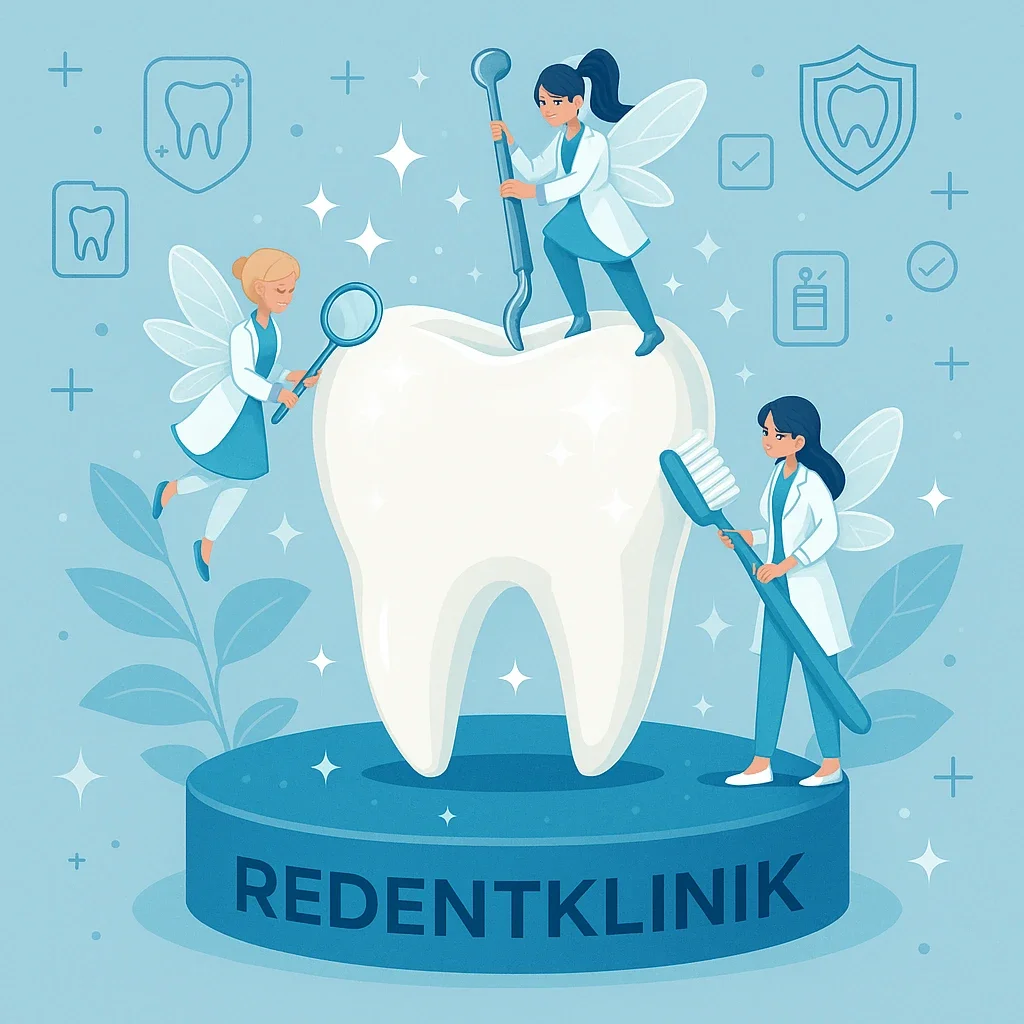
Smart Dentistry and Patient Experience: The Human Side of Technology
In the age of advanced technology, the smart dentist represents more than innovation — it represents empathy enhanced by intelligence. While robotics, AI, and 3D imaging define the technical excellence of modern clinics, the true value lies in how these tools transform the patient experience. From personalized comfort to transparent communication, the smart dentist blends science with humanity to deliver care that is not only more effective but also more compassionate. 🦷💙
As dental technology becomes increasingly sophisticated, patient expectations have evolved. People want efficiency, comfort, and reassurance — not just treatment. The smart dentist meets these needs through a holistic approach that integrates precision with psychology, creating a new standard for patient-centered care.
1. Redefining Comfort Through Innovation
Gone are the days when dental visits evoked anxiety and discomfort. The smart dentist now employs minimally invasive tools like lasers, digital anesthetics, and vibration-free drills that make procedures nearly painless. Patients experience shorter appointments, less bleeding, and faster healing — transforming dentistry from a feared necessity into a comfortable routine.
Example: Laser-Assisted Procedures
Laser technology is one of the most revolutionary advancements in smart dentistry. By replacing scalpels and traditional drills, lasers allow the smart dentist to perform soft-tissue and hard-tissue surgeries with precision and minimal pain. This approach reduces inflammation, eliminates stitches, and promotes faster recovery — ensuring patients walk out of the clinic smiling, not swollen.
2. Personalized Treatment Planning
The hallmark of the smart dentist is personalization. Using AI and 3D imaging, each patient receives a digital treatment plan that simulates results before any physical work begins. This means patients can see a virtual model of their new smile, ask questions, and make informed decisions. No more guesswork — every step is transparent, data-driven, and designed around the individual’s anatomy and goals.
Digital tools also enable the smart dentist to measure patient comfort metrics, bite alignment, and gum health in real time. As a result, treatments are not only accurate but also customized for maximum satisfaction and long-term success.
Example: Smile Simulation Technology
Using advanced software, a smart dentist can design a new smile that perfectly complements facial features. Before-and-after digital previews give patients confidence in their decision, eliminating uncertainty and emotional stress. It’s this proactive communication that defines the patient-first approach of modern dental care. 🌟
3. The Role of Communication and Transparency
Transparency builds trust — and the smart dentist uses technology to make communication effortless. Digital screens, AI chatbots, and cloud-based patient portals provide real-time access to treatment updates, reports, and educational materials. Patients can review their progress, billing, and future appointments at any time.
More importantly, the smart dentist ensures patients understand each procedure through visual explanations. Instead of complex medical jargon, interactive 3D models demonstrate exactly what will happen and why, turning fear into curiosity and participation.
Example: Virtual Consultations
Teledentistry allows patients to connect with their dentist remotely for consultations, post-operative checkups, or second opinions. The smart dentist uses secure video platforms and digital imaging uploads to assess concerns instantly — saving time, reducing travel, and maintaining ongoing care.
4. Emotional Intelligence in Modern Dental Care
Despite the rise of automation, empathy remains the defining trait of a great smart dentist. Technology supports the emotional connection between doctor and patient rather than replacing it. Smart clinics invest in sensory-friendly designs — ambient lighting, aromatherapy, and calming soundscapes — to reduce stress and create a welcoming environment for all ages.
Even advanced AI tools are now being programmed to detect patient anxiety based on voice tone and physiological cues. This allows the smart dentist to adjust their communication style or procedure pace accordingly, ensuring that every patient feels seen and understood.
Example: Stress-Reducing Clinic Design
In modern smart clinics, interior design plays a crucial role in mental comfort. Warm colors, nature-inspired décor, and personalized playlists contribute to a soothing environment. Some clinics even provide virtual reality headsets to distract patients during treatment — turning a traditionally stressful experience into a relaxing one. 🌿
5. Accessibility and Inclusivity
A truly smart dentist ensures care is accessible to everyone, regardless of age, ability, or geography. Digital systems allow remote consultations for patients who live far from major cities, while AI-driven translation tools remove language barriers. Smart clinics also prioritize accessibility for individuals with disabilities through voice-activated check-ins and adaptive equipment.
Moreover, teledentistry has revolutionized care for elderly or homebound patients, who can now receive real-time guidance and monitoring without leaving their homes. The smart dentist extends care beyond the clinic, making oral health universally available.
6. Data Security and Patient Privacy
In an increasingly digital world, security is as vital as comfort. A responsible smart dentist ensures that all patient data — including X-rays, photos, and medical history — is encrypted and stored in compliance with international standards like GDPR and HIPAA. Cloud-based systems ensure that data is accessible to the patient but invisible to unauthorized users.
Trust in digital dentistry depends not only on technology but also on ethics. Leading clinics like Redent Klinik Contact Page maintain rigorous security protocols, proving that innovation and integrity can coexist seamlessly.
7. Follow-Up and Long-Term Care
Aftercare is where many dental experiences fall short — but not in the world of the smart dentist. AI-driven monitoring systems and mobile apps now allow continuous post-treatment follow-up. Patients receive automated reminders for cleaning, real-time healing assessments through photo uploads, and even predictive alerts if early signs of complications are detected.
This constant digital connection transforms dental care into a partnership. The smart dentist becomes not just a service provider but an ongoing ally in maintaining lifelong oral health.
Example: AI-Powered Aftercare Apps
Modern dental apps analyze photos and sensor data to detect issues like swelling or gum changes before symptoms worsen. The smart dentist then reaches out proactively, offering quick advice or scheduling a checkup — demonstrating how technology enhances compassion through timely intervention.
8. The Feedback Loop: Continuous Improvement
Patient feedback plays a vital role in the smart clinic ecosystem. Surveys and sentiment analysis tools collect insights about comfort, communication, and outcomes. The smart dentist uses this data to refine protocols, enhance team training, and further personalize the patient journey.
Smart systems even track patient satisfaction metrics, helping dentists identify trends and areas for improvement. This ongoing evolution ensures that every visit is better than the last — a hallmark of the intelligent care model.
9. Building Trust Through Global Standards
Trust is the cornerstone of the smart dentist model. Adhering to global standards from institutions like the American Dental Association guarantees that each treatment meets stringent safety and quality criteria. This consistency fosters confidence among international patients and supports the growing trend of smart dental tourism.
Conclusion: Where Technology Meets Compassion
The smart dentist represents the perfect synergy of innovation and empathy. Through AI-driven personalization, painless techniques, and digital transparency, modern dentistry is no longer about fear — it’s about empowerment. Patients are not passive recipients but informed partners in their health journey.
Ultimately, technology enhances what truly matters: the human connection. The smart dentist of today — and tomorrow — understands that the most advanced tool in dentistry is still a caring heart guided by intelligent innovation. 💎