
Smile dental aligners have become one of the most popular orthodontic solutions for people who want straighter teeth without the appearance of traditional metal braces. Many patients today are searching for comfortable, discreet, and effective ways to improve their smile, and smile dental aligners offer a modern solution that fits perfectly into busy lifestyles. Whether someone has mild crowding, spacing issues, or bite alignment concerns, smile dental aligners can provide a customized treatment option that gradually moves teeth into the desired position.
Unlike traditional braces that use brackets and wires, smile dental aligners are made from transparent medical-grade plastic trays that fit directly over the teeth. These clear aligners are custom-designed for every patient using advanced digital scanning technology. Because smile dental aligners are removable, patients can continue enjoying their favorite foods, maintain oral hygiene more easily, and feel more confident during treatment. 😁
One of the biggest advantages of smile dental aligners is their nearly invisible appearance. Adults and teenagers often prefer clear aligners because they allow orthodontic treatment without drawing attention to the mouth. In professional environments, social situations, or school settings, smile dental aligners provide a subtle alternative to traditional braces. This has made clear aligner therapy one of the fastest-growing dental treatments worldwide.
The process of getting smile dental aligners usually starts with a consultation at a dental clinic. During this appointment, the dentist or orthodontist evaluates the patient’s oral health, bite alignment, and smile goals. Digital scans, photographs, and X-rays may be taken to create a personalized treatment plan. Modern smile dental aligners use advanced 3D technology to map out the movement of each tooth step by step.
After the digital treatment plan is completed, a series of custom aligner trays is produced. Each set of smile dental aligners is worn for approximately one to two weeks before moving to the next set. The aligners apply gentle pressure to gradually shift the teeth into alignment. Most patients wear smile dental aligners for 20 to 22 hours per day for the best results.
Another important benefit of smile dental aligners is comfort. Traditional braces often cause irritation because metal brackets and wires rub against the cheeks and gums. In contrast, smile dental aligners have smooth edges that reduce discomfort. Although patients may feel slight pressure when switching to a new aligner tray, this usually indicates that the treatment is working correctly.
Smile dental aligners are also associated with improved oral hygiene. Since the aligners can be removed while brushing and flossing, patients can clean their teeth more effectively compared to fixed braces. Maintaining proper oral hygiene during orthodontic treatment is extremely important because plaque buildup can increase the risk of cavities and gum disease. Using smile dental aligners helps many patients maintain healthier gums and cleaner teeth throughout the process.
People considering smile dental aligners often wonder about treatment duration. The length of treatment depends on the complexity of the case. Mild alignment issues may be corrected within six months, while more complicated cases can require 12 to 24 months. During regular check-up appointments, the dentist monitors progress and ensures the smile dental aligners are functioning properly.
The cost of smile dental aligners can vary depending on treatment complexity, clinic location, and the number of aligner trays needed. In many countries, smile dental aligners may cost between $2,000 and $8,000. Some dental clinics offer flexible payment plans to make treatment more affordable for patients. While the price may initially seem high, many individuals consider smile dental aligners a worthwhile investment because of the long-term cosmetic and oral health benefits.
Average Smile Dental Aligners Price Range
| Treatment Type | Estimated Cost |
|---|---|
| Mild Alignment Cases | $2,000 – $3,500 |
| Moderate Alignment Cases | $3,500 – $5,500 |
| Complex Orthodontic Cases | $5,500 – $8,000 |
Another reason smile dental aligners are becoming more popular is the emotional impact of having a straighter smile. Many people feel self-conscious about crooked or crowded teeth. Smile dental aligners can improve confidence, encourage more frequent smiling, and positively influence social interactions. Patients often report feeling happier and more comfortable in photographs, professional meetings, and personal relationships after completing treatment. ✨
In addition to cosmetic improvements, smile dental aligners can contribute to better oral health. Properly aligned teeth are easier to clean and may reduce the risk of plaque accumulation, gum inflammation, and uneven tooth wear. Correcting bite problems with smile dental aligners may also help decrease jaw strain and improve chewing efficiency.
Patients interested in smile dental aligners should always seek treatment from qualified dental professionals. A comprehensive evaluation is necessary to determine whether clear aligners are appropriate for the individual’s needs. Trusted organizations such as the American Dental Association emphasize the importance of professional dental supervision during orthodontic treatment.
At Redent Klinik, patients can receive personalized evaluations and professional guidance regarding smile dental aligners and other cosmetic dental procedures. Anyone interested in learning more about treatment options can visit the Redent Klinik Contact Page for additional information and appointment scheduling.
Overall, smile dental aligners provide a modern, discreet, and highly effective orthodontic solution for patients seeking straighter teeth and improved confidence. Their removable design, aesthetic appearance, comfort, and convenience make them an appealing alternative to traditional braces. As dental technology continues to evolve, smile dental aligners are expected to remain one of the leading choices for achieving healthier and more attractive smiles. 🦷
What Are Smile Dental Aligners and How Do They Work?
Smile dental aligners are advanced orthodontic devices designed to straighten teeth gradually without using traditional metal braces. These clear aligners have transformed modern cosmetic dentistry because they provide a discreet, comfortable, and highly effective way to improve smile alignment. Patients who want straighter teeth while maintaining a natural appearance often choose smile dental aligners because they are nearly invisible and easy to remove. 😁
Unlike conventional braces that rely on metal brackets and wires, smile dental aligners use transparent trays made from durable medical-grade plastic. Each aligner is custom-created to fit the patient’s teeth perfectly. The trays apply gentle pressure to move the teeth little by little into the correct position. Over time, smile dental aligners can improve crowding, spacing issues, overbites, underbites, and other orthodontic problems.
The Basic Structure of Smile Dental Aligners
The structure of smile dental aligners is carefully engineered to provide comfort and precision. Every aligner tray is digitally designed based on the patient’s dental scans. Because the trays fit snugly around the teeth, they can guide controlled tooth movement with minimal discomfort.
Smile dental aligners are usually made from BPA-free transparent plastic. This material is smooth and comfortable against the gums and cheeks. Many patients prefer smile dental aligners over traditional braces because there are no sharp brackets or wires that can irritate the mouth.
The aligners are removable, which is one of the biggest advantages of smile dental aligners. Patients can take them out while eating, drinking beverages other than water, brushing, and flossing. This flexibility helps patients maintain better oral hygiene throughout treatment.
Why Clear Aligners Are So Popular
Clear aligner therapy has become increasingly popular because patients want orthodontic treatment without noticeable metal appliances. Adults who work in professional settings especially appreciate the subtle appearance of smile dental aligners. Teenagers also enjoy the confidence that comes with wearing nearly invisible orthodontic trays.
Another reason smile dental aligners are popular is convenience. Traditional braces often require emergency visits for broken wires or damaged brackets. Smile dental aligners eliminate many of these concerns because the trays are removable and easy to manage.
How Smile Dental Aligners Treatment Begins
The treatment process for smile dental aligners starts with a detailed dental consultation. During this appointment, the dentist or orthodontist examines the patient’s teeth, gums, jaw alignment, and bite structure. X-rays, photographs, and digital scans are commonly used to collect detailed information.
Modern smile dental aligners rely heavily on 3D digital technology. Specialized software creates a virtual model of the patient’s teeth and predicts how the smile will change over time. This technology allows patients to preview potential results before treatment even begins. ✨
After the treatment plan is finalized, a series of custom smile dental aligners is manufactured. Each tray is slightly different from the previous one because it represents the next stage of tooth movement.
Custom-Fit Technology in Smile Dental Aligners
The precision of smile dental aligners is one of the reasons they are so effective. Every aligner is custom-made specifically for the patient. Digital impressions help ensure the trays fit securely and comfortably.
Because smile dental aligners are individually tailored, the force applied to the teeth can be carefully controlled. This controlled movement improves efficiency and helps reduce unnecessary discomfort during treatment.
How Teeth Move with Smile Dental Aligners
Smile dental aligners work by applying gentle and continuous pressure to the teeth. Orthodontic movement happens gradually as the surrounding bone adapts to the new tooth positions. Patients typically wear each set of smile dental aligners for one to two weeks before switching to the next tray in the series.
Most dentists recommend wearing smile dental aligners for approximately 20 to 22 hours per day. Consistency is extremely important because removing the aligners too often may delay treatment progress.
Patients may feel mild pressure or tightness when changing to a new set of smile dental aligners. This sensation is usually temporary and indicates that the aligners are actively shifting the teeth.
Daily Life with Smile Dental Aligners
Living with smile dental aligners is generally simple and convenient. Patients can remove the trays during meals, allowing them to continue eating foods that are often restricted with traditional braces. Sticky candies, popcorn, nuts, and crunchy foods are less problematic because the aligners are not worn while eating.
Oral hygiene is also easier with smile dental aligners. Patients can brush and floss normally after removing the trays. This reduces the risk of plaque buildup and gum irritation that may occur with fixed braces.
To keep smile dental aligners clean, patients should rinse them regularly and gently brush them using a soft toothbrush. Hot water should be avoided because it can warp the plastic material.
Who Can Benefit from Smile Dental Aligners?
Smile dental aligners are suitable for many orthodontic cases, including mild to moderate crowding, spacing problems, and bite misalignment. However, some severe orthodontic conditions may still require traditional braces or specialized treatment.
Adults often choose smile dental aligners because they provide a discreet treatment option that fits into busy professional lifestyles. Teenagers also benefit from smile dental aligners because the trays are comfortable and aesthetically appealing.
Patients considering smile dental aligners should always consult qualified dental professionals for a full evaluation. According to the American Dental Association, professional supervision is essential for safe and effective orthodontic treatment.
At Redent Klinik, patients can receive personalized treatment plans designed specifically for their smile goals and oral health needs. Individuals interested in smile dental aligners can learn more through the Redent Klinik Contact Page.
Overall, smile dental aligners represent one of the most advanced and patient-friendly orthodontic solutions available today. Their clear appearance, removable design, comfortable fit, and predictable results make them an attractive option for individuals seeking straighter teeth and improved confidence. As digital dentistry continues to evolve, smile dental aligners are expected to remain one of the leading choices for modern orthodontic treatment. 🦷
Top Benefits of Choosing Smile Dental Aligners
Smile dental aligners have become one of the most preferred orthodontic treatments for patients seeking straighter teeth without the discomfort and appearance of traditional braces. Modern dental technology has made smile dental aligners highly effective, discreet, and convenient for both teenagers and adults. Many people today choose smile dental aligners because they offer a combination of cosmetic improvement, comfort, and flexibility that traditional orthodontic methods may not provide. 😁
The popularity of smile dental aligners continues to increase worldwide because patients value treatments that fit naturally into their daily routines. Whether someone wants to improve confidence, correct bite issues, or achieve a healthier smile, smile dental aligners provide a modern solution with multiple advantages.
Discreet Appearance and Improved Confidence
One of the biggest reasons patients choose smile dental aligners is their nearly invisible appearance. Traditional braces use metal brackets and wires that are highly noticeable during conversations, photos, and social situations. Smile dental aligners, however, are made from transparent plastic trays that fit closely over the teeth, making them difficult for others to notice.
Adults working in professional environments often feel more comfortable using smile dental aligners because the treatment is subtle and aesthetically pleasing. Teenagers also appreciate the confidence boost that comes from wearing clear aligners instead of visible metal braces.
Confidence During Social Interactions
Many people feel self-conscious about crooked or crowded teeth. Smile dental aligners can gradually improve smile appearance while allowing patients to maintain confidence throughout treatment. Patients often smile more frequently and feel more comfortable during social interactions because the aligners are discreet.
This psychological benefit is one of the strongest reasons why smile dental aligners are so popular today. Feeling confident about appearance can positively affect both personal and professional life. ✨
Comfort Compared to Traditional Braces
Another major advantage of smile dental aligners is comfort. Traditional braces often cause irritation because brackets and wires rub against the inside of the mouth. Smile dental aligners are created from smooth plastic material that minimizes friction against the cheeks and gums.
Patients using smile dental aligners may experience mild pressure when changing to a new set of trays, but this discomfort is usually temporary and manageable. Since there are no metal components involved, many patients find smile dental aligners easier to tolerate during long-term orthodontic treatment.
Reduced Emergency Dental Visits
Traditional braces sometimes require emergency appointments due to broken brackets or protruding wires. Smile dental aligners eliminate many of these issues because the trays are removable and do not rely on fragile metal hardware.
This convenience is especially important for busy adults and students who want orthodontic treatment with fewer interruptions to daily life.
Removable Design for Better Flexibility
The removable nature of smile dental aligners is another reason they are highly attractive to patients. Unlike traditional braces that remain fixed to the teeth, smile dental aligners can be removed during meals, brushing, flossing, and special occasions.
This flexibility allows patients to continue enjoying foods that are often restricted with metal braces. Sticky candy, popcorn, nuts, and crunchy foods can damage traditional braces, but smile dental aligners avoid many of these dietary limitations.
Easier Oral Hygiene Routine
Maintaining oral hygiene is much simpler with smile dental aligners. Since patients can remove the aligners before brushing and flossing, they can clean their teeth more thoroughly compared to fixed braces.
Proper oral hygiene during orthodontic treatment is essential because plaque buildup may increase the risk of cavities and gum disease. Smile dental aligners support healthier gums and cleaner teeth by making oral care routines easier to maintain.
Dentists often recommend cleaning smile dental aligners daily using lukewarm water and a soft toothbrush. Keeping the trays clean helps maintain freshness and transparency throughout treatment.
Predictable and Advanced Treatment Technology
Smile dental aligners use advanced digital scanning and 3D treatment planning technology. This allows dentists to carefully map out every stage of tooth movement before treatment even begins.
Patients using smile dental aligners often appreciate being able to preview their expected smile transformation digitally. This modern approach provides reassurance and helps patients understand the treatment process clearly.
Customized Treatment for Every Patient
Each set of smile dental aligners is custom-designed specifically for the individual patient. Digital impressions ensure precise fitting trays that gradually move teeth into alignment.
The personalized nature of smile dental aligners increases treatment efficiency and improves overall comfort. Since every patient’s dental structure is unique, customized aligners help create more accurate orthodontic results.
Smile Dental Aligners and Oral Health Benefits
Although many people initially choose smile dental aligners for cosmetic reasons, the treatment can also improve long-term oral health. Straighter teeth are generally easier to clean because there are fewer tight spaces where plaque and bacteria accumulate.
Smile dental aligners may help reduce the risk of gum disease, tooth decay, and uneven enamel wear caused by poor alignment. Bite correction can also improve chewing efficiency and reduce unnecessary stress on the jaw joints.
Potential Reduction in Jaw Discomfort
Some patients experience jaw discomfort due to bite misalignment. By gradually correcting the bite, smile dental aligners may help relieve pressure on the jaw muscles and temporomandibular joints.
Although results vary depending on the individual case, many patients report improved comfort after orthodontic treatment with smile dental aligners.
Convenience for Modern Lifestyles
Modern patients often prefer treatments that fit easily into busy lifestyles. Smile dental aligners are ideal for professionals, students, parents, and travelers because they require fewer office visits compared to traditional braces.
Many follow-up appointments for smile dental aligners are shorter and more focused on progress monitoring. This convenience saves time and reduces disruption to daily routines.
Patients interested in smile dental aligners should always consult experienced dental professionals before beginning treatment. Trusted organizations such as the American Dental Association emphasize the importance of professional evaluation and supervision for orthodontic procedures.
At Redent Klinik, patients can receive personalized treatment plans designed to achieve healthier and more attractive smiles. Individuals who want to learn more about smile dental aligners can contact the clinic through the Redent Klinik Contact Page.
Overall, smile dental aligners provide a modern orthodontic experience that combines aesthetics, comfort, flexibility, and advanced technology. Their ability to improve confidence while supporting oral health makes smile dental aligners one of the most effective and patient-friendly solutions available today. 🦷
Smile Dental Aligners vs Traditional Metal Braces
When patients begin researching orthodontic treatment options, one of the most common comparisons involves smile dental aligners and traditional metal braces. Both treatments are designed to straighten teeth, improve bite alignment, and create healthier smiles, but they differ significantly in appearance, comfort, maintenance, and lifestyle impact. Understanding the differences between smile dental aligners and metal braces can help patients choose the most suitable treatment for their dental goals and daily routines. 😁
Smile dental aligners have gained enormous popularity because they offer a modern and discreet alternative to traditional braces. However, metal braces still remain highly effective for certain complex orthodontic cases. Choosing between smile dental aligners and braces depends on multiple factors, including treatment complexity, patient preferences, age, lifestyle, and budget.
Appearance and Aesthetic Differences
One of the biggest differences between smile dental aligners and traditional braces is appearance. Smile dental aligners are made from transparent plastic trays that fit closely over the teeth, making them almost invisible during daily activities. Traditional braces, on the other hand, use metal brackets and wires attached directly to the teeth.
Adults and teenagers who are concerned about appearance often prefer smile dental aligners because they provide a much more discreet orthodontic solution. Patients can smile, speak, and attend social events with greater confidence while wearing clear aligners.
Professional and Social Confidence
Many professionals choose smile dental aligners because they feel more comfortable during meetings, presentations, and client interactions. Since the aligners are less noticeable, patients often feel less self-conscious during treatment.
Teenagers also benefit emotionally from smile dental aligners because they may avoid the insecurity sometimes associated with visible metal braces. This confidence boost can positively influence social interactions and self-esteem. ✨
Comfort Levels During Treatment
Comfort is another major difference between smile dental aligners and traditional braces. Metal braces contain brackets and wires that may irritate the cheeks, lips, and gums. Patients often experience soreness after wire adjustments or bracket tightening appointments.
Smile dental aligners are designed with smooth plastic material that minimizes irritation inside the mouth. Although patients may feel pressure when switching to a new aligner tray, the discomfort is generally milder compared to traditional braces.
Emergency Orthodontic Problems
Traditional braces occasionally cause emergency issues such as broken brackets, loose wires, or poking metal components. These situations may require unexpected dental appointments.
Smile dental aligners reduce many of these complications because there are no metal parts involved. Patients can simply remove and replace the aligners as instructed by their dentist.
Daily Lifestyle and Convenience
Smile dental aligners provide greater flexibility in daily life because they are removable. Patients can take out the aligners before meals, allowing them to eat foods that might otherwise damage braces.
Traditional braces often come with dietary restrictions. Sticky foods, popcorn, chewing gum, nuts, and hard candy may damage brackets or wires. Smile dental aligners eliminate many of these concerns because the trays are removed during eating.
Special Events and Flexibility
One advantage of smile dental aligners is that patients can temporarily remove them for special occasions such as weddings, photographs, presentations, or important social events. This flexibility allows patients to feel more comfortable during memorable moments.
However, patients must still wear smile dental aligners for approximately 20 to 22 hours daily to achieve successful results. Discipline and consistency are essential for treatment effectiveness.
Oral Hygiene Comparison
Oral hygiene is generally easier with smile dental aligners compared to traditional braces. Since the aligners are removable, patients can brush and floss normally without navigating around brackets and wires.
Traditional braces can trap food particles and plaque around the brackets, increasing the risk of cavities and gum inflammation if oral hygiene is not carefully maintained.
Healthier Gum Maintenance
Patients using smile dental aligners often find it easier to maintain healthier gums during treatment. Regular brushing and flossing routines can continue with minimal disruption.
Smile dental aligners also help reduce the likelihood of white spot lesions that sometimes develop around braces brackets due to plaque buildup.
Treatment Effectiveness and Complexity
Both smile dental aligners and traditional braces can successfully straighten teeth, but each treatment has strengths depending on the complexity of the orthodontic problem.
Smile dental aligners work very well for mild to moderate crowding, spacing issues, and certain bite corrections. Advances in aligner technology have significantly expanded the types of cases that can now be treated with clear aligners.
Traditional braces may still be more suitable for severe orthodontic conditions involving complex tooth rotations, major bite discrepancies, or significant jaw alignment problems.
Patient Compliance Matters
One important factor with smile dental aligners is patient cooperation. Since the aligners are removable, patients must remain disciplined about wearing them consistently every day.
Traditional braces are fixed to the teeth, meaning they continue working regardless of patient habits. For some individuals, especially younger patients, braces may provide more predictable compliance.
Treatment Duration and Follow-Up Visits
Treatment duration varies depending on the complexity of each case. In some situations, smile dental aligners may produce results within six to eighteen months. More complex cases may require longer treatment periods.
Traditional braces often require periodic wire adjustments and more frequent orthodontic visits. Smile dental aligners typically involve shorter follow-up appointments focused on monitoring progress and providing new trays.
Modern Digital Planning Technology
Smile dental aligners rely heavily on advanced digital treatment planning. Patients can often preview their expected results using 3D simulations before treatment begins.
This modern technology improves patient understanding and helps create highly customized orthodontic plans tailored to each individual.
Cost Considerations
The cost of smile dental aligners and traditional braces can vary based on case complexity, geographic location, and treatment duration. In many cases, smile dental aligners may cost slightly more because of advanced digital manufacturing and customized tray production.
Estimated Orthodontic Treatment Costs
| Treatment Type | Estimated Price Range |
|---|---|
| Smile Dental Aligners | $2,000 – $8,000 |
| Traditional Metal Braces | $3,000 – $7,000 |
Patients interested in orthodontic treatment should always consult qualified professionals before making a decision. Organizations such as the American Dental Association recommend professional supervision for all orthodontic procedures.
At Redent Klinik, patients can receive comprehensive consultations to determine whether smile dental aligners or traditional braces are the best choice for their individual needs. More information is available through the Redent Klinik Contact Page.
Overall, both smile dental aligners and traditional braces are effective orthodontic solutions. Smile dental aligners provide superior aesthetics, flexibility, comfort, and convenience, while traditional braces may still be advantageous for certain complex dental conditions. Choosing the right treatment depends on professional evaluation, patient goals, and long-term oral health priorities. 🦷
Who Is the Best Candidate for Smile Dental Aligners?
Smile dental aligners are an excellent orthodontic solution for many people who want straighter teeth and a healthier smile without the appearance of traditional braces. However, not every patient is automatically the perfect candidate for smile dental aligners. The success of treatment depends on factors such as dental condition severity, oral health status, lifestyle habits, and patient commitment. Understanding who benefits most from smile dental aligners helps patients make informed decisions before beginning treatment. 😁
Modern smile dental aligners are designed to correct a wide range of orthodontic concerns, including crooked teeth, mild bite problems, spacing issues, and crowding. Thanks to advancements in digital orthodontic technology, smile dental aligners can now treat more cases than ever before. Still, professional evaluation is necessary to determine whether aligners are the most effective treatment option for a particular patient.
Adults Seeking a Discreet Orthodontic Solution
Adults are among the most common candidates for smile dental aligners. Many adults avoided orthodontic treatment during childhood or experienced shifting teeth later in life. Since professional appearance is important for many working adults, smile dental aligners provide a discreet and modern solution.
The transparent design of smile dental aligners allows adults to continue attending meetings, social events, and presentations without the noticeable appearance of metal braces. Patients often feel more confident during treatment because the aligners are nearly invisible.
Busy Professionals and Lifestyle Flexibility
Busy professionals often prefer smile dental aligners because the treatment fits easily into demanding schedules. Follow-up appointments are usually shorter and less frequent compared to traditional braces.
Because smile dental aligners are removable, adults can continue enjoying favorite foods and maintain their normal oral hygiene routines with minimal disruption. This convenience is one of the biggest reasons aligners are so appealing to modern patients. ✨
Teenagers with Mild to Moderate Alignment Problems
Teenagers are also strong candidates for smile dental aligners when they demonstrate responsibility and commitment to treatment instructions. Many teenagers appreciate the subtle appearance of aligners because they may feel uncomfortable wearing traditional braces during school years.
Smile dental aligners can effectively treat many common teenage orthodontic concerns, including mild crowding, spacing issues, overbites, underbites, and crossbites. The removable nature of the aligners also allows teenagers to participate more comfortably in sports, music activities, and social events.
The Importance of Discipline for Teenagers
One of the most important factors for successful smile dental aligners treatment is consistency. Teenagers must wear the aligners approximately 20 to 22 hours daily for the treatment to work effectively.
Patients who frequently forget to wear their smile dental aligners may experience delayed progress or unsatisfactory results. For this reason, dentists carefully evaluate maturity and responsibility before recommending aligner treatment to younger patients.
Patients with Mild or Moderate Orthodontic Issues
Smile dental aligners are highly effective for mild to moderate orthodontic problems. Common conditions successfully treated with smile dental aligners include:
- Mild crowding
- Small gaps between teeth
- Slight overbite
- Minor underbite
- Crossbite issues
- Uneven tooth spacing
- Relapse after previous orthodontic treatment
Many adults who previously wore braces during childhood experience gradual tooth shifting later in life. Smile dental aligners are often ideal for correcting these minor alignment changes without requiring another round of traditional braces.
Digital Precision for Personalized Results
Modern smile dental aligners use advanced 3D digital planning technology to customize treatment for each patient. Dentists can create highly detailed treatment plans that gradually reposition teeth with precision.
This personalized approach improves predictability and helps patients achieve more natural-looking results. The digital scanning process also eliminates the need for messy traditional dental impressions in many cases.
Patients with Healthy Teeth and Gums
Good oral health is essential before starting smile dental aligners treatment. Dentists typically recommend treating existing cavities, gum disease, or other dental problems before orthodontic treatment begins.
Healthy gums and strong supporting bone structures are important because smile dental aligners gradually move the teeth through the surrounding bone. Untreated periodontal disease can compromise treatment success and overall oral health.
Importance of Oral Hygiene During Treatment
Patients using smile dental aligners must maintain excellent oral hygiene throughout treatment. Since the aligners are removable, brushing and flossing are generally easier compared to traditional braces.
However, patients should always clean their teeth before reinserting smile dental aligners to prevent trapping food particles and bacteria against the teeth. Good hygiene habits help reduce the risk of cavities, plaque buildup, and gum irritation during treatment.
Who May Not Be an Ideal Candidate?
Although smile dental aligners are suitable for many patients, some orthodontic conditions may require alternative treatments. Severe bite problems, major jaw discrepancies, or extremely rotated teeth sometimes respond better to traditional braces or more advanced orthodontic procedures.
Patients who are unlikely to wear their smile dental aligners consistently may also struggle to achieve successful results. Since aligners are removable, treatment effectiveness depends heavily on patient cooperation.
Smoking and Lifestyle Considerations
Smoking may negatively affect smile dental aligners because tobacco products can stain the clear trays and contribute to oral health problems. Patients who frequently consume coffee, tea, or colored beverages while wearing aligners may also experience staining.
For best results, dentists often recommend removing smile dental aligners before consuming anything other than water.
The Importance of Professional Evaluation
The only reliable way to determine candidacy for smile dental aligners is through a professional dental consultation. During the evaluation, the dentist examines tooth alignment, jaw structure, oral health, and treatment goals.
Advanced imaging technology allows dental professionals to determine whether smile dental aligners can safely and effectively address the patient’s needs. Trusted organizations such as the American Dental Association emphasize the importance of professional supervision during orthodontic treatment.
At Redent Klinik, patients receive personalized evaluations to determine whether smile dental aligners are the most appropriate treatment option for their specific case. Individuals interested in improving their smile can learn more through the Redent Klinik Contact Page.
Long-Term Benefits for Suitable Candidates
Patients who are ideal candidates for smile dental aligners often experience significant long-term benefits. Straighter teeth are easier to clean, reducing the risk of plaque accumulation and gum disease. Improved bite alignment may also help reduce uneven tooth wear and jaw discomfort.
Beyond oral health improvements, smile dental aligners can dramatically increase confidence and self-esteem. Many patients report smiling more often, feeling more comfortable in photographs, and enjoying greater social confidence after treatment. 🦷
Overall, the best candidates for smile dental aligners are responsible patients with healthy teeth and gums who want a discreet, comfortable, and effective orthodontic solution. With proper professional guidance and patient commitment, smile dental aligners can create beautiful and lasting smile transformations.
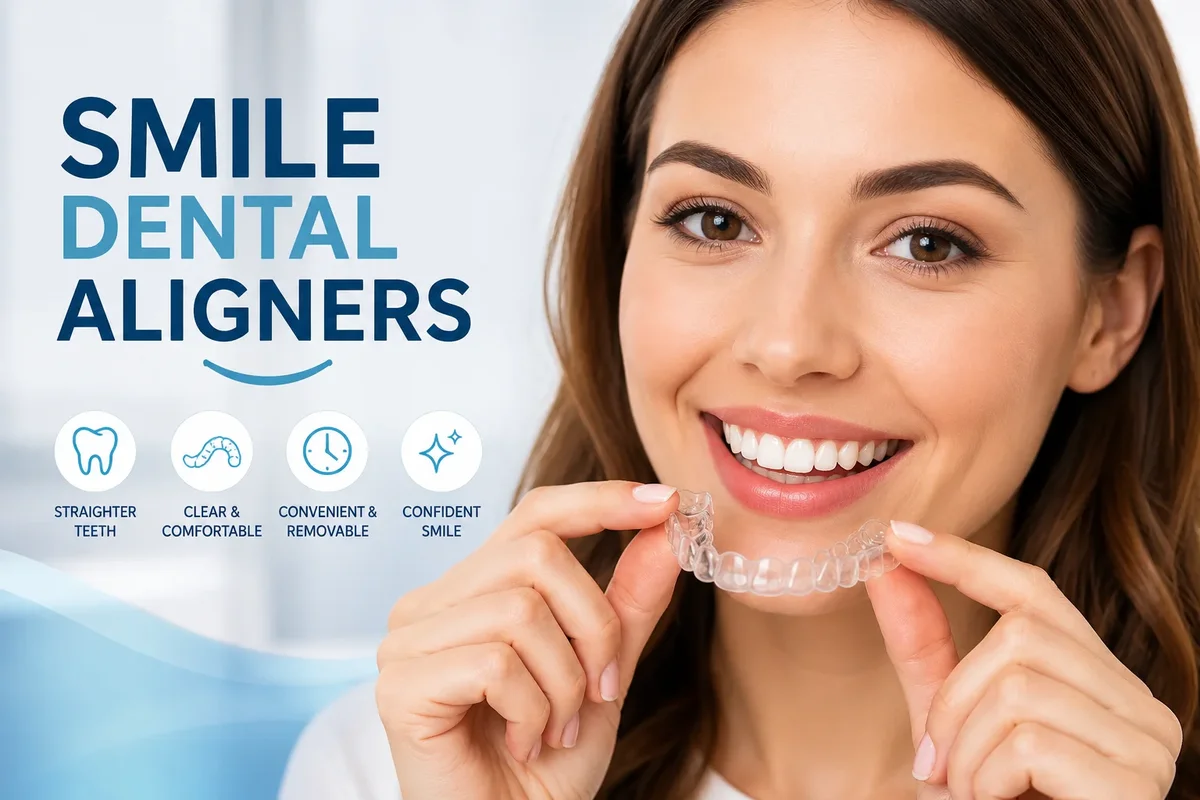
Smile Dental Aligners Treatment Process Step by Step
The treatment journey with smile dental aligners is designed to be comfortable, organized, and highly personalized. Modern orthodontic technology allows patients to achieve straighter teeth through a carefully planned process that gradually shifts teeth into proper alignment. Understanding each stage of smile dental aligners treatment helps patients feel more confident and prepared before starting their orthodontic transformation. 😁
Unlike traditional braces that rely on brackets and wires, smile dental aligners use a series of clear removable trays customized specifically for each patient. Every stage of the treatment process is guided by advanced digital technology and professional dental supervision. From the initial consultation to the final retainer phase, smile dental aligners provide a structured and efficient approach to smile correction.
Step 1: Initial Consultation and Dental Evaluation
The first step in smile dental aligners treatment is a comprehensive dental consultation. During this appointment, the dentist or orthodontist examines the patient’s teeth, bite alignment, gum health, and jaw structure.
The purpose of this evaluation is to determine whether smile dental aligners are suitable for the patient’s orthodontic needs. Some patients may have mild crowding or spacing problems, while others may present more complex bite issues that require additional treatment planning.
Digital Scans and Diagnostic Imaging
Modern smile dental aligners treatment relies heavily on advanced digital technology. During the consultation, the dental team usually takes:
- 3D digital scans of the teeth
- X-rays of the jaws and roots
- Photographs of the smile and facial structure
- Bite alignment measurements
These diagnostic tools allow the dentist to create a highly detailed treatment plan. Many clinics now use digital scanners instead of traditional dental impressions, making the process faster and more comfortable for patients. ✨
Step 2: Customized Treatment Planning
Once the digital scans and records are completed, the dentist creates a personalized treatment plan for smile dental aligners. Specialized orthodontic software maps the movement of each tooth step by step.
One of the major advantages of smile dental aligners is the ability to preview expected results before treatment begins. Patients can often see a virtual simulation of how their smile may look after the aligners have completed their work.
Precision and Personalization
Every patient’s dental structure is unique, which is why smile dental aligners are custom-designed for each individual case. The treatment software calculates the exact amount of movement needed for each tooth.
This personalized approach helps improve treatment accuracy and overall efficiency. The aligners are designed to move teeth gradually while minimizing unnecessary discomfort.
Step 3: Manufacturing the Smile Dental Aligners
After the treatment plan is finalized, the custom smile dental aligners are manufactured using advanced medical-grade materials. Each aligner tray represents a different stage of tooth movement.
The aligners are typically made from transparent BPA-free plastic that is durable, lightweight, and comfortable. Since smile dental aligners fit snugly around the teeth, they remain discreet during everyday activities.
Receiving the First Set of Aligners
When the smile dental aligners are ready, the patient returns to the dental clinic for fitting. The dentist ensures the trays fit correctly and provides instructions on proper usage.
Patients are usually advised to wear smile dental aligners for approximately 20 to 22 hours daily. The aligners should only be removed while eating, drinking beverages other than water, brushing, and flossing.
Step 4: Wearing and Changing the Aligners
Patients typically wear each set of smile dental aligners for one to two weeks before moving to the next tray in the series. Every new aligner applies gentle pressure that gradually shifts the teeth closer to their ideal positions.
Some patients experience mild tightness or pressure when changing to a new set of smile dental aligners. This sensation is completely normal and usually indicates that the treatment is progressing properly.
Daily Responsibilities During Treatment
Consistency is extremely important during smile dental aligners treatment. Patients who fail to wear the aligners for the recommended amount of time may experience slower progress or less predictable results.
To maintain proper oral hygiene during treatment, patients should:
- Brush teeth after every meal
- Floss daily
- Clean smile dental aligners regularly
- Avoid drinking sugary beverages while wearing aligners
- Store aligners safely when removed
Good oral hygiene habits help prevent plaque buildup, cavities, and gum inflammation during orthodontic treatment.
Step 5: Regular Monitoring Appointments
Throughout the treatment process, patients attend periodic follow-up appointments so the dentist can monitor progress. These visits are usually shorter than traditional braces adjustment appointments.
During these check-ups, the dentist evaluates how the smile dental aligners are fitting and whether the teeth are moving according to the treatment plan. Additional aligners may sometimes be ordered if refinements are necessary.
Attachments and Minor Adjustments
Some smile dental aligners cases require small tooth-colored attachments bonded temporarily to the teeth. These attachments help the aligners apply more precise force for difficult tooth movements.
Although attachments may slightly increase aligner visibility, they improve treatment effectiveness significantly in certain orthodontic cases.
Step 6: Completing the Smile Transformation
After the patient finishes the final set of smile dental aligners, the dentist evaluates the completed results. Many patients are amazed by how dramatically their smile appearance and bite alignment have improved. 🦷
At this stage, photographs and digital scans may be taken again to compare the final outcome with the initial condition.
The Importance of Retainers
One of the most important final steps after smile dental aligners treatment is wearing retainers. Teeth naturally tend to shift back toward their original positions over time if retention is not maintained.
Dentists typically recommend wearing retainers at night to preserve the results achieved with smile dental aligners. Consistent retainer use helps maintain a straight and healthy smile long-term.
Estimated Treatment Duration and Costs
The duration of smile dental aligners treatment varies depending on case complexity. Mild cases may require only six months, while more complex situations can take 12 to 24 months.
Estimated Smile Dental Aligners Timeline
| Orthodontic Complexity | Estimated Treatment Time |
|---|---|
| Mild Cases | 6 – 9 Months |
| Moderate Cases | 9 – 18 Months |
| Complex Cases | 18 – 24 Months |
Patients interested in smile dental aligners should always seek professional consultation before beginning treatment. Trusted organizations such as the American Dental Association emphasize the importance of qualified orthodontic supervision.
At Redent Klinik, patients receive customized smile dental aligners treatment plans tailored to their oral health needs and cosmetic goals. Additional information is available through the Redent Klinik Contact Page.
Overall, the smile dental aligners treatment process combines advanced technology, professional expertise, and patient commitment to create straighter, healthier, and more confident smiles. The step-by-step system provides predictability, convenience, and comfort, making smile dental aligners one of the most popular orthodontic treatments available today.
How Long Does Smile Dental Aligners Treatment Take?
One of the most common questions patients ask before starting orthodontic treatment is how long smile dental aligners will take to produce visible and lasting results. Treatment duration is an important factor because many people want to improve their smile efficiently while maintaining comfort and convenience throughout the process. The timeline for smile dental aligners depends on several variables, including the complexity of the orthodontic issue, patient compliance, oral health condition, and the overall treatment goals. 😁
Smile dental aligners are designed to move teeth gradually and safely using a series of custom-made transparent trays. Unlike traditional braces that rely on metal wires and brackets, smile dental aligners use advanced digital planning technology to guide tooth movement in small, controlled stages. Because every patient’s dental structure is unique, treatment timelines can vary significantly from person to person.
Average Treatment Timeline for Smile Dental Aligners
Most smile dental aligners treatments typically take between 6 and 24 months. Mild alignment issues can often be corrected relatively quickly, while more complex orthodontic problems may require longer treatment periods.
Estimated Smile Dental Aligners Treatment Duration
| Orthodontic Condition | Estimated Timeline |
|---|---|
| Mild Crowding or Spacing | 6 – 9 Months |
| Moderate Alignment Issues | 9 – 18 Months |
| Complex Bite Problems | 18 – 24 Months |
Patients often begin noticing small improvements within the first few weeks of wearing smile dental aligners. However, complete orthodontic correction requires patience because teeth must move gradually to protect the surrounding bone and gum tissue.
Why Gradual Movement Matters
Teeth cannot be shifted too quickly without risking damage to the roots, gums, or supporting bone structures. Smile dental aligners are carefully engineered to apply gentle pressure over time, allowing the mouth to adapt safely during each stage of treatment.
This gradual movement helps improve long-term stability and reduces unnecessary discomfort. Although some patients wish for faster results, controlled tooth movement is essential for safe orthodontic care. ✨
Factors That Affect Smile Dental Aligners Treatment Time
Several factors influence how long smile dental aligners treatment will take. Understanding these variables helps patients maintain realistic expectations throughout the orthodontic journey.
Severity of Orthodontic Problems
The complexity of the patient’s dental alignment is one of the biggest factors affecting treatment duration. Mild crowding or spacing problems generally respond faster to smile dental aligners than severe bite misalignment or major tooth rotations.
Patients with simple cosmetic concerns may complete smile dental aligners treatment in less than one year. More complicated cases involving jaw positioning or extensive crowding may require significantly longer timelines.
Patient Compliance and Daily Wear Time
Consistency is absolutely critical for successful smile dental aligners treatment. Most dentists recommend wearing smile dental aligners for approximately 20 to 22 hours per day.
Patients who frequently remove their aligners or forget to wear them may experience delayed progress. Even missing a few hours daily can slow tooth movement and extend the total treatment timeline.
For the best results, smile dental aligners should only be removed during:
- Eating meals
- Drinking beverages other than water
- Brushing and flossing
- Cleaning the aligners
How Often Are Aligners Changed?
Most patients switch to a new set of smile dental aligners every one to two weeks. Each aligner tray is slightly different and continues the gradual movement process.
The dentist monitors progress closely and determines when it is appropriate to move to the next aligner stage. In some cases, patients may need to wear certain trays longer if tooth movement is progressing more slowly than expected.
Regular Follow-Up Appointments
Routine monitoring appointments are an important part of smile dental aligners treatment. During these visits, the dentist evaluates whether the teeth are responding properly to the aligners.
Most follow-up appointments occur every 6 to 10 weeks. These visits are generally shorter and more comfortable than traditional braces adjustment appointments.
Can Smile Dental Aligners Work Faster Than Braces?
In some mild and moderate cases, smile dental aligners may achieve results faster than traditional braces. This is partly because digital treatment planning allows highly controlled and efficient tooth movement.
However, treatment speed depends entirely on the complexity of the case and patient compliance. Traditional braces may still be more effective for severe orthodontic problems that require more extensive tooth and jaw movement.
The Role of Advanced Technology
Modern smile dental aligners use advanced 3D imaging and computerized planning software. This technology allows dentists to predict tooth movement accurately and optimize treatment efficiency.
Patients often appreciate being able to preview their expected results digitally before treatment begins. The precision of smile dental aligners technology contributes significantly to treatment success.
What Happens After Smile Dental Aligners Treatment?
Completing smile dental aligners treatment is a major milestone, but maintaining the results is equally important. After the final aligner tray is completed, patients typically receive retainers to prevent teeth from shifting back toward their original positions.
Retention Phase and Long-Term Stability
Teeth naturally have a tendency to relapse after orthodontic treatment. Wearing retainers helps stabilize the new tooth positions and preserve the results achieved with smile dental aligners.
Most dentists recommend nighttime retainer wear for long-term maintenance. Patients who neglect retainer use may eventually experience gradual tooth movement over time.
How Patients Can Improve Treatment Efficiency
Patients can help maximize the effectiveness of smile dental aligners by following all professional instructions carefully. Good habits include:
- Wearing aligners consistently every day
- Maintaining excellent oral hygiene
- Attending all scheduled appointments
- Changing aligners on schedule
- Keeping aligners clean and undamaged
These habits help ensure smoother treatment progress and may reduce unnecessary delays.
Patients interested in smile dental aligners should always consult qualified dental professionals before starting treatment. Organizations such as the American Dental Association emphasize the importance of professional supervision for orthodontic care.
At Redent Klinik, patients receive customized treatment plans designed to achieve efficient and predictable results with smile dental aligners. Additional consultation details are available through the Redent Klinik Contact Page.
Overall, the length of smile dental aligners treatment depends on individual orthodontic needs, patient consistency, and professional treatment planning. While some patients achieve results in only a few months, others may require longer treatment periods for more complex corrections. With proper care and commitment, smile dental aligners can provide beautiful, healthy, and long-lasting smile transformations. 🦷
أكيد، التفاصيل تختلف حسب نوع القطعة والخامة والكمية، لذلك لا أريد أن أعطيك سعر كرتون غير دقيق.
نقدر نراجع لكم من تركيا يونيفورم أو بولو/تيشيرتات لفرق الفعاليات حسب الطلب. فضلاً ارسل لي:
1) نوع القطعة المطلوبة: يونيفورم كامل، بولو، تيشيرت، أو غيره
2) العدد التقريبي
3) مدينة التسليم
4) هل يوجد شعار/طباعة؟
5) الخامة المفضلة إن وجدت: قطن، بوليستر، دراي فيت، أو بولو رسمي
بعدها أراجع لك خيار واضح مع السعر والكمية وطريقة التغليف بدون تخمين.
السلام عليكم، أتمنى أن أصل إلى المسؤول عن الزي أو مشتريات ملابس فرق الفعاليات.
رأيت أنكم تقدمون طواقم استقبال وإدارة حشود في الرياض، وذكرتم أهمية الزي الموحد والمظهر المهني. إذا احتجتم يونيفورم أو بولو/تيشيرتات لفرق الاستقبال أو التنظيم بكميات تجارية من تركيا، أستطيع مراجعة خيار مناسب حسب الكمية والمدينة بدون إرسال أسعار أو كتالوج غير مؤكد.
هل الموضوع مناسب لكم حالياً؟ وإذا غير مناسب أخبروني ولن أكرر المتابعة.
How Smile Dental Aligners Improve Confidence and Oral Health
Smile dental aligners do much more than simply straighten teeth. While many patients initially seek orthodontic treatment for cosmetic reasons, the benefits of smile dental aligners often extend far beyond appearance alone. Straighter teeth can positively affect self-confidence, social interactions, emotional well-being, and long-term oral health. Modern orthodontic treatment with smile dental aligners combines aesthetic improvement with important functional health advantages, making it one of the most valuable investments many patients can make for their overall quality of life. 😁
Today, smile dental aligners are increasingly popular because patients want effective orthodontic treatment without the noticeable appearance of traditional braces. The clear, removable design allows patients to improve their smile discreetly while maintaining comfort and flexibility throughout treatment. As the teeth gradually become more aligned, many patients notice significant improvements in both confidence and oral health.
The Psychological Impact of a Straighter Smile
The appearance of the smile plays an important role in self-esteem and personal confidence. Many individuals with crooked, crowded, or uneven teeth feel self-conscious when speaking, smiling, or taking photographs.
Smile dental aligners help correct these concerns gradually and discreetly. Because the aligners are nearly invisible, patients often feel more comfortable during treatment compared to traditional braces.
Improved Self-Confidence in Social Situations
Patients who complete smile dental aligners treatment frequently report feeling more confident in social environments. Smiling becomes more natural and comfortable once patients are no longer worried about hiding their teeth.
This increased confidence may positively influence:
- Professional interactions
- Job interviews
- Dating and relationships
- Public speaking
- Social events
- Photographs and videos
Even small orthodontic improvements achieved through smile dental aligners can significantly change how individuals feel about their appearance. ✨
Smile Dental Aligners and Professional Confidence
Professional appearance is extremely important in many careers. Adults often avoid orthodontic treatment because they worry about the visibility of traditional braces in the workplace.
Smile dental aligners provide a discreet solution that allows professionals to continue attending meetings, presentations, and networking events with greater confidence.
A Discreet Orthodontic Experience
Unlike metal braces, smile dental aligners are transparent and fit closely over the teeth. Most people barely notice them during conversations.
This discreet appearance makes smile dental aligners especially attractive to adults working in business, healthcare, education, media, and customer-facing professions.
How Smile Dental Aligners Improve Oral Health
Beyond cosmetic benefits, smile dental aligners can significantly improve oral health. Crooked or crowded teeth are often more difficult to clean properly because toothbrushes and floss may not reach all areas effectively.
When teeth are properly aligned, oral hygiene becomes easier and more effective. This can reduce the risk of plaque accumulation, cavities, and gum disease.
Reduced Risk of Tooth Decay and Gum Disease
Plaque and food particles tend to collect in crowded areas where teeth overlap. Smile dental aligners gradually reposition the teeth, helping eliminate these difficult-to-clean spaces.
Patients who complete smile dental aligners treatment often find brushing and flossing easier and more comfortable. Improved oral hygiene contributes to healthier gums and fresher breath.
Healthier tooth alignment may also reduce the likelihood of periodontal disease developing over time.
Bite Correction and Functional Improvements
Smile dental aligners can improve more than tooth appearance alone. Proper bite alignment is important for chewing efficiency, speech clarity, and overall jaw function.
Misaligned bites may contribute to:
- Jaw discomfort
- Uneven tooth wear
- Difficulty chewing
- Speech issues
- Tooth grinding
- Temporomandibular joint strain
By gradually correcting bite issues, smile dental aligners may improve oral function and reduce unnecessary pressure on the teeth and jaw joints.
Potential Relief from Jaw Tension
Some patients experience chronic jaw tension or headaches related to bite misalignment. While not every case is the same, correcting alignment with smile dental aligners may help reduce stress on the jaw muscles and temporomandibular joints.
Patients often notice improved comfort during chewing and speaking once bite alignment improves.
The Emotional Benefits of Smile Transformation
The emotional impact of improving a smile should never be underestimated. Patients who previously felt embarrassed about their teeth often experience a dramatic increase in confidence after smile dental aligners treatment.
Feeling comfortable smiling openly can positively affect emotional well-being and overall happiness.
Positive Changes in Daily Life
Many patients who complete smile dental aligners treatment report:
- Smiling more often
- Feeling more attractive
- Experiencing less social anxiety
- Improved confidence in communication
- Greater comfort during photographs
These emotional improvements often extend into both personal and professional areas of life.
Maintaining Results After Smile Dental Aligners
Long-term success with smile dental aligners depends on maintaining the results after treatment ends. Retainers are typically recommended to prevent teeth from shifting back toward their original positions.
The Importance of Retainer Use
Teeth naturally tend to move over time, especially immediately after orthodontic treatment. Wearing retainers consistently helps preserve the improvements achieved with smile dental aligners.
Dentists usually recommend nighttime retainer wear for long-term stability. Patients who follow retention instructions carefully can maintain their improved smile for many years.
Healthy Habits Developed During Treatment
Many patients develop stronger oral hygiene habits while using smile dental aligners. Because aligners must be removed for eating and cleaned regularly, patients often become more disciplined about brushing and flossing.
These improved habits may continue even after treatment is complete, contributing to better lifelong oral health.
Motivation to Protect the New Smile
After investing time and effort into smile dental aligners treatment, many patients become more motivated to maintain healthy teeth and gums.
Regular dental check-ups, professional cleanings, and good home care routines help protect the new smile and preserve orthodontic results long-term.
Professional Guidance and Safe Treatment
Patients considering smile dental aligners should always consult experienced dental professionals before starting treatment. Professional supervision ensures that orthodontic movement occurs safely and effectively.
Organizations such as the American Dental Association emphasize the importance of qualified dental evaluation and monitoring during orthodontic care.
At Redent Klinik, patients receive personalized smile dental aligners treatment plans focused on both cosmetic improvement and long-term oral health. Individuals interested in improving their smile can learn more through the Redent Klinik Contact Page.
Overall, smile dental aligners provide far more than cosmetic enhancement alone. By improving tooth alignment, bite function, oral hygiene, and self-confidence, smile dental aligners can positively transform both appearance and quality of life. Patients who complete treatment often enjoy healthier smiles, greater confidence, and improved emotional well-being for many years to come. 🦷