
Smile design dentistry is one of the most advanced and transformative approaches in modern dental care, focusing on creating a harmonious, aesthetically pleasing smile tailored specifically to each individual. Unlike general dental treatments that address isolated issues, smile design dentistry takes a comprehensive and artistic approach, combining science, technology, and personalized planning to achieve exceptional results. 😊
At its core, smile design dentistry is about analyzing every aspect of your smile—from tooth shape and color to gum line symmetry and facial proportions. Dentists who specialize in smile design dentistry carefully evaluate how your teeth interact with your lips, facial structure, and even your personality. This ensures that the final outcome is not only beautiful but also natural-looking and uniquely suited to you.
One of the main reasons smile design dentistry has gained popularity is its ability to address multiple concerns at once. Whether you have discolored teeth, gaps, uneven alignment, worn edges, or irregular gum contours, smile design dentistry provides a customized solution. Instead of undergoing separate treatments over time, patients benefit from a well-structured plan that integrates procedures such as veneers, teeth whitening, crowns, orthodontics, and gum reshaping into one cohesive treatment strategy.
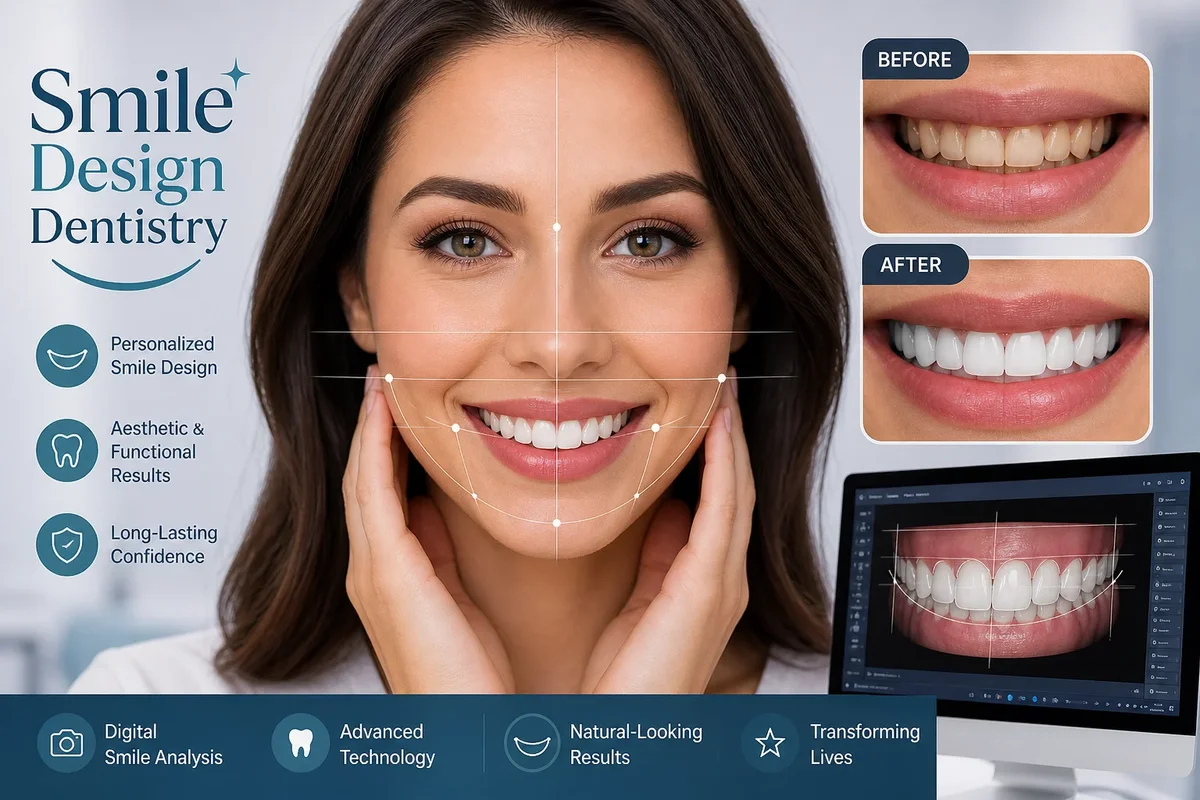
Another important aspect of smile design dentistry is the use of digital technology. Advanced imaging systems and 3D modeling tools allow dentists to simulate your new smile before any treatment begins. This means you can actually see a preview of your results and provide feedback, ensuring that your expectations are fully met. This level of precision and predictability is what sets smile design dentistry apart from traditional methods.
In addition to aesthetics, smile design dentistry also considers functionality. A beautiful smile must also be healthy and functional. Dentists evaluate bite alignment, jaw position, and tooth durability to ensure long-lasting results. This holistic approach ensures that your new smile not only looks stunning but also supports proper chewing, speaking, and overall oral health.
Smile design dentistry is ideal for individuals who want a complete smile transformation. Whether you are preparing for a major life event, improving your professional appearance, or simply boosting your confidence, this treatment offers life-changing benefits. Many patients report increased self-esteem and improved social interactions after undergoing smile design dentistry, as they feel more comfortable showing their smile in everyday situations.
Another key benefit of smile design dentistry is its personalized nature. No two smiles are the same, and this treatment reflects that reality. Dentists take into account your age, gender, skin tone, facial symmetry, and even your lifestyle when designing your smile. For example, a younger patient may prefer a brighter and more youthful look, while a professional adult might opt for a more subtle and natural enhancement. This level of customization ensures that the results feel authentic and aligned with your identity.
Furthermore, smile design dentistry often involves minimally invasive techniques. With advancements in dental materials and procedures, many treatments can be completed with little to no discomfort and minimal removal of natural tooth structure. This makes smile design dentistry a safer and more appealing option for patients who are concerned about preserving their natural teeth.
It is also worth noting that smile design dentistry is closely related to cosmetic smile makeover treatments. While both aim to enhance the appearance of your smile, smile design dentistry goes a step further by incorporating digital planning, facial analysis, and a multidisciplinary approach. This ensures a more comprehensive and precise outcome compared to standard cosmetic procedures.
If you are considering smile design dentistry, it is important to consult with an experienced dental professional who specializes in this field. A thorough consultation will include an evaluation of your oral health, a discussion of your goals, and a detailed treatment plan tailored to your needs. You can easily reach out through the Redent Klinik Contact Page to begin your journey toward a perfect smile.
For additional information on dental standards and oral health practices, you can also visit the American Dental Association, which provides trusted guidelines and resources.
In summary, smile design dentistry is a powerful and innovative solution for anyone looking to enhance their smile in a comprehensive, personalized, and technologically advanced way. By combining aesthetics, functionality, and patient-centered planning, smile design dentistry delivers results that are not only visually stunning but also long-lasting and health-focused. 🌟
What Is Smile Design Dentistry and Why It Matters
Smile design dentistry is a comprehensive, patient-centered approach to improving the appearance, function, and overall harmony of your smile. Unlike traditional dental treatments that focus on isolated issues, smile design dentistry evaluates your entire facial structure, oral health condition, and aesthetic expectations to create a personalized and natural-looking result. 😊 This modern approach combines science, digital technology, and artistic vision to ensure that every smile is uniquely tailored to the individual.
Understanding the Concept of Smile Design Dentistry
At its foundation, smile design dentistry is about more than just cosmetic enhancement—it is about creating balance between your teeth, gums, lips, and face. Dentists carefully analyze multiple factors such as tooth size, shape, alignment, color, and gum symmetry. Additionally, smile design dentistry takes into account facial proportions, lip dynamics, and even how your smile appears when you speak or laugh.
This holistic perspective ensures that the outcome is not artificial or overly exaggerated. Instead, smile design dentistry aims for a natural, attractive appearance that enhances your overall facial aesthetics. This is why many patients prefer smile design dentistry over standard cosmetic procedures, as it delivers results that truly complement their individuality.
Key Elements Evaluated in Smile Design Dentistry
During a smile design dentistry consultation, several essential components are evaluated:
- Tooth Proportions: The size and shape of each tooth are adjusted to create symmetry and harmony.
- Tooth Color: Whitening or restorative treatments are used to achieve a brighter, natural shade.
- Gum Contour: The gum line is reshaped if necessary to create a balanced frame for the teeth.
- Alignment: Orthodontic solutions may be incorporated to correct crowding or spacing.
- Facial Harmony: The smile is designed to match your facial features and expressions.
By combining these elements, smile design dentistry ensures that every detail contributes to a cohesive and aesthetically pleasing result.
Why Smile Design Dentistry Is Important
The importance of smile design dentistry goes far beyond aesthetics. While a beautiful smile can significantly boost your confidence, the benefits also extend to oral health and functionality. Proper alignment and bite correction, which are often part of smile design dentistry, can improve chewing efficiency, reduce jaw discomfort, and prevent long-term dental issues.
Many individuals underestimate how much their smile affects their daily lives. A confident smile can enhance social interactions, improve professional opportunities, and even influence how others perceive you. Smile design dentistry addresses these psychological and social factors, helping patients feel more comfortable and self-assured in both personal and professional settings. 🌟
Functional Benefits of Smile Design Dentistry
In addition to aesthetic improvements, smile design dentistry offers several functional advantages:
- Improved bite alignment and reduced strain on the jaw
- Enhanced speech clarity
- Better oral hygiene due to properly aligned teeth
- Reduced risk of tooth wear and damage
These benefits highlight why smile design dentistry is not just a cosmetic luxury but a valuable investment in long-term oral health.
The Role of Digital Technology in Smile Design Dentistry
One of the most innovative aspects of smile design dentistry is the use of advanced digital tools. Technologies such as 3D imaging, digital smile simulations, and CAD/CAM systems allow dentists to plan treatments with incredible precision. Patients can preview their future smile before any procedure begins, making smile design dentistry a highly predictable and transparent process.
This digital approach also allows for better communication between the patient and the dentist. You can express your preferences, review different design options, and make informed decisions. This collaborative process ensures that the final result aligns perfectly with your expectations.
Personalization in Smile Design Dentistry
Every patient has unique needs, and smile design dentistry reflects this by offering fully customized treatment plans. Factors such as age, gender, skin tone, and lifestyle are considered when designing the ideal smile. For example, a younger patient may prefer a brighter and more youthful look, while an older patient might opt for a more subtle and refined enhancement.
This level of personalization is what makes smile design dentistry stand out. It is not a one-size-fits-all solution but a carefully crafted process that respects the individuality of each patient.
How to Get Started with Smile Design Dentistry
If you are considering smile design dentistry, the first step is to schedule a consultation with a qualified dental professional. During this appointment, your dentist will evaluate your oral health, discuss your goals, and create a customized treatment plan tailored to your needs.
You can begin your journey today by visiting the Redent Klinik Contact Page and connecting with experienced specialists. For additional trusted information about dental care standards, you can also refer to the American Dental Association.
In conclusion, smile design dentistry is a transformative approach that combines aesthetics, functionality, and advanced technology to deliver exceptional results. Whether you are looking to enhance your appearance, improve your oral health, or boost your confidence, smile design dentistry offers a comprehensive solution that truly makes a difference. 😁
Key Components of Smile Design Dentistry Treatment
Smile design dentistry is not a single procedure but a comprehensive combination of treatments carefully selected to achieve a balanced, natural, and aesthetically pleasing smile. Each smile design dentistry plan is uniquely tailored to the patient, ensuring that both cosmetic and functional goals are met. By integrating multiple dental disciplines, smile design dentistry creates long-lasting and highly personalized results. 😊
Comprehensive Assessment in Smile Design Dentistry
The foundation of any successful smile design dentistry treatment begins with a detailed assessment. Dentists evaluate your oral health, facial structure, and aesthetic preferences to develop a customized plan. This stage is crucial because smile design dentistry relies on precision and personalization rather than a generic approach.
During this process, dentists examine tooth alignment, bite function, gum health, and facial proportions. Digital imaging and smile simulations are often used to visualize the final outcome. This ensures that the smile design dentistry plan aligns perfectly with your expectations while maintaining optimal oral health.
Diagnostic Tools Used in Smile Design Dentistry
- Digital Smile Design (DSD): Advanced software to preview results before treatment.
- 3D Scanning: Accurate mapping of teeth and gums.
- Facial Analysis: Evaluation of how your smile fits your face.
- Photographic Records: High-resolution images for detailed planning.
These tools make smile design dentistry highly predictable and allow patients to actively participate in the design process.
Tooth Whitening as a Core Element
Tooth color plays a major role in smile aesthetics, making whitening a fundamental component of smile design dentistry. Professional whitening treatments are often used to remove stains and discoloration, creating a brighter and more youthful appearance.
Unlike over-the-counter solutions, whitening in smile design dentistry is carefully calibrated to match your skin tone and overall facial aesthetics. This ensures that the result looks natural rather than overly artificial. In many cases, whitening is performed before other procedures to establish the ideal shade for restorations such as veneers or crowns.
Dental Veneers in Smile Design Dentistry
Veneers are one of the most popular treatments used in smile design dentistry. These thin, custom-made shells are placed on the front surface of the teeth to correct imperfections such as chips, gaps, discoloration, and uneven shapes.
Smile design dentistry uses veneers not only to improve appearance but also to enhance symmetry and proportion. Modern materials such as porcelain provide durability and a natural look, making veneers a long-lasting solution. The precision involved in smile design dentistry ensures that each veneer is perfectly aligned with the overall smile design.
Advantages of Veneers in Smile Design Dentistry
- Immediate aesthetic improvement
- Custom shape and color matching
- Long-lasting and stain-resistant materials
- Minimally invasive preparation
Orthodontic Treatments and Alignment
Proper alignment is essential in smile design dentistry, as crooked or crowded teeth can affect both appearance and function. Orthodontic treatments such as clear aligners or braces are often included in smile design dentistry plans to correct these issues.
Aligning the teeth not only improves aesthetics but also enhances oral health by making it easier to clean between teeth and maintain proper hygiene. Smile design dentistry ensures that alignment treatments are integrated seamlessly with other procedures, creating a cohesive and balanced result.
Gum Contouring and Soft Tissue Management
The gums play a crucial role in framing your smile. Uneven or excessive gum tissue can detract from even the most beautiful teeth. Smile design dentistry often includes gum contouring to reshape the gum line and create a more symmetrical appearance.
This procedure can be performed using advanced laser technology, making it precise, minimally invasive, and comfortable for the patient. By addressing both teeth and gums, smile design dentistry achieves a harmonious balance that enhances the overall smile.
When Gum Contouring Is Needed
- Gummy smile correction
- Uneven gum line adjustment
- Exposing more tooth structure for better proportions
Crowns and Restorative Solutions
In cases where teeth are damaged or weakened, smile design dentistry incorporates restorative treatments such as crowns. These restorations protect the tooth while improving its appearance, ensuring both durability and aesthetics.
Crowns used in smile design dentistry are designed to match the color, shape, and size of natural teeth. This ensures a seamless integration with the rest of the smile, maintaining a consistent and natural look.
Integration of All Components in Smile Design Dentistry
The true power of smile design dentistry lies in its ability to combine multiple treatments into one cohesive plan. Each component—whether whitening, veneers, orthodontics, or gum contouring—is carefully coordinated to achieve the best possible outcome.
This integrated approach ensures that no aspect of your smile is overlooked. Instead of addressing issues individually, smile design dentistry creates a comprehensive solution that enhances both appearance and function.
Long-Term Planning and Maintenance
Smile design dentistry is not just about achieving immediate results—it also focuses on long-term success. Dentists provide guidance on maintaining your new smile through proper oral hygiene, regular check-ups, and lifestyle adjustments.
Patients are encouraged to follow personalized care routines to preserve the results of smile design dentistry. This includes avoiding staining foods, using recommended dental products, and scheduling routine visits for professional cleaning and evaluation.
If you are considering a complete transformation, you can start by visiting the Redent Klinik Contact Page to connect with experienced professionals. For additional trusted guidelines on oral health, refer to the American Dental Association.
In conclusion, smile design dentistry is a multidisciplinary approach that combines various treatments to create a perfect balance between aesthetics and functionality. By addressing every aspect of your smile with precision and care, smile design dentistry delivers results that are not only visually stunning but also long-lasting and beneficial for your overall oral health. 🌟
Digital Smile Design Dentistry: Technology Behind Perfect Smiles
Smile design dentistry has evolved significantly with the integration of advanced digital technologies, making treatments more precise, predictable, and patient-centered than ever before. Digital smile design dentistry represents a revolutionary shift in how dentists plan and execute aesthetic treatments, combining high-tech tools with artistic expertise to deliver outstanding results. 😊
At the heart of digital smile design dentistry is the ability to visualize the final outcome before any procedure begins. This not only enhances patient confidence but also allows for detailed customization. By using cutting-edge imaging systems, dentists can design a smile that perfectly aligns with your facial features, personality, and expectations.
What Is Digital Smile Design Dentistry?
Digital smile design dentistry is a process that uses digital tools such as 3D scanners, specialized software, and high-resolution photography to create a virtual model of your smile. This model is then used to simulate different treatment outcomes, giving both the dentist and the patient a clear understanding of what to expect.
Unlike traditional methods, where results were often estimated, digital smile design dentistry provides a data-driven approach. Every detail—from tooth proportions to gum symmetry—is carefully analyzed and adjusted in a virtual environment before any physical work begins. This ensures that the final result is both aesthetically pleasing and functionally sound.
Core Technologies Used in Smile Design Dentistry
- 3D Intraoral Scanners: Capture highly accurate digital impressions of teeth and gums.
- Digital Smile Design Software: Allows dentists to simulate and customize smile outcomes.
- CAD/CAM Systems: Enable the precise creation of restorations like veneers and crowns.
- Facial Analysis Tools: Evaluate how the smile interacts with facial expressions.
These technologies are essential to modern smile design dentistry, ensuring a seamless and efficient treatment process.
Benefits of Digital Smile Design Dentistry
One of the most significant advantages of digital smile design dentistry is its predictability. Patients can preview their new smile before treatment begins, eliminating uncertainty and allowing for adjustments. This level of transparency is a major reason why smile design dentistry has become so popular.
Another benefit is improved communication. Dentists can clearly explain the treatment plan using visual aids, making it easier for patients to understand each step. This collaborative approach ensures that the patient’s expectations are fully aligned with the final outcome.
Key Advantages of Smile Design Dentistry Technology
- Accurate and personalized treatment planning
- Reduced treatment time and fewer appointments
- Enhanced patient involvement and satisfaction
- Minimized risk of errors or unexpected results
These benefits highlight why digital smile design dentistry is considered the gold standard in modern aesthetic dentistry.
Step-by-Step Digital Smile Design Dentistry Process
The digital smile design dentistry process begins with capturing detailed images and scans of the patient’s teeth and face. These records are then uploaded into specialized software, where the dentist creates a virtual smile design.
Next, the dentist analyzes the relationship between the teeth, gums, lips, and facial structure. Adjustments are made to achieve optimal symmetry and balance. Once the design is finalized, a mock-up or temporary version of the smile may be created, allowing the patient to experience the proposed changes in real life.
This step-by-step approach ensures that every aspect of smile design dentistry is carefully planned and executed with precision.
Customization and Personalization in Smile Design Dentistry
Every smile is unique, and digital smile design dentistry reflects this by offering a high level of customization. Dentists consider factors such as age, gender, skin tone, and personality when designing a smile. This ensures that the results are not only beautiful but also natural and authentic.
For example, a patient seeking a bold and bright smile may opt for whiter shades and sharper tooth contours, while someone looking for a subtle enhancement may prefer softer tones and rounded edges. Smile design dentistry allows for these preferences to be incorporated seamlessly into the treatment plan.
Integration with Other Smile Design Dentistry Treatments
Digital smile design dentistry is not a standalone process—it works in harmony with other treatments such as veneers, crowns, orthodontics, and gum contouring. By integrating these procedures into a single plan, smile design dentistry ensures a cohesive and balanced outcome.
This multidisciplinary approach is what makes smile design dentistry so effective. Each treatment is carefully coordinated to enhance the overall result, rather than addressing issues in isolation.
Patient Experience in Digital Smile Design Dentistry
The patient experience in digital smile design dentistry is significantly improved compared to traditional methods. From the initial consultation to the final result, patients are actively involved in every step of the process. This creates a sense of confidence and satisfaction that is unmatched in conventional dentistry.
Additionally, the use of digital tools often reduces discomfort and treatment time. Procedures are more precise, and fewer adjustments are needed, making the entire experience smoother and more efficient. 😁
How to Begin Your Smile Design Dentistry Journey
If you are interested in exploring digital smile design dentistry, the first step is to consult with a qualified dental professional. A detailed evaluation and digital analysis will help determine the best treatment plan for your needs.
You can start your journey by visiting the Redent Klinik Contact Page to connect with experienced specialists. For additional trusted information on dental care and standards, you can also visit the American Dental Association.
In conclusion, digital smile design dentistry represents the future of dental aesthetics. By combining advanced technology with personalized care, smile design dentistry delivers results that are precise, predictable, and truly transformative. 🌟
Who Is the Ideal Candidate for Smile Design Dentistry?
Smile design dentistry is a highly personalized and transformative approach, but not every patient begins their journey from the same starting point. Understanding who is the ideal candidate for smile design dentistry is essential to achieving the best results. This treatment is suitable for a wide range of individuals who want to enhance their smile aesthetically while also improving oral function and health. 😊
In general, smile design dentistry is ideal for patients who are dissatisfied with the appearance of their teeth, gums, or overall smile harmony. Whether the concern is minor discoloration or a complete smile makeover, smile design dentistry offers tailored solutions that address both cosmetic and functional issues.
Common Dental Concerns Addressed by Smile Design Dentistry
Smile design dentistry is designed to solve multiple dental issues simultaneously. Patients who experience one or more of the following concerns are often excellent candidates for smile design dentistry:
- Discolored or stained teeth that do not respond well to basic whitening
- Chipped, cracked, or worn-down teeth
- Gaps between teeth or uneven spacing
- Crooked or misaligned teeth
- Uneven gum line or gummy smile
- Missing teeth affecting smile balance
By addressing these issues holistically, smile design dentistry ensures that the final outcome is cohesive and natural-looking rather than fragmented.
Why Multiple Issues Make You a Strong Candidate
If you have several dental concerns at once, smile design dentistry is particularly beneficial. Instead of undergoing separate treatments over time, smile design dentistry integrates all necessary procedures into a single, well-planned process. This saves time, improves efficiency, and delivers a more balanced result.
Age Considerations in Smile Design Dentistry
Age is an important factor when determining candidacy for smile design dentistry. While there is no strict age limit, candidates should have fully developed teeth and a stable oral condition. Most adults are suitable candidates for smile design dentistry, whether they are in their 20s looking for cosmetic improvements or older individuals seeking a rejuvenated smile.
Younger patients may benefit from orthodontic alignment and whitening, while older patients often require restorative treatments such as crowns or veneers as part of their smile design dentistry plan. The flexibility of smile design dentistry allows it to adapt to different age groups and their unique needs.
Special Considerations for Older Patients
- Restoration of worn or aged teeth
- Improvement of bite function
- Subtle enhancements for a natural look
These tailored approaches ensure that smile design dentistry remains effective and appropriate regardless of age.
Oral Health Requirements for Smile Design Dentistry
Before undergoing smile design dentistry, patients must have a healthy oral foundation. This means that issues such as cavities, gum disease, or infections must be treated beforehand. Smile design dentistry focuses on long-term results, and a healthy mouth is essential for maintaining those results.
Dentists typically perform a comprehensive examination to ensure that the patient is ready for smile design dentistry. If any underlying problems are detected, they are addressed first to create a stable base for the cosmetic and functional improvements.
Pre-Treatment Requirements
- Healthy gums free of periodontal disease
- No active tooth decay or infections
- Good oral hygiene habits
Meeting these requirements ensures that smile design dentistry outcomes are both durable and successful.
Psychological and Lifestyle Factors
Smile design dentistry is not just a physical transformation—it also has a significant psychological impact. Ideal candidates are individuals who are motivated to improve their smile and are committed to maintaining the results. Patients who understand the process and have realistic expectations tend to achieve the highest satisfaction from smile design dentistry.
Lifestyle factors also play a role. For example, patients who smoke or consume staining foods and beverages may need to make adjustments to preserve the results of smile design dentistry. Commitment to aftercare is essential for long-term success.
Patients Seeking Confidence and Aesthetic Enhancement
Many people choose smile design dentistry to boost their self-confidence. A beautiful smile can have a profound effect on how you feel about yourself and how others perceive you. Smile design dentistry helps patients feel more comfortable in social and professional settings, allowing them to express themselves freely.
This emotional benefit is one of the most powerful aspects of smile design dentistry. Patients often report increased confidence, improved relationships, and a more positive outlook on life after completing their treatment. 🌟
When Smile Design Dentistry May Not Be Suitable
While smile design dentistry is highly versatile, there are situations where it may not be immediately suitable. Patients with severe untreated dental issues, poor oral hygiene, or unrealistic expectations may need additional preparation before starting treatment.
In such cases, dentists will guide patients through the necessary steps to become eligible for smile design dentistry. This ensures that the treatment is both safe and effective.
Consultation: The First Step Toward Smile Design Dentistry
The best way to determine if you are an ideal candidate for smile design dentistry is through a professional consultation. During this process, your dentist will evaluate your oral health, discuss your goals, and create a personalized treatment plan.
You can begin your journey today by visiting the Redent Klinik Contact Page to connect with experienced specialists. For additional trusted dental information, you can also refer to the American Dental Association.
In conclusion, smile design dentistry is suitable for a wide range of patients who want to improve their smile both aesthetically and functionally. By carefully evaluating individual needs and conditions, smile design dentistry ensures that every patient receives a tailored solution that delivers lasting and satisfying results. 😁
Step-by-Step Smile Design Dentistry Procedure Explained
Smile design dentistry follows a structured and highly personalized process to ensure that every patient achieves a natural, functional, and aesthetically pleasing result. Unlike standard dental treatments, smile design dentistry is not performed in a single visit—it is a carefully planned journey that combines diagnostics, digital planning, and multiple procedures into one cohesive treatment plan. 😊
Understanding each step of the smile design dentistry procedure helps patients feel more confident and prepared. From the initial consultation to the final result, every phase is designed to maximize precision, comfort, and satisfaction.
Initial Consultation and Smile Analysis
The first step in smile design dentistry is a comprehensive consultation. During this stage, the dentist evaluates your oral health, facial structure, and aesthetic goals. This is where smile design dentistry truly begins, as your preferences and expectations are discussed in detail.
Photographs, X-rays, and digital scans are taken to assess the condition of your teeth and gums. The dentist also analyzes how your smile interacts with your lips and facial expressions. This thorough evaluation ensures that the smile design dentistry plan is tailored specifically to you.
What Happens During the Consultation?
- Discussion of aesthetic goals and expectations
- Full oral examination and diagnostic imaging
- Facial and smile analysis
- Preliminary treatment planning
This step sets the foundation for a successful smile design dentistry outcome.
Digital Smile Design and Treatment Planning
After the initial assessment, smile design dentistry moves into the digital planning phase. Advanced software is used to create a virtual model of your smile, allowing the dentist to design the ideal result before any treatment begins.
This stage is one of the most exciting parts of smile design dentistry because patients can preview their future smile. Adjustments can be made based on your feedback, ensuring that the final design aligns perfectly with your expectations.
Digital smile design dentistry also improves accuracy, reducing the risk of unexpected outcomes and ensuring a smoother treatment process.
Benefits of Digital Planning in Smile Design Dentistry
- Visual preview of final results
- Improved precision and customization
- Better communication between patient and dentist
- Reduced treatment time and adjustments
Preparation Phase for Smile Design Dentistry
Before the main procedures begin, certain preparatory treatments may be required. Smile design dentistry ensures that the oral environment is healthy and stable before aesthetic work is performed.
This may include professional cleaning, treatment of cavities, or gum therapy. In some cases, minor reshaping of teeth is done to prepare for veneers or crowns. This step is essential for achieving long-lasting results in smile design dentistry.
Execution of Smile Design Dentistry Treatments
Once the preparation is complete, the main procedures of smile design dentistry are carried out. Depending on the treatment plan, this phase may include a combination of whitening, veneers, crowns, orthodontics, or gum contouring.
Each procedure is carefully coordinated to ensure that the final result is harmonious and balanced. Smile design dentistry focuses on both aesthetics and function, so every treatment is performed with precision and attention to detail.
Common Procedures in Smile Design Dentistry
- Teeth whitening for a brighter smile
- Porcelain veneers for shape and symmetry
- Orthodontic alignment for proper positioning
- Gum contouring for improved proportions
- Crowns or restorations for damaged teeth
This integrated approach is what makes smile design dentistry so effective and transformative.
Mock-Up and Trial Smile مرحلة
One unique aspect of smile design dentistry is the mock-up or trial smile phase. Before finalizing the treatment, a temporary version of the new smile may be created. This allows patients to see and feel the changes in real life.
During this stage, adjustments can be made to ensure maximum satisfaction. Smile design dentistry prioritizes patient involvement, making this step crucial for achieving the desired outcome.
Final Placement and Smile Transformation
After all adjustments are approved, the final restorations are placed. This is the moment when the smile design dentistry process comes together, revealing the complete transformation.
The dentist ensures that the fit, color, and alignment are perfect. Bite adjustments may also be made to guarantee comfort and functionality. The result is a natural-looking smile that enhances both appearance and oral health. 🌟
Post-Treatment Care in Smile Design Dentistry
Smile design dentistry does not end with the final procedure. Proper aftercare is essential to maintain the results. Dentists provide detailed instructions on oral hygiene, dietary habits, and follow-up visits.
Patients are encouraged to maintain regular dental check-ups and avoid habits that could damage their new smile. With proper care, the results of smile design dentistry can last for many years.
Essential Aftercare Tips
- Brush and floss regularly
- Avoid staining foods and beverages
- Use recommended dental products
- Attend routine dental check-ups
Starting Your Smile Design Dentistry Journey
If you are ready to transform your smile, the first step is to consult with a qualified professional. A personalized plan will guide you through every stage of smile design dentistry, ensuring optimal results.
You can begin today by visiting the Redent Klinik Contact Page to connect with experienced specialists. For additional trusted information on dental care, you can also explore the American Dental Association.
In conclusion, smile design dentistry is a carefully structured process that combines advanced technology, personalized planning, and multiple treatments to create a perfect smile. By following each step with precision, smile design dentistry ensures results that are not only beautiful but also functional and long-lasting. 😁
Smile Design Dentistry Cost Factors and Pricing Overview
Smile design dentistry is a highly personalized and advanced dental treatment, and its cost can vary significantly depending on multiple factors. Unlike standard dental procedures, smile design dentistry involves a combination of treatments tailored specifically to the patient’s needs, which directly influences the overall pricing. Understanding these cost components helps patients make informed decisions and plan their treatment journey effectively. 💡
In general, smile design dentistry is considered an investment in both aesthetics and oral health. While the initial cost may seem higher compared to single treatments, the comprehensive nature of smile design dentistry often provides long-term value by addressing multiple issues in one cohesive plan.
Main Factors Affecting Smile Design Dentistry Costs
The total cost of smile design dentistry depends on several important factors. Each patient’s treatment plan is unique, so pricing is calculated based on the complexity and number of procedures involved.
1. Type and Number of Procedures
Smile design dentistry typically includes a combination of treatments such as veneers, teeth whitening, orthodontics, crowns, or gum contouring. The more procedures required, the higher the overall cost of smile design dentistry. For example, a simple whitening and minor reshaping plan will cost significantly less than a full-mouth reconstruction involving multiple restorations.
2. Materials Used in Smile Design Dentistry
The quality of materials plays a major role in pricing. High-end materials such as porcelain veneers or zirconia crowns are more expensive but offer superior durability and aesthetics. Smile design dentistry prioritizes natural-looking results, which often involves premium materials that mimic the appearance of real teeth.
3. Technology and Equipment
Modern smile design dentistry relies on advanced digital tools such as 3D imaging, CAD/CAM systems, and digital smile simulations. Clinics that use cutting-edge technology may charge higher fees, but they also provide greater precision, predictability, and patient satisfaction.
4. Dentist’s Expertise and Clinic Location
The experience and reputation of the dentist significantly influence the cost of smile design dentistry. Highly skilled specialists with extensive experience in smile design dentistry may charge more for their expertise. Additionally, the location of the clinic—whether in a major city or a medical tourism destination—can impact pricing.
Average Price Ranges in Smile Design Dentistry
While exact costs vary, it is helpful to understand general price ranges for common procedures included in smile design dentistry. These estimates provide a rough idea of what patients can expect:
- Teeth Whitening: $200 – $600
- Porcelain Veneers (per tooth): $500 – $2,500
- Dental Crowns (per tooth): $600 – $2,000
- Orthodontic Treatments: $2,000 – $6,000
- Gum Contouring: $300 – $3,000 depending on complexity
When combined into a full smile design dentistry plan, total costs can range from $3,000 to $15,000 or more, depending on the extent of the transformation. In countries known for dental tourism, such as Turkey, smile design dentistry can often be performed at significantly lower costs while maintaining high-quality standards.
Is Smile Design Dentistry Worth the Cost?
Many patients wonder whether smile design dentistry justifies its cost. The answer lies in the comprehensive nature of the treatment. Instead of addressing dental issues separately over time, smile design dentistry provides a complete solution that enhances both aesthetics and functionality.
In addition to improving appearance, smile design dentistry can prevent future dental problems, reducing long-term expenses. For example, correcting alignment issues or restoring damaged teeth early can help avoid more complex and costly treatments later on.
Long-Term Value of Smile Design Dentistry
- Improved oral health and functionality
- Enhanced confidence and quality of life
- Durable and long-lasting results
- Reduced need for future corrective procedures
These benefits make smile design dentistry a worthwhile investment for many individuals seeking a permanent improvement in their smile.
Financing and Payment Options
To make smile design dentistry more accessible, many clinics offer flexible payment plans and financing options. Patients can often choose to pay in installments, making it easier to manage the cost over time.
Some clinics also provide package deals for smile design dentistry, combining multiple procedures at a reduced rate. This approach not only lowers the overall cost but also ensures a streamlined treatment process.
Cost Comparison: Local vs International Smile Design Dentistry
One of the growing trends in smile design dentistry is dental tourism. Many patients travel abroad to receive high-quality treatments at more affordable prices. Countries like Turkey have become popular destinations for smile design dentistry due to their advanced clinics and competitive pricing.
However, it is important to consider factors such as travel expenses, accommodation, and follow-up care when comparing costs. Choosing a reputable clinic is essential to ensure safety and quality.
How to Get an Accurate Smile Design Dentistry Quote
The best way to determine the cost of smile design dentistry is through a personalized consultation. During this process, the dentist evaluates your oral health, discusses your goals, and creates a detailed treatment plan with a clear cost breakdown.
You can start your consultation by visiting the Redent Klinik Contact Page and connecting with experienced professionals. For additional trusted information on dental standards, you can also visit the American Dental Association.
Final Thoughts on Smile Design Dentistry Costs
Smile design dentistry is a customized and comprehensive treatment, and its cost reflects the level of expertise, technology, and personalization involved. While prices may vary, the long-term benefits of smile design dentistry—both aesthetic and functional—make it a valuable investment for those seeking a complete smile transformation. 🌟
By understanding the factors that influence pricing and exploring available options, patients can confidently plan their smile design dentistry journey and achieve the smile they have always desired. 😁
Benefits of Smile Design Dentistry for Confidence and Health
Smile design dentistry offers far more than just an attractive appearance—it provides a powerful combination of aesthetic enhancement, improved oral health, and psychological benefits. Patients who undergo smile design dentistry often experience a complete transformation that impacts their daily lives in meaningful ways. 😊 From boosting self-confidence to improving dental function, the advantages of smile design dentistry are both immediate and long-lasting.
One of the most compelling reasons patients choose smile design dentistry is its ability to address multiple concerns simultaneously. Instead of treating issues individually, smile design dentistry creates a comprehensive plan that enhances the entire smile. This integrated approach ensures that both cosmetic and functional improvements work together harmoniously.
Boosting Self-Confidence with Smile Design Dentistry
A beautiful smile can significantly influence how you perceive yourself and how others perceive you. Smile design dentistry helps eliminate insecurities caused by discolored, misaligned, or damaged teeth, allowing patients to smile freely and confidently.
Many individuals feel self-conscious about their smile and may avoid social interactions or hide their teeth when speaking or laughing. Smile design dentistry addresses these concerns, giving patients the confidence to express themselves naturally. 🌟
Psychological Benefits of Smile Design Dentistry
- Increased self-esteem and self-image
- Improved social and professional interactions
- Greater willingness to smile and communicate
- Positive impact on mental well-being
These psychological improvements highlight why smile design dentistry is often considered a life-changing treatment.
Enhancing Oral Health Through Smile Design Dentistry
While aesthetics are a major focus, smile design dentistry also plays a critical role in improving oral health. Proper alignment and restoration of teeth can prevent a wide range of dental issues, including decay, gum disease, and excessive wear.
For example, correcting misaligned teeth through smile design dentistry makes it easier to clean between teeth, reducing plaque buildup and lowering the risk of cavities. Similarly, restoring damaged teeth with crowns or veneers protects them from further deterioration.
Health Benefits of Smile Design Dentistry
- Improved bite alignment and reduced jaw strain
- Better oral hygiene and easier cleaning
- Prevention of future dental complications
- Protection of natural tooth structure
These benefits demonstrate that smile design dentistry is not just cosmetic—it is also a proactive approach to maintaining long-term oral health.
Functional Improvements in Smile Design Dentistry
Smile design dentistry ensures that your smile is not only beautiful but also functional. Proper bite alignment is essential for efficient chewing and speaking. When teeth are misaligned or damaged, it can lead to discomfort, jaw pain, and difficulty eating.
By addressing these issues, smile design dentistry improves overall functionality. Patients often notice enhanced comfort when eating and speaking, as well as a reduction in jaw-related problems.
Long-Lasting Results of Smile Design Dentistry
One of the key advantages of smile design dentistry is its durability. High-quality materials and advanced techniques ensure that the results are long-lasting. With proper care, many smile design dentistry treatments can maintain their appearance and functionality for years.
This longevity makes smile design dentistry a worthwhile investment. Patients benefit from a beautiful and healthy smile without the need for frequent repairs or replacements.
Factors That Contribute to Longevity
- Use of high-quality materials such as porcelain
- Precise digital planning and execution
- Proper oral hygiene and maintenance
- Regular dental check-ups
Natural and Personalized Aesthetic Results
Smile design dentistry is known for its ability to create natural-looking results. Unlike generic cosmetic treatments, smile design dentistry is tailored to each individual. Dentists consider facial features, skin tone, and personal preferences to design a smile that complements the patient’s overall appearance.
This level of personalization ensures that the final result does not look artificial or overdone. Instead, smile design dentistry enhances your natural beauty, creating a balanced and harmonious look.
Improved Quality of Life with Smile Design Dentistry
The benefits of smile design dentistry extend beyond the dental chair. A confident smile can positively impact many aspects of life, including relationships, career opportunities, and overall happiness.
Patients who undergo smile design dentistry often report feeling more comfortable in social situations and more confident in professional settings. This improved quality of life is one of the most rewarding outcomes of the treatment. 😁
Preventive Advantages of Smile Design Dentistry
Smile design dentistry also serves as a preventive measure. By addressing potential issues early, it reduces the likelihood of more serious problems in the future. For example, correcting bite alignment can prevent excessive wear on teeth, while restoring damaged areas can stop decay from spreading.
This preventive aspect makes smile design dentistry a smart choice for patients who want to maintain their oral health proactively.
Taking the First Step Toward a Better Smile
If you are considering smile design dentistry, the first step is to consult with a qualified dental professional. A personalized evaluation will help determine the best approach for your needs and goals.
You can begin your journey by visiting the Redent Klinik Contact Page and connecting with experienced specialists. For additional trusted information about dental care and standards, you can also refer to the American Dental Association.
In conclusion, smile design dentistry offers a wide range of benefits that go beyond aesthetics. By improving confidence, enhancing oral health, and delivering long-lasting results, smile design dentistry provides a comprehensive solution for anyone seeking a better smile and a better quality of life. 🌟
Smile Design Dentistry vs Traditional Cosmetic Dentistry
Smile design dentistry and traditional cosmetic dentistry are often used interchangeably, but they are not the same. While both focus on improving the appearance of your teeth, smile design dentistry takes a far more comprehensive, personalized, and technologically advanced approach. Understanding the differences between these two methods helps patients make informed decisions about their treatment options. 😊
Traditional cosmetic dentistry typically addresses individual concerns, such as whitening teeth, fixing a chipped tooth, or placing veneers. In contrast, smile design dentistry evaluates the entire smile as a system, considering facial harmony, oral function, and long-term results. This holistic perspective is what sets smile design dentistry apart from conventional methods.
Core Differences Between Smile Design Dentistry and Cosmetic Dentistry
The primary distinction lies in the scope and methodology. Smile design dentistry focuses on designing a complete smile transformation, while traditional cosmetic dentistry often treats isolated issues.
Key Comparison Points
- Approach: Smile design dentistry is holistic; cosmetic dentistry is procedure-specific.
- Planning: Smile design dentistry uses digital simulations; cosmetic dentistry relies on visual estimation.
- Customization: Smile design dentistry is highly personalized; cosmetic dentistry may follow standard protocols.
- Outcome: Smile design dentistry ensures harmony and balance; cosmetic dentistry focuses on individual improvements.
This comparison highlights why smile design dentistry is considered a more advanced and comprehensive solution.
Technology in Smile Design Dentistry vs Traditional Methods
One of the most significant advantages of smile design dentistry is its use of digital technology. Advanced tools such as 3D imaging, digital smile simulations, and CAD/CAM systems allow dentists to plan treatments with incredible precision.
In traditional cosmetic dentistry, treatments are often planned based on visual assessments and physical impressions. While effective, this approach lacks the accuracy and predictability of smile design dentistry. Patients undergoing smile design dentistry can preview their results before treatment begins, which greatly enhances confidence and satisfaction.
Technological Advantages of Smile Design Dentistry
- Precise digital planning and simulation
- Reduced risk of unexpected results
- Enhanced patient involvement
- Faster and more efficient procedures
These innovations make smile design dentistry the preferred choice for patients seeking high-quality outcomes.
Personalization and Aesthetic Harmony
Smile design dentistry excels in personalization. Every aspect of the smile is customized to match the patient’s facial features, personality, and preferences. Dentists consider factors such as lip shape, facial symmetry, and skin tone to create a balanced and natural-looking result.
Traditional cosmetic dentistry, while effective, may not always achieve this level of detail. Procedures are often performed independently, which can sometimes lead to results that do not fully harmonize with the patient’s overall appearance.
Functional Benefits of Smile Design Dentistry
Another key difference is the emphasis on functionality. Smile design dentistry ensures that the smile is not only beautiful but also functional. Bite alignment, jaw position, and tooth durability are all carefully evaluated and addressed.
In contrast, traditional cosmetic dentistry may focus primarily on appearance without fully addressing underlying functional issues. This can lead to complications over time, such as uneven wear or discomfort.
Functional Advantages of Smile Design Dentistry
- Improved bite alignment
- Enhanced chewing efficiency
- Reduced risk of jaw pain
- Long-term oral health stability
These benefits demonstrate why smile design dentistry is a more comprehensive approach.
Longevity and Durability of Results
Smile design dentistry is designed for long-term success. By addressing both aesthetic and functional aspects, it provides results that are more durable and sustainable. High-quality materials and precise planning contribute to the longevity of smile design dentistry outcomes.
Traditional cosmetic dentistry can also deliver excellent results, but without a comprehensive plan, some treatments may require more frequent maintenance or adjustments.
Patient Experience and Satisfaction
The patient experience in smile design dentistry is significantly enhanced due to its collaborative nature. Patients are actively involved in the design process, reviewing digital simulations and providing feedback. This ensures that the final result aligns with their expectations.
In traditional cosmetic dentistry, patients may have less involvement in the planning stage, which can sometimes lead to mismatched expectations. Smile design dentistry eliminates this uncertainty by offering a transparent and interactive process. 😁
Cost Considerations: Smile Design Dentistry vs Cosmetic Dentistry
Cost is another factor to consider when comparing smile design dentistry and traditional cosmetic dentistry. Smile design dentistry may have a higher upfront cost due to its comprehensive nature and use of advanced technology. However, it often provides better long-term value by addressing multiple issues in one treatment plan.
Traditional cosmetic dentistry may appear more affordable initially, but treating issues separately over time can lead to higher overall expenses. Smile design dentistry offers a more efficient and cost-effective solution in the long run.
Which Option Is Right for You?
The choice between smile design dentistry and traditional cosmetic dentistry depends on your goals and needs. If you are looking for a complete smile transformation with long-lasting results, smile design dentistry is the ideal option. However, if you only need minor improvements, traditional cosmetic treatments may be sufficient.
To determine the best approach, it is essential to consult with a qualified dental professional. You can start by visiting the Redent Klinik Contact Page to explore your options. For additional trusted information, you can also refer to the American Dental Association.
In conclusion, smile design dentistry represents a modern, comprehensive, and highly personalized approach to dental aesthetics. By combining advanced technology, functional analysis, and artistic design, smile design dentistry delivers superior results compared to traditional cosmetic dentistry. 🌟
How to Maintain Results After Smile Design Dentistry
Smile design dentistry delivers transformative and long-lasting results, but maintaining those results requires consistent care and attention. After investing in smile design dentistry, patients must follow proper oral hygiene practices, adopt healthy lifestyle habits, and attend regular dental check-ups to preserve the beauty and functionality of their new smile. 😊
The success of smile design dentistry does not end when the treatment is completed. In fact, post-treatment care plays a critical role in ensuring that the results remain stable, natural-looking, and durable for many years. By understanding the best maintenance strategies, patients can protect their investment and enjoy a confident smile for the long term.
Daily Oral Hygiene After Smile Design Dentistry
Maintaining excellent oral hygiene is the foundation of preserving the results of smile design dentistry. Even though restorations such as veneers or crowns are resistant to decay, the surrounding natural teeth and gums still require proper care.
Patients should brush their teeth at least twice a day using a soft-bristled toothbrush and a non-abrasive toothpaste. Flossing daily is equally important to remove plaque and food particles from between the teeth. Smile design dentistry results depend heavily on keeping the oral environment clean and healthy.
Essential Hygiene Practices
- Brush gently with fluoride toothpaste twice daily
- Floss carefully to protect gums and restorations
- Use an antibacterial mouthwash if recommended
- Avoid abrasive dental products that can damage surfaces
Following these habits ensures that smile design dentistry results remain bright and intact.
Diet and Lifestyle Considerations
Your diet plays a significant role in maintaining the outcomes of smile design dentistry. Certain foods and beverages can stain teeth or weaken dental restorations over time. Patients should be mindful of their consumption habits to protect their smile.
Highly pigmented drinks such as coffee, tea, and red wine can cause discoloration, especially if consumed frequently. Additionally, hard or sticky foods can damage veneers or crowns if not handled carefully. Smile design dentistry requires a balanced approach to diet that supports both aesthetics and oral health.
Foods to Limit After Smile Design Dentistry
- Coffee, tea, and red wine (to prevent staining)
- Hard candies and ice (to avoid chipping restorations)
- Sticky foods like caramel (to prevent damage)
- Acidic foods that can weaken enamel
By making mindful dietary choices, patients can extend the longevity of their smile design dentistry results.
Regular Dental Check-Ups and Professional Care
Routine dental visits are essential for maintaining the success of smile design dentistry. Dentists can monitor the condition of restorations, check for potential issues, and provide professional cleaning to keep the smile in optimal condition.
It is generally recommended to visit the dentist every six months, although some patients may require more frequent check-ups depending on their individual needs. Smile design dentistry benefits greatly from ongoing professional supervision.
What to Expect During Check-Ups
- Examination of teeth, gums, and restorations
- Professional cleaning to remove plaque and stains
- Early detection of potential problems
- Personalized maintenance advice
These visits help ensure that smile design dentistry results remain consistent and long-lasting.
Protecting Your Smile Design Dentistry Investment
Protecting your smile after smile design dentistry involves avoiding habits that can cause damage. For example, using teeth as tools to open packages or biting on hard objects can lead to chips or cracks in restorations.
Patients who grind their teeth (bruxism) should consider using a custom night guard. This protective device prevents excessive wear and helps maintain the integrity of smile design dentistry treatments.
Maintaining Aesthetic Results Over Time
To keep your smile looking its best, occasional touch-up treatments may be necessary. For example, professional whitening can refresh the brightness of natural teeth, ensuring they match restorations such as veneers or crowns.
Smile design dentistry is designed for durability, but periodic maintenance enhances its longevity and appearance. Dentists can recommend specific treatments based on your individual needs.
Optional Maintenance Treatments
- Professional teeth whitening
- Polishing of restorations
- Minor adjustments or repairs
- Replacement of worn restorations if needed
These treatments help maintain the original beauty achieved through smile design dentistry.
Long-Term Commitment to Smile Design Dentistry
Smile design dentistry is not a one-time effort—it requires a long-term commitment to oral care and healthy habits. Patients who follow their dentist’s recommendations and maintain good hygiene practices can enjoy their results for many years.
This commitment ensures that the benefits of smile design dentistry—both aesthetic and functional—continue to enhance your quality of life. 🌟
When to Contact Your Dentist
It is important to contact your dentist if you notice any changes in your smile, such as discomfort, looseness of restorations, or changes in appearance. Early intervention can prevent minor issues from becoming major problems.
You can easily reach out through the Redent Klinik Contact Page to schedule an appointment. For additional trusted guidance on maintaining oral health, you can also visit the American Dental Association.
Final Thoughts on Maintaining Smile Design Dentistry Results
Smile design dentistry provides a beautiful and functional smile, but maintaining those results requires dedication and care. By following proper hygiene practices, making smart lifestyle choices, and attending regular dental visits, patients can preserve their smile design dentistry outcomes for years to come. 😁
In conclusion, the longevity of smile design dentistry depends on a combination of professional care and personal responsibility. With the right approach, your new smile can remain as stunning and confident as the day it was created.