
The concept of smile in orthodontics goes far beyond simply straightening teeth. It represents a carefully planned harmony between teeth, lips, facial structure, and overall expression. In modern dental care, orthodontics is no longer limited to correcting misalignment; it is a science-driven approach aimed at creating confident, natural-looking smiles that function as beautifully as they appear 😊. Understanding smile in orthodontics helps patients realize why orthodontic treatment is both a medical and aesthetic investment.
At its core, smile in orthodontics focuses on how teeth interact with the face during speech, laughter, and rest. Orthodontists analyze tooth position, jaw alignment, gum display, lip curvature, and facial proportions to design a smile that looks balanced from every angle. This means that two patients with similar dental issues may receive very different treatment plans, because smile in orthodontics is highly individualized and patient-centered.
One of the most important principles of smile in orthodontics is function. A beautiful smile must also support healthy chewing, speaking, and breathing. Crooked teeth or improper bite alignment can lead to jaw pain, headaches, uneven tooth wear, and even digestive issues. By addressing these functional concerns, orthodontic treatment improves oral health while simultaneously enhancing appearance. This dual benefit is why smile in orthodontics is considered a cornerstone of comprehensive dental care 🦷.
From a scientific perspective, smile in orthodontics relies on biomechanics and biology. Teeth move through controlled forces applied by braces, clear aligners, or other orthodontic appliances. These forces stimulate bone remodeling, allowing teeth to shift safely into optimal positions. When this process is guided by smile analysis, orthodontists can predict how changes in tooth position will affect the lips and facial profile. As a result, smile in orthodontics blends precision engineering with artistic vision.
Another key element of smile in orthodontics is proportion. The width of the smile, the visibility of the upper teeth, and the relationship between teeth and gums all play a role in how attractive a smile appears. A smile that is too narrow may look aged or constrained, while excessive gum display can draw unwanted attention. Orthodontic planning takes these details into account, ensuring that the final result appears natural rather than artificial. This attention to detail is what distinguishes modern smile in orthodontics from traditional, one-size-fits-all approaches.
Patients often underestimate the emotional impact of smile in orthodontics. A well-aligned smile can dramatically boost self-esteem and social confidence. Many individuals avoid smiling in photos or covering their mouths while speaking due to dental insecurities. Orthodontic treatment designed around smile aesthetics helps patients feel comfortable expressing themselves freely. This psychological transformation is just as valuable as the physical correction and is a major reason why smile in orthodontics is so sought after today 😄.
It is also important to understand that smile in orthodontics is not about perfection, but about balance and authenticity. The goal is not to create identical smiles, but to enhance each patient’s natural features. Facial symmetry, age, gender, and personal preferences are all considered during treatment planning. By respecting individuality, orthodontists ensure that the outcome of smile in orthodontics feels genuine and long-lasting.
In today’s digital age, smile in orthodontics often begins with advanced diagnostics. Digital scans, smile simulations, and facial analysis software allow patients to visualize potential results before treatment even starts. This technology improves communication between patient and orthodontist, setting clear expectations and increasing satisfaction. When patients understand the science behind their treatment, trust grows, and the journey toward a healthier smile becomes more engaging and motivating 🚀.
Ultimately, smile in orthodontics represents the intersection of health, science, and self-confidence. It is a comprehensive philosophy that prioritizes long-term oral health while enhancing facial aesthetics and emotional well-being. By choosing orthodontic care that focuses on smile design rather than just tooth alignment, patients invest in a future where their smile supports both their health and their happiness. This holistic approach is what makes smile in orthodontics such a powerful and transformative aspect of modern dentistry.
What Smile in Orthodontics Really Means for Patients
For many patients, the phrase smile in orthodontics may initially sound like a marketing term, but in reality, it represents a deeply patient-focused philosophy of care. Rather than concentrating only on straightening teeth, orthodontists who prioritize smile in orthodontics aim to improve how a person looks, feels, and functions on a daily basis. This approach considers the patient as a whole—facial structure, lifestyle, expectations, and long-term oral health all play a crucial role 😊.
Understanding what smile in orthodontics truly means helps patients make more informed decisions about their treatment. It shifts the mindset from “fixing crooked teeth” to “designing a healthy, confident smile.” This distinction is important because orthodontic treatment can influence facial aesthetics, self-esteem, and even social interactions. Patients who understand this broader perspective are often more engaged and satisfied with their orthodontic journey.
Patient Expectations and Smile Awareness
One of the first steps in smile in orthodontics is understanding patient expectations. Every patient has a unique vision of their ideal smile. Some prioritize aesthetics, while others are more concerned about comfort, bite function, or long-term dental stability. A smile-focused orthodontic approach begins with listening carefully to these expectations and aligning them with clinical realities.
Patients often discover through consultation that smile in orthodontics is not about achieving a “perfect” or artificial look. Instead, it is about harmony—how teeth fit the face, how the smile moves during speech, and how natural it appears in everyday life. This awareness helps patients set realistic goals and appreciate the value of personalized orthodontic planning 🧠.
Functional Benefits Patients Often Overlook
While aesthetics are a major motivation, smile in orthodontics also delivers significant functional benefits that patients may not immediately recognize. Proper tooth alignment improves chewing efficiency, reduces uneven pressure on teeth, and supports healthy jaw movement. Many patients experience fewer headaches, reduced jaw tension, and improved speech clarity after treatment.
From a patient’s perspective, smile in orthodontics means fewer long-term dental problems. Straight teeth are easier to clean, reducing the risk of cavities and gum disease. Correct bite alignment minimizes abnormal tooth wear, helping teeth last longer. These functional improvements make orthodontic treatment a preventive investment, not just a cosmetic one 🦷.
Comfort and Daily Life Improvements
Patients often report that after completing treatment focused on smile in orthodontics, daily activities feel easier and more comfortable. Chewing becomes more balanced, speaking feels more natural, and even breathing patterns may improve in certain cases. These subtle changes can significantly enhance quality of life, even if patients were not initially aware of the underlying issues.
This is why orthodontists emphasize that smile in orthodontics is about long-term comfort, not short-term appearance alone. When teeth and jaws are in proper alignment, the entire oral system works more efficiently, supporting overall well-being.
Emotional Impact from the Patient’s Point of View
The emotional dimension of smile in orthodontics is especially meaningful for patients. A smile plays a central role in how people express joy, confidence, and openness. Patients who feel insecure about their teeth often limit their smiles, avoid photos, or feel self-conscious in social and professional settings.
By addressing these concerns, smile in orthodontics can lead to profound emotional changes. Patients frequently report increased confidence, improved social interactions, and a more positive self-image. These benefits extend far beyond the dental chair and can influence personal relationships and career opportunities 😄.
Individualization: Why Every Patient’s Smile Is Different
A key concept patients should understand is that smile in orthodontics is never standardized. No two smiles are identical, and effective orthodontic care respects this individuality. Factors such as facial shape, lip movement, age, and even personality influence how a smile should be designed.
For example, a youthful smile may show more upper teeth, while a mature smile often appears more subtle. Orthodontists tailor treatment plans accordingly, ensuring that the result feels authentic. This personalized approach reassures patients that smile in orthodontics is designed for them—not for a generic ideal.
Patient Education and Trust
When patients understand the principles behind smile in orthodontics, trust naturally develops. Clear explanations, visual simulations, and open communication help patients feel involved in their treatment decisions. This transparency reduces anxiety and increases cooperation throughout the orthodontic process.
Ultimately, from the patient’s perspective, smile in orthodontics means feeling heard, understood, and cared for. It represents a partnership between patient and orthodontist, focused on achieving a smile that supports health, confidence, and long-term satisfaction 🌟.
The Role of Facial Aesthetics in Smile in Orthodontics
Facial aesthetics play a central role in smile in orthodontics, transforming orthodontic care from a purely corrective discipline into a refined blend of science and art. A smile does not exist in isolation; it is framed by lips, cheeks, jawline, and overall facial proportions. Modern orthodontics recognizes that aligning teeth without considering the face may lead to technically correct but visually unbalanced results. That is why smile in orthodontics places facial harmony at the heart of treatment planning 😊.
When orthodontists evaluate facial aesthetics, they assess how the smile appears at rest, during speech, and in full expression. These dynamic views help determine how tooth position influences facial balance. The goal of smile in orthodontics is not to change a person’s identity, but to enhance natural features so the smile looks effortless and authentic in everyday life.
Smile Line and Lip Dynamics
One of the most important aesthetic factors in smile in orthodontics is the smile line. The smile line describes the relationship between the upper teeth and the curvature of the lower lip when smiling. Ideally, the edges of the upper teeth follow the natural curve of the lower lip, creating a youthful and pleasant appearance.
Lip movement is equally critical. During speech and laughter, lips reveal varying amounts of teeth and gums. Orthodontists analyze these movements to ensure that smile in orthodontics results in a smile that looks balanced in motion, not just in still photos. This dynamic evaluation distinguishes advanced orthodontic care from traditional approaches 🦷.
Upper Tooth Display and Facial Expression
The amount of upper tooth display significantly affects how a smile is perceived. Too little display may make the smile appear aged or restrained, while excessive display can draw attention away from facial symmetry. In smile in orthodontics, orthodontists carefully adjust tooth positioning to achieve an ideal balance that complements facial expression.
This balance is especially important because facial expressions change with age. A well-designed orthodontic plan anticipates these changes, ensuring that the results of smile in orthodontics remain attractive and natural over time.
Jaw Position and Facial Profile
Another essential component of smile in orthodontics is jaw alignment. The position of the upper and lower jaws affects facial profile, chin prominence, and overall symmetry. Misaligned jaws can cause the face to appear overly convex or concave, impacting both aesthetics and function.
Orthodontic treatment focused on smile in orthodontics often includes correcting bite relationships to improve facial balance. In some cases, subtle orthodontic adjustments can significantly enhance the profile without the need for invasive procedures. This conservative yet effective approach highlights the power of orthodontics in facial aesthetics 😄.
Soft Tissue Considerations
Soft tissues—such as lips and cheeks—respond to changes in tooth position. In smile in orthodontics, orthodontists predict how these tissues will adapt as teeth move. This foresight helps prevent outcomes where teeth are straight but lips appear unsupported or overly prominent.
By accounting for soft tissue response, smile in orthodontics ensures that the final smile looks harmonious from every angle. This level of planning reflects a deep understanding of facial anatomy and aesthetics.
Facial Symmetry and Balance
Symmetry is a key visual element of attractiveness, and it plays a significant role in smile in orthodontics. While perfect symmetry is rare, orthodontic treatment can improve balance by aligning teeth and correcting bite discrepancies that affect facial proportions.
Importantly, smile in orthodontics does not aim for artificial symmetry. Instead, it enhances natural balance, preserving subtle asymmetries that contribute to individuality. This philosophy ensures that the smile feels genuine rather than manufactured.
Age, Gender, and Personalized Aesthetics
Facial aesthetics are influenced by age and gender, making personalization essential in smile in orthodontics. Younger patients may benefit from broader smiles and greater tooth display, while adults often prefer more refined, subtle outcomes. Gender-related differences in facial structure and smile characteristics are also considered during treatment planning.
By tailoring treatment to these factors, smile in orthodontics delivers results that align with the patient’s appearance and personal goals. This individualized approach increases satisfaction and long-term confidence 🌟.
Ultimately, the role of facial aesthetics in smile in orthodontics is about creating balance, harmony, and authenticity. When orthodontic treatment respects the unique features of the face, the result is a smile that enhances natural beauty, supports function, and feels truly personal. This holistic vision is what makes modern orthodontics both transformative and enduring.
How Orthodontic Treatments Transform Smile Design
Orthodontic treatments play a transformative role in smile in orthodontics, turning complex dental and facial challenges into harmonious, confident smiles. Smile design in orthodontics is not accidental; it is the result of careful diagnosis, strategic planning, and precise execution. Modern orthodontic care focuses on how teeth, jaws, and facial features work together, ensuring that smile in orthodontics delivers results that are both functional and visually appealing 😊.
Unlike traditional approaches that focused solely on straightening teeth, today’s orthodontic treatments are designed to reshape the entire smile framework. This includes tooth alignment, bite correction, arch form, and facial balance. Through this comprehensive approach, smile in orthodontics becomes a customized journey rather than a standardized procedure.
Initial Smile Analysis and Treatment Planning
Every transformation in smile in orthodontics begins with a detailed analysis. Orthodontists evaluate dental alignment, jaw relationships, facial proportions, and smile dynamics. Digital scans, photographs, and bite records help create a complete picture of the patient’s oral structure.
This diagnostic phase is crucial because it determines how orthodontic treatment will influence both appearance and function. By simulating potential outcomes, orthodontists can design a treatment plan that aligns with the principles of smile in orthodontics, ensuring predictable and satisfying results 🧠.
Customized Smile Goals
Patients are actively involved in defining their smile goals. Some may prioritize a broader smile, while others focus on bite comfort or subtle aesthetic improvements. In smile in orthodontics, these preferences are carefully integrated into the treatment strategy.
This collaborative planning ensures that orthodontic treatment reflects the patient’s personality and expectations, reinforcing the idea that smile in orthodontics is a personalized experience rather than a generic correction.
Braces and Their Role in Smile Transformation
Traditional braces remain one of the most powerful tools in smile in orthodontics. They allow precise control over tooth movement, making them ideal for complex cases involving severe crowding, spacing, or bite issues. Modern braces are smaller, more comfortable, and more efficient than ever before.
By applying controlled forces, braces guide teeth into optimal positions that support both aesthetics and function. In the context of smile in orthodontics, this means achieving balanced tooth alignment that complements facial features rather than overpowering them 🦷.
Impact on Arch Form and Smile Width
One of the most noticeable changes achieved through orthodontic treatment is improved smile width. Narrow dental arches can make a smile appear constrained or aged. Through expansion techniques, smile in orthodontics enhances arch form, creating a fuller, more youthful smile.
This adjustment not only improves appearance but also supports better breathing and oral function, demonstrating the holistic benefits of smile in orthodontics.
Clear Aligners and Aesthetic Smile Design
Clear aligners have revolutionized smile in orthodontics, especially for patients seeking discreet treatment. These transparent trays gradually move teeth into alignment while allowing orthodontists to plan every stage digitally.
The ability to visualize the final smile before treatment begins is a major advantage. Patients can see how smile in orthodontics will transform their appearance, increasing motivation and confidence throughout the process 😄.
Bite Correction and Functional Harmony
Smile design is incomplete without proper bite alignment. In smile in orthodontics, correcting overbites, underbites, and crossbites is essential for both aesthetics and long-term oral health. A balanced bite ensures even force distribution during chewing and protects teeth from excessive wear.
When bite correction is integrated into smile design, the result is a smile that not only looks good but functions efficiently. This synergy between beauty and function defines the essence of smile in orthodontics.
Long-Term Stability and Retention
The transformation achieved through smile in orthodontics does not end when active treatment finishes. Retention plays a critical role in maintaining results. Retainers help stabilize teeth in their new positions, preserving the carefully designed smile.
Orthodontists emphasize retention because long-term stability is a key measure of success in smile in orthodontics. A well-maintained smile continues to support confidence, health, and facial harmony for years to come 🌟.
In summary, orthodontic treatments transform smile design by combining precise tooth movement with a deep understanding of facial aesthetics and function. Through personalized planning, advanced techniques, and long-term care, smile in orthodontics delivers lasting results that enhance both appearance and quality of life. This comprehensive transformation is what makes modern orthodontics such a powerful tool in creating confident, healthy smiles.
Smile in Orthodontics for Children and Teenagers
Smile in orthodontics plays a particularly important role during childhood and adolescence, as these years represent a critical window for guiding healthy dental and facial development. In children and teenagers, orthodontic care is not only about improving appearance but also about directing growth in a way that supports long-term oral health. When smile in orthodontics is addressed early, orthodontists can influence jaw development, tooth eruption, and facial balance more effectively than in adulthood 😊.
At younger ages, bones are still growing and more adaptable. This biological advantage allows orthodontists to design treatments that align teeth while also shaping the smile to match the developing face. As a result, smile in orthodontics for children and teens often leads to more stable, natural-looking outcomes with fewer complications later in life.
Why Early Orthodontic Evaluation Matters
Early evaluation is a cornerstone of smile in orthodontics for young patients. Orthodontists typically recommend an initial assessment during the early school years to identify potential issues such as crowding, bite problems, or jaw discrepancies. Even if treatment does not begin immediately, this evaluation helps plan the ideal timing for intervention.
From the perspective of smile in orthodontics, early assessment allows orthodontists to guide erupting teeth into favorable positions. This proactive approach can reduce the need for more complex treatments later and supports balanced facial development 🧠.
Interceptive Orthodontics and Smile Guidance
Interceptive orthodontics is a key strategy in smile in orthodontics for children. This phase of treatment focuses on correcting developing problems before they become severe. Appliances may be used to create space for incoming teeth, adjust jaw growth, or correct harmful oral habits.
By addressing these issues early, smile in orthodontics helps ensure that the smile develops in harmony with the face. This preventive approach often shortens future treatment time and improves overall outcomes.
Smile Development During the Teenage Years
The teenage years are a pivotal stage for smile in orthodontics. Most permanent teeth have erupted, and facial growth is nearing completion. Orthodontic treatment during this period focuses on fine-tuning tooth alignment and bite relationships while respecting the natural changes occurring in the face.
Teenagers are often highly aware of their appearance, making smile in orthodontics particularly impactful at this stage. A well-planned orthodontic treatment can significantly boost self-confidence during these formative years 😄.
Balancing Aesthetics and Compliance
For teenagers, aesthetics and comfort are major concerns. Modern orthodontic options are designed to support smile in orthodontics while minimizing social discomfort. Smaller brackets, lighter wires, and clear aligner options help teens feel more confident throughout treatment.
Patient cooperation is essential for success. When teenagers understand how smile in orthodontics will benefit their appearance and health, they are more likely to follow instructions, leading to better results and shorter treatment times.
Functional Benefits for Growing Smiles
Beyond appearance, smile in orthodontics for children and teens delivers crucial functional benefits. Proper alignment improves chewing efficiency, supports clear speech, and promotes healthy jaw function. These improvements contribute to overall well-being and comfort.
Correcting bite issues early also reduces the risk of tooth wear, jaw discomfort, and future dental problems. From a preventive standpoint, smile in orthodontics lays the foundation for a lifetime of healthier smiles 🦷.
Emotional and Social Impact on Young Patients
The emotional benefits of smile in orthodontics are especially significant for younger patients. Children and teenagers may feel self-conscious about crowded or misaligned teeth, which can affect social interactions and self-esteem.
Orthodontic treatment that focuses on smile aesthetics helps young patients feel more comfortable smiling, speaking, and participating in social activities. These positive experiences reinforce confidence and encourage healthy self-expression 🌟.
Long-Term Advantages of Early Smile-Focused Treatment
Investing in smile in orthodontics during childhood and adolescence offers long-term advantages. Early treatment often leads to more stable results, reduced need for extractions, and simpler orthodontic care in adulthood.
By guiding dental and facial development at the right time, smile in orthodontics supports both immediate and future oral health. This proactive, growth-oriented approach is one of the most powerful benefits of orthodontic care for children and teenagers.
In summary, smile in orthodontics for children and teenagers is about more than straight teeth—it is about guiding growth, supporting confidence, and building a healthy foundation for the future. Through early evaluation, personalized treatment, and a focus on facial harmony, orthodontic care helps young patients develop smiles that will serve them well for a lifetime.
Adult Smile in Orthodontics: Is It Ever Too Late?
A common question many people ask is whether smile in orthodontics is still possible later in life. The clear and reassuring answer is yes—it is never too late to improve your smile. Adult orthodontics has grown rapidly in recent years as more individuals recognize that a healthy, confident smile can be achieved at any age. With modern techniques, smile in orthodontics for adults is more discreet, comfortable, and effective than ever before 😊.
Unlike childhood orthodontics, adult treatment focuses on fully developed facial structures. This requires a refined and strategic approach, but it does not limit results. In fact, adults often have clearer aesthetic goals and stronger motivation, making smile in orthodontics especially rewarding in this stage of life.
Why Adults Choose Smile-Focused Orthodontic Treatment
Adults pursue smile in orthodontics for a variety of reasons. Some never had the opportunity for orthodontic treatment earlier, while others experienced shifting teeth after previous treatment. Life events such as career advancement, social confidence, or personal milestones often motivate adults to invest in their smile.
From an aesthetic standpoint, smile in orthodontics helps adults achieve a more youthful and balanced appearance. Proper tooth alignment supports the lips and facial structure, often making the face look refreshed and more harmonious 🧠.
Health-Driven Motivations
Beyond appearance, oral health concerns frequently drive adult orthodontic care. Crowded or misaligned teeth are harder to clean, increasing the risk of gum disease and tooth loss. By improving alignment, smile in orthodontics supports healthier gums and easier oral hygiene routines.
Many adults also experience jaw discomfort or uneven tooth wear due to bite issues. Addressing these problems through smile in orthodontics can relieve discomfort and prevent further damage.
Challenges Unique to Adult Orthodontics
While smile in orthodontics is highly effective for adults, treatment planning must consider certain age-related factors. Bone density is higher in adults, meaning tooth movement may occur more gradually. Additionally, existing dental work such as crowns or implants requires careful coordination.
These challenges do not reduce success; they simply require experience and precision. A smile-focused orthodontic approach accounts for these factors, ensuring that smile in orthodontics delivers safe, predictable results 🦷.
Managing Time and Lifestyle
Adults often balance orthodontic treatment with busy schedules and professional responsibilities. Modern orthodontics supports smile in orthodontics by offering flexible, low-maintenance options that fit seamlessly into daily life.
Clear aligners, extended appointment intervals, and digital monitoring allow adults to maintain productivity while progressing toward their ideal smile.
Discreet Treatment Options for Adults
One of the greatest advancements in smile in orthodontics for adults is the availability of discreet treatment options. Clear aligners and aesthetic braces enable patients to straighten their teeth without drawing attention to the process.
These solutions are especially appealing to professionals and socially active individuals. The ability to improve one’s smile without visible appliances has made smile in orthodontics more accessible and appealing than ever 😄.
Psychological Benefits of Adult Smile Transformation
The emotional impact of smile in orthodontics in adulthood is often profound. Many adults report increased confidence, improved self-image, and greater comfort in social and professional settings after treatment.
Smiling freely without hesitation can change how a person interacts with others. This renewed confidence is a powerful outcome of smile in orthodontics and often extends into multiple areas of life 🌟.
Long-Term Value of Adult Orthodontic Care
Investing in smile in orthodontics as an adult delivers long-term value. Improved alignment reduces the likelihood of future dental problems, potentially lowering long-term dental care needs. A stable, well-aligned smile supports both function and aesthetics for decades.
With proper retention and follow-up care, the results of smile in orthodontics can be maintained well into later life, making the investment worthwhile and enduring.
In conclusion, smile in orthodontics for adults is not limited by age—it is defined by opportunity and commitment. Through personalized planning, discreet treatment options, and a focus on both health and aesthetics, adult orthodontics empowers individuals to achieve the smile they have always wanted. No matter when the journey begins, smile in orthodontics remains a powerful pathway to confidence and well-being.
Modern Technologies Used in Smile in Orthodontics
The evolution of dental technology has completely reshaped smile in orthodontics, making treatments more precise, predictable, and patient-friendly than ever before. Modern orthodontics no longer relies solely on manual measurements and visual estimates. Instead, advanced digital tools allow orthodontists to analyze, design, and refine smiles with remarkable accuracy. These innovations ensure that smile in orthodontics delivers results that align with both aesthetic goals and functional needs 😊.
Technology-driven orthodontics enhances every stage of treatment—from diagnosis to final retention. Patients benefit from shorter treatment times, improved comfort, and clearer expectations. At the same time, orthodontists gain greater control over tooth movement and facial harmony, strengthening the overall success of smile in orthodontics.
Digital Smile Analysis and 3D Imaging
One of the most impactful advancements in smile in orthodontics is digital smile analysis. High-resolution photographs and 3D facial scans allow orthodontists to evaluate smiles from multiple perspectives. This comprehensive view helps identify subtle imbalances in tooth alignment, lip symmetry, and facial proportions.
Three-dimensional imaging provides precise data on tooth position, jaw relationships, and bone structure. With these insights, smile in orthodontics moves beyond guesswork, enabling highly customized treatment planning 🧠.
Predictive Smile Simulations
Smile simulations are a powerful tool within smile in orthodontics. Using specialized software, orthodontists can show patients how their smile may look after treatment. This visual preview builds trust and helps patients feel confident about their decisions.
By aligning expectations with realistic outcomes, simulations enhance patient satisfaction and engagement throughout the orthodontic journey.
CAD/CAM Technology in Orthodontic Appliances
Computer-Aided Design and Computer-Aided Manufacturing (CAD/CAM) technology has transformed appliance fabrication in smile in orthodontics. Brackets, aligners, and retainers can now be custom-designed to match each patient’s dental anatomy.
This customization improves treatment efficiency and comfort. Appliances fit more accurately, apply forces more precisely, and reduce unwanted tooth movement. As a result, smile in orthodontics becomes more predictable and refined 🦷.
Clear Aligner Systems and Digital Treatment Planning
Clear aligner systems represent one of the most visible technological breakthroughs in smile in orthodontics. These systems rely entirely on digital planning, mapping each stage of tooth movement in advance.
Patients receive a series of aligners designed to gradually guide teeth into their ideal positions. This digital roadmap ensures that smile in orthodontics follows a controlled, step-by-step progression, minimizing surprises during treatment 😄.
Precision and Aesthetic Control
Digital aligner planning allows orthodontists to fine-tune tooth movement with exceptional accuracy. Small adjustments can be made to optimize smile width, tooth angulation, and bite alignment. This level of control is essential for achieving the nuanced outcomes expected in smile in orthodontics.
For patients, the result is a discreet and comfortable treatment experience with highly aesthetic results.
Artificial Intelligence and Smart Orthodontics
Artificial intelligence (AI) is emerging as a valuable asset in smile in orthodontics. AI-powered software can analyze large datasets to identify patterns, predict treatment outcomes, and support clinical decision-making.
These systems assist orthodontists in refining treatment plans, improving accuracy, and reducing treatment time. While AI does not replace clinical expertise, it enhances the precision and consistency of smile in orthodontics 🌟.
Remote Monitoring and Digital Follow-Ups
Remote monitoring technologies have added convenience to smile in orthodontics, particularly for busy patients. Digital check-ins allow orthodontists to track progress through photos or scans submitted by patients.
This approach reduces the need for frequent in-office visits while maintaining close supervision. Patients stay engaged, and orthodontists can intervene promptly if adjustments are needed.
Technology-Driven Retention and Long-Term Stability
Retention is a critical phase of smile in orthodontics, and modern technology supports long-term stability. Digitally designed retainers fit precisely, helping maintain tooth positions and protect the final smile.
With accurate records and digital models, orthodontists can quickly reproduce retainers if needed, ensuring continuity of care and preserving treatment results 🦷.
In summary, modern technologies have elevated smile in orthodontics to a new level of precision, comfort, and personalization. Through digital diagnostics, custom-designed appliances, AI support, and remote monitoring, orthodontic care has become more efficient and patient-centered. These innovations not only improve outcomes but also redefine the patient experience, making smile in orthodontics a seamless blend of science, technology, and artistry.
Psychological and Social Benefits of Smile in Orthodontics
The impact of smile in orthodontics extends far beyond physical alignment and dental function. One of the most powerful yet often underestimated outcomes of orthodontic treatment is its psychological and social influence. A smile is one of the first things people notice, and how individuals feel about their smile can shape their confidence, communication, and overall quality of life. By improving smile aesthetics and function, smile in orthodontics plays a significant role in emotional well-being and social interaction 😊.
Orthodontic care that focuses on the smile as a whole helps patients feel more comfortable expressing themselves. This emotional transformation is not superficial; it affects how people perceive themselves and how they are perceived by others. Understanding these benefits helps explain why smile in orthodontics is increasingly viewed as an investment in mental and social health, not just dental care.
Self-Confidence and Personal Identity
Self-confidence is closely linked to facial expression, and the smile is central to that expression. Many individuals with misaligned teeth or bite issues consciously or unconsciously hide their smiles. Smile in orthodontics addresses these concerns, allowing patients to smile freely without fear of judgment.
As orthodontic treatment progresses, patients often report a shift in self-perception. Seeing gradual improvements reinforces positive self-image and motivation. This growing confidence is one of the most meaningful outcomes of smile in orthodontics, as it influences how individuals present themselves in daily life 🧠.
Breaking Long-Standing Insecurities
For some patients, dental insecurities have existed for years. Orthodontic treatment focused on smile in orthodontics helps break these long-standing patterns of self-doubt. By correcting the source of insecurity, patients often experience relief and renewed self-assurance.
This emotional release highlights the therapeutic aspect of orthodontic care and underscores the deeper value of smile in orthodontics.
Social Interaction and Communication
A confident smile enhances communication. People who feel good about their smile tend to engage more openly in conversations, maintain eye contact, and express emotions more freely. Smile in orthodontics supports these social behaviors by removing barriers to natural expression.
In social settings, smiling is a universal signal of approachability and warmth. Improved smile aesthetics through smile in orthodontics can positively influence first impressions and strengthen interpersonal connections 😄.
Professional and Academic Impact
The benefits of smile in orthodontics often extend into professional and academic environments. Confidence in appearance can influence how individuals perform in interviews, presentations, and leadership roles. A healthy, confident smile may contribute to perceived professionalism and credibility.
While orthodontic treatment does not directly determine success, the confidence gained through smile in orthodontics can empower individuals to pursue opportunities more assertively 🌟.
Youth and Peer Relationships
For children and teenagers, the social impact of smile in orthodontics is especially significant. Peer interactions during these formative years can shape self-esteem. Orthodontic treatment that improves smile aesthetics helps young patients feel more accepted and confident among peers.
This positive reinforcement can have lasting effects on emotional development and social resilience.
Emotional Well-Being and Mental Health
There is a strong connection between oral health, appearance, and mental well-being. Patients who feel embarrassed about their smile may experience anxiety or social withdrawal. By improving smile aesthetics and function, smile in orthodontics can reduce these emotional burdens.
Many patients describe feeling happier and more optimistic after completing treatment. This improvement in mood reflects the broader psychological benefits of smile in orthodontics 🧘♀️.
Long-Term Emotional Satisfaction
The emotional benefits of smile in orthodontics are not temporary. Long after treatment ends, patients continue to enjoy increased confidence and comfort in social situations. This lasting satisfaction reinforces the value of orthodontic care focused on smile design.
When patients look back on their orthodontic journey, many describe it as a turning point that positively influenced their self-image and lifestyle. This enduring impact highlights why smile in orthodontics is about more than teeth—it is about empowering people to live more confidently.
In summary, the psychological and social benefits of smile in orthodontics are profound and far-reaching. By enhancing self-confidence, improving social interaction, and supporting emotional well-being, orthodontic treatment contributes to a better quality of life. A healthy, confident smile enables individuals to express themselves fully, connect with others authentically, and approach life with greater assurance.
Choosing the Right Orthodontist for Smile-Focused Treatment
Choosing the right orthodontist is one of the most critical decisions in achieving successful smile in orthodontics. While technology and treatment options matter, the expertise, philosophy, and experience of the orthodontist ultimately determine whether the final result feels natural, balanced, and long-lasting. A smile-focused approach requires more than technical skill—it demands a deep understanding of facial aesthetics, patient psychology, and long-term oral health 😊.
Patients seeking smile in orthodontics should view orthodontic care as a partnership rather than a transaction. The right orthodontist does not simply straighten teeth; they guide patients through a personalized journey toward a healthier, more confident smile. Knowing what to look for helps patients make informed choices and avoid disappointing outcomes.
Experience and Smile-Oriented Philosophy
One of the first factors to consider is the orthodontist’s clinical philosophy. Not all orthodontists approach treatment with the same priorities. Some focus primarily on mechanical alignment, while others emphasize facial harmony and aesthetics. For optimal smile in orthodontics, it is essential to choose a professional who values smile design as much as functional correction.
An experienced orthodontist understands how small changes in tooth position can affect lips, profile, and overall facial balance. This expertise ensures that smile in orthodontics outcomes enhance natural features rather than creating an artificial appearance 🧠.
Proven Track Record and Case Examples
Reviewing before-and-after cases is a practical way to assess an orthodontist’s skill in smile in orthodontics. Consistent results that show balanced smiles and satisfied patients indicate a strong aesthetic sensibility.
Patients should feel comfortable asking about similar cases and long-term stability, as these factors reflect the orthodontist’s commitment to lasting results.
Communication and Patient-Centered Care
Clear communication is fundamental to successful smile in orthodontics. The right orthodontist takes time to explain diagnosis, treatment options, and expected outcomes in understandable terms. This transparency builds trust and ensures patients feel involved in decision-making.
A patient-centered approach recognizes that smile in orthodontics is deeply personal. Listening to patient concerns, aesthetic preferences, and lifestyle needs leads to more satisfying and realistic treatment plans 😄.
Use of Modern Technology and Evidence-Based Practice
Advanced technology enhances precision in smile in orthodontics. Orthodontists who invest in digital imaging, smile simulations, and modern appliances demonstrate a commitment to high-quality care. These tools improve diagnostic accuracy and allow for better prediction of aesthetic outcomes.
Equally important is adherence to evidence-based practice. Reliable orthodontists follow guidelines supported by reputable organizations such as the
American Dental Association, ensuring that smile in orthodontics treatments are safe, ethical, and effective 🦷.
Customized Treatment Options
Every smile is unique, and smile in orthodontics should never follow a one-size-fits-all approach. The right orthodontist offers multiple treatment options and explains how each aligns with the patient’s goals.
Customization ensures that treatment respects facial structure, age, and personal expectations, leading to more natural and enduring results.
Multidisciplinary Awareness and Long-Term Vision
High-quality smile in orthodontics often requires collaboration with other dental professionals. Orthodontists who understand restorative, periodontal, and aesthetic dentistry can plan treatments that integrate seamlessly with future dental care.
This long-term vision prevents complications and ensures that orthodontic results support overall oral health throughout life 🌟.
Accessibility, Follow-Up, and Patient Support
Ongoing support is essential in smile in orthodontics. Regular follow-ups, retention planning, and clear post-treatment guidance help maintain results. Patients should choose an orthodontist who emphasizes long-term care rather than focusing solely on active treatment.
Easy access to the clinic, responsive communication, and a supportive team all contribute to a positive experience and successful outcomes.
Taking the First Step Toward the Right Choice
Selecting the right orthodontist begins with an informed consultation. Patients interested in smile in orthodontics should seek clinics that prioritize education, transparency, and individualized care. Asking the right questions and understanding the treatment philosophy can make a significant difference.
If you are considering smile-focused orthodontic treatment and want professional guidance tailored to your needs, you can reach out through the
Redent Klinik Contact Page to begin your journey with confidence.
In conclusion, choosing the right orthodontist is a foundational step in achieving successful smile in orthodontics. Expertise, communication, technology, and a patient-centered mindset all contribute to outcomes that enhance both appearance and quality of life. When orthodontic care is guided by experience and genuine concern for the patient, smile in orthodontics becomes a transformative and rewarding experience.
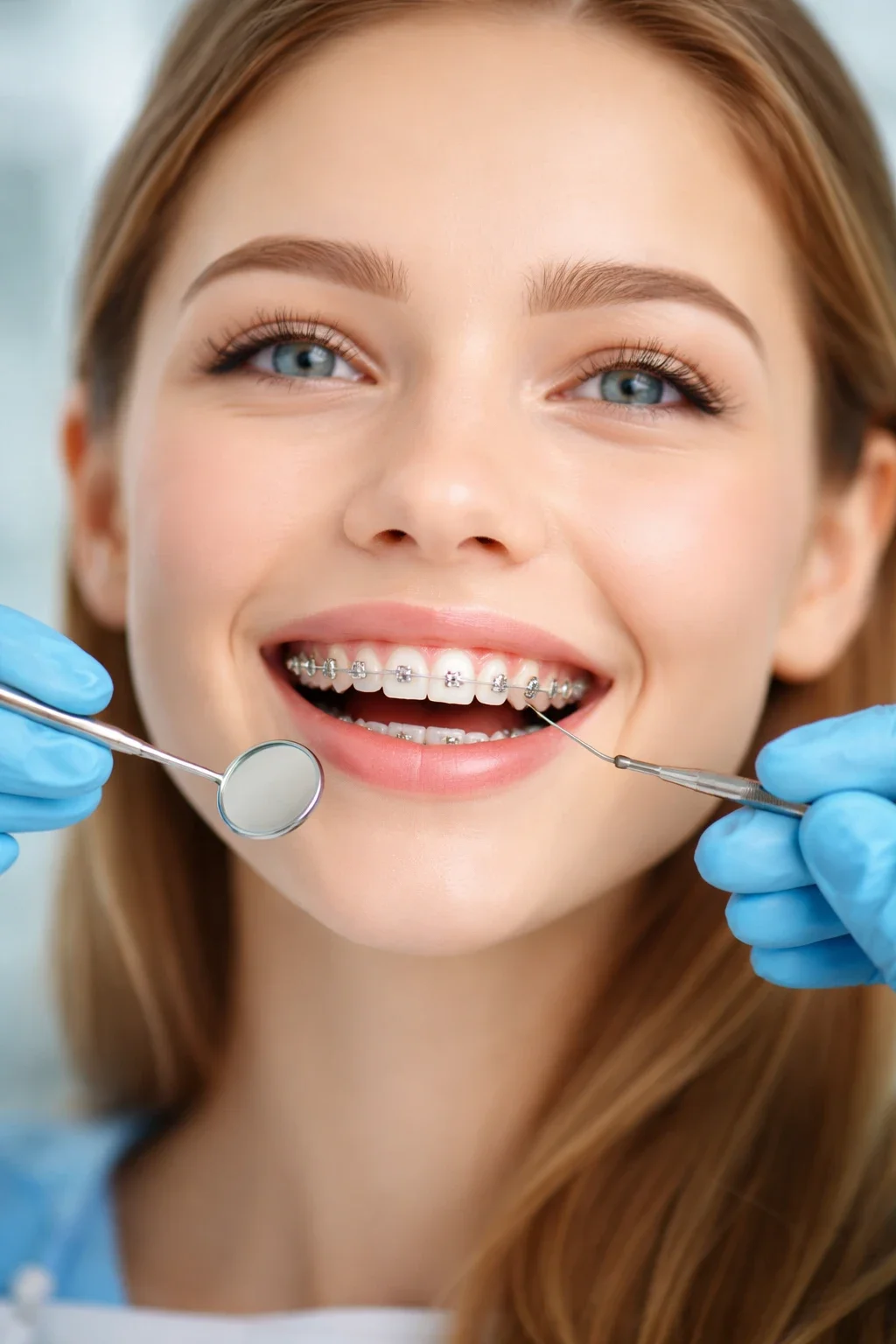
Cost, Value, and Long-Term Investment in Smile in Orthodontics
Understanding the cost and long-term value of smile in orthodontics is essential for patients considering treatment. While orthodontic care is often perceived primarily as an aesthetic expense, a smile-focused orthodontic approach represents a comprehensive investment in health, confidence, and quality of life. When evaluated over the long term, smile in orthodontics delivers value that extends far beyond the duration of active treatment 😊.
Rather than viewing orthodontics as a short-term cosmetic improvement, it is more accurate to see smile in orthodontics as a preventive and functional enhancement. Proper alignment supports oral hygiene, reduces dental complications, and contributes to emotional well-being—benefits that can last a lifetime.
What Influences the Cost of Smile in Orthodontics
The cost of smile in orthodontics varies depending on several key factors. Treatment complexity, duration, appliance type, and the level of customization all play a role. A personalized smile-focused plan often requires advanced diagnostics and careful monitoring, which can influence overall cost.
Geographic location and the orthodontist’s experience also affect pricing. Clinics that emphasize smile in orthodontics typically invest in modern technology and continuous training, ensuring higher precision and better outcomes 🧠.
Typical Treatment Cost Ranges
While exact figures vary, orthodontic treatment designed around smile in orthodontics often falls within the following general ranges:
- Traditional braces: approximately 3,000–6,000 USD
- Clear aligner treatment: approximately 3,500–7,500 USD
- Comprehensive smile-focused orthodontic plans: may vary based on customization and duration
These ranges reflect treatment that includes diagnosis, active orthodontic care, and retention planning. Patients should always confirm what is included, as comprehensive smile in orthodontics emphasizes long-term stability rather than minimal intervention.
Short-Term Cost vs. Long-Term Savings
When evaluating smile in orthodontics, it is important to consider long-term financial implications. Proper alignment reduces the risk of cavities, gum disease, and excessive tooth wear. Preventing these issues can significantly lower future dental expenses.
In this sense, smile in orthodontics often offsets its initial cost by reducing the need for restorative procedures later in life 🦷.
Emotional and Lifestyle Value
The value of smile in orthodontics is not purely financial. Increased confidence, improved social interactions, and enhanced self-image contribute to a better quality of life. These benefits, while difficult to quantify, are frequently cited by patients as the most meaningful outcomes of treatment.
Feeling comfortable smiling freely can influence personal relationships, career opportunities, and overall happiness. This emotional return on investment makes smile in orthodontics uniquely impactful 😄.
Payment Options and Accessibility
Many clinics offering smile in orthodontics provide flexible payment plans to make treatment more accessible. Monthly installments, phased payments, and tailored financial arrangements help patients manage costs without compromising care quality.
Discussing financial options during consultation allows patients to plan confidently and focus on treatment outcomes rather than financial stress 🌟.
Why Smile-Focused Orthodontics Is Worth It
Choosing a treatment plan centered on smile in orthodontics means prioritizing long-term success over quick fixes. While initial costs may appear higher than basic alignment treatments, the added value lies in facial harmony, functional efficiency, and lasting stability.
Patients who invest in smile in orthodontics often express greater satisfaction with their results, citing both aesthetic and functional improvements that endure well beyond treatment completion.
In conclusion, the cost of smile in orthodontics should be viewed through the lens of long-term value rather than short-term expense. By improving oral health, enhancing confidence, and reducing future dental risks, smile-focused orthodontic care represents a meaningful and lasting investment. When planned thoughtfully and delivered by an experienced professional, smile in orthodontics offers returns that extend across health, happiness, and everyday life.