
A bright, confident smile can transform the way you look and feel. In today’s image-conscious world, smile whitening has become one of the most requested cosmetic dental procedures. Whether you are preparing for a special event, improving your professional appearance, or simply boosting your self-confidence, smile whitening offers a safe and effective way to enhance your natural teeth color. 😊
But what exactly is smile whitening, and why is it so popular? Smile whitening refers to professional or at-home treatments designed to lighten the color of teeth and remove stains or discoloration. Over time, teeth naturally darken due to aging, food and drink consumption (such as coffee, tea, and red wine), smoking, and certain medications. Smile whitening treatments target these stains, restoring a brighter and healthier-looking smile.
There are two main types of discoloration that smile whitening addresses: extrinsic and intrinsic stains. Extrinsic stains affect the outer enamel layer and are typically caused by lifestyle habits. These stains respond very well to smile whitening treatments. Intrinsic stains, on the other hand, occur within the inner tooth structure and may result from trauma, medication, or excessive fluoride exposure. Advanced smile whitening procedures performed by dental professionals can often improve even these deeper stains.
One of the biggest reasons patients choose smile whitening is the immediate improvement in appearance. A whiter smile can make you look younger, healthier, and more vibrant. Studies consistently show that people with brighter smiles are perceived as more confident and approachable. That’s why smile whitening is not just a cosmetic trend—it’s a powerful confidence booster.
Professional smile whitening treatments typically use hydrogen peroxide or carbamide peroxide as active ingredients. These whitening agents penetrate the enamel and break down stain molecules through a safe oxidation process. When performed under professional supervision, smile whitening is both effective and controlled, minimizing risks such as tooth sensitivity or gum irritation.
At-home smile whitening kits are also widely available. These may include whitening strips, trays, pens, or gels. While they can produce noticeable improvements, they generally contain lower concentrations of whitening agents compared to in-office smile whitening procedures. As a result, the effects may take longer to appear and might not be as dramatic. For patients seeking faster and more predictable results, professional smile whitening remains the gold standard.
Safety is a common concern among patients considering smile whitening. When supervised by a qualified dentist and performed according to recommended guidelines, smile whitening is considered safe by major dental organizations, including the American Dental Association. However, it is essential to have a dental examination before starting any smile whitening treatment. Cavities, gum disease, or exposed roots should be treated first to prevent discomfort.
Another important factor to understand about smile whitening is that results are not permanent. The longevity of smile whitening depends on individual habits. Patients who avoid staining foods and beverages, maintain excellent oral hygiene, and attend regular dental check-ups can enjoy longer-lasting results. Periodic touch-up smile whitening treatments may be recommended to maintain optimal brightness.
It is also worth noting that smile whitening only works on natural teeth. Dental restorations such as crowns, veneers, and fillings do not respond to whitening agents. If you have visible restorations, your dentist may recommend a customized cosmetic plan to ensure a uniform appearance after smile whitening.
For patients who are unsure about which smile whitening option is best for them, a personalized consultation is essential. A dental professional can evaluate your tooth shade, identify the type of discoloration, assess sensitivity levels, and design a tailored smile whitening plan. If you would like expert guidance, you can reach out through the Redent Klinik Contact Page to schedule a consultation with an experienced dental team.
In summary, smile whitening is a highly effective cosmetic dental solution designed to enhance your smile safely and predictably. Whether you choose professional in-office treatment or a dentist-supervised home kit, smile whitening can dramatically improve tooth color and overall appearance. With proper care, the results of smile whitening can help you maintain a radiant, confident smile for months or even years. ✨
If you are ready to invest in your smile, smile whitening could be the first step toward a brighter, more confident version of yourself. Understanding how smile whitening works, its benefits, and its limitations will help you make an informed and confident decision.
What Is Smile Whitening and How Does It Work?
Smile whitening is a cosmetic dental procedure designed to lighten the natural color of your teeth and reduce visible stains or discoloration. Over time, teeth lose their brightness due to daily habits, aging, and environmental factors. Smile whitening works by breaking down stain molecules within the enamel and dentin layers, revealing a cleaner, brighter appearance. 😊
Understanding how smile whitening works begins with understanding tooth structure. Each tooth has an outer enamel layer and a softer inner dentin layer. While enamel appears white or slightly translucent, dentin has a yellowish tone. When enamel becomes thinner or stained, the darker dentin becomes more visible. Smile whitening targets these discolorations and restores visual brightness.
The Science Behind Smile Whitening Agents
The effectiveness of smile whitening depends on active ingredients such as hydrogen peroxide or carbamide peroxide. These compounds penetrate the enamel and release oxygen molecules. The oxygen molecules break apart stain compounds through a process called oxidation. As the stain molecules become smaller and less concentrated, teeth appear visibly whiter.
Professional smile whitening treatments typically use higher concentrations of peroxide-based gels, which deliver faster and more dramatic results. At-home smile whitening products contain lower concentrations, making them safer for unsupervised use but slower in achieving noticeable improvement.
Hydrogen Peroxide vs. Carbamide Peroxide
Hydrogen peroxide acts quickly and is often used in in-office smile whitening procedures. Carbamide peroxide breaks down into hydrogen peroxide over time, offering a slower, more controlled whitening effect. Both options are effective for smile whitening, and your dentist will recommend the most suitable one based on your needs.
Types of Stains Smile Whitening Can Treat
Smile whitening is particularly effective against extrinsic stains. These stains occur on the outer surface of the enamel and are commonly caused by coffee, tea, red wine, tobacco, and certain foods. Regular professional cleanings combined with smile whitening can significantly reduce these surface stains.
Intrinsic stains, which occur deeper inside the tooth, can also respond to advanced smile whitening techniques. These stains may result from trauma, certain medications (such as tetracycline), or excessive fluoride exposure. While intrinsic stains may require more intensive smile whitening sessions, noticeable improvement is often achievable.
In-Office Smile Whitening Procedures
In-office smile whitening is performed under professional supervision. A protective barrier is placed over the gums to prevent irritation, and a concentrated whitening gel is applied to the teeth. In many cases, a special light or laser is used to accelerate the smile whitening process.
The entire procedure usually takes about 60–90 minutes, and patients often see results immediately after the session. Because the treatment is monitored by dental professionals, smile whitening in a clinical setting provides both safety and optimal effectiveness.
At-Home Smile Whitening Options
For patients who prefer gradual improvement, dentist-supervised at-home smile whitening kits are available. These typically include custom-made trays and professional-grade whitening gel. The trays ensure even distribution of the gel, maximizing the effectiveness of smile whitening while minimizing gum irritation.
Over-the-counter smile whitening strips and pens are also widely used. However, they may not provide uniform coverage, especially for individuals with misaligned teeth. For best results, consulting a dentist before starting any smile whitening routine is strongly recommended.
How Long Does Smile Whitening Take to Show Results?
The timeline for smile whitening results depends on the method chosen. In-office smile whitening can produce visible changes in a single session. At-home smile whitening kits may require one to two weeks of consistent use before noticeable improvement appears.
Individual factors such as the severity of staining, enamel thickness, and lifestyle habits also influence the speed and effectiveness of smile whitening. Patients with heavy coffee or tobacco stains may require multiple sessions for optimal results.
Is Smile Whitening Safe?
When performed correctly, smile whitening is considered safe and effective. According to the American Dental Association, professionally supervised smile whitening procedures are generally low-risk. Some patients may experience temporary tooth sensitivity or mild gum irritation, but these effects usually subside within a few days.
Before starting smile whitening, a dental examination is essential to rule out cavities, gum disease, or enamel damage. Treating these conditions beforehand ensures that smile whitening is both comfortable and successful.
Who Is a Good Candidate for Smile Whitening?
Most adults with healthy teeth and gums are suitable candidates for smile whitening. However, it is important to understand that smile whitening works only on natural tooth structure. Crowns, veneers, and fillings do not respond to whitening agents. In such cases, your dentist may recommend alternative cosmetic solutions to maintain a uniform appearance.
If you are considering smile whitening and would like professional guidance, you can schedule a consultation through the Redent Klinik Contact Page. A personalized assessment ensures the most effective and safest smile whitening plan tailored to your goals.
In conclusion, smile whitening is a scientifically backed cosmetic dental treatment that effectively reduces discoloration and enhances your smile. By understanding how smile whitening works, the types of stains it addresses, and the available treatment options, you can make an informed decision that aligns with your expectations. With proper care and maintenance, smile whitening can significantly improve your confidence and overall appearance. ✨
Professional Smile Whitening vs At-Home Whitening Kits
When considering smile whitening, one of the most common questions patients ask is whether professional treatment is better than at-home options. Both methods aim to brighten teeth and reduce discoloration, but they differ significantly in strength, speed, safety, and long-term results. Understanding these differences will help you choose the most suitable smile whitening approach for your lifestyle and expectations. 😊
Smile whitening has become more accessible than ever. From dental clinics offering advanced laser procedures to pharmacy shelves stocked with whitening strips, trays, and pens, the choices can feel overwhelming. However, not all smile whitening methods deliver the same level of effectiveness.
What Is Professional Smile Whitening?
Professional smile whitening is performed under the supervision of a licensed dentist. It typically involves high-concentration whitening agents such as hydrogen peroxide, applied in a controlled clinical setting. This form of smile whitening is designed to produce noticeable results quickly and safely.
How In-Office Smile Whitening Works
During a professional smile whitening session, your dentist first examines your teeth and gums to ensure you are a suitable candidate. Protective barriers are placed over the gums, and a concentrated whitening gel is applied directly to the teeth. In many cases, a special light or laser activates the gel to accelerate the smile whitening process.
The entire procedure usually takes about 60 to 90 minutes. Patients often see immediate improvements after just one session. Because professional smile whitening uses stronger formulations, it can lighten teeth several shades in a single visit.
Advantages of Professional Smile Whitening
One of the main benefits of professional smile whitening is speed. If you need quick results for a wedding, job interview, or special event, this option is ideal. Professional smile whitening also offers greater safety because the procedure is closely monitored by dental experts.
Another advantage is customization. Dentists can adjust the concentration of whitening agents based on your tooth sensitivity and staining level. This personalized approach ensures optimal smile whitening results with minimal discomfort.
Professional smile whitening is also backed by trusted organizations such as the American Dental Association, which supports dentist-supervised cosmetic treatments as safe and effective when properly administered.
What Are At-Home Smile Whitening Kits?
At-home smile whitening products include over-the-counter strips, gels, trays, and LED kits. These products contain lower concentrations of whitening agents compared to professional smile whitening systems. As a result, they typically require longer usage periods to achieve noticeable results.
Dentist-supervised home smile whitening kits are also available. These include custom-made trays designed to fit your teeth precisely. The custom fit ensures even distribution of the whitening gel, making this type of smile whitening more effective than generic store-bought options.
How Long Do At-Home Results Take?
At-home smile whitening usually takes one to three weeks of consistent application before visible improvement appears. Because the peroxide concentration is lower, the whitening effect develops gradually. While results may not be as dramatic as professional smile whitening, many patients find them satisfactory for mild to moderate stains.
Cost Comparison: Professional vs At-Home Smile Whitening
Cost is often a deciding factor. Professional smile whitening treatments typically range between $300 and $800 per session, depending on the clinic, technology used, and geographic location. Laser-enhanced smile whitening may cost more due to advanced equipment.
In contrast, over-the-counter smile whitening kits usually cost between $20 and $150. Dentist-supervised take-home kits may range from $200 to $400. While at-home smile whitening appears more affordable upfront, multiple purchases may be needed to maintain results.
Effectiveness and Longevity of Results
Professional smile whitening generally provides longer-lasting results compared to over-the-counter products. Because the whitening agents are stronger and applied evenly, the brightness achieved through clinical smile whitening can last from one to three years with proper care.
At-home smile whitening results typically last several months, depending on lifestyle habits. Frequent consumption of staining foods or beverages can reduce longevity. Regardless of the method chosen, maintaining good oral hygiene is essential for preserving smile whitening results.
Safety Considerations
Both professional and at-home smile whitening are considered safe when used correctly. However, unsupervised overuse of whitening strips or gels can cause tooth sensitivity or gum irritation. Professional smile whitening minimizes these risks because the procedure is carefully monitored.
Patients with sensitive teeth may benefit more from customized professional smile whitening plans. Dentists can apply desensitizing treatments before or after whitening sessions to enhance comfort.
Which Smile Whitening Option Is Right for You?
The best smile whitening option depends on your goals, budget, and dental condition. If you want fast, dramatic results and maximum safety, professional smile whitening is the ideal choice. If you prefer gradual improvement and lower upfront costs, at-home smile whitening may be sufficient.
For personalized advice, consider scheduling a consultation through the Redent Klinik Contact Page. A dental professional can evaluate your teeth and recommend the most effective smile whitening strategy tailored to your needs.
In conclusion, both professional and at-home smile whitening methods have their advantages. By understanding the differences in cost, speed, safety, and effectiveness, you can confidently select the smile whitening approach that aligns with your expectations. A brighter, more confident smile is within reach — the key is choosing the right method for you. ✨
Laser Smile Whitening: Is It Worth It?
Laser smile whitening has gained significant popularity in recent years as one of the fastest and most advanced cosmetic dental procedures available. Many patients are drawn to this method because it promises dramatic results in a single visit. But is laser smile whitening truly worth the investment? To answer this question, it’s important to understand how the procedure works, who it benefits most, and how it compares to other smile whitening options. ✨
Smile whitening using laser technology is considered an enhanced version of professional in-office whitening. The main difference lies in the activation method. While traditional in-office smile whitening relies solely on high-concentration whitening gel, laser smile whitening uses a focused light beam to accelerate the chemical reaction of the whitening agent. This can significantly shorten treatment time while boosting visible brightness.
How Does Laser Smile Whitening Work?
Laser smile whitening begins with a thorough dental examination to ensure your teeth and gums are healthy. Any cavities or gum inflammation must be treated before proceeding. Once you are cleared for smile whitening, a protective barrier is applied to shield your gums and soft tissues.
A professional-strength whitening gel containing hydrogen peroxide is then carefully applied to the surface of the teeth. The dentist activates the gel using a specialized laser or LED light. The light energy enhances the breakdown of stain molecules within the enamel and dentin layers. As a result, smile whitening occurs more rapidly and often more effectively compared to traditional methods.
How Long Does the Procedure Take?
Most laser smile whitening sessions last between 60 and 90 minutes. Some systems involve multiple short light-activation cycles during the same appointment. Patients often notice immediate improvement in tooth shade after just one session of smile whitening.
Advantages of Laser Smile Whitening
One of the biggest advantages of laser smile whitening is speed. If you are preparing for a special occasion such as a wedding, graduation, or important business meeting, this type of smile whitening can provide fast and impressive results.
Another benefit is precision. Because laser smile whitening is performed under professional supervision, the dentist can monitor the entire process. This ensures even coverage and reduces the risk of uneven color or gum irritation.
Laser smile whitening is also ideal for patients with moderate to severe staining. Deep discoloration caused by coffee, tea, smoking, or aging may respond better to laser-enhanced smile whitening compared to at-home treatments.
Is Laser Smile Whitening Safe?
When performed by a qualified dental professional, laser smile whitening is considered safe and effective. According to the American Dental Association, professionally supervised smile whitening procedures have a strong safety profile.
Some patients may experience temporary tooth sensitivity after laser smile whitening. This sensitivity usually resolves within a few days. Dentists often apply desensitizing agents to minimize discomfort. Proper patient evaluation before starting smile whitening significantly reduces potential side effects.
How Much Does Laser Smile Whitening Cost?
Laser smile whitening is generally more expensive than traditional whitening methods due to the advanced technology involved. On average, laser smile whitening costs between $500 and $1,200 per session, depending on the clinic location and equipment used.
Although the upfront cost may be higher, many patients find laser smile whitening worthwhile because of its long-lasting and dramatic results. In comparison, repeated purchases of at-home smile whitening kits may add up over time.
How Long Do Laser Smile Whitening Results Last?
The longevity of laser smile whitening depends on individual habits. Patients who maintain good oral hygiene and limit staining foods or beverages can enjoy results for one to three years. Regular dental cleanings help preserve the brightness achieved through smile whitening.
Touch-up treatments may be recommended once or twice a year to maintain optimal results. Fortunately, these follow-up smile whitening sessions are usually shorter and more affordable than the initial procedure.
Who Is an Ideal Candidate for Laser Smile Whitening?
Laser smile whitening is suitable for most adults with healthy teeth and gums. However, it is important to understand that smile whitening does not change the color of crowns, veneers, or fillings. If you have visible dental restorations, your dentist may discuss alternative cosmetic solutions.
Patients with extremely sensitive teeth may require a modified smile whitening approach. A professional consultation ensures that laser smile whitening is appropriate for your specific dental condition.
Is Laser Smile Whitening Worth It?
For patients seeking fast, noticeable, and long-lasting results, laser smile whitening is often worth the investment. The combination of advanced technology, professional supervision, and powerful whitening agents makes this type of smile whitening one of the most effective options available.
If you are considering laser smile whitening and want personalized advice, you can schedule a consultation through the Redent Klinik Contact Page. A tailored treatment plan ensures that your smile whitening journey is both safe and successful.
In conclusion, laser smile whitening offers speed, precision, and impressive results. While it may cost more than other methods, many patients value the immediate transformation and confidence boost it provides. By understanding the benefits, safety considerations, and long-term expectations of laser smile whitening, you can confidently decide whether this advanced smile whitening technique is right for you. 😊
Natural Methods for Smile Whitening: Do They Really Work?
In recent years, natural smile whitening methods have gained popularity across social media and health blogs. Many people are searching for affordable, chemical-free alternatives to professional treatments. But do these home remedies truly deliver safe and effective smile whitening results, or are they simply trends without scientific backing? 🤔 In this section, we will explore the most common natural approaches, evaluate their effectiveness, and explain whether they can realistically replace professional smile whitening procedures.
Natural smile whitening techniques typically rely on ingredients that are easy to find at home. Baking soda, activated charcoal, coconut oil, hydrogen peroxide (in diluted form), and certain fruits are often promoted as solutions for teeth whitening. While some of these methods may help remove minor surface stains, it is essential to understand their limitations and potential risks.
Baking Soda for Smile Whitening
Baking soda is one of the most commonly recommended natural smile whitening agents. It is mildly abrasive, which means it can help scrub away surface stains caused by coffee, tea, or tobacco. Many toothpaste brands include baking soda because of its stain-removal properties.
However, while baking soda may improve the appearance of extrinsic stains, it does not penetrate the enamel to provide deep smile whitening. Overuse can also wear down enamel, potentially leading to tooth sensitivity. For this reason, dentists recommend using baking soda in moderation and not as a daily substitute for professional smile whitening products.
Is Baking Soda Safe for Daily Use?
Occasional use of baking soda may support mild smile whitening, but aggressive brushing with abrasive powders can damage enamel. Enamel does not regenerate, so protecting it is critical for long-term oral health.
Activated Charcoal: Trend or Treatment?
Activated charcoal has become a viral smile whitening trend. It is believed to bind to toxins and stains on the tooth surface, helping remove discoloration. While some users report temporary brightness after brushing with charcoal, scientific evidence supporting its effectiveness for true smile whitening is limited.
Like baking soda, charcoal is abrasive. Frequent use may scratch enamel and increase tooth sensitivity. Although it may contribute to short-term cosmetic improvement, it does not offer the same level of deep smile whitening achieved through professional peroxide-based treatments.
Oil Pulling for Smile Whitening
Oil pulling involves swishing coconut oil in the mouth for 10–20 minutes. This ancient practice is believed to reduce bacteria and improve oral hygiene. While oil pulling may promote healthier gums and fresher breath, its ability to produce noticeable smile whitening is minimal.
Some individuals report slight brightness after consistent oil pulling, but this is likely due to improved plaque control rather than actual bleaching. Oil pulling should not be considered a replacement for professional smile whitening, especially for moderate to severe stains.
Hydrogen Peroxide (Diluted) for Smile Whitening
Hydrogen peroxide is the active ingredient in most professional smile whitening treatments. Some people attempt to replicate professional results by using diluted hydrogen peroxide at home. While low concentrations may contribute to mild smile whitening, improper dilution or overuse can irritate gums and damage enamel.
Professional smile whitening systems carefully control peroxide concentration to ensure safety and effectiveness. According to the American Dental Association, dentist-supervised whitening procedures are the safest way to achieve predictable results.
Fruits Like Strawberries and Lemon Juice
Some natural smile whitening advocates suggest rubbing strawberries or lemon juice on teeth. Strawberries contain malic acid, which may help remove surface stains. Lemon juice, being acidic, can temporarily brighten enamel.
However, acidic substances can erode enamel over time. This erosion may make teeth appear darker in the long run because the yellow dentin layer becomes more visible. Therefore, using acidic fruits as a smile whitening method can do more harm than good if practiced frequently.
Can Natural Smile Whitening Replace Professional Treatment?
Natural methods may provide minor improvements for very light surface stains, but they cannot match the power of professional smile whitening. Deep discoloration, intrinsic stains, and age-related darkening require peroxide-based treatments that penetrate enamel effectively.
Additionally, professional smile whitening offers customization. Dentists evaluate tooth sensitivity, enamel thickness, and overall oral health before recommending a whitening plan. This personalized approach ensures safe and long-lasting smile whitening results.
Are Natural Methods Ever Useful?
Natural remedies may support smile whitening maintenance after a professional treatment. For example, occasional use of baking soda toothpaste can help reduce new surface stains. However, they should complement—not replace—clinically approved smile whitening solutions.
If you are considering professional smile whitening and would like expert advice tailored to your dental health, you can book a consultation through the Redent Klinik Contact Page. A dentist can assess your goals and recommend the safest and most effective smile whitening strategy.
In conclusion, while natural smile whitening methods may appear attractive due to their affordability and simplicity, they offer limited effectiveness. For noticeable, long-lasting, and safe results, professionally supervised smile whitening remains the most reliable option. By understanding the risks and benefits of each approach, you can make an informed decision that protects your enamel while enhancing your smile. ✨
How Long Does Smile Whitening Last?
One of the most frequently asked questions about smile whitening is how long the results actually last. While smile whitening can dramatically brighten your teeth and enhance your confidence, the longevity of the results depends on several important factors. Understanding these variables will help you maintain your brighter smile for as long as possible. 😊
In general, professional smile whitening results can last anywhere from several months to three years. However, this timeframe is not the same for everyone. Lifestyle habits, oral hygiene routines, and the type of smile whitening treatment used all play a significant role in determining how long your teeth remain bright.
Factors That Affect the Longevity of Smile Whitening
Smile whitening results are influenced by both internal and external factors. External factors typically relate to daily habits, while internal factors may involve enamel thickness or natural tooth color.
1. Dietary Habits
After smile whitening, teeth are slightly more porous for a short period. Consuming dark-colored beverages such as coffee, tea, red wine, and soda can cause staining to return more quickly. Foods like berries, soy sauce, and tomato-based sauces can also impact smile whitening results.
Patients who limit staining foods and beverages tend to enjoy longer-lasting smile whitening effects. Drinking through a straw and rinsing your mouth with water after consuming staining drinks can help preserve brightness.
2. Smoking and Tobacco Use
Tobacco is one of the biggest enemies of smile whitening. Nicotine and tar easily penetrate enamel and create yellow or brown stains. For patients who smoke regularly, smile whitening results may fade significantly faster compared to non-smokers.
3. Oral Hygiene Routine
Maintaining good oral hygiene is essential for protecting smile whitening results. Brushing twice daily with a fluoride toothpaste, flossing regularly, and attending professional cleanings every six months can help extend the effects of smile whitening.
Type of Smile Whitening Treatment Matters
The method you choose for smile whitening directly affects how long the results last. Professional in-office smile whitening generally produces longer-lasting results compared to over-the-counter kits.
Laser-enhanced smile whitening, for example, often provides deeper stain removal. As a result, the brightness achieved through professional smile whitening can remain visible for one to three years with proper care.
In contrast, at-home smile whitening strips or generic trays may deliver more subtle changes. Their results typically last between three to six months, depending on maintenance habits.
Does Age Affect Smile Whitening Longevity?
Yes, age can influence smile whitening durability. As we age, enamel naturally becomes thinner, exposing more of the yellow dentin layer underneath. This means that smile whitening may need to be repeated more frequently in older adults to maintain the same level of brightness.
However, modern smile whitening techniques are highly effective for patients of various ages. A professional consultation ensures the most appropriate approach for your specific dental profile.
How to Maintain Smile Whitening Results
Proper aftercare is essential for preserving your smile whitening investment. Dentists often recommend avoiding strongly pigmented foods and beverages for at least 48 hours after treatment. During this time, teeth are more susceptible to staining.
Using whitening-friendly toothpaste can help maintain smile whitening results. These products typically contain mild polishing agents designed to reduce surface stains without damaging enamel.
Regular professional cleanings also play a key role. Plaque buildup can dull the appearance of your smile whitening results. Routine cleanings remove these deposits and restore brightness.
Touch-Up Treatments
Many patients benefit from periodic touch-up smile whitening sessions. These sessions are usually shorter and less intensive than the initial procedure. Depending on your habits, a touch-up once or twice a year can keep your smile whitening results looking fresh and vibrant.
Dentist-supervised take-home trays are a convenient way to maintain smile whitening over time. These custom trays allow you to refresh your smile safely without undergoing a full in-office procedure each time.
Are Smile Whitening Results Permanent?
Smile whitening is not permanent because teeth are constantly exposed to staining substances. However, with proper care and maintenance, the results can be long-lasting and highly satisfying.
According to the American Dental Association, professionally supervised smile whitening treatments are safe and effective, but maintenance is essential for long-term success.
When Should You Consider Repeating Smile Whitening?
If you notice gradual discoloration returning or feel that your smile has lost its brightness, it may be time to consider another smile whitening session. The ideal timing varies from person to person.
If you would like professional guidance on maintaining or refreshing your smile whitening results, you can contact a dental specialist through the Redent Klinik Contact Page. A customized plan ensures your smile whitening remains both safe and effective.
In conclusion, the longevity of smile whitening depends largely on lifestyle choices and maintenance habits. While professional smile whitening can last up to three years, proper care is crucial for preserving those results. By understanding how to protect your investment, you can enjoy a brighter, more confident smile for as long as possible. ✨
Smile Whitening Costs in 2026: What to Expect
Understanding the cost of smile whitening is an essential step before starting treatment. While many patients focus on the cosmetic benefits, financial planning is just as important. In 2026, smile whitening prices vary depending on the method chosen, the clinic’s location, and the technology used. This section provides a clear and realistic overview of smile whitening costs, helping you make an informed decision. 💡
Smile whitening is considered a cosmetic dental procedure, which means it is usually not covered by standard dental insurance plans. However, many clinics offer flexible payment options to make smile whitening more accessible.
Average Cost of Professional Smile Whitening
Professional in-office smile whitening remains the most popular and effective option. In 2026, the average cost for professional smile whitening ranges between $300 and $800 per session. The final price depends on the type of system used and the experience of the dental professional.
Laser Smile Whitening Costs
Laser-enhanced smile whitening typically costs between $500 and $1,200 per treatment. This higher price reflects the advanced technology and faster results associated with laser systems. Because laser smile whitening often produces immediate improvements, many patients find it worth the investment.
Cost of Dentist-Supervised At-Home Smile Whitening
Dentist-supervised take-home smile whitening kits usually cost between $200 and $400. These kits include custom-made trays and professional-grade whitening gel. Although they require daily use over one to two weeks, the results can be comparable to in-office smile whitening for mild to moderate stains.
This option offers a balance between affordability and effectiveness, making it a popular choice among patients who prefer gradual smile whitening improvement.
Over-the-Counter Smile Whitening Products
Over-the-counter smile whitening strips, pens, and trays are the most budget-friendly options. Prices generally range from $20 to $150. While these products are widely available and convenient, their peroxide concentration is lower than professional smile whitening systems.
As a result, noticeable changes may take longer, and the results are usually less dramatic. Additionally, improper use of store-bought smile whitening products can increase the risk of tooth sensitivity.
What Influences Smile Whitening Costs?
Several factors can influence the final price of smile whitening treatment. Geographic location plays a significant role, as clinics in major metropolitan areas may charge more than those in smaller towns. The reputation and expertise of the dentist also impact the cost.
Another important factor is the severity of staining. Deep intrinsic stains may require multiple smile whitening sessions, increasing the overall expense. Patients with sensitive teeth may also require additional protective treatments.
Is Smile Whitening Worth the Investment?
For many individuals, smile whitening is more than a cosmetic procedure — it is a confidence booster. A brighter smile can improve self-esteem, enhance professional image, and create positive first impressions. When compared to other cosmetic dental procedures such as veneers or crowns, smile whitening is relatively affordable.
While the initial cost may seem significant, especially for laser smile whitening, the long-lasting results often justify the investment. Proper maintenance can extend the effects of smile whitening for one to three years.
Are There Financing Options for Smile Whitening?
Many dental clinics now offer flexible financing plans for smile whitening treatments. Monthly payment options can make professional smile whitening more accessible without requiring a large upfront payment.
If you are interested in learning about available payment plans or personalized smile whitening options, you can visit the Redent Klinik Contact Page to schedule a consultation.
How to Protect Your Smile Whitening Investment
After investing in smile whitening, maintaining results is crucial to avoid unnecessary repeat expenses. Limiting staining foods and beverages, quitting smoking, and maintaining excellent oral hygiene can significantly extend the lifespan of your smile whitening results.
According to the American Dental Association, professional dental supervision ensures that smile whitening treatments are both safe and effective. Choosing a qualified provider may slightly increase the initial cost but reduces the risk of complications.
Hidden Costs to Consider
Some patients may require dental cleaning before starting smile whitening. Professional cleaning costs typically range from $75 to $200. Addressing cavities or gum issues beforehand may also add to the total cost.
Touch-up treatments, which help maintain smile whitening brightness, may cost between $100 and $300 depending on the method used. Planning for these additional expenses ensures long-term satisfaction.
In conclusion, smile whitening costs in 2026 vary widely depending on the chosen method and individual needs. Professional in-office smile whitening offers the fastest and most dramatic results, while at-home options provide a more affordable alternative. By understanding the financial aspects and long-term maintenance requirements, you can confidently choose the smile whitening solution that aligns with your goals and budget. ✨
Is Smile Whitening Safe for Sensitive Teeth?
Many patients who are interested in smile whitening worry about one important issue: tooth sensitivity. If you already experience discomfort when consuming hot or cold foods, you may wonder whether smile whitening will make the problem worse. The good news is that modern smile whitening techniques are safer and more customizable than ever before. When performed correctly and under professional supervision, smile whitening can be adapted for individuals with sensitive teeth. 😊
To understand how smile whitening affects sensitive teeth, it is important to first understand what causes sensitivity. Tooth sensitivity typically occurs when enamel becomes thinner or when gums recede, exposing the dentin layer underneath. Dentin contains microscopic tubules that connect to the nerve of the tooth. When exposed to temperature changes or whitening agents, these tubules can trigger discomfort.
Why Does Smile Whitening Cause Sensitivity?
Smile whitening works by using peroxide-based agents to penetrate enamel and break down stain molecules. During this process, the whitening gel temporarily opens the enamel pores, allowing the active ingredients to reach deeper layers. While this is essential for effective smile whitening, it can also stimulate the dentin and nerves, leading to temporary sensitivity.
This sensitivity is usually mild and short-lived. For most patients, discomfort disappears within 24 to 72 hours after smile whitening treatment. However, individuals who already have sensitive teeth may experience stronger reactions if proper precautions are not taken.
Is Sensitivity Permanent After Smile Whitening?
No, in the vast majority of cases, sensitivity caused by smile whitening is temporary. The enamel pores naturally close again after treatment, and the nerve stimulation subsides. Permanent damage from professionally supervised smile whitening is extremely rare.
Professional Smile Whitening for Sensitive Teeth
One of the safest ways to undergo smile whitening with sensitive teeth is through professional in-office treatment. Dentists can adjust the peroxide concentration and treatment duration to minimize discomfort. Some smile whitening systems are specifically designed for patients with sensitivity concerns.
Before starting smile whitening, your dentist may recommend desensitizing toothpaste containing potassium nitrate or fluoride. These ingredients help block nerve signals and strengthen enamel, making smile whitening more comfortable.
Customized Smile Whitening Plans
Dentist-supervised smile whitening allows for personalized adjustments. For example, treatment sessions can be shorter or spaced further apart. In some cases, lower-concentration whitening gel is used to achieve gradual but effective smile whitening without triggering strong sensitivity.
At-Home Smile Whitening and Sensitivity Risks
Over-the-counter smile whitening products may increase the risk of sensitivity if used incorrectly. Because these products are not customized, the trays or strips may not fit properly, causing gel to come into contact with the gums. This can lead to irritation in addition to tooth sensitivity.
If you choose at-home smile whitening, it is essential to follow the instructions carefully. Avoid overuse, as excessive application can damage enamel and worsen sensitivity. Consulting a dental professional before starting any smile whitening routine is highly recommended.
Tips to Reduce Sensitivity During Smile Whitening
There are several effective strategies to make smile whitening more comfortable for sensitive teeth:
- Use a desensitizing toothpaste for two weeks before starting smile whitening.
- Avoid extremely hot or cold foods immediately after treatment.
- Follow your dentist’s recommended treatment schedule.
- Do not exceed the advised duration for at-home smile whitening products.
These simple precautions can significantly reduce discomfort and help you enjoy safe smile whitening results.
Who Should Avoid Smile Whitening?
Patients with untreated cavities, cracked teeth, or active gum disease should postpone smile whitening until these issues are addressed. Whitening agents can penetrate damaged enamel and increase pain. A comprehensive dental examination ensures that smile whitening is safe for your specific oral health condition.
According to the American Dental Association, professionally supervised smile whitening is considered safe when performed on healthy teeth and gums. This highlights the importance of consulting a qualified dentist before starting treatment.
Long-Term Safety of Smile Whitening
When performed responsibly, smile whitening does not weaken teeth or permanently damage enamel. Modern whitening formulas are carefully balanced to ensure effective stain removal without compromising structural integrity.
In fact, many patients with sensitive teeth successfully undergo smile whitening every year without significant complications. The key lies in professional guidance and proper aftercare.
When to Seek Professional Advice
If you experience prolonged or severe discomfort after smile whitening, you should contact your dentist. Persistent pain may indicate an underlying issue that requires attention.
If you are concerned about sensitivity but still want a brighter smile, you can schedule a personalized consultation through the Redent Klinik Contact Page. A customized smile whitening plan ensures both safety and optimal results.
In conclusion, smile whitening is generally safe for sensitive teeth when performed under proper supervision. While temporary sensitivity is common, it is manageable and short-lived in most cases. With the right precautions, even individuals with sensitive teeth can safely enjoy the benefits of smile whitening and achieve a brighter, more confident smile. ✨
Common Myths and Mistakes About Smile Whitening
Smile whitening is one of the most popular cosmetic dental treatments worldwide, yet it is also surrounded by myths and misinformation. Many patients delay or avoid smile whitening because they believe inaccurate claims about safety, effectiveness, or long-term effects. In this section, we will address the most common myths and mistakes related to smile whitening and provide clear, evidence-based explanations. Understanding the truth helps you make confident and informed decisions about your oral health. 😊
Myth #1: Smile Whitening Damages Enamel Permanently
One of the biggest misconceptions is that smile whitening permanently damages tooth enamel. In reality, professionally supervised smile whitening does not destroy enamel when performed correctly. Whitening agents temporarily open the pores of the enamel to break down stain molecules, but the enamel naturally remineralizes afterward.
According to the American Dental Association, dentist-supervised smile whitening is considered safe for healthy teeth. Problems typically arise only when individuals misuse over-the-counter products or over-whiten their teeth without guidance.
What Actually Causes Enamel Damage?
Excessive use of abrasive products, aggressive brushing, and ignoring professional advice can harm enamel. Responsible smile whitening under professional supervision minimizes these risks significantly.
Myth #2: Smile Whitening Results Are Permanent
Another common myth is that smile whitening lasts forever. While smile whitening can provide long-lasting brightness, it is not permanent. Teeth are constantly exposed to staining substances such as coffee, tea, red wine, and tobacco.
With proper maintenance and good oral hygiene, smile whitening results can last one to three years. However, touch-up treatments are often necessary to maintain optimal brightness over time.
Myth #3: Natural Remedies Are Just as Effective as Professional Smile Whitening
Many social media trends promote baking soda, charcoal, or lemon juice as alternatives to professional smile whitening. While some natural methods may remove minor surface stains, they do not penetrate enamel deeply enough to produce significant whitening results.
Professional smile whitening uses peroxide-based formulas specifically designed to break down stain molecules safely and effectively. Natural remedies, especially acidic substances, may actually weaken enamel if overused.
Myth #4: Smile Whitening Works on Crowns and Veneers
Smile whitening only affects natural tooth structure. Dental restorations such as crowns, veneers, and fillings do not respond to whitening agents. This is an important factor to consider before starting smile whitening treatment.
If you have visible restorations, your dentist may recommend replacing them after smile whitening to match the new tooth shade. A professional consultation ensures a uniform and aesthetically pleasing result.
Common Mistake #1: Overusing Whitening Products
One of the most common mistakes is overusing smile whitening products in hopes of achieving faster results. Excessive application can lead to tooth sensitivity and gum irritation. More is not always better when it comes to smile whitening.
Following the recommended duration and frequency ensures safe and effective results. Dentist-supervised smile whitening offers customized plans that minimize risks.
Common Mistake #2: Skipping a Dental Check-Up Before Smile Whitening
Starting smile whitening without a prior dental examination can be problematic. Cavities, gum disease, or enamel erosion should be treated before undergoing whitening procedures. Whitening agents can irritate damaged areas and cause discomfort.
A professional assessment ensures that smile whitening is appropriate for your oral health condition.
Common Mistake #3: Ignoring Aftercare Instructions
After smile whitening, teeth may be more susceptible to staining for a short period. Consuming dark beverages immediately after treatment can reduce the effectiveness of smile whitening.
Dentists typically recommend avoiding staining foods and beverages for at least 48 hours. Proper aftercare significantly extends smile whitening results.
Myth #5: Smile Whitening Is Unsafe for Everyone
While smile whitening may not be suitable for certain individuals—such as pregnant women or patients with severe gum disease—it is generally safe for healthy adults. Professional evaluation ensures that smile whitening is performed under the safest conditions.
If you are unsure whether smile whitening is right for you, consulting a dental professional is the best approach. You can schedule an appointment through the Redent Klinik Contact Page to receive personalized advice.
Understanding the Facts About Smile Whitening
Separating myths from facts is essential for making informed decisions about smile whitening. Scientific evidence supports the safety and effectiveness of professionally supervised treatments. Temporary sensitivity may occur, but serious complications are rare when guidelines are followed.
By avoiding common mistakes and relying on professional guidance, you can achieve safe and long-lasting smile whitening results. Education empowers patients to enjoy cosmetic dentistry confidently and responsibly.
In conclusion, smile whitening remains one of the safest and most effective cosmetic dental treatments when performed properly. Misconceptions often discourage individuals from pursuing treatment, but understanding the facts eliminates unnecessary fear. With correct usage, professional supervision, and proper aftercare, smile whitening can deliver impressive, confidence-boosting results without compromising oral health. ✨
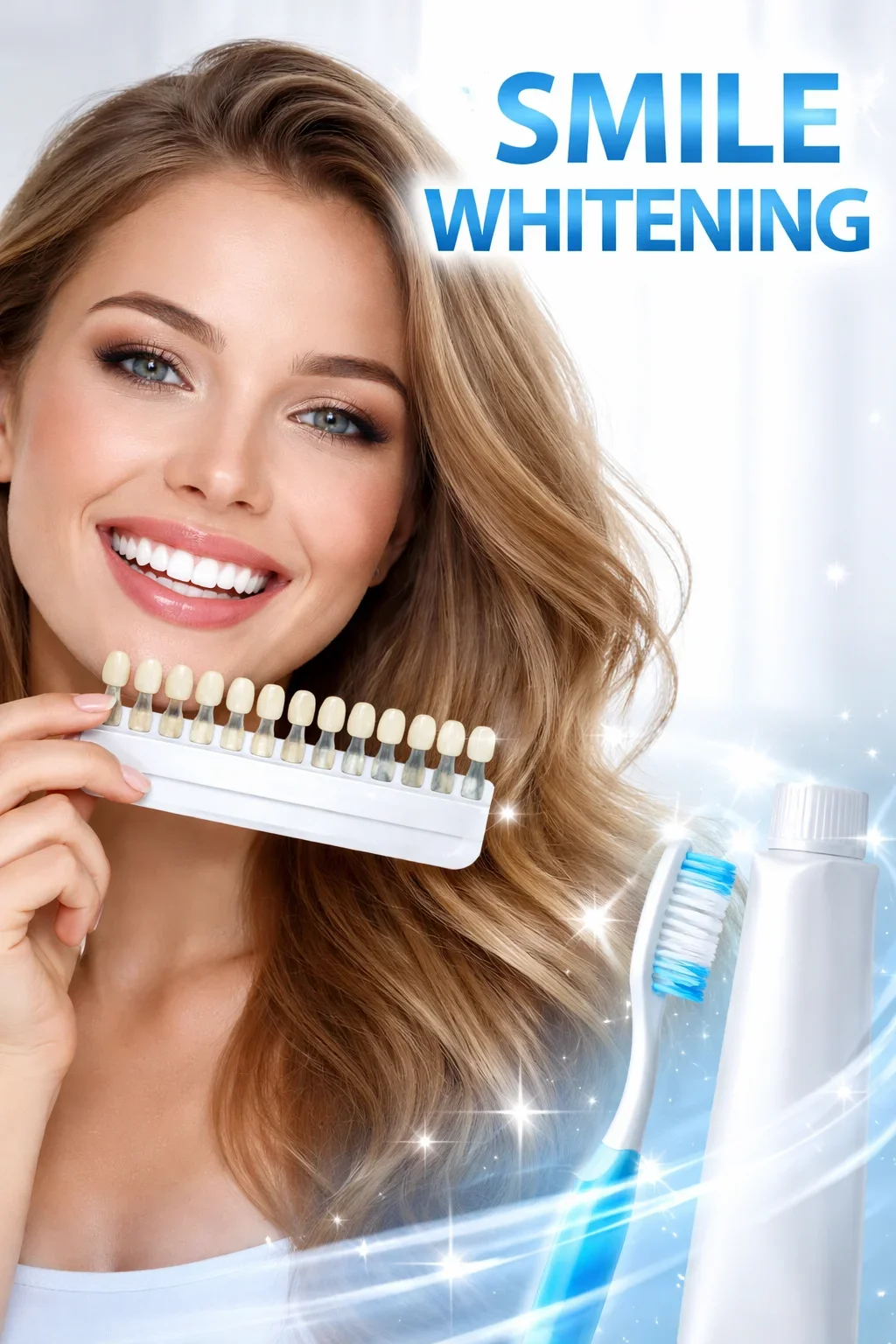
How to Maintain Your Smile Whitening Results
Achieving brighter teeth through smile whitening is an exciting transformation, but maintaining those results requires consistent care and smart lifestyle choices. While professional smile whitening can significantly improve the color of your teeth, the long-term success of your treatment depends largely on your daily habits. In this section, we will explore practical, evidence-based strategies to protect and extend your smile whitening results for as long as possible. ✨
It is important to understand that smile whitening is not permanent. Teeth are naturally exposed to staining agents every day. However, with proper maintenance, the brightness achieved through smile whitening can last one to three years or even longer in some cases.
Follow the 48-Hour Rule After Smile Whitening
The first 48 hours after smile whitening are crucial. During this period, enamel pores remain slightly open, making teeth more susceptible to new stains. Dentists often recommend avoiding highly pigmented foods and beverages immediately after smile whitening.
Foods and Drinks to Avoid Temporarily
- Coffee and black tea
- Red wine
- Dark sodas
- Tomato-based sauces
- Berries and soy sauce
Choosing light-colored foods such as rice, chicken, yogurt, and milk during this window can help preserve smile whitening results.
Maintain Excellent Oral Hygiene
Daily oral hygiene plays a vital role in extending smile whitening results. Brushing at least twice a day with a fluoride toothpaste removes plaque buildup and surface stains before they accumulate.
Flossing is equally important because plaque between teeth can dull the appearance of smile whitening over time. Professional dental cleanings every six months further support long-lasting smile whitening by removing tartar and stains that brushing alone cannot eliminate.
Use Whitening-Friendly Toothpaste
After smile whitening, many dentists recommend using a whitening maintenance toothpaste. These products contain mild polishing agents that help reduce surface stains without damaging enamel. However, it is important not to overuse abrasive formulas, as excessive abrasion may compromise enamel integrity.
For personalized recommendations on products that complement your smile whitening results, you can consult a dental professional through the Redent Klinik Contact Page.
Limit Staining Habits
One of the biggest threats to smile whitening longevity is frequent exposure to staining substances. Smoking and tobacco use are major contributors to discoloration. Nicotine and tar easily penetrate enamel, reducing the brightness achieved through smile whitening.
If quitting completely is not immediately possible, reducing tobacco consumption can still help protect your smile whitening results.
Smart Drinking Habits
When consuming coffee or tea, using a straw can minimize contact with your teeth. Rinsing your mouth with water afterward can also reduce staining effects. These small habits significantly extend the lifespan of smile whitening.
Consider Periodic Touch-Up Treatments
Even with excellent care, gradual discoloration may occur over time. Touch-up smile whitening treatments are an effective way to refresh your results. These sessions are typically shorter and less intensive than the initial procedure.
Dentist-supervised take-home trays can also be used periodically to maintain smile whitening brightness. Touch-ups once or twice a year are often sufficient for most patients.
Stay Hydrated for Healthier Teeth
Drinking plenty of water throughout the day helps wash away food particles and staining compounds. Saliva also plays a protective role by neutralizing acids and supporting enamel remineralization, which helps preserve smile whitening effects.
Address Sensitivity Properly
Some patients experience mild sensitivity after smile whitening. Using desensitizing toothpaste and avoiding extreme temperatures can protect enamel and ensure that smile whitening maintenance remains comfortable.
If sensitivity persists, consulting a dental professional is recommended. According to the American Dental Association, professional guidance ensures safe and effective smile whitening maintenance.
Understand That Lifestyle Impacts Results
Ultimately, the longevity of smile whitening depends on lifestyle choices. Individuals who avoid heavy staining habits and maintain excellent oral hygiene often enjoy longer-lasting results. Those with frequent exposure to dark beverages may require more regular maintenance.
Consistency is key. Treat smile whitening as an investment that requires ongoing care rather than a one-time solution.
Create a Personalized Smile Whitening Maintenance Plan
Every patient’s dental profile is unique. Factors such as enamel thickness, diet, age, and oral hygiene habits influence smile whitening durability. A customized maintenance plan developed with your dentist ensures the best possible long-term results.
In conclusion, maintaining smile whitening results is entirely achievable with proper care and mindful habits. By following professional advice, limiting staining exposure, and scheduling periodic touch-ups, you can preserve the brightness of your smile whitening treatment for years. A radiant smile not only enhances your appearance but also strengthens your confidence in everyday life. 😊