
Social media dentistry has transformed the way modern dental clinics connect with patients, build trust, and grow their reputation online. In today’s digital-first world, patients no longer rely solely on word-of-mouth referrals or traditional advertising. Instead, they explore Instagram profiles, watch TikTok videos, read Facebook reviews, and evaluate Google ratings before scheduling an appointment. This shift has made social media dentistry not just a marketing option—but a strategic necessity for dental practices that want to stay competitive in 2026 and beyond. 🦷📱
At its core, social media dentistry refers to the strategic use of social media platforms to educate patients, showcase treatments, build brand authority, and increase appointment bookings. Unlike traditional marketing, which pushes information outward, social media dentistry creates two-way communication. Patients can comment, ask questions, share experiences, and interact directly with the dental team. This interaction builds familiarity and reduces anxiety—two powerful psychological drivers in healthcare decision-making.
Modern patients want transparency. They want to see before-and-after cases, clinic environments, sterilization protocols, team members, and real patient testimonials. Through social media dentistry, clinics can visually demonstrate expertise in cosmetic dentistry, dental implants, teeth whitening, orthodontics, and smile makeovers. A well-maintained social media presence communicates professionalism and credibility long before a patient walks through the clinic door.
Another major advantage of social media dentistry is authority positioning. When dentists share educational posts about oral hygiene, treatment options, or emerging technologies, they position themselves as trusted experts. For example, referencing guidelines or research from reputable organizations such as the American Dental Association strengthens credibility and reassures patients that the clinic follows evidence-based standards. Trust is the foundation of patient conversion, and social media dentistry helps build that trust consistently over time.
Beyond branding, social media dentistry directly impacts patient acquisition. Platforms like Instagram and Facebook allow highly targeted advertising based on location, age, interests, and behavior. A dental clinic can promote dental implants specifically to adults aged 35–65 within a 10 km radius. This precision targeting makes social media dentistry cost-effective compared to traditional billboards or print ads. Even organic posts can reach local audiences when optimized with location tags and relevant hashtags.
Patient education is another critical component. Many individuals delay dental treatment due to fear or lack of understanding. Through short explainer videos, infographics, and FAQ posts, social media dentistry simplifies complex procedures. When patients understand what to expect during a root canal or implant procedure, anxiety decreases. Reduced fear leads to faster decision-making and increased treatment acceptance rates.
Additionally, social media dentistry supports reputation management. Online reviews significantly influence healthcare choices. By encouraging satisfied patients to leave positive reviews and testimonials, clinics strengthen their online image. Responding professionally to comments and messages also demonstrates attentiveness and patient care. This digital interaction mirrors the clinic’s real-life service quality.
From a branding perspective, social media dentistry humanizes the dental team. Sharing behind-the-scenes content, team celebrations, training sessions, or community involvement creates emotional connection. Patients prefer clinics that feel approachable rather than corporate. A friendly introduction video from the dentist explaining their philosophy of care can significantly increase engagement and appointment inquiries.
Search engine visibility also benefits from social media dentistry. While social signals are not direct ranking factors, strong brand searches, increased traffic, and backlink opportunities contribute to overall SEO performance. When patients search for a clinic name after seeing it on social media, this branded search activity signals authority and popularity to search engines.
Financially, investing in social media dentistry can yield measurable returns. For example, a targeted Instagram campaign promoting professional teeth whitening might cost $300–$600 per month in ads. If that campaign generates 10 new patients and each whitening procedure costs approximately $250–$500 depending on the region, the revenue quickly exceeds the marketing investment. This scalability makes social media dentistry one of the most flexible growth tools available to dental practices.
Importantly, social media dentistry is not about posting random photos. It requires strategy, consistency, branding alignment, and content planning. Clinics must define goals: Are they focusing on cosmetic dentistry? Dental tourism? Family dentistry? The messaging should match the target audience. High-quality visuals, clear captions, and professional design elements elevate credibility.
For clinics seeking structured digital growth, combining social media dentistry with a strong website funnel is essential. Engaging posts should lead patients to schedule consultations through optimized landing pages. For instance, interested users can be directed to the Redent Klinik Contact Page to easily request appointments or ask questions. Seamless transitions between social platforms and the clinic website maximize conversion potential.
In summary, social media dentistry is no longer optional—it is foundational for sustainable growth. It enhances visibility, strengthens patient trust, improves education, increases bookings, and builds long-term brand authority. Clinics that embrace strategic social media dentistry position themselves as modern, transparent, and patient-centered practices. In a competitive healthcare landscape, this digital presence can be the defining factor that sets one dental clinic apart from another. 🌟
Why Social Media Dentistry Matters in 2026
In 2026, the healthcare industry is more digitally connected than ever before, and dentistry is no exception. Social media dentistry has become one of the most influential growth drivers for modern dental clinics. Patients are no longer passive recipients of information; they actively research, compare, and evaluate providers online before making decisions. This shift in patient behavior has made social media dentistry a critical pillar of visibility, credibility, and long-term brand authority. 🦷📲
Today’s patients expect transparency, education, and interaction. They want to see real cases, authentic reviews, and behind-the-scenes glimpses of the clinic. Social media dentistry provides the platform to deliver all of that in a relatable, visual format. Without a strong presence, dental clinics risk appearing outdated or less trustworthy compared to competitors who actively engage online.
The Digital-First Patient Journey
The patient journey now begins online. Before booking an appointment, most individuals search on Google, check Instagram profiles, read Facebook reviews, and watch short educational videos. Social media dentistry plays a central role in this journey by influencing first impressions. When a clinic shares consistent, professional content, it creates familiarity. Familiarity builds trust, and trust leads to conversions.
Research consistently shows that patients are more likely to choose a healthcare provider who demonstrates expertise and transparency online. Through social media dentistry, clinics can showcase smile transformations, explain treatment procedures, and highlight safety standards aligned with organizations like the American Dental Association. These visible proof points reduce hesitation and increase confidence.
In 2026, digital trust signals are just as important as physical clinic design. A beautiful office is valuable, but if it is not visible online, it may never be discovered. Social media dentistry ensures that the clinic’s quality is visible before the first consultation even happens.
Trust and Authority in a Competitive Market
The dental market is highly competitive, especially in areas offering cosmetic dentistry, dental implants, and smile design. Social media dentistry allows clinics to differentiate themselves through storytelling, expertise, and consistent branding. Instead of competing solely on price, clinics can compete on value, patient experience, and clinical excellence.
Building Authority Through Education
Educational content is one of the strongest tools in social media dentistry. When dentists explain procedures like dental implants, veneers, or orthodontic treatments in clear language, patients feel empowered. Short videos describing recovery time, benefits, and realistic expectations reduce anxiety and increase treatment acceptance rates. This educational approach positions the dentist as an expert rather than just a service provider.
For example, a detailed post explaining how implant-supported restorations work can attract patients specifically searching for permanent tooth replacement solutions. Over time, consistent educational posts strengthen the clinic’s authority within its local community.
Humanizing the Dental Team
Another reason social media dentistry matters in 2026 is emotional connection. Patients often experience dental anxiety. Seeing friendly team members, smiling staff, and authentic patient testimonials helps reduce fear. Social media dentistry humanizes the clinic by showing real people behind the brand. A short introduction video from the dentist discussing patient-centered care can significantly increase engagement.
This emotional branding cannot be replicated by static website pages alone. Social media dentistry adds personality, warmth, and approachability—qualities that modern patients highly value.
Increased Visibility and Local Reach
Location-based targeting is another powerful advantage. Platforms such as Instagram and Facebook allow clinics to reach users within a defined radius. Social media dentistry campaigns can focus specifically on families, young professionals, or individuals interested in cosmetic procedures.
In 2026, algorithm-driven feeds prioritize engaging, relevant content. Clinics that consistently post high-quality visuals and informative captions benefit from increased organic reach. Even a single viral before-and-after transformation can significantly increase brand recognition.
Paid advertising within social media dentistry is also cost-efficient compared to traditional marketing. Instead of investing thousands in print ads or billboards, clinics can run targeted campaigns starting from a few hundred dollars per month. If a whitening campaign costs $400 and generates 12 new patients paying $300 each, the return on investment is clear.
Strengthening Website Conversions
Social media dentistry does not operate in isolation. It works best when integrated with a high-converting website. Engaging posts should guide potential patients toward consultation booking pages. For example, a smile makeover video can include a direct call-to-action leading users to the Redent Klinik Contact Page. This seamless transition from inspiration to action increases conversion rates.
When patients move from social platforms to a clinic’s website, branded search activity increases. This improved visibility supports overall SEO performance and strengthens the clinic’s digital footprint.
Adaptation to Emerging Trends
The rapid growth of short-form video content has reshaped online marketing. Platforms now prioritize Reels, Stories, and interactive features. Social media dentistry adapts easily to these formats. A 30-second educational clip explaining teeth whitening benefits can reach thousands of local viewers within days.
Additionally, user-generated content plays a growing role. Encouraging patients to share their results and tag the clinic enhances authenticity. This peer-to-peer validation strengthens the impact of social media dentistry far beyond traditional advertising methods.
Artificial intelligence tools in 2026 also allow better audience insights and predictive targeting. Clinics can analyze which types of posts generate the most engagement and optimize future content accordingly. Data-driven refinement makes social media dentistry increasingly efficient and measurable.
Long-Term Brand Sustainability
Perhaps the most important reason social media dentistry matters in 2026 is sustainability. Dental clinics that consistently build their brand online create long-term recognition. Even when patients are not immediately seeking treatment, regular exposure keeps the clinic top-of-mind. When a dental need arises, the remembered brand is often the chosen brand.
In conclusion, social media dentistry is no longer optional—it is a strategic necessity. It influences the patient journey, builds authority, enhances emotional connection, increases visibility, and supports measurable growth. Clinics that invest in structured, consistent social media dentistry strategies position themselves for sustainable success in an increasingly digital healthcare landscape. 🚀
Top Platforms for Social Media Dentistry Success
Choosing the right platforms is one of the most critical decisions in building a strong social media dentistry strategy. Not every social network delivers the same results, and not every platform suits every dental clinic. In 2026, successful social media dentistry depends on understanding where your target patients spend their time, how they consume content, and what type of messaging builds the most trust. 🦷📲
Effective social media dentistry is not about being everywhere—it is about being strategic. A cosmetic dentistry-focused clinic may prioritize visual platforms, while a family dental practice might benefit from community-driven networks. Below, we break down the most important platforms and explain how to use each one to maximize results.
Instagram: The Visual Powerhouse for Dental Branding
Instagram remains one of the strongest tools for social media dentistry. Dentistry is highly visual—before-and-after photos, smile transformations, whitening results, and implant restorations create immediate impact. Instagram’s design makes it ideal for showcasing high-quality clinical outcomes.
Why Instagram Works for Dental Clinics
Patients considering cosmetic treatments want proof. Instagram provides that proof in a scrollable, engaging format. Through social media dentistry on Instagram, clinics can publish:
- Before-and-after smile makeovers
- Short educational Reels explaining procedures
- Patient testimonials
- Behind-the-scenes clinic tours
Instagram Stories and Highlights also allow clinics to organize information such as “Dental Implants,” “Teeth Whitening,” or “Patient Reviews.” This structure turns a profile into a mini-website. When implemented correctly, social media dentistry on Instagram builds visual authority and emotional trust simultaneously.
Facebook: Community Engagement and Local Trust
While some consider Facebook less trendy, it remains highly relevant for local healthcare marketing. Social media dentistry thrives on Facebook because of its strong community presence and review system.
Leveraging Facebook Reviews
Online reviews heavily influence patient decisions. Facebook’s integrated review feature allows patients to leave feedback that future patients can easily see. A well-managed social media dentistry presence on Facebook includes:
- Consistent educational posts
- Event announcements
- Promotions for new treatments
- Direct responses to patient comments
Additionally, Facebook Ads offer advanced targeting options. Clinics can run campaigns aimed at users within a specific radius who show interest in cosmetic dentistry or oral health. Compared to traditional advertising, this targeted approach makes social media dentistry significantly more cost-effective.
TikTok: Short-Form Educational Impact
TikTok has rapidly become a major player in digital marketing, including healthcare. Social media dentistry on TikTok focuses on short, engaging, and educational videos. Dentists who explain procedures in 30–60 seconds often reach thousands—or even millions—of viewers.
Short clips debunking myths about root canals, explaining veneers, or demonstrating whitening results can generate strong engagement. The algorithm favors authentic and informative content, making social media dentistry highly accessible even without a large follower base.
However, professionalism must always be maintained. Educational accuracy and patient confidentiality should never be compromised. Referring to guidelines from the American Dental Association when creating content ensures credibility.
YouTube: Long-Form Authority Building
For clinics seeking deeper patient education, YouTube is a powerful platform. Social media dentistry on YouTube allows for comprehensive treatment explanations, clinic walkthroughs, and detailed case studies.
Educational Videos That Convert
Patients considering complex treatments like full-mouth rehabilitation or implant-supported bridges often require in-depth information. A 5–10 minute YouTube video explaining the process, recovery timeline, and benefits can significantly increase trust. Over time, this form of social media dentistry builds long-term authority and improves search visibility through Google’s integration with YouTube content.
LinkedIn: Professional Networking and Reputation
Although LinkedIn is not typically patient-focused, it can enhance brand credibility. Social media dentistry on LinkedIn helps position dentists as industry leaders. Sharing conference participation, certifications, and continuing education achievements strengthens professional reputation.
This platform is particularly useful for clinics specializing in advanced cosmetic or implant dentistry. Building partnerships with other healthcare providers can also result from a strategic LinkedIn presence.
Google Business Profile: The Local Visibility Engine
Technically not a traditional social network, Google Business Profile functions similarly in the context of social media dentistry. Regular updates, photos, and review management directly impact local search visibility.
Posting treatment highlights, patient testimonials, and educational updates through this platform supports both SEO and local authority. Because many patients discover clinics via Google Maps, integrating this platform into your social media dentistry strategy is essential.
Choosing the Right Platform Mix
Not every clinic needs to use all platforms. A cosmetic-focused practice may prioritize Instagram and YouTube, while a general family clinic may see better engagement on Facebook and Google Business Profile. The key to successful social media dentistry is consistency and quality over quantity.
Before choosing platforms, clinics should evaluate:
- Target patient demographics
- Primary services offered
- Content production capabilities
- Marketing budget
Each platform supports a different stage of the patient journey. Instagram captures attention visually, Facebook builds local trust, TikTok increases reach, YouTube deepens understanding, and Google strengthens discoverability. When these channels work together, social media dentistry becomes a comprehensive digital growth system rather than a collection of random posts.
Ultimately, mastering the right platforms ensures that social media dentistry delivers measurable results. Clinics that invest in strategic platform selection and consistent content creation position themselves as modern, credible, and patient-centered providers in an increasingly competitive digital healthcare environment. 🚀
How to Create Engaging Dental Content That Builds Trust
Creating high-quality content is the foundation of successful social media dentistry. Simply having social media accounts is not enough—what truly drives engagement, trust, and patient conversions is the quality, relevance, and consistency of the content shared. In 2026, patients expect transparency, professionalism, and authenticity from healthcare providers. Social media dentistry must therefore balance clinical authority with human connection. 🦷✨
Engaging content in social media dentistry serves three primary purposes: education, reassurance, and conversion. Patients want to understand treatments clearly, feel confident about safety and outcomes, and know how to take the next step. When content achieves these objectives, it becomes a powerful growth tool rather than just digital noise.
Understand Your Target Audience First
Before producing any content, a clinic must clearly define its audience. Social media dentistry strategies differ depending on whether the clinic focuses on cosmetic dentistry, dental implants, orthodontics, pediatric care, or general family dentistry.
Identify Patient Pain Points
Patients typically search for dental services due to pain, aesthetic concerns, or long-term oral health goals. Effective social media dentistry content directly addresses these motivations. For example:
- Fear of pain during procedures
- Concerns about treatment cost and value
- Embarrassment about smile appearance
- Uncertainty about recovery time
When posts openly discuss these concerns, engagement increases. A short video explaining that modern implant procedures are performed under local anesthesia and follow strict guidelines from organizations such as the American Dental Association reassures viewers and builds credibility.
Use Educational Content to Build Authority
Educational posts are one of the strongest pillars of social media dentistry. Patients are more likely to trust clinics that explain procedures clearly rather than simply advertising them.
Break Down Complex Procedures
Complex treatments like full-mouth restorations or smile makeovers can feel overwhelming. Social media dentistry content should simplify these procedures into digestible steps:
- Initial consultation and evaluation
- Digital imaging and treatment planning
- Procedure timeline
- Recovery expectations
- Long-term benefits
When patients understand what to expect, anxiety decreases. This transparency directly increases treatment acceptance rates. Infographics, carousel posts, and short explainer videos work especially well for this purpose.
Show Real Results with Before-and-After Cases
Visual proof is essential in social media dentistry. High-quality before-and-after images demonstrate clinical expertise better than any written description. However, patient consent and ethical presentation are critical.
Maintain Professional Presentation
Images should be well-lit, consistent in angle, and free from misleading enhancements. Authenticity builds trust. Over-edited visuals can damage credibility. Social media dentistry thrives on real, transparent transformations that reflect genuine patient outcomes.
Including brief captions describing the treatment type, duration, and benefits further enhances educational value. This approach combines authority with relatability.
Incorporate Video Content for Higher Engagement
Video content consistently outperforms static posts across platforms. In social media dentistry, videos create stronger emotional connections and allow dentists to communicate directly with potential patients.
Types of Effective Dental Videos
- Procedure explanations
- Patient testimonials
- Clinic tours
- Frequently asked questions
- Post-treatment care instructions
A 60-second video answering “Does teeth whitening damage enamel?” can reach thousands of viewers and position the dentist as a knowledgeable authority. Social media dentistry content that answers real questions increases engagement and shares organically.
Build Emotional Connection Through Storytelling
Dentistry is not just clinical—it is personal. Patients often seek treatment to improve confidence, restore comfort, or transform their appearance. Social media dentistry should highlight patient journeys rather than just procedures.
For example, sharing a story about a patient who regained confidence after a smile makeover creates emotional resonance. Storytelling humanizes the clinic and builds empathy. This emotional engagement significantly increases appointment inquiries.
Encourage Interaction and Two-Way Communication
One of the greatest advantages of social media dentistry is direct interaction. Clinics should actively encourage comments, questions, and direct messages.
Interactive Content Ideas
- Polls about oral hygiene habits
- Q&A sessions in live streams
- Myth-busting quizzes
- “Ask the Dentist” weekly posts
Interactive content increases algorithm visibility and strengthens patient relationships. When followers receive prompt, professional responses, trust grows naturally.
Maintain Consistency and Brand Identity
Consistency is essential in social media dentistry. Posting irregularly weakens engagement and reduces visibility. Clinics should develop a content calendar that includes educational posts, testimonials, promotional offers, and team highlights.
Brand identity should also remain consistent. Colors, logo placement, tone of voice, and messaging style must align across all platforms. A cohesive identity strengthens recognition and professionalism.
Guide Patients Toward Action
Engaging content must ultimately lead to conversion. Social media dentistry should always include clear calls to action. Whether encouraging users to book consultations, download guides, or contact the clinic, every post should guide the audience toward the next step.
For example, after showcasing a smile transformation, a caption can invite viewers to schedule their consultation through the Redent Klinik Contact Page. This seamless transition from engagement to booking maximizes marketing effectiveness.
Measure Performance and Optimize
Finally, successful social media dentistry requires continuous evaluation. Engagement rates, click-through rates, video views, and inquiry conversions should be monitored monthly. Data-driven adjustments improve long-term performance.
If educational videos outperform promotional posts, the strategy should shift accordingly. If Instagram generates more inquiries than Facebook, resource allocation should follow the data. Social media dentistry is dynamic—it evolves with audience behavior and platform algorithms.
In conclusion, creating engaging dental content that builds trust requires strategy, empathy, professionalism, and consistency. Social media dentistry works best when it combines education, transparency, emotional storytelling, and clear calls to action. Clinics that master these elements transform their online presence into a powerful engine for patient acquisition and long-term brand growth. 🚀
Social Media Dentistry and Patient Psychology
Understanding patient psychology is one of the most powerful advantages of social media dentistry. Dentistry is deeply connected to emotion—fear, confidence, embarrassment, trust, and self-image all influence decision-making. In 2026, patients do not simply choose a clinic based on location or price. They choose based on perception, comfort, and emotional connection. Social media dentistry provides a unique opportunity to influence these psychological triggers in a positive and ethical way. 🦷🧠
When used strategically, social media dentistry reduces anxiety, builds familiarity, and strengthens perceived authority. Patients often delay treatment due to uncertainty or fear of pain. By addressing these concerns openly through digital content, clinics can transform hesitation into action.
The Psychology of Trust in Healthcare
Trust is the foundation of every healthcare relationship. Without trust, patients hesitate to commit to treatment plans. Social media dentistry accelerates trust-building by offering consistent exposure to the dentist’s expertise, personality, and patient results.
Familiarity Reduces Anxiety
Psychological research shows that repeated exposure increases comfort. This principle, often called the “mere exposure effect,” applies directly to social media dentistry. When patients repeatedly see educational posts, clinic tours, and friendly team interactions, they begin to feel familiar with the practice—even before visiting.
Seeing sterilization protocols, advanced equipment, and adherence to standards recommended by the American Dental Association reinforces safety perceptions. The more transparent a clinic is through social media dentistry, the more patients feel reassured about clinical quality.
Authority and Expertise Signals
Patients naturally gravitate toward professionals who appear knowledgeable and confident. Social media dentistry allows dentists to demonstrate expertise by explaining procedures, sharing continuing education experiences, and presenting complex cases in understandable terms.
When dentists confidently discuss implant planning, smile design principles, or preventive oral health care, they strengthen their authority. Authority reduces decision fatigue, making patients more likely to accept recommended treatments.
Overcoming Dental Anxiety Through Content
Dental anxiety remains one of the biggest barriers to care. Social media dentistry can directly address this issue by normalizing common fears and explaining solutions.
Transparent Procedure Explanations
Fear often stems from the unknown. Short videos explaining what happens during a root canal or implant placement reduce uncertainty. Social media dentistry content should describe:
- Step-by-step procedure overview
- Anesthesia and pain management options
- Duration of the appointment
- Recovery timeline
When patients understand that discomfort is minimal and temporary, anxiety decreases. This transparency is essential in building long-term patient relationships.
Real Patient Testimonials
Another powerful psychological tool within social media dentistry is social proof. Testimonials from satisfied patients provide reassurance that others have successfully completed similar treatments.
Before-and-after images combined with short video testimonials create credibility. When viewers hear real patients describe how their confidence improved after treatment, they imagine similar positive outcomes for themselves.
The Role of Self-Image and Confidence
Dentistry is closely linked to personal identity. A healthy smile influences confidence, social interactions, and professional opportunities. Social media dentistry can highlight this transformation journey in a motivational way.
Highlighting Emotional Benefits
Instead of focusing solely on technical procedures, social media dentistry should emphasize life improvements—such as smiling confidently in photos, speaking comfortably in meetings, or enjoying meals without discomfort.
This approach appeals to emotional decision-making, which often outweighs purely logical reasoning. When patients visualize improved confidence, they are more likely to pursue consultation.
Scarcity and Urgency in Ethical Marketing
Psychological triggers like urgency and scarcity can influence action, but they must be used ethically. Social media dentistry campaigns may promote limited-time whitening packages or seasonal consultation discounts, but honesty and transparency are crucial.
For example, if a whitening promotion typically ranges between $250 and $500 depending on region and clinic standards, clearly explaining what is included prevents misunderstandings. Ethical communication builds sustainable trust rather than short-term engagement.
Interactive Engagement and Emotional Validation
One of the strongest aspects of social media dentistry is direct communication. When patients comment with questions or concerns, timely responses create validation. Feeling heard strengthens emotional connection.
Live Q&A Sessions
Hosting live sessions where dentists answer common questions allows patients to interact in real time. This two-way engagement humanizes the clinic and strengthens trust.
Interactive features such as polls (“Do you grind your teeth at night?”) or quizzes (“How often should you replace your toothbrush?”) also encourage participation. Social media dentistry thrives on engagement, and engagement reinforces familiarity.
The Impact of Visual Perception
Visual presentation significantly affects psychological interpretation. Clean clinic images, organized treatment rooms, and modern equipment communicate professionalism subconsciously. Social media dentistry should maintain high visual standards while remaining authentic.
Overly edited or unrealistic images can reduce credibility. Transparency builds stronger psychological trust than perfection.
Guiding Patients Toward Action
Ultimately, psychology-driven social media dentistry aims to guide patients from awareness to decision. Content should gradually move from educational posts to consultation invitations. For example, after explaining implant benefits, clinics can invite viewers to learn more or book appointments through the Redent Klinik Contact Page.
This structured journey respects patient autonomy while providing clear next steps. When psychological principles are ethically integrated into social media dentistry, clinics create supportive, patient-centered digital environments.
In conclusion, social media dentistry is not just about marketing—it is about understanding human behavior. By addressing fear, building authority, reinforcing social proof, and strengthening emotional connection, clinics can transform online engagement into real-world trust and long-term patient loyalty. 🌟
Content Ideas That Convert Followers into Patients
Creating visibility is important, but the ultimate goal of social media dentistry is conversion. Likes and comments are valuable indicators of engagement, yet they do not automatically translate into booked appointments. To turn followers into real patients, social media dentistry must be structured around strategic content that guides users through awareness, interest, trust, and finally action. 🦷🚀
High-converting content in social media dentistry blends education, emotional storytelling, authority positioning, and clear calls to action. Every post should answer a patient’s question, reduce uncertainty, or demonstrate real value. Below, we break down proven content types that consistently generate consultations and treatment acceptance.
Before-and-After Transformations
Visual transformation posts remain one of the most powerful tools in social media dentistry. Dentistry is a results-driven field, and potential patients want to see tangible proof of expertise.
How to Present Before-and-After Cases Effectively
To maximize trust and credibility in social media dentistry:
- Use consistent lighting and angles.
- Avoid excessive filters or editing.
- Include short captions explaining the treatment performed.
- Mention realistic timelines (e.g., 3 months, 6 months).
For example, a smile makeover case involving veneers may take two to three appointments depending on complexity. Transparently describing the process reassures potential patients that the transformation is achievable and professionally managed.
When followers see consistent high-quality outcomes, they begin to imagine similar improvements for themselves—an essential psychological step toward booking a consultation.
Educational “Problem-Solution” Posts
Problem-focused content is highly effective in social media dentistry. Many patients actively search for answers to oral health concerns but hesitate to schedule appointments due to uncertainty.
Common Questions That Convert
Examples of strong converting topics include:
- “Why does my tooth hurt when I drink cold water?”
- “How long do dental implants last?”
- “Is teeth whitening safe for enamel?”
When dentists answer these questions clearly and reference clinical standards from trusted organizations such as the American Dental Association, credibility increases significantly. Educational authority strengthens social media dentistry by reducing misinformation and fear.
Each educational post should conclude with a soft call to action, such as inviting readers to schedule an evaluation for personalized advice.
Patient Testimonials and Storytelling
Social proof is one of the strongest conversion drivers in social media dentistry. Testimonials provide reassurance that others have trusted the clinic and achieved positive outcomes.
Video Testimonials vs. Written Reviews
While written reviews are valuable, video testimonials often generate higher engagement. Hearing a patient describe how their smile transformation improved their confidence creates emotional resonance.
For example, a patient explaining how dental implants restored their ability to eat comfortably is far more impactful than a generic promotional message. This emotional storytelling builds trust organically.
Behind-the-Scenes Content
Transparency increases comfort. Social media dentistry that showcases sterilization protocols, advanced equipment, and friendly team interactions reduces anxiety.
Humanizing the Practice
Consider sharing:
- Short introductions of team members
- Clinic tours
- Continuing education updates
- Community involvement activities
These posts demonstrate professionalism and warmth simultaneously. Patients are more likely to choose clinics that feel approachable rather than distant or overly corporate.
Limited-Time Offers and Promotional Campaigns
Strategic promotions can accelerate decision-making when used ethically. Social media dentistry campaigns often include whitening packages or consultation discounts.
Transparent Pricing Communication
For example, professional teeth whitening treatments may typically range between $250 and $500 depending on geographic location and clinic standards. When presenting promotional offers, clarity about what is included—consultation, cleaning, aftercare—prevents misunderstandings and builds trust.
Transparency ensures that promotional content supports long-term credibility rather than short-term engagement.
Educational Video Series
Consistency builds authority. Creating a weekly video series such as “Dental Myth Monday” or “Smile Tip Friday” strengthens social media dentistry by building anticipation and habit among followers.
Short-Form vs. Long-Form Content
Short videos (30–60 seconds) work well for quick tips and FAQs. Longer videos (5–8 minutes) are ideal for explaining complex treatments like full-mouth rehabilitation or implant-supported bridges.
These videos not only increase engagement but also enhance search visibility when shared across platforms and embedded on clinic websites.
Interactive Engagement Posts
Interactive content increases algorithm reach and builds stronger patient relationships. Social media dentistry benefits from direct audience participation.
Examples of Interactive Content
- Polls about brushing habits
- Q&A live sessions
- Smile makeover consultations via story submissions
- Myth-busting quizzes
When patients interact, they feel involved rather than marketed to. This participation strengthens loyalty and increases the likelihood of conversion.
Clear Calls to Action
No matter how engaging the content, conversion requires direction. Social media dentistry should consistently guide users toward the next step.
Effective calls to action may include:
- “Book your consultation today.”
- “Send us a message for personalized advice.”
- “Visit our contact page to schedule your smile evaluation.”
For example, after showcasing a smile makeover, clinics can direct followers to the Redent Klinik Contact Page for easy appointment booking. This seamless transition from inspiration to action increases measurable results.
Data-Driven Optimization
Finally, successful social media dentistry requires monitoring performance metrics. Track engagement rates, click-through rates, and consultation inquiries to determine which content types generate the highest conversion.
If testimonial videos outperform static images, allocate more resources to video production. If educational carousels generate high saves and shares, expand that format. Continuous optimization ensures that social media dentistry evolves alongside patient preferences.
In conclusion, converting followers into patients requires strategy, authenticity, and clear direction. Social media dentistry is most effective when it combines visual proof, educational authority, emotional storytelling, ethical promotions, and strong calls to action. Clinics that master these content formats transform digital engagement into consistent appointment growth and long-term patient loyalty. 🌟
Social Media Dentistry Advertising and Budget Planning
While organic content builds long-term authority, paid promotion plays a crucial role in accelerating growth. Social media dentistry advertising allows dental clinics to reach highly targeted audiences, generate immediate visibility, and scale patient acquisition predictably. In 2026, digital advertising platforms offer advanced targeting tools that make social media dentistry far more precise and measurable than traditional marketing channels. 🦷📊
However, effective advertising requires careful budget planning, performance tracking, and ethical messaging. Without strategy, clinics risk overspending or targeting the wrong audience. Below, we explore how to structure social media dentistry advertising campaigns for maximum return on investment (ROI).
Understanding Paid Advertising in Social Media Dentistry
Social media dentistry advertising typically includes paid campaigns on platforms such as Instagram, Facebook, and TikTok. These platforms allow clinics to define audiences based on:
- Location radius (e.g., within 10–20 km)
- Age range
- Interests (cosmetic dentistry, oral health, smile design)
- Behavior patterns
This precision ensures that marketing budgets are not wasted on irrelevant viewers. For example, promoting dental implants to users aged 18–22 may not be as effective as targeting individuals aged 35–65 who are more likely to require tooth replacement solutions.
Why Targeting Matters
One of the main advantages of social media dentistry is its ability to match the right message with the right audience. A whitening campaign may focus on young professionals, while a full-mouth rehabilitation campaign may target older adults. Proper segmentation increases conversion rates and reduces cost per lead.
Setting a Realistic Budget
Budget planning in social media dentistry should align with clinic goals and service profitability. Advertising is an investment, not an expense, but it must be measured carefully.
Example Budget Allocation
A small-to-mid-sized dental clinic might allocate:
- $300–$500 per month for teeth whitening promotions
- $800–$1,500 per month for dental implant campaigns
- $200–$400 per month for retargeting website visitors
If a whitening procedure averages between $250 and $500 depending on region and clinic standards, generating just a few additional patients can cover advertising costs. For higher-value procedures like implants, even one new patient may justify the entire monthly social media dentistry budget.
The key is understanding lifetime patient value. A patient who initially books whitening may later pursue veneers, implants, or routine checkups, significantly increasing long-term revenue.
Campaign Types That Deliver Results
Not all ad formats perform equally. Successful social media dentistry campaigns often combine multiple content styles.
1. Awareness Campaigns
These campaigns introduce the clinic to new audiences. They typically feature:
- Clinic introduction videos
- Smile transformation highlights
- Educational oral health tips
Awareness campaigns focus on reach and engagement rather than immediate bookings. They build recognition and familiarity over time.
2. Lead Generation Campaigns
Lead campaigns are designed to collect contact information. Social media dentistry ads can include forms that allow users to request consultations directly within the platform.
Offering free initial consultations or digital smile assessments can significantly increase inquiries.
3. Retargeting Campaigns
Retargeting is one of the most powerful tools in social media dentistry. These campaigns target users who previously visited the clinic’s website but did not book an appointment.
For example, someone who visited a dental implant page can later see an ad reminding them to schedule a consultation. This strategic follow-up increases conversion probability.
Creative Strategy and Messaging
Advertising in social media dentistry must remain professional and ethical. Overpromising or using unrealistic claims can damage trust and violate healthcare marketing guidelines.
Clear and Transparent Communication
Ads should clearly state:
- What treatment is offered
- What the consultation includes
- Any eligibility criteria
When discussing clinical standards, referencing trusted institutions like the American Dental Association strengthens credibility.
Visuals must be authentic and compliant with patient consent regulations. Real patient cases are more persuasive than stock images.
Tracking and Measuring Performance
Data analysis is essential for optimizing social media dentistry advertising. Clinics should monitor:
- Cost per click (CPC)
- Cost per lead (CPL)
- Conversion rate
- Return on ad spend (ROAS)
For example, if a campaign spends $1,000 and generates 20 qualified consultation inquiries, the cost per lead is $50. If five of those leads convert into treatments averaging $1,200 each, the return significantly exceeds investment.
Integrating Ads with Website Funnels
Advertising works best when supported by a strong website funnel. Social media dentistry ads should direct users to optimized landing pages rather than generic homepages.
A whitening campaign should link directly to a whitening service page with a clear call to action. Similarly, implant ads should guide users to a detailed implant information page with consultation booking options.
Clinics can encourage immediate action by directing interested users to the Redent Klinik Contact Page for seamless appointment scheduling.
Balancing Organic and Paid Strategies
While advertising accelerates growth, organic content sustains brand authority. Social media dentistry performs best when both strategies operate together. Organic posts build trust, while paid campaigns expand reach.
Clinics should allocate budgets proportionally—investing in high-margin procedures while maintaining consistent educational and testimonial content.
Long-Term Budget Optimization
Advertising is not static. Social media dentistry requires continuous testing and refinement. A/B testing headlines, visuals, and calls to action improves performance over time.
Clinics should review campaign data monthly and adjust budgets toward the highest-performing treatments. Seasonal campaigns, such as whitening promotions before summer or holidays, can also improve timing and ROI.
In conclusion, social media dentistry advertising and budget planning require strategy, transparency, and data-driven decision-making. When properly executed, paid campaigns amplify brand visibility, generate qualified leads, and create predictable growth. By combining ethical messaging, targeted outreach, and strong website integration, dental clinics can transform advertising investments into sustainable patient acquisition systems. 📈✨
Measuring ROI in Social Media Dentistry Campaigns
Investing time and money into social media dentistry without measuring results is like performing treatment without diagnostics. In 2026, data-driven decision-making defines successful dental marketing. Clinics that carefully track performance metrics can refine strategies, increase profitability, and scale their patient acquisition systems efficiently. Measuring ROI (Return on Investment) in social media dentistry ensures that every dollar and every hour spent contributes to sustainable growth. 📊🦷
Return on investment in social media dentistry is not limited to immediate revenue. It includes brand visibility, patient lifetime value, trust development, and referral generation. However, to evaluate true effectiveness, clinics must combine quantitative metrics with strategic interpretation.
Understanding ROI in Dental Marketing
ROI measures how much revenue is generated compared to the amount invested. In social media dentistry, this includes advertising costs, content production expenses, and staff time dedicated to campaign management.
Basic ROI Formula
The standard ROI calculation is:
ROI = (Revenue Generated – Marketing Cost) / Marketing Cost × 100
For example, if a clinic spends $1,000 on a social media dentistry campaign and generates $5,000 in treatment revenue directly from that campaign, the ROI is 400%. This clear measurement allows clinics to evaluate whether their strategy is profitable.
Key Metrics to Track in Social Media Dentistry
While revenue is the ultimate indicator, several performance metrics help analyze campaign effectiveness at different stages of the patient journey.
1. Engagement Rate
Engagement includes likes, comments, shares, saves, and direct messages. High engagement signals strong content relevance. In social media dentistry, educational videos and transformation posts often generate higher interaction levels.
However, engagement alone does not guarantee conversion. It must be analyzed alongside inquiry and booking data.
2. Click-Through Rate (CTR)
CTR measures how many users click on a link after seeing an ad or post. A high CTR indicates compelling messaging and visuals. For example, an implant campaign in social media dentistry with a 3–5% CTR suggests strong audience interest.
3. Cost Per Lead (CPL)
Cost per lead calculates how much is spent to generate one consultation inquiry. If a clinic spends $800 on ads and receives 20 inquiries, the CPL is $40.
For higher-value procedures such as implants or full-mouth restorations, even a CPL of $80–$150 may still be highly profitable.
4. Conversion Rate
Conversion rate measures how many leads turn into actual patients. For example, if 20 inquiries result in 6 scheduled treatments, the conversion rate is 30%.
Improving consultation communication and follow-up processes significantly increases social media dentistry ROI.
Tracking the Patient Journey
Effective ROI measurement requires understanding the full patient journey—from initial content exposure to final treatment completion.
Attribution Models
Patients may interact with multiple touchpoints before booking. They might see an Instagram post, visit the website, read reviews, and later click on a retargeting ad. Social media dentistry attribution models help determine which channel influenced the final decision.
Using analytics tools integrated with social platforms and website tracking systems allows clinics to monitor these multi-step journeys accurately.
Calculating Lifetime Patient Value
One common mistake in social media dentistry ROI analysis is focusing only on immediate treatment revenue. In reality, patients often return for routine checkups, cosmetic upgrades, and additional procedures.
Long-Term Revenue Impact
For example, a patient initially booking a $300 whitening treatment may later pursue veneers costing $4,000–$8,000 depending on treatment scope and region. Additionally, routine cleanings and exams contribute recurring income.
When lifetime patient value is considered, social media dentistry becomes even more profitable than initial numbers suggest.
Comparing Organic and Paid ROI
Organic content and paid advertising both contribute to ROI differently. Organic social media dentistry builds long-term authority and trust without direct advertising costs. However, it requires time and consistent effort.
Paid campaigns deliver faster visibility but require ongoing financial investment. Ideally, clinics balance both approaches to maximize return.
Monitoring Website Performance
Social media dentistry campaigns often direct users to specific landing pages. Tracking website behavior is essential for complete ROI evaluation.
Important Website Metrics
- Bounce rate
- Time spent on page
- Form submission rate
- Click-to-call actions
For example, if users frequently visit the implant page but fail to book consultations, the page content may require optimization. Including stronger calls to action, clearer pricing explanations, and trust signals can improve conversion rates.
Directing users to a streamlined booking system such as the Redent Klinik Contact Page simplifies the transition from interest to appointment scheduling.
Benchmarking Against Industry Standards
To evaluate performance realistically, clinics should compare their metrics with industry benchmarks. Conversion rates for healthcare advertising often range between 5–15%, depending on service type and market competition.
Maintaining compliance with professional standards recommended by the American Dental Association ensures ethical marketing practices while strengthening patient trust.
Continuous Optimization for Higher ROI
ROI measurement is not a one-time process. Social media dentistry requires ongoing analysis and adjustment. Testing different ad creatives, headlines, targeting segments, and posting schedules helps refine strategy.
A/B testing can reveal whether video testimonials outperform static images or whether educational posts generate more inquiries than promotional campaigns.
Monthly performance reviews allow clinics to shift budgets toward high-performing treatments while reducing spending on less effective campaigns.
Turning Data into Strategic Growth
The ultimate goal of measuring ROI in social media dentistry is strategic improvement. Data should guide decisions about content types, advertising budgets, and audience targeting.
When clinics understand exactly how much revenue is generated from each campaign, they can scale confidently. Instead of guessing which posts work, they rely on measurable performance indicators.
In conclusion, measuring ROI in social media dentistry transforms marketing from experimentation into precision. By tracking engagement, leads, conversions, and lifetime patient value, dental clinics can optimize campaigns, maximize profitability, and build sustainable digital growth systems. Data-driven social media dentistry ensures that every effort contributes meaningfully to long-term success. 📈✨
Common Mistakes in Social Media Dentistry (And How to Avoid Them)
Even though social media dentistry offers powerful growth opportunities, many dental clinics fail to achieve meaningful results due to avoidable mistakes. Posting inconsistently, lacking strategy, ignoring compliance standards, or focusing only on promotions can significantly reduce effectiveness. In 2026, competition is strong, and patients are digitally savvy. A poorly executed social media dentistry strategy can harm credibility rather than strengthen it. 🦷⚠️
Understanding the most common pitfalls allows clinics to refine their approach, protect their reputation, and maximize return on investment. Below are the key mistakes practices make in social media dentistry—and clear solutions to avoid them.
Lack of Clear Strategy
One of the biggest mistakes in social media dentistry is posting without a defined objective. Random photos, inconsistent messaging, and unstructured campaigns create confusion rather than authority.
How to Fix It
Every social media dentistry plan should begin with clear goals:
- Increase cosmetic consultations?
- Promote dental implants?
- Improve local brand recognition?
- Strengthen patient retention?
Once goals are defined, content should align with those objectives. A cosmetic-focused clinic should prioritize before-and-after smile transformations, while a family dental practice may focus on preventive care education.
Over-Promotion Without Education
Another frequent mistake in social media dentistry is posting constant promotional offers without providing educational value. Patients are more likely to engage with informative content than repetitive sales messages.
Balance Value and Promotion
Effective social media dentistry follows the 70/30 principle: approximately 70% educational and trust-building content, and 30% promotional posts. For example, instead of only advertising whitening discounts, explain how whitening works, who qualifies, and what results to expect.
When promotions are transparent—such as explaining that whitening typically ranges between $250 and $500 depending on location and clinic standards—patients perceive honesty rather than pressure.
Ignoring Patient Privacy and Compliance
Dental marketing must always respect ethical and legal standards. A serious mistake in social media dentistry is posting patient images without proper consent or exaggerating treatment claims.
Maintain Professional Standards
Before sharing any before-and-after case, obtain written consent. Avoid unrealistic promises such as “permanent results guaranteed” unless clinically accurate. Following professional guidelines and referencing trusted institutions like the American Dental Association reinforces credibility and compliance.
Ethical transparency builds long-term trust, which is far more valuable than short-term engagement spikes.
Inconsistent Posting and Branding
Consistency is critical in social media dentistry. Posting once every few weeks weakens visibility and reduces algorithm reach. Likewise, inconsistent branding—changing colors, tone, or messaging—confuses followers.
Develop a Content Calendar
Clinics should create a monthly schedule including:
- Educational posts
- Testimonial highlights
- Team introductions
- Promotional campaigns
Maintaining a consistent visual identity strengthens brand recognition and professionalism. Social media dentistry thrives on predictability and reliability.
Ignoring Audience Engagement
Many clinics treat social media dentistry as a one-way broadcast channel rather than a two-way communication tool. Failing to respond to comments or direct messages damages trust.
Engage Actively and Promptly
Responding to patient inquiries quickly demonstrates attentiveness and care. Even a simple acknowledgment such as “Thank you for your question, we’ll send you details shortly” strengthens relationships.
Interactive content—polls, Q&A sessions, or live streams—encourages participation. Engagement not only improves algorithm performance but also builds emotional connection.
Not Tracking Performance Metrics
Operating social media dentistry without analytics is another major mistake. Without tracking data, clinics cannot determine what works and what wastes resources.
Monitor Key Indicators
Important metrics include:
- Engagement rate
- Click-through rate
- Cost per lead
- Conversion rate
For example, if an implant campaign generates many clicks but few bookings, the landing page may need optimization. Directing users to a clear booking funnel such as the Redent Klinik Contact Page can improve conversion performance.
Poor Visual Quality
Dentistry is a visual profession. Low-quality images, poor lighting, or cluttered graphics weaken credibility. In social media dentistry, presentation strongly influences perception.
Invest in Quality Production
High-resolution photography, consistent lighting, and professional editing elevate brand image. However, authenticity must remain intact. Over-editing before-and-after images can damage trust.
Professional visuals signal clinical excellence and attention to detail.
Failing to Differentiate from Competitors
Many clinics copy competitor content without establishing a unique voice. Social media dentistry should reflect the clinic’s values, specialties, and patient experience.
Highlight Unique Strengths
Does the clinic specialize in digital smile design? Advanced implant techniques? Sedation dentistry? Highlighting these differentiators sets the practice apart.
Authentic storytelling about patient journeys and team culture strengthens brand identity.
Expecting Immediate Results
Finally, impatience can undermine social media dentistry efforts. Building trust and authority takes time. Clinics that abandon strategy after a few weeks rarely see meaningful growth.
Commit to Long-Term Consistency
Social media dentistry is a long-term investment. Consistent content, strategic advertising, and ongoing optimization gradually build recognition and loyalty.
Over time, patients repeatedly exposed to high-quality content are more likely to choose the clinic when treatment needs arise.
In conclusion, avoiding these common mistakes transforms social media dentistry from a casual activity into a structured growth system. By implementing clear strategy, maintaining ethical standards, engaging audiences, tracking performance, and committing to consistency, dental clinics can protect their reputation and achieve sustainable digital success. 🚀✨
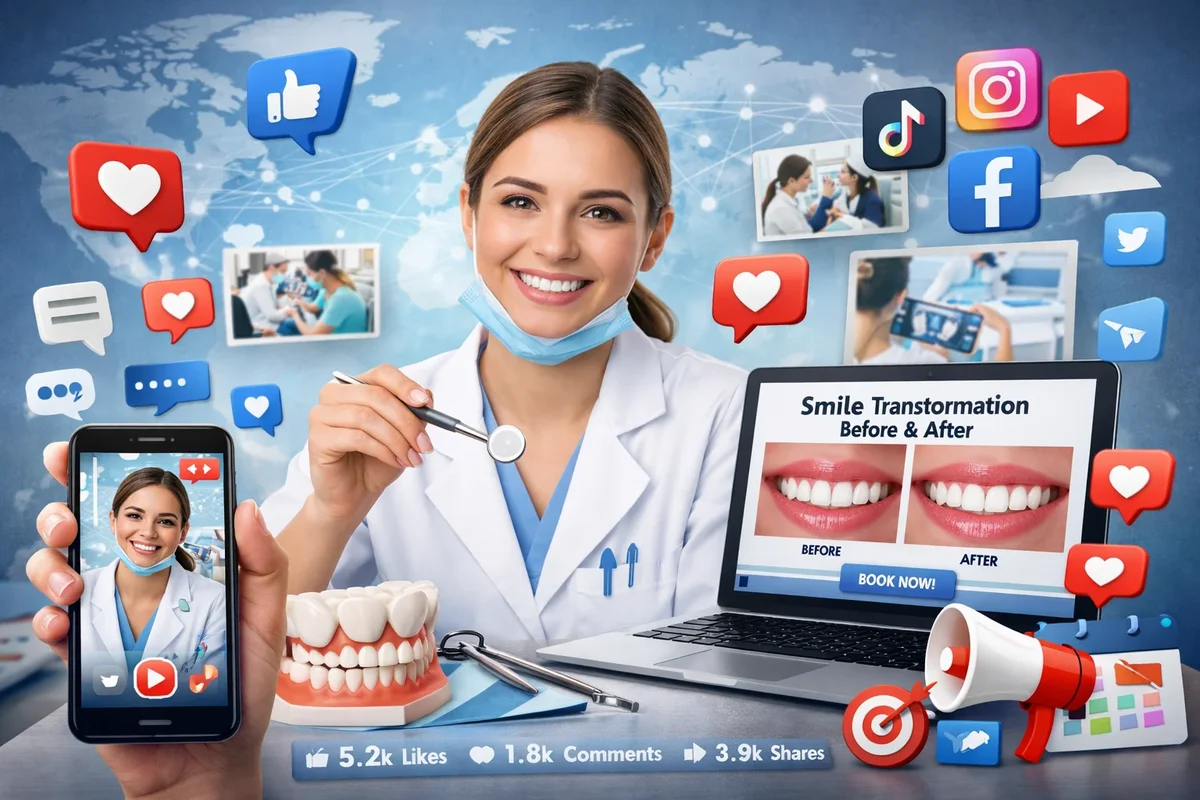
The Future of Social Media Dentistry and Digital Branding
The digital landscape is evolving rapidly, and social media dentistry is entering a new era of innovation, personalization, and technological integration. In 2026 and beyond, dental clinics that adapt early to emerging trends will gain a significant competitive advantage. Social media dentistry is no longer just about posting photos or running advertisements—it is becoming a comprehensive digital branding ecosystem that combines artificial intelligence, immersive content, data analytics, and patient-centered storytelling. 🦷🚀
Understanding where social media dentistry is heading allows clinics to future-proof their marketing strategy and build long-term authority in an increasingly competitive healthcare environment.
Artificial Intelligence and Predictive Marketing
Artificial intelligence (AI) is reshaping how social media dentistry campaigns are created, targeted, and optimized. Advanced algorithms now analyze user behavior, engagement patterns, and demographic data to deliver highly personalized content.
Smarter Audience Targeting
AI-powered tools can predict which users are most likely to seek cosmetic dentistry, orthodontic treatment, or implant solutions. Instead of broad targeting, social media dentistry campaigns can now reach individuals based on online search behavior and content interaction patterns.
This predictive capability increases efficiency and reduces advertising waste. Clinics can allocate budgets more precisely, ensuring that every campaign supports measurable growth.
Video-First and Short-Form Content Dominance
Video continues to dominate digital platforms. In the future of social media dentistry, short-form video content will become even more central to engagement strategies.
Educational Micro-Content
Short videos explaining common dental concerns—such as tooth sensitivity or gum inflammation—will remain highly effective. These concise, educational clips combine authority with accessibility.
Longer, in-depth treatment explanations hosted on platforms like YouTube will complement shorter clips shared across Instagram and TikTok. This layered strategy strengthens social media dentistry visibility across multiple audience segments.
Augmented Reality and Smile Simulation
One of the most exciting developments in social media dentistry is the integration of augmented reality (AR). Future platforms may allow users to preview potential smile transformations directly through mobile filters.
Interactive Treatment Visualization
Imagine a potential patient using a smartphone filter to simulate whitening results or veneer placement. This interactive experience enhances engagement and shortens the decision-making process.
By combining digital smile design technology with social media dentistry, clinics can create immersive pre-consultation experiences that increase treatment interest.
Stronger Integration with Website Funnels
In the future, social media dentistry will operate seamlessly alongside optimized websites and booking systems. The gap between social interaction and appointment scheduling will continue to narrow.
Streamlined Conversion Pathways
Integrated booking buttons, automated chatbots, and personalized follow-up messages will simplify patient journeys. For example, after watching an implant education video, users may be directed directly to the Redent Klinik Contact Page for immediate consultation scheduling.
This seamless integration transforms social media dentistry into a complete digital acquisition funnel.
Ethical Transparency and Trust-Based Branding
As digital marketing grows more advanced, patient skepticism also increases. The future of social media dentistry will emphasize ethical transparency and authentic communication.
Compliance and Professional Standards
Clinics must continue aligning with professional guidelines and referencing trusted institutions such as the American Dental Association. Clear communication about treatment processes, risks, and realistic outcomes will remain essential.
Transparency strengthens credibility, especially in high-value procedures like implants or full-mouth rehabilitation, where treatment costs can range from several thousand to tens of thousands of dollars depending on complexity and location.
Personal Branding of Dentists
Another emerging trend in social media dentistry is the rise of personal branding. Patients increasingly connect with individual dentists rather than anonymous clinics.
Human-Centered Digital Presence
Dentists who share insights about their philosophy of care, professional development, and community involvement build stronger emotional bonds with audiences.
This personalized approach differentiates clinics in crowded markets and fosters long-term loyalty.
Community Building and Patient Advocacy
The future of social media dentistry extends beyond marketing—it includes community engagement and advocacy. Clinics may create private patient groups, host educational webinars, or share preventive care initiatives.
Empowering Patients Through Education
Preventive care campaigns, oral health awareness events, and live Q&A sessions strengthen patient relationships. These initiatives transform social media dentistry from a promotional tool into a community-building platform.
Data-Driven Continuous Optimization
Advanced analytics will further refine social media dentistry strategies. AI dashboards may predict which content formats generate the highest conversion rates and automatically recommend adjustments.
Real-time data will allow clinics to adapt quickly, ensuring maximum efficiency and profitability.
Sustainable Long-Term Digital Branding
Ultimately, the future of social media dentistry lies in sustainable digital branding. Clinics that consistently provide educational value, authentic storytelling, and ethical promotion will build durable reputations.
Unlike traditional advertising, which disappears once budgets stop, strong digital branding compounds over time. Each post, testimonial, and educational video contributes to cumulative authority.
In conclusion, social media dentistry is evolving into a sophisticated digital ecosystem powered by AI, immersive technology, ethical transparency, and community engagement. Clinics that embrace these innovations while maintaining professionalism and patient-centered values will secure lasting competitive advantage. The future belongs to dental practices that treat social media dentistry not as a temporary trend, but as a strategic pillar of modern healthcare branding. 🌟📈