
In recent years, spa dental has emerged as one of the most innovative approaches in modern dentistry. Traditionally, a visit to the dentist has been associated with stress, anxiety, and sometimes even fear. Patients often prepare themselves mentally for a clinical environment filled with bright lights, sharp tools, and a sense of discomfort. However, spa dental care is transforming this perception by integrating the calming ambiance of a wellness spa with high-quality dental services. The result is a soothing, patient-centered experience that prioritizes both oral health and emotional well-being. 🦷✨
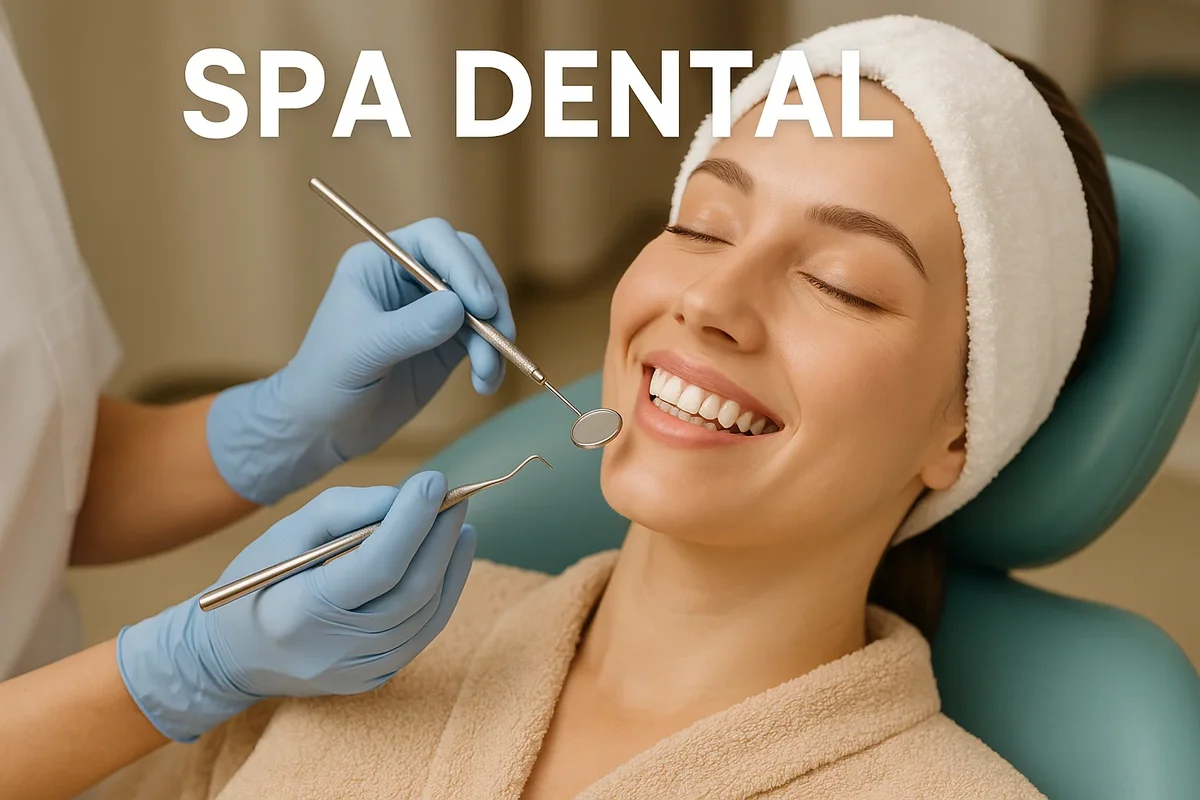
At its core, spa dental combines two worlds that were once considered separate: dentistry and relaxation. This model of care seeks to minimize dental anxiety by providing a tranquil setting with features such as aromatherapy, soothing background music, ergonomic chairs with massage functions, warm blankets, and even calming teas before or after treatment. These small but impactful details create an atmosphere where patients feel comfortable, valued, and cared for beyond just their teeth.
One of the key benefits of spa dental clinics is their focus on the holistic health of the patient. Rather than limiting care to teeth and gums, spa dental practices consider the mind-body connection. Stress reduction, comfort, and emotional support are seen as equally important as cavity fillings or whitening procedures. Research has shown that stress and anxiety can negatively impact oral health by contributing to issues like teeth grinding (bruxism), gum disease, and even delayed healing after dental procedures. By addressing relaxation and comfort, spa dental professionals indirectly improve the overall effectiveness of their treatments.
Another essential aspect of spa dental is the personalization of care. Each patient’s needs are considered not only from a medical standpoint but also from a psychological one. For example, some clinics offer noise-canceling headphones for patients who dislike the sound of drills, while others provide calming visual experiences such as ceiling-mounted screens playing nature scenes. This customization fosters a sense of trust and control for patients, making them more likely to return regularly for check-ups and preventive care. Regular visits, in turn, reduce the likelihood of serious dental issues in the future.
The popularity of spa dental treatments has also been fueled by the growing interest in wellness and holistic lifestyles. Just as people invest in yoga, meditation, or massage therapy for overall well-being, many now see spa dentistry as part of their self-care routine. It bridges the gap between healthcare and luxury, offering a premium service that not only enhances oral health but also delivers peace of mind. 🌿
In addition, the spa dental approach has a strong appeal for patients with dental phobia—a condition that affects millions of people worldwide. Fear of pain, needles, or past traumatic experiences often prevents individuals from seeking timely dental care, leading to serious oral and systemic health issues. By transforming the environment into a relaxing, spa-like setting, these clinics successfully reduce fear and encourage patients to prioritize their oral health without hesitation. For many, this represents a life-changing shift in how they view dentistry.
From a clinical perspective, spa dental services do not compromise on professionalism or quality. Patients can expect the same range of treatments offered by traditional dental offices—cleanings, fillings, crowns, implants, cosmetic dentistry, and orthodontics—delivered with cutting-edge technology and high standards of hygiene. What differentiates them is the patient experience. While the outcome may be a whiter smile or healthier gums, the journey is characterized by relaxation, comfort, and care for the individual as a whole.
Moreover, spa dental clinics often align themselves with reputable organizations such as the American Dental Association to maintain credibility and uphold strict standards. This ensures that while the atmosphere may feel like a spa, the professionalism and safety of the dental procedures remain at the highest level.
Patients who experience spa dental care often report higher satisfaction and loyalty compared to conventional clinics. Word-of-mouth recommendations play a significant role in the growth of this trend, as people love to share their positive, anxiety-free experiences with friends and family. Furthermore, many clinics encourage patients to continue this wellness mindset by providing advice on stress management, diet, and at-home oral care routines. In this way, spa dentistry fosters long-term health habits that extend beyond the clinic.
In conclusion, spa dental is redefining what it means to go to the dentist. It is no longer just about fixing cavities or polishing teeth; it is about creating a holistic, enjoyable experience where oral health is nurtured in harmony with emotional well-being. By combining the science of dentistry with the art of relaxation, spa dental treatments represent the future of oral care—one that is patient-focused, stress-free, and deeply rewarding. 🌸
What Is Spa Dental and Why Is It Trending?
The concept of spa dental has gained remarkable attention in the last decade, becoming one of the fastest-growing trends in modern dentistry. In the past, dental care was primarily clinical, with little emphasis on patient comfort or relaxation. Today, the spa dental model is revolutionizing this experience by blending the soothing qualities of a wellness spa with the precision of advanced dental treatments. This hybrid approach transforms a traditionally stressful appointment into a rejuvenating experience that patients look forward to, rather than dread. 🌟
Defining Spa Dental Care
At its essence, spa dental care is dentistry reimagined. It is not a separate specialty but rather an enhanced service model that incorporates elements of comfort, luxury, and holistic wellness. Patients can expect a clinical team trained in both dental science and patient-centered hospitality. Features might include aromatherapy, massage chairs, soft lighting, relaxing scents, noise-canceling headphones, or even wellness amenities like herbal teas and hand treatments before or after procedures. This patient-first design aims to reduce anxiety and make oral care an integral part of overall well-being.
Why Is Spa Dental Gaining Popularity?
The rise in spa dental clinics is closely tied to changing consumer expectations. Patients today are more health-conscious, wellness-oriented, and willing to invest in experiences that combine necessity with comfort. Just as people embrace yoga, meditation, and spa therapies as part of their lifestyle, many now expect the same sense of calm and mindfulness when seeking dental care. This is especially relevant for individuals with dental anxiety, who find that the relaxing environment helps them manage fear and stress. 😌
The Role of Wellness Trends
Globally, wellness has become a multibillion-dollar industry. From fitness retreats to organic nutrition, the focus on holistic living is at an all-time high. Spa dental care fits seamlessly into this movement. It positions dentistry not just as a medical service but as an act of self-care. Patients no longer view dental visits as chores but as opportunities to relax, reset, and invest in their overall health. This shift has transformed the dental chair into a place of comfort rather than discomfort.
Key Components of the Spa Dental Experience
While the core treatments—such as cleaning, fillings, whitening, or orthodontics—remain the same, the delivery is enhanced through thoughtful touches. Examples include:
- Aromatherapy: Essential oils help reduce stress and create a soothing atmosphere.
- Massage Chairs: Gentle vibrations during treatment promote relaxation.
- Calming Visuals: Nature scenes projected on ceilings or walls distract patients from clinical tools.
- Noise Control: Headphones or tranquil music block out drilling sounds.
- Comfort Amenities: Warm blankets, neck pillows, or even hand paraffin treatments add to the spa-like ambiance.
Each of these elements contributes to the signature spa dental experience, making visits more enjoyable and less intimidating.
Appeal for Patients With Dental Anxiety
Dental fear is a real barrier that prevents millions of people from seeking timely oral care. Research shows that dental phobia can lead to delayed treatments, worsening oral health, and higher overall healthcare costs. Spa dental clinics address this issue by creating a stress-free setting. For anxious patients, simply knowing that their environment is designed for comfort can dramatically reduce fear. Many individuals who once avoided dentists entirely now find themselves able to commit to regular appointments because of this innovative approach.
Impact on Children and Families
Children, too, benefit from the spa dental model. Instead of associating dentistry with fear or pain, kids are introduced to a positive and calming environment. This fosters healthy habits early on and ensures that oral care becomes a lifelong priority. Parents appreciate that their children are more cooperative during visits, and families can even view appointments as less of a stressful obligation and more of a shared wellness activity.
Influence of Technology and Modern Marketing
Advances in technology also support the growth of spa dental services. Digital imaging, minimally invasive techniques, and pain management tools mean treatments are quicker and more comfortable. Marketing strategies highlight the luxurious aspects of these clinics, appealing to patients who want more than a routine check-up. Social media, in particular, plays a role in promoting spa dentistry, with patients eager to share their surprisingly pleasant dental experiences online. 📲
Global Expansion of Spa Dental Clinics
Initially popularized in the United States, spa dental care has spread globally, with clinics emerging in Europe, Asia, and the Middle East. Urban centers, where busy professionals seek convenient yet relaxing healthcare solutions, are especially receptive to this model. As awareness grows, more clinics are adopting spa-like features to remain competitive and meet evolving patient expectations. The trend is no longer considered a luxury but a necessity for practices wanting to attract and retain loyal patients.
The Long-Term Impact of Spa Dentistry
The popularity of spa dental practices is more than just a passing trend; it reflects a fundamental shift in how healthcare is delivered. By prioritizing comfort and mental well-being alongside oral health, dentists are creating deeper patient trust and loyalty. This approach also encourages preventive care, as patients are less likely to postpone or cancel visits. Ultimately, spa dental is setting the standard for the future of dentistry, where relaxation and health go hand in hand.
In summary, the rise of spa dental clinics is driven by wellness trends, technological advancements, and changing patient expectations. By merging dentistry with comfort, relaxation, and holistic care, this model is reshaping how people perceive oral healthcare. Patients are not only achieving healthier smiles but also enjoying the journey in the process. 🌿
Top Benefits of Spa Dental Treatments for Patients
Choosing spa dental care is not just about enjoying a luxurious experience; it is about transforming how patients perceive and receive oral health services. The combination of relaxation techniques with advanced dental treatments creates an environment that supports physical, mental, and emotional well-being. In this section, we will explore the top benefits of spa dental services and why more patients are seeking them out as part of their oral healthcare journey. 🌟
1. Reduced Dental Anxiety
One of the most profound benefits of spa dental care is the significant reduction in anxiety. Dental fear affects millions worldwide and is often linked to delayed treatments or avoidance of necessary care. With calming environments, soft music, aromatherapy, and amenities such as massage chairs, patients find themselves more relaxed before, during, and after procedures. This creates a positive feedback loop—patients associate dentistry with comfort rather than fear, making them more likely to schedule routine visits and maintain better oral health.
Case Example: Stress-Free Check-Ups
For individuals who previously dreaded dental cleanings, the spa dental model turns a routine check-up into a stress-free event. Instead of sweaty palms and racing heartbeats, patients enjoy a serene environment that feels more like a day spa than a dental office. This reduction in anxiety directly impacts patient cooperation, treatment success, and long-term oral health outcomes.
2. Enhanced Comfort During Procedures
Spa dental clinics prioritize patient comfort through thoughtful amenities. Traditional dental chairs can feel rigid and clinical, but spa dentistry introduces ergonomic seating with massage functions, cozy blankets, and neck pillows. Noise-canceling headphones and calming visual projections further distract from clinical sounds and sights. These small details collectively create a comforting atmosphere where patients feel at ease even during complex procedures like root canals or implant placements.
3. Improved Patient Loyalty and Satisfaction
Patients who experience spa dental services often express higher satisfaction rates. The overall environment makes them feel valued, cared for, and respected. As a result, they are more likely to return for preventive care and recommend the clinic to friends and family. Word-of-mouth referrals have become a cornerstone of the spa dental movement, driving its rapid expansion across the globe.
4. Holistic Health and Stress Relief
The integration of wellness practices in spa dental treatments supports holistic health. Stress reduction is not only good for mental health but also positively affects oral conditions. For example, high stress levels are linked to teeth grinding, gum inflammation, and delayed healing. By reducing stress during appointments, spa dental care indirectly enhances the effectiveness of treatments and supports faster recovery. Patients often leave feeling refreshed, as though they had visited a spa retreat rather than a dental clinic. 🌿
5. Accessibility for Children and Families
Families benefit greatly from the spa dental approach. Children introduced to dentistry in a calming, spa-like environment are less likely to develop dental phobias. Parents appreciate that their children cooperate more during procedures, and the whole family perceives dental visits as positive experiences. This early exposure sets the foundation for lifelong oral health habits and a stress-free attitude toward dental care.
6. Premium Services and Technology
While comfort is central, spa dental practices also emphasize advanced technology and high-quality treatments. From digital X-rays to laser dentistry, patients receive cutting-edge care in a relaxing setting. Many clinics combine cosmetic dentistry procedures—such as teeth whitening or veneers—with spa amenities, creating a luxurious yet effective treatment plan. This dual focus on luxury and science ensures that patients leave with not only healthier smiles but also an overall sense of wellness.
Example of Cosmetic Spa Dental Packages
Some clinics even offer bundled services, such as “Smile & Relax” packages that include whitening treatments alongside relaxation therapies like aromatherapy or facial massages. These packages appeal to patients seeking both beauty and comfort in one comprehensive visit.
7. Encouragement of Preventive Care
Because patients feel more at ease, they are more likely to commit to regular check-ups and preventive care. Spa dental visits become enjoyable rather than stressful, which motivates people to schedule cleanings and exams consistently. Preventive care reduces the risk of serious issues such as cavities, gum disease, or tooth loss, saving patients money and improving their long-term health.
8. Positive Impact on Professional and Social Life
Patients who invest in spa dental services not only achieve healthier teeth but also gain confidence in their smiles. Enhanced confidence impacts professional opportunities, social interactions, and overall self-esteem. Many patients view spa dentistry as part of a self-care routine that supports both personal and professional success. Smiles become more radiant, and the process of achieving them is enjoyable rather than intimidating.
9. Integration With Broader Wellness Goals
The spa dental philosophy fits seamlessly into broader wellness goals. Patients who already practice yoga, mindfulness, or other self-care routines find that spa dentistry aligns perfectly with their lifestyle. By integrating oral care with wellness, individuals see their dental visits as investments in holistic health rather than isolated treatments. Clinics that emphasize this connection attract patients seeking a comprehensive approach to their health and well-being.
In conclusion, the benefits of spa dental care extend far beyond aesthetics or temporary comfort. From reducing anxiety and stress to improving loyalty, holistic health, and social confidence, this innovative model redefines the dental experience. Patients leave not only with healthier teeth but also with a sense of relaxation and rejuvenation—proving that dentistry can truly be a positive and enjoyable part of life. 🦷💎
How Spa Dental Combines Relaxation With Oral Health
One of the most unique aspects of spa dental care is its ability to seamlessly merge two seemingly different worlds: relaxation and clinical dentistry. For decades, dental visits were perceived as stressful, necessary obligations. With the rise of spa dental practices, however, patients are discovering that oral care can be both effective and deeply calming. This integration is not accidental; it is the result of intentional design, innovative technologies, and patient-centered philosophies. In this section, we will explore in detail how spa dental services achieve this delicate balance. 🦷🌸
The Philosophy of Spa Dentistry
The foundation of spa dental care lies in the belief that oral health is connected to overall wellness. Stress, anxiety, and emotional discomfort can negatively impact oral conditions like gum disease, bruxism (teeth grinding), and delayed healing. By addressing both mind and body, spa dental clinics help patients achieve optimal outcomes. This philosophy shifts the dental experience from a purely medical model to a holistic, wellness-oriented journey that supports long-term health.
Designing the Relaxing Environment
A large part of what makes spa dental treatments unique is the physical environment. Clinics often resemble luxury spas more than clinical offices. From soft lighting and comfortable seating areas to aromatherapy diffusers and warm décor, every detail is tailored to reduce stress. Patients often comment that they feel calmer the moment they walk through the door, even before treatment begins. This environment signals safety and comfort, preparing patients for a positive dental experience.
Elements That Create Calm
- Lighting: Warm, dimmed lights replace harsh fluorescent bulbs, creating a tranquil setting.
- Sound: Gentle instrumental or nature-inspired music drowns out the clinical noises of drills or tools.
- Aromatherapy: Essential oils like lavender or eucalyptus reduce anxiety and promote calm.
- Seating: Ergonomic, often massage-enabled chairs support physical relaxation.
- Comfort Amenities: Blankets, eye masks, or hot towels provide a sense of luxury and care.
These subtle features collectively set the tone for a spa dental experience, ensuring that relaxation is a constant companion throughout treatment.
The Role of Technology in Comfort
Modern technology plays a vital role in how spa dental clinics integrate oral care with relaxation. Advanced tools and minimally invasive methods not only improve efficiency but also reduce discomfort. For instance, laser dentistry allows for quicker procedures with less pain and faster healing. Digital imaging minimizes the need for multiple X-rays, reducing patient exposure and streamlining appointments. Combined with spa-like amenities, these innovations reassure patients that they are receiving both cutting-edge treatment and exceptional care.
Pain and Anxiety Management
For patients with strong dental anxiety, spa dental services often include sedation dentistry options. These may range from mild sedation with nitrous oxide (laughing gas) to more advanced options like oral sedatives. When paired with the relaxing atmosphere, sedation ensures that patients remain calm and comfortable during their entire visit. This combination not only reduces anxiety but also enhances cooperation and trust between patients and providers.
Personalized Care and Patient-Centered Service
Another way spa dental care bridges relaxation and oral health is through personalized service. Staff are trained not only in clinical procedures but also in hospitality. Patients are welcomed warmly, offered refreshments, and treated with attentiveness typically reserved for high-end resorts. This attention to detail fosters trust and reassurance, making the experience memorable and stress-free.
Customized Treatment Plans
Each patient’s comfort level and preferences are considered when creating treatment plans. For example, some patients prefer to watch calming nature videos on ceiling screens, while others may want noise-canceling headphones to block out clinical sounds. This flexibility demonstrates that spa dental practices prioritize individual comfort as much as clinical success, reinforcing the idea that oral health and relaxation can go hand in hand.
Holistic Benefits Beyond Oral Health
The effects of spa dental visits extend far beyond the appointment itself. Patients leave not only with healthier smiles but also with a sense of relaxation and rejuvenation. Stress reduction during treatment often improves healing times and overall well-being. For patients with high-pressure jobs or busy lifestyles, spa dentistry serves as both medical care and a wellness escape—a chance to pause, relax, and invest in themselves.
Encouraging Preventive Care Through Relaxation
One of the most practical benefits of combining relaxation with dentistry is its impact on preventive care. Patients who enjoy their appointments are more likely to return regularly for cleanings, exams, and check-ups. This proactive attitude reduces the risk of major oral health issues down the line, ultimately saving time, money, and discomfort. By turning dental care into a pleasant experience, spa dental services help patients maintain healthier smiles in the long run.
Integration With Broader Healthcare Practices
Many spa dental clinics collaborate with other wellness providers, such as nutritionists, massage therapists, or mindfulness coaches. This integration strengthens the idea that oral health is inseparable from overall well-being. Patients appreciate the continuity of care and the alignment with their broader wellness goals, making spa dentistry a natural extension of a health-conscious lifestyle.
In conclusion, spa dental care combines the science of dentistry with the art of relaxation in a way that transforms patient experiences. Through intentional design, cutting-edge technology, personalized service, and holistic benefits, spa dental practices redefine what it means to visit the dentist. The result is a system where oral health is not only maintained but also enhanced by relaxation, wellness, and trust. 🌿🦷
Common Procedures Offered at Spa Dental Clinics
Spa dental clinics provide the same essential oral health services as traditional practices, but they deliver them in a uniquely comforting and patient-focused way. The goal is not only to ensure healthy teeth and gums but also to make the entire process enjoyable, stress-free, and even rejuvenating. This dual focus on wellness and dentistry has made spa dental care one of the most appealing innovations in modern oral healthcare. In this section, we will cover the most common procedures offered at spa dental clinics, explaining how each one is enhanced through a spa-like approach. 🦷✨
Routine Preventive Care
Preventive services are the foundation of every spa dental practice. These include dental exams, professional cleanings, fluoride treatments, and oral cancer screenings. While the procedures themselves are standard, the patient experience is elevated through relaxation-focused amenities. For example, patients may listen to calming music, sip herbal tea before the appointment, or relax in massage chairs during a cleaning session. The emphasis on comfort ensures that patients do not avoid preventive visits, which are crucial for long-term oral health.
Importance of Preventive Care
Preventive care reduces the risk of cavities, gum disease, and tooth loss. By integrating these essential services into a stress-free environment, spa dental clinics make it more likely that patients will keep up with their appointments and enjoy healthier smiles throughout their lives.
Cosmetic Dentistry Procedures
Cosmetic treatments are among the most popular offerings at spa dental clinics. Patients often want to improve their smile aesthetics in a setting that feels luxurious rather than clinical. Common cosmetic services include:
- Teeth Whitening: Advanced whitening systems deliver brighter smiles quickly, often paired with aromatherapy or calming visuals for relaxation.
- Veneers: Thin porcelain shells applied to teeth improve shape, color, and alignment, with the process made comfortable by spa amenities.
- Bonding: A quick procedure to fix chips, gaps, or discoloration, enhanced with a stress-free atmosphere.
These procedures not only transform smiles but also improve patient confidence, all while being delivered in a peaceful, spa-like environment. 🌟
Restorative Dental Treatments
Spa dental care extends to restorative treatments that repair and restore teeth affected by decay, damage, or wear. These include fillings, crowns, inlays, and onlays. Unlike traditional settings where patients may feel tense, spa clinics offer ergonomic seating, warm blankets, or even distraction tools like ceiling-mounted screens showing nature scenes. This comfort-first approach ensures patients remain relaxed even during longer procedures.
Dental Implants and Bridges
More advanced restorative options like implants and bridges are also available at spa dental clinics. Because these treatments can be time-intensive, the relaxing environment is especially beneficial. Patients undergoing implants may listen to guided meditation or enjoy calming aromatherapy, which makes the process less daunting and helps them recover with a more positive outlook.
Orthodontic Services
Many spa dental practices offer orthodontic solutions, including Invisalign, clear braces, and traditional braces. Patients who are anxious about orthodontic adjustments find the relaxing spa-like setting helpful for managing stress. Orthodontic treatments can last months or years, so creating a welcoming environment encourages patients to stay committed to their treatment plans.
Periodontal Therapy
Gum health is a critical part of oral care, and spa dental services include periodontal treatments such as scaling, root planing, and laser therapy. Periodontal issues often require multiple visits, which can be intimidating for some patients. Spa dentistry reduces this burden by transforming the experience into something soothing, helping patients remain consistent with follow-up care.
Integration of Laser Technology
Many spa dental clinics use laser dentistry for periodontal care, which reduces discomfort, bleeding, and healing time. When combined with a spa-inspired environment, patients perceive even complex gum treatments as more tolerable and less stressful.
Sedation Dentistry
For patients with high dental anxiety, spa dental practices frequently incorporate sedation dentistry. Options may range from nitrous oxide (laughing gas) to oral sedatives or intravenous sedation, depending on patient needs. What sets spa dental apart is that these sedation services are delivered in a calming, luxury environment that emphasizes patient comfort before, during, and after the procedure.
Pediatric Dentistry
Children benefit greatly from spa dental clinics, as the spa-like atmosphere eases their fears and promotes positive associations with oral care. Gentle check-ups, preventive cleanings, and even minor restorative procedures are all carried out in child-friendly environments that emphasize fun and comfort. Parents often report that their children are more cooperative and less anxious when visiting spa dental offices compared to traditional clinics. 🧸
Specialized Spa Dental Packages
Many clinics design unique packages that combine dental treatments with relaxation therapies. For example, a “Smile Makeover Package” might include professional whitening, gum contouring, and relaxation amenities like aromatherapy and facial massages. These packages appeal to patients who want comprehensive care delivered in a soothing environment, making dentistry part of a broader wellness experience.
In summary, the procedures offered at spa dental clinics cover the full spectrum of preventive, cosmetic, restorative, orthodontic, and periodontal care. What makes them different is the holistic, stress-free environment in which they are delivered. Patients not only achieve healthier smiles but also enjoy the process, leaving refreshed, confident, and motivated to continue their oral health journey. 🌿
Spa Dental vs. Traditional Dentistry: Key Differences
When comparing spa dental practices with traditional dentistry, the contrasts are clear and significant. While both share the ultimate goal of maintaining oral health and treating dental problems, their methods, environments, and patient experiences differ dramatically. Traditional dentistry tends to emphasize efficiency and clinical outcomes, whereas spa dental care combines those same outcomes with a deep focus on comfort, wellness, and relaxation. In this section, we will examine the key differences between the two models in terms of environment, technology, patient experience, and long-term health outcomes. 🦷🌿
The Clinical Environment
Traditional dental offices are often designed with functionality in mind—bright lighting, sterile white walls, and standard equipment placement. Although efficient, this environment can feel intimidating and even stressful. By contrast, spa dental clinics are intentionally styled to resemble wellness spas, complete with calming décor, soft music, aromatherapy, and soothing colors. Patients walking into a spa dental clinic feel as though they are entering a place of relaxation rather than a clinical facility. This transformation of environment plays a vital role in reducing dental anxiety.
Patient Perceptions of Atmosphere
Studies show that patients associate traditional clinics with tension, whereas spa dental practices evoke comfort and reassurance. The very atmosphere contributes to the success of treatments, as relaxed patients tend to respond more positively and recover faster than anxious ones.
Patient-Centered Approach
One of the biggest distinctions between spa dental care and traditional dentistry is the patient-centered philosophy. Traditional practices often focus primarily on procedures and efficiency, with limited attention to how patients feel emotionally during visits. Spa dentistry shifts this balance by making the patient’s comfort a top priority. Personalized amenities, such as headphones, massage chairs, or warm blankets, are offered routinely, and staff are trained in hospitality as well as clinical care. This makes patients feel valued and respected, rather than rushed through an appointment.
Customized Care Plans
In traditional clinics, treatment plans are primarily clinical. In spa dental clinics, however, treatment is customized not only based on oral health needs but also on patient preferences for comfort and relaxation. For example, patients may choose their favorite music, request sedation, or enjoy a calming tea before starting a procedure.
Technology and Techniques
Both traditional and spa dental offices use modern technology, but the difference lies in how it is integrated. Spa dental practices often invest heavily in the latest pain-free technologies, such as laser dentistry, digital impressions, and minimally invasive tools. These reduce discomfort and shorten recovery times, aligning with the spa philosophy of stress-free care. Traditional offices may still use effective methods, but they are less likely to pair them with luxury experiences designed for comfort.
Managing Dental Anxiety
Dental anxiety is a major reason why patients avoid routine visits. In a traditional clinic, this fear may be overlooked, leaving patients feeling isolated or misunderstood. Spa dental care directly addresses anxiety by creating a relaxing atmosphere and offering sedation options when needed. Relaxation techniques, combined with spa amenities, provide anxious patients with a safe environment to receive treatment without fear. This difference can determine whether a patient attends regular check-ups or avoids dental care entirely.
Children and Family Care
Families often find traditional dental offices stressful for children, as the sterile environment can be intimidating. Spa dental practices, however, create child-friendly atmospheres with calming visuals, gentle introductions, and amenities that make kids more comfortable. Parents report smoother visits, and children form positive associations with dentistry early on.
Cost Considerations
One of the practical differences is cost. Traditional dentistry often focuses on affordability and insurance coverage. Spa dental clinics, on the other hand, may charge premium prices due to the luxurious environment and additional amenities. While preventive and restorative care costs may be comparable, the spa model includes extra services that justify higher fees. Patients, however, often see the added value in reduced stress, improved experience, and higher satisfaction.
Impact on Preventive Care
Another key difference lies in patient behavior. In traditional settings, patients with fear or discomfort may delay visits, leading to more severe oral health issues. In contrast, spa dental services encourage regular visits by making appointments enjoyable. Preventive care becomes a priority, reducing the likelihood of expensive or invasive treatments later. This demonstrates how the spa dental model contributes to better long-term oral health outcomes compared to traditional dentistry.
Holistic Health Integration
Traditional dentistry focuses almost exclusively on teeth and gums. Spa dental clinics, however, embrace a holistic approach that considers the patient’s overall well-being. Stress reduction, relaxation, and emotional support are treated as essential components of oral care. Patients leave not just with healthier smiles but also with a sense of calm and rejuvenation—something rarely associated with conventional dental visits. 🌸
In summary, while both traditional and spa dental practices aim to protect and improve oral health, their methods differ significantly. Traditional dentistry provides effective care but often lacks focus on comfort and wellness. Spa dental practices merge medical excellence with relaxation, resulting in improved patient experiences, reduced anxiety, and long-term loyalty. For many patients, this difference makes spa dentistry not just a choice, but the future of dental care. 🦷💎
Costs of Spa Dental Treatments and What to Expect
One of the most common questions patients ask before visiting a spa dental clinic is about cost. Since spa dentistry combines clinical care with luxurious amenities, many assume the prices are significantly higher than those of traditional dental practices. While it’s true that some services at spa dental clinics carry premium fees, the overall value lies in the combination of top-quality dental care, cutting-edge technology, and stress-reducing comfort. Understanding the financial aspects helps patients prepare for treatment and make informed decisions. 💳🦷
General Cost Comparison
Traditional dental offices typically focus on standard pricing that falls within insurance reimbursement guidelines. Spa dental clinics, however, often add extra value by incorporating comfort-based services that may not be covered by insurance. This can make the costs somewhat higher, but patients often view them as worthwhile due to the enhanced experience and reduced anxiety.
Examples of Average Price Ranges
Based on online research and dental industry reports, here are approximate ranges (prices vary by region and clinic):
- Routine Cleaning & Exam: $100 – $200 in traditional settings; $150 – $300 at spa dental clinics (includes relaxation amenities).
- Teeth Whitening: $300 – $600 traditionally; $400 – $800 at spa clinics, often combined with aromatherapy or comfort perks.
- Fillings: $100 – $250 traditionally; $150 – $300 at spa dental clinics, depending on materials and spa features.
- Veneers: $900 – $2,500 per tooth in both settings, with spa clinics offering premium service packages.
- Implants: $3,000 – $5,000 per tooth in traditional offices; $3,500 – $6,000 at spa clinics, often with more patient support and luxury add-ons.
While the prices are slightly higher, patients pay not only for treatment but also for the unique spa-inspired environment that reduces stress and creates a sense of well-being.
What Insurance Typically Covers
Insurance plans usually cover medically necessary treatments like exams, cleanings, fillings, and crowns, whether performed at a traditional office or a spa dental clinic. However, the spa amenities—such as massage chairs, aromatherapy, or relaxation therapies—are considered non-essential and are not reimbursed. Cosmetic procedures like veneers or whitening are also typically excluded from insurance coverage, meaning patients need to budget for these services out of pocket.
Flexible Payment Options
To make services more accessible, many spa dental practices offer flexible payment plans, membership programs, or financing options. Patients can spread the cost of major treatments, such as implants or orthodontics, over several months. Membership plans may include preventive care packages that bundle exams, cleanings, and whitening services with spa amenities at a discounted rate.
The Value of the Spa Dental Experience
While costs are an important consideration, patients often report that the overall spa dental experience justifies the higher fees. For those with dental anxiety, the ability to undergo treatment in a stress-free environment is priceless. In addition, patients may save money in the long run by committing to preventive care, since enjoyable visits encourage regular check-ups and reduce the likelihood of major, costly procedures in the future.
Premium Packages and Add-Ons
Some spa dental clinics design premium packages that combine clinical treatments with wellness perks. For example:
- Smile & Relax Package: Professional teeth whitening paired with a soothing facial massage.
- Implant & Comfort Care: Dental implants combined with sedation options and stress-reducing therapies.
- Family Wellness Package: Preventive care for parents and children, enhanced with relaxation amenities for all ages.
These packages make the dental visit feel more like a wellness retreat, offering additional value beyond standard dentistry.
Regional Differences in Pricing
The cost of spa dental care also varies by location. In large metropolitan areas, where demand for luxury services is higher, prices tend to be more expensive. In smaller cities or towns, spa dental clinics may charge only slightly more than traditional offices to stay competitive. Patients should research clinics in their area and request detailed estimates before committing to treatment.
Balancing Quality and Affordability
For many patients, the decision comes down to balancing comfort with budget. While traditional clinics may be less costly, the stress-free, patient-centered experience of spa dental practices often outweighs the difference in price. Patients who value relaxation, personalized care, and long-term loyalty often choose spa dentistry despite the higher fees.
In conclusion, the cost of spa dental treatments reflects the combination of advanced dental procedures and luxury amenities that redefine the patient experience. While insurance covers most standard treatments, patients should expect to invest more for the spa-like environment and premium services. Ultimately, the value lies in the peace of mind, reduced anxiety, and enjoyment of dental visits—benefits that many consider priceless when it comes to oral health and overall wellness. 🌸💳
How to Choose the Right Spa Dental Clinic Near You
Selecting the right spa dental clinic is a critical decision that can significantly impact both your oral health and overall experience at the dentist. With the rising popularity of spa dentistry, more clinics are branding themselves as offering “luxury” or “wellness-oriented” services. However, not all deliver the same level of quality, comfort, or professionalism. Understanding how to evaluate and compare options will ensure that you choose a clinic that aligns with your health needs, comfort preferences, and budget. 🦷🌸
Evaluating Credentials and Experience
Before focusing on ambiance or amenities, patients should always prioritize clinical expertise. A reputable spa dental practice should have licensed, experienced dentists who are members of recognized organizations such as the American Dental Association. Membership in these associations indicates that the clinic adheres to high standards of safety, ethics, and continuing education. Ask about the dentist’s background, years of experience, and any specializations, such as cosmetic dentistry or sedation dentistry.
Questions to Ask
- Is the dentist certified and affiliated with professional dental associations?
- How many years of experience do they have in both general and spa dental care?
- Do they offer training for staff in both clinical and patient hospitality?
Assessing the Spa Dental Environment
The unique feature of a spa dental clinic is its environment, which blends relaxation with oral healthcare. When visiting or researching a clinic, pay attention to details like lighting, seating, music, scents, and overall cleanliness. A genuine spa dental practice should make you feel calm and comfortable the moment you step inside. The waiting area should feel welcoming, and treatment rooms should be designed to minimize stress while maximizing comfort.
Look for Comfort Amenities
Top-quality spa dental services typically include amenities such as massage chairs, noise-canceling headphones, aromatherapy, and warm blankets. Some clinics may also provide refreshments, calming teas, or soothing facial towels. These details indicate a genuine commitment to patient relaxation, not just a marketing label.
Range of Services Offered
Another factor to consider is the range of treatments available. A reliable spa dental practice should offer both preventive and advanced care, including routine cleanings, restorative dentistry, cosmetic procedures, and sedation options. The wider the range, the more convenient it is for patients who prefer to receive all of their dental care in one trusted location rather than seeking multiple providers.
Technology and Innovation
Modern dental technology plays an important role in comfort and treatment outcomes. Leading spa dental clinics invest in advanced tools such as digital X-rays, 3D imaging, laser dentistry, and minimally invasive techniques. These not only reduce discomfort but also improve accuracy and speed. Ask the clinic about the technology they use and whether they adopt new innovations to enhance patient experiences.
Checking Reviews and Testimonials
Patient feedback is one of the best indicators of quality. Look for reviews on trusted platforms such as Google, Yelp, or health-focused directories. Genuine spa dental care clinics often receive glowing testimonials about both their professionalism and the calming experience. Pay attention to repeated mentions of reduced anxiety, excellent staff interactions, and comfort during procedures. Video testimonials and before-and-after photos can also provide valuable insights into the quality of cosmetic treatments.
Red Flags in Reviews
Be cautious if multiple patients complain about billing issues, poor communication, or misleading marketing claims. A true spa dental clinic should deliver on its promises of both excellent dental care and a relaxing experience.
Location and Accessibility
Convenience is another essential factor. A spa dental practice located near your home or workplace will make it easier to schedule and attend appointments regularly. Additionally, check whether the clinic offers flexible hours, weekend availability, or emergency services. A clinic that values patient convenience demonstrates a commitment to holistic care.
Transparency in Pricing
High-quality spa dental services should always provide transparent cost estimates before treatment begins. Ask for written treatment plans and breakdowns of fees, including which services are covered by insurance and which are considered luxury add-ons. Many reliable clinics also offer financing options, membership plans, or family packages to make care more affordable.
Personalized Consultation
Finally, schedule an initial consultation. A genuine spa dental clinic will spend time getting to know you, understanding your concerns, and tailoring their approach to your needs. During the consultation, observe how the staff interacts with you—are they attentive, patient, and friendly? This first impression is often a reliable reflection of the long-term experience you can expect.
In conclusion, choosing the right spa dental clinic involves careful consideration of credentials, environment, services, technology, reviews, and transparency. Patients who take the time to research and compare their options are rewarded with a dental experience that not only ensures oral health but also provides comfort, relaxation, and peace of mind. For those ready to take the next step in prioritizing their oral care, connecting with a trusted provider is easy through resources like the Redent Klinik Contact Page. 🌟
Expert Tips for Maximizing Your Spa Dental Experience
Visiting a spa dental clinic is more than just an appointment—it’s an opportunity to combine oral care with wellness and relaxation. While the environment itself is designed to reduce stress, patients can take additional steps to ensure they get the most value from their visit. By preparing in advance, communicating effectively with the dental team, and integrating spa dental care into broader wellness routines, you can elevate your experience from pleasant to truly transformative. 🌿🦷
Prepare Before Your Appointment
Preparation is key to making the most of your spa dental visit. Begin by reviewing your oral health history, noting any pain, sensitivity, or cosmetic concerns. Many spa clinics encourage new patients to complete wellness questionnaires that help staff customize their care. Bringing this information ensures that your treatment plan is both medically effective and tailored to your comfort needs.
Relaxation Mindset
Set your expectations before arriving. A spa dental appointment is not just about clinical procedures—it’s about experiencing calm and rejuvenation. Take deep breaths, wear comfortable clothing, and allow extra time before and after your appointment so you don’t feel rushed. Patients who enter with a relaxed mindset are more likely to enjoy the holistic benefits of spa dentistry.
Communicate Your Preferences
Open communication with your dental team is crucial. A genuine spa dental clinic values patient input, from comfort preferences to anxiety concerns. Don’t hesitate to mention if you’d like noise-canceling headphones, aromatherapy scents, or even a particular type of music. Staff are trained to accommodate requests, and sharing your needs ensures that the experience is uniquely yours.
Discuss Anxiety or Phobias
If you suffer from dental anxiety or phobia, be transparent with your provider. Many spa dental practices offer sedation dentistry or calming techniques specifically for anxious patients. Whether you prefer mild sedation or simply extra reassurance, communicating this upfront allows the team to adjust care accordingly.
Take Advantage of Amenities
One of the main benefits of spa dental services is the variety of relaxation amenities offered. Don’t be shy about enjoying them. Whether it’s a massage chair during your procedure, a warm blanket for comfort, or a calming tea afterward, these touches are designed to enhance your experience. By fully engaging with the amenities, you transform a routine dental visit into a restorative self-care ritual.
Integrate Oral Care With Wellness Goals
To maximize results, connect your spa dental treatments with your broader health and wellness goals. For example, patients focused on stress reduction may find that combining dental appointments with mindfulness practices strengthens overall well-being. Others may align spa dental visits with cosmetic goals, such as teeth whitening, as part of a complete confidence-boosting routine. This synergy reinforces the idea that oral care is part of holistic health, not just a clinical necessity.
Post-Treatment Relaxation
After your procedure, allow yourself time to enjoy the lingering sense of calm. Instead of rushing back to work or errands, consider scheduling lighter activities afterward, such as a walk, meditation, or time with family. This prolongs the restorative effect of your spa dental experience and reinforces its role in your wellness journey.
Maintain Consistency With Appointments
Consistency is essential for both oral health and relaxation benefits. Patients who schedule regular visits at spa dental clinics report less anxiety, improved oral hygiene, and stronger trust with their providers. Create a long-term care plan that includes preventive check-ups, cleanings, and any cosmetic enhancements you may desire. By viewing dental care as a routine part of your self-care schedule, you’ll maintain both a healthy smile and a balanced lifestyle.
Ask About Customized Packages
Many spa dental practices offer personalized packages that combine treatments with spa-like services. These may include “Smile Makeover” plans that integrate whitening, veneers, and relaxation therapies, or family-focused packages designed to create positive experiences for parents and children alike. Inquiring about these options helps you maximize value while tailoring your visits to your specific needs.
Build a Relationship With Your Clinic
Developing trust with your dental team enhances every aspect of your care. At a spa dental clinic, staff are trained to provide both professional expertise and hospitality. By building a long-term relationship, you benefit from personalized attention, familiarity with your preferences, and a sense of security that makes each visit more enjoyable. This trust fosters loyalty and encourages proactive preventive care.
Leverage Education Opportunities
Finally, use your spa dental appointments as opportunities to learn. Many clinics provide guidance on nutrition, stress management, and at-home oral care that align with their holistic philosophy. Asking questions about oral hygiene techniques, products, or dietary habits allows you to extend the benefits of spa dental care into your daily life.
In conclusion, maximizing your spa dental experience involves preparation, communication, active participation in amenities, and integration with broader wellness goals. By approaching your visit as both a dental treatment and a self-care ritual, you not only improve your oral health but also enhance your mental and emotional well-being. The result is a truly holistic experience—one that leaves you with a radiant smile and a renewed sense of calm. 🌟
Future of Dentistry: Why Spa Dental Is Here to Stay
The evolution of dentistry is shifting rapidly, and spa dental practices are at the forefront of this transformation. What once seemed like a niche or luxury service has now become a global movement that redefines how people perceive oral healthcare. The integration of relaxation, wellness, and cutting-edge technology into dental treatments is not a passing trend—it is the foundation of the future. Patients’ expectations are changing, and the demand for stress-free, enjoyable dental experiences continues to rise. Let’s explore why spa dental care is poised to remain an essential part of modern dentistry. 🦷🌸
Changing Patient Expectations
Today’s patients no longer view dentistry as a purely clinical necessity. They expect a holistic experience that addresses both health and emotional well-being. Traditional sterile environments and stressful visits are becoming less acceptable, especially when alternatives like spa dental clinics exist. Younger generations, in particular, prioritize wellness and are willing to invest in healthcare services that combine efficiency with comfort. This cultural shift ensures that spa dental practices will continue to grow in relevance.
Demand for Holistic Healthcare
Patients are increasingly seeking healthcare models that address the whole person, not just isolated conditions. By reducing stress, enhancing relaxation, and integrating preventive care, spa dental services align perfectly with this demand. As society embraces holistic health, dentistry that prioritizes both the smile and the mind will naturally thrive.
Advancements in Dental Technology
Technology is another factor that guarantees the staying power of spa dental practices. Laser dentistry, digital impressions, 3D imaging, and sedation options are making treatments less invasive and more comfortable than ever. These innovations pair seamlessly with the spa model, enhancing relaxation and reducing patient anxiety. As technology continues to advance, spa dental clinics will remain at the cutting edge, offering both luxury and efficiency.
Personalization Through Innovation
Modern dental software allows clinics to create customized treatment plans that consider patient preferences, comfort levels, and aesthetic goals. Combined with the spa philosophy of individualized care, this ensures patients receive both world-class treatment and a tailored, relaxing experience. Personalization is a major reason why patients return—and why spa dental care is sustainable for the future.
Global Expansion of Spa Dental Clinics
Initially popular in the United States, spa dental services are spreading worldwide. Clinics in Europe, Asia, and the Middle East are adopting the model to meet rising demand. Urban areas, where busy professionals seek convenience and relaxation, have proven especially fertile ground for spa dentistry. The expansion into diverse cultural contexts demonstrates that the appeal of combining oral care with wellness is universal, not limited to one region.
Long-Term Health Benefits
The connection between oral health and overall health is well documented. Stress, anxiety, and poor oral care are linked to conditions like heart disease, diabetes, and weakened immunity. By creating positive associations with dentistry, spa dental practices encourage patients to attend appointments regularly, prioritize preventive care, and maintain healthier lifestyles. This ripple effect on long-term health outcomes reinforces spa dentistry as an indispensable healthcare model.
Appeal for Families and Children
Another reason spa dentistry is here to stay is its appeal to families. Children who experience spa dental visits in calm, welcoming environments are more likely to maintain lifelong oral care habits. Parents, too, find that the spa model makes dental visits less stressful for the entire household. This family-centered benefit ensures that spa clinics continue to attract multi-generational patients, creating strong long-term loyalty.
Integration With Broader Wellness Industry
The wellness industry is booming, with billions of dollars spent annually on fitness, mindfulness, nutrition, and self-care. Spa dental care integrates naturally into this landscape, positioning dentistry not just as a medical service but as part of a complete wellness journey. Clinics that market themselves as partners in holistic health, rather than simply providers of dental treatments, will find strong, sustainable demand.
Cross-Industry Collaborations
Some forward-thinking spa dental clinics collaborate with wellness providers, nutritionists, or even yoga studios to promote total health. These partnerships create opportunities for cross-promotion and reinforce dentistry’s role in whole-body care. This integration ensures spa dental practices remain relevant in the wellness-focused future of healthcare.
Economic Sustainability of Spa Dentistry
While spa dentistry may involve slightly higher costs, patients are willing to pay for comfort, trust, and reduced anxiety. In fact, many patients view the spa dental experience as an investment in both health and quality of life. The steady demand and positive word-of-mouth referrals make this model financially sustainable for clinics. As competition increases, more practices will incorporate spa features to remain attractive, further cementing this model in the industry.
A Vision of Dentistry in 2030 and Beyond
Experts predict that by 2030, most urban dental clinics will include at least some spa-inspired features. Patients will expect relaxation-focused environments, advanced technologies, and personalized service as standard. Spa dental care will no longer be a luxury—it will be the norm. Practices that resist change risk losing patients to clinics that embrace this patient-first model of dentistry.
In conclusion, the future of dentistry belongs to spa dental clinics that integrate comfort, wellness, and advanced technology into every patient interaction. This model reflects evolving cultural values, advances in healthcare, and the universal desire for stress-free living. As patients continue to prioritize experiences that support both oral health and overall well-being, spa dentistry will remain not just relevant, but essential. 🌟🦷