
A special needs orthodontist plays a transformative role in dentistry, offering tailored care for children and adults who require additional support due to developmental, cognitive, sensory, or medical conditions. Families searching for the right professional are often overwhelmed with questions: “How will my child handle the clinic environment?”, “What orthodontic tools are safest?”, or “How can I ensure their long-term oral health?”. This guide provides a deeply detailed and compassionate explanation to help parents, caregivers, and patients feel informed, empowered, and confident when beginning their orthodontic journey. 😊
One of the defining qualities of a special needs orthodontist is the ability to create a calming, emotionally safe, and predictable environment. Children with autism spectrum disorder, ADHD, Down syndrome, sensory processing challenges, or medical complexities often need treatment rhythms that differ from those of neurotypical patients. This includes extended appointment times, gradual desensitization approaches, visual aids, hands-on demonstrations, and communication strategies tailored to the child’s developmental level. Because orthodontics requires regular visits and long-term participation, finding the right specialist is not just helpful—it is absolutely essential for positive outcomes.
Additionally, orthodontists who work in special care dentistry understand the biomechanics of teeth and jaws in patients who may experience delayed eruption patterns, oral habits related to sensory regulation, or challenges such as mouth breathing, low muscle tone, or bruxism. These factors influence treatment planning. A conventional orthodontist may not always recognize nuances that are obvious to a special needs orthodontist, such as how certain appliances may cause sensory overload, or how anxiety can affect cooperation during procedures.
Parents often seek a professional capable of building trust—because trust is foundational. A qualified specialist uses step-by-step acclimation methods, positive reinforcement, social stories, and sometimes communication boards. They frequently collaborate with pediatricians, behavioral therapists, speech therapists, and occupational therapists. This interdisciplinary coordination ensures that orthodontic treatment supports the patient’s overall developmental path rather than adding stress to it.
Another reason families choose a special needs orthodontist is the enhanced safety protocols used during treatment. These clinics often feature quiet rooms, sensory-friendly lighting, weighted blankets, noise-canceling headphones, and stabilization options that never compromise patient dignity or comfort. Moreover, clinicians are trained to monitor airway health—an essential factor in orthodontics—because many patients with special needs have unique breathing patterns. The specialist adjusts treatment plans to avoid creating additional obstruction or discomfort.
Communication with parents is equally vital. A special needs orthodontist invests time in explaining every step of the care plan, from the initial orthodontic evaluation to appliance selection, hygiene strategies, and follow-up monitoring. This transparency reduces uncertainty and empowers caregivers with actionable home-care routines. For example, some children need adaptive toothbrushes, flavored or unflavored toothpaste options, or desensitization routines to tolerate oral hygiene tasks. By integrating behavioral and sensory techniques into dental routines, long-term orthodontic success becomes far more achievable.
Another key benefit is the personalized pacing of appointments. A highly trained special needs orthodontist never rushes the process. Instead, appointments are structured around the child’s comfort threshold. If a patient needs multiple short appointments to adapt to a new orthodontic appliance, the clinic accommodates that. If a patient thrives with visual schedules, timers, or countdown cues, the orthodontist integrates them seamlessly into care. These small but powerful adjustments significantly improve cooperation and reduce stress for everyone involved.
From a clinical standpoint, treatment options may include removable appliances, fixed braces, or clear aligners—each selected based on the patient’s ability to tolerate materials and maintain oral hygiene. Special care orthodontists also evaluate oral motor patterns that may interfere with treatment, such as tongue thrusting or persistent thumb-sucking. They design strategies to gently redirect these habits without causing emotional distress.
Families looking to schedule a consultation can reach out directly through the
Redent Klinik Contact Page, where multilingual support and patient-centered care help make the process smooth. For professional guidelines and trusted dental standards, you can also refer to the
American Dental Association.
Ultimately, choosing a special needs orthodontist is an investment in long-term oral health, confidence, and quality of life. These specialists provide not only technical expertise but also empathy, adaptability, and a deep understanding of behavioral support strategies. Their work empowers patients to achieve healthier smiles while honoring their individual needs. 🌟
Understanding What a Special Needs Orthodontist Really Does
A special needs orthodontist is a dental professional uniquely trained to provide orthodontic care for children, teens, and adults who require additional support due to medical, developmental, behavioral, or sensory conditions. Their expertise goes far beyond straightening teeth—they design comprehensive, personalized treatment plans that accommodate each patient’s emotional comfort, physical needs, and long-term oral health goals. This section explains in detail what makes these specialists essential, how their approach differs from standard orthodontics, and why families often travel great distances to seek their care. 🌟
The Core Role of a Special Needs Orthodontist
Orthodontic treatment can be challenging for patients with cognitive delays, autism spectrum disorders, ADHD, Down syndrome, cerebral palsy, sensory processing differences, and various medical complexities. A special needs orthodontist understands these unique challenges and adapts every aspect of treatment—from communication style to appliance selection—in order to ensure safety, comfort, and cooperation. Their goal is not just to align teeth but to create a supportive environment where patients feel respected, understood, and empowered.
Unlike general orthodontists, these specialists undergo extended training in behavior guidance, adaptive dental technologies, sensory-friendly modifications, and interdisciplinary collaboration. Because each patient presents differently, the orthodontist must evaluate not only oral structures but also behavioral patterns, motor skills, communication preferences, and stress triggers that may affect treatment success. This type of deep insight is what defines a special needs orthodontist and sets their care apart.
Communication and Behavioral Techniques That Build Trust
Trust-building is foundational in special care dentistry. Many patients feel anxious in clinical settings, especially those who struggle with sensory overload, unfamiliar environments, or communication barriers. A special needs orthodontist uses several communication and behavioral adaptation techniques such as:
- Tell–show–do methods to gradually introduce each tool or procedure
- Visual schedules to help the patient understand treatment steps clearly
- Social stories that prepare children before appointments
- Positive reinforcement to encourage cooperation
- Alternative communication tools such as picture cards or assistive devices
These approaches are designed to honor each patient’s comfort level. A highly trained special needs orthodontist remains patient, flexible, and observant, adjusting the pace of treatment to prevent stress and encourage participation. For some individuals, even sitting in the dental chair may require gradual introduction over multiple sessions—an accommodation that these specialists are fully prepared to provide.
Sensory-Friendly Adjustments for a Calming Experience
Many families seek out a special needs orthodontist because standard orthodontic clinics often lack the sensory adaptations necessary for a positive experience. These specialists design environments that reduce overstimulation and increase predictability. Common sensory adaptations include:
- Dimmed or adjustable lighting to avoid glare
- Noise-reducing equipment and quiet rooms
- Weighted blankets or lap pads for grounding
- Soft background music or white noise for relaxation
- Slow-paced appointments to prevent sensory overwhelm
These thoughtful details make a tremendous difference for patients who are sensitive to texture, vibration, bright lights, or sudden sounds. A special needs orthodontist ensures every treatment step respects the patient’s sensory profile, creating a peaceful and predictable environment.
Clinical Expertise Tailored to Complex Needs
In addition to behavioral and sensory strategies, a special needs orthodontist must navigate clinical considerations that may differ from typical orthodontic cases. Many patients experience anatomical variations such as delayed tooth eruption, narrow palates, tongue thrusting, low muscle tone, airway restrictions, or oral habits linked to self-regulation. These conditions require highly individualized treatment planning.
For example, some individuals cannot tolerate fixed brackets or certain materials due to sensory aversions. In such cases, the orthodontist may choose removable appliances, softer materials, or customized aligners. Others may require simplified hygiene routines or adaptive tools to maintain oral health during treatment. Every clinical choice is made with careful attention to safety and comfort, reflecting the specialist’s deep understanding of special care dentistry.
Interdisciplinary Collaboration for Better Outcomes
An experienced special needs orthodontist often collaborates with a wide range of professionals, including:
- Pediatricians and medical specialists
- Speech and language therapists
- Occupational therapists
- Behavioral therapists
- Pediatric dentists
This teamwork ensures orthodontic decisions support the patient’s overall developmental and medical needs. For instance, a child who struggles with mouth breathing or low oral tone may benefit from exercises suggested by a speech or occupational therapist. Coordination between providers results in more predictable, stable orthodontic outcomes.
Why Families Trust Special Needs Orthodontists
Parents consistently report that a special needs orthodontist brings a level of empathy, patience, and skill that transforms what could be a stressful experience into a manageable—and often positive—journey. These specialists advocate for the patient’s comfort and dignity at every appointment. They celebrate small victories, acknowledge challenges with respect, and adapt treatment expectations around the patient’s abilities rather than forcing a standard protocol.
Whether the patient is nonverbal, highly anxious, medically fragile, or behaviorally complex, the orthodontist’s commitment remains the same: to provide safe, compassionate, and effective orthodontic care designed for the individual. Their dedication gives families hope and confidence, ensuring every patient has the opportunity to achieve a healthier, more functional smile. 😊
How Orthodontic Care Adapted for Special Needs Children Works
Orthodontic treatment is never one-size-fits-all, and this is especially true for children who require tailored support due to sensory, developmental, behavioral, or medical conditions. A special needs orthodontist is trained to recognize the unique patterns these children experience and to adjust treatment in a way that maximizes comfort, cooperation, and long-term oral health. In this section, we will break down exactly how adapted orthodontic care works—from the first consultation to ongoing visits—so families can feel fully informed and confident before beginning the journey. 🌈
The First Appointment: A Gentle, Non-Clinical Introduction
A special needs orthodontist starts the process long before any clinical tools are introduced. The first visit is typically slow-paced and focused on observation rather than intervention. Many specialists schedule this appointment as a “get-to-know-you session,” where the child can explore the environment safely, meet the staff, touch harmless instruments, and become familiar with the sensory layout of the clinic. This reduces fear and creates a sense of predictability, which is essential for children with sensory sensitivities or anxiety.
During this visit, parents share detailed medical, developmental, and behavioral histories. A special needs orthodontist carefully notes triggers, calming strategies, communication preferences, and motor abilities. If the child uses assistive devices, alternative communication methods, or behavioral supports at school or therapy, the orthodontist incorporates these elements into their treatment plan. The goal is to create continuity between the child’s daily environment and the clinical setting.
Creating an Individualized Treatment Plan
Unlike standard orthodontic planning, an adapted plan is built with layers of flexibility. A special needs orthodontist considers factors such as muscle tone, airway stability, oral motor behaviors, tolerance to touch, and existing oral habits like tongue thrusting or thumb-sucking. These elements can dramatically influence both appliance choice and treatment timeline.
The treatment plan also outlines sensory accommodations, communication strategies, and behavioral supports. Some children require shorter but more frequent visits. Others may benefit from visual storyboards, countdown timers, or a step-by-step desensitization approach. The orthodontist structures each appointment based on the child’s readiness—not a rigid schedule.
Choosing the Right Appliance Type
Selecting an orthodontic appliance is a highly individualized process. A special needs orthodontist must consider how well a child can tolerate textures, pressure, or long-term placement. Options may include:
- Removable appliances for children who cannot tolerate fixed brackets
- Clear aligners for patients sensitive to bracket friction
- Soft-material retainers for those who experience sensory discomfort
- Simplified braces with rounded edges or gentler wires
Some children thrive with clear aligners because they eliminate metal sensations. Others do better with fixed braces because removable appliances may be lost or refused. A special needs orthodontist makes this decision collaboratively with parents, evaluating what fits both the clinical requirements and the child’s tolerance.
Behavioral Strategies Integrated Into Treatment
Successful orthodontic care for special needs children relies heavily on behavior guidance. A special needs orthodontist incorporates clinical and psychological strategies simultaneously, ensuring that treatment proceeds without causing distress. Common strategies include:
- Tell–show–do progression to reduce unpredictability
- Positive reinforcement systems such as token boards or reward charts
- Gradual exposure techniques for children with severe anxiety
- Choice-based communication to increase a sense of autonomy
For some patients, simply touching the orthodontic chair or listening to the suction device may take multiple sessions. A special needs orthodontist celebrates each small achievement to build confidence gradually.
Sensory Accommodations During Every Step
Children with sensory processing difficulties often struggle with bright lights, buzzing tools, or the vibration of orthodontic equipment. A special needs orthodontist adapts the clinic to minimize these stressors, often providing:
- Noise-canceling headphones
- Weighted blankets for calming pressure
- Dimmed lights or colored filters
- Predictable verbal cues before each sensation
- Breaks during procedures to prevent overwhelm
These accommodations are not optional—they are integrated seamlessly into treatment. Children feel safer when their sensory needs are honored, which leads to improved cooperation and better long-term results. Clinics may also use flavored gloves, vibration-reduced tools, or silicone-coated instruments for further comfort.
Hygiene Training Adapted for Special Needs
A special needs orthodontist also teaches families how to maintain oral hygiene at home in a way that suits the child’s abilities. Some children benefit from electric toothbrushes with soft vibration settings, while others require desensitization routines before brushing is tolerated. Adaptive tools such as U-shaped toothbrushes, extra-wide handles, or suction-based toothbrushes may be recommended for children with motor challenges.
Parents often receive step-by-step routines, visual guides, or training videos. By strengthening the home-care routine, treatment becomes more effective, safer, and more comfortable for the patient.
Monitoring Progress With Flexibility
Orthodontic monitoring must adapt to fluctuations in behavior, sensory thresholds, and medical conditions. A special needs orthodontist evaluates progress at a pace that suits the child. If adjustments cause discomfort, the orthodontist may alter wire tension, switch appliances, or extend treatment time. Flexibility ensures that orthodontic goals are met without overwhelming the patient.
Why Adapted Orthodontic Care Leads to Better Outcomes
When care is customized to the child’s developmental, emotional, and sensory profile, orthodontic treatment becomes significantly more successful. A special needs orthodontist values comfort as much as clinical outcomes. Treatment is smoother, cooperation improves, and children experience less fear throughout the journey.
Parents often express deep relief knowing that someone understands their child’s unique needs and can modify treatment around them. Adapted orthodontic care ultimately supports not only oral health but also confidence, independence, and overall well-being. 🌟
Essential Qualities to Look for in a Special Needs Orthodontist
Choosing the right special needs orthodontist can significantly impact your child’s comfort, cooperation, and long-term oral health success. While many orthodontists possess strong clinical skills, only a select group receive specialized training in behavior guidance, sensory-friendly care, and adaptive treatment planning for patients with developmental, cognitive, or medical conditions. In this section, you will discover the essential qualities that define an exceptional specialist—and why these traits matter deeply for families seeking a safe and compassionate orthodontic experience. 🌟
Compassion and Patience: The Foundation of Quality Care
The most important characteristic of a special needs orthodontist is an exceptional level of empathy and patience. Children with ASD, ADHD, Down syndrome, cerebral palsy, sensory processing challenges, medical fragility, or behavioral differences often require more time and emotional reassurance during orthodontic visits. A great specialist understands this and never rushes the process. Instead, appointments unfold at a pace that respects the child’s comfort and emotional boundaries.
These orthodontists celebrate small victories—such as sitting in the chair, trying a new tool, or completing a simple cleaning task. Their supportive response builds trust and lays the groundwork for successful, stress-free treatment. Parents frequently report that their child’s sense of safety increases dramatically when the provider consistently shows patience and genuine care.
Advanced Behavioral Guidance Skills
Another indispensable quality of a special needs orthodontist is expertise in behavior guidance strategies. These strategies ensure that children feel understood and capable during their appointments. Specialists may use:
- Tell–show–do techniques to reduce fear and build predictability
- Visual aids such as picture cards or social stories
- Motivational reinforcement adapted to the child’s preferred reward system
- Calming scripts and verbal cues that reduce anxiety
- Flexible appointment structures that allow breaks, slower pacing, or multiple short sessions
These methods are not simply helpful—they are essential. Without understanding behavioral communication, even the best clinical orthodontic plan may become stressful for the patient. A strong special needs orthodontist uses behavior guidance as an equal partner to clinical skills.
Sensory Awareness and Adaptability
Sensory sensitivity plays a major role in whether a child can successfully tolerate orthodontic procedures. Bright lights, buzzing tools, water sprays, suction devices, textures, vibrations, or even the smell of latex can trigger discomfort or meltdowns. A highly trained special needs orthodontist identifies these sensory triggers quickly and adapts treatment accordingly.
Common sensory-friendly accommodations include:
- Dimmed lights or amber filters
- Noise-canceling headphones
- Weighted lap pads for grounding
- Soft-textured bibs and appliances
- Gentle voice tones and predictable instructions
The orthodontist may also adjust tools or techniques to reduce vibration or pressure. These accommodations promote relaxation, increase cooperation, and allow children with sensory differences to feel more secure during visits.
Expertise in Adaptive Treatment Planning
An excellent special needs orthodontist understands that conventional treatment plans cannot always be applied to children with developmental or medical complexities. Instead, plans must be tailored to suit the child’s physical abilities, oral motor patterns, and emotional readiness.
Key considerations include:
- Muscle tone and oral motor habits: Patients with low tone or tongue thrusting require customized appliance choices.
- Tolerance for oral devices: Some children cannot tolerate fixed brackets, requiring removable or softer alternatives.
- Medical considerations: Heart conditions, seizures, or feeding issues may impact appliance choice or visit frequency.
- Ability to participate in hygiene: Home care feasibility determines whether aligners, braces, or hybrid options are appropriate.
This high level of customization ensures treatment remains safe, comfortable, and effective—even when the patient presents with complex needs.
Strong Interdisciplinary Collaboration Skills
A top-tier special needs orthodontist does not work alone. They regularly collaborate with pediatric dentists, speech therapists, occupational therapists, behavioral specialists, and medical providers. This interdisciplinary teamwork supports the child’s overall well-being and ensures that orthodontic decisions align with broader developmental and medical goals.
For example:
- A speech therapist may assist with tongue posture issues.
- An occupational therapist may help with oral desensitization routines.
- A medical specialist may provide guidance on managing health concerns during treatment.
When all providers communicate effectively, treatment outcomes become far more predictable and stable.
Clear, Supportive Communication With Parents
Parents need a special needs orthodontist who explains procedures, timelines, risks, and expectations in a clear and compassionate manner. The best specialists maintain open communication, listening carefully to the concerns of caregivers and adjusting strategies to meet the child’s needs. They encourage parents to share behavior plans, sensory profiles, therapy goals, and comfort objects that help during appointments.
In addition, parents may be guided toward helpful resources, including reputable dental organizations such as the
American Dental Association, and to local clinics where they can schedule consultations through the
Redent Klinik Contact Page.
Commitment to Respect, Dignity, and Emotional Safety
Perhaps the most defining quality of a special needs orthodontist is the unwavering commitment to treating each patient with dignity and respect. Children and adults with disabilities deserve care that honors their individuality and protects their emotional well-being. These orthodontists prioritize autonomy whenever possible, offer choices, seek assent, and ensure that patients feel valued and understood.
When these essential qualities come together—clinical skill, behavioral expertise, sensory awareness, flexibility, collaboration, and compassion—the orthodontic experience becomes not only manageable but positively transformative. Families often describe the relief they feel when they finally find a provider who truly understands their child’s world and adapts care accordingly. 💛
Common Oral Health Challenges in Patients With Special Needs
Children, teens, and adults with developmental, cognitive, genetic, sensory, or medical conditions often experience oral health challenges that require a modified approach to orthodontic care. These challenges can affect tooth development, jaw growth, oral hygiene, behavioral cooperation, and tolerance for dental appliances. A special needs orthodontist is trained to identify these issues early and design treatment strategies that not only address the orthodontic problem but also support the patient’s overall well-being. In this section, we will explore the most common oral health challenges seen in individuals with special needs and how specialists effectively manage them with compassion and precision. 🌟
Developmental Delays and Altered Tooth Eruption Patterns
Many children with special needs experience delayed tooth eruption, irregular spacing, or atypical jaw development. These differences can make orthodontic diagnosis more complex. A special needs orthodontist carefully monitors eruption timelines, taking into account how certain genetic or developmental conditions influence oral structure.
For example, children with Down syndrome may present with smaller mouths, missing teeth, and delayed eruption. Those with autism spectrum disorder may experience bruxism or unusual oral habits that impact tooth alignment. Because each patient’s growth pattern is unique, the orthodontist tailors the timing and type of treatment to support healthy development while minimizing stress.
Oral Habits and Motor Challenges
Oral motor challenges are extremely common among patients with special needs. Weak oral musculature, tongue thrusting, thumb-sucking, lip biting, and mouth breathing can all influence jaw shape and tooth alignment. A special needs orthodontist evaluates these patterns to determine whether early intervention is necessary.
Some habits may serve a sensory or self-regulation purpose, meaning they cannot simply be eliminated through traditional orthodontic appliances. Instead, specialists may collaborate with speech or occupational therapists to create habit-reduction strategies that respect the child’s sensory needs. This interdisciplinary approach allows treatment to progress while honoring the patient’s emotional and neurological needs.
Impact of Mouth Breathing
Mouth breathing can lead to narrow palates, elongated facial structure, dry oral tissues, and poor airflow. It often contributes to improper jaw development and crowded teeth. A special needs orthodontist identifies the underlying causes—whether allergies, enlarged tonsils, low muscle tone, or sensory avoidance—and coordinates treatment that may include expansion appliances, improved nasal breathing routines, or medical evaluation.
Sensory Sensitivities Affecting Oral Hygiene
Oral hygiene is one of the biggest challenges for patients with sensory processing differences. Many children cannot tolerate the taste, texture, vibration, or temperature of brushing and flossing tools. This can lead to plaque buildup, gingivitis, cavities, and gum inflammation—conditions that complicate orthodontic treatment.
A special needs orthodontist provides adaptive hygiene strategies, such as:
- U-shaped toothbrushes for easier brushing
- Extra-soft bristles for high tactile sensitivity
- Scent-free and taste-free toothpaste options
- Desensitization routines involving slow introduction to oral tools
- Electric toothbrushes with vibration control
Parents often receive step-by-step guides, modified hygiene routines, and visual supports to help the child build tolerance over time. Improving oral hygiene not only protects teeth but also ensures that orthodontic appliances can be worn safely and comfortably.
Behavioral and Emotional Challenges During Treatment
For many patients, anxiety, difficulty sitting still, communication barriers, or fear of unfamiliar environments can make dental visits overwhelming. A special needs orthodontist is trained to use behavior guidance techniques that help the child feel secure and gradually build trust.
Examples of techniques include:
- Slow, predictable appointment pacing
- Sensory-friendly rooms with dim lighting
- Breaks during longer procedures
- Visual communication tools for nonverbal patients
- Positive reinforcement to encourage cooperation
These methods create an emotionally safe environment where challenges become manageable and patients remain engaged throughout treatment.
Higher Risk of Dental Caries and Gum Disease
Certain medical or developmental conditions increase the likelihood of cavities, gum inflammation, dry mouth, and enamel defects. Medication side effects, reduced saliva flow, diet preferences, and motor challenges may all contribute. A special needs orthodontist designs orthodontic plans that reduce risk, often selecting appliances that are easier to clean or less likely to trap food.
In addition, specialists coordinate with pediatric dentists or medical professionals to manage oral health conditions before beginning orthodontic treatment. This integrated approach ensures the patient’s mouth remains healthy enough to support braces, aligners, or other orthodontic devices.
Managing Bruxism and Teeth Grinding
Bruxism is extremely common in patients with autism, ADHD, anxiety, or developmental delays. It can lead to enamel wear, jaw pain, headaches, and misalignment. A special needs orthodontist may recommend night guards, behavioral modifications, sensory strategies, or orthodontic adjustments depending on the severity of the grinding.
Medical Conditions Affecting Oral Outcomes
Heart defects, seizure disorders, craniofacial anomalies, and connective tissue disorders can influence treatment decisions. A special needs orthodontist works closely with medical teams to ensure all interventions are safe. For example, children with seizure disorders may require appliances without sharp edges, while those with craniofacial differences may need early orthopedic interventions.
Some patients also have feeding challenges or limited jaw mobility, which may require modified orthodontic appliances and gentle, progressive treatment.
Why Specialized Care Matters
A special needs orthodontist is not only skilled in clinical orthodontics but also deeply attuned to the emotional and behavioral realities that shape the patient’s experience. By understanding the unique oral health challenges presented by special needs patients, they adapt treatment in ways that reduce fear, prevent complications, and build lasting trust.
Families seeking supportive, high-quality care can connect with an experienced clinician through resources like the
Redent Klinik Contact Page or explore professional guidelines from the
American Dental Association.
Ultimately, specialized orthodontic care ensures that every patient—regardless of ability—can achieve better oral health, improved function, and a confident smile. 💙
Behavioral and Sensory-Friendly Techniques Used in Modern Clinics
For many families, visiting an orthodontic clinic can be a stressful experience when a child has developmental, sensory, or behavioral challenges. This is why modern clinics led by a highly trained special needs orthodontist use a wide range of behavioral and sensory-friendly techniques designed to reduce anxiety, build trust, and support cooperation. These carefully structured strategies ensure that orthodontic treatment becomes not only possible but comfortable, empowering patients to thrive in an environment that respects their unique needs. 🌟
Creating a Predictable and Low-Stress Environment
Patients with sensory processing differences, autism spectrum disorder, ADHD, or anxiety often feel overwhelmed in unfamiliar medical environments. A special needs orthodontist begins by transforming the clinic into a calm, sensory-considerate space. Predictability is the foundation of comfort, and therefore, specialists intentionally design routines that help patients understand what will happen before, during, and after each visit.
This may include:
- Visual schedules showing each step of the appointment
- Storyboards or social stories sent to families before the visit
- Pre-visit tours for the patient to explore the clinic safely
- Clear auditory cues before introducing tools or sensations
- Quiet waiting rooms with low lighting and minimal stimuli
By minimizing surprises, the special needs orthodontist creates a place where the child feels emotionally safe, resulting in smoother appointments and more successful outcomes.
Sensory-Friendly Modifications for Comfort
Sensory overload can occur from bright lights, vibrations, dental noises, strong smells, or physical sensations. To prevent discomfort, a special needs orthodontist incorporates sensory-friendly tools and techniques that support patients who are hyper- or hypo-sensitive.
Lighting and Sound Adjustments
Many clinics replace harsh fluorescent lights with soft LED lighting or offer light-dimming options. Some patients benefit from:
- Amber-colored light filters
- Sunglasses to reduce glare
- Noise-canceling headphones
- Calming music or white noise
These adjustments help prevent sensory overstimulation and provide a sense of control in an otherwise unfamiliar environment.
Tools Designed for Sensory-Sensitive Patients
A special needs orthodontist selects instruments that minimize vibration, noise, and tactile discomfort. For example, silicone-coated tools, low-pressure suction devices, and gentle polishing brushes are often used. Some patients may also prefer flavored or unflavored options for gloves, toothpaste, or fluoride treatments.
To reduce tactile overload, orthodontists may use weighted blankets, compression vests, or lap pads that help ground the patient through deep pressure stimulation—an effective calming method for individuals with sensory processing disorder.
Behavioral Guidance Strategies That Inspire Cooperation
Behavioral strategies are essential for creating a trusting relationship between the patient and the special needs orthodontist. These strategies help children feel empowered, capable, and emotionally supported.
Tell–Show–Do Method
This widely used approach builds familiarity and decreases fear:
- Tell: The orthodontist explains what they are going to do.
- Show: They demonstrate the tool or technique in a safe, non-threatening way.
- Do: They gently perform the action, ensuring the child feels prepared.
The method transforms uncertainty into predictability, reducing anxiety and improving cooperation.
Positive Reinforcement and Motivational Systems
Reward-based strategies help encourage participation. A special needs orthodontist uses praise, sticker charts, tokens, verbal affirmations, or small treats—depending on the patient’s preferences. These reinforcements strengthen confidence and reinforce desired behaviors without pressure.
Choice-Based Communication
Providing choices increases autonomy and reduces frustration. Even small choices—such as selecting a toothpaste flavor or choosing the color of elastic bands—make a big impact. A special needs orthodontist incorporates choice-offering at every stage to support empowerment.
Desensitization Techniques for Overcoming Fear
Some children require more intensive support to tolerate orthodontic procedures. Desensitization is a gradual method that reduces fear by exposing the patient to the clinical process step-by-step. The special needs orthodontist may schedule multiple short visits where the child practices simple tasks such as sitting in the chair, touching a dental mirror, or hearing the sound of suction equipment.
Over time, these steps condition the brain to recognize the experience as safe, allowing the patient to progress to increasingly complex procedures with confidence.
Emotional Regulation Supports During Treatment
Since many special needs patients struggle with ADHD, sensory dysregulation, anxiety, or emotional unpredictability, a special needs orthodontist incorporates calming methods during appointments. These may include:
- Scheduled breaks for overstimulated patients
- Breathing techniques modeled by the clinician
- Soft blankets or sensory fidget tools
- Comfort objects from home (toys, headphones, weighted items)
Emotional support helps the child remain calm and reassured, reducing the risk of distress responses such as meltdowns or shutdowns.
Collaboration With Therapists and Caregivers
A special needs orthodontist often collaborates with speech therapists, occupational therapists, behavioral specialists, and caregivers to create a unified treatment approach. This ensures that behavioral and sensory strategies used in therapy are carried over into the clinic environment for consistency.
Parents are encouraged to share behavioral plans, sensory preferences, and calming techniques that already work well at home or school—allowing the orthodontist to mirror familiar routines and reduce stress.
Why Modern Sensory-Friendly Techniques Improve Outcomes
When patients feel safe, respected, and understood, treatment becomes significantly easier and more successful. Behavioral and sensory-friendly techniques empower a special needs orthodontist to deliver orthodontic care that is gentle, predictable, and highly effective. These methods reduce fear, encourage cooperation, and support long-term treatment adherence.
Families seeking compassionate, sensory-adapted orthodontic care can connect with experienced providers through the
Redent Klinik Contact Page or learn more about best practices through the
American Dental Association.
Ultimately, these techniques ensure that every child—regardless of sensory, behavioral, or developmental needs—can achieve a healthier, more confident smile. 💙
How Parents Can Prepare Their Child for an Orthodontic Appointment
Preparing a child with sensory, developmental, behavioral, or medical challenges for an orthodontic visit requires thoughtful planning and compassionate support. When families work hand-in-hand with a special needs orthodontist, the appointment becomes smoother, less stressful, and far more predictable for the child. In this detailed section, we will walk through practical strategies, tools, and preparation routines that help children feel safe and confident before, during, and after orthodontic appointments. Every parent deserves to feel equipped—and every child deserves to feel understood. 💛
Start With Clear, Predictable Communication
Children with special needs often thrive with structure and predictability. A special needs orthodontist encourages parents to begin preparing their child days or weeks before the appointment, depending on the child’s comfort level. The goal is to gently introduce the idea of the visit without overwhelming them.
Parents can use:
- Social stories illustrating what will happen at the clinic
- Visual schedules that outline each step of the day
- Countdown calendars for children who prefer time-based preparation
- Simple verbal explanations with consistent language
These tools help children mentally rehearse the experience, reducing anxiety and building familiarity before they arrive. A special needs orthodontist may even provide custom social story templates or visual charts tailored to the child’s needs.
Use Desensitization Techniques Before the Appointment
For many children, orthodontic tools, clinical sensations, and unfamiliar environments can be overwhelming. A special needs orthodontist often recommends home-based desensitization activities to help reduce sensory discomfort.
Parents may try:
- Letting the child explore a toothbrush, mirror, or dental bib at home
- Practicing sitting still in a chair for short intervals
- Introducing gentle touch around the mouth or cheeks
- Playing “pretend clinic” with dolls, siblings, or parents
Gradual exposure allows the child to become more familiar with key sensations, significantly improving cooperation during the visit. These activities are especially effective for children with autism, sensory processing disorder, or tactile defensiveness.
Gather Comfort Tools and Supports
A special needs orthodontist encourages families to bring comfort items that help regulate emotions and sensory responses. These items personalize the experience and help the child feel grounded in an unfamiliar environment.
Popular comfort tools include:
- Noise-canceling headphones
- A favorite blanket or stuffed animal
- Chewable sensory jewelry
- Weighted lap pads
- Fidget toys for self-regulation
- Preferred music or calming soundtracks
Each child responds differently, so parents should choose items that reliably bring comfort at home, school, or therapy sessions.
Preparing Emotionally With Reassurance
A gentle, supportive tone is essential. Children often mirror the emotions of their caregivers, so parents should approach the appointment with confidence and positivity. A special needs orthodontist encourages parents to explain the purpose of the visit using reassuring language like:
- “The doctor will help your teeth grow strong.”
- “We will go together, and you can bring your favorite toy.”
- “You can tell me if something feels uncomfortable.”
Empowering children with emotional safety reduces resistance and builds trust.
Plan for Sensory Needs in Advance
Parents should discuss their child’s sensory profile with the clinic before the appointment. A special needs orthodontist will adapt the environment—lighting, noise level, seating, pacing—to fit the child’s needs. When the clinic understands a child’s sensory triggers in advance, they can provide a more peaceful and predictable experience.
Parents may request:
- A quiet room or low-stimulation environment
- Dimmed lights or sunglasses for the child
- Extra time for transitions between procedures
- Minimal staff in the treatment area
These modifications help ensure a relaxed and supportive visit.
Build a Cooperative Relationship With the Orthodontic Team
A special needs orthodontist relies heavily on communication with parents to create a successful treatment experience. Before the first appointment, parents should share detailed information about:
- Sensory preferences and triggers
- Calming strategies that work at home or school
- Behavioral plans used in therapy settings
- Medical or developmental history
- Communication modes (verbal, AAC device, picture cards)
The more information the orthodontist has, the better they can adjust tools, pacing, and expectations to provide compassionate and effective care.
Developing Predictable Appointment Routines
Routine reduces uncertainty. A special needs orthodontist may recommend choosing the same appointment time, the same waiting room area, and the same clinician whenever possible. These consistencies build trust and familiarity, which significantly improve cooperation over time.
Preparing for Hygiene Needs Before Treatment Begins
Orthodontic appliances require good oral hygiene. To prepare the child, parents should begin introducing brushing routines early. A special needs orthodontist may recommend adaptive tools such as:
- U-shaped toothbrushes
- Electric toothbrushes with vibration controls
- Non-foaming toothpaste
- Flavor-free or mild-flavor options
Practicing hygiene before braces or aligners are introduced helps reduce frustration and ensures treatment progresses smoothly.
Practical Tips for the Day of the Appointment
On the day of the visit, parents should allow plenty of time to get ready, avoiding rushing or unexpected changes in routine. A special needs orthodontist recommends:
- Arriving early to let the child acclimate to the environment
- Using calming techniques such as deep breathing or weighted blankets
- Letting the child bring preferred sensory tools
- Confirming in advance if the child needs breaks during treatment
Parents may also ask for shorter appointments to help the child build tolerance gradually.
The Role of Ongoing Parent-Orthodontist Collaboration
Preparation does not end after the first visit. A special needs orthodontist continues to partner with families throughout treatment to adapt strategies as the child grows and their needs evolve. This partnership ensures that each appointment builds on the previous one, reinforcing positive associations and developing stronger treatment cooperation over time.
Parents seeking a supportive orthodontic experience can connect with providers through the
Redent Klinik Contact Page or explore trusted professional resources from the
American Dental Association.
With the right preparation, children can walk into their orthodontic appointments feeling calm, supported, and ready—transforming what might have been a stressful experience into a positive and empowering journey. 🌈
Advanced Orthodontic Technologies That Improve Special Needs Care
Modern orthodontics has evolved far beyond traditional braces. Today, clinics led by a skilled special needs orthodontist use cutting-edge technologies designed to enhance comfort, accuracy, and treatment efficiency for patients with developmental, sensory, cognitive, or medical conditions. These innovations reduce stress, support behavioral cooperation, and make orthodontic care more predictable for children who require specialized, gentle approaches. In this comprehensive section, we will explore the most important technologies now transforming special needs orthodontics, and explain how they contribute to safer, smoother, and more successful treatment outcomes. 🌟
Digital Scanning and 3D Imaging for a Stress-Free Start
Traditional dental impressions—messy trays filled with thick material—can be extremely challenging for children with sensory sensitivities, strong gag reflexes, anxiety, or oral motor difficulties. A special needs orthodontist now replaces these older methods with advanced digital scanning tools that use non-invasive, wand-like devices to capture detailed 3D models of the teeth.
Benefits include:
- No gagging or unpleasant textures
- No taste or smell triggers
- Fast and comfortable scanning process
- Highly accurate models for improved treatment planning
These scans provide a complete digital blueprint of the child’s mouth, allowing orthodontists to design customized appliances more precisely than ever before.
AI-Assisted Treatment Planning and Predictive Modeling
Artificial intelligence has become a valuable tool in orthodontics, especially when treating complex cases. A special needs orthodontist uses AI-powered software to simulate jaw growth, tooth movement, and treatment progress. This allows the orthodontist to anticipate challenges related to muscle tone, oral habits, or delayed development and adjust the treatment plan accordingly.
AI modeling helps specialists:
- Visualize long-term outcomes before treatment begins
- Predict how certain appliances will affect comfort
- Reduce the number of adjustments required during visits
- Shorten the overall treatment timeline while maintaining safety
For families, this means greater transparency and a clearer understanding of what to expect throughout the orthodontic journey.
Low-Force and Gentle Bracket Systems
Children with sensory sensitivities or low oral pain tolerance may struggle with traditional braces that apply strong pressure. To improve comfort, a special needs orthodontist uses low-force bracket systems and flexible archwires that provide gradual, gentle movement.
Key features of modern low-force systems include:
- Smoother, rounded edges for reduced irritation
- Gentle wire tension that minimizes discomfort
- Lightweight materials that feel more natural in the mouth
- Better accommodation for oral habits or motor challenges
These technologies ensure that treatment progresses without overwhelming the patient, allowing for consistent and cooperative appointments.
Clear Aligners Designed for Special Needs Patients
Clear aligners—such as Invisalign and other custom-made systems—are becoming an increasingly popular option recommended by a special needs orthodontist. Aligners can be ideal for children who struggle with the sensory aspects of metal brackets or who have strong tactile preferences.
Advantages of aligners in special needs care include:
- Smooth, flexible material that reduces irritation
- Removability for cleaning, brushing, or sensory breaks
- No metal, no tightening, and no sharp edges
- Custom-fit designs from digital scans
However, aligners may not suit every child. A special needs orthodontist evaluates whether the patient can tolerate wearing aligners consistently and whether sensory preferences may impact compliance.
Special Modifications for Better Tolerance
Some modern clinics offer aligner modifications such as softer edges, shortened wear schedules, or behavioral charts to support adherence. These enhancements help even highly sensitive children participate more comfortably.
Laser Technology for Pain-Free Adjustments
Laser-assisted orthodontics is another innovation frequently used by a special needs orthodontist. Dental lasers can be used to contour gum tissue, reduce inflammation, improve hygiene, and accelerate tooth movement—all with minimal discomfort.
Benefits include:
- Virtually painless procedures
- No drills or cutting sensations
- Faster healing and reduced swelling
- Quiet operation, ideal for sound-sensitive patients
Laser technology is especially helpful for patients who struggle with traditional dental tools or require quick, low-stimulation treatments.
Vibration Devices That Promote Comfort and Faster Movement
New vibration-based devices apply gentle micro-pulses to help teeth move more smoothly. When recommended by a special needs orthodontist, these devices can reduce soreness and shorten treatment time while improving the patient’s tolerance for orthodontic adjustments.
Children with sensory-seeking behaviors often find these tools calming, as the vibration provides predictable input without discomfort.
Custom Appliance Fabrication Through 3D Printing
3D printing allows orthodontic appliances—brackets, aligners, retainers, and expansion devices—to be custom-designed based on the patient’s exact anatomy. A special needs orthodontist relies on this technology to ensure that appliances fit comfortably and minimize sensory triggers.
3D printing benefits include:
- More accurate fit for sensitive patients
- Faster turnaround time for replacements or adjustments
- Option for softer materials when needed
- Customization for unique oral anatomies
This enhances comfort and reduces the risk of irritation or behavioral resistance.
Tele-Orthodontics for Simplified Follow-Up Visits
Many families face scheduling, mobility, or behavioral challenges that make frequent in-office visits difficult. A special needs orthodontist may incorporate tele-orthodontic check-ins, allowing families to submit photos or videos of the child’s progress from home.
This approach supports:
- Shorter in-office appointments
- Reduced stress for anxious patients
- Fewer disruptions to routine
- More consistent monitoring of treatment
Telehealth is especially beneficial for children who may become overstimulated in clinic settings or who require long travel times.
Why These Technologies Matter for Special Needs Patients
For children and teens who require adapted care, advanced technologies do more than modernize orthodontics—they make treatment humane, accessible, and achievable. A special needs orthodontist uses these innovations to reduce discomfort, shorten chair time, support sensory regulation, and create a predictable, confidence-building environment.
Families seeking specialists who use state-of-the-art tools can find support through the
Redent Klinik Contact Page and may explore professional resources from the
American Dental Association.
Advanced orthodontic technology ensures that every patient—regardless of ability level—can experience safe, gentle, and highly effective orthodontic care, ultimately achieving a healthier smile with far less stress. 💙
Cost Considerations and Insurance Tips for Special Needs Orthodontics
Orthodontic treatment can be a meaningful investment in your child’s long-term oral health, confidence, and overall well-being. When a child has developmental, sensory, behavioral, or medical differences, parents often wonder whether the cost of care will be higher and how insurance coverage may apply. A special needs orthodontist understands these concerns and works closely with families to create financial plans that reduce stress and make treatment accessible. In this section, we will explore the various cost factors associated with specialized orthodontic care, discuss insurance strategies, outline common financing options, and explain how families can prepare financially for a smooth treatment journey. 💙
Understanding What Influences the Cost of Special Needs Orthodontic Care
The cost of orthodontic treatment for children with special needs varies depending on the complexity of their condition, the type of appliance required, and the length of treatment. A special needs orthodontist also incorporates additional sensory-friendly, behavioral, and medical considerations that contribute to treatment customization.
Key factors affecting cost include:
- Initial evaluation and diagnostic imaging (digital scans, X-rays, 3D models)
- Additional consultation time required for behavioral or sensory assessments
- Customized appliances such as clear aligners, low-force brackets, or 3D-printed retainers
- Extended appointment durations for children who need slower pacing
- Emergency visits or unexpected adjustments due to biting habits or sensory intolerance
- Interdisciplinary coordination with therapists or medical professionals
Because every patient’s needs are unique, consultation with a special needs orthodontist is the best way to receive an accurate, personalized cost estimate.
General Price Ranges for Common Orthodontic Treatments
Although prices can vary significantly depending on region and the complexity of the case, below is an approximate cost range based on common U.S. orthodontic fees (not clinic-specific):
• Traditional braces: $3,000 – $7,000
• Clear aligners (full treatment): $3,500 – $8,500
• Hybrid or phased treatment plans: $2,000 – $6,000
• Early interceptive orthodontics: $1,000 – $3,000
• Replacement retainers: $150 – $600 each
A special needs orthodontist takes into account the child’s sensory preferences, behavioral tolerance, medical history, and oral anatomy when designing treatment, so the investment may differ slightly depending on complexity.
Insurance Coverage for Special Needs Orthodontics
One of the most common questions parents ask is whether insurance covers the cost of orthodontics for children with special needs. The answer depends on the specific insurance policy and whether the treatment is deemed medically necessary. A special needs orthodontist often assists families with documentation to increase the likelihood of approval.
Insurance may provide enhanced coverage if:
- The child has a craniofacial condition, genetic syndrome, or structural abnormality
- Orthodontic treatment supports airway health or prevents medical complications
- Dental misalignment interferes with chewing, speech, or hygiene
- The child requires treatment due to trauma or developmental anomalies
It is essential to review your insurance policy’s orthodontic section and request a pre-authorization letter. A special needs orthodontist can provide medical notes, diagnostic images, and case summaries to support your claim.
Tips for Maximizing Insurance Benefits
Families can significantly reduce out-of-pocket expenses by following these steps:
- Request pre-treatment estimates from both the orthodontist and insurance provider
- Submit detailed medical documentation linking treatment to functional needs
- Verify annual and lifetime orthodontic maximums
- Check eligibility for secondary insurance through Medicaid or state programs
- Ask about coverage for medically necessary appliances
A special needs orthodontist often has staff members dedicated to helping families navigate the insurance process, making approval more manageable.
Financing Options for Families
If insurance only covers part of the treatment—or does not cover orthodontics at all—families can still access flexible financing options. Clinics that specialize in children with additional needs understand that cost can be a barrier and therefore offer solutions that make care more attainable.
Common financing options include:
- Interest-free monthly payment plans
- Health savings accounts (HSA) and flexible spending accounts (FSA)
- Sliding-scale payment programs for eligible families
- Extended financing with low monthly payments
- Discounts for upfront payment
A special needs orthodontist understands that parents may already be managing significant medical or therapy costs, so they strive to make orthodontic treatment financially manageable.
Hidden Costs Parents Should Be Aware Of
While most clinics are transparent about pricing, certain additional costs may arise during treatment. Families should ask about:
- Fees for lost or damaged aligners
- Extra visits required due to sensory or behavioral needs
- Appliance upgrades or modifications
- Replacement retainers after treatment
A special needs orthodontist will explain these potential expenses clearly during the consultation, ensuring families are not surprised later.
When Orthodontic Treatment Becomes Medically Necessary
In some cases, orthodontic care is not optional. Children with airway obstructions, chewing difficulties, severe misalignment, or jaw abnormalities may require treatment to prevent future health complications. When this occurs, a special needs orthodontist collaborates with pediatricians, ENTs, speech therapists, and other providers to document the medical necessity of treatment, which may increase insurance coverage.
Connecting With a Specialist to Understand Costs
Parents seeking accurate cost estimates or insurance guidance can schedule a consultation via the
Redent Klinik Contact Page. Families may also reference the
American Dental Association for additional information on orthodontic standards and care guidelines.
Ultimately, the goal of a special needs orthodontist is to provide high-quality, compassionate, and affordable orthodontic care. By understanding cost factors and insurance strategies in advance, families can confidently take the next step toward giving their child a healthier, brighter smile. 🌈
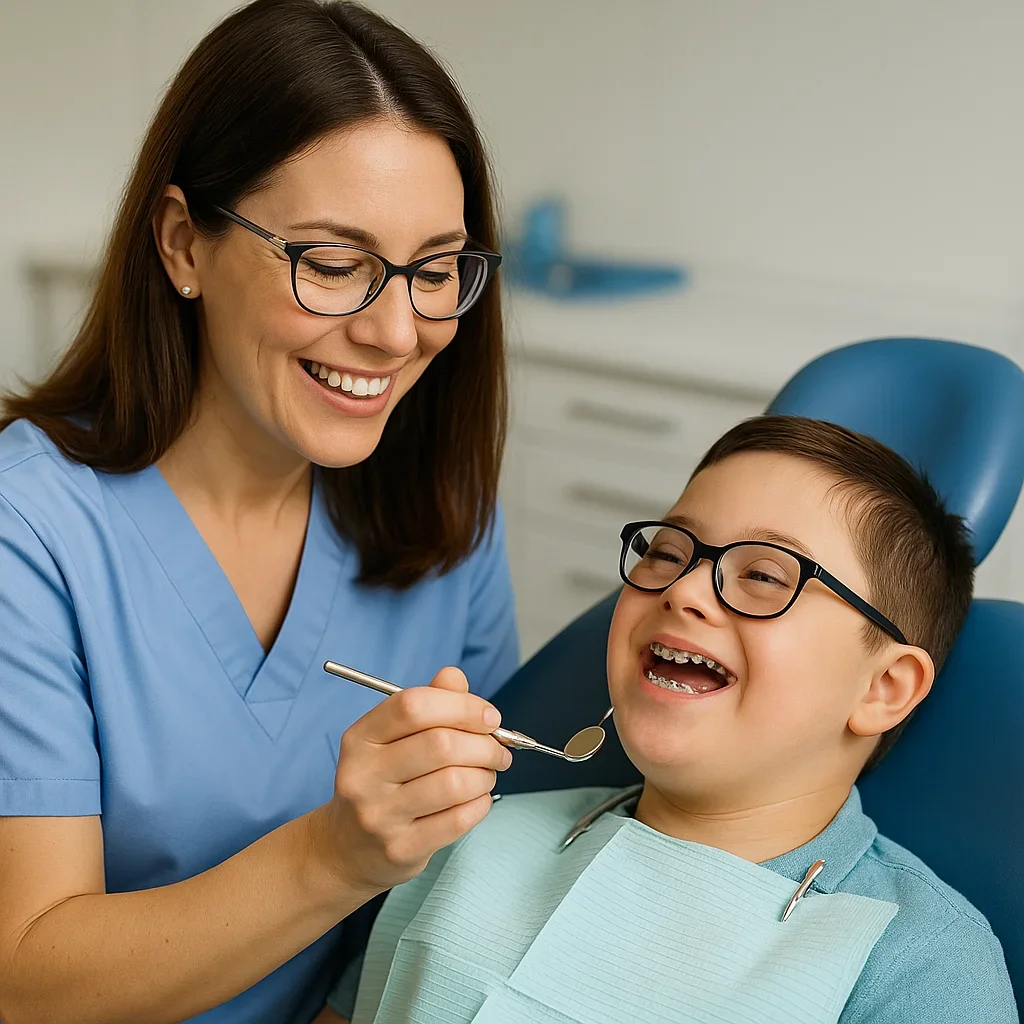
Finding the Right Special Needs Orthodontist Near You
Locating a qualified, compassionate, and experienced special needs orthodontist is one of the most important steps a family can take toward ensuring a safe and successful orthodontic experience for their child. Unlike standard orthodontic care, special needs orthodontics requires a unique blend of clinical expertise, behavioral understanding, sensory accommodation, and emotional sensitivity. This section provides a comprehensive guide to help families evaluate providers, understand what to look for, ask the right questions, and ultimately choose a clinic that will deliver the highest level of care and comfort. 🌟
Start With Providers Who Specialize in Special Care Dentistry
Not all orthodontists have formal training in treating patients with autism, ADHD, Down syndrome, sensory processing disorders, cerebral palsy, anxiety disorders, genetic conditions, or complex medical needs. A true special needs orthodontist has additional education, hands-on experience, and training specific to this patient population.
When searching, look for professionals who:
- Explicitly advertise special needs orthodontic care
- Belong to organizations related to special care dentistry
- Demonstrate experience with your child’s specific needs
- Offer sensory-friendly or adaptive clinical environments
- Provide flexible scheduling and extended appointment times
Checking a provider’s website, reviews, and clinic descriptions can give valuable insight into whether they are well-equipped to support your family.
Evaluate the Clinic Environment Before Scheduling Treatment
A welcoming, sensory-considerate clinic is essential for children who may become overwhelmed by bright lights, loud noises, or unpredictable environments. A special needs orthodontist designs the clinic with both emotional safety and sensory comfort in mind.
Parents should look for:
- Quiet waiting rooms with low lighting
- Sensory modifications such as weighted blankets or headphones
- Calming colors and minimal visual clutter
- Private treatment rooms for children who need low-stimulation environments
- Smooth, predictable appointment flow
Many clinics allow pre-visit tours, a fantastic opportunity for children to familiarize themselves with the space and reduce anxiety. This early exposure helps build trust with the special needs orthodontist and clinic staff.
Assess the Team’s Communication Style
Clear, gentle, patient-centered communication is a hallmark of an excellent special needs orthodontist. The clinician and staff should demonstrate the ability to interact respectfully with children of varying communication styles, including nonverbal patients, those who use AAC devices, and those who rely on gestures or visual aids.
During the first consultation, observe whether the team:
- Listens actively to your concerns
- Speaks calmly and reassuringly
- Provides options and choices for the child
- Explains procedures using simple, visual, or step-based language
- Adapts communication instantly if the child appears anxious
A supportive communication style helps build trust and ensures that the orthodontic journey is positive from the very beginning.
Questions Parents Should Ask During the First Visit
Asking the right questions ensures that you fully understand the specialist’s approach and whether it aligns with your child’s emotional and sensory needs. A qualified special needs orthodontist will happily answer detailed questions and welcome parent involvement.
Key Questions to Consider
- How much experience do you have treating children with my child’s condition?
- What sensory accommodations are available in your clinic?
- How do you manage anxiety or behavioral challenges during appointments?
- Do you offer gradual desensitization visits?
- What appliance options work best for children with sensory sensitivities?
- How flexible is your scheduling for longer or shorter appointments?
- How will you involve my child’s therapists or medical team in planning treatment?
If the orthodontist answers these questions confidently, warmly, and thoroughly, it is a strong sign you are in the right place.
Look for Interdisciplinary Collaboration
A special needs orthodontist often works closely with other professionals such as pediatric dentists, speech therapists, occupational therapists, behavioral specialists, neurologists, and pediatricians. This collaboration is critical when treating children with complex needs.
Interdisciplinary teamwork ensures:
- Orthodontic treatment supports speech and feeding goals
- Sensory accommodations match established therapy plans
- Medical conditions are monitored throughout treatment
- Behavioral strategies remain consistent between clinic and home
This unified approach results in greater comfort, stability, and treatment success for the child.
Review Feedback From Other Families
Parent testimonials can reveal valuable information about the clinic’s atmosphere and the orthodontist’s skill, empathy, and adaptability. Look for mentions of sensory-friendly care, behavioral understanding, and positive emotional experiences.
Families consistently praise a special needs orthodontist who:
- Celebrates small victories
- Shows exceptional patience
- Makes children feel understood
- Adjusts treatment plans when needed
- Communicates clearly and compassionately
Reading reviews from families with similar needs can help you choose a provider who will be the right fit.
Use Local and Professional Resources to Find Qualified Providers
Parents searching for reputable specialists can access directories or trusted dental organizations for guidance. Many find success by contacting their pediatrician, school therapists, or local support groups. A special needs orthodontist may also be found through national and international dental associations.
Families who wish to receive expert care at a clinic experienced in special care dentistry can easily schedule a consultation through the
Redent Klinik Contact Page. Additional helpful resources and clinical guidelines are provided by the
American Dental Association.
What to Do After Choosing an Orthodontist
Once you’ve selected the right special needs orthodontist, the next step is to begin preparing your child for their first visit. Establishing trust early—through pre-visit tours, visual schedules, and familiarization routines—ensures that the orthodontic journey begins on a foundation of comfort and confidence.
Ultimately, choosing the right specialist can transform orthodontic care from a stressful experience into a positive and empowering one. With the proper expertise, sensitivity, and environment, every child can receive the orthodontic care they deserve and move toward a healthier, brighter smile. 🌈