
Special needs pediatric dentistry is a highly specialized branch of dental care designed to meet the unique oral health requirements of children with physical, developmental, emotional, or behavioral conditions. Unlike general pediatric dentistry, special needs pediatric dentistry focuses on adapting dental treatments, communication techniques, and clinical environments to ensure that every child receives safe, comfortable, and effective care. For parents, understanding special needs pediatric dentistry is essential because it directly impacts not only oral health but also overall well-being, confidence, and quality of life. 😊
Children who benefit from special needs pediatric dentistry may include those with conditions such as autism spectrum disorder, Down syndrome, cerebral palsy, sensory processing disorders, ADHD, or chronic medical conditions. These children often face unique challenges during dental visits, including heightened anxiety, difficulty with communication, and sensitivity to sounds, lights, or touch. Special needs pediatric dentistry addresses these challenges by creating a supportive, patient-centered environment that prioritizes trust, gradual adaptation, and individualized care plans.
One of the most important aspects of special needs pediatric dentistry is the emphasis on prevention. Children with special healthcare needs are often at a higher risk for dental problems such as tooth decay, gum disease, and enamel defects. This can be due to factors like medications that reduce saliva flow, dietary habits, or difficulties maintaining daily oral hygiene. In special needs pediatric dentistry, dentists work closely with families to develop personalized prevention strategies, including tailored brushing techniques, fluoride treatments, and dietary guidance.
Another key element of special needs pediatric dentistry is communication. Dentists trained in this field use simple language, visual aids, and step-by-step explanations to help children understand what will happen during their visit. This approach reduces fear and builds familiarity over time. For children who are non-verbal or have limited communication skills, special needs pediatric dentistry professionals often collaborate with parents or caregivers to understand behavioral cues and preferences.
In addition to communication, the clinical environment plays a critical role in special needs pediatric dentistry. Many clinics are designed to be sensory-friendly, with dimmed lighting, quiet equipment, and calming décor. Some practices even offer weighted blankets, noise-canceling headphones, or visual distraction tools to help children feel more comfortable. These thoughtful adaptations make special needs pediatric dentistry not only effective but also a positive experience for both the child and their family.
Behavior management techniques are another cornerstone of special needs pediatric dentistry. Dentists may use methods such as tell-show-do, positive reinforcement, or desensitization to gradually introduce dental procedures. In some cases, sedation dentistry may be recommended to ensure safety and comfort during more complex treatments. The goal of special needs pediatric dentistry is always to minimize stress while maintaining the highest standard of care.
Parents play a vital role in the success of special needs pediatric dentistry. Preparing a child for a dental visit through social stories, practice sessions, or familiarization visits can significantly improve the experience. Open communication between parents and dental professionals ensures that each visit is tailored to the child’s specific needs and preferences. If you are looking for professional guidance or want to schedule an appointment, you can visit the Redent Klinik Contact Page for personalized support.
It is also important to rely on trusted organizations for accurate dental health information. The American Dental Association provides valuable resources and guidelines that support best practices in special needs pediatric dentistry. These guidelines help ensure that children receive safe, ethical, and evidence-based care.
In conclusion, special needs pediatric dentistry is more than just dental treatment—it is a compassionate, individualized approach to care that recognizes the unique challenges faced by each child. By focusing on prevention, communication, environment, and behavioral support, special needs pediatric dentistry empowers children to achieve better oral health while building confidence and trust. For families, understanding this field can make a significant difference in choosing the right care and ensuring a positive dental journey for their child. 🌟
What Is Special Needs Pediatric Dentistry and Why It Matters
Special needs pediatric dentistry is a dedicated area of dental care focused on providing safe, effective, and compassionate treatment for children who have physical, developmental, emotional, or medical conditions. This field goes beyond traditional pediatric dentistry by adapting every aspect of the dental experience—from communication and environment to treatment techniques—so that each child receives care tailored to their unique needs. Understanding special needs pediatric dentistry is crucial for parents because it ensures that children who might otherwise struggle in a standard dental setting can still maintain excellent oral health. 🦷
In special needs pediatric dentistry, the primary goal is not only to treat dental problems but also to create a positive and stress-free experience. Children with special healthcare needs often face additional barriers when it comes to oral hygiene and dental visits. These barriers may include sensory sensitivities, anxiety, limited motor skills, or complex medical conditions. Special needs pediatric dentistry addresses these challenges through individualized care plans, ensuring that each child’s physical and emotional comfort is prioritized at every stage.
Understanding the Scope of Special Needs Pediatric Dentistry
Special needs pediatric dentistry covers a wide range of conditions and situations. It is not limited to severe disabilities; it also includes children with mild behavioral challenges, chronic illnesses, or temporary medical conditions that affect dental care. This broad scope makes special needs pediatric dentistry an essential service for many families seeking personalized dental solutions.
For example, children with autism spectrum disorder may require a calm and predictable environment, while those with cerebral palsy may need assistance with positioning during treatment. In special needs pediatric dentistry, dentists are trained to recognize these differences and adjust their approach accordingly. This ensures that every child receives the same level of care, regardless of their condition.
Conditions Commonly Addressed
Special needs pediatric dentistry typically supports children with conditions such as Down syndrome, ADHD, epilepsy, sensory processing disorders, and genetic conditions affecting oral development. Each of these conditions presents unique challenges, and special needs pediatric dentistry provides the expertise needed to manage them effectively. By focusing on these specific needs, dentists can prevent complications and improve long-term oral health outcomes.
Why Special Needs Pediatric Dentistry Is Essential
The importance of special needs pediatric dentistry lies in its ability to bridge the gap between standard dental care and the unique requirements of children with special needs. Without this specialized approach, many children may avoid dental visits altogether, leading to untreated dental issues such as cavities, gum disease, or infections. Special needs pediatric dentistry ensures that these children receive timely and appropriate care, reducing the risk of more serious health problems in the future.
Another critical aspect of special needs pediatric dentistry is its focus on prevention. Dentists work closely with parents and caregivers to develop customized oral hygiene routines, dietary recommendations, and preventive treatments. This proactive approach helps minimize the need for invasive procedures and promotes healthier smiles over time.
Impact on Overall Health and Quality of Life
Oral health is closely linked to overall health, and this connection is especially important in special needs pediatric dentistry. Poor oral hygiene can lead to pain, difficulty eating, and even systemic health issues. By addressing these concerns early, special needs pediatric dentistry improves not only dental health but also the child’s comfort, nutrition, and confidence.
Additionally, positive dental experiences can have a lasting impact on a child’s attitude toward healthcare. When children feel safe and understood, they are more likely to cooperate during future visits. Special needs pediatric dentistry fosters this trust through patience, empathy, and consistency.
How Special Needs Pediatric Dentistry Differs from General Dentistry
While general pediatric dentistry focuses on routine care for children, special needs pediatric dentistry takes a more customized approach. Dentists in this field receive additional training in behavior management, sedation techniques, and the treatment of medically complex patients. This specialized knowledge allows them to handle situations that may be challenging in a standard dental setting.
For instance, special needs pediatric dentistry may involve longer appointment times, multiple short visits for gradual acclimation, or the use of advanced equipment designed for comfort and accessibility. These adaptations ensure that each child receives care in a way that suits their individual needs.
Customized Treatment Planning
In special needs pediatric dentistry, treatment plans are never one-size-fits-all. Dentists consider factors such as the child’s medical history, behavioral tendencies, and sensory preferences when designing a care plan. This personalized approach ensures that treatments are both effective and manageable for the child.
If you are seeking expert guidance or tailored dental care for your child, you can explore professional support through the Redent Klinik Contact Page. Access to specialized care is a key step in ensuring your child’s long-term oral health success.
Trusted Guidelines and Professional Standards
Special needs pediatric dentistry is guided by established standards and recommendations from trusted organizations. The American Dental Association provides evidence-based guidelines that help dentists deliver safe and effective care. These guidelines ensure that children receive treatment that meets the highest standards of quality and safety.
In summary, special needs pediatric dentistry is an essential field that combines clinical expertise with compassion and adaptability. By addressing the unique challenges faced by children with special needs, it ensures that every child has access to high-quality dental care. For parents, understanding the importance of special needs pediatric dentistry can make a significant difference in choosing the right dental provider and supporting their child’s oral health journey. 🌟
Who Qualifies for Special Needs Pediatric Dentistry Care
Special needs pediatric dentistry is designed to support children who require individualized dental care due to physical, developmental, behavioral, or medical conditions. Understanding who qualifies for special needs pediatric dentistry care is essential for parents, caregivers, and healthcare providers because it ensures that children receive the most appropriate and effective treatment. This field is not limited to severe disabilities; rather, special needs pediatric dentistry includes a wide spectrum of conditions that may affect a child’s ability to receive standard dental care comfortably and safely. 😊
In special needs pediatric dentistry, qualification is based on how a child’s condition impacts their oral health, behavior, communication, or ability to cooperate during dental visits. Many children who benefit from special needs pediatric dentistry may look physically healthy but still face challenges such as dental anxiety, sensory sensitivities, or cognitive differences. Therefore, the scope of special needs pediatric dentistry is broader than many parents initially expect.
Children with Developmental and Cognitive Conditions
One of the largest groups that qualify for special needs pediatric dentistry includes children with developmental or cognitive conditions. These conditions can affect communication, understanding, and behavior during dental visits. Special needs pediatric dentistry is specifically designed to adapt to these challenges and provide a supportive environment.
Common Developmental Conditions
Children diagnosed with autism spectrum disorder (ASD), Down syndrome, intellectual disabilities, or learning disorders often benefit from special needs pediatric dentistry. These children may have difficulty understanding instructions, tolerating dental procedures, or coping with unfamiliar environments. In special needs pediatric dentistry, dentists use visual aids, repetition, and gradual exposure to help these children feel more comfortable.
For example, a child with autism may be sensitive to bright lights or loud sounds. Special needs pediatric dentistry addresses this by creating a calm, sensory-friendly setting. This tailored approach ensures that the child receives necessary dental care without unnecessary stress.
Children with Physical Disabilities
Special needs pediatric dentistry also serves children with physical disabilities that may affect mobility, coordination, or muscle control. These conditions can make routine dental care more challenging and require specialized techniques or equipment.
Examples of Physical Conditions
Children with cerebral palsy, muscular dystrophy, or other neuromuscular disorders often need special needs pediatric dentistry care. These children may have difficulty sitting still, maintaining an open mouth, or controlling oral muscles. Dentists trained in special needs pediatric dentistry are equipped to handle these situations safely and effectively.
In many cases, special positioning devices or supportive tools are used to ensure comfort and stability during treatment. Special needs pediatric dentistry focuses on making these adaptations seamlessly, so the child feels secure throughout the procedure.
Children with Medical Conditions
Chronic illnesses and complex medical conditions are another important category within special needs pediatric dentistry. These children may require additional precautions, coordination with medical professionals, or modified treatment plans.
Medical Conditions Requiring Specialized Care
Conditions such as epilepsy, congenital heart disease, diabetes, or immune disorders often necessitate special needs pediatric dentistry. For example, a child with a heart condition may need antibiotic prophylaxis before certain dental procedures. Special needs pediatric dentistry ensures that all medical considerations are carefully managed to prevent complications.
Additionally, children undergoing long-term medical treatments, such as chemotherapy, may experience side effects that impact oral health. Special needs pediatric dentistry provides preventive and supportive care to address these issues and maintain oral hygiene during treatment.
Children with Behavioral or Emotional Challenges
Not all children who qualify for special needs pediatric dentistry have a diagnosed medical or developmental condition. Some children experience severe dental anxiety, phobias, or behavioral challenges that make traditional dental visits difficult.
Behavioral Considerations
Children with attention-deficit/hyperactivity disorder (ADHD), anxiety disorders, or trauma-related behaviors often benefit from special needs pediatric dentistry. These children may struggle with sitting still, following instructions, or coping with unfamiliar situations. Special needs pediatric dentistry uses behavior management techniques such as positive reinforcement, desensitization, and clear communication to improve cooperation.
By addressing emotional and behavioral needs, special needs pediatric dentistry helps children build confidence and develop a more positive relationship with dental care over time.
Children with Sensory Sensitivities
Sensory processing challenges are another important factor in determining eligibility for special needs pediatric dentistry. Some children are highly sensitive to textures, sounds, or physical sensations, which can make dental procedures overwhelming.
Sensory-Friendly Approaches
In special needs pediatric dentistry, sensory-friendly techniques are used to minimize discomfort. This may include dim lighting, quiet equipment, weighted blankets, or allowing the child to bring familiar objects from home. These adjustments help create a more comfortable experience and reduce anxiety.
Children with sensory sensitivities may not have a formal diagnosis, but they still benefit greatly from the personalized care provided in special needs pediatric dentistry.
Importance of Early Identification and Support
Recognizing whether a child qualifies for special needs pediatric dentistry early on can make a significant difference in their oral health journey. Early intervention allows dentists to implement preventive measures, establish trust, and address potential issues before they become more serious.
Parents who are unsure whether their child qualifies for special needs pediatric dentistry should consult with a qualified dental professional. Personalized guidance can help determine the best approach for the child’s specific needs. You can seek expert advice and schedule a consultation through the Redent Klinik Contact Page.
Professional Standards and Guidance
Special needs pediatric dentistry follows established guidelines to ensure safe and effective care. The American Dental Association provides valuable resources and recommendations that support best practices in this field. These standards help dentists deliver high-quality care tailored to each child’s unique situation.
In conclusion, special needs pediatric dentistry is inclusive and adaptable, covering a wide range of conditions and challenges. From developmental and physical disabilities to medical and behavioral needs, this specialized field ensures that every child has access to compassionate and effective dental care. Understanding who qualifies for special needs pediatric dentistry empowers parents to make informed decisions and support their child’s oral health with confidence. 🌟
Key Benefits of Specialized Pediatric Dental Care for Children with Special Needs
Special needs pediatric dentistry offers a wide range of benefits that go far beyond routine dental care. It is specifically designed to address the unique challenges faced by children who have physical, developmental, emotional, or medical conditions. For parents, understanding the advantages of special needs pediatric dentistry is essential because it highlights why this specialized care is not just helpful—but often necessary—for maintaining a child’s overall health and well-being. 🌟
Children who receive care through special needs pediatric dentistry benefit from a tailored approach that prioritizes comfort, safety, and long-term oral health. Unlike standard dental practices, special needs pediatric dentistry focuses on creating individualized experiences that reduce anxiety, improve cooperation, and ensure that each child receives the highest quality care possible.
Personalized Treatment Plans for Every Child
One of the most significant benefits of special needs pediatric dentistry is the development of customized treatment plans. Every child is different, and special needs pediatric dentistry recognizes that a one-size-fits-all approach simply does not work for children with unique needs.
Individualized Care Strategies
In special needs pediatric dentistry, dentists carefully evaluate each child’s medical history, behavioral patterns, and sensory sensitivities. This information is used to create a treatment plan that is both effective and manageable. For example, a child with sensory sensitivities may benefit from shorter appointments or a quiet treatment environment, while a child with a medical condition may require specific precautions during procedures.
This level of personalization ensures that special needs pediatric dentistry delivers care that is not only effective but also respectful of the child’s comfort and dignity.
Reduced Anxiety and Improved Comfort
Dental anxiety is common among children, but it can be especially intense for those who require special needs pediatric dentistry. One of the key benefits of this specialized field is its focus on reducing fear and creating a positive experience.
Creating a Safe and Calming Environment
Special needs pediatric dentistry clinics often incorporate sensory-friendly elements such as soft lighting, calming colors, and minimal noise. Some practices also offer tools like noise-canceling headphones or visual distractions to help children feel more relaxed. These adjustments make a significant difference in how children perceive dental visits.
By prioritizing comfort, special needs pediatric dentistry helps children build trust with their dental providers. This trust is essential for long-term oral health, as it encourages regular visits and cooperation during treatments.
Enhanced Preventive Care
Prevention is a cornerstone of special needs pediatric dentistry. Children with special healthcare needs are often at a higher risk for dental issues, making preventive care even more critical.
Proactive Oral Health Strategies
Special needs pediatric dentistry emphasizes early detection and prevention of dental problems. Dentists provide tailored guidance on brushing techniques, flossing, and dietary habits that suit the child’s specific needs. Fluoride treatments, sealants, and regular check-ups are also key components of preventive care.
By focusing on prevention, special needs pediatric dentistry reduces the likelihood of more complex and invasive procedures in the future. This approach not only protects the child’s oral health but also minimizes stress and discomfort.
Improved Communication and Understanding
Effective communication is a vital part of special needs pediatric dentistry. Dentists in this field are trained to use techniques that make it easier for children to understand and engage with the dental process.
Building Trust Through Communication
Special needs pediatric dentistry often involves the use of visual aids, simple language, and step-by-step explanations. These methods help children feel more in control and less anxious about what is happening. For non-verbal children, dentists may rely on cues from parents or caregivers to better understand the child’s needs.
This emphasis on communication strengthens the relationship between the child, the dentist, and the family, making each visit more productive and less stressful.
Safer and More Effective Treatments
Safety is a top priority in special needs pediatric dentistry. Children with medical or behavioral challenges may require additional precautions during dental procedures, and this field is specifically equipped to handle such situations.
Advanced Techniques and Equipment
Special needs pediatric dentistry may involve the use of sedation, specialized equipment, or modified techniques to ensure that treatments are both safe and effective. Dentists are trained to manage complex cases and respond to any potential complications.
This level of expertise provides parents with peace of mind, knowing that their child is receiving care from professionals who understand their unique needs.
Support for Families and Caregivers
Another important benefit of special needs pediatric dentistry is the support it provides to families. Caring for a child with special needs can be challenging, and dental care is just one part of that journey.
Guidance and Education
Special needs pediatric dentistry professionals work closely with parents and caregivers to provide education and practical advice. This may include tips for improving oral hygiene at home, managing dietary habits, or preparing for dental visits.
If you are looking for personalized support and expert care, you can connect with professionals through the Redent Klinik Contact Page. Access to the right resources can make a significant difference in your child’s oral health journey.
Long-Term Health and Confidence Benefits
The benefits of special needs pediatric dentistry extend beyond oral health. Healthy teeth and gums contribute to better nutrition, clearer speech, and improved self-esteem. Children who receive proper dental care are more likely to feel confident in their appearance and interactions with others.
Additionally, establishing a positive relationship with dental care early in life sets the foundation for lifelong oral health habits. Special needs pediatric dentistry plays a crucial role in building this foundation.
Professional Standards and Trusted Resources
Special needs pediatric dentistry follows established guidelines to ensure high-quality care. The American Dental Association provides evidence-based recommendations that support best practices in this field. These guidelines help ensure that children receive safe, ethical, and effective treatment.
In conclusion, special needs pediatric dentistry offers numerous benefits, including personalized care, reduced anxiety, enhanced prevention, and improved overall health. By addressing the unique challenges faced by children with special needs, this specialized field ensures that every child has the opportunity to achieve a healthy and confident smile. 😊
Common Dental Challenges in Special Needs Pediatric Dentistry
Special needs pediatric dentistry addresses a wide range of oral health challenges that are often more complex than those seen in general pediatric patients. Children who require special needs pediatric dentistry frequently experience unique dental issues due to medical conditions, medications, behavioral factors, or physical limitations. Understanding these common challenges is essential for parents and caregivers because early recognition and proper management can significantly improve long-term oral health outcomes. 🦷
In special needs pediatric dentistry, dentists are trained to identify not only visible dental problems but also underlying factors that contribute to oral health risks. These challenges often require a multidisciplinary approach, combining preventive care, behavioral strategies, and sometimes medical collaboration to ensure effective treatment.
Higher Risk of Tooth Decay and Cavities
One of the most common concerns in special needs pediatric dentistry is an increased risk of tooth decay. Many children in special needs pediatric dentistry programs are more vulnerable to cavities due to difficulties in maintaining proper oral hygiene.
Causes of Increased Cavity Risk
Children who benefit from special needs pediatric dentistry may struggle with brushing and flossing because of limited motor skills or lack of cooperation. Additionally, certain medications—especially syrups or those that reduce saliva—can contribute to a higher risk of decay. Saliva plays a crucial role in neutralizing acids and protecting teeth, so reduced saliva flow significantly impacts oral health.
Diet is another contributing factor. Some children rely on soft or carbohydrate-rich foods, which can increase the likelihood of cavities. In special needs pediatric dentistry, dentists work closely with families to modify these habits and implement preventive strategies.
Gum Disease and Oral Inflammation
Gum disease is another major challenge addressed in special needs pediatric dentistry. Children with special healthcare needs are often more prone to gingivitis and periodontal issues due to plaque accumulation and difficulties with daily oral care.
Signs and Prevention
Common signs of gum disease include redness, swelling, bleeding, and bad breath. In special needs pediatric dentistry, early detection is critical. Dentists may recommend more frequent cleanings, specialized toothbrushes, or antimicrobial mouth rinses to manage these issues.
Preventive education is also a key part of special needs pediatric dentistry, helping caregivers understand how to maintain gum health at home.
Enamel Defects and Tooth Development Issues
Children receiving care through special needs pediatric dentistry may also experience enamel defects or abnormal tooth development. These issues can make teeth more susceptible to damage and decay.
Types of Developmental Concerns
Conditions such as enamel hypoplasia or delayed tooth eruption are commonly seen in special needs pediatric dentistry. These problems may be linked to genetic factors, nutritional deficiencies, or systemic health conditions.
Dentists in special needs pediatric dentistry often use protective treatments such as sealants or fluoride applications to strengthen enamel and prevent further complications.
Bruxism (Teeth Grinding)
Bruxism, or teeth grinding, is frequently observed in children who require special needs pediatric dentistry. This condition can lead to tooth wear, jaw pain, and headaches if not properly managed.
Why Bruxism Occurs
In special needs pediatric dentistry, bruxism is often associated with stress, sensory processing issues, or neurological conditions. Some children may grind their teeth as a coping mechanism or due to muscle coordination challenges.
Treatment options in special needs pediatric dentistry may include night guards, behavioral interventions, or monitoring to prevent long-term damage.
Difficulty with Oral Hygiene Routines
Maintaining a consistent oral hygiene routine can be particularly challenging for children in special needs pediatric dentistry. Physical limitations, behavioral resistance, or sensory sensitivities can make brushing and flossing difficult.
Overcoming Daily Challenges
Special needs pediatric dentistry provides practical solutions to improve daily oral care. These may include adaptive toothbrushes, electric brushes, or modified techniques that make brushing easier and more effective.
Parents are also guided on how to establish routines and use positive reinforcement to encourage cooperation. If you need personalized advice, you can consult professionals through the Redent Klinik Contact Page.
Dental Anxiety and Behavioral Barriers
Dental anxiety is a significant challenge in special needs pediatric dentistry. Many children experience fear or discomfort during dental visits, which can lead to avoidance of care.
Managing Anxiety Effectively
Special needs pediatric dentistry uses various behavior management techniques to address anxiety. These include gradual exposure, clear communication, and creating a predictable environment. In some cases, sedation may be recommended to ensure a safe and stress-free experience.
By addressing anxiety, special needs pediatric dentistry helps children build confidence and develop a more positive attitude toward dental care.
Impact of Medications on Oral Health
Many children in special needs pediatric dentistry take medications that can affect oral health. These effects must be carefully managed to prevent complications.
Common Medication-Related Issues
Medications can cause dry mouth, gum overgrowth, or changes in oral bacteria. In special needs pediatric dentistry, dentists monitor these effects and adjust treatment plans accordingly.
Regular check-ups and preventive care are essential to minimize the impact of medications on oral health.
Professional Guidance and Best Practices
Special needs pediatric dentistry follows strict guidelines to ensure safe and effective care. The American Dental Association provides valuable recommendations that support best practices in managing these challenges.
These guidelines help dentists deliver evidence-based care tailored to each child’s needs, ensuring optimal outcomes in special needs pediatric dentistry.
Conclusion: Addressing Challenges with Confidence
In summary, special needs pediatric dentistry plays a vital role in identifying and managing the unique dental challenges faced by children with special needs. From increased cavity risk to behavioral barriers, these challenges require specialized knowledge and a compassionate approach.
By understanding these common issues, parents can take proactive steps to support their child’s oral health. With the right care and guidance, special needs pediatric dentistry ensures that every child has the opportunity to maintain a healthy, confident smile. 🌟
How Dentists Adapt Treatments in Special Needs Pediatric Dentistry
Special needs pediatric dentistry is built on the principle that every child deserves personalized, safe, and compassionate dental care. One of the most important aspects of special needs pediatric dentistry is how dentists adapt treatments to meet the unique physical, emotional, and behavioral needs of each patient. These adaptations are not optional—they are essential for ensuring that children with special healthcare needs can receive effective dental care without unnecessary stress or discomfort. 😊
In special needs pediatric dentistry, treatment is never standardized. Instead, dentists carefully evaluate each child’s medical history, communication abilities, sensory sensitivities, and behavioral patterns. This allows them to modify every step of the dental process—from the initial consultation to the completion of treatment—so that it aligns with the child’s specific needs.
Customized Treatment Planning in Special Needs Pediatric Dentistry
The foundation of successful care in special needs pediatric dentistry lies in individualized treatment planning. Before any procedure begins, dentists conduct a thorough assessment that includes medical conditions, medications, and previous dental experiences.
Comprehensive Patient Evaluation
In special needs pediatric dentistry, dentists often collaborate with pediatricians, neurologists, or other healthcare providers to fully understand the child’s condition. This interdisciplinary approach ensures that all medical considerations are addressed before treatment begins. For example, a child with epilepsy may require specific precautions during dental procedures, while a child with a heart condition may need antibiotic coverage.
This level of preparation ensures that special needs pediatric dentistry treatments are both safe and effective, minimizing the risk of complications.
Adapting the Dental Environment
The physical environment plays a crucial role in special needs pediatric dentistry. Many children with special needs are sensitive to sensory stimuli such as bright lights, loud noises, or unfamiliar smells. Dentists adapt the clinical setting to create a more comfortable and calming experience.
Sensory-Friendly Modifications
Special needs pediatric dentistry clinics often use dim lighting, quiet equipment, and soothing colors to reduce sensory overload. Some practices provide noise-canceling headphones, weighted blankets, or visual distraction tools such as cartoons or tablets. These adjustments help children feel more relaxed and cooperative during their visit.
By creating a supportive environment, special needs pediatric dentistry significantly improves the overall patient experience and increases the likelihood of successful treatment.
Flexible Appointment Scheduling
Another key adaptation in special needs pediatric dentistry is flexible scheduling. Traditional dental appointments may not be suitable for all children, especially those who require more time to adjust or who have limited attention spans.
Shorter and Gradual Visits
In special needs pediatric dentistry, dentists may schedule shorter, more frequent visits to gradually acclimate the child to the dental setting. This technique, known as desensitization, helps build familiarity and reduces anxiety over time.
Alternatively, appointments may be scheduled during quieter times of the day to minimize distractions and create a more controlled environment. These adjustments ensure that special needs pediatric dentistry remains patient-centered and adaptable.
Behavior Management Techniques
Behavior management is a cornerstone of special needs pediatric dentistry. Dentists use a variety of techniques to help children feel comfortable and cooperative during treatment.
Effective Communication Strategies
In special needs pediatric dentistry, communication is tailored to the child’s level of understanding. Dentists may use simple language, visual aids, or the tell-show-do method to explain procedures step by step. This approach helps reduce fear and builds trust between the child and the dental team.
Positive reinforcement, such as praise or small rewards, is also commonly used in special needs pediatric dentistry to encourage cooperation and create a positive experience.
Use of Sedation and Advanced Techniques
In some cases, children in special needs pediatric dentistry may require additional support to undergo dental procedures safely. Sedation dentistry is one of the tools used to ensure comfort and minimize stress.
Types of Sedation Used
Special needs pediatric dentistry may involve different levels of sedation, including nitrous oxide (laughing gas), oral sedation, or general anesthesia. The choice depends on the child’s needs, the complexity of the procedure, and their ability to cooperate.
These techniques are carefully administered by trained professionals, ensuring that the child remains safe and comfortable throughout the procedure. Special needs pediatric dentistry prioritizes both effectiveness and patient well-being in every treatment.
Adaptive Equipment and
How Dentists Adapt Treatments in Special Needs Pediatric Dentistry
Special needs pediatric dentistry is built on the principle that every child deserves personalized, safe, and compassionate dental care. One of the most important aspects of special needs pediatric dentistry is how dentists adapt treatments to meet the unique physical, emotional, and behavioral needs of each patient. These adaptations are not optional—they are essential for ensuring that children with special healthcare needs can receive effective dental care without unnecessary stress or discomfort. 😊
In special needs pediatric dentistry, treatment is never standardized. Instead, dentists carefully evaluate each child’s medical history, communication abilities, sensory sensitivities, and behavioral patterns. This allows them to modify every step of the dental process—from the initial consultation to the completion of treatment—so that it aligns with the child’s specific needs.
Customized Treatment Planning in Special Needs Pediatric Dentistry
The foundation of successful care in special needs pediatric dentistry lies in individualized treatment planning. Before any procedure begins, dentists conduct a thorough assessment that includes medical conditions, medications, and previous dental experiences.
Comprehensive Patient Evaluation
In special needs pediatric dentistry, dentists often collaborate with pediatricians, neurologists, or other healthcare providers to fully understand the child’s condition. This interdisciplinary approach ensures that all medical considerations are addressed before treatment begins. For example, a child with epilepsy may require specific precautions during dental procedures, while a child with a heart condition may need antibiotic coverage.
This level of preparation ensures that special needs pediatric dentistry treatments are both safe and effective, minimizing the risk of complications.
Adapting the Dental Environment
The physical environment plays a crucial role in special needs pediatric dentistry. Many children with special needs are sensitive to sensory stimuli such as bright lights, loud noises, or unfamiliar smells. Dentists adapt the clinical setting to create a more comfortable and calming experience.
Sensory-Friendly Modifications
Special needs pediatric dentistry clinics often use dim lighting, quiet equipment, and soothing colors to reduce sensory overload. Some practices provide noise-canceling headphones, weighted blankets, or visual distraction tools such as cartoons or tablets. These adjustments help children feel more relaxed and cooperative during their visit.
By creating a supportive environment, special needs pediatric dentistry significantly improves the overall patient experience and increases the likelihood of successful treatment.
Flexible Appointment Scheduling
Another key adaptation in special needs pediatric dentistry is flexible scheduling. Traditional dental appointments may not be suitable for all children, especially those who require more time to adjust or who have limited attention spans.
Shorter and Gradual Visits
In special needs pediatric dentistry, dentists may schedule shorter, more frequent visits to gradually acclimate the child to the dental setting. This technique, known as desensitization, helps build familiarity and reduces anxiety over time.
Alternatively, appointments may be scheduled during quieter times of the day to minimize distractions and create a more controlled environment. These adjustments ensure that special needs pediatric dentistry remains patient-centered and adaptable.
Behavior Management Techniques
Behavior management is a cornerstone of special needs pediatric dentistry. Dentists use a variety of techniques to help children feel comfortable and cooperative during treatment.
Effective Communication Strategies
In special needs pediatric dentistry, communication is tailored to the child’s level of understanding. Dentists may use simple language, visual aids, or the tell-show-do method to explain procedures step by step. This approach helps reduce fear and builds trust between the child and the dental team.
Positive reinforcement, such as praise or small rewards, is also commonly used in special needs pediatric dentistry to encourage cooperation and create a positive experience.
Use of Sedation and Advanced Techniques
In some cases, children in special needs pediatric dentistry may require additional support to undergo dental procedures safely. Sedation dentistry is one of the tools used to ensure comfort and minimize stress.
Types of Sedation Used
Special needs pediatric dentistry may involve different levels of sedation, including nitrous oxide (laughing gas), oral sedation, or general anesthesia. The choice depends on the child’s needs, the complexity of the procedure, and their ability to cooperate.
These techniques are carefully administered by trained professionals, ensuring that the child remains safe and comfortable throughout the procedure. Special needs pediatric dentistry prioritizes both effectiveness and patient well-being in every treatment.
Adaptive Equipment and Positioning
Physical adaptations are another important aspect of special needs pediatric dentistry. Some children may have difficulty sitting still or maintaining a comfortable position during treatment.
Specialized Tools and Supports
In special needs pediatric dentistry, dentists may use supportive cushions, positioning devices, or modified dental chairs to ensure stability and comfort. These tools help prevent movement during procedures and reduce the risk of injury.
Adaptive equipment allows dentists to perform treatments more efficiently while ensuring that the child feels secure and supported.
Parental Involvement and Collaboration
Parents and caregivers play a vital role in special needs pediatric dentistry. Their involvement helps dentists understand the child’s preferences, triggers, and communication style.
Building a Collaborative Approach
In special needs pediatric dentistry, parents are often encouraged to be present during appointments to provide reassurance and support. Dentists may also offer guidance on how to prepare the child for visits and maintain oral hygiene at home.
If you are looking for personalized dental care and expert support, you can reach out through the Redent Klinik Contact Page to ensure your child receives tailored treatment.
Following Professional Guidelines
Special needs pediatric dentistry follows strict clinical standards to ensure safe and effective care. The American Dental Association provides evidence-based guidelines that support best practices in this field.
These guidelines help dentists deliver high-quality care while addressing the unique challenges associated with special needs pediatric dentistry.
Conclusion: A Personalized Approach to Better Care
In conclusion, special needs pediatric dentistry stands out because of its ability to adapt treatments to each child’s individual needs. From customized treatment plans and sensory-friendly environments to behavior management and advanced techniques, every aspect of care is designed to ensure comfort, safety, and success.
By embracing flexibility and compassion, special needs pediatric dentistry empowers children to receive the dental care they need while building trust and confidence. This personalized approach not only improves oral health outcomes but also creates a positive and lasting impact on the child’s overall well-being. 🌟
Costs and Insurance Coverage in Special Needs Pediatric Dentistry
Special needs pediatric dentistry is not only about delivering compassionate and customized care—it also involves understanding the financial aspects of treatment. For many parents, one of the most important concerns is the cost of care and how insurance coverage applies. Special needs pediatric dentistry can sometimes involve additional resources, longer appointments, or specialized techniques, which may influence pricing. However, with proper planning and knowledge, families can manage these costs effectively while ensuring their child receives the best possible care. 💡
In special needs pediatric dentistry, costs vary depending on several factors, including the child’s condition, the complexity of the treatment, and the need for sedation or specialized equipment. Unlike routine dental visits, special needs pediatric dentistry often requires a more personalized approach, which may involve additional time and expertise.
Factors That Influence Costs in Special Needs Pediatric Dentistry
Understanding what affects the cost of special needs pediatric dentistry helps parents make informed decisions. Not every child will require the same level of care, so pricing can differ significantly from one case to another.
Complexity of Treatment
One of the primary factors influencing the cost of special needs pediatric dentistry is the complexity of the procedure. Preventive treatments such as cleanings and fluoride applications are generally more affordable, while restorative procedures like fillings, crowns, or extractions may cost more. If sedation or general anesthesia is required, this can also increase the overall cost.
Special needs pediatric dentistry often involves additional planning and preparation, which contributes to the overall expense but ensures safe and effective care.
Duration and Frequency of Appointments
Children receiving special needs pediatric dentistry may require longer or multiple visits to complete treatment. This is particularly common when using desensitization techniques or gradual exposure methods. While this approach improves the child’s comfort, it may also impact the total cost.
Average Price Ranges for Common Treatments
While exact pricing can vary by location and clinic, the following are general estimates for services commonly provided in special needs pediatric dentistry:
Typical Dental Treatment Costs
- Routine dental exam and cleaning: $80 – $200
- Fluoride treatment: $30 – $80
- Dental fillings: $100 – $300 per tooth
- Dental crowns (pediatric): $300 – $900
- Tooth extraction: $150 – $400
- Sealants: $40 – $100 per tooth
- Deep cleaning (if needed): $150 – $350
Sedation and Specialized Care Costs
- Nitrous oxide (laughing gas): $50 – $150
- Oral sedation: $150 – $500
- General anesthesia (hospital setting): $1,000 – $3,000+
These costs reflect the additional care and expertise required in special needs pediatric dentistry. While some procedures may seem expensive, they are often necessary to ensure the child’s safety and comfort during treatment.
Insurance Coverage for Special Needs Pediatric Dentistry
Insurance plays a critical role in making special needs pediatric dentistry more accessible. Many dental insurance plans cover basic preventive and restorative treatments, but coverage for specialized care may vary.
What Most Insurance Plans Cover
In special needs pediatric dentistry, standard insurance policies typically cover routine exams, cleanings, X-rays, and basic procedures such as fillings. However, coverage for sedation or advanced treatments may be limited or require prior authorization.
Parents are encouraged to review their insurance policies carefully and consult with their dental provider to understand what is included. Special needs pediatric dentistry clinics often assist families in navigating insurance claims and maximizing benefits.
Government and Support Programs
In many countries, government programs or public health insurance plans provide additional support for children with special healthcare needs. These programs may cover a significant portion of special needs pediatric dentistry services, including preventive care and medically necessary treatments.
Eligibility and coverage vary by region, so it is important to explore local options and determine what assistance is available.
Cost-Saving Strategies for Families
Managing the cost of special needs pediatric dentistry does not have to be overwhelming. There are several strategies parents can use to reduce expenses while maintaining high-quality care.
Preventive Care and Early Intervention
One of the most effective ways to lower costs in special needs pediatric dentistry is through prevention. Regular check-ups, proper oral hygiene, and early treatment of minor issues can prevent more serious and expensive problems in the future.
Flexible Payment Options
Many clinics offering special needs pediatric dentistry provide flexible payment plans or financing options. These arrangements allow families to spread the cost of treatment over time, making it more manageable.
If you are looking for affordable and personalized dental care, you can explore options through the Redent Klinik Contact Page to receive guidance tailored to your situation.
Importance of Choosing the Right Clinic
While cost is an important consideration, it should not be the only factor when selecting a provider for special needs pediatric dentistry. Choosing a clinic with experienced professionals ensures that your child receives safe and effective care.
Investing in quality special needs pediatric dentistry can prevent complications, reduce the need for repeated treatments, and ultimately save money in the long run.
Trusted Guidelines and Financial Transparency
Special needs pediatric dentistry providers often follow guidelines established by organizations such as the American Dental Association, which promote transparency and ethical practices. These standards help ensure that families receive clear information about treatment options and associated costs.
Conclusion: Balancing Cost and Quality Care
In conclusion, special needs pediatric dentistry involves a range of costs that reflect the specialized care required for children with unique needs. While expenses may vary, understanding pricing structures, insurance coverage, and cost-saving strategies can help families make informed decisions.
By prioritizing preventive care, exploring financial options, and choosing experienced providers, parents can ensure that their child receives the best possible care without unnecessary financial strain. Special needs pediatric dentistry is an investment in your child’s health, comfort, and confidence—one that delivers long-term benefits for both the child and the family. 🌟
Choosing the Right Special Needs Pediatric Dentist for Your Child
Choosing the right provider for special needs pediatric dentistry is one of the most important decisions parents can make for their child’s oral health. Unlike general dental care, special needs pediatric dentistry requires a deeper level of expertise, patience, and adaptability. The right dentist not only treats dental issues but also creates a safe, supportive, and understanding environment where your child can feel comfortable and respected. 😊
In special needs pediatric dentistry, the relationship between the child, the dentist, and the family is essential. A well-qualified dentist understands that every child is unique and takes the time to build trust, communicate effectively, and adapt treatments accordingly. This personalized approach ensures that your child receives care that is both effective and emotionally supportive.
Qualifications and Training in Special Needs Pediatric Dentistry
One of the first factors to consider when choosing a provider for special needs pediatric dentistry is their qualifications and training. Not all pediatric dentists have the same level of experience in handling children with special healthcare needs.
Specialized Education and Experience
Dentists who practice special needs pediatric dentistry often undergo additional training in behavior management, sedation techniques, and the treatment of medically complex patients. They are also familiar with a wide range of conditions, including autism spectrum disorder, Down syndrome, and physical disabilities.
When evaluating a dentist, ask about their experience with cases similar to your child’s. A provider with a strong background in special needs pediatric dentistry will be better equipped to handle challenges and deliver high-quality care.
Child-Friendly and Sensory-Safe Environment
The environment of the dental clinic plays a crucial role in special needs pediatric dentistry. Children with special needs may be sensitive to sensory stimuli, so the clinic should be designed to minimize stress and discomfort.
What to Look for in a Dental Office
In special needs pediatric dentistry, a well-designed clinic may include features such as soft lighting, quiet equipment, and calming décor. Some offices also provide sensory tools like noise-canceling headphones, visual aids, or weighted blankets to help children feel more at ease.
A welcoming and adaptable environment is a strong indicator that the clinic is experienced in special needs pediatric dentistry and committed to patient comfort.
Communication and Behavioral Approach
Effective communication is a cornerstone of special needs pediatric dentistry. The dentist should be able to explain procedures in a way that your child can understand and feel comfortable with.
Building Trust Through Communication
In special needs pediatric dentistry, dentists often use techniques such as tell-show-do, visual storytelling, and positive reinforcement. These methods help children understand what to expect and reduce anxiety.
Additionally, the dentist should communicate openly with parents, discussing treatment options, potential challenges, and strategies for success. This collaborative approach ensures that everyone is aligned in supporting the child’s needs.
Availability of Advanced Care Options
Another important consideration in special needs pediatric dentistry is the availability of advanced care options. Some children may require sedation or specialized procedures to ensure safe and effective treatment.
Sedation and Emergency Preparedness
Clinics that offer special needs pediatric dentistry should have the capability to provide sedation options such as nitrous oxide or general anesthesia when necessary. They should also be equipped to handle medical emergencies and coordinate with other healthcare professionals if needed.
This level of preparedness ensures that your child receives comprehensive care in a safe environment.
Parental Involvement and Support
Special needs pediatric dentistry emphasizes the importance of involving parents and caregivers in the treatment process. A good dentist will encourage your participation and value your insights about your child.
Collaborative Care Approach
In special needs pediatric dentistry, parents are often invited to be present during appointments to provide comfort and reassurance. Dentists may also offer guidance on preparing your child for visits and maintaining oral hygiene at home.
If you are seeking personalized care and expert support, you can connect with professionals through the Redent Klinik Contact Page to ensure your child receives tailored treatment.
Reputation and Patient Reviews
Researching a clinic’s reputation is an important step in choosing the right provider for special needs pediatric dentistry. Reviews and testimonials from other parents can provide valuable insights into the quality of care and patient experience.
What Reviews Can Tell You
Look for feedback that highlights the dentist’s patience, communication skills, and ability to handle special needs cases. Positive reviews often indicate that the clinic has a strong track record in special needs pediatric dentistry.
Additionally, recommendations from pediatricians or other healthcare providers can help you find a trusted specialist.
Accessibility and Location Considerations
Accessibility is another key factor in special needs pediatric dentistry. The clinic should be easy to reach and equipped to accommodate children with mobility challenges.
Convenience and Comfort
Features such as wheelchair access, ample parking, and a comfortable waiting area can make a significant difference in the overall experience. In special needs pediatric dentistry, convenience plays an important role in reducing stress for both the child and the family.
Following Professional Standards
Reliable providers of special needs pediatric dentistry adhere to established guidelines and best practices. The American Dental Association offers valuable resources that help ensure high standards of care.
Choosing a dentist who follows these guidelines ensures that your child receives safe, ethical, and evidence-based treatment.
Conclusion: Making the Right Choice for Your Child
In conclusion, selecting the right provider for special needs pediatric dentistry involves careful consideration of qualifications, environment, communication, and overall approach to care. The right dentist will not only address your child’s dental needs but also create a positive and supportive experience.
By taking the time to evaluate your options and prioritize your child’s comfort and well-being, you can ensure that special needs pediatric dentistry becomes a positive and empowering part of your child’s healthcare journey. 🌟
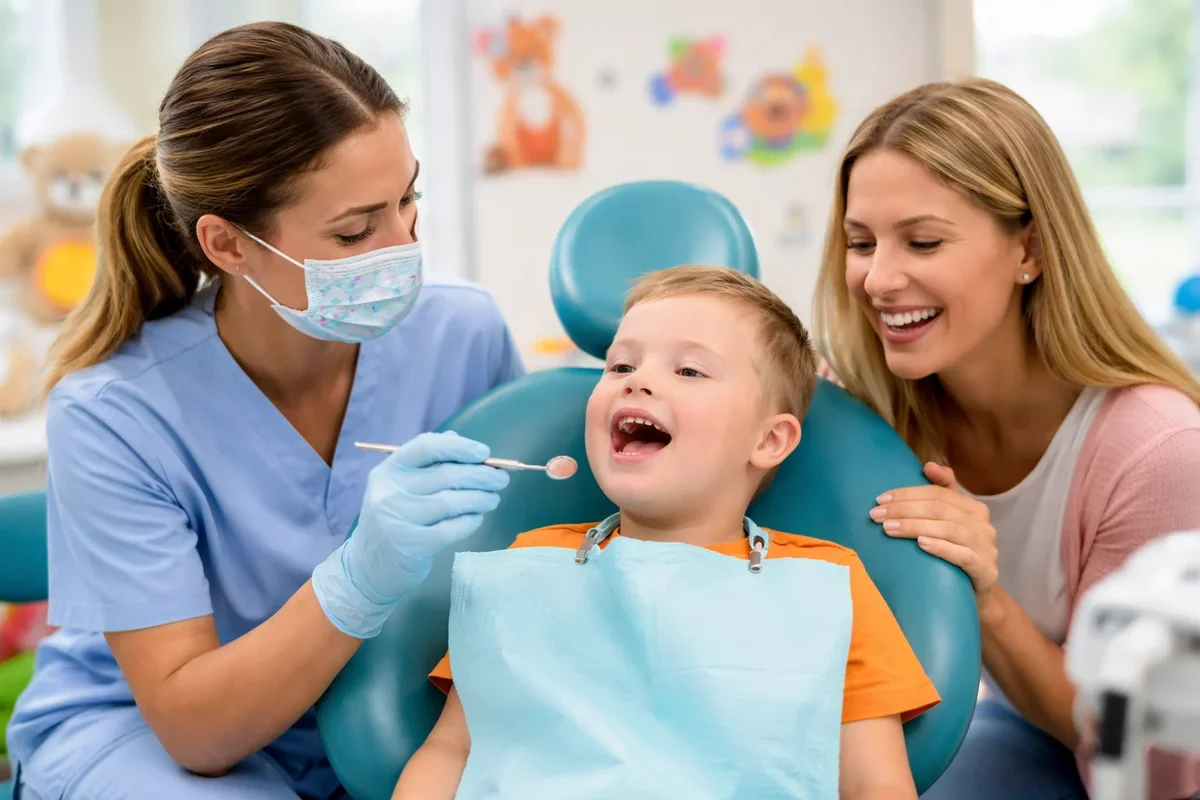
Preparing Your Child for a Special Needs Pediatric Dentistry Visit
Preparing your child for a dental appointment is important in any situation, but it becomes even more essential in special needs pediatric dentistry. Children who require special needs pediatric dentistry often experience heightened anxiety, sensory sensitivities, or communication challenges that can make dental visits overwhelming. Proper preparation helps reduce fear, increase cooperation, and create a positive experience that supports long-term oral health. 😊
In special needs pediatric dentistry, preparation is not just about explaining the visit—it involves building familiarity, trust, and predictability. When children know what to expect, they are more likely to feel safe and comfortable during the appointment. Parents and caregivers play a crucial role in this process, working closely with dental professionals to ensure a smooth and successful visit.
Understanding Your Child’s Unique Needs
Every child in special needs pediatric dentistry has different triggers, preferences, and coping mechanisms. Understanding these individual factors is the first step in preparing for a successful dental visit.
Identifying Triggers and Comfort Zones
In special needs pediatric dentistry, children may be sensitive to specific stimuli such as bright lights, loud sounds, or unfamiliar textures. Parents should observe and identify these triggers in advance. For example, if your child is sensitive to noise, bringing noise-canceling headphones to the appointment can make a significant difference.
Similarly, recognizing what comforts your child—such as a favorite toy, blanket, or music—can help create a sense of security. Special needs pediatric dentistry encourages the use of familiar items to ease anxiety and improve cooperation.
Using Visual and Social Preparation Techniques
Visual aids and social stories are powerful tools in special needs pediatric dentistry. These techniques help children understand what will happen during their dental visit in a clear and predictable way.
Creating a Visual Schedule
In special needs pediatric dentistry, a visual schedule can outline each step of the visit, from entering the clinic to sitting in the dental chair. This helps children mentally prepare for the experience and reduces uncertainty.
Social stories—simple narratives that describe the dental visit—are also effective. They can include pictures and step-by-step explanations, helping children feel more confident and less anxious.
Practicing at Home Before the Appointment
Practice plays a key role in special needs pediatric dentistry preparation. Familiarizing your child with dental routines at home can make the actual visit less intimidating.
Role-Playing Dental Visits
Parents can simulate a dental visit by practicing opening the mouth, counting teeth, or using a toothbrush as a “dental tool.” In special needs pediatric dentistry, this type of role-playing helps children become more comfortable with the sensations and actions they will experience.
Consistency is important. Repeating these practices regularly can build confidence and reduce resistance during the actual appointment.
Communicating with the Dental Team in Advance
Open communication with your dentist is essential in special needs pediatric dentistry. Sharing detailed information about your child’s needs helps the dental team prepare and adapt their approach.
Providing Important Information
Before the visit, inform the dentist about your child’s medical history, behavioral patterns, and any specific concerns. In special needs pediatric dentistry, this information allows the team to customize the appointment and avoid potential triggers.
If you are looking for personalized guidance or want to discuss your child’s needs, you can contact professionals through the Redent Klinik Contact Page for tailored support.
Choosing the Right Appointment Time
Timing can significantly impact the success of a visit in special needs pediatric dentistry. Selecting the right time of day can help minimize stress and improve cooperation.
Optimal Scheduling Strategies
In special needs pediatric dentistry, early morning appointments are often recommended because children are usually more rested and less overwhelmed. Additionally, scheduling during quieter hours can reduce sensory overload and create a calmer environment.
Planning around your child’s routine—such as avoiding times when they are hungry or tired—can also make a big difference.
Using Positive Reinforcement and Motivation
Positive reinforcement is a powerful tool in special needs pediatric dentistry. Encouraging your child with rewards and praise can help create a positive association with dental visits.
Reward Systems and Encouragement
In special needs pediatric dentistry, small rewards such as stickers, toys, or extra playtime can motivate children to cooperate during the visit. Verbal praise and encouragement also play a crucial role in building confidence.
By focusing on positive experiences, special needs pediatric dentistry helps children develop a more comfortable relationship with dental care.
Preparing for Sensory Comfort During the Visit
Sensory comfort is a key consideration in special needs pediatric dentistry. Bringing familiar items and preparing for sensory challenges can greatly improve the experience.
What to Bring to the Appointment
Consider bringing items such as headphones, sunglasses, or a favorite toy to the appointment. In special needs pediatric dentistry, these items can help reduce sensory discomfort and provide reassurance.
Discussing sensory preferences with the dental team in advance allows them to make additional adjustments, such as dimming lights or minimizing noise.
Following Professional Guidelines
Special needs pediatric dentistry follows established standards to ensure safe and effective care. The American Dental Association provides guidelines that support best practices in preparing children for dental visits.
These recommendations help ensure that children receive high-quality care tailored to their unique needs.
Conclusion: Building Confidence for a Positive Experience
In conclusion, preparing your child for a visit in special needs pediatric dentistry is a crucial step in ensuring a successful and stress-free experience. By understanding your child’s needs, using visual tools, practicing at home, and communicating with the dental team, you can create a supportive environment that promotes cooperation and confidence.
Special needs pediatric dentistry is not just about treatment—it is about building trust, reducing anxiety, and empowering children to take control of their oral health journey. With the right preparation, every dental visit can become a positive and rewarding experience for both the child and the family. 🌟