
Missing teeth affect far more than appearance—they can change how you eat, speak, and feel about yourself. This is where specialist dental implants come into play. Designed and placed by highly trained dental professionals, specialist dental implants represent the most advanced, stable, and natural-looking solution for tooth loss. Unlike removable dentures or traditional bridges, this treatment focuses on restoring the entire tooth structure, from root to crown, for long-term oral health and confidence 😊.
Specialist dental implants are titanium or zirconia posts surgically placed into the jawbone by an implant specialist with advanced training in oral surgery, prosthodontics, or implantology. These implants act as artificial tooth roots. Over time, they fuse with the bone through a natural process called osseointegration, creating a strong foundation for crowns, bridges, or full-arch restorations. Because the procedure is performed by a specialist, treatment planning is more precise, safer, and tailored to complex cases.
One of the main reasons patients search for specialist dental implants is reliability. Tooth loss can occur due to trauma, gum disease, decay, or aging. In many cases, patients also suffer from bone loss, sinus issues, or previous implant failure. A general approach may not be enough. Specialist dental implants are specifically designed for these advanced situations, using digital imaging, 3D scans, and guided surgery to ensure optimal placement and long-term success.
From a functional perspective, specialist dental implants closely mimic natural teeth. They allow you to chew efficiently, speak clearly, and maintain proper facial structure. When teeth are missing, the jawbone begins to shrink over time, leading to a sunken facial appearance. Specialist dental implants actively stimulate the jawbone, preventing bone loss and preserving facial aesthetics. This makes them not only a cosmetic improvement but also a medically important treatment 🦷.
Another key advantage of specialist dental implants is durability. When properly placed and maintained, they can last decades—often a lifetime. This is why leading dental authorities such as the
American Dental Association recognize dental implants as one of the most predictable procedures in modern dentistry. Choosing a specialist significantly reduces risks such as implant failure, nerve damage, or infection.
Patients often worry about comfort and safety. Thanks to modern anesthesia, minimally invasive techniques, and advanced diagnostics, specialist dental implants are far more comfortable than many people expect. Specialists evaluate bone density, gum health, bite alignment, and overall medical history before starting treatment. This level of planning is what separates specialist dental implants from standard implant solutions.
Beyond function, aesthetics play a major role. The crowns used with specialist dental implants are custom-designed to match your natural teeth in color, shape, and size. The result is a smile that looks completely natural—no metal hooks, no visible gaps, and no shifting during speech or eating. For patients seeking a permanent, confident smile, specialist dental implants are often the gold standard ✨.
If you are considering this treatment and want expert guidance tailored to your needs, it is essential to consult an experienced implant clinic. You can easily reach out through the
Redent Klinik Contact Page to receive professional evaluation and personalized treatment planning for specialist dental implants.
In summary, specialist dental implants offer a comprehensive, long-term solution for missing teeth by restoring function, appearance, and oral health at the highest level. With advanced technology, specialist expertise, and proven clinical success, this treatment stands out as one of the most effective investments you can make in your smile and overall well-being 😁.
What Are Specialist Dental Implants and How Do They Work?
To fully understand why specialist dental implants are considered the gold standard for tooth replacement, it helps to know exactly what they are and how they function inside the mouth. At their core, specialist dental implants are advanced medical-grade fixtures that replace missing tooth roots and support permanent, natural-looking teeth. What makes them “specialist” is not just the implant itself, but the level of expertise, planning, and technology involved in their placement 😊.
The Core Components of Specialist Dental Implants
Specialist dental implants consist of three essential parts that work together as a complete system. The first component is the implant post, usually made of biocompatible titanium or zirconia. This post is surgically placed into the jawbone by a trained implant specialist. The second component is the abutment, which connects the implant post to the visible tooth. The final component is the dental crown, custom-designed to look and function like a natural tooth.
Unlike removable dentures, specialist dental implants are fixed in place. This stability allows them to restore up to 90–100% of natural chewing function. Because the materials used are highly compatible with human bone and tissue, the body accepts specialist dental implants without triggering rejection in healthy patients.
How Osseointegration Makes Specialist Dental Implants Strong
One of the most important biological processes behind specialist dental implants is osseointegration. This is the process by which the jawbone gradually grows around and bonds with the implant post. Over several weeks or months, the implant becomes a permanent part of the bone structure. This fusion is what gives specialist dental implants their exceptional strength and long-term reliability.
Osseointegration also explains why specialist dental implants help prevent bone loss. When a natural tooth root is missing, the jawbone no longer receives stimulation and begins to shrink. Specialist dental implants restore that stimulation, preserving bone volume and maintaining facial structure over time 🦷.
Why Specialist Planning Is Critical for Implant Success
A key difference between standard implants and specialist dental implants lies in the planning phase. Specialists use advanced diagnostic tools such as 3D cone beam CT scans, digital impressions, and computer-guided surgery. These technologies allow the implant to be placed at the ideal angle, depth, and position, avoiding nerves and sinus cavities.
This level of precision is especially important for patients with complex needs, such as low bone density, previous implant failure, or chronic gum disease. Specialist dental implants are designed to succeed where basic approaches may fall short.
How Specialist Dental Implants Restore Natural Function
From a functional standpoint, specialist dental implants behave almost exactly like natural teeth. Because they are anchored directly into the jawbone, they do not move, slip, or cause irritation to the gums. This allows patients to eat hard or chewy foods with confidence and speak clearly without worrying about shifting teeth.
Another major benefit is bite balance. When teeth are missing, the remaining teeth often shift, leading to bite problems and jaw discomfort. Specialist dental implants restore proper spacing and alignment, helping distribute bite forces evenly across the mouth. This reduces wear on surrounding teeth and lowers the risk of jaw joint issues.
The Role of Specialists in Advanced Implant Cases
Not all implant cases are straightforward. Patients who have experienced bone loss, sinus expansion, or long-term tooth absence often require advanced procedures such as bone grafting or sinus lifts. Specialist dental implants are placed by clinicians trained to perform these procedures safely and effectively.
In such cases, the specialist designs a phased treatment plan that may include bone regeneration before implant placement. This comprehensive approach significantly increases success rates and ensures that specialist dental implants remain stable for many years.
Long-Term Reliability and Clinical Evidence
Clinical studies consistently show success rates above 95% for specialist dental implants when placed under proper conditions. This is one reason why authoritative organizations like the
American Dental Association recognize dental implants as a predictable and effective treatment for missing teeth.
With proper oral hygiene, regular dental checkups, and professional placement, specialist dental implants can last for decades. They do not decay like natural teeth, and they help protect overall oral health by maintaining bone structure and gum stability.
In summary, specialist dental implants work by combining advanced materials, biological integration, and expert-level planning to replace missing teeth in the most natural and durable way possible. Their ability to restore strength, function, and aesthetics makes them one of the most trusted solutions in modern dentistry 😁.
Who Is a Good Candidate for Specialist Dental Implants?
One of the most common questions patients ask is whether they are suitable for specialist dental implants. The good news is that modern implant dentistry has advanced significantly, making this treatment accessible to a wide range of patients. However, because specialist dental implants involve surgical precision and long-term planning, careful evaluation is essential to ensure safety, success, and durability 😊.
General Health Requirements for Specialist Dental Implants
Overall health plays an important role in determining candidacy for specialist dental implants. Most healthy adults are suitable candidates, provided they do not have uncontrolled systemic conditions. Chronic illnesses such as diabetes, osteoporosis, or cardiovascular disease do not automatically disqualify a patient, but they must be well-managed.
Specialists carefully review medical history, medications, and lifestyle factors before proceeding. For example, patients who smoke may still receive specialist dental implants, but they are advised to reduce or stop smoking, as it can slow healing and affect osseointegration. The advantage of specialist dental implants is that these risk factors are identified early and managed proactively.
Jawbone and Gum Health Considerations
A strong and healthy jawbone is one of the key requirements for specialist dental implants. Because the implant must integrate with the bone, sufficient bone volume and density are important for long-term stability. Patients who have been missing teeth for many years may experience bone loss, which is common and expected.
This is where specialist expertise becomes crucial. Even patients with significant bone loss may still qualify for specialist dental implants through advanced procedures such as bone grafting or guided bone regeneration. Gum health is equally important. Active gum disease must be treated before implant placement to reduce the risk of infection and implant failure 🦷.
Can Patients With Bone Loss Still Receive Specialist Dental Implants?
Yes, many patients with bone loss are still excellent candidates for specialist dental implants. Implant specialists use 3D imaging to assess bone quality and design personalized treatment plans. In some cases, short implants, angled implants, or zygomatic implants may be used to avoid complex grafting procedures.
This level of customization is a defining feature of specialist dental implants and allows successful treatment even in challenging cases.
Age and Lifestyle Factors
Age alone is not a limiting factor for specialist dental implants. Older adults often benefit significantly from implant treatment, especially when compared to removable dentures. As long as bone growth is complete and overall health is stable, implants can be placed safely in patients well into their senior years.
Lifestyle habits, however, do matter. Smoking, poor oral hygiene, and irregular dental visits can affect implant longevity. Specialists focus heavily on patient education, ensuring that individuals understand how to care for their specialist dental implants properly for long-term success.
Patients With Previous Dental Work or Failed Implants
Patients who have had unsuccessful implants in the past are often ideal candidates for specialist dental implants. Failed implants usually occur due to improper placement, infection, or inadequate planning. Implant specialists are trained to identify the cause of failure and correct it using advanced techniques.
This may involve removing old implants, regenerating bone, and placing new specialist dental implants under optimal conditions. In many cases, patients who were previously told they were “not suitable” can achieve excellent results with specialist care.
Full-Arch and Complex Restorations
Patients missing multiple teeth or an entire arch often benefit the most from specialist dental implants. Solutions such as implant-supported bridges or full-arch restorations require precise planning and biomechanical understanding. Specialists ensure even load distribution and long-term stability, which is critical in complex restorations.
These advanced cases highlight why specialist dental implants are preferred over general approaches for comprehensive tooth replacement.
Psychological and Functional Readiness
Beyond physical factors, patient commitment is an important part of candidacy for specialist dental implants. Successful outcomes depend on following post-operative instructions, maintaining oral hygiene, and attending regular follow-up visits. Patients who are motivated to restore their oral health and quality of life tend to achieve the best results 😁.
Specialists also take time to understand patient expectations, ensuring that the final outcome aligns with both functional needs and aesthetic goals.
In conclusion, a good candidate for specialist dental implants is not defined by age or a single condition, but by a comprehensive evaluation of health, bone structure, lifestyle, and commitment to care. Thanks to modern techniques and specialist expertise, more patients than ever can benefit from this reliable and life-changing treatment.
The Difference Between General Implants and Specialist Dental Implants
Many patients assume that all dental implants are the same, but in reality, there is a significant difference between standard implant treatments and specialist dental implants. Understanding this distinction is crucial when making a long-term decision about your oral health. While both options aim to replace missing teeth, the level of expertise, planning, technology, and long-term success rates can vary dramatically 😊.
Training and Expertise: General Dentist vs Implant Specialist
The most fundamental difference lies in who performs the procedure. General dental implants are often placed by general dentists who have completed basic implant training courses. In contrast, specialist dental implants are placed by clinicians with advanced postgraduate education in implantology, oral surgery, or prosthodontics.
Implant specialists undergo years of additional training focused specifically on complex cases, bone biology, surgical techniques, and restorative precision. This depth of knowledge allows specialist dental implants to be planned and executed with far greater accuracy, especially in patients with bone loss, gum disease, or anatomical challenges.
Planning and Diagnostic Technology
Another major difference between general implants and specialist dental implants is the planning process. Basic implant treatments may rely on traditional X-rays and visual assessment. Specialist dental implants, however, are planned using advanced 3D cone beam CT scans, digital impressions, and computer-guided surgery.
This technology allows specialists to visualize nerves, sinuses, bone density, and bite forces before surgery even begins. The result is safer placement, reduced complications, and more predictable outcomes. In complex cases, this level of planning is not optional—it is essential 🦷.
Precision Placement and Long-Term Stability
Precision is one of the defining advantages of specialist dental implants. Specialists calculate the exact angle, depth, and position of each implant to ensure optimal load distribution. Poorly placed implants may function initially but often fail over time due to uneven bite forces or bone stress.
Specialist dental implants are designed with longevity in mind, minimizing wear on surrounding teeth and reducing the risk of implant fracture or bone loss.
Handling Complex and High-Risk Cases
General implant treatments are typically limited to straightforward cases with adequate bone and healthy gums. Specialist dental implants, on the other hand, are specifically suited for complex situations. These include patients with severe bone loss, sinus expansion, failed previous implants, or full-mouth tooth loss.
Specialists can perform advanced procedures such as bone grafting, sinus lifts, ridge augmentation, and immediate-load protocols. These techniques expand treatment possibilities and allow patients who were previously told they were “not candidates” to receive specialist dental implants successfully.
Restorative Quality and Aesthetics
The final appearance and function of the restored tooth also differ significantly. With general implants, crowns may be prefabricated or less customized. Specialist dental implants use fully customized restorations designed to match facial symmetry, gum contours, and natural tooth color.
This attention to detail is particularly important for front teeth and visible areas. Specialist dental implants are crafted to blend seamlessly with the surrounding teeth, creating a natural and confident smile ✨.
Functional Performance in Daily Life
From a patient’s perspective, one of the biggest differences is how the implants feel during everyday activities. Specialist dental implants offer superior stability when chewing, speaking, and biting. There is no shifting, clicking, or discomfort, which can sometimes occur with less precisely placed implants.
Because specialist dental implants integrate optimally with the jawbone, they provide a bite force that closely matches natural teeth, improving both comfort and nutrition.
Risk Management and Success Rates
Implant complications such as infection, nerve injury, or implant failure are rare but possible. Specialist dental implants significantly reduce these risks through meticulous planning and surgical skill. Studies consistently show higher success rates for implants placed by specialists, especially in complex cases.
Organizations like the
American Dental Association emphasize the importance of proper training and case selection in implant dentistry, reinforcing the value of specialist-led care.
Long-Term Value vs Short-Term Cost
While specialist dental implants may initially appear more expensive than general implants, they often provide better long-term value. Failed implants, revisions, and complications can be far more costly—both financially and emotionally. Choosing specialist dental implants is an investment in durability, safety, and peace of mind 😁.
In summary, the difference between general implants and specialist dental implants lies in expertise, precision, technology, and long-term success. For patients seeking the highest standard of care and the most predictable outcomes, specialist dental implants stand clearly apart as the superior choice.
Types of Specialist Dental Implants Used in Modern Dentistry
Modern implant dentistry offers a wide range of solutions tailored to different clinical needs, and specialist dental implants sit at the top of this spectrum. Unlike one-size-fits-all approaches, specialist dental implants are selected based on bone quality, anatomical structure, aesthetic demands, and long-term functional goals. Understanding the different types helps patients make informed decisions and appreciate why specialist-level planning is so important 😊.
Endosteal Specialist Dental Implants
Endosteal implants are the most commonly used form of specialist dental implants. These implants are placed directly into the jawbone and act as artificial tooth roots. They are typically cylindrical or screw-shaped and made from biocompatible titanium or zirconia.
What distinguishes endosteal specialist dental implants from standard versions is the level of customization. Specialists carefully choose implant diameter, length, and surface texture based on bone density and bite force. This precision improves osseointegration and long-term stability, especially in high-load areas such as the molars 🦷.
Subperiosteal Specialist Dental Implants
Subperiosteal specialist dental implants are used in rare cases where bone height is insufficient and bone grafting is not an option. Instead of being placed inside the jawbone, these implants sit on top of the bone but beneath the gum tissue.
This type of implant requires advanced planning and fabrication, often involving custom-designed frameworks. Because of their complexity, subperiosteal specialist dental implants are only suitable when performed by experienced specialists with extensive surgical expertise.
When Are Subperiosteal Implants Considered?
Patients with severe bone loss, long-term denture use, or medical conditions that limit bone regeneration may benefit from subperiosteal specialist dental implants. Specialists evaluate each case individually to determine whether this approach offers predictable results.
Zygomatic Specialist Dental Implants
Zygomatic implants represent one of the most advanced forms of specialist dental implants. Instead of anchoring in the jawbone, these long implants are secured into the cheekbone (zygoma). This technique is primarily used for patients with extreme upper jaw bone loss.
Zygomatic specialist dental implants often eliminate the need for extensive bone grafting and allow for immediate function in many cases. Because of the anatomical complexity and proximity to vital structures, this procedure must be performed by highly trained implant specialists.
Short and Narrow Specialist Dental Implants
Short and narrow specialist dental implants are designed for areas with limited bone height or width. In the past, such cases required bone grafting. Advances in implant design now allow specialists to use shorter implants with high success rates.
These implants are particularly useful for elderly patients or those seeking less invasive treatment. When placed by a specialist, short implants can provide excellent stability while reducing healing time and surgical complexity ✨.
Immediate Load Specialist Dental Implants
Immediate load specialist dental implants allow a temporary crown or bridge to be placed on the same day as implant surgery. This approach is often referred to as “teeth in a day” and requires precise planning and ideal bone conditions.
Specialists carefully assess bite forces, implant stability, and bone quality before selecting this method. When used appropriately, immediate load specialist dental implants offer high patient satisfaction and reduced treatment timelines.
Who Benefits Most From Immediate Load Implants?
Patients with good bone density, stable occlusion, and strong overall health are often ideal candidates for immediate load specialist dental implants. Specialists ensure that long-term success is never sacrificed for speed.
Implant-Supported Bridges and Full-Arch Solutions
For patients missing multiple teeth, specialist dental implants can support bridges or full-arch restorations. Instead of replacing each tooth individually, strategically placed implants support an entire row of teeth.
These solutions restore full chewing function, improve speech, and eliminate the need for removable dentures. Specialist dental implants used in full-arch cases are planned to distribute forces evenly, protecting both the implants and surrounding bone 😁.
Material Choices in Specialist Dental Implants
Most specialist dental implants are made from titanium due to its excellent strength and biocompatibility. Zirconia implants are also available for patients with metal sensitivities or high aesthetic demands.
Specialists select materials based on clinical needs, gum thickness, and cosmetic goals, ensuring both function and appearance are optimized.
In conclusion, specialist dental implants are not a single solution but a comprehensive range of advanced treatments. By selecting the right implant type and technique, specialists can successfully restore smiles even in the most challenging cases, offering patients durable, natural, and life-changing results.
The Step-by-Step Specialist Dental Implant Procedure
Understanding the full process of specialist dental implants helps patients feel more confident and prepared for treatment. Unlike basic implant procedures, specialist dental implants follow a carefully structured, multi-step protocol designed to maximize safety, comfort, and long-term success. Each phase is planned in detail and adapted to the patient’s anatomy, medical history, and functional needs 😊.
Initial Consultation and Comprehensive Assessment
The journey toward specialist dental implants always begins with an in-depth consultation. During this appointment, the specialist evaluates your oral health, reviews your medical history, and discusses your expectations. This step is critical because implant success depends on more than just replacing a missing tooth.
Advanced diagnostic tools such as 3D cone beam CT scans and digital impressions are used to assess bone volume, bone density, nerve position, and sinus anatomy. These scans allow the specialist to determine whether additional procedures such as bone grafting are needed before placing specialist dental implants 🦷.
Personalized Treatment Planning
Once diagnostic data is collected, the specialist creates a customized treatment plan. This plan outlines the number of specialist dental implants required, their ideal position, the type of implant system used, and the expected timeline. This level of planning is one of the main reasons specialist dental implants achieve higher success rates than standard approaches.
Preparatory Procedures Before Implant Placement
Not every patient is immediately ready for implant surgery. In some cases, preparatory treatments are required to create a stable foundation for specialist dental implants. These may include tooth extractions, gum disease treatment, or bone grafting.
Bone grafting is especially common in patients who have experienced long-term tooth loss. Specialists use advanced bone regeneration techniques to rebuild lost bone, ensuring that specialist dental implants can integrate properly and remain stable over time.
Surgical Placement of Specialist Dental Implants
The surgical phase is where specialist dental implants are placed into the jawbone. This procedure is typically performed under local anesthesia, sometimes combined with sedation for patient comfort. Thanks to modern techniques, the process is minimally invasive and highly precise.
Using surgical guides created from digital planning, the specialist places each implant at the exact angle and depth required. This precision reduces trauma to surrounding tissues, shortens healing time, and improves osseointegration. Most patients are surprised by how comfortable the procedure feels 😌.
Immediate vs Delayed Placement
Depending on the case, specialist dental implants may be placed immediately after tooth extraction or delayed until the area has healed. Immediate placement can reduce overall treatment time, while delayed placement may be preferred in cases with infection or insufficient bone stability.
Healing and Osseointegration Phase
After surgery, the healing phase begins. This is when the jawbone gradually fuses with the implant through osseointegration. For specialist dental implants, this process typically takes between 8 and 16 weeks, depending on bone quality and overall health.
During this period, temporary restorations may be used to maintain appearance and function. Specialists closely monitor healing to ensure that specialist dental implants are integrating properly and without complications.
Abutment Placement and Final Restoration
Once osseointegration is complete, the next step involves attaching the abutment to the implant. The abutment acts as the connector between the implant and the final crown. This step is carefully performed to ensure proper alignment and gum contour.
The final crown, bridge, or full-arch restoration is then custom-made to match your natural teeth in color, shape, and size. With specialist dental implants, aesthetics are never an afterthought—they are an integral part of the treatment plan ✨.
Functional Testing and Bite Adjustment
Before treatment is complete, the specialist checks bite alignment and chewing function. Any necessary adjustments are made to ensure even force distribution across the specialist dental implants. This step is essential for long-term comfort and durability.
Post-Treatment Care and Follow-Up
The final step in the specialist dental implants process involves long-term maintenance. Patients receive detailed aftercare instructions, including oral hygiene techniques and follow-up schedules. Regular checkups help ensure that implants remain healthy and stable for decades.
Specialists emphasize that while specialist dental implants cannot decay, the surrounding gums and bone must be cared for properly. With good hygiene and professional monitoring, specialist dental implants offer a lifelong solution for missing teeth 😁.
In summary, the step-by-step process of specialist dental implants is carefully designed to deliver predictable, safe, and lasting results. From diagnosis to final restoration, every phase reflects advanced expertise and patient-centered care, making this treatment one of the most reliable options in modern dentistry.
Benefits of Choosing Specialist Dental Implants for Long-Term Health
When patients consider tooth replacement options, they often focus on appearance or short-term comfort. However, the true value of specialist dental implants lies in their long-term health benefits. Unlike temporary or removable solutions, specialist dental implants are designed to integrate with the body and support oral and overall health for decades. Choosing a specialist-led implant solution is not just a cosmetic decision—it is a medical investment 😊.
Preserving Jawbone and Facial Structure
One of the most important long-term benefits of specialist dental implants is their ability to preserve jawbone health. When a tooth is lost, the underlying bone no longer receives stimulation and begins to resorb over time. This bone loss can lead to facial sagging, wrinkles around the mouth, and a prematurely aged appearance.
Specialist dental implants act like natural tooth roots, transferring chewing forces into the jawbone and maintaining bone density. This preservation of bone structure helps keep facial contours intact and supports surrounding teeth, something dentures and bridges cannot achieve 🦷.
Why Bone Preservation Matters for Overall Health
Jawbone loss does not only affect appearance. It can compromise bite alignment, increase the risk of fractures, and make future dental treatments more complex. By choosing specialist dental implants early, patients protect their bone health and reduce the likelihood of extensive procedures later in life.
Superior Chewing Efficiency and Digestive Health
Proper chewing is the first step in healthy digestion. Specialist dental implants restore near-natural biting force, allowing patients to chew a wide variety of foods effectively. This is especially important for maintaining a balanced diet rich in fiber, protein, and essential nutrients.
Removable dentures often limit food choices and reduce chewing efficiency, which can impact digestion and overall nutrition. Specialist dental implants eliminate these limitations, supporting not only oral function but also systemic health.
Long-Term Stability and Durability
One of the defining advantages of specialist dental implants is their durability. When placed correctly and maintained properly, they can last for decades—often a lifetime. This long-term stability reduces the need for repeated dental work, which can be both costly and stressful.
Because specialist dental implants are anchored in bone and designed with precise load distribution, they are far less likely to loosen or fail compared to traditional tooth replacement options ✨.
Reduced Risk of Future Dental Complications
Missing teeth can cause neighboring teeth to shift, leading to misalignment, uneven bite forces, and jaw joint problems. Specialist dental implants fill gaps permanently, preventing tooth movement and protecting the overall balance of the bite.
By stabilizing the dental arch, specialist dental implants reduce wear on natural teeth and lower the risk of fractures, gum recession, and temporomandibular joint (TMJ) disorders.
Improved Oral Hygiene and Gum Health
Unlike bridges, which require alteration of adjacent healthy teeth, specialist dental implants stand independently. This means natural teeth are preserved, making daily oral hygiene easier and more effective.
Patients can brush and floss around specialist dental implants just like natural teeth. This accessibility reduces plaque buildup and lowers the risk of gum disease when compared to fixed bridges or removable appliances 🪥.
Psychological and Quality-of-Life Benefits
The emotional impact of tooth loss is often underestimated. Many patients experience reduced confidence, social anxiety, or hesitation when speaking or smiling. Specialist dental implants restore not only teeth but also self-esteem.
Because specialist dental implants are stable and natural-looking, patients no longer worry about slipping dentures, clicking sounds, or visible gaps. This confidence improvement can positively affect professional life, relationships, and overall mental well-being 😁.
Cost-Effectiveness Over Time
While the initial investment in specialist dental implants may appear higher than other options, they are often more cost-effective in the long run. Dentures and bridges typically require repairs, adjustments, or replacement over time.
Specialist dental implants, by contrast, are designed for longevity. Fewer replacements and complications translate into lower lifetime costs and fewer dental visits.
Medically Supported and Evidence-Based Treatment
Dental implants are widely recognized as a reliable treatment option by leading professional organizations, including the
American Dental Association. When implants are placed by specialists, success rates are consistently high, even in complex cases.
This strong clinical evidence reinforces why specialist dental implants are considered one of the safest and most predictable treatments in modern dentistry.
In conclusion, specialist dental implants offer far more than tooth replacement. They support bone health, improve nutrition, enhance confidence, and protect long-term oral stability. For patients seeking a permanent, health-focused solution, specialist dental implants represent the highest standard of care in restorative dentistry.
Recovery, Aftercare, and Healing Timeline for Specialist Dental Implants
The success of specialist dental implants does not depend solely on precise surgical placement; recovery and aftercare play an equally important role. Patients who understand what to expect during healing and how to care for their implants are far more likely to enjoy long-lasting, complication-free results. Fortunately, with modern techniques and specialist oversight, recovery from specialist dental implants is usually smooth and predictable 😊.
Immediate Recovery After Specialist Dental Implant Surgery
Immediately after surgery, it is normal to experience mild swelling, tenderness, or slight bruising around the implant site. These symptoms are a natural response to surgery and typically peak within the first 48 hours. Because specialist dental implants are placed using minimally invasive techniques, discomfort is usually manageable with prescribed or over-the-counter pain relief.
Most patients are able to return to daily activities within one to two days. Specialists provide detailed post-operative instructions to protect the implant area and support early healing. Applying cold compresses, avoiding strenuous activity, and maintaining gentle oral hygiene are key during this initial phase 🦷.
What to Eat in the First Few Days
Diet plays a crucial role in early recovery from specialist dental implants. Soft foods such as yogurt, soups, mashed vegetables, eggs, and smoothies are recommended for the first few days. Hot, hard, or crunchy foods should be avoided to prevent irritation or pressure on the implant site.
Staying hydrated and maintaining proper nutrition helps the body heal more efficiently, supporting successful osseointegration.
The Osseointegration Healing Phase
The most critical stage in the healing timeline for specialist dental implants is osseointegration. During this phase, which typically lasts between 8 and 16 weeks, the jawbone gradually fuses with the implant surface. This biological bonding is what gives specialist dental implants their exceptional strength and stability.
While this process occurs beneath the surface, patients may not feel anything unusual. Specialists monitor progress through follow-up visits and imaging to ensure the implant is integrating properly. Maintaining excellent oral hygiene during this time is essential to prevent infection and support healthy bone healing.
Temporary Restorations and Daily Comfort
In many cases, temporary crowns or bridges are placed while the implant heals. These restorations are designed to maintain appearance and function without placing excessive pressure on the implant. With specialist dental implants, temporary solutions are carefully adjusted to protect the healing site.
Patients are advised to avoid chewing directly on the implant area until full integration is confirmed. Following these guidelines helps ensure long-term success and prevents complications.
Oral Hygiene During Healing
Proper cleaning is vital throughout the recovery process. Specialists recommend gentle brushing around the implant site using a soft-bristled toothbrush. Antibacterial mouth rinses may also be prescribed to reduce the risk of infection.
Unlike natural teeth, specialist dental implants cannot decay, but the surrounding gums and bone must remain healthy. Consistent hygiene habits during healing lay the foundation for lifelong implant health 🪥.
Long-Term Aftercare for Specialist Dental Implants
Once healing is complete and the final restoration is placed, aftercare becomes part of daily life. Specialist dental implants require the same level of care as natural teeth, including brushing twice daily, flossing, and regular dental checkups.
Specialists often recommend professional cleanings every six months, or more frequently for patients with a history of gum disease. These visits allow early detection of potential issues and ensure that specialist dental implants remain stable and healthy.
Potential Complications and How Specialists Prevent Them
Complications following specialist dental implants are rare, especially when treatment is planned and performed by experienced professionals. However, issues such as infection, delayed healing, or implant mobility can occur if aftercare instructions are not followed.
Specialists minimize risks by using sterile techniques, precise placement, and personalized aftercare plans. Patients are encouraged to report any unusual pain, swelling, or discomfort promptly so that early intervention can be provided.
Healing Timeline Summary
While each patient heals at a slightly different pace, a typical recovery timeline for specialist dental implants looks like this:
- First 1–3 days: Mild swelling and tenderness
- 1–2 weeks: Soft tissue healing and reduced sensitivity
- 8–16 weeks: Osseointegration and bone healing
- 3–6 months: Final restoration placement and full function
Confidence and Comfort After Full Recovery
After full healing, most patients report that their specialist dental implants feel completely natural. There is no discomfort, no movement, and no awareness that the tooth is artificial. This seamless integration is one of the main reasons patients prefer specialist dental implants over other tooth replacement options 😁.
In conclusion, recovery from specialist dental implants is a structured and well-supported process. With proper aftercare, specialist guidance, and patient commitment, healing is smooth, predictable, and leads to a lifetime of confident smiles and restored oral health.
Choosing the Right Clinic and Specialist for Dental Implants
Selecting the right clinic and professional is one of the most critical decisions you will make when considering specialist dental implants. Even the most advanced implant systems can fail if they are not planned and placed correctly. Because this treatment is a long-term investment in your health, comfort, and appearance, choosing a qualified specialist and a reputable clinic directly affects the final outcome 😊.
Why Experience Matters in Specialist Dental Implants
Dental implants are not routine dental procedures. Specialist dental implants require advanced surgical skill, deep knowledge of bone biology, and precise restorative planning. An experienced implant specialist has performed hundreds or even thousands of implant procedures and has encountered a wide range of anatomical and clinical scenarios.
This experience allows specialists to anticipate challenges, prevent complications, and adapt treatment plans when unexpected issues arise. Clinics that focus on specialist dental implants typically achieve higher success rates and more predictable long-term results than general practices offering implants as a secondary service 🦷.
Credentials and Professional Training to Look For
When choosing a provider for specialist dental implants, it is essential to review professional credentials. Implant specialists often have advanced training in oral surgery, prosthodontics, or implantology, along with continuous education in modern implant techniques.
Reputable clinics are transparent about their clinicians’ qualifications and experience. They should be able to explain why a specialist is involved in your case and how their training benefits your treatment outcome.
Affiliation With Recognized Dental Organizations
Clinics that follow internationally accepted standards and guidelines tend to deliver safer and more reliable care. Alignment with principles supported by organizations such as the
American Dental Association indicates a commitment to evidence-based dentistry and patient safety.
Technology and Diagnostic Capabilities
Modern specialist dental implants rely heavily on technology. Clinics should be equipped with advanced diagnostic tools such as 3D cone beam CT imaging, digital scanners, and computer-guided implant planning software.
These technologies allow specialists to evaluate bone density, nerve positions, and sinus anatomy with exceptional accuracy. A clinic that invests in such tools demonstrates a serious commitment to precision and long-term implant success ✨.
Personalized Treatment Planning and Communication
One of the defining features of high-quality specialist dental implants care is personalization. Every patient’s anatomy, health status, and goals are different. A reputable clinic will never offer a “one-size-fits-all” solution.
During consultation, the specialist should take time to explain your treatment options, expected timelines, and potential risks. Clear communication builds trust and ensures that patients feel informed and confident throughout the implant journey.
Transparency About Treatment Stages and Expectations
Patients should fully understand each phase of the specialist dental implants process, from consultation to final restoration. Clinics that provide clear explanations and realistic expectations tend to achieve higher patient satisfaction and better long-term outcomes.
Hygiene Standards and Clinical Environment
Because specialist dental implants involve surgical procedures, hygiene and sterilization standards are non-negotiable. A high-quality clinic follows strict infection control protocols, uses sterile instruments, and maintains a clean, professional environment.
Patients should feel comfortable asking about sterilization practices and safety measures. Clinics that prioritize cleanliness and patient safety reflect professionalism and medical responsibility.
Follow-Up Care and Long-Term Support
The relationship with your clinic does not end once the implant is placed. Specialist dental implants require long-term monitoring to ensure gum health, bone stability, and proper bite function.
A reliable clinic offers structured follow-up appointments, professional cleanings, and ongoing support. This commitment to aftercare significantly increases implant longevity and patient satisfaction 😁.
Patient Reviews and Realistic Expectations
Patient testimonials and reviews can provide valuable insight into the quality of care offered by a clinic. While no clinic can guarantee perfection, consistent positive feedback regarding communication, comfort, and results is a strong indicator of reliable specialist dental implants care.
At the same time, patients should be cautious of unrealistic promises. Ethical specialists focus on achievable outcomes and long-term health rather than exaggerated claims.
Accessibility and Patient-Centered Care
Convenience and accessibility also matter when choosing a clinic for specialist dental implants. Clear scheduling, responsive communication, and patient-focused service contribute to a smoother treatment experience.
If you are seeking professional guidance and a personalized evaluation, you can reach out directly through the
Redent Klinik Contact Page to explore specialist dental implant options tailored to your needs.
In conclusion, choosing the right clinic and provider for specialist dental implants is a decision that should be based on expertise, technology, transparency, and long-term care. By selecting a specialist-focused clinic with proven experience, patients significantly increase their chances of achieving a healthy, functional, and confident smile that lasts a lifetime.
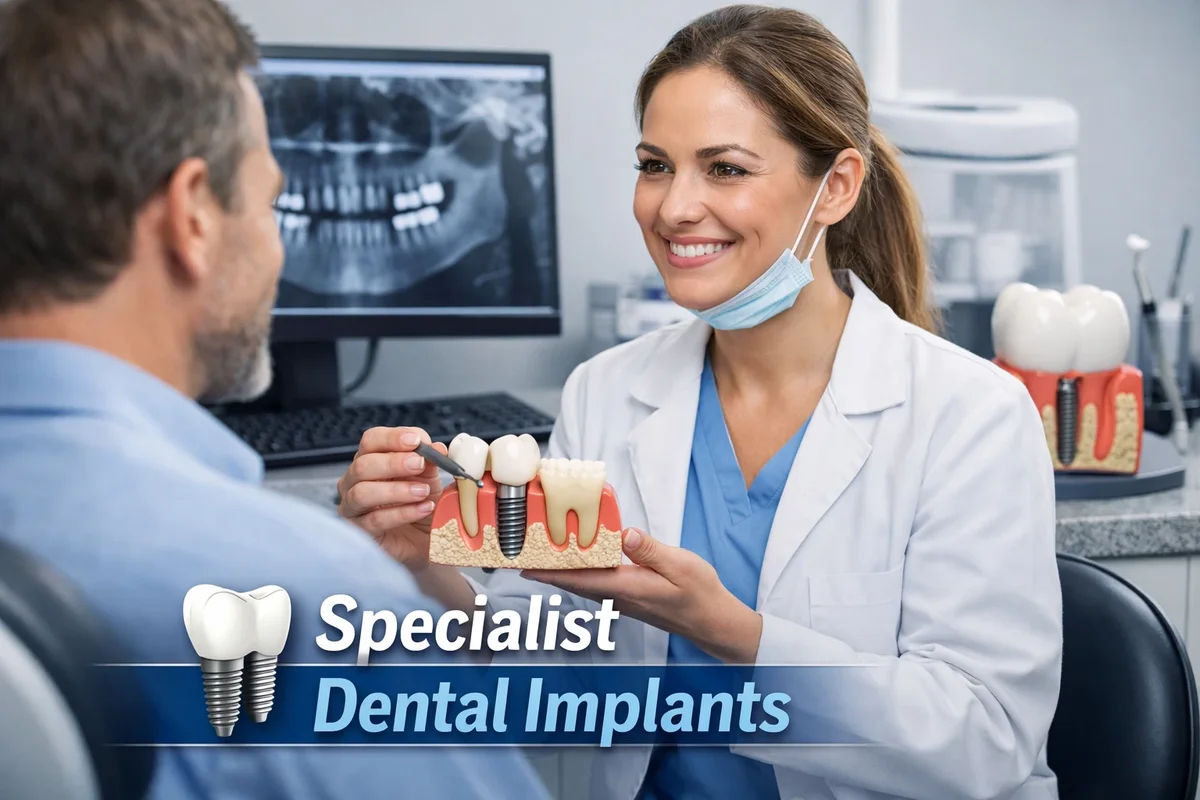
Risks, Complications, and How Specialists Minimize Them
Like any medical procedure, specialist dental implants carry certain risks. However, when implants are planned and placed by experienced specialists, complications are uncommon and usually manageable. Understanding potential risks—and how specialists actively prevent them—helps patients make informed decisions and feel confident throughout their treatment journey 😊.
Common Risks Associated With Dental Implants
The most frequently discussed risks of specialist dental implants include infection, delayed healing, implant instability, and irritation of surrounding tissues. These issues are generally rare and often linked to inadequate planning, poor oral hygiene, or underlying medical conditions rather than the implant itself.
Minor post-operative discomfort, swelling, or bruising is normal and temporary. Serious complications, such as nerve injury or sinus involvement, are uncommon and are significantly reduced when treatment is handled by a specialist with advanced diagnostic tools and surgical training 🦷.
Infection and Peri-Implant Disease
Infection around the implant, known as peri-implantitis, is one of the most discussed risks. It typically results from bacterial buildup around the implant site. With specialist dental implants, strict sterile protocols, precise placement, and thorough patient education greatly reduce this risk.
Specialists also schedule regular follow-up visits to monitor gum health and intervene early if signs of inflammation appear.
Implant Failure: Why It Happens and How It’s Prevented
Implant failure occurs when the implant does not properly integrate with the jawbone. This can happen due to insufficient bone density, excessive bite forces, smoking, or uncontrolled systemic conditions. The advantage of specialist dental implants is that these risk factors are identified and addressed before surgery.
Specialists evaluate bone quality using 3D imaging and may recommend bone grafting, alternative implant designs, or staged treatment to ensure optimal conditions for osseointegration.
Early vs Late Implant Failure
Early failure typically occurs within the first few months and is often related to healing issues. Late failure may happen years later due to gum disease or excessive mechanical stress. With specialist dental implants, both risks are minimized through careful planning, bite adjustment, and long-term maintenance protocols.
Nerve and Sinus-Related Complications
Improper implant placement can potentially affect nearby nerves or sinus cavities. This risk is extremely low with specialist dental implants because specialists use cone beam CT scans to map anatomical structures before surgery.
This advanced imaging allows the implant to be placed at a safe distance from nerves and sinuses, preserving sensation and preventing sinus complications ✨.
How Specialists Reduce Surgical Risks
One of the defining advantages of specialist dental implants is risk prevention rather than risk reaction. Specialists follow evidence-based protocols supported by organizations such as the
American Dental Association, ensuring patient safety at every stage.
Key preventive measures include:
- Comprehensive medical and dental evaluations
- 3D-guided implant planning
- Sterile surgical environments
- Customized implant selection
- Structured post-operative follow-up
Patient Responsibility in Reducing Complications
While specialists play the primary role in minimizing risks, patient cooperation is equally important. Maintaining excellent oral hygiene, attending follow-up appointments, and following post-operative instructions are essential for the success of specialist dental implants.
Lifestyle factors such as smoking cessation, proper nutrition, and managing systemic health conditions significantly improve healing and long-term implant stability.
Managing Complications If They Occur
Even in rare cases where complications arise, specialist dental implants offer structured solutions. Early-stage infections can often be treated with professional cleaning and medication. Implant mobility or bone issues may be addressed through regenerative procedures or implant revision.
The key advantage of specialist care is early detection and effective management, preventing minor issues from becoming major problems 😁.
Long-Term Safety and Predictability
Decades of clinical research support the safety and reliability of specialist dental implants. When placed under proper conditions and maintained correctly, success rates consistently exceed 95%.
This high predictability is why dental implants are widely regarded as one of the most successful procedures in modern healthcare—not just dentistry.
In conclusion, while no medical procedure is entirely risk-free, specialist dental implants are among the safest and most predictable solutions for missing teeth. Through expert planning, advanced technology, and patient-centered care, specialists effectively minimize risks and deliver long-term, life-enhancing results.