
A steel crown tooth is one of the most reliable and widely used restorative solutions in modern dentistry. If your dentist has recommended a steel crown tooth, you may be wondering what it is, why it is necessary, how long it lasts, and whether it is the right choice for you or your child. This comprehensive guide explains everything in clear, patient-friendly language so you can make an informed decision with confidence. 😊
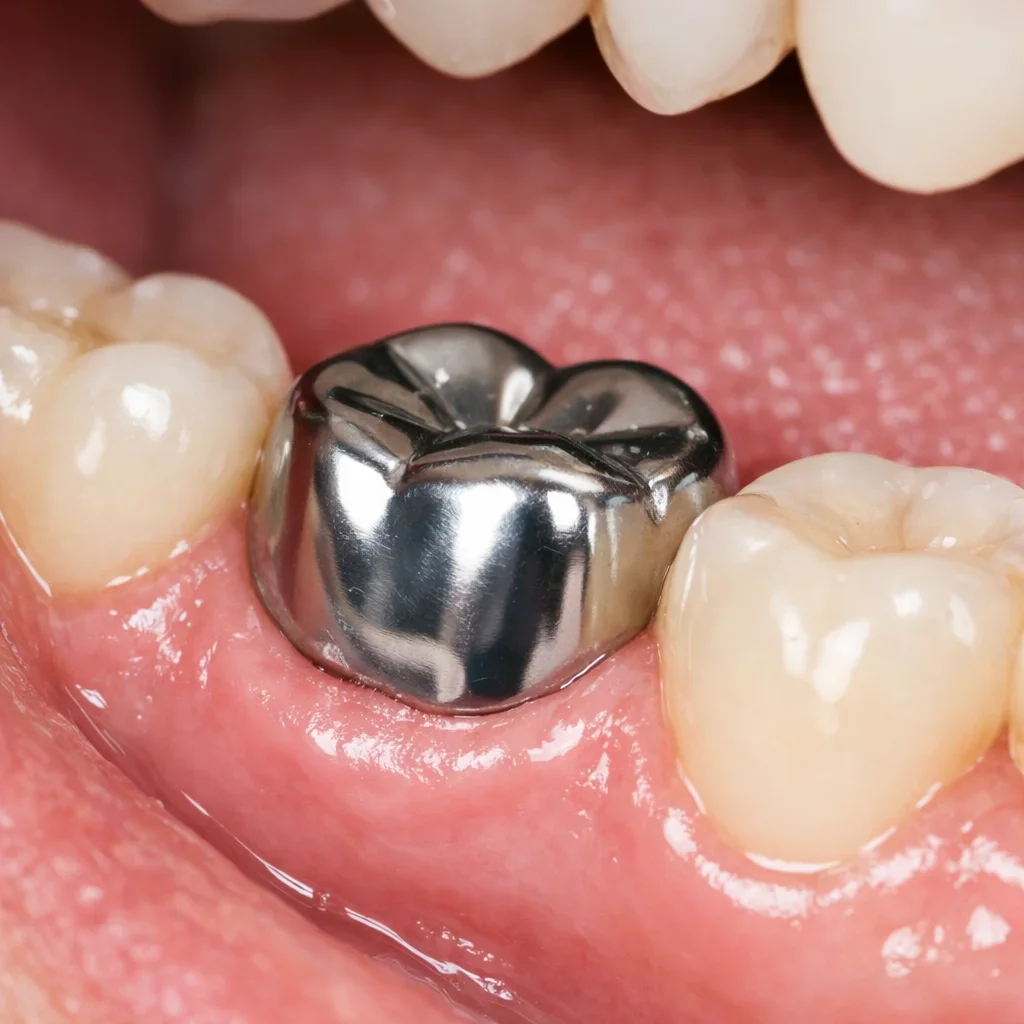
A steel crown tooth is typically made from stainless steel and is designed to fully cover and protect a damaged or weakened tooth. Unlike tooth-colored crowns, a steel crown tooth has a metallic appearance, but its strength and durability make it especially valuable in specific situations. Dentists often use a steel crown tooth for back molars, where chewing forces are strongest and long-term protection is critical.
In many cases, a steel crown tooth is recommended after a large cavity, deep decay, or a root canal treatment. When too much natural tooth structure has been lost, a simple filling is not enough. A steel crown tooth restores function by acting as a protective shell around the remaining tooth. This helps prevent fractures, reduces sensitivity, and allows the patient to chew comfortably again.
One of the most common uses of a steel crown tooth is in pediatric dentistry. Children’s primary (baby) teeth that are severely decayed often benefit from a stainless steel crown. Instead of placing multiple fillings that may fail over time, a steel crown tooth offers full coverage and long-term protection until the baby tooth naturally falls out. This approach reduces the risk of repeated dental visits and additional treatments.
Adults can also receive a steel crown tooth, particularly on molars where aesthetics are less of a concern. For patients who grind their teeth (bruxism), a steel crown tooth provides superior resistance to wear. Because the material is strong and less prone to cracking, it is a dependable solution for high-pressure biting areas.
Another advantage of a steel crown tooth is that it can often be placed quickly and efficiently. In pediatric cases, dentists sometimes use pre-formed stainless steel crowns that are adjusted to fit the tooth. This reduces chair time and makes the process more comfortable for young patients. Shorter procedures mean less stress for children and parents alike. 🦷
From a structural perspective, a steel crown tooth works by covering the entire visible portion of the tooth above the gumline. The dentist removes decay, shapes the tooth slightly, and cements the crown securely in place. Once bonded, the steel crown tooth acts like a shield, protecting the underlying tooth from bacteria, further decay, and physical damage.
Patients frequently ask whether a steel crown tooth is safe. According to professional dental organizations such as the American Dental Association, dental materials used in crowns are carefully regulated and considered safe for clinical use. Stainless steel crowns have been used successfully for decades and have a strong track record in restorative dentistry.
It is important to understand that while a steel crown tooth is highly durable, it does not make the tooth invincible. Good oral hygiene is still essential. Brushing twice daily, flossing, and attending regular dental check-ups help ensure that the surrounding gum tissue remains healthy and that no new decay forms at the edges of the crown.
Some patients are concerned about appearance. Because a steel crown tooth is metallic, it is more visible than ceramic or porcelain crowns. However, since it is most often placed on back molars, it is rarely noticeable during normal conversation or smiling. For front teeth, dentists usually recommend tooth-colored alternatives instead.
In summary, a steel crown tooth is a strong, durable, and cost-effective solution for protecting severely damaged teeth. It restores chewing function, prevents further decay, and can last for many years with proper care. Whether used for a child’s primary tooth or an adult molar, a steel crown tooth remains one of the most practical restorative options available in dentistry today. If you have been advised to consider this treatment and would like personalized guidance, you can always reach out through the Redent Klinik Contact Page to discuss your specific case with a dental professional.
Understanding how a steel crown tooth works empowers you to make informed decisions about your oral health. With the right care and professional support, this reliable restoration can protect your smile and maintain comfort for years to come. ✨
What Is a Steel Crown Tooth and How Does It Work?
A steel crown tooth is a full-coverage dental restoration made primarily from stainless steel that is designed to protect and reinforce a damaged tooth. Unlike fillings, which only repair a portion of the tooth, a steel crown tooth completely covers the visible part of the tooth above the gumline. This creates a durable protective shell that restores strength, function, and long-term stability. 🦷
In modern restorative dentistry, a steel crown tooth is often used when a tooth has lost too much structure due to decay, trauma, or after a root canal treatment. Because it provides 360-degree coverage, it significantly reduces the risk of fractures and further breakdown. For many patients—especially children—a steel crown tooth is one of the most reliable and practical solutions available.
Understanding the Structure of a Steel Crown Tooth
A steel crown tooth is typically fabricated from medical-grade stainless steel. This material is chosen for its exceptional strength, corrosion resistance, and biocompatibility. Stainless steel crowns used in dentistry are pre-formed and come in various sizes. The dentist selects the appropriate size and adjusts it for a precise fit.
The main purpose of a steel crown tooth is to restore the tooth’s anatomy. When decay removes a large portion of enamel and dentin, the remaining structure becomes weak. A steel crown tooth covers and seals the tooth, preventing bacteria from entering and protecting it from chewing forces.
Key Structural Features
- Full-coverage design that encases the entire tooth
- Strong stainless steel construction for durability
- Smooth surface that resists plaque buildup
- Pre-formed shape for efficient placement
Because of these features, a steel crown tooth functions as both a protective barrier and a reinforcement mechanism. It essentially becomes the new outer surface of the tooth.
How a Steel Crown Tooth Works Step by Step
The way a steel crown tooth works is relatively straightforward, but the science behind it is impressive. First, the dentist removes all decayed tissue and cleans the inner portion of the tooth. If necessary, the pulp is treated (in cases involving pulp therapy or root canal procedures).
Next, the dentist reshapes the remaining tooth structure slightly so that the steel crown tooth can fit snugly. The pre-formed crown is selected, adjusted, and then cemented using a strong dental adhesive. Once bonded, the steel crown tooth fully surrounds the tooth, locking it in place.
From that moment on, the steel crown tooth absorbs the pressure generated during chewing. Instead of the weakened natural tooth bearing all the force, the stainless steel shell distributes it evenly. This dramatically lowers the risk of cracks or fractures.
Why Dentists Choose a Steel Crown Tooth
Dental professionals often recommend a steel crown tooth when durability is the top priority. For example, in pediatric dentistry, baby molars that are severely decayed are commonly treated with a steel crown tooth. Since baby teeth must remain functional until they naturally fall out, the crown protects them for several years.
For adults, a steel crown tooth may be recommended for back teeth that endure high chewing forces. Patients who grind their teeth (bruxism) also benefit from the strength of a steel crown tooth, as it resists wear better than some cosmetic materials.
Common Situations for Use
- Extensive tooth decay
- After pulp therapy in children
- Following a root canal
- Teeth weakened by large fillings
- Molars exposed to heavy bite pressure
In these cases, a steel crown tooth offers predictable, long-term protection.
How It Differs from Other Dental Crowns
Unlike porcelain or ceramic crowns, a steel crown tooth is not tooth-colored. Its metallic appearance makes it less aesthetic for front teeth, but ideal for molars. The focus of a steel crown tooth is strength and longevity rather than cosmetic blending.
Compared to composite restorations, a steel crown tooth provides complete coverage instead of partial repair. This makes it more resistant to leakage and recurrent decay around the margins. In many pediatric cases, placing a steel crown tooth reduces the likelihood of retreatment.
Is a Steel Crown Tooth Safe?
Safety is a common concern for patients. A steel crown tooth is considered safe and has been used successfully for decades. Stainless steel dental crowns are regulated and clinically tested. Organizations such as the American Dental Association support evidence-based restorative treatments, and stainless steel crowns remain a standard option in pediatric and restorative dentistry.
Because a steel crown tooth is securely cemented, it does not release harmful substances or interfere with normal oral function. With proper oral hygiene, the surrounding gums remain healthy and stable.
Long-Term Function and Performance
A well-placed steel crown tooth can last for many years. In children, it typically remains in place until the primary tooth naturally exfoliates. In adults, a steel crown tooth can function reliably for a decade or longer, depending on oral hygiene and bite forces.
Regular dental visits ensure that the steel crown tooth remains properly seated and that the gum tissue around it stays healthy. Patients should brush twice daily, floss carefully around the crown margins, and avoid chewing excessively hard objects.
In summary, a steel crown tooth works by fully encasing and protecting a compromised tooth. It restores strength, prevents further damage, and ensures comfortable chewing. While it may not be the most aesthetic option, its durability and reliability make the steel crown tooth a cornerstone of restorative dentistry. If you are considering this treatment and want personalized advice, you can consult your dentist or reach out via the Redent Klinik Contact Page for professional guidance tailored to your needs. 😊
When Is a Steel Crown Tooth Recommended by Dentists?
A steel crown tooth is not placed randomly; it is recommended when a tooth needs maximum protection and long-term durability. Dentists carefully evaluate the extent of decay, structural damage, bite pressure, and the patient’s age before suggesting a steel crown tooth. In many cases, this restoration is chosen because it provides full coverage and prevents future complications. 🦷
Understanding when a steel crown tooth is recommended can help you feel more confident if your dentist proposes this treatment. Below, we explain the most common clinical situations where a steel crown tooth becomes the best solution.
Severe Tooth Decay That Cannot Be Restored with a Filling
One of the most common reasons for placing a steel crown tooth is extensive decay. When a cavity becomes too large, a simple filling may not provide enough support. Large fillings can weaken the remaining tooth structure, increasing the risk of fracture. In these situations, a steel crown tooth fully covers and reinforces the tooth, restoring both strength and function.
If more than half of the tooth structure is compromised, dentists often prefer a steel crown tooth over repeated fillings. This approach reduces the chance of recurrent decay and helps preserve the tooth for many years.
Why Fillings May Not Be Enough
- Large cavities affecting multiple surfaces
- Thin remaining tooth walls prone to cracking
- High chewing pressure on molars
- History of filling failure
In these scenarios, a steel crown tooth acts as a protective shell, distributing chewing forces evenly and preventing breakage.
After Pulp Therapy or Root Canal Treatment
Another common indication for a steel crown tooth is after pulp therapy (in children) or a root canal treatment (in adults). Once the inner pulp tissue is treated, the tooth often becomes more brittle. Without reinforcement, it can fracture under normal chewing pressure.
A steel crown tooth is frequently placed immediately after pulp therapy in pediatric patients. This ensures that the treated baby tooth remains functional until it naturally falls out. In adults, especially when aesthetics are not the primary concern, a steel crown tooth may be used on molars following root canal therapy to provide long-term durability.
Benefits After Endodontic Treatment
- Reduces fracture risk
- Seals the tooth from bacterial leakage
- Restores chewing efficiency
- Improves long-term prognosis
By covering the entire tooth, a steel crown tooth ensures that internal treatment results are protected from external forces and contamination.
Pediatric Dentistry: Protecting Baby Teeth
A steel crown tooth is especially common in pediatric dentistry. Baby molars with severe decay are often restored with stainless steel crowns because they provide full coverage and long-term protection. Since children may struggle with maintaining perfect oral hygiene, a steel crown tooth offers extra security against further decay.
Instead of placing multiple fillings that may fail, dentists often choose a steel crown tooth to reduce the likelihood of retreatment. This approach minimizes repeated dental visits and helps maintain proper spacing for permanent teeth.
Why Steel Crowns Are Ideal for Children
- Quick and efficient placement
- Highly durable material
- Less sensitive to moisture during placement
- Long-lasting until natural tooth loss
For parents concerned about safety, it is reassuring to know that the American Dental Association recognizes stainless steel crowns as a well-established restorative option in pediatric care.
Teeth with Structural Fractures or Weak Enamel
Teeth that have cracked, fractured, or developed structural weaknesses may require full coverage restoration. A steel crown tooth can stabilize the tooth and prevent the crack from spreading. In cases of enamel defects or developmental conditions that weaken tooth structure, a steel crown tooth provides dependable reinforcement.
Patients who grind their teeth (bruxism) are also candidates for a steel crown tooth on posterior teeth. Grinding generates extreme forces, and the durability of stainless steel makes it resistant to wear and fracture.
High-Risk Patients for Recurrent Decay
Some individuals are more prone to cavities due to dietary habits, dry mouth, or inconsistent oral hygiene. In such cases, a steel crown tooth may be recommended as a preventive measure after treating decay. Because it fully seals the tooth, a steel crown tooth reduces exposed surfaces where bacteria can accumulate.
This is particularly beneficial for young children or special needs patients who may have difficulty maintaining optimal oral hygiene. A steel crown tooth provides long-term protection and reduces the risk of future invasive treatments.
When Aesthetics Are Not the Primary Concern
Although a steel crown tooth is strong and reliable, it has a metallic appearance. For front teeth, dentists typically recommend ceramic or porcelain alternatives. However, for back molars that are not visible when smiling, a steel crown tooth offers excellent functionality without aesthetic compromise.
In many cases, durability outweighs cosmetic concerns—especially for teeth subjected to heavy bite forces.
Professional Evaluation Is Essential
Ultimately, the decision to place a steel crown tooth depends on a thorough dental examination. X-rays, visual inspection, and an evaluation of bite forces all play a role in determining the best restorative option.
If your dentist recommends a steel crown tooth, it is typically because it offers the most predictable and long-lasting outcome for your situation. If you would like a personalized assessment or have questions about whether a steel crown tooth is right for you, you can always seek professional advice through the Redent Klinik Contact Page.
In summary, a steel crown tooth is recommended when maximum protection, durability, and long-term stability are required. Whether due to severe decay, post-root canal treatment, pediatric care needs, or structural weakness, the steel crown tooth remains one of the most dependable restorative options in dentistry today. 😊
Benefits of Choosing a Steel Crown Tooth for Molars
When it comes to restoring back teeth, durability and strength are far more important than appearance. This is exactly where a steel crown tooth stands out. Molars are responsible for handling the majority of chewing pressure, grinding food efficiently, and maintaining proper bite alignment. If a molar becomes severely decayed or structurally weakened, placing a steel crown tooth can provide long-term protection and restore full function. 🦷
Choosing a steel crown tooth for molars is not simply about covering damage — it is about preserving the tooth’s integrity for years to come. Below, we explore the key advantages in detail so you can fully understand why dentists frequently recommend a steel crown tooth for back teeth.
Exceptional Strength Under Heavy Chewing Forces
Molars experience the highest bite pressure in the mouth. Every time you chew, grind, or clench, these teeth absorb significant force. A filling alone may not withstand this stress over time. A steel crown tooth, however, is made from stainless steel, a material specifically chosen for its resilience and durability.
Because a steel crown tooth completely encases the molar, it distributes chewing pressure evenly across the surface. This reduces the risk of fractures and prevents cracks from spreading. Patients who grind their teeth (bruxism) especially benefit from the added strength of a steel crown tooth.
Why Strength Matters for Molars
- Molars handle intense chewing forces daily
- Large fillings weaken tooth walls
- Cracks can worsen without full coverage
- Durability reduces long-term repair costs
By reinforcing the tooth structure, a steel crown tooth ensures the molar remains functional and stable under normal and heavy use.
Long-Term Durability and Reliability
One of the greatest benefits of a steel crown tooth is its long lifespan. While cosmetic crowns may chip or crack under extreme pressure, stainless steel crowns are highly resistant to wear. A properly placed steel crown tooth can last many years with proper care.
In pediatric cases, a steel crown tooth typically remains intact until the baby tooth naturally falls out. In adults, especially on molars, a steel crown tooth can function for a decade or longer. Its reliability makes it a cost-effective restorative solution over time.
Full Coverage Protection Against Future Decay
A steel crown tooth provides complete coverage, which means the entire visible portion of the molar is sealed. This significantly reduces the chance of bacteria entering vulnerable areas. Compared to large fillings that leave margins exposed, a steel crown tooth creates a secure protective barrier.
For patients who are prone to cavities or have difficulty maintaining perfect oral hygiene, this full-coverage protection is extremely valuable. The smooth metal surface of a steel crown tooth also makes plaque accumulation less likely when proper brushing habits are maintained.
Efficient and Predictable Placement
Another major benefit of a steel crown tooth is the efficiency of the procedure. In many cases, especially in children, pre-formed stainless steel crowns are adjusted chairside and placed in a single visit. This shortens treatment time and reduces discomfort.
Because a steel crown tooth is less technique-sensitive than some ceramic restorations, it provides a predictable fit and reliable outcome. According to professional guidelines supported by organizations such as the American Dental Association, stainless steel crowns remain a trusted restorative option due to their proven success rate.
Cost-Effective Solution for Back Teeth
Cost is often an important consideration. A steel crown tooth is generally more affordable than porcelain or zirconia crowns. While prices vary by region and clinic, stainless steel crowns for molars typically range between $150 and $500 per tooth in many dental practices worldwide. Pediatric stainless steel crowns are often on the lower end of this range.
Because of its durability, a steel crown tooth may reduce the need for repeated repairs or replacements. This long-term reliability can make it more economical compared to multiple filling replacements over time.
Factors Influencing Cost
- Geographic location
- Extent of decay
- Need for root canal or pulp therapy
- Dental insurance coverage
If you are considering treatment and want a detailed evaluation, you can always request personalized guidance through the Redent Klinik Contact Page.
Minimal Maintenance Requirements
A steel crown tooth does not require special maintenance beyond standard oral hygiene. Brushing twice daily, flossing carefully around the gumline, and attending regular dental check-ups are sufficient. Because stainless steel is resistant to corrosion and fracture, a steel crown tooth rarely requires additional reinforcement.
For molars that are not visible during smiling or speaking, the metallic appearance is usually not a concern. Most patients quickly adapt and focus on the restored function rather than aesthetics.
Reduced Risk of Tooth Fracture
Molars with large restorations are at risk of splitting under pressure. Once a fracture extends below the gumline, the tooth may become non-restorable. A steel crown tooth significantly reduces this risk by binding the remaining structure together.
This protective effect is one of the primary reasons dentists prefer a steel crown tooth over large multi-surface fillings. By reinforcing the entire tooth, it preserves natural structure and supports long-term oral health.
In summary, choosing a steel crown tooth for molars offers exceptional strength, durability, full-coverage protection, and cost-effectiveness. For back teeth exposed to heavy chewing forces, the steel crown tooth remains one of the most dependable restorative solutions in modern dentistry. With proper care and professional placement, it can protect your molars for many years while restoring comfortable, confident chewing. 😊
Steel Crown Tooth Procedure: Step-by-Step Explanation
Understanding the procedure for placing a steel crown tooth can significantly reduce anxiety and help patients feel prepared. Whether the treatment is for a child with severe decay or an adult who has undergone root canal therapy, the placement of a steel crown tooth follows a structured and carefully planned process. Dentists focus on removing infection, restoring strength, and ensuring long-term stability. 🦷
The steel crown tooth procedure is known for being efficient, predictable, and highly successful. Below is a detailed, step-by-step explanation of what you can expect during the appointment.
Step 1: Clinical Examination and Diagnosis
Before recommending a steel crown tooth, the dentist performs a thorough examination. This includes visual inspection, digital X-rays, and evaluation of bite alignment. The goal is to determine whether the tooth has enough remaining structure to support a steel crown tooth and whether pulp therapy or root canal treatment is necessary.
If extensive decay, structural weakness, or post-endodontic vulnerability is detected, the dentist will explain why a steel crown tooth is the most suitable solution. At this stage, patients can ask questions and discuss any concerns about appearance, durability, or cost.
Step 2: Local Anesthesia for Comfort
To ensure a painless experience, local anesthesia is administered around the affected tooth. This numbs the area so the patient does not feel discomfort during decay removal or preparation. For children receiving a steel crown tooth, dentists may also use behavioral techniques or mild sedation to ensure comfort and cooperation.
Once the area is fully numb, the procedure begins.
Step 3: Removal of Decay and Cleaning
The next step involves removing all decayed tooth material. Using specialized dental instruments, the dentist carefully cleans the cavity and eliminates bacteria. If the pulp is involved, pulp therapy (for children) or root canal treatment (for adults) may be performed before placing the steel crown tooth.
Thorough cleaning is critical. A steel crown tooth works best when it is placed on a properly disinfected and prepared surface. This ensures long-term success and reduces the risk of reinfection.
Why Complete Decay Removal Is Essential
- Prevents bacterial leakage under the crown
- Improves long-term stability
- Reduces risk of post-treatment sensitivity
- Ensures proper fit of the steel crown tooth
Step 4: Tooth Preparation and Shaping
After cleaning, the dentist reshapes the tooth slightly. Because a steel crown tooth covers the entire visible portion of the tooth, some reduction of the outer surface is necessary. This creates space for the crown to fit comfortably without interfering with the bite.
The amount of shaping required is usually minimal compared to other crown types. The dentist ensures that enough natural structure remains to securely support the steel crown tooth.
Step 5: Selecting and Adjusting the Crown
Stainless steel crowns come in pre-formed sizes. The dentist selects the appropriate size and makes minor adjustments to achieve a precise fit. The steel crown tooth must sit snugly on the prepared tooth without excessive pressure on the surrounding gums.
This step is crucial because a properly fitted steel crown tooth prevents food impaction and maintains healthy gum tissue. The dentist checks bite alignment and ensures the patient can close their mouth comfortably.
Precision Matters
- Proper fit prevents gum irritation
- Correct height ensures balanced bite
- Secure margins reduce leakage risk
- Comfort improves patient satisfaction
Step 6: Cementation and Final Placement
Once the fit is confirmed, the steel crown tooth is cemented into place using a strong dental adhesive. The crown is pressed firmly onto the prepared tooth, and excess cement is removed. Within minutes, the cement hardens and secures the steel crown tooth permanently.
After placement, the dentist performs final bite adjustments to ensure comfort. The patient is asked to bite gently on articulating paper to confirm that the steel crown tooth does not interfere with normal chewing.
Step 7: Post-Procedure Instructions
After the appointment, mild sensitivity may occur as the anesthesia wears off. This usually resolves quickly. Patients are advised to avoid sticky or extremely hard foods for the first 24 hours to allow the cement to fully stabilize.
Maintaining proper oral hygiene is essential. Although a steel crown tooth is highly durable, brushing twice daily and flossing around the gumline help prevent plaque buildup and gum inflammation.
Professional organizations such as the American Dental Association emphasize the importance of regular check-ups after restorative procedures. Routine visits ensure that the steel crown tooth remains secure and that surrounding tissues remain healthy.
How Long Does the Procedure Take?
In most cases, placing a steel crown tooth takes between 30 and 60 minutes. Pediatric placements are often completed even faster due to the use of pre-formed crowns. The efficiency of the procedure is one of the key advantages of choosing a steel crown tooth over more complex restorative options.
If you are considering treatment and would like personalized advice about whether a steel crown tooth is right for your situation, you can consult a dental professional through the Redent Klinik Contact Page.
In summary, the steel crown tooth procedure is systematic, efficient, and highly reliable. From diagnosis and cleaning to precise fitting and cementation, every step is designed to restore strength and protect the tooth for years to come. With proper placement and care, a steel crown tooth provides long-lasting comfort and functionality. 😊
How Long Does a Steel Crown Tooth Last?
One of the most common questions patients ask is: How long does a steel crown tooth last? The short answer is that a steel crown tooth is designed to be highly durable and long-lasting. However, its lifespan depends on several important factors, including the patient’s age, oral hygiene habits, bite force, and the reason the crown was placed. 🦷
In both pediatric and adult dentistry, a steel crown tooth has an excellent track record for longevity. Stainless steel has been used in restorative dentistry for decades because of its strength, corrosion resistance, and ability to withstand chewing pressure. When properly placed and maintained, a steel crown tooth can provide reliable protection for many years.
Average Lifespan of a Steel Crown Tooth
For children, a steel crown tooth placed on a baby molar typically lasts until the tooth naturally falls out. This may mean the crown remains in place for 3 to 8 years, depending on the child’s age at placement. Since primary teeth eventually exfoliate, the steel crown tooth is intended to function until the permanent tooth erupts.
For adults, the lifespan of a steel crown tooth can range from 10 to 15 years or even longer. In many cases, a well-maintained steel crown tooth continues functioning beyond this timeframe. Its durability often exceeds that of large fillings, especially in molars exposed to heavy chewing forces.
Why Longevity Varies
- Age of the patient
- Tooth location (molar vs. premolar)
- Quality of oral hygiene
- Bite pressure and grinding habits
- Regular dental check-ups
Each of these factors plays a role in determining how long a steel crown tooth will remain stable and effective.
Durability Under Chewing Pressure
A steel crown tooth is especially valued for its ability to withstand intense chewing forces. Molars handle the majority of grinding during eating. If a tooth has been weakened by decay or root canal treatment, it becomes more prone to fracture. A steel crown tooth protects the remaining structure by absorbing and distributing these forces evenly.
Patients who grind their teeth (bruxism) place additional stress on restorations. Fortunately, stainless steel is resistant to cracking and chipping. In fact, many dentists prefer a steel crown tooth in high-pressure situations because of its resilience.
Role of Oral Hygiene in Longevity
Although a steel crown tooth is strong, it does not make the tooth immune to problems. Decay can still develop at the margins where the crown meets the natural tooth if oral hygiene is neglected. Brushing twice daily, flossing carefully, and attending routine dental visits are essential for maximizing the lifespan of a steel crown tooth.
Healthy gum tissue also plays a crucial role. If plaque accumulates around the gumline, inflammation can occur. Over time, this may compromise the stability of the steel crown tooth. Consistent oral care significantly increases the likelihood that the crown will last for many years.
Best Practices for Long-Term Success
- Brush with fluoride toothpaste twice daily
- Floss gently around the crown margins
- Avoid chewing extremely hard objects
- Visit your dentist every six months
Following these steps helps protect both the steel crown tooth and the surrounding tissues.
Signs That a Steel Crown Tooth May Need Replacement
While a steel crown tooth is durable, it is not permanent in every case. Over time, natural wear, gum changes, or underlying tooth issues may require evaluation. Signs that a steel crown tooth may need attention include persistent pain, looseness, visible margin gaps, or gum irritation.
If any of these symptoms occur, a dental examination is necessary. Early intervention can often resolve minor issues before they become major complications.
Comparison to Other Crown Types
Compared to porcelain or ceramic crowns, a steel crown tooth may be less aesthetic but often more resistant to fracture in high-pressure areas. Cosmetic crowns can chip under heavy force, whereas stainless steel maintains structural integrity. This makes a steel crown tooth particularly dependable for molars.
Professional organizations such as the American Dental Association emphasize evidence-based restorative approaches. Stainless steel crowns continue to be widely used because of their predictable performance and long-term success rates.
Can a Steel Crown Tooth Last a Lifetime?
In pediatric cases, a steel crown tooth is not intended to last a lifetime, as baby teeth naturally fall out. In adults, while it is possible for a steel crown tooth to last decades, most restorations eventually require monitoring or replacement due to natural wear or gum changes.
Regular professional evaluations ensure that the steel crown tooth remains functional and that the underlying tooth stays healthy. If you have concerns about the condition of your crown, you can seek professional advice through the Redent Klinik Contact Page for personalized guidance.
Final Thoughts on Longevity
A steel crown tooth is one of the most durable restorative options in dentistry. With proper placement and consistent oral care, it can provide reliable protection for many years. Its strength, resistance to fracture, and cost-effectiveness make the steel crown tooth a dependable choice for both children and adults.
Ultimately, the lifespan of a steel crown tooth depends largely on how well it is cared for. By maintaining good oral hygiene and attending regular check-ups, patients can maximize the durability and long-term success of their restoration. 😊
Steel Crown Tooth vs. Porcelain Crown: Key Differences
When deciding on the right dental restoration, many patients compare a steel crown tooth with a porcelain crown. Both options are designed to restore damaged teeth, but they differ significantly in material, durability, aesthetics, cost, and clinical application. Understanding these differences helps you make an informed choice based on your dental needs and personal preferences. 🦷
A steel crown tooth is made from stainless steel and is commonly used for molars or pediatric cases. A porcelain crown, on the other hand, is tooth-colored and designed to blend naturally with surrounding teeth. While both restorations protect weakened teeth, the reasons for choosing one over the other depend on several clinical factors.
Material and Construction
The most obvious difference between a steel crown tooth and a porcelain crown lies in the material. A steel crown tooth is fabricated from medical-grade stainless steel, known for its strength and corrosion resistance. It is often pre-formed and adjusted chairside for a precise fit.
Porcelain crowns are typically custom-made in a dental laboratory. They may be made entirely of ceramic or fused to a metal base. Their primary advantage is aesthetic appeal, as they closely resemble natural tooth enamel.
Material Comparison
- Steel crown tooth: Stainless steel, highly durable, metallic appearance
- Porcelain crown: Ceramic-based, natural color, aesthetic finish
Because of its metallic color, a steel crown tooth is more suitable for back teeth, whereas porcelain crowns are often preferred for visible front teeth.
Durability and Strength
When it comes to strength, a steel crown tooth often has the advantage, particularly for molars exposed to heavy chewing forces. Stainless steel resists cracking and chipping, making a steel crown tooth ideal for patients who grind their teeth or require long-term durability.
Porcelain crowns, while strong, can chip under extreme pressure. Although modern ceramic materials are highly advanced, they may not always match the fracture resistance of a steel crown tooth in high-stress areas.
Best Choice for Heavy Bite Pressure
- Patients with bruxism often benefit from a steel crown tooth
- Back molars requiring maximum reinforcement may perform better with stainless steel
- Porcelain is more suitable when cosmetic blending is essential
For molars that endure constant chewing forces, a steel crown tooth provides reliable structural reinforcement.
Aesthetic Considerations
A major difference between a steel crown tooth and a porcelain crown is appearance. Porcelain crowns are designed to mimic natural enamel color and translucency. They are virtually indistinguishable from surrounding teeth when properly matched.
In contrast, a steel crown tooth has a metallic finish that is visible if placed on front teeth. However, because it is most commonly used on molars, this aesthetic limitation is usually not a concern for patients.
If appearance is a top priority, especially for front teeth, porcelain may be the better option. If durability and cost-effectiveness are more important, a steel crown tooth is often recommended.
Procedure and Placement
The placement process also differs. A steel crown tooth is often placed in a single visit, especially in pediatric dentistry. Pre-formed crowns are selected and adjusted quickly, reducing chair time.
Porcelain crowns usually require multiple visits. The tooth must be prepared, impressions taken, and a temporary crown placed while the final restoration is fabricated in a laboratory.
Time Efficiency
- Steel crown tooth: Often completed in one appointment
- Porcelain crown: Typically requires two visits
This efficiency makes a steel crown tooth particularly advantageous for children or patients who prefer shorter procedures.
Cost Differences
Cost is another important factor. A steel crown tooth is generally more affordable than a porcelain crown. In many dental practices, stainless steel crowns range from $150 to $500 per tooth, depending on location and complexity.
Porcelain crowns are typically more expensive, ranging from $800 to $2,500 per tooth, especially when laboratory fabrication is required. Insurance coverage may vary based on whether the crown is considered medically necessary or cosmetic.
Because of its affordability and durability, a steel crown tooth is often considered a cost-effective solution for molars.
Longevity and Maintenance
Both restorations can last many years with proper care. However, a steel crown tooth often demonstrates superior resistance to fracture in high-pressure areas. Porcelain crowns may require replacement if chipping occurs.
According to guidelines supported by the American Dental Association, the choice of crown material should be based on clinical need, function, and patient-specific considerations.
Which Option Is Right for You?
The decision between a steel crown tooth and a porcelain crown depends on tooth location, bite forces, aesthetic expectations, and budget. For molars and pediatric cases, a steel crown tooth often provides unmatched durability and efficiency. For front teeth where appearance is critical, porcelain crowns may be more appropriate.
If you are unsure which option best suits your situation, professional guidance is essential. You can seek personalized advice and evaluation through the Redent Klinik Contact Page to determine whether a steel crown tooth or porcelain restoration is the ideal solution for your needs.
In summary, both crown types serve important roles in restorative dentistry. However, when strength, longevity, and cost-effectiveness are priorities—especially for molars—a steel crown tooth remains one of the most dependable choices available today. 😊
Steel Crown Tooth Cost: What to Expect in 2026
Understanding the cost of a steel crown tooth is an important part of making an informed dental decision. While durability and function are critical, patients naturally want to know what financial investment is involved. The good news is that a steel crown tooth is generally one of the most cost-effective full-coverage restorations available in modern dentistry. 🦷
In 2026, pricing for a steel crown tooth can vary depending on geographic location, clinic standards, the complexity of the case, and whether additional procedures such as pulp therapy or root canal treatment are required. Below, we break down everything you need to know in detail.
Average Cost of a Steel Crown Tooth
The cost of a steel crown tooth is typically lower than that of porcelain or zirconia crowns. In many dental clinics worldwide, the average price range for a steel crown tooth is:
Estimated Price Range (2026)
- Pediatric steel crown tooth: $150 – $400 per tooth
- Adult molar steel crown tooth: $300 – $600 per tooth
These figures may fluctuate depending on the country and the dental clinic’s reputation. In metropolitan areas with higher operational costs, a steel crown tooth may fall on the upper end of the range.
Compared to porcelain crowns—which can range from $800 to $2,500 per tooth—a steel crown tooth remains significantly more affordable while still offering excellent durability.
Factors That Influence the Cost
Although the base price of a steel crown tooth is relatively predictable, several variables can influence the final treatment cost.
1. Extent of Tooth Damage
If the tooth requires only decay removal and crown placement, the cost remains straightforward. However, if pulp therapy (for children) or root canal treatment (for adults) is necessary before placing the steel crown tooth, the total expense will increase.
2. Diagnostic Imaging and Examination
X-rays and detailed examinations are essential before placing a steel crown tooth. These diagnostic services are typically billed separately and may add $50 – $200 to the overall cost.
3. Geographic Location
Dental treatment costs vary by region. Urban clinics often have higher fees compared to rural practices. Internationally, some countries offer significantly lower pricing for a steel crown tooth while maintaining high-quality standards.
4. Dentist’s Experience and Clinic Standards
Clinics equipped with advanced technology, strict sterilization protocols, and experienced dental professionals may charge more. However, investing in quality care can improve the longevity and success of your steel crown tooth.
Is a Steel Crown Tooth Covered by Insurance?
In many cases, dental insurance plans partially or fully cover the cost of a steel crown tooth when it is deemed medically necessary. Pediatric stainless steel crowns are frequently covered because they are considered essential restorative treatments.
For adults, coverage may depend on the insurance provider and whether the crown is required due to decay or structural damage rather than cosmetic reasons. It is always recommended to verify coverage details directly with your insurance provider before scheduling the procedure.
Organizations such as the American Dental Association emphasize the importance of evidence-based restorative treatments, and a steel crown tooth is widely recognized as a clinically appropriate option for specific cases.
Cost-Effectiveness Over Time
While the upfront cost of a steel crown tooth is important, long-term value should also be considered. Because stainless steel is highly durable, a steel crown tooth often reduces the likelihood of repeated repairs. Large fillings may fail over time and require replacement, potentially increasing cumulative costs.
By choosing a steel crown tooth, many patients avoid the need for frequent restorative work. This makes it not only affordable initially but also economical in the long run.
Long-Term Financial Benefits
- Lower replacement frequency
- Reduced risk of fractures
- Minimized need for retreatment
- Strong resistance to wear
When durability is prioritized, a steel crown tooth often proves to be a financially smart decision.
Additional Costs to Consider
Although the crown itself has a set price range, additional services may affect total expenses:
- Local anesthesia (usually included)
- Pulp therapy or root canal treatment ($300 – $1,200 depending on complexity)
- Emergency dental visits
- Follow-up appointments
Discussing a full treatment plan with your dentist ensures there are no unexpected surprises.
Is a Steel Crown Tooth Worth the Investment?
For molars exposed to heavy chewing forces, a steel crown tooth provides unmatched strength at a relatively low cost. While cosmetic crowns offer aesthetic advantages, they typically require a higher financial commitment.
If your primary goal is durability, protection, and long-term reliability—especially for back teeth—a steel crown tooth offers exceptional value. For families managing pediatric dental care, the affordability and longevity of a steel crown tooth make it a practical solution.
If you would like a personalized cost estimate or professional evaluation, you can contact a dental expert through the Redent Klinik Contact Page for detailed guidance tailored to your specific needs.
In summary, the cost of a steel crown tooth in 2026 remains accessible compared to other full-coverage restorations. With prices typically ranging between $150 and $600 depending on the case, the steel crown tooth continues to be a cost-effective, durable, and clinically reliable choice in restorative dentistry. 😊
Caring for a Steel Crown Tooth at Home
Proper aftercare is essential to maximize the lifespan and performance of a steel crown tooth. Although a steel crown tooth is highly durable and resistant to fracture, it still requires consistent oral hygiene and mindful habits to prevent complications. Many patients mistakenly believe that once a steel crown tooth is placed, it no longer needs attention. In reality, the surrounding gum tissue and the natural tooth structure underneath the crown must remain healthy for long-term success. 🦷
In this comprehensive guide, you will learn exactly how to care for a steel crown tooth at home, what to avoid, and when to seek professional help.
Daily Brushing and Flossing Techniques
A steel crown tooth should be brushed just like a natural tooth. Use a soft-bristled toothbrush and fluoride toothpaste twice daily. Pay special attention to the area where the steel crown tooth meets the gumline. This margin is the most vulnerable point for plaque accumulation.
When flossing, gently slide the floss along the side of the steel crown tooth instead of snapping it down forcefully. This prevents gum irritation and ensures the removal of trapped food particles.
Best Practices for Cleaning
- Brush for at least two minutes twice daily
- Use fluoride toothpaste for enamel protection
- Floss carefully around the crown margins
- Consider using an antibacterial mouthwash
Maintaining these habits significantly increases the longevity of a steel crown tooth.
Protecting the Gum Tissue Around the Crown
The success of a steel crown tooth depends not only on the crown itself but also on the health of the surrounding gums. If plaque accumulates near the gumline, inflammation (gingivitis) may develop. Over time, untreated gum disease can compromise the stability of a steel crown tooth.
Regular cleaning and professional dental check-ups help prevent gum problems. According to the American Dental Association, routine preventive care plays a critical role in maintaining restorations and overall oral health.
Foods to Avoid with a Steel Crown Tooth
Although a steel crown tooth is strong, certain habits can shorten its lifespan. Avoid chewing extremely hard objects such as ice, hard candy, or pens. These items place excessive stress on the crown and underlying tooth.
Sticky foods, especially in the first 24 hours after placement, should also be minimized. While the cement used to secure a steel crown tooth is strong, allowing it to fully stabilize improves long-term durability.
Foods That Require Caution
- Hard nuts or ice cubes
- Sticky caramel or chewing gum
- Very hard candies
- Non-food objects (pens, fingernails)
Being mindful of these habits protects the integrity of your steel crown tooth.
Managing Teeth Grinding (Bruxism)
If you grind your teeth, your steel crown tooth may experience additional pressure. While stainless steel is resistant to fracture, constant grinding can stress the surrounding teeth and jaw muscles.
Your dentist may recommend a custom night guard to protect your steel crown tooth and natural teeth during sleep. Wearing a protective appliance can extend the life of your restoration and reduce jaw discomfort.
Recognizing Warning Signs
Even with proper care, it is important to monitor for unusual symptoms. Contact your dentist if you notice any of the following:
- Persistent pain around the steel crown tooth
- Swelling or gum irritation
- Looseness of the crown
- Sensitivity when biting
Early detection of problems allows for timely intervention, preventing more serious complications.
Regular Dental Check-Ups
Routine dental visits every six months are crucial. During these appointments, the dentist will examine the steel crown tooth, assess gum health, and check bite alignment. Professional cleanings remove plaque and tartar that cannot be eliminated with brushing alone.
Regular monitoring ensures that your steel crown tooth remains secure and that no decay develops at the crown margins.
Long-Term Maintenance for Children
For pediatric patients, a steel crown tooth often remains in place until the baby tooth naturally falls out. Parents should supervise brushing to ensure proper cleaning around the crown. Teaching children healthy oral hygiene habits protects both the steel crown tooth and future permanent teeth.
When to Contact a Dental Professional
If you experience discomfort, notice changes in bite alignment, or suspect damage to your steel crown tooth, professional evaluation is essential. Delaying treatment may allow minor issues to become more complex.
If you have questions about maintaining your restoration or need personalized advice, you can reach out through the Redent Klinik Contact Page for expert guidance tailored to your needs.
In summary, caring for a steel crown tooth at home is straightforward but requires consistency. Daily brushing, careful flossing, mindful eating habits, and regular dental visits all contribute to long-term success. With proper maintenance, a steel crown tooth can provide reliable protection and comfortable function for many years. 😊
Are There Any Risks or Disadvantages of a Steel Crown Tooth?
While a steel crown tooth is widely recognized for its durability and reliability, it is important to understand that no dental restoration is completely without limitations. Patients often ask whether a steel crown tooth has any risks, side effects, or disadvantages. The answer is that although a steel crown tooth is generally very safe and effective, there are certain considerations to keep in mind before proceeding with treatment. 🦷
Being informed about potential drawbacks helps patients set realistic expectations and make confident decisions about their oral health.
Aesthetic Limitations
The most obvious disadvantage of a steel crown tooth is its metallic appearance. Unlike porcelain or ceramic crowns that mimic the natural color of enamel, a steel crown tooth has a silver metallic finish. For back molars, this is rarely noticeable. However, if placed on a visible tooth, it may affect the appearance of the smile.
For this reason, dentists typically reserve a steel crown tooth for posterior teeth where function is prioritized over aesthetics.
When Appearance Matters Most
- Front teeth restorations
- Highly visible premolars
- Patients concerned about cosmetic outcomes
If aesthetics are a primary concern, alternative materials may be recommended.
Possible Gum Irritation
After placement, some patients may experience mild gum irritation around the steel crown tooth. This is usually temporary and resolves as the gum tissue adapts. However, poor oral hygiene can lead to plaque accumulation near the crown margins, increasing the risk of inflammation.
Maintaining proper brushing and flossing habits is essential to prevent gum problems around a steel crown tooth.
Allergic Reactions (Rare Cases)
Although extremely rare, some individuals may have sensitivities to certain metal components. A steel crown tooth is made from medical-grade stainless steel, which is considered safe and biocompatible. According to clinical standards supported by the American Dental Association, stainless steel crowns have a long history of safe use in dentistry.
If a patient has a known metal allergy, it is important to inform the dentist before placing a steel crown tooth. Alternative restorative materials may then be considered.
Marginal Leakage Risk
Like any crown, a steel crown tooth must fit precisely. If the margins are not properly sealed or if the crown becomes loose over time, bacteria can enter beneath it. This may lead to secondary decay.
However, when properly placed and regularly monitored, the risk of leakage under a steel crown tooth is minimal. Routine dental check-ups help detect early issues before they progress.
Prevention Strategies
- Accurate crown fitting
- Strong dental cement application
- Regular professional evaluations
- Consistent oral hygiene at home
These measures significantly reduce potential complications.
Bite Adjustment Period
Some patients report slight discomfort or a “high bite” feeling immediately after receiving a steel crown tooth. This usually occurs if minor bite adjustments are needed. Dentists carefully check occlusion during placement, but small refinements may occasionally be necessary.
If discomfort persists beyond a few days, a follow-up appointment can quickly resolve the issue.
Limited Use for Permanent Front Teeth
A steel crown tooth is not typically recommended for permanent front teeth due to cosmetic concerns. For visible teeth, porcelain or ceramic crowns are usually preferred. The steel crown tooth remains most appropriate for molars or pediatric applications where durability is the primary goal.
Longevity Considerations
Although highly durable, a steel crown tooth is not indestructible. Over many years, natural wear, gum recession, or underlying tooth changes may require replacement. However, this is true of all crown types, not just a steel crown tooth.
With proper care and monitoring, most steel crown tooth restorations function successfully for many years without complications.
Balancing Risks and Benefits
When evaluating risks, it is important to balance them against the significant benefits. A steel crown tooth offers exceptional strength, cost-effectiveness, and predictable performance. In many cases, its advantages far outweigh its minor limitations.
If you are uncertain whether a steel crown tooth is appropriate for your situation, a professional consultation is essential. You can seek personalized advice through the Redent Klinik Contact Page to discuss your options in detail.
In conclusion, while a steel crown tooth may have aesthetic limitations and minor potential risks, it remains one of the safest and most dependable restorative solutions in modern dentistry. When placed correctly and maintained properly, a steel crown tooth provides long-lasting protection with minimal complications. 😊