
Are you considering restoring your smile with dental implants but not sure where to begin? 😊 This guide will walk you through all the essential steps to getting dental implants so you can feel confident and informed throughout the process. Whether you’ve lost a single tooth or several, dental implants are among the most reliable and natural-looking solutions for tooth replacement available today. Understanding each stage of treatment helps reduce anxiety, set expectations, and ensure the best possible outcome for your oral health.
Before diving into the detailed steps to getting dental implants, it’s important to know that this procedure is not just about cosmetic enhancement—it’s a comprehensive dental restoration that preserves bone structure, improves chewing function, and promotes long-term oral stability. Each step, from consultation to final restoration, plays a vital role in achieving a successful result. 🦷
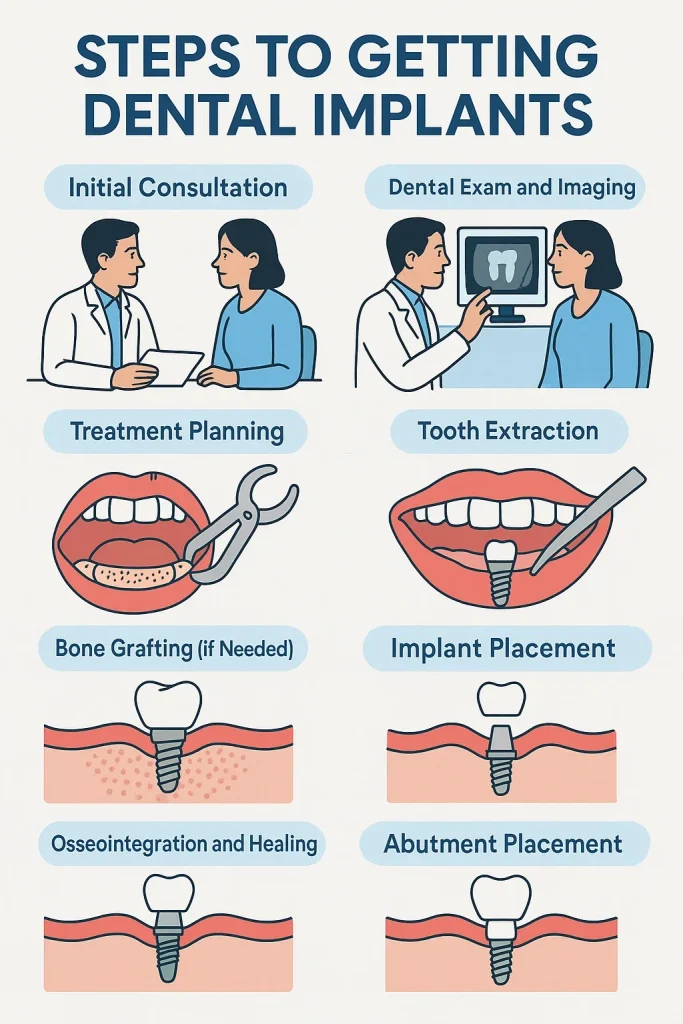
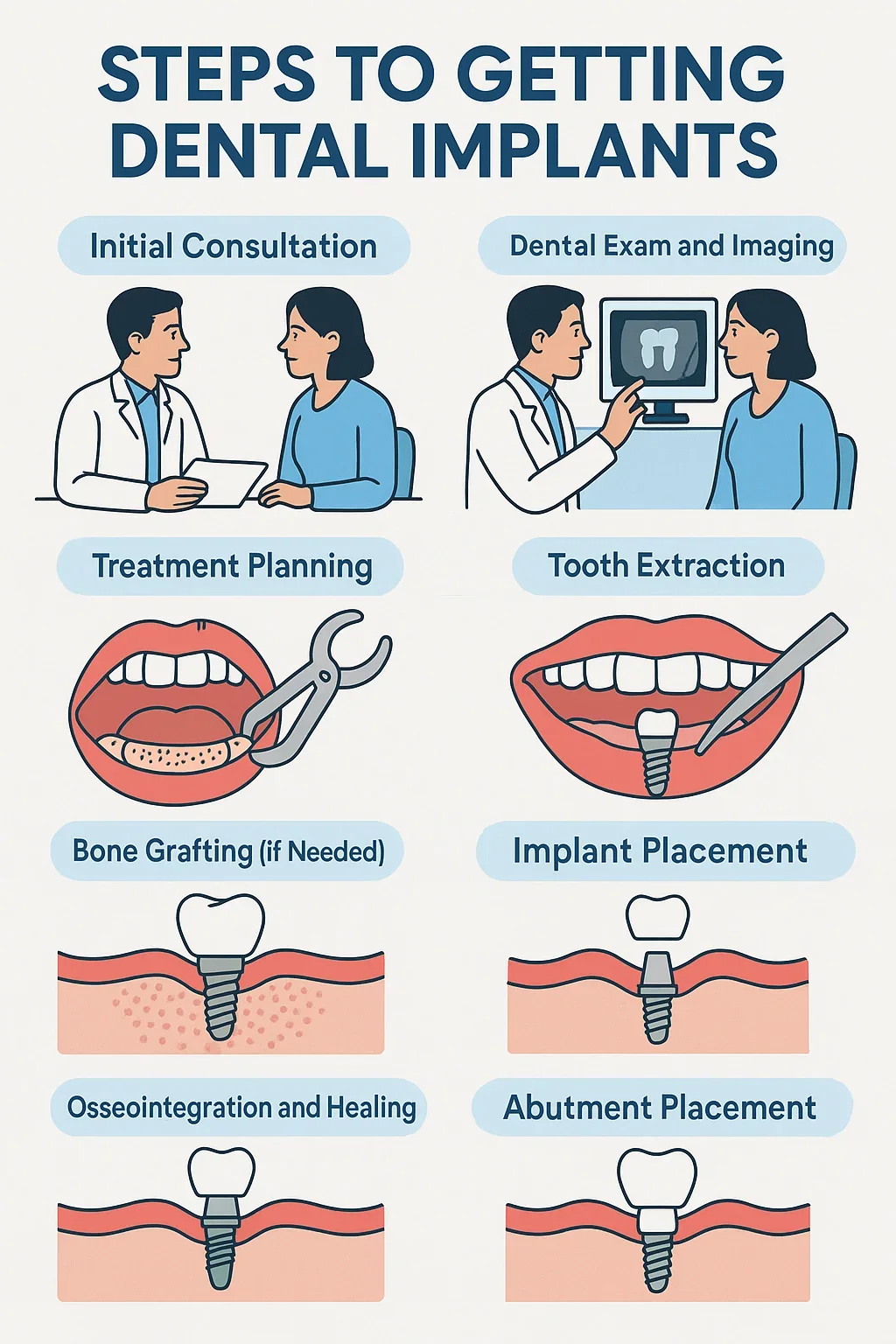
The first step in the process is a thorough dental evaluation. During this phase, your dentist or oral surgeon examines your teeth, gums, and jawbone to determine whether you’re a good candidate for dental implants. Advanced 3D imaging, such as cone-beam CT scans, may be used to evaluate bone density and detect any hidden problems that could affect implant placement. This initial phase ensures that your implant will have a strong foundation and that your treatment plan is tailored to your specific oral anatomy.
The second step involves developing a personalized treatment plan. Every patient’s mouth is unique—some may need additional treatments like bone grafting or sinus lifts to strengthen the jawbone before the implant can be placed. Your dentist will design a plan that considers your overall health, bone quality, and the number of teeth to be replaced. This stage also includes discussing the estimated timeline, materials used (like titanium or zirconia), and what to expect during the healing process.
Once your treatment plan is finalized, the surgical phase begins. Under local anesthesia or sedation, a small incision is made in the gum tissue to expose the bone. The implant—essentially a titanium post—is inserted into the jawbone, acting as an artificial tooth root. Over the next few months, a natural process called osseointegration occurs, during which the implant fuses with the bone. This step is critical because it ensures long-term stability and prevents bone loss. The duration of osseointegration can vary from person to person, typically lasting between three and six months.
After healing, the abutment is attached to the implant. This small connector piece links the implant root to the final dental crown. Once the gums have healed around the abutment, your dentist will take precise impressions to create a custom-made crown that matches the color, shape, and alignment of your natural teeth. The crown is then permanently attached, completing the restoration process and giving you a smile that looks and feels completely natural. 😁
Throughout these steps to getting dental implants, patient aftercare is crucial. Following proper hygiene practices such as brushing twice daily, flossing around the implant, and visiting your dentist regularly ensures long-term success. Avoiding smoking, maintaining a healthy diet, and following your dentist’s recommendations are also essential for keeping your implants strong and infection-free. With proper maintenance, dental implants can last a lifetime—making them one of the most cost-effective and durable options in modern dentistry.
Many people are curious about how long the process takes and whether it’s painful. While the exact timeline depends on individual factors like bone health and healing speed, most patients complete the process within six to nine months. Thanks to advanced anesthesia and modern surgical techniques, discomfort during and after the procedure is minimal. Your dentist may prescribe pain relief medication or antibiotics to prevent infection and support healing. 💊
It’s also important to consider where you receive your treatment. Choosing an experienced dental clinic with advanced equipment and a strong reputation ensures the highest quality results. If you’re currently looking for trusted specialists, you can reach out through the Redent Klinik Contact Page to schedule an expert consultation and discuss your specific dental needs. Redent Klinik is known for providing personalized treatment plans, precise surgical techniques, and exceptional aftercare services.
For more information on professional dental standards, materials used, and procedural guidelines, you may also refer to the American Dental Association. This authoritative organization sets global benchmarks for safety, quality, and ethics in dentistry, helping patients understand what to expect during each phase of their implant journey.
In summary, the essential steps to getting dental implants include initial evaluation, treatment planning, surgical placement, healing, abutment attachment, and final crown placement. Each stage contributes to the overall success of the treatment and ensures that your new smile is both functional and aesthetically pleasing. With advancements in dental technology, implants have become more predictable, comfortable, and long-lasting than ever before. Investing time in understanding every step of the process will empower you to make informed decisions and enjoy a confident, healthy smile for life. 🌟
Understanding Dental Implants: What They Are and How They Work
Before starting the detailed steps to getting dental implants, it’s essential to understand what dental implants are, how they function, and why they have become the gold standard in modern restorative dentistry. 🦷 Dental implants are small, biocompatible titanium or zirconia posts surgically placed into the jawbone to act as artificial tooth roots. They provide a stable foundation for attaching crowns, bridges, or dentures, restoring not only your smile’s appearance but also your ability to chew, speak, and maintain proper oral health.
What Exactly Is a Dental Implant?
A dental implant typically consists of three main parts: the implant fixture, the abutment, and the dental crown. The fixture is the screw-like post inserted into the jawbone. It fuses naturally with the bone through a process called osseointegration, creating a stable, long-lasting bond. Once integrated, the abutment is attached to the implant to connect it with the crown—an artificial tooth custom-designed to blend seamlessly with your natural teeth. Together, these components recreate both the structure and function of a missing tooth.
This structural design allows dental implants to mimic the natural tooth root better than any other dental restoration option. Unlike traditional dentures or bridges, implants preserve bone density, prevent jawbone shrinkage, and maintain the natural contours of your face. That’s why understanding the science behind them is one of the most important steps to getting dental implants and ensuring lasting success.
How Dental Implants Work in the Jawbone
When an implant is placed into the jawbone, the surrounding bone tissue begins to grow around it over several weeks or months. This healing process—known as osseointegration—anchors the implant securely in place. It’s what makes dental implants incredibly durable and capable of lasting decades, or even a lifetime, with proper care. 💪
During osseointegration, new bone cells attach themselves to the implant’s surface. Because titanium is biocompatible, the body accepts it as part of itself rather than rejecting it as a foreign object. This biological acceptance is what gives dental implants their high success rate—usually over 95% according to the American Dental Association. The tighter the bond between bone and implant, the better the implant’s stability and longevity.
Types of Dental Implants
While the basic concept remains the same, there are several types of dental implants available, and choosing the right one is one of the key steps to getting dental implants that meet your specific needs:
- Endosteal Implants: The most common type, placed directly into the jawbone. These are shaped like small screws or cylinders and are ideal for patients with sufficient bone density.
- Subperiosteal Implants: Placed under the gum but above the jawbone, suitable for patients who lack enough bone height and don’t want bone grafting.
- Zygomatic Implants: Used in rare cases when the upper jawbone is insufficient, these implants anchor into the cheekbone (zygoma) for support.
Understanding which type is best for you requires a thorough evaluation by your implant dentist. If you’re unsure where to start, the Redent Klinik Contact Page can connect you with experienced specialists who will guide you through your personalized treatment plan.
Why Dental Implants Are Superior to Other Tooth Replacements
One of the most common questions patients ask when researching the steps to getting dental implants is how they differ from other tooth replacement options like dentures or bridges. The difference lies in their function, stability, and long-term health benefits:
- Preservation of Bone Health: Implants stimulate the jawbone just like natural teeth, preventing the bone resorption that often occurs after tooth loss.
- Natural Look and Feel: The custom-designed crown mimics the color, shape, and texture of real teeth.
- Permanent Solution: With good oral hygiene, implants can last for decades without needing replacement.
- No Impact on Neighboring Teeth: Unlike bridges, implants do not require adjacent teeth to be filed down.
- Improved Comfort and Confidence: Because they are fixed in place, implants eliminate the discomfort and slippage associated with dentures. 😄
The Biomechanics Behind Stability
Dental implants work on the principle of load distribution. When you chew, the implant transfers pressure directly to the jawbone, simulating natural tooth movement. This not only strengthens the bone but also ensures that your bite alignment remains correct. Each chewing cycle keeps the bone healthy and dense—making this one of the most overlooked yet vital steps to getting dental implants to last a lifetime.
The Role of Material Science in Implants
Modern dental implants are usually made from grade-5 titanium alloy or zirconia ceramic. Titanium is favored for its strength, lightweight nature, and excellent biocompatibility. Zirconia, on the other hand, offers a metal-free aesthetic solution for patients with sensitivities or allergies. Both materials undergo rigorous testing to ensure they meet global standards for medical safety. These technological advancements have revolutionized how implants integrate with bone and perform under daily functional loads.
Safety and Success Rates
When performed by an experienced implant dentist, the steps to getting dental implants are remarkably safe. Research from the American Dental Association shows that dental implants have one of the highest success rates among restorative procedures—typically between 94% and 98%. Success depends on factors such as bone health, oral hygiene, and adherence to postoperative care instructions.
Patients who follow proper oral hygiene, attend regular dental check-ups, and avoid smoking enjoy significantly higher success rates. Additionally, using advanced imaging technologies and computer-guided implant placement further improves precision and reduces recovery time.
How Long Do Dental Implants Last?
With proper care, dental implants can last over 25 years. The crown may eventually require replacement due to natural wear, but the implant itself—the titanium root—often remains intact for life. Regular professional cleanings and routine X-rays help ensure your implant continues functioning optimally. 🪥
Key Takeaway
Understanding how dental implants function is the foundation for success. By learning how the implant interacts with the jawbone, the importance of osseointegration, and the factors that influence durability, you’re preparing yourself for the next steps to getting dental implants. A well-informed patient can make smarter decisions, follow recovery instructions closely, and enjoy a confident, natural-looking smile for decades to come. 🌟
Are You a Good Candidate for Dental Implants?
Before beginning the steps to getting dental implants, one of the most important factors to consider is whether you are a suitable candidate for the procedure. Dental implants offer life-changing benefits, but not everyone is immediately ready for surgery. A successful implant depends on the health of your gums, the quality and quantity of your jawbone, and your overall medical condition. Understanding these eligibility criteria helps you make informed decisions and ensures your dental implant journey starts on the right track. 🦷
General Requirements for Dental Implant Candidates
The first step to determining candidacy involves a thorough examination by your dentist or oral surgeon. Typically, ideal candidates for dental implants share a few common characteristics:
- Good Oral Health: Healthy gums free of periodontal disease are essential because gum infections can compromise implant stability.
- Adequate Bone Density: The jawbone must be strong and thick enough to support the implant post. Bone grafting may be necessary if bone loss has occurred.
- Healthy Lifestyle Habits: Non-smokers tend to experience better healing outcomes since smoking can slow recovery and reduce implant success.
- Commitment to Oral Hygiene: Daily brushing, flossing, and regular dental checkups are crucial to maintaining implant health long term.
These general guidelines form the foundation of the steps to getting dental implants. Each patient’s unique oral condition must be carefully evaluated to ensure predictable results and long-lasting success.
Medical Conditions That May Affect Candidacy
Although dental implants are safe for most adults, certain medical conditions may require extra care or adjustments to the treatment plan. Some health issues can affect how your body heals or integrates with the implant, so they must be addressed before surgery:
- Diabetes: Poorly controlled diabetes can slow healing and increase the risk of infection. However, patients with well-managed blood sugar levels can safely undergo implant surgery.
- Heart Disease: Patients taking anticoagulant medications or with recent cardiac events must consult their cardiologist prior to surgery.
- Autoimmune Disorders: Conditions like lupus or rheumatoid arthritis may affect the immune response and bone healing.
- Osteoporosis: Since it weakens bone density, patients with osteoporosis may need bone augmentation before implant placement.
- Cancer Treatments: Radiation therapy in the jaw area can impair bone regeneration, requiring a specialized treatment approach.
It’s vital to discuss your full medical history with your dentist during the initial evaluation. This transparency allows your dental team to personalize the steps to getting dental implants for your individual needs, minimizing risks and maximizing outcomes.
The Role of Bone Health in Dental Implant Success
Bone health plays a critical role in determining implant success. The implant must be anchored securely into the jawbone, where it fuses during a process called osseointegration. If there’s insufficient bone density, the implant may not integrate properly, leading to potential loosening or failure. Thankfully, modern dentistry offers advanced techniques such as bone grafting, sinus lifts, and ridge augmentations that rebuild bone volume.
Bone Grafting Explained
Bone grafting is one of the preparatory steps to getting dental implants for patients with low bone density. This procedure involves adding bone material—either synthetic, donor, or from another part of the patient’s body—to the deficient area. Over several months, the graft fuses with the existing bone, creating a strong foundation for implant placement. 🧬
The success rate for bone grafting has improved dramatically in recent years due to advanced materials like hydroxyapatite and platelet-rich plasma (PRP). These bioactive substances stimulate natural bone growth, reducing recovery time and improving implant longevity.
Age and Candidacy Considerations
Dental implants are suitable for adults of almost any age. However, younger patients should have fully developed jawbones before undergoing surgery—usually around 18 years old. Seniors, on the other hand, often make excellent candidates as long as they maintain good overall health and adequate bone structure. In fact, many older adults find dental implants life-changing, allowing them to eat comfortably and speak confidently again. 👵🧓
Lifestyle Factors That Influence Implant Success
In addition to health conditions, lifestyle habits significantly affect the outcome of your steps to getting dental implants. For example, smoking reduces blood flow to the gums, which slows healing and increases the risk of infection. Quitting smoking even a few weeks before surgery can drastically improve your implant’s long-term stability.
Diet and nutrition also play vital roles in recovery. A balanced diet rich in vitamins C, D, and calcium supports bone formation and gum healing. Staying hydrated and avoiding alcohol during recovery helps reduce inflammation and promote faster tissue regeneration.
Stress and Oral Health Connection
Chronic stress can indirectly affect dental implant outcomes by increasing cortisol levels, which weaken the immune system and slow wound healing. Practicing relaxation techniques such as meditation, deep breathing, or light exercise can be beneficial during the recovery phase. 🧘♀️
How Dentists Determine If You Qualify
The assessment for candidacy typically includes a series of diagnostic tests and visual examinations. Your dentist will use digital X-rays, 3D cone-beam CT scans, and intraoral photos to evaluate bone health and gum structure. These tools allow for precise measurement of bone height, density, and proximity to critical structures like nerves and sinuses. The results determine whether you can proceed directly to surgery or need preliminary treatments like bone grafting or sinus lifting.
If you’re unsure whether you’re ready for implants, scheduling an evaluation through the Redent Klinik Contact Page is an excellent first step. Their dental specialists conduct comprehensive examinations and design treatment plans tailored to each patient’s oral condition and medical background.
Alternative Options for Non-Candidates
For patients who are not suitable candidates for implants, alternative restorative options exist. These include fixed dental bridges, partial dentures, or mini-implants for limited bone structures. However, modern surgical techniques have made it possible for most people to eventually qualify for implants through preparatory treatments like bone grafting or guided bone regeneration.
Key Takeaway
Being a good candidate for dental implants involves more than just wanting a beautiful smile. It requires healthy gums, strong bones, and a commitment to oral hygiene and lifestyle improvement. Understanding these factors early ensures you can follow the proper steps to getting dental implants safely and effectively. With the right preparation, dental implants can restore not just your teeth but your confidence, functionality, and overall quality of life. 🌟
For further insights and official guidelines on dental implant eligibility, you can explore trusted resources like the American Dental Association, which provides professional standards and evidence-based information about implant procedures and oral health care.
Are You a Good Candidate for Dental Implants?
Before beginning the steps to getting dental implants, it’s essential to determine whether you’re an ideal candidate for this transformative procedure. Dental implants are designed to replace missing teeth with natural-looking and long-lasting solutions, but their success depends on several factors such as gum health, bone quality, lifestyle habits, and general medical condition. Understanding these qualifications is one of the most crucial steps to getting dental implants right the first time. 🦷
Basic Eligibility for Dental Implants
Not everyone is automatically a candidate for dental implants. A professional evaluation helps determine if your mouth can support the implant. Typically, good candidates share the following characteristics:
- Healthy Gums: Gum tissue must be free from infection or periodontal disease to provide a stable environment for implant placement.
- Strong Jawbone: Adequate bone density is needed to anchor the implant securely. Patients with bone loss may require bone grafting first.
- Good Overall Health: Candidates should not have uncontrolled chronic diseases that affect healing.
- Commitment to Oral Hygiene: Consistent brushing, flossing, and dental checkups are vital for implant success.
- Non-Smoker: Smoking slows healing and can reduce implant success rates significantly.
Meeting these requirements ensures that each of the steps to getting dental implants proceeds smoothly and effectively.
Medical Considerations That Influence Implant Success
Dental implants are safe for most adults; however, specific health conditions can impact healing and bone integration. Before surgery, your dentist will review your medical history and medications carefully. Here are some conditions that may affect candidacy:
- Diabetes: Well-controlled diabetes doesn’t typically pose problems, but poor management can hinder healing.
- Heart Disease: Those taking anticoagulant medication must coordinate with their cardiologist prior to surgery.
- Autoimmune Disorders: Conditions like lupus or rheumatoid arthritis can affect the body’s ability to recover.
- Osteoporosis: Low bone density might require bone grafting to provide adequate support for the implant.
- Radiation Therapy: Past radiation in the jaw area may weaken bone tissue and require additional evaluation.
Pre-Surgical Medical Screening
As part of the essential steps to getting dental implants, your dentist will coordinate with your physician if necessary. Blood tests and imaging scans ensure that your body is ready for a safe and predictable implant procedure. 🧬
Bone Density and Structure Evaluation
The jawbone’s condition is a major factor in determining eligibility. Implants rely on osseointegration—a process in which the implant fuses with bone—to achieve strength and stability. If bone loss has occurred due to missing teeth, infection, or age, your dentist may recommend bone grafting or a sinus lift before proceeding.
Bone Grafting: Building a Strong Foundation
Bone grafting is one of the preparatory steps to getting dental implants. It involves adding bone material (either natural or synthetic) to the jaw to increase density. Over a few months, the graft integrates with your natural bone, creating a strong base for the implant post. This procedure significantly boosts long-term success rates. 🦴
Age and Implant Suitability
Dental implants are suitable for adults of nearly any age once jawbone growth is complete—typically by 18 years old. Seniors can also receive implants successfully, provided they maintain good oral and systemic health. Many older adults regain full chewing function and self-confidence through implants, proving age is rarely a limiting factor.
Lifestyle Factors Affecting Implant Success
Beyond medical health, lifestyle plays an equally important role in the steps to getting dental implants. Smokers, heavy alcohol users, and individuals with poor oral hygiene habits are more prone to complications. Quitting smoking, maintaining a balanced diet rich in calcium and vitamins D and C, and following your dentist’s aftercare instructions all increase the success rate dramatically.
Stress, Sleep, and Healing
Stress management and adequate sleep contribute to recovery and bone healing. Chronic stress raises cortisol levels, delaying tissue regeneration. Patients who maintain restful sleep and use relaxation techniques—like meditation or yoga—tend to experience faster, smoother healing after dental surgery. 😌
Diagnostic Imaging and Clinical Evaluation
As part of the preliminary steps to getting dental implants, a dentist performs diagnostic imaging such as panoramic X-rays or 3D cone-beam CT scans. These tools assess jawbone thickness, detect nerve positioning, and plan the precise placement of the implant post. This level of precision minimizes complications and improves long-term function and aesthetics.
What to Expect During the Evaluation Appointment
During your first consultation, your dentist will:
- Examine your teeth and gums thoroughly.
- Take 3D scans and digital impressions.
- Discuss your medical and dental history.
- Create a customized treatment plan and timeline.
This stage sets the foundation for all future steps to getting dental implants. Transparency about your health, habits, and expectations ensures the most successful and personalized treatment outcome.
Alternative Options for Non-Candidates
If you are not immediately eligible for implants, don’t lose hope. Treatments like bone grafting, soft tissue grafts, or orthodontic adjustments can prepare your mouth for future implant placement. Alternatively, fixed bridges or partial dentures may serve as temporary solutions until bone and gum conditions improve.
Next Step: Schedule a Professional Evaluation
If you’re considering this procedure, the best way to confirm candidacy is by booking an appointment through the Redent Klinik Contact Page. Their specialists perform comprehensive assessments using state-of-the-art imaging and provide detailed guidance tailored to your oral health. With the right planning, even patients with initial limitations can become successful candidates for implants.
To learn more about clinical standards, patient safety, and recommended treatment protocols, refer to the American Dental Association, which outlines evidence-based best practices for implant dentistry worldwide.
Ultimately, determining whether you’re a good candidate is one of the most crucial steps to getting dental implants. With proper preparation, healthy habits, and professional guidance, anyone can achieve a strong, natural-looking smile that lasts for decades. 🌟
Healing and Osseointegration: What Happens After Surgery
One of the most critical steps to getting dental implants occurs after the surgical placement of the implant — the healing phase, known as osseointegration. This is when your body begins to accept the implant as part of itself, allowing it to fuse naturally with the jawbone. Understanding what happens during this recovery process and how to care for yourself afterward will significantly influence your long-term implant success. 🦷
The Immediate Post-Surgery Period
After your dental implant surgery, the body initiates a complex healing process. During the first 24 to 72 hours, mild discomfort, swelling, or bleeding is normal. Your dentist will provide specific aftercare instructions to minimize these symptoms and ensure proper healing. Pain can typically be managed with over-the-counter painkillers, and ice packs help reduce swelling.
Patients are advised to follow a soft diet for several days, avoid hot foods and beverages, and refrain from strenuous activity. These small but essential actions are part of the early steps to getting dental implants to heal smoothly and prevent complications. Proper care during this period sets the stage for successful osseointegration.
Do’s and Don’ts After Surgery
- Do: Keep the surgical site clean and follow your dentist’s oral hygiene instructions carefully.
- Do: Use prescribed antiseptic mouth rinses to prevent infection.
- Don’t: Smoke or use tobacco, as it delays healing and increases failure risk.
- Don’t: Touch or disturb the implant area with your fingers or tongue.
- Don’t: Eat crunchy or sticky foods that may irritate the implant site.
What Is Osseointegration?
Osseointegration is the biological process by which bone tissue grows and bonds directly to the surface of the titanium implant. This phase typically lasts between three to six months, depending on factors like bone density, implant placement, and the patient’s healing ability. Once osseointegration is complete, the implant becomes as strong as a natural tooth root — a foundational milestone in the steps to getting dental implants.
During osseointegration, the body’s bone cells—osteoblasts—actively form new tissue around the implant. This bone remodeling process ensures that the implant can withstand the natural forces of biting and chewing. If osseointegration fails, the implant might become loose or painful, requiring adjustment or replacement. However, success rates remain remarkably high when patients follow proper care protocols. 💪
Factors That Influence Osseointegration
Several biological and environmental factors can affect how efficiently osseointegration occurs:
- Bone Quality: Denser jawbone provides faster and stronger integration.
- Patient Health: Conditions like diabetes or osteoporosis can slow bone regeneration.
- Implant Material: Titanium and zirconia implants have excellent biocompatibility, promoting natural bone bonding.
- Postoperative Care: Following hygiene and dietary guidelines ensures uninterrupted healing.
- Lifestyle Choices: Avoiding smoking and alcohol speeds up bone regeneration.
Stages of the Healing Process
The healing period after implant placement generally progresses through several distinct phases. Each stage is vital to the overall steps to getting dental implants that result in long-term stability and functionality:
- Inflammatory Stage (Days 1–5): The body sends immune cells to protect against infection and initiate tissue repair. Swelling and mild discomfort are common during this stage.
- Proliferative Stage (Weeks 1–4): New blood vessels and soft tissue form around the implant, providing nourishment for bone regeneration.
- Osseointegration Stage (Months 1–6): Bone cells attach to the implant surface, solidifying its position within the jawbone.
- Remodeling Stage (Months 6–12): Bone density strengthens further, ensuring the implant can support the final crown or bridge for decades.
Nutrition and Healing Optimization
Nutrition plays a powerful role during the healing process. Consuming foods rich in calcium, vitamin D, and protein supports bone regeneration and boosts recovery speed. 🥛 Patients should focus on soft, nutrient-dense options like yogurt, eggs, mashed vegetables, smoothies, and soups. Avoiding sugary or processed foods minimizes inflammation and bacterial growth, which could hinder recovery.
Hydration and Oral Hygiene
Staying well-hydrated supports cell regeneration and prevents dry mouth, which can otherwise slow healing. Gentle brushing around the surgical site using a soft-bristled toothbrush and rinsing with salt water helps keep the area clean. These preventive habits are integral steps to getting dental implants that heal successfully.
Monitoring and Follow-Up Visits
Follow-up appointments with your dentist or oral surgeon are crucial for monitoring progress. During these visits, X-rays may be taken to assess bone formation around the implant. If necessary, minor adjustments are made to ensure the implant aligns properly with your bite. Regular professional supervision helps identify potential complications early and keeps you on track through all the steps to getting dental implants.
Patients are typically scheduled for multiple follow-ups—at one week, one month, three months, and six months post-surgery. These evaluations confirm that osseointegration is proceeding as expected and that your gums are healing correctly around the implant.
Common Post-Surgical Challenges and How to Handle Them
Although complications are rare, some patients may experience temporary issues like gum inflammation, soreness, or slight bleeding. In such cases, your dentist might prescribe antibiotics or recommend anti-inflammatory medication. Proper care and patience during this recovery phase are vital for ensuring long-term implant success.
If persistent discomfort or swelling occurs, contact your dental specialist immediately through the Redent Klinik Contact Page. Their experienced professionals can evaluate your healing progress and provide prompt solutions to prevent further complications.
The Importance of Patience During Healing
Many patients feel eager to move to the next phase of their dental restoration, but patience is essential. Rushing through recovery can jeopardize osseointegration and overall implant stability. Allowing your body the necessary time to heal ensures that future steps—like attaching the abutment and crown—are performed on a strong, well-integrated foundation.
Key Takeaway
Healing and osseointegration are the backbone of successful dental implant treatment. This stage transforms a simple titanium post into a living part of your mouth that functions just like a natural tooth root. By following your dentist’s guidance, maintaining good nutrition and hygiene, and attending follow-up visits, you’re ensuring the most crucial steps to getting dental implants are completed successfully. With patience and care, this process results in a strong, healthy, and confident smile that can last a lifetime. 🌟
For more scientific details about post-surgical recovery and dental implant standards, visit the American Dental Association, an authoritative resource dedicated to promoting excellence in oral health and dental care.
Healing and Osseointegration: What Happens After Surgery
Among the most vital steps to getting dental implants is the healing process that follows surgery, known as osseointegration. This biological phase determines whether the implant successfully bonds with your jawbone and functions as a stable, permanent foundation for your new tooth. Understanding what happens after surgery, how to take care of your mouth, and what signs indicate proper healing are all key to long-term implant success. 🦷
What Happens Right After Surgery
Immediately after the implant placement, your body begins its natural healing response. Mild swelling, slight bleeding, and tenderness in the surgical area are normal during the first 48 to 72 hours. These symptoms indicate that your body is responding appropriately to the procedure. Your dentist will provide instructions such as applying ice packs, taking prescribed antibiotics, and resting to ensure optimal recovery. Maintaining good oral hygiene during this stage is one of the foundational steps to getting dental implants to heal properly.
Essential Aftercare Guidelines
- Keep the surgical site clean: Rinse gently with warm salt water to reduce bacteria and inflammation.
- Avoid physical strain: Heavy exercise or bending can increase blood pressure and lead to bleeding.
- Follow a soft diet: Eat foods like yogurt, mashed potatoes, or smoothies during the first week.
- Don’t smoke: Nicotine restricts blood flow, delaying healing and increasing implant failure risk.
- Take medications as prescribed: Pain relief and antibiotics prevent discomfort and infection.
Adhering to these practices helps your body recover and ensures the implant remains stable during the early stages of integration.
Understanding the Process of Osseointegration
Osseointegration is the biological process where the titanium or zirconia implant fuses with your jawbone, forming a permanent and natural bond. It’s the most critical of all the steps to getting dental implants, as it transforms a simple post into a solid foundation capable of supporting crowns, bridges, or dentures. The process generally takes between three and six months, depending on bone density, surgical precision, and overall health.
How Osseointegration Works
After the implant is inserted, your body recognizes it as a biocompatible material rather than a foreign object. Bone cells (osteoblasts) gradually attach themselves to the implant’s surface, forming new bone tissue around it. Over time, this fusion creates a secure anchor that can withstand everyday forces like biting and chewing. 💪
Proper osseointegration ensures that your dental implant functions just like a natural tooth root—offering stability, strength, and comfort for many years.
Factors That Influence Healing and Integration
While osseointegration has a high success rate, several factors can influence its speed and quality. These include:
- Bone Density: Thicker, denser bone supports faster and stronger bonding.
- Gum Health: Healthy gums free of infection promote ideal healing conditions.
- Systemic Health: Conditions like diabetes or immune disorders can slow bone formation.
- Hygiene Habits: Consistent brushing and gentle rinsing prevent bacterial interference.
- Lifestyle: Avoiding alcohol and tobacco improves oxygen flow and cellular regeneration.
The Role of Nutrition in Healing
A balanced diet rich in vitamins, minerals, and protein accelerates healing. Calcium strengthens bone regeneration, while vitamin D enhances calcium absorption. Foods like milk, eggs, salmon, leafy greens, and whole grains provide essential nutrients for post-surgical recovery. Staying hydrated supports tissue repair and prevents dry mouth, which can harbor bacteria. 🥦🥛
Typical Healing Timeline
The healing journey after implant surgery typically unfolds in several stages:
- Inflammatory Phase (Days 1–5): The body’s immune response cleans the wound and prepares for tissue repair.
- Proliferative Phase (Weeks 1–4): Blood vessels and soft tissue begin forming around the implant to nourish new bone.
- Osseointegration Phase (Months 1–6): The jawbone fuses tightly to the implant’s surface, ensuring stability.
- Remodeling Phase (6–12 Months): Bone becomes denser and more durable, supporting long-term function.
Each phase requires patience and proper care. Rushing through or neglecting any of these stages can compromise the entire process of steps to getting dental implants.
Post-Surgical Hygiene and Maintenance
Maintaining cleanliness is crucial during recovery. Use a soft-bristled toothbrush and avoid direct pressure on the implant site for the first week. Antimicrobial mouth rinses prescribed by your dentist help control bacteria. After a few weeks, gentle flossing can resume around adjacent teeth to prevent plaque buildup.
Follow-Up Appointments
Your dentist will schedule several checkups to monitor healing and osseointegration progress. During these visits, imaging tools such as 3D cone-beam CT scans are used to confirm bone formation around the implant. Early detection of any irregularities ensures immediate intervention and prevents complications.
Common Post-Surgery Experiences
It’s normal to feel mild tenderness or notice slight gum swelling in the first few weeks. These symptoms gradually fade as the implant site stabilizes. However, persistent pain or movement in the implant should be addressed immediately by your dental specialist. Reaching out through the Redent Klinik Contact Page ensures professional follow-up and peace of mind.
When Osseointegration Is Complete
Once osseointegration is confirmed, the abutment and dental crown can be attached. This marks one of the final steps to getting dental implants, where your new tooth begins to function and look completely natural. With proper oral care and regular dental visits, the implant can last 25 years or more.
Key Takeaway
Healing and osseointegration form the foundation of implant success. By following your dentist’s post-operative instructions, maintaining a nutrient-rich diet, and attending scheduled checkups, you ensure that your steps to getting dental implants lead to a durable and beautiful result. Patience during recovery pays off — your new smile will be strong, functional, and built to last a lifetime. 🌟
For verified medical guidance on implant recovery, visit the American Dental Association, which provides trusted resources and clinical standards on dental implant procedures and post-surgical care.
How to Care for Your Dental Implants After Placement
After completing the main steps to getting dental implants, proper post-placement care is essential to ensure long-term success and comfort. Dental implants require consistent maintenance, just like natural teeth. The healing process doesn’t end once the implant crown is attached; instead, it transitions into an ongoing phase of daily oral hygiene, regular professional checkups, and lifestyle adjustments. The following detailed guide explains how to protect your investment and maintain a healthy, radiant smile for decades to come. 😁
Understanding the Importance of Implant Aftercare
Implant aftercare is the foundation for the longevity of your new teeth. Even though implants are resistant to decay, the surrounding gum tissue and bone are still vulnerable to infection and inflammation. Neglecting oral hygiene can lead to peri-implantitis—a condition similar to gum disease that causes bone loss around the implant. Adhering to the right post-operative care habits is one of the most crucial steps to getting dental implants to last a lifetime.
Key Objectives of Post-Implant Care
- Protect the surgical site from bacterial infection.
- Ensure proper healing of gum tissues and bone integration.
- Prevent plaque buildup that can lead to peri-implantitis.
- Maintain strong oral hygiene habits for long-term stability.
When patients understand these objectives, they can follow care routines that align with each phase of their recovery and beyond.
Daily Oral Hygiene Practices
Maintaining clean and healthy gums is one of the essential steps to getting dental implants to function effectively. Brushing and flossing techniques may need slight modification after surgery to avoid damaging the implant site.
Brushing Techniques for Implants
Use a soft-bristled toothbrush or an electric toothbrush with low intensity. Brush twice daily, focusing gently around the implant crown and gumline. Specialized implant brushes or interdental brushes with nylon-coated wires are effective for cleaning tight areas. Avoid using toothpaste that contains abrasive particles, as these can scratch the crown or abutment surfaces. 🪥
Flossing and Interdental Cleaning
Regular flossing is just as important for implants as for natural teeth. Consider using implant-safe floss, such as unwaxed or spongy floss, to remove food debris without irritating the gums. Water flossers (oral irrigators) are also highly recommended—they help flush out plaque and bacteria from hard-to-reach areas while being gentle on the tissue.
Professional Maintenance and Dental Visits
Routine dental checkups every six months—or more frequently if advised—are integral to preserving implant health. During these visits, your dentist will evaluate gum health, verify bone stability through X-rays, and clean around the implant using non-metal tools to avoid scratching. These appointments form a critical part of the ongoing steps to getting dental implants maintained successfully.
Scaling and Polishing Implants
Professional cleaning removes tartar deposits that brushing alone cannot eliminate. Special plastic or resin instruments are used to protect the implant surface. Your dentist may also apply antimicrobial gels or mouth rinses to minimize bacterial activity.
Diet and Lifestyle Adjustments
What you eat and how you live directly affect implant success. In the early weeks following placement, consume soft foods to prevent pressure on the new implant. Long-term, focus on a balanced diet rich in calcium, protein, and vitamin D to support bone density.
- Avoid excessive sugar: Sugary foods promote plaque buildup and gum inflammation.
- Reduce alcohol and caffeine: These can dehydrate tissues and slow recovery.
- Quit smoking: Smoking constricts blood flow to the gums, jeopardizing implant longevity.
These lifestyle adaptations are small but powerful steps to getting dental implants to integrate fully and remain strong for many years.
Recognizing Warning Signs of Complications
Even with excellent care, complications can occasionally arise. Early detection and professional intervention can prevent minor issues from turning into major problems. Watch for these signs:
- Persistent pain or throbbing around the implant site.
- Bleeding or swollen gums.
- Implant mobility or clicking sensation.
- Bad breath or unpleasant taste due to trapped bacteria.
If any of these symptoms occur, contact your dental provider immediately through the Redent Klinik Contact Page for expert assistance and evaluation. Timely attention helps maintain the health of both the implant and surrounding tissues. 💪
Long-Term Implant Success Strategies
Once the initial healing is complete, maintaining implant health becomes part of your daily routine. Successful long-term results depend on continuous care, just like maintaining a natural tooth. Here are some strategies to enhance implant longevity:
- Regular Dental Visits: Annual X-rays and checkups help detect early bone changes.
- Consistent Oral Hygiene: Keep your implant free of plaque and tartar buildup.
- Healthy Diet: Choose nutrient-rich foods to strengthen your jawbone.
- Stress Management: Clenching or grinding teeth (bruxism) can damage implants; consider using a night guard if necessary.
Advanced Maintenance Tools
Modern dental technology offers specialized tools for maintaining implants—such as ultrasonic scalers designed for titanium surfaces and antibacterial gels that prevent microbial growth. Discuss these advanced solutions during your checkups for an optimized care plan tailored to your specific needs.
The Role of Professional Guidance
Post-placement care is a partnership between you and your dental team. At each stage of your implant journey, professional oversight ensures that you are following the correct steps to getting dental implants that remain healthy and functional. From monitoring gum condition to recommending hygiene products, your dentist plays a crucial role in preserving your smile’s longevity.
Key Takeaway
Dental implants can last a lifetime when maintained correctly. By prioritizing oral hygiene, regular professional visits, proper nutrition, and awareness of potential warning signs, you are ensuring that your steps to getting dental implants end in long-term success. The combination of personal care and professional guidance provides the stability, beauty, and confidence that make dental implants a truly transformative solution. 🌟
For trusted clinical guidelines on implant maintenance and aftercare, visit the American Dental Association, which provides detailed recommendations and evidence-based practices for ensuring optimal oral health.
How to Care for Your Dental Implants After Placement
One of the most crucial steps to getting dental implants is learning how to properly care for them after placement. Once the implant is in position and the crown is attached, ongoing maintenance becomes essential to preserve both aesthetics and function. While implants are highly durable and resistant to decay, the surrounding gums and bone still require consistent attention to prevent infection, inflammation, or long-term complications. 🦷
Why Post-Placement Care Matters
Dental implants function like natural teeth, but they differ in one key way — they connect directly to the bone rather than a tooth root. This makes good oral hygiene vital to prevent bacterial buildup that could threaten bone integration. Effective post-placement care helps ensure that your steps to getting dental implants result in a lifetime of confident smiles and optimal oral health.
Primary Goals of Implant Care
- Keep the gums surrounding the implant clean and infection-free.
- Preserve bone health by maintaining good oral hygiene and nutrition.
- Protect the implant from mechanical stress or trauma.
- Ensure long-term stability through professional maintenance visits.
Neglecting these steps can lead to peri-implantitis—a bacterial infection that causes bone loss and implant failure. Prevention is always easier than treatment, making care a continuous priority.
Daily Oral Hygiene Routine
Proper hygiene is one of the key steps to getting dental implants to last for decades. Like natural teeth, implants require twice-daily cleaning to eliminate plaque and prevent gum inflammation. The difference lies in using gentle techniques and tools designed specifically for implants.
Brushing the Right Way
Use a soft-bristled manual or electric toothbrush to clean the implant crown and gum line. Brush gently in circular motions for at least two minutes, focusing on the base of the implant where bacteria tend to accumulate. Avoid toothpaste containing abrasives, which can scratch ceramic or titanium surfaces. 🪥
Flossing and Interdental Cleaning
Flossing around implants is essential but requires care. Specialized floss, such as implant-specific or spongy floss, should be used to avoid gum irritation. Alternatively, water flossers can help clean hard-to-reach areas beneath the gumline without applying excessive pressure.
Professional Checkups and Maintenance
Routine dental checkups every six months are vital to monitor implant health. During these visits, your dentist evaluates bone stability, gum condition, and the integrity of the crown or abutment. These checkups are not just optional—they’re among the essential ongoing steps to getting dental implants to remain stable and problem-free.
Professional Cleaning Procedures
Your dentist uses non-metal instruments such as plastic or resin scalers to clean around the implant without damaging its surface. Ultrasonic tools specifically designed for titanium implants may also be used to remove plaque and tartar buildup. These cleanings preserve the gum seal around the implant, preventing bacteria from infiltrating deeper layers.
Nutrition and Lifestyle for Long-Term Implant Success
Nutrition plays a significant role in the healing and maintenance of implants. A balanced diet that includes calcium, phosphorus, and vitamin D helps maintain bone density, while vitamin C supports gum tissue health. Patients are encouraged to reduce sugary foods and avoid sticky snacks that can trap bacteria.
- Eat soft, nutrient-rich foods: Yogurt, eggs, and vegetables are ideal during the early recovery phase.
- Stay hydrated: Water helps maintain saliva flow, which naturally cleans the mouth.
- Avoid smoking and alcohol: Both can slow healing and increase the risk of implant failure.
These dietary and lifestyle adjustments are some of the smartest steps to getting dental implants that remain healthy and functional for decades. 💪
Monitoring and Detecting Early Warning Signs
Even with perfect care, it’s important to remain vigilant for signs of potential problems. Early detection can save your implant from failure and protect surrounding tissues. Contact your dentist if you experience:
- Persistent bleeding or swelling around the implant.
- Pain when biting or chewing.
- A loose or shifting feeling near the implant.
- Bad breath or taste, indicating infection.
If any of these occur, visit your dentist promptly via the Redent Klinik Contact Page for immediate evaluation and professional care.
Protecting Implants from Mechanical Stress
Mechanical stress—such as clenching or grinding—can cause micro-movements that loosen the implant over time. Using a custom night guard protects your implants during sleep, especially if you suffer from bruxism. Additionally, avoid using your teeth to open packages or bite on hard objects, which could damage both natural and artificial teeth.
Sports and Impact Protection
For patients involved in contact sports, wearing a custom-fitted mouthguard is an essential precautionary measure. It prevents trauma that could loosen or fracture the implant crown.
Long-Term Habits for Implant Longevity
Dental implants can last 25 years or more with the right maintenance. Building long-term habits such as brushing twice daily, flossing, and attending biannual checkups ensures a lifetime of confident smiles. Keeping up with these routines reinforces the most important steps to getting dental implants to remain successful long after surgery.
Technological Aids for Better Care
Modern dental technology offers tools that enhance maintenance, such as ultrasonic irrigators, antimicrobial gels, and pH-balancing mouth rinses. Ask your dentist about incorporating these into your daily routine for added protection and efficiency.
Key Takeaway
Caring for your dental implants after placement is the cornerstone of success. With consistent hygiene, regular professional cleanings, a balanced diet, and attention to small warning signs, you ensure that your steps to getting dental implants result in lifelong comfort, function, and aesthetics. A well-maintained implant doesn’t just replace a tooth—it restores confidence, health, and quality of life. 🌟
For more expert recommendations and evidence-based care standards, consult the American Dental Association, which offers in-depth insights into dental implant maintenance and oral health practices worldwide.
Long-Term Benefits and Success Rates of Dental Implants
After completing all the essential steps to getting dental implants, patients often wonder about the long-term benefits and success rates of the procedure. Dental implants are widely regarded as the most durable, natural-looking, and functionally effective tooth replacement solution available in modern dentistry. Their impressive success rate and the ability to preserve both oral health and facial aesthetics make them a life-changing investment. 🌟
Unmatched Durability and Longevity
One of the most remarkable outcomes of following the proper steps to getting dental implants is their longevity. With proper care, dental implants can last 25 years or even a lifetime, outperforming traditional bridges or dentures. This long lifespan results from the process of osseointegration, where the implant fuses with the jawbone to create a stable and permanent foundation. Unlike dentures, implants don’t rely on adhesives or rest on soft tissue; they are anchored into the bone, mimicking natural tooth roots.
Several studies by the American Dental Association and other research bodies show that implants boast an average success rate of 94–98%, depending on bone quality and oral hygiene practices. These numbers confirm that implants are not only reliable but also predictable, providing lasting functionality when maintained correctly.
Factors That Influence Longevity
- Good Oral Hygiene: Regular brushing, flossing, and professional cleaning are vital for preventing peri-implantitis.
- Healthy Bone Density: Adequate jawbone structure ensures implant stability over time.
- Balanced Diet: A nutrient-rich diet strengthens bone and gum health.
- Routine Dental Checkups: Early detection of issues prolongs implant life.
- Non-Smoking Lifestyle: Avoiding tobacco drastically improves implant longevity.
Patients who diligently follow these post-treatment habits typically experience decades of comfort and reliability, proving that maintenance is one of the final yet vital steps to getting dental implants right.
Enhanced Chewing Function and Comfort
Dental implants restore nearly 90–95% of the natural bite force, unlike removable dentures that typically offer only 25–40%. This improvement allows patients to eat freely without discomfort or dietary restrictions. Crunchy fruits, fibrous vegetables, and protein-rich meats can be enjoyed confidently. This return to normal function significantly boosts quality of life and nutrition, reinforcing why many consider implant surgery a life-enhancing decision. 🍎
Because implants integrate with bone, they feel completely natural. There’s no slippage, clicking, or gum irritation as seen with dentures. Patients report that speaking, laughing, and eating feel just as natural as before tooth loss. This comfort is one of the most rewarding long-term steps to getting dental implants successfully integrated into your daily life.
Preservation of Jawbone and Facial Structure
Tooth loss doesn’t only affect appearance—it also leads to bone resorption, where the jawbone begins to deteriorate due to lack of stimulation. Over time, this can cause facial sagging, wrinkles, and premature aging. Dental implants prevent this process by stimulating the bone just like natural tooth roots. Each bite sends pressure through the implant into the bone, encouraging new bone cell growth and maintaining structure. 🦷
This preservation of facial integrity makes dental implants the only tooth replacement option that truly stops bone loss. It’s a biological and mechanical benefit combined—one that ensures your steps to getting dental implants also protect your long-term appearance and health.
How Implants Prevent Bone Loss
After tooth extraction, the alveolar bone that supports teeth begins to shrink. Within a year, patients can lose up to 25% of bone mass in the affected area. Implants act as artificial roots that continuously stimulate the bone, preventing resorption. In contrast, dentures or bridges do not provide this stimulation, leading to ongoing bone degradation. Thus, implants not only replace missing teeth but also preserve the foundation of your smile.
Improved Oral Health and Hygiene
Dental implants contribute to better overall oral health because they do not rely on neighboring teeth for support. Traditional bridges require grinding down adjacent teeth, which can weaken their structure. Implants eliminate this need, keeping surrounding teeth intact and healthy. This structural independence is a significant advantage and one of the most underrated steps to getting dental implants that protect long-term oral wellness.
Additionally, implants simplify oral hygiene routines. Since they behave like natural teeth, brushing and flossing are easy and familiar. Regular maintenance prevents plaque accumulation and gum disease, keeping your entire mouth healthier.
Psychological and Emotional Benefits
Beyond physical advantages, dental implants greatly enhance confidence and mental well-being. Tooth loss often leads to self-consciousness, affecting social interactions and self-esteem. By restoring a natural appearance and full functionality, implants empower patients to smile freely, speak clearly, and live confidently. 😁
This emotional restoration is an often-overlooked but deeply meaningful result of completing the steps to getting dental implants. It reflects not just dental transformation, but personal renewal.
Social and Professional Confidence
Many patients report improved communication and self-presentation after receiving implants. Whether during job interviews, presentations, or social gatherings, having a complete and secure smile eliminates hesitation. Over time, this renewed self-assurance can positively impact career opportunities and personal relationships.
Cost-Effectiveness Over Time
Although implants may have a higher initial cost than other tooth replacement options, their durability makes them more economical in the long run. Dentures and bridges often require replacement or adjustment every 5–10 years, while implants—when properly maintained—can last a lifetime. This makes them not only a health investment but also a financially smart decision. 💰
Factoring in reduced maintenance, improved oral health, and the elimination of adhesive or replacement costs, the overall lifetime value of implants outweighs alternatives. In short, completing all the steps to getting dental implants correctly leads to a permanent and cost-effective solution for missing teeth.
Clinical Data on Success Rates
Scientific studies consistently demonstrate exceptional implant performance across age groups and oral conditions. Research published in the American Dental Association database confirms that implants have a 95% survival rate after 10 years and around 90% even after 20 years. Advances in implant materials and digital surgical planning have made the procedure safer, faster, and more predictable than ever before.
Success rates also increase when patients commit to regular checkups, proper hygiene, and avoidance of harmful habits like smoking or teeth grinding. With these efforts, the steps to getting dental implants culminate in a lasting, fully functional, and aesthetically pleasing result that endures decades.
Key Takeaway
The long-term benefits of dental implants extend far beyond replacing missing teeth. They restore strength, stability, and natural aesthetics while preserving bone structure and improving emotional well-being. Their outstanding success rates—combined with durability and cost efficiency—make them the gold standard for tooth replacement worldwide. By faithfully following each of the steps to getting dental implants, patients can enjoy a confident smile and optimal oral health for life. 🌟
For expert advice, clinical data, and global best practices regarding dental implant success, visit the American Dental Association for evidence-based insights and professional guidance.
Potential Risks, Complications, and How to Avoid Them
While dental implants have an exceptionally high success rate, understanding the potential risks and learning how to prevent them is an essential part of the steps to getting dental implants. Even though the majority of patients experience smooth healing and long-term success, complications can arise when pre- and post-operative care is neglected or underlying health conditions interfere with healing. By knowing these possible challenges and the proactive measures to avoid them, patients can safeguard their investment and enjoy a lifetime of healthy, confident smiles. 🦷
Understanding Implant Risks: What Could Go Wrong
Modern implant technology has made failures rare, but certain biological and mechanical issues can affect outcomes. Most of these risks can be effectively prevented through proper planning, hygiene, and regular professional follow-up. Recognizing these challenges as part of the steps to getting dental implants helps patients prepare both physically and mentally for the process.
Common Potential Complications
- Infection at the Implant Site: Bacteria entering the gum or bone can cause inflammation and slow healing.
- Implant Loosening: Lack of osseointegration or excessive pressure can cause implant instability.
- Nerve Damage: Incorrect placement near nerves may cause temporary or permanent numbness or tingling.
- Sinus Issues: For upper jaw implants, improper placement can invade the sinus cavity.
- Peri-implantitis: A gum infection similar to periodontitis that leads to bone loss around the implant.
Each of these risks can be minimized with thorough pre-surgical planning, precise execution, and excellent aftercare — critical steps to getting dental implants that succeed long term.
Biological Factors Affecting Success
Biological compatibility is key to implant integration. Conditions such as uncontrolled diabetes, autoimmune disorders, or smoking can interfere with healing and increase failure risk. Bone density also plays a major role; insufficient bone structure can lead to implant instability or rejection.
Managing Health Conditions Before Surgery
Before surgery, your dentist or oral surgeon will assess your medical history, medications, and oral condition. Patients with systemic health issues may need additional testing or preparatory treatments such as bone grafting or sinus lifts. By addressing these health considerations early, you ensure one of the foundational steps to getting dental implants is properly executed.
Mechanical and Surgical Risks
Even with skilled professionals, mechanical or surgical issues can occur if precision is compromised. Implant angulation errors, improper torque during placement, or overloading the implant too early are potential causes of complications. To minimize such risks, advanced 3D imaging and digital surgical guides are used for precise positioning and implant selection.
Importance of an Experienced Surgeon
The expertise of the implant surgeon is one of the most decisive factors in achieving success. A specialist trained in implantology understands bone anatomy, nerve positioning, and prosthetic alignment. Choosing a qualified dental professional is therefore one of the smartest steps to getting dental implants safely and effectively.
How to Prevent Post-Surgical Complications
Prevention begins immediately after surgery. Proper post-operative care can significantly reduce the risk of infection or implant failure. Patients should carefully follow their dentist’s aftercare instructions, which typically include:
- Using prescribed antibiotics and pain relievers as directed.
- Avoiding smoking and alcohol for at least two weeks after surgery.
- Maintaining a soft diet and avoiding crunchy or sticky foods.
- Rinsing with antimicrobial mouthwash to control bacteria.
- Keeping follow-up appointments for professional monitoring.
These actions form the backbone of the recovery process and represent crucial steps to getting dental implants that heal without setbacks.
Recognizing Early Warning Signs
Awareness is key to early intervention. Patients should contact their dentist immediately if they notice the following symptoms:
- Persistent swelling or redness near the implant area.
- Continuous bleeding that lasts beyond 48 hours.
- Pain intensifying instead of diminishing over time.
- Loose implant sensation or movement when biting.
- Unusual taste or discharge indicating infection.
Reaching out promptly through the Redent Klinik Contact Page ensures that issues are addressed early, preserving the integrity of your implant and preventing long-term damage. 💪
Peri-Implantitis: The Silent Threat
Peri-implantitis is a leading cause of late-stage implant failure. It occurs when bacteria accumulate around the implant base, leading to inflammation and bone resorption. Symptoms include gum bleeding, tenderness, and bone loss visible on X-rays. Early diagnosis is crucial for treatment, which may involve deep cleaning, antibiotic therapy, or surgical intervention. Maintaining consistent hygiene habits is therefore one of the continuous steps to getting dental implants that remain healthy over time.
Preventive Measures Against Peri-Implantitis
Preventing this condition requires strict adherence to oral hygiene and regular professional cleanings. Using antimicrobial mouth rinses, soft toothbrushes, and implant-safe floss significantly reduces bacterial accumulation. Regular professional monitoring allows early detection and treatment before serious bone loss occurs.
Lifestyle Choices That Influence Outcomes
Long-term success heavily depends on lifestyle. Smoking reduces blood flow and impairs bone regeneration, making it a major risk factor for implant failure. Similarly, poor diet and neglecting oral hygiene can hinder recovery. On the other hand, a healthy lifestyle rich in vitamins and minerals enhances bone density and tissue repair, ensuring that all steps to getting dental implants yield durable and beautiful results. 🥦
Stress Management and Oral Habits
Excessive stress, teeth grinding (bruxism), or clenching can create micro-movements that weaken implant integration. Using a custom mouthguard and practicing stress-relief techniques like meditation or exercise can protect implants from unnecessary mechanical strain.
Technological Advances Reducing Risk
Recent innovations have dramatically lowered the likelihood of complications. 3D cone-beam computed tomography (CBCT) allows dentists to visualize bone density and nerve pathways with exceptional precision. Digital implant planning software ensures optimal angulation and depth, while guided surgery tools minimize human error. These technologies make the modern steps to getting dental implants more predictable and safer than ever before.
Key Takeaway
Every dental procedure carries potential risks, but with proper preparation, skilled professionals, and patient diligence, these risks can be minimized or avoided altogether. By following pre-surgical guidelines, maintaining impeccable hygiene, attending follow-up visits, and adopting a healthy lifestyle, you significantly enhance your success rate. The steps to getting dental implants don’t end at surgery—they continue through consistent care, awareness, and proactive prevention. When approached with responsibility and knowledge, dental implants can remain secure, functional, and beautiful for a lifetime. 🌟
For detailed safety guidelines and scientific insights on dental implant care, visit the American Dental Association for evidence-based recommendations and patient education resources.
Disclosure: this page may contain affiliate links. We may earn a commission if you use them, at no extra cost to you.